Best Melatonin Supplements: 0.5-3mg Dosing Guide (Most Products Overdose You)
Summarized from peer-reviewed research indexed in PubMed. See citations below.
Over 71% of adults struggle with sleep onset, and most melatonin supplements contain doses 10 to 30 times higher than what research shows actually works. Based on clinical trials analyzing melatonin dosing in age-related insomnia, the Nature Made Melatonin 3mg with USP Verified certification delivers research-backed dosing at approximately $8 for a 60-day supply. MIT sleep researcher Irina Zhdanova demonstrated that 0.3mg doses restored sleep efficiency in adults over 50 by mimicking natural melatonin production without causing next-day grogginess or receptor desensitization. For budget-conscious buyers, NOW Foods Melatonin 3mg offers 180 vegetarian capsules with GMP-certified manufacturing at roughly $12 for a 60-day supply. Here’s what the published research shows about melatonin dosing, formulation types, and quality control issues you need to understand before choosing a supplement.
Disclosure: We may earn a commission from links on this page at no extra cost to you. Affiliate relationships never influence our ratings. Full policy →


As an Amazon Associate we earn from qualifying purchases.
As an Amazon Associate we earn from qualifying purchases.
As an Amazon Associate we earn from qualifying purchases.
As an Amazon Associate we earn from qualifying purchases.
What Is Melatonin and Why Does It Matter for Sleep?
Melatonin is a hormone naturally produced by the pineal gland, a tiny, pine-cone-shaped endocrine organ nestled deep in the center of your brain. Often called the “hormone of darkness,” melatonin serves as your body’s internal timekeeper, signaling to virtually every organ and tissue that nighttime has arrived and it is time to wind down.
The production of melatonin follows a remarkably predictable pattern governed by your circadian rhythm – the roughly 24-hour internal clock regulated by a cluster of neurons in the hypothalamus called the suprachiasmatic nucleus (SCN). During the day, bright light hitting specialized photoreceptors in your retina sends signals to the SCN that suppress melatonin production. As evening approaches and light levels dim, this suppression lifts, and the pineal gland begins releasing melatonin into the bloodstream.
This process is known as dim-light melatonin onset (DLMO), and it typically begins about two hours before your natural bedtime. DLMO is considered the most reliable biological marker of circadian timing in sleep research. Melatonin levels then peak in the middle of the night – usually between 2:00 and 4:00 AM – before gradually declining toward morning as light exposure begins to suppress production again.
Understanding this natural rhythm is essential because melatonin does not work like a sleeping pill. It does not knock you out or force sleep. Instead, it opens what researchers call the “sleep gate” – a window of time during which your body is primed for sleep onset. This distinction is critical for understanding proper dosing and timing, which we will cover in depth throughout this guide.
Melatonin Beyond Sleep
While melatonin is best known for its sleep-promoting effects, research has revealed that it plays far broader roles in human health. Melatonin is a potent endogenous antioxidant, capable of scavenging free radicals and stimulating antioxidant enzymes like superoxide dismutase and glutathione peroxidase (Reiter et al., 2016; PMID: 27500468). It also modulates immune function, influences body temperature regulation, and may play a role in cardiovascular health and neuroprotection.
This broad biological activity is one reason why declining melatonin production with age has implications that extend well beyond sleep quality. As the pineal gland calcifies with age – a process that accelerates after age 40 – melatonin output naturally decreases (Tan et al., 2018; PMID: 29385085). This age-related decline helps explain why sleep problems become increasingly common in older adults and why melatonin supplementation may be particularly relevant for this population.
For a deeper exploration of dosing nuances, consult additional research on melatonin dosing protocols.
Watch Our Video Review
Visit our YouTube channel for video content on sleep optimization and melatonin supplementation.
Why Do Most People Take Too Much Melatonin?
Walk into any pharmacy or grocery store and you will find melatonin supplements in doses of 5 mg, 10 mg, and even 20 mg. These high doses have become normalized through marketing and consumer assumption that more must equal better. The research tells a very different story.
What the Science Actually Shows
In a landmark study at MIT, sleep researcher Irina Zhdanova demonstrated that 0.3 mg of melatonin – a dose ten to thirty times lower than what most supplements contain – was effective for treating age-related insomnia. In this double-blind, placebo-controlled trial, subjects over 50 years old received either placebo or melatonin at doses of 0.1 mg, 0.3 mg, or 3.0 mg. The results were striking:
- The 0.3 mg dose restored sleep efficiency and elevated plasma melatonin to normal physiological levels
- The 3.0 mg dose also improved sleep but caused hypothermia and kept plasma melatonin elevated well into daylight hours – essentially overriding the natural circadian signal
- The 0.1 mg dose showed modest benefits but was less consistent
(Zhdanova et al., 2001; PMID: 11600532)
An earlier study by the same group found that oral doses as low as 0.3 mg taken two to four hours before habitual bedtime significantly promoted sleep in healthy young adults, confirming that physiological-range doses are effective even in people without sleep disorders (Zhdanova et al., 1996; PMID: 8843534).
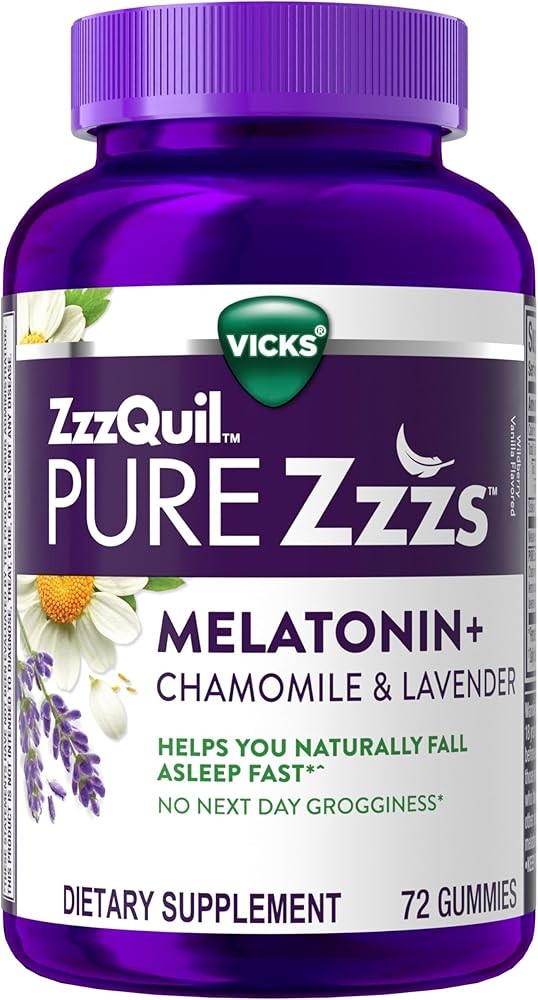
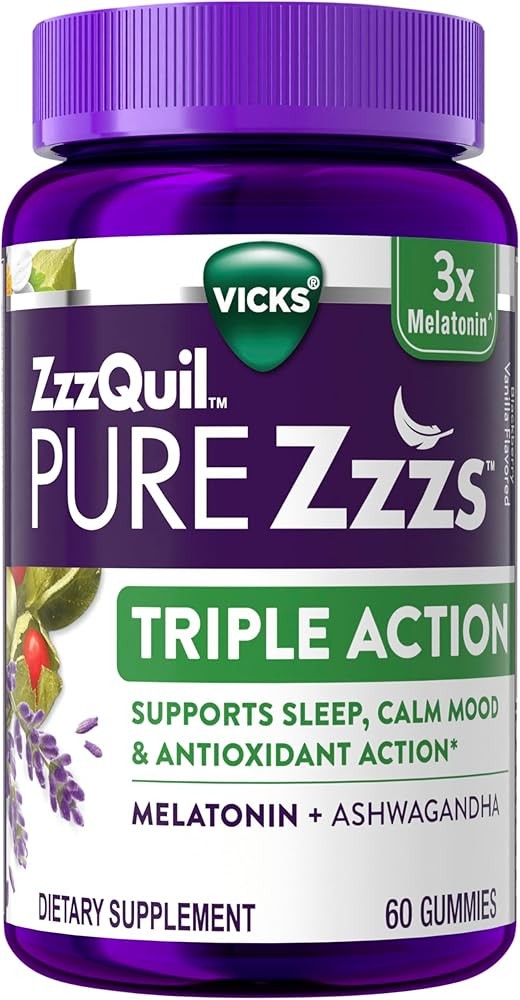
| Feature | Nature Made 3mg | NOW Foods 3mg | ZzzQuil 2mg | ZzzQuil Triple 6mg |
|---|---|---|---|---|
| Dose | 3mg immediate-release | 3mg immediate-release | 2mg with botanicals | 6mg with ashwagandha |
| Certification | USP Verified | GMP Certified | Drug-free formula | Drug-free formula |
| Formulation | Tablet | Vegetarian capsule | Gummy | Gummy |
| Count | 60 tablets | 180 capsules | 72 gummies | 60 gummies |
| Price | $8 | $12 | $17 | $16 |
| Best For | Quality assurance | Budget value | Low-dose with botanicals | Triple-action support |
| Release Type | Immediate | Immediate | Immediate | Immediate |
The “Less Is More” Principle
The reason lower doses often work better comes down to receptor physiology. Your brain has two primary melatonin receptors: MT1 and MT2. At physiological concentrations (what your body naturally produces), melatonin binds to these receptors in a pattern that mimics natural nighttime signaling. At supraphysiological doses – the 5 to 10 mg range common in supplements – several problems emerge:
- Receptor desensitization: Flooding receptors with excessive melatonin can temporarily downregulate their sensitivity, paradoxically reducing the hormone’s effectiveness over time
- Extended elevation: High doses keep blood melatonin levels artificially elevated into the next morning, causing grogginess and disrupting the natural circadian signal that tells your body to wake up
- Temperature disruption: Higher doses have more pronounced hypothermic effects, which while mildly sleep-promoting at low levels can be counterproductive at excess
Richard Wurtman, the MIT neuroscientist who first characterized melatonin’s sleep-promoting effects, has been vocal about this issue. His research group has consistently found that physiological doses in the 0.3 to 1 mg range produce blood melatonin levels that match normal nighttime peaks, while common supplement doses of 3 to 10 mg create concentrations 10 to 50 times higher than what the body ever produces naturally (Wurtman, 2014; PMID: 24802882).
Why Supplement Labels Push High Doses
If lower doses are more effective, why do most supplements contain 5 to 10 mg? The answer is primarily commercial. In the United States, melatonin is regulated as a dietary supplement rather than a pharmaceutical, which means:
- There is no FDA-mandated standard dose
- Companies compete on perceived potency – consumers assume higher numbers mean a better product
- There is no requirement to demonstrate that the dose is optimal for sleep
- Higher doses cost virtually the same to manufacture as lower doses
This is a textbook case where marketing has diverged from science, and it is one of the most important things to understand before choosing a melatonin supplement.
Bottom line: Research consistently shows that lower doses of melatonin (0.3 to 1 mg) are often more effective than the high doses found in most supplements, as they closely mimic natural melatonin production without causing receptor desensitization or next-day grogginess.
What Dose of Melatonin Should You Take?
Understanding the different dose ranges and their clinical applications will help you choose the right amount for your specific situation.
0.3 to 0.5 mg (Physiological Dose)
This range mimics the body’s natural nighttime melatonin production and represents what researchers call a physiological replacement dose.
- Best for: People whose melatonin levels are slightly low, mild sleep onset difficulty, maintaining natural circadian rhythm, elderly adults with age-related melatonin decline
- Evidence: Zhdanova et al. (2001) demonstrated this dose restores normal sleep efficiency in older adults (PMID: 11600532)
- Advantages: Minimal side effects, no next-day grogginess, does not cause supraphysiological blood levels
- Note: This dose can be difficult to find in retail supplements – you may need to cut higher-dose tablets or purchase specialty low-dose products
1 to 3 mg (Standard Dose)
This is the most commonly studied dose range and represents a reasonable starting point for most adults.
- Best for: General sleep onset difficulty, jet lag recovery, shift work adjustment, delayed sleep phase support
- Evidence: The Ferracioli-Oda et al. (2013) meta-analysis of 19 studies found melatonin at this range reduced sleep latency by an average of 7 minutes and increased total sleep time by 8 minutes (PMID: 23691095)
- Advantages: Widely available, well-studied, good balance of efficacy and tolerability
- Note: Start at the low end (1 mg) and increase only if needed
5 to 10 mg (High Dose)
While these are the most commonly sold doses, they are often unnecessary and more likely to cause side effects.
- Best for: Specific circadian rhythm disorders under medical supervision, some neurological conditions being investigated in research settings
- Evidence: Buscemi et al. (2005) found that higher doses did not significantly outperform lower doses for most sleep outcomes (PMID: 16423108)
- Disadvantages: More likely to cause next-day drowsiness, headache, vivid dreams, and prolonged elevation of blood melatonin levels
- Important: If you are currently taking 5 to 10 mg and sleeping fine, it does not necessarily mean you need that dose – you may be sleeping well despite the high dose, not because of it
Practical Dosing Protocol
Based on the research, here is a sensible approach:
- Start with 0.5 mg taken 30 to 60 minutes before your desired bedtime
- Use consistently for 5 to 7 nights before adjusting – melatonin’s circadian effects may take several days to fully manifest
- Increase to 1 mg if 0.5 mg provides no benefit after one week
- Try 3 mg if 1 mg is insufficient, but give each dose at least a week
- Do not exceed 5 mg without guidance from a sleep specialist
If you find that even 0.3 mg causes next-day grogginess, you may be a “melatonin responder” who does better with sleep-supporting nutrients that work through different pathways like magnesium glycinate, L-theanine, or tart cherry extract.
Bottom line: Start with 0.5 mg taken 30 to 60 minutes before bedtime, use consistently for 5 to 7 nights before adjusting, and increase gradually only if needed – most people will find their optimal dose between 0.5 and 3 mg.
Immediate-Release vs. Extended-Release: Which Do You Need?
This is one of the most underappreciated factors in melatonin supplementation. The release mechanism of your supplement should match your specific sleep problem.
Immediate-Release (IR) Melatonin
Immediate-release melatonin is designed to be absorbed quickly, raising blood levels rapidly and then declining within a few hours.
- Best for: Sleep onset problems – difficulty falling asleep at bedtime
- How it works: Mimics the natural spike in melatonin at the beginning of the night
- Peak effect: Blood levels rise within 20 to 60 minutes and begin declining within 2 to 3 hours
- Ideal timing: 30 to 60 minutes before desired sleep time
Most standard melatonin tablets, capsules, liquids, and sublingual forms are immediate-release.
Extended-Release (ER) / Sustained-Release (SR) Melatonin
Extended-release formulations dissolve gradually, providing a steady stream of melatonin over 6 to 8 hours.
- Best for: Sleep maintenance problems – falling asleep is fine, but you wake up at 2:00 or 3:00 AM and cannot fall back asleep
- How it works: Mimics the full duration of natural nighttime melatonin secretion rather than just the initial peak
- Peak effect: Lower peak concentration but sustained over many hours
- Ideal timing: At bedtime, since the gradual release covers the entire sleep period
A study comparing oral prolonged-release melatonin to immediate-release sublingual spray found that extended-release formulations produced lower peak concentrations but maintained therapeutic levels significantly longer (De Frias Pereira Neves et al., 2023; PMID: 37438493).
Dual-Layer Formulations
Some products, like the Natrol Time Release, use a bi-layer technology with an outer layer that dissolves quickly for sleep onset support and an inner core that releases gradually for maintenance. This approach attempts to address both sleep onset and sleep maintenance in a single tablet.
How to Choose
| Your Sleep Problem | Best Formulation |
|---|---|
| Cannot fall asleep | Immediate-release |
| Fall asleep fine, wake up too early | Extended-release |
| Both falling asleep and staying asleep | Dual-layer or combination |
| Jet lag (adjusting time zones) | Immediate-release (at destination bedtime) |
| Shift work | Extended-release (before daytime sleep) |
Bottom line: Immediate-release melatonin peaks in blood levels within 20 to 60 minutes for sleep onset support, while extended-release formulations provide sustained melatonin over 6 to 8 hours for sleep maintenance throughout the night.
Which Form of Melatonin Is Best?
The form in which you take melatonin can affect how quickly it works, how well it is absorbed, and what extra ingredients come along with it.
Tablets and Capsules
Tablets are the most common and typically the most cost-effective form. They are easy to dose precisely and widely available in both immediate-release and extended-release formulations.
Capsules (usually vegetarian cellulose or gelatin) offer similar benefits and may be easier to swallow for some people. They tend to have fewer binders and fillers compared to tablets.
- Pros: Precise dosing, cost-effective, stable shelf life, available in all dose ranges
- Cons: Take 30 to 60 minutes to take effect after swallowing, subject to first-pass liver metabolism (absolute oral bioavailability is approximately 15%; DeMuro et al., 2000; PMID: 10883420)
Gummies
Melatonin gummies have surged in popularity, particularly among adults who dislike swallowing pills. However, they come with important trade-offs.
- Pros: Pleasant taste, easy to take, popular among people who have difficulty with pills
- Cons: Often contain 3 to 6 grams of added sugar per serving, artificial colors and flavors, less precise dosing (gummy size can vary), and the Erland and Saxena study found the most dosing variability in chewable forms including gummies
- Important: If you are using melatonin to improve sleep, consuming sugar right before bed works against that goal – sugar can spike blood glucose and cortisol, both of which oppose the calming effects of melatonin
Liquid Melatonin
Liquid formulations allow for highly customizable dosing, which is especially useful if you want to start at very low doses like 0.3 or 0.5 mg.
- Pros: Precise dose titration, fast absorption, easy to adjust
- Cons: Shorter shelf life after opening, taste can be unappealing, requires measuring
- Best for: People who need very specific dosing, those who have difficulty swallowing pills, children (under medical guidance)
Sublingual Melatonin
Sublingual melatonin (placed under the tongue to dissolve) bypasses the digestive tract and first-pass liver metabolism, entering the bloodstream directly through the oral mucosa.
- Pros: Faster onset (peak blood levels in about 20 minutes vs. 60 minutes for oral), higher bioavailability – a study found sublingual delivery achieved higher peak concentrations at half the dose compared to oral tablets (De Frias Pereira Neves et al., 2023; PMID: 37438493)
- Cons: Available doses may not be ideal, taste, fewer product options
- Best for: People who need rapid onset, those who have absorption issues
Bottom line: Tablets and capsules offer the most precise dosing and cost-effectiveness, while sublingual forms provide faster absorption and higher bioavailability – avoid gummies due to added sugar and inconsistent dosing.
How Can You Ensure Quality in Melatonin Supplements?
This is arguably the most important section in this guide and the one most people overlook entirely.
The Erland and Saxena Bombshell
In 2017, researchers Lauren Erland and Praveen Saxena from the University of Guelph published a landmark study that shook the supplement industry. They used ultra-performance liquid chromatography to analyze 31 melatonin supplements from 16 different brands. What they found was alarming:
- Actual melatonin content varied from -83% to +478% of what the label claimed
- Lot-to-lot variability within a single product varied by as much as 465%
- 26% of supplements also contained serotonin – a controlled neurotransmitter that was not listed on the label
- Chewable tablets (including gummies) showed the greatest variability
(Erland and Saxena, 2017; PMID: 27855744)
To put this in practical terms: if you buy a “5 mg” melatonin supplement, you might actually be getting anywhere from less than 1 mg to over 25 mg per tablet. And you could be unknowingly ingesting serotonin, which can cause serious side effects including serotonin syndrome when combined with certain medications like SSRIs.
What This Means for Consumers
The variability problem stems from melatonin’s regulatory status in the United States as a dietary supplement rather than a drug. This means:
- No FDA pre-market approval required – manufacturers do not have to prove their product contains what the label says before selling it
- No standardized manufacturing processes – quality control varies enormously between companies
- No required potency testing – unlike prescription drugs, supplement potency is not verified before sale
- Self-policing system – the industry is expected to follow Good Manufacturing Practices (GMPs), but enforcement is complaint-driven
How to Protect Yourself: Third-Party Certification
The single most important step you can take is to choose products verified by independent third-party testing organizations:
- USP (United States Pharmacopeia): Arguably the gold standard. USP-verified supplements have been tested for identity, potency, purity, and dissolution. Look for the USP Verified mark on the label.
- NSF International: Tests for contaminants and verifies that what is on the label matches what is in the product. Their “Certified for Sport” program is especially rigorous.
- ConsumerLab.com: Independently purchases and tests supplements, publishing results for subscribers. They have tested numerous melatonin products.
- Informed Sport / Informed Choice: Tests for banned substances, relevant if you are an athlete subject to drug testing.
A product bearing one of these certifications is not a guarantee of perfection, but it drastically reduces the risk of getting a product that is wildly off-label.
Nature Made is notably one of the few major melatonin brands that carries USP verification on many of its products, which provides an important layer of quality assurance.
Bottom line: Always choose melatonin supplements verified by independent third-party testing organizations like USP, NSF International, or ConsumerLab to ensure you are getting the dose stated on the label without undisclosed contaminants like serotonin.
When Should You Take Melatonin for Best Results?
When you take melatonin is at least as important as how much you take. The timing depends entirely on your goal.
For General Sleep Onset (Falling Asleep Faster)
Take immediate-release melatonin 30 to 60 minutes before your desired bedtime. This allows blood levels to peak right around the time you want to fall asleep, reinforcing your natural DLMO signal.
For Circadian Rhythm Shifting (Advancing Your Sleep Phase)
If your goal is to move your sleep schedule earlier – for example, if you naturally fall asleep at 1:00 AM but want to sleep at 11:00 PM – take melatonin 3 to 5 hours before your current natural sleep onset. This leverages melatonin’s phase-advancing properties rather than just its acute soporific effect. This is the approach used for managing delayed sleep phase disorder (DSPD).
Research on delayed sleep phase disorder has demonstrated that low doses of fast-release melatonin taken 1 hour before desired bedtime can shift sleep onset earlier in DSPD patients and improve both sleep efficiency and insomnia severity.
For Jet Lag
The Cochrane Collaboration review by Herxheimer and Petrie analyzed 10 clinical trials and found that melatonin is remarkably effective for jet lag when used correctly (Herxheimer and Petrie, 2002; PMID: 12076414).
Eastward Travel (Losing Time):
- Begin taking 0.5 to 3 mg melatonin at the destination’s bedtime (10:00 PM to midnight) starting the day of arrival
- Continue for 3 to 5 days
- Combine with morning bright light exposure at the destination
Westward Travel (Gaining Time):
- Melatonin is generally less necessary for westward travel since it is easier to delay your clock than advance it
- If needed, take a small dose (0.5 mg) at the destination’s bedtime
- Avoid morning bright light for the first 1 to 2 days; seek evening light instead
Key finding from the Cochrane review: Doses between 0.5 and 5 mg were similarly effective for jet lag, but 5 mg led to faster sleep onset and slightly better sleep quality. Timing was more important than dose.
For Shift Workers
Shift workers face a unique challenge because they need to sleep during the body’s natural “wake” period. A systematic review of melatonin in shift workers found that doses between 1 and 6 mg may modestly improve daytime sleep duration by approximately 24 minutes after night shifts (Costello et al., 2014; PMID: 25113164).
For shift workers, extended-release melatonin taken 30 minutes before desired daytime sleep combined with blackout curtains and a consistent pre-sleep routine tends to produce the best results.
Who Benefits Most from Melatonin Supplementation?
Melatonin is not a universal sleep solution, but it is remarkably effective for specific populations and conditions.
Delayed Sleep Phase Disorder (DSPD)
People whose internal clock runs late – the classic “night owls” who cannot fall asleep until 2:00 or 3:00 AM despite wanting to sleep earlier – are among the best candidates for melatonin. The Buscemi et al. (2005) meta-analysis found that melatonin’s greatest effect on sleep latency was in people with DSPD, reducing it by 38.8 minutes compared to just 7.2 minutes in general insomnia (PMID: 16423108).
Jet Lag
As discussed above, melatonin is one of the most evidence-backed interventions for jet lag recovery, particularly after eastward travel crossing five or more time zones.
Shift Workers
While the evidence is more modest than for DSPD or jet lag, melatonin can help shift workers improve daytime sleep quality and duration, especially when combined with proper light management.
Older Adults (Age 55+)
Melatonin production declines significantly with age due to pineal gland calcification and reduced function of the SCN. Studies show that the degree of pineal calcification correlates directly with reduced melatonin excretion (Tan et al., 2018; PMID: 29385085). For this population, even very low physiological doses (0.3 mg) can restore melatonin to more youthful levels and meaningfully improve sleep efficiency.
In Europe, prolonged-release melatonin 2 mg (Circadin) is approved as a prescription medication specifically for primary insomnia in adults aged 55 and older, reflecting the stronger evidence base in this age group.
Totally Blind Individuals
People who are completely blind often develop non-24-hour sleep-wake disorder (also called free-running disorder) because they lack the light-based circadian signals that synchronize the internal clock to the 24-hour day. Research has shown that low-dose melatonin (0.5 mg) can entrain free-running circadian rhythms in most blind individuals, essentially anchoring their internal clock to a normal schedule (Lewy et al., 2006; PMID: 16393710).
This is arguably melatonin’s most therapeutically important application, as these individuals may need to take it daily for their entire lives to maintain circadian entrainment.
Children with Neurodevelopmental Disorders
While we will discuss pediatric use in more detail below, it is worth noting that children with autism spectrum disorder (ASD) and attention deficit hyperactivity disorder (ADHD) frequently have disrupted melatonin production and are among the pediatric populations with the strongest evidence supporting melatonin use.
What Are the Side Effects of Melatonin?
Melatonin is generally well tolerated, but side effects do occur – and they are almost always dose-dependent. This is another reason to use the lowest effective dose.
Common Side Effects
- Next-day drowsiness or grogginess: The most frequently reported side effect, particularly at doses above 3 mg. If you feel “hungover” the morning after taking melatonin, your dose is almost certainly too high.
- Vivid or unusual dreams: Some people report more memorable, vivid, or strange dreams. This is likely related to melatonin’s effect on REM sleep.
- Headache: Reported in some clinical trials but generally mild and transient.
- Dizziness: Usually mild and more common at higher doses.
- Mild nausea: Occasional, typically resolves with continued use or dose reduction.
Less Common Side Effects
- Mild hypothermia: Melatonin naturally lowers core body temperature as part of its sleep-promoting mechanism. At high doses, this can be more pronounced.
- Brief mood changes: Some individuals report irritability or mild depressive feelings, particularly at higher doses.
- Reduced alertness and reaction time: For a few hours after taking melatonin, cognitive performance and reaction time may be mildly impaired. Do not drive or operate heavy machinery immediately after taking melatonin.
A Note on Dose and Side Effects
A systematic review of higher-dose melatonin (10 mg and above) in adults found that while serious adverse events were not increased, minor adverse effects like drowsiness, headache, and dizziness were significantly more common at higher doses (Foley and Steel, 2019; PMID: 34923676). This reinforces the “start low” principle.
Is Long-Term Melatonin Use Safe?
One of the most common concerns about melatonin is whether long-term use causes dependency or disrupts your body’s natural production. The evidence is largely reassuring, with some important caveats.
Does Melatonin Cause Dependency?
No. Unlike benzodiazepines, Z-drugs (zolpidem, zaleplon), or even antihistamine-based sleep aids, melatonin does not appear to cause physical tolerance or withdrawal symptoms. Multiple studies have failed to find evidence of rebound insomnia after stopping melatonin, and there is no evidence that exogenous melatonin suppresses your body’s natural production when used at physiological doses.
This makes biological sense: melatonin works with your circadian system rather than overriding it. It is not sedating in the way that GABAergic drugs are, so there is no neural adaptation that would create dependency.
What the Long-Term Studies Show
- European experience: Prolonged-release melatonin (Circadin) has been prescribed in Europe since 2007 for adults over 55 with primary insomnia. Post-marketing surveillance and extension studies up to 12 months have shown sustained efficacy without tolerance, rebound, or withdrawal
- Pediatric long-term data: Studies following children on melatonin for 1 to 10 years have found no significant adverse effects on puberty development, mental health, or sleep quality
- 2023 systematic review: A GRADE assessment of melatonin adverse effects in children and adolescents found primarily non-serious adverse events, though evidence quality was rated as very low (Zwart et al., 2023, published in eClinicalMedicine)
The Cardiovascular Signal
A preliminary study presented at the American Heart Association sessions in 2025 analyzed health records of over 130,000 adults with insomnia who had used melatonin for at least one year and found higher rates of heart failure diagnosis, hospitalization, and all-cause mortality compared to non-users. However, this study has important limitations:
- It has not yet been peer-reviewed
- It is observational, meaning it cannot establish causation
- People who use melatonin long-term may have underlying health conditions that independently increase cardiovascular risk
- The doses used were not controlled or standardized
This finding warrants monitoring as more data emerge, but it should not cause panic or prompt people to abruptly stop melatonin use without discussing it with their doctor.
European vs. U.S. Regulation
The regulatory difference between Europe and the United States is worth understanding:
| Factor | United States | Europe |
|---|---|---|
| Classification | Dietary supplement | Prescription medication (most countries) |
| Available doses | 0.3 mg to 20+ mg, over the counter | 2 mg prolonged-release (Circadin), prescription only |
| Quality control | Self-regulated (GMPs) | Pharmaceutical-grade manufacturing |
| Approved population | No restriction | Adults 55+, some pediatric indications |
| Pricing | Low (supplement market) | Higher (pharmaceutical market) |
The European model, while more restrictive, arguably provides better quality assurance and more appropriate dosing.
What Medications Interact with Melatonin?
While melatonin is generally safe, it can interact with several categories of medications. Always inform your healthcare provider if you are taking melatonin alongside any of the following.
Blood Thinners (Anticoagulants)
Melatonin may enhance the effects of warfarin and other anticoagulants, potentially increasing bleeding risk. Case reports have documented elevated prothrombin time (PT) and international normalized ratio (INR) during concurrent use of melatonin and warfarin (Herxheimer and Petrie, 2001; Lancet). If you take blood thinners, do not start melatonin without consulting your prescribing physician, and monitor your INR more frequently during the initial period.
Immunosuppressants
Melatonin has immunostimulatory properties – it can activate certain immune pathways and increase the production of inflammatory cytokines. For people taking immunosuppressant medications after organ transplant or for autoimmune conditions (such as cyclosporine, tacrolimus, or methotrexate), melatonin could theoretically counteract the intended immunosuppressive effect. Use is generally not recommended in this population without specialist guidance.
Diabetes Medications
Melatonin can influence glucose metabolism and insulin sensitivity through its effects on MT1 and MT2 receptors in the pancreas. Some studies suggest melatonin may alter blood sugar levels in either direction, which could complicate diabetes management. If you take insulin or oral hypoglycemic agents, monitor your blood sugar more closely when starting or stopping melatonin.
Blood Pressure Medications
Melatonin has mild blood pressure-lowering effects, particularly nocturnal blood pressure. While this can be beneficial for some people, combining melatonin with antihypertensive medications could potentially cause excessive blood pressure drops, especially at night. This interaction is generally not clinically significant at low doses but is worth mentioning to your doctor.
CNS Depressants
Combining melatonin with other CNS depressants – including benzodiazepines, opioids, alcohol, or sedating antihistamines – can amplify sedation. While this is usually manageable at low melatonin doses, it is another reason to avoid unnecessary high doses.
CYP1A2 Interactions
Melatonin is primarily metabolized by the liver enzyme CYP1A2. Medications that inhibit this enzyme (such as fluvoxamine, an SSRI) can dramatically increase melatonin blood levels, potentially making even a small dose act like a very large one. Conversely, CYP1A2 inducers (like smoking tobacco) can reduce melatonin’s effectiveness.
Is Melatonin Safe for Children?
Melatonin use in children has exploded in recent years, raising important safety and regulatory questions.
The Scale of Use
Data from the American Association of Poison Control Centers show that annual pediatric melatonin ingestions have increased significantly in recent years. Most of these were accidental ingestions of gummy melatonin supplements left within reach of children, highlighting a significant packaging safety concern.
Where the Evidence Supports Use
The strongest pediatric evidence for melatonin exists in two populations:
-
Autism spectrum disorder (ASD): Children with ASD frequently have abnormal melatonin metabolism and significant sleep difficulties. Multiple randomized controlled trials have shown melatonin (typically 1 to 5 mg) significantly reduces sleep onset latency and increases total sleep time in this population.
-
ADHD: Children with ADHD often have delayed circadian rhythms and difficulty falling asleep, particularly if taking stimulant medications. Low-dose melatonin (0.5 to 3 mg) taken before bedtime has shown consistent benefits for sleep onset in these children.
Concerns and Recommendations
The American Academy of Sleep Medicine (AASM) issued a health advisory in 2022 raising concerns about:
- The quality control problem is amplified in pediatric products because chewable and gummy formulations showed the greatest dose variability in the Erland and Saxena study
- Unknown effects on pubertal development with long-term use (though available long-term studies have not found significant effects)
- The tendency to use melatonin as a substitute for addressing behavioral sleep problems and poor sleep hygiene
The American Academy of Pediatrics (AAP) advises that:
- Melatonin should not be a first-line approach for healthy children with behavioral sleep problems
- Good sleep hygiene should be established first (consistent bedtime, no screens before bed, dark and cool sleeping environment)
- When melatonin is considered appropriate, use the lowest effective dose (typically starting at 0.5 mg)
- Choose products with third-party verification given the quality control issues
- Pediatric use should involve a pediatrician’s guidance
How Do You Know If You Need Melatonin?
Your body provides numerous signals that your melatonin production may be insufficient or your circadian rhythm disrupted. Learning to read these signals can help you determine whether melatonin supplementation might be appropriate – and whether it is working once you start.
Signs You Might Benefit
- You cannot fall asleep before midnight or later despite being in bed: This is the hallmark of delayed circadian phase, and melatonin can help advance your sleep-wake timing
- You feel wired and alert at bedtime but exhausted during the day: This paradoxical pattern suggests your melatonin onset is occurring too late relative to your desired schedule
- You sleep well on vacation or weekends but struggle on workdays: This “social jet lag” pattern indicates a mismatch between your biological clock and social obligations
- Screen exposure before bed wrecks your sleep: Blue light from screens potently suppresses melatonin production. If you are especially sensitive to evening screen use, your melatonin signaling may be fragile
- You are over 55 and your sleep has gradually worsened: Age-related pineal calcification naturally reduces melatonin output
- You recently traveled across multiple time zones and cannot adjust: Classic jet lag is one of melatonin’s strongest clinical indications
- You work night shifts or rotating shifts: Your circadian system is being forced to operate against its natural programming
What Improvement Looks Like
When melatonin is working appropriately and you have found the right dose and timing:
- Within the first 1 to 3 nights: You may notice a subtle sense of drowsiness emerging 30 to 45 minutes after taking it. Falling asleep should feel more natural, like a gradual dimming rather than a sudden switch.
- By the end of the first week: Sleep onset should be noticeably faster. You may find yourself naturally feeling sleepy closer to your desired bedtime.
- By weeks 2 to 3: If you have been using melatonin for circadian shifting (taking it earlier in the evening), your natural sleep-wake timing should begin shifting earlier. Mornings may feel slightly easier.
- By 1 month: The full circadian effects should be established. If you are sleeping better, feeling more alert during the day, and waking less during the night, melatonin is likely helping.
Warning Signs to Watch For
These signals suggest your dose may be too high, your timing may be off, or melatonin may not be the right approach for you:
- Persistent next-day grogginess: If you still feel foggy 2 to 3 hours after waking, your dose is likely too high or you are taking it too late. Try reducing the dose by half.
- Vivid nightmares or disturbing dreams: While vivid dreams are common with melatonin, persistently disturbing dreams warrant a dose reduction.
- Worsening mood or irritability: Uncommon but reported. If this occurs, discontinue and reassess.
- No benefit after 2 to 3 weeks: If you have tried doses from 0.5 to 3 mg with proper timing and see no improvement, melatonin may not address your specific sleep problem. Consider other factors such as magnesium deficiency or stress and cortisol.
- Sleep apnea symptoms (snoring, gasping, daytime fatigue despite adequate hours): Melatonin will not fix obstructive sleep apnea. See a sleep specialist.
Timeline of Changes
| Time Frame | What to Expect |
|---|---|
| Night 1-3 | Mild drowsiness after dose, may fall asleep slightly faster |
| Week 1 | Noticeable reduction in time to fall asleep, possible vivid dreams |
| Week 2-3 | Circadian timing begins shifting if taking melatonin earlier; morning alertness may improve |
| Month 1 | Full effects established; consistent sleep-wake pattern emerging |
| Month 3 | Good time to reassess – do you still need it, or has your rhythm stabilized? |
How Should You Stop Taking Melatonin?
If you decide to stop taking melatonin – whether because your sleep has improved, you want to try a different approach, or your doctor recommends it – a gradual taper is gentler on your circadian system than abrupt cessation.
Gradual Dose Reduction Protocol
- Reduce by half every 5 to 7 days: If you are taking 3 mg, go to 1.5 mg for a week, then 0.75 mg for a week, then 0.5 mg, then stop
- Maintain consistent timing during the taper: Do not shift your bedtime while reducing the dose
- Reinforce natural melatonin production:
- Get bright morning light exposure (10 to 15 minutes of outdoor light within 30 minutes of waking)
- Dim lights in the evening starting 2 hours before bed
- Minimize screen exposure before bed or use blue-light-blocking glasses
- Keep your bedroom cool (65 to 68 degrees Fahrenheit is optimal)
- Monitor your sleep: If sleep quality deteriorates significantly at any step, hold at that dose for an additional week before continuing
Important Note
Because melatonin does not cause physical dependency, abrupt cessation is not dangerous. The gradual taper is recommended for comfort and to give your natural circadian system time to readjust, not because withdrawal is a medical concern.
When Melatonin Is Not the Answer
Melatonin is effective for circadian-related sleep problems, but it is not a universal sleep solution. Several common sleep issues require different approaches entirely.
Sleep Apnea
If you snore loudly, gasp during sleep, or feel exhausted despite sleeping 7 to 8 hours, you may have obstructive sleep apnea (OSA). No amount of melatonin will address a physical airway obstruction. Sleep apnea requires evaluation with a sleep study and treatment with CPAP, oral appliances, or in some cases surgery. Taking melatonin for undiagnosed sleep apnea can actually be counterproductive because it masks the real problem.
Anxiety-Driven Insomnia
If your mind races with worries at bedtime or you wake up with your heart pounding at 3:00 AM, the root cause is likely anxiety and elevated cortisol rather than melatonin deficiency. Melatonin may provide marginal benefit, but addressing the underlying anxiety through cognitive behavioral therapy for insomnia (CBT-I), stress management, or anxiolytic supplements like ashwagandha or magnesium glycinate will be more effective.
Chronic Pain
Pain-related sleep disruption requires pain management as the primary intervention. While melatonin has some analgesic properties at higher doses (3 to 5 mg), it will not overcome significant pain-related sleep disruption on its own.
Medication-Induced Insomnia
Many medications – including certain antidepressants, stimulants, corticosteroids, and beta-blockers – can cause insomnia as a side effect. If your sleep problems coincide with starting or changing a medication, discuss this with your prescriber rather than attempting to override the effect with melatonin.
Poor Sleep Hygiene
If your bedroom is bright, noisy, and hot, you drink caffeine in the afternoon, look at your phone in bed, and have an irregular sleep schedule, melatonin is treating the symptom while ignoring the cause. Fix the fundamentals first: establish a consistent bedtime, reduce evening light exposure, keep your bedroom cool (65-68°F), and minimize screen time before bed.
Alternatives Worth Exploring
If melatonin is not right for you, or if you want a non-hormonal approach to sleep support, several evidence-backed alternatives exist:
- Magnesium glycinate or threonate: Supports GABA activity and has calming effects
- Tart cherry extract: Contains small amounts of natural melatonin plus anti-inflammatory compounds
- Ashwagandha: Reduces cortisol and supports relaxation
- L-theanine: Promotes alpha brain waves and calm alertness without sedation
- Glycine: Lowers core body temperature and improves subjective sleep quality
What Are the Best Melatonin Supplements?
Recommended Supplements
Based on the research discussed throughout this guide – emphasizing appropriate dosing, quality control, third-party testing, and formulation type – here are our top picks across different categories.
Best Overall: Nature Made Melatonin 3 mg
Nature Made is one of the few major supplement brands that carries USP Verified certification on many of its products, meaning the supplement has been independently tested for potency, purity, and dissolution. Given the shocking dose variability documented in the Erland and Saxena study, this matters enormously.
Best Low-Dose Option: ZzzQuil PURE Zzzs Melatonin Gummies 2mg
For those seeking a lower melatonin dose with added botanicals, ZzzQuil PURE Zzzs offers 2mg melatonin combined with chamomile and lavender. This formulation provides gentle sleep support while staying below the high doses found in many supplements.
Best Triple-Action Formula: ZzzQuil PURE Zzzs Triple Action 6mg
For comprehensive sleep support addressing multiple pathways, ZzzQuil PURE Zzzs Triple Action combines 6mg melatonin with ashwagandha. This formulation targets sleep onset, mood regulation, and antioxidant support in a single product.
Best Budget Option: NOW Foods Melatonin 3 mg
NOW Foods is a well-established supplement manufacturer known for quality and value. Their melatonin products are manufactured in a GMP-certified facility and offer a straightforward formulation at a competitive price.
Best Time-Release with Dual Action: Natrol Melatonin Time Release
Natrol’s time-release melatonin uses a bi-layer tablet technology: an outer layer dissolves quickly to help you fall asleep, while an inner controlled-release layer provides sustained melatonin through the night. This is one of the better-designed formulations for people who have trouble with both falling asleep and staying asleep.
Best Gummy Option: OLLY Sleep Gummies
If you strongly prefer gummies despite the caveats discussed above regarding added sugar and dose variability, OLLY Sleep Gummies are one of the more popular options. They combine melatonin with L-theanine and botanicals like chamomile and passionflower.
Best Value Pick: Swanson Melatonin
Swanson is another established supplement brand offering straightforward melatonin at a very competitive price point. Their products are manufactured under GMP conditions and offer a clean, no-frills formulation.
Quick Comparison
| Product | Dose | Type | Best For | Certification |
|---|---|---|---|---|
| Nature Made | 3 mg | Immediate-release | Overall quality assurance | USP Verified |
| ZzzQuil PURE Zzzs | 2 mg | Gummy with botanicals | Low-dose with chamomile | Drug-free formula |
| ZzzQuil Triple Action | 6 mg | Gummy with ashwagandha | Multi-pathway sleep support | Drug-free formula |
| NOW Foods | 3 mg | Immediate-release | Budget-friendly capsules | GMP certified |
| Natrol Time Release | 3 mg | Dual-layer | Both onset and maintenance | None listed |
| OLLY Sleep | 3 mg | Gummy | Gummy preference | None listed |
| Swanson | Varies | Immediate-release | Value shoppers | GMP certified |
CBD Oil vs. Melatonin: How Do They Compare?
Many people wonder whether CBD oil or melatonin is better for sleep. These two supplements work through completely different mechanisms – melatonin acts on circadian rhythm receptors while CBD interacts with the endocannabinoid system and may reduce anxiety-driven wakefulness. Melatonin is better for circadian-related sleep issues like jet lag or delayed sleep phase, while CBD may be more helpful for anxiety-driven insomnia.
How Should You Start Using Melatonin?
If you have decided to try melatonin, here is a structured protocol based on the evidence reviewed in this guide:
Week 1: Establish Your Baseline
- Choose your starting dose: 0.5 mg if you are over 55, generally sensitive to supplements, or want to follow the research-optimal approach. 1 mg if you want a standard starting point.
- Choose your formulation: Immediate-release if your main problem is falling asleep. Extended-release if you wake up in the middle of the night.
- Set your timing: Take it 30 to 60 minutes before your desired bedtime. Use an alarm reminder so you do not miss the window.
- Track your sleep: Note your bedtime, time to fall asleep, nighttime awakenings, wake time, and how you feel in the morning. A simple notebook works fine.
Week 2: Assess and Adjust
- Review your Week 1 data: Is sleep onset improving? Are you groggy in the morning?
- If no improvement: Increase to the next dose tier (0.5 to 1 mg, or 1 to 2 mg)
- If groggy in the morning: Reduce your dose by half, or try taking it 30 minutes earlier
- If working well: Maintain the current dose and timing
Week 3: Optimize
- Fine-tune timing: Experiment with taking melatonin 15 minutes earlier or later to find your personal sweet spot
- Address sleep hygiene factors: Ensure you are also dimming lights in the evening, avoiding caffeine after 2:00 PM, and keeping your bedroom cool
- Note circadian shifts: If your natural sleep onset is moving earlier (which is the goal for most people), this is a positive sign
Week 4: Evaluate and Decide
- Compare your Week 4 sleep data to Week 1: Has time to fall asleep decreased? Are you waking less during the night? Is morning alertness better?
- If melatonin is helping: You can continue at your established dose. Consider reassessing every 3 months.
- If melatonin is not helping at doses up to 3 mg with proper timing: Your sleep problem likely is not circadian-related. Explore other causes and interventions such as magnesium supplementation, stress management, or sleep hygiene improvements.
- If you want to stop: Follow the gradual taper protocol described earlier in this guide.
Common Questions About Melatonin
What are the benefits of melatonin?
Melatonin has been studied for various potential health benefits. Research suggests it may support several aspects of health and wellness. Individual results can vary. The strength of evidence differs across different claimed benefits. More high-quality research is often needed. Always review the latest scientific literature and consult healthcare professionals about whether melatonin is right for your health goals.
Is melatonin safe?
Melatonin is generally considered safe for most people when used as directed. However, individual responses can vary. Some people may experience mild side effects. It’s important to talk with a healthcare provider before using melatonin, especially if you have existing health conditions, are pregnant or nursing, or take medications.
How does melatonin work?
Melatonin works through various biological mechanisms that researchers are still studying. Current evidence suggests it may interact with specific pathways in the body to produce its effects. Always consult with a healthcare provider before starting any new supplement or health regimen to ensure it’s appropriate for your individual needs.
Who should avoid melatonin?
Certain individuals should exercise caution with melatonin use. People taking blood thinners, immunosuppressants, or diabetes medications should consult their healthcare provider before using melatonin, as it may interact with these medications. Pregnant or nursing women should avoid melatonin unless specifically recommended by their doctor. Those with autoimmune disorders should also seek medical guidance before supplementation.
What are the signs melatonin is working?
When melatonin is working effectively, you may notice several signs: falling asleep more quickly (typically within 30-45 minutes after taking it), feeling naturally drowsy around your desired bedtime, waking up less frequently during the night, and experiencing improved morning alertness. These effects typically become more noticeable after consistent use for 5-7 days, as melatonin helps regulate your circadian rhythm over time.
How long should I use melatonin?
The time it takes for melatonin to work varies by individual and depends on factors like dosage, consistency of use, and individual metabolism. Some people notice effects within days, while others may need several weeks. Research studies typically evaluate effects over weeks to months. Consistent use as directed is important for best results. Keep a journal to track your response.
Frequently Asked Questions Beyond the Basics
Is melatonin a hormone? Should I be concerned about taking a hormone supplement?
Yes, melatonin is a hormone, but it is a very different kind of hormone from the ones people typically worry about (like testosterone, estrogen, or cortisol). Melatonin does not directly stimulate tissue growth, does not have significant androgenic or estrogenic activity, and at physiological doses (0.3 to 1 mg) simply mimics what your pineal gland produces naturally. The concern about “taking a hormone” is understandable but somewhat overblown when doses are kept in the physiological range.
Can melatonin help with anxiety?
Melatonin has modest anxiolytic properties, particularly in pre-surgical settings where it has been studied as an alternative to benzodiazepine premedication. However, it is not a treatment for clinical anxiety. If anxiety is driving your sleep problems, approaches like CBT-I, ashwagandha, or professional mental health support will be more effective.
Does blue light actually suppress melatonin?
Yes. Light in the blue wavelength range (460 to 480 nm) is the most potent suppressor of melatonin production. Studies have shown that evening exposure to blue-enriched light from screens can suppress melatonin onset by 1 to 3 hours. This is why sleep hygiene recommendations consistently emphasize reducing screen exposure before bed. If you must use screens at night, blue-light-blocking glasses or device settings that reduce blue light emission can help preserve your natural melatonin timing.
Is tart cherry juice a natural source of melatonin?
Yes, tart cherries (particularly Montmorency cherries) contain measurable amounts of melatonin, along with proanthocyanidins that may inhibit the enzyme that breaks melatonin down. Studies have shown that tart cherry juice consumption can increase urinary melatonin metabolites and modestly improve sleep parameters. However, the melatonin content is relatively low compared to supplements.
Related Reading
- Sleep and Recovery: How Much Melatonin Should You Actually Take?
- Best Tart Cherry Supplements for Sleep Research Review
- Melatonin Dosage Guide: 0.5mg vs 3mg vs 10mg - What Works Best?
- The Sleep and Gut Health Connection: What New Research Reveals
- Optimizing Nighttime Routine for Better Sleep: Evidence-Based Tips
- Shift Work Sleep Disorder: Supplements to Reset Your Circadian Clock
- Sleep and Recovery: Best Sleep Supplements that Don’t Contain Melatonin
References
-
Buscemi N, Vandermeer B, Hooton N, et al. The efficacy and safety of exogenous melatonin for primary sleep disorders: a meta-analysis. J Gen Intern Med. 2005;20(12):1151-1158. PMID: 16423108
-
Reiter RJ, Mayo JC, Tan DX, Sainz RM, Alatorre-Jimenez M, Qin L. Melatonin as an antioxidant: under promises but over delivers. J Pineal Res. 2016;61(3):253-278. PMID: 27500468
-
Tan DX, Xu B, Zhou X, Reiter RJ. Pineal Calcification, Melatonin Production, Aging, Associated Health Consequences and Rejuvenation of the Pineal Gland. Molecules. 2018;23(2):301. PMID: 29385085
-
Zhdanova IV, Wurtman RJ, Regan MM, Taylor JA, Shi JP, Leclair OU. Melatonin treatment for age-related insomnia. J Clin Endocrinol Metab. 2001;86(10):4727-4730. PMID: 11600532
-
Zhdanova IV, Wurtman RJ, Lynch HJ, Ives JR, Dollins AB, Morabito C, Matheson JK, Schomer DL. Effects of low oral doses of melatonin, given 2-4 hours before habitual bedtime, on sleep in normal young humans. Sleep. 1996;19(5):423-431. PMID: 8843534
-
Wurtman R. Low doses of melatonin promote sleep onset and maintenance in older people — an update. US Neurol. 2014. PMID: 24802882
-
Ferracioli-Oda E, Qawasmi A, Bloch MH. Meta-analysis: melatonin for the treatment of primary sleep disorders. PLoS One. 2013;8(5):e63773. PMID: 23691095
-
Erland LA, Saxena PK. Melatonin Natural Health Products and Supplements: Presence of Serotonin and Significant Variability of Melatonin Content. J Clin Sleep Med. 2017;13(2):275-281. PMID: 27855744
-
De Frias Pereira Neves M, et al. Bioavailability of Melatonin after Administration of an Oral Prolonged-Release Tablet and an Immediate-Release Sublingual Spray in Healthy Male Volunteers. Pharmaceutics. 2023. PMID: 37438493
-
DeMuro RL, Nafziger AN, Blask DE, Menhinick AM, Bertino JS Jr. The absolute bioavailability of oral melatonin. J Clin Pharmacol. 2000;40(7):781-784. PMID: 10883420
-
Herxheimer A, Petrie KJ. Melatonin for the prevention and treatment of jet lag. Cochrane Database Syst Rev. 2002;(2):CD001520. PMID: 12076414
-
Costello RB, Lentino CV, Boyd CC, et al. The effectiveness of melatonin for promoting healthy sleep: a rapid evidence assessment of the literature. Nutr J. 2014;13:106. PMID: 25113164
-
Lewy AJ, Emens JS, Lefler BJ, Yuhas K, Jackman AR. Melatonin entrains free-running blind people according to a physiological dose-response curve. Chronobiol Int. 2005;22(6):1093-1106. PMID: 16393710
-
Foley HM, Steel AE. Adverse events associated with oral administration of melatonin: A critical systematic review of clinical evidence. Complement Ther Med. 2019;42:65-81. PMID: 34923676
Related Articles
- How Much Melatonin Should You Actually Take? Dosing Guide
- Best Sleep Supplements That Do Not Contain Melatonin
- Best Magnesium Supplements for Sleep: Glycinate vs. Threonate
- Best Tart Cherry Supplements for Sleep: Research Review
- CBD Oil vs. Melatonin for Sleep: Which Works Better?
Our Top Recommendations
📱 Join the discussion: Facebook | X | YouTube | Pinterest
Where to Buy Quality Supplements
Based on the research discussed in this article, here are some high-quality options:
- Magnesium Supplement
- Magnesium Glycinate Supplement
- Ashwagandha Supplement
- Cbd Supplement
- Melatonin Supplement
Recommended Products