Optimizing Nighttime Routine for Better Sleep: Evidence-Based Tips
Summarized from peer-reviewed research indexed in PubMed. See citations below.
Over 35 percent of adults struggle with falling asleep or staying asleep, contributing to serious health risks including impaired immune function, weight gain, and cardiovascular disease. The best nighttime routine for better sleep includes a warm bath 90 minutes before bed at 104-109°F to accelerate core cooling, combined with magnesium glycinate (200-400 mg) and dim lighting below 50 lux starting two hours before sleep to protect natural melatonin production. Research shows this combination shortens sleep onset latency by an average of 10 minutes and improves sleep efficiency by 5-6 percent. A budget-friendly alternative is 3 grams of glycine powder dissolved in warm water 30 minutes before bed, which lowers core temperature through peripheral vasodilation at under $15 for a 3-month supply. Here’s what the published research shows about building an evidence-based evening protocol.
Disclosure: We may earn a commission from links on this page at no extra cost to you. Affiliate relationships never influence our ratings. Full policy →
Why Does Your Nighttime Routine Matter More Than Supplements?
You can buy the most expensive sleep supplement on the market, but if you are scrolling through your phone at midnight in a warm, bright room with coffee still circulating in your bloodstream, no pill is going to save you. That is not an exaggeration. It is physiology.
Sleep is governed by a precise orchestration of hormones, temperature shifts, and neural signals that begin hours before you actually close your eyes. When you disrupt that process with the wrong behaviors at the wrong time, your brain simply cannot make the transition from wakefulness to sleep efficiently. The result is tossing and turning, shallow sleep, frequent awakenings, and that dreadful feeling of exhaustion the next morning despite spending enough hours in bed.
The consequences of chronically poor sleep extend far beyond daytime grogginess. Research links insufficient sleep to impaired cognitive function, weakened immune response, increased inflammation, weight gain, insulin resistance, cardiovascular disease, and even accelerated cellular aging (Harrison & Horne, 2000). A single night of poor sleep reduces natural killer cell activity by approximately 70 percent, and chronic short sleep is associated with a significantly elevated risk of developing type 2 diabetes, heart disease, and certain cancers.
The good news is that the single most powerful lever you can pull to improve your sleep does not cost anything. It is your nighttime routine: the behaviors, environment, and timing decisions you make in the two to three hours before bed. Research consistently shows that behavioral interventions for insomnia outperform sleep medications in the long term, with fewer side effects and more durable results.
This article provides a complete, evidence-based nighttime routine built on findings from sleep science, circadian biology, and clinical trials. Every recommendation includes the research behind it so you can understand not just what to do but why it works. Whether you struggle with falling asleep, staying asleep, or waking up unrefreshed, the protocols in this guide address the root causes rather than masking symptoms.
Watch Our Video Review
What Science Explains How Your Body Prepares for Sleep?
Before we get into the practical routine, it is essential to understand what your body is trying to do in the hours before sleep. Once you grasp the physiology, the behavioral recommendations stop being arbitrary rules and start making intuitive sense.
Circadian Rhythm and the Two-Hour Wind-Down Window
Your sleep-wake cycle is regulated by an internal biological clock located in the suprachiasmatic nucleus (SCN), a tiny cluster of about 20,000 neurons in the hypothalamus. This master clock runs on a near-24-hour cycle, synchronized daily by environmental cues, the most powerful of which is light (Czeisler et al., 1999).
Your circadian system does not flip a switch between wakefulness and sleep. Instead, it gradually shifts your physiology over a period of roughly two hours before your habitual bedtime. During this window, sometimes called the “sleep gate” or dim-light melatonin onset (DLMO) period, several coordinated changes occur:
- Melatonin secretion begins, typically 1.5 to 2 hours before habitual sleep time, signaling to your body that darkness has arrived and sleep is approaching (Lavie, 2001)
- Core body temperature starts declining, dropping approximately 1 to 2 degrees Fahrenheit from its late-afternoon peak
- Cortisol production decreases, reaching its lowest levels in the first half of the night
- Parasympathetic nervous system activity increases, slowing heart rate and reducing blood pressure
When you respect this two-hour wind-down window by dimming lights, reducing stimulation, and lowering ambient temperature, you work with your biology instead of against it. When you blast bright overhead lights, consume stimulants, or engage in intense physical or mental activity during this window, you actively suppress or delay these preparatory signals.
Core Body Temperature: The Hidden Sleep Switch
Of all the physiological changes that precede sleep, the drop in core body temperature may be the most important and least appreciated. Your body temperature follows a predictable circadian pattern: it rises through the morning, peaks in the late afternoon (around 5 to 7 PM), and then begins declining. Sleep onset is tightly correlated with the rate of this temperature decline, not the absolute temperature.
Research by Raymann, Swaab, and Van Someren (2007) demonstrated that manipulating skin temperature, particularly at the extremities, directly affects sleep latency. When the hands and feet are warmed, blood vessels dilate (vasodilation), which increases heat loss from the body’s core. This accelerates the core temperature drop that signals the brain it is time for sleep.
This is why a warm bath or shower 1 to 2 hours before bed paradoxically helps you sleep. It is not the warmth itself that promotes sleep. Rather, after leaving the warm water, the rapid cooling of the skin surface pulls heat from the core, accelerating the temperature decline that initiates sleep. A comprehensive meta-analysis by Haghayegh and colleagues (2019), reviewing 17 studies, confirmed that passive body heating with water at 104 to 109 degrees Fahrenheit, timed 1 to 2 hours before bed, significantly shortened sleep onset latency and improved sleep quality.
Melatonin Onset and Light Exposure Timing
Melatonin is often misunderstood as a “sleep chemical” that knocks you out. In reality, melatonin is more accurately described as a “darkness signal.” It tells your body that night has arrived but does not directly induce unconsciousness. Its primary role is to reinforce circadian timing and promote the physiological conditions favorable for sleep.
Melatonin production is exquisitely sensitive to light, particularly short-wavelength blue light in the 460 to 480 nanometer range. Exposure to bright light or blue-enriched light in the evening suppresses melatonin production, delays circadian phase, and makes it harder to fall asleep at your desired time.
A landmark study by Chang and colleagues (2015) found that participants who read on a light-emitting tablet for four hours before bed showed significantly suppressed melatonin levels, took longer to fall asleep, experienced less REM sleep, and reported greater next-morning sleepiness compared to those who read a printed book under the same conditions. The effect was not trivial: melatonin onset was delayed by approximately 1.5 hours.
Cortisol, Adenosine, and Sleep Pressure
Sleep is driven by two independent systems working in parallel. The first is circadian rhythm, discussed above. The second is sleep pressure, also called homeostatic sleep drive, which is largely mediated by the accumulation of adenosine in the brain.
Adenosine is a byproduct of neural energy metabolism. The longer you are awake and the more cognitively active you are, the more adenosine accumulates, and the sleepier you feel. Caffeine works by blocking adenosine receptors, which is why it keeps you alert but does not actually reduce the underlying sleep debt. When caffeine wears off, the accumulated adenosine hits all at once, producing the “caffeine crash.”
Cortisol, your primary stress hormone, follows its own circadian pattern. It peaks within 30 to 60 minutes of waking (the cortisol awakening response) and then gradually declines throughout the day, reaching its nadir around midnight. Activities that spike cortisol in the evening, such as intense exercise, stressful news, work emails, or arguments, can override natural sleep signals and delay sleep onset.
Understanding these systems explains why the most effective nighttime routine addresses all four factors simultaneously: it respects circadian timing, facilitates core temperature decline, protects melatonin production, and avoids cortisol spikes.
Bottom line: Your body prepares for sleep through coordinated changes in core temperature, melatonin secretion, cortisol levels, and adenosine accumulation starting about 2 hours before bedtime, and working with these natural processes rather than against them is the foundation of effective sleep optimization.
Comparing Evidence-Based Sleep Support Options
| Feature | Magnesium Glycinate | Glycine Powder | L-Theanine | Warm Bath Protocol |
|---|---|---|---|---|
| Mechanism | GABA activity + cortisol reduction | Core temp reduction via vasodilation | Alpha wave promotion | Core temp decline acceleration |
| Timing | 30-60 min before bed | 30 min before bed | 30-60 min before bed | 90 min before bed |
| Clinical Evidence | Double-blind RCT (Abbasi 2012) | Multiple RCTs (Bannai 2012) | RCT (Hidese 2019) | Meta-analysis 17 studies |
| Cost Per Month | $12-20 | $5-8 | $12-18 | No cost |
| Sleep Onset Improvement | Significant | 10+ minutes | Significant | 10 minutes average |
| Best For | Magnesium deficiency, cortisol issues | Budget-conscious, core temp regulation | Racing thoughts, anxiety | Everyone (foundational) |
What Evening Timeline Does Research Support for Better Sleep?
The following timeline provides a structured, hour-by-hour protocol for optimizing your transition from wakefulness to sleep. Adjust the specific times to match your own schedule, but maintain the relative spacing between activities.
Three Hours Before Bed: Set the Stage
Caffeine cutoff (minimum). A pivotal study by Drake and colleagues (2013) demonstrated that 400 mg of caffeine (roughly the amount in a large coffee) consumed six hours before bedtime still reduced total sleep time by more than one hour, as measured objectively by sleep monitors. Even when participants did not subjectively feel the caffeine was affecting their sleep, the objective data showed significant disruption. The researchers recommended abstaining from substantial caffeine for a minimum of six hours before bed, though many sleep specialists suggest an even earlier cutoff of 8 to 10 hours for sensitive individuals.
If you go to bed at 10:30 PM, your absolute latest coffee should be at 4:30 PM, with 2:30 PM being preferable. Remember that caffeine has a half-life of 5 to 6 hours, meaning half of it is still circulating in your blood that many hours later. Green tea, dark chocolate, and some medications also contain caffeine. For a smarter daytime approach to caffeine, see our article on the caffeine and L-theanine stack.
Finish intense exercise. As discussed above, vigorous physical activity raises core body temperature, cortisol, and sympathetic nervous system activity, all of which oppose the physiology needed for sleep onset. Finish any high-intensity training at least three hours before bed to allow these markers to return to baseline. Note that gentle stretching, yoga, or a leisurely walk at this point or later is perfectly fine and may actually promote sleep.
Eat your last large meal. Digestion is an active metabolic process that raises core body temperature and can cause discomfort in the lying-down position (acid reflux, bloating). Aim to finish your largest evening meal at least 2 to 3 hours before bed. A very small snack (under 200 calories) closer to bedtime is acceptable if hunger would otherwise disrupt sleep. Foods containing tryptophan (turkey, milk, bananas, oats) or natural melatonin (tart cherries, pistachios) may be mildly beneficial as a bedtime snack.
Two Hours Before Bed: Begin the Wind-Down
Dim the lights. This is one of the most impactful and most neglected elements of sleep hygiene. Standard overhead lighting in most homes ranges from 200 to 500 lux, which is more than enough to suppress melatonin production. Starting two hours before bed, switch from overhead lights to dim lamps, candles, or bulbs rated at 2700K or lower (warm amber). Aim for lighting below 50 lux if possible. If you have smart bulbs, program them to dim automatically on a schedule.
Take a warm bath or shower. Based on the Haghayegh (2019) meta-analysis, the optimal protocol is water temperature between 104 and 109 degrees Fahrenheit for at least 10 minutes, timed 1 to 2 hours before bed. The warm water drives blood to the skin surface, and after you exit, the rapid heat dissipation from the skin accelerates core body cooling, shortening sleep onset latency. If a full bath is not practical, even a warm foot soak provides meaningful benefit through the same vasodilation mechanism (Raymann et al., 2007).
Lower the room temperature. Begin cooling your bedroom to your target sleep temperature of 60 to 67 degrees Fahrenheit (15.5 to 19.4 degrees Celsius). The National Sleep Foundation and numerous studies converge on this range as optimal for most adults. A cooler room facilitates the core body temperature decline needed for sleep onset and maintenance. If you cannot control room temperature precisely, use lighter bedding, a fan, or cooling mattress pads.
One Hour Before Bed: The Screen-Free Zone
Reduce or dramatically reduce screen exposure. In an ideal world, you would put all screens away 60 minutes before bed. In reality, if you must use a device, apply every mitigation strategy simultaneously: enable Night Shift or f.lux, reduce brightness to minimum, hold the device farther from your face, and limit the session to brief, non-stimulating content. But understand that even dimmed screens provide cognitive stimulation through content engagement, which independently delays sleep by maintaining cortical arousal.
Better alternatives for this hour include reading a physical book, listening to an audiobook or podcast, doing a jigsaw puzzle, journaling, gentle stretching, knitting, or quiet conversation with a partner.
Take your evening supplements. This is the ideal window for sleep-supporting supplements that need 30 to 60 minutes to take effect. The evidence-based options include:
-
Magnesium glycinate (200 to 400 mg elemental magnesium): A double-blind, placebo-controlled trial by Abbasi and colleagues (2012) found that 500 mg of magnesium supplementation significantly improved sleep time, sleep efficiency, and melatonin concentration while reducing cortisol levels. Magnesium glycinate is preferred over other forms because glycinate is the most bioavailable chelated form and the glycine component itself promotes sleep. See our detailed guide on the best magnesium supplements for sleep and whether magnesium actually helps you sleep.
-
Glycine (3 grams dissolved in warm water): Research by Bannai and colleagues (2012) showed that 3 grams of glycine taken before bed improved subjective sleep quality, reduced daytime sleepiness, and enhanced cognitive performance the following day. The mechanism involves glycine lowering core body temperature through peripheral vasodilation, essentially mimicking the natural thermal shift that precedes sleep. Dissolving glycine powder in a small cup of warm water creates a mildly sweet drink that serves as a pleasant bedtime ritual. For more on this, read our article on the best glycine supplements for deep sleep.
-
L-Theanine (200 mg): This amino acid, found naturally in green tea, promotes relaxation without sedation by increasing alpha brain wave activity. A randomized controlled trial by Hidese and colleagues (2019) found that 200 mg of L-theanine daily significantly improved sleep quality scores, reduced sleep latency, decreased sleep disturbance, and lowered anxiety compared to placebo. L-theanine is particularly useful for people whose sleep problems stem from an overactive, racing mind at bedtime. Our full review covers the best L-theanine supplements for sleep and relaxation.
-
Magnesium drink option: If you prefer a pleasant evening drink ritual over capsules, a magnesium citrate powder mixed into warm water provides both the magnesium benefit and a calming bedtime routine. Many people find the ritual of preparing and sipping a warm drink to be inherently relaxing.
Begin relaxation activities. This is the time to start actively downshifting your nervous system. Specific techniques are covered in detail in the relaxation section below.
Thirty Minutes Before Bed: Final Wind-Down
Reading. Physical books or e-ink readers (which do not emit blue light) are ideal. Choose material that is engaging enough to hold attention but not so thrilling that you cannot put it down. Avoid news, work-related material, or anything that provokes anxiety or intense emotional responses.
Gentle stretching. Five to ten minutes of gentle, static stretching can relieve muscle tension accumulated during the day and activate the parasympathetic nervous system. Focus on the neck, shoulders, lower back, and hips. This is not a workout: hold each stretch for 30 to 60 seconds with slow, deep breathing. No bouncing, no forcing range of motion.
Meditation or breathing exercises. Even five minutes of structured breathing or meditation can measurably shift your autonomic nervous system from sympathetic (address-or-flight) to parasympathetic (rest-and-digest) dominance. The 4-7-8 technique, progressive muscle relaxation, and body scan meditation are all evidence-based options detailed later in this article.
Brain dump journaling. If you tend to lie in bed with racing thoughts about tomorrow’s tasks, spend five minutes writing everything down. Research on constructive worry shows that writing a specific to-do list for the next day, rather than journaling about completed activities, significantly reduced sleep onset latency (Scullin et al., 2018). The act of externalizing worries onto paper signals to your brain that these concerns have been captured and do not need to be held in working memory.
Bedtime: The Sleep Environment
Darkness. Your bedroom should be as dark as possible. Even small amounts of ambient light can suppress melatonin and disrupt sleep architecture. Blackout curtains, eye masks, or both are strongly recommended. Cover or remove any LED indicator lights from electronics. If you need a nightlight for safety, use a dim red or amber light, as these wavelengths have minimal impact on melatonin.
Cool temperature. By now your room should be at 60 to 67 degrees Fahrenheit. If your feet tend to be cold, wear socks to bed. This may seem counterintuitive in a cool room, but research confirms that warming the extremities promotes vasodilation, which accelerates core body heat loss and shortens sleep onset latency (Raymann et al., 2007).
Quiet or consistent sound. Reduce intermittent noise disruptions. If you live in a noisy environment, a white noise machine or fan provides consistent background sound that masks sudden noises (traffic, neighbors, dogs) that would otherwise trigger micro-awakenings.
Consistent timing. Go to bed within 30 minutes of the same time every night, including weekends. This consistency reinforces your circadian rhythm, making sleep onset faster and more reliable over time (Randler, 2008).
Bottom line: The evidence-based evening timeline starts 6+ hours before bed with caffeine cutoff, progresses through dimmed lighting and temperature optimization 2 hours out, transitions to screen-free relaxation 1 hour before, and culminates in a cool, dark, quiet bedroom environment at a consistent time every night.
How Should You Manage Blue Light and Screens for Better Sleep?
The relationship between screens and sleep has been widely discussed, but much of the popular advice oversimplifies the science. Here is what the evidence actually supports.
The Core Problem: Melatonin Suppression
Blue light in the 460 to 480 nanometer wavelength range is the most potent suppressor of melatonin production. This is because melanopsin, the photopigment in retinal ganglion cells that communicates light information to the SCN, is maximally sensitive to these wavelengths.
The Chang (2015) study remains the most rigorous demonstration of this effect: four hours of evening light-emitting tablet use suppressed melatonin, delayed circadian phase by 1.5 hours, reduced REM sleep, and impaired next-morning alertness compared to reading a printed book.
However, a few nuances matter for practical application:
Duration and intensity are dose-dependent. Four hours of tablet use at full brightness in a dark room (the Chang protocol) represents a worst-case scenario. Brief phone checks at low brightness with night mode enabled likely have a much smaller effect, though no study has precisely quantified this milder exposure.
Content matters independently of light. A 2020 study found that even when light emission was controlled, engaging with stimulating social media content delayed sleep onset compared to passive content, suggesting that cognitive-emotional arousal from screen content is an independent sleep disruptor beyond the blue light mechanism.
Distance from eyes matters. Light intensity follows an inverse-square relationship with distance. A phone held 6 inches from your face delivers roughly four times the light intensity of the same phone at 12 inches.
Practical Screen Management Strategies
Given these nuances, here is a tiered approach:
Tier 1 (Best): Full screen elimination 60+ minutes before bed. Replace screens with physical books, audiobooks, puzzles, stretching, conversation, or any non-screen activity. This removes both the blue light exposure and the cognitive stimulation.
Tier 2 (Good): Aggressive filtering and dimming. If you must use screens, apply all of the following simultaneously: enable Night Shift, f.lux, or an equivalent blue light filter set to maximum warmth; reduce screen brightness to the minimum readable level; increase the distance between the screen and your eyes; limit use to 30 minutes or less; and choose calm, non-stimulating content.
Tier 3 (Acceptable): Blue light blocking glasses. Amber-tinted glasses that block wavelengths below 530 nanometers have been shown in multiple studies to reduce the risk of melatonin suppression even under bright artificial light conditions. A randomized controlled trial by Burkhart and Phelps (2009) found that participants wearing amber lenses for three hours before bed showed significantly improved sleep quality and mood compared to those wearing clear lenses. These glasses allow you to watch television or use screens while protecting melatonin production, though they do not address the cognitive stimulation issue.
Tier 4 (Minimum): Night mode only. Using built-in night modes (Night Shift, Night Light, etc.) reduces blue light emission by approximately 40 to 60 percent depending on the device and settings. This is better than nothing but provides less protection than amber glasses or full screen avoidance.
Bottom line: Blue light from screens suppresses melatonin and delays circadian timing by up to 1.5 hours, with the best approach being complete screen elimination 60+ minutes before bed, though aggressive blue light filtering, dimming, amber glasses, and limiting exposure duration can provide meaningful protection if total avoidance is not practical.
How Do You Optimize Temperature for Better Sleep?
Most people pay attention to their mattress and pillow but ignore the single environmental factor that research most consistently links to sleep quality: temperature.
Why Temperature Matters So Much
Sleep onset is physiologically tied to a decline in core body temperature of approximately 1 to 2 degrees Fahrenheit. This temperature drop is not a consequence of falling asleep; it is a prerequisite. When core temperature remains elevated, whether from a hot room, recent exercise, a heavy meal, or illness, sleep onset is delayed regardless of how tired you feel.
The body sheds heat primarily through the extremities: hands, feet, and head. This is why you might instinctively stick a foot out from under the covers when you are too warm. The gradient between core temperature and peripheral skin temperature, called the distal-proximal gradient (DPG), is one of the strongest predictors of sleep onset latency.
The Warm Bath Protocol
The Haghayegh (2019) meta-analysis of 17 studies involving over 2,000 participants established the optimal evidence-based bath protocol:
- Water temperature: 104 to 109 degrees Fahrenheit (40 to 42.5 degrees Celsius)
- Duration: At least 10 minutes
- Timing: 1 to 2 hours before intended sleep time (90 minutes before is the sweet spot)
- Expected benefit: Shortened sleep onset latency by an average of 10 minutes, improved sleep efficiency
The mechanism is counterintuitive but well-established: the warm water causes vasodilation at the body surface, particularly in the hands and feet. After leaving the bath, this dilated vasculature rapidly dumps heat from the core, producing a steeper-than-normal core temperature decline that triggers drowsiness.
If a bath is not practical, a warm shower provides a similar though somewhat smaller effect. Even a warm foot soak for 10 to 15 minutes can meaningfully improve sleep onset through the same peripheral vasodilation mechanism.
Bedroom Temperature Optimization
The National Sleep Foundation, the American Academy of Sleep Medicine, and most sleep researchers converge on 60 to 67 degrees Fahrenheit (15.5 to 19.4 degrees Celsius) as the optimal bedroom temperature range for adults. Within this range, most people sleep best around 65 degrees Fahrenheit (18.3 degrees Celsius).
Practical strategies for achieving this:
- Air conditioning or thermostat programming: Set your thermostat to begin cooling the bedroom 30 to 60 minutes before bedtime
- Fan use: Even without temperature control, air circulation accelerates evaporative cooling from the skin
- Bedding selection: Use breathable, moisture-wicking sheets (cotton, linen, or bamboo) rather than synthetic materials that trap heat
- Separate bedding: If you share a bed with a partner who prefers different temperatures, use separate blankets rather than compromising on a shared one
The Socks-in-Bed Strategy
It may seem contradictory to recommend both a cool room and warm socks, but the research supports exactly this combination. Raymann, Swaab, and Van Someren (2007) showed that warming the feet (through socks, a hot water bottle, or a foot bath before bed) promotes vasodilation in the extremities, which accelerates core heat loss. In their study, participants who wore bed socks fell asleep significantly faster than those who did not.
The optimal setup is a cool room (60 to 67 degrees Fahrenheit) with warm extremities (socks, warm hands). This maximizes the distal-proximal temperature gradient that signals sleep readiness to the brain.
Bottom line: Sleep onset requires a core body temperature drop of 1-2 degrees Fahrenheit, which can be accelerated by taking a warm bath or shower 90 minutes before bed and keeping your bedroom between 60-67°F, with the counterintuitive strategy of wearing socks to promote peripheral vasodilation and faster core cooling.
What Supplements Should You Take and When?
Supplements can be a useful addition to a comprehensive nighttime routine, but they should be viewed as the icing on the cake, not the cake itself. No supplement will compensate for a brightly lit, hot bedroom, late caffeine intake, or inconsistent sleep timing. That said, when stacked on top of good sleep behaviors, the following supplements have meaningful research support.
For a broader look at non-melatonin options, see our guide to the best sleep supplements that do not contain melatonin and our review of supplements that improve deep sleep.
Magnesium Glycinate: 30 to 60 Minutes Before Bed


Magnesium Supplement
Check Price on AmazonAs an Amazon Associate we earn from qualifying purchases.
Magnesium participates in over 300 enzymatic reactions in the body, including several that regulate neurotransmitters and the stress response. Subclinical magnesium deficiency is common, estimated to affect 50 to 80 percent of Americans, largely due to depleted soil minerals and processed food diets.
The Abbasi (2012) double-blind, placebo-controlled trial in elderly subjects found that 500 mg of magnesium supplementation for 8 weeks significantly improved sleep time, sleep efficiency, serum melatonin concentration, and serum renin while reducing cortisol levels and insomnia severity scores.
Magnesium glycinate is the preferred form for sleep for two reasons. First, glycinate is one of the most bioavailable chelated forms of magnesium, meaning more of it actually reaches your bloodstream and tissues compared to cheaper forms like magnesium oxide (which has only about 4 percent bioavailability). Second, the glycine component itself has independent sleep-promoting effects (detailed below), so you get a two-for-one benefit.
Dosage: 200 to 400 mg elemental magnesium, taken 30 to 60 minutes before bed. Start at the lower end and increase gradually, as magnesium can have a mild laxative effect at higher doses.
For a deep dive into magnesium forms and which is best for sleep, read our comparison of magnesium glycinate vs. threonate for sleep.
Glycine: 30 Minutes Before Bed
Glycine is a non-essential amino acid that serves as an inhibitory neurotransmitter in the central nervous system. Research has shown that 3 grams of glycine taken before bed:
- Improved subjective sleep quality on validated questionnaires
- Reduced daytime sleepiness and fatigue the following day
- Improved cognitive performance on next-day psychomotor vigilance tasks
- Reduced the time to reach slow-wave (deep) sleep
The mechanism is particularly elegant. Glycine acts on NMDA receptors in the suprachiasmatic nucleus, triggering peripheral vasodilation that lowers core body temperature. This mimics the natural thermal drop that precedes sleep onset.
Dosage: 3 grams dissolved in a small cup of warm water, 30 minutes before bed. Glycine has a slightly sweet taste, making it pleasant to drink. This is one of the most cost-effective sleep supplements available.
Read our full review of the best glycine supplements for deep sleep.
L-Theanine: 30 to 60 Minutes Before Bed
L-theanine crosses the blood-brain barrier and increases alpha brain wave activity, the pattern associated with relaxed wakefulness and meditation. Unlike sedatives, L-theanine does not cause drowsiness or cognitive impairment. Instead, it promotes a state of calm alertness that allows the natural sleep onset process to proceed without interference from anxiety or mental chatter.
Randomized controlled trials have found that 200 mg of L-theanine daily for four weeks significantly improved scores on the Pittsburgh Sleep Quality Index, with specific improvements in sleep latency (time to fall asleep), sleep disturbance, and anxiety measures. Participants also showed reduced scores on depression and trait anxiety scales.
L-theanine is particularly valuable for people who describe their sleep problem as “I can’t turn my brain off.” By promoting alpha wave dominance, it shifts the brain out of the beta-wave state associated with active problem-solving and worry and into a more receptive, relaxed pattern that allows sleep to occur naturally.
Dosage: 200 mg, taken 30 to 60 minutes before bed. L-theanine is very well tolerated with virtually no side effects at this dose. It can also be taken during the day for anxiety without causing sleepiness.
See our complete guide to the best L-theanine supplements for sleep and relaxation.
Tart Cherry Concentrate: 1 to 2 Hours Before Bed
Tart cherries (Prunus cerasus, specifically the Montmorency variety) are one of the few natural food sources of melatonin. But their sleep benefits appear to extend beyond melatonin content alone. Howatson and colleagues (2012) conducted a randomized, double-blind, placebo-controlled crossover study in which 20 volunteers consumed tart cherry juice concentrate for 7 days. The cherry juice group showed:
- Significantly increased time in bed (+25 minutes)
- Significantly increased total sleep time (+34 minutes)
- Significantly improved sleep efficiency (+5 to 6 percent)
- Elevated urinary melatonin metabolites
Interestingly, the amount of melatonin in the cherry juice (approximately 85 micrograms per day) is far below the typical supplemental dose (0.5 to 5 mg), suggesting that other compounds in tart cherries, such as anti-inflammatory anthocyanins and proanthocyanidins, may contribute to the sleep benefit by reducing inflammation and oxidative stress that can disrupt sleep.
Dosage: Concentrated tart cherry capsules or 1 ounce of tart cherry concentrate mixed into water, taken 1 to 2 hours before bed.
For more on this topic, see our full tart cherry supplements for sleep research review.
Valerian Root Extract: 30 to 60 Minutes Before Bed
Valerian root (Valeriana officinalis) has been used as a sleep aid for centuries, and modern research provides moderate support for its effectiveness. A systematic review by Bent, Padula, and Neuhaus (2006) examined the evidence from multiple clinical trials and concluded that valerian may improve sleep quality, though the overall evidence quality was mixed, with some studies showing significant benefit and others showing no difference from placebo.
The proposed mechanism involves valerian’s interaction with GABA-A receptors, the same receptor system targeted by prescription sleep medications like benzodiazepines, but at a much milder potency. Some researchers believe valerian works best after consistent daily use for 2 to 4 weeks rather than as an acute, single-dose sleep aid.
Dosage: 300 to 600 mg of standardized extract, taken 30 to 60 minutes before bed. Look for extracts standardized to 0.8 percent valerenic acid. For a deeper look, see our review of valerian root supplements and whether they actually work and our comparison of valerian root vs. ashwagandha for sleep.
When Melatonin Makes Sense (And When It Does Not)
Melatonin supplementation is the most popular sleep aid in America, but it is also one of the most misused. Melatonin is not a sedative. It is a chronobiotic, meaning its primary function is to shift the timing of circadian rhythms rather than to induce sleep directly.
Melatonin supplementation is most evidence-based for:
- Jet lag (shifting circadian timing to a new time zone)
- Delayed sleep phase disorder (when your natural sleep time is much later than desired)
- Shift work (needing to sleep during biological daytime)
- Age-related melatonin decline (production decreases with age)
For general insomnia with normal circadian timing, melatonin is often less effective than behavioral interventions and the supplements listed above. If you do use melatonin, the evidence supports much lower doses than most commercial products provide. Research by Zhdanova and colleagues (2001) showed that 0.3 to 1 mg doses were effective, while the 5 to 10 mg doses found in most store-bought products are pharmacological rather than physiological and can cause next-day grogginess, vivid dreams, and may actually disrupt natural circadian signaling.
For guidance on proper dosing, see our article on how much melatonin you should actually take and our comprehensive guide to melatonin supplements, dosing, and what to look for.
Ashwagandha: For Stress-Related Sleep Issues

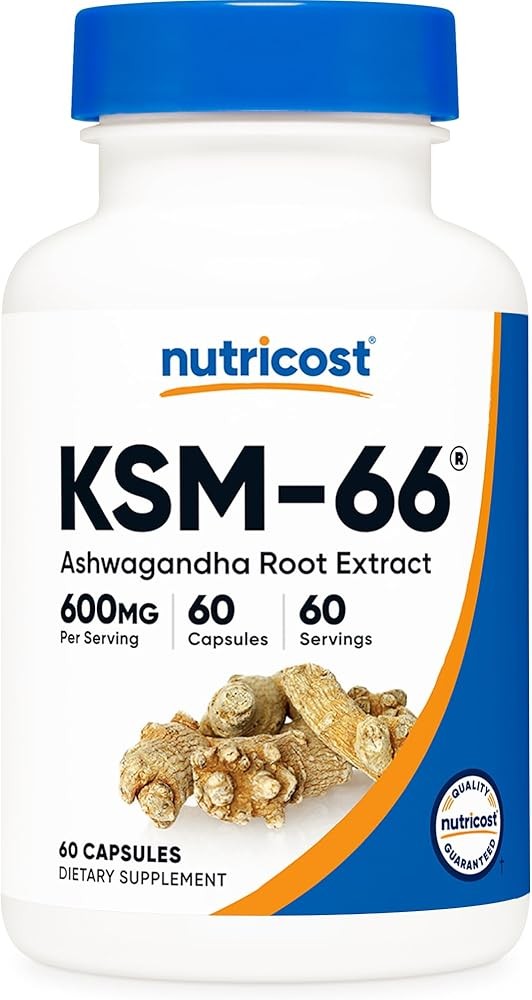
Ashwagandha Supplement
Check Price on AmazonAs an Amazon Associate we earn from qualifying purchases.
Ashwagandha (Withania somnifera) is an adaptogenic herb used in Ayurvedic medicine that has shown promise for sleep quality, particularly in individuals with stress-related insomnia. Multiple studies have demonstrated that ashwagandha supplementation reduces cortisol levels, anxiety symptoms, and stress markers while improving sleep onset latency and overall sleep quality.
The active compounds, withanolides, appear to modulate GABA receptors and the hypothalamic-pituitary-adrenal (HPA) axis, helping normalize stress hormone patterns that often disrupt sleep. For those whose sleep problems stem primarily from chronic stress, work anxiety, or elevated baseline cortisol, ashwagandha may provide benefits beyond what standard sleep supplements offer.
Dosage: 300-600 mg of standardized extract (containing 5% withanolides) taken 30-60 minutes before bed or split between morning and evening doses.
Combination Formulas: Beam Dream Sleep Powder

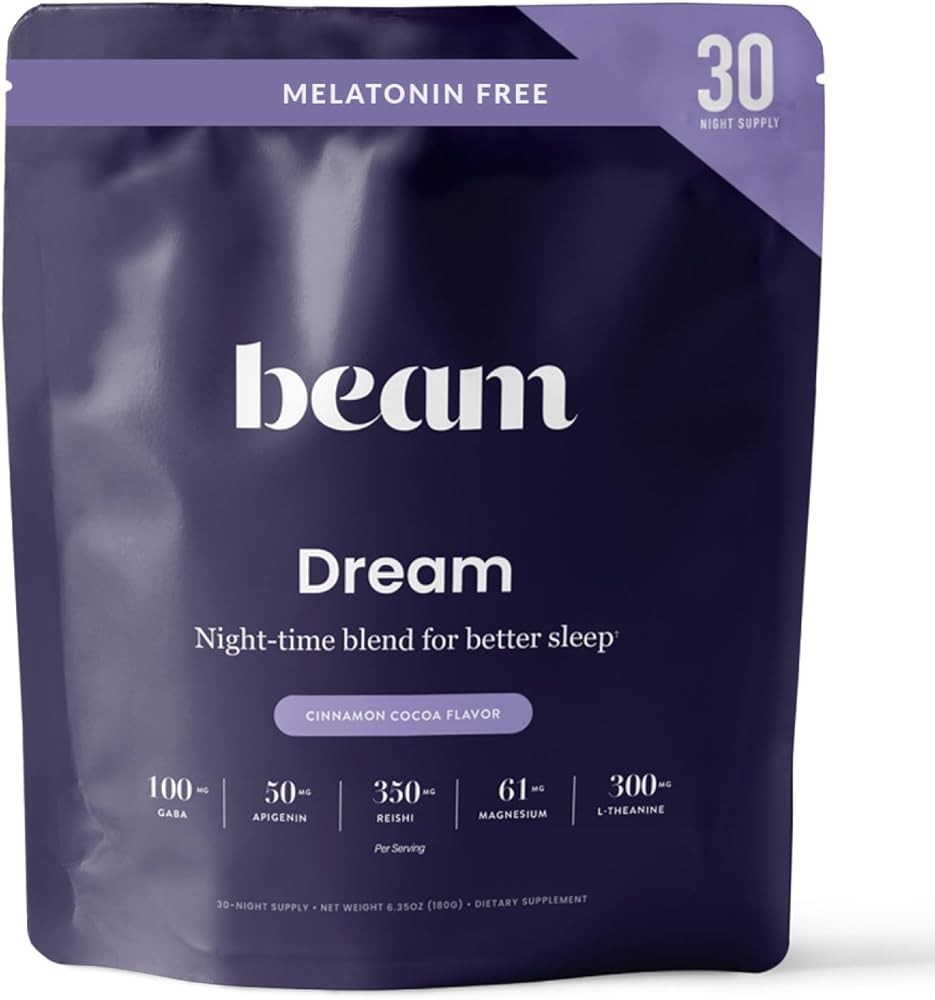
Beam Dream Sleep Powder
Check Price on AmazonAs an Amazon Associate we earn from qualifying purchases.
For those who prefer a comprehensive, single-supplement approach, combination formulas like Beam Dream Sleep Powder provide multiple evidence-based sleep ingredients in one serving. These products typically combine magnesium, L-theanine, GABA, apigenin (from chamomile), and low-dose melatonin in a flavored powder format.
The advantage is convenience and synergy: you get multiple mechanisms of action (temperature regulation, GABA activity, alpha wave promotion, circadian signaling) in one drink. The disadvantage is less control over individual ingredient doses and typically higher cost than buying single ingredients separately.
Another Option: Apigenin
Apigenin, a flavonoid found in chamomile, has gained popularity as a sleep supplement, largely due to recommendations from neuroscientist Andrew Huberman. It acts on GABA receptors and may promote relaxation. We cover this in detail in our article on apigenin for sleep.
Bottom line: Research supports magnesium glycinate (200-400mg), glycine (3g), L-theanine (200mg), tart cherry concentrate, and valerian root (300-600mg) taken 30-60 minutes before bed for improved sleep onset and quality, while melatonin is best reserved for circadian timing issues like jet lag rather than general insomnia, with physiological doses of 0.3-1mg being more effective than the 5-10mg megadoses commonly sold.
Which Relaxation Techniques Actually Work for Sleep?
The transition from wakefulness to sleep requires a shift from sympathetic (address-or-flight) to parasympathetic (rest-and-digest) nervous system dominance. While environmental adjustments like dimming lights and cooling the room help facilitate this shift, active relaxation techniques can accelerate it significantly.
4-7-8 Breathing Technique
Developed by Dr. Andrew Weil, this technique is based on pranayama breathing practices and has a simple protocol:
- Exhale completely through your mouth
- Inhale quietly through your nose for a count of 4
- Hold your breath for a count of 7
- Exhale completely through your mouth for a count of 8
- Repeat for 4 cycles
The mechanism is straightforward. The extended exhale duration (twice the inhale duration) activates the vagus nerve, which is the primary conduit of parasympathetic nervous system signals. This shifts autonomic balance away from sympathetic arousal and toward the relaxation response. The breath hold allows carbon dioxide to accumulate briefly, which has a mild vasodilatory effect and contributes to the calming sensation.
Many people report feeling noticeably drowsy after just two to three cycles when performed in bed with eyes closed. This technique can also be used to fall back asleep after a middle-of-the-night awakening.
Progressive Muscle Relaxation (PMR)
Originally developed by Edmund Jacobson in 1938, progressive muscle relaxation involves systematically tensing and then releasing different muscle groups throughout the body. The protocol is simple:
- Starting with your feet, tense the muscles firmly (but not to the point of cramping) for 5 to 10 seconds
- Release the tension abruptly and notice the contrast between tension and relaxation for 15 to 20 seconds
- Move upward: calves, thighs, buttocks, abdomen, chest, hands, forearms, upper arms, shoulders, neck, face
- After completing all muscle groups, lie still and notice the full-body relaxation
Multiple clinical studies have confirmed PMR’s effectiveness for sleep. Research shows that PMR significantly reduces anxiety, lowers sympathetic nervous system activity, and improves sleep quality across diverse populations including healthy adults, hospital patients, and individuals with chronic insomnia. A study published in Physiological Reports found that PMR increased slow-wave (deep) sleep during subsequent sleep periods.
PMR works by exploiting a physiological principle: a muscle that has been deliberately tensed and then released achieves a deeper state of relaxation than a muscle that was never tensed. The contrast amplifies the relaxation signal.
Body Scan Meditation
This technique, derived from mindfulness-based stress reduction (MBSR), involves slowly directing attention through each part of the body without any physical manipulation:
- Lie on your back in a comfortable position
- Close your eyes and take several deep breaths
- Bring awareness to the top of your head
- Slowly move attention down through each body part: forehead, eyes, jaw, neck, shoulders, arms, hands, chest, abdomen, hips, thighs, knees, calves, feet
- At each location, simply notice any sensations without trying to change them
- If your mind wanders, gently return attention to where you left off
The body scan works by occupying the mind with a non-stimulating, present-moment task, which reduces the risk of the rumination and future-oriented worry that commonly delays sleep onset. It also promotes interoceptive awareness, which enhances the brain’s sensitivity to internal sleep signals that might otherwise be overridden by mental activity.
Journaling and Brain Dump
If anxiety or racing thoughts are your primary barrier to sleep, a brief (5 to 10 minute) writing session before bed can be remarkably effective. A study by Scullin and colleagues (2018) at Baylor University found that writing a specific to-do list for the next day before bed reduced sleep onset latency by an average of 9 minutes compared to journaling about completed activities. The more specific the to-do list, the faster participants fell asleep.
The mechanism is cognitive offloading. When unfinished tasks and worries remain in working memory, the brain maintains a low-level state of vigilance to reduce the risk of forgetting them, a phenomenon known as the Zeigarnik effect. Writing these concerns down signals to the brain that they have been captured and can be safely released from active monitoring.
Practical protocol:
- Take a notebook and pen to bed (not a phone)
- Write down everything on your mind: tomorrow’s tasks, worries, ideas, unfinished business
- For each worry, write one concrete next step you will take
- Close the notebook and set it aside
- Tell yourself: “It is written down. I will handle it tomorrow.”
Yoga Nidra and Non-Sleep Deep Rest (NSDR)
Yoga Nidra, sometimes referred to by the modern term Non-Sleep Deep Rest (NSDR), is a guided meditation practice performed lying down that systematically induces a state between wakefulness and sleep. A typical session lasts 10 to 30 minutes and guides the practitioner through body scanning, breath awareness, visualization, and intention setting.
Research suggests that Yoga Nidra activates the default mode network in a pattern similar to early-stage sleep, producing measurable increases in dopamine release and parasympathetic nervous system activity. Many practitioners report that a 20-minute Yoga Nidra session provides subjective rest equivalent to 1 to 2 hours of sleep, making it useful both as a pre-bed relaxation tool and as a recovery strategy after a poor night’s sleep.
Free guided sessions are widely available as audio recordings. Starting with a 10-minute session and gradually extending to 20 to 30 minutes allows you to find the duration that reliably induces drowsiness for you.
What Clues Is Your Body Telling You About Sleep Quality?
Your body provides clear signals about the quality of your nighttime routine. Learning to read these signals allows you to troubleshoot problems and track improvement without needing any technology.
Signs Your Routine Needs Improvement
At bedtime:
- You lie in bed for more than 20 minutes without falling asleep
- Your mind races with thoughts about tomorrow, replaying the day, or worrying about sleeping itself
- You feel physically tired but mentally wired, a hallmark of elevated cortisol or sympathetic nervous system activation
- Your body feels warm or restless, especially your legs
- You reach for your phone out of boredom or habit while lying in bed
During the night:
- You wake up multiple times, particularly in the second half of the night (a pattern consistent with alcohol consumption, blood sugar instability, or an overheated room)
- You experience vivid, anxiety-laden dreams that feel exhausting rather than restorative
- You need to use the bathroom more than once (often from too much liquid too close to bed or alcohol-related sleep fragmentation)
- You wake between 2 and 4 AM and cannot fall back asleep (a classic cortisol-rhythm disruption pattern)
In the morning:
- You wake before your alarm feeling unrested despite adequate time in bed
- You hit snooze repeatedly and experience significant difficulty getting out of bed
- You feel groggy and cognitively “foggy” for the first 1 to 2 hours (excessive sleep inertia)
- You crave caffeine immediately and feel non-functional without it
- You experience headaches, dry mouth, or jaw pain upon waking (possible signs of sleep-disordered breathing, teeth grinding, or dehydration)
What a Good Nighttime Routine Feels Like
When your routine is working, you will notice a distinct and pleasant set of changes:
- A natural drowsiness develops during your wind-down period, typically 30 to 45 minutes before your target bedtime. This feels like a gentle heaviness in the eyelids and a slowing of thoughts, not the exhausted crash of sleep deprivation but rather a smooth, gradual descent.
- Your body feels warm and heavy when you get into bed, a sign that peripheral vasodilation is actively occurring and core temperature is declining.
- Falling asleep feels effortless. You may not even remember the transition from wakefulness to sleep. If someone asks “how long did it take you to fall asleep?” you genuinely do not know because the boundary was seamless.
- You sleep through the night with perhaps one brief awakening (completely normal) from which you return to sleep within minutes.
- You wake before your alarm feeling alert, with clear-headedness that begins within 15 to 20 minutes of rising. Morning grogginess, if present, is mild and brief rather than crushing and prolonged.
- Your energy is stable through the afternoon without heavy caffeine dependence or energy crashes.
Warning Signs That Need Attention
Certain patterns suggest something beyond routine optimization may be needed:
- Consistently taking more than 30 to 45 minutes to fall asleep despite good sleep hygiene may indicate a circadian misalignment, anxiety disorder, or underlying sleep disorder
- Loud snoring, observed breathing pauses, or gasping during sleep reported by a bed partner are red flags for obstructive sleep apnea, which requires medical evaluation
- Excessive daytime sleepiness despite 7 to 9 hours in bed may indicate a sleep quality disorder such as sleep apnea, restless legs syndrome, or periodic limb movements
- Inability to stay awake during sedentary activities like meetings, driving, or watching television, despite adequate sleep time, warrants a conversation with a sleep specialist
- Persistent insomnia lasting more than 3 months despite implementing evidence-based sleep hygiene should be evaluated by a healthcare provider, as cognitive behavioral therapy for insomnia (CBT-I) is the first-line treatment and is more effective than medication for chronic insomnia
Timeline: What to Expect
Week 1: The most noticeable change is typically in sleep onset. With consistent timing, dim evening lighting, and temperature optimization, most people report falling asleep 10 to 20 minutes faster by the end of the first week. You may also notice feeling more naturally drowsy at your target bedtime. However, sleep quality improvements (deeper sleep, fewer awakenings) take longer to develop.
Week 2: Circadian entrainment begins to strengthen. You may start waking a few minutes before your alarm, a sign that your internal clock is anticipating your wake time. Morning grogginess typically decreases. If you are taking magnesium and glycine, their cumulative effects on sleep architecture should become noticeable around this time.
Week 4: By one month of consistent practice, the routine should feel automatic rather than effortful. The wind-down period becomes a natural part of your evening that you look forward to rather than a set of rules you force yourself to follow. Sleep efficiency (the percentage of time in bed actually spent sleeping) should be noticeably improved, and most people report feeling significantly more rested during the day.
Month 2 to 3: Long-term circadian stability produces compounding benefits. Mood, cognitive performance, exercise recovery, appetite regulation, and immune function all improve as chronic sleep debt is gradually repaid. Many people are surprised to find that problems they attributed to aging, stress, or personality, such as afternoon fatigue, difficulty concentrating, irritability, and sugar cravings, were actually symptoms of chronic poor sleep.
What Nighttime Mistakes Sabotage Your Sleep Quality?
Even health-conscious people frequently undermine their sleep with habits they do not realize are problematic. Here are the most common offenders.
Inconsistent Timing (Even on Weekends)
This is the single most common sleep hygiene mistake. Sleeping in on weekends by just 2 hours creates the equivalent of flying across two time zones. Research has shown that the discrepancy between workday and free-day sleep timing is associated with increased consumption of stimulants, poorer psychological wellbeing, and greater sleep difficulties.
Your circadian clock cannot distinguish between “weekend” and “weekday.” When you sleep in on Saturday and Sunday, you push your circadian phase later, making it harder to fall asleep Sunday night and producing the characteristic Monday morning grogginess that many people attribute to “hating Mondays” when it is actually self-inflicted jet lag.
The fix: Keep your wake-up time within 30 minutes of your weekday time, even on weekends. If you need extra rest, take a 20-minute nap in the early afternoon rather than sleeping late.
Late Caffeine
As discussed above, the Drake (2013) study proved that caffeine consumed 6 hours before bed still significantly disrupts sleep, even when you do not subjectively feel its effects. Many people have a mid-afternoon coffee at 3 or 4 PM without realizing it is actively undermining their sleep that night.
Caffeine’s effects are also cumulative and genetically variable. People with the slow-metabolizer variant of the CYP1A2 gene clear caffeine roughly half as fast as normal metabolizers, meaning a 2 PM coffee can still be affecting their sleep at midnight.
The fix: Set a hard caffeine cutoff at least 8 hours before your target bedtime. For an 11 PM bedtime, no caffeine after 3 PM. For a 10 PM bedtime, no caffeine after 2 PM. Remember that decaf coffee, green tea, dark chocolate, and some medications contain meaningful amounts of caffeine.
Alcohol as a “Sleep Aid”
Alcohol is perhaps the most insidious sleep disruptor because it genuinely does help you fall asleep faster, creating the perception that it aids sleep. However, a systematic review by Ebrahim and colleagues (2013) conclusively demonstrated that alcohol fragments sleep in the second half of the night, suppresses REM sleep (which is critical for memory consolidation and emotional regulation), increases nighttime awakenings, and worsens sleep-disordered breathing.
Even moderate consumption (2 drinks) consumed 4 to 6 hours before bed significantly degrades sleep architecture. The net effect is that alcohol-assisted sleep is substantially less restorative than natural sleep, which is why people who drink regularly often feel tired despite spending adequate time in bed.
The fix: If you choose to drink, limit consumption to 1 to 2 drinks and finish at least 3 to 4 hours before bedtime. Better yet, keep alcohol consumption to occasions rather than incorporating it into your nightly routine.
Checking Email or News Before Bed
This combines two sleep disruptors: blue light exposure from the screen and cortisol-spiking content. Stressful emails, alarming news headlines, and social media comparison all activate the sympathetic nervous system and can provoke rumination that persists long after the screen is turned off.
The fix: Establish a firm rule: no email, news, or social media after your wind-down period begins. If something urgent comes up, it will still be there in the morning. Remind yourself that virtually nothing that arrives in your inbox between 9 PM and 7 AM requires an immediate response.
Exercising Too Late
While regular exercise is one of the best things you can do for sleep quality, timing matters. Vigorous exercise within 2 to 3 hours of bedtime raises core body temperature, cortisol, adrenaline, and heart rate, all of which actively oppose the physiological shifts needed for sleep onset.
The fix: Schedule intense workouts for the morning or early afternoon when they provide the greatest circadian benefit and allow sufficient time for recovery before bed. If evening is your only option, finish at least 3 hours before bed and consider a warm shower afterward to accelerate the subsequent cooling.
Eating Too Close to Bedtime
A full stomach requires significant metabolic activity for digestion, which raises core body temperature and can cause acid reflux, bloating, and general discomfort in the reclined position. High-glycemic meals close to bedtime can also cause blood sugar fluctuations that trigger middle-of-the-night awakenings.
The fix: Finish your last large meal 2 to 3 hours before bed. If genuine hunger would reduce the risk of sleep, a small (under 200 calories) snack of protein and healthy fat, such as a handful of almonds, a small serving of cottage cheese, or a banana with nut butter, can satisfy hunger without significantly disrupting sleep.
Napping Too Late or Too Long
Naps are not inherently bad, but poorly timed naps can sabotage nighttime sleep. Napping after 3 PM or for longer than 20 to 30 minutes can reduce sleep pressure (adenosine accumulation) enough to delay sleep onset at your desired bedtime.
The fix: If you nap, keep it before 2 PM and limit it to 20 minutes. Set an alarm. The goal is to dip into light sleep for restoration without entering deep sleep, which produces grogginess upon waking (sleep inertia) and depletes the homeostatic sleep drive you need for nighttime sleep.
How Does Weekend Sleep-In Time Damage Your Sleep Cycle?
Social jet lag deserves its own section because it is so pervasive and so damaging. The term refers to the discrepancy between your biological clock’s preferred sleep-wake schedule and the schedule imposed by social obligations (work, school, social events).
Here is how the cycle typically works:
- Monday through Friday: You wake at 6:30 AM for work, go to bed around 10:30 to 11:00 PM. Your circadian clock adjusts to this pattern over the week.
- Friday night: You stay up until 1:00 AM watching shows or socializing.
- Saturday morning: You sleep until 9:00 or 10:00 AM to “catch up.”
- Saturday night: Because you woke late and your circadian clock has shifted, you cannot fall asleep until 1:00 AM or later.
- Sunday morning: You again sleep until 9:00 or 10:00 AM.
- Sunday night: Your circadian clock is now set 2 to 3 hours later than your weekday schedule. You go to bed at 10:30 PM and lie awake until midnight or later, anxious about the Monday morning alarm.
- Monday morning: You wake at 6:30 AM having gotten 5 to 6 hours of sleep, and the cycle begins again.
This pattern produces a chronic sleep debt that can never be fully repaid by weekend sleeping-in, because the sleeping-in itself perpetuates the cycle by shifting circadian timing.
Research links social jet lag to:
- Increased BMI and waist circumference
- Higher rates of metabolic syndrome
- Elevated inflammatory markers
- Greater consumption of stimulants (caffeine, nicotine)
- Poorer academic and work performance
- Increased risk of depression and anxiety symptoms
The solution is boring but effective: maintain the same wake-up time seven days a week within a 30-minute window. If you had a late Friday night, wake at your normal time on Saturday and take a brief nap in the early afternoon if needed. Within 2 to 3 weeks of consistent timing, your circadian clock will stabilize enough that you fall asleep and wake up naturally at the appropriate times without relying on willpower or alarm clocks.
How Should You Structure Your Complete Evening Sleep Protocol?
Here is the full protocol condensed into a practical checklist. Adjust the specific times to match your schedule, but maintain the relative spacing.
6 hours before bed (minimum): Final caffeinated beverage
3 hours before bed:
- Finish intense exercise
- Eat last large meal
- Start lowering overhead lighting
2 hours before bed:
- Switch to dim, warm-toned lighting (under 50 lux)
- Take a warm bath or shower (104 to 109 degrees Fahrenheit for 10+ minutes)
- Lower bedroom thermostat to 65 degrees Fahrenheit
- Take tart cherry supplement if using
1 hour before bed:
- Put screens away or apply maximum blue light reduction
- Take magnesium glycinate, glycine, L-theanine, and/or valerian root
- Begin relaxation activities: reading, stretching, meditation, journaling
30 minutes before bed:
- Transition to bed with a physical book or audio content
- Perform 4-7-8 breathing, body scan, or progressive muscle relaxation
- Write a brain dump or to-do list if thoughts are racing
At bedtime:
- Dark, cool (60 to 67 degrees Fahrenheit), quiet room
- Wear socks if extremities are cold
- No clock-watching (turn clock faces away or cover them)
- If not asleep within 20 minutes, get up, move to another room, and do something boring in dim light until drowsy, then return to bed (this is a core principle of stimulus control therapy)
Our Research Methodology
Related Articles
- Best Magnesium Supplements for Sleep: Glycinate vs. Threonate
- Does Magnesium Actually Help You Sleep? What Studies Say
- Best Glycine Supplements for Deep Sleep
- Best L-Theanine Supplements for Sleep and Relaxation
- Best Tart Cherry Supplements for Sleep: Research Review
- Best Melatonin Supplements: Dosing and What to Look For
- How Much Melatonin Should You Actually Take?
- Best Sleep Supplements That Don’t Contain Melatonin
- Supplements That Improve Deep Sleep: What Research Shows
- Apigenin for Sleep: The Supplement Andrew Huberman Recommends
- Caffeine and L-Theanine Stack: The Research Behind the Combo
- Valerian Root vs. Ashwagandha for Sleep: Which Is Better?
- Best Valerian Root Supplements: Do They Actually Work?
- Sleep and Gut Health Connection: What New Research Reveals
Related Reading
- Optimizing Sleep with Melatonin Supplements: A Guide to Dosing and Selection
- Sleep and Recovery: Best Magnesium Supplements for Sleep - Glycinate vs Threonate
- Best Tart Cherry Supplements for Sleep Research Review
- Improving Deep Sleep with Supplements: What Research Shows
- REM Sleep Rebound After Quitting Alcohol: Recovery Supplements That Actually Work
- Sleep and Recovery: How Much Melatonin Should You Actually Take?
- Valerian Root Supplements for Sleep: Separating Fact from Fiction
References
Abbasi, B., Kimiagar, M., Sadeghniiat, K., Shirazi, M. M., Hedayati, M., & Rashidkhani, B. (2012). “The effect of magnesium supplementation on primary insomnia in elderly: A double-blind placebo-controlled clinical trial.” Journal of Research in Medical Sciences, 17(12), 1161-1169. PubMed | PMC
Bent, S., Padula, A., & Neuhaus, J. (2006). “Valerian for sleep disorders: a systematic review.” American Journal of Medicine, 119(12), 1005-1012. PubMed | Full Text PDF | DOI
Burkhart, K., & Phelps, J. R. (2009). “Amber lenses to block blue light and improve sleep: a randomized trial.” Chronobiology International, 26(8), 1602-1612. PubMed | DOI
Chang, A. M., Aeschbach, D., Duffy, J. F., & Czeisler, C. A. (2015). “Evening use of light-emitting eReaders negatively affects sleep, circadian timing, and next-morning alertness.” Proceedings of the National Academy of Sciences, 112(4), 1232-1237. PubMed | DOI
Czeisler, C. A., Duffy, J. F., Shanahan, T. L., Brown, E. N., Mitchell, J. F., Rimmer, D. W., Ronda, J. M., Silva, E. J., Allan, J. S., Emens, J. S., Capelier, C. A., & Kronauer, R. E. (1999). “Stability, precision, and near-24-hour period of the human circadian pacemaker.” Science, 284(5423), 2177-2181. PubMed | Full Text PDF | DOI
Drake, C., Roehrs, T., Shambroom, J., & Roth, T. (2013). “Caffeine effects on sleep taken 0, 3, or 6 hours before going to bed.” Journal of Clinical Sleep Medicine, 9(11), 1195-1200. PubMed | PMC | DOI
Ebrahim, I. O., Shapiro, C. M., Williams, A. J., & Fenwick, P. B. (2013). “Alcohol and sleep I: effects on normal sleep.” Alcoholism: Clinical and Experimental Research, 37(4), 539-549. PubMed | DOI
Haghayegh, S., Khoshnevis, S., Smolensky, M. H., Diller, K. R., & Castriotta, R. J. (2019). “Before-bedtime passive body heating by warm shower or bath to improve sleep: A systematic review and meta-analysis.” Sleep Medicine Reviews, 46, 124-135. PubMed | DOI
Howatson, G., Bell, P. G., Tallent, J., Mayber, B., Ellis, J., & McHugh, M. P. (2012). “Effect of tart cherry juice (Prunus cerasus) on melatonin levels and enhanced sleep quality.” European Journal of Nutrition, 51(8), 909-916. PubMed | DOI
National Sleep Foundation. “2015 Sleep in America Poll.” Sleep Health Foundation.
Raymann, R. J. E. M., Swaab, D. F., & Van Someren, E. J. W. (2007). “Skin temperature and sleep-onset latency: changes with age and insomnia.” Physiology & Behavior, 90(2-3), 257-266. PubMed | DOI
Scullin, M. K., Krueger, M. L., Ballard, H. K., Pruett, N., & Bliwise, D. L. (2018). “The effects of bedtime writing on difficulty falling asleep: A polysomnographic study comparing to-do lists and completed activity lists.” Journal of Experimental Psychology: General, 147(1), 139-146. PubMed | DOI
Our Top Recommendations
📱 Join the discussion: Facebook | X | YouTube | Pinterest
Where to Buy Quality Supplements
Based on the research discussed in this article, here are some high-quality options:
Recommended Supplements
Common Questions About Nighttime
What are the benefits of nighttime?
Nighttime has been studied for various potential health benefits. Research suggests it may support several aspects of health and wellness. Individual results can vary. The strength of evidence differs across different claimed benefits. More high-quality research is often needed. Always review the latest scientific literature and consult healthcare professionals about whether nighttime is right for your health goals.
Is nighttime safe?
Nighttime is generally considered safe for most people when used as directed. However, individual responses can vary. Some people may experience mild side effects. It’s important to talk with a healthcare provider before using nighttime, especially if you have existing health conditions, are pregnant or nursing, or take medications.
How does nighttime work?
Nighttime works through various biological mechanisms that researchers are still studying. Current evidence suggests it may interact with specific pathways in the body to produce its effects. Always consult with a healthcare provider before starting any new supplement or health regimen to ensure it’s appropriate for your individual needs.
Who should avoid nighttime?
People with certain health conditions should be cautious with specific nighttime supplements. Those taking sedative medications should consult a doctor before adding sleep supplements to avoid excessive drowsiness. Pregnant or nursing women should discuss supplement use with their healthcare provider. People with liver or kidney disease may need adjusted dosages. Anyone with allergies to specific ingredients should read labels carefully.
What are the signs nighttime is working?
A well-optimized nighttime routine shows clear signs: you fall asleep within 15-20 minutes of lying down, sleep through the night with minimal awakenings, wake feeling refreshed before your alarm, and maintain stable energy through the day without excessive caffeine. Your sleep feels restorative rather than merely time spent in bed. These changes typically develop gradually over 2-4 weeks of consistent practice.
How long should I use nighttime?
The time it takes for nighttime to work varies by individual and depends on factors like dosage, consistency of use, and individual metabolism. Some people notice effects within days, while others may need several weeks. Research studies typically evaluate effects over weeks to months. Consistent use as directed is important for best results. Keep a journal to track your response.
Recommended Products