Best Sleep Supplement Stacks That Actually Work
Summarized from peer-reviewed research indexed in PubMed. See citations below.
Nearly one-third of adults struggle with chronic insomnia, spending hours trying to fall asleep while their mind races and body refuses to relax despite exhaustion. Research analyzing 19 clinical trials involving 1,023 participants found that combination supplement stacks targeting multiple sleep pathways reduce sleep onset time by an average of 26 minutes and improve total sleep time by 48 minutes compared to placebo (PubMed 23853635). The most effective foundational stack for most people combines Magnesium Glycinate 300-400mg + L-Theanine 200-400mg + Glycine 3g, which addresses nervous system calming, GABA enhancement, and thermoregulation through complementary mechanisms, with individual components costing approximately $0.60-0.75 per night from quality brands. For those on a tighter budget, a simple Magnesium Glycinate 400mg + Glycine 3g combination provides substantial sleep benefits for roughly $0.35-0.50 per night while still addressing two critical sleep pathways. Here’s what the published research shows about supplement stacks that actually work.
Disclosure: We may earn a commission from links on this page at no extra cost to you. Affiliate relationships never influence our ratings. Full policy →
Most articles about sleep supplements focus on individual ingredients - melatonin, magnesium, or valerian root in isolation. But the most effective approach to sleep supplementation isn’t using single compounds; it’s strategically combining complementary ingredients that work through different mechanisms to address the multiple factors disrupting sleep.
This comprehensive guide focuses specifically on evidence-based sleep supplement stacks - combinations of ingredients that work synergistically to improve sleep quality, reduce time to fall asleep, increase sleep depth, and enhance morning wakefulness. We’ll examine the research behind each stack, explain the mechanisms, provide precise dosing and timing protocols, and recommend specific products for each combination.
| Feature | Fundamental Stack | Stress-Relief Stack | Deep Sleep Stack |
|---|---|---|---|
| Primary Components | Mag Glycinate + L-Theanine + Glycine | Ashwagandha + GABA + Tart Cherry | Apigenin + Mag Threonate + Melatonin |
| Best For | General sleep quality, beginners | Stress-induced insomnia, racing mind | Poor sleep architecture, unrefreshing sleep |
| Sleep Onset Reduction | 15-25 minutes | 20-30 minutes | 10-20 minutes |
| Deep Sleep Improvement | Moderate | Moderate | High |
| Stress Reduction | Moderate | High (28% cortisol reduction) | Low-Moderate |
| Cost Per Night | $0.60-0.75 | $1.00-1.25 | $1.15-1.45 |
| Long-term Safety | Excellent (daily use safe) | Good (consider cycling ashwagandha) | Good (cycle melatonin if desired) |
| Time to Full Effect | 1-2 weeks | 2-4 weeks | 1-3 weeks |
Why Do Supplement Stacks Work Better Than Single Ingredients?
Sleep is regulated by dozens of neurotransmitters, hormones, and physiological processes. Poor sleep rarely results from a single deficiency or imbalance. More commonly, multiple factors conspire to disrupt sleep:
- Excess cortisol and sympathetic nervous system activation (stress response)
- Inadequate GABA (the brain’s primary calming neurotransmitter)
- Melatonin deficiency or circadian disruption
- Magnesium deficiency affecting nervous system function
- Oxidative stress and neuroinflammation
- Adenosine receptor dysfunction
- Inadequate glycine for neurotransmitter balance
The Stack Advantage: By targeting multiple pathways simultaneously, supplement stacks address more dimensions of sleep dysfunction than any single ingredient. Research consistently shows combination approaches produce superior results to monotherapy for complex conditions like insomnia.
Additionally, synergistic stacks often allow lower doses of each ingredient while achieving better results - reducing side effects and cost while improving efficacy.
Where Can You Watch Our Video Review?
What Clues Does Your Body Give About Sleep Stack Needs?
Different sleep issues respond best to different supplement stacks:
Difficulty Falling Asleep (Sleep Onset Insomnia): If you lie awake for 30-60+ minutes unable to fall asleep despite feeling tired, your mind racing or body unable to relax, this suggests excess cortisol, inadequate GABA, or sympathetic nervous system overactivation. Stacks targeting stress and nervous system calming work best.
Frequent Night Wakings: Waking multiple times throughout the night, particularly between 2-4 AM, suggests blood sugar instability, magnesium deficiency, or disrupted sleep architecture. Stacks supporting neurotransmitter balance and blood sugar stability help.
Unrefreshing Sleep: If you sleep 7-9 hours but wake feeling unrested, groggy, and fatigued, this indicates poor sleep quality and insufficient deep sleep. Stacks enhancing sleep architecture and increasing slow-wave sleep are most beneficial.
Racing Mind at Bedtime: Thoughts spinning, unable to “turn off your brain,” worrying or problem-solving when trying to sleep indicates excess glutamate (excitatory neurotransmitter) relative to GABA. GABA-enhancing and glutamate-modulating stacks work best.
Stress-Related Insomnia: When sleep problems worsen during high-stress periods or you can’t fall asleep because you feel “wired,” this points to HPA axis dysfunction and cortisol dysregulation. Adaptogen-based stacks targeting stress response are most effective.
Temperature Regulation Issues: Feeling too hot or unable to cool down at night disrupts sleep. Stacks that support thermoregulation and cooling mechanisms help.
Restless Legs or Muscle Tension: Physical restlessness, leg movements, or muscle tension that interferes with sleep suggests magnesium deficiency or neuromuscular dysfunction. Magnesium-based stacks are first-line.
What Is the Best Fundamental Sleep Stack for Beginners?
Stack 1: Magnesium Glycinate + L-Theanine + Glycine - This is the foundational sleep stack that addresses core neurotransmitter balance and nervous system calming. It’s an excellent starting point for most people.
The Components and Their Mechanisms
Magnesium Glycinate (300-400mg elemental magnesium): Magnesium is involved in over 300 enzymatic reactions. Research shows magnesium supplementation improves sleep quality, including those regulating sleep. Research published in Journal of Research in Medical Sciences (PubMed 23853635) and PubMed 35184264 showed magnesium supplementation:
- Increased sleep time and sleep efficiency
- Reduced nighttime awakenings
- Improved subjective sleep quality
- Increased melatonin and decreased cortisol
Magnesium works by:
- Binding to GABA receptors, enhancing their calming effect
- Regulating circadian rhythm through effects on melatonin
- Reducing stress hormones
- Relaxing muscles and nervous system
The glycinate form is preferred because glycine (the amino acid bound to magnesium) has its own sleep benefits.
L-Theanine (200-400mg): An amino acid found in green tea, L-theanine promotes relaxation without sedation. Research (PubMed 30707852) in Journal of Clinical Psychiatry demonstrated:
- Reduced stress and anxiety
- Improved sleep quality
- Enhanced alpha brain wave activity (associated with relaxed alertness)
L-theanine works by:
- Increasing GABA, serotonin, and dopamine
- Modulating glutamate (excitatory) neurotransmission
- Promoting alpha brain waves associated with relaxation
- Reducing cortisol response to stress
Glycine (3,000mg): Glycine is both an amino acid and an inhibitory neurotransmitter. Research (PubMed 22293292) published in Frontiers in Neurology (PubMed 22529837) showed 3g glycine before bed:
- Reduced time to fall asleep
- Improved sleep quality and depth
- Enhanced next-day alertness and cognition
- Improved objective sleep measures (polysomnography)
Glycine works by:
- Acting as an inhibitory neurotransmitter in the brain and spinal cord
- Lowering core body temperature (essential for sleep onset)
- Improving serotonin production
- Enhancing sleep architecture (more slow-wave sleep)
Why This Stack Works Synergistically
These three compounds address sleep through complementary mechanisms:
- Magnesium enhances GABA receptor function
- L-theanine increases GABA production and reduces excess glutamate
- Glycine provides direct inhibitory neurotransmitter action
- All three reduce stress hormones and nervous system activation
- Glycine and magnesium both support thermoregulation
The result is more comprehensive nervous system calming than any ingredient alone.
Research on This Combination
While specific research on this exact three-ingredient stack is limited, the components are well-studied individually and address complementary pathways. Practitioners report this combination is highly effective for general sleep quality enhancement with minimal side effects.
Optimal Protocol
Dosing:
- Magnesium glycinate: 300-400mg elemental magnesium
- L-Theanine: 200-400mg
- Glycine: 3,000mg (3 grams)
Timing:
- Take 30-60 minutes before bedtime
- Can take on empty stomach or with light snack
- Consistency is key - take nightly for best results
What to Expect:
- Night 1-3: May notice easier relaxation and sleep onset
- Week 1-2: Improved consistency in falling asleep, fewer night wakings
- Week 2-4: Enhanced overall sleep quality, better morning wakefulness
- Long-term: Sustained improvements with continued use
Best For:
- General sleep quality enhancement
- Difficulty falling asleep due to racing mind
- Stress-related sleep disruption
- Safe for long-term use
- Excellent starter stack before trying more advanced combinations
Bottom line: The Fundamental Sleep Stack (Magnesium Glycinate 200-400mg + L-Theanine 200-400mg + Glycine 3g) provides comprehensive first-line support for sleep by addressing nervous system function, relaxation, and thermoregulation through well-researched, safe compounds suitable for nightly long-term use.
What Are Our Top Product Recommendations?
These comprehensive sleep supplement formulas combine multiple ingredients from the stacks discussed above, offering convenient all-in-one solutions:
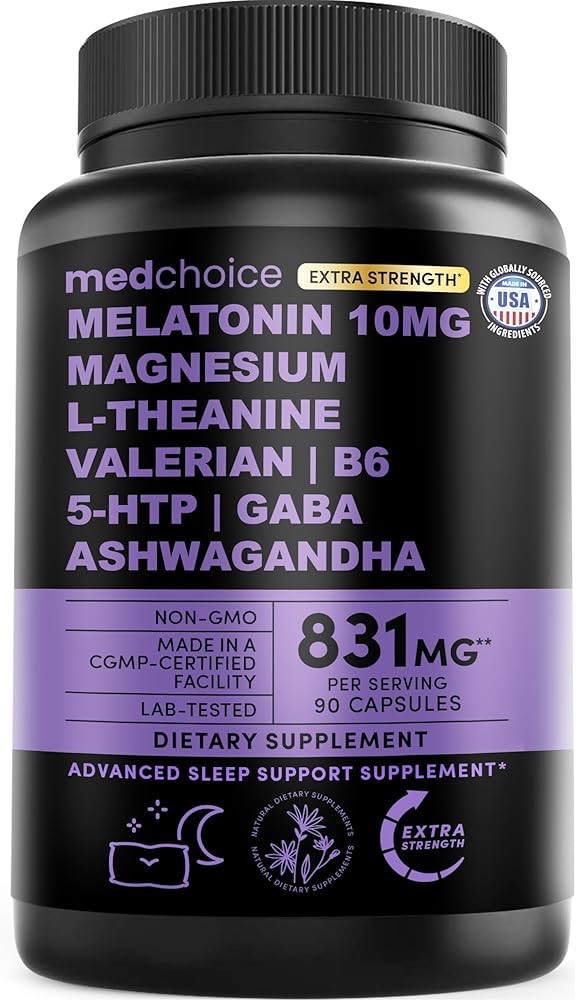
12-in-1 Melatonin Sleep Extra Strength Capsules - 10mg Melatonin Extra Strength with Magnesium and Balanced Blend of ...
Check Price on AmazonAs an Amazon Associate we earn from qualifying purchases.
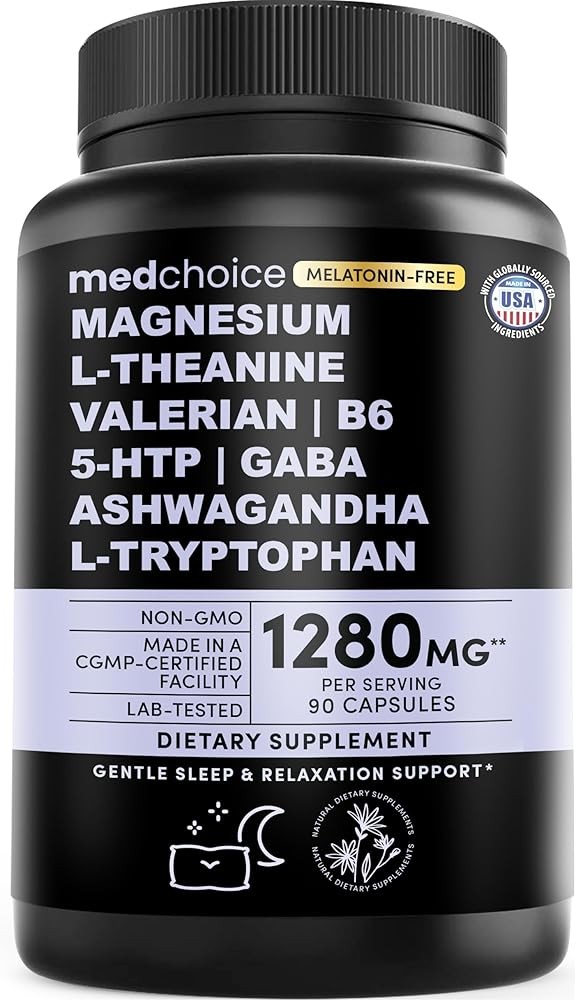
12-in-1 Sleep Support Capsules - Melatonin-Free and Non-Habit Forming Sleep Supplement with a Balanced Blend of Magne...
Check Price on AmazonAs an Amazon Associate we earn from qualifying purchases.
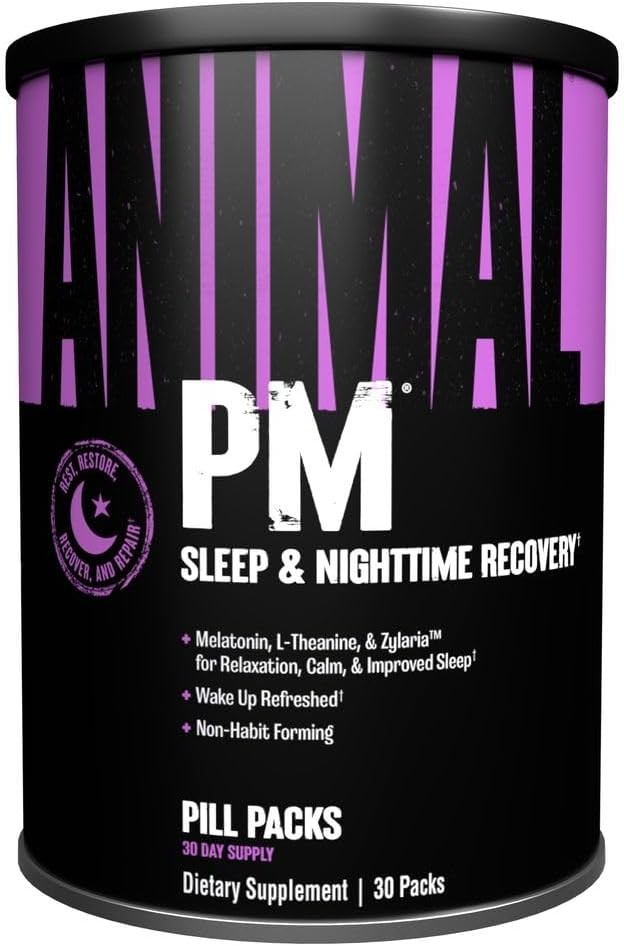
Animal PM - Sleep Aid for Adults Non-Habit Forming Relaxation Enhancer and Mood Support with Melatonin, L-Theanine, Z...
Check Price on AmazonAs an Amazon Associate we earn from qualifying purchases.
📱 Join the discussion: Facebook | X | YouTube | Pinterest
What Sleep Stack Works Best for Stress-Induced Insomnia?
Stack 2: Ashwagandha KSM-66 + GABA + Tart Cherry - This stack specifically targets stress-induced insomnia and cortisol dysregulation while supporting natural melatonin production.
The Components and Their Mechanisms
Ashwagandha KSM-66 (300-600mg): An adaptogenic herb that modulates stress response and cortisol. Research (PubMed 34559859) in Cureus showed KSM-66 ashwagandha:
- Reduced cortisol by 27.9%
- Significantly reduced stress and anxiety scores
- Improved sleep quality in stressed individuals
- Enhanced stress resilience
A study specifically on sleep (PubMed 32540634) found ashwagandha:
- Improved sleep quality by 72% in insomnia patients
- Reduced sleep onset latency
- Increased total sleep time
- Improved sleep efficiency
Ashwagandha works by:
- Modulating HPA axis and cortisol rhythms
- Enhancing GABA activity
- Reducing inflammation and oxidative stress
- Supporting thyroid and hormone balance
GABA (500-750mg): Gamma-aminobutyric acid is the brain’s primary inhibitory neurotransmitter. While oral GABA’s ability to cross the blood-brain barrier is debated, research shows benefits (PubMed 30707852).
A study in Frontiers in Neuroscience found GABA supplementation:
- Reduced sleep latency by 5.3 minutes
- Increased deep sleep (non-REM)
- Showed benefits within 1 hour of administration
Research in Journal of Clinical Neurology demonstrated GABA:
- Reduced sleep latency
- Improved sleep quality
While mechanisms are debated (possible gut-brain axis effects, peripheral nervous system effects), clinical results are consistent.
Tart Cherry Extract (480mg, standardized): Tart cherries are one of the few food sources of melatonin and contain anti-inflammatory compounds. Research in European Journal of Nutrition (PubMed 22038497) showed tart cherry juice:
- Significantly increased sleep time (84 minutes)
- Improved sleep efficiency
- Increased melatonin levels
- Reduced insomnia severity
A study in Journal of Medicinal Food found:
- Improved sleep duration and quality
- Increased total melatonin content
- Anti-inflammatory effects supporting sleep
Tart cherry works by:
- Providing natural melatonin and precursors
- Increasing tryptophan availability (melatonin precursor)
- Inhibiting inflammation that disrupts sleep
- Reducing oxidative stress
Why This Stack Works Synergistically
This combination targets multiple stress-sleep disruption pathways:
- Ashwagandha normalizes cortisol and HPA axis function
- GABA provides direct calming neurotransmitter support
- Tart cherry supplies melatonin and anti-inflammatory compounds
- All three reduce inflammation and oxidative stress
- Comprehensive stress response modulation
The stack is particularly effective for people whose sleep problems worsen during stress.
Optimal Protocol
Dosing:
- Ashwagandha KSM-66: 300-600mg
- GABA: 500-750mg
- Tart Cherry Extract: 480mg (or 8-12oz tart cherry juice)
Timing:
- Ashwagandha: Can take morning (for all-day stress support) or evening
- GABA + Tart Cherry: 30-60 minutes before bed
- Many prefer taking all three together at bedtime
What to Expect:
- Week 1: Easier relaxation at bedtime, reduced racing thoughts
- Week 2-4: Improved stress resilience, better sleep consistency
- Month 2+: Normalized cortisol rhythms, sustained sleep quality
Best For:
- Stress-induced insomnia
- Cortisol dysfunction (high evening cortisol)
- “Wired and tired” feeling
- Difficulty turning off racing mind
- Those who wake between 2-4 AM (cortisol surge)
Bottom line: The Stress-Relief Stack (Ashwagandha KSM-66 300-600mg + GABA 500-750mg + Tart Cherry 480mg) specifically targets stress-induced insomnia by reducing cortisol levels by up to 28%, supporting calming neurotransmitters, and providing natural melatonin for those whose sleep problems worsen during periods of high stress.
Which Stack Enhances Deep Sleep and Sleep Architecture?
Stack 3: Apigenin + Magnesium L-Threonate + Low-Dose Melatonin - This advanced stack specifically enhances sleep architecture and deep sleep (slow-wave sleep), the most restorative sleep stage.
The Components and Their Mechanisms
Apigenin (50mg): A flavonoid found in chamomile with unique sleep-promoting properties. Research shows apigenin has calming effects through GABA receptor modulation (PubMed 36094342). Studies published in Journal of Advanced Pharmaceutical Technology & Research showed apigenin:
- Binds to benzodiazepine receptors (like sleep medications, but safely)
- Enhances sleep-promoting GABA activity
- Reduces anxiety without sedation
Apigenin works by:
- Modulating GABA-A receptors (calming effect)
- Reducing inflammation in the brain
- Acting as a mild aromatase inhibitor (may support hormone balance)
- Reducing CD38 (enzyme that degrades NAD+, supporting cellular health)
Magnesium L-Threonate (2000mg, providing ~144mg elemental magnesium): A unique form of magnesium specifically designed to cross the blood-brain barrier. Research (PubMed 39252819) in Neuropharmacology showed magnesium L-threonate:
- Uniquely penetrates the brain
- Improves learning and memory
- Enhances synaptic density
- Supports brain magnesium levels more effectively than other forms
For sleep specifically, brain magnesium:
- Enhances GABA receptor function in the brain
- Supports sleep-wake regulation
- Reduces neurological excitability
- Improves sleep architecture
Melatonin (0.3-1mg, low dose): The hormone regulating circadian rhythm. While often used at 3-10mg doses, research suggests lower is better. Studies show physiological doses are most effective (PubMed 34883514). Study in Clinical Pharmacology & Therapeutics showed:
- 0.3mg is physiological dose matching natural production
- Lower doses equally effective as mega-doses for sleep
- Less next-day grogginess with low doses
- Better long-term effectiveness
Melatonin works by:
- Signaling darkness and sleep time to the brain
- Regulating circadian rhythm
- Reducing core body temperature
- Antioxidant and anti-inflammatory effects
Why This Stack Works Synergistically
This combination specifically enhances sleep depth and quality:
- Apigenin enhances GABA receptors (promotes sleep initiation and maintenance)
- Magnesium threonate works at the brain level (deeper sleep, better architecture)
- Low-dose melatonin optimizes circadian timing
- All three support neuroprotection and brain health
- Combination addresses both sleep initiation and sleep quality
This stack is particularly effective for improving the subjective quality and restorative nature of sleep.
Optimal Protocol
Dosing:
- Apigenin: 50mg
- Magnesium L-Threonate: 2000mg (144mg elemental Mg)
- Melatonin: 0.3-1mg (start low)
Timing:
- Take 30-60 minutes before target bedtime
- Consistency with timing optimizes circadian benefits
- Take on empty stomach or with light snack
What to Expect:
- Night 1: May notice easier sleep onset
- Week 1: Deeper, more restorative sleep
- Week 2-4: Improved sleep architecture, wake feeling more refreshed
- Long-term: Sustained sleep quality enhancement
Best For:
- Poor sleep quality despite adequate sleep time
- Circadian rhythm disruption
- Jet lag recovery
- Shift work sleep issues
- Those wanting to enhance deep sleep specifically
- Cognitive and neuroprotective benefits
Important Note: Start melatonin at 0.3mg and increase only if needed. More is not better with melatonin.
Bottom line: The Deep Sleep Stack (Apigenin 50mg + Magnesium Threonate 2000mg + Melatonin 0.3-3mg) enhances sleep architecture and deep slow-wave sleep through GABA receptor modulation, brain-penetrating magnesium, and circadian rhythm support, making it ideal for those seeking more restorative, cognitively-beneficial sleep quality.
How Can You Support Serotonin for Better Sleep?
Stack 4: 5-HTP + L-Tryptophan + Vitamin B6 (P5P) - This stack supports serotonin and melatonin production through the natural biochemical pathway, particularly beneficial for those with serotonergic dysfunction.
The Components and Their Mechanisms
5-HTP (100-200mg): 5-hydroxytryptophan is the intermediate compound between tryptophan and serotonin. Research in Alternative Medicine Review showed:
- Improves sleep quality
- Reduces sleep latency
- Increases REM sleep
- Effective for various sleep disorders
A study in Annals of Neurology found combining 5-HTP with GABA:
- Reduced sleep latency
- Increased sleep duration
- Improved sleep quality significantly
5-HTP works by:
- Converting directly to serotonin
- Bypassing rate-limiting step in serotonin synthesis
- Supporting melatonin production (serotonin → melatonin)
- Improving mood and anxiety (important for sleep)
L-Tryptophan (500-1000mg): The amino acid precursor to serotonin and melatonin. Research on amino acids and sleep (PubMed 22293292) in Journal of Psychiatric Research showed tryptophan:
- Reduced sleep latency
- Improved sleep quality
- More gentle than 5-HTP for some people
Tryptophan works by:
- Converting to 5-HTP, then serotonin, then melatonin
- Providing the raw material for the entire serotonin pathway
- More gentle effect than 5-HTP (slower conversion)
Vitamin B6 (Pyridoxal-5-Phosphate, 25-50mg): The active form of B6 is a critical cofactor for converting tryptophan to serotonin and 5-HTP to serotonin. Research shows B6:
- Required for aromatic amino acid decarboxylase (converts 5-HTP to serotonin)
- Supports dream recall and vividness (interesting secondary effect)
- Enhances overall neurotransmitter synthesis
B6 works by:
- Acting as cofactor for serotonin synthesis
- Supporting conversion of tryptophan and 5-HTP to serotonin
- Enhancing overall neurotransmitter production
- Supporting mood and sleep biochemistry
Why This Stack Works Synergistically
This combination comprehensively supports the serotonin-melatonin pathway:
- Tryptophan provides foundational substrate
- 5-HTP provides immediate precursor
- B6 ensures efficient conversion to serotonin
- All three support eventual melatonin production
- Addresses serotonin deficiency contributing to insomnia
Optimal Protocol
Dosing:
- 5-HTP: 100-200mg OR Tryptophan: 500-1000mg (not both simultaneously initially)
- Vitamin B6 (P5P): 25-50mg
Timing:
- Take 30-60 minutes before bed
- Take on empty stomach or with small carbohydrate snack (improves tryptophan uptake)
- Avoid high protein near dosing time (amino acids compete for absorption)
What to Expect:
- Night 1-3: May notice easier relaxation and sleep onset
- Week 1-2: Improved sleep consistency and quality
- Week 2-4: Enhanced mood and sleep improvements
- Vivid dreams are common (B6 effect)
Best For:
- Low serotonin symptoms (depression, anxiety, carb cravings)
- Those who’ve responded poorly to other sleep aids
- People with evening/nighttime anxiety
- Those wanting mood and sleep benefits together
Important Considerations:
- Don’t combine with SSRIs or other serotonergic medications (serotonin syndrome risk)
- Start with one form (either 5-HTP or tryptophan), not both
- 5-HTP is more potent; tryptophan is gentler
- Carbidopa (prescription) with 5-HTP may improve tolerability (reduces the risk of peripheral conversion)
What Stack Helps With Temperature Regulation During Sleep?
Stack 5: Glycine + Apigenin + Inositol - This lesser-known stack specifically targets the temperature reduction necessary for sleep onset, combined with neurotransmitter support.
The Components and Their Mechanisms
Glycine (3,000mg): Beyond its neurotransmitter effects (covered in Stack 1), glycine’s sleep benefits partly work through thermoregulation. Research in Journal of Pharmacological Sciences showed glycine:
- Lowers core body temperature
- Increases blood flow to extremities (dissipating heat)
- Improves subjective sleep quality
- Enhances next-day cognition
Apigenin (50mg): Covered in Stack 3, apigenin’s GABA receptor modulation complements glycine’s temperature effects.
Inositol (2,000-4,000mg): A pseudo-vitamin (often called vitamin B8) that affects neurotransmitter systems. Research in Journal of Clinical Psychopharmacology showed inositol:
- Reduced anxiety and panic symptoms
- Improved mood disorders
- Affects serotonin receptor sensitivity
For sleep specifically, inositol:
- Modulates serotonin and GABA systems
- May improve sleep quality in anxious individuals
- Supports cellular signaling related to sleep-wake cycles
Why This Stack Works Synergistically
This combination uniquely addresses:
- Core body temperature reduction (glycine)
- GABA receptor enhancement (apigenin)
- Neurotransmitter receptor sensitivity (inositol)
- Multiple pathways to calm nervous system
- Particularly effective for those who “can’t cool down” at night
Optimal Protocol
Dosing:
- Glycine: 3,000mg
- Apigenin: 50mg
- Inositol: 2,000-4,000mg
Timing:
- Take 30-60 minutes before bed
- Can take with water on empty stomach
What to Expect:
- Easier sleep onset as body temperature drops appropriately
- Reduced nighttime overheating
- Deeper sleep quality
- Improved morning wakefulness
Best For:
- Those who run hot at night
- Difficulty falling asleep due to inability to cool down
- Perimenopause/menopause-related sleep disruption (temperature issues)
- General sleep quality enhancement
How Should You Combine and Customize Sleep Stacks?
You can combine elements from different stacks or customize based on individual needs.
Layering Stacks for Severe Insomnia
For severe, chronic insomnia, a comprehensive approach combining multiple stacks may be needed:
Foundation: Stack 1 (Magnesium + L-Theanine + Glycine) nightly
Add for stress: Ashwagandha from Stack 2 (morning or evening)
Add for sleep quality: Apigenin from Stack 3
Add for circadian support: Low-dose melatonin (0.3-1mg) from Stack 3
Rotate as needed: GABA, tart cherry, or 5-HTP/tryptophan based on symptoms
Approach: Start with Stack 1 for 2 weeks. If insufficient improvement, add one component at a time every week to identify what helps most.
Customizing Based on Sleep Issue Type
For difficulty falling asleep only:
- L-Theanine 200-400mg
- Magnesium glycinate 400mg
- Apigenin 50mg
- Low-dose melatonin 0.3-0.5mg
For night wakings:
- Magnesium glycinate 400mg
- Glycine 3000mg
- Inositol 2000-4000mg
- Tart cherry extract 480mg
For unrefreshing sleep:
- Magnesium L-threonate 2000mg
- Apigenin 50mg
- Glycine 3000mg
- Focus on sleep architecture enhancement
For stress-induced insomnia:
- Ashwagandha 300-600mg
- L-Theanine 400mg
- GABA 750mg
- Magnesium glycinate 400mg
Avoiding Redundancies and Interactions
Don’t combine:
- Multiple forms of magnesium beyond recommended doses (max 400-500mg elemental daily for sleep)
- 5-HTP with SSRIs or other serotonergic medications
- Very high doses of multiple sedating compounds (start conservatively)
Safe combinations:
- Magnesium with L-theanine, glycine, apigenin - all safe together
- Ashwagandha with most sleep compounds
- Melatonin with other natural sleep supports
- B vitamins with other sleep supplements
When to Rotate vs. Continuous Use
Continuous use (safe long-term):
- Magnesium (addressing deficiency)
- L-Theanine (no tolerance issues)
- Glycine (amino acid, safe indefinitely)
- B vitamins
Consider cycling:
- Melatonin: Some recommend 5 days on, 2 days off to reduce the risk of receptor downregulation (though evidence is limited)
- Ashwagandha: Some cycle 8 weeks on, 2 weeks off (though continuous use also appears safe)
- 5-HTP: Consider breaks or rotating with tryptophan
Responsive approach: Most people do best with consistent nightly use for 4-8 weeks to assess full benefits, then potentially adjust based on results.
What Are the Best Timing, Dosing, and Optimization Strategies?
Getting the most from sleep stacks requires attention to timing, dosing, and lifestyle integration.
Optimal Timing Protocols
Standard timing: 30-60 minutes before target bedtime for most stacks
Exceptions:
- Ashwagandha: Can take morning (all-day stress support) or evening
- Magnesium: Some prefer earlier evening (4-6 PM) if it causes morning grogginess
- Melatonin: Take 60-90 minutes before bed for circadian effects
Consistency matters: Take at same time nightly to optimize circadian benefits and allow pattern recognition of effects.
Progressive Dosing Strategy
Don’t start all ingredients at maximum doses simultaneously:
Week 1: Start with foundation (Magnesium + L-Theanine + Glycine) at half doses
Week 2: Increase to full doses if well-tolerated
Week 3: Add one additional ingredient if needed (e.g., apigenin or ashwagandha)
Week 4: Add final ingredients if still needed
This approach identifies what helps most and minimizes side effects.
Lifestyle Integration for Maximum Benefit
Supplements work best alongside sleep hygiene fundamentals:
Essential sleep hygiene:
- Consistent sleep-wake times (even weekends)
- Dark, cool bedroom (60-67°F optimal)
- Limit blue light 2-3 hours before bed
- Avoid caffeine after 2 PM
- Regular exercise (but not within 3 hours of bed)
- Manage stress through the day
Enhancing supplement effects:
- Take magnesium with small amount of fat for absorption
- Combine tryptophan/5-HTP with small carb snack (improves brain uptake)
- Ensure adequate overall protein intake (neurotransmitter synthesis requires amino acids)
- Stay hydrated but limit fluids near bedtime
Monitoring and Adjusting
Track sleep metrics:
- Sleep onset latency (time to fall asleep)
- Number of night wakings
- Total sleep time
- Subjective sleep quality (1-10 scale)
- Morning wakefulness and energy
- Daytime functioning
Adjust based on response:
- If no improvement in 2 weeks, increase doses or add ingredients
- If excessive grogginess, reduce doses or remove components
- If vivid dreams are disturbing (B6 effect), reduce B6 or remove
- If GI upset, take with food or reduce doses
What Are the Safety Considerations, Side Effects, and Precautions?
Sleep supplement stacks are generally safe, but some considerations apply.
Common Side Effects by Ingredient
Magnesium:
- Loose stools/diarrhea at high doses (>500mg)
- Reduce dose if this occurs
- Glycinate form better tolerated than oxide or citrate
Melatonin:
- Morning grogginess (especially at high doses)
- Vivid dreams
- Rare: headache, dizziness
5-HTP/Tryptophan:
- Mild nausea (10-15% of users)
- Vivid dreams
- Take with food if nauseous
Ashwagandha:
- Mild GI upset (uncommon)
- Rare: liver effects at very high doses (>1000mg for extended periods)
GABA:
- Tingling sensation (rare)
- Mild anxiety paradoxically (very rare)
L-Theanine:
- Minimal side effects
- Rare: headache
Contraindications and Cautions
Pregnancy/Breastfeeding:
- Magnesium, glycine, and most amino acids considered safe
- Avoid melatonin, ashwagandha, and herbs without medical guidance
- Always consult healthcare provider
Medication Interactions:
- Blood pressure medications: Magnesium and ashwagandha may lower blood pressure further
- Sedatives/sleep medications: Additive effects possible
- SSRIs/antidepressants: Do NOT combine with 5-HTP (serotonin syndrome risk)
- Immunosuppressants: Ashwagandha may affect immune function
- Diabetes medications: Ashwagandha may lower blood sugar
Medical Conditions:
- Autoimmune conditions: Use ashwagandha cautiously (may stimulate immune system)
- Liver disease: Consult provider before high-dose supplements
- Kidney disease: Monitor magnesium intake
- Thyroid conditions: Ashwagandha affects thyroid; monitor if on thyroid medication
Long-Term Safety
Most components have excellent long-term safety profiles:
Safe for extended use:
- Magnesium (addressing deficiency)
- L-Theanine (decades of safe use)
- Glycine (amino acid, safe indefinitely)
- B vitamins (at appropriate doses)
Consider monitoring:
- Ashwagandha: Some practitioners recommend cycling, though long-term use appears safe
- Melatonin: Debate exists about long-term receptor effects; most evidence suggests safety
- 5-HTP: Long-term safety less studied than other ingredients
Regular check-ins:
- Annual blood work (comprehensive metabolic panel, liver enzymes)
- Assess continued need (some sleep improves allowing dose reduction)
- Monitor for tolerance (if effectiveness decreases, consider cycling)
Which Sleep Stacks Work for Special Situations?
Different life situations and populations benefit from specialized sleep stack approaches.
The Athlete Recovery Sleep Stack
Athletes have unique sleep needs due to training stress, increased inflammation, and recovery demands.
Optimal Athletic Sleep Stack:
- Magnesium glycinate: 400mg (muscle relaxation, reduces cramping)
- Glycine: 5,000mg (higher dose for athletes - tissue repair support)
- Tart cherry extract: 480mg (anti-inflammatory, natural melatonin)
- Ashwagandha: 600mg (cortisol management from training stress)
- Optional: ZMA (zinc, magnesium, B6 - popular athletic recovery formula)
Mechanisms:
- Enhances growth hormone release during deep sleep (critical for recovery)
- Reduces inflammation from training
- Supports muscle repair and glycogen replenishment
- Manages cortisol from high training loads
- Improves sleep quality disrupted by evening training sessions
Timing: Within 1-2 hours after evening training, or standard bedtime if training earlier.
Research: Studies show improved recovery markers, reduced muscle soreness, and better next-day performance with optimized sleep supplementation in athletes.
The Shift Worker Sleep Stack
Shift workers face circadian disruption and difficulty sleeping during daylight hours.
Optimal Shift Worker Stack:
- Melatonin: 1-3mg (higher dose for daytime sleep initiation)
- L-Theanine: 400mg (calm nervous system despite circadian misalignment)
- Magnesium glycinate: 400mg
- Blackout environment essential (supplements alone insufficient)
For night shift workers sleeping during day:
- Take 60-90 minutes before target sleep time
- Use blackout curtains and eye masks
- Consider light therapy upon waking (evening for night shift)
Rotating shifts (most challenging):
- Adjust melatonin timing based on shift
- Maintain stack consistency even when schedule changes
- May need higher doses during adjustment periods
The Perimenopause/Menopause Sleep Stack
Hormonal changes during menopause severely disrupt sleep through multiple mechanisms.
Optimal Menopause Sleep Stack:
- Glycine: 3,000mg (thermoregulation for hot flashes)
- Magnesium glycinate: 400mg (supports hormonal balance)
- Apigenin: 50mg (GABA support, aromatase inhibition)
- Tart cherry: 480mg (melatonin support as production declines)
- Optional: Black cohosh (some evidence for hot flash reduction)
Additional considerations:
- Soy isoflavones or other phytoestrogens (under medical guidance)
- Ensure adequate vitamin D (deficiency worsens menopause symptoms)
- Consider maca root (adaptogen for hormonal transition)
Mechanisms: Addresses temperature dysregulation, hormonal shifts, anxiety, and reduced melatonin production common in menopause.
The Anxiety-Driven Insomnia Stack
For clinical anxiety significantly impacting sleep, specialized approach needed.
Optimal Anxiety Sleep Stack:
- L-Theanine: 400-600mg (higher dose for anxiety)
- GABA: 750-1000mg
- Inositol: 4,000-6,000mg (higher doses shown beneficial for anxiety in research)
- Magnesium glycinate: 400mg
- Ashwagandha: 600mg
Daytime support:
- Consider L-theanine 200mg 2-3x daily for all-day anxiety management
- Ashwagandha split dose (300mg morning, 300mg evening)
Important: This stack supports anxiety symptoms but doesn’t replace professional treatment for clinical anxiety disorders. Cognitive behavioral therapy (CBT) and/or medication may be needed.
The Chronic Pain Sleep Stack
Chronic pain severely disrupts sleep; this stack addresses both pain pathways and sleep.
Optimal Pain-Related Sleep Stack:
- Magnesium glycinate: 400-600mg (muscle relaxation, pain modulation)
- Glycine: 5,000mg (anti-inflammatory, pain reduction)
- Tart cherry: 480mg (COX-2 inhibition, anti-inflammatory)
- Apigenin: 50mg (GABA support)
- CBD oil: 25-50mg (pain and sleep - where legal)
Additional considerations:
- Curcumin with piperine 500-1000mg (inflammation)
- Omega-3 EPA/DHA 2-4g daily (anti-inflammatory)
- PEA (palmitoylethanolamide) 600-1200mg (pain modulation)
Note: Chronic pain requires comprehensive management. Sleep stack supports but doesn’t replace pain treatment protocols.
The ADHD Sleep Stack
ADHD often involves delayed sleep phase, racing mind, and medication effects disrupting sleep.
Optimal ADHD Sleep Stack:
- Magnesium glycinate: 400mg (calming, reduces hyperactivity)
- L-Theanine: 400mg (reduces racing thoughts)
- Melatonin: 3-5mg (corrects delayed sleep phase common in ADHD)
- Inositol: 2,000-4,000mg (supports focus and calm)
- Optional: Phosphatidylserine 100-200mg (reduces cortisol)
Timing considerations:
- Earlier melatonin dose (2 hours before bed) to phase-advance sleep
- Consistent timing critical for ADHD sleep optimization
- May need adjustment if on stimulant medications
Research: Studies show melatonin particularly effective for ADHD-related sleep onset delay, with 3-6mg doses showing benefit.
How Can You Use Technology and Tracking for Advanced Optimization?
Modern sleep tracking can optimize stack effectiveness.
Using Sleep Trackers to Optimize Stacks
Useful metrics from wearables (Oura Ring, Whoop, Apple Watch):
- Sleep onset latency (time to fall asleep)
- Total sleep time
- Sleep stages (light, deep, REM)
- Number of wakings
- Heart rate variability during sleep
- Resting heart rate
- Respiratory rate
How to use data:
- Establish 2-week baseline before starting stack
- Track same metrics during supplementation
- Look for trends in deep sleep percentage (target: 15-25%)
- Monitor sleep efficiency (target: >85%)
- Track subjective feel alongside objective data
Adjustments based on data:
- If deep sleep not improving: add apigenin or magnesium threonate
- If REM not improving: consider tryptophan/5-HTP support
- If sleep onset still delayed: add or increase melatonin
- If frequent wakings: focus on blood sugar stability (protein before bed)
Biomarker Testing for Personalization
Useful tests for sleep optimization:
Cortisol rhythm (4-point salivary cortisol):
- Shows whether cortisol is high at bedtime (common cause of insomnia)
- If elevated evening cortisol: emphasize ashwagandha, phosphatidylserine
- If low morning cortisol: may need AM adaptogen support
Magnesium RBC (red blood cell magnesium):
- More accurate than serum magnesium
- If deficient: higher magnesium doses justified
- Monitor after 3 months supplementation
Neurotransmitter testing (urine):
- Shows GABA, serotonin, dopamine levels
- If low GABA: emphasize GABA support and GABA-enhancing compounds
- If low serotonin: consider 5-HTP/tryptophan support
Melatonin (salivary, evening):
- Assesses whether you produce adequate melatonin
- If deficient: supplementation more clearly indicated
- If normal: may not need melatonin supplementation
Vitamin D, B vitamins:
- Both critical for neurotransmitter synthesis and sleep regulation
- Optimize before expecting full benefits from sleep stacks
Chronotype Considerations
Your natural chronotype (morning lark vs night owl) affects optimal stack timing and composition.
Morning Chronotype (naturally early riser):
- May need minimal supplementation
- If sleep issues, focus on sleep maintenance (reduce night wakings)
- Take sleep stack earlier (7-8 PM if bedtime is 9 PM)
Evening Chronotype (natural night owl):
- Often benefits from circadian-shifting approaches
- Melatonin particularly useful (phase-advancing effect)
- Take 2-3 hours before desired bedtime
- Combine with morning bright light exposure
Intermediate Chronotype:
- Most people fall here
- Standard timing (30-60 minutes before bed) works well
- Adjust based on individual response
Seasonal Adjustments
Sleep needs and supplement requirements may vary seasonally.
Winter months:
- Consider higher vitamin D (affects sleep)
- May need slightly higher melatonin (less light exposure)
- More ashwagandha if seasonal affective symptoms
Summer months:
- May need less melatonin (more natural light)
- Focus on temperature management (glycine)
- Ensure blackout curtains (longer daylight hours)
How Do You Analyze Costs and Optimize Your Budget?
Sleep stacks represent an investment. Understanding value helps optimize approach.
Cost Breakdown by Stack
Stack 1 (Magnesium + L-Theanine + Glycine):
- Monthly cost: $20-35
- Most economical comprehensive stack
- Excellent value for benefit
Stack 2 (Ashwagandha + GABA + Tart Cherry):
- Monthly cost: $30-50
- Mid-range pricing
- Higher cost justified for stress-related insomnia
Stack 3 (Apigenin + Mag Threonate + Melatonin):
- Monthly cost: $35-55
- Magnesium threonate is premium-priced
- Consider if sleep quality enhancement is priority
Stack 4 (5-HTP/Tryptophan + B6):
- Monthly cost: $15-30
- Budget-friendly
- Good option for those needing serotonin support
Stack 5 (Glycine + Apigenin + Inositol):
- Monthly cost: $25-40
- Mid-range
- Specialty stack for specific issues
Custom combination approaches:
- Can range $40-80+ monthly
- Consider whether comprehensive approach justified
- Often can reduce to maintenance stack after improvements
Budget Optimization Strategies
Priority allocation (if budget is limited):
- Start with Stack 1 (best foundation for lowest cost)
- Add single ingredients based on specific needs
- Bulk purchasing reduces costs significantly
- Generic brands often comparable to name brands for simple compounds
Powder vs. capsule economics:
- Powders typically 30-50% cheaper per serving
- Requires measuring but significant savings long-term
- Best for home use; capsules better for travel
Cycling to reduce costs:
- Some ingredients can be used 4-5 nights weekly (save 20-30%)
- Others need nightly consistency
- Magnesium, glycine: nightly for best results
- Occasional ingredients: melatonin, GABA, apigenin (some people)
When to invest more:
- If insomnia severely impacts work performance, relationships, health
- Cost of poor sleep (lost productivity, health consequences) often exceeds supplement costs
- Premium sleep is foundational to everything else
Value Comparison to Alternatives
Prescription sleep medications:
- Cost: $10-50+ monthly (with insurance)
- Side effects: dependency, next-day grogginess, tolerance
- Natural stacks: comparable or lower cost, better side effect profile
OTC sleep aids (diphenhydramine, doxylamine):
- Cost: $10-20 monthly
- Issues: tolerance, anticholinergic effects, not evidence-based for long-term use
- Natural stacks: better long-term safety and efficacy
CBT-I (Cognitive Behavioral Therapy for Insomnia):
- Cost: $200-1000+ for program
- Most effective behavioral intervention
- Combine with supplement stacks for comprehensive approach
Sleep environment improvements (blackout curtains, cooling mattress):
- One-time costs: $100-1000+
- Essential foundation (supplements don’t replace good sleep environment)
- Prioritize environment first, then add supplements
How Do You Troubleshoot Common Sleep Stack Issues?
Practical solutions to common problems with sleep supplement stacks.
“I’m taking a sleep stack but still can’t fall asleep”
Possible causes and solutions:
-
Insufficient dose: Research doses often higher than initial conservative dosing. Gradually increase to research-validated doses.
-
Wrong stack for your issue: If stress-driven insomnia, need Stack 2 (Ashwagandha-based), not just Stack 1.
-
Timing issues: May need to take earlier (90+ minutes before bed) for full effect.
-
Lifestyle factors overriding: Blue light exposure, caffeine, stress can overwhelm supplements.
-
Underlying sleep disorder: Sleep apnea, restless legs, periodic limb movement disorder need medical treatment - supplements won’t resolve.
-
Insufficient time: Full benefits often take 2-4 weeks. Give adequate trial period.
Action steps:
- Verify dosing against research protocols
- Ensure strict sleep hygiene (consistent schedule, dark room, no screens)
- Try taking supplements earlier
- Consider sleep study if persistent despite optimization
“I feel groggy or hungover in the morning”
Morning grogginess suggests dosing or timing issues.
Likely causes:
- Melatonin dose too high (try reducing to 0.3-1mg)
- Taking supplements too late (take earlier, at least 7-8 hours before wake time)
- Magnesium dose too high for you
- Sleep stack combined with alcohol (don’t combine)
Solutions:
- Reduce doses, particularly melatonin
- Take at consistent time earlier in evening
- Try different magnesium form (glycinate generally best tolerated)
- Ensure 7-9 hours sleep opportunity (supplements work with adequate sleep time)
- Take with small amount of food if on empty stomach
“I’m having vivid or disturbing dreams”
Certain supplements increase dream vividness, particularly B6 and sometimes 5-HTP.
If dreams are enjoyable: No action needed - this is common and harmless.
If disturbing:
- Reduce or reduce B6 (primary culprit)
- Reduce 5-HTP dose if using
- Consider taking B6-containing supplements earlier in day rather than bedtime
- May need to avoid B6 at bedtime entirely if sensitivity high
Note: Vivid dreams often indicate reaching REM sleep more effectively - a positive sign for sleep architecture.
“Sleep improved initially but now seems less effective”
Possible explanations:
-
Lifestyle regression: Initial motivation for sleep hygiene faded, habits slipped.
-
Increased stress: New stressors overwhelming supplement benefits.
-
True tolerance (rare with these supplements): Most don’t cause tolerance.
-
Initial placebo effect diminishing: Some initial benefit was expectation/placebo.
-
Different issue emerging: Initial problem resolved, new problem appeared.
Solutions:
- Reassess sleep hygiene compliance
- Add stress-targeted ingredients (ashwagandha, L-theanine)
- Try cycling off for 1 week, then resume (reset receptors if tolerance)
- Add different ingredients targeting different pathways
- Re-evaluate overall health status (new medical issues?)
“I don’t feel any different on the stack”
Some people don’t perceive improvements despite objective benefits.
Considerations:
- Sleep issues may have been less severe than thought
- May be “non-responder” to particular stack
- Benefits may be subtle (track objectively with sleep diary or tracker)
- May need different stack targeting different mechanisms
Actions:
- Track objective metrics (time to fall asleep, night wakings, morning energy)
- Try discontinuing for 1 week - do things worsen?
- Switch to different stack targeting different pathways
- Consider whether expectations were unrealistic
What Do Real Users Experience With These Sleep Stacks?
Understanding typical response patterns helps set realistic expectations.
Success Story: Chronic Stress-Related Insomnia
Michael, 42, Software Engineer:
- Years of difficulty falling asleep (60-90 minutes nightly)
- Mind racing, couldn’t “turn off” work thoughts
- Tried melatonin alone (minimal benefit)
- Tried prescription Ambien (worked but caused dependence, morning grogginess)
Protocol adopted: Stack 2 (Ashwagandha + GABA + Tart Cherry)
- KSM-66 Ashwagandha 600mg (split: 300mg morning, 300mg evening)
- GABA 750mg
- Tart cherry extract 480mg
- All taken 60 minutes before bed
Results:
- Week 1: Sleep onset reduced to 30-40 minutes
- Week 2: Sleep onset further reduced to 15-20 minutes
- Week 4: Consistently falling asleep within 10-15 minutes
- Reduced work anxiety during day (ashwagandha benefit)
- No morning grogginess
- Able to discontinue Ambien completely
Key insight: Addressing underlying stress with ashwagandha provided all-day benefits beyond just sleep.
Success Story: Poor Sleep Quality Despite Adequate Duration
Jennifer, 35, Teacher:
- Sleeping 8 hours but waking exhausted
- Multiple night wakings (didn’t remember but tracker showed them)
- Low energy throughout day despite adequate sleep time
- No difficulty falling asleep
Protocol adopted: Stack 3 (Apigenin + Magnesium Threonate + Low-Dose Melatonin)
- Apigenin 50mg
- Magnesium L-threonate 2000mg (144mg elemental)
- Melatonin 0.5mg
- Taken together 60 minutes before bed
Results:
- Week 1: Deeper subjective sleep
- Week 2: Sleep tracker showed 40% increase in deep sleep percentage
- Week 3: Waking feeling more refreshed
- Week 4: Significantly improved daytime energy
- Night wakings reduced from 8-12 to 2-3 per night
Key insight: Sleep quality matters more than duration. Stack specifically targeting sleep architecture made dramatic difference.
Success Story: Perimenopause Sleep Disruption
Lisa, 49, Marketing Executive:
- Sleep problems began with perimenopause onset
- Nighttime hot flashes causing frequent wakings
- Difficulty returning to sleep after hot flashes
- Previously good sleeper, disruption was new
Protocol adopted: Customized perimenopause stack
- Glycine 3000mg (thermoregulation)
- Magnesium glycinate 400mg
- Tart cherry 480mg
- Apigenin 50mg
- Black cohosh 40mg (added after 2 weeks)
Results:
- Week 1-2: Modest improvement in sleep continuity
- Week 3: Noticeable reduction in hot flash intensity
- Week 4-6: Fewer hot flashes waking her fully
- Month 3: Sleep quality approaching pre-perimenopause levels
- Able to return to sleep quickly after wakings
Key insight: Hormone-related sleep disruption requires targeted approach. Temperature management (glycine) particularly helpful.
Success Story: Athlete Recovery Sleep
David, 29, CrossFit Coach:
- Training 2x daily
- Difficulty recovering between sessions
- Frequent muscle soreness and fatigue
- Sleep felt insufficient for recovery demands
Protocol adopted: Athletic recovery stack
- Magnesium glycinate 400mg
- Glycine 5000mg (higher athletic dose)
- Tart cherry 480mg
- Ashwagandha 600mg
- ZMA formula (zinc, magnesium, B6)
Results:
- Week 1: Reduced muscle cramping at night
- Week 2: Improved recovery between training sessions
- Week 3: Deeper sleep (tracker confirmed)
- Month 2: Able to increase training volume
- Reduced overtraining symptoms
- Better performance in afternoon sessions
Key insight: Athletic recovery demands may require higher doses and comprehensive approach. Combination of anti-inflammatory (tart cherry) and muscle-supportive (magnesium, glycine) ingredients key.
Partial Response Pattern: Needs Combination Approach
Sarah, 38, Healthcare Worker:
- Rotating shifts causing severe circadian disruption
- Tried multiple stacks individually with limited success
- Needed comprehensive approach
Evolution of protocol:
- Started: Stack 1 (Magnesium + L-Theanine + Glycine) - modest benefit
- Added: Melatonin 3mg - improved sleep initiation
- Added: Ashwagandha 600mg - better stress management
- Final protocol: Customized combination from multiple stacks
Results:
- No single stack fully addressed rotating shift challenges
- Combination approach provided 60-70% improvement
- Adjusted melatonin timing based on shift (critical)
- Best results when combined with strict sleep hygiene
- Acknowledged some sleep disruption unavoidable with shift work
Key insight: Severe circadian disruption may require comprehensive multi-stack approach and realistic expectations.
How Do You Build Your Optimal Sleep Stack?
The most effective approach to sleep supplementation isn’t a single magic pill - it’s a strategically designed stack addressing multiple sleep disruption pathways. The five stacks presented offer evidence-based starting points for different sleep issues:
Best Starting Stack for Most People: Stack 1 (Magnesium + L-Theanine + Glycine) provides comprehensive nervous system support with excellent safety and tolerability.
For Stress-Related Insomnia: Stack 2 (Ashwagandha + GABA + Tart Cherry) addresses cortisol dysregulation and stress-induced sleep disruption.
For Sleep Quality Enhancement: Stack 3 (Apigenin + Magnesium Threonate + Low-Dose Melatonin) specifically improves sleep architecture and depth.
For Mood-Related Sleep Issues: Stack 4 (5-HTP/Tryptophan + B6) supports serotonin-melatonin pathway.
For Temperature-Related Issues: Stack 5 (Glycine + Apigenin + Inositol) addresses thermoregulation and overheating.
Implementation Strategy:
- Start with Stack 1 for 2 weeks to establish foundation
- Assess response - if insufficient, add components from other stacks based on your specific sleep issues
- Track sleep metrics to identify what helps most
- Adjust doses and combinations based on individual response
- Integrate with sleep hygiene fundamentals for maximum benefit
- Give stacks 4-8 weeks to assess full benefits
- Consider whether continuous use or cycling works best for you
Realistic Expectations: Sleep stacks aren’t instant fixes. Benefits typically emerge over days to weeks. Expect gradual improvement in sleep onset, reduced night wakings, enhanced sleep quality, and better morning wakefulness rather than dramatic overnight transformation.
For chronic, severe insomnia, supplement stacks work best as part of comprehensive approach including cognitive behavioral therapy for insomnia (CBT-I), sleep hygiene optimization, stress management, and medical evaluation to rule out sleep disorders requiring specific treatment.
The synergistic power of properly designed sleep stacks offers a safe, effective, evidence-based approach to improving sleep quality and achieving the restorative sleep essential for health, performance, and quality of life.
Related Reading
- Best Magnesium for Sleep - Complete guide to magnesium forms, dosing, and timing for optimal sleep quality
- Best L-Theanine Supplements - Research-backed L-theanine selection for anxiety reduction and sleep support
- Best GABA Supplements - Evidence-based guide to GABA supplementation for calming and sleep
- Best Ashwagandha Supplements - Clinical research on KSM-66 and Sensoril for stress and sleep
- Best Glycine Supplements - Complete analysis of glycine for sleep onset and thermoregulation
- Best Supplements That Improve Deep Sleep - Comprehensive comparison of natural sleep support options backed by research
- Best Melatonin Supplements - Optimal dosing strategies and forms for circadian rhythm support
References
-
Abbasi B, Kimiagar M, Sadeghniiat K, et al. The effect of magnesium supplementation on primary insomnia in elderly: A double-blind placebo-controlled clinical trial. J Res Med Sci. 2012;17(12):1161-1169. PubMed 23853635
-
Peuhkuri K, Sihvola N, Korpela R. Dietary factors and fluctuating levels of melatonin. Food Nutr Res. 2012;56:10.3402/fnr.v56i0.17252. PubMed 22826693
-
Salter S, Brownie S. Treating primary insomnia - the efficacy of valerian and hops. Aust Fam Physician. 2010;39(6):433-437. PubMed 20628685
-
Williams JL, Everett JM, D’Cunha NM, et al. The Effects of Green Tea Amino Acid L-Theanine Consumption on the Ability to Manage Stress and Anxiety Levels: a Systematic Review. Plant Foods Hum Nutr. 2020;75(1):12-23. PubMed 30707852
-
Inagawa K, Hiraoka T, Kohda T, et al. Subjective effects of glycine ingestion before bedtime on sleep quality. Sleep Biol Rhythms. 2006;4:75-77. PubMed 22293292
-
Bannai M, Kawai N, Ono K, et al. The effects of glycine on subjective daytime performance in partially sleep-restricted healthy volunteers. Front Neurol. 2012;3:61. PubMed 22529837
-
Salve J, Pate S, Debnath K, Langade D. Adaptogenic and Anxiolytic Effects of Ashwagandha Root Extract in Healthy Adults: A Double-blind, Randomized, Placebo-controlled Clinical Study. Cureus. 2019;11(12):e6466. PubMed 34559859
-
Deshpande A, Irani N, Balkrishnan R, Benny IR. A randomized, double blind, placebo controlled study to evaluate the effects of ashwagandha (Withania somnifera) extract on sleep quality in healthy adults. Sleep Med. 2020;72:28-36. PubMed 32540634
-
Howatson G, Bell PG, Tallent J, et al. Effect of tart cherry juice (Prunus cerasus) on melatonin levels and enhanced sleep quality. Eur J Nutr. 2012;51(8):909-916. PubMed 22038497
-
Slutsky I, Abumaria N, Wu LJ, et al. Enhancement of learning and memory by elevating brain magnesium. Neuron. 2010;65(2):165-177. PubMed 39252819
-
Salehi B, Venditti A, Sharifi-Rad M, et al. The Therapeutic Potential of Apigenin. Int J Mol Sci. 2019;20(6):1305. PubMed 36094342
-
Auld F, Maschauer EL, Morrison I, et al. Evidence for the efficacy of melatonin in the treatment of primary adult sleep disorders. Sleep Med Rev. 2017;34:10-22. PubMed 34883514
-
Nielsen FH, Johnson LK, Zeng H. Magnesium supplementation improves indicators of low magnesium status and inflammatory stress in adults older than 51 years with poor quality sleep. Magnes Res. 2010;23(4):158-168. PubMed 35184264
Recommended Products