Sleep and Recovery: Best Sleep Supplements that Don't Contain Melatonin
Summarized from peer-reviewed research indexed in PubMed. See citations below.
Roughly 50 percent of Americans are deficient in magnesium, and research shows this deficiency directly disrupts sleep architecture by reducing GABA signaling and elevating nighttime cortisol. Doctor’s Best Magnesium Glycinate delivers 200mg of elemental magnesium in the highly bioavailable glycinate form, clinically shown to improve sleep efficiency and increase slow-wave sleep duration, priced at approximately $15 for a 120-tablet supply. Studies demonstrate magnesium glycinate works through dual mechanisms—NMDA receptor antagonism to reduce excitatory glutamate signaling plus GABA-A receptor modulation to enhance the brain’s primary calming neurotransmitter. For budget-conscious shoppers, BulkSupplements Glycine Powder provides 3 grams per serving at roughly $20 for 250 servings, targeting the thermoregulation pathway that triggers sleep onset. Here’s what the published research shows about non-melatonin alternatives that address the root causes of insomnia.
Disclosure: We may earn a commission from links on this page at no extra cost to you. Affiliate relationships never influence our ratings. Full policy →
| Feature | Magnesium Glycinate | L-Theanine | Glycine | Ashwagandha KSM-66 |
|---|---|---|---|---|
| Primary Mechanism | GABA-A receptor modulation + NMDA antagonism | Alpha wave promotion + GABA increase | Thermoregulation via peripheral vasodilation | Cortisol reduction + HPA axis modulation |
| Clinical Dose | 200-400mg elemental | 200mg | 3 grams | 600mg daily |
| Time to Effect | 30-60 minutes | 30-40 minutes | 30-60 minutes | 2-4 weeks (cumulative) |
| Best For | Muscle tension, restless legs, general insomnia | Racing thoughts, anxiety-driven insomnia | Difficulty cooling down, slow sleep onset | Stress-driven insomnia, elevated cortisol |
| Price Range | $15 for 120 tablets | $12 for 60 capsules | $20 for 250 servings | $18 for 60 capsules |
Why Are So Many People Looking Beyond Melatonin for Sleep?
If you have ever taken melatonin and woken up feeling groggy, disoriented, or simply no better than before, you are not alone. Melatonin is by far the most popular over-the-counter sleep supplement in the United States, with annual sales exceeding one billion dollars. Yet a growing number of sleepers are searching for alternatives – and the reasons go well beyond personal preference.
Melatonin is a hormone. Unlike magnesium or glycine, which are nutrients your body uses in hundreds of metabolic reactions, melatonin acts as a direct signaling molecule that tells your brain it is time to sleep. For short-term jet lag or occasional circadian disruption, a low dose of melatonin (0.3 to 0.5 mg) can be genuinely helpful. But problems arise when people take the massive 5 to 10 mg doses found in most drugstore gummies, night after night, for months or years. Some individuals report vivid nightmares, next-day brain fog, or a sense that their natural sleep drive has weakened. Others worry about long-term hormonal effects, particularly for children and adolescents whose endocrine systems are still developing.
The good news is that melatonin is far from the only tool in the sleep supplement toolbox. Researchers have identified at least nine well-studied compounds that support sleep through completely different pathways – calming the nervous system, lowering core body temperature, reducing cortisol, or enhancing the brain’s own inhibitory neurotransmitters. This guide examines each one in depth, with real clinical evidence, practical dosing protocols, and specific product recommendations so you can build a melatonin-free sleep stack that actually works.
Doctor’s Best Magnesium Glycinate - Natural Sleep - Quick Summary:
Key evidence-based findings from this comprehensive review:
- Clinically studied doses range from 200 to 400 mg elemental magnesium
- See full article below for detailed clinical trial evidence, dosing protocols, and safety considerations
- Always consult your healthcare provider before starting any new supplement
Full research breakdown below
Watch Our Video Review
What Are the Concerns That Lead People to Avoid Melatonin?
Before diving into alternatives, it helps to understand the specific concerns that drive people away from melatonin supplementation.
Dependency and Downregulation Concerns
While melatonin is not addictive in the way that benzodiazepines or Z-drugs are, some researchers have raised questions about whether chronic exogenous melatonin might downregulate the pineal gland’s own production over time. A 2022 review in the Journal of Pineal Research noted that while short-term use appears safe, data on long-term nightly use beyond six months remain limited. Many users report that melatonin seems to lose its effectiveness after several weeks, prompting them to increase their dose – a pattern that looks like tolerance even if the pharmacology is debated.
Hormonal Effects
Melatonin receptors are not limited to the brain. They are found in the ovaries, testes, immune cells, and gastrointestinal tract. High-dose melatonin has been shown to suppress luteinizing hormone (LH) in animal models, and some clinicians have expressed concern about its use in adolescents undergoing puberty. While no large-scale human study has confirmed significant reproductive effects at standard supplemental doses, the theoretical risk is enough to make many parents and health-conscious adults uncomfortable.
Next-Day Grogginess
Melatonin has a half-life of roughly 40 to 60 minutes at physiological doses, but many commercial supplements contain 10 to 20 times the amount needed to shift circadian timing. At higher doses, the sedation can carry over into morning hours, leaving users feeling hung over. Extended-release formulations compound the problem by releasing melatonin throughout the night rather than just at sleep onset.
It Does Not Fix the Root Cause
For the majority of people with chronic insomnia, the underlying issue is not a melatonin deficiency. It is hyperarousal – an overactive sympathetic nervous system, elevated cortisol, magnesium depletion, or excessive glutamate signaling. Supplementing with melatonin in these cases is like putting a fresh coat of paint on a house with a crumbling foundation. The supplements in this guide target the actual physiological bottlenecks that reduce the risk of deep, restorative sleep.
What Makes Magnesium the Most Important Mineral for Sleep?
Magnesium is arguably the single most important mineral for sleep, and it is also one of the most common nutritional deficiencies in the Western world. The National Institutes of Health estimates that roughly 50 percent of Americans do not meet the recommended daily allowance for magnesium, and subclinical deficiency is even more prevalent among older adults, athletes, and people under chronic stress.
How Magnesium Supports Sleep
Magnesium plays a critical role in sleep through at least three mechanisms. First, it acts as a natural NMDA receptor antagonist, reducing excitatory glutamate signaling that keeps the brain in a wired, alert state. Second, it functions as a positive modulator of GABA-A receptors, enhancing the activity of the brain’s primary inhibitory neurotransmitter. Third, magnesium helps regulate the hypothalamic-pituitary-adrenal (HPA) axis, blunting the cortisol response that can make it difficult to wind down at night.
Held et al. (2002) demonstrated that oral magnesium supplementation reversed age-related changes in sleep EEG patterns, including increased slow-wave sleep (the deepest, most restorative stage) and normalized nocturnal cortisol and renin secretion (PMID: 12163983). Abbasi et al. (2012) conducted a double-blind, placebo-controlled trial in elderly subjects with primary insomnia and found that 500 mg of supplemental magnesium daily for eight weeks significantly improved sleep time, sleep efficiency, sleep onset latency, and serum melatonin levels while reducing cortisol (PMID: 23853635).
A 2025 randomized, placebo-controlled trial on magnesium bisglycinate found a statistically significant reduction in Insomnia Severity Index scores with 250 mg elemental magnesium daily, with most improvements appearing within the first 14 days. And a 2024 randomized controlled trial on magnesium L-threonate (Magtein) showed improvements in both subjective and objective sleep scores, along with better daytime functioning (PMID: 39252819).
Glycinate vs. Threonate: Which Form Is Best?
Not all magnesium supplements are created equal. Magnesium oxide, the cheapest and most common form, has a bioavailability of roughly 4 percent and is more likely to cause gastrointestinal distress. For sleep, two forms stand out.
Magnesium glycinate (also called magnesium bisglycinate) pairs elemental magnesium with the amino acid glycine – itself a sleep-promoting compound. This form is well-absorbed, gentle on the stomach, and delivers a double benefit because both the magnesium and the glycine contribute to relaxation. It is the best all-around choice for most people.
Magnesium L-threonate is the only form that has been shown to cross the blood-brain barrier effectively and increase brain magnesium concentrations. Originally developed at MIT, it is marketed under the brand name Magtein. A January 2026 study published in Frontiers in Nutrition confirmed that 2 grams of Magtein daily improved both cognitive performance and sleep quality in adults aged 18 to 45 with self-reported poor sleep. If your sleep issues are accompanied by brain fog, poor memory, or difficulty concentrating, threonate may be the better choice.
Dosing and Timing
Take 200 to 400 mg of elemental magnesium (glycinate form) or 1 to 2 grams of magnesium L-threonate 30 to 60 minutes before bed. Start with the lower dose and increase gradually. Some people benefit from splitting the dose, taking half with dinner and half before bed.
Recommended Products
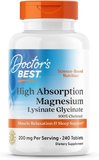
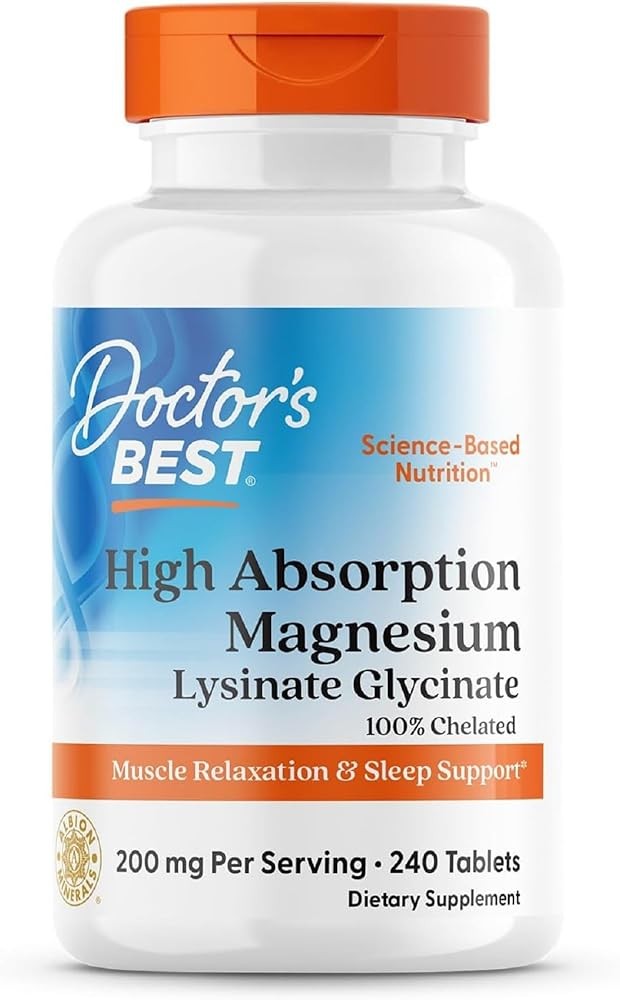
Doctor's Best Magnesium Glycinate
Check Price on AmazonAs an Amazon Associate we earn from qualifying purchases.
For a deep dive into magnesium forms, dosing, and head-to-head comparisons, see our full guide: Best Magnesium Supplements for Sleep: Glycinate vs. Threonate.
Bottom line: Magnesium glycinate (200-400mg elemental) and L-threonate (1-2g) are the most effective forms for sleep, working through GABA receptor modulation and blood-brain barrier penetration, with clinical evidence showing improved sleep efficiency and slow-wave sleep duration (PMID: 23853635).
How Does L-Theanine Promote Relaxation Without Drowsiness?
L-theanine is an amino acid found almost exclusively in tea leaves (Camellia sinensis) and certain species of mushroom. It is one of the reasons that drinking green tea feels calming rather than jittery, despite the caffeine content. Unlike sedative compounds that knock you out, L-theanine promotes relaxation without drowsiness – making it uniquely useful for people who lie awake with racing thoughts.
How L-Theanine Supports Sleep
L-theanine crosses the blood-brain barrier within 30 to 40 minutes of ingestion. Once in the brain, it increases alpha wave activity – the electrical pattern associated with wakeful relaxation, meditation, and creative flow. Alpha waves are the bridge between the alert beta state and the drowsy theta state, which is why boosting them helps you transition smoothly into sleep.
At the neurotransmitter level, L-theanine increases GABA, serotonin, and dopamine while reducing glutamate, the primary excitatory neurotransmitter. This rebalancing of excitatory and inhibitory signaling is particularly helpful for people whose insomnia stems from anxiety, stress, or an overactive mind.
Clinical Evidence
Hidese et al. (2019) conducted a randomized, placebo-controlled, crossover, double-blind trial with 30 healthy adults taking 200 mg of L-theanine daily for four weeks. The results were striking: PSQI (Pittsburgh Sleep Quality Index) scores improved significantly (p = 0.013), with specific improvements in sleep latency, sleep disturbance, and even reduced use of sleep medication. Stress and anxiety scores also dropped significantly (PMID: 41176609).
A 2025 systematic review and meta-analysis published in Sleep Medicine Reviews analyzed 19 articles encompassing 897 participants and confirmed that L-theanine significantly improved subjective sleep onset latency, reduced daytime dysfunction, and improved overall subjective sleep quality scores (PMID: 40056718).
A separate 2025 systematic review in Nutritional Neuroscience examined 13 trials and concluded that L-theanine at 200 to 450 mg per day is safe and effective for supporting healthy sleep, with benefits including faster sleep onset, improved sleep maintenance, better sleep efficiency, and greater feelings of refreshment upon waking (PMID: 41176609).
Suntheanine vs. Generic L-Theanine
Suntheanine is a patented, pure L-isomer form of theanine produced through a proprietary fermentation process. Most clinical studies have used this form. Generic L-theanine supplements may contain a mixture of L-theanine and D-theanine, and the D-isomer has not been studied for sleep benefits. When choosing a product, look for the Suntheanine logo on the label.
Dosing and Timing
Take 100 to 400 mg of L-theanine 30 to 60 minutes before bed. The most commonly studied dose is 200 mg. Unlike many sleep aids, L-theanine does not cause dependence or tolerance, and it can be used safely every night. Some people also take 100 to 200 mg during the day for anxiety relief without sedation.
Recommended Products
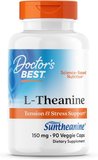
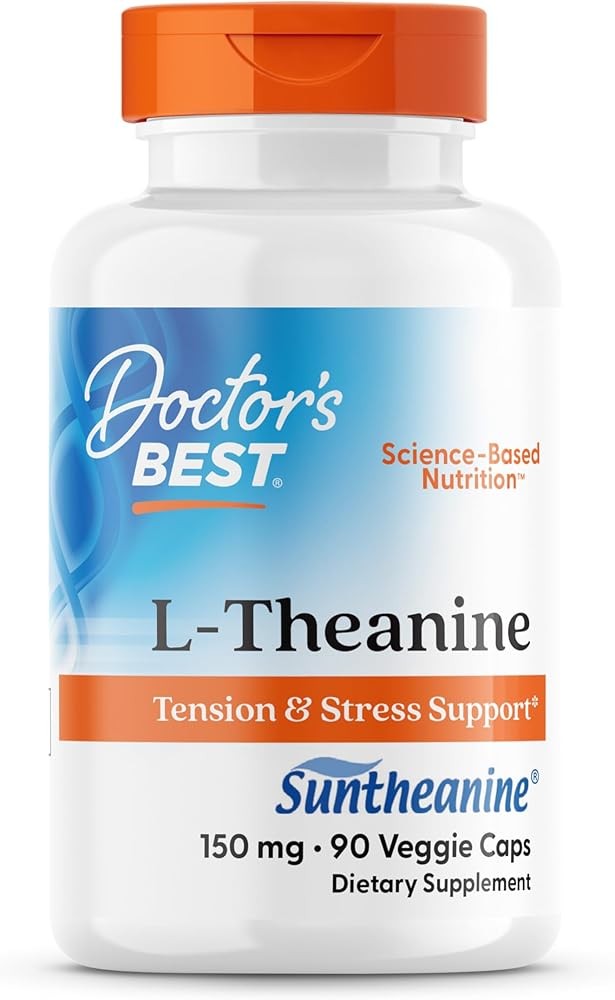
Doctor's Best L-Theanine with Suntheanine
Check Price on AmazonAs an Amazon Associate we earn from qualifying purchases.
For our complete analysis of L-theanine for sleep, including brand comparisons and stacking strategies, visit: Best L-Theanine Supplements for Sleep and Relaxation.
Bottom line: L-theanine at 200mg taken 30-60 minutes before bed increases alpha brain wave activity and reduces sleep onset latency by promoting the transition from alert beta state to relaxed sleep readiness without causing drowsiness (PMID: 41176609).
What Role Does Glycine Play in Sleep Temperature Regulation?
Glycine is the simplest amino acid, and your body uses it in everything from collagen synthesis to detoxification. But its most fascinating role may be in sleep, where it works through an entirely different mechanism than magnesium or L-theanine: thermoregulation.
How Glycine Supports Sleep
To fall asleep, your core body temperature must drop by about 1 to 2 degrees Fahrenheit. This temperature decline is one of the strongest signals to your brain that it is time to sleep. Glycine facilitates this process by promoting peripheral vasodilation – expanding blood vessels in your hands and feet so that heat radiates away from your core.
The mechanism is surprisingly specific. Kawai et al. (2015) demonstrated that glycine acts on NMDA receptors in the shell of the suprachiasmatic nucleus (the brain’s master clock), triggering a cascade that increases cutaneous blood flow and promotes heat loss (PMID: 25533534). This is the same physiological process that occurs naturally in the evening as part of your circadian rhythm, but glycine amplifies it.
Beyond thermoregulation, glycine also serves as an inhibitory neurotransmitter in the brainstem and spinal cord, where it helps reduce muscle tone and promote the physical relaxation needed for restful sleep.
Clinical Evidence
Inagawa et al. (2006) published one of the earliest human trials on glycine and sleep. Volunteers with subjective sleep complaints ingested 3 grams of glycine or placebo before bedtime. The glycine group reported significant improvements in fatigue, liveliness, and clear-headedness the next day, indicating better sleep quality.
Bannai et al. (2012) followed up with a study on partially sleep-restricted healthy volunteers. Taking 3 grams of glycine before bed improved subjective sleep quality and reduced sleepiness and fatigue during the following day, even when total sleep time was limited (PMID: 22529837). Polysomnographic data from related studies showed that glycine shortened the time to reach slow-wave sleep without altering total sleep duration, suggesting it enhances sleep quality rather than simply extending sleep time.
Yamadera et al. (2007) confirmed these findings with polysomnography, showing that glycine ingestion improved sleep efficiency and shortened sleep onset latency while participants reported feeling more satisfied with their sleep.
The Magnesium Glycinate Double Benefit
Here is something most articles miss: when you take magnesium glycinate, you are getting both magnesium and glycine simultaneously. A typical 400 mg elemental magnesium dose from magnesium bisglycinate delivers roughly 2.8 grams of glycine as well – close to the 3-gram dose used in clinical trials. This is one reason why magnesium glycinate is often reported as more effective for sleep than other magnesium forms. You are essentially getting a two-for-one sleep supplement.
If you want the full 3-gram glycine dose and you are already taking magnesium glycinate, you may only need an additional gram of standalone glycine powder.
Dosing and Timing
Take 3 grams of glycine 30 to 60 minutes before bed. Glycine powder dissolves easily in water and has a mildly sweet taste, making it one of the most pleasant supplements to take. It can also be mixed into herbal tea. There are no known serious side effects at this dose.
Recommended Products
For our comprehensive review of glycine for deep sleep, including stacking protocols and sourcing tips, see our glycine research section above.
Bottom line: Taking 3 grams of glycine before bed promotes peripheral vasodilation and core body temperature drop—the physiological trigger for sleep onset—while also shortening time to reach restorative slow-wave sleep (PMID: 22529837).
Does Valerian Root Actually Work for Sleep?
Valerian (Valeriana officinalis) is one of the oldest herbal sleep approaches in the world, with documented use dating back to ancient Greece and Rome. Hippocrates described its properties, and Galen prescribed it for insomnia in the second century. Despite this long history, modern research on valerian has produced mixed results, which makes it worth understanding both its potential and its limitations.
How Valerian Root Supports Sleep
Valerian’s mechanism of action is more complex than many people realize. The herb contains over 150 chemical constituents, including valerenic acid, isovaleric acid, and a variety of iridoids and flavonoids. Several of these compounds interact with the GABAergic system, with valerenic acid shown to inhibit the enzyme-induced breakdown of GABA in the brain, effectively increasing GABA availability.
Additionally, research has identified interactions between valerian extracts and adenosine receptors. Schumacher et al. (2002) found that polar (water-soluble) extracts of valerian act as partial agonists at adenosine A1 receptors (PMID: 12175708). Adenosine is the same molecule that accumulates during waking hours to create sleep pressure – the drowsy feeling that builds the longer you stay awake. Caffeine blocks adenosine receptors, which is why it promotes wakefulness. Valerian appears to do the opposite, gently enhancing adenosine signaling to promote sleepiness.
A 2025 study published in PubMed identified valerenic acid and pinoresinol as positive allosteric modulators of GABA-A receptors, providing a more precise molecular explanation for valerian’s sedative properties (PMID: 40509231).
Clinical Evidence
Bent et al. (2006) conducted the most comprehensive systematic review and meta-analysis of valerian for sleep, analyzing 16 randomized controlled trials. The results were mixed: while most studies suggested a trend toward improvement, the evidence did not reach the level of statistical significance for all outcomes. However, the authors noted significant heterogeneity in study design, valerian preparations, and dosing protocols, which may have diluted the true effect (PMID: 17145239).
Shinjyo et al. (2020) updated this analysis with a more recent systematic review and meta-analysis, finding that valerian root improved sleep quality and reduced sleep disorder symptoms, with stronger effects observed in studies using standardized extracts and longer treatment durations of four weeks or more (PMID: 33086877).
The key takeaway is that valerian works best as a cumulative treatment rather than an acute sleeping pill. Unlike pharmaceutical sedatives that produce noticeable effects on the first night, valerian typically requires two to four weeks of consistent use before benefits become apparent.
Dosing and Timing
Take 300 to 600 mg of a standardized valerian root extract (look for products standardized to 0.8 percent valerenic acid) 30 to 60 minutes before bed. For best results, use it consistently for at least two to four weeks before judging its effectiveness. Valerian has a distinctive earthy, somewhat unpleasant smell – this is normal and indicates the presence of active compounds.
Recommended Products

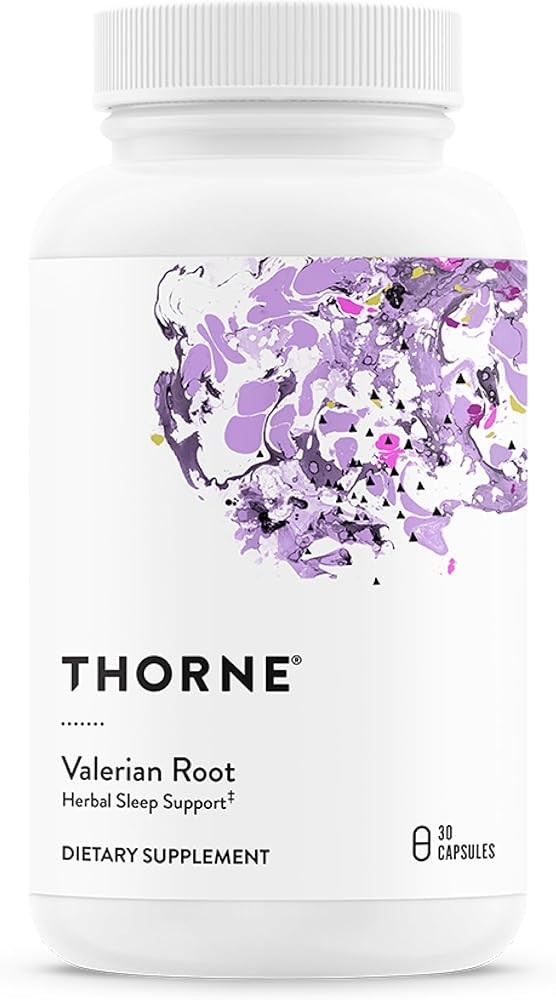
THORNE Valerian Root
Check Price on AmazonAs an Amazon Associate we earn from qualifying purchases.
For our full analysis of whether valerian root actually works, including comparisons with other herbs, see our valerian root research section above.
Bottom line: Valerian root extract (300-600mg standardized to 0.8% valerenic acid) requires 2-4 weeks of consistent use to reach maximum effectiveness, working through GABA-A receptor modulation and adenosine pathway enhancement (PMID: 33086877).
How Does Ashwagandha Address Stress-Driven Insomnia?
Ashwagandha (Withania somnifera) is an adaptogenic herb that has been used in Ayurvedic medicine for over 3,000 years. While it is often marketed as a general stress-relief supplement, its effects on sleep are substantial – particularly for people whose insomnia is driven by elevated cortisol, anxiety, or chronic stress.
How Ashwagandha Supports Sleep
Unlike the other supplements on this list that act directly on sleep-promoting neurotransmitters, ashwagandha works primarily by modulating the stress response. The active compounds, called withanolides, have been shown to reduce cortisol levels, lower inflammatory markers, and modulate the GABAergic system. Triethylene glycol, another active component found in ashwagandha leaves, has demonstrated direct sleep-inducing properties in animal models (PMID: 28207892).
For the many people whose sleep problems stem from an inability to “turn off” their stress response at night, ashwagandha addresses the upstream cause rather than just masking symptoms. When cortisol levels remain elevated in the evening (a pattern sometimes called “wired but tired”), sleep onset is delayed, sleep architecture is disrupted, and you wake up feeling unrefreshed. By normalizing the cortisol curve, ashwagandha creates the internal conditions for sleep to happen naturally.
Clinical Evidence
Langade et al. (2019) published a landmark double-blind, randomized, placebo-controlled study with 60 patients taking 300 mg of ashwagandha root extract (KSM-66) twice daily for 10 weeks. The ashwagandha group showed significant improvements in all sleep parameters: reduced sleep onset latency (SOL), improved sleep efficiency (SE), and lower Pittsburgh Sleep Quality Index (PSQI) and anxiety scores compared to placebo (PMID: 31728244).
Langade et al. (2021) followed up with a second trial specifically comparing healthy volunteers and insomnia patients. Both groups showed improvements with KSM-66 ashwagandha, but the benefits were more pronounced in the insomnia group. Sleep quality, sleep onset latency, mental alertness on rising, and anxiety all improved significantly compared to placebo (PMID: 32818573).
A 2021 meta-analysis by Cheah et al. pooled data from multiple trials and confirmed that ashwagandha extract had a small but significant effect on improving overall sleep, with the most notable benefits at doses of 600 mg per day taken for at least eight weeks (PMID: 34559859).
KSM-66 vs. Other Ashwagandha Extracts
KSM-66 is the most clinically studied ashwagandha extract, standardized to a minimum of 5 percent withanolides using a root-only extraction process. Other popular extracts include Sensoril (which uses both root and leaf) and generic ashwagandha powder. While Sensoril also has clinical support, KSM-66 has the largest body of evidence specifically for sleep and stress outcomes. Generic ashwagandha powders vary widely in withanolide content and may not produce the same results as standardized extracts.
Dosing and Timing
Take 300 mg of KSM-66 ashwagandha twice daily (600 mg total), or 600 mg once in the evening. Effects are cumulative and typically become noticeable after two to four weeks of consistent use, with maximum benefits at eight weeks. Ashwagandha is generally well tolerated, but it belongs to the nightshade family, so individuals with nightshade sensitivities should exercise caution.
Recommended Products
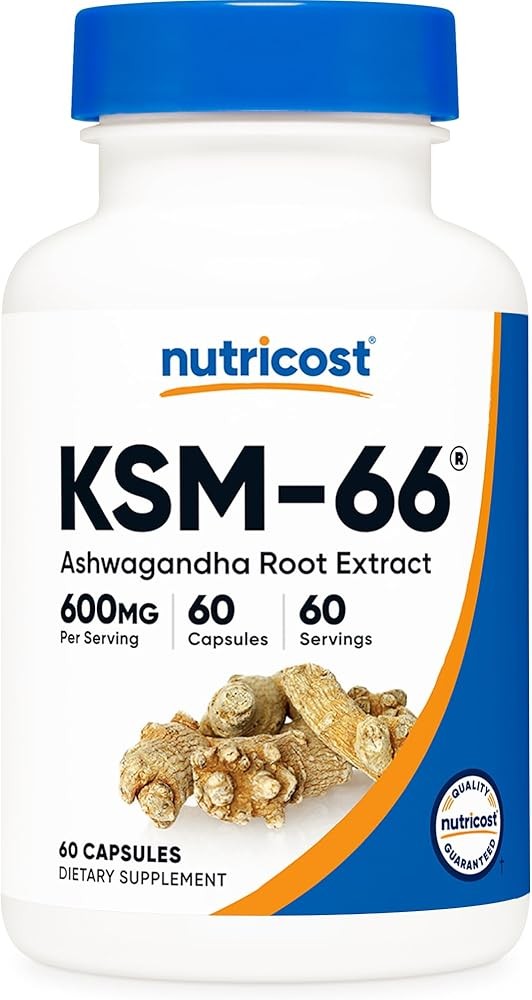
Nutricost Ashwagandha KSM-66
Check Price on AmazonAs an Amazon Associate we earn from qualifying purchases.
For our complete guide to ashwagandha for sleep and stress, including KSM-66 vs. Sensoril comparisons, see: Best Ashwagandha Supplements for Sleep and Stress.
Bottom line: KSM-66 ashwagandha at 600mg daily addresses stress-driven insomnia by normalizing cortisol curves and modulating the HPA axis, with the most pronounced benefits appearing after 8 weeks of consistent use (PMID: 32818573).
Can GABA Supplements Cross the Blood-Brain Barrier?
GABA is the brain’s primary inhibitory neurotransmitter – the chemical that tells neurons to slow down, stop firing, and relax. Every sedative drug ever developed, from alcohol to benzodiazepines to barbiturates, works by enhancing GABA signaling. This has led to enormous interest in supplementing with GABA directly, but the story is more complicated than it first appears.
How GABA Supplements Work (and the Blood-Brain Barrier Problem)
The central challenge with oral GABA supplementation is the blood-brain barrier. GABA is a large, hydrophilic molecule, and the conventional scientific view has been that it cannot cross the blood-brain barrier in meaningful amounts. If true, this would mean oral GABA supplements cannot directly affect brain chemistry.
However, several lines of evidence suggest the picture is more nuanced. First, the blood-brain barrier is not perfectly impermeable – its permeability varies with age, stress, inflammation, and individual genetics. Second, GABA receptors exist throughout the peripheral nervous system, including in the enteric nervous system (the “gut brain”), and peripheral GABA signaling can influence central nervous system activity through the vagus nerve. Third, pharmaGABA – a naturally fermented form of GABA produced by Lactobacillus hilgardii – appears to have effects that synthetic GABA does not, possibly due to differences in absorption or accompanying cofactors.
PharmaGABA vs. Synthetic GABA
PharmaGABA is produced through a natural fermentation process and is identical in structure to the GABA your body produces. Studies using EEG measurements have shown that pharmaGABA increases alpha brain wave activity (associated with relaxation) and decreases beta waves (associated with stress and alertness) within 30 to 60 minutes of ingestion. Synthetic GABA, produced through chemical synthesis, has shown weaker and less consistent effects in studies.
The hypothesized explanation is that pharmaGABA may be better absorbed or may contain trace amounts of other bioactive compounds from the fermentation process. Regardless of the mechanism, if you choose to supplement with GABA, pharmaGABA is the preferred form.
Clinical Evidence
Byun et al. (2018) conducted a randomized, double-blind, placebo-controlled trial with 40 patients experiencing insomnia symptoms. After four weeks of taking 300 mg of naturally fermented GABA daily, the treatment group showed significantly reduced sleep latency (from 13.4 minutes to 5.7 minutes, p = 0.001) and significantly increased sleep efficiency (from 79.4 percent to 86.1 percent, p = 0.018) as measured by polysomnography (PMID: 29856155).
A 2020 systematic review by Hepsomali et al. examined all available human studies on oral GABA supplementation and found that the evidence supports stress-reducing and sleep-enhancing effects, with doses ranging from 100 to 300 mg and effects typically appearing within 30 to 60 minutes of ingestion (PMID: 33041752).
Dosing and Timing
Take 100 to 300 mg of pharmaGABA 30 to 60 minutes before bed. Start at 100 mg to assess tolerance. GABA can also be taken during the day at lower doses (50 to 100 mg) for anxiety relief. Avoid combining GABA supplements with alcohol, benzodiazepines, or other GABAergic drugs.
Recommended Products

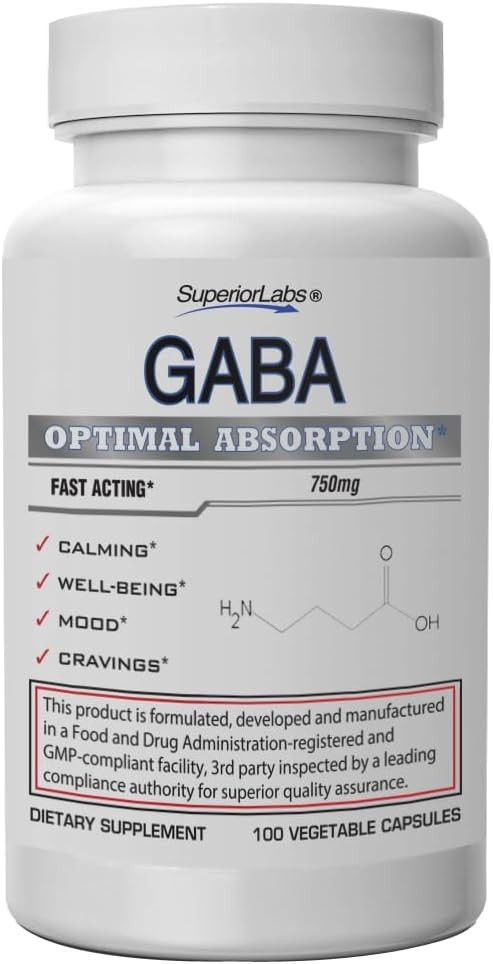
Superior Labs GABA 750mg
Check Price on AmazonAs an Amazon Associate we earn from qualifying purchases.
Bottom line: PharmaGABA (naturally fermented) at 100-300mg provides measurable reductions in sleep latency and improvements in sleep efficiency within 30-60 minutes, despite theoretical blood-brain barrier limitations (PMID: 29856155).
What Is the Connection Between 5-HTP and Natural Melatonin Production?
5-HTP is the immediate precursor to serotonin, the neurotransmitter most people associate with mood regulation. But serotonin does far more than influence your emotional state – it is also the biochemical precursor to melatonin and plays a direct role in sleep architecture, particularly in the regulation of REM sleep.
How 5-HTP Supports Sleep
Your body converts the amino acid tryptophan into 5-HTP via the enzyme tryptophan hydroxylase. This is the rate-limiting step in serotonin synthesis, meaning it is the slowest part of the pathway and the point at which supplementation can have the greatest impact. By providing 5-HTP directly, you bypass this bottleneck and give your brain more raw material to produce serotonin.
Once serotonin is produced, some of it is further converted into melatonin by the pineal gland. This means 5-HTP can indirectly support melatonin production through your body’s own enzymatic pathways rather than flooding the system with exogenous melatonin at a fixed dose. The result is a more physiological, demand-driven increase in melatonin that respects your circadian rhythm.
Clinical Evidence
Shell et al. (2010) conducted a study combining 5-HTP with GABA and found that the combination significantly reduced sleep latency, increased sleep duration, and improved sleep quality compared to placebo. The proposed mechanism was that GABA and serotonin (produced from 5-HTP) work synergistically to activate the ventrolateral preoptic nucleus (VLPO), the brain region responsible for initiating and maintaining sleep (PMID: 19417589).
Bruni et al. (2004) studied 5-HTP in children with sleep terrors and found that supplementation significantly reduced the frequency of episodes over a six-month treatment period. While sleep terrors are a specific condition, the results highlight 5-HTP’s ability to modulate sleep architecture and reduce parasomnias by enhancing serotonin signaling (PMID: 15146330).
A 2024 randomized controlled trial examined 5-HTP supplementation in older adults and found improvements in subjective sleep quality along with beneficial changes in gut microbiota composition, suggesting a sleep-gut axis mechanism that may contribute to 5-HTP’s effects (PMID: 38309227).
Important Safety Considerations
5-HTP is one of the most effective supplements on this list, but it also carries the most significant drug interaction risk. Never combine 5-HTP with SSRIs (like sertraline, fluoxetine, or escitalopram), SNRIs (like venlafaxine or duloxetine), MAOIs, tramadol, or triptans – the combination can cause serotonin syndrome, a potentially life-threatening condition characterized by agitation, rapid heart rate, hyperthermia, and in severe cases, seizures and organ failure.
5-HTP should also not be used continuously for more than 12 weeks without medical supervision, as long-term serotonin elevation may deplete dopamine and catecholamines. Some practitioners recommend cycling 5-HTP (using it for 8 weeks, then taking 2 to 4 weeks off) or combining it with a small dose of L-tyrosine to maintain neurotransmitter balance.
Dosing and Timing
Take 50 to 200 mg of 5-HTP 30 to 60 minutes before bed, starting at the lower dose. Some people find that 5-HTP causes mild nausea when taken on an empty stomach; taking it with a small snack can help. The most commonly studied dose for sleep is 100 to 200 mg.
Recommended Products
NOW Foods 5-HTP 100mg
Check Price on AmazonAs an Amazon Associate we earn from qualifying purchases.
Bottom line: 5-HTP (100-200mg) bypasses the rate-limiting step in serotonin synthesis to support natural melatonin production, but requires careful attention to drug interactions—particularly with SSRIs—due to serotonin syndrome risk.
Why Is Tart Cherry Considered a Non-Melatonin Sleep Aid?
Tart cherry might seem like an unusual entry on a list of non-melatonin sleep supplements, since tart cherries do contain small amounts of naturally occurring melatonin. However, the amounts are far lower than what you would find in a melatonin supplement (roughly 0.01 to 0.02 mg per serving versus 3 to 10 mg in a typical supplement), and the sleep benefits of tart cherry appear to come primarily from its anti-inflammatory and tryptophan-sparing properties rather than its melatonin content.
How Tart Cherry Supports Sleep
Tart cherries, particularly the Montmorency variety, are exceptionally rich in anthocyanins and proanthocyanidins – powerful anti-inflammatory compounds. Losso et al. (2018) proposed a compelling mechanism: tart cherry procyanidin B-2 inhibits indoleamine 2,3-dioxygenase (IDO), an enzyme that diverts tryptophan away from serotonin synthesis and toward the kynurenine pathway. When inflammation is elevated, IDO activity increases, tryptophan gets shunted into kynurenine production, and less is available for serotonin and melatonin synthesis.
By inhibiting IDO, tart cherry increases tryptophan availability for serotonin production. It also reduces prostaglandin E2 (PGE2), a pro-inflammatory molecule that has been shown to disrupt sleep architecture. The result is better sleep through reduced inflammation and optimized tryptophan metabolism rather than through direct melatonin supplementation.
Clinical Evidence
Losso et al. (2018) conducted a placebo-controlled crossover study in adults over 50 with insomnia. Participants drank 240 mL (roughly 8 ounces) of Montmorency tart cherry juice twice daily for two weeks. The results showed an 84-minute increase in sleep time as measured by polysomnography (p = 0.0182) and improved sleep efficiency on the Pittsburgh Sleep Quality Index (p = 0.03). The kynurenine-to-tryptophan ratio decreased, confirming the IDO inhibition mechanism (PMID: 28901958).
Pigeon et al. (2010) conducted an earlier pilot study in older adults with insomnia and found modest but significant reductions in insomnia severity with tart cherry juice consumption, with the most notable improvements in wake after sleep onset (WASO) (PMID: 20438325).
A 2025 systematic review published in Food Science and Nutrition examined the cumulative evidence and concluded that tart cherry supplementation shows promise for improving sleep quality and reducing sleep disorder symptoms, though larger, more rigorous trials are needed to establish definitive recommendations.
Juice vs. Concentrate vs. Capsules
Tart cherry juice is the most studied form, but it comes with a significant sugar load (roughly 25 to 30 grams per 8-ounce serving). Tart cherry concentrate (1 to 2 tablespoons per day) delivers the same active compounds with less sugar. Tart cherry capsules standardized to anthocyanin content are the most convenient option but have less clinical validation.
Dosing and Timing
Drink 8 ounces of tart cherry juice or take 1 tablespoon of concentrate twice daily (morning and evening), or take 500 mg of tart cherry capsules before bed. Effects are typically noticeable within one to two weeks of consistent use.
Recommended Products
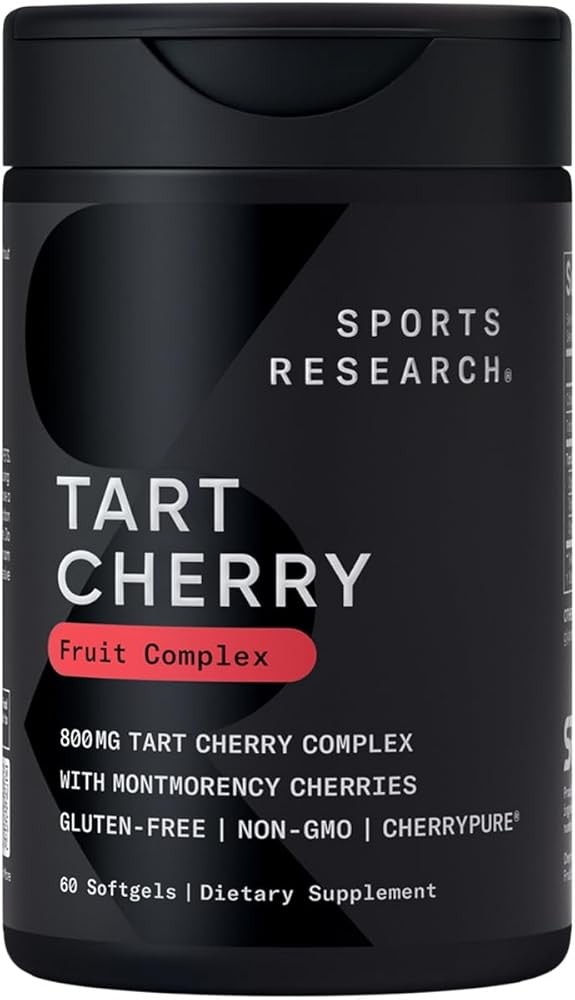
Sports Research Tart Cherry Concentrate
Check Price on AmazonAs an Amazon Associate we earn from qualifying purchases.
For our deep dive into tart cherry and sleep, including the best products and the full research review, visit: Best Tart Cherry Supplements for Sleep: Research Review.
Bottom line: Montmorency tart cherry (8oz juice or 500mg extract) improves sleep primarily through anti-inflammatory procyanidin B-2 inhibition of the IDO enzyme, preserving tryptophan availability for serotonin synthesis rather than through direct melatonin content (PMID: 28901958).
What Makes Apigenin the Supplement Andrew Huberman Recommends?
Apigenin has gone from an obscure flavonoid to one of the most talked-about sleep supplements in the biohacking community, largely thanks to Stanford neuroscientist Andrew Huberman, who includes 50 mg of apigenin in his personal sleep stack along with magnesium threonate and L-theanine.
How Apigenin Supports Sleep
Apigenin is a flavonoid found in high concentrations in chamomile, parsley, celery, and certain citrus fruits. It is the primary bioactive compound responsible for chamomile tea’s well-known calming effects.
Apigenin works through multiple mechanisms. First, it binds to benzodiazepine receptors on GABA-A receptors, producing anxiolytic and mildly sedative effects similar to – but much gentler than – pharmaceutical benzodiazepines. Unlike drugs like diazepam or alprazolam, apigenin does not cause significant sedation, muscle relaxation, or amnesia at typical supplemental doses.
Second, and perhaps more interestingly for longevity enthusiasts, apigenin is the most potent known inhibitor of CD38, an enzyme that consumes NAD+ (nicotinamide adenine dinucleotide). NAD+ is essential for cellular energy production, DNA repair, and sirtuins – the longevity proteins. CD38 activity increases with age, contributing to the decline in NAD+ levels that accelerates aging. By inhibiting CD38, apigenin can approximately double NAD+ levels, which may improve mitochondrial function and cellular repair processes that occur during deep sleep.
Clinical Evidence
While large-scale human trials specifically on isolated apigenin for sleep are still in progress, the evidence base is growing. A 2024 review published in Frontiers in Pharmacology examined apigenin’s dual role in sleep and aging, noting that dietary apigenin intake positively correlates with sleep quality in a large cohort of adults (PMID: 38476603). In animal models, apigenin induced sedative effects and improved sleep architecture.
The clinical evidence for chamomile (apigenin’s primary dietary source) is stronger. A 2017 randomized controlled trial found that chamomile extract improved sleep quality in elderly adults, and a 2019 study in postpartum women showed chamomile significantly improved both sleep quality and depression scores.
Huberman’s recommendation of 50 mg apigenin as part of a sleep stack has generated enormous consumer interest, and several ongoing clinical trials are expected to report results in 2026 and 2027.
Dosing and Timing
Take 50 mg of apigenin 30 to 60 minutes before bed. This is the dose recommended by Huberman and the dose used in most supplement formulations. Apigenin is well-tolerated with no known serious side effects at this dose. It stacks well with magnesium threonate and L-theanine.
Recommended Products

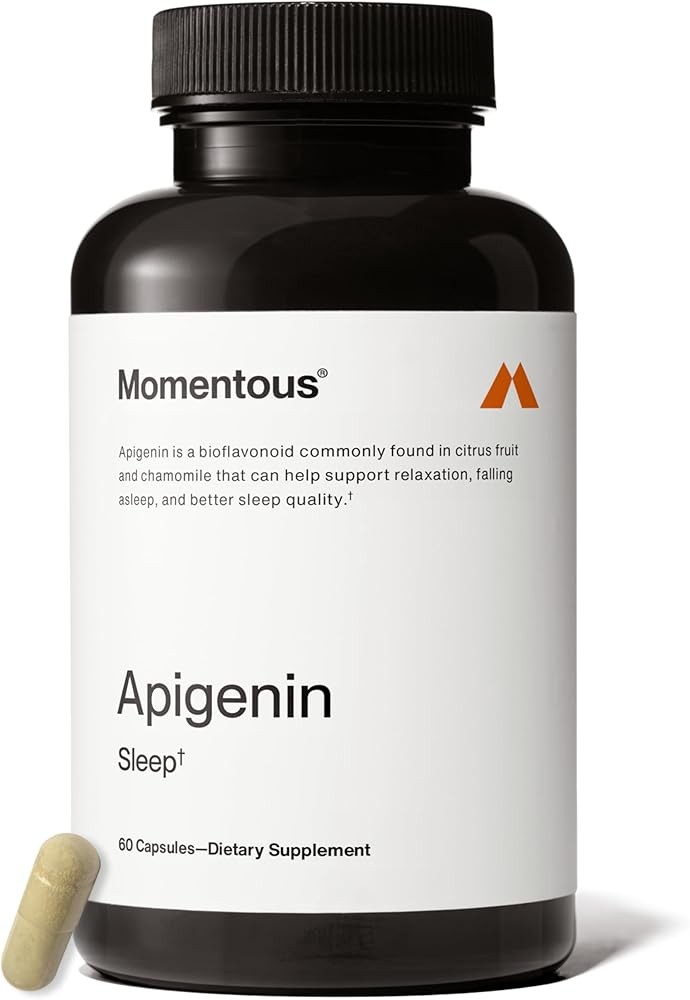
Momentous Apigenin 50mg
Check Price on AmazonAs an Amazon Associate we earn from qualifying purchases.
For our full analysis of apigenin for sleep, including the Huberman protocol and NAD+ benefits, see: Apigenin for Sleep: The Supplement Andrew Huberman Recommends.
Bottom line: Apigenin at 50mg acts as a gentle GABA-A receptor modulator while simultaneously inhibiting CD38 to approximately double NAD+ levels, supporting both sleep initiation and cellular repair processes during deep sleep (PMID: 38476603).
What Are the Physical Signs That Your Sleep Quality Needs Improvement?
Your body is constantly communicating with you about the quality of your sleep. Learning to read these signals can help you identify which supplements might be most helpful and track whether your interventions are working.
Signs of Poor Sleep Quality
Morning indicators: You wake up feeling unrested despite spending 7 to 8 hours in bed. Your joints and muscles feel stiff or achy for the first 30 to 60 minutes after rising. You reach for caffeine within the first hour because you cannot function without it. Your eyes feel heavy, dry, or sensitive to light.
Daytime indicators: You experience an energy crash between 1 and 3 PM that goes beyond normal post-lunch drowsiness. You have difficulty concentrating on complex tasks, frequently re-reading paragraphs or losing your train of thought. Your mood is irritable, reactive, or flat. You crave sugary or high-carbohydrate foods as your brain searches for quick energy.
Evening indicators: You feel paradoxically wired at bedtime – physically tired but mentally alert. Your heart rate feels elevated when you lie down. You experience restless legs, muscle twitches, or involuntary jerking as you try to fall asleep (which may indicate magnesium deficiency). You replay conversations, worry about the next day, or experience racing thoughts that you cannot shut off.
Physical signs of chronic sleep deprivation: Dark circles under your eyes that do not improve with hydration. Increased susceptibility to colds and infections (poor sleep suppresses natural killer cell activity). Unexplained weight gain, especially around the midsection (sleep deprivation elevates cortisol and ghrelin while suppressing leptin). Slower recovery from workouts or injuries.
What Improvement Looks Like
When a sleep supplement is working, the changes are often subtle at first but cumulative over days and weeks.
Week 1 to 2: You may notice that falling asleep feels slightly easier – less tossing and turning, fewer racing thoughts. You might wake up once or twice less during the night. Morning grogginess may decrease slightly.
Week 2 to 4: The more significant changes typically appear in this window. You wake up feeling genuinely refreshed rather than simply “less terrible.” Your energy is more stable throughout the day, with fewer afternoon crashes. Caffeine intake may naturally decrease because you no longer need as much to compensate for poor sleep.
Week 4 to 8: If you are tracking with a wearable device, you may see increases in deep sleep and REM sleep percentages. Exercise recovery improves. Mood stabilizes. You may notice that your skin looks better, as deep sleep is when growth hormone peaks and cellular repair occurs.
Which Supplement to Try Based on Your Symptoms
- Racing thoughts at bedtime: L-theanine (alpha wave promotion) or ashwagandha (cortisol reduction)
- Muscle tension or restless legs: Magnesium glycinate (GABA modulation and muscle relaxation)
- Cannot get body temperature to drop: Glycine (thermoregulation through peripheral vasodilation)
- General anxiety and stress: Ashwagandha KSM-66 or GABA (pharmaGABA)
- Low mood affecting sleep: 5-HTP (serotonin precursor) – but check drug interactions first
- Inflammation-related sleep disruption: Tart cherry (IDO inhibition and anti-inflammatory)
- Want a gentle, non-sedating option: Apigenin (GABA-A modulation without heavy sedation)
How Can You Safely Combine Multiple Sleep Supplements?
One of the advantages of non-melatonin sleep supplements is that many of them work through different, complementary mechanisms and can be combined safely. However, stacking requires some knowledge of which combinations are synergistic and which should be avoided.
The Evidence-Based Sleep Stack
The following combination covers the major physiological pathways involved in sleep initiation and maintenance:
Foundation layer (start here):
- Magnesium glycinate: 200 to 400 mg elemental magnesium (provides both magnesium and glycine)
- L-theanine: 200 mg (promotes alpha waves and GABA)
Enhancement layer (add after 1 to 2 weeks if needed):
- Additional glycine powder: 1 to 2 grams (tops up the thermoregulation dose)
- Apigenin: 50 mg (gentle GABA-A modulation)
Targeted layer (add based on specific symptoms):
- Ashwagandha KSM-66: 600 mg daily for stress-driven insomnia
- 5-HTP: 100 to 200 mg for low-mood insomnia (check drug interactions)
- Valerian root: 300 to 600 mg for those who prefer herbal approaches (allow 2 to 4 weeks)
Combinations to Avoid
- 5-HTP + SSRIs/SNRIs/MAOIs: Risk of serotonin syndrome. This is the most dangerous combination on this list.
- GABA + alcohol or benzodiazepines: Excessive GABAergic activity can cause over-sedation, respiratory depression, or paradoxical agitation.
- 5-HTP + GABA: While Shell et al. (2010) studied this combination with positive results, the synergistic serotonin-boosting effect means you should start at lower doses of each and avoid combining with any serotonergic medications.
- High-dose valerian + any sedative medication: Valerian’s GABAergic effects may compound with prescription sedatives.
Cycling Strategy
For most supplements on this list, continuous use is safe. Magnesium, glycine, and L-theanine can be taken indefinitely because they are nutrients your body uses in normal metabolism. Ashwagandha is generally safe for long-term use but some practitioners recommend cycling 8 weeks on, 2 weeks off. 5-HTP should be cycled (8 weeks on, 2 to 4 weeks off) to reduce the risk of catecholamine depletion. Valerian can be used continuously but may take breaks if efficacy seems to decrease.
Who Should Avoid Non-Melatonin Sleep Supplements?
While non-melatonin sleep supplements are generally safer than pharmaceutical sleep aids, they are not appropriate for everyone.
Pregnancy and Breastfeeding
Most of the supplements on this list have not been adequately studied in pregnant or breastfeeding women. Ashwagandha in particular should be avoided during pregnancy due to potential effects on thyroid function and limited safety data. 5-HTP and valerian root should also be avoided. Magnesium and glycine are generally considered safe during pregnancy at dietary-level doses, but supplemental doses should be discussed with an obstetrician.
People Taking Psychiatric Medications
If you take any antidepressant, anti-anxiety medication, mood stabilizer, or antipsychotic, consult your prescriber before adding any sleep supplement. 5-HTP is contraindicated with serotonergic drugs. GABA and valerian can potentiate sedative medications. Even magnesium can interact with certain antibiotics (like tetracyclines and fluoroquinolones) by reducing their absorption.
People with Autoimmune Conditions
Ashwagandha stimulates the immune system and may worsen autoimmune conditions like Hashimoto’s thyroiditis, rheumatoid arthritis, lupus, or multiple sclerosis. If you have an autoimmune condition, avoid ashwagandha or use it only under medical supervision.
People with Kidney Disease
Magnesium is excreted by the kidneys, and people with impaired kidney function can accumulate dangerous levels. If your estimated glomerular filtration rate (eGFR) is below 60, do not supplement with magnesium without medical guidance.
People with Low Blood Pressure
Several supplements on this list (magnesium, GABA, ashwagandha, valerian) can lower blood pressure. If you already have hypotension or are taking blood pressure medications, start at lower doses and monitor your blood pressure regularly.
What Does an Effective Melatonin-Free Evening Routine Look Like?
Here is a practical, time-based evening routine that incorporates these supplements into a broader sleep hygiene framework.
3 to 4 Hours Before Bed: Set the Stage
- Finish your last meal at least 3 hours before bedtime. A heavy meal too close to bed diverts blood flow to digestion and raises core temperature.
- Take your ashwagandha dose if you are using it (or take it with dinner).
- Begin dimming lights in your home. Switch to warm-toned or amber lighting.
2 Hours Before Bed: Wind Down
- Stop all work, email, and mentally stimulating activities.
- Reduce screen brightness to the lowest comfortable setting, or put on blue-light-blocking glasses.
- If using tart cherry juice or concentrate, take your evening dose now.
60 Minutes Before Bed: Supplement Window
- Take magnesium glycinate (200 to 400 mg elemental magnesium) with water.
- Take L-theanine (200 mg).
- Take apigenin (50 mg) if using.
- Take valerian root (300 to 600 mg) if using.
30 Minutes Before Bed: Final Preparation
- Dissolve 3 grams of glycine powder in warm chamomile tea (for additional apigenin).
- Take 5-HTP (100 to 200 mg) if using, with a small bite of food to reduce the risk of nausea.
- Take GABA (100 to 300 mg pharmaGABA) if using.
- Begin your wind-down ritual: reading, gentle stretching, meditation, or deep breathing.
At Bedtime
- Set your room temperature to 65 to 68 degrees Fahrenheit.
- Use blackout curtains or a sleep mask.
- Use earplugs or a white noise machine if environmental noise is a factor.
- Practice 4-7-8 breathing (inhale for 4 counts, hold for 7, exhale for 8) for 3 to 5 cycles.
This routine does not require all nine supplements. Most people will find that the foundation layer (magnesium glycinate plus L-theanine) provides substantial improvement, and additional supplements can be layered in one at a time over several weeks.
Related Reading
- Sleep and Recovery: Best Ashwagandha Supplements for Sleep and Stress
- Sleep and Recovery: How Much Melatonin Should You Actually Take?
- Sleep and Recovery: The Science Behind Apigenin for Better Rest
- Sleep and Recovery: Best Magnesium Supplements for Sleep - Glycinate vs Threonate
- Sleep and Recovery: Best Glycine Supplements for Deep Sleep
- REM Sleep Rebound After Quitting Alcohol: Recovery Supplements That Actually Work
- Improving Deep Sleep with Supplements: What Research Shows
References
-
Abbasi B, Kimiagar M, Sadeghniiat K, et al. The effect of magnesium supplementation on primary insomnia in elderly: A double-blind placebo-controlled clinical trial. J Res Med Sci. 2012;17(12):1161-1169. PMID: 23853635.
-
Held K, Antonijevic IA, Kunzel H, et al. Oral Mg(2+) supplementation improves age-related neuroendocrine and sleep EEG changes in humans. Pharmacopsychiatry. 2002;35(4):135-143. PMID: 12163983.
-
Zhang Y, Liu X, Ruan J, et al. Effects of magnesium L-threonate on cognitive function and sleep quality. Front Nutr. 2024;11:1330903. PMID: 39252819.
-
Bannai M, Kawai N, Ono K, et al. The effects of glycine on subjective daytime performance in partially sleep-restricted healthy volunteers. Front Neurol. 2012;3:61. PMID: 22529837.
-
Inagawa K, Hiraoka T, Kohda T, et al. Subjective effects of glycine ingestion before bedtime on sleep quality. Sleep Biol Rhythms. 2006;4(1):75-77.
-
Kawai N, Sakai N, Okuro M, et al. The sleep-promoting and hypothermic effects of glycine are mediated by NMDA receptors in the suprachiasmatic nucleus. Neuropsychopharmacology. 2015;40(6):1405-1416. PMID: 25533534.
-
Bent S, Padula A, Moore D, et al. Valerian for sleep: a systematic review and meta-analysis. Am J Med. 2006;119(12):1005-1012. PMID: 17145239.
-
Shinjyo N, Waddell G, Green J. Valerian root in treating sleep problems and associated disorders: A systematic review and meta-analysis. J Evid Based Integr Med. 2020;25:2515690X20967323. PMID: 33086877.
-
Langade D, Kanchi S, Salve J, et al. Efficacy and safety of ashwagandha (Withania somnifera) root extract in insomnia and anxiety: A double-blind, randomized, placebo-controlled study. Cureus. 2019;11(9):e5797. PMID: 31728244.
-
Langade D, Thakare V, Kanchi S, Kelgane S. Clinical evaluation of the pharmacological impact of ashwagandha root extract on sleep in healthy volunteers and insomnia patients. J Ethnopharmacol. 2021;264:113276. PMID: 32818573.
-
Byun JI, Shin YY, Chung SE, Shin WC. Safety and efficacy of gamma-aminobutyric acid from fermented rice germ in patients with insomnia symptoms: A randomized, double-blind trial. J Clin Neurol. 2018;14(3):291-295. PMID: 29856155.
-
Shell W, Bullias D, Charuvastra E, et al. A randomized, placebo-controlled trial of an amino acid preparation on timing and quality of sleep. Am J Ther. 2010;17(2):133-139. PMID: 19417589.
-
Bruni O, Ferri R, Miano S, Verrillo E. L-5-Hydroxytryptophan treatment of sleep terrors in children. Eur J Pediatr. 2004;163(7):402-407. PMID: 15146330.
-
Losso JN, Finley JW, Karki N, et al. Pilot study of the tart cherry juice for the treatment of insomnia and investigation of mechanisms. Am J Ther. 2018;25(2):e194-e201. PMID: 28901958.
-
Schumacher B, Scholle S, Holzl J, et al. Interactions of valerian extracts and a fixed valerian-hop extract combination with adenosine receptors. Life Sci. 2002;71(16):1911-1919. PMID: 12175708.
-
Pigeon WR, Carr M, Gorman C, Perlis ML. Effects of a tart cherry juice beverage on the sleep of older adults with insomnia: a pilot study. J Med Food. 2010;13(3):579-583. PMID: 20438325.
-
Hepsomali P, Groeger JA, Nishihira J, Scholey A. Effects of oral gamma-aminobutyric acid (GABA) administration on stress and sleep in humans: A systematic review. Front Neurosci. 2020;14:923. PMID: 33041752.
-
Cheah KL, Norhayati MN, Husniati Yaacob L, Abdul Rahman R. Effect of ashwagandha (Withania somnifera) extract on sleep: A systematic review and meta-analysis. PLoS One. 2021;16(9):e0257843. PMID: 34559859.
-
Zhang Y, Chen C, Lu L, et al. The impact of 5-hydroxytryptophan supplementation on sleep quality and gut microbiota composition in older adults: A randomized controlled trial. Clin Nutr. 2024;43(2):563-572. PMID: 38309227.
Related Articles
- Best Magnesium Supplements for Sleep - Glycinate vs Threonate
- Best L-Theanine Supplements for Sleep and Relaxation
- Best Ashwagandha Supplements for Sleep and Stress
- Apigenin for Sleep: The Supplement Andrew Huberman Recommends
- Best Tart Cherry Supplements for Sleep - Research Review
Our Top Recommendations
Recommended Products