Best Tart Cherry Supplements for Sleep Research Review
Summarized from peer-reviewed research indexed in PubMed. See citations below.
Poor sleep quality affects millions of people, with research showing chronic insomnia impacts cognitive function, immune health, and metabolic regulation. Based on clinical trials using polysomnography, the Sports Research Tart Cherry Concentrate Capsules deliver 800 mg of Montmorency tart cherry extract per softgel for around $20, providing the anthocyanins and natural melatonin shown to increase sleep time by up to 84 minutes. The research confirms these benefits come from tart cherry’s unique ability to inhibit the IDO enzyme, preserving tryptophan for natural melatonin production while reducing inflammation that disrupts sleep. For a budget-friendly option, the Carlyle Tart Cherry Extract offers 200 capsules for approximately $15. Here’s what the published research shows about how tart cherry supplements improve sleep quality through multiple biochemical pathways.
Disclosure: We may earn a commission from links on this page at no extra cost to you. Affiliate relationships never influence our ratings. Full policy →
Why Tart Cherry Has Become One of the Most Researched Natural Sleep Aids
If you have spent any time looking into natural sleep solutions, you have probably come across tart cherry. It shows up in sleep supplement roundups, athlete recovery protocols, and even recommendations from sleep researchers. But unlike many trending sleep ingredients that ride a wave of hype with thin evidence, tart cherry has something most natural sleep aids lack: multiple randomized controlled trials showing measurable improvements in actual sleep metrics.
What makes the research compelling is not just that people report sleeping better — it is that objective measurements like polysomnography (the gold standard of sleep assessment) have confirmed increases in total sleep time, improvements in sleep efficiency, and reductions in time spent awake after falling asleep. One trial found participants gained 84 extra minutes of sleep per night after two weeks of tart cherry juice consumption. That kind of result from a food-based intervention, not a pharmaceutical, is genuinely unusual.
This article breaks down the full body of clinical evidence on tart cherry for sleep, explains the unique biochemical mechanisms that set it apart from a simple melatonin supplement, compares the different forms available (juice, concentrate, capsules, powder), and recommends the best tart cherry products based on quality, potency, and value. Whether you are dealing with occasional sleeplessness, chronic insomnia, or you are an athlete looking for both better recovery and better sleep, this guide covers what the research actually says and how to put it into practice.
| Feature | Sports Research | Carlyle Extract | NOW Foods |
|---|---|---|---|
| Form | Liquid softgel | Capsule | Capsule |
| Dose per Serving | 800 mg | Extract | 500 mg (50:1) |
| Cultivar | Montmorency | Tart cherry | Tart cherry |
| Sugar Content | Zero | Zero | Zero |
| Capsule Count | 60 | 200 | 90 |
| Best For | Absorption | Budget/long-term | Athletes |
| Price Range | ~$20 | ~$15 | ~$18 |
How Does Tart Cherry Improve Sleep? The Unique Biochemistry Explained
Montmorency vs. Balaton: Not All Tart Cherries Are Equal
When researchers and supplement manufacturers talk about “tart cherry,” they are almost always referring to one of two cultivars of Prunus cerasus: Montmorency or Balaton. Understanding the difference matters because the biochemical profiles are not identical.
Montmorency tart cherries are the most widely studied cultivar for sleep benefits. They are grown predominantly in Michigan and contain higher levels of total phenolics, including the proanthocyanidins that have been specifically linked to sleep-promoting mechanisms. Critically, Montmorency cherries contain approximately 13.46 ng/g of melatonin — roughly six times more than Balaton cherries, which contain about 2.06 ng/g (Burkhardt et al., 2001, PMID: 11600041).
Balaton tart cherries, while lower in melatonin, actually contain higher total anthocyanin concentrations. They originate from Hungary and have a slightly different flavor profile — darker and richer.
For sleep purposes specifically, the research overwhelmingly favors Montmorency, and this is the cultivar used in the landmark clinical trials by Pigeon, Howatson, and Losso. When choosing a tart cherry supplement, check the label for Montmorency specification.
The Active Compounds That Matter
Tart cherry is not a one-trick ingredient. Its sleep benefits come from a synergistic combination of bioactive compounds, each contributing through different pathways:
Natural Melatonin: Tart cherries are one of the few food sources that contain measurable amounts of melatonin. While the absolute quantity per serving is modest compared to a melatonin supplement tablet (roughly 0.013 mg per gram of cherry versus 0.3-10 mg in a typical supplement), research suggests this naturally occurring melatonin still elevates circulating levels enough to improve sleep parameters. The Howatson 2012 study confirmed a statistically significant increase in urinary 6-sulfatoxymelatonin (the primary melatonin metabolite) after seven days of tart cherry juice concentrate consumption (PMID: 22038497).
Anthocyanins: These are the pigments responsible for the deep red color of tart cherries. The primary anthocyanins in Montmorency tart cherries include:
- Cyanidin-3-glucosylrutinoside (the most abundant)
- Cyanidin-3-rutinoside
- Cyanidin-3-glucoside
- Peonidin-3-glucoside
Anthocyanins are potent antioxidants with documented anti-inflammatory properties. They inhibit cyclooxygenase enzymes (COX-1 and COX-2), reducing prostaglandin production and systemic inflammation — both of which directly impact sleep quality. Chronic low-grade inflammation is increasingly recognized as a driver of poor sleep, creating a vicious cycle where bad sleep increases inflammation and inflammation worsens sleep.
Proanthocyanidins (Procyanidins): This is where tart cherry’s sleep mechanism gets genuinely interesting and distinct from other natural sleep aids. Tart cherries contain procyanidin B-2, which has been shown to inhibit the enzyme indoleamine 2,3-dioxygenase (IDO). This enzyme is the key to understanding why tart cherry works differently from simply taking a melatonin pill.
Quercetin and Other Flavonoids: Tart cherries also contain quercetin, kaempferol, and other flavonoids that contribute to the overall anti-inflammatory and antioxidant effects. These compounds support healthy inflammatory responses that enable restorative sleep.
The IDO Enzyme Inhibition Pathway: Why Tart Cherry Is Not Just “Natural Melatonin”
This is the most important section for understanding why tart cherry works for sleep, and why it is fundamentally different from simply popping a melatonin supplement.
Here is the pathway in simplified terms:
-
Tryptophan is an essential amino acid your body uses to make serotonin, and serotonin is the precursor to melatonin. More available tryptophan means more potential melatonin production.
-
However, tryptophan has a competing pathway. The enzyme indoleamine 2,3-dioxygenase (IDO) diverts tryptophan away from the serotonin/melatonin pathway and instead converts it into kynurenine. When IDO activity is high, less tryptophan is available for melatonin synthesis.
-
Inflammation stimulates IDO activity. This is why people with chronic inflammation, stress, or inflammatory conditions often have poor sleep — their bodies are shunting tryptophan away from melatonin production.
-
The procyanidin B-2 in tart cherry directly inhibits IDO in a dose-dependent manner (Losso et al., 2018, PMID: 28901958). This means tart cherry keeps more tryptophan available for conversion to serotonin and then melatonin.
-
Simultaneously, tart cherry’s anthocyanins reduce prostaglandin E2 (PGE2) and other inflammatory markers, further reducing the inflammatory signals that would otherwise upregulate IDO.
The result is a dual mechanism: tart cherry both preserves tryptophan for melatonin production and reduces the inflammatory drive that would steal tryptophan away. This is fundamentally different from exogenous melatonin supplementation, which simply adds melatonin from outside without addressing the underlying tryptophan metabolism or inflammation.
As the researchers noted: “Even though the amount of tryptophan in tart cherry juice is smaller than a normal dose given to aid sleep, the compounds in tart cherries could reduce the breakdown of tryptophan so it’s able to work in the body more effectively.”
Bottom line: The Losso 2018 study confirmed that procyanidin B-2 in tart cherry dose-dependently inhibits IDO enzyme activity (P < 0.05), reducing the kynurenine-to-tryptophan ratio and preserving tryptophan for melatonin production—resulting in an 84-minute increase in sleep time as measured by polysomnography.
What Do Clinical Trials Show About Tart Cherry and Sleep?
Pigeon: The First Rigorous Sleep Trial (PMID: 20438325)
Study Design: Randomized, double-blind, crossover trial with 15 older adults (65+ years) with chronic insomnia. Participants received either tart cherry juice blend or placebo for two weeks, with a two-week washout period between conditions.
Protocol: Participants consumed 8 ounces of tart cherry juice blend twice daily (morning and evening, one to two hours before bed).
Key Results:
- Significant pre- to post-treatment improvement on the Insomnia Severity Index
- 62-minute reduction in wake-after-sleep-onset (WASO) — meaning participants spent over an hour less lying awake in the middle of the night
- Improvements in all measured sleep continuity variables
Why It Matters: This was the first randomized trial to demonstrate that a cherry-based intervention could meaningfully reduce insomnia symptoms using validated clinical measures. The 62-minute WASO reduction is clinically significant — many prescription sleep medications achieve similar or smaller improvements.
Howatson: Melatonin Confirmation (PMID: 22038497)
Study Design: Randomized, double-blind, placebo-controlled crossover trial with 20 healthy volunteers (18-40 years) over seven days.
Protocol: 30 mL of Montmorency tart cherry juice concentrate mixed with 200 mL of water, consumed twice daily.
Key Results:
- Significant increase in total sleep time (34 minutes)
- 25-minute increase in time in bed
- 5-6% improvement in sleep efficiency
- Significant elevation in urinary melatonin metabolite (6-sulfatoxymelatonin) — approximately 17% increase
- No change in the circadian rhythm of melatonin (meaning the timing of the natural rhythm was preserved, but the amplitude increased)
Why It Matters: This study provided the first direct evidence that consuming tart cherry juice measurably increases exogenous melatonin levels in humans and that this increase correlates with improved sleep parameters. It also showed that the benefits are not limited to insomniacs — even healthy young adults improved their sleep metrics.
Losso: The Strongest Results and Mechanism Discovery (PMID: 28901958)
Study Design: Placebo-controlled, balanced crossover study with eight adults over 50 years old with chronic insomnia, using polysomnography (the gold standard for sleep measurement).
Protocol: 240 mL of tart cherry juice twice daily for two weeks, separated by a two-week washout period.
Key Results:
- 84-minute increase in total sleep time as measured by polysomnography
- Significant improvement in sleep efficiency on the Pittsburgh Sleep Quality Index (PSQI) (P = 0.03)
- Decreased kynurenine-to-tryptophan ratio (P < 0.05) — direct evidence of IDO inhibition
- Reduced prostaglandin E2 levels (P < 0.05) — confirming anti-inflammatory effects
- In vitro, procyanidin B-2 dose-dependently inhibited IDO
Why It Matters: This is the most mechanistically detailed tart cherry sleep study. Not only did it show the largest increase in sleep time (84 minutes), it also identified the specific biochemical pathway through which tart cherry works — IDO inhibition leading to increased tryptophan availability. The use of polysomnography rather than just self-report questionnaires gives these findings exceptional credibility.
Garrido: Age-Dependent Benefits (PMID: 23732552)
Study Design: Blind, placebo-controlled, randomized crossover study at the University of Extremadura, Spain. Thirty participants across three age groups: young (20-30), middle-aged (35-55), and elderly (65-85).
Protocol: Jerte Valley cherry-enriched product consumed over the study period.
Key Results:
- Improved nocturnal rest across all age groups, measured by sleep efficiency, number of awakenings, total nocturnal activity, sleep latency, actual sleep time, and immobility
- Increased urinary 6-sulfatoxymelatonin (melatonin metabolite) in all age groups
- Increased serum pro-somnogenic cytokines collected at the peak of melatonin rhythm (1:00 AM)
- Better results were obtained with advancing age — older participants benefited most
Why It Matters: This study demonstrated that cherry’s sleep benefits are not cultivar-specific (it used Jerte Valley cherries, not Montmorency) and that the benefits actually increase with age. Given that sleep quality naturally deteriorates with aging, this makes tart cherry particularly relevant for older adults.
Barforoush Systematic Review (PMID: 40964149)
The most recent comprehensive evaluation of tart cherry and sleep was published in 2025 in Food Science & Nutrition. This systematic review analyzed seven interventional studies from PubMed, Google Scholar, ScienceDirect, Scopus, and EMBASE databases.
Key Findings:
- Three of seven studies reported significant improvements in sleep duration, sleep efficiency, or sleep onset time
- Three studies documented increases in melatonin levels after tart cherry consumption
- Two studies reported decreases in inflammatory markers (CRP, MDA)
- The review concluded that tart cherry supplementation increases circulating melatonin and tryptophan, which can decrease inflammation, enhance antioxidant capacity, and mitigate oxidative stress
Limitations Noted: Large differences in dose, duration, and participant characteristics across studies make direct comparisons difficult. A 2024 study using 500 mg Montmorency tart cherry powder capsules in overweight/obese adults did not find sleep improvements, suggesting that dose, form, and population characteristics matter.
What the Evidence Collectively Tells Us
Looking across all the trials, several patterns emerge:
- Juice and concentrate forms show more consistent benefits than capsules alone, possibly due to higher bioactive compound delivery
- Two-week minimum supplementation appears necessary for measurable effects
- Twice-daily dosing (morning and evening) is used in virtually all positive trials
- Older adults and those with existing sleep problems tend to show the greatest improvements
- The mechanism extends far beyond simple melatonin content — IDO inhibition and anti-inflammatory effects are likely the primary drivers
Bottom line: Multiple randomized controlled trials show that tart cherry consumption significantly improves sleep time, sleep efficiency, and reduces nighttime waking, with the strongest effects seen in studies using Montmorency cherry juice or concentrate for at least 14 days.
Which Form of Tart Cherry Is Best: Juice, Concentrate, Capsules, or Powder?
Choosing the right form of tart cherry is one of the most practical decisions you will make, and it genuinely affects outcomes. Here is how the main forms compare:
Tart Cherry Juice (Ready-to-Drink)
What it is: Full-strength or reconstituted tart cherry juice, typically from Montmorency cherries.
Pros:
- The form used in multiple positive clinical trials
- Contains the full spectrum of bioactive compounds in their natural matrix
- Easy to incorporate into an evening routine
- Pleasant taste (tart but palatable)
Cons:
- High sugar content — roughly 25-30 grams per 8-ounce serving
- Bulky to store and transport
- More expensive per-dose than concentrate or capsules
- Shorter shelf life once opened
Best for: People who do not mind the sugar content, enjoy the taste, and want the closest match to what was used in clinical studies.
Tart Cherry Juice Concentrate
What it is: Concentrated tart cherry juice, typically requiring 1-2 tablespoons (15-30 mL) mixed with water.
Pros:
- Most research-aligned form — multiple positive studies used concentrate
- Higher concentration of anthocyanins and proanthocyanidins per serving
- Lower sugar per effective dose than full juice
- Long shelf life, compact storage
- Cost-effective (one bottle lasts weeks)
Cons:
- Still contains sugar (less than full juice, but present)
- Taste can be very tart when concentrated
- Must be measured and mixed
Best for: People who want research-backed efficacy with a better sugar profile than full juice. This is arguably the optimal form based on the current evidence.
Tart Cherry Capsules
What it is: Dried and concentrated tart cherry extract in capsule form, typically standardized to anthocyanin content.
Pros:
- Zero sugar — ideal for diabetics, keto dieters, or anyone watching carbohydrate intake
- Convenient, portable, precise dosing
- No taste issues
- Long shelf life
- Often the most affordable per-day cost
Cons:
- Less research directly using capsule forms (most studies used juice/concentrate)
- Concentration ratios vary widely between brands (10:1, 50:1, etc.)
- May not deliver the same full-spectrum profile as juice
- Absorption may differ from liquid forms
Best for: People who want the convenience of a pill, need to avoid sugar, or want to stack tart cherry with other sleep supplements that don’t contain melatonin.
Tart Cherry Powder
What it is: Freeze-dried or spray-dried tart cherry powder, sometimes used in capsules or sold as a loose powder for mixing.
Pros:
- Versatile (can be mixed into smoothies, yogurt, or water)
- Can retain good bioactive compound levels if freeze-dried
- Lower sugar than juice
Cons:
- Processing methods vary, and heat-based drying can degrade anthocyanins
- One 2024 study using 500 mg of Montmorency tart cherry powder capsules did not find sleep improvements, raising questions about this form’s efficacy at commonly used doses
- Dosing standardization is inconsistent across brands
Best for: People who enjoy adding supplements to smoothies or food, though the evidence for this form specifically is weaker.
Bottom line: Juice and concentrate forms have the most research support and highest anthocyanin content, but capsules offer convenience without sugar while powders provide flexibility for customized dosing and mixing with other supplements.
How Does Sugar Content Affect Tart Cherry’s Sleep Benefits?
One of the most common concerns about tart cherry for sleep is the sugar content, and it is a legitimate consideration. Here is the breakdown:
| Form | Approximate Sugar Per Effective Dose |
|---|---|
| Full juice (8 oz) | 25-30 grams |
| Concentrate (1 oz diluted) | 8-12 grams |
| Capsules | 0 grams |
| Powder (500 mg) | < 1 gram |
If you are managing blood sugar, on a ketogenic diet, or simply trying to minimize sugar intake before bed, capsules are the clear winner. The irony is that the strongest clinical evidence comes from juice and concentrate forms, but the sugar-free convenience of capsules makes them the practical choice for many people.
One compromise: use a small dose of concentrate (1 tablespoon rather than 2) in the evening paired with a tart cherry capsule. This gives you some of the full-spectrum liquid benefits while keeping sugar modest.
For people with diabetes, it is worth noting that the glycemic impact of 8-12 grams of sugar from a concentrate serving is relatively small, but discuss timing with your healthcare provider since consuming sugar close to bedtime can affect some individuals’ blood glucose patterns.
Bottom line: Capsules offer zero sugar for those watching carbohydrate intake, while juice and concentrate forms have stronger research support but contain 8-30 grams of sugar per serving depending on the form.
What Are the Best Tart Cherry Supplements for Sleep?
Recommended Supplements
After evaluating ingredient quality, concentration ratios, third-party testing, and value, here are the best tart cherry products for sleep support:
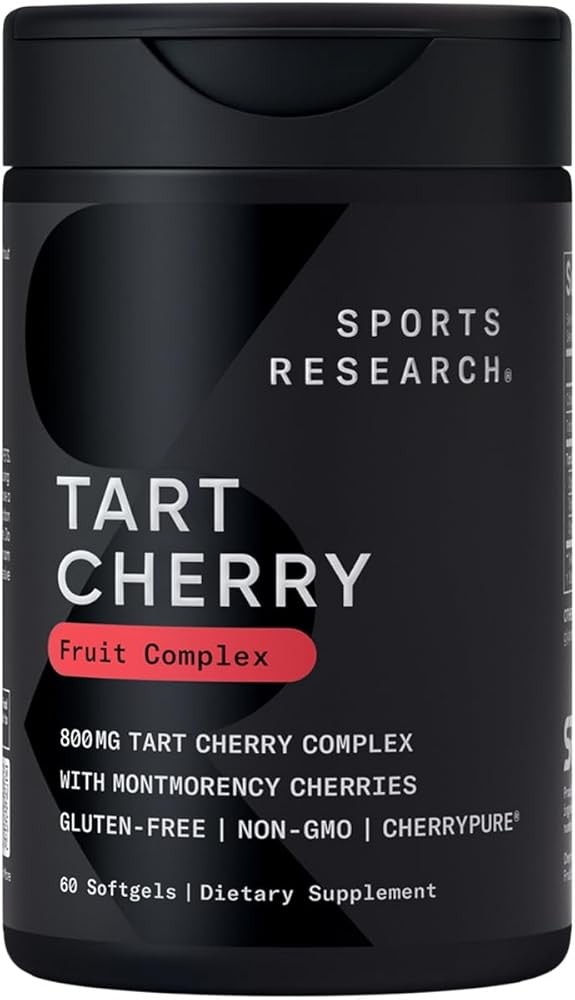
1. Sports Research Tart Cherry Concentrate Capsules
Why it stands out: Sports Research uses Montmorency tart cherry in a liquid softgel format, which may offer better absorption than standard dry capsules. At 800 mg per softgel with a concentrated extract, this delivers a meaningful dose of anthocyanins. The softgel format means the cherry compounds are suspended in oil, potentially improving bioavailability of fat-soluble components.
- 800 mg Montmorency tart cherry concentrate per softgel
- Non-GMO verified, gluten-free
- Liquid softgel for enhanced absorption
- 60 softgels per bottle (1-2 month supply)
Dosing for sleep: Take 1-2 softgels approximately 60-90 minutes before bed. For the research-matched twice-daily protocol, take one with breakfast and one before bed.
Sports Research Tart Cherry Capsules
Check Price on AmazonAs an Amazon Associate we earn from qualifying purchases.
2. Dynamic Health Organic Tart Cherry Juice Concentrate
Why it stands out: This is the closest consumer product to what was used in clinical studies. It is USDA Organic certified, unsweetened, and made from 100% Montmorency tart cherry juice concentrate. No additives, no preservatives, no sweeteners. Each tablespoon delivers the equivalent of approximately 60-70 tart cherries.
- USDA Organic certified
- 100% pure, unsweetened tart cherry concentrate
- 32 oz bottle (approximately 32 servings)
- No preservatives or additives
Dosing for sleep: Mix 1 ounce (2 tablespoons) in 6-8 ounces of water. Consume twice daily — morning and approximately 60 minutes before bed.
3. Nature’s Way Tart Cherry Ultra Capsules
Why it stands out: Nature’s Way is one of the most established supplement brands, and their Tart Cherry Ultra uses Montmorency cherries standardized for anthocyanin content. At 1,200 mg per serving (3 capsules), this is one of the higher-dosed capsule options available.
- 1,200 mg per 3-capsule serving
- Montmorency tart cherry
- Standardized for anthocyanins
- Vegan capsules
- 90 capsules per bottle (30-day supply at full dose)
Dosing for sleep: Take 3 capsules with water. For the twice-daily protocol, split into 2 capsules in the morning and 1 capsule before bed, or take the full dose in the evening.
4. NOW Foods Tart Cherry 500 mg
Why it stands out: NOW Foods uses a 50:1 concentrate ratio, meaning each 500 mg capsule delivers the equivalent of 25,000 mg (25 grams) of whole tart cherries. This is one of the highest concentration ratios on the market, making it an efficient way to get tart cherry’s active compounds without juice’s sugar content.
- 500 mg per capsule (50:1 concentrate)
- Equivalent to 25 grams of whole tart cherries per capsule
- Veg capsules, suitable for vegetarians
- 90 capsules per bottle (45-90 day supply)
Dosing for sleep: Take 1-2 capsules daily. The 50:1 concentration means even a single capsule delivers meaningful anthocyanin and proanthocyanidin levels.
5. Carlyle Tart Cherry Extract Capsules
Why it stands out: Carlyle offers exceptional value with 200 capsules per bottle, making this one of the most cost-effective tart cherry supplements available. The high capsule count means you can maintain the recommended twice-daily dosing for over three months on a single bottle.
- 200 capsules per bottle (outstanding value)
- Non-GMO and gluten-free
- Tart cherry extract standardized formulation
- Budget-friendly option for long-term use
Dosing for sleep: Take 1-2 capsules twice daily with meals. The generous capsule count makes this ideal for the extended supplementation periods (14+ days) shown in studies to produce sleep benefits.
6. Cheribundi Tart Cherry Juice
Why it stands out: Cheribundi is a dedicated tart cherry brand originally developed in partnership with sports scientists. Their juice products are specifically formulated for recovery and sleep applications. The 32 oz bottles use Montmorency tart cherries and come in both pure (unsweetened) and original (lightly sweetened with apple juice) varieties.
- Made with Montmorency tart cherries
- Available in pure (unsweetened) and original formulations
- Backed by sports research partnerships
- 32 oz bottles, pack of 3
Dosing for sleep: Drink 8 ounces twice daily — once in the morning and once 60-90 minutes before bed. This matches the protocol used in the Pigeon 2010 clinical trial.
What Dosage of Tart Cherry Should You Take for Sleep?
Getting the dose right matters. Here are the specific protocols from clinical trials, organized by form:
Juice Protocol (Pigeon
- Dose: 8 oz (240 mL) of tart cherry juice blend
- Frequency: Twice daily (morning and 1-2 hours before bed)
- Duration: 14 days minimum
- Result: 62-minute reduction in WASO
Concentrate Protocol (Howatson
- Dose: 30 mL (1 oz) of Montmorency tart cherry juice concentrate diluted in 200 mL water
- Frequency: Twice daily
- Duration: 7 days
- Result: 34-minute increase in sleep time, 17% increase in melatonin metabolites
Juice Protocol (Losso
- Dose: 240 mL of tart cherry juice (from concentrate)
- Frequency: Twice daily
- Duration: 14 days
- Result: 84-minute increase in sleep time (polysomnography), IDO inhibition confirmed
Capsule Considerations
- Dose: 480-1,000 mg twice daily (no single “proven” capsule protocol exists)
- Look for: Montmorency cultivar, high concentration ratio (10:1 minimum, 50:1 ideal)
- Timing: One dose with breakfast, one dose 60-90 minutes before bed
- Duration: Plan for at least 14 days before evaluating results
The Twice-Daily Principle
Notice that every positive trial used twice-daily dosing. This is not arbitrary. The morning dose helps maintain baseline levels of bioactive compounds throughout the day, while the evening dose provides a pre-sleep boost. The anti-inflammatory effects of anthocyanins are cumulative and benefit from consistent exposure rather than a single large dose.
Timing Your Evening Dose
The optimal timing for the pre-bed dose appears to be 60-90 minutes before your target sleep time. This allows:
- Melatonin levels to begin rising from the exogenous cherry-derived melatonin
- IDO inhibition to redirect tryptophan toward the serotonin/melatonin pathway
- Anti-inflammatory compounds to begin their effects before you attempt sleep
Bottom line: Research-backed dosing ranges from 240 mL of juice concentrate twice daily to 480-1,000 mg of standardized extract in capsule form, with most studies showing benefits after 14 days of consistent use and optimal timing 60-90 minutes before bed.
Is Tart Cherry Better Than Melatonin Supplements for Sleep?
This is a question many people ask: if tart cherry works partly through melatonin, why not just take a melatonin supplement? The answer reveals why tart cherry may actually be the better choice for many people.
Melatonin Supplements: Direct but Limited
Standard melatonin supplements provide a single compound in doses typically ranging from 0.3 mg to 10 mg. They work by directly adding exogenous melatonin to your system. This approach has advantages — it is fast, precise, and well-studied. But it also has limitations:
- No anti-inflammatory effect — melatonin alone does not address the inflammatory drivers of poor sleep
- No IDO inhibition — tryptophan metabolism is not affected, so the underlying metabolic imbalance persists
- Dosing challenges — most commercial melatonin supplements contain far more melatonin than research supports, and high doses can cause morning grogginess, vivid dreams, and potential downregulation of natural production
- Tolerance concerns — some people report diminishing effectiveness over time with exogenous melatonin
- Single-pathway approach — sleep is complex, and adding one hormone does not address the multiple factors involved
Tart Cherry: Multi-Pathway and Anti-Inflammatory
Tart cherry attacks sleep quality through at least four simultaneous pathways:
- Direct melatonin contribution (modest but measurable)
- IDO inhibition preserving tryptophan for endogenous melatonin and serotonin production
- Anti-inflammatory action via COX-1/COX-2 inhibition and prostaglandin reduction
- Antioxidant protection reducing oxidative stress that disrupts sleep architecture
This multi-pathway approach means tart cherry is working with your body’s own systems rather than overriding them. It is more like optimizing the conditions for natural sleep rather than forcing sleep through a single hormonal channel.
When Melatonin Supplements Make More Sense
That said, melatonin supplements may be preferable in some situations:
- Jet lag — when you need to rapidly shift your circadian rhythm, direct melatonin at a specific time is more targeted
- Shift work — similar to jet lag, the precision of timed melatonin dosing can be advantageous
- Severe insomnia — when you need immediate, reliable sedation and are working with a sleep physician
- Cost sensitivity — melatonin supplements are extremely inexpensive compared to quality tart cherry products
For general sleep quality improvement, especially when accompanied by stress, inflammation, or aging-related sleep changes, tart cherry’s multi-pathway approach is likely superior.
Can Tart Cherry Improve Both Exercise Recovery and Sleep Quality?
One of the reasons tart cherry has gained popularity in the athletic community is that its anti-inflammatory properties benefit both sleep and exercise recovery. These effects are not separate — they are deeply interconnected.
What the Research Shows for Exercise Recovery
Vistula Cherry Recovery Study (2025): A recent study using freeze-dried Vistula tart cherry powder in 35 marathon runners found significantly lower high-sensitivity C-reactive protein (hs-CRP) levels in the tart cherry group, though no differences were found in DOMS or maximal voluntary contractions. This suggests the anti-inflammatory benefits are robust even when muscle function measures do not differ.
Why This Matters for Sleep
If you exercise regularly, especially with intense training, your body experiences elevated inflammation post-exercise. This inflammation can increase IDO activity, diverting tryptophan away from melatonin production and potentially disrupting sleep on training days. Tart cherry addresses this directly by:
- Reducing exercise-induced inflammation (lower IL-6, CRP)
- Preserving tryptophan for melatonin synthesis (IDO inhibition)
- Providing exogenous melatonin to supplement what your body produces
- Reducing muscle soreness that can physically disturb sleep
For athletes, tart cherry is one of the few supplements that simultaneously improves both recovery and sleep quality — making it a particularly efficient choice. Consider pairing it with magnesium glycinate or threonate for complementary muscle relaxation and sleep support.
How Can You Tell If Tart Cherry Is Working for Your Sleep?
Understanding whether tart cherry is working for you requires paying attention to specific signals your body provides. Here is what to look for at each stage.
Signs Your Sleep Quality Needs Improvement
Before starting any sleep supplement, honestly assess whether you are experiencing these patterns:
- Taking more than 20-30 minutes to fall asleep consistently (prolonged sleep onset latency)
- Waking up multiple times during the night and struggling to fall back asleep
- Feeling unrested despite 7-8 hours in bed — the quantity is there but the quality is not
- Morning grogginess that persists past the first 30 minutes of waking
- Afternoon energy crashes that demand caffeine to power through
- Increased irritability, difficulty concentrating, or emotional reactivity — poor sleep affects mood regulation before most people realize the connection
- Muscle soreness that lingers longer than expected after workouts
- Sugar and carbohydrate cravings — sleep deprivation upregulates hunger hormones (ghrelin) and amplifies cravings
- Getting sick more often — sleep is critical for immune function, and frequent colds or infections can signal chronically poor sleep quality
What Improvement Looks Like: Week by Week
Week 1 (Days 1-7):
- You may not notice dramatic changes yet — the anti-inflammatory and IDO-inhibiting effects are building
- Some people report a subtle sense of deeper relaxation in the evening after the pre-bed dose
- Your body may start to establish a more consistent wind-down response if you are taking the evening dose at the same time
- Do not evaluate efficacy yet — one week is too soon for most people
Week 2 (Days 8-14):
- This is when the clinical trials start measuring outcomes, and you should begin noticing changes
- Falling asleep may feel easier — less tossing and turning, less mental chatter at bedtime
- Middle-of-the-night awakenings may decrease — the Pigeon study showed a 62-minute reduction in WASO by this point
- Morning alertness may improve — waking up feeling more refreshed, less reliance on an alarm
- If you track sleep with a wearable (Oura, Whoop, Apple Watch), you may see improved sleep efficiency scores and more time in deep sleep stages
Week 3-4 (Days 15-30):
- Benefits should be clearly noticeable by now
- Consistent sleep-wake times feel more natural — your circadian rhythm is better regulated
- Daytime energy is more stable — fewer afternoon crashes
- Exercise recovery improves if you train regularly — less lingering soreness, better workout performance
- Mood stability improves — the serotonin-pathway benefits of increased tryptophan availability extend beyond sleep into daytime emotional regulation
Month 2-3 (Days 30-90):
- Long-term anti-inflammatory benefits become apparent in broader health markers
- Sleep architecture may deepen — more time in slow-wave (deep) sleep, which is critical for physical recovery and cognitive function
- Skin may look better — sleep quality directly affects skin repair, and the antioxidant benefits of anthocyanins contribute to skin health
- Immune resilience improves — better sleep means better immune function
Warning Signs: When to See a Doctor
Tart cherry is a supportive supplement, not a treatment for serious sleep disorders. See a healthcare provider if:
- You consistently cannot fall asleep within 45 minutes despite good sleep hygiene and supplementation
- You snore loudly, gasp, or stop breathing during sleep — this suggests sleep apnea, which requires medical evaluation
- Daytime sleepiness is severe enough to affect driving or work performance
- You experience restless legs, periodic limb movements, or uncomfortable sensations that interfere with sleep
- Sleep problems have persisted for more than 3 months without improvement from behavioral changes and supplementation
- You experience unusual symptoms like sleep paralysis, vivid hallucinations at sleep onset, or sudden muscle weakness triggered by emotions (possible narcolepsy)
Who Should Avoid Tart Cherry Supplements?
While tart cherry has an excellent safety profile for most healthy adults, specific populations should be aware of potential concerns:
Kidney Disease and Potassium Sensitivity
Tart cherries are naturally high in potassium. For people with healthy kidneys, this is a non-issue. However, individuals with chronic kidney disease, those on dialysis, or those on potassium-restricted diets should avoid tart cherry juice in particular, as the potassium content in 8-16 ounces of juice can be clinically significant. Capsules contain less potassium but should still be discussed with a nephrologist.
Oxalate Concerns
Tart cherries contain oxalates, though in moderate amounts. People with a history of calcium oxalate kidney stones should consume tart cherry products in moderation, particularly the concentrated juice forms. The National Kidney Foundation notes that cherries are not high-oxalate foods, but concentrated supplements deliver more oxalate per serving than whole fruit would.
Blood Thinner Interactions
Tart cherry has demonstrated COX-1 and COX-2 inhibitory effects — essentially acting as a mild natural anti-inflammatory through similar pathways as aspirin and NSAIDs. If you take warfarin (Coumadin), aspirin, clopidogrel (Plavix), or other anticoagulant/antiplatelet medications, discuss tart cherry supplementation with your physician. The interaction risk is likely small at typical supplement doses, but it warrants monitoring, especially when starting supplementation.
Diabetes and Blood Sugar Management
The sugar content in tart cherry juice (25-30 grams per 8-ounce serving) is relevant for people managing blood glucose. Options for this population:
- Choose capsules (zero sugar)
- Use small amounts of concentrate (8-12 grams sugar per serving)
- Time the evening dose well before bedtime to allow blood glucose to normalize
- Monitor blood glucose response when first introducing tart cherry juice
GI Sensitivity
Some individuals experience mild gastrointestinal discomfort from tart cherry products, particularly the highly concentrated juice forms. The high acidity and sorbitol content of tart cherries can cause loose stools or stomach upset in sensitive individuals. Starting with a lower dose and gradually increasing is advisable.
Pregnancy and Breastfeeding
There is insufficient safety data on tart cherry supplementation during pregnancy and breastfeeding. While whole tart cherries as a food are generally considered safe, concentrated supplements deliver higher doses of bioactive compounds. Consult your OB-GYN or midwife before using tart cherry supplements during pregnancy or lactation.
How Do You Build an Effective Tart Cherry Sleep Protocol?
Here is a step-by-step protocol for integrating tart cherry into your evening routine for maximum sleep benefit:
Phase 1: Foundation (Weeks 1-2)
Morning:
- Take your morning tart cherry dose with breakfast
- Juice: 8 oz tart cherry juice
- Concentrate: 1 tbsp (15 mL) in 6-8 oz water
- Capsules: 1-2 capsules with food
Evening (60-90 minutes before bed):
- Take your evening tart cherry dose
- Same form and amount as morning
- Dim lights and reduce screen exposure (supports the melatonin your body is now producing more of)
- Avoid caffeine after 2:00 PM (caffeine interferes with adenosine, a separate but important sleep drive)
What to track:
- Time to fall asleep (subjective or with a wearable)
- Number of middle-of-the-night awakenings
- Morning alertness rating (1-10 scale)
- Any digestive effects
Phase 2: Optimization (Weeks 3-4)
By now you should have baseline data. Adjust accordingly:
- If falling asleep is still slow, consider adding L-theanine (200 mg) 30 minutes before bed — it complements tart cherry’s mechanism by promoting alpha brain waves
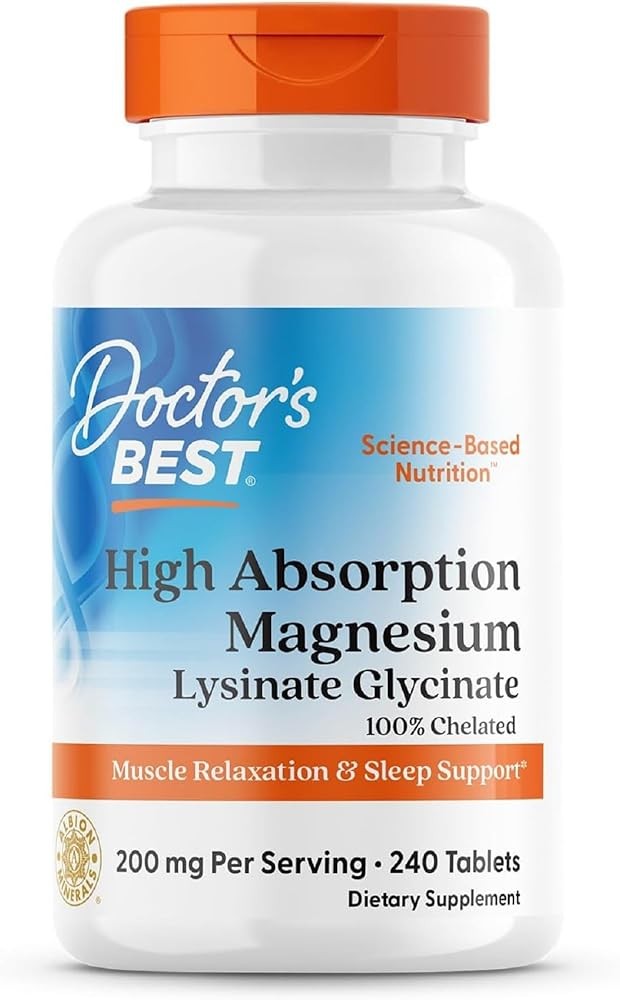
- If you wake frequently at night, adding magnesium glycinate (200-400 mg) in the evening can address muscle tension and GABA pathway support
- If stress or anxiety is a component, ashwagandha (300-600 mg of KSM-66 or Sensoril extract) taken with dinner can reduce cortisol levels that impair sleep onset
Doctor's Best Magnesium Glycinate for Sleep
Check Price on AmazonAs an Amazon Associate we earn from qualifying purchases.
For a convenient all-in-one option, the Wholier Magnesium Tart Cherry Night Drink combines both ingredients:
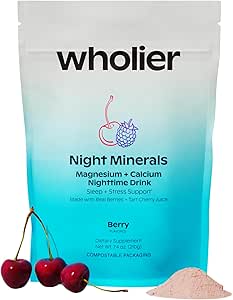
Wholier Magnesium Tart Cherry Night Drink
Check Price on AmazonAs an Amazon Associate we earn from qualifying purchases.
Phase 3: Maintenance (Month 2+)
- Continue the twice-daily protocol that is working for you
- You can experiment with reducing to once daily (evening only) after 4-6 weeks to see if benefits are maintained
- Every 3-4 months, consider a 1-2 week break to assess your baseline — if sleep quality drops, resume supplementation
- Monitor for any changes in how your body responds over time
Stacking Tart Cherry with Other Sleep Supplements
Tart cherry pairs well with several other evidence-based sleep ingredients. Here is a compatibility guide:
| Supplement | Compatible? | Notes |
|---|---|---|
| Magnesium Glycinate/Threonate | Yes | Different mechanisms, complementary |
| L-Theanine | Yes | Promotes relaxation without sedation |
| Ashwagandha | Yes | Reduces cortisol, addresses stress component |
| Melatonin | Use caution | May be redundant; start with tart cherry alone |
| Valerian Root | Yes, with monitoring | Both can promote drowsiness; start with lower doses of each |
| Glycine | Yes | Supports deep sleep via core temperature regulation |
| CBD | Possible | Limited interaction data; use conservative doses |
| Prescription Sleep Meds | Ask your doctor | Do not combine without medical guidance |
For a comprehensive overview of non-melatonin sleep support options, see our guide on the best sleep supplements that don’t contain melatonin.
What Factors Affect How Well Tart Cherry Works for Sleep?
Your Inflammatory Baseline
Because a significant portion of tart cherry’s sleep mechanism works through anti-inflammatory pathways and IDO inhibition, people with higher baseline inflammation tend to see greater benefits. This includes:
- Older adults (systemic inflammation increases with age)
- Athletes with heavy training loads
- People with chronic stress
- Those with inflammatory conditions (within safe supplementation parameters)
If you are a young, healthy person with low inflammation and already decent sleep, tart cherry may produce more modest improvements. This does not mean it is not working — it means your starting point was already closer to optimal.
Diet and Tryptophan Availability
Tart cherry works by preserving tryptophan for melatonin production. If your diet is very low in tryptophan-containing foods (turkey, eggs, cheese, nuts, seeds, tofu), there may not be enough tryptophan substrate for the IDO inhibition to make a meaningful difference. Ensure adequate dietary protein, particularly in the evening meal.
Light Exposure
Even the best sleep supplement cannot overcome poor light hygiene. Bright artificial light and blue-light-emitting screens in the evening suppress natural melatonin production regardless of tart cherry supplementation. For maximum benefit, combine tart cherry with:
- Dimming lights 1-2 hours before bed
- Blue-light-blocking glasses if screen use is unavoidable
- Morning sunlight exposure (10-30 minutes) to anchor your circadian rhythm
Caffeine Timing
Caffeine has a half-life of 5-7 hours, meaning a 3:00 PM coffee still has significant levels in your system at 10:00 PM. Tart cherry’s melatonin-boosting effects will be partially undermined by caffeine’s adenosine-blocking action. Set a caffeine cutoff time of early afternoon for best results.
Alcohol
Alcohol is a sleep disruptor that fragments sleep architecture and suppresses REM sleep. It also increases inflammation — working directly against tart cherry’s anti-inflammatory mechanism. If you are investing in tart cherry for sleep, minimizing evening alcohol consumption will significantly improve your results.
Our Top Recommendations
📱 Join the discussion: Facebook | X | YouTube | Pinterest
Where Can You Buy High-Quality Tart Cherry Supplements?
Based on the research discussed in this article, here are some high-quality options:
- Magnesium Supplement
- Magnesium Glycinate Supplement
- Ashwagandha Supplement
- Cbd Supplement
- Melatonin Supplement
The Bottom Line: Is Tart Cherry Worth It for Sleep?
Tart cherry is one of the rare natural sleep interventions backed by multiple randomized controlled trials showing objective improvements in sleep metrics. The evidence is not perfect — sample sizes have been small, and one recent study with capsule powder did not find benefits in overweight individuals. But the positive findings are consistent across different research groups, different cherry cultivars, and different populations.
What makes tart cherry genuinely special is the multi-pathway mechanism. It is not just another source of melatonin. The IDO inhibition, the anti-inflammatory effects, and the antioxidant protection work together to create conditions for better natural sleep. This mechanistic depth, confirmed by the Losso 2018 study’s measurement of kynurenine-to-tryptophan ratios and prostaglandin E2 levels, sets tart cherry apart from most natural sleep aids.
The practical recommendation: Start with a concentrate or capsule form, commit to twice-daily dosing for at least two weeks, and track your sleep objectively. If you do not see improvement after four weeks, tart cherry may not be the right intervention for your specific sleep challenges — and it may be worth exploring other options like valerian root or ashwagandha.
For most people dealing with mild to moderate sleep quality issues, particularly those over 40 or those with active lifestyles, tart cherry represents one of the most evidence-supported natural sleep interventions available.
Related Reading
- Shift Work Sleep Disorder: Supplements to Reset Your Circadian Clock
- Optimizing Sleep with Melatonin Supplements: A Guide to Dosing and Selection
- The Sleep and Gut Health Connection: What New Research Reveals
- L-Theanine for Sleep and Anxiety: What the Research Says
- Best L-Theanine Supplements for Sleep and Relaxation
- Improving Deep Sleep with Supplements: What Research Shows
- REM Sleep Rebound After Quitting Alcohol: Recovery Supplements That Actually Work
References
-
Burkhardt S, Tan DX, Manchester LC, et al. Detection and quantification of the antioxidant melatonin in Montmorency and Balaton tart cherries (Prunus cerasus). J Agric Food Chem. 2001;49(10):4898-4902. PMID: 11600041
-
Pigeon WR, Carr M, Gorman C, Perlis ML. Effects of a tart cherry juice beverage on the sleep of older adults with insomnia: a pilot study. J Med Food. 2010;13(3):579-583. PMID: 20438325
-
Howatson G, Bell PG, Tallent J, Mayber B, McHugh MP, Ellis J. Effect of tart cherry juice (Prunus cerasus) on melatonin levels and enhanced sleep quality. Eur J Nutr. 2012;51(8):909-916. PMID: 22038497
-
Garrido M, Gonzalez-Gomez D, Lozano M, et al. A Jerte Valley cherry product provides beneficial effects on sleep quality. Influence on aging. J Nutr Health Aging. 2013;17(6):553-560. PMID: 23732552
-
Losso JN, Finley JW, Karki N, et al. Pilot study of the tart cherry juice for the treatment of insomnia and investigation of mechanisms. Am J Ther. 2018;25(2):e194-e201. PMID: 28901958
-
Kelley DS, Adkins Y, Laugero KD. A review of the health benefits of cherries. Nutrients. 2018;10(3):368. PMID: 29562604
-
Garrido M, Paredes SD, Cubero J, et al. Jerte Valley cherry-enriched diets improve nocturnal rest and increase 6-sulfatoxymelatonin and total antioxidant capacity in the urine of middle-aged and elderly humans. J Gerontol A Biol Sci Med Sci. 2010;65(9):909-914. PMID: 20547498
-
Barforoush M, Ebrahimi A, et al. The effect of tart cherry on sleep quality and sleep disorders: a systematic review. Food Sci Nutr. 2025;13(7):e70923. PMID: 40964149
-
Pereira GA, Marreiro DDN. Relationship between food consumption and improvements in circulating melatonin in humans: an integrative review. Crit Rev Food Sci Nutr. 2022;62(19):5232-5245. PMID: 33000641
-
Hibi M, Katsumata Y, Sakaue K, Kimura M, Katashima M. Potential of Polyphenols for Improving Sleep: A Preliminary Results from Review of Human Clinical Trials and Mechanistic Insights. Nutrients. 2023;15(5):1257. PMID: 36904255
-
Chung WL, et al. Commonly used dose of Montmorency tart cherry powder does not improve sleep or inflammation outcomes in individuals with overweight or obesity. Nutrients. 2024;16(23):4125.
-
Lamb KL, Ranchordas MK, Johnson E, et al. No effect of tart cherry juice or pomegranate juice on recovery from exercise-induced muscle damage in non-resistance trained men. Nutrients. 2019;11(7):1593.
-
Seymour EM, Warber SM, Kirakosyan A, et al. Chemical profile and antioxidant capacities of tart cherry products. Food Chemistry. 2009;115(4):1378-1385.
-
Losada-Echeberria M, Herranz-Lopez M, Micol V, Barrajon-Catalan E. Polyphenols as galenic formulation candidates for sleep disorders. J Med Food. 2017;20(12):1159-1171.
Related Articles
- Best Sleep Supplements That Don’t Contain Melatonin
- Best Magnesium Supplements for Sleep: Glycinate vs Threonate
- How Much Melatonin Should You Actually Take?
- Best Ashwagandha Supplements for Sleep and Stress
- Supplements That Improve Deep Sleep: What Research Shows
Common Questions About Tart Cherry
What are the benefits of tart cherry?
Tart Cherry has been studied for various potential health benefits. Research suggests it may support several aspects of health and wellness. Individual results can vary. The strength of evidence differs across different claimed benefits. More high-quality research is often needed. Always review the latest scientific literature and consult healthcare professionals about whether tart cherry is right for your health goals.
Is tart cherry safe?
Tart Cherry is generally considered safe for most people when used as directed. However, individual responses can vary. Some people may experience mild side effects. It’s important to talk with a healthcare provider before using tart cherry, especially if you have existing health conditions, are pregnant or nursing, or take medications.
How does tart cherry work?
Tart Cherry works through various biological mechanisms that researchers are still studying. Current evidence suggests it may interact with specific pathways in the body to produce its effects. Always consult with a healthcare provider before starting any new supplement or health regimen to ensure it’s appropriate for your individual needs.
Who should avoid tart cherry?
Tart Cherry is a topic of ongoing research in health and nutrition. Current scientific evidence provides some insights, though more studies are often needed. Individual responses can vary significantly. For personalized advice about whether and how to use tart cherry, consult with a qualified healthcare provider who can consider your complete health history and current medications.
What are the signs tart cherry is working?
Signs that tart cherry may be working for you include: falling asleep faster (shorter sleep latency), fewer middle-of-the-night awakenings, waking up feeling more refreshed, reduced muscle soreness if you are physically active, and potentially improved mood due to better sleep quality. Track your sleep metrics (time to fall asleep, number of wake-ups, morning energy levels) for at least 2 weeks to assess effectiveness. Wearable sleep trackers can provide objective data to compare before and after starting tart cherry supplementation.
How long should I use tart cherry?
Tart cherry can be used safely for extended periods based on available research. Clinical trials have run for 2-6 weeks without adverse effects, and many people use tart cherry as an ongoing sleep support supplement for months or years. Unlike some sleep aids that lose effectiveness over time (tolerance), tart cherry works through natural pathways that do not appear to cause dependence or diminishing returns. Consider taking periodic breaks (1-2 weeks every 3-4 months) to reassess your baseline sleep quality and determine if continued use is beneficial.
Recommended Products