Valerian Root Supplements for Sleep: Separating Fact from Fiction
Summarized from peer-reviewed research indexed in PubMed. See citations below.
Studies show that nearly 30% of adults struggle with sleep quality, yet most valerian root supplements fail due to inadequate standardization rather than the herb itself being ineffective. Nature’s Way Valerian Premium Extract standardized to 0.8% valerenic acids (1.76 mg per serving) aligns with clinical trial formulations that showed users were 1.8 times more likely to report improved sleep quality, with typical retail pricing around $12-15 for a 60-capsule supply. Research demonstrates that valerenic acid modulates GABA-A receptors through beta-2 and beta-3 subunit activity, explaining why properly dosed extracts reduce sleep latency after 2-4 weeks of consistent use. For budget-conscious buyers, NOW Foods Valerian Root 500 mg provides 250 capsules of whole root preparation at approximately $14-16, offering reliable quality from an NPA A-rated manufacturer. Here’s what the published research shows about valerian’s mechanisms, clinical evidence, and which products contain the standardization levels used in positive trials.
Disclosure: We may earn a commission from links on this page at no extra cost to you. Affiliate relationships never influence our ratings. Full policy →
If you have been disappointed by valerian in the past, there is a good chance you were either taking the wrong dose, using an unstandardized product, or expecting immediate results from a supplement that typically requires two to four weeks of consistent use to reach full effect.
Let us separate the fact from the fiction.
Watch Our Video Review
Top Valerian Supplements Compared
| Feature | Nature’s Way Premium Extract | NOW Foods Valerian 500mg | NOW Foods Sleep Blend | Swanson Valerian |
|---|---|---|---|---|
| Standardization | 0.8% valerenic acids | Whole root (unstandardized) | Valerian + Hops extract | Whole root |
| Dose Per Serving | 220mg extract (2 caps) | 500mg per capsule | Multiple ingredients | 500mg per capsule |
| Servings Per Container | 30 (60 capsules) | 250 capsules | 60 capsules | 100 capsules |
| Price Range | $12-15 | $14-16 | $10-13 | $8-11 |
| Cost Per Day | ~$0.40-50 | ~$0.06-08 (2 caps) | ~$0.17-22 | ~$0.08-11 (2 caps) |
| Certifications | Non-GMO, Vegan | NPA A-rated GMP, Non-GMO | NPA A-rated GMP | GMP Certified |
| Best For | Clinical-grade standardization | Budget + whole root benefits | Combination stack | Cost-effective trial |
How Does Valerian Root Actually Work?
Understanding why valerian might help with sleep requires looking at its complex pharmacology. Unlike pharmaceutical sleep aids that typically work through a single mechanism, valerian root contains a cocktail of bioactive compounds that appear to influence sleep through multiple converging pathways. This multi-target approach is both its potential strength and the reason clinical results are so variable — different preparations contain different ratios of these compounds.
The Active Compounds
Valerian root is not a single-chemical supplement. It contains dozens of identified bioactive compounds, with several playing key roles in its sedative and anxiolytic effects:
Valerenic acid is considered the primary active constituent and has been the focus of the most rigorous pharmacological research. It is a sesquiterpene acid unique to valerian that directly modulates GABA-A receptors in the brain.
Isovaleric acid contributes to valerian’s characteristic pungent odor (often described as “dirty socks” or “old cheese”) and has mild sedative properties. Its presence in your supplement is actually a sign of potency, not poor quality.
Linarin is a flavonoid with documented sedative and sleep-enhancing properties in animal models.
Hesperidin is another flavonoid with anxiolytic activity that may contribute to the calming effects of valerian.
GABA (gamma-aminobutyric acid) is present naturally in valerian root extract, though whether orally ingested GABA crosses the blood-brain barrier in meaningful amounts remains debated.
Volatile oils including valeranol and valeranone contribute to the overall sedative profile and may enhance the activity of other compounds.
GABA-A Receptor Modulation: The Primary Mechanism
The most well-characterized mechanism of action involves valerenic acid’s interaction with GABA-A receptors, which are the brain’s primary inhibitory neurotransmitter system. When GABA binds to these receptors, it reduces neuronal excitability, producing calming and sleep-promoting effects.
In a landmark 2009 study published in Neuropharmacology, Benke and colleagues at the University of Zurich demonstrated that valerenic acid binds to a specific site on GABA-A receptors with nanomolar affinity. This is important because it means valerenic acid works at very low concentrations, consistent with the amounts achievable through oral supplementation (Benke et al., 2009).
What makes valerian’s mechanism particularly interesting is its subunit specificity. GABA-A receptors are composed of different subunit combinations, and valerenic acid shows preferential activity at receptors containing beta-2 and beta-3 subunits. When the researchers introduced a point mutation in these subunits (N265M), the anxiolytic effects of valerenic acid were abolished. Neurons expressing beta-3 containing GABA-A receptors appear to be the major cellular target for valerian’s calming effects.
An earlier study by Khom and colleagues confirmed this subunit specificity and showed that valerenic acid acts as a positive allosteric modulator at GABA-A receptors, meaning it enhances the natural activity of GABA rather than acting as a direct agonist (Khom et al., 2007). This distinction is clinically important because it suggests valerian works with your brain’s natural chemistry rather than overriding it, which may explain its relatively mild side effect profile compared to benzodiazepines (which also target GABA-A receptors but through a different mechanism).
Adenosine Receptor Binding: The Second Pathway
Beyond GABA modulation, valerian compounds also interact with adenosine receptors, another system intimately involved in sleep regulation. Adenosine is one of the brain’s primary sleep-promoting substances. It accumulates during waking hours and creates increasing “sleep pressure” — which is precisely why caffeine (an adenosine receptor blocker) keeps you awake.
Research by Muller and colleagues found that valerian extracts exhibit selective affinity for adenosine A1 receptors and display partial agonist activity (Muller et al., 2002). More recent work has identified valerenic acid and pinoresinol as positive allosteric modulators of A1 adenosine receptors, meaning they enhance the natural sleep-promoting effects of adenosine without directly activating the receptors on their own (Wongwitdecha et al., 2025).
This dual mechanism — enhancing both GABA signaling and adenosine signaling — provides a plausible pharmacological explanation for why valerian has been used as a sleep aid for millennia. It also explains why the effects tend to be gentle and gradual rather than knockout-level sedation.
Volatile Oil Sedative Effects
The volatile oil fraction of valerian root, which includes compounds like valeranol, valeranone, and kessyl esters, contributes additional sedative activity. These compounds appear to have independent sedative effects in animal models and may work synergistically with valerenic acid.
Importantly, the volatile oil content of valerian root is sensitive to preparation methods and storage conditions. Heat extraction, prolonged storage, and certain processing techniques can significantly reduce volatile oil concentrations, which may partially explain why some commercial preparations are less effective than others.
Why Effects May Take Two to Four Weeks
One of the most frequently misunderstood aspects of valerian supplementation is the timeline. Unlike pharmaceutical sleep aids that produce immediate sedation, valerian typically requires two to four weeks of consistent use before reaching full effectiveness.
The leading hypothesis for this delayed onset involves GABA receptor sensitization. With chronic exposure to valerenic acid, GABA-A receptors may undergo conformational changes that increase their sensitivity to both the supplement’s active compounds and to endogenous GABA. This process, sometimes called receptor upregulation or sensitization, takes time to develop.
A polysomnographic study by Donath and colleagues found that a single dose of 600 mg standardized valerian extract produced no significant changes in sleep architecture. However, after 14 days of consistent dosing, the same subjects showed significant increases in slow-wave sleep (deep sleep) as measured by objective EEG recordings (Donath et al., 2000). This finding supports the idea that valerian’s mechanism of action involves gradual neuroadaptation rather than acute pharmacological sedation.
This delayed onset is actually consistent with the GABA receptor modulation mechanism. Benzodiazepines produce immediate effects because they bind directly to a dedicated benzodiazepine binding site on GABA-A receptors. Valerenic acid, in contrast, appears to work through an allosteric site that requires repeated exposure to achieve maximal effect.
Bottom line: Valerian root works through multiple converging pathways, primarily GABA-A receptor modulation and adenosine receptor activation, which explains both its gentle sedative effects and why consistent use for 2-4 weeks is required to achieve maximum benefit rather than immediate knockout sedation.
What Does the Clinical Evidence Actually Show About Valerian?
If you want the unvarnished truth about valerian root’s clinical evidence, here it is: the research is suggestive but not definitive, with the balance of evidence tilting modestly toward effectiveness for subjective sleep quality improvement. Let us walk through the major studies and meta-analyses.
The Landmark Meta-Analyses
Bent et al. (2006) conducted the first rigorous systematic review and meta-analysis of valerian for sleep, examining 16 randomized, placebo-controlled trials with a total of 1,093 participants. Their analysis of 6 studies that used a dichotomous sleep quality outcome (improved vs. not improved) found a statistically significant benefit, with valerian users 1.8 times more likely to report improved sleep compared to placebo (relative risk 1.8, 95% CI 1.2-2.9). However, the authors noted evidence of publication bias and significant methodological problems in many studies, concluding that “the available evidence suggests that valerian might improve sleep quality without producing side effects” while cautioning that “more rigorous studies are needed” (Bent et al., 2006).
Fernandez-San-Martin et al. (2010) performed a subsequent meta-analysis of randomized placebo-controlled trials, searching MEDLINE, the Cochrane Library, EMBASE, and BIOSIS Previews with no language restrictions. Their conclusion was that valerian appears effective for subjective improvement of insomnia, although its effectiveness was not convincingly demonstrated with quantitative or objective measurements. This distinction between subjective and objective outcomes is a recurring theme in valerian research (Fernandez-San-Martin et al., 2010).
Shinjyo, Waddell, and Green (2020) published the most comprehensive systematic review to date, including 60 studies with 6,894 total participants. Their meta-analyses evaluated effectiveness for both subjective sleep quality improvement (10 studies, n=1,065) and anxiety reduction (8 studies, n=535). They found that inconsistent outcomes across studies were “possibly due to the variable quality of herbal extracts,” with more reliable effects expected from whole root and rhizome preparations. Notably, no severe adverse events were reported across all 60 studies, in participants ranging from 7 to 80 years old (Shinjyo et al., 2020).
Individual Studies Worth Noting
Leathwood et al. (1982) conducted one of the earliest well-designed studies, examining the effects of aqueous valerian extract in 128 participants using a crossover design. Each person tested placebo, 400 mg valerian extract, and a proprietary valerian preparation. Results showed a statistically significant decrease in sleep latency (time to fall asleep) and a significant improvement in overall sleep quality, with the greatest benefit seen in self-described poor sleepers and smokers (Leathwood et al., 1982).
Donath et al. (2000) used polysomnographic measurements (the gold standard for objective sleep assessment) to evaluate 600 mg standardized valerian extract over 14 days. While a single dose showed no effects, 14 days of treatment produced significant increases in slow-wave (deep) sleep and decreased stage 1 (light) sleep, providing some of the strongest objective evidence for valerian’s sleep-enhancing effects.
A 2023 randomized, double-blind, placebo-controlled study published in Advances in Therapy found that a standardized extract of Valeriana officinalis significantly improved overall sleep quality in human subjects with sleep complaints, providing more recent positive evidence for properly standardized preparations.
Why the Mixed Evidence Does Not Mean It Does Not Work
Understanding why clinical trials on valerian produce inconsistent results is crucial for making an informed decision about whether to try it. Several factors contribute to the heterogeneity:
Preparation variability is the biggest issue. Unlike pharmaceutical drugs that contain a precisely measured amount of a single active compound, valerian supplements vary enormously in their chemical composition. Different extraction methods (aqueous, ethanolic, hydroethanolic), different plant parts, different growing conditions, and different standardization practices mean that “valerian root supplement” is not a single product but a category encompassing wildly different chemical profiles. A 2020 analysis found that only 2 of the studies in prior meta-analyses specifically stated the extract was standardized to valerenic acid content.
Study design limitations are common. Many early studies used small sample sizes (under 30 participants), short treatment durations (less than 2 weeks), or failed to account for valerian’s delayed onset of action. Studies that evaluated single-dose effects were essentially testing the wrong hypothesis, since valerian appears to require repeated dosing.
Outcome measurement inconsistency also confuses the picture. Some studies used subjective sleep questionnaires (where valerian tends to show benefit), others used objective polysomnography (where results are more variable), and few used both.
The baseline effect matters too. Valerian appears to work better in people with existing sleep difficulties than in normal sleepers, which makes intuitive pharmacological sense. If your GABA system is already functioning well, modestly enhancing it may not produce a noticeable effect.
Bottom line: The clinical evidence shows valerian root users are roughly 1.8 times more likely to report improved sleep quality compared to placebo, with strongest effects emerging after 2-4 weeks of consistent use, though preparation variability and study design differences have produced mixed results across individual trials.
Clues Your Body Tells You: Is Valerian Right for You?
Not every sleep supplement works for every type of sleep problem. Valerian root’s pharmacological profile — primarily GABA modulation and adenosine enhancement — makes it better suited for certain patterns of sleep difficulty than others. Learning to read your body’s signals can help you determine whether valerian is worth trying.
Signs Valerian Might Help You
Valerian root is most likely to be beneficial if your sleep problems involve:
An overactive mind at bedtime. If you lie in bed with racing thoughts, mentally replaying the day or worrying about tomorrow, this suggests elevated cortical excitability that might respond to GABA-A receptor modulation. This is valerian’s pharmacological sweet spot.
Anxiety-related insomnia. If your sleep difficulties worsen during stressful periods and improve when you are relaxed (on vacation, for example), the anxiolytic properties of valerenic acid may address the root cause. The Benke 2009 study specifically demonstrated anxiolytic effects in animal models.
Difficulty with the transition from wakefulness to sleep. If you physically feel tired but cannot seem to “switch off,” this suggests a problem with the wake-to-sleep transition that GABA modulation may help facilitate.
Stress-driven wakefulness. If you wake up in the middle of the night with your mind already running at full speed, this pattern often involves inadequate GABAergic “braking” of excitatory neural circuits.
Mild to moderate sleep difficulties. Valerian’s effects are modest by pharmacological standards. If your insomnia is severe, you likely need stronger intervention. But for garden-variety sleep difficulties, valerian’s gentle mechanism may be entirely sufficient.
What Improvement Actually Looks Like
If valerian is going to work for you, the improvement pattern typically follows a predictable timeline. Knowing this may help reduce the risk of you from abandoning the supplement prematurely:
Week 1: You may notice very little change in sleep quality. Some people report a subtle sense of relaxation or calm before bed, but do not expect dramatic improvements. This early phase is when most people give up, concluding the supplement “doesn’t work.”
Week 2: Subtle improvements may begin to appear. You might find that your time to fall asleep has decreased slightly, or that you feel slightly more rested upon waking. These changes are often so gradual that you may not notice them unless you are tracking your sleep.
Week 3-4: This is typically when the full effect becomes apparent. Sleep quality should be noticeably improved, time to fall asleep may have decreased meaningfully, and you may experience fewer middle-of-the-night awakenings. The Donath polysomnographic study found significant increases in slow-wave sleep after 14 days, consistent with this timeline.
Week 6-8: If you have been responding to valerian, effects should be fully established by this point. If you have seen no improvement after 6 to 8 weeks of consistent use at the proper dose, valerian is likely not the right supplement for your particular sleep issue.
Warning Signs: When to See a Doctor Instead
Valerian root is appropriate for mild to moderate sleep difficulties, not for serious sleep disorders. See a healthcare provider if you experience:
- Chronic insomnia lasting more than 3 months despite good sleep hygiene
- Loud snoring or gasping during sleep (possible sleep apnea)
- Restless legs, periodic limb movements, or involuntary jerking
- Excessive daytime sleepiness that interferes with driving or work
- Sleep problems accompanied by depression, severe anxiety, or other mental health symptoms
- Any sudden change in sleep patterns without an obvious cause
- Persistent sleep difficulties despite trying multiple evidence-based interventions
These patterns may indicate underlying conditions that require medical diagnosis and treatment, not supplementation.
Body Signals That Valerian Is Working
As you track your response to valerian over the first month, look for these positive indicators:
- Falling asleep feels more natural and less like a struggle
- The “racing mind” sensation at bedtime has diminished
- You wake up fewer times during the night
- Morning grogginess is reduced (unlike some pharmaceutical sleep aids)
- You feel more rested overall, even if total sleep time has not changed dramatically
- Stress and anxiety levels during the day have decreased slightly
- The quality of your sleep feels deeper, even if the quantity is similar
It can be helpful to keep a simple sleep journal during your first month of valerian supplementation. Each morning, note your estimated time to fall asleep, number of nighttime awakenings, overall sleep quality on a 1-10 scale, and how rested you feel upon waking. This objective tracking helps you identify subtle patterns of improvement that might otherwise go unnoticed. Many people who initially think valerian “isn’t working” discover meaningful improvements when they review their journal entries from week one compared to week four.
Pay particular attention to how you feel during stressful periods. Valerian’s anxiolytic properties mean that one of the clearest signs of effectiveness may be maintaining better sleep quality during times when you would normally experience stress-related insomnia. If you notice that a work deadline or family situation that would typically disrupt your sleep for several nights only causes minor disturbances, this suggests valerian is providing meaningful support.
What Is the Optimal Valerian Dosage and How Do You Choose Quality Products?
Getting valerian root dosing right is critical, and many people either underdose (getting no effect) or choose unstandardized products that contain insufficient active compounds. Here is what the research supports.
Standardized Extract vs. Whole Root
This distinction matters enormously. A “standardized extract” has been processed to contain a guaranteed minimum concentration of valerenic acid, the primary active compound. Whole root preparations contain everything in the root but at lower, more variable concentrations.
Standardized extract dosing: 300-600 mg per serving, taken 30-60 minutes before bed. Look for products standardized to at least 0.8% valerenic acid. This is the form used in most positive clinical trials.
Whole root dosing: 450-1,410 mg per day, taken before bed. The Shinjyo 2020 review found that whole root/rhizome preparations at these doses consistently promoted sleep quality over 4-8 week treatment periods.
Which is better? The Shinjyo review suggested that whole root preparations may actually produce more consistent outcomes than concentrated extracts, possibly because the full spectrum of bioactive compounds (valerenic acid, isovaleric acid, linarin, hesperidin, volatile oils) work synergistically. However, standardized extracts allow more precise dosing of the primary active compound.
The 0.8% Valerenic Acid Standard
When evaluating valerian supplements, the single most important quality indicator is valerenic acid standardization. Products standardized to at least 0.8% valerenic acid have a known, consistent quantity of the primary active compound. Without this standardization, you are essentially guessing at the dose.
Some premium products are standardized to higher concentrations (1.0-1.2% valerenic acid), which can allow effective results at lower total milligram doses.
Capsule vs. Liquid vs. Tea
Capsules are the most convenient and studied form. They mask the unpleasant smell and taste of valerian, allow precise dosing, and have the most clinical evidence behind them.
Liquid extracts (tinctures) offer faster absorption and may be preferable for people who have difficulty swallowing capsules. The alcohol-based extraction can efficiently capture both water-soluble and fat-soluble active compounds.
Valerian tea is the traditional preparation but presents dosing challenges. The amount of active compounds extracted depends on water temperature, steeping time, and the quality of the root material. Most clinical trials did not use tea preparations, so there is less evidence supporting specific tea dosing protocols.
The Smell Issue
If you open a bottle of valerian root and it smells terrible — like dirty socks, aged cheese, or a gym locker — that is actually a good sign. The pungent odor comes from isovaleric acid, one of valerian’s bioactive compounds. A valerian supplement that smells like nothing may have been over-processed, improperly stored, or may simply contain insufficient quantities of active compounds. The strength of the odor generally correlates with the freshness and potency of the product.
Some people find the smell genuinely intolerable. If this is you, choose enteric-coated capsules that do not release their contents until reaching the intestines, or take the supplement quickly with a large glass of water and do not linger over the open bottle. Refrigerating valerian supplements can also help minimize odor exposure, though this is not necessary for product stability. The unpleasant smell does not indicate contamination or poor quality — quite the opposite.
Timing Protocol
Based on clinical trial protocols and pharmacokinetic data:
- Take your dose 30-60 minutes before your intended bedtime
- Take it consistently every night, not just “as needed”
- Commit to at least 4 weeks before evaluating effectiveness
- Take on an empty stomach or with a small snack (not a large meal, which can delay absorption)
- Combine with good sleep hygiene practices for best results
Bottom line: For optimal results, choose standardized valerian extract containing at least 0.8% valerenic acid at doses of 300-600 mg taken 30-60 minutes before bed, used consistently every night for a minimum of 4 weeks before evaluating effectiveness.
Which Valerian Supplements Are Worth Buying?
Not all valerian supplements are created equal. Based on standardization quality, company reputation, third-party testing, and alignment with clinically studied formulations, here are the products worth considering.
NOW Foods Valerian Root 500 mg
NOW Foods is one of the most reliable supplement manufacturers, with NPA A-rated GMP certification and a long track record of quality. Their valerian root capsules contain 500 mg per capsule, and the recommended dose is 2 capsules before bedtime (1,000 mg total). The product is Non-GMO verified, vegan, and free from major allergens.
NOW Foods has been in the supplement business since 1968 and consistently ranks among the most trusted brands in independent quality testing. For valerian, their large-count bottles (250 capsules) offer excellent value for a product you will be taking daily.
Nature’s Way Valerian Premium Extract
Nature’s Way offers what may be the best standardized valerian product readily available. Their Premium Extract is standardized to 0.8% valerenic acids (1.76 mg per 2-capsule serving), which aligns precisely with the standardization level used in many positive clinical trials. The recommended dose is 2 capsules one hour before bedtime.
The product is Non-GMO Project Verified, vegan, and uses plant-derived capsules. The 220 mg extract per serving (in the standardized form) represents a concentrated preparation, so do not be misled by the lower total milligram count compared to whole root products — the active compound concentration is what matters.
Swanson Valerian Root
Swanson offers a solid valerian root product at a competitive price point. They have been a trusted name in affordable supplements since 1969, and their valerian root formula provides reliable quality at a lower cost than some premium brands. This is a good option if you want to try valerian without a major financial commitment.
Oregon’s Wild Harvest Organic Valerian
For those who prioritize organic certification and whole-plant preparations, Oregon’s Wild Harvest offers a USDA Certified Organic valerian root supplement. Their capsules contain nothing but organic valerian root and organic pullulan capsule material — no fillers, binders, or additives.
This is a whole root preparation rather than a standardized extract, so the dose per capsule may need to be higher to achieve therapeutic levels of valerenic acid. However, the Shinjyo 2020 review suggested that whole root preparations may produce more consistent outcomes due to the full spectrum of bioactive compounds.
NOW Foods Sleep - Valerian Root Blend
NOW Foods Sleep combines valerian root with hops extract, creating the most clinically studied herbal sleep stack. This formula includes standardized hops extract alongside valerian root, plus additional sleep-supporting compounds including GABA, passionflower, and lemon balm. The combination approach addresses multiple sleep pathways simultaneously.
Research shows the valerian-hops combination was significantly superior to placebo for reducing sleep latency in multiple randomized controlled trials. The hops component contains 2-methyl-3-buten-2-ol, a compound with sedative properties that complements valerenic acid’s GABA modulation. This is an excellent choice for those who want a comprehensive sleep formula based on clinical evidence.
NOW Foods Valerian Root Extract Liquid
If you prefer liquid supplements or have difficulty swallowing capsules, NOW Foods also offers a liquid valerian root extract. Liquid extracts can be mixed into water or tea (though the taste is quite strong) and may offer faster absorption than capsule forms. This 2-ounce bottle uses an alcohol-based extraction that captures both water-soluble and fat-soluble active compounds.
Can You Stack Valerian with Other Sleep Supplements?
One of valerian’s strengths is its compatibility with other natural sleep-promoting compounds. Several combinations have clinical evidence supporting their synergistic effects.
Valerian + Hops: The Most Studied Combination
The valerian-hops combination is the best-researched herbal sleep stack, with multiple randomized controlled trials supporting its effectiveness. A fixed combination extract (Ze 91019) studied by Koetter and colleagues found that the valerian-hops combination was significantly superior to placebo for reducing sleep latency, while valerian extract alone failed to reach statistical significance (Koetter et al., 2007). This suggests the hops component provides something that valerian alone does not.
The proposed mechanism involves hops’ (Humulus lupulus) content of 2-methyl-3-buten-2-ol, a compound with sedative properties that may complement valerenic acid’s GABA modulation. A 2005 multicenter trial with 184 adults found that the valerian-hops combination produced modest but significant hypnotic effects and improvements in quality of life compared to placebo (Morin et al., 2005).
A more recent feasibility study found that the valerian-hops extract combination significantly increased total sleep duration by 21.7 minutes per night compared to placebo, without impairing daytime cognitive or psychological functioning.
Valerian + Lemon Balm: The Traditional Pairing
Valerian combined with lemon balm (Melissa officinalis) is a traditional European herbal combination with supporting clinical evidence. A study in children found that 80.9% of participants with sleep disturbances experienced improvement with this combination, with very good tolerability and no adverse events (Muller & Klement, 2006).
Research in menopausal women found that a combination of 160 mg valerian and 80 mg lemon balm per capsule (2 capsules daily) significantly reduced sleep disorder scores compared to placebo, with no side effects observed (Taavoni et al., 2013). This combination may be particularly relevant for women experiencing perimenopausal or menopausal sleep disturbances.
Lemon balm contains rosmarinic acid, which inhibits the enzyme GABA transaminase, effectively increasing GABA levels in the brain through a mechanism complementary to valerenic acid’s GABA-A receptor modulation.
Valerian + Magnesium: Complementary Mechanisms
Magnesium and valerian work through different but complementary pathways. Magnesium activates the parasympathetic nervous system, helps regulate melatonin production, and binds to GABA receptors (though at a different site than valerenic acid). This means combining them provides broader neurochemical support for sleep.
Magnesium glycinate is the preferred form for sleep support because glycine itself has independent sleep-promoting properties, including lowering core body temperature and modulating NMDA receptors. The combination of valerian root plus magnesium glycinate addresses multiple aspects of the sleep-wake system simultaneously.
Valerian + Passionflower: Calming Synergy
Passionflower (Passiflora incarnata) contains chrysin and other flavonoids that bind to benzodiazepine sites on GABA-A receptors. This provides yet another complementary mechanism when combined with valerian’s allosteric modulation. A polyherbal formulation containing valerian, passionflower, and hops (NSF-3) was compared to zolpidem in a randomized controlled trial and showed significant improvement in sleep quality (Maroo et al., 2013).
Valerian + Glycine: Supporting Deep Sleep
Glycine is an amino acid that serves as an inhibitory neurotransmitter and has been shown to improve subjective sleep quality and reduce daytime sleepiness. A study found that 3 grams of glycine before bed reduced core body temperature and improved subjective sleep quality. Combining valerian (for GABA modulation and anxiolysis) with glycine (for thermoregulation and NMDA modulation) addresses two distinct physiological pathways involved in sleep initiation and maintenance.
For more on supplements that target deep sleep specifically, see our guide to supplements that improve deep sleep.
Bottom line: Valerian combined with hops increased total sleep duration by 21.7 minutes per night in clinical trials, while valerian plus lemon balm (160 mg + 80 mg per capsule) significantly reduced sleep disorder scores in menopausal women with no side effects, demonstrating that combination formulas often outperform valerian monotherapy.
Who Should Avoid Valerian Root
While valerian has a strong safety profile — the Shinjyo 2020 review found no severe adverse events across 60 studies with nearly 7,000 participants — certain populations should exercise caution or avoid it entirely.
Interactions with Sedative Medications
Valerian’s GABA-modulating effects can theoretically potentiate the effects of other GABAergic drugs, including:
- Benzodiazepines (alprazolam, diazepam, lorazepam): Combined GABA-A receptor stimulation could cause excessive sedation
- Barbiturates: Similar risk of additive sedation
- Other CNS depressants: Including prescription sleep aids (zolpidem, eszopiclone), certain antihistamines, and muscle relaxants
- Alcohol: Acts on GABA-A receptors through a mechanism similar to valerian; combined use could amplify sedative effects
If you are currently taking any sedative medication, consult your healthcare provider before adding valerian.
Liver Enzyme Considerations
Research on valerian’s effects on liver enzymes has shown varying results in vitro versus clinical settings. A comprehensive review concluded that “the interaction potential of valerian preparations seems to be low and thereby without clinical relevance” (Hellum & Nilsen, 2008). However, if you are taking medications metabolized by liver enzymes (which includes many common drugs), it is prudent to discuss valerian use with your pharmacist.
Rare cases of liver irritation have been reported with valerian use, though the NIH LiverTox database notes that hepatotoxicity from valerian is “usually mild-to-moderate in severity and self-limiting.” The causal relationship remains unclear in most case reports.
Pregnancy and Breastfeeding
There is insufficient safety data for valerian use during pregnancy or breastfeeding. While no specific teratogenic effects have been identified, the lack of rigorous safety studies in these populations means the prudent approach is avoidance. If you are pregnant or nursing and struggling with sleep, discuss alternatives with your healthcare provider.
Surgical Considerations
Discontinue valerian at least two weeks before any scheduled surgery. The potential for additive effects with anesthetic agents (many of which work through GABA pathways) warrants this precaution. Inform your anesthesiologist of any recent valerian use.
Children
While the Muller & Klement 2006 study found valerian-lemon balm safe and effective in children, routine supplementation in children under 12 should be supervised by a pediatric healthcare provider.
Common Myths About Valerian Root Debunked
Myth 1: “Valerian Works Like a Sleeping Pill”
Reality: Valerian does not produce the immediate, pronounced sedation of pharmaceutical sleep aids like zolpidem or benzodiazepines. It modulates GABA-A receptors allosterically rather than directly, producing gentler effects that typically require 2-4 weeks of consistent use to fully manifest. If you are expecting to pop a valerian capsule and be unconscious in 30 minutes, you will be disappointed.
Myth 2: “More Valerian = Better Sleep”
Reality: There is no evidence that exceeding the recommended dose of 300-600 mg (standardized extract) or 450-1,410 mg (whole root) produces better results. Higher doses may actually increase the risk of next-morning grogginess without additional sleep benefits. One study found no significant difference between 300 mg and 600 mg doses for acute sleep effects.
Myth 3: “Valerian Is Completely Without Side Effects”
Reality: While valerian has an excellent safety profile, it is not entirely side-effect-free. Some people experience mild morning drowsiness, headache, or GI upset. The bigger concern is potential interactions with other sedative substances. Just because something is “natural” does not mean it cannot interact with medications.
Myth 4: “Valerian Can Replace Prescription Sleep Medications”
Reality: Valerian may be a reasonable option for mild to moderate sleep difficulties, but it is not a substitute for prescription medications in cases of severe insomnia or sleep disorders like sleep apnea. Never discontinue a prescribed medication to substitute valerian without medical supervision.
Myth 5: “All Valerian Supplements Are the Same”
Reality: This may be the most damaging myth. Valerian supplements vary enormously in their chemical composition depending on plant source, extraction method, standardization (or lack thereof), and storage conditions. An unstandardized valerian product may contain a fraction of the valerenic acid found in a properly standardized extract. This variability is a major reason why clinical trials have produced inconsistent results.
Myth 6: “If Valerian Did Not Work in One Night, It Does Not Work for Me”
Reality: Evaluating valerian after a single dose is like evaluating an exercise program after one workout. The pharmacology strongly suggests that consistent daily use for at least 2-4 weeks is required for full effect. The Donath polysomnographic study found no objective sleep improvements from a single dose but significant improvements after 14 days. Give it time.
Myth 7: “Valerian Is Addictive”
Reality: Unlike benzodiazepines and other pharmaceutical GABA modulators, valerian has not been shown to produce physical dependence or withdrawal symptoms. You can discontinue use without tapering. This is one of valerian’s genuine advantages over prescription alternatives.
How Does Valerian Compare to Other Sleep Supplements?
Understanding where valerian fits in the broader landscape of sleep supplements can help you make the right choice for your specific needs.
If you are weighing valerian against ashwagandha, our detailed valerian root vs. ashwagandha for sleep comparison breaks down the key differences. In short, valerian is more directly sedating through GABA modulation, while ashwagandha addresses sleep through stress and cortisol reduction.
For those specifically avoiding melatonin (which can be problematic for some people), our guide to the best sleep supplements without melatonin covers valerian alongside other non-melatonin options like magnesium, L-theanine, and glycine.
If you are interested in melatonin specifically, our guide to melatonin dosing and product selection covers the evidence for that approach.
For a broader overview of evidence-based sleep supplements, check out our comprehensive guide to supplements that improve deep sleep.
And for general sleep optimization beyond supplements, our evidence-based nighttime routine guide covers the behavioral and environmental factors that are arguably more important than any supplement.
Our Top Recommendations
Based on the research discussed in this article, here are high-quality supplements worth considering:
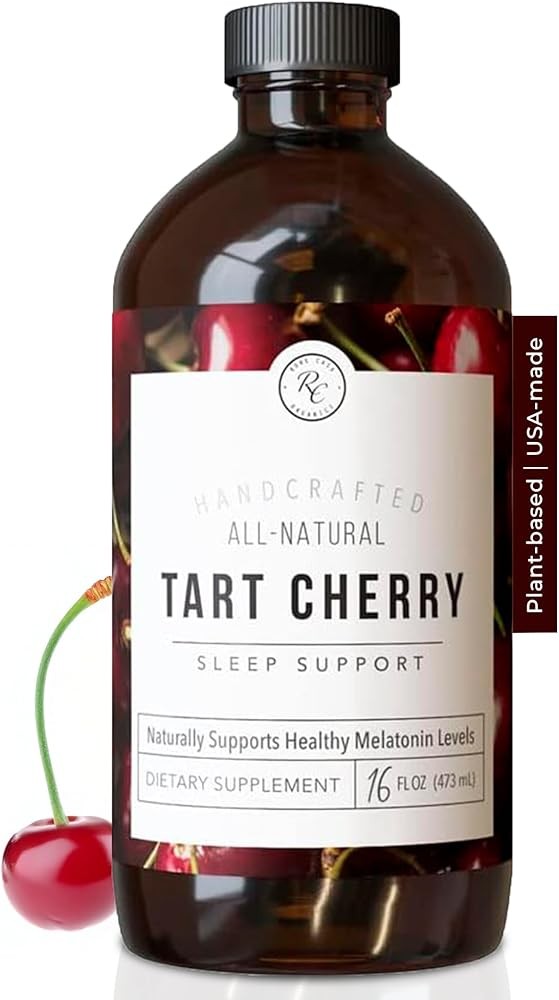
Valerian Root Extract Supplement
Check Price on AmazonAs an Amazon Associate we earn from qualifying purchases.
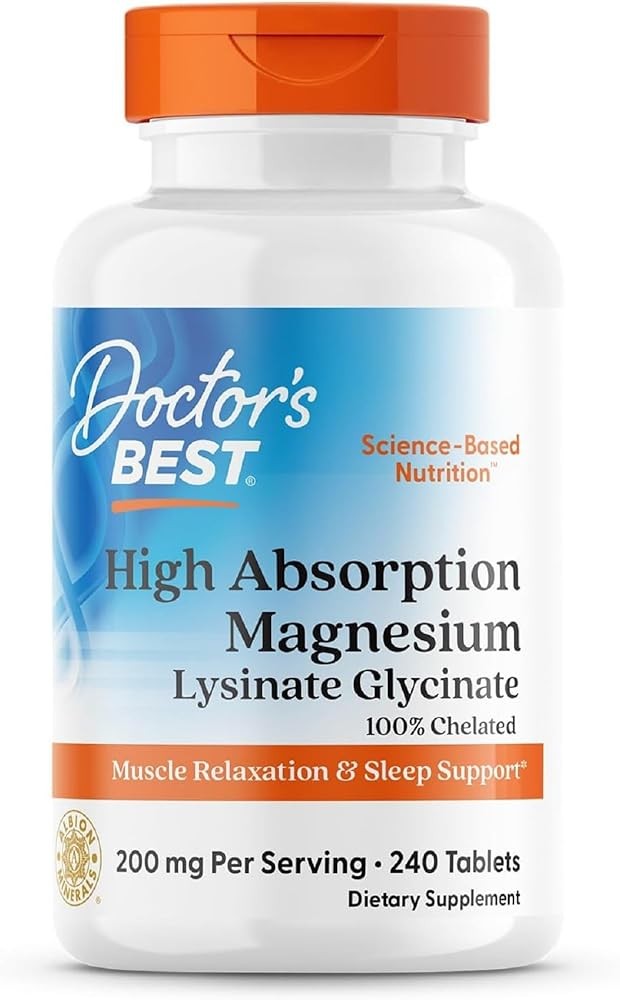
NOW Foods Sleep - Valerian Root Blend
Check Price on AmazonAs an Amazon Associate we earn from qualifying purchases.
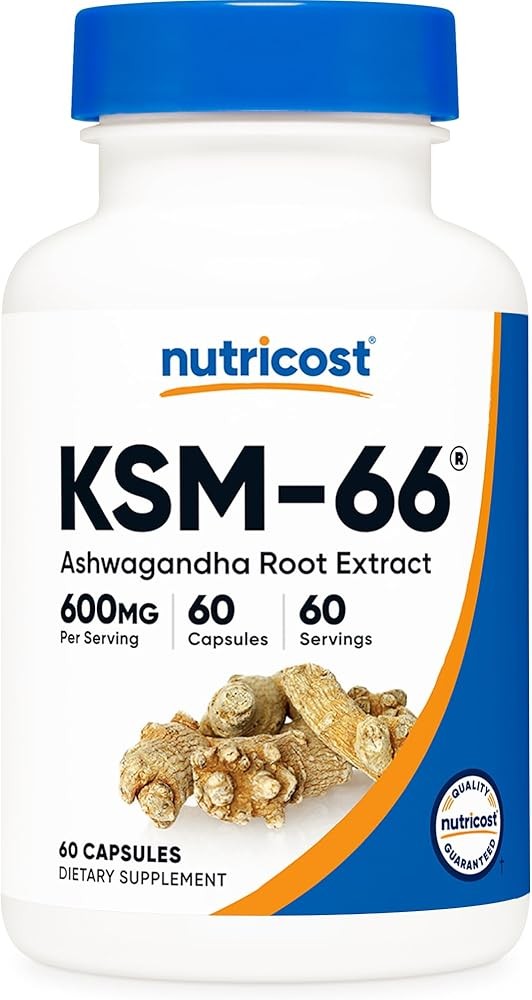
Valerian Root Capsules
Check Price on AmazonAs an Amazon Associate we earn from qualifying purchases.
📱 Join the discussion: Facebook | X | YouTube | Pinterest
The Bottom Line: Should You Try Valerian Root?
Valerian root is not a miracle support recovery from for insomnia, and the clinical evidence does not support treating it as one. But it is also far from worthless. The balance of evidence from decades of research suggests that properly standardized valerian root extract, taken consistently for at least 2-4 weeks, can modestly but meaningfully improve subjective sleep quality in many people, particularly those with anxiety-related or stress-driven sleep difficulties.
The key factors for success with valerian are:
- Choose a standardized product with at least 0.8% valerenic acid
- Take the right dose (300-600 mg standardized extract, 30-60 minutes before bed)
- Be consistent (take it every night, not just occasionally)
- Be patient (give it at least 4 weeks before judging effectiveness)
- Maintain realistic expectations (modest improvement in sleep quality, not pharmaceutical-level sedation)
- Combine with good sleep hygiene (no supplement can overcome a screen-lit bedroom, irregular schedule, and late-night caffeine)
- Consider combination stacks (valerian + hops or valerian + magnesium may outperform valerian alone)
If you have tried valerian before and found it ineffective, consider whether you were using a standardized product, taking an adequate dose, and giving it sufficient time. Many people who “failed” with valerian were actually just using the wrong product or evaluating too soon.
For mild to moderate sleep difficulties, valerian root remains one of the most reasonable herbal options available — safe, well-studied (if imperfectly so), affordable, non-habit-forming, and mechanistically plausible. It may not work for everyone, but for the right person with the right product and the right expectations, it can be a genuinely helpful addition to an overall sleep improvement strategy.
Related Reading
- Sleep and Recovery: Valerian Root vs Ashwagandha for Sleep - Which is Better?
- Why You Wake Up at 3am and How to Fix It
- Melatonin Dosage Guide: 0.5mg vs 3mg vs 10mg - What Works Best?
- Optimizing Sleep with Melatonin Supplements: A Guide to Dosing and Selection
- L-Theanine for Sleep and Anxiety: What the Research Says
- Sleep and Recovery: How Much Melatonin Should You Actually Take?
- Sleep and Recovery: Best Ashwagandha Supplements for Sleep and Stress
References
-
Benke, D., Barberis, A., Kopp, S., Altmann, K. H., Schubiger, M., Vogt, K. E., Rudolph, U., & Mohler, H. (2009). GABA-A receptors as in vivo substrate for the anxiolytic action of valerenic acid, a major constituent of valerian root extracts. Neuropharmacology, 56(1), 174-181. PubMed
-
Khom, S., Baburin, I., Timin, E., Hohaus, A., Trauner, G., Kopp, B., & Hering, S. (2007). Valerenic acid potentiates and inhibits GABA(A) receptors: Molecular mechanism and subunit specificity. Neuropharmacology, 53(1), 178-187. PubMed
-
Bent, S., Padula, A., Moore, D., Patterson, M., & Mehling, W. (2006). Valerian for sleep: A systematic review and meta-analysis. The American Journal of Medicine, 119(12), 1005-1012. PubMed
-
Shinjyo, N., Waddell, G., & Green, J. (2020). Valerian root in treating sleep problems and associated disorders — A systematic review and meta-analysis. Journal of Evidence-Based Integrative Medicine, 25, 2515690X20967323. PubMed
-
Fernandez-San-Martin, M. I., Masa-Font, R., Palacios-Soler, L., Sancho-Gomez, P., Calbo-Caldentey, C., & Flores-Mateo, G. (2010). Effectiveness of Valerian on insomnia: A meta-analysis of randomized placebo-controlled trials. Sleep Medicine, 11(6), 505-511. PubMed
-
Leathwood, P. D., Chauffard, F., Heck, E., & Munoz-Box, R. (1982). Aqueous extract of valerian root (Valeriana officinalis L.) improves sleep quality in man. Pharmacology, Biochemistry, and Behavior, 17(1), 65-71. PubMed
-
Muller, C. E., Schumacher, B., Brattstrom, A., Abourashed, E. A., & Koetter, U. (2002). Interactions of valerian extracts and a fixed valerian-hop extract combination with adenosine receptors. Life Sciences, 71(16), 1939-1949. PubMed
-
Koetter, U., Schrader, E., Kaufeler, R., & Brattstrom, A. (2007). A randomized, double-blind, placebo-controlled, prospective clinical study to demonstrate clinical efficacy of a fixed valerian hops extract combination (Ze 91019) in patients suffering from non-organic sleep disorder. Phytotherapy Research, 21(9), 847-851. PubMed
-
Hellum, B. H., & Nilsen, O. G. (2008). In vitro inhibition of CYP3A4 metabolism and P-glycoprotein-mediated transport by trade herbal products. Basic & Clinical Pharmacology & Toxicology, 102(5), 466-475. PMC
-
Maroo, N., Hazra, A., & Das, T. (2013). Efficacy and safety of a polyherbal sedative-hypnotic formulation NSF-3 in primary insomnia in comparison to zolpidem: A randomized controlled trial. Indian Journal of Pharmacology, 45(1), 34-39. PMC
-
Morin, C. M., Koetter, U., Bastien, C., Ware, J. C., & Wooten, V. (2005). Valerian-hops combination and diphenhydramine for treating insomnia: A randomized placebo-controlled clinical trial. Sleep, 28(11), 1465-1471. PubMed
-
Muller, S. F., & Klement, S. (2006). A combination of valerian and lemon balm is effective in the treatment of restlessness and dyssomnia in children. Phytomedicine, 13(6), 383-387. PubMed
-
Taavoni, S., Nazem Ekbatani, N., Kashaniyan, M., & Haghani, H. (2013). Valerian/lemon balm use for sleep disorders during menopause. Complementary Therapies in Clinical Practice, 19(4), 193-196. PubMed
-
Harrison, Y., & Horne, J. A. (2000). The impact of sleep deprivation on decision making: A review. Journal of Experimental Psychology: Applied, 6(3), 236-249.
-
Donath, F., Quispe, S., Diefenbach, K., Maurer, A., Fietze, I., & Roots, I. (2000). Critical evaluation of the effect of valerian extract on sleep structure and sleep quality. Pharmacopsychiatry, 33(2), 47-53. PubMed
-
Wongwitdecha, N., et al. (2025). Valerian compounds as positive allosteric modulators of A1 adenosine receptors. PubMed
Related Articles
- Sleep and Recovery: Valerian Root vs Ashwagandha for Sleep - Which is Better?
- Sleep and Recovery: Best Ashwagandha Supplements for Sleep and Stress (2026)
- Sleep and Recovery: Best Sleep Supplements that Don’t Contain Melatonin
- Optimizing Sleep with Melatonin Supplements: A Guide to Dosing and Selection
- Best Tart Cherry Supplements for Sleep Research Review (2026)
- Best Magnesium Supplements for Sleep: Glycinate vs Threonate
- Supplements That Improve Deep Sleep: What Research Shows
- Best Nighttime Routine for Better Sleep: Evidence-Based Tips
- Best Glycine Supplements for Deep Sleep
- L-Theanine for Sleep and Anxiety: What the Research Says
Common Questions About Valerian
What are the benefits of valerian?
Valerian has been studied for various potential health benefits. Research suggests it may support several aspects of health and wellness. Individual results can vary. The strength of evidence differs across different claimed benefits. More high-quality research is often needed. Always review the latest scientific literature and consult healthcare professionals about whether valerian is right for your health goals.
Is valerian safe?
Valerian is generally considered safe for most people when used as directed. However, individual responses can vary. Some people may experience mild side effects. It’s important to talk with a healthcare provider before using valerian, especially if you have existing health conditions, are pregnant or nursing, or take medications.
How does valerian work?
Valerian works through various biological mechanisms that researchers are still studying. Current evidence suggests it may interact with specific pathways in the body to produce its effects. Always consult with a healthcare provider before starting any new supplement or health regimen to ensure it’s appropriate for your individual needs.
Who should avoid valerian?
Certain people should avoid or use caution with valerian root. This includes individuals taking sedative medications like benzodiazepines, barbiturates, or other CNS depressants, as valerian may amplify sedative effects. Those scheduled for surgery should discontinue use at least two weeks beforehand due to potential anesthesia interactions. Pregnant and breastfeeding women should avoid valerian due to insufficient safety data. People taking medications metabolized by liver enzymes should consult their healthcare provider before use. Always discuss valerian use with a qualified healthcare professional who can review your complete medical history and current medications.
What are the signs valerian is working?
Positive indicators that valerian is working typically emerge gradually over 2-4 weeks of consistent use. You may notice falling asleep feels more natural and less effortful, with reduced “racing mind” sensations at bedtime. Other signs include fewer nighttime awakenings, decreased morning grogginess compared to pharmaceutical sleep aids, and an overall sense of more restful sleep even if total sleep duration remains similar. Some people also report reduced stress and anxiety levels during the day. The quality of sleep often improves before the quantity changes noticeably. Keep a sleep journal to track subtle improvements that might otherwise go unnoticed.
How long should I use valerian?
The time it takes for valerian to work varies by individual and depends on factors like dosage, consistency of use, and individual metabolism. Some people notice effects within days, while others may need several weeks. Research studies typically evaluate effects over weeks to months. Consistent use as directed is important for best results. Keep a journal to track your response.
Recommended Products