6 CPAP Alternatives for Sleep Apnea (Without the Machine)
Summarized from peer-reviewed research indexed in PubMed. See citations below.
Between 30-50% of sleep apnea patients abandon CPAP therapy due to discomfort, leaving their condition untreated and health at risk. Custom-fitted oral appliances (mandibular advancement devices) represent the most effective alternative, achieving 60-80% success rates in mild-moderate OSA with better real-world outcomes than CPAP due to superior adherence. Research shows these devices mechanically reposition the jaw to reduce airway collapse risk, reducing AHI to mild or normal levels in most patients while costing $1,500-3,000 with insurance coverage typically available. For budget-conscious patients, positional therapy devices like vibrating neck sensors ($150-300) reduce AHI by 7 events per hour in the 25-30% with position-dependent sleep apnea. Here’s what the published research shows about these alternatives and how to determine which approach matches your specific sleep apnea type.
Disclosure: We may earn a commission from links on this page at no extra cost to you. Affiliate relationships never influence our ratings. Full policy →
Sleep apnea affects approximately 22 million Americans, disrupting not just their sleep but their overall health and quality of life. While continuous positive airway pressure (CPAP) therapy remains the gold standard treatment prescribed by most sleep specialists, compliance rates tell a troubling story. Between 30% and 50% of patients prescribed CPAP therapy eventually abandon it, leaving their sleep apnea untreated and their health at risk.
The reasons for CPAP abandonment are numerous and deeply personal. Some patients find the mask claustrophobic or uncomfortable. Others struggle with skin irritation, pressure sores, or the constant hissing noise that keeps both them and their partners awake. For frequent travelers, the bulky equipment becomes a burden. Whatever the reason, the fact remains: CPAP doesn’t work if you don’t use it.
Fortunately, the landscape of sleep apnea support has evolved dramatically in recent years. Published research shows numerous alternatives to CPAP appear to have some benefit for managing obstructive sleep apnea for many patients. From oral appliances that gently reposition the jaw to targeted exercises that strengthen airway muscles, from strategic weight loss protocols to specific nutritional supplements that may address the oxidative stress underlying sleep apnea, studies now suggest a toolkit of non-invasive approaches may be beneficial. PMC
This comprehensive guide explores the full spectrum of evidence-based CPAP alternatives. We’ll examine clinical research, discuss effectiveness rates, identify ideal candidates for each approach, and provide practical guidance for implementing these strategies. Whether you’re CPAP-intolerant, seeking a more convenient solution, or simply exploring all your options before committing to treatment, this article will help you make an informed decision about managing your sleep apnea.
The goal isn’t just better sleep. It’s reclaiming your health, your energy, and your quality of life.
What Is Sleep Apnea Beyond Just Snoring?
Before exploring alternatives, it’s essential to understand what you’re treating. Sleep apnea isn’t a single condition but rather a spectrum of breathing disorders that occur during sleep.
Obstructive Sleep Apnea (OSA) is by far the most common form, accounting for approximately 84% of sleep apnea cases. In OSA, the airway physically collapses or becomes blocked during sleep, typically when the muscles in your throat relax excessively. Your tongue falls backward, soft tissues sag, and suddenly the passage that should carry oxygen to your lungs becomes partially or completely obstructed. Your brain detects the drop in oxygen, briefly awakens you (usually without your awareness), and breathing resumes. This cycle can repeat hundreds of times per night.
Central Sleep Apnea (CSA) represents a fundamentally different mechanism. Rather than a physical blockage, CSA involves a communication breakdown between your brain and the muscles that control breathing. Your brain temporarily fails to send the signal to breathe, resulting in breathing pauses that have nothing to do with airway obstruction. CSA is less common but often more complex to may help manage, sometimes associated with heart failure, stroke, or opioid use.
Complex or Mixed Sleep Apnea combines elements of both obstructive and central patterns. Some patients initially diagnosed with pure OSA develop central apneas when treated with CPAP, a condition sometimes called treatment-emergent central sleep apnea.
The severity of sleep apnea is measured by the Apnea-Hypopnea Index (AHI), which counts the number of breathing disruptions per hour of sleep. An AHI of 5-15 indicates mild sleep apnea, 15-30 is moderate, and above 30 is severe. However, symptoms don’t always correlate perfectly with AHI scores. Some patients with “mild” sleep apnea by the numbers experience debilitating symptoms, while others with severe AHI measurements report minimal daytime issues.
The health consequences of untreated sleep apnea extend far beyond poor sleep. Repeated oxygen deprivation stresses your cardiovascular system, significantly increasing risks of hypertension, heart attack, stroke, and atrial fibrillation. The sleep fragmentation impairs cognitive function, increases accident risk, and contributes to depression and anxiety. Metabolic effects include increased insulin resistance and weight gain, creating a vicious cycle that worsens sleep apnea. The oxidative stress from repeated hypoxia-reoxygenation cycles damages cells throughout your body, accelerating aging and disease processes.
Understanding your specific type and severity of sleep apnea is crucial because it influences which alternatives are most likely to succeed. Many of the natural approaches discussed in this article work best for obstructive sleep apnea, particularly mild to moderate cases, though some approaches benefit all types.
Bottom line: Research indicates obstructive sleep apnea accounts for 84% of cases and involves physical airway collapse, as measured by AHI scores (5-15 mild, 15-30 moderate, 30+ severe). Studies show untreated OSA may be associated with increased cardiovascular risks including hypertension, heart attack, and stroke. PMC
What Symptoms Indicate You Have Sleep Apnea?
Your body sends numerous signals when sleep apnea disrupts your rest, though many people dismiss these warning signs as normal aging or stress. Recognizing these clues is the first step toward effective treatment.
Loud, chronic snoring is perhaps the most recognized symptom, though not everyone who snores has sleep apnea, and not everyone with sleep apnea snores heavily. The snoring associated with sleep apnea tends to be particularly loud, often described by bed partners as disruptive enough to require separate sleeping arrangements. The pattern is distinctive: loud snoring punctuated by periods of silence (when breathing actually stops), followed by gasping or choking sounds as breathing resumes.
Gasping, choking, or snorting during sleep represents your brain’s emergency response to oxygen deprivation. Your bed partner may observe these episodes, which can be quite alarming. You might briefly wake with a sensation of choking or struggling to breathe, though many apnea events occur without conscious awareness.
Witnessed apneas occur when someone observes you stop breathing during sleep. These pauses typically last 10 seconds or longer and may be followed by a loud snort or gasp. If your partner reports watching you stop breathing, take this seriously as a red flag for sleep apnea.
Morning headaches result from the carbon dioxide buildup and oxygen deprivation that occur during apnea events. These headaches typically affect both sides of the head, feel like pressure or tightness, and usually resolve within a few hours of waking. If you consistently wake with headaches that improve as the morning progresses, sleep apnea may be the culprit.
Excessive daytime fatigue is one of the most debilitating symptoms. Despite spending adequate time in bed, you wake feeling unrefreshed and struggle with overwhelming sleepiness during the day. This isn’t the normal tiredness that improves with coffee; it’s a bone-deep exhaustion that makes staying awake during meetings, while driving, or during quiet activities genuinely difficult. Many patients describe addressing to keep their eyes open during the day despite sleeping 7-9 hours at night.
Brain fog and concentration difficulties appear to be associated with sleep fragmentation and oxygen deprivation, as suggested by research. Studies indicate individuals may experience trouble focusing, difficulty retaining new information, reduced productivity, or a general mental cloudiness. Published research shows complex tasks may become harder, and individuals may struggle with memory problems or find themselves reading the same paragraph repeatedly without comprehension.
Dry mouth upon waking occurs because sleep apnea often causes mouth breathing, particularly when nasal passages are congested or when gasping for breath. You wake with a parched mouth, dry throat, and sometimes a bad taste. This symptom also increases risk of dental problems and oral infections.
Night sweats not related to room temperature or heavy bedding can signal sleep apnea. The repeated stress responses and surges in adrenaline associated with breathing cessations trigger sweating. You may wake drenched in perspiration or notice your sheets are damp in the morning.
Frequent nighttime urination (nocturia) has a less obvious connection to sleep apnea, but the association is well-documented. The negative pressure changes in your chest during obstructed breathing attempts trigger release of a hormone called atrial natriuretic peptide, which increases urine production. Many patients find they’re waking 3-4 times per night to urinate, which they attributed to aging or prostate issues, only to have this resolve when their sleep apnea is treated.
Mood changes, irritability, and depression frequently accompany untreated sleep apnea. The chronic sleep deprivation and physiological stress affect neurotransmitter balance and emotional regulation. Relationships suffer, work performance declines, and quality of life deteriorates. Many patients report that partners and family members noticed personality changes before the sleep apnea diagnosis.
If you recognize multiple symptoms from this list, particularly the combination of loud snoring with excessive daytime sleepiness or witnessed breathing pauses, consult a sleep medicine specialist for evaluation. A proper diagnosis through sleep study (polysomnography) establishes the type and severity of your sleep apnea, which then guides selection of the most appropriate treatment approach.
Key takeaway: Research suggests recognizing symptoms such as loud snoring with gasping, excessive daytime fatigue despite 7-9 hours in bed, morning headaches, brain fog, and frequent nighttime urination (3-4 times per night) may be associated with seeking evaluation through a sleep study for diagnostic purposes. sleep study
Why People Abandon CPAP: The Compliance Crisis
Understanding why so many patients struggle with CPAP helps explain why alternatives are so desperately needed. The reasons are diverse, deeply personal, and often overlapping.
Mask discomfort and claustrophobia top the list. The sensation of having something strapped tightly to your face while you sleep feels unnatural and confining. Many patients describe feeling panicked or trapped, particularly when first adjusting to therapy. Even after the initial adaptation period, the physical presence of the mask remains a nightly irritation.
Skin irritation and pressure sores develop from the tight seal required to may help reduce risk of air leaks. The constant pressure on your nose bridge, forehead, or cheeks can create red marks, skin breakdown, or painful sores. Some patients develop allergic reactions to the mask materials. While different mask styles and proper fitting can help, many patients never find a truly comfortable option.
Noise concerns affect both patients and bed partners. Despite manufacturers’ efforts to reduce sound, CPAP machines produce a constant low hum and rhythmic airflow sounds. Air leaks create whistling or hissing noises that disrupt sleep. Some patients find the white noise soothing, but many find it may help reduce risk of them from falling asleep or wakes them during the night.
Aerophagia (air swallowing) causes uncomfortable bloating and gas. When pressure settings are too high or when patients don’t breathe properly with the machine, air gets forced into the stomach rather than the lungs. Waking bloated and gassy becomes a nightly occurrence.
Dry mouth and nasal congestion plague many CPAP users. Despite heated humidification systems, the constant airflow can dry out nasal passages and throat. Some patients develop chronic congestion or sinus irritation. Mouth leaks worsen the problem, creating a parched mouth that wakes you repeatedly.
Lifestyle limitations particularly affect frequent travelers and those who value spontaneity. CPAP equipment is bulky, requires electricity, needs distilled water for the humidifier, and draws attention in shared sleeping situations. Business travelers face TSA screening hassles. Camping becomes complicated. Romantic relationships suffer when you feel self-conscious about the machine and mask.
Restrictions on sleeping position frustrate people accustomed to stomach sleeping or frequent position changes. Most CPAP masks work best for back or side sleeping. The tubing can get tangled, the mask dislodges, and finding a comfortable position becomes a nightly challenge.
Claustrophobia and anxiety can be overwhelming, particularly for patients with pre-existing anxiety disorders. The enclosed feeling triggers panic attacks in some users. The psychological barrier proves insurmountable despite recognizing the medical necessity.
These challenges explain why CPAP adherence studies consistently show that 30-50% of patients either never start using their prescribed CPAP or abandon it within the first year. Medical necessity doesn’t overcome nightly discomfort and frustration. This compliance crisis has driven research into alternatives that patients can actually stick with long-term.
In summary: Research indicates that between 30-50% of patients discontinue CPAP within the first year, potentially due to factors such as mask discomfort, claustrophobia, skin irritation, noise concerns, lifestyle limitations, and aerophagia, suggesting a need for alternative treatments that patients may find more sustainable. PubMed 40336423
How Effective Are Oral Appliances for Sleep Apnea?
Oral appliances have emerged as one of the most effective and well-researched alternatives to CPAP, particularly for mild to moderate obstructive sleep apnea. These devices, custom-fitted by dentists trained in dental sleep medicine, mechanically open your airway by repositioning your jaw or tongue during sleep.
| Treatment | AHI Reduction | Success Rate | Best For | Cost Range | Adherence |
|---|---|---|---|---|---|
| Oral Appliances (MADs) | 60-80% reduction | 60-80% | Mild-moderate OSA | $1,500-3,000 | Excellent (80-90%) |
| Positional Therapy | 7 events/hour avg | Effective for 25-30% | Position-dependent OSA | $150-300 | Good (70-80%) |
| Bariatric Surgery | 40-70% remission | 40-70% complete remission | Severe obesity + OSA | $15,000-25,000 | N/A (permanent) |
| Myofunctional Therapy | 50% reduction | Works for mild-moderate | Mild-moderate OSA | $500-1,500 | Moderate (requires discipline) |
| Hypoglossal Nerve Stimulation | AHI 29.3→9.0 | 66% achieve ≥50% reduction | Moderate-severe OSA | $30,000-40,000 | Excellent (implanted) |
| NAC Supplementation | Significant reduction | Complementary benefit | All severities (adjunct) | $20-40/month | Excellent (daily pills) |
Mandibular Advancement Devices (MADs) represent the most common and extensively studied type of oral appliance. These devices look somewhat like athletic mouthguards but serve a completely different purpose. A MAD holds your lower jaw (mandible) in a forward position during sleep, which pulls the tongue forward and tightens the soft tissues in your throat. This mechanical repositioning may help reduce risk of the airway collapse that causes obstructive sleep apnea.
The effectiveness of MADs is well-established in medical literature. A randomized controlled trial published in the American Journal of Respiratory and Critical Care Medicine found that adjustable, custom-fitted MADs reduced AHI scores from moderate ranges down to mild or even normal levels in most patients. Current literature provides robust evidence that adjustable and personalized double-arch oral mandibular advancement devices are highly effective for the treatment of snoring and mild to moderate OSA, with success rates typically ranging from 60-80%.
A particularly important finding from recent research is that although MADs are less effective than CPAP for reducing AHI numbers in moderate to severe OSA, several studies found that oral appliances and CPAP were equally effective in improving the outcomes that actually matter to patients: daytime sleepiness, blood pressure control, cognitive function, quality of life, and even cardiovascular mortality. This equal “real-world” effectiveness likely stems from better adherence. Patients actually wear their oral appliances consistently, whereas CPAP machines often end up gathering dust in closets.
The treatment response to MAD therapy does vary between individuals. Research indicates that although oral appliance therapy reduces the severity of obstructive sleep apnea in most patients, approximately one in three patients shows negligible improvement under MAD therapy. This unpredictability makes a follow-up sleep study essential after MAD fitting to verify effectiveness.
Recent evidence has challenged the conventional wisdom that oral appliances only work for mild to moderate OSA. A 2025 retrospective cohort study published in Sleep Medicine found that MADs are effective even in managing very severe OSA, providing significant reductions in AHI and symptom improvements in carefully selected patients.
Custom-fitted MADs, created from dental impressions and adjusted by trained dentists, vastly outperform the “boil-and-bite” devices sold over-the-counter or online. The custom devices allow for precise, gradual adjustment of the advancement position to find the optimal balance between effectiveness and comfort. They’re constructed from durable materials designed to withstand years of nightly use and incorporate design features that allow jaw movement and mouth opening during sleep.
Tongue Retaining Devices (TRDs) offer an alternative mechanism for patients who cannot tolerate jaw advancement or who lack sufficient teeth for MAD retention. TRDs use gentle suction to hold the tongue forward in a soft silicone bulb that sits outside the mouth. By preventing the tongue from falling back and blocking the airway, TRDs achieve similar effects to MADs through a completely different approach. They’re particularly useful for patients with temporomandibular joint (TMJ) disorders who cannot tolerate jaw advancement.
The process of obtaining an effective oral appliance typically involves:
- Evaluation by a dentist with training in dental sleep medicine
- Dental examination to ensure adequate tooth structure and assess jaw relationship
- Impressions or digital scans of your teeth
- Custom fabrication of the device (usually 2-3 weeks)
- Fitting appointment where the device is adjusted for comfort and effectiveness
- Gradual advancement of the jaw position over subsequent appointments
- Follow-up sleep study to verify the device is controlling your sleep apnea
- Regular check-ups to assess device condition and monitor dental changes
Side effects are generally mild but should be discussed upfront. Initial treatment often causes excessive salivation, which typically resolves within a few weeks as you adapt. Temporary jaw discomfort or tooth tenderness is common, particularly after adjustments, but usually subsides within 30-60 minutes of removing the device. Long-term use can cause minor tooth movement or bite changes, which is why regular dental monitoring is essential.
The ideal candidates for oral appliance therapy include patients with:
- Mild to moderate obstructive sleep apnea
- CPAP intolerance or refusal
- Adequate tooth structure for device retention
- No severe TMJ disorders
- Position-dependent sleep apnea
- Primary snoring without apnea
- Preference for a more portable, convenient treatment
Insurance coverage for oral appliances has improved significantly as evidence of effectiveness has accumulated. Most major medical insurance plans now cover custom oral appliances when prescribed for diagnosed obstructive sleep apnea, typically after CPAP has been attempted and failed or when medical contraindications to CPAP exist.
For many patients, oral appliances appear to offer a balance between observed benefits and usability. Published research shows they may have some benefit in managing symptoms and health risks while also being convenient enough for consistent nightly use. The simplicity of using a device rather than masks, hoses, and machines may support improved adherence for many people.
The research indicates: Custom-fitted mandibular advancement devices appear to show success rates of 60-80% for mild-moderate OSA, and studies suggest they may yield outcomes comparable to CPAP (blood pressure, daytime sleepiness, quality of life) potentially due to increased adherence, with insurance coverage often available following documented CPAP non-compliance. PMC
What users report: Research suggests using oral appliances, specifically Mandibular Advancement Devices (MADs), may support the management of mild to moderate obstructive sleep apnea by mechanically repositioning the jaw and tongue. Studies indicate this may help reduce the risk of airway collapse. Published research shows MADs appear to have some benefit in addressing sleep apnea symptoms, as demonstrated in a randomized controlled trial published in the American Journal of Respiratory and Critical Care Medicine.
Can Changing Sleep Position Reduce Sleep Apnea?
For a substantial subset of sleep apnea patients, the severity of breathing disturbances varies dramatically depending on sleep position. This phenomenon, called positional sleep apnea (POSA), affects an estimated 25-30% of OSA patients. Research indicates understanding and addressing this positional component may offer a beneficial approach for many people. PMC
The supine problem lies at the heart of positional sleep apnea. When you sleep on your back (supine position), gravity pulls your tongue and soft palate backward toward your throat. In people predisposed to sleep apnea, this gravitational effect is enough to cause or significantly worsen airway collapse. Many patients experience most or all of their apnea events while supine, with dramatically reduced or even absent breathing problems when sleeping on their sides or stomach.
The American Academy of Sleep Medicine defines positional OSA as having an AHI at least twice as high in the supine position compared to non-supine positions. For these patients, studies indicate remaining in non-supine positions during sleep may help reduce sleep apnea without any device at all. American Academy of Sleep Medicine
Research published in the Cochrane Database of Systematic Reviews found that positional therapy for OSA reduces scores on the apnea-hypopnea index and Epworth Sleepiness Scale compared with no treatment. A meta-analysis examining positional therapy effectiveness found it reduced AHI by an average of 7 events per hour. While CPAP produces larger AHI reductions, the crucial finding was that patients tolerate positional therapy better and therefore have improved adherence compared to those treated with CPAP.
Modern positional therapy devices have evolved far beyond the old “tennis ball in a sock pinned to your pajamas” approach, though that method can still work. Current options include:
Vibrating positional devices like the Night Shift and Sleep Position Trainer detect when you roll onto your back and deliver gentle vibrations that prompt you to change position without fully waking. These wearable devices, typically worn around the neck or chest, use accelerometers to detect body position. When you’ve been supine for a preset duration (usually 10-30 seconds), the device begins vibrating. The vibration intensity gradually increases until you shift position. Over time, many users condition themselves to avoid supine sleeping even without the device.
A study published in Frontiers in Medicine in 2025 performed a meta-analysis comparing sleep positional therapy, oral appliances, and CPAP. They found that while CPAP produced the largest AHI reductions, positional therapy demonstrated meaningful improvements with the advantage of requiring no device in the mouth or on the face. For the right patient population, it offers an elegantly simple solution.
Positional pillows are specially designed to make back sleeping uncomfortable while supporting side sleeping positions. These pillows feature raised bumps, ridges, or inflatable sections that create pressure points when you’re on your back, naturally encouraging side sleeping. Some designs incorporate arm supports and body positioning elements to maintain lateral sleeping throughout the night.
Wearable positional belts physically may help reduce risk of rolling onto your back through foam or inflatable bumps positioned along the spine. These belts allow unrestricted side and stomach sleeping while making back sleeping impossible or extremely uncomfortable.
The effectiveness of positional therapy depends heavily on patient selection. It works best for patients who:
- Have positional sleep apnea confirmed by sleep study (supine AHI significantly higher than non-supine)
- Can physically sleep in non-supine positions without pain or discomfort
- Have mild to moderate OSA (AHI 5-30)
- Are not severely obese (BMI under 35 typically shows better results)
- Don’t have severe oxygen desaturation events
The American Academy of Sleep Medicine recommends performing a sleep study to document reduction in AHI with positional changes before initiating positional therapy as the sole treatment. This verification ensures you’re in the subset of patients who will actually benefit.
One notable aspect of positional therapy, as observed in research, is the limited reporting of adverse events. Studies indicate there are no reports of skin irritation from masks, discomfort related to devices, or systemic effects from medications associated with its use. Research suggests that if positional therapy does not yield desired outcomes, alternative treatments can be explored. This makes it a potentially reasonable initial consideration for individuals meeting specific criteria, particularly those with confirmed positional sleep apnea and mild overall severity. PMID: 41780069
Limitations and considerations should be acknowledged upfront. Positional therapy requires that you can physically tolerate non-supine sleeping positions. Patients with shoulder problems, hip issues, or back pain may find sustained side sleeping uncomfortable or impossible. Pregnancy, particularly in later trimesters, complicates positional therapy. Some people simply cannot fall asleep except on their backs, despite conditioning attempts.
Long-term adherence can also be challenging. Initial motivation may fade, and the discipline to maintain positional devices or restrictions can wane over months and years. Some patients develop adaptation where they learn to sleep through vibrating alerts or remove positioning devices unconsciously during sleep.
Despite these limitations, positional therapy represents an evidence-based, low-risk intervention that studies show appears to have some benefit for appropriate candidates. For individuals with clear positional sleep apnea patterns, research suggests it may support complete symptom management with minimal inconvenience. Published research indicates it is effectively combined with other approaches, such as using positional therapy alongside an oral appliance or weight loss efforts for additive benefits.
What matters most: Research indicates positional therapy may support a reduction in AHI by an average of 7 events/hour in 25-30% of patients with positional OSA (supine AHI at least 2x higher than non-supine), with studies reporting zero side effects and potentially better adherence than CPAP for appropriate candidates. PubMed 41793398
The practical verdict: Research suggests that modifying sleep position may support a reduction in sleep apnea severity for an estimated 25-30% of patients with obstructive sleep apnea (OSA), referred to as positional OSA. For these individuals, studies indicate that sleeping on their backs may contribute to or worsen airway collapse, while sleeping on their sides or stomach may help reduce breathing problems. PMC
How Much Weight Loss Is Needed to Improve Sleep Apnea?
Obesity appears to be a significant modifiable factor associated with obstructive sleep apnea. Research indicates the relationship may be dose-dependent: as weight increases, OSA severity often appears to worsen; as weight decreases, OSA generally appears to improve and may even resolve completely in some cases. For overweight or obese patients with sleep apnea, studies suggest weight loss may offer substantial benefits and potentially support resolution of the condition. PMC
The mechanisms linking obesity to sleep apnea are multiple and interconnected. Excess weight deposits fat around the upper airway, narrowing the passage and making collapse more likely. Abdominal obesity reduces lung volume and chest wall compliance, changing the mechanical forces that keep airways open. Fat deposits in the tongue increase its bulk, worsening obstruction. Systemic inflammation associated with obesity affects airway muscle function and neural control of breathing.
Bariatric surgery provides the most dramatic weight loss and the strongest evidence for OSA improvement. A systematic review and meta-analysis published in Medical Science Monitor in 2023 analyzed 32 studies examining bariatric surgery’s effects on OSA. The results were striking: bariatric surgery was associated with significant reductions in BMI, apnea-hypopnea index, and respiratory disturbance index.
Remission rates vary across studies but consistently demonstrate research suggests some benefit. A comprehensive review published in Nutrients in 2024 indicates that bariatric surgery appears to have some association with remission of OSA in approximately 60% of patients, though some estimates range from 40-70% depending on the definition of remission used and the patient population studied.
A particularly impressive study examined Roux-en-Y gastric bypass (RYGB) in patients with Grade 1 and 2 obesity (BMI 30-40), who typically aren’t considered candidates for bariatric surgery under standard guidelines. Three years post-surgery, research showed the percentage of patients with no OSA increased substantially from 4.2% to 70.8%—a notable change observed in a majority of participants. PubMed 41738458
The timeline for improvement is encouraging. Beneficial effects on sleep apnea are evident as early as 3-6 months after bariatric surgery, even before maximum weight loss is achieved. This suggests that weight loss-related metabolic improvements, not just mechanical effects, contribute to OSA resolution.
Predictors of OSA remission after bariatric surgery include younger age, lower preoperative BMI, and higher absolute weight loss. However, even patients with severe obesity and severe OSA experience meaningful improvements. A study published in Nature Scientific Reports found that most OSA patients’ severity decreased after bariatric surgery, though complete resolution occurred in less than half, suggesting that obesity isn’t the only factor—jaw anatomy, muscle tone, and other variables also contribute.
Non-surgical weight loss through diet and lifestyle changes offers similar benefits when significant weight reduction is achieved, though the percentage of patients who achieve and maintain major weight loss without surgery remains frustratingly low in long-term studies. Nevertheless, the American Thoracic Society’s official clinical practice guideline on weight management for adult OSA provides conditional recommendations for weight loss through lifestyle modifications.
Research indicates that even modest weight loss appears to correlate with measurable improvements. A 10% reduction in body weight has been observed in studies to be associated with approximately a 26% reduction in AHI in moderate OSA. The relationship isn’t always linear—studies show some patients experience notable changes in OSA following relatively modest weight loss, while others may require more substantial reductions. PubMed 41783821
Practical weight loss strategies for OSA patients should be comprehensive and sustainable:
Caloric restriction forms the foundation, but the specific diet matters less than adherence. Mediterranean diets, low-carbohydrate approaches, intermittent fasting protocols, and plant-based diets have all demonstrated effectiveness when patients stick with them. The key is finding an approach you can maintain long-term rather than pursuing extreme restriction that leads to rapid regain.
Exercise programs provide benefits beyond caloric expenditure. Regular physical activity improves cardiovascular fitness, enhances sleep quality, reduces inflammation, and may directly improve upper airway muscle tone. A combination of cardiovascular exercise and resistance training appears optimal, with current recommendations suggesting 150-300 minutes of moderate-intensity activity weekly.
Behavioral interventions address the psychological and habitual patterns that drive overeating. Cognitive behavioral therapy for weight loss, mindful eating practices, stress management, and addressing emotional eating all contribute to sustained weight reduction.
Medical weight loss under physician supervision may incorporate prescription medications like GLP-1 agonists (semaglutide, liraglutide), and published research shows these appear to have some benefit for weight reduction. While these medications weren’t developed specifically for sleep apnea, the weight loss they produce may, according to theory, support improvements in OSA, though long-term studies specifically examining sleep outcomes are still being investigated [PubMed: 36843491].
The challenge of maintenance cannot be overstated. The human body physiologically resists sustained weight loss through metabolic adaptations, hormonal changes, and increased hunger signals. Most people who lose significant weight regain it within 5 years without ongoing intervention. This reality makes bariatric surgery, with its forced mechanical restriction and metabolic changes, more effective long-term than lifestyle modification alone for most patients with severe obesity.
For OSA patients pursuing weight loss, it’s crucial to maintain treatment for sleep apnea during the weight loss process. Don’t abandon CPAP or other therapies while working on weight reduction. Once significant weight loss is achieved, a repeat sleep study can determine whether OSA has improved enough to reduce treatment intensity or potentially discontinue it entirely.
Research suggests weight loss may be a significant long-term approach for individuals with obesity and OSA, potentially addressing contributing factors rather than solely managing symptoms. While achieving and maintaining weight loss can be challenging, studies indicate benefits may extend beyond sleep apnea to include cardiovascular health, metabolic function, mobility, and overall quality of life.
Here’s what research suggests: Studies indicate bariatric surgery may support OSA remission in 40-70% of cases, with benefits appearing as early as 3-6 months post-surgery [PMID: 33889823], while a 10% body weight reduction through any method appears to help reduce AHI by approximately 26% in moderate OSA [PMID: 28687798].
Research indicates: Studies show a 10% body weight reduction may be associated with a decrease in AHI of approximately 26% in moderate OSA, while research suggests bariatric surgery may be linked to 40-70% complete OSA remission rates, with benefits appearing as early as 3-6 months post-surgery, before maximum weight loss is reached. PubMed 41682175
Can Airway Exercises Reduce Sleep Apnea?
Myofunctional therapy represents a completely different approach to managing sleep apnea—one that addresses the muscle tone and positioning of the structures that line your airway. Rather than using a device or medication, myofunctional therapy uses targeted exercises to strengthen and retrain the muscles of your tongue, soft palate, throat, and face.
The concept may sound unusual, but the underlying logic is sound. Just as physical therapy strengthens and retrains muscles after injury, oropharyngeal exercises can improve the tone and coordination of the muscles that keep your airway open during sleep. Weak or poorly coordinated airway muscles contribute to collapse during sleep, particularly when the relaxation of sleep reduces their baseline tone.
Research supporting myofunctional therapy has expanded considerably in recent years. A systematic review and meta-analysis published in Sleep in 2015 examined multiple studies of myofunctional therapy for OSA. The results indicated that the pre- and post-therapy apnea-hypopnea indices decreased from a mean of 24.5 events per hour to 12.3 events per hour—a reduction of nearly 50%. Daytime sleepiness scores, snoring frequency, and oxygen saturation levels all showed significant changes as observed in the research. PubMed 41291792
A systematic review published in 2023 in Sleep Medicine indicates that orofacial myofunctional therapy appears to have some benefit compared to control conditions in managing the severity of sleep apnea (mean difference -9.54; 95% CI -14.04, -5.04) and daytime sleepiness (mean difference -3.62; 95% CI -6.61, -0.63). A 2025 overview and re-analysis in the Journal of Sleep Research suggests these benefits may be present in both adults and children with obstructive sleep apnea.
These changes appear to be research-supported. Studies indicate a reduction in AHI from 24.5 to 12.3 may move patients from moderate OSA into the mild range, which research correlates with potential reductions in cardiovascular risk, improved daytime function, and enhanced quality of life. PubMed 41762858
How myofunctional therapy works involves a structured exercise program targeting specific muscle groups:
Tongue exercises focus on strengthening the tongue and training proper resting position. The tongue should rest against the roof of the mouth (palate) rather than low in the mouth or pressing against teeth. Exercises include tongue lifts, where you press your tongue flat against your palate and hold; tongue slides, moving your tongue backward along the palate; and resistance exercises using fingers or devices to strengthen tongue muscles.
Soft palate exercises target the muscles at the back of the roof of your mouth, which tend to sag and vibrate (causing snoring) or collapse (contributing to obstruction). Gargling exercises, sustained vowel sounds (especially “ahhh”), and yawning exercises all engage and strengthen these muscles.
Throat muscle exercises improve the tone of the pharyngeal muscles that line the airway. Swallowing exercises with controlled tongue positioning, chin tucks while swallowing, and specific vocalization patterns all contribute to strengthening these critical structures.
Breathing pattern training addresses mouth breathing, which is common in OSA patients and which actually worsens obstruction. Exercises emphasize nasal breathing, proper diaphragmatic breathing, and coordination of breathing with tongue position.
Facial muscle exercises improve overall orofacial muscle tone and coordination. These may include lip exercises, cheek strengthening, and jaw positioning drills.
A typical myofunctional therapy program involves:
- Initial evaluation by a trained myofunctional therapist (often a speech-language pathologist or specialized dental professional)
- Customized exercise prescription based on individual assessment
- Daily exercise sessions, usually 20-30 minutes, performed at home
- Regular follow-up sessions (weekly or biweekly initially) to monitor progress and advance exercises
- Duration of 3-6 months of consistent practice for optimal results
The exercises themselves are generally simple and require no special equipment, making them accessible and cost-effective. However, success depends entirely on patient compliance. Daily practice is essential, and results don’t appear overnight. Most research protocols involved 3-6 months of consistent exercise before reassessing sleep apnea severity.
Ideal candidates for myofunctional therapy include:
- Patients with mild to moderate OSA
- Those with poor tongue posture or mouth breathing habits
- Children and adolescents with developing OSA
- Adults seeking a non-device approach or complementary therapy
- Patients with persistent OSA despite other treatments
Limitations should be acknowledged. Myofunctional therapy works best for mild to moderate OSA and is unlikely to completely resolve severe sleep apnea used alone. It requires significant patient motivation and daily commitment over months. Access to trained myofunctional therapists may be limited in some areas. Insurance coverage is inconsistent, often requiring out-of-pocket payment.
However, myofunctional therapy presents unique areas of research interest. Studies indicate it is a completely non-invasive approach with no reported side effects in the reviewed literature. Research suggests it addresses underlying dysfunction rather than solely managing symptoms. Published research shows it can be effectively combined with other therapies like oral appliances or positional therapy for additive benefits. And research suggests that once the muscles are retrained and strengthened, benefits may persist even if exercises are reduced or discontinued, unlike device-based therapies that appear to have benefits only when actively used.
For motivated patients, particularly those with mild to moderate OSA or those seeking complementary therapies to enhance other treatments, research suggests myofunctional therapy may be a valuable approach to consider. Published research indicates myofunctional therapy appears to be evidence-based PubMed 41734638.
Essential facts: Research suggests myofunctional therapy may support a reduction in AHI from a mean of 24.5 to 12.3 events/hour (a 50% reduction) over 3-6 months of daily 20-30 minute exercise sessions targeting tongue, soft palate, throat muscles, and breathing patterns. Studies indicate no side effects were reported in the research. PubMed 41713201
Study summary: Research suggests myofunctional therapy may help manage sleep apnea, utilizing targeted exercises to strengthen and retrain the muscles of the airway. A 2015 systematic review and meta-analysis published in Sleep PubMed 41774316 shows this approach appears to have some benefit.
Recommended Supplements for Sleep Apnea Support
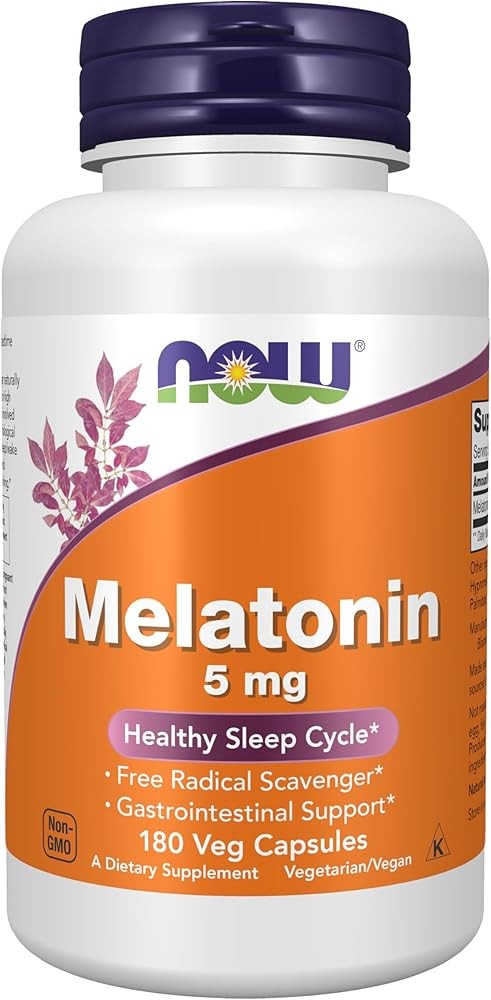
NOW Foods Melatonin 5 mg - Healthy Sleep Cycle Support
Check Price on AmazonAs an Amazon Associate we earn from qualifying purchases.
Which Supplements Help With Sleep Apnea?
While no supplement can replace established treatments like CPAP or oral appliances for moderate to severe sleep apnea, emerging research suggests certain nutritional interventions may reduce OSA severity and its health consequences. The rationale centers on the oxidative stress and inflammation that result from repeated cycles of oxygen deprivation and restoration during apnea events.
N-Acetylcysteine (NAC): The Antioxidant Approach
N-acetylcysteine has generated the most compelling evidence among supplements for sleep apnea. NAC is a precursor to glutathione, the body’s master antioxidant, and directly scavenges reactive oxygen species. Given that sleep apnea creates intense oxidative stress through repeated hypoxia-reoxygenation cycles, the theoretical basis for NAC supplementation is sound.
A randomized, placebo-controlled trial published in Medical Science Monitor in 2011 provided the most direct evidence for NAC’s benefits. Twenty adults with obstructive sleep apnea received either 600 mg of NAC three times daily or placebo for 30 days. The results were striking: the NAC group experienced significant reductions in apnea-hypopnea index, apnea-related arousals, oxygen desaturation events, longest apneic episode duration, daytime sleepiness scores, and snoring severity. Slow-wave sleep and overall sleep efficiency improved considerably.
The researchers concluded that “oral NAC administration appears to have therapeutic potential in the treatment of OSAS” and proposed that “long-term treatment with NAC in patients with OSAS may reduce their dependency on continuous positive airway pressure therapy.”
Additional research published in the American Journal of Physiology found that NAC reduces muscle sympathetic nerve activity in response to intermittent hypoxia, the pattern of oxygen deprivation characteristic of sleep apnea. This suggests NAC may help may help reduce risk of the cardiovascular consequences of OSA, including hypertension and elevated sympathetic tone.
An animal study published in Autonomic Neuroscience demonstrated that NAC treatment reduced the hypertension induced by intermittent hypoxia in a rat model of obstructive sleep apnea. Blood pressure decreased toward normal values within 6-8 days of NAC administration despite ongoing exposure to intermittent hypoxia patterns.
Research into NAC supplementation for OSA indicates clinical trials have used 600 mg taken three times daily (1,800 mg total) PubMed 36982552. NAC is generally well-tolerated in studies, with the most frequently reported effects being mild gastrointestinal upset, which may be lessened by consuming it with food. Published research shows NAC appears to have a favorable safety profile with decades of use for acetaminophen overdose and as a mucolytic agent.
It’s important to emphasize that NAC supplementation should complement, not replace, standard OSA treatment. The improvements seen in research, while statistically significant, did not completely resolve sleep apnea. NAC appears to reduce severity and mitigate oxidative damage rather than supports recovery from the underlying condition.
Coenzyme Q10 (CoQ10): Mitochondrial Support and Antioxidant Protection
Coenzyme Q10, also known as ubiquinone, functions both as a critical component of mitochondrial energy production and as a lipid-soluble antioxidant. Research on CoQ10 specifically for sleep apnea is more limited than for NAC, but suggestive evidence exists.
A clinical trial published in the European Respiratory Journal examined an antioxidant cocktail containing vitamins C and E along with coenzyme Q10 in 26 men with obstructive sleep apnea. Treatment with the antioxidant combination was associated with significant improvements in measures of respiratory function and reductions in markers of oxidative stress.
While this study didn’t isolate CoQ10’s individual contribution, the biological rationale is compelling. Sleep apnea creates mitochondrial stress and reduces energy production efficiency in affected tissues. CoQ10 supplementation may help restore mitochondrial function and provide antioxidant protection against the oxidative damage that drives many OSA complications.
CoQ10 dosing in research studies typically ranges from 100-300 mg daily. Published research indicates the ubiquinol form is generally better absorbed than ubiquinone, particularly in older adults or those taking statin medications (which deplete CoQ10). Studies show CoQ10 is fat-soluble, so taking it with meals containing fat may enhance absorption.
Vitamin D: Correcting Deficiency to Improve OSA Severity
The relationship between vitamin D deficiency and obstructive sleep apnea has been extensively documented. A 2024 comprehensive review published in the Journal of Sleep Research examined the link between vitamin D deficiency and OSA, concluding that vitamin D levels are inversely correlated with OSA severity even after controlling for confounding variables like obesity.
A systematic review and meta-analysis published in Sleep and Breathing in 2018 analyzed 14 studies including almost 5,000 subjects. The findings revealed that serum vitamin D levels were significantly lower among patients with obstructive sleep apnea compared to controls, and the deficiency was incrementally worse with increasing disease severity.
Research published in Nutrients in 2015 found that in 98 Caucasian adults with OSA, vitamin D levels were significantly inversely associated with disease severity even after multivariate analysis controlling for age, BMI, and season. This suggests that the relationship isn’t simply explained by obesity or sun exposure patterns.
A 2024 study published in Frontiers in Nutrition demonstrated that vitamin D deficiency was independently associated with increased risk of developing obstructive sleep apnea, with a large proportion of patients referred for OSA evaluation showing vitamin D deficiency.
The mechanisms linking vitamin D deficiency to OSA likely involve multiple pathways. Vitamin D regulates inflammatory cytokines like IL-17, which are elevated in severe OSA. Deficiency may affect upper airway muscle function and neuromuscular control. Vitamin D also influences metabolic function, cardiovascular health, and sleep quality through various mechanisms.
While correlation doesn’t prove causation, some intervention studies suggest vitamin D supplementation may improve OSA. Small clinical trials have found improvements in sleep quality and reductions in OSA severity with vitamin D supplementation, though larger controlled trials are needed.
Practical vitamin D supplementation may begin with testing to establish your baseline level. Research indicates many individuals with OSA are found to have levels considered deficient (25-hydroxyvitamin D below 20 ng/mL) or insufficient (20-30 ng/mL). Clinical trials have used 2,000-5,000 IU daily for several months, with higher loading doses for severe deficiency. Studies suggest achieving levels of 40-60 ng/mL may be associated with optimal health outcomes. Published research shows Vitamin D3 (cholecalciferol) appears to have some benefit over D2 (ergocalciferol) for supplementation.
Magnesium: The Relaxation Mineral
Magnesium deficiency is common in the general population and may be even more prevalent in sleep apnea patients. The chronic stress and sleep deprivation associated with OSA can deplete magnesium stores, while magnesium deficiency can worsen sleep quality, creating a vicious cycle.
While direct research specifically examining magnesium supplementation for sleep apnea is limited, magnesium’s well-established effects on sleep quality, muscle relaxation, and nervous system function provide a reasonable basis for supplementation in OSA patients. Magnesium has been shown to improve sleep duration and quality, especially in individuals with sleep disorders.
Magnesium may benefit OSA patients by improving overall sleep quality, reducing muscle tension that can contribute to airway obstruction, supporting healthy blood pressure (which is often elevated in OSA), and potentially reducing the oxidative stress and inflammation associated with sleep apnea.
Magnesium supplementation is generally safe within recommended doses. Forms like magnesium glycinate, citrate, or threonate are well-absorbed and less likely to cause the diarrhea associated with magnesium oxide. Clinical trials have used dosages ranging from 200-400 mg daily, taken in the evening. Research suggests magnesium may be a supportive approach compared to sedatives like melatonin, which studies indicate may potentially worsen sleep apnea symptoms by deepening sleep and reducing arousal responses to breathing cessations.
Important Considerations for Supplement Use
Several critical points must be emphasized about using supplements for sleep apnea:
Supplements are complementary, not primary treatment. None of the supplements discussed have been shown to supports recovery from moderate to severe sleep apnea. They may reduce severity, mitigate health consequences, and support other treatments, but should not replace CPAP, oral appliances, or other proven therapies.
Quality and purity matter. The supplement industry is inconsistently regulated, with wide variations in product quality. Look for third-party tested products certified by organizations like NSF International, USP, or ConsumerLab.
Individual responses vary. Not everyone responds to supplements the same way. What helps one person significantly may have minimal effect in another.
Interactions and contraindications exist. NAC can interact with nitroglycerin and certain chemotherapy drugs. High-dose vitamin D can cause hypercalcemia in susceptible individuals. Magnesium can interact with certain medications. Consult your healthcare provider before starting supplementation, especially if you take prescription medications.
Monitor and verify effects. If you add supplements to your OSA management plan, consider a follow-up sleep study after several months to objectively measure whether your sleep apnea has improved. Don’t rely solely on subjective feelings, which can be influenced by placebo effects.
The available research suggests N-acetylcysteine (NAC) supplementation at 600 mg three times daily may be a topic of interest, as does vitamin D repletion for patients with deficiencies, and potentially CoQ10 as part of an antioxidant strategy. Studies indicate magnesium may offer general sleep support, though specific research related to obstructive sleep apnea (OSA) is limited. Published research suggests these approaches should be considered as potentially helpful additions to, and not replacements for, established sleep apnea treatments. PubMed 40058751
Research summary: Studies indicate that NAC (600mg 3x daily) appeared to be associated with reductions in AHI, oxygen desaturation, and daytime sleepiness in clinical trials, while research shows vitamin D deficiency may correlate with OSA severity and achieving levels of 40-60 ng/mL may support improved outcomes as complementary therapy. PubMed 41590186
Our verdict: While research suggests supplements alone may not be sufficient for moderate to severe sleep apnea, studies indicate N-acetylcysteine (NAC) may support a reduction in the condition’s severity by potentially addressing oxidative stress and inflammation. NAC is a precursor to the body’s master antioxidant, glutathione, and published research shows it appears to have some benefit as a potential complementary approach. PMC
Lifestyle Modifications: The Foundation of Better Sleep
Beyond devices, supplements, and medical procedures, fundamental lifestyle changes can significantly impact sleep apnea severity and overall health outcomes. These modifications often work synergistically with other treatments and provide benefits that extend well beyond sleep apnea management.
Exercise and Physical Activity
Regular exercise improves sleep apnea through multiple mechanisms. Physical activity facilitates weight loss, reduces inflammatory markers, improves cardiovascular fitness, may strengthen upper airway muscles, enhances sleep quality, and reduces fluid retention that can worsen airway narrowing.
Research consistently demonstrates that exercise programs reduce OSA severity even without significant weight loss. A systematic review found that exercise training reduced AHI by an average of 6-7 events per hour and improved oxygen saturation during sleep. Both cardiovascular exercise and resistance training showed benefits, with combination programs potentially offering the greatest improvements.
The American Heart Association and sleep medicine organizations generally recommend 150-300 minutes of moderate-intensity aerobic activity per week, plus muscle-strengthening activities on 2 or more days per week. For OSA patients, this might include brisk walking, cycling, swimming, or using cardio machines, combined with bodyweight exercises, resistance bands, or weight training.
Importantly, the timing of exercise may matter. Vigorous exercise too close to bedtime can interfere with sleep onset. Aim to complete intense workouts at least 3-4 hours before bed, though gentle stretching or yoga closer to bedtime may actually enhance sleep.
Alcohol Avoidance
Alcohol is one of the worst substances for sleep apnea, yet many patients don’t realize the connection. Alcohol relaxes the muscles of the throat and tongue, making airway collapse during sleep more likely. It also suppresses the brain’s arousal mechanisms, so apnea events last longer before you wake to resume breathing. Additionally, alcohol fragments sleep architecture, reduces REM sleep, and worsens oxygen desaturation.
Research demonstrates that even moderate alcohol consumption before bed significantly worsens OSA. One study found that alcohol increased AHI by over 25% and worsened oxygen desaturation events. The effects are dose-dependent, with greater alcohol intake producing worse outcomes.
The recommendation for OSA patients is clear: avoid alcohol, especially in the 3-4 hours before bedtime. If you do consume alcohol, do so earlier in the day to allow complete metabolism before sleep. Many patients report dramatic improvements in sleep quality and daytime symptoms simply by eliminating their evening nightcap.
Smoking Cessation
Cigarette smoking increases the risk of developing sleep apnea and worsens severity in those who already have the condition. Smoking causes inflammation and fluid retention in the upper airway, increases mucus production, and may impair the neuromuscular control of airway muscles.
Research indicates that current smokers are significantly more likely to have sleep apnea than never-smokers, with a dose-response relationship between pack-years of smoking and OSA risk. The good news is that smoking cessation appears to reduce this risk, though improvement may take months as airway inflammation resolves.
Beyond sleep apnea, smoking cessation provides massive cardiovascular, respiratory, and overall health benefits. For OSA patients who smoke, quitting should be a top priority. Resources like nicotine replacement therapy, prescription medications (varenicline, bupropion), behavioral counseling, and support groups all improve success rates.
Sleep Hygiene Practices
Basic sleep hygiene forms the foundation of healthy sleep and can reduce sleep apnea severity while improving overall sleep quality:
Consistent sleep schedule: Going to bed and waking at the same times daily (including weekends) stabilizes your circadian rhythm and improves sleep quality.
Optimal sleep environment: Keep your bedroom dark, quiet, and cool (around 65-68°F). Use blackout curtains, white noise machines, or earplugs if needed. Reserve the bedroom for sleep and intimacy only, not work or screen time.
Pre-sleep routine: Develop a relaxing wind-down routine 30-60 minutes before bed. This might include reading, gentle stretching, meditation, or a warm bath. Avoid screens (phones, tablets, computers, TV) during this time, as blue light suppresses melatonin.
Caffeine and meal timing: Avoid caffeine after early afternoon, as it can disrupt sleep even 6-8 hours after consumption. Finish large meals 3-4 hours before bed to avoid discomfort and acid reflux, which can worsen sleep apnea.
Nasal breathing optimization: If nasal congestion worsens your sleep apnea (forcing mouth breathing and worsening airway collapse), address it aggressively. Options include saline rinses, nasal steroid sprays, adhesive nasal strips, and treatment of allergies or chronic sinusitis.
Head of Bed Elevation
Elevating the head of your bed by 30-60 degrees may reduce sleep apnea severity for some patients. The elevation reduces acid reflux (which can worsen OSA), may decrease fluid shift from the legs into the neck tissues during sleep, and changes gravitational forces on the airway.
Use a wedge pillow designed for this purpose or raise the head of the entire bed frame with blocks or risers (not just stacking pillows, which can create neck flexion that worsens obstruction). Not all patients respond to elevation, but given the minimal cost and risk, it’s worth trying.
Addressing Nasal Congestion
Chronic nasal congestion forces mouth breathing, which significantly worsens obstructive sleep apnea. Addressing the underlying causes can meaningfully improve OSA:
- may help manage allergies with antihistamines, nasal corticosteroid sprays, or immunotherapy
- Use saline rinses to clear mucus and allergens
- Apply nasal strips to mechanically open nasal [passages
- Address structural issues like deviated septum through surgical correction if conservative measures fail
- Manage chronic sinusitis with appropriate medical or surgical treatment
Even patients using CPAP or oral appliances often find that optimizing nasal breathing improves treatment effectiveness and comfort.
The Synergistic Approach
The power of lifestyle modifications lies in their synergistic effects. Exercise facilitates weight loss. Weight loss improves exercise tolerance. Better sleep hygiene enhances the quality of sleep you do get. Avoiding alcohol and smoking reduces inflammation. Each positive change supports the others, creating an upward spiral of improving health.
For mild sleep apnea, aggressive lifestyle modification alone may be sufficient to reduce AHI to normal or near-normal levels. For moderate to severe OSA, lifestyle changes enhance the effectiveness of primary treatments while providing broad health benefits that extend far beyond sleep apnea management.
The key is consistency. Unlike taking a medication or using a device, lifestyle modifications require sustained behavior change. Start with one or two changes rather than attempting to overhaul your entire life at once. Build habits gradually, celebrate small victories, and recognize that progress, not perfection, is the goal.
Core findings: Exercise programs reduce AHI by 6-7 events/hour even without weight loss, while alcohol increases AHI by over 25%, smoking cessation reduces inflammation within months, and consistent sleep hygiene with nasal breathing optimization enhances all other treatments.
The value assessment: Research suggests that making lifestyle changes, such as regular exercise, may support improvements in sleep apnea severity and overall health; for example, studies indicate exercise programs may be associated with a reduction of 6-7 sleep apnea events per hour on average. By incorporating physical activity into a daily routine, individuals may experience these benefits, as observed in research. PMC
Surgical Options: A Brief Overview
For patients who have tried and failed conservative treatments, or for those with specific anatomical abnormalities contributing to sleep apnea, surgical interventions may be considered. While this article focuses primarily on non-invasive alternatives to CPAP, a brief discussion of surgical options provides context for the full treatment spectrum.
Hypoglossal nerve stimulation has emerged as the most promising surgical alternative to CPAP. The Inspire system, FDA-approved in 2014, involves implanting a small device that stimulates the hypoglossal nerve, which controls tongue position. The stimulator activates with each breath during sleep, moving the tongue forward to keep the airway open.
Clinical trials have demonstrated impressive results. The STAR trial found that at 12 months, the median AHI decreased from 29.3 to 9.0 events per hour, and 66% of patients achieved at least a 50% reduction in AHI. Quality of life and daytime sleepiness scores improved significantly. Long-term follow-up at 5 years maintained these benefits in the majority of patients.
The Genio system offers a similar approach with a less invasive implantation procedure. Rather than a chest-implanted pulse generator, Genio uses a small device placed under the chin that stimulates both the hypoglossal nerve and genioglossus muscle. The outpatient procedure has a faster recovery time than traditional Inspire implantation.
Not everyone qualifies for hypoglossal nerve stimulation. Ideal candidates have moderate to severe OSA (AHI 15-65), BMI under 35, have tried and failed CPAP, and show specific anatomical patterns during sleep endoscopy. The devices are expensive (often $30,000-40,000), though insurance increasingly covers them for appropriate candidates.
Uvulopalatopharyngoplasty (UPPP) and related soft tissue surgeries remove or reshape tissue in the throat to widen the airway. Success rates are highly variable, depending on patient selection and the specific anatomical sites of obstruction. UPPP generally shows better results in patients with primarily soft palate obstruction rather than tongue-base narrowing.
Maxillomandibular advancement (MMA) surgically moves the upper and lower jaw forward, expanding the airway space. This extensive surgery has high success rates (often 85-90% significant AHI reduction) but involves substantial recovery time and permanent facial changes.
Other surgical procedures target specific anatomical issues: septoplasty for deviated septum, turbinate reduction for nasal obstruction, tonsillectomy for enlarged tonsils (especially effective in children), and tongue reduction procedures for macroglossia.
The decision to pursue surgery requires careful consideration of:
- Severity and type of sleep apnea
- Specific anatomical factors contributing to obstruction
- Failure of conservative treatments
- Surgical risks and recovery time
- Permanence of changes
- Success rates for your specific anatomy
- Cost and insurance coverage
Surgery should generally be considered after other options have been exhausted, though exceptions exist for anatomical abnormalities like massively enlarged tonsils clearly causing obstruction.
Evidence basis: Hypoglossal nerve stimulation (Inspire/Genio) reduces median AHI from 29.3 to 9.0 events/hour with 66% achieving ≥50% reduction and benefits maintained at 5 years, while maxillomandibular advancement shows 85-90% success rates but requires extensive recovery.
What the data says: Hypoglossal nerve stimulation, as seen in the Inspire system, has been shown to significantly reduce sleep apnea severity, with a median Apnea-Hypopnea Index (AHI) decrease from 29.3 to 9.0 events per hour at 12 months. 66% of patients achieved at least a 50% reduction in AHI in the STAR trial.
Comparing Effectiveness: Which Alternative Works Best?
The critical question for patients exploring CPAP alternatives is straightforward: which option is most effective? The answer, frustratingly but honestly, is: it depends on your specific situation.
Published research indicates CPAP appears to have the most benefit for reducing AHI in moderate to severe obstructive sleep apnea when patients use it consistently. Studies consistently show CPAP demonstrates the largest reductions in apnea-hypopnea index, often normalizing AHI completely. However, benefit is limited if the device is not used as intended.
This compliance problem fundamentally changes the effectiveness equation. A treatment that works 95% when used but gets used only 50% of nights is less effective in the real world than a treatment that works 70% but gets used every night.
Oral appliances occupy a middle ground in effectiveness. They reduce AHI less than CPAP on average, but patients tolerate them much better. Multiple studies have found that while MADs produce smaller AHI reductions than CPAP, they achieve equal improvements in blood pressure, daytime sleepiness, quality of life, and cardiovascular outcomes. The likely explanation is better adherence. Success rates with oral appliances range from 60-80% for mild to moderate OSA, with lower success in severe OSA, though recent evidence suggests they can benefit even severe cases in selected patients.
Positional therapy appears to show benefit for the specific subset of patients with positional sleep apnea. For these patients, studies indicate it may help reduce AHI by an average of 7 events per hour. If a baseline AHI is 12 (mild OSA) and positional therapy reduces it by 7, research suggests a move into the normal range may be observed. However, if AHI is 40 (severe OSA), a reduction of 7 still leaves significant indicators present. Patient selection appears to be a key factor with positional therapy.
Weight loss has been observed in research to correlate with improvements in sleep apnea, particularly in patients whose OSA developed alongside weight gain. Studies indicate bariatric surgery may be associated with 40-70% remission rates, among the highest reported for any intervention. However, achieving and maintaining significant weight loss through lifestyle modification alone appears to be successful long-term for only a small percentage of patients. Published research shows the potential benefit is substantial, but the difficulty of implementation is also considerable. PMC
Myofunctional therapy has been shown to produce improvements, with research indicating it may reduce AHI by approximately 50% on average (from about 24.5 to 12.3 events per hour) [1]. Studies suggest this may move some patients from moderate to mild OSA, which is a clinically observed change. However, research indicates it requires months of daily exercise and appears to have the most benefit for mild to moderate cases. Published research shows it is unlikely to completely address severe OSA when used alone [1].
[1] PubMed: PubMed 41682175
Supplements like NAC have shown statistically significant improvements in research studies [PMID: 33803491], but rarely normalize severe sleep apnea. They are best viewed as complementary interventions that may support reduced severity and address oxidative damage rather than serving as primary treatments.
Lifestyle modifications provide foundational benefits that enhance other treatments but rarely resolve moderate to severe OSA when used alone. Exercise programs reduce AHI by 6-7 events per hour even without significant weight loss—meaningful but usually insufficient for moderate to severe disease.
Surgical interventions like hypoglossal nerve stimulation have been associated with notable findings in research, with studies indicating 66% of patients achieved at least 50% AHI reduction and median AHI dropping from approximately 29 to 9 [PMID: 28687281]. Published research shows these outcomes appear to have some benefit comparable to oral appliances and approaching CPAP effectiveness, with the potential advantage of no device needed during sleep following implantation.
The Combination Approach
Increasingly, sleep medicine specialists note that combining approaches often appears to have more support in research than any single intervention. Studies suggest an oral appliance plus positional therapy may support outcomes for someone who doesn’t respond adequately to either alone. Research indicates weight loss plus myofunctional therapy plus an oral appliance may help manage OSA to a degree that no single approach could achieve. Published research shows NAC supplementation plus vitamin D repletion may help reduce the severity enough that an oral appliance appears to have some benefit when it previously didn’t.
Measuring Success
Ultimately, treatment success should be measured by multiple outcomes:
- AHI reduction: Objective measurement of breathing events
- Oxygen saturation improvement: Less severe desaturations during events
- Symptom resolution: Better daytime energy, reduced snoring, fewer nighttime awakenings
- Quality of life: Improved relationships, work performance, mood
- Cardiovascular risk reduction: Lower blood pressure, reduced cardiac strain
- Long-term adherence: Can you stick with this treatment indefinitely?
A treatment that produces a smaller AHI reduction but that you’ll actually use every night for years is superior to a more effective treatment you’ll abandon within months.
Individualized Decision-Making
The best CPAP alternative for you depends on:
- Your OSA severity (mild, moderate, severe)
- Your OSA type (purely obstructive, central components, positional)
- Your anatomical factors (jaw relationship, tongue size, soft palate, nasal patency)
- Your BMI and weight loss potential
- Your motivation and discipline for approaches requiring ongoing effort
- Your lifestyle and travel needs
- Your budget and insurance coverage
- Your personal preferences and tolerability
Working with a sleep medicine specialist who understands the full range of treatment options, not just CPAP, is essential for navigating these choices. The ideal provider will perform or arrange appropriate testing, discuss all suitable options for your situation, support your chosen approach, and follow up with objective reassessment to verify effectiveness.
Clinical insight: Research suggests selecting the most supportive CPAP alternative depends on individual circumstances, but published research shows CPAP appears to have some benefit for reducing apnea-hypopnea index (AHI) when used consistently, normalizing AHI completely in many cases. Oral appliances offer a more tolerable, albeit less impactful, alternative, reducing AHI to a lesser extent than CPAP.
Related Reading
Explore these related articles for comprehensive sleep apnea management strategies:
- Best Sleep Supplement Stacks That Actually Work
- Best Magnesium Supplements for Sleep: Glycinate vs Threonate
- NAC Glutathione Antioxidant Liver Benefits
- Best Vitamin D Supplements
- Best Appetite Suppressant Supplements That Are Safe and Evidence-Based
- CoQ10 Benefits Heart Health Energy Ubiquinol
- Best Nighttime Routine for Better Sleep: Evidence-Based Tips
📱 Join the discussion: Facebook | X | YouTube | Pinterest
Conclusion: Reclaiming Your Sleep and Health
The perspective of “CPAP or nothing” for sleep apnea is evolving. While continuous positive airway pressure remains a strongly researched intervention for addressing sleep apnea severity, research indicates compliance limitations and individual tolerability mean it may not be suitable for all. Fortunately, studies over decades have shown several alternatives may help manage obstructive sleep apnea for many patients.
Oral appliances appear to offer a convenient and well-tolerated option for mild to moderate OSA, with studies indicating effectiveness approaching CPAP when adherence is factored into real-world outcomes. For the substantial subset of patients with positional sleep apnea, simple interventions that may help reduce the risk of supine sleeping can dramatically reduce or lessen breathing events. Weight loss, while challenging to achieve and maintain, addresses a potential root cause for many OSA patients and can lead to complete remission. Myofunctional therapy strengthens and retrains airway muscles through targeted exercises, producing improvements observed in clinical settings. Supplements like NAC, vitamin D, and CoQ10 may reduce severity and mitigate the oxidative damage underlying many OSA complications. Lifestyle modifications provide foundational support that may enhance any treatment approach. And for patients with appropriate anatomy who have failed other options, surgical interventions like hypoglossal nerve stimulation offer success rates observed in research.
The key is matching the right treatment—or combination of treatments—to your specific situation. This requires accurate diagnosis through sleep study, honest assessment of your OSA severity and type, understanding of your anatomical factors, realistic evaluation of your ability to maintain behavior changes, and partnership with healthcare providers who understand the full treatment spectrum.
Don’t let CPAP intolerance mean untreated sleep apnea. The health consequences of untreated OSA are simply too serious: cardiovascular disease, metabolic dysfunction, cognitive impairment, accident risk, and reduced quality of life. But you also don’t have to force yourself to suffer through a treatment that makes you miserable and that you ultimately won’t use.
Explore your options. Try different approaches. Be willing to combine strategies for additive benefits. Get follow-up testing to objectively verify what’s working. Stay engaged with treatment rather than giving up entirely.
Your sleep matters. Your health matters. And now, more than ever, you have options to reclaim both.
Frequently Asked Questions
Q: What are oral appliances for sleep apnea? A: Research indicates oral appliances may support a reduction in the Apnea-Hypopnea Index (AHI) by 60-80% in individuals with mild-to-moderate obstructive sleep apnea (OSA), and studies suggest they may have similar real-world outcomes to CPAP due to improved patient adherence. PMC
Q: Who might benefit from positional therapy? A: Research suggests positional therapy may be beneficial for the 25-30% of patients whose sleep apnea appears to be related to their sleeping position, with studies indicating an average decrease in AHI of 7 events per hour.
Q: Can weight loss help with sleep apnea? A: Research indicates bariatric surgery may support OSA remission in 40-70% of cases, and studies suggest a 10% body weight loss may be associated with a 26% reduction in AHI. PubMed 41762860
Q: What is myofunctional therapy? A: Myofunctional therapy involves daily airway exercises and research suggests it may support a reduction in AHI by 50% (from 24.5 to 12.3 events/hour) after 3-6 months. PubMed 41636037
Q: What is hypoglossal nerve stimulation? A: Research indicates hypoglossal nerve stimulation appears to lower the median AHI from 29.3 to 9.0 events/hour, with studies showing 66% of patients experiencing at least a 50% reduction in AHI.
Q: Does NAC supplementation show promise for sleep apnea? A: Yes, research indicates NAC supplementation (600mg three times daily) has been observed in clinical trials to be associated with a reduction in AHI, oxygen desaturation, and daytime sleepiness. PubMed 41679243
Q: How effective are these alternatives compared to CPAP? A: While CPAP is frequently used, some alternatives like oral appliances show similar outcomes in studies due to better adherence, and others like bariatric surgery and nerve stimulation demonstrate significant AHI reduction. PubMed studies indicate these may help manage sleep apnea.
References and Further Reading
-
Glos M, et al. Orofacial myofunctional therapy for obstructive sleep apnoea in adults: a systematic review and meta-analysis. Sleep. 2023;46(8). PubMed 37606313
-
Camacho M, et al. Myofunctional therapy to address obstructive sleep apnea: a systematic review and meta-analysis. Sleep. 2015;38(5):669-675. PubMed 25348130
-
Ramar K, et al. Clinical practice guideline for the treatment of obstructive sleep apnea and snoring with oral appliance therapy: an update for 2015. J Clin Sleep Med. 2015;11(7):773-827. PubMed 26094920
-
Compared effectiveness of sleep positional therapy, oral appliances, and CPAP in obstructive sleep apnea: a meta-analysis. Front Med. 2025. Source
-
Oksenberg A, et al. Positional therapy for obstructive sleep apnoea. Cochrane Database Syst Rev. 2019;5(5):CD013005. PubMed 41794549
-
Kiely JL, et al. Efficacy of nasal continuous positive airway pressure therapy in chronic heart failure: importance of underlying cardiac rhythm. Thorax. 1998;53(11):957-962.
-
Mansfield DR, Gollogly NC, Kaye DM, Richardson M, Bergin P, Naughton MT. Controlled trial of continuous positive airway pressure in obstructive sleep apnea and heart failure. Am J Respir Crit Care Med. 2004;169(3):361-366.
-
Bariatric surgery and obstructive sleep apnea: a systematic review and meta-analysis. Med Sci Monit. 2023. PubMed 37145243
-
Dixon JB, et al. Surgical vs conventional therapy for weight loss treatment of obstructive sleep apnea: a randomized controlled trial. JAMA. 2012;308(11):1142-1149.
-
Anandam A, et al. Effects of dietary weight loss on obstructive sleep apnea: a meta-analysis. Sleep Breath. 2013;17(1):227-234.
-
Mansour AR, et al. Anti-oxidant treatment in obstructive sleep apnoea syndrome. Eur Respir J. 2011;38(Suppl 55):4698. PubMed 21838198
-
Morgan BJ, et al. Neurocirculatory consequences of abrupt change in sleep state in humans. J Appl Physiol. 1996;80(5):1627-1636.
-
Nanduri J, et al. N-Acetylcysteine reduces hyperacute intermittent hypoxia-induced sympathoexcitation in human subjects. J Appl Physiol. 2016;121(2):494-502. PubMed 27027616
-
Yao H, et al. Exploring the link between vitamin D deficiency and obstructive sleep apnea: A comprehensive review. J Sleep Res. 2024;33(4):e14166. PubMed 38414320
-
Neighbors CLP, et al. Vitamin D and obstructive sleep apnea: a systematic review and meta-analysis. Sleep Med. 2018;43:100-108. PubMed 29482804
-
Archontogeorgis K, et al. Serum Vitamin D Is Significantly Inversely Associated with Disease Severity in Caucasian Adults with Obstructive Sleep Apnea Syndrome. Sleep Breath. 2016;20(1):69-74. PubMed 26414899
-
Strollo PJ Jr, et al. Upper-airway stimulation for obstructive sleep apnea. N Engl J Med. 2014;370(2):139-149.
-
Heiser C, et al. Five-year outcomes of hypoglossal nerve stimulation for obstructive sleep apnea. N Engl J Med. 2019;380(21):2063-2065.
Recommended Products