Does Magnesium Actually Help You Sleep? What Studies Say
Summarized from peer-reviewed research indexed in PubMed. See citations below.
Sleep problems affect nearly 30% of adults, and research suggests magnesium deficiency may contribute to insomnia in many cases. Based on clinical trials, Pure Encapsulations Magnesium Glycinate (120 capsules, $31) is the best overall choice, delivering 120mg of highly bioavailable magnesium bound to sleep-supportive glycine. The Abbasi 2012 trial showed that 500mg daily magnesium improved sleep time, efficiency, and Insomnia Severity Index scores in elderly adults over 8 weeks, while also increasing melatonin and reducing cortisol levels. For those on a budget, THORNE Magnesium Bisglycinate Powder (90 servings, $29) provides 200mg per scoop at just $0.32 per serving. Here’s what the published research shows about magnesium’s effects on sleep quality, optimal dosing, and which forms work best.
Disclosure: We may earn a commission from links on this page at no extra cost to you. Affiliate relationships never influence our ratings. Full policy →
The Big Question: Does Magnesium Actually Help You Sleep?
Magnesium supplements for sleep have become one of the most recommended natural approaches on the internet. Influencers swear by it, functional medicine practitioners prescribe it, and supplement companies market it aggressively. Google searches for “magnesium for sleep” have increased more than 300% over the past five years. But beneath the hype, there is a genuine scientific question worth examining honestly: does magnesium supplementation actually improve sleep, and if so, for whom and how much?
The answer, as with most things in nutritional science, is more nuanced than the headlines suggest. There is real evidence supporting magnesium’s role in sleep physiology, and several clinical trials show meaningful improvements in sleep quality markers. But there are also significant limitations in the research, including small sample sizes, short trial durations, and questions about whether the benefits extend to people who are not already deficient in magnesium.
This article examines the full body of evidence. We will cover the biological mechanisms through which magnesium affects sleep, review the key clinical trials in detail, compare different forms of magnesium for sleep support, discuss proper dosing and timing, and give you an honest assessment of where the science stands. If you are considering magnesium supplements for sleep, this is the evidence-based breakdown you need before making that decision.
Watch Our Video Review
How Magnesium Affects Sleep: The Biological Mechanisms
Before evaluating the clinical evidence, it helps to understand why magnesium might plausibly affect sleep at all. Magnesium is involved in over 600 enzymatic reactions in the human body, and several of these directly intersect with the neurological and hormonal systems that regulate sleep.
GABA-A Receptor Modulation
Gamma-aminobutyric acid (GABA) is the primary inhibitory neurotransmitter in the central nervous system. When GABA binds to GABA-A receptors, it reduces neuronal excitability, promoting a calm, relaxed state that is necessary for sleep onset. Many pharmaceutical sleep aids, including benzodiazepines and Z-drugs like zolpidem, work by enhancing GABA-A receptor activity.
Magnesium acts as a positive allosteric modulator of GABA-A receptors. This means it binds to the receptor at a site distinct from where GABA itself binds, and its presence enhances the receptor’s response to GABA. The effect is subtler than pharmaceutical GABA modulators, but it is a legitimate neurochemical pathway through which magnesium can promote neural calming and sleep readiness.
NMDA Receptor Antagonism
The N-methyl-D-aspartate (NMDA) receptor is an excitatory glutamate receptor that, when activated, increases neuronal activity and alertness. Magnesium ions naturally block the NMDA receptor channel in a voltage-dependent manner. When magnesium levels are adequate, this blocking action may help reduce the risk of excessive excitatory signaling in the brain.
When magnesium levels drop, the NMDA receptor becomes more permeable to calcium ions, leading to increased neuronal excitability. This can manifest as anxiety, restlessness, and difficulty “shutting off” the brain at night. This mechanism is also why magnesium L-threonate, which specifically crosses the blood-brain barrier to increase brain magnesium levels, has garnered so much interest for cognitive and sleep applications.
HPA Axis and Cortisol Regulation
The hypothalamic-pituitary-adrenal (HPA) axis controls the body’s stress response, including the release of cortisol. Healthy cortisol patterns follow a diurnal rhythm: cortisol should peak in the morning to promote wakefulness and decline steadily throughout the day, reaching its lowest point in the evening hours when melatonin rises and sleep onset occurs.
Magnesium deficiency has been shown to dysregulate the HPA axis, leading to elevated cortisol levels. Chronically elevated evening cortisol is one of the most common physiological drivers of insomnia, particularly the type where you feel “tired but wired” and cannot quiet your mind. By helping to normalize HPA axis function, adequate magnesium levels support the natural cortisol decline that facilitates sleep onset.
Melatonin Synthesis Cofactor
Melatonin, the hormone that signals the brain to prepare for sleep, is synthesized through a multi-step biochemical pathway: tryptophan is converted to 5-HTP, then to serotonin, and finally to melatonin. Magnesium serves as a cofactor for several enzymes in this pathway, particularly arylalkylamine N-acetyltransferase (AANAT), which is the rate-limiting enzyme in melatonin synthesis.
Research has shown that magnesium supplementation can increase serum melatonin levels, particularly in individuals who were previously deficient. This means that for some people, low magnesium may be a hidden bottleneck in their body’s ability to produce adequate melatonin for sleep.
Muscle Relaxation
While the neurochemical effects of magnesium get the most attention, its role in muscle relaxation should not be overlooked. Magnesium competes with calcium at muscle cell binding sites. Calcium triggers muscle contraction, while magnesium promotes relaxation. Insufficient magnesium can lead to muscle tension, cramps, and restless legs syndrome, all of which can significantly interfere with sleep quality and continuity.
Many people who report that magnesium “helps them sleep” may be experiencing the downstream effects of reduced physical tension rather than a direct sedative action. This is still a meaningful benefit, but it is a different mechanism than what most people assume.
Bottom line: Magnesium influences sleep through at least 5 distinct biological pathways: GABA-A receptor modulation (enhancing the calming effects of GABA), NMDA receptor antagonism (reducing neuronal excitability), HPA axis regulation (lowering evening cortisol), melatonin synthesis support (serving as a cofactor for AANAT enzyme), and muscle relaxation (competing with calcium at binding sites). Approximately 50% of Americans consume less than the estimated average requirement for magnesium, making these mechanisms clinically relevant for a large portion of the population.
| Feature | Pure Encapsulations Glycinate | Life Extension L-Threonate | THORNE Bisglycinate | Cardiovascular Taurate |
|---|---|---|---|---|
| Form | Magnesium Glycinate | Magnesium L-Threonate | Magnesium Bisglycinate | Magnesium Taurate |
| Elemental Mg per Serving | 120mg | 144mg | 200mg | 125mg |
| Bioavailability | High | Moderate | High | High |
| Brain Penetration | Moderate | Highest | Moderate | Moderate |
| GI Tolerance | Excellent | Excellent | Excellent | Excellent |
| Additional Benefits | Glycine for sleep | Brain magnesium boost | Budget-friendly | Cardiovascular support |
| Servings per Container | 120 capsules | 90 capsules | 90 scoops | 180 capsules |
| Price | $31 | $40 | $29 | $27 |
| Cost per Serving | $0.26 | $0.44 | $0.32 | $0.15 |
| Best For | Overall sleep quality | Racing thoughts | Best value | Heart health + sleep |
What the Clinical Studies Actually Show
With the biological plausibility established, let us examine what happens when researchers actually test magnesium supplementation in controlled clinical trials.
Abbasi et al. — The Most-Cited Magnesium Sleep Trial
The study most frequently referenced in discussions of magnesium and sleep was published by Abbasi and colleagues in 2012 (PMID: 23853635). This double-blind, placebo-controlled trial enrolled 46 elderly adults (ages 60-75) experiencing insomnia and randomized them to receive either 500 mg of magnesium or placebo daily for 8 weeks.
The results were notable:
- Insomnia Severity Index (ISI) scores decreased significantly in the magnesium group compared to placebo
- Sleep time increased in the magnesium group
- Sleep efficiency (the percentage of time in bed actually spent sleeping) improved
- Sleep onset latency (the time it takes to fall asleep) decreased
- Serum melatonin levels increased in the magnesium group
- Serum cortisol levels decreased in the magnesium group
- Serum renin levels also changed, suggesting systemic effects on the stress-sleep axis
This study is often presented as definitive proof that magnesium helps with sleep, and the results are genuinely impressive. However, there are important caveats. The participants were elderly and likely had lower baseline magnesium levels due to age-related declines in absorption and increased urinary excretion. Whether these results would replicate in younger, magnesium-sufficient adults is an open question.
Held et al. — Magnesium and Sleep EEG Changes
Held and colleagues (PMID: 12163983) conducted a study examining how magnesium supplementation affects sleep architecture as measured by electroencephalography (EEG). They found that magnesium supplementation was able to improve age-related changes in sleep EEG patterns, particularly increasing slow-wave sleep (deep sleep) duration.
This is significant because slow-wave sleep is the most restorative phase of the sleep cycle, responsible for physical recovery, immune function, and memory consolidation. If magnesium can genuinely increase slow-wave sleep, that would represent a meaningful improvement in sleep quality beyond simply sleeping “longer.”
The study also found that magnesium reduced nighttime cortisol levels and increased melatonin secretion, consistent with the mechanistic pathways described above.
Nielsen and Johnson — NHANES Population Data
While not a supplementation trial, the analysis by Nielsen and Johnson (PMID: 20832864) using data from the National Health and Nutrition Examination Survey (NHANES) provides important epidemiological context. Their analysis found a statistically significant association between low dietary magnesium intake and short sleep duration across a large, nationally representative sample of American adults.
This type of population-level data cannot prove causation, but it does suggest that the magnesium-sleep connection is not merely a laboratory artifact. People who consume less magnesium in their diets do appear to sleep less, even after controlling for other lifestyle factors.
Cao et al. — Jiangsu Nutrition Study
The Jiangsu Nutrition Study, analyzed by Cao and colleagues, followed participants for 5 years and examined the relationship between dietary magnesium intake and sleep quality outcomes. This longitudinal design is stronger than cross-sectional analyses because it can establish temporal relationships.
The study found that higher magnesium intake was associated with better sleep quality over the follow-up period, and that changes in magnesium intake predicted changes in sleep outcomes. This suggests the relationship is not simply due to confounding variables but may reflect a genuine causal pathway.
Mah and Bhatt — Systematic Review of the Evidence
The systematic review by Mah and Bhatt, published in 2022, attempted to synthesize the available evidence from multiple trials. Their conclusion was that the evidence is “mixed but promising.” They noted that while several individual trials showed positive results, the overall evidence base is limited by:
- Small sample sizes (most trials have fewer than 100 participants)
- Heterogeneity in magnesium forms, doses, and durations
- Predominantly elderly participants who may not represent the general population
- Short intervention periods (typically 4-8 weeks)
- Varying outcome measures making comparison difficult
Despite these limitations, they found enough consistency in the positive findings to suggest that magnesium supplementation is a reasonable intervention to try for sleep difficulties, particularly given its excellent safety profile.
What About Larger, More Rigorous Trials?
This is where intellectual honesty requires us to acknowledge a gap in the evidence. As of 2026, there has not been a large (500+ participant), long-term (6+ month), multi-site randomized controlled trial of magnesium supplementation for sleep in the general adult population. The trials we have are suggestive but not conclusive by the standards applied to pharmaceutical interventions.
That said, the biological mechanisms are well-established, the existing trials are consistently positive (albeit small), the epidemiological data supports the relationship, and magnesium has an excellent safety profile. This combination makes it one of the more evidence-supported natural sleep interventions available, even if the evidence falls short of “proven.”
Bottom line: Multiple small clinical trials show that magnesium supplementation, particularly at doses of 200-500 mg daily, can improve sleep quality markers including sleep time, sleep efficiency, and insomnia severity index scores. The evidence is strongest in elderly adults and those with documented deficiency, but the lack of large, long-term trials means the generalizability to younger, magnesium-sufficient populations remains uncertain.
Magnesium Forms Compared: Which Type Is Best for Sleep?
Not all magnesium supplements are created equal. The form of magnesium determines its bioavailability (how much your body actually absorbs), its ability to cross the blood-brain barrier, and its likelihood of causing gastrointestinal side effects. Choosing the right form is critical if you are supplementing specifically for sleep. For a detailed comparison, see our guide on magnesium glycinate vs magnesium citrate.
Magnesium Glycinate
Best overall choice for sleep. Magnesium glycinate is magnesium bound to the amino acid glycine. This chelated form has several advantages for sleep support:
- High bioavailability — chelated minerals are absorbed more efficiently than inorganic forms
- Glycine is itself a sleep-supportive amino acid — research shows that glycine at 3g doses before bed can improve sleep quality by lowering core body temperature and modulating NMDA receptors
- Gentle on the stomach — significantly less likely to cause diarrhea compared to citrate or oxide
- Does not have laxative effects at typical supplemental doses
The combination of well-absorbed magnesium plus the calming effects of glycine makes this form a two-for-one sleep supplement. If you are interested in glycine’s independent sleep benefits, see our article on the best glycine supplements for deep sleep.
Magnesium L-Threonate (Magtein)
Best for brain-specific effects. Magnesium L-threonate was developed by MIT researchers specifically for its ability to cross the blood-brain barrier and increase magnesium levels in the brain. Most other forms of magnesium increase serum (blood) magnesium levels but have limited ability to raise brain magnesium concentrations.
Research published by Bhatt and colleagues in the journal Neuron demonstrated that magnesium L-threonate:
- Increases brain magnesium levels more effectively than other forms
- Enhances synaptic plasticity in the prefrontal cortex and hippocampus
- Improves sleep quality in animal models through direct CNS effects
- May reduce anxiety and racing thoughts that interfere with sleep onset
The downside is that magnesium L-threonate contains a lower percentage of elemental magnesium per capsule (about 7-8%), so you need to take more capsules to reach therapeutic magnesium levels. It is also generally more expensive than glycinate or citrate.
Magnesium Citrate
Good absorption, but watch for GI effects. Magnesium citrate is one of the more bioavailable forms and is widely available and affordable. It absorbs reasonably well and does increase serum magnesium levels effectively.
The main drawback for sleep use is that citrate has a significant osmotic laxative effect. At doses of 200-400 mg, many people experience loose stools or diarrhea. Having to get up to use the bathroom at night obviously defeats the purpose of taking a supplement to improve sleep. If you tolerate citrate well, it can be an effective and affordable option, but many people find glycinate more practical for nightly use.
Magnesium Taurate
Promising for cardiovascular-sleep intersection. Magnesium taurate combines magnesium with the amino acid taurine, which has its own calming and GABA-modulating properties. This form is particularly popular among people who also want cardiovascular benefits, as both magnesium and taurine support healthy blood pressure and heart rhythm.
For sleep specifically, taurate is a reasonable choice but has less direct research than glycinate. It is well-absorbed and gentle on the stomach.
Magnesium Oxide
Avoid for sleep. Magnesium oxide has the highest percentage of elemental magnesium per pill (about 60%), but its bioavailability is the lowest of all common forms — approximately 4% absorption. This means that a 500 mg magnesium oxide pill delivers only about 20 mg of usable magnesium to your bloodstream. The remaining unabsorbed magnesium draws water into the intestines, causing diarrhea. Magnesium oxide is useful as a laxative but is a poor choice for sleep supplementation.
Magnesium Malate
Better for energy and muscle recovery. Magnesium malate combines magnesium with malic acid, a component of the Krebs cycle involved in cellular energy production. It is well-absorbed and gentle on the stomach, but its energizing properties may make it less ideal for bedtime supplementation. Some people find it better suited for morning or daytime use.
Quick Comparison Table
| Form | Bioavailability | GI Tolerance | Brain Penetration | Sleep Relevance | Cost |
|---|---|---|---|---|---|
| Glycinate | High | Excellent | Moderate | Excellent (glycine bonus) | Moderate |
| L-Threonate | Moderate | Excellent | Highest | Excellent (brain Mg) | High |
| Citrate | High | Fair (laxative) | Low | Good | Low |
| Taurate | High | Excellent | Moderate | Good (taurine bonus) | Moderate |
| Oxide | Very Low (~4%) | Poor (laxative) | Very Low | Poor | Very Low |
| Malate | High | Good | Low | Fair (energizing) | Moderate |
Bottom line: Magnesium glycinate offers the best combination of high bioavailability, excellent GI tolerance, and the sleep-supportive bonus of glycine. Magnesium L-threonate is the top choice for targeting brain magnesium levels specifically. Avoid magnesium oxide for sleep due to its poor absorption and laxative effects.
How Much Magnesium Should You Take for Sleep?
Recommended Dietary Allowances
The RDA for magnesium varies by age and sex:
- Adult men (19-30): 400 mg/day
- Adult men (31+): 420 mg/day
- Adult women (19-30): 310 mg/day
- Adult women (31+): 320 mg/day
- Pregnant women: 350-360 mg/day
These figures represent total magnesium intake from all sources, including food. Most Americans fall short of these targets. NHANES data consistently shows that approximately 50% of adults consume less than the estimated average requirement for magnesium.
Supplemental Doses Used in Clinical Trials
The clinical trials examining magnesium and sleep have used varying doses:
- Abbasi 2012: 500 mg elemental magnesium daily
- Held 2002: 10 mmol (~240 mg) elemental magnesium daily
- Other trials: typically 200-500 mg elemental magnesium daily
A practical starting dose for sleep support is 200-300 mg of elemental magnesium taken 30-60 minutes before bed. If well-tolerated and benefits are modest, the dose can be increased to 400 mg. Be sure you are reading the elemental magnesium content on the label, not just the weight of the magnesium compound (for example, 2,000 mg of magnesium glycinate contains approximately 200 mg of elemental magnesium).
Tolerable Upper Intake Level
The Institute of Medicine has set the tolerable upper intake level (UL) for supplemental magnesium (from supplements and medications, not food) at 350 mg per day. This does not mean that higher doses are dangerous for everyone, but exceeding this level increases the risk of gastrointestinal symptoms, particularly diarrhea.
Magnesium from food does not count toward this upper limit because the body regulates absorption from dietary sources more effectively than from concentrated supplements.
Timing: When Should You Take Magnesium for Sleep?
The optimal timing for magnesium supplementation for sleep is 30-60 minutes before your target bedtime. This allows time for absorption and for the calming effects to begin taking hold as you prepare for sleep.
With or Without Food?
Magnesium can be taken with or without food, but there are trade-offs:
- With food: Improved absorption, especially for non-chelated forms. Reduced risk of stomach upset. Food slows gastric emptying, which can provide a more sustained release.
- Without food (empty stomach): Faster absorption but higher risk of GI side effects, particularly for citrate and oxide forms.
Chelated forms like glycinate and threonate are well-absorbed regardless of food status and rarely cause stomach issues either way. If you are taking magnesium oxide or citrate, taking it with a small snack is advisable.
Consistency Matters More Than Timing
The clinical trials showing sleep benefits administered magnesium daily for 4-8 weeks. This suggests that consistent supplementation over time is more important than precise timing on any given night. Magnesium works by gradually restoring tissue levels and normalizing the pathways described earlier, not by acting as an acute sedative. Do not expect dramatic results on the first night. Most people report noticeable improvements after 1-2 weeks of consistent use, with further improvements continuing through the first month.
Who Benefits Most from Magnesium for Sleep?
Magnesium supplementation for sleep is not equally effective for everyone. Based on the available evidence, the people most likely to experience meaningful benefits include:
Older Adults
Age-related declines in magnesium absorption, combined with reduced dietary intake and increased urinary excretion, mean that older adults are disproportionately likely to have insufficient magnesium levels. Not coincidentally, this is the population where the strongest clinical evidence exists (Abbasi 2012, Held 2002).
Athletes and Highly Active Individuals
Exercise increases magnesium requirements through several mechanisms: increased urinary and sweat losses, higher metabolic demand, and greater muscle turnover. Athletes who train intensely, particularly in hot environments, are at higher risk of magnesium depletion. The muscle relaxation and recovery benefits of magnesium can significantly improve sleep quality in this population.
Chronically Stressed Individuals
Psychological stress increases magnesium excretion through the kidneys while simultaneously increasing the body’s demand for magnesium to manage HPA axis activation. This creates a vicious cycle: stress depletes magnesium, low magnesium amplifies the stress response, which further depletes magnesium. For people caught in this cycle, magnesium supplementation can help break the feedback loop by supporting cortisol regulation and GABA activity.
People with Low Dietary Magnesium Intake
If your diet is low in magnesium-rich foods (nuts, seeds, dark leafy greens, whole grains, legumes), supplementation is more likely to produce noticeable sleep benefits because you are correcting an actual insufficiency rather than adding more of something you already have enough of.
People with Specific Sleep-Disrupting Symptoms
Those experiencing muscle cramps at night, restless legs syndrome, nighttime anxiety, or the “tired but wired” pattern of insomnia (where the body is exhausted but the mind will not quiet) may find magnesium particularly helpful because these symptoms are closely linked to magnesium-dependent pathways.
People Taking Medications That Deplete Magnesium
Certain medications increase magnesium excretion or reduce magnesium absorption. If you take proton pump inhibitors (PPIs) like omeprazole for acid reflux, diuretics for blood pressure or fluid retention, or certain antibiotics, your magnesium requirements may be higher than average. The FDA issued a safety communication in 2011 specifically warning about magnesium depletion with long-term PPI use. If you have been on these medications for more than a year, magnesium supplementation becomes even more relevant for addressing sleep difficulties.
People with High Alcohol Consumption
Alcohol increases urinary magnesium excretion and interferes with magnesium absorption in the intestines. Chronic alcohol consumption is one of the most common causes of magnesium deficiency in developed countries. If you consume alcohol regularly, particularly more than 1-2 drinks per day, your magnesium stores are likely depleted, and supplementation may yield noticeable improvements in sleep quality.
Bottom line: Magnesium supplementation for sleep shows the strongest evidence in elderly adults (ages 60+, as demonstrated in the Abbasi 2012 trial with 500 mg daily), athletes with high sweat and urinary losses, individuals on long-term PPIs (which the FDA warned can deplete magnesium), people consuming more than 1-2 alcoholic drinks daily, and those experiencing muscle cramps, restless legs, or the “tired but wired” insomnia pattern characteristic of magnesium-dependent pathway dysfunction.
What Are the Signs of Low Magnesium?
One of the challenges with magnesium status is that standard blood tests (serum magnesium) are poor indicators of total body magnesium. Only about 1% of the body’s magnesium is in the blood, with the rest stored in bones and tissues. Serum magnesium can appear normal even when tissue stores are depleted. This means you may need to pay attention to symptom-based clues rather than relying solely on lab work.
Signs That May Indicate Low Magnesium
- Muscle cramps or spasms, especially in the calves at night
- Eye twitching (fasciculations) that comes and goes
- Restless legs — an irresistible urge to move your legs, particularly at rest
- Anxiety or irritability that seems disproportionate to circumstances
- Difficulty falling asleep despite feeling physically tired
- Frequent headaches or migraines — magnesium deficiency is a recognized migraine trigger
- Constipation — magnesium relaxes smooth muscle in the GI tract
- Heart palpitations or irregular heartbeat
- Noise sensitivity — sounds seem louder or more startling than they should
- Chocolate cravings — dark chocolate is one of the richest dietary sources of magnesium, and the body may drive cravings to address a shortfall
What Improvement Looks Like
When people who are genuinely low in magnesium begin supplementing, they often report a characteristic pattern of improvement:
Week 1: Muscle cramps reduce or resolve. Jaw and shoulder tension may ease. Some people notice a subtle calming effect in the evening.
Weeks 2-3: Sleep onset becomes easier. The racing-mind pattern diminishes. Sleep feels deeper and less fragmented. Morning headaches may decrease.
Weeks 4-8: Sleep quality improvements stabilize. Anxiety levels may decrease. Bowel regularity improves. Restless legs symptoms diminish or resolve.
Important: If you do not notice any changes after 6-8 weeks of consistent supplementation at an adequate dose, magnesium deficiency was likely not a significant contributor to your sleep difficulties. This is useful information — it means you should investigate other factors. Not every sleep problem is a magnesium problem.
Testing Magnesium Status
If you want objective confirmation of magnesium status rather than relying on symptoms alone, there are several testing options, though each has limitations:
Serum Magnesium: The standard blood test that most doctors order. This measures magnesium in the blood plasma. The problem is that only about 1% of total body magnesium is in the blood, and the body tightly regulates serum levels by pulling magnesium from bone and tissue stores. You can have severe intracellular magnesium depletion while serum magnesium remains in the “normal” range. Serum magnesium is useful for detecting severe deficiency but misses subclinical insufficiency.
RBC Magnesium: Red blood cell magnesium testing provides a better assessment of intracellular magnesium status than serum testing. RBC magnesium reflects tissue stores more accurately because it measures the magnesium inside cells rather than in the blood plasma. This test is more sensitive for detecting magnesium insufficiency that would not show up on standard serum testing. However, it is not routinely offered by all labs and may require you to specifically request it.
Magnesium Loading Test: This functional test involves measuring 24-hour urinary magnesium excretion after a magnesium load (usually an IV or large oral dose). If your body retains a high percentage of the administered magnesium rather than excreting it, that suggests tissue stores were depleted. If you excrete most of it rapidly, your stores were likely adequate. This is considered one of the more accurate assessments of total body magnesium status but is time-consuming and rarely performed outside of research settings.
Hair Mineral Analysis: Some practitioners use hair tissue mineral analysis to assess magnesium status. While this can provide information about long-term mineral exposure, it is controversial as a diagnostic tool because hair mineral content can be influenced by external contamination, hair treatments, and other confounding factors. It should not be relied upon as the sole measure of magnesium status.
In practice, most people will base the decision to supplement magnesium on a combination of symptom assessment and dietary evaluation rather than extensive testing. Given magnesium’s excellent safety profile at recommended doses, a trial of supplementation is reasonable even without lab confirmation, provided you monitor for changes in symptoms over 6-8 weeks.
Bottom line: Standard serum magnesium testing reflects only 1% of total body magnesium and can appear normal even with severe tissue depletion. RBC magnesium testing provides a more accurate assessment of intracellular status. The 24-hour magnesium loading test (measuring urinary retention after IV or oral load) is considered the gold standard but is rarely performed outside research settings. Given magnesium’s safety profile at doses up to 350 mg supplemental per day (the tolerable upper limit), most practitioners recommend a trial of supplementation based on symptoms and risk factors rather than waiting for definitive lab confirmation.
What Are the Best Dietary Sources of Magnesium?
While supplementation can be valuable, optimizing dietary magnesium intake provides additional co-factors, fiber, and synergistic nutrients that supplements alone cannot replicate. Here are the richest food sources:
| Food | Serving Size | Magnesium (mg) | % Daily Value (420mg) |
|---|---|---|---|
| Pumpkin seeds (pepitas) | 1 oz (28g) | 156 mg | 37% |
| Chia seeds | 1 oz (28g) | 111 mg | 26% |
| Almonds | 1 oz (28g) | 80 mg | 19% |
| Spinach (cooked) | 1/2 cup | 78 mg | 19% |
| Cashews | 1 oz (28g) | 74 mg | 18% |
| Dark chocolate (70-85%) | 1 oz (28g) | 65 mg | 15% |
| Black beans (cooked) | 1/2 cup | 60 mg | 14% |
| Avocado | 1 medium | 58 mg | 14% |
| Brown rice (cooked) | 1/2 cup | 42 mg | 10% |
| Banana | 1 medium | 32 mg | 8% |
A practical evening snack for sleep support might include a small handful of pumpkin seeds and a square of dark chocolate — together providing approximately 200 mg of magnesium from food sources, complemented by whatever supplemental magnesium you take.
Why Dietary Intake Has Declined
Several factors have contributed to declining magnesium intake in modern diets:
- Soil depletion: Industrial farming practices have reduced mineral content in crops over the past several decades
- Food processing: Refining grains removes up to 80% of their magnesium content
- Water treatment: Modern water purification removes magnesium that was historically present in drinking water
- Dietary patterns: Increased consumption of processed foods at the expense of whole grains, nuts, seeds, and vegetables
- Certain medications: Proton pump inhibitors (PPIs), diuretics, and some antibiotics increase magnesium excretion
What Drug Interactions Should You Know About?
Magnesium is generally safe, but it does interact with several categories of medications. If you take any of the following, consult your healthcare provider before starting magnesium supplementation.
Antibiotics
Magnesium can bind to tetracycline antibiotics (doxycycline, minocycline) and fluoroquinolone antibiotics (ciprofloxacin, levofloxacin) in the gut, forming insoluble complexes that reduce absorption of both the magnesium and the antibiotic. If you must take both, separate them by at least 2-4 hours.
Bisphosphonates
Osteoporosis medications like alendronate (Fosamax) and risedronate (Actonel) can have their absorption reduced by magnesium. Take bisphosphonates at least 2 hours before magnesium supplements.
Diuretics
Loop diuretics (furosemide) and thiazide diuretics (hydrochlorothiazide) increase magnesium excretion through the kidneys, potentially worsening magnesium deficiency. Ironically, this means people on these medications may need magnesium supplementation more than others but should discuss dosing with their doctor.
Potassium-sparing diuretics (amiloride, spironolactone), on the other hand, tend to reduce magnesium excretion and may increase the risk of magnesium accumulation if combined with high-dose supplementation.
Proton Pump Inhibitors (PPIs)
Long-term use of PPIs like omeprazole (Prilosec) and esomeprazole (Nexium) has been associated with magnesium depletion. The FDA issued a safety communication in 2011 warning about this interaction. If you have been on a PPI for more than a year, having your magnesium levels checked and considering supplementation is prudent.
Blood Pressure Medications
Magnesium can have a mild blood-pressure-lowering effect. If you are already on antihypertensive medications, adding magnesium may enhance this effect. This is not necessarily dangerous, but it is worth monitoring and discussing with your doctor.
Kidney Disease
This is the most important contraindication. Healthy kidneys efficiently excrete excess magnesium, making toxicity from oral supplementation rare in people with normal kidney function. However, impaired kidneys cannot clear magnesium effectively, and accumulation can lead to hypermagnesemia — a potentially dangerous condition causing muscle weakness, breathing difficulties, and cardiac arrhythmias. People with chronic kidney disease (GFR below 30) should not supplement with magnesium without medical supervision.
Why Does Magnesium Form Matter for Digestive Side Effects?
The most common complaint about magnesium supplementation is digestive distress, but this varies enormously by form:
High GI side effect risk:
- Magnesium oxide — very poorly absorbed; unabsorbed magnesium draws water into the intestines (osmotic effect)
- Magnesium citrate — better absorbed than oxide but still has significant osmotic laxative activity
- Magnesium sulfate (Epsom salt, taken orally) — used primarily as a laxative
Low GI side effect risk:
- Magnesium glycinate — chelated form, well-absorbed, minimal osmotic effect
- Magnesium L-threonate — chelated form, well-tolerated
- Magnesium taurate — chelated form, well-tolerated
- Magnesium malate — chelated form, well-tolerated
If you have tried magnesium in the past and experienced diarrhea or stomach cramps, do not conclude that “magnesium doesn’t agree with you.” It is more likely that you were taking an oxide or citrate form. Switching to glycinate often resolves GI issues entirely while providing better systemic absorption.
Can You Combine Magnesium with Other Sleep Supplements?
Magnesium works well as part of a comprehensive sleep support strategy. Here are evidence-based combinations to consider. For more non-melatonin options, see our roundup of the best sleep supplements that don’t contain melatonin.
Magnesium + L-Theanine
L-theanine is an amino acid found naturally in green tea that promotes relaxation without sedation by increasing alpha brain wave activity and modulating GABA, serotonin, and dopamine levels. A dose of 200-400 mg of L-theanine combined with 200-300 mg of magnesium glycinate is one of the most popular and effective non-sedating sleep stacks. The two work through complementary but non-overlapping mechanisms, and neither causes morning grogginess. For product recommendations, see our guide to the best L-theanine supplements for sleep and relaxation.
Magnesium + Glycine
Since magnesium glycinate already contains glycine, this combination is somewhat redundant if you are already using the glycinate form. However, some people add additional free-form glycine (3 grams before bed) to boost the glycine-specific effects on core body temperature reduction and NMDA receptor modulation. Glycine works through distinct mechanisms from magnesium’s GABA modulation, primarily by reducing core body temperature through vasodilation and modulating NMDA receptors in the suprachiasmatic nucleus (the brain’s master circadian clock). The combination can be particularly effective for people who struggle with temperature regulation at night or whose sleep issues have a strong circadian component.
Magnesium + Apigenin
Apigenin is a flavonoid found in chamomile, parsley, and celery that acts as a GABA-A receptor modulator similar to magnesium but through slightly different binding sites. At doses of 50 mg, apigenin has been shown in preliminary research to reduce anxiety and promote sleep onset. When combined with magnesium glycinate, the two may provide complementary GABAergic effects without the tolerance development seen with pharmaceutical GABAergic drugs. This stack is particularly popular among people seeking natural alternatives to benzodiazepines for sleep and anxiety.
Magnesium + Taurine
While magnesium taurate provides both magnesium and taurine in a single chelated form, some people combine standard magnesium glycinate with additional free-form taurine (500-1000 mg). Taurine has GABAergic properties similar to magnesium and also supports the parasympathetic nervous system activation necessary for sleep. Taurine can cross the blood-brain barrier and has demonstrated anxiolytic (anxiety-reducing) effects in both animal and human studies. This combination may be particularly beneficial for people whose sleep issues are driven by sympathetic nervous system overactivation—the classic “address or flight” state that reduces the risk of restful sleep.
Magnesium + Ashwagandha
Ashwagandha (specifically the KSM-66 extract at 300-600 mg daily) addresses the stress-cortisol axis through mechanisms that complement magnesium’s effects. While magnesium provides the raw material for proper HPA axis function, ashwagandha’s withanolides directly modulate cortisol output. This combination can be particularly effective for stress-related insomnia. For ashwagandha product picks, see our guide to the best ashwagandha supplements for sleep and stress.
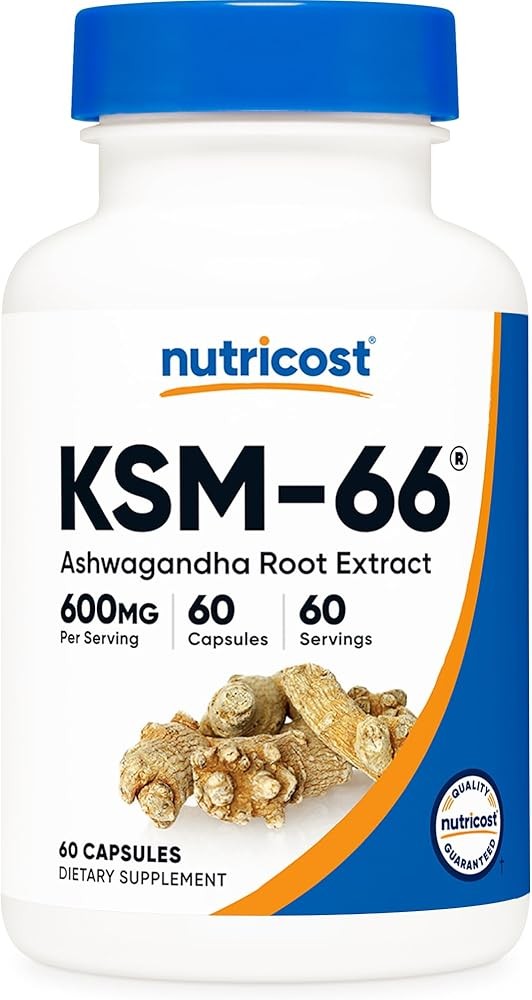
KSM-66 Ashwagandha Supplement
Check Price on AmazonAs an Amazon Associate we earn from qualifying purchases.
Combinations to Approach with Caution
- Magnesium + prescription sleep medications (zolpidem, eszopiclone, benzodiazepines): Both enhance GABA activity, and the combined effect may cause excessive sedation. Discuss with your doctor before combining.
- Magnesium + muscle relaxants (cyclobenzaprine, baclofen): Both promote muscle relaxation, and the additive effect can potentially cause excessive weakness or dizziness.
- Magnesium + high-dose melatonin: While low-dose melatonin (0.3-0.5 mg) combined with magnesium is generally fine, high-dose melatonin (5-10 mg) combined with magnesium may cause excessive morning grogginess in some people.
How Long Does Magnesium Take to Improve Sleep?
One of the most common questions about magnesium supplementation is how quickly you should expect to see results. The answer depends on several factors, including your baseline magnesium status, the severity of depletion, the form and dose you are taking, and the nature of your sleep issues.
Timeline for Response
Immediate Effects (1-3 Days): Some people report subtle calming effects and reduced muscle tension within the first few days of magnesium supplementation. If your primary issue is muscle cramps, leg twitching, or physical restlessness at night, you may notice improvement quite rapidly as magnesium levels in muscle tissue begin to normalize. These are the “low-hanging fruit” symptoms that respond fastest.
Early Improvements (1-2 Weeks): Sleep onset latency—how long it takes to fall asleep—often improves within the first 1-2 weeks of consistent supplementation. People commonly report that the racing-mind pattern diminishes and that they transition from wakefulness to sleep more smoothly. This likely reflects the normalization of GABA-A receptor function and initial reductions in evening cortisol levels.
Sustained Benefits (3-8 Weeks): The clinical trials showing improvements in sleep efficiency, sleep time, and Insomnia Severity Index scores typically ran for 4-8 weeks. This suggests that the full sleep quality benefits of magnesium develop gradually as tissue stores are replenished and neurochemical pathways normalize. Sleep architecture improvements, such as increases in slow-wave sleep, appear to take longer to manifest than simple sleep onset improvements.
Plateau Phase (8+ Weeks): Most people who respond to magnesium will have reached maximum benefit by 8-12 weeks. If you have not noticed meaningful changes after 8-10 weeks of consistent supplementation at an adequate dose (200-400 mg elemental magnesium), magnesium deficiency is probably not the primary driver of your sleep issues. This does not mean you should stop taking magnesium if you are getting benefit—it simply means additional improvements beyond that point are unlikely to come from magnesium alone.
Factors That Influence Speed of Response
Severity of Initial Deficiency: The more depleted your magnesium stores, the longer it takes to replenish them, but paradoxically, the more dramatic the improvements tend to be once stores are normalized. Someone with severe, long-standing deficiency might take 6-8 weeks to see full benefits but may experience life-changing improvements in sleep quality. Someone with mild insufficiency might notice subtle changes within a week or two.
Form and Dose: Highly bioavailable chelated forms like magnesium glycinate and L-threonate will produce effects faster than poorly absorbed forms like magnesium oxide. Higher doses (within safe limits) will replenish stores faster than minimal doses. However, exceeding the tolerable upper limit simply to speed results is counterproductive because the gastrointestinal side effects will disrupt sleep just as much as the deficiency did.
Consistency of Use: Sporadic, inconsistent supplementation will delay results. Magnesium works by gradually restoring tissue levels, and this requires daily intake. Skipping days or taking magnesium only “when you remember” means you are constantly starting over rather than building steady tissue levels.
Other Sleep Hygiene Factors: If you are taking magnesium but simultaneously consuming large amounts of caffeine late in the day, exposing yourself to bright screens before bed, or maintaining irregular sleep schedules, the benefits of magnesium may be masked by these other sleep-disruptive factors. Magnesium is a supportive intervention, not a standalone solution that can overcome poor sleep hygiene.
Bottom line: Most people who respond to magnesium notice initial improvements within 1-2 weeks, with full benefits developing over 4-8 weeks of consistent use. If no improvement is seen after 8-10 weeks, magnesium deficiency is unlikely to be the primary cause of sleep difficulties. Response speed depends on baseline deficiency severity, the form and dose used, consistency of supplementation, and overall sleep hygiene practices.
The Honest Bottom Line
After reviewing the biological mechanisms, the clinical evidence, the epidemiological data, and the practical considerations, here is an honest, evidence-based assessment of magnesium for sleep:
What the evidence supports:
- Magnesium has well-established biological pathways through which it can influence sleep quality (GABA modulation, NMDA antagonism, cortisol regulation, melatonin synthesis)
- Several small but well-designed clinical trials show statistically significant improvements in sleep quality markers with magnesium supplementation
- Population-level data consistently links low magnesium intake with poor sleep outcomes
- The safety profile of magnesium supplementation at recommended doses is excellent
What the evidence does not yet support:
- Magnesium has not been proven to help everyone sleep better — the benefits appear strongest in those who are deficient or insufficient
- There are no large-scale (500+ participant), long-duration, multi-site RCTs confirming the benefits seen in smaller trials
- It is unclear whether magnesium helps with all types of insomnia or only specific subtypes related to magnesium-dependent pathways
- The optimal form, dose, and duration of supplementation have not been established through head-to-head comparative trials
Our practical recommendation: Magnesium glycinate at 200-400 mg of elemental magnesium, taken 30-60 minutes before bed, is a reasonable first-line natural intervention for sleep difficulties. It is safe, inexpensive, has minimal side effects in its chelated forms, and addresses a nutritional gap that affects roughly half the population. Give it at least 4-6 weeks of consistent use before evaluating its effects.
If after 6-8 weeks you notice no improvement, magnesium alone is unlikely to solve your particular sleep issues, and you should explore other factors — sleep hygiene, light exposure, stress management, or professional evaluation for underlying sleep disorders.
Magnesium is not a miracle support recovery from for insomnia. But for many people, it is a missing foundational piece that, once corrected, allows the body’s natural sleep mechanisms to function as they should. Given the risk-to-benefit ratio, it is one of the most sensible supplements you can try.
For specific product recommendations and detailed comparisons, see our guide to the best magnesium supplements and our detailed breakdown of the best magnesium supplements for sleep, including glycinate vs threonate.
For more context, see our guide on Best Sleep Supplement Stacks That Actually Work.
Related Reading
- Sleep and Recovery: Best Magnesium Supplements for Sleep - Glycinate vs Threonate
- Why You Wake Up at 3am and How to Fix It
- REM Sleep Rebound After Quitting Alcohol: Recovery Supplements That Actually Work
- Best Supplements for Sleep and Insomnia in Women Over 40
- Insomnia Solutions Tailored to Menopausal Women: Hormones, Hot Flashes, and Sleep
- Sleep and Recovery: Valerian Root vs Ashwagandha for Sleep - Which is Better?
- Valerian Root Supplements for Sleep: Separating Fact from Fiction
References
B Abbasi, M Kimiagar, K Sadeghniiat, et al. “The effect of magnesium supplementation on primary insomnia in elderly: A double-blind placebo-controlled clinical trial.” Journal of Research in Medical Sciences, 2012. PubMed | DOI
K Held, IA Antonijevic, H Künzel, et al. “Oral Mg(2+) supplementation improves age-related neuroendocrine and sleep EEG changes in humans.” Pharmacopsychiatry, 2002. PubMed | DOI
Y Cao, S Zhen, AW Taylor, et al. “Magnesium intake and sleep disorder symptoms: Findings from the Jiangsu Nutrition Study of Chinese adults at five-year follow-up.” Nutrients, 2018. PubMed | DOI
Nielsen FH, Johnson LK, Zeng H. “Magnesium supplementation improves indicators of low magnesium status and inflammatory stress in adults older than 51 years with poor quality sleep.” Magnesium Research, 2010. PubMed
J Mah, T Pitre. “Oral magnesium supplementation for insomnia in older adults: a Systematic Review & Meta-Analysis.” BMC Complementary Medicine and Therapies, 2021. PubMed | DOI
Institute of Medicine. “Dietary Reference Intakes for Calcium, Phosphorus, Magnesium, Vitamin D, and Fluoride.” National Academies Press, 1997. DOI
FDA Drug Safety Communication. “Low magnesium levels can be associated with long-term use of Proton Pump Inhibitor drugs (PPIs).” U.S. Food and Drug Administration, 2011. FDA
Rosanoff A, Weaver CM, Rude RK. “Suboptimal magnesium status in the United States: are the health consequences underestimated?” Nutrition Reviews, 2012. PubMed | DOI
Pickering G, et al. “Magnesium Status and Stress: The Vicious Circle Concept Revisited.” Nutrients, 2020. PubMed | DOI
Hornyak M, et al. “Magnesium therapy for periodic leg movements-related insomnia and restless legs syndrome: an open pilot study.” Sleep, 1998. PubMed
Arab A, et al. “The Role of Magnesium in Sleep Health: a Systematic Review of Available Literature.” Biological Trace Element Research, 2023. PubMed | DOI
Wienecke E, Nolden C. “Long-term HRV analysis shows stress reduction by magnesium intake.” MMW Fortschritte der Medizin, 2016. PubMed
Related Articles
- Best Magnesium Supplements for Sleep — Glycinate vs Threonate
- Magnesium Glycinate vs Magnesium Citrate — Full Comparison
- Best Sleep Supplements That Don’t Contain Melatonin
- Best L-Theanine Supplements for Sleep and Relaxation
- Best Ashwagandha Supplements for Sleep and Stress
Our Top Recommendations
📱 Join the discussion: Facebook | X | YouTube | Pinterest
Where to Buy Quality Supplements
Based on the research discussed in this article, here are some high-quality options:
- Vitamin D Supplement
- Magnesium Supplement
- Magnesium Glycinate Supplement
- Ashwagandha Supplement
- Melatonin Supplement
Common Questions About Magnesium
What are the benefits of magnesium?
Magnesium has been studied for various potential health benefits. Research suggests it may support several aspects of health and wellness. Individual results can vary. The strength of evidence differs across different claimed benefits. More high-quality research is often needed. Always review the latest scientific literature and consult healthcare professionals about whether magnesium is right for your health goals.
Is magnesium safe?
Magnesium is generally considered safe for most people when used as directed. However, individual responses can vary. Some people may experience mild side effects. It’s important to talk with a healthcare provider before using magnesium, especially if you have existing health conditions, are pregnant or nursing, or take medications.
How much magnesium should I take?
The appropriate dosage of magnesium can vary based on individual factors, health goals, and the specific product formulation. Research studies have used different amounts. Always start with the lowest effective dose and follow product label instructions. Consult a healthcare provider for personalized dosage recommendations based on your specific needs.
What are the side effects of magnesium?
Most people tolerate magnesium well, but some may experience mild side effects. Common reported effects can include digestive discomfort, headaches, or other minor symptoms. Serious side effects are rare but possible. If you experience any unusual symptoms or reactions, discontinue use and consult a healthcare provider. Always inform your doctor about all supplements you take.
When should I take magnesium?
The optimal timing for taking magnesium can depend on several factors including its absorption characteristics, potential side effects, and your daily routine. Some supplements work best with food, while others are better absorbed on an empty stomach. Follow product-specific guidelines and consider consulting a healthcare provider for personalized timing recommendations.
Can I take magnesium with other supplements?
Magnesium is a topic of ongoing research in health and nutrition. Current scientific evidence provides some insights, though more studies are often needed. Individual responses can vary significantly. For personalized advice about whether and how to use magnesium, consult with a qualified healthcare provider who can consider your complete health history and current medications.
How long does magnesium take to work?
The time it takes for magnesium to work varies by individual and depends on factors like dosage, consistency of use, and individual metabolism. Some people notice effects within days, while others may need several weeks. Research studies typically evaluate effects over weeks to months. Consistent use as directed is important for best results. Keep a journal to track your response.
Who should not take magnesium?
People with chronic kidney disease or impaired kidney function should not supplement with magnesium without medical supervision, as their kidneys cannot effectively clear excess magnesium. Those taking certain medications including tetracycline or fluoroquinolone antibiotics should separate magnesium by 2-4 hours to avoid absorption interference. Individuals on potassium-sparing diuretics may be at risk of magnesium accumulation. Always consult your healthcare provider before starting magnesium supplementation, especially if you have existing medical conditions or take prescription medications.
Recommended Products