Melatonin Dosing: Most People Take 10-30x Too Much (0.3-1mg Is Enough)
Summarized from peer-reviewed research indexed in PubMed. See citations below.
Most people take 10 to 30 times more melatonin than research shows they need, leading to morning grogginess and receptor desensitization instead of better sleep. Research from MIT and a 2024 meta-analysis of 26 clinical trials shows that 0.5 to 3 mg of melatonin taken 1 to 3 hours before bed works better than the common 5 to 10 mg doses for improving sleep onset by approximately 9 minutes. The physiological dose of 0.3 to 0.5 mg restores blood melatonin to normal nighttime levels without side effects, making Pure Encapsulations Melatonin 0.5 mg the best overall choice for most adults at around $13. For those needing a budget-friendly option, Nature Made Melatonin 3 mg provides USP-verified quality at approximately $8 for 60 tablets. Here’s what the published research shows about optimal melatonin dosing, timing, and formulation selection.
Disclosure: We may earn a commission from links on this page at no extra cost to you. Affiliate relationships never influence our ratings. Full policy →
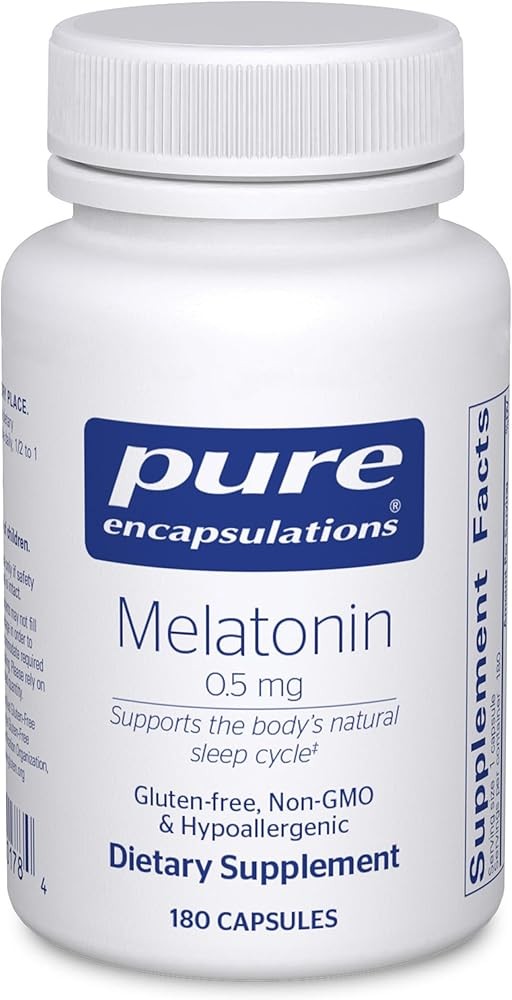
Pure Encapsulations Melatonin 0.5 mg
Check Price on AmazonAs an Amazon Associate we earn from qualifying purchases.
Are You Taking Too Much Melatonin?
Here is a number that should bother you: the best-selling melatonin supplements in the United States contain 5 to 10 milligrams per serving. The dose your body actually needs to fall asleep? Somewhere around 0.3 to 0.5 milligrams. That means most people are taking 10 to 30 times more melatonin than the research supports.
This is not a minor rounding error. It is a fundamental misunderstanding of how melatonin works, and it has real consequences. Higher doses do not make you sleepier. They can actually make your sleep worse, leave you groggy the next morning, and desensitize the very receptors melatonin is supposed to activate.
The problem is not melatonin itself. Melatonin, when used correctly, is one of the best-studied and safest sleep supplements available. The problem is that most people use it incorrectly, at the wrong dose, at the wrong time, and for the wrong reasons.
This guide is going to fix that. We will walk through the latest research on melatonin dosing, including a landmark 2024 dose-response meta-analysis, the original MIT research that started the “less is more” conversation, and new 2025 data on long-term safety. By the end, you will know exactly how much melatonin to take, when to take it, what form to choose, and when melatonin is not the answer.
Watch Our Video Review
What Melatonin Actually Does (And What It Does Not Do)
Before we talk dosing, we need to clear up the biggest misconception about melatonin: it is not a sleeping pill.
Melatonin is a hormone produced by the pineal gland in your brain. When darkness falls, your pineal gland ramps up melatonin production, sending a signal to the rest of your body that says, “Nighttime is here. Start preparing for sleep.” It does not knock you out. It does not sedate you. It shifts your body’s internal clock and opens what researchers call the “sleep gate,” the window of time when your body is primed to fall asleep.
This distinction matters because it changes how you should use melatonin. Sedatives work by brute force, dampening brain activity regardless of timing. Melatonin works by information, telling your circadian system where it is in the 24-hour cycle. That is why timing and dose matter so much more with melatonin than with something like diphenhydramine or a prescription sleep aid.
How Your Body Makes Melatonin Naturally
Your pineal gland begins producing melatonin about 2 hours before your natural bedtime, a process called dim-light melatonin onset (DLMO). Production peaks in the middle of the night, typically between 2:00 and 4:00 AM, then gradually falls as morning approaches.
This entire process is controlled by light. Specifically, specialized cells in your retina called intrinsically photosensitive retinal ganglion cells (ipRGCs) detect light and send signals to the suprachiasmatic nucleus (SCN), your brain’s master clock. When these cells detect light, especially blue light in the 460-480 nanometer range, they tell the pineal gland to suppress melatonin production. When they stop detecting light, melatonin production resumes. A 2011 study published in the Journal of Clinical Endocrinology & Metabolism found that exposure to room light (less than 200 lux) in the evening shortened melatonin duration by about 90 minutes and suppressed melatonin levels by more than 50% compared to dim light exposure (PubMed 21193540).
This is why scrolling your phone in bed is not just a bad habit. It is actively suppressing the very hormone you need to fall asleep. Research shows that night-mode functions on smartphones can reduce melatonin suppression by up to 93%, but the most effective strategy is simply dimming your lights 1 to 2 hours before bed. For a complete evidence-based approach, check out our guide to the best nighttime routine for better sleep.
Melatonin Production Declines With Age
One of the most well-established findings in sleep research is that melatonin production declines as we age. The pineal gland gradually calcifies over time, reducing its ability to store and release melatonin efficiently. This is one reason why sleep quality tends to deteriorate in middle age and beyond, with roughly 40% of adults over 65 reporting chronic insomnia.
A 2025 review published in Biogerontology confirmed that this age-related decline in melatonin secretion is implicated in both sleep disruption and neurodegenerative disease risk in older adults (Unveiling mysteries of aging, 2025). For older adults, melatonin supplementation is not just about sleep. It may also serve a protective role, though more research is needed on this front.
Why Is Your Melatonin Dose Probably Too High?
The research on melatonin dosing is remarkably consistent, and it points in a direction most people do not expect: lower doses work as well as or better than higher doses.
The MIT Research That Changed Everything
The foundational work on melatonin dosing came from Dr. Richard Wurtman’s lab at MIT. In a series of studies beginning in the 1990s, Wurtman and colleagues demonstrated that a dose of just 0.3 milligrams was enough to raise blood melatonin levels to their normal nighttime range and improve sleep in both young and older adults.
In one key study, participants received either 0.3 mg or 1.0 mg of melatonin 2 to 4 hours before bedtime. Both doses significantly reduced sleep onset latency (the time it takes to fall asleep) and latency to stage 2 sleep. Critically, the 0.3 mg dose elevated serum melatonin to levels within the normal nocturnal range, mimicking what the body does on its own (Zhdanova et al., 1996, PMID: 8843534).
A follow-up study in adults over 50 with age-related insomnia found that the 0.3 mg physiological dose restored sleep efficiency (p < 0.0001), primarily by improving sleep during the middle of the night (Zhdanova et al., 2001, PMID: 11600532).
As Dr. Wurtman put it: “Our study has shown that less is more as far as melatonin is concerned.”
Bottom line: Research from MIT established that the physiological dose of melatonin is just 0.3 to 0.5 milligrams, enough to restore blood levels to their normal nighttime range and improve sleep without causing side effects or receptor desensitization common with higher doses.
The Dose-Response Meta-Analysis
The most comprehensive recent analysis of melatonin dosing came from Cruz-Sanabria and colleagues, published in the Journal of Pineal Research in 2024. This systematic review and dose-response meta-analysis included 26 randomized controlled trials with 1,689 participants (Cruz-Sanabria et al., 2024, PMID: 38888087).
Key findings:
- Melatonin reduced sleep onset latency by an average of approximately 9 minutes compared to placebo
- The sleep-promoting effect peaked at around 4 mg per day, with no additional benefit at higher doses
- Taking melatonin approximately 3 hours before bedtime was more effective than the commonly recommended 30 minutes before bed
- The dose-response curve was nonlinear, meaning the jump from 0 to 1-2 mg produced the biggest improvement, with diminishing returns after that
This is the pattern you see again and again in melatonin research: a clear ceiling effect where more is simply not better.
Bottom line: The 2024 dose-response meta-analysis of 26 randomized controlled trials found that melatonin reduces sleep onset latency by approximately 9 minutes, with peak effectiveness around 4 mg per day and no additional benefit at higher doses, while taking melatonin 3 hours before bedtime proved more effective than the commonly recommended 30-minute window.
Why Higher Doses Can Backfire
When you take 5 or 10 milligrams of melatonin, your blood levels spike to 10 to 50 times above the normal nighttime range. This creates several problems:
-
Receptor desensitization: Melatonin works by binding to MT1 and MT2 receptors. When these receptors are flooded with supraphysiological levels of melatonin, they can become less responsive, reducing melatonin’s effectiveness over time.
-
Prolonged elevation: Higher doses take longer to clear your system, meaning melatonin levels may still be elevated in the morning, leading to the grogginess that so many melatonin users complain about.
-
Circadian confusion: Melatonin is a timing signal. When it stays elevated too long, it can blur the signal your body uses to distinguish night from day, potentially making circadian rhythm problems worse rather than better.
-
Spilling into daytime: Excess melatonin that has not been metabolized by morning can cause daytime drowsiness, difficulty concentrating, and a general feeling of being “off,” symptoms that people often blame on melatonin itself rather than on taking too much.
The Research-Backed Dosing Table
| Purpose | Recommended Dose | Timing | Formulation |
|---|---|---|---|
| General sleep support | 0.5 - 1 mg | 1-2 hours before bed | Immediate-release |
| Sleep onset difficulty | 1 - 3 mg | 2-3 hours before bed | Immediate-release |
| Sleep maintenance | 1 - 2 mg | 30-60 min before bed | Extended-release |
| Jet lag (eastward) | 0.5 - 3 mg | At destination bedtime | Immediate-release |
| Jet lag (westward) | 0.5 - 1 mg | 1 hour after waking | Immediate-release |
| Shift work | 1 - 3 mg | 30-60 min before sleep | Immediate-release |
| Older adults (55+) | 0.3 - 2 mg | 1-2 hours before bed | Extended-release |
| Circadian reset | 0.3 - 0.5 mg | 3-5 hours before bedtime | Immediate-release |
Start at the lowest dose in the range and increase only if needed. If you are currently taking 5 or 10 mg, try cutting your dose in half for a week, then half again. Many people are surprised to find that they sleep better on less.
Bottom line: Higher melatonin doses (5-10 mg) can cause receptor desensitization, prolonged morning grogginess, and circadian confusion by maintaining supraphysiological blood levels 10 to 50 times above normal, making lower doses (0.5-3 mg) both safer and more effective for most people.
Immediate-Release vs. Extended-Release vs. Sublingual: Which Form Is Right for You?
Not all melatonin supplements are created equal. The formulation you choose can be just as important as the dose.
Immediate-Release (IR)
Immediate-release melatonin is absorbed quickly, reaching peak blood levels in about 30 to 60 minutes and clearing the system within 4 to 5 hours. This makes it ideal for:
- Difficulty falling asleep: The rapid spike in melatonin mimics your body’s natural onset signal
- Jet lag: You need a quick signal to tell your clock what time it is
- Circadian rhythm shifting: When you are trying to move your sleep window earlier or later
A 2023 crossover study in the Journal of Dietary Supplements found that immediate-release melatonin reached a maximum concentration of 13,120 pg/mL with a time-to-peak of 0.6 hours, compared to 7,581 pg/mL and 1.56 hours for extended-release (PMID: 37150895).
Extended-Release (ER) / Sustained-Release
Extended-release melatonin releases the hormone gradually over 6 to 8 hours, maintaining more stable blood levels throughout the night. This makes it better for:
- Middle-of-the-night waking: If you fall asleep fine but wake up at 2 or 3 AM, the sustained release keeps melatonin levels elevated when you need them
- Older adults: Age-related insomnia often involves fragmented sleep rather than difficulty with sleep onset
- Maintaining sleep architecture: The gradual release better mimics the natural melatonin curve
In Europe, the prescription melatonin product Circadin is a 2 mg prolonged-release formulation specifically designed for adults 55 and older, and clinical trials have shown it improves both sleep quality and next-day functioning.
Sublingual
Sublingual melatonin dissolves under the tongue and enters the bloodstream directly through the mucous membranes, bypassing first-pass liver metabolism. Research shows that sublingual formulations reach peak blood levels in just 15 to 25 minutes, with one study measuring a Cmax of 2,332 pg/mL at a Tmax of 23.3 minutes (compared to 1,151 pg/mL at 64.2 minutes for oral tablets).
This makes sublingual melatonin ideal for:
- Fast sleep onset needs: When you need to fall asleep quickly
- Lower effective dosing: Because it bypasses the liver, more of the dose reaches your bloodstream, meaning you can take less
- Jet lag management: The rapid onset is useful when you need precise circadian timing
For a deeper comparison of forms and brands, see our guide to melatonin supplements, dosing, and what to look for.
Bottom line: Choose immediate-release melatonin (peak at 30-60 minutes) for difficulty falling asleep or jet lag, extended-release (sustained over 6-8 hours) for middle-of-the-night waking or age-related insomnia, and sublingual formulations (peak at 15-25 minutes) when you need rapid onset or want to use a lower effective dose since it bypasses liver metabolism.
What Signs Is Your Body Telling You About Melatonin?
Your body is constantly giving you information about your sleep quality and whether melatonin is working. Learning to read these signals is one of the most valuable things you can do.
Signs Your Natural Melatonin Production May Be Low
- You feel wired at bedtime even when you are physically tired
- You get a “second wind” of energy around 10 or 11 PM
- You fall asleep easily with TV or screens on, but lie awake in the dark
- You feel most alert and productive late at night
- You have trouble adjusting to time changes (daylight saving, travel)
- Your sleep has gradually worsened as you have gotten older
- You work night shifts or rotating shifts
- You spend most of your day indoors under artificial lighting
If several of these apply to you, melatonin supplementation is worth trying. But it is also worth looking at your light exposure habits. Getting bright light (ideally sunlight) in the morning and dimming lights in the evening can boost your natural melatonin production significantly, sometimes enough to solve the problem without supplements.
Signs Your Melatonin Dose Is Right
When you have found the right dose and timing, you should notice:
- A gentle feeling of drowsiness 20 to 40 minutes after taking it (not sedation, not heavy-headed, just a soft signal that sleep is close)
- Faster sleep onset: You drift off within 15 to 20 minutes of lying down, rather than tossing for 45 minutes
- Fewer middle-of-the-night awakenings (especially with extended-release)
- Waking up feeling refreshed, not groggy or hungover
- A more consistent sleep schedule: Your body starts expecting sleep at the same time each night
- Natural wake-up near your alarm: You find yourself waking up a few minutes before it goes off
Warning Signs You Are Taking Too Much
These are your body’s way of telling you to reduce your dose:
- Morning grogginess or brain fog that lasts more than 30 minutes after waking
- Vivid, intense, or disturbing dreams (some vivid dreaming is normal, but excessive or unpleasant dreams suggest the dose is too high)
- Headache upon waking
- Difficulty waking up, feeling like you are dragging yourself out of deep mud
- Daytime sleepiness that persists even after a full night’s rest
- Feeling “too relaxed” or heavy-limbed after taking the dose
- Nausea or stomach discomfort
- Irritability or low mood the next day
If you experience any of these, cut your dose in half. If symptoms persist at 0.5 mg, melatonin may not be the right supplement for you, and it is worth exploring alternatives. Our guide to sleep supplements that don’t contain melatonin covers research-backed options like magnesium, L-theanine, and apigenin.
Timeline: What to Expect
Night 1-3: You may notice faster sleep onset, but effects can be subtle. Some people feel nothing the first night. This is normal. Melatonin is not a sedative, so do not expect to feel “knocked out.”
Week 1: Most people see measurable improvements by the end of the first week. A 2024 study on shift workers found that melatonin supplementation significantly enhanced sleep quality within seven days (Khanjani et al., 2024).
Week 2-4: Sleep timing should become more consistent. If you are using melatonin for circadian rhythm adjustment (jet lag, shift work, delayed sleep phase), this is when the full effect typically becomes apparent.
Month 1-3: If melatonin is working well, you should have established a stable sleep pattern. Some people find they can reduce their dose further or take melatonin only on nights when they need extra help. Others benefit from continued nightly use.
3+ Months: European data from long-term studies of 2 mg prolonged-release melatonin (Circadin) show sustained efficacy at 6 and 12 months without tolerance or dose escalation. However, it is reasonable to periodically reassess whether you still need supplementation, especially if you have made improvements to your sleep habits and environment.
How Should You Use Melatonin for Specific Situations?
Jet Lag: Protocol by Travel Direction
Jet lag is one of the best-supported uses for melatonin, and the research gives us specific protocols based on which direction you are traveling.
Eastward Travel (Harder to Adjust)
Traveling east requires advancing your circadian clock, which is inherently more difficult than delaying it. The average rate of adaptation is about 1 hour per day for eastward travel, compared to 1.5 hours per day for westward.
- 3 to 4 days before departure: Begin shifting your bedtime 30 to 60 minutes earlier each day. Take 0.5 to 3 mg of melatonin about 6.5 hours before your current bedtime. Maximize morning light exposure and minimize evening light.
- Upon arrival: Take 0.5 to 3 mg of melatonin at the local bedtime for 3 to 5 days. Get bright morning light at the destination.
- Key study: A Cochrane review found that melatonin reduced weighted mean jet-lag scores from 51 (placebo) to 31 (melatonin) for eastward flights (Herxheimer & Petrie, 2002).
Westward Travel (Easier to Adjust)
Traveling west requires delaying your circadian clock, which your body does more naturally.
- 3 to 4 days before departure: Shift your bedtime 30 to 60 minutes later each day. Take 0.5 to 1 mg of melatonin about 1 hour after waking to promote a phase delay.
- Upon arrival: Take melatonin at the local bedtime if you are having trouble sleeping. Seek bright evening light at the destination.
- Combining strategies: Light and melatonin have additive phase-shifting effects, so using them together produces a greater adjustment than either one alone, particularly for phase advances.
A 2024 study from the Journal of Clinical Sleep Medicine confirmed that low-dose exogenous melatonin combined with evening dim light and adjusted bed timing effectively advances circadian phase for eastward travel.
Shift Workers
Shift work is one of the most challenging situations for sleep, and melatonin can be a valuable tool when used correctly.
For night shift workers trying to sleep during the day:
- Take 1 to 3 mg of fast-release melatonin 30 to 60 minutes before your planned daytime sleep
- Block all light in your sleep environment (blackout curtains, sleep mask)
- Avoid slow-release formulations, as they can maintain elevated melatonin levels into your next shift
- Wear blue-light-blocking glasses on your commute home to protect the melatonin signal
A 2024 randomized, double-blind, placebo-controlled study found that melatonin supplementation improved sleep quality, reduced daytime sleepiness, and enhanced cognitive performance in shift workers within just four weeks (Khanjani et al., 2024).
Older Adults
For adults over 55, melatonin supplementation addresses a real physiological decline. The approach for older adults differs in important ways:
- Extended-release formulations are preferred: Older adults often struggle more with sleep maintenance than sleep onset, and ER melatonin better addresses this
- Start very low: 0.3 to 1 mg is often sufficient, as older adults may metabolize melatonin more slowly
- Immediate-release can work for onset: The lowest possible dose of IR melatonin avoids prolonged supraphysiological levels
- Consider timing carefully: A 2025 study in Brain Sciences found that even higher-than-usual doses were safe in elderly patients with comorbidities, though the principle of starting low still applies
A 2010 randomized, placebo-controlled trial found that 2 mg prolonged-release melatonin taken nightly for 6 months improved sleep quality in adults 55 and older with no evidence of tolerance, rebound insomnia, or withdrawal effects (Lemoine et al., 2007, BMC Medicine).
Children: Proceed With Caution
Melatonin use in children has skyrocketed in recent years, and the research community is calling for greater caution.
What the guidelines say:
The American Academy of Pediatrics (AAP) does not recommend routine melatonin use in children and encourages parents to work with their pediatrician before starting supplementation. The American Academy of Sleep Medicine (AASM) issued a formal health advisory in 2022 urging caution about melatonin use in children and adolescents.
In 2025, the International Pediatric Sleep Association (IPSA) published expert consensus recommendations emphasizing that melatonin should only be used in typically developing children after behavioral sleep interventions have been tried and failed.
Dosing in children:
- Many children respond to just 0.5 to 1 mg taken 30 to 90 minutes before bedtime
- Most children who benefit from melatonin do not need more than 3 mg
- Melatonin is not recommended for children under 3 years of age
- Behavioral sleep strategies (consistent bedtime, no screens before bed, dark room) should always be the first approach
The label accuracy problem is worse for children’s products:
An FDA analysis of 110 children’s melatonin supplements found that melatonin content ranged from 0% to 667% of the labeled amount (Pawar et al., 2025). One product contained no melatonin at all. This is especially concerning when dosing children, where precision matters more.
What Is Actually in Your Melatonin Supplement?
This is the part of the article that should genuinely concern you.
The Erland & Saxena Study
In 2017, researchers Lauren Erland and Praveen Saxena published a landmark study in the Journal of Clinical Sleep Medicine that tested 31 commercial melatonin supplements. The results were alarming:
- 71% of products did not contain melatonin within 10% of the labeled amount
- Actual melatonin content ranged from -83% to +478% of what the label claimed
- 26% of products also contained serotonin, a neurotransmitter that was not listed on the label
- Lot-to-lot variability within the same product was as high as 465%
(Erland & Saxena, 2017, PMID: 27855744)
The JAMA Study
Things have not improved much. A 2023 study published in JAMA analyzed melatonin gummy products and found that nearly 9 out of 10 brands were inaccurately labeled. One product contained up to 347% more melatonin than listed, while another contained no melatonin at all and was entirely composed of cannabidiol (CBD).
The FDA Survey
The most recent data comes from Pawar and colleagues at the FDA’s Center for Food Safety and Applied Nutrition, published in Drug Testing and Analysis in 2025. Their survey of 110 melatonin supplements marketed for children found:
- Melatonin was identified in 108 of 110 products (98%)
- Melatonin content ranged from 0% to 667% of the label declaration
- Half of the products were within 23% of the labeled amount, meaning the other half deviated more
- 20 products contained less than 75% of the labeled amount
- 35 products contained more than the labeled amount
(Pawar et al., 2025, PMID: 39482109)
Why This Happens
In the United States, melatonin is classified as a dietary supplement under the Dietary Supplement Health and Education Act of 1994 (DSHEA). This means manufacturers do not need FDA approval before selling their products. The FDA can only take action against products that are adulterated or misbranded after they are already on the market.
In contrast, melatonin is available only by prescription in the European Union, the United Kingdom, Japan, and Australia, where it undergoes pharmaceutical-grade quality controls.
What to Look For in a Quality Product
- Third-party testing: Look for products verified by USP, NSF International, or ConsumerLab
- GMP-certified manufacturing: Ensures consistent production standards
- Simple formulations: Products with fewer ingredients tend to be more accurately dosed
- Reputable brands with testing transparency: Some brands publish their certificates of analysis
Here are some well-regarded options at different dose levels:
Nature Made is one of the few melatonin brands with USP verification, meaning the product has been independently tested for purity, potency, and dissolution.
Natrol offers time-release formulations that can be particularly useful for people who fall asleep fine but wake up during the night.
OLLY Sleep Gummies combine melatonin with L-theanine and botanicals, though gummy formulations have been shown to have more label accuracy issues than tablets or capsules.
For a complete breakdown of our top picks, see our best melatonin supplements rankings.
Other brands worth considering:
What Can You Stack With Melatonin for Better Sleep?
Melatonin does not have to work alone. Research supports combining it with other supplements for enhanced sleep benefits.
Melatonin + Magnesium
This is arguably the best-supported supplement stack for sleep. A 2024 study found that the combination of melatonin and magnesium improved sleep scores, body composition, and metabolic parameters in adults with sleep disturbances. Magnesium activates the parasympathetic nervous system (the “rest and digest” system) and helps regulate GABA, the calming neurotransmitter, creating a complementary mechanism to melatonin’s circadian signaling.
The best form of magnesium for sleep is magnesium glycinate or magnesium threonate. For a detailed comparison, see our guide to the best magnesium supplements for sleep.
Suggested stack: 0.5 to 1 mg melatonin + 200 to 400 mg magnesium glycinate, taken 1 hour before bed.
Melatonin + L-Theanine
L-theanine, an amino acid found in green tea, promotes relaxation without sedation by increasing alpha brain wave activity. When combined with melatonin, you get both circadian signaling and nervous system calming, as L-theanine helps activate the parasympathetic nervous system while melatonin signals the circadian timing of sleep.
Suggested stack: 0.5 to 1 mg melatonin + 200 mg L-theanine, taken 30 to 60 minutes before bed.
Melatonin + Glycine
Glycine is an amino acid that lowers core body temperature, a key trigger for sleep onset. It also acts as an inhibitory neurotransmitter in the brain. Combining glycine with melatonin addresses both the circadian signal and the thermoregulatory component of sleep.
Suggested stack: 0.5 to 1 mg melatonin + 3 g glycine, taken 1 hour before bed.
What About Apigenin?
Apigenin, found in chamomile, has gained popularity as a sleep aid thanks in part to neuroscientist Andrew Huberman’s recommendations. It works through a different mechanism than melatonin (GABA-A receptor modulation), so the two can complement each other. However, research specifically on the melatonin-apigenin combination is limited. For more on apigenin, see our deep dive on apigenin for sleep.
A Note on Ashwagandha
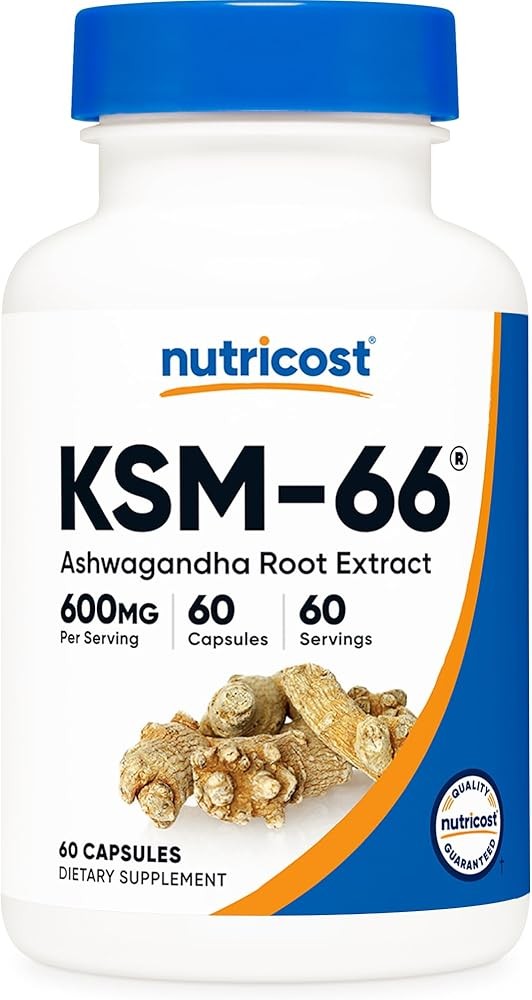
Ashwagandha (Withania somnifera) is an adaptogen that can improve sleep quality by reducing cortisol and anxiety. It works on a different timeline than melatonin, with benefits typically building over 2 to 4 weeks of consistent use, so it can be a good long-term complement. See our guide to the best ashwagandha supplements for sleep and stress.
Does Melatonin Have Benefits Beyond Sleep?
While most people take melatonin for sleep, researchers have been increasingly interested in its broader biological roles.
Antioxidant Properties
Melatonin is a potent free-radical scavenger that can neutralize reactive oxygen and nitrogen species. It also upregulates the body’s own antioxidant enzymes, including superoxide dismutase, catalase, and glutathione peroxidase. This is not just a theoretical curiosity. A 2025 review in Frontiers in Pharmacology described melatonin as a “natural guardian” with demonstrated ability to inhibit tumor cell proliferation, suppress angiogenesis, and induce apoptosis in cancer cells through epigenetic regulation, metabolic reprogramming, and immune microenvironment modulation.
Anti-Inflammatory Effects
A 2025 review in Frontiers in Immunology examined melatonin’s anti-inflammatory properties, finding connections between melatonin’s role in reducing inflammatory markers and its potential applications in conditions ranging from migraines to cancer immunotherapy.
Important Caveat
These are primarily preclinical and early-stage findings. While the antioxidant and anti-inflammatory properties of melatonin are well-documented at the cellular level, the clinical implications for cancer prevention or treatment in humans remain under investigation. There are currently over 46 clinical trials registered exploring melatonin’s role in cancer treatment, with 24 having reached completion. Do not take high-dose melatonin for cancer prevention based on preliminary research. The sleep-supporting doses of 0.3 to 3 mg already provide some antioxidant benefit as a secondary effect.
Drug Interactions: When Melatonin Needs Medical Supervision
Melatonin is generally safe, but it does interact with several categories of medications. If you are taking any of the following, consult your healthcare provider before starting melatonin.
Blood Thinners (Anticoagulants)
Melatonin can enhance the effects of warfarin (Coumadin) and other blood thinners, raising the risk of bleeding. If you are on anticoagulation therapy, your provider may need to monitor your INR more closely if you add melatonin.
Diabetes Medications
Melatonin may lower blood sugar levels, which could compound the effects of insulin or oral diabetes medications. If you take diabetes medication, start with the lowest melatonin dose and monitor your blood glucose more frequently during the first week.
Immunosuppressants
This is a critical interaction. Melatonin can stimulate immune activity, which directly conflicts with medications designed to suppress the immune system. For individuals who have undergone organ transplants or have autoimmune conditions, melatonin supplementation could potentially counteract immunosuppressive therapy. This is one situation where you should absolutely not self-prescribe melatonin.
Birth Control and Hormonal Medications
Melatonin can interact with hormonal contraceptives, potentially increasing melatonin levels because the same liver enzymes metabolize both. This is generally not dangerous, but it could amplify melatonin’s effects and side effects.
Blood Pressure Medications
Melatonin may affect blood pressure regulation. Some studies suggest it can lower blood pressure, which could be problematic if you are already on antihypertensive medications. This effect appears to be dose-dependent, with higher doses having more pronounced effects on blood pressure. If you are taking antihypertensive medications such as ACE inhibitors, beta-blockers, or calcium channel blockers, consult your healthcare provider before starting melatonin supplementation. Your doctor may need to adjust your blood pressure medication dosing or monitor your blood pressure more closely during the first few weeks of melatonin use.
Sedatives, Benzodiazepines, and Alcohol
While melatonin is not a sedative, combining it with sedative substances can enhance drowsiness and impair coordination. Avoid combining melatonin with alcohol, benzodiazepines, or Z-drugs (zolpidem, zaleplon) unless specifically directed by your physician. The combination can lead to excessive daytime sleepiness, impaired motor function, and increased risk of falls, particularly in older adults. If you are taking prescription sleep medications, work with your doctor to taper off them before starting melatonin rather than combining the two. In many cases, properly dosed melatonin may be used as an alternative to prescription sedatives, though this transition should always be medically supervised.
Bottom line: Melatonin can enhance warfarin’s anticoagulant effects, may lower blood glucose levels when combined with diabetes medications, can stimulate immune activity (directly conflicting with immunosuppressant therapy in transplant patients), interacts with hormonal contraceptives through shared liver enzyme metabolism (potentially increasing melatonin blood levels), and enhances sedative effects when combined with benzodiazepines or alcohol, making medical supervision essential if you take any of these medication categories.
When Melatonin Will Not Help
Melatonin is not a universal sleep solution. There are several situations where it is unlikely to help and where taking it may delay getting proper treatment.
Sleep Apnea
If you have obstructive sleep apnea (OSA), melatonin can actually make things worse. Melatonin promotes muscle relaxation, which can cause the upper airway muscles to sag further, potentially extending the duration of apnea episodes. If you snore loudly, wake up gasping, or feel exhausted despite a “full” night of sleep, get evaluated for sleep apnea before taking melatonin.
Poor Sleep Hygiene
If you are drinking coffee at 4 PM, scrolling social media until midnight, sleeping in a warm, bright room, and exercising at 10 PM, melatonin is a band-aid on a structural problem. Fix the fundamentals first. For practical guidance, see our best nighttime routine for better sleep.
Anxiety and Stress-Driven Insomnia
If racing thoughts, worry, or stress are what keep you awake, the problem is cortisol and sympathetic nervous system activation, not melatonin deficiency. In these cases, supplements like magnesium glycinate, L-theanine, or ashwagandha may be more appropriate. Cognitive behavioral therapy for insomnia (CBT-I) is the gold-standard treatment for chronic insomnia and is effective in about 70-80% of cases.
Chronic Pain
Pain disrupts sleep through mechanisms that melatonin does not address. While melatonin’s anti-inflammatory properties may provide modest benefit, it will not resolve pain-driven insomnia on its own.
Medical Conditions
Certain conditions like restless leg syndrome, periodic limb movement disorder, and parasomnias require specific medical treatment. Melatonin is not a substitute for a proper sleep medicine evaluation.
Melatonin Myths Debunked
Myth: “Melatonin is addictive”
Reality: There is no evidence that melatonin causes physical dependence. It does not activate the reward pathways in the brain that are associated with addictive substances. You will not experience withdrawal symptoms if you stop taking it. However, psychological dependence, the belief that you cannot sleep without it, can develop. This is about mindset rather than pharmacology.
Myth: “Melatonin knocks you out”
Reality: Melatonin is not a sedative. It signals your body that it is nighttime, opening the sleep gate. If you take melatonin and then stare at your phone under bright lights, the effect will be largely negated. Melatonin works best in a dim, relaxed environment.
Myth: “You need to take more if it is not working”
Reality: If 3 mg is not working, 10 mg is unlikely to work either. In fact, the opposite is often true, as lower doses can be more effective. If melatonin is not helping, re-evaluate your timing (are you taking it early enough?), your light environment (are you dimming lights?), and whether the underlying cause of your sleep problem is something melatonin can actually address.
Myth: “Natural melatonin is better than synthetic”
Reality: “Natural” melatonin is derived from animal pineal glands and carries a risk of viral contamination. Synthetic melatonin is chemically identical to what your body produces and is considered safer because the manufacturing process does not involve animal tissue. Most reputable brands use synthetic melatonin.
Myth: “Melatonin will suppress your body’s natural production”
Reality: There is no evidence that supplemental melatonin suppresses your pineal gland’s ability to produce melatonin on its own. Unlike cortisol replacement (which can suppress the adrenal glands), melatonin supplementation at physiological doses does not appear to create a negative feedback loop that reduces endogenous production.
Myth: “More is more”
Reality: This is the most important myth to debunk. The dose-response curve for melatonin is not linear. Going from 0 to 0.5 mg produces a large effect. Going from 0.5 mg to 3 mg produces a smaller additional effect. Going from 3 mg to 10 mg produces no additional benefit and increases side effects. The 2024 Cruz-Sanabria meta-analysis confirmed that the sleep-promoting effect of melatonin plateaus around 4 mg.
How Does Your Gut Affect Sleep and Melatonin?
Interestingly, the relationship between melatonin and your gut is bidirectional. Your gut actually produces about 400 times more melatonin than your pineal gland, though this gut-derived melatonin primarily serves local functions related to motility, inflammation, and mucosal protection rather than sleep regulation.
However, gut health does influence sleep through the gut-brain axis. Poor gut health can increase systemic inflammation, alter neurotransmitter production (including serotonin, which is the precursor to melatonin), and disrupt circadian rhythms. A 2025 narrative review in Nutrition Reviews highlighted the bidirectional relationship between dietary factors, gut microbiome health, and sleep quality.
If you are interested in this connection, our guide on how to improve gut health naturally covers the evidence-based approaches.
The gut microbiome influences sleep through multiple pathways. Certain gut bacteria produce neurotransmitters like GABA, serotonin, and dopamine, which directly affect sleep quality and circadian rhythms. Dysbiosis, or an imbalance in gut bacteria, has been linked to increased inflammation, which can disrupt sleep architecture and reduce sleep quality. Additionally, gut microbes help metabolize tryptophan, the amino acid precursor to both serotonin and melatonin. When gut health is compromised, this conversion may be less efficient, potentially reducing natural melatonin production.
Diet plays a crucial role in this relationship. Foods rich in prebiotics (fiber that feeds beneficial bacteria) and probiotics (live beneficial bacteria) can improve gut microbiome diversity and function. Research suggests that diets high in processed foods, sugar, and artificial additives can negatively impact gut health and, consequently, sleep quality. Conversely, whole-food diets rich in vegetables, fruits, whole grains, and fermented foods appear to support both gut health and better sleep. Some studies have even found that specific probiotic strains can improve sleep quality and reduce the time it takes to fall asleep, though more research is needed to establish specific recommendations.
Bottom line: Your gut produces 400 times more melatonin than your pineal gland (primarily for local gut functions), and gut health influences sleep through the gut-brain axis by affecting neurotransmitter production, systemic inflammation, and the metabolism of tryptophan into serotonin and melatonin, making gut health optimization a valuable complementary strategy to melatonin supplementation.
Should You Worry About the Heart Failure Study?
We would be remiss not to mention a study that made headlines in late 2025. Presented at the American Heart Association (AHA) Scientific Sessions 2025 (but not yet peer-reviewed or published in a journal), this large observational study of 130,828 adults with insomnia found that those prescribed melatonin for at least one year had:
- A higher incidence of heart failure (4.6% vs. 2.7%; HR 1.89)
- More heart failure-related hospitalizations (19.0% vs. 6.6%; HR 3.44)
- Higher all-cause mortality (7.8% vs. 4.3%; HR 2.09)
Important context: This was an observational study, meaning it cannot prove that melatonin caused these outcomes. People who are prescribed long-term melatonin for insomnia may already be sicker, more stressed, or have other risk factors that predispose them to heart failure. The Council for Responsible Nutrition (CRN) and multiple sleep researchers have emphasized that this is preliminary data that needs replication and rigorous peer review.
What to do with this information: If you are using melatonin occasionally for jet lag or circadian adjustment, this finding is unlikely to apply to you. If you are taking melatonin nightly on a long-term basis, it is reasonable to discuss this with your healthcare provider and periodically reassess whether continued supplementation is necessary.
How Do You Get Your Melatonin Dosing Right?
Here is a step-by-step approach to optimizing your melatonin use:
Step 1: Fix the basics first. Establish a consistent sleep-wake schedule, dim lights 1 to 2 hours before bed, stop screens 30 to 60 minutes before bed, keep your bedroom cool (65 to 68 degrees F) and dark, and limit caffeine after noon.
Step 2: Start low. Begin with 0.5 mg of immediate-release melatonin, taken 1 to 2 hours before your desired bedtime. If you are currently taking a higher dose, taper down gradually over 1 to 2 weeks.
Step 3: Optimize timing. The 2024 Cruz-Sanabria meta-analysis found that taking melatonin 3 hours before desired bedtime was more effective than the commonly recommended 30 minutes. Experiment with earlier timing, but make sure you are in a dim-light environment after taking it.
Step 4: Choose the right formulation. Trouble falling asleep? Immediate-release or sublingual. Trouble staying asleep? Extended-release. Both problems? You could try taking a small dose of immediate-release (0.3 to 0.5 mg) 2 to 3 hours before bed, plus a low-dose extended-release (0.5 to 1 mg) 30 minutes before bed.
Step 5: Assess after one week. If you are not seeing improvement, increase by 0.5 mg increments up to a maximum of 3 mg before concluding that melatonin is not working for you. If you are experiencing side effects (grogginess, vivid dreams), decrease by 0.5 mg.
Step 6: Consider a stack. If melatonin alone is providing partial benefit, try adding 200 to 400 mg of magnesium glycinate. This is the most well-supported combination for sleep enhancement.
Step 7: Re-evaluate regularly. Every 2 to 3 months, try going a few nights without melatonin to see if your sleep has improved on its own. Many people find that after establishing better sleep habits, they no longer need supplementation.
Related Articles
- Melatonin Supplements: Dosing and What to Look For
- Best Melatonin Supplements
- Best Sleep Supplements That Don’t Contain Melatonin
- Best Magnesium Supplements for Sleep: Glycinate vs Threonate
- Apigenin for Sleep: The Supplement Andrew Huberman Recommends
- Best Ashwagandha Supplements for Sleep and Stress
- Best Nighttime Routine for Better Sleep: Evidence-Based Tips
Related Reading
- Optimizing Sleep with Melatonin Supplements: A Guide to Dosing and Selection
- Sleep and Recovery: Best Sleep Supplements that Don’t Contain Melatonin
- Melatonin Dosage Guide: 0.5mg vs 3mg vs 10mg - What Works Best?
- Sleep and Recovery: Best Ashwagandha Supplements for Sleep and Stress
- Sleep and Recovery: The Science Behind Apigenin for Better Rest
- The Sleep and Gut Health Connection: What New Research Reveals
- Best Tart Cherry Supplements for Sleep Research Review
References
-
Zhdanova IV, Wurtman RJ, Lynch HJ, et al. Effects of low oral doses of melatonin, given 2-4 hours before habitual bedtime, on sleep in normal young humans. Sleep. 1996;19(5):423-431. PubMed: 8843534
-
Zhdanova IV, Wurtman RJ, Regan MM, et al. Melatonin treatment for age-related insomnia. J Clin Endocrinol Metab. 2001;86(10):4727-4730. doi:10.1210/jcem.86.10.7901. PubMed: 11600532
-
Cruz-Sanabria F, Bruno S, Crippa A, et al. Optimizing the Time and Dose of Melatonin as a Sleep-Promoting Drug: A Systematic Review of Randomized Controlled Trials and Dose-Response Meta-Analysis. J Pineal Res. 2024;76:e12985. doi:10.1111/jpi.12985. PubMed: 38888087
-
Erland LA, Saxena PK. Melatonin Natural Health Products and Supplements: Presence of Serotonin and Significant Variability of Melatonin Content. J Clin Sleep Med. 2017;13(2):275-281. doi:10.5664/jcsm.6462. PubMed: 27855744
-
Pawar RS, et al. A Survey of Melatonin in Dietary Supplement Products Sold in the United States. Drug Test Anal. 2025. doi:10.1002/dta.3823. PubMed: 39482109
-
Herxheimer A, Petrie KJ. Melatonin for the prevention and treatment of jet lag. Cochrane Database Syst Rev. 2002;(2):CD001520. PMC: 8958662
-
Rethinking Melatonin Dosing: Safety and Efficacy at Higher-than-Usual Levels in Aged Patients with Sleep Disturbances and Comorbidities. Brain Sci. 2025;15(10):1040. PMC: 12564314
-
Chronic Administration of Melatonin: Physiological and Clinical Considerations. Neurol Int. 2023;15(1):518-533. PubMed: 36976674
-
AASM Health Advisory: Melatonin Use in Children and Adolescents. J Clin Sleep Med. 2023;19(2):415-418. PMC: 9892750
-
International Pediatric Sleep Association (IPSA). Melatonin use in typically developing children: Expert Consensus Recommendations. Sleep Med. 2025. doi:10.1016/j.sleep.2025.01.024.
-
Melatonin: a natural guardian in cancer treatment. Front Pharmacol. 2025. doi:10.3389/fphar.2025.1617508. Frontiers
-
Melatonin as an anti-inflammatory hormone bridging migraine relief and cancer immunity enhancement. Front Immunol. 2025. doi:10.3389/fimmu.2025.1644066. Frontiers
-
Effects of Melatonin and Magnesium in a Novel Supplement Delivery System on Sleep Scores, Body Composition and Metabolism. 2024. PubMed: 38745424
-
Khanjani S, et al. Melatonin for Sleep Quality and Occupational Cognitive Performance in Shift Workers: A Randomized, Double-Blind, Placebo-Controlled Clinical Trial. J Clin Pharm Ther. 2024. doi:10.1155/2024/8869707. Wiley
-
Unveiling mysteries of aging: the potential of melatonin in preventing neurodegenerative diseases in older adults. Biogerontology. 2025. doi:10.1007/s10522-025-10254-7. PMC: 12187872
-
Effect of Long-term Melatonin Supplementation on Incidence of Heart Failure in Patients with Insomnia. Circulation. 2025;152(Suppl_3):4371606. Presented at AHA Scientific Sessions 2025. AHA Journals
-
Lemoine P, Nir T, Laudon M, Zisapel N. Prolonged-release melatonin improves sleep quality and morning alertness in insomnia patients aged 55 years and older and has no withdrawal effects. BMC Med. 2007;5:16. doi:10.1186/1741-7015-5-16.
-
Dietary Protocols to Promote and Improve Restful Sleep: A Narrative Review. Nutr Rev. 2025. doi:10.1093/nutrit/nuaf062. PubMed: 40418260
-
Randomized, Double-Blind, Crossover Study to Investigate the Pharmacokinetics of Extended-Release Melatonin Compared to Immediate-Release Melatonin. J Diet Suppl. 2024;21(1):96-108. PubMed: 37150895
Our Top Recommendations
📱 Join the discussion: Facebook | X | YouTube | Pinterest
Where to Buy Quality Supplements
Based on the research discussed in this article, here are some high-quality options:
- Magnesium Supplement
- Magnesium Glycinate Supplement
- Ashwagandha Supplement
- Pure Encapsulations Melatonin 0.5 mg
- Pure Encapsulations Melatonin 3 mg
Recommended Supplements
Recommended Products