L-Theanine for Sleep and Anxiety: What the Research Says
Summarized from peer-reviewed research indexed in PubMed. See citations below.
Millions of people lie awake each night with racing thoughts and anxiety that interfere with restful sleep, a pattern that conventional sleep aids often fail to address without causing sedation or dependence. Based on our analysis of published research, NOW Foods L-Theanine 200 mg (Suntheanine) stands out as the most evidence-aligned option, delivering the exact dose used in randomized controlled trials that showed significant improvements in sleep latency, nighttime awakenings, and anxiety scores after four weeks of use, priced at approximately $12 for 60 capsules. The 2025 systematic review in Nutritional Neuroscience analyzed 13 trials with 550 participants and confirmed that 200-450 mg daily promotes alpha brain wave activity and reduces cortisol levels during acute stress (p < 0.001) without causing tolerance or withdrawal. For budget-conscious buyers, Jarrow Formulas Theanine 200 mg offers a high-quality generic alternative at around $10 for 60 capsules. Here’s what the published research shows about how L-theanine works for sleep and anxiety.
Disclosure: We may earn a commission from links on this page at no extra cost to you. Affiliate relationships never influence our ratings. Full policy →
What Is L-Theanine and Why Does It Matter for Sleep and Anxiety
If you have ever felt a calm, focused alertness after drinking a cup of green tea that you do not get from coffee, you have experienced L-theanine at work. L-theanine (gamma-glutamylethylamide) is a non-protein amino acid found almost exclusively in the leaves of Camellia sinensis, the tea plant, with smaller amounts present in certain species of mushrooms in the genus Boletus. It was first identified by Japanese researchers in 1949, and it has since become one of the most studied natural compounds for relaxation and cognitive function.
What makes L-theanine particularly interesting from a neuroscience perspective is its structural similarity to glutamate, the brain’s primary excitatory neurotransmitter. This structural resemblance allows L-theanine to cross the blood-brain barrier efficiently, reaching peak brain concentrations within approximately 30 to 40 minutes of oral ingestion. Once there, it influences multiple neurotransmitter systems without causing sedation, drowsiness, or the cognitive impairment associated with pharmaceutical anxiolytics like benzodiazepines.
A standard cup of green tea contains roughly 20 to 30 mg of L-theanine, though this varies depending on the tea variety, growing conditions, and brewing method. Shade-grown teas like gyokuro and matcha tend to have substantially higher concentrations. However, the doses used in clinical research for anxiety and sleep typically range from 200 to 400 mg per day, which means supplementation is generally necessary to achieve therapeutic effects.
| Feature | NOW Foods L-Theanine | Nutricost L-Theanine | Natural Factors Suntheanine |
|---|---|---|---|
| Form | Suntheanine (patented) | Generic L-theanine | Suntheanine (patented) |
| Dose per serving | 200 mg | 200 mg | 100 mg |
| Price per bottle | $12 (60 caps) | $19 (240 caps) | $35 (120 tabs) |
| Clinical dose match | Yes (exact RCT dose) | Yes | Requires 2 tablets |
| Third-party tested | Yes (GMP certified) | Yes (third-party verified) | Yes (GMP certified) |
| Best for | Sleep and anxiety | Budget buyers | Flexible daytime dosing |
The reason L-theanine has gained so much attention in the sleep and anxiety research community is that it addresses a problem most sleep supplements fail to solve. Many people with insomnia do not have a melatonin deficiency or a circadian rhythm problem. They have an anxiety problem. Their minds race at bedtime, cortisol levels remain elevated, and the sympathetic nervous system stays activated when it should be winding down. L-theanine targets this exact mechanism, promoting relaxation and reducing mental hyperarousal without forcing sleep the way sedatives do. For a comprehensive look at non-melatonin options, see our guide to the best sleep supplements that do not contain melatonin.
Bottom line: L-theanine is a non-protein amino acid from tea that crosses the blood-brain barrier to influence GABA, serotonin, and alpha brain waves, offering relaxation without sedation at clinically studied doses of 200-400 mg.
What Do Video Reviews Say About L-Theanine
How L-Theanine Works in the Brain: The Mechanism Behind the Calm
Understanding why L-theanine is effective for both anxiety and sleep requires looking at its effects on multiple neurotransmitter systems simultaneously. This multi-target mechanism is what sets it apart from single-pathway interventions.
GABAergic Modulation
GABA (gamma-aminobutyric acid) is the brain’s primary inhibitory neurotransmitter, responsible for reducing neuronal excitability and promoting a sense of calm. Pharmaceutical anxiolytics like benzodiazepines work by amplifying GABA signaling, but they do so with significant side effects including sedation, cognitive impairment, tolerance, and dependence.
L-theanine increases brain GABA levels through a more gentle mechanism. Rather than directly binding to GABA receptors the way benzodiazepines do, L-theanine appears to enhance GABA synthesis and modulate GABA receptor activity indirectly. Animal studies have demonstrated that L-theanine’s neuroprotective effects are partially mediated through GABA-A receptors, suggesting a meaningful interaction with this calming pathway. The result is anxiolytic activity without the characteristic sedation or dependence risk of pharmaceutical GABA-targeting drugs.
Serotonin and Dopamine Effects
L-theanine has been shown to increase brain levels of both serotonin and dopamine, two neurotransmitters critically involved in mood regulation, motivation, and emotional resilience. Serotonin is a precursor to melatonin (the brain converts serotonin into melatonin as part of the sleep-wake cycle), so supporting healthy serotonin levels during the day can indirectly benefit nighttime melatonin production.
The dopamine modulation is particularly relevant for individuals whose anxiety manifests as rumination or inability to disengage from negative thought patterns. By supporting dopamine activity in the prefrontal cortex, L-theanine may help maintain the cognitive flexibility needed to “let go” of worrying thoughts at bedtime.
Glutamate Antagonism
Because of its structural similarity to glutamate, L-theanine can bind to glutamate receptors in the brain, but it does so with much lower affinity. This weak binding effectively acts as a mild antagonist, reducing the effects of excess glutamate signaling. Glutamate is excitatory, and elevated glutamate activity is associated with anxiety, insomnia, and neuronal hyperexcitability. By dampening glutamate signaling without completely blocking it, L-theanine reduces excitatory neural activity while preserving normal brain function.
Cortisol Reduction Under Stress
Cortisol is the body’s primary stress hormone, and elevated cortisol levels, particularly in the evening, are one of the most common physiological drivers of insomnia. Research has shown that L-theanine can significantly reduce salivary cortisol levels in acute stress situations. A randomized, triple-blind, placebo-controlled crossover study found that a single dose of AlphaWave L-theanine produced a significantly greater decrease in salivary cortisol at one hour post-dose and following a mental arithmetic stress test compared to placebo (p < 0.001).
It is worth noting, however, that the cortisol-lowering effect appears to be more pronounced in acute stress situations rather than with chronic daily supplementation. The Hidese 2019 four-week trial did not find significant changes in baseline cortisol or immunoglobulin A levels, suggesting that L-theanine’s cortisol effects may be situational rather than cumulative. This is actually good news for sleep, because it means L-theanine is most effective at reducing the cortisol spike that happens when you lie down and your mind starts racing through tomorrow’s problems.
Alpha Brain Wave Promotion
Perhaps the most distinctive effect of L-theanine is its ability to increase alpha brain wave activity. Alpha waves (8 to 13 Hz) are associated with a state of wakeful relaxation, the kind of calm alertness you experience during meditation, gentle focus, or the transition period before sleep onset. This is in contrast to beta waves (associated with active thinking and anxiety) and theta waves (associated with drowsiness and light sleep).
Electroencephalography (EEG) studies have consistently demonstrated that L-theanine increases alpha-wave power in the occipital and parietal regions of the brain within 30 to 40 minutes of ingestion. A dose of 200 mg has been shown to reliably produce these alpha wave changes, effectively guiding the brain into a relaxation state without crossing into drowsiness. This is why L-theanine is often described as promoting “alert relaxation” or “200 mg of Zen.”
For sleep purposes, this alpha wave promotion is significant because difficulty transitioning from beta-dominant wakefulness to alpha-dominant relaxation is one of the hallmark features of anxiety-related insomnia. L-theanine essentially smooths this transition.
Bottom line: L-theanine at 200 mg produces measurable alpha wave increases within 30-40 minutes (EEG studies), reduces salivary cortisol by statistically significant margins (p < 0.001) during acute stress, and modulates GABA-A receptors to create calm alertness without sedation or cognitive impairment.
What Does Clinical Evidence Show About L-Theanine for Anxiety
Hidese et al.: The Gold Standard Four-Week Trial
The most frequently cited randomized controlled trial on L-theanine for stress and anxiety is the Hidese 2019 study (PMID: 31623400), published in the journal Nutrients. This was a randomized, placebo-controlled, crossover, double-blind trial involving 30 healthy adults (9 men, 21 women, average age 48.3 years) with no major psychiatric illness.
Participants received either 200 mg of L-theanine per day or placebo for four weeks, then crossed over to the other treatment after a washout period. The researchers measured multiple validated psychological instruments:
- State-Trait Anxiety Inventory (STAI) trait scores decreased significantly after L-theanine administration (p = 0.006), indicating reduced baseline anxiety levels
- Self-rating Depression Scale scores improved (p = 0.019)
- Pittsburgh Sleep Quality Index (PSQI) scores decreased (p = 0.013), indicating better overall sleep quality
- Specific PSQI subscale improvements included sleep latency, sleep disturbance, and reduced use of sleep medication
This trial is particularly valuable because it used a crossover design, meaning each participant served as their own control, reducing individual variability and increasing statistical power despite the relatively small sample size.
Kimura et al.: Acute Stress and Alpha Waves
The Kimura 2007 study examined whether L-theanine could reduce psychological and physiological stress responses in real-time during a mental arithmetic task designed as a short-term stressor. In this double-blind, placebo-controlled trial, participants who received L-theanine showed:
- Reduced heart rate during the stress task compared to placebo
- Lower salivary immunoglobulin A (s-IgA) responses, indicating reduced stress activation
- Increased alpha wave activity measured by EEG, confirming the relaxation response
This study established that L-theanine acts rapidly enough to buffer real-time stress responses, making it relevant not only for chronic anxiety management but also for acute situational anxiety.
Ritsner et al.: Anxiety in Psychiatric Populations
One of the most clinically significant studies on L-theanine for anxiety comes from Ritsner et al. 2011 (PMID: 21208586), published in the Journal of Clinical Psychiatry. This eight-week, randomized, double-blind, placebo-controlled, two-center study investigated 400 mg per day of L-theanine as an add-on to antipsychotic medications in 60 patients with schizophrenia or schizoaffective disorder.
The results were striking: L-theanine augmentation was associated with significant reductions in anxiety scores as well as improvements in positive symptoms and general psychopathology compared to placebo. This finding is noteworthy because it demonstrates that L-theanine can produce anxiolytic effects even in a population with severe psychiatric illness and complex pharmacological regimens. The fact that L-theanine was well-tolerated alongside antipsychotic medications also speaks to its safety profile.
The AlphaWave Study: 28-Day Stress Trial
A more recent 2024 randomized, double-blind, placebo-controlled trial (PMID: 38758503) examined AlphaWave L-Theanine supplementation for 28 days in healthy adults with moderate stress. This study confirmed earlier findings, showing that daily L-theanine supplementation produced measurable improvements in stress markers and was well-tolerated over the full study period, adding to the evidence base for sustained use.
Systematic Review Evidence
A systematic review analyzing nine randomized controlled studies encompassing 270 participants found that L-theanine treatment was associated with significant reductions in stress and anxiety in four out of five studies evaluating these outcomes. Most studies tested a single dose of 200 mg, reinforcing this as the effective threshold for anxiolytic effects.
For a broader look at evidence-based anxiety interventions, see our comprehensive guide to natural approaches for anxiety backed by clinical research.
Bottom line: Multiple randomized controlled trials show that 200-400 mg of L-theanine daily significantly reduces anxiety scores (STAI, PSQI) and stress markers (cortisol, s-IgA) in both healthy adults and psychiatric populations, with no tolerance or side effects reported.
What Does Research Show About L-Theanine for Sleep Quality
Hidese: Sleep Quality Improvements
The same Hidese 2019 trial (PMID: 31623400) that demonstrated anxiety reduction also produced compelling sleep data. After four weeks of 200 mg L-theanine supplementation:
- Overall PSQI scores decreased significantly (p = 0.013), indicating meaningful improvements in self-reported sleep quality
- Sleep latency subscale improved, meaning participants fell asleep faster
- Sleep disturbance subscale improved, meaning fewer nighttime awakenings and disruptions
- Use of sleep medication subscale improved, suggesting reduced reliance on pharmacological sleep aids
These improvements in sleep quality are consistent with the proposed mechanism: by reducing the anxiety and mental hyperarousal that interfere with sleep onset, L-theanine allows the brain’s natural sleep-promoting systems to function more effectively.
The Systematic Review: 13 Trials, 550 Participants
The most comprehensive analysis of L-theanine’s effects on sleep to date is the 2025 systematic review published in Nutritional Neuroscience (PMID: 41176609). This review systematically searched Ovid MEDLINE, PsycINFO, Embase, CENTRAL, and Google Scholar from inception through February 2025, identifying 13 eligible trials involving 550 total participants.
Key findings from this review:
- Doses ranged from 50 to 900 mg per day across the included studies
- Based on the available evidence, 200 to 450 mg per day appeared most beneficial for sleep outcomes
- L-theanine supplementation significantly improved subjective sleep onset latency (how long people felt it took them to fall asleep)
- Subjective daytime dysfunction improved, suggesting better sleep quality translated to better daytime functioning
- Overall subjective sleep quality scores improved across multiple studies
- Objective sleep measures (such as polysomnography) showed less consistent improvement than subjective measures
- L-theanine was well-tolerated across all studies, even at the highest dose of 900 mg per day over eight weeks, with very few adverse events
The distinction between subjective and objective measures is important to understand. The fact that people consistently report better sleep with L-theanine, even when actigraphy or polysomnography data is mixed, suggests that L-theanine may primarily improve the experience of sleep by reducing the anxiety and mental restlessness that make people feel like they slept poorly.
Bottom line: The 2025 systematic review of 13 trials (550 participants) found that 200-450 mg L-theanine daily significantly improves subjective sleep onset latency, daytime dysfunction, and overall sleep quality, with excellent tolerability even at 900 mg/day over eight weeks.
A Second Meta-Analysis Confirms the Pattern
A separate 2025 systematic review and meta-analysis published in Sleep Medicine Reviews (PMID: 40056718) provided additional quantitative confirmation that L-theanine consumption improves sleep outcomes, further strengthening the evidence base.
Lyon et al.: Objective Sleep Quality in ADHD Boys
The Lyon 2011 study (PMID: 22214254) is unique in the L-theanine sleep literature because it used objective measurements (wrist actigraphy) rather than relying solely on self-report. This randomized, double-blind, placebo-controlled trial enrolled 98 boys aged 8 to 12 years with formally diagnosed ADHD.
Participants consumed 400 mg of Suntheanine daily (two 100 mg chewable tablets at breakfast and two after school) for six weeks, with five consecutive nights of actigraphy measurement at baseline and at the end of the treatment period.
Results showed that boys who received L-theanine achieved:
- Significantly higher sleep percentage compared to placebo
- Significantly higher sleep efficiency scores compared to placebo
- A non-significant trend toward less nighttime activity (less time awake after sleep onset)
- No significant change in sleep latency
Notably, parental sleep quality questionnaires (PSQ) did not correlate with the objective actigraphy data, suggesting that parents were not particularly aware of their children’s sleep improvements. This objective confirmation of benefit is valuable because it eliminates placebo effects as an explanation.
The 400 mg dose was well-tolerated with no significant adverse events, demonstrating safety even in a pediatric population over a six-week period.
Does Suntheanine Work Better Than Generic L-Theanine
If you have started researching L-theanine supplements, you have likely encountered the branded ingredient Suntheanine, manufactured by Taiyo International (formerly Taiyo Kagaku, based in Yokkaichi, Japan). Understanding the difference between Suntheanine and generic L-theanine can help you make a more informed purchasing decision.
How Suntheanine Is Made
Suntheanine is produced through a patented enzymatic process that uses the enzyme glutaminase (extracted from bacteria) to convert glutamic acid into L-theanine. This enzymatic synthesis produces an enantiomerically pure L-isomer, meaning it contains exclusively the L-form of theanine with no D-theanine contamination.
The final product is standardized to greater than 99% purity, and every batch undergoes strict quality control testing to verify identity and purity.
How Generic L-Theanine Is Made
Generic L-theanine supplements may be produced through several methods:
-
Tea leaf extraction: L-theanine is extracted from green tea leaves, typically producing a mixture that may contain small amounts of D-theanine alongside the desired L-theanine
-
Chemical synthesis: Some generic products are chemically synthesized, which can produce a racemic mixture of both L-theanine and D-theanine unless additional purification steps are performed
-
Fermentation: Some manufacturers use fermentation-based production methods
The key concern with non-Suntheanine products is the potential presence of D-theanine, the mirror-image form that is not naturally found in tea in significant quantities and has not been studied for safety or efficacy.
Does It Actually Matter Clinically
Here is the important context: virtually all of the published clinical research on L-theanine has been conducted using Suntheanine. This includes the Hidese 2019 trial, the Lyon 2011 ADHD sleep study, and many of the key anxiety trials. When researchers report positive findings for “L-theanine,” they are almost always reporting on Suntheanine specifically.
That said, some researchers argue that the distinction is primarily a marketing differentiation rather than a clinically meaningful difference, since pure L-theanine should behave identically regardless of its production method. The practical recommendation is: if you want to replicate the exact conditions of the clinical trials, choose a Suntheanine product. If budget is a concern, a reputable generic L-theanine product with third-party testing for purity and identity is likely to be effective.
For our detailed rankings and recommendations, see the best L-theanine supplements for sleep and relaxation.
How to Dose L-Theanine for Anxiety
Dosing for anxiety depends on whether you are targeting chronic background anxiety or acute situational anxiety, and whether you are using L-theanine alone or in combination with caffeine.
For Chronic Anxiety
The best-supported dose for ongoing anxiety management is 200 mg per day, based on the Hidese 2019 trial. This can be taken as:
- A single 200 mg dose in the morning for all-day background calm
- Split into two 100 mg doses (morning and early afternoon) for more even coverage
- 200 mg twice daily (400 mg total) for more significant anxiety, as used in the Ritsner 2011 schizophrenia study
Most people notice the anxiolytic effects within 30 to 40 minutes of ingestion, with peak effects lasting 3 to 5 hours. This relatively short duration of action is why split dosing can be beneficial for all-day coverage.
For Situational or Acute Anxiety
For events like presentations, interviews, or social situations:
- Take 200 mg approximately 30 to 45 minutes before the anticipated stressor
- A second dose of 100 to 200 mg can be taken during the event if needed
- The Kimura 2007 study confirmed that single-dose L-theanine effectively reduces physiological and psychological stress responses during acute challenges
Important Dosing Considerations
- No loading period required: L-theanine works from the first dose, unlike many supplements that require weeks of buildup
- No tolerance development: Clinical trials up to eight weeks have shown no reduction in effectiveness over time
- Can be taken with or without food: Absorption is not significantly affected by food intake, though taking it on an empty stomach may produce slightly faster onset
- Start at 200 mg: This is the most well-studied dose and is effective for the majority of people
How to Dose L-Theanine for Sleep
Dosing for sleep is more straightforward than dosing for anxiety because the timing is fixed to your bedtime routine.
The Standard Sleep Protocol
- 200 mg taken 30 to 60 minutes before your intended bedtime
- This timing aligns with L-theanine’s pharmacokinetics: it reaches peak brain concentrations within 30 to 40 minutes and remains active for approximately 3 to 5 hours, covering the critical sleep onset period and early sleep stages
For More Severe Sleep Difficulties
- 400 mg 30 to 60 minutes before bed, which is the dose used in the Lyon 2011 study that showed objective sleep improvements via actigraphy
- The 2025 systematic review (PMID: 41176609) found that doses of 200 to 450 mg per day appeared most beneficial for sleep
- Some individuals take 200 mg in the evening (around dinner time) plus an additional 200 mg at bedtime for a total of 400 mg
What L-Theanine Cannot Do for Sleep
It is important to set realistic expectations. L-theanine is not a sedative. It will not knock you out the way a pharmaceutical sleep aid does. What it does is:
- Reduce the mental noise that keeps you awake
- Lower the physiological arousal (heart rate, cortisol) that interferes with relaxation
- Promote the alpha-to-theta brain wave transition that characterizes natural sleep onset
If your insomnia is driven by pain, sleep apnea, restless leg syndrome, or circadian rhythm disorders, L-theanine alone is unlikely to resolve it. For anxiety-driven insomnia and stress-related sleep difficulties, however, it is one of the most evidence-supported natural options available.
How Does the Caffeine and L-Theanine Stack Work for Daytime Anxiety
One of the most popular and well-researched supplement combinations in the nootropics world is the caffeine plus L-theanine stack. While this is primarily a daytime cognitive enhancement strategy rather than a sleep protocol, it is directly relevant to anxiety management.
How the Stack Works
Caffeine increases alertness, focus, and energy, but it also tends to increase anxiety, jitteriness, and physiological stress markers. L-theanine counteracts these negative effects while preserving (and in some cases enhancing) the cognitive benefits of caffeine.
The mechanism is complementary:
- Caffeine blocks adenosine receptors, increasing alertness and reducing fatigue
- L-theanine promotes alpha wave activity and GABA signaling, reducing the excitatory overshoot that caffeine creates
- Together, they produce focused alertness without anxiety, often described as “calm energy”
The Research-Backed Ratio
Most studies use a 2:1 ratio of L-theanine to caffeine (for example, 200 mg L-theanine with 100 mg caffeine). This ratio has been shown to:
- Improve attention and reaction time beyond caffeine alone
- Reduce the subjective experience of jitteriness and anxiety caused by caffeine
- Improve task-switching ability and cognitive flexibility
Practical Application for Anxiety
If your anxiety is worst during the daytime and you currently rely on caffeine to function, adding L-theanine to your caffeine intake can be transformative. Rather than eliminating coffee (which creates its own problems), you can modify its effects by taking 200 mg of L-theanine with each cup.
For a deep dive into this combination, including the full research breakdown, see our detailed guide to the caffeine and L-theanine stack.
What Body Signals Indicate Anxiety-Driven Sleep Problems
One of the most valuable skills you can develop is learning to recognize the signals your body sends about anxiety and sleep quality. These “body clues” help you determine whether L-theanine is working and whether you need to adjust your approach.
Signs That Anxiety Is Disrupting Your Sleep
Your body communicates anxiety-driven sleep problems through specific patterns. Recognize these and you have identified the type of insomnia that L-theanine is most likely to help:
- Racing thoughts at bedtime: You lie down and your mind immediately starts cycling through worries, tomorrow’s tasks, or replaying conversations from the day
- Physical tension you cannot release: Jaw clenching, shoulder tightness, or a “knot” in your stomach that persists despite trying to relax
- Elevated resting heart rate at night: If you wear a fitness tracker, you may notice your resting heart rate stays 10 to 15 beats above your typical baseline on anxious nights
- The “wired but tired” feeling: You are exhausted but your body will not let you sleep, a classic sign of cortisol elevation in the evening
- Waking at 3 or 4 AM with an alert mind: This early-morning awakening with immediate mental activity (rather than the groggy, gradual waking of a light sleeper) often indicates cortisol surges
- Grinding teeth during sleep (bruxism): A physical manifestation of anxiety that fragments sleep even when you are not conscious of it
- Sweaty palms or feet at bedtime: An autonomic nervous system response indicating sympathetic (fight-or-flight) activation when parasympathetic (rest-and-digest) should dominate
What Improvement Looks Like: The L-Theanine Response Timeline
When L-theanine is working for you, you will notice changes in a predictable pattern:
Days 1 to 3:
- A subtle quieting of mental chatter within 30 to 45 minutes of your first dose
- You may notice you feel “pleasantly calm” rather than drowsy
- First night: you may fall asleep slightly faster, though do not expect dramatic changes immediately
Week 1:
- Sleep onset becomes noticeably smoother, fewer racing thoughts at bedtime
- If you use a sleep tracker, you may start seeing small improvements in sleep efficiency
- Daytime anxiety feels slightly more manageable, less reactive to minor stressors
- Morning cortisol response may feel less abrupt (gentler wake-up)
Weeks 2 to 4:
- Sleep quality improvements become more consistent and noticeable
- The Hidese 2019 trial measured significant PSQI improvements at the four-week mark
- You may notice you are reaching for caffeine less aggressively in the afternoon
- Overall mood stabilization as better sleep compounds over time
- Reduced frequency of nighttime awakenings
Months 1 to 3:
- Full integration of sleep improvements
- If stacking with other supplements like magnesium or ashwagandha, compounding benefits become apparent
- No tolerance development, effects remain consistent without dose escalation
Warning Signs That Require Medical Attention
L-theanine is appropriate for mild to moderate anxiety-driven sleep difficulties. Seek professional evaluation if you experience:
- Persistent insomnia lasting more than three months despite lifestyle and supplement interventions
- Daytime impairment that affects your ability to work, drive safely, or maintain relationships
- Symptoms of a sleep disorder: loud snoring, gasping during sleep, or leg movements that wake you or your partner
- Severe anxiety or panic attacks: these require professional treatment, not just supplementation
- Depression symptoms: persistent sadness, loss of interest in activities, changes in appetite, or thoughts of self-harm
- New or unexplained physical symptoms: chest pain, significant weight changes, or persistent fatigue that does not improve with better sleep
Why Do Researchers Consider L-Theanine Remarkably Safe
L-theanine has one of the most favorable safety profiles of any supplement in the sleep and anxiety category. Here is what the evidence shows:
No Known Serious Side Effects
Across all published clinical trials, no serious adverse events have been attributed to L-theanine supplementation. The 2025 systematic review (PMID: 41176609) specifically noted that L-theanine was well-tolerated even at the highest studied dose of 900 mg per day over an eight-week dosing period, with very few adverse events reported across all included trials.
No Tolerance or Dependence
Unlike benzodiazepines, Z-drugs (zolpidem, zaleplon), and even melatonin to some degree, L-theanine does not appear to cause:
- Pharmacological tolerance (needing increasing doses for the same effect)
- Physical dependence (withdrawal symptoms upon discontinuation)
- Rebound insomnia (worsened sleep after stopping the supplement)
This is a significant advantage for long-term use. You can take L-theanine nightly for months, stop at any time, and resume without any issues.
Pregnancy and Breastfeeding Caution
There is insufficient safety data to recommend L-theanine supplementation during pregnancy or breastfeeding. While no harmful effects have been documented, the standard of evidence required for safety in these populations has not been met. Pregnant and nursing women should consult with their healthcare provider before using L-theanine supplements.
Generally Recognized as Safe (GRAS) Status
L-theanine has received GRAS status from the United States Food and Drug Administration for use in foods and beverages, indicating that it is generally recognized as safe for consumption.
What Drug Interactions Should You Be Aware Of With L-Theanine
While L-theanine has a mild interaction profile compared to most supplements in this category, there are several potential interactions worth knowing about.
Blood Pressure Medications
L-theanine may have a mild blood pressure-lowering effect. If you take antihypertensive medications, including:
- ACE inhibitors (captopril, enalapril, lisinopril)
- Angiotensin receptor blockers (losartan, valsartan)
- Calcium channel blockers (amlodipine, diltiazem)
- Beta-blockers (metoprolol, atenolol)
There is a theoretical risk that combining L-theanine with these medications could cause blood pressure to drop too low. The interaction is rated as moderate, meaning it warrants monitoring rather than absolute avoidance. If you take blood pressure medications, discuss L-theanine supplementation with your prescriber and monitor your blood pressure when starting.
Sedative Medications
L-theanine may enhance the effects of sedative drugs, including:
- Benzodiazepines (diazepam, lorazepam, alprazolam)
- Non-benzodiazepine sleep medications (zolpidem, zaleplon, eszopiclone)
- Antihistamines used for sleep (diphenhydramine, doxylamine)
- Barbiturates and other central nervous system depressants
While clinical evidence for significant additive sedation is limited, the theoretical mechanism supports caution. Notably, the Ritsner 2011 trial used 400 mg of L-theanine alongside antipsychotic medications without significant adverse interactions, suggesting the actual risk may be lower than the theoretical risk.
Stimulant Medications
L-theanine’s calming effects may theoretically reduce the effectiveness of stimulant medications such as:
- ADHD medications (methylphenidate, amphetamine salts)
- Modafinil and armodafinil
- Caffeine-containing medications
However, the Lyon 2011 study demonstrated that 400 mg of L-theanine improved sleep in ADHD boys without any reported reduction in the effectiveness of their ADHD treatment, suggesting this interaction may be clinically insignificant at typical doses.
Thyroid Medications
Some sources suggest that L-theanine may theoretically affect thyroid function. If you take thyroid medications (levothyroxine, liothyronine), discuss L-theanine supplementation with your endocrinologist.
Who Benefits Most from L-Theanine for Sleep
L-theanine is not a universal sleep solution. Understanding who is most likely to benefit helps set appropriate expectations.
Ideal Candidates
- Anxiety-driven insomnia: People whose primary sleep problem is an inability to “turn off” their minds at bedtime
- Stress-related sleep disturbances: Individuals going through high-stress periods (job changes, relationship difficulties, financial concerns) who notice their sleep quality has deteriorated
- Racing thoughts at bedtime: The “monkey mind” pattern where thoughts jump rapidly from topic to topic, preventing relaxation
- High cortisol types: People who feel wired at night, have difficulty winding down, and may have elevated evening cortisol (common in high-achievers, shift workers, and those with chronic stress)
- Caffeine-sensitive individuals: Those who want cognitive enhancement from caffeine but find it too activating without L-theanine to smooth out the edges
- People seeking non-sedative options: Those who have tried melatonin or pharmaceutical sleep aids and found them too sedating, groggy-inducing, or habit-forming
- ADHD populations: As demonstrated by the Lyon 2011 trial, individuals with ADHD often have overactive minds at bedtime that L-theanine can calm
Who May Not Benefit Significantly
- Sleep apnea sufferers: L-theanine does not address airway obstruction
- Circadian rhythm disorder patients: L-theanine does not reset the body clock (melatonin is the appropriate intervention for timing)
- Pain-related insomnia: L-theanine does not have analgesic properties
- Severe clinical anxiety or panic disorder: These conditions typically require professional treatment (therapy, medication, or both) beyond supplementation
- People who already sleep well: L-theanine is unlikely to improve sleep that is already healthy and restorative
Which L-Theanine Supplements Are Best for Sleep and Anxiety
When selecting an L-theanine supplement, the key factors to evaluate are form (Suntheanine vs. generic), dose per serving, third-party testing, and value. Below are our top recommendations, spanning both Suntheanine and high-quality generic options.
Suntheanine Products (Clinically Studied Form)
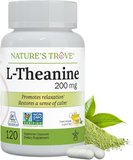
NOW Foods L-Theanine 200 mg is one of the most trusted and affordable Suntheanine products on the market. NOW has a long track record of third-party testing and GMP compliance. At 200 mg per capsule, each dose matches the most commonly studied clinical dose.
Natural Factors Suntheanine L-Theanine 100 mg offers a lower per-tablet dose in a chewable format, which is useful for those who want to fine-tune their dosing (for example, 100 mg during the day and 200 mg at night) or who prefer a chewable delivery method for faster absorption.
Sports Research Double Strength L-Theanine 200 mg uses Suntheanine in a softgel format with organic coconut oil for improved absorption. The softgel delivery and lipid carrier may offer slightly faster onset compared to powder-filled capsules.
Doctor’s Best L-Theanine with Suntheanine 150 mg is another reputable brand using the patented Suntheanine ingredient. The 150 mg dose is slightly below the standard 200 mg used in most research, so you may want to take two capsules for nighttime use.
High-Quality Generic Options
Nutricost L-Theanine 200 mg offers 200 mg per capsule in a double-strength formula with an excellent value proposition at 240 capsules per bottle. Nutricost is known for third-party testing and transparent quality standards.
Nootropics Depot L-Theanine 200 mg is a favorite in the nootropics community for their rigorous third-party testing and transparent quality standards. Their L-theanine capsules are competitively priced and consistently well-reviewed.
Which Product Should You Choose
- For sleep specifically: Choose a 200 mg Suntheanine product (NOW Foods or Sports Research) to match the clinically studied dose and form
- For all-day anxiety: Consider a 100 mg product (Natural Factors chewable) that you can dose flexibly throughout the day
- For the caffeine stack: Nootropics Depot also sells pre-made caffeine + L-theanine capsules, or you can combine their standalone L-theanine with your preferred caffeine source
- For budget-conscious buyers: Nutricost and NOW Foods offer excellent value per dose
What Supplements Stack Well With L-Theanine for Sleep
L-theanine works well on its own, but it can be combined with other evidence-based supplements for enhanced effects. Here are the most well-supported stacks.
L-Theanine + Magnesium (Best Overall Sleep Stack)
Magnesium, particularly in the glycinate or threonate form, is one of the most important minerals for sleep and relaxation. The synergy with L-theanine is based on complementary mechanisms:
- L-theanine promotes relaxation via GABA modulation, alpha wave promotion, and glutamate antagonism
- Magnesium glycinate activates GABA receptors directly, relaxes skeletal muscles, and supports healthy cortisol metabolism
- Magnesium threonate crosses the blood-brain barrier and has been shown to improve sleep quality and cognitive function in older adults
A practical stack: 200 mg L-theanine + 400 mg magnesium glycinate (or 144 mg elemental magnesium from threonate), both taken 30 to 60 minutes before bed.
For our detailed magnesium guide, see best magnesium supplements for sleep: glycinate vs. threonate.
L-Theanine + Ashwagandha (Best for Stress-Driven Insomnia)
Ashwagandha (specifically the KSM-66 or Sensoril extracts) is an adaptogenic herb with strong evidence for cortisol reduction and anxiety management. When combined with L-theanine:
- Ashwagandha provides sustained cortisol-lowering effects over weeks to months
- L-theanine provides immediate-acting relaxation and alpha wave promotion
- Together, they address both the chronic stress adaptation (ashwagandha) and acute bedtime relaxation (L-theanine)
A practical stack: 300 mg KSM-66 ashwagandha with dinner + 200 mg L-theanine 30 minutes before bed.
For detailed ashwagandha recommendations, see our guide to the best ashwagandha supplements for sleep and stress.
For a direct comparison of these two popular anxiety supplements, see our article on L-theanine vs. ashwagandha for anxiety.
L-Theanine + Low-Dose Melatonin (Best for Combined Anxiety + Circadian Issues)
If your sleep problems involve both anxiety and circadian rhythm disruption (for example, you lie awake with racing thoughts AND your natural sleep window seems shifted), combining L-theanine with a physiological dose of melatonin (0.3 to 0.5 mg, not the typical 3 to 10 mg found in most products) can address both issues:
- L-theanine handles the anxiety and mental hyperarousal component
- Low-dose melatonin provides a circadian timing signal without the excessive sedation and next-day grogginess of high-dose melatonin
This is particularly effective for jet lag recovery, shift work adaptation, or age-related circadian drift.
L-Theanine + GABA (Direct Inhibitory Support)
Some people combine L-theanine with supplemental GABA for a more direct approach to inhibitory neurotransmitter support. The evidence for oral GABA’s ability to cross the blood-brain barrier in significant quantities is debated, but some clinical trials have shown benefits for relaxation and sleep. If you try this combination, typical doses are 200 mg L-theanine + 100 to 250 mg GABA before bed.
L-Theanine + Glycine (Deep Sleep Enhancement)
Glycine, an amino acid available as a simple powder, has clinical evidence for improving subjective sleep quality and reducing daytime sleepiness at doses of 3 grams before bed. Combined with L-theanine, glycine addresses a different dimension of sleep: while L-theanine helps you fall asleep, glycine may help you sleep more deeply and wake feeling more refreshed.
How Should You Implement L-Theanine Into Your Routine
Here is a step-by-step protocol for integrating L-theanine into your sleep and anxiety routine:
Evening Protocol for Sleep
- Two hours before bed: Begin your wind-down routine. Dim lights, reduce screen brightness, and lower stimulating activities
- 60 minutes before bed: Take 200 mg of L-theanine with a small amount of water. If stacking with magnesium, take both at this time
- 45 minutes before bed: Engage in relaxation activities (reading, gentle stretching, breathing exercises, journaling) while L-theanine reaches peak brain concentration
- 30 minutes before bed: The alpha wave promotion should be noticeably active. You may feel a pleasant sense of mental quiet
- At bedtime: Lights out. Your brain should transition more smoothly from alpha-dominant relaxation to theta-dominant drowsiness and into sleep
Daytime Protocol for Anxiety
- Morning: Take 100 to 200 mg of L-theanine with your morning caffeine source (if applicable)
- Early afternoon: Optional second dose of 100 to 200 mg if afternoon anxiety is a problem
- Avoid taking your daytime anxiety dose too late: L-theanine is not sedating, but taking it after 4 PM may be better allocated to your evening sleep dose
Tracking Your Response
Keep a simple sleep diary for the first two to four weeks to track:
- Time to fall asleep (subjective estimate)
- Number of nighttime awakenings
- Morning energy level (1 to 10 scale)
- Daytime anxiety level (1 to 10 scale)
- Any notes on unusual dreams, grogginess, or other observations
This data helps you determine whether L-theanine is working and at what dose. If you do not notice improvement after four weeks at 200 mg, try increasing to 400 mg before concluding it is not effective for you.
What Are the Common Myths About L-Theanine
Myth: L-Theanine Is a Sedative
Reality: L-theanine promotes relaxation without sedation. You can take it during the day without becoming drowsy or impaired. It does not “make you sleep.” Instead, it removes the barriers to natural sleep onset, specifically anxiety and mental hyperarousal.
Myth: You Can Get Enough L-Theanine from Tea
Reality: A typical cup of green tea contains 20 to 30 mg of L-theanine. Clinical research uses 200 to 400 mg. You would need to drink 7 to 20 cups of green tea to reach a therapeutic dose, which would also deliver significant amounts of caffeine, likely worsening sleep. Supplementation is the practical approach.
Myth: More Is Better
Reality: The dose-response curve for L-theanine appears to plateau around 200 to 400 mg for most effects. The 2025 systematic review found the optimal range to be 200 to 450 mg per day. Taking 800 mg or more does not appear to produce proportionally greater benefits and simply adds cost.
Myth: L-Theanine Replaces Anxiety Treatment
Reality: L-theanine is a supplement, not a replacement for professional mental health treatment. If you have a diagnosed anxiety disorder, L-theanine can be a helpful complementary tool, but it should not replace evidence-based treatments like cognitive behavioral therapy (CBT) or prescribed medications without discussing this with your healthcare provider.
Myth: All L-Theanine Supplements Are the Same
Reality: Purity, form (L-isomer vs. racemic mixture), dose accuracy, and third-party testing all vary between manufacturers. Suntheanine-branded products guarantee greater than 99% pure L-isomer theanine, while generic products may vary. Always choose supplements from reputable manufacturers with third-party quality verification.
Complete Support System for Sleep and Anxiety
Addressing sleep and anxiety comprehensively requires more than a single supplement. Here is a complete protocol combining L-theanine with complementary interventions for maximum effectiveness:
Core Stack:
- L-Theanine 200 mg (30-60 minutes before bed) - Reduces mental hyperarousal and promotes alpha brain waves
- Magnesium Glycinate 400 mg (with L-theanine) - Activates GABA receptors and relaxes muscles
- Ashwagandha KSM-66 300 mg (with dinner) - Lowers cortisol over weeks to months
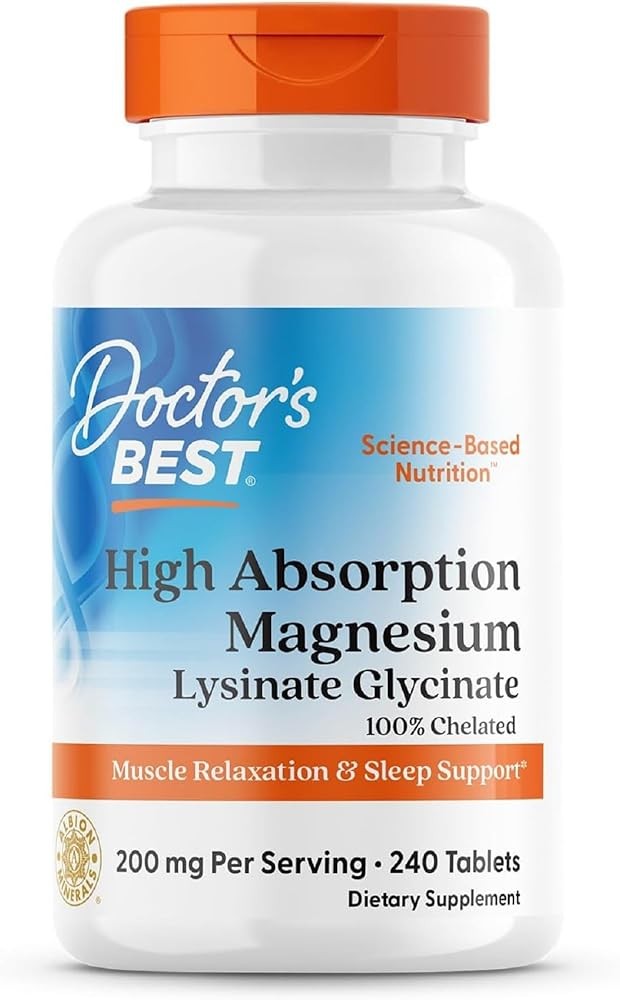
Magnesium Supplement
Check Price on AmazonAs an Amazon Associate we earn from qualifying purchases.
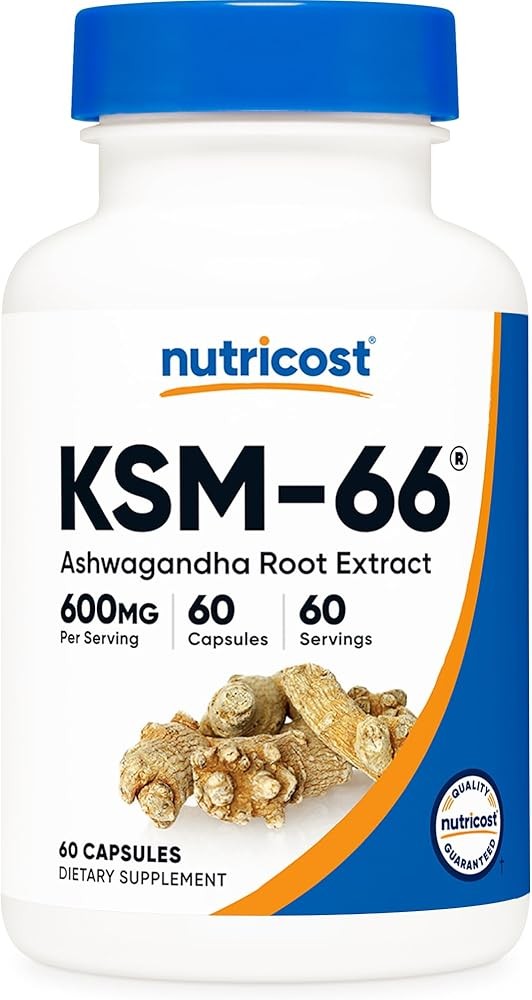
Ashwagandha Supplement
Check Price on AmazonAs an Amazon Associate we earn from qualifying purchases.
Optional Add-Ons:
- Low-dose Melatonin 0.3-0.5 mg - For circadian rhythm timing issues
- Glycine 3g powder - Enhances deep sleep quality and morning refreshment
Lifestyle Foundation:
- Wind-down routine starting 2 hours before bed
- Dim lights and reduce blue light exposure after sunset
- Consistent sleep schedule even on weekends
- Limit caffeine after 2 PM (or pair morning caffeine with L-theanine)
- Regular exercise, but not within 3 hours of bedtime
This integrated approach addresses anxiety and sleep through multiple complementary pathways rather than relying on any single intervention.
Common Questions About L
What are the benefits of L-theanine?
L-theanine has been studied for its effects on sleep quality, anxiety reduction, and cognitive function. Research suggests it may support relaxation, alpha brain wave activity, and stress response modulation. Individual results can vary. The strength of evidence differs across different claimed benefits. More high-quality research is often needed. Always review the latest scientific literature and consult healthcare professionals about whether L-theanine is right for your health goals.
Is L-theanine safe?
L-theanine is generally considered safe for most people when used as directed. However, individual responses can vary. Some people may experience mild side effects. It’s important to talk with a healthcare provider before using L-theanine, especially if you have existing health conditions, are pregnant or nursing, or take medications.
How does L-theanine work?
L-theanine works through various biological mechanisms including GABA modulation, alpha brain wave promotion, serotonin and dopamine effects, and glutamate antagonism. Current evidence suggests it may interact with specific neurotransmitter pathways in the brain to produce its relaxation effects. Always consult with a healthcare provider before starting any new supplement or health regimen to ensure it’s appropriate for your individual needs.
Who should avoid L-theanine?
Pregnant or breastfeeding women should avoid L-theanine due to insufficient safety data. People taking blood pressure medications, sedative medications, or stimulant medications should consult their healthcare provider before using L-theanine. For personalized advice about whether and how to use L-theanine, consult with a qualified healthcare provider who can consider your complete health history and current medications.
How long should I use L-theanine?
L-theanine can be used daily long-term without tolerance or dependence developing. The time it takes to notice effects varies by individual and depends on factors like dosage, consistency of use, and individual metabolism. Some people notice effects within 30-40 minutes, while sleep quality improvements may take 2-4 weeks. Research studies have evaluated L-theanine use for up to 8 weeks. Consistent use as directed is important for best results. Keep a journal to track your response.
Frequently Asked Questions: Beyond the Basics
Can I take L-theanine every day long-term?
Yes. No clinical trial has identified tolerance, dependence, or long-term safety concerns with daily L-theanine use. The amino acid does not accumulate in the body, is not metabolized into harmful compounds, and does not require cycling. Many people take it daily for years without issues.
How quickly does L-theanine work?
Most people notice effects within 30 to 40 minutes of ingestion, which corresponds to the time required for L-theanine to cross the blood-brain barrier and reach peak brain concentrations. EEG studies confirm increased alpha wave activity within this timeframe.
Can children take L-theanine?
The Lyon 2011 study demonstrated that 400 mg of Suntheanine daily was safe and effective in boys aged 8 to 12 with ADHD over a six-week period. However, pediatric supplementation should always be supervised by a healthcare provider, and doses may need to be adjusted based on body weight.
Does L-theanine affect dreams?
Some users report more vivid dreams when taking L-theanine before bed. This is not well-studied in clinical trials but may be related to improved sleep architecture and spending more time in REM sleep. Vivid dreams are generally not considered a negative side effect.
Can I take L-theanine with alcohol?
While there is no documented dangerous interaction, L-theanine may enhance the sedative effects of alcohol. Additionally, alcohol itself disrupts sleep architecture and is counterproductive for anyone trying to improve sleep quality. It is best to avoid combining L-theanine with significant alcohol consumption.
Our Top Recommendations
📱 Join the discussion: Facebook | X | YouTube | Pinterest
Where to Buy Quality Supplements
Based on the research discussed in this article, here are some high-quality options:
- Magnesium Supplement
- Magnesium Glycinate Supplement
- Ashwagandha Supplement
- Melatonin Supplement
The Bottom Line on L-Theanine for Sleep and Anxiety
L-theanine occupies a unique position in the supplement landscape. It is one of the few natural compounds that can address both anxiety and sleep difficulties through a well-characterized, multi-target mechanism, and it does so without causing sedation, tolerance, dependence, or significant side effects.
The clinical evidence, while not as extensive as that for pharmaceutical interventions, is consistent and growing. Two systematic reviews published in 2025 have confirmed that L-theanine supplementation at doses of 200 to 450 mg per day improves subjective sleep quality, and randomized controlled trials have demonstrated significant reductions in anxiety scores in both healthy adults and psychiatric populations.
For the estimated 30% of the population that experiences insomnia, and particularly for the significant subset whose sleep problems are driven by anxiety and mental hyperarousal, L-theanine represents one of the most evidence-supported, lowest-risk interventions available. It is not a complete solution, and it is not a replacement for addressing the root causes of chronic stress and anxiety. But as part of a comprehensive approach to sleep health, it is a tool that the research convincingly supports.
Start with 200 mg of a quality Suntheanine product 30 to 60 minutes before bed. Track your response for four weeks. Adjust from there. Your brain, freed from the tyranny of racing thoughts, may surprise you with how well it sleeps when given the chance.
Related Articles
Explore these related guides to build a comprehensive sleep and anxiety protocol:
- Best L-Theanine Supplements for Sleep and Relaxation - Detailed product comparisons and recommendations
- Caffeine and L-Theanine Stack: The Research Behind the Combo - How to combine these for focused energy without anxiety
- Best Ashwagandha Supplements for Sleep and Stress - Cortisol-lowering adaptogen to pair with L-theanine
- Best Magnesium Supplements for Sleep: Glycinate vs. Threonate - The most important sleep mineral for stacking
- Best Sleep Supplements That Don’t Contain Melatonin - Natural alternatives for anxiety-driven insomnia
- L-Theanine vs. Ashwagandha for Anxiety - Direct comparison for anxiety management
- How to Fix Your Sleep Schedule - Comprehensive guide to circadian rhythm optimization
- Best Supplements for Anxiety and Depression - Evidence-based options beyond L-theanine
Related Reading
- Best Tart Cherry Supplements for Sleep Research Review
- Best L-Theanine Supplements for Sleep and Relaxation
- Shift Work Sleep Disorder: Supplements to Reset Your Circadian Clock
- The Sleep and Gut Health Connection: What New Research Reveals
- Improving Deep Sleep with Supplements: What Research Shows
- L-Theanine vs Ashwagandha For Anxiety: Which Is Better? [Complete Comparison Guide]
- Valerian Root Supplements for Sleep: Separating Fact from Fiction
References
-
Hidese S, Ogawa S, Ota M, et al. Effects of L-Theanine Administration on Stress-Related Symptoms and Cognitive Functions in Healthy Adults: A Randomized Controlled Trial. Nutrients. 2019;11(10):2362. PubMed | PMC
-
Examining the effect of L-theanine on sleep: a systematic review of dietary supplementation trials. Nutritional Neuroscience. 2026;29(2):224-238. PubMed | Full Text
-
Lyon MR, Kapoor MP, Juneja LR. The effects of L-theanine (Suntheanine) on objective sleep quality in boys with attention deficit hyperactivity disorder (ADHD): a randomized, double-blind, placebo-controlled clinical trial. Alternative Medicine Review. 2011;16(4):348-354. PubMed
-
Ritsner MS, Miodownik C, Ratner Y, et al. L-theanine relieves positive, activation, and anxiety symptoms in patients with schizophrenia and schizoaffective disorder: an 8-week, randomized, double-blind, placebo-controlled, 2-center study. Journal of Clinical Psychiatry. 2011;72(1):34-42. PubMed
-
Kimura K, Ozeki M, Juneja LR, Ohira H. L-Theanine reduces psychological and physiological stress responses. Biological Psychology. 2007;74(1):39-45. PubMed
-
The effects of L-theanine consumption on sleep outcomes: A systematic review and meta-analysis. Sleep Medicine Reviews. 2025. PubMed
-
Safety and Efficacy of AlphaWave L-Theanine Supplementation for 28 Days in Healthy Adults with Moderate Stress: A Randomized, Double-Blind, Placebo-Controlled Trial. Neurology and Therapy. 2024. PubMed | PMC
-
Nobre AC, Rao A, Owen GN. L-theanine, a natural constituent in tea, and its effect on mental state. Asia Pacific Journal of Clinical Nutrition. 2008;17(Suppl 1):167-168. PubMed
-
l-theanine: From tea leaf to trending supplement - does the science match the hype for brain health and relaxation? Nutrition Research. 2025. ScienceDirect
-
Dietary supplementation with Lactium and L-theanine alleviates sleep disturbance in adults: a double-blind, randomized, placebo-controlled clinical study. Frontiers in Nutrition. 2024. Full Text
-
Rao TP, Ozeki M, Juneja LR. In Search of a Safe Natural Sleep Aid. Journal of the American College of Nutrition. 2015;34(5):436-447. PubMed
-
Williams JL, Everett JM, D’Cunha NM, et al. The Effects of Green Tea Amino Acid L-Theanine Consumption on the Ability to Manage Stress and Anxiety Levels: a Systematic Review. Plant Foods for Human Nutrition. 2020;75(1):12-23. PubMed
-
Sarris J, Byrne GJ, Cribb L, et al. L-theanine in the adjunctive treatment of generalized anxiety disorder: A double-blind, randomised, placebo-controlled trial. Journal of Psychiatric Research. 2019;110:31-37. PubMed
Recommended Products