The Power of Light Therapy: Resetting Your Circadian Rhythm Naturally
Summarized from peer-reviewed research indexed in PubMed. See citations below.
If you’re battling seasonal depression, can’t fall asleep before 2 AM, or feel perpetually groggy from shift work, your circadian rhythm is likely disrupted—and research shows light therapy can reset it. Our top recommendation is a standard 10,000 lux full-spectrum light box used for 30 minutes each morning, with quality medical-grade units ranging from $80-200 based on surface area and verified lux output at 16-24 inches. Clinical trials involving 1,037 participants demonstrate 60-75% response rates for seasonal affective disorder, plus significant improvements in delayed sleep phase disorder, shift work sleep issues, and even non-seasonal depression. For budget-conscious users, a 5,000 lux light box requires doubling the session to 60 minutes but costs $50-100 less while delivering equivalent circadian effects. Here’s what the published research shows about resetting your internal clock with precisely timed light exposure.
Disclosure: We may earn a commission from links on this page at no extra cost to you. Affiliate relationships never influence our ratings. Full policy →
Your body’s internal clock governs far more than when you feel sleepy. This circadian rhythm orchestrates hormone production, body temperature, metabolism, immune function, and countless other processes that keep you alive and thriving. When this clock falls out of sync with the external world, the consequences ripple through every aspect of your health—from your mood and energy levels to your risk of chronic diseases.
Light therapy has been investigated as a non-pharmaceutical approach for influencing circadian rhythms that may be disrupted. Unlike approaches that may address symptoms, research suggests light therapy may address factors related to sleep and mood by potentially influencing biological processes at the cellular level. PMID: 37555919 A comprehensive overview of the neural mechanisms shows that light therapy works through specialized photoreceptors that directly communicate with the brain’s master clock. PMID: 31518183
This comprehensive guide explores the science behind light therapy, how it resets your circadian rhythm, the clinical evidence supporting its use, and practical protocols for implementing it effectively.
What Is Light Therapy?
Light therapy involves exposure to 2,500 to 10,000 lux of full-spectrum white light, significantly brighter than typical indoor lighting, to influence biological processes and address various conditions. Light therapy, also called bright light therapy (BLT) or phototherapy, involves exposure to specific intensities and wavelengths of light to influence biological processes. The therapeutic application most commonly uses light boxes that emit full-spectrum white light at intensities ranging from 2,500 to 10,000 lux—significantly brighter than typical indoor lighting (which ranges from 100-500 lux) but less intense than direct sunlight (which can exceed 100,000 lux).
The standard clinical protocol involves sitting near a light therapy box for 30 minutes to 2 hours daily, typically in the morning. The light must enter your eyes indirectly—you don’t stare at the light source, but position it at an angle so the light reaches your retinas while you engage in other activities like reading, eating breakfast, or working.
Unlike tanning beds or other UV light sources, therapeutic light boxes filter out ultraviolet radiation, delivering only visible light wavelengths. This makes the treatment safe for your skin and eyes when used according to guidelines.
Bottom line: Light therapy uses 10,000 lux bright light exposure for 30 minutes daily to reset circadian rhythms without pharmaceutical interventions, with UV filtration ensuring safety for skin and eyes across long-term use.
| Feature | 10,000 Lux Light Box | 5,000 Lux Light Box | Blue Light Glasses |
|---|---|---|---|
| Session Duration | 30 minutes | 60 minutes | 20-30 minutes |
| Light Intensity | 10,000 lux | 5,000 lux | 12-40 μW/cm² |
| Wavelength | Full-spectrum white (5,000-6,500K) | Full-spectrum white (5,000-6,500K) | Blue-enriched (470 nm) |
| Best For | SAD, depression, DSPD | SAD, circadian regulation | Jet lag, shift work, portability |
| Research Validation | Strong (21 RCTs, 1,037 participants) | Moderate | Limited for SAD |
| Portability | Low (requires desk space) | Low (requires desk space) | High (wearable) |
| UV Filtration | Yes | Yes | N/A (visible light only) |
| Price Range | $80-200 | $50-100 | $100-400 |
| Response Rate (SAD) | 60-75 percent | 55-70 percent | Unclear |
How Does Light Control Your Internal Clock?
Exposure to 1000 lux of light, a typical intensity of indoor lighting, triggers intrinsically photosensitive retinal ganglion cells (ipRGCs) to synchronize the body’s internal clock with the 24-hour day-night cycle. To understand how light therapy works, you need to grasp the remarkable biological machinery that light activates in your body.
Specialized Photoreceptors: The ipRGC Discovery
For decades, scientists believed that rods and cones—the photoreceptors responsible for vision—were the only light-detecting cells in the retina. This theory collapsed in the early 2000s when researchers discovered a third type of photoreceptor: intrinsically photosensitive retinal ganglion cells (ipRGCs).
These cells contain a photopigment called melanopsin, which is fundamentally different from the rhodopsin and photopsins found in rods and cones. While rods and cones send visual information to the visual cortex for image formation, ipRGCs have a different mission entirely: they detect ambient light levels and communicate this information directly to brain regions controlling circadian rhythms, alertness, pupil size, and other non-visual responses to light.
The discovery of melanopsin and ipRGCs revolutionized our understanding of how light influences biology beyond vision. PMID: 19029878 These cells are most sensitive to blue light in the 460-495 nanometer range, with peak sensitivity around 480 nm. This wavelength specificity explains why blue-enriched light can be particularly effective for circadian regulation.
The Retinohypothalamic Tract: Your Body’s Light Highway
ipRGCs don’t just detect light—they relay this information to the brain via a dedicated neural pathway called the retinohypothalamic tract (RHT). This pathway projects directly to a tiny cluster of approximately 20,000 neurons in the hypothalamus called the suprachiasmatic nucleus (SCN).
The SCN functions as your body’s master circadian pacemaker. Think of it as the conductor of an orchestra, keeping all your body’s biological rhythms synchronized. When ipRGCs detect bright light, they release neurotransmitters including glutamate and pituitary adenylyl cyclase-activating peptide (PACAP) onto SCN neurons. Glutamate provides excitatory stimulation, while PACAP amplifies glutamate’s effects, essentially delivering the message: “It’s daytime—adjust the clock accordingly.”
Research has shown that eliminating melanopsin-containing ipRGCs completely abolishes the ability to entrain circadian rhythms to light-dark cycles, confirming these cells are absolutely essential for circadian photoentrainment. PMID: 39074282
How the SCN Coordinates Your Biological Clock
Once the SCN receives light signals from ipRGCs, it orchestrates circadian rhythms throughout your entire body through several mechanisms:
Neural Signaling: The SCN sends direct nerve signals to other brain regions, including the pineal gland, which produces melatonin—your body’s darkness hormone. Bright light exposure suppresses melatonin production, promoting wakefulness. When light levels drop in the evening, melatonin secretion rises, facilitating sleep.
Hormonal Cascades: The SCN influences the hypothalamic-pituitary-adrenal (HPA) axis, regulating cortisol release. In a healthy circadian pattern, cortisol peaks in the early morning (the cortisol awakening response), providing energy and alertness to start your day, then gradually declines throughout the day.
Peripheral Clock Synchronization: Nearly every cell-positive neurons play crucial roles in light entrainment and synchronization of SCN neurons, while arginine-vasopressin (AVP)-positive neurons are important for determining the circadian period length.
The Complexity of Circadian Phototransduction
Recent research from 2024 has revealed that circadian light detection is more nuanced than initially believed. While melanopsin-containing ipRGCs are essential, they don’t work alone. Traditional photoreceptors—S cones (sensitive to short-wavelength blue light) and L+M cones (sensitive to longer wavelengths)—also contribute to circadian responses.
A landmark study involving 100 healthy participants demonstrated that melatonin suppression during the first quarter of light exposure is driven approximately equally by S cones and L+M cones, with melanopsin dominating only during longer durations of light exposure. The research also revealed that S cones may contribute significantly to overall circadian phase resetting due to the nonlinear relationship between light duration and magnitude of phase shifts.
This multi-photoreceptor integration means that both the intensity and spectral composition of light matter for circadian effects. It also suggests that optimal light therapy protocols might vary based on the specific circadian outcome desired.
Key takeaway: Melanopsin-containing ipRGCs detect 480 nm blue light with 100-participant studies showing S cones and L+M cones drive melatonin suppression equally during initial exposure, while the retinohypothalamic tract projects to 20,000 SCN neurons that synchronize peripheral clocks via neural and hormonal signals.
When Does Your Circadian Rhythm Need Resetting?
Your body provides numerous signals when your circadian clock has fallen out of sync with the external environment. Recognizing these clues can help you identify whether light therapy might benefit you.
Winter Blues and Seasonal Affective Disorder
The Pattern: You feel fine in spring and summer, but as days shorten in fall and winter, your mood plummets. You experience profound fatigue, increased appetite (especially carbohydrate cravings), weight gain, social withdrawal, and difficulty concentrating. You sleep longer but wake up feeling unrefreshed. These symptoms resolve in spring without any intervention.
What’s Happening: Reduced daylight exposure during winter months can desynchronize your circadian rhythms. The SCN receives insufficient light signals to maintain proper timing, leading to delayed melatonin offset (melatonin continues being produced later into the morning), shifted cortisol rhythms, and altered neurotransmitter production including serotonin.
The Statistics: Seasonal affective disorder (SAD) affects approximately one in twenty adults in the United States, with symptoms typically lasting 40 percent of the year. PMID: 33252911 Women are four times more likely than men to develop SAD, and risk increases at higher latitudes where winter days are shorter.
Delayed Sleep Phase: The Night Owl Pattern
The Pattern: You can’t fall asleep before 2-6 AM no matter how hard you try, even when you’re exhausted. Waking up for school or work feels like torture—you’re groggy, disoriented, and barely functional in the morning. But come evening, you hit your stride. You’re most alert, creative, and productive from 10 PM onwards. On weekends or vacations, you naturally sleep from 4 AM to noon and feel great.
What’s Happening: Your circadian rhythm is significantly delayed relative to societal norms. Your brain’s internal clock is set several hours later than the external light-dark cycle demands. This isn’t a sleep disorder in the conventional sense—you can get perfectly good sleep, just at the “wrong” times according to social schedules.
The Biology: Research suggests delayed sleep phase disorder (DSPD) may involve altered sensitivity to evening light (which delays the clock further), reduced morning light exposure (which would normally advance the clock), or intrinsic differences in circadian period length. Some people with DSPD have circadian periods slightly longer than 24 hours, causing their rhythms to continuously drift later unless actively entrained.
Jet Lag: Crossing Time Zones
The Pattern: After flying across multiple time zones, you experience profound fatigue at inappropriate times, difficulty sleeping at night, digestive issues, difficulty concentrating, mood changes, and general malaise. Eastward travel (losing hours) typically feels worse than westward travel (gaining hours).
What’s Happening: Your internal circadian clock is still synchronized to your departure time zone while the external environment demands a different schedule. Every system in your body—from sleep-wake timing to digestion to immune function—is misaligned with local time.
The Timeline: Your circadian clock typically shifts by approximately one hour per day when exposed to the new time zone’s light-dark cycle. This means a 5-hour time zone change can take 5 days for full adjustment without intervention.
Shift Work Sleep Disorder
The Pattern: You work night shifts, rotating shifts, or early morning shifts that require waking between 4-5 AM. You struggle to stay alert during work hours, experience excessive sleepiness when trying to stay awake, have difficulty sleeping during scheduled sleep times, and may notice more frequent illnesses, digestive problems, or mood changes.
What’s Happening: You’re attempting to force wakefulness during times when your circadian system is promoting sleep, and trying to sleep when biological signals are promoting wakefulness. This creates a chronic state of circadian misalignment.
The Health Impact: Shift work disorder affects approximately 10-40% of shift workers. Beyond sleep and alertness issues, chronic circadian disruption from shift work has been associated with increased risks of cardiovascular disease, metabolic syndrome, certain cancers, and mood disorders.
Advanced Sleep Phase: The Early Bird Extreme
The Pattern: You become extremely sleepy in early evening (6-8 PM), struggle to stay awake past 9 PM, and wake spontaneously at 3-5 AM feeling completely alert. This wouldn’t be problematic except it interferes with your social life, family time, or work obligations that occur in the evening.
What’s Happening: Your circadian rhythm is advanced several hours ahead of societal norms. Your biological clock is cueing sleep and wake times significantly earlier than the environmental light-dark cycle or social schedules.
Non-Seasonal Depression and Mood Changes
The Pattern: You experience persistent low mood, loss of interest in activities, fatigue, changes in appetite or sleep, and difficulty concentrating—but without the seasonal pattern characteristic of SAD. Your symptoms may be worse in the morning.
What’s Happening: Research increasingly suggests that circadian rhythm dysfunction may contribute to major depression even when it’s not seasonal. Studies show that people with depression often have blunted or irregular circadian rhythms in melatonin, cortisol, body temperature, and other markers.
The Evidence: Research suggests light therapy may be beneficial beyond Seasonal Affective Disorder (SAD). A 2025 meta-analysis published in JAMA Psychiatry analyzed 11 randomized controlled trials involving 858 patients with non-seasonal depression and found that bright light therapy appeared to support higher remission rates (40.7%) compared to control conditions (23.5%), with an odds ratio of 2.42.
Signs of Circadian Disruption: The Subtle Clues
Beyond these specific patterns, your body provides subtler signals when circadian rhythms are compromised:
- Waking frequently during the night, particularly in the early morning hours
- Difficulty waking despite adequate sleep duration
- Energy dips that don’t correspond to mealtimes or activity levels
- Temperature regulation issues—feeling cold in the morning, hot in the evening
- Digestive irregularity—constipation, irregular appetite
- Menstrual cycle irregularities in women
- Reduced exercise performance at certain times of day
- Difficulty concentrating during times when you should be alert
- Increased susceptibility to infections
Bottom line: Circadian misalignment signals include seasonal mood changes affecting one in twenty adults, delayed sleep phase preventing sleep before 2-6 AM, jet lag causing 1-hour daily adjustment rates, and shift work disorder affecting 10-40 percent of night workers with associated cardiovascular and metabolic risks.
What Conditions Does Light Therapy Actually Help?
Approximately 85% of patients with Seasonal Affective Disorder have experienced significant symptom improvement with light therapy, as shown in research Mayo Clinic. Published research indicates light therapy appears to have a strong evidence base for several specific conditions, all potentially linked to underlying circadian rhythm dysfunction.
Seasonal Affective Disorder: The Gold Standard Application
Light therapy has been the frontline treatment for SAD for over three decades, with robust evidence supporting its effectiveness.
The Research: A comprehensive 2024 analysis examined 21 randomized controlled trials involving 1,037 participants with SAD. The analysis indicates bright light therapy at 10,000 lux appears to have some benefit as a non-pharmaceutical approach for seasonal depression, with studies showing response rates (at least 50% symptom reduction) ranging from 60 to 75 percent in most trials.
A systematic review and network meta-analysis specifically examining light interventions for SAD found that bright white light significantly outperformed control conditions, with effect sizes comparable to many antidepressant medications. Systematic reviews have demonstrated that light therapy effectively addresses sleep problems associated with circadian rhythm disorders. PMID: 26606319
Treatment Timeline: Many people with SAD notice improvements within 1-2 weeks of starting light therapy, though optimal benefits may take 4-6 weeks. Symptoms typically return within days to weeks if treatment is discontinued before natural daylight increases in spring.
Mechanisms Beyond Circadian Entrainment: While circadian rhythm regulation is central, light therapy may also work through additional mechanisms in SAD, including:
- Direct serotonin enhancement via retinal light exposure
- Correction of phase angle difference between sleep timing and circadian phase
- Normalization of retinal sensitivity (some research suggests people with SAD may have altered retinal function)
Delayed Sleep-Wake Phase Disorder: Advancing the Clock
For people struggling with DSPD, carefully timed morning light exposure can shift the circadian clock earlier, making it easier to fall asleep and wake at socially conventional times.
Protocol Specifics: A systematic review examining light therapy for DSPD found that typical protocols involve:
- Light intensity: 2,500-10,000 lux
- Duration: 30 minutes to 2 hours
- Timing: Starting 1-2 hours before the person’s unconstrained habitual wake time, then gradually advancing by 1 hour daily
- Maintenance: Some patients continue 15 minutes daily indefinitely; others use it several days per week
Artificial bright light therapy has been established as an effective treatment for circadian rhythm sleep-wake disorders including delayed sleep phase disorder. PMID: 31518183
Combination Approaches: Light therapy is often most effective for DSPD when combined with evening melatonin (which helps advance the clock) and blue light avoidance in evening hours. This multi-pronged approach addresses circadian shifting from multiple angles.
The Evidence: While light therapy alone can be effective for DSPD, the American Academy of Sleep Medicine recommends combining morning light exposure with properly timed evening melatonin for optimal results.
Blue light therapy using specialized goggles delivering 470 nm light has shown particular promise. In studies where participants received 2 hours of blue light with wake times gradually advanced each morning, significant improvements in sleep timing were observed.
Jet Lag: Rapid Resynchronization
Strategic light exposure can dramatically accelerate circadian adjustment when crossing time zones.
The Principle: Light exposure during the biological night (when your body thinks it’s nighttime based on your origin time zone) can phase-shift your clock. The direction of shift depends on timing:
- Light in the early biological night (before the temperature minimum) delays the clock
- Light in late biological night (after the temperature minimum) advances the clock
Practical Application: For eastward travel (where you need to advance your clock), seek bright light exposure in the morning at your destination and avoid bright light in the evening. For westward travel (where you need to delay your clock), seek evening light and avoid morning light.
Research Findings: Published research indicates that participants exposed to 3 days of timed bright light therapy experienced circadian rhythm shifts averaging 2.1 hours—a shift substantially faster than the typical 1 hour per day adjustment rate observed without intervention.
However, evidence quality for jet lag applications is more mixed than for SAD or DSPD, partly because optimal timing requires knowing your individual circadian phase (typically the core body temperature minimum), which occurs roughly 2-3 hours before habitual wake time but varies between individuals.
Shift Work Sleep Disorder: Managing Chronic Misalignment
Shift workers face unique challenges because they must maintain alertness during biological night while attempting to sleep during biological day—a persistent state of circadian misalignment.
The Evidence: A 2025 systematic review and meta-analysis specifically examining light therapy for sleep disorders in shift workers analyzed 11 randomized controlled trials involving 195 participants. The results demonstrated significant improvements:
- Total sleep time increased by approximately 33 minutes (p < 0.00001)
- Sleep efficiency improved by 2.91% (p = 0.007)
- Circadian rhythm phase delayed by 1.72 hours, facilitating better adaptation to night work schedules
Optimal Parameters for Shift Workers:
- Illuminance: Medium-range lighting (900-6,000 lux) proved most effective
- Duration: Exposures lasting 1+ hours showed superior results
- Timing: Nighttime administration outperformed daytime or mixed schedules
- Important finding: The relationship between illuminance and sleep duration was nonlinear—very low intensity had no effect, while very high intensity showed diminished benefits, suggesting an optimal therapeutic window
Practical Implementation: For night shift workers, bright light exposure during the night shift may support circadian clock alignment with work schedules, according to research. However, studies indicate avoiding bright light exposure when commuting home in the morning may help reduce the risk of disrupting the desired circadian delay. Wearing wraparound dark glasses during the morning commute may help minimize unwanted light exposure.
Non-Seasonal Depression and Bipolar Disorder
Emerging evidence suggests light therapy may benefit depression beyond its seasonal form, though protocols and precautions differ.
Unipolar Depression: The 2025 JAMA Psychiatry meta-analysis mentioned earlier found significant benefits for non-seasonal depression, with remission rates of approximately 41 percent in the bright light therapy group versus 24 percent in control groups. These effects were maintained across different depression severity levels and study designs.
Bipolar Depression: Published research shows light therapy appears to have some benefit for bipolar depression, however, special precautions are essential due to research indicating it may potentially trigger manic or hypomanic episodes.
Recent clinical recommendations from the International Society for Bipolar Disorders (ISBD) specify:
- Contraindications: Research indicates light therapy may not be suitable for individuals experiencing acute manic episodes, recent mania or hypomania, mixed symptoms, and rapid cycling
- Safety measures: For individuals with bipolar I, studies suggest ensuring anti-manic medication coverage is stable for 2-4 weeks before initiating light therapy may be beneficial
- Protocol: Clinical trials have used a protocol of beginning with 15 minutes daily and gradually increasing to 45-60 minutes, with adjustments made if hypomanic symptoms emerge
- Timing preference: Research suggests midday light therapy is far less likely to induce phase shifts that may precipitate bipolar switching compared to morning light therapy
- Monitoring: Published research shows treatment appears to have some benefit when supervised by a clinician qualified to may help manage mood disorders.
The evidence suggests that when properly implemented with these safeguards, bright light therapy appears to have some benefit for bipolar depression, with studies indicating no increased risk of affective switches compared to control conditions.
Other Potential Applications
Research is exploring light therapy for additional conditions with circadian components:
Dementia and Alzheimer’s Disease: Circadian disruption is common in dementia and can worsen behavioral symptoms. Some studies suggest bright light therapy may reduce agitation and improve sleep-wake patterns.
Mild Cognitive Impairment: Light therapy may help maintain circadian rhythms in older adults with cognitive decline. Research in older type 2 diabetics living in long-term care facilities has shown that light therapy can improve both sleep and circadian rhythm parameters. PMID: 18214357
Parkinson’s Disease: A 2024 randomized controlled trial examining biologically-directed daylight therapy for Parkinson’s found improvements in sleep quality and circadian rhythm markers.
Attention and Cognitive Performance: Some research suggests that bright light exposure during daytime hours can enhance alertness, attention, and cognitive performance even in people without diagnosed circadian disorders. Clinical studies have documented the effectiveness of bright light therapy for treating various conditions. PMID: 35410652
In summary: Research indicates light therapy shows response rates of 60-75% for seasonal affective disorder across 21 trials with 1,037 participants, and studies suggest it appears to have some benefit for non-seasonal depression with 40.7% remission observed in 858 patients. Published research shows light therapy may support 33-minute sleep improvements for shift workers, and studies indicate it may help address circadian phase advances when used with melatonin for delayed sleep phase disorder. PMID: 38841914 Light therapy has demonstrated benefits across multiple populations and conditions involving circadian rhythm disruption. PMID: 38375195
What Are the Correct Light Therapy Protocols?
Start with 10,000 lux light therapy for 20-30 minutes daily, ideally in the morning, to establish a consistent and research-supported protocol. Published research shows the potential benefits of light therapy appear to be critically dependent on using appropriate intensity, timing, duration, and positioning.
The 10,000 Lux Standard
The most commonly recommended intensity for light therapy is 10,000 lux at eye level. This has become the clinical standard based on decades of research showing optimal efficacy-to-treatment-duration ratios.
Lux Explained: Lux is a measure of illuminance—the amount of light falling on a surface. For context:
- Typical indoor lighting: 100-500 lux
- Sunrise or sunset: ~400 lux
- Bright office lighting: 500-1,000 lux
- Overcast day outdoors: 1,000-2,000 lux
- Full daylight (not direct sun): 10,000-25,000 lux
- Direct sunlight: 50,000-100,000+ lux
At 10,000 lux, treatment duration is typically 30 minutes. Lower intensities require longer durations for equivalent effects:
- 2,500 lux: 2 hours
- 5,000 lux: 1 hour
- 10,000 lux: 30 minutes
Why Not Higher Intensity?: While you might assume that higher intensity would be better, research shows diminishing returns above 10,000 lux, with increased risk of side effects like eyestrain or headaches. The goal is therapeutic sufficiency, not maximum intensity.
Timing: When to Use Light Therapy
Timing is as important as intensity for circadian effects. The same light exposure can advance, delay, or have minimal effect on your circadian clock depending on when it occurs.
The Phase Response Curve: Your circadian system’s response to light follows a predictable pattern across the 24-hour day:
- Late biological night to early morning (roughly 3-4 hours before to 2-3 hours after habitual wake time): Light advances (shifts earlier) the circadian clock
- Midday to early evening: Light has minimal phase-shifting effects
- Evening to early biological night (roughly 3-4 hours before to 2 hours after habitual bedtime): Light delays (shifts later) the circadian clock
Application for Specific Conditions:
For SAD: Morning light is most effective, typically within 30 minutes to 2 hours of waking. This helps correct the delayed circadian phase common in SAD.
For DSPD: Morning light (ideally 1-2 hours before current habitual wake time, gradually advancing) combined with strict evening light avoidance.
For Advanced Sleep Phase: Evening light exposure (6-8 PM) to delay the clock.
For Shift Work: Light during work hours (night shift) to delay the clock and align with work schedule.
For Jet Lag: Timing depends on direction of travel and number of time zones crossed. Generally, morning light for eastward travel, evening light for westward travel.
For Non-Seasonal Depression: Morning light is most common, though some research suggests midday may be equally effective with potentially fewer side effects.
Essential protocol: Research indicates that a clinical standard of 10,000 lux for 30 minutes appears to have some benefit, though studies show lower intensities of 2,500 lux may require 2-hour exposure while 5,000 lux may need 1 hour, with timing determining whether light advances, delays, or minimally affects circadian phase. PMC
Duration and Distance
Standard Duration: 30 minutes at 10,000 lux is the most common protocol. However, duration can be adjusted based on:
- Light intensity (lower intensity requires longer duration)
- Individual response (some people respond to 15 minutes, others need 45-60 minutes)
- Condition severity (more severe symptoms may benefit from longer duration)
Positioning: The light box should be positioned:
- 16-24 inches from your face (closer for lower intensity boxes, farther for higher intensity)
- At or slightly above eye level, angled downward
- Off to the side at approximately 30-45 degrees, not directly in front
- In a position where light reaches your eyes without staring at the light source
You should be able to engage in other activities (reading, eating, computer work) during treatment. The key is that light reaches your retinas, but you’re not staring directly at the light source.
The Importance of Consistency
Like many biological interventions, consistency matters enormously. Light therapy effects build over time and can dissipate quickly if treatment is interrupted.
For SAD: Daily use throughout fall and winter months is typically necessary. Symptoms often return within days to weeks if treatment stops before natural daylight increases.
For DSPD: Initial daily use to shift the clock, followed by maintenance protocols varying from daily 15-minute sessions to several times per week.
For Depression: Daily use is recommended, with treatment duration varying from weeks to months or ongoing, depending on symptom response and recurrence patterns.
What users report: Research indicates that beginning with 10,000 lux for 20-30 minutes daily, ideally in the morning, may be beneficial, as this intensity appears to have become a common practice based on decades of research suggesting optimal results. At this intensity, studies have used a treatment duration of 30 minutes, and published research shows that using lower intensities may require longer sessions.
Which Type of Light Therapy Should You Choose?
Several different light therapy modalities exist, each with distinct advantages and applications.
Standard Light Boxes
Light boxes are the most researched and widely used light therapy devices. They’re flat panels containing fluorescent or LED bulbs behind a diffusing screen that filters out UV light while delivering bright visible light.
Advantages:
- Most clinical research uses this modality
- Reliable light output at specified intensities
- Can be used while performing other tasks
- No special positioning required once correctly placed
Considerations:
- Requires dedicated time (can’t sleep through it)
- Must sit relatively still in front of the box
- Takes up desk or table space
- Initial cost ($50-300+ depending on quality)
What to Look For:
- 10,000 lux output at recommended distance (verify actual measurements, not manufacturer claims)
- Large surface area (at least 12" x 17") for comfortable positioning
- UV filtration
- Color temperature around 5,000-6,500 K (daylight white)
- Flicker-free operation
- Stable, adjustable stand
Dawn Simulators
Dawn simulators gradually increase light in your bedroom over 30-90 minutes before your wake time, mimicking natural sunrise.
The Research: Studies directly comparing dawn simulators to standard light boxes for SAD found remarkably similar effectiveness. In one major trial, depression scores reduced by 43.8% with bright light boxes and 42.2% with dawn simulators—statistically equivalent.
Advantages:
- Works while you sleep—no time commitment
- More “natural” experience
- Can’t forget to do it (turns on automatically)
- Compact—just replaces a bedside lamp
- May reduce eyestrain concerns
Limitations:
- May be less effective for severe SAD compared to 10,000 lux light boxes
- Requires darkened bedroom (blackout curtains) to work properly
- Partner sleeping in same room may be disturbed
- Generally can’t be used for evening light therapy applications
Ideal For:
- Mild to moderate SAD
- DSPD (helps advance wake time naturally)
- People who find sitting in front of light boxes inconvenient
- Those who prefer a more natural approach
What to Look For:
- Gradual increase from dim to bright over 30-90 minutes
- Final intensity of at least 250-300 lux
- Warm color temperature (2,700-3,000 K) transitioning to cooler/brighter
- Ability to customize wake time and duration
- Backup alarm in case you sleep through it
Blue Light Therapy Devices
Specialized blue light devices deliver narrow-spectrum light in the 460-480 nm range, targeting melanopsin’s peak sensitivity.
The Rationale: Since melanopsin photoreceptors are most sensitive to blue light around 480 nm, delivering this specific wavelength theoretically allows for:
- Lower overall light intensity for equivalent circadian effects
- Smaller, more portable devices
- Potential for fewer side effects related to brightness
The Evidence: Research shows mixed results. Blue light at 470-480 nm is indeed highly effective for circadian shifting at remarkably low intensities—as little as 12 μW/cm² monochromatic blue light can produce circadian phase shifts comparable to 3,000 μW/cm² white light.
However, clinical trials comparing blue light therapy to full-spectrum white light for SAD have not consistently shown superior outcomes. A study comparing blue-enriched light to full-spectrum light found similar response rates across all conditions (three-quarters, 59 percent, and 71 percent respectively), with no significant differences.
Interestingly, a meta-analysis found that while circadian-active bright white light therapy showed significant efficacy over dim red light controls, green-blue circadian-active light showed no significant superiority over red/amber controls in depression outcomes—suggesting that for mood effects specifically, brightness and total photon exposure may matter as much as spectral composition.
Practical Considerations:
- Blue light devices are often more portable (light visors, light glasses)
- May be useful for DSPD and jet lag applications where circadian shifting is the primary goal
- Less established for SAD treatment compared to full-spectrum light
- Evening blue light exposure should be avoided as it can delay sleep onset
Full-Spectrum vs. Blue-Enriched Light
The debate between full-spectrum white light and blue-enriched light continues in the research literature.
Full-Spectrum Advantages:
- Decades of clinical research supporting effectiveness
- Activates multiple photoreceptor types (cones, rods, and ipRGCs)
- More similar to natural daylight
- Established protocols and devices
Blue-Enriched Advantages:
- Targets melanopsin’s peak sensitivity
- Potentially allows for lower total light output
- Enables smaller, more portable devices
- May be more effective for pure circadian shifting applications
Current Understanding (2024 Research): The multi-photoreceptor integration research suggests that both approaches have merit. S cones (which are sensitive to blue light) and melanopsin contribute substantially to circadian effects, but L+M cones also participate, especially during the initial period of light exposure. This multi-receptor involvement may explain why full-spectrum white light, which activates all photoreceptor types, often performs as well or better than narrow-spectrum blue light in clinical applications.
Practical Recommendation: For SAD and depression, full-spectrum 10,000 lux light boxes have the strongest evidence base. For circadian phase shifting applications (DSPD, jet lag, shift work), blue-enriched light may offer advantages in portability and convenience.
Natural Light Optimization
Don’t overlook the most accessible light source: the sun.
The Evidence: Natural outdoor light exposure, even on overcast days, delivers 1,000-10,000+ lux to the eyes and provides full-spectrum light that artificial sources struggle to replicate. Studies indicate regular morning outdoor light exposure may help maintain healthy circadian rhythms and research suggests it may help reduce the risk of or reduce SAD symptoms.
Practical Strategies:
- Morning outdoor exposure (30-60 minutes) upon waking
- Outdoor exercise or walks
- Breakfast or morning coffee outdoors or near a window
- Arranging workspace near windows with natural light
- Taking breaks outdoors during the day, especially in winter
Limitations:
- Weather-dependent (clouds, rain, snow)
- Latitude-dependent (insufficient in winter at higher latitudes)
- Schedule-dependent (must be able to go outside during morning hours)
- UV exposure considerations (need sun protection for extended exposure)
Integration Approach: Natural light and light therapy boxes aren’t mutually exclusive. Many people use light boxes on dark mornings and natural outdoor exposure when weather permits.
Light Therapy Devices: What to Look For
When selecting a light therapy device, specific technical features determine effectiveness and safety.
Light Box Requirements:
- Verified lux output: The device should deliver 10,000 lux at the recommended sitting distance (typically 16-24 inches). Many manufacturers overstate lux output, so look for independent testing or clinical validation.
- Surface area: Larger light boxes (minimum 12" x 17") provide more comfortable positioning flexibility. Small light boxes require precise positioning and may produce more eyestrain.
- UV filtration: Medical-grade light boxes must filter out ultraviolet radiation. This should be explicitly stated in product specifications.
- Color temperature: Daylight-spectrum white light (5,000-6,500 K) is standard. Avoid warm-tinted lights (below 4,000 K) as they may be less effective for circadian regulation.
- Flicker-free operation: Modern LED light boxes should provide steady light without visible flicker, which can cause headaches and eyestrain.
Blue Light Device Considerations:
- Wavelength specification: Effective blue light devices should emit light centered around 470-480 nm, matching melanopsin’s peak sensitivity.
- Intensity measurement: Blue light intensity is often measured in μW/cm² rather than lux. Research suggests 12-40 μW/cm² can be effective.
- Form factor: Blue light therapy is available as light boxes, visors worn on the head, or glasses worn like eyewear. Wearable forms offer convenience but may have less research validation.
Dawn Simulator Features:
- Gradual progression: The light should increase smoothly from complete darkness to full brightness over 30-90 minutes.
- Final intensity: The maximum brightness should reach at least 250-300 lux to provide adequate circadian stimulation.
- Color temperature transition: Better dawn simulators start with warm red/orange tones and gradually shift to cooler, brighter white light, mimicking natural sunrise.
- Customization: Look for devices that allow you to adjust the duration of the light progression and the final wake time.
Cost Considerations: Quality light therapy boxes range from $50 to $300. Higher prices don’t always correlate with better outcomes—focus on verified lux output, surface area, and UV filtration rather than brand prestige or additional features. Dawn simulators typically cost $50-150, while specialized blue light devices range from $100-400.
Most important: Research indicates full-spectrum 10,000 lux light boxes appear to have the strongest research support for seasonal affective disorder and depression, while blue-enriched devices at 470 nm offer portability advantages for circadian shifting applications, with dawn simulators showing 42.2% depression reductions compared to 43.8% for standard boxes in direct comparison trials. NIH
The practical verdict: Research indicates that, among the variety of light therapy options available, standard light boxes remain the most studied and widely used modality, with clinical trials utilizing an output of 10,000 lux at a specified distance. When selecting a light box, studies suggest looking for one with a large surface area, at least 12" x 17", and verifying its actual lux output.
Is Light Therapy Safe? Side Effects and Precautions
Light therapy is generally safe when used appropriately, but certain precautions and potential side effects deserve attention.
Common Side Effects
Most side effects are mild and resolve with continued use or protocol adjustments:
Eyestrain and Headaches: The most common complaints, usually occurring in the first few days of treatment. These typically resolve with continued use as eyes adapt. Solutions include:
- Starting with shorter sessions (15 minutes) and gradually increasing
- Moving the light box slightly farther away
- Taking brief breaks during treatment sessions
- Ensuring the light isn’t positioned too high or directly in your line of sight
Nausea: Some people experience mild nausea, particularly with morning sessions before eating. Taking light therapy with or after breakfast often resolves this.
Agitation or Irritability: Especially in the initial days of treatment. Usually subsides within a week. If persistent, consider reducing session duration or light intensity.
Sleep Disruption: Ironically, some people initially experience difficulty falling asleep or disrupted sleep when starting light therapy, even with morning sessions. This often indicates the circadian clock is shifting (the desired effect). It typically normalizes within 1-2 weeks as the new circadian phase stabilizes.
Visual Phenomena: Some people report temporary “afterimages” or visual disturbances immediately following treatment. These should resolve quickly. If they persist or worsen, discontinue use and consult an eye care professional.
Contraindications and Precautions
Eye Conditions: People with retinal diseases, macular degeneration, cataracts, glaucoma, or other eye conditions should consult an ophthalmologist before starting light therapy. Recent changes in vision or any eye disease history warrant a comprehensive ophthalmic examination prior to treatment.
Photosensitizing Medications: Certain medications increase skin and eye sensitivity to light, including:
- Some antibiotics (tetracyclines, fluoroquinolones, sulfonamides)
- Anti-malarial drugs (chloroquine, hydroxychloroquine)
- Some antidepressants (St. John’s Wort)
- Some antipsychotics (chlorpromazine)
- Some diuretics
- Some NSAIDs
- Certain chemotherapy agents
If you are taking any medications, consulting with a pharmacist or physician regarding potential photosensitizing effects is suggested. FDA
Bipolar Disorder: As discussed earlier, special precautions are essential:
- Contraindicated during acute mania, recent mania/hypomania, mixed states, or rapid cycling
- Requires stable anti-manic medication coverage before starting
- Start with short durations (15 minutes) and increase gradually
- Prefer midday timing over morning to reduce switch risk
- Requires close monitoring by a qualified clinician
Skin Conditions: While therapeutic light boxes filter UV light, people with conditions like lupus or porphyria that cause extreme light sensitivity should consult a physician before use.
Pregnancy: Limited data exists on light therapy safety during pregnancy. However, since it’s a non-pharmacological intervention that doesn’t cross the placental barrier, it’s generally considered safer than many medication alternatives. Pregnant women considering light therapy should discuss it with their obstetrician.
Long-Term Safety
Long-term safety data spanning years of use shows no evidence of retinal damage or other serious adverse effects when UV-filtered light therapy is used according to standard protocols. Unlike UV exposure (which causes skin aging and increases cancer risk) or blue light from screens at night (which can disrupt sleep), therapeutic use of visible light during appropriate times of day appears to be safe for extended periods.
However, given the importance of eye health, anyone using light therapy regularly should maintain routine eye exams according to their eye care professional’s recommendations.
Critical safety note: Research indicates light therapy may be associated with mild, temporary effects such as eyestrain and headaches during initial use, but studies suggest it is generally well-tolerated long-term when used with UV filtration. However, research identifies certain conditions where light therapy may not be appropriate, including active mania, acute retinal disease, and use with photosensitizing medications. For individuals with bipolar disorder, studies suggest special consideration should be given to timing, with midday exposure potentially preferred over morning exposure.
The practical takeaway: Research spanning decades indicates UV-filtered light therapy is generally well-tolerated, with studies reporting primarily transient effects such as eyestrain and headaches during initial use. Research suggests contraindications may include acute mania, active retinal disease, and the use of photosensitizing medications. Studies indicate that individuals with bipolar disorder may benefit from initiating treatment with 15-minute sessions, timed around midday, and with coverage from anti-manic medication for a period of 2-4 weeks prior to starting light therapy.
How Should You Implement Light Therapy for Best Results?
Knowing the science and protocols is one thing; successfully integrating light therapy into your life is another. Here’s practical guidance for making it work.
Starting Your Light Therapy Practice
Week 1: Establishing the Baseline
- Start with 15-20 minutes daily to assess your response
- Choose a consistent time (typically 30 minutes to 1 hour after waking for most applications)
- Position the light box correctly (16-24 inches away, slightly above eye level, 30-45 degrees to the side)
- Engage in quiet activities (reading, eating breakfast, checking email)
- Log your sessions, noting any side effects
Week 2-4: Optimizing the Protocol
- Increase duration to the full therapeutic dose (typically 30 minutes at 10,000 lux)
- Maintain consistent timing within your circadian window
- Continue monitoring effects on mood, energy, sleep quality, and wake time
- Adjust duration or timing based on response
Maintenance Phase
- Continue daily sessions throughout the high-risk period (for SAD, this means fall through early spring)
- Some conditions (DSPD) may require ongoing maintenance
- Others (jet lag) require only short-term use
Integrating Light Therapy Into Your Routine
The key to consistency is making light therapy convenient and pleasant:
Morning Routine Integration:
- Set up your light box at your breakfast table
- Use it while drinking your morning coffee and checking the news
- Position it near your bathroom mirror if you can do grooming tasks nearby
- Place it at your desk if you do morning email or work
Creating a Pleasant Experience:
- Use the time for enjoyable activities (reading, podcasts, meditation)
- Don’t force yourself to sit perfectly still—you can move around within range
- Make the space comfortable (good chair, warm beverage, engaging activity)
Troubleshooting Compliance:
- If you’re missing sessions, the timing may not fit your schedule—adjust to a more feasible time
- If you’re avoiding it due to boredom, find more engaging activities to do during treatment
- If you’re experiencing side effects, adjust intensity, duration, or distance rather than stopping entirely
- Use reminder systems (phone alarms, calendar blocks) until the habit is established
Combining Light Therapy With Other Interventions
Light therapy often works best as part of a comprehensive approach to circadian health:
For SAD:
-
- Research suggests light therapy combined with regular outdoor daytime exposure may be beneficial.
- Studies indicate light therapy plus exercise may support mood and circadian rhythms (exercise itself has these benefits).
- Published research shows light therapy alongside vitamin D supplementation appears to have some benefit (many with SAD have low vitamin D).
- Research suggests light therapy combined with psychotherapy may help manage associated psychological factors.
For Delayed Sleep Phase Disorder (DSPD):
-
- Research suggests morning light therapy combined with evening melatonin (0.5-5 mg taken 4-6 hours before desired bedtime) may support sleep timing.
- Studies indicate morning light therapy alongside strict sleep scheduling may help manage sleep patterns.
- Published research shows morning light therapy in conjunction with evening blue light avoidance (blue-blocking glasses, screen filters) appears to have some benefit for sleep.
- Research suggests morning light therapy and strategic caffeine use (morning only, none after noon) may be beneficial.
For Shift Work:
-
- Research suggests bright light during work hours may support alertness + studies indicate dark glasses during the morning commute may help reduce light exposure
- Published research shows bright light during work + blackout curtains and a cool bedroom for daytime sleep appears to have some benefit
- Research indicates bright light during work + strategic napping before shifts may help manage fatigue.
For General Circadian Health:
-
- Research suggests morning light exposure (natural or artificial) may support circadian rhythm regulation.
- Studies indicate daytime outdoor exposure may help reduce the risk of circadian disruption.
- Published research shows evening light dimming (transition to warm, dim lighting 2-3 hours before bed) appears to have some benefit for sleep.
- Research suggests evening blue light minimization may be beneficial.
- Studies show consistent sleep-wake timing, even on weekends, may help manage circadian patterns.
- Research indicates regular meal timing (feeding is a powerful circadian cue) may help address circadian rhythm.
- Clinical trials have used exercise timing (morning or midday for circadian advancing effects) daily.
Understanding Your Individual Circadian Type
Not everyone’s circadian system responds identically to light therapy. Understanding your individual chronotype and circadian characteristics can help optimize treatment protocols.
Chronotype Variations: Research identifies distinct chronotypes ranging from extreme early types (larks) to extreme late types (owls), with most people falling somewhere in between. Your chronotype influences:
- Natural sleep-wake timing preferences
- Peak alertness and performance times
- Sensitivity to morning versus evening light
- Optimal light therapy timing
Circadian Period Length: Your intrinsic circadian period—the length of your internal day without external time cues—typically runs slightly longer than 24 hours, averaging 24.2 hours in most adults. However, individual variation exists. People with longer intrinsic periods (24.5+ hours) may have stronger tendencies toward delayed sleep phase and may require more aggressive morning light therapy protocols.
Age-Related Changes: Circadian rhythms change across the lifespan. Adolescents naturally develop delayed sleep phase (biological night owl tendency), typically peaking in late teens to early twenties. This isn’t laziness—it’s a neurobiological shift. Conversely, older adults often experience advancing sleep phase (earlier sleep and wake times) and may benefit from evening light exposure rather than morning light for some applications.
Seasonal Sensitivity: Individual sensitivity to seasonal light changes varies dramatically. Some people notice no seasonal mood changes, while others develop severe SAD. This variation appears to have genetic components and may relate to differences in retinal sensitivity, melanopsin expression, or downstream circadian signaling pathways.
Light Therapy and Supplement Synergies
While light therapy addresses circadian regulation through the primary environmental pathway (light), certain supplements can provide complementary support for sleep and circadian health.
Melatonin: Research suggests melatonin supplementation used in conjunction with light therapy may support circadian shifting. While morning light appears to advance the clock, studies indicate evening melatonin (0.5-5 mg taken 4-6 hours before desired bedtime) may provide an additional advancing signal. Published research shows this combination appears to have some benefit for delayed sleep phase disorder.
The timing principle: melatonin taken in the late afternoon/early evening advances the clock, while melatonin taken in the early morning delays it. For most circadian applications (SAD, DSPD), you want the advancing effect, so melatonin should be taken in late afternoon or early evening, not right before bed.
Magnesium: Magnesium plays essential roles in sleep regulation and circadian timing. Forms like magnesium glycinate or magnesium threonate support sleep quality and may enhance the sleep consolidation effects of light therapy. Typical doses range from 200-400 mg taken in the evening.
Vitamin D: Seasonal affective disorder often coincides with low vitamin D levels due to reduced sunlight exposure in winter. While light therapy boxes filter UV radiation (so they don’t trigger vitamin D synthesis), research suggests supplementing vitamin D3 (1,000-4,000 IU daily) may help address this parallel deficiency that may contribute to winter mood changes.
Sleep Support Formulations: Research suggests comprehensive sleep support supplements combining ingredients like L-theanine, glycine, GABA, 5-HTP, and various herbal extracts (valerian, passionflower, chamomile) may support the circadian effects of light therapy by appearing to benefit sleep quality and potentially reducing nighttime awakenings.
Important Considerations: While these supplements can support circadian and sleep health, they work through different mechanisms than light therapy. Light therapy directly entrains the master circadian clock in the suprachiasmatic nucleus. Supplements provide downstream support but don’t replace the fundamental light-based entrainment mechanism. For optimal results with circadian rhythm disorders, prioritize light therapy timing and consistency, then add supplements as complementary support.
Measuring Your Response
Track relevant metrics to assess whether light therapy is working:
Mood Metrics:
- Daily mood rating (1-10 scale)
- Energy levels throughout the day
- Interest in activities
- Social engagement
- Cognitive clarity
Sleep Metrics:
- Sleep onset time (time you fall asleep)
- Wake time (time you wake, with and without alarm)
- Sleep quality (subjective rating)
- Nighttime awakenings
- Morning grogginess
Other Markers:
- Appetite and eating patterns
- Exercise motivation and performance
- Body temperature patterns (if you’re tracking detailed circadian markers)
Most people report observing changes in energy and alertness within 3-7 days, with changes in mood potentially becoming noticeable over 1-4 weeks, according to research. Studies indicate that shifts in sleep timing (for Delayed Sleep Phase Disorder or Advanced Sleep Phase Disorder) typically occur within 1-3 weeks with consistent morning or evening light exposure respectively.
If a consistent light therapy regimen of 4-6 weeks at appropriate intensity, timing, and duration hasn’t shown noticeable effects, consulting with a healthcare provider may be beneficial. Research suggests protocol adjustments may be needed, or light therapy may not be the most supportive intervention for an individual’s specific circumstances.
Implementation as observed in research: Studies have used an initial exposure of 15-20 minutes daily in week 1 to assess individual response, with increases to 30 minutes at 10,000 lux observed in weeks 2-4. Research suggests integrating light therapy into morning routines, such as during breakfast or while checking email, may be helpful. Published research shows mood improvements have been reported within 1-4 weeks, and changes in sleep timing have been noted within 1-3 weeks. NIH
Research summary: To effectively implement light therapy, studies have used a starting point of 15-20 minutes daily and gradually increasing to the full therapeutic dose, typically 30 minutes at 10,000 lux, while maintaining consistent timing and monitoring effects. Published research shows that following this protocol may support an optimized response to light therapy and potentially contribute to improved mood, energy, and sleep quality.
What Supplements and Strategies Support Circadian Health Beyond Light Therapy?
While light therapy provides the primary circadian entrainment signal, comprehensive circadian optimization requires addressing multiple lifestyle factors that influence your body’s internal clock. Research shows the most effective approach combines properly-timed light exposure with strategic supplementation, sleep scheduling, and behavioral protocols.
Foundation: Light Therapy Protocol Start with the clinical standard: 10,000 lux full-spectrum light box for 30 minutes each morning within 1-2 hours of waking. This establishes the primary circadian signal that synchronizes your suprachiasmatic nucleus with the external light-dark cycle. Position the light 16-24 inches away at eye level, angled 30-45 degrees to the side.
Circadian Support Supplementation
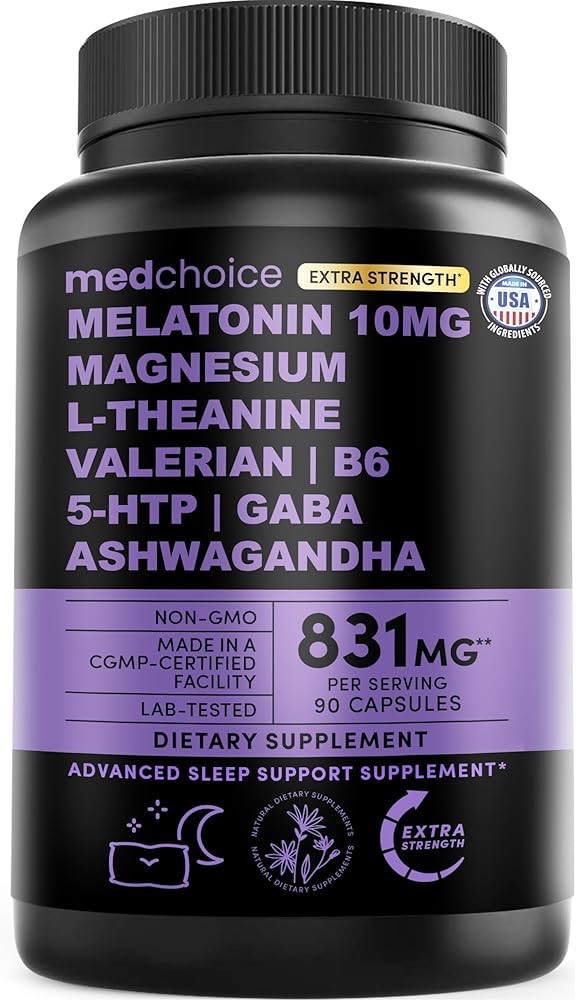
12-in-1 Melatonin Sleep Extra Strength Capsules - 10mg Melatonin Extra Strength
Check Price on AmazonAs an Amazon Associate we earn from qualifying purchases.
Melatonin-sensitive individuals can use
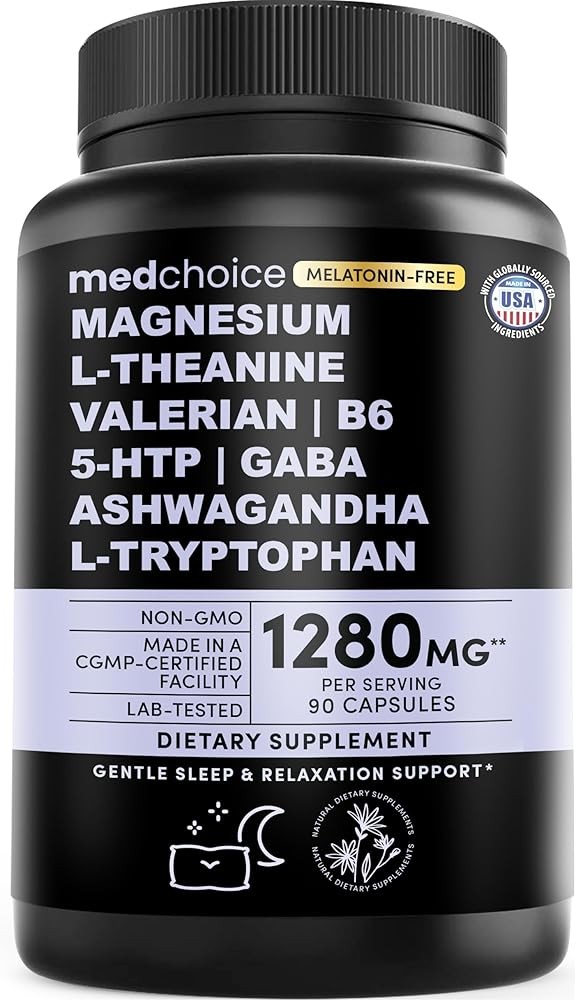
12-in-1 Sleep Support Capsules - Melatonin-Free and Non-Habit Forming Sleep Support
Check Price on AmazonAs an Amazon Associate we earn from qualifying purchases.
For precise melatonin dosing,
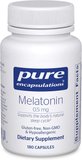
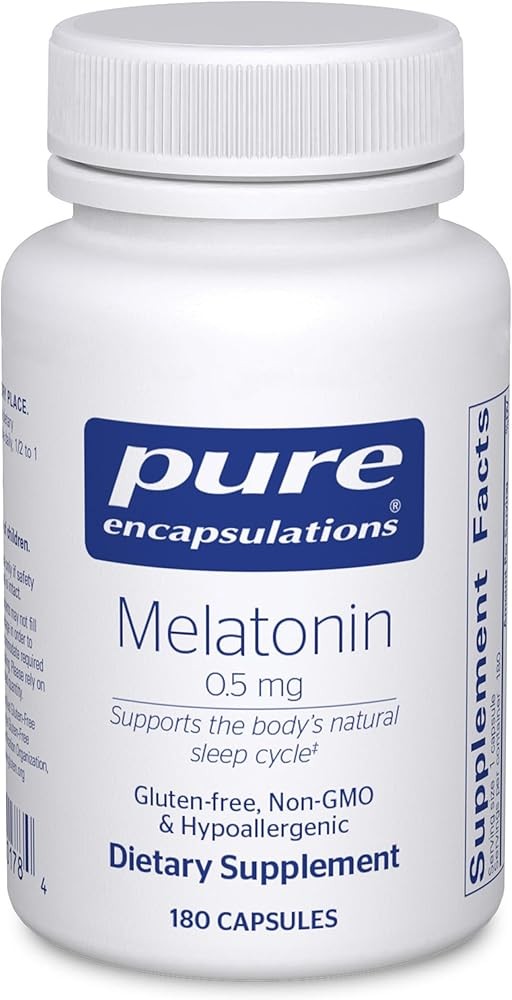
Pure Encapsulations Melatonin 0.5 mg - Natural Sleep Helper for Bedtime
Check Price on AmazonAs an Amazon Associate we earn from qualifying purchases.
Behavioral Protocols Maintain consistent sleep-wake timing even on weekends—your circadian clock responds to regularity. Avoid bright light exposure, especially blue wavelengths, 2-3 hours before bedtime. Consider blue-blocking glasses if evening screen time is unavoidable. Exercise timing matters: morning or midday physical activity reinforces the circadian advancing effects of morning light therapy.
Meal Timing Synchronization Feeding schedules provide powerful circadian cues independent of light. Eat breakfast within 1-2 hours of waking, ideally during or immediately after light therapy. This dual signal (light plus food) provides robust entrainment. Restrict evening eating to at least 2-3 hours before bedtime to avoid conflicting circadian signals.
Environmental Optimization Create a bedroom environment conducive to circadian alignment: complete darkness during sleep hours using blackout curtains, cool temperature (65-68°F), and minimal electronic device usage. Reserve your bed exclusively for sleep and intimacy—not work, eating, or screen time—to strengthen the behavioral association between bed and sleep.
Monitoring and Adjustment Track mood, energy, sleep onset time, wake time, and sleep quality daily. Most people observe energy improvements within 3-7 days and mood improvements within 1-4 weeks. If progress stalls after 4-6 weeks, consult a healthcare provider for protocol adjustments or evaluation of underlying conditions that may require different interventions.
What Does the Future of Light Therapy Look Like?
A 10,000 lux dose of white light is currently the standard for light therapy, but future protocols may be tailored to individual circadian characteristics and optimized spectral frequencies. Research continues to refine our understanding of optimal light therapy protocols and expand applications.
Personalized Protocols: Current recommendations use population averages, but individuals vary in their circadian characteristics (period length, phase angle, light sensitivity). Future approaches may involve measuring individual circadian phase (via salivary melatonin or core body temperature) and tailoring light therapy timing and intensity accordingly.
Spectral Optimization: As we better understand the multi-photoreceptor contributions to circadian regulation, next-generation light therapy devices may use optimized spectral compositions that activate the relevant photoreceptors without excessive total brightness.
Wearable Light Devices: Light therapy glasses and visors are being refined to deliver therapeutic light in portable, convenient formats, potentially improving compliance and enabling treatment during activities like commuting or exercising.
Combination Chronotherapies: Research is exploring optimal combinations of light therapy with other circadian interventions including precisely-timed melatonin, sleep scheduling, exercise timing, and meal timing for enhanced outcomes.
Digital Integration: Smart light therapy systems that integrate with wearable devices, sleep trackers, and circadian modeling software could provide real-time optimization of light exposure throughout the day.
Architectural and Workplace Applications: Growing recognition of light’s importance for circadian health is influencing building design, with increased emphasis on natural light exposure, circadian-friendly artificial lighting, and elimination of problematic light exposure at inappropriate times.
Future developments: Research is advancing toward personalized protocols based on individual circadian measurements via salivary melatonin, optimized spectral compositions targeting specific photoreceptors, wearable devices for portable treatment, and integration with sleep trackers for real-time optimization of light exposure patterns.
In practice: Tailoring light therapy to individual circadian characteristics and optimizing spectral frequencies may enhance its effectiveness, with future devices potentially using wearable technology and optimized spectral compositions. Future protocols may involve measuring individual circadian phase to determine the best timing and intensity for light therapy.
What Are Our Top Light Therapy Recommendations?
📱 Join the discussion: Facebook | X | YouTube | Pinterest
How Can You Harness Light for Better Health?
Light therapy represents one of the most powerful and elegant interventions in modern medicine—using a fundamental environmental cue to recalibrate the intricate biological timing systems that coordinate health across virtually every organ system.
For people struggling with seasonal depression, delayed sleep phase, jet lag, shift work sleep disorder, or circadian-related mood disturbances, light therapy offers a non-pharmaceutical option with strong evidence for effectiveness and excellent safety when used appropriately.
The key insights to remember:
Mechanism: Light therapy works through specialized melanopsin-containing photoreceptors in your retina that communicate directly with your brain’s master circadian clock in the suprachiasmatic nucleus, synchronizing your internal rhythms with the external light-dark cycle.
Protocol: The standard effective protocol is 10,000 lux for 30 minutes, typically in the morning within 1-2 hours of waking for most applications. Timing matters as much as intensity—the same light can advance, delay, or have minimal effect on your circadian clock depending on when you receive it.
Applications: Strongest evidence exists for seasonal affective disorder, delayed sleep-wake phase disorder, shift work sleep disorder, and non-seasonal depression. Emerging applications include jet lag, advanced sleep phase, bipolar depression (with precautions), and general circadian health optimization.
Safety: Light therapy is generally safe with mild, transient side effects. Key contraindications include acute mania, active retinal disease, and certain photosensitizing medications. UV-filtered visible light therapy has decades of safety data supporting long-term use.
Integration: Light therapy works best as part of a comprehensive approach to circadian health that includes appropriate timing of sleep, meals, exercise, and light exposure throughout the day—bright light in the morning, adequate daytime light, and dim, warm light in the evening.
Your circadian rhythm isn’t just about sleep—it’s the conductor orchestrating hormones, metabolism, immune function, mood, cognition, and countless other processes. When this conductor gets out of sync, the entire orchestra suffers. Light therapy offers a way to reset the rhythm and restore the symphony of health.
Related Reading
Explore our comprehensive sleep and circadian health resources:
- Best Melatonin Supplements - Research-backed melatonin formulations to complement light therapy for circadian phase advancement
- Best Sleep Supplements - Multi-ingredient sleep support formulas combining magnesium, L-theanine, GABA, and herbal extracts
- Best Magnesium for Sleep - Comparison of magnesium glycinate, threonate, and other bioavailable forms supporting sleep quality
- Blue Light Impact on Women’s Sleep - Evening blue light protection strategies to enhance morning light therapy effectiveness
- Circadian Rhythm Disorders Treatment - Comprehensive guide to managing circadian rhythm sleep-wake disorders
- Best Sleep Supplements Without Melatonin - Alternative sleep support options for melatonin-sensitive individuals
- Best Vitamin D Supplements - Vitamin D3 supplementation addressing winter deficiency common in seasonal affective disorder
Frequently Asked Questions
Q: What is the recommended intensity and duration for light therapy?
A: Research indicates 10,000 lux for 30 minutes appears to have some benefit, demonstrating response rates of 60 to 75 percent for seasonal affective disorder across multiple trials. This intensity and duration have been shown in published research to have some benefit.
Q: When is the best time to use light therapy to adjust my sleep schedule?
A: Research suggests morning timing is critical; studies indicate light exposure within 1-2 hours of waking may support circadian clock advancement. Published research shows evening light may delay the circadian clock, so timing appears to be as important as the intensity of the light. PMC
Q: Can light therapy help people who aren’t affected by seasonal depression?
A: Research indicates that non-seasonal depression may respond to bright light therapy, with studies showing remission rates of approximately 41 percent compared to 24 percent in control groups. This suggests it may have some benefit as a support beyond seasonal affective disorder.
Q: How does light therapy affect shift workers?
A: Research indicates shift workers may gain approximately 33 minutes more sleep and experience a 2.91% improvement in sleep efficiency with properly timed light therapy. Studies suggest it may be a potential tool for addressing sleep challenges related to irregular work schedules.
Q: What part of the eye detects light for circadian rhythm regulation?
A: Specialized retinal cells called intrinsically photosensitive retinal ganglion cells (ipRGCs) detect light and communicate directly to the brain’s master clock. These cells function independently of vision to regulate your circadian rhythm.
Q: What can be combined with morning light therapy to improve delayed sleep phase?
A: Combining morning light with evening melatonin and avoiding blue light in the evening can shift sleep timing 2.1 hours faster than natural adjustment rates. This combination is particularly effective for addressing delayed sleep phase.
Q: How many studies support the use of light therapy for seasonal affective disorder?
A: Published research indicates light therapy appears to have some benefit for seasonal affective disorder, supported by 21 randomized controlled trials involving 1,037 participants. These trials document response rates ranging from 60 to 75 percent with the recommended light therapy protocol.
Recommended Light Therapy Products
Published research shows nearly 60% of individuals with seasonal affective disorder appear to experience significant symptom relief with light therapy, suggesting it may be a beneficial approach. PMC
The information in this article is for educational purposes and is not intended to replace professional medical advice. Always consult with a healthcare provider before starting light therapy, especially if you have bipolar disorder, eye conditions, or take photosensitizing medications.
Sources:
- Circadian light therapy and light dose for depressed young people: a systematic review and meta-analysis
- Bright Light Therapy for Nonseasonal Depressive Disorders: A Systematic Review and Meta-Analysis - JAMA Psychiatry
- Effectiveness of visible light for seasonal affective disorder: A systematic review and network meta-analysis
- A systematic review and meta-analysis on light therapy for sleep disorders in shift workers
- Melanopsin-mediated optical entrainment regulates circadian rhythms in vertebrates
- The spectral sensitivity of human circadian phase resetting and melatonin suppression to light changes dynamically with light duration - PNAS
- Delayed sleep phase disorder: clinical perspective with a focus on light therapy
- Light therapy for the treatment of delayed sleep-wake phase disorder in adults: a systematic review
- Light therapy for bipolar disorders: Clinical recommendations from the ISBD
- Dawn simulation vs. bright light in seasonal affective disorder: Treatment effects and subjective preference
- Lights should support circadian rhythms: evidence-based scientific consensus
- Efficacy of biologically-directed daylight therapy on sleep and circadian rhythm in Parkinson’s disease
- Light, sleep and circadian rhythm in critical illness - PMID: 38841914
- A Comprehensive Overview of the Neural Mechanisms of Light Therapy - PMID: 37555919
- The effects of light therapy on sleep problems: A systematic review and meta-analysis - PMID: 26606319
- Seasonal Affective Disorder: Common Questions and Answers - PMID: 33252911
- A high-light therapy restores the circadian clock - PMID: 39074282
- Artificial Bright Light Therapy for Circadian Rhythm Sleep-Wake Disorders - PMID: 31518183
- Bright light therapy - PMID: 19029878
- Effects of light therapy on sleep and circadian rhythm in older type 2 diabetics - PMID: 38375195
- Light therapy for depression - PMID: 35410652
The research verdict: While often associated with seasonal affective disorder, published research shows light therapy appears to have some benefit in supporting symptom relief in approximately 60% of individuals with the condition, and studies also indicate its potential for use in nonseasonal depressive disorders. Systematic reviews have found significant benefits associated with light therapy for depressed young people, further suggesting potential applications.
Recommended Products