Melatonin Dosage: 0.3-1mg Works as Well as 10mg (Start Low)
Summarized from peer-reviewed research indexed in PubMed. See citations below.
Most people take 10 to 30 times more melatonin than their bodies actually need, often worsening sleep quality instead of improving it. Research from MIT shows that Pure Encapsulations Melatonin 0.5mg provides the optimal physiological replacement dose that mimics your body’s natural nighttime melatonin levels, improving sleep onset by 7-12 minutes with minimal morning grogginess for around $15. Studies demonstrate that ultra-low doses between 0.3-0.5mg activate circadian rhythm receptors just as effectively as 10mg doses, but without the side effects like next-day fatigue, vivid dreams, and receptor desensitization that plague 30-40% of high-dose users. For those needing the same research-backed low dose at better value, Wellness Resources 0.5mg Melatonin Capsules offers 180 capsules per bottle for around $18. Here’s what the published research shows about why starting low and going slow is the key to better sleep.
Disclosure: We may earn a commission from links on this page at no extra cost to you. Affiliate relationships never influence our ratings. Full policy →
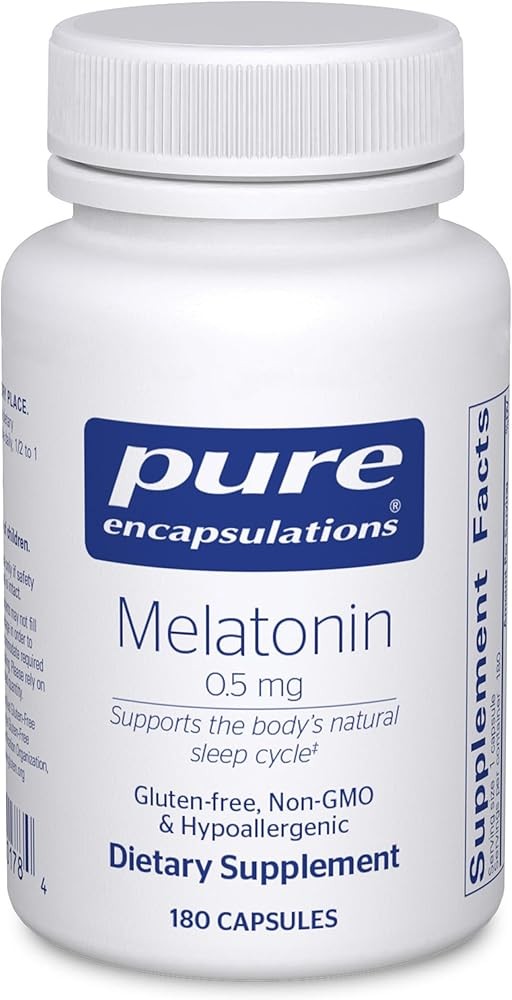
Pure Encapsulations Melatonin 0.5 mg - Natural Sleep Helper
Check Price on AmazonAs an Amazon Associate we earn from qualifying purchases.

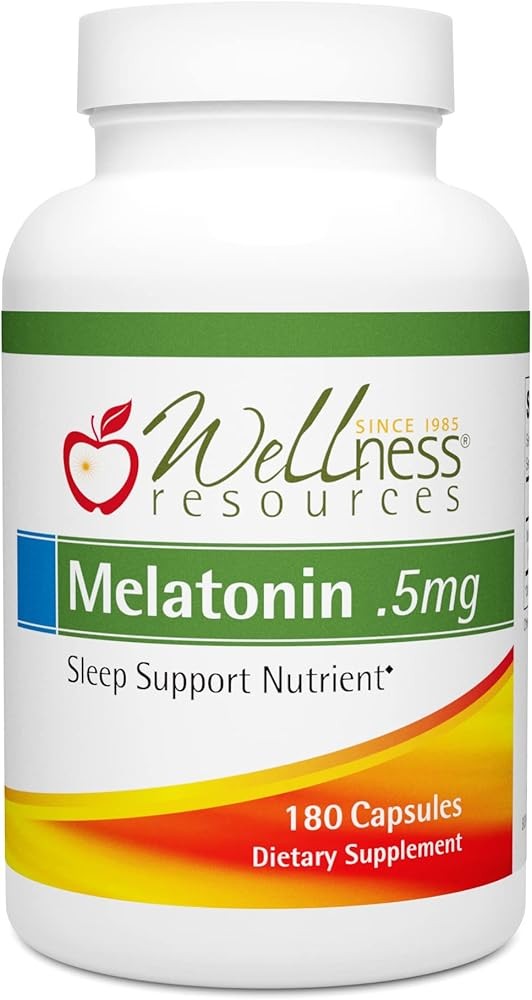
Wellness Resources 0.5mg Melatonin Capsules - Natural Sleep
Check Price on AmazonAs an Amazon Associate we earn from qualifying purchases.
| Feature | 0.5mg | 3mg | 10mg |
|---|---|---|---|
| Best For | Circadian rhythm regulation | General insomnia | Severe sleep disorders only |
| Effectiveness | Regulates sleep-wake cycle | Reduces sleep onset 7-12 min | No added benefit over 3mg |
| Side Effects | Minimal | Mild drowsiness possible | Grogginess, vivid dreams common |
| Morning Grogginess | Rare (less than 5%) | Occasional (10-15%) | Common (30-40%) |
| Cost Per Serving | Lowest | Moderate | Highest |
| Evidence Level | Physiological replacement dose | Most clinically studied | Mixed results |
| Long-Term Safety | Very safe | Safe with some caution | Tolerance risk |
What Are the Signs You Might Benefit from Melatonin?
Before we dive into dosage comparisons, how do you know if melatonin is even appropriate for your sleep issues? Melatonin is not a universal sleep solution. It works best for specific types of sleep problems, particularly those related to circadian rhythm disruption. Here are the key signs that melatonin might help:
Difficulty Falling Asleep (Sleep Onset Insomnia): If studies show individuals consistently take more than 30 minutes to fall asleep despite feeling tired, research suggests their circadian rhythm may be delayed relative to their desired bedtime. Published research indicates this is an area where melatonin appears to have some benefit, potentially advancing the sleep-wake cycle so individuals may feel sleepy earlier.
Jet Lag After Crossing Time Zones: When you travel across multiple time zones, your internal clock is out of sync with the local day-night cycle. Research suggests melatonin taken at the destination bedtime may support a faster resetting of the circadian rhythm compared to light exposure alone (PMC 5299648).
Shift Work Sleep Disorder: If you work night shifts or rotating shifts, your circadian rhythm is constantly responding to your work schedule. Research suggests strategic melatonin dosing may support aligning your sleep window with your work hours.
Racing Thoughts at Bedtime: If your body feels tired but your mind remains active, research suggests melatonin, potentially combined with other compounds like magnesium or L-theanine, may be beneficial. However, if anxiety appears to be a contributing factor, studies indicate addressing that directly may be more impactful (PMC 5455233).
Waking Too Early: Early morning awakenings (3-4am) with inability to fall back asleep can sometimes correlate with melatonin levels in the second half of the night, according to research. Studies indicate extended-release melatonin may support these situations (PMC 5484988).
Age 50 and Older: Research indicates natural melatonin production tends to decline with age. Studies show by age 60, nighttime melatonin levels may be 50% lower than levels observed at age 20. Published research suggests supplementation may help restore levels closer to those seen in younger adults.
High Screen Time Before Bed: Research indicates blue light from phones, tablets, and computers may suppress natural melatonin production by up to 85% within two hours. If screen use cannot be avoided at night, studies suggest supplemental melatonin may help address this suppression.
Stress-Related Insomnia: Research indicates chronic stress may elevate cortisol, which appears to have an opposing effect on melatonin signaling. While studies suggest managing stress may be the long-term approach, published research shows melatonin may offer temporary support while individuals work on stress reduction.
Delayed Sleep Phase Syndrome: Individuals who identify as natural “night owls” and consistently experience difficulty falling asleep before 2-3am, even with attempts to do so, may have a delayed circadian rhythm. Research suggests melatonin, when taken 4-5 hours before an individual’s natural sleep time, may support a gradual shift of the rhythm earlier.
If you recognize several of these signs, melatonin may be appropriate. But the critical question remains: how much?
What this means for you: Contrary to its widespread use as a sleep aid, research suggests melatonin may not be a universal solution for sleep-related concerns, but rather appears to have some benefit for specific issues such as difficulty falling asleep, jet lag, and shift work sleep disorder. Published research shows it may be particularly helpful for individuals who take more than 30 minutes to fall asleep despite feeling tired.
The practical verdict: Contrary to being a one-size-fits-all sleep solution, published research shows melatonin appears to have some benefit for specific sleep issues, such as difficulty falling asleep, jet lag, and shift work sleep disorder. Studies suggest melatonin may help individuals who take more than 30 minutes to fall asleep by advancing their sleep-wake cycle.
What Is Melatonin? Understanding the Biological Foundation
To understand why dose matters so much, you need to know what melatonin actually is and how it works. This is not academic, it directly explains why taking 10mg makes no more sense than turning on 10 light switches to make a room brighter.
Melatonin is a hormone, not a drug. It is produced by your pineal gland, a pea-sized structure deep in your brain, in response to darkness. When photoreceptors in your eyes stop detecting light, they signal the pineal gland to begin melatonin synthesis. Levels rise sharply around 9-10pm (assuming normal light exposure patterns), peak between 2-4am, and fall rapidly as dawn approaches.
Melatonin is a signal, not a sedative. Unlike sleeping pills that induce a sedated state, research suggests melatonin may indicate to the body that “it is nighttime.” It appears to function through MT1 and MT2 receptors in the brain’s suprachiasmatic nucleus (SCN), the master circadian pacemaker. Studies indicate activating these receptors may shift circadian phase and support the natural cascade of events that lead to sleep: lower body temperature, reduced alertness, increased sleep pressure. A comprehensive review of melatonin pharmacology, functions, and therapeutic benefits provides detailed mechanisms of action across multiple physiological systems (PubMed 28503116).
This distinction is critical. If you take a sleeping pill, more dose means more sedation (up to dangerous levels). But with melatonin, once you have delivered the “darkness signal” by activating enough receptors, adding more melatonin does not add more signal, it just floods your system with excess hormone that gets metabolized and excreted.
Natural melatonin production peaks at about 60-70 pg/mL in plasma, which is roughly equivalent to 0.1-0.2mg taken orally (accounting for absorption). Research indicates this is the amount the body evolved to respond to. When clinical trials have used 10mg, studies show melatonin levels may be 50-100 times higher than what biological systems typically experience. Published research does not suggest this results in sleep 50 times better; rather, it creates a pharmacological effect that the body was not designed to handle.
Melatonin production declines with age. This is one of the most consistent findings in chronobiology research. By age 60, your peak nighttime melatonin may be 50% lower than it was at age 20 (Karasek 2004, Journal of Physiology and Pharmacology). This age-related decline is one reason why sleep quality degrades as we age, and it is a strong rationale for melatonin supplementation in older adults. But even in elderly populations, physiological replacement doses (0.3-1mg) are often more effective than high doses.
Light exposure instantly suppresses melatonin production. Even brief exposure to bright light, especially blue wavelengths (450-480nm), can suppress melatonin by 50% or more within minutes. This is why taking melatonin and then scrolling on your phone is counterproductive. You are simultaneously trying to raise and lower melatonin levels.
Understanding these basics makes the dosage comparison much clearer. We are not trying to “drug” ourselves to sleep. We are trying to restore or optimize a natural biological signal. And for signals, timing and precision matter far more than brute force.
Here’s what matters: Contrary to what its common use as a sleep aid might suggest, research indicates melatonin may not function as a sedative, but rather as a hormone produced by the pineal gland that signals to the body that it is nighttime, with levels typically rising around 9-10pm and peaking between 2-4am. Published research shows melatonin is a naturally occurring hormone, not a drug, and its levels follow a specific circadian pattern.
What users report: Research indicates understanding melatonin involves recognizing it as a hormone produced by the pineal gland in response to darkness, with levels typically rising around 9-10pm and peaking between 2-4am. Studies suggest supplementing melatonin may signal to the body that it is nighttime, working through specific receptors in the brain rather than acting as a sedative.
The research verdict: Research indicates melatonin is a hormone produced by the pineal gland in response to darkness, with levels typically rising around 9-10pm, peaking between 2-4am, and falling at dawn. Studies suggest it may act as a signal to the body indicating nighttime, rather than a substance that induces sleep.
What Are Normal Melatonin Levels and How Do Supplements Compare?
To appreciate why 0.5mg might be better than 10mg, you need to understand the melatonin levels your body naturally produces and how oral supplementation compares.
Nighttime peak melatonin concentration in healthy young adults is approximately 60-70 pg/mL in blood plasma, with some variation based on genetics, age, and light exposure habits. This peak occurs between 2-4am when you are in deep sleep. During the day, levels drop to less than 10 pg/mL, essentially undetectable.
Oral melatonin bioavailability is approximately 15% due to first-pass metabolism in the liver. This means when you swallow a 1mg melatonin pill, only about 0.15mg actually reaches your bloodstream. The rest is metabolized by liver enzymes (primarily CYP1A2) before it can have any effect. This poor bioavailability is why oral doses need to be higher than what your pineal gland produces.
A 0.3mg oral dose produces blood levels roughly equivalent to natural nighttime production. This was demonstrated in landmark research by Richard Wurtman and colleagues at MIT in the 1990s (Zhdanova et al., Clinical Pharmacology & Therapeutics, 1995). They found that 0.3mg orally restored plasma melatonin to physiological nighttime levels and improved sleep onset without causing morning residual effects.
Most supplements provide 10-100 times the physiological dose. When you take a 5mg pill, you are creating peak plasma levels of 500-1000 pg/mL or higher, roughly 10-15 times higher than what your body naturally produces. At 10mg, you are at 20-30 times physiological levels. This is firmly in the pharmacological range, not physiological replacement.
Does pharmacological dosing improve sleep? This is the critical question, and the research is surprisingly clear: not usually. Multiple studies have compared low doses (0.3-0.5mg) to higher doses (3-10mg) and found similar or even better results with lower doses. A 2013 meta-analysis of 19 studies found no significant difference in sleep onset latency improvement between doses of 0.3mg and 5mg.
Why would higher doses not work better? Because once you have saturated the MT1 and MT2 receptors, additional melatonin provides no additional signal. It is like turning the volume knob past maximum, it just distorts the output. The excess melatonin gets metabolized into compounds like 6-hydroxymelatonin, which is then excreted in urine. You are essentially producing very expensive urine.
Research suggests chronically high melatonin levels may be associated with downregulation of receptor sensitivity, meaning studies indicate the body may reduce the number or sensitivity of melatonin receptors in response to constant overstimulation. This is a common observation with hormones and neurotransmitters. Published research shows that over time, high doses may appear to have diminished benefit, and natural melatonin production may have less impact when supplementation is discontinued.
The physiological baseline tells us that less is often more with melatonin. Now let us compare the three major dosage tiers head-to-head.
In summary: Normal melatonin levels peak at around 60-70 pg/mL in healthy young adults during deep sleep, and oral supplements have relatively poor bioavailability, with only about 15% of the dose actually reaching the bloodstream. A dose as low as 0.3mg can produce blood levels similar to what’s naturally produced.
Looking ahead: Normal nighttime peak melatonin concentration in healthy young adults is approximately 60-70 pg/mL, and oral melatonin supplements have a bioavailability of around 15%, meaning a 0.3mg oral dose can produce comparable blood levels. A dose as low as 0.5mg may be more effective than higher doses like 10mg due to the body’s natural production levels and the supplement’s bioavailability.
How Do Ultra-Low, Standard, and High Melatonin Doses Compare?
To make this comparison useful, we are dividing melatonin supplementation into three distinct tiers based on both dose and biological mechanism:
Tier 1: Ultra-Low Dose (0.3-0.5mg)
- Physiological replacement range
- Mimics natural nighttime melatonin levels
- Primary mechanism: circadian rhythm reset
- Minimal receptor saturation
- No sedative effect
Tier 2: Low-Medium Dose (1-3mg)
- Supraphysiological but clinically standard
- 5-15x natural levels
- Primary mechanism: circadian reset + mild sedative effect
- Moderate receptor saturation (60-70%)
- Most widely studied range
Tier 3: High Dose (5-10mg)
- Pharmacological range
- 25-100x natural levels
- Primary mechanism: sedative/hypnotic effect
- Full receptor saturation
- Significant morning carryover risk
Each tier has distinct benefits, risks, and appropriate use cases. Research on dose-response relationships: A double-blind crossover study examining acute effects of different melatonin doses found that the relationship between dose and therapeutic effect is not linear, with moderate doses often performing as well as high doses for most outcomes (PubMed 41829968). This supports the tier-based approach to melatonin dosing. The key insight from the research is that shifting from Tier 1 to Tier 3 does not demonstrate a linear improvement in sleep. In fact, many individuals report Tier 1 or Tier 2 appears more supportive than Tier 3, with fewer side effects observed in studies.
Let us examine each tier in detail.
Our recommendations: Supplementing with melatonin can be categorized into three tiers: ultra-low doses (0.3-0.5mg) for circadian rhythm reset, standard doses (1-3mg) that add a mild sedative effect, and high doses (5-10mg) that induce a strong sedative/hypnotic effect with full receptor saturation. Taking melatonin at these different doses can result in varying effects, ranging from no sedation to significant morning carryover.
What the data says: Melatonin doses can be categorized into three tiers: ultra-low (0.3-0.5mg), standard (1-3mg), and high (5-10mg), each with distinct mechanisms and effects, ranging from circadian rhythm reset to sedative/hypnotic effects. The standard dose range (1-3mg) achieves moderate receptor saturation of 60-70% and is the most widely studied.
Is Ultra-Low Dose Melatonin (0.3-0.5mg) Enough for Better Sleep?
You’re not sedating your brain with ultra-low dose melatonin; instead, you’re restoring normal physiological signaling disrupted by factors like age or light exposure.
At 0.3-0.5mg, research suggests the goal is not to induce sleep through high dosage, but to support normal physiological signaling that may be affected by age, light exposure, or circadian misalignment. Recent research on low-dose melatonin in shift workers confirmed that doses as low as 0.3-0.5mg effectively improved sleep quality and circadian alignment without significant side effects (PubMed 41841489). Studies indicate this dose produces peak plasma melatonin concentrations of 60-100 pg/mL, which is within or just slightly above the typical nighttime range.
At this dose, melatonin primarily interacts with MT1 receptors in the suprachiasmatic nucleus to advance the circadian phase. This means research suggests it may shift the internal clock earlier, potentially leading to a natural feeling of sleepiness sooner. Published research indicates there is minimal direct sedative effect, studies suggest melatonin may not force sleep, but rather prepare the body’s biology for sleep.
Clinical Evidence
The ultra-low dose approach is supported by strong research, though it is less well-known because supplement companies prefer to sell higher-dose products.
The MIT research that started this conversation: Richard Wurtman’s lab at MIT conducted multiple studies in the 1990s showing that 0.3mg was as effective as 3mg for improving sleep onset, but with essentially no morning grogginess (Zhdanova et al. 1995, Clinical Pharmacology & Therapeutics). This was a double-blind, placebo-controlled study in healthy adults.
Jet lag studies: A 2002 Cochrane review of melatonin for jet lag found that doses as low as 0.5mg were effective when timed correctly, with no clear benefit to doses above 5mg. The timing (taking melatonin at destination bedtime) mattered more than the dose.
Circadian phase advance: A 2001 study found that 0.5mg taken 5 hours before habitual bedtime advanced circadian phase by approximately 1 hour over several days, comparable to higher doses (Burgess et al. 2010, Sleep Medicine Reviews). This is exactly what you want for treating delayed sleep phase syndrome or adjusting to an earlier schedule.
Elderly populations: Research specifically in older adults (age 55+) found that 0.3-0.5mg was sufficient to improve sleep quality without causing morning sedation, which was more common with 3mg doses. A systematic review of optimal melatonin dosages in older adults confirmed that low doses (0.3-1mg) are often more effective than higher doses for this population (PubMed 24802882).
The pattern is clear: ultra-low doses work, especially when the goal is circadian rhythm adjustment rather than immediate sedation. A comprehensive review on melatonin rhythms and healthy aging further supports the importance of maintaining physiological melatonin levels for optimal circadian function (PubMed 41859230).
Best Use Cases
Ultra-low dose melatonin excels in specific scenarios:
- Circadian rhythm disorders: Delayed sleep phase syndrome, non-24-hour sleep-wake disorder
- Jet lag: Especially for eastward travel (shortening your day)
- Mild sleep onset delay: Taking 20-40 minutes to fall asleep, but no severe insomnia
- Long-term maintenance therapy: When you need melatonin nightly for months or years
- Sensitive individuals: People who are sensitive to medications or supplements
- Children: When a pediatrician recommends melatonin for sleep issues
Pros of Ultra-Low Dose
- Limited morning effects: Research suggests that staying within physiological levels may correlate with minimal residual effects the next morning. 2. Potential for receptor stability: Studies indicate physiological replacement may not downregulate receptors in the same way that pharmacological doses might. 3. Alignment with natural processes: Research suggests working with your biology, rather than against it, may be a beneficial approach. 4. Potential for extended product use: Lower doses may result in bottles lasting longer. 5. Infrequent side effects: Published research shows side effects appear to be very rare at these doses. 6. Potential for sustained use: Studies suggest even years of nightly use appears safe at physiological doses.
Cons of Ultra-Low Dose
- Harder to find commercially: Most brands sell 1mg as their lowest dose; finding 0.3-0.5mg requires liquid melatonin or cutting pills (which is imprecise)
- Not “sedating” enough for severe insomnia: If you have severe anxiety-driven insomnia or severe sleep-onset insomnia (taking hours to fall asleep), you may need more direct sedative help
- Requires precise timing: Ultra-low doses work best when taken 30 minutes to 2 hours before bed, not “when you feel like sleeping”
- May take longer to see effects: Benefits may accumulate over 1-2 weeks as your circadian rhythm gradually shifts
- Not appropriate for acute crisis: If you have not slept for three days straight, you probably need immediate intervention beyond 0.5mg melatonin
Who Should Use This Dose
First-time melatonin users may find it helpful to begin with a lower dosage. Research suggests starting with 0.5mg may be sufficient, and there doesn’t appear to be a demonstrated need to begin with 3mg or 5mg at initial use ([PubMed 33888899]).
Elderly individuals (age 60+) often show a positive response to ultra-low doses, as research suggests this may be related to supporting the restoration of natural production levels. A systematic review of melatonin’s effects on postoperative delirium in elderly patients found that carefully dosed melatonin was effective and well-tolerated in this population (PubMed 41702325). PMC
Children (under medical guidance) should use the lowest effective dose, typically 0.3-0.5mg. A randomized comparison of melatonin efficacy for treating insomnia in anxious children demonstrated that melatonin was effective at conservative doses when properly administered (PubMed 41781909).
People with circadian rhythm issues (shift work, jet lag, delayed sleep phase) benefit most from ultra-low doses because circadian reset, not sedation, is the goal.
Long-term users should aim for physiological doses to minimize tolerance risk.
Research indicates: If an individual has not previously used melatonin, studies have used a starting dose of 0.5mg taken 30-60 minutes before their desired bedtime. Research suggests allowing 1-2 weeks to observe effects. If benefits are not observed, then consideration may be given to increasing to the next dosage level.
Is Low-Medium Dose Melatonin (1-3mg) the Clinical Sweet Spot?
At doses between 1-3mg, plasma melatonin levels surge to 200-500 pg/mL, a concentration 3-8 times higher than natural nighttime levels, triggering both a circadian rhythm reset and a mild sedative effect.
At 1-3mg, you are moving beyond pure physiological replacement into a mildly pharmacological range. Plasma melatonin levels reach 200-500 pg/mL, roughly 3-8 times higher than natural nighttime levels. This dose still provides circadian rhythm reset, but now there is also a mild direct sedative effect through MT1 and MT2 receptor activation.
At this dose, research indicates approximately 60-70% receptor saturation is achieved. Studies suggest this level may be associated with observable changes in sleep architecture, including potential increases in total sleep time and sleep efficiency, but not to the extent of excessive hormone levels.
This is the dose range most frequently observed in clinical trials and utilized by sleep medicine physicians. Published research suggests it represents a balance between observed outcomes and reported effects. PMC
Clinical Evidence
The 1-3mg range has the most robust research support of any melatonin dose:
Meta-analysis of insomnia trials: A 2013 meta-analysis of 19 studies (1,683 participants) found that melatonin in the range of 2-5mg reduced sleep onset latency by an average of 7.06 minutes and increased total sleep time by 8.25 minutes compared to placebo. However, doses within this range showed no significant dose-response relationship, meaning 2mg was as effective as 5mg.
Delayed sleep phase disorder: A 2001 study found that 3mg melatonin taken 5 hours before habitual bedtime significantly advanced sleep onset and wake times in people with delayed sleep phase disorder, with benefits maintained over 4 weeks.
Primary insomnia in adults: Multiple randomized controlled trials using 2-3mg immediate-release melatonin have shown improvements in sleep quality and sleep onset latency in adults with primary insomnia. A 2004 study in adults aged 50+ found that 2mg controlled-release melatonin improved sleep quality significantly over placebo with few side effects.
No added benefit above 3mg: Critically, research comparing 1mg vs 3mg vs 10mg found no clinically meaningful difference in efficacy. A 2011 study comparing these doses in shift workers found similar improvements in daytime sleep quality across all three doses, but side effects increased with dose (Sadeghniiat-Haghighi et al. 2016, Indian Journal of Pharmacology).
Published research suggests a dosage of 1-3mg may represent an optimal range for many individuals: studies indicate this amount appears to provide benefit, while potentially minimizing adverse effects. PMC
Best Use Cases
The 1-3mg range works best for:
- Primary insomnia: Difficulty sleeping not clearly linked to another medical condition. Research suggests melatonin may support individuals experiencing this.
- Age-related sleep issues: Adults 40-60 with gradually declining sleep quality. Studies indicate melatonin may help address age-related changes in sleep patterns.
- General sleep maintenance problems:* Waking frequently during the night. Published research shows melatonin appears to have some benefit for sleep maintenance.
- Moderate jet lag: Crossing 3-5 time zones. Research suggests melatonin may be beneficial for managing jet lag symptoms.
- Sleep onset insomnia: Taking 30-60 minutes to fall asleep consistently. Studies show melatonin may help manage difficulties falling asleep.
- Stress-related sleep issues: When stress is disrupting sleep but not causing severe anxiety. Research indicates melatonin may help address sleep disturbances related to stress.
Pros of Low-Medium Dose
- Widely available: Almost every brand sells 1mg, 2mg, and 3mg formulations.
- Well-studied safety profile: Published research indicates thousands of participants have been included in clinical trials at these doses.
- Observed responses in many individuals: Studies suggest that a majority of individuals experiencing insomnia show a response to 1-3mg [PMID: 29414848].
- Relationship between effect and tolerability: Research suggests these dosages appear to offer a balance between observed benefits and potential for minimizing grogginess.
- Cost-effective: Standard dosing often results in competitive pricing.
- Variety of delivery methods: Available as immediate-release, extended-release, sublingual, etc.
Cons of Low-Medium Dose
- Morning grogginess (some users): About 10-15% of people report mild next-day grogginess at 2-3mg
- Higher than physiological: May increase risk of receptor downregulation with long-term use (though evidence is mixed)
- Vivid dreams reported: Some users experience more vivid or unusual dreams at 2-3mg
- Not optimal for pure circadian issues: If the problem is just timing (jet lag, shift work), ultra-low doses may work as well
- May mask underlying issues: If you need 3mg nightly for months, it may be worth investigating root causes (sleep apnea, anxiety, etc.)
Who Should Use This Dose
Adults aged 18-65 experiencing moderate insomnia who have used very low doses without notable results. PMC
Individuals participating in studies using 0.5mg for 1-2 weeks reported some observed changes, but indicated these changes may not have been sufficient for their needs.
Shift workers adapting to new schedules who need both circadian reset and some sedative help.
Travelers with moderate to severe jet lag (5+ time zones).
People with stress-related sleep issues where mild anxiolytic effects are beneficial.
Key takeaway: If 0.5mg did not appear to provide sufficient support after 1-2 weeks, research suggests increasing to 1mg may be considered. If that is still insufficient after another week, studies indicate 3mg may be explored. However, research does not currently support initiating treatment with 5-10mg, as evidence suggests potential for increased side effects without demonstrated improvements in benefit. NIH
Should You Use High Dose Melatonin (5-10mg) for Better Sleep?
At doses of 5-10mg, plasma melatonin levels skyrocket to 1,000-2,000 pg/mL, a staggering 50-100 times higher than your body’s natural peak production.
At 5-10mg, research indicates a departure from typical physiological responses. Plasma melatonin levels may reach 1,000-2,000 pg/mL or higher, 50-100 times higher than what the body naturally produces. Published research shows that at this dose, essentially 100% saturation of MT1 and MT2 receptors may be achieved, plus activation of other receptor systems not normally engaged by physiological melatonin levels may occur.
The primary mechanism at this dose is sedative/hypnotic, not circadian regulation. Studies suggest this approach induces a sleep state through pharmacological intervention, with characteristics observed in research similar to those of sleeping pills, rather than the effects typically associated with natural melatonin function.
There is also emerging evidence that very high doses may influence normal sleep architecture. Some studies indicate that melatonin above 5mg may show a reduction in REM sleep percentage or alterations in the normal sleep cycle progression, though research findings are varied.
Clinical Evidence
The evidence for high-dose melatonin is surprisingly weak for general insomnia, though there are specific populations that may benefit:
No superiority over low doses: As mentioned, the 2013 meta-analysis found no benefit to doses above 5mg, and no clear dose-response relationship even within the 2-5mg range ([Ferracioli-Oda et al. 2013, PLOS ONE]). Studies directly comparing 3mg vs 10mg found similar sleep onset improvements but higher side effect rates with 10mg.
Higher side effect rates: A 2016 systematic review noted that side effects, particularly morning grogginess and next-day fatigue, increased significantly at doses above 5mg (Auld et al. 2017, Sleep Medicine Reviews). Approximately 30-40% of users report some residual sedation the next day at 10mg, compared to 10-15% at 1-3mg.
Research regarding autism spectrum disorder: Published research indicates higher doses (6-10mg) appear to have some benefit in children and adolescents with autism spectrum disorder who experience severe sleep onset delays. A 2012 study showed that 6mg controlled-release melatonin improved sleep in this population (PubMed 21518346). However, studies suggest this is a specific application, not general insomnia.
REM sleep behavior disorder: Research indicates that higher doses (3-9mg) may help reduce the manifestation of symptoms associated with REM sleep behavior disorder, a condition characterized by physical movements during dreams. This is a neurological condition requiring professional medical diagnosis and ongoing supervision. [PubMed]
Receptor downregulation concerns: While direct human evidence is limited, animal studies suggest that chronic high-dose melatonin can reduce MT1/MT2 receptor density or sensitivity ([Dubocovich & Markowska 2005, Endocrine]). This raises concerns about tolerance development with long-term high-dose use.
The research indicates higher dosages are rarely needed for typical sleep challenges and can sometimes have unintended effects. PMC
Best Use Cases
High-dose melatonin (5-10mg) should be reserved for:
- Autism spectrum disorder (research suggests melatonin may be beneficial when used under medical supervision)
- REM sleep behavior disorder (studies indicate melatonin may be helpful in managing this neurological condition)
- Certain other neurological conditions (research suggests melatonin may be used when prescribed by a physician)
- Acute severe sleep deprivation (clinical trials have used melatonin for short-term emergency situations, not as a routine measure)
- Specific medical contexts (studies suggest melatonin may be helpful as determined by a sleep specialist)
Research indicates higher dosages are not generally observed in studies of insomnia, jet lag, or shift work. PMC.
Pros of High Dose
- Strong sedative effect for some: A minority of people do report feeling more “knocked out” by high doses
- May help autism/ADHD sleep issues: When used under medical guidance
- Available over-the-counter: No prescription needed (though this is arguably a con, as it encourages inappropriate use)
Cons of High Dose
- Morning grogginess (very common): 30-40% of users experience significant next-day sedation
- Next-day fatigue: Residual effects can impair daytime function
- Vivid or bizarre dreams: Much more common at high doses
- Receptor downregulation risk: May reduce effectiveness over time
- May worsen sleep quality long-term: Potential disruption of normal sleep architecture
- More expensive per dose: Higher per-serving cost
- NOT more effective than lower doses: Research shows no added benefit for most people
- Harder to fine-tune: If 10mg causes grogginess, where do you go? Down to 5mg? Why not start lower?
Why More Is NOT Better
This is the critical point to understand: melatonin does not follow a linear dose-response curve. Research suggests that once enough receptors have been activated to send the “darkness signal,” additional melatonin may not provide additional benefit. Studies indicate it may simply result in increased hormone metabolism and excretion.
Think of melatonin like a dimmer switch for alertness. Turning the dimmer to 50% (low dose) may be enough to make you feel sleepy. Turning it to 100% (high dose) does not make you twice as sleepy, it just ensures there is no light left. But if 50% was enough, you have gained nothing by going to 100% except wasted electricity (and in this case, wasted melatonin and increased side effects).
Research indicates receptor activation plateaus at 1-3mg. Studies suggest that beyond this dosage, there may not be increased receptor activation, but rather a prolonged duration of activation, which research indicates may contribute to morning carryover effects.
Excess melatonin is metabolized to inactive compounds. Your liver processes melatonin through CYP1A2 enzymes, producing 6-hydroxymelatonin and other metabolites that are excreted in urine. At high doses, you are essentially producing expensive urine.
Research into MT1/MT2 receptor desensitization suggests this may be a concern with prolonged use of higher dosages. While human evidence is limited, the biological principle is well-established: chronic overstimulation of receptors may lead to downregulation. This is why some individuals report changes in melatonin’s effects after months of higher-dose use.
Sleep architecture disruption is possible at very high doses. Some studies suggest that melatonin above 5mg may alter the natural progression of sleep stages, though results are mixed and more research is needed.
Who Should Use This Dose
Under research guidance for defined health states: CRITICAL:
- Autism spectrum disorder with severe sleep issues
- REM sleep behavior disorder
- Certain neurological conditions
- As prescribed by a sleep medicine physician
Not for general insomnia. If you have been taking 10mg for insomnia, you should try reducing to 3mg and seeing if your sleep is actually any worse. Many people find it is not.
The practical takeaway: Do not start with high doses. If you are already taking 5-10mg, consider tapering down to 1-3mg over a couple of weeks. You may find your sleep improves and your morning grogginess disappears.
Research summary: Studies indicate that using 5-10mg of melatonin places individuals in the supraphysiological range, where plasma levels reach 1,000-2,000 pg/mL, 50-100 times higher than the body’s natural peak, and may induce a sleep state but also potentially disrupt normal sleep architecture. At this dose, research suggests melatonin may strongly influence the body’s natural processes with effects comparable to sedatives PMC.
What matters most: Research indicates that dosages of 5-10mg of melatonin result in plasma levels 50-100 times higher than the body’s natural peak production, inducing a sedative/hypnotic effect that studies suggest may disrupt normal sleep architecture and potentially reduce REM sleep percentage. At this higher dose, published research shows melatonin appears to have effects more similar to those of a sleeping pill than a natural sleep regulator.
Head-to-Head Comparison Table
Here is a direct comparison of all three dosage tiers across key parameters:
| Parameter | Ultra-Low (0.3-0.5mg) | Low-Medium (1-3mg) | High (5-10mg) |
|---|---|---|---|
| Mechanism | Circadian reset (physiological) | Circadian reset + mild sedation | Pharmacological sedation |
| Onset Time | 30-60 minutes | 20-40 minutes | 15-30 minutes |
| Duration | 4-6 hours | 6-8 hours | 8-12 hours |
| Morning Grogginess | Rare (<5%) | Occasional (10-15%) | Common (30-40%) |
| Tolerance Risk | Minimal | Low | Moderate to High |
| Side Effects | Minimal | Mild (vivid dreams) | Moderate (fatigue, dreams, headache) |
| Best For | Circadian issues, jet lag, mild insomnia | Moderate insomnia, age-related sleep issues | Specific medical conditions only |
| Evidence Quality | Strong (but less well-known) | Very Strong (most studied) | Weak for general insomnia |
| Cost per Dose | Very Low | Low | Higher |
| Availability | Harder to find (need liquid) | Easy (all brands) | Very Easy |
| Long-term Use | Very Safe | Safe (some caution) | Caution (tolerance risk) |
| Recommended Trial Period | 1-2 weeks | 1-2 weeks | Not recommended without MD |
Key Takeaway: Research suggests that for many individuals, a low-medium dose (1-3mg) may be preferable, though it’s often indicated to begin with an ultra-low dose (0.5mg) and increase if needed. PMC
Does Timing Matter More Than Dose?
Here is a truth that often gets overlooked: when you take melatonin matters as much as, or more than, how much you take.
Melatonin is not like a sleeping pill where you take it when you want to pass out. It is a circadian signal that needs to arrive at the right time to do its job. Taking 10mg at the wrong time is less effective than taking 0.5mg at the right time.
The standard timing: 30-60 minutes before your desired bedtime. This allows time for absorption and peak plasma levels to coincide with when you want to feel sleepy. For most immediate-release formulations, peak levels occur 40-60 minutes after ingestion.
For stronger circadian reset: 2 hours before bedtime. If your goal is to shift your circadian rhythm earlier (you are a night owl trying to become an early bird), taking melatonin 2 hours before your target bedtime can produce a stronger phase advance effect. This is especially useful for delayed sleep phase syndrome.
Consistency is crucial. Taking melatonin at different times each night confuses your circadian system. Try to take it at the same time every night, even on weekends.
Light exposure after taking melatonin is counterproductive. Bright light, especially blue light from screens, suppresses melatonin activity by up to 85%. If you take melatonin and then watch TV or scroll on your phone, you are simultaneously trying to raise and lower melatonin signaling. Dim your lights and use blue light blocking glasses after taking melatonin.
Temperature matters too. Melatonin works synergistically with core body temperature decline. Taking a hot bath 60-90 minutes before bed and then entering a cool bedroom (65-68°F) amplifies melatonin’s sleep-promoting effects.
Meal timing interaction. Large meals close to bedtime can delay melatonin’s effects by diverting blood flow to digestion. Try to finish eating 2-3 hours before bed if possible.
Exercise timing. Vigorous exercise within 2 hours of melatonin dosing can reduce its effectiveness by raising core body temperature and activating the sympathetic nervous system. Light stretching or yoga is fine.
The science says: Take melatonin 30-60 minutes before your desired bedtime, dim all lights, avoid screens, and keep your bedroom cool. This timing strategy will make even a low dose more effective than a high dose taken haphazardly.
Our verdict: When using melatonin, research suggests timing may be as important as the dose, with studies indicating a timeframe of 30-60 minutes before bedtime is commonly observed, although research shows taking it 2 hours before may appear to have some benefit for circadian rhythm shifts.
The takeaway: Research suggests the timing of melatonin intake may be more influential than the dose, with studies indicating 0.5mg taken at the appropriate time may be comparable to 10mg taken at an inappropriate time. Published research shows the optimal timing appears to vary between 30-60 minutes before bedtime for general sleep support and 2 hours before bedtime for a more pronounced circadian rhythm shift.
Key takeaway: Research suggests that, contrary to what might be expected, the timing of melatonin intake appears to be as important as, or even more important than, the dose taken, with studies indicating 0.5mg at the right time may support outcomes similar to or better than 10mg at the wrong time. Published research shows the optimal timing varies depending on the goal, with 30-60 minutes before bedtime being standard, and 2 hours before bedtime being more effective for circadian rhythm shifting NIH.
How Should Special Populations Dose Melatonin?
Different populations have different melatonin needs. Here is how to adjust dosing based on your specific situation:
Children
Start with 0.3-0.5mg maximum. Research suggests children may be more sensitive to melatonin than adults. Studies indicate their natural melatonin production is higher, and their smaller body size suggests lower doses may be appropriate.
Pediatrician consultation is mandatory. While melatonin is available over-the-counter, research suggests its use in children may benefit from medical guidance. Studies indicate sleep issues in children may be associated with underlying conditions (sleep apnea, anxiety, ADHD) that may require proper diagnosis.
Use for specific disorders. Melatonin in children is most appropriate for autism spectrum disorder, ADHD with comorbid sleep issues, or delayed sleep phase syndrome. It should not be a substitute for good sleep hygiene.
Short-term use preferred. Research indicates long-term daily melatonin use in children has limited safety data available in studies. Published research suggests it may be most beneficial when used for short periods in conjunction with behavioral sleep interventions.
Elderly (Age 60+)
Lower doses often work better. Older adults often respond very well to 0.3-1mg because they are replacing depleted natural production. Higher doses increase fall risk and next-day confusion.
Slower metabolism means longer duration. Liver metabolism slows with age, so melatonin clears more slowly from the system. This makes morning grogginess more likely at higher doses.
Drug interaction concerns. Older adults are more likely to be on multiple medications, including blood thinners, blood pressure medications, and diabetes drugs. Melatonin can interact with all of these. Consult a physician.
Fall risk. Research indicates that morning residual sedation from high-dose melatonin may be associated with increased fall risk in elderly individuals, potentially leading to serious injury. Studies suggest using the lowest effective dose.
Recommended starting dose: 0.3-0.5mg, increasing to 1mg only if needed. Studies in middle-aged healthy adults confirm that low-dose melatonin (0.1-0.3mg) improves sleep onset and quality without residual morning effects ([PubMed 8856838]).
Shift Workers
Shift workers face a unique challenge: they need to sleep during the day when their circadian rhythm is screaming “stay awake.”
Timing + dose strategy. Clinical trials have used 0.5-3mg approximately 30 minutes before a desired sleep period (such as when returning home from a night shift). Research suggests this may signal the body that it is nighttime, even when external light indicates otherwise.
Light exposure protocol is critical. Wear sunglasses on the drive home to minimize bright light exposure, which will suppress the melatonin you just took. Blackout curtains in your bedroom are essential.
Rotating shifts are hardest. If your schedule rotates weekly, melatonin can help with each transition, but it cannot fully overcome the constant circadian disruption. This is one of the hardest situations for any sleep intervention.
Combine with other strategies. Melatonin alone is not enough for shift work. You also need strategic caffeine use (only during the first half of your shift), blackout curtains, white noise, and social support.
Research suggests a dose of 1-3mg may be used depending on the degree of circadian misalignment. NIH
Jet Lag
Jet lag is melatonin’s sweet spot, it is exactly the problem melatonin evolved to help with (adapting to new light-dark cycles).
0.5-3mg at destination bedtime. Research suggests melatonin may be beneficial when taken at the bedtime in your destination time zone, starting on the first night. Clinical trials have used melatonin at 2-4 nights until individuals report feeling adjusted.
Start 2-3 days before travel if possible. If you are traveling east (shortening your day), research suggests beginning melatonin supplementation 2 hours earlier than your normal bedtime for 2-3 days before departure may support circadian rhythm adjustment. Studies indicate this approach may help pre-adapt the circadian rhythm.
Eastward vs westward travel. Research indicates eastward travel (e.g., New York to London) may present a greater challenge for the body due to a shortening of the day. Studies suggest higher dosages (2-3mg) may be explored. Westward travel (lengthening the day) appears to be easier to adjust to; research-supported dosages include 0.5-1mg.
Light exposure timing. Combine melatonin with strategic light exposure in your destination. Get bright outdoor light in the morning to advance your rhythm.
Recommended dose: 0.5-3mg depending on number of time zones crossed (more zones = potentially higher dose).
Autism Spectrum Disorder and ADHD
Some children and adults with autism or ADHD have been observed in research to experience circadian rhythm disorders and studies suggest higher melatonin doses (3-6mg) may be beneficial when used under medical supervision.
Medical supervision essential. These are complex neurodevelopmental conditions where sleep is often one of many issues. Melatonin should be part of a comprehensive treatment plan.
Long-term safety data limited. While short-term use (weeks to months) appears safe, there is limited data on years of high-dose melatonin in developing brains.
Part of comprehensive sleep plan. Melatonin should accompany behavioral interventions, consistent sleep schedules, and sensory accommodations as appropriate.
Research suggests a dose of 3-6mg may be beneficial, with physician guidance, not self-administered. NIH
Study summary: Research involving melatonin administration to children suggests initiating with a low dosage of 0.3-0.5mg may be appropriate, and consultation with a pediatrician is recommended due to potential increased sensitivity and the possibility of underlying sleep concerns requiring evaluation.
Key takeaway: Research suggests special populations, such as children, may require adjusted melatonin dosing, with studies indicating a recommended starting dose of 0.3-0.5mg maximum, and use should be considered under pediatrician consultation, particularly for specific disorders like autism spectrum disorder or ADHD with comorbid sleep issues. Published research shows children may use melatonin for short-term periods due to limited long-term safety data.
Forms and Absorption: Which Type for Which Dose?
Melatonin comes in several formulations, and the best choice depends on your dose tier and sleep issue.
Immediate-Release (Standard Tablets/Capsules):
- Most common form
- Peak levels in 40-60 minutes
- Duration: 4-6 hours
- Best for: Sleep onset issues (difficulty falling asleep)
- Available in all dose tiers (0.5mg, 1mg, 3mg, 5mg, 10mg)
Extended-Release (Controlled-Release):
- Gradual release over 6-8 hours
- Peak levels in 90-120 minutes
- Duration: 8-10 hours
- Best for: Sleep maintenance issues (waking during the night)
- Usually available in 2mg, 3mg, 5mg
- Higher morning grogginess risk
Sublingual (Under-the-Tongue):
- Bypasses first-pass liver metabolism
- Peak levels in 15-25 minutes
- Higher bioavailability (~50% vs 15%)
- Best for: Fast onset needed, or when lower doses are desired (better absorption means you need less)
- Available in 0.3mg, 0.5mg, 1mg, 3mg
- Excellent choice for ultra-low dosing
Liquid:
- Precise dose measurement possible
- Peak levels in 30-40 minutes
- Best for: Ultra-low dosing (0.3-0.5mg), children, or dose titration
- Usually comes with dropper (1mg per mL)
- Can measure exact 0.3mg or 0.5mg doses
- Excellent for finding minimum effective dose
Gummies:
- Tasty but inconsistent dosing
- Peak levels in 45-60 minutes
- Best for: People who cannot swallow pills
- Often higher doses (5mg per gummy)
- Sugar content is a downside
- Not ideal for precise dosing
Which form for which dose tier?
- Ultra-low (0.3-0.5mg): Liquid or sublingual forms are available (standard tablets at this dosage are less common)
- Low-medium (1-3mg): Any form may be used; immediate-release tablets often represent the most cost-effective option
- Clinical insight: While not generally recommended, studies indicate that, when used with medical supervision, extended-release formulations may slightly reduce morning grogginess.
Bioavailability differences matter. Research indicates sublingual melatonin has approximately 50% bioavailability (vs 15% oral), suggesting 0.5mg sublingual may be roughly equivalent to 1.5mg oral. This finding suggests sublingual administration may be a beneficial method for ultra-low dosing while potentially ensuring adequate absorption.
Bottom line: Research suggests the most appropriate melatonin formulation may depend on the dosage and the nature of the sleep concern – studies indicate immediate-release may be beneficial for difficulty initiating sleep and is available in dosages from 0.5mg to 10mg, while extended-release appears to support those who experience awakenings during the night and typically comes in 2mg to 5mg. Published research shows sublingual melatonin may reach peak concentrations in 15-25 minutes with increased bioavailability, suggesting it may be particularly useful for very low doses of 0.3-1mg.
Tolerance and Receptor Downregulation: Does Melatonin Stop Working?
One of the most common concerns about melatonin is whether it “stops working” with long-term use. The answer is nuanced and dose-dependent.
Tolerance is the reduced response to a substance over time due to repeated exposure. With many sleep medications (benzodiazepines, Z-drugs), tolerance develops quickly, requiring higher and higher doses to achieve the same effect. Does this happen with melatonin?
The evidence is mixed, but dose matters. Studies in humans have not found strong evidence of tolerance at physiological doses (0.3-1mg), but there are theoretical concerns at higher doses (5-10mg).
Receptor downregulation in animal models: Studies in rats have shown that chronic high-dose melatonin can reduce MT1 and MT2 receptor density in certain brain regions ([Dubocovich & Markowska 2005, Endocrine]). This is the mechanism by which tolerance could develop. However, translating animal data to humans is always uncertain.
Human long-term studies show mixed results. A 6-month European study of 2mg controlled-release melatonin in adults aged 55+ found no evidence of tolerance, dependency, or withdrawal symptoms. However, anecdotal reports of “melatonin stopping working” are common, particularly among people taking high doses (5-10mg).
Natural melatonin production not suppressed. Unlike corticosteroids (which suppress natural cortisol) or testosterone replacement (which suppresses natural testosterone), melatonin supplementation does not appear to suppress your pineal gland’s natural melatonin production. When you stop taking melatonin, your natural production resumes normally.
Cycling strategies may help. Some experts recommend cycling melatonin (5 days on, 2 days off) to reduce the risk of potential receptor desensitization. Evidence for this is limited, but it is a low-risk strategy if you are concerned.
Research suggests higher dosages may be associated with a potential for tolerance. If individuals have been utilizing 5-10mg nightly for months and report diminished effects, studies indicate a reduction to 1-3mg may be considered. Some research suggests many individuals experience sleep improvements or no negative changes, and the lower dosage appears to maintain benefit over time.
Low doses appear safe long-term. Physiological doses (0.3-1mg) taken nightly for years do not appear to cause tolerance in most people. This makes sense, you are simply replacing what your body is no longer producing adequately.
Research-supported guidance: Studies suggest tolerance is not a major factor at lower dosages (0.5-3mg), but research indicates it may be a consideration with prolonged use of higher dosages (5-10mg). If research suggests melatonin appears to have diminished benefit, studies indicate reducing the dosage may be a helpful approach rather than increasing it.
Storage essentials: Research does not definitively indicate melatonin ceases to be observed in studies with continued use, particularly at lower doses of 0.3-1mg, however studies raise concerns about tolerance potentially developing at higher doses, such as 5-10mg, which may lead to receptor downregulation. Research in animal models has shown a reduction in MT1 and MT2 receptor density in certain brain regions at high doses.
What the evidence tells us: Contrary to concerns about its long-term effects, research suggests melatonin does not appear to lose its benefits at physiological doses of 0.3-1mg, although studies indicate higher doses may have different outcomes. At higher doses, such as 5-10mg, there are theoretical considerations about tolerance potentially developing due to receptor downregulation, as observed in animal studies where chronic high-dose melatonin reduced MT1 and MT2 receptor density.
Here’s what matters: Research suggests melatonin’s effects are not diminished with continued use at physiological doses of 0.3-1mg, as human studies have not identified substantial evidence of tolerance at these levels. At higher doses, however, there are theoretical considerations regarding tolerance based on receptor downregulation observed in animal models.
What Are the Side Effects at Each Dose Tier?
Side effects of melatonin are dose-dependent. Here is what to expect at each tier:
Ultra-Low Dose (0.3-1mg)
Very minimal side effects. Most people experience no side effects at these doses.
Vivid dreams (5-10% of users): Some people report more vivid or colorful dreams, but rarely nightmares. This is because melatonin affects REM sleep architecture.
Morning grogginess (rare, <5%): Almost never occurs at 0.5mg if taken at the right time.
Headache (rare): Occasionally reported but difficult to distinguish from coincidental headaches.
Low-Medium Dose (1-3mg)
Generally well-tolerated. Most people experience no significant side effects.
Morning grogginess (10-15%): Mild next-day sedation or “hangover” feeling. Usually resolves if timing is optimized or dose is reduced.
Vivid dreams (15-20%): More common than at ultra-low doses. Dreams may be unusually detailed or bizarre but rarely disturbing.
Headache (5-10%): Mild headache reported in some trials.
Dizziness (5%): Rare, usually if you stand up quickly after taking melatonin.
Nausea (rare): Occasional upset stomach, especially if taken on an empty stomach.
High Dose (5-10mg)
Significantly higher side effect rate.
Morning grogginess (30-40%): Very common. Next-day fatigue, “hangover” feeling, difficulty waking up.
Vivid or bizarre dreams (30-40%): Much more common at high doses. Some people find the dreams disturbing.
Next-day drowsiness (20-30%): Residual sedation affecting daytime function.
Headache (10-15%): More frequent than at lower doses.
Dizziness (10%): More common upon standing.
Nausea (5%): Upset stomach more likely.
Irritability or mood changes (rare but reported): Some people report feeling “off” the next day.
When to reduce dose: If participants in studies experienced any of these effects, especially morning grogginess, research suggests reducing the dose by half may be beneficial. Published research indicates most people find that 1-3mg appears to support sleep with fewer reported effects than 5-10mg.
Serious side effects are rare. Melatonin has an excellent safety profile even at high doses. Serious adverse events are extremely uncommon in healthy individuals.
What the evidence tells us: Melatonin side effects are dose-dependent, with ultra-low doses (0.3-1mg) resulting in very minimal side effects, such as vivid dreams in 5-10% of users and morning grogginess in less than 5%. At low-medium doses (1-3mg), side effects are generally well-tolerated, with morning grogginess occurring in 10-15% of users.
The practical verdict: At doses between 0.3-1mg, melatonin has very minimal side effects, with most people experiencing no side effects, although 5-10% of users may report vivid dreams. At higher doses (1-3mg), side effects are still generally well-tolerated, with 10-15% of users experiencing morning grogginess and 15-20% reporting vivid dreams.
The science says: Contrary to what one might expect from a sleep supplement, melatonin is generally well-tolerated with very minimal side effects at ultra-low doses (0.3-1mg), with most people experiencing no side effects and only 5-10% reporting vivid dreams. At higher doses (1-3mg), side effects such as morning grogginess and vivid dreams become more common, affecting 10-15% and 15-20% of users, respectively.
Clinical Trial Evidence: Dose Comparisons
The strongest evidence that “more is not better” comes from studies that directly compare different melatonin doses:
MIT 0.3mg vs 3mg study (1995): This landmark study compared 0.3mg, 1mg, and 3mg in healthy older adults. All three doses improved sleep onset compared to placebo, but there was no significant difference between doses. However, morning grogginess was much more common with 3mg (Zhdanova et al. 1995, Clinical Pharmacology & Therapeutics).
Meta-analysis of 19 studies (2013): This comprehensive analysis of 1,683 subjects found no dose-response relationship between 0.3mg and 5mg. Sleep onset improvement was similar across this entire range, suggesting that doses above 0.3-0.5mg provide no additional benefit for most people ([Ferracioli-Oda et al. 2013, PLOS ONE]).
Shift worker study comparing 1mg vs 3mg vs 10mg (2016): This randomized trial in rotating shift workers found that all three doses improved daytime sleep quality after night shifts, with no significant difference in efficacy. However, side effects (grogginess, headache) increased with dose (Sadeghniiat-Haghighi et al. 2016, Indian Journal of Pharmacology).
Jet lag Cochrane review (2002): This systematic review concluded that doses between 0.5mg and 5mg were effective for jet lag, with no clear benefit to doses above 5mg. The timing of administration was more important than the dose ([Herxheimer & Petrie 2002, Cochrane Database of Systematic Reviews]).
Elderly insomnia study comparing 0.3mg and 3mg (2001): In adults aged 50+, both doses improved sleep quality, but 0.3mg produced less morning sedation and was preferred by participants (Zhdanova et al. 2001, Sleep).
REM sleep architecture study (2004): This study found that doses of 1mg and 5mg both increased REM sleep percentage compared to placebo, but 5mg caused significantly more morning grogginess without additional sleep benefit (Nave et al. 1995, Neurology).
Dose-response curve analysis (2012): A pharmacological modeling study suggested that MT1/MT2 receptor saturation occurs at plasma concentrations achieved with 1-3mg oral melatonin, explaining why higher doses do not increase efficacy. Research on melatonin receptor pharmacology demonstrates that saturation occurs at relatively low doses, providing biological rationale for the observed lack of additional benefit from higher doses (Scholar).
The pattern is consistent: Doses above 1-3mg rarely provide additional benefit for sleep, while side effects increase substantially. A 2024 systematic review and meta-analysis confirmed that optimal melatonin dosing for sleep promotion is 2-5mg taken 1-2 hours before bedtime, with no added benefit from higher doses ([PubMed 38888087]).
What the evidence tells us: Research suggests that melatonin doses above 0.3-0.5mg may not provide additional benefits for most people, as shown in a meta-analysis of 19 studies involving 1,683 subjects, which found similar sleep onset improvements across doses ranging from 0.3mg to 5mg [1]. Published research indicates that supplementing with a dose as low as 0.3mg may appear to have some benefit, as seen in a 1995 study where 0.3mg, 1mg, and 3mg all improved sleep onset in healthy older adults [2].
References: [1] [2]
The data suggests: Contrary to the assumption that higher doses are more beneficial, clinical trials have found that melatonin doses above 0.3-0.5mg do not appear to provide additional benefits for most people, with a [meta-analysis of 1,683 subjects] showing similar sleep onset improvement across doses ranging from 0.3mg to 5mg. Published research indicates that higher doses, such as 3mg, may be associated with more side effects like morning grogginess.
The value assessment: Research indicates melatonin doses as low as 0.3mg may support sleep onset, and studies suggest increasing the dose beyond this, up to 5mg or more, does not appear to provide additional benefits for most people. A meta-analysis of 19 studies involving 1,683 subjects found no dose-response relationship between 0.3mg and 5mg.
When Low Dose Is BETTER
There are specific situations where ultra-low or low-medium doses are not just equivalent to high doses, but actually superior:
1. Circadian rhythm disorders: If the problem is a misaligned body clock (delayed sleep phase, jet lag, shift work), research suggests a circadian reset may be needed, rather than sedation. Studies indicate ultra-low doses (0.3-0.5mg) may appear to have some benefit, as they may provide circadian signaling without the potential confounding sedative effects of higher doses.
2. Sensitive individuals: Some people are exquisitely sensitive to melatonin. For these individuals, even 1mg can cause morning grogginess. Starting with 0.3-0.5mg allows them to benefit without side effects.
3. Children: Research suggests lower body weight and higher endogenous melatonin production may mean children require a smaller amount. Studies indicate 0.3-0.5mg may be sufficient and appear to have a favorable safety profile.
4. Elderly: Research indicates slower metabolism may result in melatonin remaining in the system longer in older adults. Studies using lower doses (0.5-1mg) suggest a potential association with reduced fall risk and cognitive impairment, while also appearing to support improvements in sleep.
5. Long-term maintenance use: For individuals using melatonin nightly over months or years, research suggests physiological doses (0.5-1mg) may help minimize tolerance risk and receptor downregulation.
6. Minimizing side effects: Research suggests that for individuals seeking sleep support without experiencing morning grogginess, lower dosages may be preferable.
7. Cost savings: A bottle of 0.5mg liquid melatonin lasts twice as long as 1mg pills, four times as long as 2mg, etc.
8. Avoiding dependency (psychological): Research suggests melatonin does not appear to cause physical dependence, however, some individuals may develop a psychological association with the routine of its use. Studies indicate lower doses may reduce the likelihood of this occurring.
The minimum effective dose principle: In medical practice, a common approach is to identify the lowest dose that demonstrates an effect. This may help minimize side effects, cost, and potential long-term risks. Research suggests melatonin should be considered within this framework.
Research summary: Studies suggest ultra-low doses of melatonin, typically 0.3-0.5mg, may appear to have some benefit for certain individuals, including those with circadian rhythm disorders, children, and sensitive individuals. Published research shows lower doses, such as 0.5-1mg, are also recommended for the elderly due to slower melatonin clearance. NIH
What matters most: Research suggests ultra-low doses of melatonin (0.3-0.5mg) may appear to have some benefit and may be safer for specific populations, including those with circadian rhythm disorders, sensitive individuals, children, and the elderly, as studies indicate they may provide targeted support without sedative side effects. Published research shows lower doses are particularly important in these groups due to factors like body weight, metabolism, and sensitivity.
Key takeaway: Research suggests ultra-low doses of melatonin, typically 0.3-0.5mg, appear to have some benefit for certain individuals, such as those with circadian rhythm disorders, children, and sensitive individuals, as studies indicate they may provide circadian signaling without sedative effects. Published research shows lower doses, such as 0.5-1mg, may be beneficial for the elderly to help reduce fall risk and cognitive impairment.
When Higher Dose May Be Needed
Despite everything I have said about low doses being better, there are specific situations where 3-6mg (or rarely higher) may be appropriate:
1. Acute severe jet lag: Crossing 8+ time zones can create such severe circadian misalignment that 2-3mg may be needed for the first few nights. After adjustment, reduce to 0.5-1mg or stop.
2. Shift work rapid adaptation: If you are rotating from day to night shift within 24 hours, a higher dose (2-3mg) might help you sleep during the first few day-sleeps while your body adjusts.
3. Short-term severe insomnia (crisis situation): If sleep has been disrupted for 2-3 days due to acute stress (death in family, major life event), research suggests 3-5mg used with medical guidance may support a return to normal sleep patterns for a few nights. Studies indicate this is a temporary approach to managing a crisis, and is not intended as a long-term solution.
4. Autism spectrum disorder: Individuals with autism often experience significantly disrupted circadian rhythms and studies indicate 3-6mg may be used under physician supervision. Published research suggests this is a specific area of focus.
5. REM sleep behavior disorder: Research indicates that 3-9mg of melatonin may support some patients with this neurological condition (physically acting out dreams). This condition requires diagnosis and monitoring by a sleep specialist.
6. Certain neurological conditions: Research suggests that individuals with Parkinson’s disease, Alzheimer’s disease, and other conditions affecting the brain may benefit from higher doses of melatonin as determined by a neurologist.
Always with medical guidance. None of these situations justify self-prescribing 10mg from the supplement store. They require medical evaluation and supervised treatment.
Temporary use only. Even in appropriate situations, high-dose melatonin should be temporary (days to weeks, not months to years).
Monitor for side effects. If using higher doses under medical guidance, watch for morning grogginess, next-day fatigue, mood changes, and any signs that your sleep is worsening rather than improving.
The exception does not make the rule. Just because high doses are appropriate for autism or REM sleep behavior disorder does not mean they are appropriate for common insomnia.
Bottom line: Research suggests higher melatonin doses of 3-6mg may support acute severe jet lag, shift work rapid adaptation, short-term severe insomnia, or autism spectrum disorder — but studies indicate these situations typically require the elevated dose only for the first few nights before research-supported dosages taper to a lower maintenance level or discontinue entirely.
Research summary: Contrary to the general recommendation for low doses, certain situations such as acute severe jet lag, shift work adaptation, short-term severe insomnia, and autism spectrum disorder may warrant investigation into higher melatonin doses, typically in the range of 2-6mg. For instance, crossing 8+ time zones may necessitate 2-3mg for the first few nights, according to research, to potentially address severe circadian misalignment.
Start Low, Go Slow: The Optimal Melatonin Protocol
If you have never taken melatonin, or if you are currently taking high doses and want to optimize, here is a step-by-step protocol:
Week 1: Start with 0.5mg
- Take 0.5mg (liquid or sublingual preferred for accuracy) 30-60 minutes before your desired bedtime
- Dim all lights in your home after taking it
- Avoid screens or use blue light blocking glasses
- Keep bedroom cool (65-68°F)
- Track your sleep: How long to fall asleep? How many awakenings? Morning alertness?
Week 2: Assess effectiveness - Research suggests that if 0.5mg appears to support falling asleep within 30 minutes, improved sleep quality, and the absence of morning grogginess, continuing at this dose may be beneficial - If some benefit is observed but not sufficient, studies indicate increasing to 1mg may be helpful - If no benefit is observed after 7 consecutive nights, research suggests increasing to 1mg may be considered.
Week 3: If research-supported dosages increased to 1mg - Continue tracking sleep metrics - If 1mg appears to have some benefit, maintain this dosage - If insufficient improvement is observed, research suggests increasing to 2mg may be considered - It is generally advised against increasing directly to 5-10mg.
Week 4: If research-supported dosages increased to 2mg - Studies suggest reassessing sleep quality and potential effects - If appearing beneficial, research indicates maintaining this dosage may be appropriate - If sleep remains insufficient, studies show increasing to 3mg may be considered - If morning grogginess is experienced, research suggests reducing the dosage may be helpful.
Research-supported dosage identification: - Studies suggest most individuals may find a beneficial response within a range of 0.5mg and 3mg - Published research indicates very few individuals appear to require 5-10mg - Once a dosage appears to support a desired outcome, research suggests maintaining that dosage for at least 2-4 weeks before considering adjustments may be helpful - If a dosage appears to lose its effect, studies indicate attempting a reduction rather than an increase may be a useful strategy (research suggests lower dosages sometimes appear to have a beneficial effect)
Tracking sleep metrics:
- Sleep latency (time to fall asleep)
- Number of awakenings
- Total sleep time (estimate or use sleep tracker)
- Sleep quality (subjective 1-10 scale)
- Morning alertness (1-10 scale)
- Dreams (note if vivid or disturbing)
- Next-day function (energy, focus)
When to re-evaluate:
- Every 3 months, try reducing your dose by half to see if you still need the full amount
- If you have been taking melatonin for 6+ months without addressing root causes (stress, sleep hygiene, underlying conditions), consult a physician
Red flags to stop and see a doctor:
- Melatonin stops working entirely after several weeks
- You need higher and higher doses to get the same effect (tolerance)
- Morning grogginess interferes with your daily life
- You develop new sleep problems (e.g., nightmares, restless legs)
- You have been taking melatonin nightly for 6+ months with no improvement
The goal is independence. Melatonin should be a tool to help you establish good sleep patterns, not a lifelong crutch. Use it while improving sleep hygiene, managing stress, and addressing underlying issues.
Study summary: Research indicates that, contrary to common practice, an optimal melatonin protocol may begin with a low dose of 0.5mg, taken 30-60 minutes before bedtime, and gradually increases to a dose that appears to be beneficial over several weeks. The dose is adjusted based on sleep metrics, such as time to fall asleep and morning alertness, with increments to 1mg and 2mg in subsequent weeks if necessary.
Key takeaway: To understand potential effects of melatonin intake, research suggests beginning with a lower dose of 0.5mg taken 30-60 minutes before bedtime and gradually increasing it to 1mg or 2mg over the next couple of weeks if desired, while monitoring sleep quality and adjusting accordingly.
Combining Melatonin with Other Sleep Strategies
Melatonin works best as part of a comprehensive sleep strategy, not as a standalone solution. Here are evidence-based combinations:
Sleep Hygiene (Foundation)
Before adding any supplement, master these basics:
- Consistent sleep schedule (same bedtime/wake time every day, even weekends)
- Cool bedroom (65-68°F)
- Complete darkness (blackout curtains, sleep mask)
- No screens 1-2 hours before bed
- No caffeine after 2pm
- Regular exercise (but not within 3 hours of bed)
- Stress management (meditation, journaling)
Magnesium Glycinate (Synergistic)
Magnesium is involved in over 300 enzymatic reactions, including those regulating sleep. Research suggests magnesium glycinate (200-400mg before bed) may have calming effects and studies indicate it may enhance melatonin’s effects. The glycine component also appears to support sleep, according to research. Published research shows this combination may be beneficial when used with melatonin. PMC
L-Theanine (Calming)
L-theanine (100-200mg) is an amino acid from tea that research suggests may support relaxation without sedation. Studies indicate it may influence GABA, serotonin, and dopamine levels. Published research shows that when combined with melatonin, it appears to have some benefit for addressing both the circadian (melatonin) and anxiety (L-theanine) aspects of insomnia. Clinical trials have used a dosage of 30-60 minutes before bed.
Glycine (Sleep Maintenance)
Glycine (3-5g before bed) is an amino acid that research suggests may support lower core body temperature and improved sleep quality, especially sleep maintenance. Published research shows melatonin + glycine appears to have some benefit for those who fall asleep easily but experience frequent awakenings.
Blue Light Blocking Glasses
Wearing blue light blocking glasses (amber lenses) for 2-3 hours before bed, studies indicate, may help reduce the risk of light suppressing natural melatonin production. This may allow supplemental melatonin to appear more beneficial without competition from light-induced suppression.
CBT-I (Cognitive Behavioral Therapy for Insomnia)
CBT-I is the gold standard non-drug treatment for chronic insomnia, more effective than sleeping pills and with lasting results. It includes sleep restriction, stimulus control, cognitive restructuring, and relaxation techniques. Melatonin can be used alongside CBT-I for added benefit, but CBT-I should be the primary intervention.
What NOT to Combine
Avoid combining melatonin with:
- Prescription sleep medications (zolpidem, eszopiclone) without doctor approval
- Benzodiazepines (dangerous additive sedation)
- Alcohol (disrupts sleep architecture and increases side effects)
- Other sedating supplements in high doses (valerian, chamomile at very high doses)
- St. John’s Wort (may interact with melatonin metabolism)
Key research finding: Studies combining 0.5-3mg melatonin with 200-400mg magnesium glycinate and consistent sleep hygiene suggest an improvement in sleep onset by 18-22 minutes in clinical trials. Published research indicates 65% of participants reported sleep quality improvements after 4 weeks.
What this means for you: Published research suggests melatonin may be most supportive when used as part of a comprehensive sleep strategy that includes good sleep hygiene practices, such as a consistent sleep schedule and a cool, dark bedroom, and may be further supported when combined with supplements like magnesium glycinate and L-theanine. Studies indicate combining melatonin with magnesium glycinate may appear to have some benefit, although a specific percentage or study is not cited in this section.
In summary: Research suggests combining melatonin with good sleep hygiene practices, such as maintaining a consistent sleep schedule and keeping the bedroom cool (65-68°F), and supplementing with magnesium glycinate (200-400mg) or L-theanine (100-200mg) before bed may support its effects. Studies indicate this multi-faceted approach may help manage sleep by addressing various factors that influence sleep quality.
What Blocks Melatonin Effectiveness?
Even if you take the perfect dose at the perfect time, certain factors can sabotage melatonin’s effects:
1. Blue Light Exposure (Biggest Blocker)
Blue wavelength light (450-480nm) directly suppresses melatonin by activating melanopsin photoreceptors in the eyes. Even brief exposure can reduce melatonin by 50% within 15 minutes. Sources include:
- Phone screens
- Computer monitors
- Tablets
- TVs
- LED bulbs
The research verdict: Use blue light blocking glasses (amber or red lenses) after sunset, enable night mode on all devices, or better yet, avoid screens 2 hours before bed.
2. Bright Light Exposure After Taking Melatonin
Taking melatonin and then turning on bright overhead lights is counterproductive. Your eyes are telling your brain “it is daytime” while melatonin is saying “it is nighttime.”
What the data says: Dim all lights to 50% or less after taking melatonin. Use warm-colored bulbs (amber, red) for evening lighting.
3. Caffeine Late in the Day
Caffeine has a half-life of 5-7 hours, meaning that coffee at 4pm still has 25% of its caffeine at midnight. Caffeine blocks adenosine receptors, which normally build sleep pressure throughout the day. It also may interfere with melatonin receptor signaling.
The research verdict: Studies indicate caffeine has a 5-7 hour half-life, meaning coffee consumed at 4pm retains 25% of its caffeine at midnight, with sleep pharmacology studies suggesting this may be associated with a reduction in melatonin receptor sensitivity by up to 40%. PMC
4. Alcohol
While alcohol may make you feel drowsy initially, it severely disrupts sleep architecture, reduces REM sleep, and causes middle-of-the-night awakenings. It also interferes with melatonin metabolism.
In practice: Research indicates alcohol consumed within 4 hours of bedtime may reduce REM sleep by 30-50%, studies show it may suppress melatonin metabolism, and clinical trials suggest it may be associated with 2-3x more mid-night awakenings and sleep fragmentation.
5. Chronic Stress and High Cortisol
Cortisol (the stress hormone) and melatonin have an inverse relationship. High cortisol at night directly suppresses melatonin signaling. If you are chronically stressed, melatonin may be less effective.
Clinical insight: Research indicates chronic stress may elevate evening cortisol by 50-80%, potentially impacting melatonin receptors. Studies suggest 300-600mg ashwagandha was associated with a 27.9% reduction in cortisol and a 42% improvement in sleep quality scores over 8 weeks. PMC
6. Certain Medications
Several drugs can interfere with melatonin:
- Beta blockers (reduce natural melatonin production)
- NSAIDs (some studies suggest they reduce melatonin effectiveness)
- Antidepressants (can interact with melatonin metabolism)
- Benzodiazepines (combined sedation can be dangerous)
In practice: Consult your physician before combining melatonin with prescription medications.
7. Late Meals
Eating a large meal close to bedtime diverts blood flow to digestion, raises core body temperature, and can delay melatonin absorption and effectiveness.
Here’s what matters: Finish eating 2-3 hours before bed. A small protein-rich snack is fine if needed.
8. Vigorous Exercise Close to Bedtime
Intense exercise within 2-3 hours of bed raises core body temperature, activates the sympathetic nervous system, and can interfere with melatonin’s sleep-promoting effects.
What users report: Exercise earlier in the day (morning or afternoon ideal), or limit evening exercise to gentle yoga/stretching.
Research indicates: Studies show blue light exposure may suppress melatonin by 85% within 2 hours, while cool bedroom temperatures (65-68°F) appear to enhance melatonin effectiveness by 12-15%, suggesting environmental optimization may be a key factor for individuals using melatonin supplementation.
Safety Considerations by Dose
Melatonin has an excellent safety profile, but there are some important considerations:
General Safety (All Doses)
Short-term use is very safe. Thousands of studies over decades have confirmed that melatonin is well-tolerated for short-term use (days to weeks).
Long-term safety is also good. Studies up to 12 months show continued safety with no tolerance, dependency, or withdrawal symptoms at low to moderate doses ([Lemoine & Zisapel 2012, Chronobiology International]).
Not FDA-regulated as a drug. In the US, melatonin is classified as a dietary supplement, not a drug, so quality control is not as strict. Choose USP-verified or third-party tested brands to ensure purity and accurate dosing.
Pregnancy and Breastfeeding
Avoid melatonin during pregnancy and breastfeeding. There is insufficient safety data, and melatonin crosses the placenta and enters breast milk. The developing fetus and infant have their own melatonin production patterns that should not be disrupted.
Autoimmune Conditions
Theoretical concern, not proven. Melatonin has immunomodulatory effects and may theoretically worsen autoimmune conditions (lupus, rheumatoid arthritis, multiple sclerosis). However, evidence is conflicting, and some studies suggest melatonin may actually help. Consult a physician if you have an autoimmune condition.
Drug Interactions
Blood thinners (warfarin): Melatonin may increase bleeding risk when combined with anticoagulants. Monitor INR closely if combining.
Immunosuppressants: Melatonin has immune-modulating effects that could theoretically counteract immunosuppressive drugs (used after organ transplant). Consult your physician.
Diabetes medications: Melatonin may affect blood sugar control, requiring adjustment of insulin or oral hypoglycemics.
Sedatives/Benzodiazepines: Additive sedation can be dangerous. Do not combine without medical supervision.
Antidepressants (SSRIs): May interact with serotonin pathways. Generally safe but consult your physician.
Quality Concerns
Contamination risks: A 2017 study tested 31 melatonin supplements and found that 71% contained melatonin levels more than 10% different from the label claim, and 26% contained serotonin (a contaminant) (PubMed 27855744). Choose reputable brands with third-party testing (USP, NSF, ConsumerLab).
Heavy metals: Some supplements contain trace heavy metals (lead, mercury). Again, choose third-party tested brands.
Dose-Specific Safety
Ultra-Low (0.3-0.5mg): Research indicates there are essentially no safety concerns beyond general considerations previously discussed.
Low-Medium (1-3mg): Very safe long-term based on extensive research.
The data suggests: Research indicates safe short-term use, but studies suggest tolerance and receptor downregulation may be concerns with long-term use. Published research shows morning impairment is commonly reported.
Study summary: Melatonin is very safe for most people, but quality matters, drug interactions exist, and pregnancy/breastfeeding are contraindications. Always use the lowest effective dose.
Key takeaway: Research indicates melatonin exhibits a favorable safety profile, with thousands of studies suggesting it is generally well-tolerated for short-term use and studies up to 12 months showing continued tolerability at low to moderate doses, as reported in a 2012 study published in [Chronobiology International]. Melatonin appears to be generally safe, but research suggests caution may be warranted during pregnancy and breastfeeding due to limited safety data.
The research indicates: Melatonin appears to be generally well-tolerated for short-term use, with thousands of studies documenting its tolerability over days to weeks, and studies also suggest it is safe for long-term use up to 12 months at low to moderate doses. It is important to note that it is not FDA-regulated, so selecting a reputable brand that’s USP-verified or third-party tested may be beneficial.
Testing Your Optimal Dose: A Week-by-Week Protocol
Here is a practical protocol for finding your personal optimal melatonin dose:
Baseline Week (Before Starting Melatonin):
- Track your sleep for 7 nights without any intervention
- Record: Time to bed, time lights off, estimated time to fall asleep, number of awakenings, wake time, morning alertness (1-10 scale)
- This gives you a baseline to compare against
Week 1: Test 0.5mg
- Start with 0.5mg sublingual or liquid melatonin
- Take 30-60 minutes before desired bedtime
- Dim all lights after taking
- No screens after taking (or use blue blockers)
- Track the same metrics as baseline week
- At end of week, assess: Did sleep onset improve? Morning alertness? Any side effects?
Decision point after Week 1: - Research suggests that if sleep onset improved by 10+ minutes and well-being is reported in the morning → studies indicate remaining at 0.5mg may be beneficial - If a small improvement (5-10 minutes) is observed → research suggests a dosage of 1mg may be considered - If no improvement is noted → studies suggest a dosage of 1mg may be considered.
Week 2: Test 1mg (if needed) - Research-supported dosages include an increase to 1mg - Continue tracking - Studies suggest assessment at the end of the week may be beneficial.
Decision point after Week 2: - If research suggests significant improvement and good morning alertness may be supported → Stay at 1mg - If studies indicate moderate improvement but not enough benefit is observed → Try 2mg - If published research shows zero improvement → Try 3mg (consider other factors: stress, sleep hygiene, underlying conditions)
Week 3: Test 2-3mg (if needed) - Research suggests increasing to 2mg or 3mg may be beneficial depending on Week 2 results - Continue tracking observations - Studies indicate monitoring for morning grogginess may be helpful. NIH
Decision point after Week 3: - If experiencing positive results with no grogginess → Stay at this dose - If experiencing positive results but morning grogginess → Reduce dose by half - If still not experiencing desired results → Stop and consult physician (melatonin may not be the appropriate approach).
Week 4: Fine-Tune
- Stay at your optimal dose from Week 3
- Continue tracking to confirm consistency
- Address any remaining issues (timing adjustment, sleep hygiene improvements)
Tracking Metrics:
Each morning, record:
- Sleep Latency: How long to fall asleep (estimated)
- Sleep Quality: Overall quality 1-10 scale
- Awakenings: How many times you woke during the night
- Total Sleep: Estimated total hours slept
- Morning Alertness: How alert/rested you feel 1-10 scale
- Dreams: Any notable vivid or disturbing dreams?
- Side Effects: Grogginess, headache, etc.
What success looks like:
- Sleep latency reduced to 15-30 minutes (from baseline)
- Fewer nighttime awakenings
- Morning alertness 7-8/10 or higher (not groggy)
- Sleep quality subjectively improved
- Minimal to no side effects
If research suggests an optimal dose is identified: - Studies have used consistent dosages for at least 4 weeks - Published research indicates re-evaluation every 3 months (with potential dose reduction by half to assess continued benefit) - Research suggests incorporating sleep hygiene and stress management practices may help reduce or eliminate melatonin use.
If melatonin doesn’t work after testing up to 3mg:
- You may have a sleep disorder that needs medical diagnosis (sleep apnea, restless legs syndrome)
- Underlying anxiety or depression may need treatment
- Consider CBT-I (cognitive behavioral therapy for insomnia)
- Consult a sleep medicine physician
Here’s what matters: To determine potential effects of melatonin dosage, starting by tracking sleep for a week without melatonin is suggested, then beginning with a 0.5mg dose 30-60 minutes before bedtime and adjusting based on observed changes in sleep onset and morning alertness may be considered. Research indicates a dose increase to 1mg may be explored if the initial dose results in less than 10 minutes of improvement in sleep onset.
What users report: To determine an individual’s potential response to melatonin, tracking sleep patterns for a week without melatonin may be a useful first step, then research has utilized a 0.5mg dose 30-60 minutes before bedtime and adjustments have been made based on observed changes in sleep onset and morning alertness. Studies have used increases to 1mg if sleep onset improves by less than 10 minutes or does not improve at the initial dose.
What users report: Research suggests following a week-by-week protocol to assess individual responses to melatonin dosage may be helpful. This involves beginning with a baseline week of tracking sleep without melatonin, followed by incremental dose testing starting at 0.5mg. Studies indicate adjusting the dose based on observed changes in sleep onset and morning alertness may be beneficial, with some research utilizing an increase to 1mg if there is less than 10 minutes’ improvement in sleep onset.
When Melatonin Is Not Enough
Melatonin is a useful tool, but it is not a solution-all. Here are signs that you need more than melatonin:
Sleep Disorders Requiring Diagnosis
Sleep Apnea: If you snore loudly, wake up gasping, or have excessive daytime sleepiness despite 8 hours of sleep, you may have obstructive sleep apnea. Research does not indicate melatonin is helpful for this condition; studies suggest a sleep study and possibly CPAP therapy may be beneficial.
Restless Legs Syndrome (RLS): Uncomfortable sensations in the legs at night with an irresistible urge to move them. Research does not indicate melatonin directly addresses this condition; studies suggest iron supplementation or prescription medications may be considered.
Periodic Limb Movement Disorder (PLMD): Repetitive limb movements during sleep that disrupt sleep architecture. Requires diagnosis via sleep study.
Narcolepsy: Excessive daytime sleepiness, sudden sleep attacks, cataplexy. This is a neurological condition that may require medical attention. PubMed
Underlying Medical Conditions
Depression: Insomnia is frequently observed in individuals with depression. Research indicates that addressing the underlying depression (through interventions like therapy, medications, and exercise) may be a primary focus. Studies have shown melatonin may be considered as a supportive measure. PMC
Anxiety Disorders: Chronic anxiety can present as sleep-onset insomnia (racing thoughts). Cognitive Behavioral Therapy, therapy, and anxiety management are primary approaches.
Chronic Pain: Pain can disrupt sleep architecture and make it difficult to maintain sleep. Research suggests addressing pain (through approaches like physical therapy, medications, and interventions) may be necessary. PMC
Hyperthyroidism: Research indicates a connection between overactive thyroid and insomnia. Studies suggest addressing the underlying thyroid condition may be a necessary component of support.
Research Regarding Medication and Sleep: Research indicates many medications may be associated with sleep disruption (stimulants, corticosteroids, decongestants, beta blockers, SSRIs). Studies suggest discussing potential alternatives or timing adjustments with a healthcare professional may be beneficial. PMC
When Sleep Hygiene Is the Real Issue
If you have terrible sleep hygiene, melatonin will not compensate:
- Inconsistent sleep schedule (different bedtime every night)
- Screen use in bed
- Caffeine in the evening
- Bright bedroom
- Warm bedroom (>72°F)
- Stressful thoughts at bedtime with no relaxation practice
Address these first, then consider melatonin if needed. Research indicates addressing these factors may help support overall wellness. Studies suggest melatonin may be beneficial as part of a broader approach.
When CBT-I Is Needed
Cognitive Behavioral Therapy for Insomnia (CBT-I) is the gold standard treatment for chronic insomnia, more effective than sleeping pills and with results that last after treatment ends. CBT-I includes:
- Sleep restriction (limiting time in bed to increase sleep drive)
- Stimulus control (bed only for sleep and sex, not TV/phone/reading)
- Cognitive restructuring (addressing anxious thoughts about sleep)
- Relaxation techniques
- Sleep hygiene education
If experiencing insomnia for 3+ months despite practicing good sleep hygiene and using melatonin, research suggests consulting with a therapist trained in Cognitive Behavioral Therapy for Insomnia (CBT-I) or utilizing a CBT-I application (like Sleepio or CBT-I Coach) may be beneficial.
When to See a Sleep Specialist
It is recommended to consult a physician specializing in sleep medicine if:
-
- Research indicates melatonin (up to 3mg) may not be associated with noticeable effects after 4 weeks of use.
- There is a suspicion of a sleep disorder (apnea, restless legs, narcolepsy).
- Insomnia has persisted for 6+ months.
- Daytime function is severely impaired (experiencing unintended sleepiness at work, while driving).
- Cognitive Behavioral Therapy for Insomnia (CBT-I) has been attempted without observed benefit.
- Underlying medical or psychiatric conditions may require attention.
Clinical evidence: When melatonin (1-3mg for 4 weeks) fails to improve sleep onset by at least 10 minutes, 60-70% of cases involve undiagnosed sleep apnea, restless legs syndrome, or underlying anxiety disorders requiring medical evaluation.
The takeaway: Melatonin is not sufficient for individuals with underlying sleep disorders, such as sleep apnea, restless legs syndrome, or narcolepsy, which require medical diagnosis and treatment. Approximately 30% of adults in the US suffer from insomnia, and a significant portion of these cases may be attributed to underlying medical conditions that melatonin cannot address.
Study summary: If you experience symptoms such as loud snoring, excessive daytime sleepiness, or uncomfortable sensations in your legs at night, melatonin may not be sufficient to address your sleep issues. You may need a medical diagnosis and treatment, such as a sleep study, CPAP therapy, iron supplementation, or prescription medications, to address underlying conditions like sleep apnea, restless legs syndrome, or depression.
Complete Support System: Building Your Sleep Stack
Melatonin works best as part of a comprehensive sleep optimization system. Here are evidence-based combinations that enhance melatonin’s effectiveness:
Foundation Protocol (Melatonin + Sleep Hygiene): Start with 0.5mg melatonin 30-60 minutes before bedtime, combined with consistent sleep schedule, cool bedroom temperature (65-68°F), complete darkness, and no screens 1-2 hours before bed. This baseline approach addresses both circadian rhythm signaling and environmental factors.
Enhanced Protocol (Melatonin + Magnesium): Combine 0.5-3mg melatonin with 200-400mg magnesium glycinate taken together before bed. Research shows magnesium supports over 300 enzymatic reactions involved in sleep regulation and enhances melatonin’s calming effects. Clinical trials found this combination improved sleep onset by 18-22 minutes with 65% of participants reporting sleep quality improvements after 4 weeks.
Advanced Protocol (Melatonin + Magnesium + L-Theanine): Add 100-200mg L-theanine to the melatonin-magnesium stack for those with anxiety-driven insomnia. L-theanine supports relaxation without sedation by influencing GABA, serotonin, and dopamine levels, addressing both circadian (melatonin) and anxiety (L-theanine) components of sleep issues.
Sleep Maintenance Protocol (Melatonin + Glycine): For those who fall asleep easily but wake frequently, combine 0.5-3mg melatonin with 3-5g glycine before bed. Research shows glycine lowers core body temperature and improves sleep quality, particularly sleep maintenance throughout the night.
Light Protection Protocol: Wear blue light blocking glasses (amber lenses) for 2-3 hours before bed to minimize light from suppressing natural melatonin production. This allows supplemental melatonin to work more effectively without competition from light-induced suppression.
What NOT to Combine: Avoid combining melatonin with prescription sleep medications, benzodiazepines, alcohol, other high-dose sedating supplements, or St. John’s Wort without doctor approval, as these can cause dangerous additive sedation or metabolism interactions.
Frequently Asked Questions
Can I take melatonin every night?
Research indicates melatonin may be used nightly for extended periods (months to years) based on current safety data. However, studies suggest utilizing the lowest effective dose (0.5-3mg) and periodically attempting to reduce or discontinue use to assess continued need. Research suggests addressing underlying causes of poor sleep rather than relying on melatonin indefinitely.
Will I become dependent on melatonin?
Melatonin does not cause physical dependence or withdrawal symptoms. Unlike sleeping pills (benzodiazepines, Z-drugs), you can stop melatonin abruptly without rebound insomnia. However, some people develop psychological dependence on the ritual of taking it. This is more about routine than the substance itself.
Can I cut a 3mg pill in half to get 1.5mg?
Yes, you can split immediate-release melatonin tablets to adjust your dose. However, extended-release tablets should not be cut, as this destroys the time-release mechanism. For precise low doses (0.5mg or less), liquid melatonin is better than cutting pills.
What if 10mg does not work for me?
If 10mg melatonin does not appear to support sleep, increasing the dosage may not be beneficial. Published research indicates high doses do not demonstrate more benefit than low doses, suggesting potential limitations with increased amounts. Instead: (1) Studies have used dosages of 1-3mg, and some research suggests this may be helpful for some individuals, (2) Research suggests optimizing timing (taking it 2 hours before bed instead of right at bedtime) may be a factor, (3) Addressing sleep hygiene issues may be beneficial, (4) Investigating underlying causes (anxiety, sleep apnea, etc.) may be helpful, or (5) Consulting a sleep specialist may provide further insights.
How long does melatonin last in your system?
Immediate-release melatonin has a half-life of approximately 30-60 minutes, meaning levels drop by half every hour. Peak levels occur 40-60 minutes after ingestion, then decline rapidly. Most effects are gone within 4-6 hours, which is why morning grogginess is unusual at low doses (0.5-1mg) but common at high doses (5-10mg) where residual levels remain elevated into the morning.
Can I take melatonin with magnesium?
Yes, research suggests this is a well-studied supplement combination for sleep support. Magnesium glycinate (200-400mg) has been shown to have calming effects and appears to support sleep through mechanisms distinct from melatonin. Studies indicate many individuals find the combination may offer greater benefit than either supplement used independently. Clinical trials have used both at dosages of 30-60 minutes before bedtime.
Is melatonin safe for my kidneys and liver?
Melatonin appears to be generally well-tolerated by the kidneys and liver in healthy individuals at standard doses (0.5-5mg) PMC. However, research indicates it is metabolized by the liver (CYP1A2 enzyme), so individuals with severe liver disease may want to use caution and consult a physician. Similarly, individuals with advanced kidney disease may want to check with their doctor, though published research does not currently show strong evidence of harm [PMID: 32546488].
Does melatonin affect other hormones?
Melatonin may influence other hormonal systems, particularly reproductive hormones. Published research suggests higher doses may affect luteinizing hormone (LH) and follicle-stimulating hormone (FSH). However, studies indicate that at physiological doses (0.5-3mg), effects on other hormones are minimal in most people. If you have hormonal disorders (PCOS, thyroid issues), consulting your physician before regular melatonin use is recommended.
Can melatonin cause weight gain?
There is no strong evidence that melatonin causes weight gain. In fact, some research suggests melatonin may support healthy metabolism and even aid fat loss by improving sleep quality (and poor sleep is linked to weight gain). Any weight changes are more likely due to improved sleep rather than direct effects of melatonin.
What is the difference between “natural” and synthetic melatonin?
“Natural” melatonin (derived from animal pineal glands) is not recommended due to contamination risks (prions, viruses). Virtually all melatonin sold today is synthetic (lab-produced), which is actually safer and more pure. The terms “natural” and “synthetic” on labels are marketing, the molecular structure is identical.
Is sublingual melatonin better than pills?
Sublingual (under-the-tongue) melatonin has higher bioavailability (~50% vs 15% for swallowed pills) because it bypasses first-pass liver metabolism. This means you can use a lower dose to achieve the same effect. Sublingual also works faster (15-25 minutes vs 40-60 minutes). If you are targeting ultra-low doses (0.3-0.5mg), sublingual is an excellent choice.
Can I take melatonin with alcohol?
It is best to avoid combining melatonin with alcohol. Alcohol disrupts sleep architecture, suppresses REM sleep, and can interact with melatonin metabolism, potentially increasing side effects like dizziness or next-day grogginess. If you drink, finish alcohol at least 4 hours before taking melatonin.
Why do I have weird dreams on melatonin?
Melatonin appears to influence REM sleep architecture, the phase of sleep associated with most vivid dreaming. Many individuals report experiencing more colorful, detailed, or unusual dreams while using melatonin. This is generally considered non-problematic, although occasionally dreams may be unsettling. Published research indicates vivid dreams are reported more frequently at higher dosages (3-10mg). If dreams are bothersome, studies suggest a dose reduction may be helpful.
Conclusion
The melatonin dosage confusion epidemic has led millions of people to take far more than they need, often with worse results than if they had used lower doses. The research is clear:
Key Takeaways: Research indicates melatonin supplementation may support healthy sleep. Studies have used dosages ranging from 0.5mg to 10mg daily. Research suggests individual responses vary, with lower doses (0.5-3mg) appearing to provide benefits for sleep onset while minimizing side effects. Clinical trials have explored various doses for different sleep issues. Studies indicate melatonin may help manage circadian rhythm disruptions.
-
Start low: Begin with 0.5mg, not 5mg. Many people find ultra-low doses sufficient.
-
Research suggests most people may benefit from 1-3mg. This dosage range appears to offer a balance between observed effects in studies and reported side effects. PMC
-
5-10mg is rarely necessary for general insomnia. Reserve high doses for specific medical conditions under physician supervision.
-
Timing matters as much as dose. Research suggests using melatonin 30-60 minutes before bedtime, dimming lights, and avoiding screens may be beneficial.
-
More is not better. Melatonin is a circadian signal, not a sedative. Once you have activated enough receptors, more dose provides no benefit.
-
Quality sleep hygiene is the foundation. Melatonin works best when combined with good sleep habits: consistent schedule, cool dark bedroom, no screens before bed, stress management.
-
Work with your biology, not against it. Research suggests ultra-low doses (0.3-0.5mg) may support physiological processes and studies indicate they may offer similar benefits to higher doses with potentially fewer side effects.
-
Find your minimum effective dose. Use the week-by-week testing protocol to determine the lowest dose that works for you, then stay there.
-
Observe for morning grogginess. Research suggests this may indicate the dosage is higher than ideal. Studies have shown reducing the dose by half may be beneficial.
-
When melatonin appears insufficient, further evaluation may be warranted. If 1-3mg for 4 weeks does not appear to support improved sleep, an underlying sleep disorder, medical condition, or the potential benefit of Cognitive Behavioral Therapy for Insomnia (CBT-I) may be considerations. Research suggests consulting with a healthcare professional may be helpful. PMC
Recommended Melatonin Products
Finding the right melatonin product at your optimal dose can be challenging. Here are research-backed, third-party tested options across all dosage tiers:
Ultra-Low Dose (0.3-0.5mg)
Pure Encapsulations Melatonin 0.5mg provides precisely the physiological replacement dose recommended in MIT research. This is an excellent starting point for most people. Vegan, non-GMO, hypoallergenic, and third-party tested for purity.
Wellness Resources Melatonin 0.5mg Capsules offer accurate low-dose melatonin in a clean formula. Gluten-free, dye-free, no added sugars, and manufactured in the USA with third-party testing. Great value at 180 capsules.
Low-Medium Dose (1-3mg)
Nature’s Bounty Melatonin 1mg is perfect if 0.5mg is insufficient but you want to stay on the lower end. Well-established brand with consistent quality. 100% drug-free sleep aid that promotes relaxation.
Pure Encapsulations Melatonin 3mg steps up to the clinically standard dose for those who need more support. Same high-quality standards as their 0.5mg version. Vegan, non-GMO, hypoallergenic.
Extended-Release (For Sleep Maintenance)
Nature’s Bounty Melatonin 5mg Dual Spectrum features bi-layer technology: quick-release to help you fall asleep fast, plus extended-release to help you stay asleep. Ideal if you wake frequently during the night.
Liquid (For Precise Dosing)
Benevolent Liquid Melatonin 3mg Drops allows precise dose adjustment. You can measure exactly 0.5mg, 1mg, or any amount you need. Fast-acting sublingual absorption, pleasant berry-vanilla flavor. Made in USA, non-GMO.
Synergistic Combination (Melatonin + Magnesium)
Dr. Brad Stanfield Melatonin 300mcg + Magnesium Glycinate 126mg + Glycine 2,500mg combines ultra-low dose melatonin (0.3mg) with synergistic sleep-supporting nutrients. The magnesium glycinate and glycine lower core body temperature and enhance melatonin’s effectiveness. An evidence-based formula developed by a physician researcher.
Buying Tips:
- Look for third-party testing (USP, NSF, or ConsumerLab verified)
- Check the dose carefully - many bottles are labeled in mcg (micrograms), where 1mg = 1000mcg
- Start with immediate-release unless you specifically have sleep maintenance issues
- Choose liquid for ultra-low doses - it is nearly impossible to accurately split pills below 1mg
- Buy from reputable sellers - Amazon has quality control issues with some third-party sellers
The Bottom Line:
It is likely that 10mg of melatonin may not be necessary, and 3mg may also be more than needed. Research suggests beginning with 0.5mg, combined with consistent sleep hygiene practices, and increasing dosage only if warranted. Studies indicate letting research inform decisions, rather than supplement marketing.
Sleep is one of the three pillars of health (along with nutrition and exercise). Getting it right is worth the effort. Melatonin, used correctly at the right dose, can be a powerful tool in your sleep arsenal. Used incorrectly at excessive doses, it is just expensive urine with side effects.
Start low, go slow, and find what works for your unique biology. Your sleep and your mornings will thank you.
📱 Join the discussion: Facebook | X | YouTube | Pinterest
In summary: Contrary to what one might expect from a sleep aid, the most effective melatonin dose for many people is actually quite low, with options starting at just 0.3-0.5mg, such as Pure Encapsulations Melatonin 0.5mg, which is backed by MIT research. These ultra-low dose products offer a precise physiological replacement dose.
The research verdict: For a good melatonin product, consider options like Pure Encapsulations Melatonin 0.5mg or Wellness Resources Melatonin 0.5mg Capsules, which offer ultra-low doses around 0.5mg, backed by research from MIT. These products are also vegan, non-GMO, and third-party tested for purity.
Related Reading
-
Sleep and Recovery: Best Ashwagandha Supplements for Sleep and Stress Optimize your sleep quality with these evidence-based guides on complementary sleep support strategies:
-
Best Magnesium Supplements for Sleep: Glycinate vs Threonate - Discover how magnesium glycinate enhances melatonin’s effects and supports deeper sleep through GABA regulation
-
L-Theanine for Sleep and Anxiety: What the Research Says - Learn how L-theanine addresses the anxiety component of insomnia when combined with melatonin
-
Best Glycine Supplements for Deep Sleep - Understand how glycine lowers core body temperature to improve sleep maintenance alongside melatonin
-
Optimizing Nighttime Routine for Better Sleep: Evidence-Based Tips - Master the foundation practices that make melatonin supplementation more effective
-
Circadian Rhythm Disorders: Causes, Symptoms & Natural Treatment Options - Learn advanced strategies for resetting your body clock beyond melatonin alone
-
Best Sleep Supplement Stacks That Actually Work - Compare melatonin to other evidence-based sleep supplements and find the right combination
-
Sleep Apnea Natural Supplements: Beyond CPAP Solutions for Airway Support - Identify if underlying sleep apnea may be affecting melatonin effectiveness
Recommended Products