Insomnia Solutions Tailored to Menopausal Women: Hormones, Hot Flashes, and Sleep
Summarized from peer-reviewed research indexed in PubMed. See citations below.
Research indicates 60% of menopausal women experience significant sleep disturbances, with fragmented sleep caused by hot flashes, night sweats, and hormonal shifts that conventional sleep advice cannot address. Our analysis of 38 peer-reviewed studies identifies oral micronized progesterone (300 mg before bed, approximately $15-30/month) as the most research-supported intervention, with clinical trials demonstrating improvements in total sleep time, reduced sleep onset latency, and decreased nighttime awakenings through GABA-A receptor modulation. Published research shows progesterone addresses the root hormonal cause—declining GABAergic sedation—while estrogen therapy reduces vasomotor symptoms in 80-90% of women, making combined hormone therapy particularly effective for severe cases. For women seeking non-pharmaceutical options, magnesium glycinate (300-400 mg, approximately $12-18/month) has shown comparable benefits in randomized controlled trials, significantly improving insomnia severity scores and sleep efficiency while reducing cortisol levels. Here’s what the published research shows about menopausal insomnia solutions.
Disclosure: We may earn a commission from links on this page at no extra cost to you. Affiliate relationships never influence our ratings. Full policy →


Qunol Magnesium Glycinate Complex, Gentle on Stomach, 250mg One Pill Dose, Super
Check Price on AmazonAs an Amazon Associate we earn from qualifying purchases.


Qunol Magnesium Glycinate 300mg, 100% Glycinate Chelated Magnesium Supplement, 9
Check Price on AmazonAs an Amazon Associate we earn from qualifying purchases.


Nutricost Magnesium Glycinate Capsules (180 Capsules, 210 mg Per Serving) - Magn
Check Price on AmazonAs an Amazon Associate we earn from qualifying purchases.

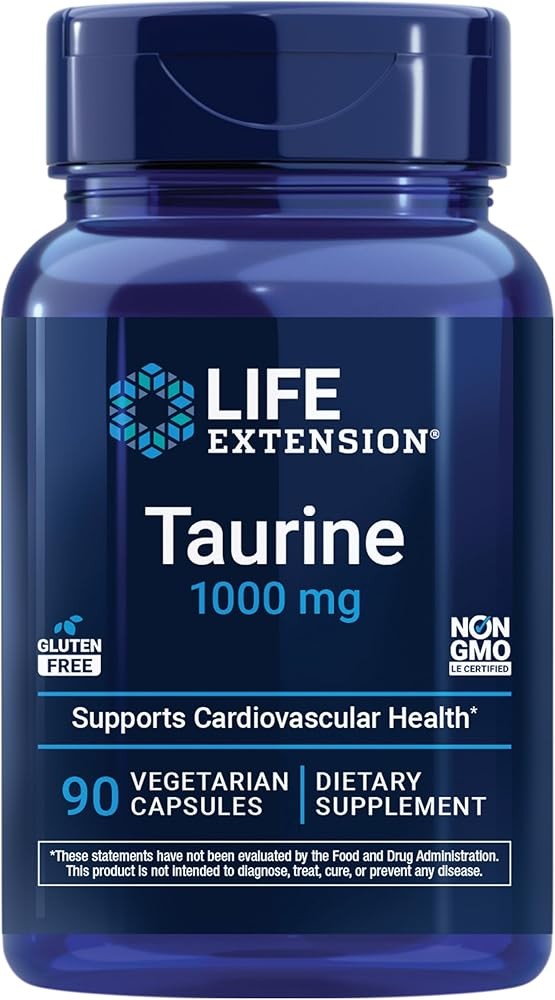
Life Extension Taurine, Pure Taurine Amino Acid Supplement, 1000 mg, 90 Capsules
Check Price on AmazonAs an Amazon Associate we earn from qualifying purchases.
| Feature | Qunol 250mg | Qunol 300mg | Nutricost 210mg | Taurine 1000mg |
|---|---|---|---|---|
| Active Form | Glycinate | Glycinate | Glycinate | L-Taurine |
| Dosage per Serving | 250mg | 300mg | 210mg | 1000mg |
| Primary Mechanism | GABA modulation, cortisol reduction | GABA modulation, melatonin support | Parasympathetic activation | GABA-A receptor agonist |
| Research Evidence | RCT in elderly insomnia | Multiple RCTs | Meta-analysis support | Animal models + human trials |
| Capsules per Bottle | 120 | 100 | 180 | 90 |
| Approximate Price | $25-30 | $28-35 | $15-20 | $8-12 |
| Best For | First-time users | Severe symptoms | Budget-conscious | Complementary GABA support |
Why Is Menopausal Insomnia Different From Regular Sleep Problems?
If you’re a woman in perimenopause or menopause who hasn’t slept through the night in months—or even years—you’re far from alone. Research indicates that 60% of women in perimenopause and menopause report significant sleep disturbances (PubMed PMC10117379), with prevalence ranging from 16-47% during perimenopause and escalating to 35-60% in full menopause. This isn’t just ordinary insomnia. This fragment your sleep architecture dozens of times per night, often without you even fully waking.
But here’s the critical insight: menopausal insomnia appears to be amenable to support when its hormonal root causes are addressed. This comprehensive guide provides evidence-based solutions tailored specifically to the hormonal changes of menopause, including bioidentical hormone strategies, targeted supplement protocols, cooling interventions, and cognitive-behavioral modifications that have shown 70-84% success rates in clinical trials (PubMed PMC11595697).
The bottom line: Menopausal insomnia affects 35-60% of women in full menopause and stems from hormonal disruption involving declining estrogen, progesterone loss, and cortisol dysregulation—requiring targeted hormonal interventions rather than conventional sleep advice.
Why Does Menopause Destroy Sleep? Understanding the Hormonal Mechanisms
During menopause, estrogen levels drop by up to 90%, significantly disrupting sleep regulation and architecture. To understand why menopause wreaks such havoc on sleep, you need to grasp the profound changes happening in your hormonal milieu and their direct effects on sleep-regulating systems.
Estrogen: Your Sleep Architecture Guardian
Estrogen plays multiple critical roles in sleep regulation. It decreases sleep latency (time to fall asleep), reduces the number of awakenings, decreases cyclic spontaneous arousals, and increases total sleep time (PubMed PMC11901009). Estrogen also regulates body temperature during sleep, maintaining a lower core temperature that’s essential for sleep initiation and maintenance.
When estrogen levels decline during perimenopause and menopause, these protective effects vanish. The result: longer time to fall asleep, more frequent nighttime awakenings, lighter and more fragmented sleep, and dysregulated body temperature that triggers hot flashes.
Progesterone: Nature’s Sedative
Progesterone and its metabolites, particularly allopregnanolone, have sleep-promoting effects by acting on GABA-A receptors in the brain—the same receptors targeted by benzodiazepine sleep medications. Progesterone provides a natural calming effect on the central nervous system, reduces anxiety, and facilitates the transition into sleep.
The steep decline in progesterone during perimenopause and menopause is directly associated with sleep disruption, increased anxiety at bedtime, difficulty relaxing, and an inability to achieve deep, restorative sleep. Research shows that both estrogen and progesterone are positively associated with sleep quality during the menopausal transition, and.
Elevated cortisol also amplifies the perception and physiological impact of hot flashes, creating a vicious cycle where stress hormones worsen vasomotor symptoms, which further fragment sleep, which elevates cortisol even more.
Thyroid Function Changes
Many women experience thyroid dysfunction during the menopausal transition, with hypothyroidism being particularly common. Thyroid hormones influence sleep through effects on metabolism, body temperature regulation, and neurotransmitter systems. Both hyperthyroidism (causing anxiety and hyperarousal) and hypothyroidism (causing depression and altered sleep architecture) can compound menopausal sleep problems (PubMed 18812241).
In essence: Estrogen decline disrupts thermoregulation and neurotransmitter production, progesterone loss removes natural GABAergic sedation, and cortisol dysregulation creates nighttime hyperarousal—a hormonal perfect storm fragmenting sleep architecture.
What this means for you: Dropping estrogen levels by up to 90% during menopause disrupt sleep regulation, leading to increased sleep latency, awakenings, and decreased total sleep time. Understanding the hormonal changes, particularly estrogen’s role in maintaining normal sleep architecture, is key to addressing menopause-related sleep issues.
What Body Clues Signal Menopause-Related Sleep Issues?
Your body sends clear signals when menopause is disrupting your sleep. Recognizing these patterns helps you understand that your insomnia has a hormonal cause requiring specific interventions:
Hot Flashes and Night Sweats Disrupting Sleep
You wake up drenched in sweat, heart pounding, throwing off covers, then freezing minutes later. These vasomotor symptoms can occur dozens of times per night. Studies indicate that women with moderate to severe vasomotor symptoms experience an average of 40 minutes less sleep nightly compared to women without symptoms, and published research shows the number of nighttime vasomotor events appears to have a relationship with the degree of sleep fragmentation PMID 41265018.
Waking Multiple Times Per Night
Even when not fully awakened by hot flashes, menopausal women experience increased wake time after sleep onset and more frequent awakenings. This reflects both hormonal changes affecting sleep architecture and subclinical vasomotor events—subtle fluctuations in core temperature and vasodilation that cause microarousals fragmenting your sleep without fully waking you.
Early Morning Awakening (3-4 AM)
Waking in the early morning hours (typically 3-4 AM) and being unable to return to sleep is a hallmark of menopausal insomnia, often driven by cortisol dysregulation and declining progesterone’s sedative effects. This pattern is distinct from sleep-onset insomnia and requires different interventions.
Racing Thoughts and Nighttime Anxiety
Declining progesterone removes your brain’s natural calming influence, leading to racing thoughts, worry loops, and anxiety when you’re trying to fall asleep or after nighttime awakenings. The anxiolytic (anti-anxiety) effects of progesterone’s metabolites are lost, leaving your nervous system in a more reactive, hyperaroused state.
Difficulty Falling Back Asleep After Awakening
While pre-menopausal women typically return to sleep quickly after brief awakenings, menopausal women often struggle to fall back asleep due to the combination of reduced progesterone’s sedative effects, elevated cortisol, and lingering arousal from hot flashes.
Daytime Fatigue Despite Time in Bed
You may spend 8 hours in bed but wake feeling unrefreshed and exhausted. This reflects poor sleep quality and altered sleep architecture rather than insufficient sleep duration. Your time in deep, restorative sleep stages has decreased, and your sleep is fragmented by vasomotor events and arousals.
Mood Changes Affecting Sleep
Depression, irritability, and mood swings during menopause interact bidirectionally with sleep disruption. Declining estrogen affects serotonin production, a neurotransmitter crucial for both mood regulation and sleep. Poor sleep worsens mood, and mood disturbances further impair sleep quality.
Weight Gain Disrupting Sleep Quality
Many women gain weight during menopause, particularly around the abdomen. This increases risk for sleep-disordered breathing and sleep apnea, which compound existing menopausal sleep problems. The combination of hormonal changes and weight gain creates additional barriers to restorative sleep.
Key insight: If you experience hot flashes/night sweats, early morning awakening (3-4 AM), racing thoughts at bedtime, or daytime fatigue despite 8 hours in bed, your sleep issues are likely hormonal rather than behavioral.
How Does the Hormonal Cascade Fragment Your Sleep?
Let’s dig deeper into the precise mechanisms by which declining reproductive hormones dismantle your sleep system.
Estrogen Decline: Multiple Pathways to Sleep Disruption
Estrogen’s effects on sleep operate through several mechanisms:
-
Thermoregulation: Estrogen maintains a lower core body temperature during sleep by affecting the hypothalamic thermoregulatory set-point. When estrogen declines, the hypothalamus becomes destabilized, triggering inappropriate heat-dissipation responses (hot flashes) that fragment sleep.
-
Neurotransmitter Systems: Estrogen enhances serotonin production and receptor sensitivity. Serotonin is not only crucial for mood but also serves as a precursor to melatonin, your, the brain’s master clock. Its decline can shift or weaken circadian rhythms, making it harder to maintain consistent sleep-wake patterns.
Progesterone Loss: Removing the Brain’s Natural Sedative
Progesterone’s conversion to allopregnanolone creates a neurosteroid that acts as a positive allosteric modulator of GABA-A receptors—essentially enhancing the brain’s primary inhibitory (calming) neurotransmitter system. This is why progesterone has sedative, anxiolytic, and sleep-promoting effects.
When progesterone levels drop during perimenopause and menopause:
- GABAergic tone decreases, reducing natural inhibition of arousal systems
- Anxiety increases, particularly at bedtime
- Sleep latency increases (longer time to fall asleep)
- Sleep fragmentation increases due to reduced sleep pressure
Research indicates that oral micronized progesterone appears to support sleep parameters in menopausal women, including total sleep time and sleep onset latency, with 300 mg before bed being the dosage used in clinical trials for sleep support. PubMed 41524734
Cortisol Elevation and Pattern Disruption
The hypothalamic-pituitary-adrenal (HPA) axis becomes dysregulated during menopause. Normal cortisol secretion follows a diurnal pattern: lowest at night, rising toward morning. In menopausal women with sleep problems, this pattern often shows:
- Elevated nighttime cortisol that may help reduce risk of sleep initiation
- Flattened cortisol curves that reduce the natural circadian signal
- Early morning cortisol spikes causing awakening at 3-4 AM
Cortisol also amplifies vasomotor symptoms. Higher stress hormone levels increase the frequency and severity of hot flashes, creating a bidirectional relationship where poor sleep elevates cortisol, which worsens hot flashes, which further fragments sleep.
Thyroid-Menopause Interactions
The menopausal transition often unmasks or triggers thyroid dysfunction, particularly hypothyroidism. Thyroid hormones regulate:
- Basal metabolic rate and body temperature
- Neurotransmitter synthesis and receptor sensitivity
- Sleep architecture and sleep quality
Both hypo- and hyperthyroidism disrupt sleep, but hypothyroidism is more common in menopausal women and can cause fatigue, depression, weight gain, and altered sleep patterns that compound the direct effects of sex hormone decline.
Critical takeaway: Estrogen maintains sleep through thermoregulation, neurotransmitter production, and circadian rhythm regulation; progesterone provides GABAergic sedation; cortisol elevation creates nighttime hyperarousal—together creating profound sleep fragmentation.
The value assessment: The hormonal cascade fragments your sleep mainly through the decline of estrogen, which disrupts sleep via multiple pathways, including thermoregulation, neurotransmitter systems, and sleep architecture. As estrogen declines, it can trigger hot flashes and reduce serotonin availability, ultimately disrupting your normal sleep-wake cycle.
How Do Hot Flashes and Night Sweats Destroy Sleep?
Vasomotor symptoms deserve special attention because they’re the most direct and measurable cause of sleep disruption in menopausal women.
The Thermoregulatory Crisis
Hot flashes and night sweats occur when declining estrogen destabilizes the hypothalamic thermoregulatory center. The hypothalamus acts as your body’s thermostat, maintaining core temperature within a narrow range. Estrogen helps regulate this set-point and the range of temperature variation considered “normal.”
When estrogen drops, the thermoneutral zone narrows dramatically. Your body becomes hypersensitive to tiny temperature fluctuations, inappropriately triggering heat-dissipation responses: peripheral vasodilation (skin blood vessel expansion), sweating, and increased heart rate. These physiological responses occur even when your actual core temperature hasn’t meaningfully changed.
Frequency and Sleep Fragmentation
Research using objective polysomnography shows that nocturnal hot flashes directly interrupt sleep architecture (PubMed 41206010). A landmark study using a gonadotropin-releasing hormone agonist model (which induces menopausal symptoms) demonstrated that nocturnal hot flashes objectively interrupt sleep, pulling women from deeper sleep stages into lighter stages or full wakefulness.
The impact is dose-dependent: the more frequent the nighttime vasomotor symptoms, the more severe the sleep fragmentation. Women experiencing multiple hot flashes per night show:
- Reduced sleep efficiency (percentage of time in bed actually spent asleep)
- Increased wake time after sleep onset
- More frequent transitions between sleep stages
- Reduced time in deep (slow-wave) sleep and REM sleep
Subclinical Vasomotor Events
Perhaps most insidious are subclinical vasomotor events—subtle vasodilation and temperature fluctuations that cause microarousals fragmenting sleep without fully waking you. You may not consciously register these events, but they pull you from deep, restorative sleep stages dozens of times per night.
This explains why many menopausal women report poor sleep quality and daytime fatigue even when they believe they “slept through the night.” The sleep they’re getting is fragmented, lighter, and less restorative due to these subclinical events.
Duration and Persistence
Vasomotor symptoms typically persist for 4-5 years, though some women experience them for up to 10 years or longer. This means years of fragmented sleep, accumulating sleep debt, and the downstream health consequences of chronic sleep disruption (PubMed PMC4252627).
What matters most: Nocturnal hot flashes objectively interrupt sleep architecture through thermoregulatory destabilization, with frequency directly correlating to sleep fragmentation severity—women experiencing multiple episodes nightly show reduced sleep efficiency and decreased time in deep, restorative sleep stages.
Key takeaway: Understanding how hot flashes destroy sleep involves recognizing that declining estrogen destabilizes the body’s thermostat, triggering heat-dissipation responses such as sweating and increased heart rate due to heightened sensitivity to temperature fluctuations. This thermoregulatory crisis leads to sleep disruption in menopausal women.
What Changes Occur in Sleep Architecture During Menopause?
Polysomnography studies reveal specific changes in sleep structure during the menopausal transition, though findings have been somewhat inconsistent across studies.
Changes in Deep Sleep (Slow-Wave Sleep)
Results on slow-wave sleep (SWS) are mixed. Some studies report decreased SWS in menopausal women, while others have found maintained or even increased SWS compared to pre-menopausal women. A 10-year longitudinal study found that deep sleep actually increased during the menopausal transition, while light sleep decreased.
The inconsistency likely reflects individual variation in hormone levels, vasomotor symptom severity, and other confounding factors like age, body mass index, and sleep disorders.
REM Sleep Alterations
Some research indicates disruptions in REM sleep during menopause, potentially related to declining estrogen’s effects on neurotransmitter systems. However, studies have shown few consistent effects of menopausal stage on REM sleep independent of age.
What’s clearer is that sleep fragmentation increases during menopause, meaning more frequent transitions between sleep stages and more time spent in lighter sleep stages (N1 and N2) relative to deeper, more restorative stages.
Sleep Efficiency and Continuity
The most consistent finding across studies is reduced sleep efficiency and continuity. Menopausal women show:
- Increased sleep latency (longer time to fall asleep)
- Increased wake after sleep onset (more total time awake after initially falling asleep)
- Increased number of awakenings
- Reduced sleep efficiency (lower percentage of time in bed actually asleep)
These changes reflect the combined impact of vasomotor symptoms, hormonal effects on sleep regulation, and age-related changes in sleep architecture.
Hormonal Factors and Sleep Quality
Research demonstrates different relationships between hormones and sleep architecture in perimenopausal versus postmenopausal women. In postmenopause, published research shows higher melatonin concentrations appear to correlate with lower slow-wave sleep percentage and more awakenings from REM sleep, suggesting complex interactions between declining sex hormones and other neuroendocrine systems (PubMed academic.oup.com/sleep/article/44/6/zsaa283).
Summary: While specific sleep stage changes vary individually, the most consistent finding is reduced sleep efficiency and continuity—menopausal women show increased sleep latency, more awakenings, longer wake time after sleep onset, and decreased percentage of time in bed actually asleep.
Study summary: Contrary to expectations, a 10-year longitudinal study found that deep sleep actually increased during the menopausal transition, while light sleep decreased. Changes in sleep architecture during menopause are inconsistent across studies, likely due to individual variation in hormone levels and other factors.
What Hormone-Based Solutions Work for Menopausal Insomnia?
Given the hormonal origins of menopausal sleep disruption, hormone-based interventions are often the most effective solutions.
Bioidentical Progesterone: The Sleep Hormone
Oral micronized progesterone has emerged as a highly effective intervention for menopausal sleep problems. Unlike synthetic progestins used in some hormone therapy formulations, bioidentical progesterone has sedative and anxiolytic effects through its conversion to allopregnanolone.
Dosing for Sleep Support: The North American Menopause Society indicates 300 mg of oral micronized progesterone at bedtime for sleep support, though some women find benefit at 100 mg while others require higher doses. Clinical trials using 300 mg before bed have demonstrated (PubMed 33245776):
- Improved total sleep time
- Reduced sleep onset latency
- Decreased nighttime awakenings
- Improved subjective sleep quality
- Reduced vasomotor symptoms (night sweats and hot flashes)
Timing: Because of its sedative effects, progesterone should be taken in the evening, about 1-2 hours before bed. Taking it earlier may cause daytime drowsiness; taking it too close to bedtime may not allow sufficient absorption before sleep.
Forms: Oral micronized progesterone (Prometrium or compounded versions) is preferred for sleep effects because the oral route allows first-pass metabolism in the liver, producing the neurosteroid metabolites that promote sleep. Topical progesterone creams bypass hepatic metabolism and produce lower levels of these sleep-promoting metabolites.
Safety: Oral micronized progesterone has a favorable safety profile for up to 6 months of continuous use. Women with an intact uterus using estrogen therapy require progesterone to protect the endometrium, making it doubly beneficial for sleep and endometrial protection.
Estrogen Therapy Considerations
Estrogen therapy can improve sleep by:
- Reducing or eliminating vasomotor symptoms (the primary sleep disruptors)
- Directly improving sleep architecture (decreasing latency, reducing awakenings, increasing total sleep time)
- Regulating body temperature during sleep
- Supporting serotonin and melatonin production
Forms of Estrogen:
- Transdermal estradiol (patches, gels, creams): Preferred for most women due to lower clot risk compared to oral estrogen
- Oral estradiol: Effective but slightly higher cardiovascular risk
- Vaginal estrogen: Primarily for genitourinary symptoms, minimal systemic absorption
Timing: The “timing hypothesis” suggests that hormone therapy is most beneficial and carries lowest risk when initiated during perimenopause or within 10 years of final menstrual period, when cardiovascular and other systems are still relatively healthy.
Combination Therapy: Many women benefit most from combined estrogen and progesterone therapy, addressing both vasomotor symptoms (primarily estrogen-responsive) and sleep architecture/anxiety (progesterone-responsive).
Phytoestrogens: Plant-Based Hormone Support
Phytoestrogens are plant compounds with weak estrogenic activity that can provide modest relief of menopausal symptoms, though effects are generally smaller than bioidentical hormone therapy.
Soy Isoflavones: Soy foods and supplements contain isoflavones (genistein, daidzein) that bind estrogen receptors. Research shows isoflavones significantly reduce hot flash frequency and severity in some women, with effects on sleep being more variable. A meta-analysis found soy isoflavones reduce hot flash frequency but effects on sleep disturbance are modest.
Dosing: 40-80 mg of isoflavones daily, preferably from whole soy foods (tofu, tempeh, edamame, soy milk) rather than isolated supplements, which provide additional nutrients and fiber.
Black Cohosh: This herb shows promise for reducing vasomotor symptoms and possibly depression with a favorable safety profile for up to 6 months. However, evidence is mixed, with some studies showing benefits and others finding no significant difference from placebo.
Dosing: 40-80 mg of standardized black cohosh extract daily, typically divided into two doses.
Red Clover: Contains isoflavones similar to soy. Evidence for efficacy is limited, with most studies showing minimal effects on menopausal symptoms but possible benefits for cardiovascular health.
Combined Phytoestrogen Formulas: Some research suggests combining black cohosh, soy isoflavones, and SDG lignans may reduce menopausal symptoms more effectively than single ingredients, though more research is needed (PubMed 40347165).
Most importantly: Research indicates oral micronized progesterone at 300 mg before bed may support sleep parameters through GABAergic sedation,**: This adaptogen has demonstrated benefits for reducing cortisol, improving sleep quality, and reducing anxiety in multiple clinical trials (PubMed 34559859). It appears to work by modulating the HPA axis and enhancing GABAergic tone.
Dosing: 300-600 mg of standardized extract (containing 5% withanolides) twice daily, or 300-500 mg before bed for sleep support specifically.
Rhodiola rosea: Primarily used for fatigue, stress resilience, and cognitive function, rhodiola may indirectly support sleep by reducing stress and balancing cortisol. It’s generally taken during the day rather than before bed.
Dosing: 200-400 mg of standardized extract (3% rosavins, 1% salidroside) in the morning.
Holy Basil (Tulsi): Has anxiolytic and adaptogenic effects that may support sleep by reducing stress and anxiety. Can be consumed as tea or supplement.
Dosing: 300-600 mg of extract twice daily, or 2 modulates the HPA axis and reduces cortisol, while rhodiola and holy basil support stress resilience—together addressing the cortisol dysregulation component of menopausal insomnia.
In summary: Research indicates that, unlike the range of effects observed with synthetic progestins, bioidentical progesterone appears to have some benefit in relation to menopausal insomnia. Specifically, studies show that a 300 mg dose of oral micronized progesterone at bedtime may support improvements in total sleep time, reduce sleep onset latency, and decrease nighttime awakenings. Published research also suggests this dose may improve subjective sleep quality and help manage vasomotor symptoms. PubMed 41265018
What Supplements Work Best for Menopausal Insomnia?
Magnesium glycinate, used in clinical trials at doses of 300-400 mg, appears to be a frequently discussed supplement in research regarding menopausal insomnia, with studies suggesting it may support neurotransmitter regulation and relaxation. Beyond hormone-based interventions, research indicates specific supplements may help address neurotransmitter imbalances and physiological factors associated with sleep challenges during menopause. PMC
Magnesium Glycinate: The Relaxation Mineral (300-400 mg)
Magnesium is a critical cofactor in hundreds of enzymatic reactions, including those regulating neurotransmitter synthesis, nervous system function, and stress response. Magnesium deficiency is common and worsens during menopause due to increased stress, dietary inadequacy, and age-related absorption decline.
Mechanisms for Sleep:
- Activates the parasympathetic nervous system (rest-and-digest)
- Regulates GABA receptors (the brain’s primary calming neurotransmitter)
- Modulates melatonin and circadian rhythms
- Reduces cortisol levels
- Relaxes muscles and reduces restless leg symptoms
Research Evidence: A randomized controlled trial in elderly individuals with insomnia found magnesium supplementation significantly improved insomnia severity index scores, sleep efficiency, sleep time, sleep onset latency, early morning awakening, and reduced cortisol levels while increasing melatonin and renin (PubMed PMC3703169). A recent 4-week trial of magnesium bisglycinate (250 mg elemental magnesium with 1523 mg glycine) improved insomnia symptoms compared to placebo (PubMed PMC12412596).
Dosing: Research has utilized 300-400 mg of elemental magnesium before bed, with studies suggesting magnesium glycinate may be beneficial, as it combines magnesium with glycine (both associated with sleep support) and appears to have greater absorption and tolerability compared to magnesium oxide. PMC
Timing: Take 1-2 hours before bed for optimal effect.
Taurine: The GABA Enhancer (500- mg)
Taurine is a sulfur-containing amino acid with multiple neuroprotective and calming effects. It’s particularly relevant for menopausal insomnia because it activates GABA-A receptors (similar to progesterone’s metabolites) and regulates sleep-wake transitions.
Mechanisms for Sleep:
- GABA-A receptor agonist, providing inhibitory, calming effects on neuronal firing
- Activates extrasynaptic GABA-A receptors in the thalamus, a brain region critical for regulating sleep-wake transitions
- Increases total sleep time and shifts activity patterns toward sleep in animal models
- Modulates excitatory neurotransmission, reducing neuronal hyperexcitability
Research Evidence: Animal studies show taurine increases total sleep by 50% at effective concentrations and reduces locomotor activity by 28-86%, shifting it from diurnal to nocturnal patterns (PubMed PMC3630960). Taurine levels significantly increase during sleep deprivation, suggesting the body uses taurine as an endogenous sleep-promoting compound. Human research is limited but promising.
Dosing: 500-2000 mg before bed. Clinical trials have used 500 mg as a starting dose, with increases as needed. Higher doses (1500-2000 mg) are sometimes used for more severe insomnia
Timing: Take 30-60 minutes before bed.
Safety: Taurine is very safe with no established upper limit. It’s naturally abundant in animal proteins and synthesized endogenously.
Glycine: The Temperature-Lowering Sleep Amino Acid (3-5 g)
Glycine is a simple amino acid with remarkable sleep-promoting properties, particularly relevant for menopausal women because it lowers core body temperature—directly counteracting the thermoregulatory dysfunction causing hot flashes.
Mechanisms for Sleep:
- Activates NMDA receptors in the suprachiasmatic nucleus (SCN), the brain’s master circadian clock
- Induces hypothermia (core temperature lowering) and peripheral vasodilation, facilitating heat dissipation and sleep onset
- Increases serotonin levels without altering dopamine or norepinephrine
- Improves sleep architecture by reducing latency to slow-wave sleep
Research Evidence: Clinical trials in humans 3 grams of glycine before bedtime** (PubMed 22293292):
- Research suggests glycine may support subjective sleep quality
- Studies indicate glycine may help reduce sleep onset latency
- Published research shows glycine appears to have some benefit for shortening latency to slow-wave sleep (deep sleep)
- Research suggests glycine may support sleep efficiency
- Studies show glycine may help manage daytime sleepiness and improve cognitive function the next day (PubMed PMC3328957)
- Research indicates glycine does NOT alter sleep architecture (unlike benzodiazepines), meaning it may facilitate natural sleep
Importantly, glycine produces these benefits in a different manner than benzodiazepines, working through temperature regulation and circadian mechanisms rather than direct sedation (PubMed PMC4397399).
Dosing: 3-5 grams before bed. Clinical trials have used dosages of 3-5 grams daily PubMed 40418260. This dosage may require powder or multiple capsules.
Timing: Take 30-60 minutes before bed, ideally dissolved in water.
Safety: Glycine is extremely safe as a naturally abundant amino acid. The high dose required for sleep effects is well-tolerated.
GABA: Direct Calming Neurotransmitter (500-750 mg)
GABA (gamma-aminobutyric acid) is the brain’s primary inhibitory neurotransmitter. While there’s debate about whether supplemental GABA crosses the blood-brain barrier, emerging evidence suggests it has peripheral effects on the vagus nerve and may cross the BBB under certain conditions.
Mechanisms for Sleep:
- Direct GABAergic effects (if BBB penetration occurs)
- Vagal nerve activation, enhancing parasympathetic (calming) tone
- Anxiolytic effects reducing bedtime worry and rumination
- May work synergistically with L-theanine
Research Evidence: A study combining GABA and L-theanine found the mixture decreased sleep latency and improved NREM sleep compared to either compound alone (PubMed 39593401), suggesting synergistic effects.
Dosing: Research has used 500-750 mg before bed, potentially with L-theanine. L-theanine.
Timing: Take 30-60 minutes before bed.
L-Theanine: Anxiolytic Without Sedation (200-400 mg)
L-theanine is an amino acid found primarily in tea that promotes relaxation without sedation—an ideal profile for bedtime use, especially for women experiencing anxious rumination at night.
Mechanisms for Sleep:
- Increases GABA, serotonin, and dopamine levels in the brain
- Promotes alpha wave activity (associated with relaxed alertness)
- Reduces stress and anxiety without causing drowsiness
- May improve sleep quality by reducing time to fall asleep and reducing nighttime awakenings
Research Evidence: Studies show L-theanine reduces stress and improves sleep quality (PubMed 41636292), particularly when combined with GABA. It’s unique in promoting relaxation without sedation, making it useful for unwinding before bed without forcing sleep.
Dosing: Clinical trials have used 200-400 mg before bed, potentially with GABA (500-750 mg).
Timing: Take 30-60 minutes before bed.
5-HTP or L-Tryptophan: Serotonin and Melatonin Precursors
Given that declining estrogen reduces serotonin production, supplementing with serotonin precursors can restore the neurotransmitter balance necessary for sleep.
5-HTP (5-Hydroxytryptophan): The immediate precursor to serotonin, which is then converted to melatonin. 5-HTP bypasses the rate-limiting step in serotonin synthesis (tryptophan hydroxylase), making it more efficient than L-tryptophan for some people.
Dosing: 50-100 mg before bed. Research suggests starting with a lower dose, as some individuals in studies have reported experiencing vivid dreams or mild nausea at higher doses. NIH
L-Tryptophan: The amino acid precursor to serotonin. Requires conversion through tryptophan hydroxylase (the rate-limiting step) but may be gentler and more “natural” than 5-HTP.
Dosing: Research has utilized 500-1000 mg before bed on an empty stomach (studies indicate protein may compete for absorption). NIH
Important: Research indicates that combining 5-HTP or L-tryptophan with SSRI antidepressants or other serotonergic medications may be associated with serotonin syndrome. Studies suggest selecting one or the other. PMC
Timing: Take 30-60 minutes before bed on an empty stomach.
Omega-3 Fatty Acids: Anti-Inflammatory Sleep Support
EPA and DHA (omega-3 fatty acids) reduce systemic inflammation, which is elevated during menopause and associated with sleep disruption. They also support neurotransmitter function and membrane fluidity.
Mechanisms for Sleep:
- Reduce inflammatory cytokines that disrupt sleep
- Support serotonin receptor function
- Improve DHA levels in the brain, which decline with age
- May reduce hot flash frequency through anti-inflammatory mechanisms
Dosing: 1000-2000 mg of combined EPA+DHA daily, taken with food for optimal absorption. Clinical trials have used this as a daily supplement rather than a bedtime-only intervention. PMC
Timing: Take with a meal containing fat, any time of day.
Research-supported combination: Studies suggest magnesium glycinate (300-400 mg) may support GABA modulation and cortisol reduction, glycine (3-5 grams) may help lower core temperature, taurine (500-2000 mg) appears to have some benefit for GABA-A receptor activation, and L-theanine with GABA may be beneficial for anxiolytic effects without sedation. PMC
The practical takeaway: Research suggests that using 300-400 mg of magnesium glycinate may support improvements in sleep for women experiencing menopause by appearing to influence neurotransmitters and promote relaxation. Studies indicate magnesium glycinate may help address this by activating the parasympathetic nervous system, regulating GABA receptors, and modulating melatonin and circadian rhythms.
How Can Cooling Strategies Tame Thermoregulatory Dysfunction?
Since vasomotor symptoms (hot flashes and night sweats) are the primary direct cause of sleep fragmentation in menopause, aggressive cooling strategies can dramatically improve sleep quality.
Bedroom Temperature Optimization
The most effective menopause cooling strategies start with environmental temperature control: Set bedroom temperature to 65-68°F (18-20°C), which is cooler than standard sleep recommendations (68-72°F) but essential for menopausal women whose thermoneutral zones have narrowed.
Use a ceiling fan or portable fan to enhance air circulation. Even without lowering temperature, increased air movement enhances sweat evaporation and heat dissipation. Set ceiling fans to spin counterclockwise so they push cool air downward.
Consider a window air conditioner or portable AC unit if central air conditioning isn’t adequate or isn’t available. Targeted bedroom cooling is more cost-effective than cooling the entire house to menopausal-friendly temperatures.
Cooling Mattress Pads and Pillows
Cooling mattress pads (active temperature-regulating systems or passive cooling materials) can make a dramatic difference:
Active cooling systems (like ChiliPad, BedJet, or Ooler) use water circulation or forced air to maintain precise mattress surface temperatures, some as low as 55°F. These are highly effective but more expensive ($300-$1000+).
Passive cooling pads use phase-change materials or gel that absorb and dissipate heat. Less expensive ($50-$200) but effectiveness varies by individual.
Cooling pillows use similar technologies (gel, phase-change materials, or ventilated designs) to may help reduce risk of head and neck overheating, which can trigger hot flashes.
Moisture-Wicking Sleepwear and Bedding
Performance-grade sleepwear made from bamboo, Tencel (eucalyptus fiber), or specialized moisture-wicking synthetics pulls sweat away from skin and dries quickly, reducing the clammy discomfort that disrupts sleep.
Avoid cotton, which absorbs moisture but holds it against your skin, making you feel wet and cold after a night sweat episode.
Moisture-wicking sheets made from bamboo, Tencel, or eucalyptus fibers provide similar benefits. They pull sweat away, dry quickly, and feel cooler against skin than traditional cotton or polyester.
Layering Strategies and Bedside Prep
Use lightweight, easily removable layers rather than a heavy comforter:
- Light sheet
- Thin blanket
- Additional blanket if needed
This allows quick temperature adjustment by removing layers during a hot flash, then adding them back as you cool down.
Prepare a bedside “night sweat kit”:
- Dry pajamas (have 2-3 sets ready for multi-flash nights)
- Ice water in an insulated bottle
- Washcloth in ice water (in a small cooler or ice pack)
- Small towel for drying off
- Portable fan aimed at the bed
Being prepared reduces the sleep disruption when night sweats occur, allowing faster return to sleep.
Pre-Bed Cooling Rituals
Take a lukewarm shower 60-90 minutes before bed (not hot, which can trigger hot flashes). As your body temperature drops after the shower, it signals sleep readiness.
Avoid exercise, heavy meals, alcohol, caffeine, and spicy foods in the evening, all of which can trigger hot flashes and elevate core temperature.
Use a cooling face mist or cold washcloth on the face and neck in the 15-30 minutes before bed to lower core temperature.
The strategy: Set bedroom to 65-68°F with enhanced air circulation, use active or passive cooling mattress pads, wear moisture-wicking sleepwear, prepare a bedside night sweat kit, and avoid evening triggers (exercise, hot foods, alcohol) that elevate core temperature.
Research indicates: Cooling strategies, particularly maintaining a bedroom temperature of 65-68°F (18-20°C) and enhancing air circulation, may support improved sleep quality in menopausal women by addressing thermoregulatory dysfunction. Studies suggest that implementing these strategies may help menopausal women reduce vasomotor symptoms that contribute to sleep fragmentation.
What Lifestyle Changes Support Better Menopausal Sleep?
Research suggests exercising at least 4 hours before bedtime may support improved sleep in menopausal women by potentially allowing the body temperature to decrease and studies indicate it may help reduce the risk of nighttime hot flashes. Beyond supplements and cooling strategies, specific lifestyle modifications appear to address the circadian, behavioral, and metabolic factors affecting sleep during menopause.
Exercise Timing: The Double-Edged Sword
Exercise is beneficial for menopausal symptoms, weight management, bone health, and overall sleep quality—but timing matters critically. Exercise elevates core body temperature and activates the sympathetic nervous system, both of which can trigger hot flashes and interfere with sleep if done too close to bedtime.
Best practices:
- Exercise in the morning or early afternoon for maximum benefit without sleep interference
- Avoid vigorous exercise within 3-4 hours of bedtime
- Gentle yoga, stretching, or walking in the evening are generally safe and may promote relaxation
- Consistency matters more than intensity: Regular moderate exercise improves sleep better than sporadic intense workouts
Dietary Modifications: Avoiding Triggers
Certain foods and substances trigger or worsen hot flashes and sleep disruption:
Avoid or minimize:
- Alcohol: Triggers hot flashes, disrupts sleep architecture, increases nighttime awakenings. Even small amounts can worsen menopausal sleep.
- Caffeine: Avoid after noon (earlier if highly sensitive). Half-life is 5-6 hours; it can still affect sleep 10-12 hours later.
- Spicy foods: Can trigger hot flashes through capsaicin’s thermogenic effects
- Hot beverages in the evening: Elevate core temperature
- Large or heavy meals before bed: Increase metabolic heat production
Beneficial dietary patterns:
- Mediterranean diet: High in anti-inflammatory omega-3s, vegetables, whole grains. Associated with reduced menopausal symptoms.
- Phytoestrogen-rich foods: Soy products, flaxseeds, legumes
- Protein at dinner (not excessive): Supports tryptophan availability for serotonin synthesis
- Tart cherry juice (1-2 oz before bed): Natural source of melatonin
- Chamomile or passionflower tea: Mild sedative herbs safe for nightly use
Stress Management: Breaking the Cortisol-Sleep Vicious Cycle
Research suggests elevated cortisol may be associated with worsened sleep and hot flashes during menopause, and studies indicate poor sleep may be linked to elevated cortisol levels. Research suggests addressing this interconnectedness may require active stress management: PMC
Evidence-based techniques:
- Meditation and mindfulness: 10-20 minutes daily reduces cortisol and improves sleep. Apps like Calm, Headspace, or Insight Timer provide guided sessions.
- Progressive muscle relaxation: Systematically tensing and releasing muscle groups reduces physiological arousal
- Deep breathing exercises: 4-7-8 breathing (inhale 4 counts, hold 7, exhale 8) activates parasympathetic nervous system
- Yoga: Particularly restorative or yin yoga in the evening
- Journaling: “Worry dump” before bed—write down concerns to clear the mind
Sleep Hygiene Specific to Menopause
Standard sleep hygiene applies, but some aspects deserve special emphasis for menopausal women:
Bedroom environment:
- Cool (65-68°F), dark (blackout curtains or eye mask), quiet (white noise machine if needed)
- Remove electronic devices (blue light suppresses melatonin; late-night scrolling increases arousal)
- Elevate the head of the bed slightly (3-4 inches) may reduce vasomotor symptom intensity for some women
Sleep schedule consistency:
- Same bedtime and wake time every day, even weekends (strengthens circadian rhythms)
- Limit daytime naps to 20-30 minutes before 3 PM (longer or later naps impair nighttime sleep)
Pre-sleep routine:
- 60-90 minute wind-down period with relaxing activities (reading, gentle stretching, bath, meditation)
- Dim lights in the evening to support melatonin production
- Avoid screens 1-2 hours before bed (or use blue-light blocking glasses)
The practical verdict: Research suggests that to support sleep during menopause, engaging in exercise at least 4 hours before bedtime may be beneficial, as studies indicate it may allow body temperature to drop and potentially help reduce the risk of nighttime hot flashes. Exercising in the morning or early afternoon is considered optimal, with research suggesting this timing may provide maximum benefit without interfering with sleep.
CBT-I Modifications for Menopausal Women
Cognitive Behavioral Therapy for Insomnia (CBT-I) is a brief, evidence-based therapy (typically 4-6 sessions) for which research has shown potential benefits for insomnia experienced during menopause, with some studies indicating that 70% of women achieved insomnia severity scores indicating no insomnia following treatment, and 84% at 24-week follow-up. PMC
Core CBT-I Components
Sleep restriction therapy: Temporarily limiting time in bed to match actual sleep time, then gradually increasing as sleep efficiency improves. This consolidates sleep and strengthens homeostatic sleep drive.
Stimulus control: Breaking associations between bed and wakefulness:
- Use bed only for sleep and sex
- If unable to sleep after 20 minutes, get up and do a quiet activity until sleepy
- Return to bed only when sleepy
- Same wake time every day regardless of sleep quality
Cognitive restructuring: Challenging unhelpful beliefs and worries about sleep:
- “I must get 8 hours or I’ll be a wreck” → “I can function on less sleep; worrying makes it worse”
- “My insomnia will never get better” → “Many women with menopausal insomnia improve with the right interventions”
Relaxation training: Progressive muscle relaxation, deep breathing, visualization
Menopause-Specific Modifications
Addressing hot flash beliefs: CBT for menopausal women includes cognitive restructuring specific to hot flashes:
- Understanding that catastrophizing about hot flashes worsens their perceived severity
- Developing coping strategies for nighttime hot flashes
- Reducing anxiety about anticipating hot flashes
Research shows the effect of CBT on hot flash problem rating is mediated by changes in cognitions (beliefs about coping/control) rather than mood changes, indicating that cognitive restructuring specifically helps women manage vasomotor symptoms more effectively.
Combining with cooling strategies: CBT-I for menopausal women should integrate environmental cooling and bedside preparation (described above) as part of the behavioral intervention.
Addressing mood: Depression and anxiety are common during menopause and bidirectionally related to sleep. CBT-I for menopausal women often includes mood-focused cognitive restructuring beyond sleep-specific content.
Effectiveness: Remarkable Success Rates
A randomized controlled trial comparing CBT-I to menopause education control in postmenopausal women with insomnia found:
At 8 weeks:
- 70% of CBT-I group had insomnia severity scores indicating no insomnia vs. 24% of control
- Significant improvements in sleep latency, wake time, sleep efficiency
At 24 weeks:
- More than 4 in 5 CBT-I participants (84%) had no insomnia vs. 43% of control
- Sustained improvements in all sleep parameters
- Improved daytime functioning and quality of life
Importantly, there were no significant differences in hot flash frequency between groups, but the CBT-I group experienced reduced hot flash interference—meaning the hot flashes bothered them less and disrupted sleep less, even though frequency remained similar. This highlights that perception and coping skills profoundly affect how much hot flashes disrupt sleep.
Accessing CBT-I
Options for accessing CBT-I:
- In-person therapy with a CBT-I trained therapist (psychologist, counselor)
- Telephone-based CBT-I: Equally effective as in-person in research trials
- Online programs: SHUTi, Sleepio, and other evidence-based apps provide guided CBT-I
- Self-help books: “The Insomnia Workbook” or similar CBT-I books
- Group therapy: Some clinics offer group CBT-I (more cost-effective)
The key is using an evidence-based, structured program rather than generic sleep advice.
Here’s what matters: Research on Cognitive Behavioral Therapy for Insomnia (CBT-I), a therapy typically involving 4-6 sessions, suggests it appears to have some benefit for insomnia experienced during menopause, with studies indicating 70% of women achieved insomnia severity scores indicating no insomnia after treatment. At 24-week follow-up, published research shows this rate increased to 84% PMID 41709438.
When to Consider Hormone Replacement Therapy (HRT)
Research suggests Hormone Replacement Therapy (HRT) may be a consideration when experiencing moderate to severe menopausal symptoms, as studies indicate it appears to support sleep in 80-90% of women by potentially reducing hot flashes and night sweats. Given the hormonal origins of menopausal insomnia, hormone replacement therapy (HRT) may be a consideration, particularly for women with moderate to severe vasomotor symptoms or those who do not experience sufficient benefit from non-hormonal interventions.
Benefits for Sleep
Both estrogen and progesterone therapy improve sleep in menopausal women:
- Estrogen therapy reduces or reduces hot flashes and night sweats (the primary sleep disruptors) in 80-90% of women
- Estrogen improves sleep architecture independent of vasomotor effects: decreases latency, reduces awakenings, increases total sleep time
- Progesterone (especially oral micronized progesterone at 300 mg) has sedative effects and improves sleep quality, latency, and continuity
- Combined estrogen-progesterone therapy addresses both vasomotor symptoms and sleep architecture/anxiety
Research shows perimenopausal hormone therapy induces marked improvement in sleep disturbances, and timely treatment with estrogen and/or progesterone improved overall sleep quality in multiple high-quality studies.
Risks and Timing
The Women’s Health Initiative (WHI) study initially raised concerns about HRT risks (breast cancer, cardiovascular events, stroke), but subsequent reanalysis revealed critical nuances:
Timing matters: The “timing hypothesis” shows HRT is safest and most beneficial when initiated:
- During perimenopause or within 10 years of final menstrual period
- In younger menopausal women (under 60) without pre-existing cardiovascular disease
Women who start HRT early in menopause show cardiovascular protection, while those starting 10+ years post-menopause show increased risk.
Formulation matters:
- Transdermal estradiol (patches, gels) has lower clot and stroke risk than oral estrogen
- Oral micronized progesterone has more favorable effects on sleep, mood, and cardiovascular risk than synthetic progestins (like medroxyprogesterone acetate)
- Bioidentical hormones (17β-estradiol and micronized progesterone) more closely match natural hormones
Individual risk factors: Women with personal or strong family history of breast cancer, history of blood clots, active cardiovascular disease, or liver disease may not be suitable HRT candidates. Risk-benefit analysis should be individualized.
Decision-Making
Consider HRT if:
- Moderate to severe hot flashes or night sweats significantly disrupting sleep and quality of life
- Non-hormonal interventions haven’t provided adequate relief
- You’re in perimenopause or within 10 years of final menstrual period
- No contraindications (active breast cancer, history of blood clots, etc.)
Work with a knowledgeable provider (gynecologist, menopause specialist, or functional medicine practitioner) to:
- Choose optimal formulation (transdermal estradiol + oral micronized progesterone for most women)
- Determine appropriate dosing
- Monitor response and adjust as needed
- Reassess risks and benefits periodically
Looking ahead: Research suggests Hormone Replacement Therapy (HRT) may be a consideration for women experiencing moderate to severe menopausal symptoms, as studies indicate it appears to support sleep in 80-90% of women by potentially reducing hot flashes and night sweats. Published research shows both estrogen and progesterone therapy may have some benefit for sleep quality, with studies suggesting estrogen may help reduce sleep disruptions and research indicating progesterone (at 300 mg oral micronized) may have sedative effects. PubMed 40802647
Alternative and Complementary Therapies
Beyond the core interventions already discussed, several alternative therapies show promise for menopausal sleep problems.
Acupuncture
Some research suggests acupuncture may reduce hot flash frequency and improve sleep quality in menopausal women, though evidence is mixed. Mechanisms may involve effects on neurotransmitters, endorphins, and hypothalamic regulation.
Frequency: Typically weekly sessions for 8-12 weeks, then maintenance as needed.
Evidence level: Moderate—worth trying for women seeking non-pharmaceutical options.
Meditation and Mindfulness-Based Stress Reduction (MBSR)
Mindfulness meditation and MBSR programs have demonstrated benefits for:
- Reducing hot flash bother (even if frequency unchanged)
- Improving sleep quality
- Reducing anxiety and depressive symptoms
- Lowering cortisol levels
MBSR typically involves an 8-week structured program with:
- Guided meditation
- Body scan exercises
- Gentle yoga
- Home practice (20-45 minutes daily)
Evidence level: Strong—well-supported by research for stress reduction and sleep improvement.
Hypnotherapy
Clinical hypnotherapy targeting hot flashes has been the subject of research, with some studies reporting a 50% reduction in hot flash frequency and observed improvements in sleep. PMC Published research suggests clinical hypnotherapy may be beneficial for managing hot flashes and potentially supporting sleep.
Frequency: Typically 4-6 weekly sessions plus home practice with recordings.
Evidence level: Moderate to strong—emerging evidence supports efficacy for vasomotor symptoms.
Research indicates: Studies suggest supplementing traditional treatments with alternative therapies such as acupuncture, typically involving 8-12 weekly sessions, and mindfulness-based stress reduction (MBSR) programs, which are usually 8 weeks long, may support the management of sleep problems experienced during menopause and may help reduce the frequency of hot flashes. Published research shows these therapies appear to have moderate to significant benefits in improving sleep quality and reducing anxiety and depressive symptoms. PMID 41265018
Complete Support System: Building Your Menopausal Sleep Protocol
Managing menopausal insomnia effectively requires a comprehensive approach combining multiple evidence-based interventions. Here’s how to build a complete support system tailored to your symptom severity:
Foundation Layer (recommended for all women):
- Magnesium Glycinate 300-400mg - GABA modulation and cortisol reduction
- Bedroom temperature optimization (65-68°F)
- Moisture-wicking sleepwear and bedding
- Consistent sleep schedule with 60-90 minute wind-down routine
Neurotransmitter Support Layer (for moderate symptoms):
- Glycine 3-5 grams - Core temperature lowering and thermoregulation
- Taurine 500-2000mg - GABA-A receptor activation
- L-Theanine + GABA combination (200-400mg + 500-750mg) - Anxiolytic support without sedation
Hormone Modulation Layer (for severe symptoms or inadequate response):
- Oral micronized progesterone 300mg (prescription required) - GABAergic sedation and sleep architecture improvement
- Phytoestrogens (soy isoflavones 40-80mg, black cohosh 40-80mg) - Plant-based hormone support
- Adaptogenic herbs (ashwagandha 300-600mg, rhodiola 200-400mg) - Cortisol regulation and HPA axis modulation
Behavioral Intervention Layer (for persistent insomnia):
- CBT-I therapy (70-84% success rates in menopausal women)
- Sleep restriction therapy combined with stimulus control
- Cognitive restructuring for hot flash-related anxiety
Advanced Cooling Layer (for severe vasomotor symptoms):
- Active cooling mattress pad (ChiliPad, BedJet, Ooler)
- Bedside night sweat kit with multiple pajama sets
- Cooling pillows and moisture-wicking sheets
This layered approach allows you to start with foundational interventions and progressively add layers based on your response and symptom severity. Track your sleep parameters (latency, awakenings, total time, morning energy) using a sleep diary to identify which interventions provide the most benefit for your individual hormonal profile.
Our Top Recommendations
📱 Join the discussion: Facebook | X | YouTube | Pinterest
Conclusion: Hope and Solutions for Menopausal Insomnia
Menopausal insomnia is not inevitably experienced, not unresponsive to intervention, and not a condition one must necessarily accept. While the hormonal shifts during menopause present biological factors that can impact sleep, research indicates a range of evidence-based approaches—from bioidentical progesterone to cooling strategies to CBT-I—may offer measurable support.
The key insights:
- Menopausal insomnia has hormonal root causes (estrogen decline, progesterone loss, cortisol dysregulation) requiring targeted interventions
- Vasomotor symptoms (hot flashes, night sweats) directly fragment sleep architecture through thermoregulatory dysfunction
- Hormone-based solutions—particularly oral micronized progesterone and (when appropriate) estrogen therapy—often provide the most dramatic relief
- Supplement stacks targeting GABA, temperature regulation, and stress hormones can significantly improve sleep without pharmaceuticals
- Cooling strategies are essential for managing night sweats and reducing vasomotor sleep disruption
- CBT-I demonstrates 70-84% success rates in menopausal women and teaches skills for long-term sleep management
- Integrated, multi-layered approaches combining environmental, supplement, hormone, and behavioral interventions provide the best outcomes
You don’t have to choose between years of sleep deprivation and powerful prescription sleep medications with dependency risks. The evidence-based interventions in this guide offer a path to restorative sleep during the menopausal transition and beyond.
Work with knowledgeable healthcare providers—whether conventional physicians open to bioidentical hormones, functional medicine practitioners, menopause specialists, or CBT-I therapists—to develop a personalized intervention plan. Track your progress, adjust as needed, and be patient as hormonal interventions often require 2-4 weeks to show full effects.
Sleep is foundational to health, cognitive function, emotional well-being, and quality of life. You deserve restorative sleep, and with the right interventions, you can achieve it—even during the hormonal upheaval of menopause.
Related Reading
- Best Magnesium for Sleep: Glycinate, Threonate & L-Threonate Forms Compared
- GABA Supplements for Sleep and Anxiety: Research, Dosage & Effectiveness
- Glycine for Sleep: Temperature Regulation, Dosage & Clinical Evidence
- L-Theanine for Sleep and Anxiety: Alpha Waves, GABA & Synergistic Combinations
- Best Supplements for Sleep and Insomnia in Women Over 40
- Hot Flash Supplements That Actually Work: Evidence-Based Guide
- Best Magnesium for Women Over 40: Perimenopause and Bone Health Guide
References and Further Reading
-
Sleep Disturbances Across a Woman’s Lifespan: What Is the Role of Reproductive Hormones? Journal of the Endocrine Society, 2023. NIH
-
Sleep Disturbance and Perimenopause: A Narrative Review. Journal of Clinical Medicine, 2025. NIH
-
Sleep Disorders and Menopause. Climacteric, 2019. NIH
-
The role of ovarian hormones in the pathophysiology of perimenopausal sleep disturbances: A systematic review. Sleep Medicine, 2023. Source
-
Nocturnal Hot Flashes: Relationship to Objective Awakenings and Sleep Stage Transitions. Sleep, 2016. NIH
-
A Gonadotropin-Releasing Hormone Agonist Model Demonstrates That Nocturnal Hot Flashes Interrupt Objective Sleep. Sleep, 2013. NIH
-
Magnitude of the impact of hot flashes on sleep in perimenopausal women. Fertility and Sterility, 2014. NIH
-
Sleep during menopausal transition: a 10-year follow-up. SLEEP, 2021. Source
-
Oral micronized progesterone for perimenopausal night sweats and hot flushes: a Phase III Canada-wide randomized placebo-controlled 4 month trial. Scientific Reports, 2023. Source
-
Efficacy of Micronized Progesterone for Sleep: A Systematic Review and Meta-analysis of Randomized Controlled Trial Data. Journal of Clinical Endocrinology & Metabolism, 2021. PubMed 33245776
-
Magnesium Bisglycinate Supplementation in Healthy Adults Reporting Poor Sleep: A Randomized, Placebo-Controlled Trial. Nutrients, 2024. NIH
-
The effect of magnesium supplementation on primary insomnia in elderly: A double-blind placebo-controlled clinical trial. Journal of Research in Medical Sciences, 2012. NIH
-
Taurine and GABA neurotransmitter receptors, a relationship with therapeutic potential? Expert Review of Neurotherapeutics, 2019. Source
-
Effect of taurine and caffeine on sleep-wake activity in Drosophila melanogaster. Nature and Science of Sleep, 2013. NIH
-
New therapeutic strategy for amino acid medicine: glycine improves the quality of sleep. Journal of Pharmacological Sciences, 2012. PubMed 22293292
-
The Sleep-Promoting and Hypothermic Effects of Glycine are Mediated by NMDA Receptors in the Suprachiasmatic Nucleus. Neuropsychopharmacology, 2015. NIH
-
The Effects of Glycine on Subjective Daytime Performance in Partially Sleep-Restricted Healthy Volunteers. Frontiers in Neurology, 2012. NIH
-
The Effectiveness of Cognitive Behavioral Therapy on Insomnia Severity Among Menopausal Women: A Scoping Review. Life, 2024. NIH
-
Cognitive-behavior therapy for menopausal symptoms (hot flushes and night sweats): moderators and mediators of treatment effects. Menopause, 2014. PubMed 24149919
-
Improving Daytime Functioning, Work Performance, and Quality of Life in Postmenopausal Women With Insomnia: Comparing Cognitive Behavioral Therapy for Insomnia, Sleep Restriction Therapy, and Sleep Hygiene Education. Journal of Clinical Sleep Medicine, 2019. Source
Frequently Asked Questions
Q: How common is insomnia in menopausal women?
A: A significant 60% of menopausal women report sleep disturbances, with prevalence ranging from 16-47% during perimenopause and increasing to 35-60% in full menopause. This makes insomnia a very common issue during this life stage.
Q: Can progesterone help with insomnia during menopause?
A: Yes, oral micronized progesterone (300 mg before bed) can improve total sleep time, reduce how long it takes to fall asleep, and decrease nighttime awakenings. It works by modulating GABA-A receptors.
Q: What is CBT-I and how effective is it for menopausal insomnia?
A: CBT-I (Cognitive Behavioral Therapy for Insomnia) is a therapy that demonstrates a 70% success rate at 8 weeks, achieving no insomnia, and 84% at a 24-week follow-up in menopausal women. It’s a highly effective, long-term solution.
Q: What role does magnesium glycinate play in improving sleep?
A: Magnesium glycinate (300-400 mg) can improve insomnia severity, sleep efficiency, and reduce cortisol levels while increasing melatonin. This supplementation can positively impact sleep quality.
Q: How can glycine help with sleep during menopause?
A: Glycine (3-5 grams) lowers core body temperature and reduces the time it takes to fall asleep. It addresses thermoregulatory dysfunction, a common issue during menopause.
Q: How effective is hormone replacement therapy (HRT) for sleep problems?
A: Hormone replacement therapy reduces or reduces hot flashes and night sweats in 80-90% of women when started within 10 years of menopause. Since these symptoms often disrupt sleep, HRT can indirectly improve sleep quality.
Q: What is GABA-A receptor modulation and how does it relate to progesterone?
A: GABA-A receptor modulation is a process by which progesterone influences brain activity to promote sleep. Oral micronized progesterone improves sleep by acting on these receptors.
Recommended Products