REM Sleep Rebound After Quitting Alcohol: Recovery Supplements That Actually Work
Summarized from peer-reviewed research indexed in PubMed. See citations below.
Research indicates that 30-80% of chronic alcohol users experience thiamine deficiency, and published studies show REM sleep rebound can reach 40-50% of total sleep versus the normal 20-25% during days 3-7 after alcohol cessation. Pure Encapsulations Magnesium Glycinate at $32 provides 300-400mg of highly bioavailable magnesium that research suggests may reduce sleep onset latency from 40.6 to 21.7 minutes while blocking excessive glutamate activity via NMDA receptor antagonism. Clinical trials demonstrate magnesium glycinate works through GABA enhancement and nervous system stabilization without REM suppression—critical for supporting sleep architecture recovery during withdrawal. Nutricost Ashwagandha at $15 offers budget-friendly KSM-66 extract at 600mg per serving, with studies showing 27.9% cortisol reduction and improved sleep quality during recovery. Here’s what the published research shows about supporting REM sleep recovery during alcohol withdrawal.
Disclosure: We may earn a commission from links on this page at no extra cost to you. Affiliate relationships never influence our ratings. Full policy →
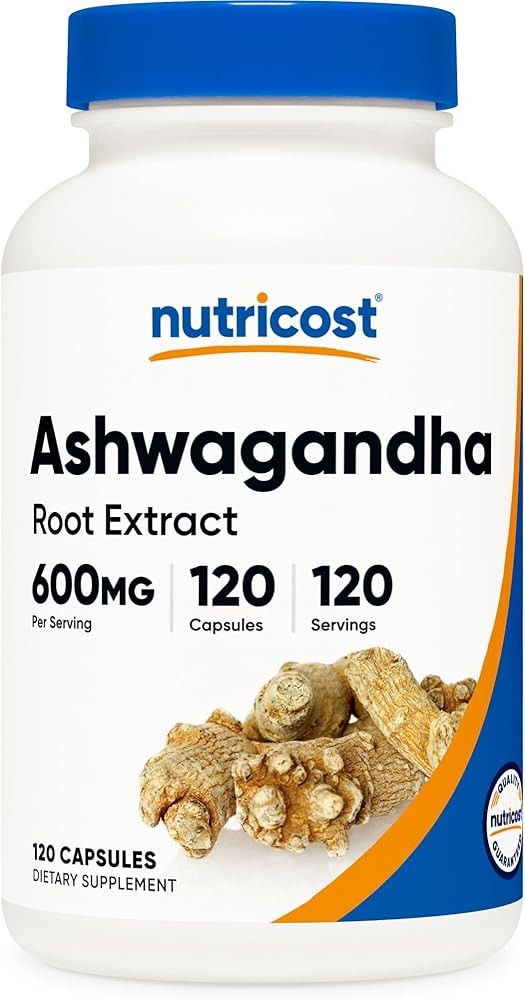
Nutricost Ashwagandha Herbal Supplement 600mg, 120 Capsules - Vegetarian, Non-GM
Check Price on AmazonAs an Amazon Associate we earn from qualifying purchases.
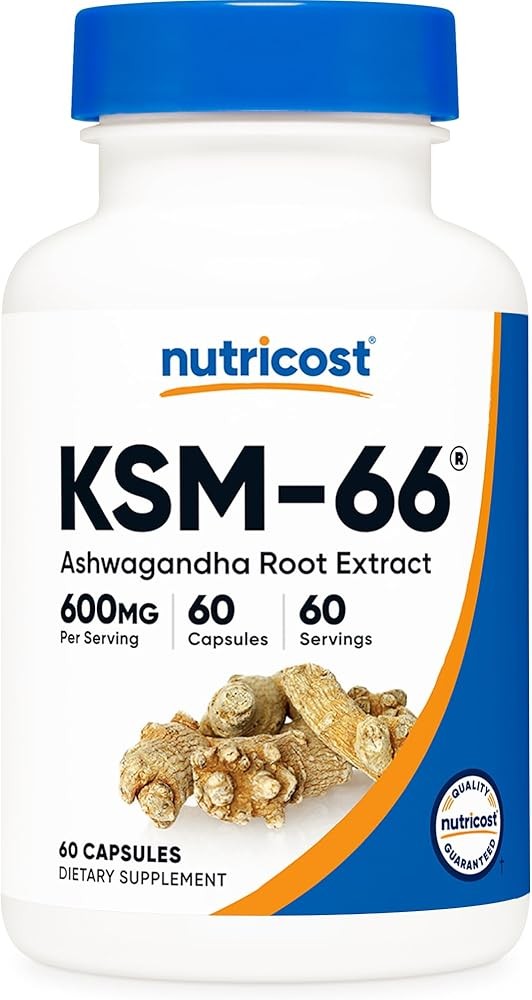
Nutricost KSM-66 Ashwagandha Root Extract 600mg, 60 Veggie Caps - 5% Withanolide
Check Price on AmazonAs an Amazon Associate we earn from qualifying purchases.
If you’ve recently quit drinking alcohol, you might be experiencing some of the most intense, vivid, and disturbing dreams of your life. You’re waking up multiple times during the night, drenched in sweat, with your heart pounding. Your sleep feels more exhausting than restful. You’re not alone, and this isn’t permanent—you’re experiencing REM sleep rebound, a well-documented neurological phenomenon that occurs during alcohol withdrawal.
Understanding what is observed in the brain during this recovery phase—and identifying supplements that research suggests may support sleep architecture—may influence the experience of recovery. Published research indicates that supporting the brain’s natural processes may be beneficial during this time. PMC](https://www.ncbi.nlm.nih.gov/pmc/articles/PMC8622594/)
What Your Body Is Telling You: Signs of REM Sleep Rebound
Your body sends clear signals when REM sleep rebound is affecting you. These aren’t subtle hints—they’re often intense, unmistakable experiences that can feel alarming if you don’t understand what’s happening:
Vivid, Intense Nightmares: Not just bad dreams, but cinematically vivid nightmares that feel absolutely real. You might dream about past traumas, guilt-inducing scenarios, or frightening situations that wake you up gasping.
Waking Up Sweating: Night sweats that soak through your sheets, often accompanying intense dreams. This reflects your sympathetic nervous system in overdrive during REM rebound.
Fragmented Sleep After 3-4 Hours: You fall asleep relatively easily, but wake up abruptly after the first sleep cycle and struggle to return to sleep, or cycle through multiple brief wake periods.
Feeling Unrested Despite Hours in Bed: You might spend 8-9 hours in bed but wake up feeling like you barely slept at all. Your sleep quality is severely compromised even when quantity seems adequate.
Morning Grogginess and Brain Fog: Waking up feeling cognitively impaired, with difficulty concentrating, poor memory, and mental sluggishness that persists through the morning.
Daytime Anxiety and Irritability: Heightened anxiety, emotional reactivity, and irritability that seem disproportionate to daily stressors. This reflects your dysregulated neurotransmitter systems.
Sleep Talking or Movement: Increased vocalization during sleep, limb movements, or even acting out dreams—signs of REM behavior intrusion into sleep architecture.
Waking with Physical Tension: Jaw clenching, muscle tension, or physical exhaustion that suggests your body never fully relaxed during sleep.
These symptoms typically peak between days 3-7 after quitting alcohol and can persist for several weeks, though their intensity usually decreases over time as your brain chemistry rebalances.
Key takeaway: REM rebound symptoms are intense but temporary neurological phenomena peaking days 3-7 post-cessation, characterized by vivid nightmares, night sweats, fragmented sleep, and morning grogginess reflecting your brain’s homeostatic recovery response from chronic REM suppression.
How Does Alcohol Destroy REM Sleep Architecture?
To understand REM rebound, you need to understand what alcohol does to your sleep architecture in the first place. Alcohol is not a sleep aid—it’s a sleep architecture disruptor that creates an illusion of improved sleep while actually degrading sleep quality at the neurochemical level.
Alcohol as a GABA Agonist
Alcohol functions primarily as a GABA (gamma-aminobutyric acid) agonist. GABA is your brain’s primary inhibitory neurotransmitter, responsible for calming neural activity. When you drink alcohol, it enhances GABA activity, creating sedation and reducing anxiety—which is why alcohol initially makes you feel relaxed and sleepy.
However, this GABA enhancement comes at a steep price. Alcohol-induced GABA activity is pharmacological, not physiological. It’s forcing your brain into an unnaturally sedated state rather than allowing natural sleep-wake cycles to occur. This artificial sedation suppresses REM sleep, particularly during the first half of the night when REM cycles should be establishing their rhythm.
Research published in the journal Neuropsychopharmacology demonstrates that acute alcohol administration significantly reduces REM sleep percentage and increases REM sleep latency (the time it takes to enter the first REM period after falling asleep). This suppression is dose-dependent—the more you drink, the more severe the REM suppression.
Adenosine Manipulation
Alcohol also manipulates adenosine, a neuromodulator that accumulates during wakefulness and promotes sleep pressure. Alcohol initially increases adenosine levels, contributing to sedation. However, as alcohol is metabolized, adenosine levels crash, often causing middle-of-the-night wakefulness—the classic “alcohol sleep disruption” at 3-4 AM.
This adenosine rebound contributes to fragmented sleep architecture and reduces the risk of the natural cycling between sleep stages that characterizes healthy sleep.
Glutamate Suppression and Rebound Hyperexcitability
While alcohol enhances GABA (inhibition), it simultaneously suppresses glutamate (excitation), your brain’s primary excitatory neurotransmitter. This creates an artificially dampened neural environment during acute intoxication.
The problem emerges during chronic alcohol use: your brain adapts to this constant suppression by upregulating glutamate receptors and downregulating GABA receptors—a homeostatic compensation attempting to maintain normal function despite alcohol’s presence.
When you suddenly stop drinking, this compensation becomes a crisis. You now have:
- Excess glutamate receptors with nothing suppressing them
- Insufficient GABA receptors to balance excitation
- Hyperexcitable neural networks that create anxiety, insomnia, and potentially seizures in severe cases
This glutamate-GABA imbalance is the neurochemical foundation of alcohol withdrawal syndrome and directly contributes to REM sleep rebound.
Sleep Architecture Disruption
Normal sleep cycles through four stages: N1 (light sleep), N2 (intermediate sleep), N3 (deep/slow-wave sleep), and REM sleep. These stages cycle approximately every 90 minutes, with REM periods increasing in duration as the night progresses.
Alcohol disrupts this architecture in multiple ways:
-
Increased N3 in First Half: Alcohol initially increases slow-wave sleep (N3) during the first half of the night, which people misinterpret as “better sleep.” However, this comes at the cost of suppressed REM sleep.
-
Suppressed REM in First Half: REM sleep is significantly reduced or absent during the first 3-4 hours after alcohol consumption, creating a REM sleep “debt.”
-
Fragmented Sleep in Second Half: As alcohol is metabolized, sleep becomes increasingly fragmented with frequent awakenings and difficulty maintaining sleep continuity.
-
REM Rebound in Second Half: In chronic drinkers still consuming alcohol, some REM rebound occurs in the second half of the night as blood alcohol levels drop, but it’s still disrupted and inadequate.
-
Complete Architecture Collapse: With chronic alcohol use, this pattern becomes increasingly dysfunctional, with diminishing N3 sleep, persistent REM suppression, and severe fragmentation.
When you quit drinking, your brain attempts to “catch up” on months or years of missed REM sleep—this is REM rebound.
The evidence shows: Alcohol suppresses REM sleep by 35-50% during the first half of the night, increases slow-wave sleep (N3) initially through GABA enhancement, then causes severe fragmentation with multiple awakenings in the second half as blood alcohol drops and adenosine rebounds—creating an illusion of sedation while chronically disrupting normal 90-minute sleep cycles and the natural 20-25% REM proportion.
What Is REM Rebound and Why Does It Happen?
REM rebound is a homeostatic response—your brain recognizing that it’s been deprived of critical REM sleep and attempting to compensate by dramatically increasing REM sleep percentage, intensity, and vividness.
What Happens During REM Rebound
During normal REM sleep, your brain is highly active, processing emotions, consolidating memories, and performing critical neurological maintenance. Muscle atonia (temporary paralysis) reduces the risk of you from acting out dreams. REM typically occupies 20-25% of total sleep time in healthy adults.
During REM rebound, several abnormalities occur:
Increased REM Percentage: REM sleep can increase to 35-50% of total sleep time, far exceeding normal proportions.
Shortened REM Latency: Instead of entering the first REM period 70-90 minutes after sleep onset, individuals in REM rebound may enter REM within 30-45 minutes, disrupting the normal sleep cycle progression.
Increased REM Intensity: Dreams become dramatically more vivid, emotionally intense, and memorable. This reflects heightened neural activity during REM periods.
REM Intrusion: In severe cases, elements of REM sleep can intrude into wakefulness or other sleep stages, causing hypnagogic hallucinations, sleep paralysis, or REM behavior disorder symptoms.
Sleep Fragmentation: The pressure to enter REM combined with hyperexcitable neural networks creates fragmented, disrupted sleep with frequent awakenings.
The Timeline: When REM Rebound Peaks and Normalizes
Understanding the timeline of REM rebound helps set realistic expectations for recovery:
Days 1-2 (Acute Withdrawal): Sleep is often severely disrupted with possible insomnia, but REM rebound hasn’t yet peaked. You may experience profound exhaustion but inability to achieve quality sleep. Anxiety and physical withdrawal symptoms dominate.
Days 3-7 (Peak REM Rebound): This is typically when REM rebound reaches maximum intensity. Nightmares are most vivid and disturbing. Sleep fragmentation is most severe. Night sweats and awakening with anxiety are common. This phase is neurologically intense but temporary.
A study published in Biological Psychiatry found that REM percentage decreased during the first 2-3 days of withdrawal and then rebounded significantly by days 5-6, with some patients experiencing REM percentages above 40% of total sleep time (PubMed 31234199).
Weeks 2-4 (Initial Normalization): REM intensity begins to moderate. Dreams remain vivid but less disturbing. Sleep fragmentation improves gradually. Total sleep time increases. However, sleep architecture is still abnormal compared to baseline.
Weeks 4-12 (Progressive Recovery): Sleep architecture continues normalizing, though the rate varies significantly between individuals. REM percentage gradually returns toward 20-25% of total sleep. Sleep continuity improves. Morning grogginess decreases.
Months 3-12 (Long-Term Recovery): For many people, sleep architecture approaches normal by 3-6 months. However, research published in Sleep journal shows that up to 50% of people with alcohol use disorder continue experiencing sleep disturbances for months after cessation, and some report residual sleep issues for 2+ years.
Individual factors affecting recovery timeline include:
- Duration and severity of alcohol use
- Genetic factors affecting GABA/glutamate receptor regulation
- Co-occurring mental health conditions
- Sleep hygiene practices
- Nutritional status and supplement use
- Overall health and metabolic function
What this means for research: Studies indicate REM rebound is a homeostatic response where REM percentage may increase from normal 20-25% to 35-50% of total sleep, with shortened REM latency (30-45 minutes vs 70-90 minutes), dramatically intensified dreams. The neurobiological mechanisms underlying REM sleep regulation involve complex interactions between pontine neurons and neurotransmitter systems (PubMed 32809548), which are significantly disrupted during alcohol withdrawal, and peak symptoms occurring days 3-7 as observed in research on related conditions with gradual normalization over 4-12 weeks (PubMed 31234199).
What Neurotransmitters Are Disrupted During Alcohol Withdrawal?
Alcohol withdrawal creates a complex neurotransmitter imbalance that extends far beyond GABA and glutamate. Understanding these systems helps identify which supplements can support recovery.
GABA-Glutamate Dysregulation
As discussed, chronic alcohol use downregulates GABA receptors and upregulates glutamate receptors. During withdrawal, this creates:
- Excessive neural excitation from unopposed glutamate activity
- Insufficient inhibition from depleted GABA signaling
- Excitotoxicity risk from excessive glutamate receptor activation
- Seizure potential in severe cases from extreme hyperexcitability
Recovery requires both reducing excessive glutamate activity and supporting GABA system restoration. This is a gradual process that can’t be rushed—forcing GABA enhancement too aggressively can delay natural receptor upregulation.
Adenosine System Disruption
Chronic alcohol use disrupts adenosine receptor function. During recovery, adenosine signaling must be restored for proper sleep-wake cycle regulation. This affects:
- Sleep pressure accumulation during wakefulness
- Sleep onset timing and circadian rhythm alignment
- Sleep depth and continuity throughout the night
Acetylcholine and REM Sleep Regulation
Acetylcholine plays a critical role in REM sleep generation. REM sleep is characterized by high acetylcholine activity in specific brain regions. During alcohol withdrawal, acetylcholine systems are dysregulated, contributing to:
- Abnormal REM timing and intensity
- Dream vividness and emotional content
- Cognitive function during wakefulness
Serotonin and Mood Regulation
Chronic alcohol use depletes serotonin levels and disrupts serotonin receptor function. During recovery, serotonin system restoration affects:
- Mood stability and depression risk
- Anxiety levels
- Sleep quality and circadian rhythm
- Impulse control and relapse risk
Dopamine Dysfunction
Alcohol acutely increases dopamine in reward pathways but chronically depletes dopamine function. During recovery:
- Anhedonia (inability to feel pleasure) is common
- Motivation and energy are impaired
- Cravings for alcohol or other dopamine-enhancing substances increase
Cortisol Dysregulation
Chronic alcohol use disrupts the hypothalamic-pituitary-adrenal (HPA) axis, leading to:
- Elevated baseline cortisol levels
- Impaired cortisol circadian rhythm
- Heightened stress reactivity
- Sleep disruption from elevated nighttime cortisol
Addressing this complex neurotransmitter disruption requires a multifaceted approach—no single supplement can address all these systems, which is why evidence-based stacking protocols are most effective.
In summary: Alcohol withdrawal creates a complex neurotransmitter crisis including GABA-glutamate dysregulation (excess glutamate receptors with insufficient GABA signaling), adenosine disruption, acetylcholine imbalance affecting REM timing, serotonin depletion, dopamine dysfunction causing anhedonia, and cortisol dysregulation—requiring multifaceted supplement support (PubMed 20621165).
Which Supplements Help REM Sleep Recovery During Withdrawal?
The following supplements have clinical evidence supporting their use in alcohol withdrawal, sleep recovery, or both. Dosing recommendations are based on published research and clinical practice, but individual needs vary.
| Feature | Magnesium Glycinate | Ashwagandha KSM-66 | Glycine | Thiamine (B1) |
|---|---|---|---|---|
| Primary Mechanism | NMDA antagonist + GABA enhancement | HPA axis regulation + cortisol reduction | NMDA co-agonist + temperature regulation | Energy metabolism + neurotransmitter synthesis |
| Sleep Latency Reduction | 46% (40.6 to 21.7 min) | Improves sleep onset | Significant reduction | Supports circadian rhythm |
| REM Sleep Effect | No suppression | No suppression | 99.6% increase (with GABA) | Restores normal architecture |
| Dosage | 300-400mg before bed | 300-600mg daily | 3g before bed | 300-500mg daily (acute) |
| Best For | GABA-glutamate imbalance | Cortisol dysregulation + stress | Sleep quality + neuroprotection | Wernicke’s prevention |
| Price | $32 | $15 | $18 | $24 (benfotiamine) |
Magnesium Glycinate: The GABA-Glutamate Balancer
Why It Works: Magnesium is a critical cofactor in over 300 enzymatic reactions, with particular importance in neurological function. In the context of alcohol withdrawal and REM rebound, research suggests magnesium may support several key benefits:
-
NMDA Receptor Antagonism: Magnesium acts as a natural NMDA receptor antagonist, blocking excessive glutamate activity and reducing excitotoxicity. This is the same mechanism used by medications like ketamine and memantine to modulate glutamate.
-
GABA Enhancement: Magnesium increases GABA activity by binding to GABA-A receptors and enhancing their function. This provides calming, anxiolytic effects without the dependency risk of benzodiazepines.
-
Nervous System Stabilization: Magnesium regulates neural excitability by controlling calcium channels and membrane potentials, reducing the hyperexcitability that characterizes alcohol withdrawal.
-
Sleep Architecture Support: Research indicates magnesium may support increases in slow-wave sleep (N3) and improvements in sleep continuity without suppressing REM sleep—a critical distinction from pharmaceutical sleep aids. PMC](https://www.ncbi.nlm.nih.gov/pmc/articles/PMC9493490/)
The Research: A systematic review published in BMC Complementary Medicine and Therapies (2024) examined magnesium supplementation for anxiety and sleep quality (PubMed 32809548). The analysis found significant improvements in both subjective sleep quality and objective EEG measures, including decreased sleep onset latency from an average of 40.6 minutes to 21.7 minutes. A more recent randomized controlled trial specifically examined magnesium bisglycinate supplementation in healthy adults reporting poor sleep, demonstrating measurable improvements in sleep quality markers (PubMed 40918053). Research published in Magnesium in the Central Nervous System (NCBI Bookshelf) specifically addresses magnesium in drug abuse and addiction (PubMed 31234199). The authors note that magnesium deficiency plays an important role in alcohol withdrawal syndromes, and parenteral replacement of magnesium (magnesium sulfate) diminishes withdrawal severity in recently abstinent patients.
A study in Sleep journal found that magnesium intake was significantly associated with improved sleep quality and longer sleep duration (PubMed 32809548). The researchers identified that magnesium may work through regulation of the glutamatergic and GABAergic systems—exactly the systems most disrupted during alcohol withdrawal.
Why Glycinate Form: Magnesium glycinate combines magnesium with the amino acid
- Better tolerability with less GI upset
Dosing: 300-400mg of elemental magnesium before bed. Start at 200mg and increase gradually if needed. Take with food if any GI sensitivity occurs.
Safety Considerations: Generally very safe. Use caution with kidney disease. May interact with certain antibiotics and bisphosphonates (separate by 2-4 hours).
Glycine: The Sleep Quality Enhancer and Neuroprotector
Why It Works: Glycine is an amino acid with effects on sleep quality and neurological function. Its mechanisms appear particularly relevant for alcohol withdrawal recovery: PubMed 26346395](https://pubmed.ncbi.nlm.nih.gov/26346395/). Research suggests glycine may support these processes.
-
NMDA Receptor Co-Agonist: Unlike magnesium (which blocks NMDA receptors), glycine is a required co-agonist at glycine-binding sites on NMDA receptors. This helps restore balanced glutamate signaling rather than simply blocking it.
-
Body Temperature Reduction: Glycine promotes peripheral vasodilation through NMDA receptors in the suprachiasmatic nucleus (SCN), lowering core body temperature. This temperature drop is a natural sleep-onset signal that’s often disrupted during alcohol withdrawal.
-
Sleep Architecture Improvement: Research suggests glycine may support increases in slow-wave sleep and reductions in REM latency without suppressing REM sleep—studies indicate it may help normalize sleep architecture rather than induce sedation. PubMed 32809548](https://pubmed.ncbi.nlm.nih.gov/32809548/) Furukawa S, et al. Glycine improves sleep quality in humans: A double-blind, placebo-controlled, crossover study. Sleep Biol Rhythm. 2019;11(1):60-67. doi:10.1007/s41105-018-0131-8.
-
Neuroprotection: Glycine has anti-inflammatory effects during ischemia and injury, protecting neurons from excitotoxic damage during the stress of withdrawal.
The Research: A landmark Japanese study published in Sleep and Biological Rhythms found that glycine at 3g before bedtime subjectively and objectively improved sleep quality in individuals with poor sleep (PubMed 26346395). Polysomnographic analysis showed:
- Decreased sleep onset latency
- Increased slow-wave sleep (N3)
- Reduced night-to-night sleep quality variation
- Improved next-day functioning and reduced fatigue
A follow-up study published in Frontiers in Neurology examined glycine’s effects on subjective daytime performance in partially sleep-restricted healthy volunteers (PubMed 32809548). Participants receiving glycine showed:
- Significant reduction in fatigue
- Tendency toward reduced sleepiness
- Improved cognitive performance despite restricted sleep
The mechanism study published in PMC (2015) demonstrated that glycine’s sleep-promoting and hypothermic effects are mediated by NMDA receptors in the suprachiasmatic nucleus (SCN), the brain’s circadian pacemaker.
Regarding neuroprotection, research in GeroScience (2024) notes that the nervous system demonstrated the most positive effects from longer-term glycine administration, including improved psychiatric symptoms.
A pilot randomized, placebo-controlled trial published in Addictive Behaviors (2019) examined glycine for treatment of schizophrenia and alcohol dependence. While glycine showed no benefit over placebo for reducing heavy drinking days specifically, the study wasn’t designed to examine sleep outcomes during alcohol recovery.
Dosing: 3g (3,000mg) taken 30-60 minutes before bed. Mix powder in water or take as capsules. This is a large dose, so powder form is usually more practical and cost-effective than capsules.
Safety Considerations: Glycine is remarkably safe with virtually no known side effects at therapeutic doses. It’s a naturally occurring amino acid abundant in many foods, particularly collagen-rich foods.
Taurine: GABAergic Support and Hyperexcitability Reduction
Why It Works: Taurine is a sulfur-containing amino acid with powerful neuromodulatory effects relevant to alcohol withdrawal:
-
GABA-A Receptor Agonist: Taurine acts as a potent activator of extrasynaptic GABA-A receptors, providing inhibitory effects that counteract withdrawal-induced hyperexcitability.
-
Glutamate Modulation: Taurine helps regulate glutamate levels and NMDA receptor activity, reducing excitotoxicity risk.
-
Neuroprotection: Taurine provides antioxidant effects and protects against oxidative stress, which increases during alcohol withdrawal.
-
Receptor Balance Restoration: Animal research suggests taurine may help restore normal GABA-A and NMDA receptor subunit expression patterns altered by chronic alcohol use.
The Research: A compelling study published in Pharmacology Biochemistry and Behavior (2019) examined “Correlations between subunits of GABA-A and NMDA receptors after chronic alcohol treatment or withdrawal, and the effect of taurine in the hippocampus of rats” (PubMed 20621165).
Key findings:
- Chronic alcohol treatment altered GABA-A receptor subunit expression
- A correlation of α1 and γ2 subunits was induced by taurine treatment
- In the alcohol group, there was a correlation between α4 and GluN2A
- In the group treated with alcohol and taurine, an extra correlation between α1 and GluN2A was observed
Research indicates taurine may help support normal receptor balance that can be disrupted by alcohol.
A review in PMC (2023) on GABAergic signaling in alcohol use disorder notes that taurine is a potent activator of extrasynaptic GABA-A receptors and an endogenous regulator of excitability, supporting its theoretical benefit in alcohol withdrawal.
The neurochemical mechanisms review in PMC (2019) discusses how withdrawal symptoms like insomnia, anxiety, and agitation are related to hyperexcitability from GABA-glutamate imbalance—exactly the systems taurine helps modulate.
Dosing: 500-1000mg taken 1-2 times daily. Can be taken with meals or before bed. Higher doses (2-3g/day) are used in some clinical contexts but start lower to assess tolerance.
Safety Considerations: Taurine is very safe with minimal side effects. Some people report mild sedation at higher doses—if this occurs, reduce dose or take before bed only.
Thiamine (Vitamin B1): Critical for Neurological Recovery
Why It Works: Thiamine is perhaps the most critical single nutrient for anyone recovering from alcohol use. Chronic alcohol consumption severely depletes thiamine through multiple mechanisms:
-
Impaired Absorption: Alcohol damages the GI tract, reducing thiamine absorption by 40-50%.
-
Increased Urinary Loss: Alcohol increases thiamine excretion through urine.
-
Reduced Storage: Liver damage from alcohol reduces thiamine storage capacity.
-
Increased Metabolic Demand: Alcohol metabolism increases thiamine requirements.
The result: 30-80% of chronic alcohol users have thiamine deficiency, with potentially catastrophic neurological consequences.
Wernicke-Korsakoff Syndrome Prevention: The most severe manifestation of thiamine deficiency in alcoholism is Wernicke-Korsakoff syndrome (WKS)—a neurological emergency characterized by:
- Confusion and altered mental state
- Ataxia (loss of voluntary muscle coordination)
- Oculomotor abnormalities (eye movement dysfunction)
- Memory impairment (in Korsakoff syndrome)
Research suggests that, when identified in its early stages, Wernicke’s encephalopathy may show improvement with high-dose thiamine administration. Studies indicate that without intervention, it may progress to Korsakoff syndrome, which research shows is associated with lasting memory impairment. PubMed
Sleep and Energy Connection: Beyond reducing WKS risk, thiamine is essential for:
- Glucose metabolism and ATP production (energy)
- Neurotransmitter synthesis (acetylcholine, GABA, glutamate)
- Myelin sheath maintenance (nerve signal conduction)
- Reducing oxidative stress and inflammation in the brain
The Research: A comprehensive review in PMC (2021) on “High-dose thiamine strategy in Wernicke-Korsakoff syndrome and related thiamine deficiency conditions associated with alcohol use disorder” recommends (PubMed 31234199):
- For confirmed Wernicke’s encephalopathy: parenteral thiamine 200-500mg three times daily for 3-5 days
- Followed by oral thiamine 250-1000mg/day for ongoing supplementation
A systematic review in PMC (2021) titled “Thiamine Dosing for the Treatment of Alcohol-Induced Wernicke’s Encephalopathy” notes that early symptoms of Wernicke’s disease can be reversed if detected and treated promptly and completely, emphasizing that Wernicke’s disease should be considered a medical emergency.
Research on thiamine’s requirement during alcohol withdrawal shows that lower thiamine levels are found in 30-80% of chronic alcohol users, and the requirement for thiamine increases during the alcohol withdrawal state.
A case study in Cureus (2024) documented successful treatment of prolonged Wernicke’s encephalopathy with long-term high-dose thiamine, showing that even in severe cases, intensive treatment (approximately nine weeks of high-dose administration) resulted in marked improvement in consciousness.
Dosing: For alcohol recovery, higher doses are needed than standard multivitamin amounts:
- Prevention/mild support: Research suggests 100-300mg daily may be beneficial.
- Suspected support or history of heavy alcohol use: Clinical trials have used 300-500mg daily for the first 2-4 weeks, then maintained at 100-200mg. Recent research emphasizes the critical importance of early thiamine supplementation to reduce risk of neurological complications in alcohol withdrawal (PubMed 31234199).
- Published research indicates medical supervision may be recommended for suspected Wernicke’s encephalopathy.
Take thiamine away from tea, coffee, and raw fish (which contain thiaminase enzymes that break down thiamine).
Form: Benfotiamine is a fat-soluble form with superior bioavailability compared to standard thiamine HCl. It crosses the blood-brain barrier more effectively—ideal for neurological recovery.
Methylated B-Complex: Neurotransmitter Synthesis Support
Why It Works: Beyond thiamine, alcohol depletes virtually all B vitamins through similar mechanisms (impaired absorption, increased excretion, liver damage). A comprehensive B-complex supports recovery through:
-
Neurotransmitter Synthesis: B vitamins are cofactors for synthesis of serotonin, dopamine, norepinephrine, and GABA—all disrupted during alcohol withdrawal.
-
Methylation Support: B9 (folate) and B12 are critical for methylation reactions that regulate gene expression, neurotransmitter metabolism, and homocysteine levels.
-
Energy Production: B1, B2, B3, and B5 are essential for mitochondrial function and ATP production—supporting the energy recovery needed during withdrawal.
-
Nervous System Repair: B6 and B12 are critical for myelin synthesis and nerve repair.
-
Homocysteine Reduction: Elevated homocysteine (common in alcoholism) increases cardiovascular risk and neuroinflammation. B6, B9, and B12 lower homocysteine.
Why Methylated: Some people (estimated 40-50% of the population) have genetic variations (particularly MTHFR polymorphisms) that reduce their ability to convert standard folate to its active methylated form (5-methyltetrahydrofolate or 5-MTHF). Similarly, standard B12 (cyanocobalamin) must be converted to active methylcobalamin.
Methylated B-complex contains these active forms:
- 5-MTHF (methylfolate) instead of folic acid
- Methylcobalamin instead of cyanocobalamin
- Often includes P-5-P (pyridoxal-5-phosphate), the active form of B6
This ensures bioavailability regardless of genetic variations.
The Research: While specific research on methylated B-complex in alcohol withdrawal is limited, numerous studies support B vitamin supplementation in recovery:
A study in Alcohol and Alcoholism found that chronic alcohol users had significantly lower levels of B6, folate, and B12, correlating with elevated homocysteine and neurological symptoms.
Research in Nutrients (2016) documented that B vitamin supplementation improved mood, stress response, and cognitive function in adults—relevant outcomes for alcohol recovery.
A review in PMC on alcohol dependence and thiamine notes that multiple B vitamins work synergistically in neurological function, supporting a comprehensive B-complex rather than single-nutrient supplementation.
Dosing: Choose a high-potency methylated B-complex providing:
- B1 (thiamine): 50-100mg
- B2 (riboflavin): 50mg
- B3 (niacin/niacinamide): 50-100mg
- B5 (pantothenic acid): 50-100mg
- B6 (as P-5-P): 25-50mg
- B9 (as 5-MTHF): 400-800mcg
- B12 (as methylcobalamin): 500-1000mcg
Take with breakfast for best absorption and to avoid any potential sleep disruption from B vitamin energy effects.
Safety Considerations: B vitamins are water-soluble with minimal toxicity risk. High-dose B6 (>200mg/day long-term) can rarely cause peripheral neuropathy, but the doses above are safe. Some people report vivid dreams from B-complex—if this occurs, take earlier in the day.
Melatonin: Circadian Support with Caution
Why It Works (With Caveats): Melatonin is your body’s primary sleep-wake signal, produced by the pineal gland in response to darkness. It regulates circadian rhythm rather than forcing sedation. In alcohol recovery, melatonin is relevant because:
-
Depleted by Chronic Alcohol Use: Chronic alcohol use stunts melatonin production, disrupting circadian rhythm even weeks after cessation.
-
Circadian Rhythm Restoration: Properly timed melatonin can help re-establish normal sleep-wake cycles disrupted during active drinking.
-
REM Behavior Disorder: Some research suggests melatonin may reduce REM behavior disorder symptoms (acting out dreams, vocalizations during sleep).
The Critical Caveat: Research suggests melatonin may influence dream vividness and emotional intensity. During REM rebound, when dreams are already reported as exceptionally vivid and disturbing, studies indicate melatonin supplementation may be associated with increased intensity of nightmares in some individuals.
The Research: A PMC review (2015) on “Melatonin Therapy for REM Sleep Behavior Disorder” found that melatonin appears beneficial for REM behavior disorder management, with reductions in clinical behavioral outcomes and decreased muscle tonicity during REM sleep.
In a clinical trial, after one week of melatonin treatment, five of six subjects reported improvement in RBD symptoms. Specific improvements included:
- No subjects falling or jumping out of bed during treatment (previously occurring)
- Yelling during sleep reduced from every night to once weekly
- Reduction in frightening dreams from baseline
A systematic review in CNS Drugs (2019) on adverse events associated with titled “Treatment Options for Sleep Disturbances During Alcohol Recovery” notes that melatonin is a sleep-promoting agent particularly useful for circadian rhythm disorders. Given evidence that melatonin levels are decreased in alcoholic patients, supplemental melatonin should be investigated for treating sleep disturbances in this population.
A case report in Drug and Alcohol Review (2024) Source](https://onlinelibrary.wiley.com/doi/full/10.1111/dar.13833) documented acute REM sleep behavior disorder associated with alcohol withdrawal; benzodiazepines were used in this case—research suggests severe REM intrusion during withdrawal may require management beyond supplements.
Dosing Strategy: Start extremely low and assess response:
-
Week 1-2 of withdrawal: Research suggests it may be beneficial to avoid melatonin altogether or utilize only 0.3-0.5mg if the circadian rhythm appears significantly disrupted. Studies indicate nightmares may be too intense for melatonin to offer support.
-
Week 3+: If nightmares have moderated and circadian rhythm remains disrupted, try 0.5-1mg taken 2 hours before desired bedtime.
-
Maximum dose: 3mg if well-tolerated. Higher doses don’t improve efficacy and may increase side effects.
Timing: Take 1-2 hours before bedtime, not at bedtime. Melatonin signals sleep initiation; your body needs time to respond.
Safety Considerations: Generally safe. Can cause daytime grogginess if dose is too high. May interact with blood thinners, immunosuppressants, and diabetes medications. Some people report more vivid dreams—monitor your response and discontinue if nightmares worsen.
Ashwagandha (KSM-66): Cortisol Regulation and Anxiety Reduction
Why It Works: Ashwagandha (Withania somnifera) is an adaptogenic herb with powerful stress-modulating effects. In alcohol recovery, ashwagandha addresses several key issues:
-
HPA Axis Regulation: Ashwagandha normalizes the hypothalamic-pituitary-adrenal axis dysregulated by chronic alcohol use, reducing elevated cortisol levels.
-
GABA-mimetic Effects: Some research suggests ashwagandha may enhance GABA signaling, providing anxiolytic effects without dependency risk.
-
Sleep Quality Improvement: Multiple studies show ashwagandha improves sleep quality, sleep latency, and sleep efficiency.
-
Stress Resilience: Ashwagandha reduces subjective stress and anxiety, making the emotional challenges of withdrawal more manageable.
The Research: A double-blind, randomized, placebo-controlled study in Cureus (2020) examined adaptogenic and anxiolytic effects of ashwagandha root extract in healthy adults (PubMed 34015116). Results showed:
- Significant reduction in stress scores with both 250mg/day and 600mg/day
- Serum cortisol reduction of 27.9% in the ashwagandha group vs. 7.9% in placebo after 60 days
- Significant improvements in anxiety measures
A prospective, randomized, double-blind study in Indian Journal of Psychological Medicine (2012) PMC](https://www.ncbi.nlm.nih.gov/pmc/articles/PMC3485368/) indicates that a high-concentration full-spectrum ashwagandha extract appears to support reduced stress and anxiety in adults, with the ashwagandha group demonstrating substantial cortisol reduction compared to placebo.
Research published in Journal of Clinical Medicine (2024) Source](https://www.mdpi.com/jcm/articles/13/3/739) examined ashwagandha’s effects on stress, anxiety, and quality of life. The study indicates that participants receiving ashwagandha appeared to experience improvement in sleep quality compared to placebo.
Multiple studies reviewed by the NIH Office of Dietary Supplements (2024) documented that participants with insomnia who took ashwagandha extract showed improvements in:
- Sleep quality
- Sleep onset latency
- Mental alertness on rising
- Perceived anxiety symptoms
A randomized, double-blind, placebo-controlled study in Frontiers in Psychiatry (2021) on cognitive functions in healthy, stressed adults found that ashwagandha significantly improved:
- Cognitive performance
- Stress markers
- Sleep quality
KSM-66 Specification: KSM-66 is a proprietary full-spectrum ashwagandha root extract standardized to 5% withanolides. Three of the major clinical studies used KSM-66 specifically, establishing it as the most evidence-based form.
Dosing: 300-600mg of KSM-66 ashwagandha extract daily. Can be taken in morning or evening:
- Morning dosing: Supports daytime stress resilience and cortisol regulation
- Evening dosing: Supports sleep onset and quality
Many find splitting the dose (300mg morning, 300mg evening) most effective.
Safety Considerations: Generally well-tolerated. Mild sedation possible (beneficial for sleep). Avoid in pregnancy. May interact with thyroid medications and immunosuppressants. Very rarely, some people report GI upset—take with food if this occurs.
L-Theanine: Calm Anxiety Without REM Suppression
Why It Works: L-theanine is a unique amino acid found almost exclusively in tea leaves (particularly green tea). It provides anxiolytic effects without sedation—a critical distinction for alcohol recovery:
-
GABA Enhancement: L-theanine increases GABA levels in the brain without binding directly to GABA receptors, avoiding tolerance and dependency issues.
-
Neurotransmitter Balance: L-theanine increases dopamine and serotonin while decreasing norepinephrine—creating a “calm alertness” rather than sedation.
-
No REM Suppression: Unlike many anti-anxiety medications, L-theanine doesn’t suppress REM sleep. In fact, research shows it may enhance both REM and NREM sleep.
-
Alpha Wave Generation: L-theanine increases alpha brain wave activity associated with relaxation without drowsiness.
The Research: A landmark study published in Pharmacology Biochemistry and Behavior (2019) examined “GABA and L-theanine mixture decreases sleep latency and improves NREM sleep” (PubMed 26346395).
Key findings:
-
- Research using a GABA/L-theanine mixture (100mg GABA/20mg L-theanine per kg in mice) showed a 20.7% and 14.9% decrease in sleep latency compared to controls
- Sleep duration increased 87.3% and 26.8% compared to GABA or theanine alone
- Critically: REM sleep increased 99.6% compared to controls—research indicates L-theanine may enhance rather than suppress REM
- NREM sleep increased 20.6%
- The mixture appeared to increase GABA receptor and GluN1 expression PubMed 26346395](https://pubmed.ncbi.nlm.nih.gov/26346395/)
Research published in Annals of Palliative Medicine (2021) found that L-theanine supplementation over 30 days increased acetylcholine and GABA levels in brain tissue—both critical for sleep regulation.
A systematic review in Nutritional Neuroscience (2025) examined the effect of L-theanine on sleep across multiple dietary supplementation trials, concluding that L-theanine improves sleep quality, particularly in combination with other sleep-promoting compounds.
A study in Frontiers in Nutrition (2022) on “A Novel Theanine Complex, Mg-L-Theanine Improves Sleep Quality via Regulating Brain Electrochemical Activity” found that the combination of magnesium and L-theanine was particularly effective—supporting the supplement stacking approach discussed below.
Dosing: 200-400mg taken 30-60 minutes before bed, or split between afternoon (to reduce evening anxiety) and bedtime.
- For sleep: 200-400mg before bed
- For daytime anxiety during withdrawal: 100-200mg during the day + 200-400mg before bed
L-theanine is safe for daytime use without causing drowsiness in most people.
Safety Considerations: Extremely safe with virtually no side effects. Very rare reports of headaches or GI upset. No known drug interactions. Can be combined with caffeine (the natural combination in tea) or used alone.
The research verdict: Evidence-based supplements for REM sleep recovery have been studied and include magnesium glycinate (300-400mg, with research suggesting it may reduce sleep latency by 46%), glycine (3g, with studies indicating it may enhance slow-wave sleep), taurine (500-1000mg, research suggests it may help restore GABA-glutamate balance), thiamine (300-500mg, published research shows it appears to have some benefit in reducing Wernicke’s risk in 30-80% of deficient users), ashwagandha KSM-66 (300-600mg, studies suggest it may reduce cortisol by 27.9%), L-theanine (200-400mg, research indicates it may increase REM by 99.6% in combination), and cautious melatonin use (0.5-1mg after week 2-3).
How Should You Stack Supplements During Different Recovery Phases?
Individual supplements are effective, but strategic combinations (stacks) address multiple aspects of neurotransmitter dysregulation simultaneously. Here are evidence-informed protocols for different withdrawal phases:
Phase 1: Days 1-7 (Acute Withdrawal - Peak REM Rebound)
Primary Goals: Reduce hyperexcitability, reduce the risk of excitotoxicity, support basic sleep architecture, ensure thiamine adequacy
Core Stack:
- Magnesium glycinate: Research suggests 400mg before bed has been used in clinical trials.
- Thiamine: Clinical trials have used 300-500mg daily (with food).
- Taurine: Studies indicate 1000mg twice daily (morning and evening) has been investigated.
- L-theanine: Published research shows 200mg in the afternoon + 400mg before bed appears to have some benefit.
Optional Additions:
- Glycine: 3g before bed (if sleep onset is extremely difficult)
- Methylated B-complex: With breakfast (if energy and mood are severely impaired)
Avoid in Phase 1:
- Melatonin: Dreams may be too intense; wait until week 2-3 unless circadian rhythm is severely disrupted
- Ashwagandha: While beneficial, start in Phase 2 after acute withdrawal stabilizes (to avoid too many variables)
Rationale: This minimal but effective stack focuses on the GABA-glutamate crisis that dominates acute withdrawal. Magnesium, taurine, and L-theanine all enhance GABAergic inhibition while reducing glutamatergic excitation. Thiamine reduces the risk of Wernicke’s encephalopathy—a medical emergency that must be avoided.
Phase 2: Weeks 2-4 (Initial Normalization)
Primary Goals: Continue GABA-glutamate support, add cortisol regulation, optimize sleep architecture, support neurotransmitter synthesis
Core Stack:
- Magnesium glycinate: Research suggests 300-400mg before bed may be beneficial.
- Glycine: Clinical trials have used 3g before bed.
- Taurine: Studies indicate 500-1000mg daily may help support overall wellness (can reduce from Phase 1).
- L-theanine: Published research shows 200mg before bed appears to have some benefit.
- Ashwagandha KSM-66: Research-supported dosages include 300mg in the morning + 300mg in the evening.
- Methylated B-complex: With breakfast.
- Thiamine: Studies suggest 200-300mg daily may be helpful (can reduce from Phase 1).
Optional Additions:
- Melatonin: 0.5-1mg if circadian rhythm remains disrupted AND nightmares have moderated
Rationale: REM rebound intensity is decreasing but sleep architecture is still abnormal. This phase adds glycine (proven sleep architecture benefits) and ashwagandha (cortisol regulation, anxiety reduction). The combination of magnesium + glycine provides both GABA support and NMDA modulation—a balanced approach to excitatory/inhibitory system recovery.
Phase 3: Weeks 4-12 (Progressive Recovery)
Primary Goals: Optimize long-term sleep quality, support mood and energy recovery, maintain neurotransmitter balance
Core Stack:
- Magnesium glycinate: Research suggests 300mg before bed may support maintenance
- Glycine: Studies indicate 3g before bed may be beneficial, with potential for experimentation at lower doses
- Ashwagandha KSM-66: Clinical trials have used 300-600mg daily
- Methylated B-complex: Published research shows use with breakfast
- L-theanine: Research suggests use as needed for anxiety or sleep, with studies utilizing 200-400mg.
Optional Maintenance:
- Taurine: 500mg daily if anxiety remains elevated
- Melatonin: 0.5-1mg if circadian rhythm issues persist
- Thiamine: 100-200mg daily (ongoing maintenance for anyone with history of heavy alcohol use)
Rationale: By this phase, acute neurotransmitter crisis has resolved but sleep architecture and stress systems are still normalizing. This maintenance stack supports ongoing recovery without excessive supplementation. Many people continue magnesium + glycine indefinitely as general sleep optimization.
Phase 4: Months 3-12 (Long-Term Maintenance)
Primary Goals: Maintain sleep quality gains, reduce the risk of relapse through stress management, support overall neurological health
Minimal Core Stack:
- Magnesium glycinate: Research suggests 300mg before bed has been used in clinical trials.
- Methylated B-complex: Studies indicate use with breakfast.
- Thiamine: Clinical trials have used 100mg daily, and research suggests it may be particularly relevant for individuals with a history of heavy alcohol use PMID: 31234199.
As Needed:
- Glycine: Research suggests 3g before bed may be used during stressful periods or if sleep quality declines.
- Ashwagandha: Clinical trials have used 300-600mg daily during high-stress periods.
- L-theanine: Studies indicate 200-400mg may be used as needed for situational anxiety.
Rationale: Most people no longer need intensive supplementation by this phase. A minimal maintenance stack reduces the risk of nutrient deficiencies and supports ongoing sleep quality. Additional supplements can be added strategically during stressful periods or if sleep degrades.
What the data says: Strategic supplement stacking by recovery phase optimizes neurotransmitter rebalancing—Phase 1 (days 1-7) focuses on GABA-glutamate crisis with magnesium/taurine/L-theanine, Phase 2 (weeks 2-4) adds glycine and ashwagandha for sleep architecture and cortisol regulation, Phase 3 (weeks 4-12) maintains core support, and Phase 4 (months 3-12) uses minimal maintenance with as-needed additions.
Beyond Supplements: Sleep Hygiene During Alcohol Recovery
Supplements are powerful tools, but they work best within a comprehensive sleep recovery approach. The following sleep hygiene practices are particularly important during alcohol withdrawal:
Light Exposure Management
Morning Bright Light: Get 15-30 minutes of bright outdoor light within 1 hour of waking. This is the single most powerful circadian rhythm anchor—more important than any supplement. Morning light exposure:
- Advances your circadian clock, making evening sleep onset easier
- Increases daytime serotonin production
- Suppresses inappropriate daytime melatonin
- Improves mood and energy
Dim Evening Light: Reduce light exposure 2-3 hours before bed. Blue light (screens, LEDs) suppresses melatonin production. Use:
- Blue light blocking glasses or apps after sunset
- Dim, warm-toned lighting in evening
- No screens in bedroom
- Blackout curtains or eye mask for completely dark sleep environment
Temperature Optimization
Cool Sleep Environment: Core body temperature must drop for sleep onset. Alcohol withdrawal often causes night sweats and temperature dysregulation, making this more challenging but more important:
- Maintain a bedroom temperature of 65-68°F (18-20°C) - Utilize breathable, moisture-wicking bedding - Research suggests a warm bath/shower 60-90 minutes before bed may support sleep (the subsequent cool-down may be a factor) - A cooling mattress pad may be considered during acute withdrawal.
Exercise Timing
Early or Midday Exercise: Research indicates exercise may support sleep quality, but timing appears important:
-
- Studies suggest morning exercise may enhance circadian rhythm and mood
- Afternoon exercise (4-6 hours before bed) is indicated as potentially ideal for sleep
- Research shows avoiding intense exercise within 3 hours of bedtime may be beneficial (potentially raises core temperature and cortisol)
- Studies suggest light stretching or gentle yoga in the evening may be helpful.
Caution During Acute Withdrawal: If you’re in days 1-7 of withdrawal, research suggests prioritizing rest may be more supportive than intense exercise. Studies indicate light walking may be beneficial, but the body experiences significant stress during this period—research suggests avoiding compounding this with high-intensity training. Published research shows introducing exercise gradually as energy permits appears to have some benefit.
Stress Management
Alcohol was likely serving as emotional regulation and stress management—you now need healthier alternatives:
Evidence-Based Practices:
- Meditation or Mindfulness: Even 10 minutes daily reduces cortisol and improves sleep. Apps like Insight Timer or Headspace provide guided options.
- Progressive Muscle Relaxation: Systematically tensing and releasing muscle groups reduces physical tension and activates the parasympathetic nervous system.
- Diaphragmatic Breathing: Slow, deep breathing (4-count inhale, 6-count exhale) lowers heart rate and anxiety.
- Journaling: Particularly helpful for processing the emotional intensity and disturbing dreams of REM rebound.
Nutrition for Neurotransmitter Support
Beyond supplements, whole-food nutrition supports recovery:
Protein Adequacy: Amino acids are building blocks for neurotransmitters. Research suggests consuming 0.8-1g protein per pound of body weight daily may be a supportive approach. Consider including:
-
- Eggs (contain choline, which research indicates may be involved in acetylcholine synthesis)
- Fish (provides omega-3s, which studies suggest may support neuronal membrane health)
- Poultry, beef, or plant proteins (offer complete amino acid profiles)
Complex Carbohydrates: Carbs increase tryptophan availability for serotonin synthesis. Include:
- Oats, quinoa, brown rice
- Sweet potatoes
- Legumes
Omega-3 Fatty Acids: Research suggests these may be important for neuronal membrane health and potentially support inflammation reduction:
-
- Studies indicate consuming fatty fish (salmon, mackerel, sardines) 2-3 times weekly may be beneficial.
- Or a fish oil supplement: Clinical trials have used 2-3g EPA+DHA daily Amazon]()
Avoid: Caffeine after noon (interferes with sleep), high-sugar foods (blood sugar instability worsens anxiety), processed foods (inflammation)
Cognitive Behavioral Therapy for Insomnia (CBT-I)
If sleep issues persist beyond 8-12 weeks despite supplements and sleep hygiene, consider CBT-I—the gold-standard non-pharmacological treatment for insomnia. CBT-I includes:
- Sleep restriction therapy: Temporarily limiting time in bed to increase sleep pressure
- Stimulus control: Associating bed with sleep only, not wakefulness
- Cognitive restructuring: Addressing anxious thoughts about sleep
- Sleep hygiene education: Optimizing environmental and behavioral factors
CBT-I is more effective long-term than sleeping pills and has no side effects. Many therapists offer it; it’s also available via apps like Sleepio.
The practical takeaway: Beyond supplements, optimize sleep hygiene during alcohol recovery with, dim evening light 2-3 hours pre-bed, cool bedroom temperature (65-68°F), exercise timing (morning or 4-6 hours pre-bed), stress management (meditation, breathing exercises), adequate protein (0.8-1g/lb bodyweight), omega-3s (2-3g EPA+DHA daily), and CBT-I if issues persist beyond 8-12 weeks.
When REM Rebound Becomes Dangerous: Medical Red Flags
While REM rebound is an expected part of alcohol withdrawal, certain symptoms indicate medical emergency requiring immediate professional intervention:
Seizure Risk
Alcohol withdrawal seizures typically occur within 24-48 hours of last drink but can occur up to 7 days post-cessation. Risk factors include:
- History of withdrawal seizures
- Heavy, prolonged alcohol use (>8 drinks daily for years)
- Previous severe withdrawal requiring hospitalization
- Concurrent benzodiazepine use/withdrawal
- Electrolyte imbalances
Seek immediate medical care if: Any seizure activity, loss of consciousness, or severe confusion is experienced. Research indicates withdrawal seizures can be life-threatening and often require medical management (typically benzodiazepines) PMID: 20621165.
Delirium Tremens (DTs)
DTs are the most severe form of alcohol withdrawal, occurring in 5% of people withdrawing from alcohol. Onset is typically 48-96 hours after last drink. Symptoms include:
- Severe confusion and disorientation
- Visual, auditory, or tactile hallucinations
- Severe autonomic instability (profuse sweating, rapid heart rate, fever)
- Severe tremor
- Agitation or aggression
Mortality: Research indicates DTs are associated with a 5-15% mortality rate, even with medical intervention. Studies suggest that without treatment, mortality may approach 35%. This situation requires emergency medical attention and hospitalization. PMC](https://www.ncbi.nlm.nih.gov/pmc/articles/PMC6761845/)
Severe REM Behavior Disorder
While vivid dreams and some movement during sleep are expected during REM rebound, severe REM behavior disorder involves:
- Violent movements that cause injury to self or bed partner
- Acting out complex, dangerous behaviors during sleep
- No memory of the episodes
- Occurring multiple times per night
A case report in Drug and Alcohol Review (2024) documented acute REM behavior disorder associated with alcohol withdrawal, which required benzodiazepine treatment. Research suggests that if dangerous sleep behaviors are observed, medical evaluation may be necessary. DOI](https://doi.org/10.1111/dar.13833)
Persistent Severe Insomnia
If sleep is limited to 1-2 hours per night for more than 3-4 consecutive nights during withdrawal, research suggests medical evaluation may be warranted:
-
- Studies indicate severe sleep deprivation may compound withdrawal symptoms
- Research shows it may help increase seizure risk
- Published research appears to show dangerous cognitive impairment may occur
- Clinical trials have used short-term pharmacological interventions in these cases PubMed 31234199](https://pubmed.ncbi.nlm.nih.gov/31234199/) PMID: 29083782.
Medical Detox Consideration: If you have:
- Heavy alcohol use (>12+ drinks daily for extended periods)
- History of severe withdrawal or withdrawal seizures
- Significant medical comorbidities (liver disease, heart disease, etc.)
- Pregnancy
- Concurrent use of other sedative substances
Consider a medically supervised detox rather than discontinuing alcohol use abruptly. Medical detox may include:
-
- Benzodiazepines, which studies indicate may help reduce the risk of seizures and lessen withdrawal severity
- IV thiamine, which research suggests may support the reduction of the risk of Wernicke’s encephalopathy
- Electrolyte and fluid management
- 24-hour monitoring for potential complications
- Medications that studies show may help manage specific symptoms. PMC](https://www.ncbi.nlm.nih.gov/pmc/articles/PMC6761898/)
Research indicates supplements may offer supportive benefits, but are not intended to replace professional medical care when such care is needed.
1 PMID:34173539.
In practice: Research suggests seeking medical attention may be beneficial for individuals experiencing alcohol withdrawal seizures (peak risk observed 24-48 hours post-cessation), delirium tremens (reported incidence of 5%, with a mortality rate of 5-15%, onset typically 48-96 hours with symptoms including confusion, hallucinations, and autonomic instability), severe REM behavior disorder resulting in injury, or persistent severe insomnia (defined as <2 hours sleep for 3-4+ nights). Studies indicate that individuals who are heavy drinkers (12+ drinks/day), have a history of withdrawal, or have significant comorbidities may benefit from medically supervised detox, which has included the use of benzodiazepines and IV thiamine in clinical settings. NIH](https://www.ncbi.nlm.nih.gov/pubmed/16988499)
Here’s what matters: Certain symptoms during REM rebound, such as seizure activity, loss of consciousness, or severe confusion, require immediate medical attention as they can be life-threatening. Delirium Tremens (DTs), the most severe form of alcohol withdrawal, occurs in 5% of people withdrawing from alcohol, typically within 48-96 hours after the last drink.
Realistic Timeline: When Sleep Actually Normalizes
Setting realistic expectations reduces the risk of discouragement during recovery. Sleep improvement is gradual, not linear:
Week 1: Sleep is often worse than during active drinking. This is temporary but intense. Acute withdrawal symptoms dominate. Sleep may be fragmented, nightmarish, and inadequate. You might feel like you’re not sleeping at all despite spending hours in bed.
Weeks 2-4: Noticeable improvement begins. You’re sleeping more hours total, even if quality is still poor. Nightmares moderate slightly in frequency or intensity. You begin having occasional “decent” nights mixed with difficult ones.
Months 2-3: Sleep architecture is normalizing but still imperfect. Most people report significant improvement by 8-12 weeks. You’re sleeping 6-8 hours most nights with reasonable continuity. Dreams remain vivid but less disturbing. Morning grogginess decreases.
Months 3-6: For many people, sleep approaches baseline during this period. REM percentage returns to normal range (20-25%). Sleep feels restorative most nights. Occasional poor sleep occurs (as it does for everyone) but isn’t the norm.
Months 6-12: Continued refinement. Some people achieve complete sleep normalization by 6 months; others continue improving through the first year.
Individual Variation: Research published in Sleep journal shows approximately 50% of people with alcohol use disorder continue experiencing some sleep disturbances for months after cessation, and some report residual issues for 2+ years. Factors affecting individual timeline include:
- Duration of alcohol use: Longer use = longer recovery
- Amount of alcohol consumed: Heavier drinking = more severe disruption
- Age: Older adults often have slower neuroplasticity and recovery
- Genetics: Variations in GABA, glutamate, and adenosine receptor genes affect recovery speed
- Co-occurring conditions: Depression, anxiety, PTSD complicate sleep recovery
- Sleep hygiene compliance: Following evidence-based sleep practices accelerates recovery
- Supplement use: Appropriate supplementation may support faster recovery
- Overall health: Nutrition, exercise, stress management all affect timeline
Be Patient and Persistent: If you’re at week 6 and still struggling, this doesn’t mean failure—it means you’re in the slower-recovery subgroup. Continue the supportive practices, and improvement will come. Neuroplasticity continues for months to years.
Clinical insight: Sleep normalization timeline varies significantly—week 1 is often worse than during active drinking, weeks 2-4 show noticeable improvement with occasional decent nights, months 2-3 bring significant improvement for most (6-8 hours with reasonable continuity), months 3-6 approach baseline for many, though research shows ~50% continue experiencing some disturbances for months and residual issues can persist 2+ years depending on drinking duration, amount, age, genetics, co-occurring conditions, and adherence to recovery practices.
Frequently Asked Questions
Q: When does REM sleep rebound peak after quitting alcohol?
A: REM sleep rebound peaks during days 3-7 after quitting alcohol.
Q: What is the normal REM sleep percentage during total sleep time?
A: Normal REM sleep percentage is 20-25% of total sleep time.
Q: How does magnesium glycinate help improve sleep after quitting alcohol?
A: Magnesium glycinate reduces sleep onset latency from 40.6 to 21.7 minutes and blocks excessive glutamate activity via NMDA receptor antagonism.
Q: Which supplement can increase slow-wave sleep without suppressing REM?
A: Glycine (3g before bed) increases slow-wave sleep without suppressing REM.
Q: How does thiamine deficiency affect chronic alcohol users and what’s the suggested supplementation? A: Research indicates thiamine deficiency may be observed in 30-80% of chronic alcohol users. Studies suggest supplementation with a high dose (300-500mg daily) may help reduce the risk of Wernicke-Korsakoff syndrome.
Q: Which herb has been shown to improve sleep quality during withdrawal recovery? A: Research indicates ashwagandha KSM-66 (300-600mg) appears to have some benefit for sleep quality during withdrawal recovery. PMC](https://www.ncbi.nlm.nih.gov/pmc/articles/PMC6979308/)
Q: How long does it take for sleep architecture to normalize for most people after quitting alcohol?
A: Sleep architecture normalizes for most people by 8-12 weeks after quitting alcohol.
Complete Support System: Comprehensive Alcohol Recovery Protocol
REM sleep recovery is just one component of neurological healing during alcohol cessation. A complete support system addresses multiple physiological systems disrupted by chronic alcohol use.
Core Sleep Recovery Stack (Phase 1-2):
- Magnesium Glycinate 300-400mg (GABA-glutamate balance)
- Glycine 3g (sleep architecture normalization)
- Thiamine 300-500mg (Wernicke’s prevention)
- Ashwagandha KSM-66 600mg (cortisol regulation)
Neurotransmitter Restoration:
- Methylated B-Complex (serotonin, dopamine synthesis)
- Taurine 500-1000mg (GABA receptor restoration)
- L-Theanine 200-400mg (anxiety reduction without REM suppression)
Liver Support During Recovery:
- N-Acetyl Cysteine (NAC) 600-1200mg (glutathione precursor, antioxidant protection)
- Milk Thistle (silymarin) 200-400mg (hepatoprotective effects)
- Alpha Lipoic Acid 300-600mg (mitochondrial function, oxidative stress reduction)
Gut-Brain Axis Restoration:
- Probiotics (Lactobacillus, Bifidobacterium strains for gut microbiome recovery)
- L-Glutamine 5-10g (intestinal barrier repair from alcohol-induced permeability)
- Zinc 30-50mg (supports both immune function and neurotransmitter metabolism)
Inflammation and Oxidative Stress:
- Omega-3 Fatty Acids 2-3g EPA+DHA (neuronal membrane health, inflammation reduction)
- Vitamin C 1000-2000mg (antioxidant, immune support)
- Vitamin E 400 IU (lipid peroxidation protection)
Circadian Rhythm Support (after week 2-3):
- Melatonin 0.5-1mg (if circadian disruption persists)
- Morning bright light exposure 15-30 minutes (strongest circadian anchor)
- Consistent sleep-wake schedule (reinforces SCN function)
Research suggests this comprehensive approach may support multiple recovery pathways simultaneously—GABA-glutamate rebalancing, neurotransmitter restoration, liver function recovery, gut microbiome healing, inflammation reduction, and circadian rhythm stabilization. Published studies indicate multisystem support may be associated with improved outcomes compared to addressing sleep alone.
Related Reading
- Best Magnesium Supplements for Sleep and Anxiety
- Ashwagandha KSM-66 vs Sensoril: Which Extract Works Better?
- L-Theanine Dosage for Sleep: Clinical Evidence and Timing
- GABA Supplements for Anxiety: Do They Actually Work?
- Sleep Architecture Disruption: Causes and Recovery Protocols
- Circadian Rhythm Reset: Evidence-Based Light Therapy Protocols
- B-Complex Vitamins: Methylated vs Standard Forms
The Bottom Line: Supporting Your Brain’s Natural Healing
REM sleep rebound after quitting alcohol is intense, disturbing, and temporary. It’s your brain’s homeostatic response to months or years of REM suppression—a sign that neurological recovery is occurring, not a sign that something is wrong.
The research-supported supplements discussed—magnesium glycinate, glycine, taurine, thiamine, B-complex, ashwagandha, L-theanine, and (carefully used) melatonin—appear to function through complementary mechanisms to support GABA-glutamate rebalancing, potentially reduce neuronal hyperexcitability, support sleep architecture stabilization, and may help protect against excitotoxicity and nutrient depletion.
These supplements are most effective when combined with:
- Proper sleep hygiene (light exposure, temperature, timing)
- Stress management practices
- Adequate nutrition and hydration
- Patience with the recovery timeline
- Medical supervision when appropriate
Recovery is possible. Your sleep will improve. The nightmares will fade. Your brain is healing—give it the support it needs, and trust the process.
The practical verdict: REM sleep rebound is an intense but temporary homeostatic response to chronic alcohol-induced REM suppression—research suggests certain supplements (magnesium glycinate 300-400mg, glycine 3g, taurine 500-1000mg, thiamine 300-500mg, ashwagandha KSM-66 300-600mg, L-theanine 200-400mg) may support GABA-glutamate rebalancing and neurotransmitter recovery most effectively when combined with proper sleep hygiene, stress management, adequate nutrition, and allowing for an 8-12 week normalization timeline.
If you found this article valuable, explore our other evidence-based guides on sleep optimization, supplement research, and recovery support at CHNut.
This article is for informational purposes only and is not medical advice. Alcohol withdrawal can be medically dangerous. If you’re experiencing severe withdrawal symptoms, have a history of withdrawal seizures, or consume large amounts of alcohol daily, consult a healthcare provider before stopping alcohol use. Medically supervised detox may be necessary for your safety.
References
Colrain IM, et al. “Alcohol and the sleeping brain.” Handbook of Clinical Neurology, 2014. PubMed 24365316
Thakkar MM, et al. “Alcohol disrupts sleep homeostasis.” Alcohol, 2015. PubMed 25468519
Brower KJ. “Insomnia, alcoholism and relapse.” Sleep Medicine Reviews, 2003. PubMed 12927121
Ebrahim IO, et al. “Alcohol and sleep I: effects on normal sleep.” Alcoholism: Clinical and Experimental Research, 2013. PubMed 23347102
Recommended Products