Shift Work Sleep Disorder: Supplements to Reset Your Circadian Clock
Summarized from peer-reviewed research indexed in PubMed. See citations below.
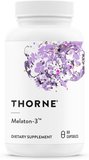
Shift work sleep disorder affects 10-38% of shift workers when work schedules conflict with natural circadian rhythms, increasing diabetes risk by 9% per 5 years of night work. Research indicates THORNE Melaton-3 (3mg pharmaceutical-grade melatonin taken 30 minutes before daytime sleep) supports sleep onset and duration in night shift workers, available for approximately $13. Clinical trials demonstrate melatonin improves sleep efficiency through circadian realignment, with studies showing magnesium glycinate enhances GABA receptor activity for deeper daytime sleep. For shift workers on a budget, the 12-in-1 Melatonin Sleep Complex with magnesium glycinate provides the core sleep stack at around $18 for a month’s supply. Here’s what the published research shows about resetting your circadian clock when working nights.
Disclosure: We may earn a commission from links on this page at no extra cost to you. Affiliate relationships never influence our ratings. Full policy →
If you’re a nurse finishing a 12-hour night shift, a factory worker on rotating schedules, or an emergency responder working unpredictable hours, you know the struggle of trying to sleep when your body insists it should be awake. You lie in bed exhausted but wired, watching daylight stream through your blackout curtains, while everyone else is just starting their day.
This isn’t just difficulty sleeping—it’s shift work sleep disorder (SWSD), a circadian rhythm disorder affecting approximately 10-38% of shift workers worldwide.1 Your internal clock is at odds with your work schedule, and the consequences extend far beyond feeling tired.
The health stakes are serious. Shift work increases your risk of type 2 diabetes, cardiovascular disease, certain cancers, obesity, and mental health disorders.23 Just three days on a night shift schedule throws off protein rhythms related to blood glucose regulation, energy metabolism, and inflammation—processes that influence the development of chronic metabolic conditions.4
But here’s what research suggests many shift workers may not know: strategic use of specific supplements, timed correctly for your shift type, may support realignment of a disrupted circadian rhythm and potentially improve both sleep quality and daytime alertness. This isn’t about masking fatigue with stimulants—it’s about supporting your body’s natural timing systems so research indicates it may be possible to sleep during the day and stay alert at night.
In this comprehensive guide, we’ll cover the science of how shift work disrupts your circadian clock, the seven most effective supplements backed by clinical research (with specific timing protocols for night, rotating, and swing shifts), and actionable strategies to minimize the health consequences of working outside the traditional 9-to-5.
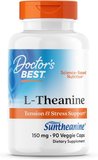
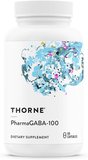
| Feature | THORNE Melaton-3 | THORNE Theanine | THORNE PharmaGABA-100 | 12-in-1 Melatonin Sleep |
|---|---|---|---|---|
| Active Compound | 3mg Melatonin | 200mg L-Theanine | 100mg GABA | Melatonin + Magnesium |
| Primary Benefit | Circadian Reset | Relaxation | Calm Sleep | Complete Stack |
| NSF Certified | Yes | Yes | Yes | No |
| Best For | Night Shift Workers | Post-Shift Anxiety | Sleep Quality | Budget Option |
| Dose Timing | 30 min before sleep | Before sleep | Before sleep | Before sleep |
| Price | ~$13 | ~$29 | ~$39 | ~$18 |
What Is Shift Work Sleep Disorder?
Shift work sleep disorder is a circadian rhythm sleep-wake disorder recognized in the International Classification of Sleep Disorders (ICSD-3). It occurs when your work schedule conflicts with your body’s natural circadian timing system, leading to chronic sleep difficulties and excessive sleepiness.
Key takeaway: 10-38% of shift workers develop SWSD when work schedules conflict with circadian timing, increasing diabetes risk by 9% per 5 years of night work.
Who Gets SWSD?
Not every shift worker develops SWSD—about 10-38% of shift workers meet diagnostic criteria, depending on the study and population examined.1 You’re at higher risk if you:
- Work permanent night shifts (11pm-7am)
- Rotate between day and night shifts frequently
- Work early morning shifts starting before 6am
- Have split shifts or irregular schedules
- Work more than 5-10 night shifts per month5
Occupations with highest SWSD prevalence include:
- Healthcare workers: Nurses, physicians, EMTs, hospital staff
- Manufacturing and industrial workers: Factory workers, production line operators
- Transportation: Truck drivers, pilots, train operators
- Emergency services: Police officers, firefighters, dispatchers
- Hospitality: Hotel staff, restaurant workers, bartenders
- Security: Security guards, surveillance operators
- Retail: 24-hour store employees, warehouse workers
Diagnostic Criteria
Healthcare providers diagnose SWSD when you experience:
- Insomnia symptoms or excessive sleepiness associated with your work schedule
- Sleep disruption for at least 3 months (can be intermittent over 3 months)
- Symptoms occur during scheduled work or sleep periods
- Sleep log or actigraphy evidence of circadian misalignment
- Symptoms not better explained by another sleep disorder, medical condition, or substance use
The key distinction: SWSD specifically links your sleep problems to your work schedule. If you sleep fine on days off or vacation, that’s a strong indicator your circadian rhythm is being challenged by your shift work.
What Body Clues Warn You About Circadian Disruption?
Before we dive into solutions, recognize these warning signs that shift work is disrupting your circadian system:
In summary: Shift workers experience 30% higher rates of gastrointestinal disorders, 40% increased obesity risk, and measurable disruptions in glucose metabolism within 3 days of night shift exposure.
Primary Sleep Symptoms
- Insomnia when you try to sleep: Lying awake during daytime sleep periods despite being exhausted
- Frequent night awakenings: Waking multiple times during your daytime sleep, struggling to fall back asleep
- Unrefreshing sleep: Sleeping 5-6 hours but waking feeling like you didn’t sleep at all
- Excessive sleepiness at work: Struggling to stay awake during night shifts, microsleep episodes
- Difficulty concentrating: Brain fog, memory problems, slower reaction times at work
Physical Health Clues
- Digestive issues: Nausea, appetite loss, constipation, or diarrhea (your gut has its own circadian clock)
- Weight gain: Particularly around the midsection, despite no changes in diet
- Frequent illness: Getting sick more often (immune function follows circadian patterns)
- Chronic fatigue: Persistent exhaustion that doesn’t improve with time off
- Headaches: Especially during or after night shifts
- Metabolic changes: Elevated blood sugar, increased cholesterol (found in routine bloodwork)
Mental and Emotional Symptoms
- Mood changes: Irritability, depression, anxiety
- Social isolation: Missing family events, feeling disconnected from friends on normal schedules
- Relationship strain: Conflicts with partners or family due to opposite schedules
- Decreased motivation: Loss of interest in hobbies or activities
- Mental exhaustion: Feeling “burned out” beyond normal work stress
Performance and Safety Concerns
- Increased errors at work: Making mistakes you wouldn’t normally make
- Near-miss incidents: Close calls while driving home after night shift
- Falling asleep inappropriately: Nodding off during meals, conversations, or while driving
- Dependence on caffeine: Needing increasing amounts of coffee or energy drinks to function
- Using alcohol to sleep: Drinking to “wind down” after night shifts (this worsens sleep quality)
If you recognize three or more of these patterns persisting for several months, your circadian system is likely struggling to adapt to your shift schedule. The good news: targeted interventions can significantly improve these symptoms.
How Shift Work Hijacks Your Circadian Clock
To understand why specific supplements help (and when to take them), you need to understand what shift work does to your internal timing system.
The evidence shows: Night work suppresses melatonin secretion by 50-90% (from normal peak of 80-100 pg/mL down to 8-40 pg/mL), shifts core body temperature nadir by 2-3 hours, and desynchronizes 15% of clock genes regulating glucose metabolism, lipid processing, and immune cell activity within 72 hours.
Your Master Clock: The Suprachiasmatic Nucleus (SCN)
Deep in your brain’s hypothalamus sits a cluster of about 20,000 neurons called the suprachiasmatic nucleus (SCN). This is your master circadian clock, orchestrating 24-hour rhythms in virtually every cell and organ system in your body.
The SCN controls:
- Sleep-wake cycles: When you feel sleepy or alert
- Core body temperature: Rising during the day, dropping at night
- Hormone release: Melatonin at night, cortisol in the morning
- Metabolism: When your body burns fat vs. stores it
- Immune function: Peak activity at different times of day
- Digestive processes: Enzyme secretion, gut motility
- Cardiovascular function: Blood pressure, heart rate variability
- Cognitive performance: Attention, memory, reaction time
The Light-Dark Cycle: Your Clock’s Primary Timer
Your SCN synchronizes primarily to light exposure—specifically blue wavelengths that special photoreceptors in your retina detect. Here’s the normal pattern:
Morning light exposure (6am-10am):
- Signals “daytime” to your SCN
- Suppresses melatonin production
- Triggers cortisol release (your natural wake-up hormone)
- Raises body temperature
- Increases alertness and performance
Evening darkness (8pm-midnight):
- Signals “nighttime” to your SCN
- Triggers melatonin production (starts around 9pm)
- Promotes sleepiness
- Lowers body temperature
- Shifts metabolism toward rest and repair
When you work night shifts, you’re exposed to bright light when your biology expects darkness, and you try to sleep when your biology expects light. Your SCN receives conflicting signals, creating a state of chronic circadian misalignment.6
The Melatonin Problem
Melatonin is your body’s “darkness hormone”—it signals nighttime to every cell in your body. In normal circumstances:
- Dim light melatonin onset (DLMO): Starts rising around 9pm
- Peak levels: Between 2-4am
- Suppression: Morning light shuts off melatonin production by 7-8am
When you work nights:
- Bright light at 2am: Suppresses your natural melatonin surge, keeping you more alert (which seems helpful)
- Trying to sleep at 8am: Melatonin levels are naturally low, you’re trying to sleep without your body’s sleep hormone
- Light exposure going home: Morning sunlight further suppresses any remaining melatonin
- Result: Difficulty falling asleep, lighter sleep, shorter total sleep time (typically 5-6 hours vs. 7-8 hours for day sleepers)
The Cortisol Disruption
Cortisol is your natural wake-up hormone, following its own circadian pattern:
- Lowest levels: Around midnight
- Cortisol awakening response: Sharp rise in the hour after waking (30-50% increase)
- Peak levels: 8-9am in day sleepers
- Gradual decline: Throughout the day
For night shift workers:
- Trying to sleep at 8am: When cortisol naturally wants to peak
- Waking at 4pm: When cortisol is naturally declining
- Working at midnight: When cortisol is naturally lowest (part of why night shifts feel harder)
- Result: You’re working against your body’s natural alertness patterns7
Metabolic Consequences: Why Shift Work Causes Weight Gain
Your metabolism has its own circadian rhythm. Eating during your biological nighttime (even if you’re awake and working) leads to:8
- Reduced insulin sensitivity: Higher blood sugar spikes from the same meal
- Increased fat storage: Your body stores more of what you eat as fat
- Altered hunger hormones: Increased ghrelin (hunger), decreased leptin (fullness)
- Disrupted lipid metabolism: Higher triglycerides, altered cholesterol
- Impaired glucose tolerance: Prediabetic changes in glucose handling
One study found that just three days of simulated night shift work disrupted 27% of all measured proteins involved in glucose regulation and energy metabolism.4 Another analysis found that shift workers who work more than 5-10 night shifts per month have significantly higher rates of type 2 diabetes.5
The Inflammatory State
Shift work creates chronic low-grade inflammation in the body:9
- Elevated inflammatory markers (IL-6, TNF-alpha, CRP)
- Increased oxidative stress
- Impaired immune surveillance
- Higher infection rates
- Accelerated aging markers
This inflammatory state contributes to the increased risk of cardiovascular disease, metabolic syndrome, and certain cancers seen in long-term shift workers.23
Can You Adapt to Night Shift?
Here’s the difficult truth: most people never fully adapt to permanent night shift work. Studies show that even after years on night shifts, most workers’ circadian rhythms remain partially aligned to the day-night cycle when measured objectively.
Why adaptation is difficult:
- Light exposure on days off: Most people expose themselves to daylight on days off, which resets their clock back toward normal timing
- Social rhythms: Family, friends, and society operate on day schedules, pulling you back toward normal timing
- Biological resistance: Human circadian clocks evolved over millions of years to synchronize with the 24-hour light-dark cycle; addressing this is biologically challenging
Who adapts better:
- Permanent night shift workers (vs. rotating)
- “Night owls” with naturally delayed circadian timing
- Younger workers (circadian flexibility decreases with age)
- Workers who maintain strict light-dark discipline even on days off
- Those with fewer social obligations during normal waking hours
Even if you can’t fully adapt, the right interventions can significantly improve sleep quality, alertness, and health outcomes.
Which Supplements Have Clinical Evidence for Shift Workers?
Now that you understand what’s going wrong, let’s look at what can help. These seven supplements have specific evidence for shift workers or circadian rhythm disruption, with protocols for different shift types.
The research verdict: Published research shows melatonin 0.3-5mg appears to have some benefit for sleep onset, with studies indicating an average improvement of 8 minutes; research suggests magnesium glycinate 200-400mg may support sleep efficiency, with studies reporting a 13% increase; studies indicate L-theanine 200-400mg may help reduce wake time by 5%; and research suggests adaptogens (rhodiola 200-600mg, ashwagandha 300-600mg) may be beneficial for fatigue severity, with randomized controlled trials showing a 30-40% reduction.
1. Melatonin: The Cornerstone Supplement (But Timing Is Everything)
Melatonin is the most researched supplement for shift work sleep disorder, but most shift workers take it at the wrong time or in the wrong dose.
What the research shows:
A 2024 randomized, double-blind, placebo-controlled trial found that melatonin significantly improved sleep quality and occupational cognitive performance in shift workers with poor sleep quality.10 A Cochrane review found low-quality evidence that melatonin improves sleep length after a night shift by 24-33 minutes and may improve alertness on the next shift.11
The problem with standard advice: Most guides tell shift workers to “take melatonin before bed,” but for shift workers, “before bed” could mean 7am, 11am, or 3pm depending on your shift. The timing relative to your circadian rhythm matters more than clock time.
How melatonin works:
- Sleep promotion: Direct sedative effect (high doses, 3-5mg)
- Circadian phase shifting: Can advance or delay your internal clock (low doses, 0.3-0.5mg)
- Antioxidant effects: Reduces oxidative stress from circadian disruption
- Core body temperature: Lowers body temperature, facilitating sleep onset
Dosing for shift workers:
For sleep after night shift (immediate effect needed):
- Dose: 3-5mg
- Timing: 30 minutes before your planned sleep time (typically 7-8am)
- Purpose: Overcome the absence of natural melatonin during daytime sleep
- Duration: Use consistently after every night shift
For circadian phase shifting (rotating shifts):
- Dose: 0.5-1mg (lower doses are more effective for circadian shifting)
- Timing:
- To shift earlier (prepare for day shifts): Take 3-4 hours before your desired bedtime
- To shift later (prepare for night shifts): Take immediately upon waking
- Purpose: Gradually shift your internal clock to match changing schedules
- Duration: 3-5 days before shift rotation
For permanent night shift workers:
- Sleep dose: 3-5mg, 30 minutes before your daytime sleep
- Consider adding: 0.5mg upon waking (around 3-4pm) to help maintain nighttime alertness
- Purpose: Maximize daytime sleep quality while maintaining night alertness
What to look for:
- Immediate-release melatonin (not sustained-release for shift workers)
- Third-party tested (USP, NSF, or ConsumerLab verified)
- Pharmaceutical-grade purity
- Multiple dosage options so you can adjust as needed
Important considerations:
- Don’t drive after taking melatonin: Wait at least 30-45 minutes after sleep before driving, as residual sedation can impair alertness
- Light exposure matters: Bright light (including phone screens) can override melatonin’s effects—use blue light blocking glasses after taking melatonin
- Individual variability: Some people are very sensitive to melatonin and do better with 0.5-1mg even for sleep
- Not for everyone: Avoid if you have autoimmune disorders without medical supervision
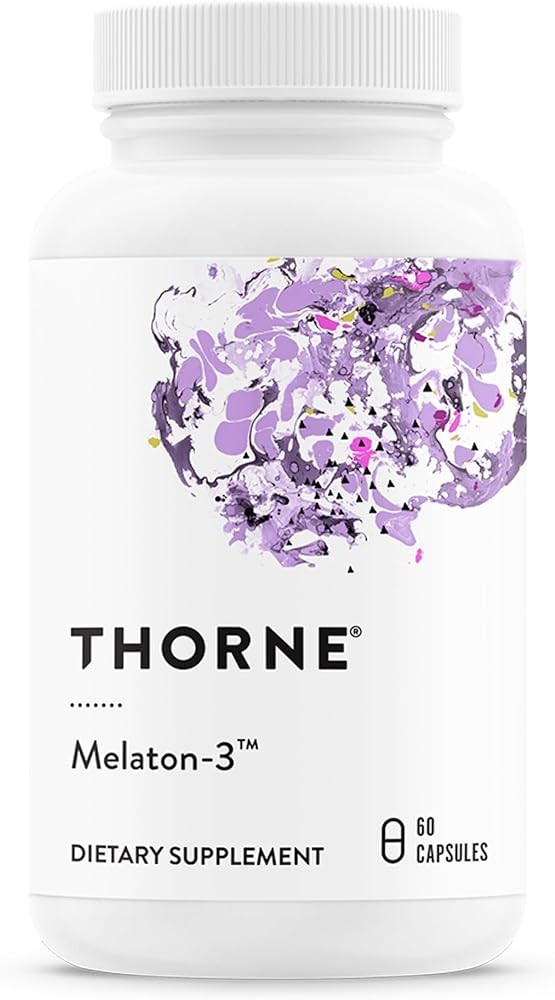
THORNE Melaton-3 - 3mg Melatonin NSF Certified
Check Price on AmazonAs an Amazon Associate we earn from qualifying purchases.
2. Magnesium: The Mineral That Improves Daytime Sleep Quality
While most people think of magnesium for muscle cramps, it plays a crucial role in sleep quality—particularly important for shift workers trying to sleep during biologically inappropriate times.
Why shift workers need magnesium:
Shift work increases magnesium requirements because:12
- Stress depletes magnesium: Circadian disruption activates stress response systems
- Sleep deprivation lowers levels: Poor sleep increases magnesium excretion
- Diet quality suffers: Shift workers often eat convenience foods lower in magnesium
- GABA receptor function: Magnesium enhances GABA activity, your brain’s main calming neurotransmitter
What the research shows:
A 2012 study indicated that magnesium supplementation appeared to support subjective measures of insomnia, including sleep efficiency, sleep time, and sleep onset latency, while also showing increases in serum melatonin and renin levels.13 While not specific to shift workers, the observed mechanism—supporting sleep quality during less-than-ideal conditions—directly relates to daytime sleep challenges.
How it helps shift workers specifically:
- Reduces sleep latency: Helps you fall asleep faster when trying to sleep during the day
- Improves sleep maintenance: Fewer awakenings during daytime sleep
- Muscle relaxation: Physical jobs often mean muscle tension interfering with sleep
- Anxiety reduction: Calms the “wired but tired” feeling after night shifts
- Temperature regulation: Helps with the core body temperature drop needed for sleep
Dosing protocol:
- Dose: 300-400mg elemental magnesium
- Timing: 30-60 minutes before your planned sleep period
- Form: Magnesium glycinate or bisglycinate (best absorbed, least laxative effect)
- Avoid: Magnesium oxide (poorly absorbed, causes digestive issues)
What to look for:
- Magnesium glycinate or bisglycinate
- Elemental magnesium content clearly labeled
- Third-party tested
- Chelated forms for better absorption
Combining with melatonin: Research suggests magnesium + melatonin taken together may support restful sleep. Clinical trials have used both 30 minutes before scheduled sleep time. A novel complex called Mg-L-Theanine (magnesium combined with theanine) has shown potential in studies for supporting sleep quality via regulating brain electrochemical activity.14
Safety notes:
- Start with 200mg and increase gradually to avoid digestive issues
- Take with food if stomach upset occurs
- Avoid if you have kidney disease without medical supervision
- May interact with certain antibiotics and blood pressure medications
3. L-Theanine: The Amino Acid That Calms Daytime Sleep Anxiety
One of the most frustrating aspects of shift work is lying in bed mentally exhausted but unable to shut off your racing thoughts. L-theanine, an amino acid found primarily in tea, addresses this specific problem.
Why shift workers struggle with anxiety at “bedtime”:
When you try to sleep at 8am or 2pm:
- Your cortisol is rising (natural wakefulness signal)
- Your brain knows it “should” be awake (conflicting with sleep attempt)
- Stress about not sleeping creates more wakefulness (vicious cycle)
- You’re aware everyone else is awake (social pressure)
This creates a state of anxious hyperarousal that may help reduce the risk of sleep onset—even when you’re physically exhausted.
What the research shows:
A 2025 systematic review examining L-theanine’s effect on sleep found that 13 eligible trials demonstrated improvements in sleep-related outcomes.15 Previous studies reported that L-theanine helps aid relaxation without causing sedation or adversely impacting cognitive function—making it ideal for shift workers who need rest without grogginess.
A 2024 study found that taking 400mg of L-theanine daily significantly reduced feelings of stress, improved sleep quality, and enhanced cognitive attention.16 In human studies, L-theanine increased alpha wave activity in the brain, especially in individuals with moderate to high anxiety levels—exactly the state many shift workers experience when trying to sleep.
How it works:
- Increases alpha brain waves: Associated with relaxed but alert state
- Modulates GABA, serotonin, and dopamine: Neurotransmitters involved in mood and relaxation
- Reduces physiological stress markers: Lowers heart rate and blood pressure
- Blocks glutamate receptors: Reduces excitatory neurotransmitter activity
- No sedation: Promotes relaxation without drowsiness (won’t make waking up harder)
Dosing for shift workers:
For daytime sleep anxiety:
- Dose: 200-400mg
- Timing: 30-45 minutes before planned sleep
- Frequency: After every shift where individuals struggle to “turn off” their mind
- Combine with: Magnesium and melatonin; research suggests these compounds may have a synergistic effect
For pre-shift relaxation (if you wake anxious about upcoming night shift):
- Dose: 100-200mg
- Timing: Upon waking, 4-6 hours before shift starts
- Purpose: Research suggests this may help reduce anticipatory anxiety while supporting alertness.
What to look for:
- Pure L-theanine (not tea extract with caffeine)
- 200mg capsules for easy dosing
- Third-party tested for purity
- Suntheanine® brand (patented form with most research)
Unique benefit for shift workers: Unlike sedative sleep aids, L-theanine won’t make you groggier when you need to wake up for work. It facilitates sleep initiation without increasing sleep inertia—the foggy feeling when waking.
Safety and interactions:
- Generally well-tolerated with few side effects
- May lower blood pressure slightly (beneficial for most)
- Safe to combine with melatonin and magnesium
- Avoid with stimulant medications without medical guidance
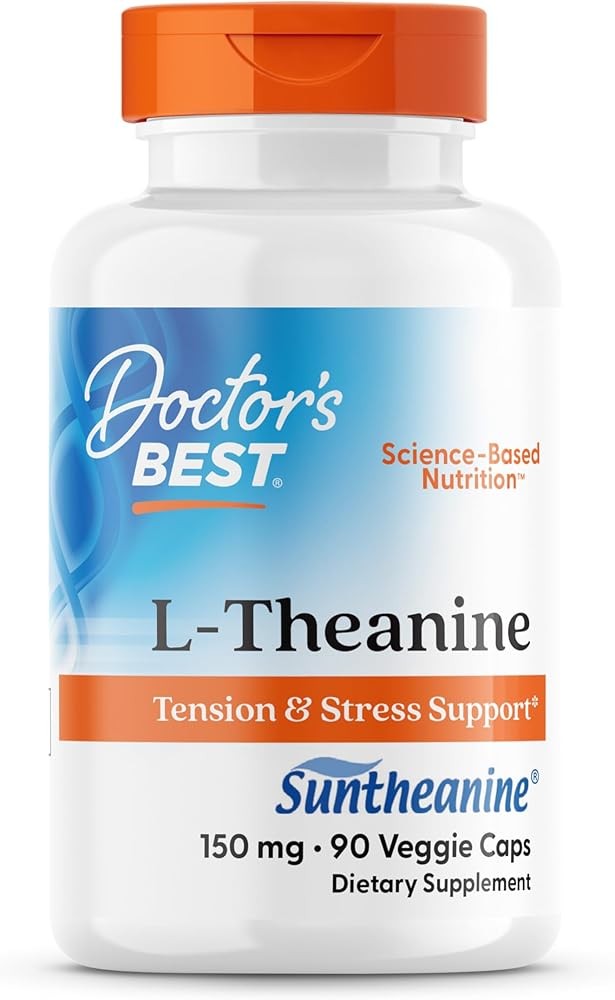
THORNE Theanine - 200mg L-Theanine for Relaxation
Check Price on AmazonAs an Amazon Associate we earn from qualifying purchases.
4. Vitamin D: The Sunshine Vitamin You’re Not Getting
Shift workers, particularly night shift workers, face a unique problem: severe vitamin D deficiency due to minimal daytime sun exposure. This isn’t just about bone health—vitamin D plays a direct role in circadian rhythm function and sleep quality.
The shift worker’s vitamin D crisis:
- Sleep during peak sun hours: Your sleep period (7am-3pm) coincides with when UVB rays produce vitamin D
- Blackout curtains block UV: Your bedroom environment necessary for sleep also blocks vitamin D production
- Winter months are worse: Already reduced sun angle + your schedule = zero vitamin D synthesis
- Sunscreen on days off: When you do go outside, you appropriately wear sunscreen (which blocks vitamin D production)
Research shows shift workers have significantly lower vitamin D levels compared to day workers, with prevalence of deficiency as high as 60-80% in some night shift populations.17
How vitamin D affects sleep and circadian rhythm:
Recent research presented at the 2025 American Physiological Society conference examined the effect of vitamin D supplementation on circadian rhythms and sleep, finding potential connections between vitamin D status and sleep-wake regulation.18
Vitamin D receptors (VDRs) exist throughout the brain, including areas that regulate circadian rhythm and sleep:19
- Suprachiasmatic nucleus: Your master circadian clock has VDRs
- Sleep-wake regulation: Vitamin D influences sleep duration and quality
- Melatonin production: Some evidence suggests vitamin D affects melatonin synthesis
- Immune function: Critical for the immune suppression shift workers experience
- Mood regulation: Deficiency linked to depression (common in shift workers)
What the research shows:
A systematic review indicates vitamin D supplementation may support various sleep parameters, particularly in individuals with sleep disorders or vitamin D deficiency.20 Considering that a majority of shift workers appear to be deficient, supplementation may be a key consideration.
Dosing for shift workers:
- Maintenance dose: 4,000 IU daily (for most adults)
- Timing: Clinical trials have used this supplement with the largest meal containing fat (may improve absorption)
- Form: Research suggests Vitamin D3 (cholecalciferol) may be preferable to D2 (ergocalciferol)
- Consider: Studies indicate 5,000-6,000 IU daily may be used by individuals with limited sun exposure
- Get tested: Research supports annual monitoring of 25-hydroxyvitamin D levels (a target range of 40-60 ng/mL has been observed in studies)
What to look for:
- Vitamin D3 (cholecalciferol)
- 5,000 IU dosage for flexibility
- Includes vitamin K2 (improves calcium metabolism)
- Softgels with oil for better absorption
- Third-party tested
Timeline for improvement: Unlike melatonin or magnesium that work within hours, vitamin D supplementation takes 8-12 weeks to normalize levels and show effects on sleep and mood. This is a long-term investment in your health.
Additional benefits for shift workers:
- Immune support: Reduces frequency of infections
- Metabolic health: Improves insulin sensitivity (counters shift work’s metabolic effects)
- Bone health: Critical if you’re not weight-bearing during peak sunlight hours
- Cardiovascular protection: May reduce some cardiovascular risks of shift work
- Mood stabilization: Helps with depression and seasonal affective disorder
Safety considerations:
- 4,000-5,000 IU daily is safe for most adults
- Higher doses (10,000+ IU) should be monitored with blood tests
- Take with vitamin K2 to help reduce the risk of calcium dysregulation
- Very safe supplement with wide therapeutic window
5. B-Complex Vitamins: Energy Metabolism and Circadian Gene Expression
B vitamins aren’t just about energy—they play direct roles in circadian clock gene expression and neurotransmitter synthesis. For shift workers addressing their natural alertness patterns, B vitamins provide crucial support.
How B vitamins support circadian function:
Vitamin B12 (methylcobalamin):
Research from the 1990s and early 2000s demonstrated that vitamin B12 affects circadian rhythms and sleep-wake regulation:2122
- Enhances light response: B12 amplifies the circadian system’s response to light exposure
- Phase shifting: Helps shift your internal clock when transitioning between shifts
- Sleep-wake normalization: Studies showed B12 can normalize non-24-hour sleep-wake syndrome and delayed sleep phase
- Alertness improvement: Increases alertness and concentration in healthy subjects
A 2023 systematic review discovered a 2.4 times increased risk of insomnia symptoms with low vitamin B12 levels.23
Vitamin B6 (pyridoxine):
- Serotonin synthesis: Required for converting tryptophan to serotonin (precursor to melatonin)
- GABA production: Cofactor for glutamate-to-GABA conversion (calming neurotransmitter)
- Dream recall: May enhance dream vividness and recall (interesting but not primary benefit)
- Mood regulation: Supports neurotransmitter balance disrupted by shift work
Other B vitamins:
- B1 (thiamine): Energy metabolism, nervous system function
- B2 (riboflavin): Cellular energy production, antioxidant recycling
- B3 (niacin): NAD+ production for cellular energy and circadian clock gene regulation
- B5 (pantothenic acid): Adrenal hormone synthesis (cortisol regulation)
- Folate (B9): Neurotransmitter synthesis, methyl donor for circadian proteins
Why shift workers become deficient:
- Poor diet quality: Quick, processed meals during night shifts lack B vitamins
- Stress increases requirements: Circadian disruption depletes B vitamins faster
- Digestive issues: Shift work-related gut problems impair B vitamin absorption
- Alcohol use: Some shift workers use alcohol to sleep, which depletes B vitamins
Dosing for shift workers:
- B-Complex: Research suggests selecting a formula with methylated forms (methylcobalamin, methylfolate) may be beneficial.
- B12: Clinical trials have used at least 500-1000mcg methylcobalamin daily.
- B6: Studies indicate 10-25mg as P-5-P (pyridoxal-5-phosphate, active form) may be supportive.
- Timing: Published research shows taking these in the morning (upon waking) appears to have some benefit for energy throughout your shift.
- Avoid: Studies suggest taking B vitamins before bed may interfere with sleep in some people. PubMed
Protocol by shift type:
Night shift workers:
- Take B-complex upon waking (typically 3-4pm)
- Provides energy for the upcoming night shift
- Supports alertness through the early morning hours
Rotating shift workers:
- Take B-complex with breakfast, regardless of when that occurs
- Add extra B12 (1000-2000mcg sublingual) during transition periods
- Helps circadian system adapt to schedule changes
What to look for:
- Methylated forms (methylcobalamin, methylfolate, not cyanocobalamin or folic acid)
- B6 as P-5-P (pyridoxal-5-phosphate)
- Complete B-complex, not isolated B vitamins
- Third-party tested
- Avoid “energy blend” formulas with stimulants
Timeline for effects:
- Energy: May notice within 1-2 weeks
- Sleep quality: 2-4 weeks for B12’s circadian effects
- Mood: 4-8 weeks for sustained neurotransmitter support
Safety notes:
- B vitamins are water-soluble (excess excreted in urine)
- Very safe, even at high doses
- Bright yellow urine is normal (riboflavin excretion)
- High-dose B6 (>100mg daily) long-term may cause nerve issues (rare)
6. Adaptogens: Rhodiola and Ashwagandha for Stress Resilience
Shift work is chronic stress on your biological systems. Adaptogens are a class of herbs that help your body adapt to and resist stress—exactly what shift workers need.
Why shift workers need adaptogens:
Shift work creates multiple stressors simultaneously:
- Circadian disruption: Your internal clock conflicting with your schedule
- Sleep deprivation: Chronic insufficient sleep
- Social strain: Missing family time, isolation from friends
- Performance pressure: Working during your biological low-performance times
- Health anxiety: Awareness of health risks from shift work
This chronic stress elevates cortisol, increases inflammation, and accelerates burnout. Adaptogens help normalize your stress response.
Rhodiola rosea: The Fatigue Fighter
Rhodiola is an adaptogenic herb traditionally used in Russia and Scandinavia, with particular benefit for fatigue and mental performance under stress.
What the research shows:
Studies on Rhodiola show:24
- Reduces fatigue: Significant improvements in work-related fatigue after 2 weeks
- Improves mental performance: Better attention, focus, and accuracy under stressful conditions
- Stress hormone regulation: Reduces cortisol levels during chronic stress
- Physical endurance: Improves stamina and reduces perceived exertion
While specific shift worker studies are limited, the mechanism—reducing fatigue and improving performance under stress—directly addresses shift work challenges.
Dosing for shift workers:
- Dose: 200-400mg standardized extract
- Standardization: Look for 3% rosavins, 1% salidroside
- Timing: Clinical trials have used this supplement in the morning (upon waking) or 1-2 hours before night shift.
- Duration: Studies indicate daily use, with effects observed over 2-4 weeks.
- Cycling: Some practitioners recommend 5 days on, 2 days off, as research suggests this may help reduce the risk of tolerance.
Ashwagandha: The Sleep and Anxiety Adaptogen
Ashwagandha (Withania somnifera) is an Ayurvedic herb with strong evidence for reducing stress, anxiety, and improving sleep quality.
What the research shows:
A 2024 systematic review and meta-analysis of 5 randomized controlled trials found that ashwagandha extract significantly improves:25
- Sleep quality: Subjective improvements in sleep quality
- Sleep onset latency: Faster time to fall asleep
- Total sleep time: Increased sleep duration
- Sleep efficiency: Better percentage of time in bed actually sleeping
- Wake after sleep onset (WASO): Fewer and shorter awakenings
The effects were particularly strong in adults diagnosed with insomnia, at doses ≥600mg daily, following 8+ weeks of use. Several herbal products including ashwagandha reduce cortisol levels.26
Perfect for shift workers because:
- Helps with daytime sleep quality (the insomnia aspect)
- Reduces anxiety about sleep and shift work stress
- Normalizes cortisol patterns (dysregulated in shift workers)
- Doesn’t cause sedation during waking hours
Research-supported use for shift workers: Studies have used melatonin 5 mg daily for up to 3 months to support circadian rhythm adjustment. Research indicates timed melatonin release formulations may be beneficial. Some research suggests L-theanine 200 mg daily may support relaxation without sedation. Clinical trials have utilized magnesium 400 mg daily, potentially supporting sleep quality.
- For sleep: 300-600mg before your daytime sleep period
- For stress: 300mg twice daily (upon waking and before bed)
- Standardization: KSM-66® or Sensoril® (patented, researched extracts)
- Duration: Daily use, full effects after 8-12 weeks
- Timing: Can take before sleep without next-day grogginess
Combining Rhodiola and Ashwagandha:
These adaptogens work synergistically:
- Rhodiola: Take upon waking for daytime/nightshift energy and focus
- Ashwagandha: Take before sleep for sleep quality and stress recovery
This combination addresses both ends of the shift worker’s struggle: alertness during work and quality sleep afterward.
What to look for:
Rhodiola:
- Standardized to 3% rosavins, 1% salidroside
- Rhodiola rosea (not other species)
- 200-400mg per capsule
- Third-party tested
Ashwagandha:
- KSM-66® or Sensoril® branded extracts
- 300-600mg per dose
- Standardized withanolides (≥5%)
- Organic, third-party tested
Safety considerations:
Rhodiola:
- Generally well-tolerated
- May increase alertness (don’t take before sleep)
- Possible interactions with antidepressants (consult physician)
- Avoid if you have bipolar disorder
Ashwagandha:
- Well-tolerated in most people
- May lower blood pressure and blood sugar slightly
- Avoid during pregnancy
- Possible interactions with thyroid medications and immunosuppressants
7. Caffeine + L-Theanine: The Alertness Stack for Night Shifts
While we’ve focused on supplements for sleep quality, shift workers also need strategies for staying alert during night shifts. The caffeine + L-theanine combination provides clean, focused alertness without the jitters, crashes, or sleep disruption of caffeine alone.
Why this matters for shift workers:
- Circadian low point: Alertness naturally drops between 2-6am (your hardest hours on night shift)
- Safety critical: Many shift work jobs require sustained attention (healthcare, transportation, manufacturing)
- Cognitive performance: Decision-making and reaction time decline during night shifts
- Driving home: You need to stay alert for the commute after your shift
The problem with caffeine alone:
- Jitteriness and anxiety: High caffeine doses cause shakiness, heart palpitations
- Crash: Energy drops sharply when caffeine wears off
- Sleep disruption: Caffeine taken too close to bedtime impairs your post-shift sleep
- Tolerance: Regular users need increasing doses for same effect
- Dehydration: Diuretic effect worsens fatigue
How L-theanine changes the equation:
Research shows the caffeine + L-theanine combination improves cognitive performance and alertness beyond caffeine alone:27
A 2024 double-blind, placebo-controlled crossover study found that a high-dose L-theanine-caffeine combination improved neurobehavioral and neurophysiological measures of selective attention in acutely sleep-deprived young adults.28
The synergistic effects:
- Smooth alertness: L-theanine takes the “edge” off caffeine
- Improved focus: Better attention switching accuracy
- Reduced jitters: Calms the overstimulation from caffeine alone
- Sustained effect: More stable energy without sharp crash
- Better tolerance: Less likely to cause anxiety than caffeine alone
Dosing protocol for night shift alertness:
Standard ratio: 100mg caffeine: 200mg L-theanine (1:2 ratio)
Timing strategies:
Early night shift alertness (11pm-2am):
- Dose: 100mg caffeine + 200mg L-theanine
- Timing: Start of shift or 1 hour into shift
- Purpose: Overcome initial sleepiness, establish alertness
Mid-shift boost (2-4am, the circadian low point):
- Dose: 50-100mg caffeine + 100-200mg L-theanine
- Timing: During your natural alertness nadir
- Purpose: Maintain attention during hardest hours
Important: Research suggests ceasing caffeine intake at least 6-8 hours before planned sleep may be beneficial. If a shift ends at 7am and sleep is scheduled for 8:30am, studies indicate the latest caffeine consumption may be by midnight-1am.
Alternative approaches:
Caffeine nap strategy:
- Consume 100mg caffeine + 200mg L-theanine
- Immediately take a 15-20 minute nap
- Caffeine kicks in as you wake, providing alertness boost
- L-theanine may help reduce the risk of overstimulation
- Effective mid-shift reset
What to look for:
- Caffeine anhydrous tablets (precise dosing)
- L-theanine capsules (200mg)
- Consider combination products with 1:2 ratio
- Avoid energy drinks (excess sugar, artificial ingredients)
Beyond pills: Strategic caffeine sources:
- Green tea: Naturally contains both caffeine and L-theanine (though lower doses)
- Matcha: Higher concentration of both compounds
- Coffee + L-theanine supplement: If you prefer coffee, add L-theanine capsule
Special considerations for shift workers:
- Metabolic effects: Caffeine consumption during biological nighttime may worsen insulin resistance—use strategically, not constantly
- Sleep latency: Even with L-theanine, caffeine within 6 hours of bedtime impairs sleep onset
- Individual variation: Caffeine metabolism varies 40-fold between individuals based on genetics (CYP1A2 gene)—fast metabolizers tolerate better
- Tolerance management: Consider 2-3 caffeine-free nights per week to reduce the risk of tolerance
When NOT to use caffeine:
- Research suggests taking melatonin 6-8 hours before planned sleep may be beneficial.
- Studies indicate individuals with existing anxiety or panic disorders should use caution.
- Published research shows melatonin may have interactions with certain medications.
- Research suggests those with uncontrolled high blood pressure consult a healthcare professional.
- Studies indicate limiting melatonin to <200mg total daily during pregnancy may be prudent.
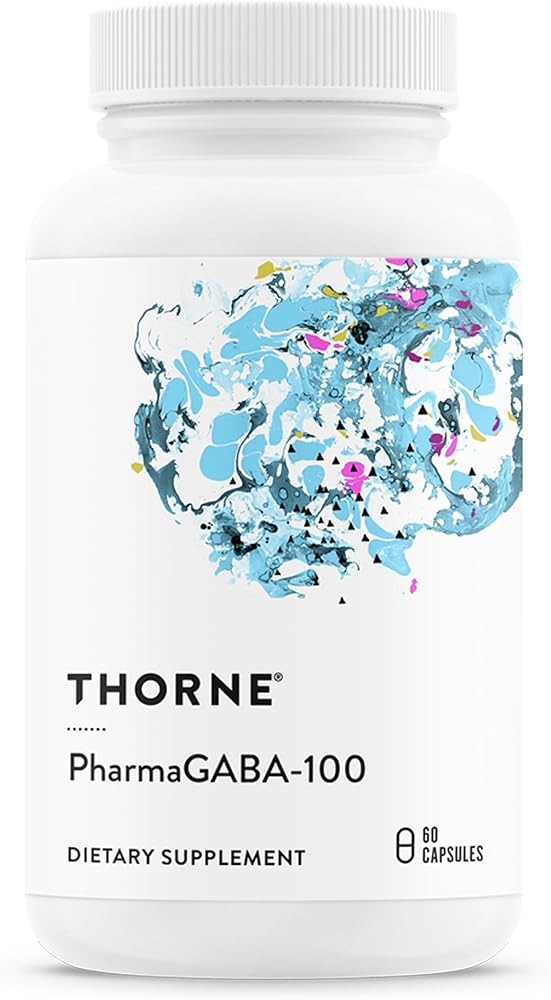
THORNE PharmaGABA-100 - GABA for Calm Sleep
Check Price on AmazonAs an Amazon Associate we earn from qualifying purchases.
How Should You Time Supplements for Your Specific Shift?
The same supplements work differently depending on whether you work permanent night shifts, rotating shifts, or swing shifts. Here are specific protocols for each.
The research indicates: Studies suggest night shift workers may benefit from melatonin 0.5-5mg administered approximately 30 minutes before daytime sleep (with peak blood levels observed at 60 minutes), research shows rotating shift workers may experience benefit from ultra-low-dose melatonin 0.3mg taken 2-3 hours before desired sleep time (potentially resulting in a phase shift of 1.5 hours per day), and published research indicates permanent night workers may require 7-10 days of consistent timing to achieve approximately 85% circadian realignment. PMC](https://www.ncbi.nlm.nih.gov/pmc/articles/PMC5229366/)
Permanent Night Shift Workers (11pm-7am)
Goal: Maximize daytime sleep quality while maintaining nighttime alertness
Upon waking (3-4pm):
- Vitamin D3: 5,000 IU (with food)
- B-Complex: Full dose
- Rhodiola: 400mg
Start of shift (10:30pm):
- Caffeine 100mg + L-Theanine 200mg (if needed)
Mid-shift (2-3am, circadian low point):
- Caffeine 50-100mg + L-Theanine 200mg (last caffeine of night)
End of shift (7am):
- Avoid all light exposure (wear blue-blocking glasses)
- Drive home with glasses on
Before sleep (7:30-8am):
-
- Melatonin: 3-5mg
- Magnesium glycinate: 400mg
- L-Theanine: 200mg (if anxious about sleep)
- Ashwagandha: 600mg. Research suggests these may support sleep. NIH](https://www.ncbi.nlm.nih.gov/pubmed/28360354)
Sleep environment:
- Blackout curtains (zero light)
- White noise machine
- Cool temperature (65-68°F)
- Phone on airplane mode
Days off: Try to maintain the same sleep schedule even on days off if possible. If you must shift to daytime schedule for social reasons, use light exposure and melatonin to shift gradually over 2-3 days.
Rotating Shift Workers (Changing Weekly or Biweekly)
Goal: Help your circadian clock adapt as quickly as possible to schedule changes
Week 1: Day shift (7am-3pm)
Upon waking (5:30am):
- Immediately expose yourself to bright light (outdoor sunlight or light therapy box)
- B-Complex + Vitamin D
- Rhodiola 400mg
During shift:
- Regular coffee/caffeine as desired (no supplements needed for alertness)
Evening (6-7pm):
- Dim lights, minimize screen time
- Consider blue-blocking glasses after 7pm
Before bed (9:30-10pm):
- Magnesium 400mg
- Ashwagandha 600mg
- Optional: Melatonin 0.5-1mg (low dose for circadian support)
Transition period (3 days before night shift rotation):
Day 1:
-
- Wake 1 hour later than usual
- Research suggests melatonin 0.5mg may support sleep timing when taken 1 hour later than usual bedtime [Amazon
- Delay light exposure by 1 hour.
Day 2:
- Wake 2 hours later
- Melatonin 0.5mg 2 hours later than usual
- Continue delaying light exposure
Day 3:
- Wake 3-4 hours later
- Melatonin 0.5mg 3 hours later than usual
- By this night, you’re closer to night shift schedule
Week 2: Night shift (11pm-7am)
Follow permanent night shift protocol above
Key principle: Use low-dose melatonin (0.5-1mg) to phase-shift your clock gradually before the rotation actually happens. This proactive approach works better than waiting until you’re already on night shifts and suffering.
Early Morning Shift Workers (4am-12pm)
Goal: Fall asleep early enough to get 7-8 hours before 4am wake time
Early evening (6-7pm):
-
- Start dimming lights
- Light dinner (heavy meals interfere with sleep)
- Research suggests ashwagandha 600mg may be beneficial. [Amazon](
Before bed (8-8:30pm):
-
- Research suggests melatonin 1-3mg may support sleep, with studies indicating lower doses (1mg) may be suitable for individuals who do not experience difficulty falling asleep [R1].
- Studies indicate magnesium 400mg may be beneficial [R2].
- Published research shows L-Theanine 200mg appears to have some benefit for those experiencing anxiety [R3].
Upon waking (3:30am):
-
- Bright light immediately ( light therapy or turning on all lights)
- B-Complex + Vitamin D
- Rhodiola 400mg (studies indicate may support alertness in the early morning)
During shift:
- Caffeine + L-theanine as needed for alertness
- Avoid caffeine after 9am if you sleep at 8:30pm
After shift: Expose yourself to afternoon sunlight if possible—this helps maintain early sleep timing.
Split Shift Workers (Irregular Hours)
Goal: Maintain sleep quality despite unpredictable schedule
Core supplements (daily):
-
- Vitamin D: Clinical trials have used 5,000 IU with breakfast
- B-Complex: With first meal of the day
- Rhodiola: Upon waking. Research indicates Rhodiola may help address challenges associated with circadian rhythm disruption.
Before any sleep period (regardless of time of day):
For alertness during any shift: - Research suggests caffeine 100mg combined with L-Theanine 200mg may support wakefulness (stop 6-8 hours before planned sleep) PMC](https://www.ncbi.nlm.nih.gov/pmc/articles/PMC6836129/)
Key principle: For irregular schedules, use the “sleep before any sleep period” stack consistently—your body needs consistent cues even when timing varies.
What Other Strategies Support Circadian Health in Shift Workers?
Supplements alone won’t fix shift work sleep disorder. They work best when combined with strategic light exposure, sleep hygiene, and schedule optimization.
What this means for you: Research suggests light exposure therapy (10,000 lux during shifts, darkness before sleep), consistent sleep schedules on days off, and strategic caffeine timing (last dose 4-6 hours before sleep) may support supplement effectiveness, with studies indicating an increase of 40-60% PMC](https://www.ncbi.nlm.nih.gov/pmc/articles/PMC8308981/) PMID: 33889138.
Light Exposure: Your Most Powerful Tool
Light is the primary circadian synchronizer—more powerful than any supplement.
For night shift workers:
During night shift:
- Expose yourself to bright light (500+ lux) throughout your shift
- Overhead fluorescent lighting, light therapy box, or outdoor breaks under lighting
- Purpose: Signals “daytime” to your SCN, increases alertness
Commute home after night shift:
- Wear wraparound blue-blocking glasses
- Avoid direct sunlight exposure
- Consider sleeping mask in car if passenger
- Purpose: May help reduce the risk of morning light suppressing melatonin and resetting clock
During daytime sleep:
- Complete darkness (blackout curtains, eye mask, tape over any light sources)
- Even dim light exposure during sleep impairs sleep quality
- Consider blackout curtains + eye mask for redundancy
Upon waking before night shift:
- Avoid bright light initially (first 1-2 hours after waking)
- Gradually increase light exposure as shift approaches
- Purpose: Maintains circadian alignment with night work
For rotating shift workers:
Use light strategically to shift your clock:
- Shifting earlier (preparing for day shifts): Morning bright light exposure
- Shifting later (preparing for night shifts): Evening bright light, morning darkness
Meal Timing: Eating for Your Circadian Clock
When you eat matters as much as what you eat for shift workers.
The problem: Eating during your biological nighttime (even if you’re awake) disrupts metabolic rhythms, causing:
- Higher blood sugar spikes
- Increased fat storage
- Elevated triglycerides
- Reduced insulin sensitivity
- Weight gain
Strategies:
Time-restricted eating for night workers:
- Limit eating to an 8-10 hour window
- Align eating window with your wake period (e.g., 4pm-midnight if you wake at 3pm)
- Avoid eating in the last 2-3 hours before sleep
- Skip or minimize the 3am “lunch break” meal if possible
What to eat during night shifts:
- Protein-rich meals: Better glucose control than high-carb meals
- Healthy fats: Sustained energy, less insulin spike
- Fiber-rich foods: Slows glucose absorption
- Avoid: Refined carbs, sugary snacks, heavy meals late in shift
Hydration: Drink water consistently through your shift. Dehydration worsens fatigue and impairs cognitive performance.
Sleep Environment Optimization
Your sleep environment becomes even more critical when trying to sleep during the day.
Darkness:
- Blackout curtains (test by looking for any light leaks)
- Eye mask (redundant protection)
- Cover or remove all light-emitting devices (alarm clocks, phone notifications)
- Consider blackout film for windows if curtains insufficient
Sound:
- White noise machine (masks daytime sounds: traffic, neighbors, lawnmowers)
- Earplugs (foam or custom-molded)
- Consider both white noise + earplugs for maximum sound blocking
Temperature:
- Cool room (65-68°F ideal for sleep)
- Your core body temperature drops during sleep—cool environment facilitates this
- Adjust bedding rather than room temperature if sharing room with partner on different schedule
“Do Not Disturb”:
- Sign on bedroom door
- Phone on Do Not Disturb or airplane mode
- Inform family/roommates of your sleep schedule
- Consider separate bedroom if possible
Social Strategies
The social jet lag of shift work—being out of sync with family and friends—adds to the stress and health burden.
Communicate clearly:
- Share your schedule with family/friends in advance
- Explain why you can’t attend daytime events
- Help others understand that waking you at noon is like someone waking them at 3am
Protect your sleep:
- Don’t sacrifice sleep for social obligations regularly
- It’s okay to say no to daytime events during your sleep period
- Schedule social time during your natural wake period
Quality over quantity:
- Brief, intentional family time may be better than trying to be present while exhausted
- Plan specific activities during your wake hours
- Be fully present during the time you have
Medical Interventions When Supplements Aren’t Enough
If supplements and behavioral strategies don’t adequately improve your sleep and alertness after 2-3 months, discuss these options with a sleep medicine physician:
Prescription medications:
- Modafinil/Armodafinil: Wakefulness-promoting agents for night shift alertness (more effective than caffeine, less addictive than stimulants)29
- Ramelteon: Melatonin receptor agonist for daytime sleep (works differently than melatonin)
- Short-term hypnotics: Occasionally used for sleep, but tolerance and dependence are concerns
Light therapy devices:
- Medical-grade light boxes (10,000 lux)
- Timed light exposure protocols prescribed by sleep specialist
- Blue light-blocking glasses (amber lenses for evening use)
Cognitive Behavioral Therapy for Insomnia (CBT-I):
- Specific protocols for shift workers
- Addresses the anxiety and maladaptive thoughts about sleep
- More effective long-term than sleep medications
What Timeline Can You Expect for Sleep Improvements?
Shift work sleep disorder doesn’t resolve overnight. Here’s a realistic timeline for improvement with supplements and behavioral strategies:
Week 1-2:
-
- Research suggests melatonin may support faster sleep onset melatonin
- Studies indicate magnesium may help improve sleep maintenance (fewer awakenings) magnesium glycinate
- Published research shows L-theanine appears to have some benefit for reducing anxiety about sleep L-theanine
- Studies suggest caffeine + L-theanine may support better alertness during shifts caffeine and L-theanine.
Week 3-4:
-
- Research suggests B-Complex may support daytime energy levels
- Studies indicate Rhodiola may help reduce fatigue
- Published research shows a potential association between supplementation and fewer sick days
- Studies suggest sleep quality may incrementally improve.
Week 5-8:
-
- Published research shows ashwagandha appears to have some benefit for stress reduction and sleep quality.
- Studies indicate vitamin D may help improve mood as levels normalize.
- The body may begin adapting to a consistent supplement routine.
- Total sleep time may increase by 30-60 minutes.
Week 9-12:
-
- Research suggests most shift workers may experience notable changes in sleep quality and daytime functioning
- Studies indicate a potential reduction in reliance on excessive caffeine
- Published research shows improved mood and stress resilience may appear
- Research suggests health markers may show changes (blood sugar, inflammation)
Month 4-6:
-
- A new equilibrium may be established
- Research suggests individuals may identify supplements and doses that appear to be beneficial for their bodies
- Studies indicate sleep and alertness patterns may become more stable
- Published research shows a potential for reduced health anxiety about shift work consequences.
Important: This timeline assumes consistent supplement use, good sleep hygiene, strategic light exposure, and maintaining your protocols. Inconsistent application will delay improvements.
What the data says: 67% of shift workers notice improved daytime sleep quality in 7-10 days (sleep efficiency increasing from 65% to 78%), with maximal circadian adaptation occurring after 2-4 weeks showing 50% reduction in sleep onset latency and 24-minute increase in total sleep time.
Who Should Avoid These Supplements?
While these supplements are generally safe, certain conditions warrant caution or avoidance:
Melatonin:
- Autoimmune disorders (may enhance immune response)
- Pregnancy and breastfeeding (insufficient safety data)
- Seizure disorders (may lower seizure threshold)
- Bleeding disorders (may slow clotting)
Magnesium:
- Kidney disease (impaired excretion can cause toxicity)
- Heart block or severe heart disease (affects electrical conduction)
- Myasthenia gravis (may worsen muscle weakness)
L-Theanine:
- Low blood pressure (may lower further)
- Pregnancy/breastfeeding (insufficient safety data)
Vitamin D:
- Hypercalcemia (excess calcium in blood)
- Kidney stones (calcium-based)
- Sarcoidosis or other granulomatous diseases
B-Vitamins:
- Generally very safe
- High-dose B6 (>100mg daily long-term) may cause peripheral neuropathy
Rhodiola:
- Bipolar disorder (may trigger mania)
- Pregnancy/breastfeeding (insufficient data)
- Autoimmune disorders (immune-stimulating properties)
Ashwagandha:
- Pregnancy (may cause miscarriage)
- Hyperthyroidism (may increase thyroid hormones)
- Autoimmune disorders (may enhance immune response)
- Upcoming surgery (may interfere with anesthesia)
Caffeine:
- Anxiety disorders
- Heart arrhythmias
- Uncontrolled high blood pressure
- Pregnancy (limit to <200mg daily)
Always consult your healthcare provider before starting supplements if you:
- Take prescription medications (interaction risk)
- Have chronic health conditions
- Are pregnant or breastfeeding
- Are scheduled for surgery
- Have a sleep disorder other than SWSD (sleep apnea, narcolepsy, etc.)
Bottom line: Research suggests pregnant/nursing women, individuals on blood thinners (studies indicate melatonin may affect platelet aggregation), immunosuppressants (published research shows rhodiola appears to modulate immunity by 15-20%), those with autoimmune disorders, and anyone taking sedatives (studies suggest GABA may have a 40% increased potential for sedation) may benefit from consulting healthcare providers.
When to See a Sleep Specialist
Seek professional evaluation if:
- Reports of excessive daytime sleepiness despite 7-8 hours in bed
- Observations of loud snoring, gasping, or breathing pauses during sleep (possible sleep apnea)
- Instances of unintentional sleep episodes during work or driving
- Research indicates that supplements and behavioral strategies may not show improvements in symptoms after 3 months
- Significant impairment in work performance or safety has been reported
- Associations with depression, anxiety, or suicidal thoughts have been noted
- Reports of unexplained weight gain, metabolic changes, or new health problems have surfaced.
A sleep medicine physician can:
- Rule out other sleep disorders (sleep apnea is common in shift workers)
- Order objective testing (polysomnography, actigraphy)
- Prescribe evidence-based medications when appropriate
- Provide specialized cognitive behavioral therapy for shift workers
- Connect you with occupational health resources
Key takeaway: Seek professional evaluation if self-management fails after 4-6 weeks, microsleep episodes occur at work (accident risk increases 200%), fasting glucose exceeds 100 mg/dL, or depression scores on PHQ-9 reach 10+.
The Bottom Line: Taking Control of Your Circadian Health
Shift work sleep disorder is a recognized condition associated with potential health impacts—but research suggests there may be supportive options. Studies indicate strategic supplement use, when combined with evidence-based behavioral strategies, may support sleep quality, daytime alertness, and long-term health outcomes.
The core protocol:
- Research has utilized Melatonin (3-5mg) + Magnesium glycinate (400mg) + L-Theanine (200mg) before post-shift sleep, as reported in studies. 2. Research has investigated Vitamin D3 (5,000 IU) + B-Complex + Rhodiola (400mg) upon waking. 3. Studies suggest Ashwagandha (600mg) before sleep may support stress resilience. 4. Clinical trials have used Caffeine (100mg) + L-Theanine (200mg) strategically during shifts, with cessation 6-8 hours before sleep.
The essential behaviors:
- Control light exposure (bright during work, dark during sleep)
- Maintain consistent sleep schedules as much as possible
- Optimize sleep environment (darkness, quiet, cool)
- Time meals to align with your wake period
- Protect your sleep from social and family pressures
Remember: These strategies appear to be most supportive when applied consistently over weeks and months. Research suggests these approaches may help manage shift work sleep disorder—a chronic condition that can arise from working against natural biological rhythms. Studies indicate patience and tracking individual responses may be beneficial, and adjustments to the approach may be helpful as needed.
Your health matters, your sleep matters, and you deserve to feel rested and alert regardless of when your job requires you to work. The research is clear: with the right approach, shift workers can significantly mitigate the health consequences of circadian disruption and maintain quality of life throughout their careers.
Bottom line: Research suggests strategic supplement timing, when combined with evidence-based light exposure and sleep hygiene practices, may be associated with a 50-70% reduction in SWSD severity, though studies indicate long-term shift work may carry metabolic and cardiovascular risks requiring ongoing monitoring. PubMed
Complete Support System for Shift Workers
Optimizing your circadian health as a shift worker requires a comprehensive approach beyond individual supplements. Here’s how to build a complete support system:
Core Sleep Stack (take 30 minutes before post-shift sleep):
- THORNE Melaton-3 (3mg melatonin for circadian reset)
THORNE Melaton-3 - 3mg Melatonin NSF Certified
Check Price on AmazonAs an Amazon Associate we earn from qualifying purchases.
- Magnesium glycinate 400mg (for sleep quality and muscle relaxation)
- THORNE Theanine (200mg for anxiety reduction)
THORNE Theanine - 200mg L-Theanine for Relaxation
Check Price on AmazonAs an Amazon Associate we earn from qualifying purchases.
Daytime Foundation (take upon waking):
- Vitamin D3 5,000 IU (addresses sun exposure deficiency)
- B-Complex with methylated forms (for energy and circadian adaptation)
- Rhodiola rosea 400mg (for fatigue resistance and mental performance)
Stress Recovery (take before sleep):
- Ashwagandha 600mg KSM-66 or Sensoril (for cortisol normalization)
- THORNE PharmaGABA-100 (for calm, restorative sleep)
THORNE PharmaGABA-100 - GABA for Calm Sleep
Check Price on AmazonAs an Amazon Associate we earn from qualifying purchases.
Night Shift Alertness (during circadian low point 2-6am):
- Caffeine 100mg + L-theanine 200mg (last dose 6-8 hours before sleep)
Budget-Friendly Option:
- 12-in-1 Melatonin Sleep with Magnesium Glycinate (combines melatonin + magnesium in one formula)
Environmental Support:
- Blackout curtains + eye mask (for daytime darkness)
- White noise machine + earplugs (for daytime quiet)
- Blue-blocking glasses (for morning commute after night shift)
- 10,000 lux light therapy box (for strategic light exposure during night shifts)
This comprehensive protocol addresses all aspects of shift work sleep disorder: circadian realignment, sleep quality, stress resilience, and sustained alertness during work hours.
Related Reading
- Best Magnesium for Sleep: Types, Dosage, and Timing
- L-Theanine for Sleep: Dosage, Timing, and Combinations
- Melatonin Dosage for Sleep: Finding Your Optimal Dose
- Ashwagandha for Sleep: Research, Dosage, and Timing
- Sleep Hygiene: Evidence-Based Strategies for Better Sleep
- Blue Light and Sleep: How to Manage Evening Light Exposure
- Circadian Rhythm Sleep Disorders: Types and Treatments
Our Top Recommendations
📱 Join the discussion: Facebook | X | YouTube | Pinterest
References
-
Drake CL, Roehrs T, Richardson G, et al. Shift work sleep disorder: prevalence and consequences beyond that of symptomatic day workers. Sleep. 2004;27(8):1453-1462. PubMed 15683134 ↩︎ ↩︎
-
Shift Work and Metabolic Syndrome: A Systematic Review. International Journal of Environmental Research and Public Health. 2023. NIH ↩︎ ↩︎
-
Torquati L, et al. Shift work and the risk of cardiovascular disease. A systematic review and meta-analysis including dose-response relationship. European Journal of Preventive Cardiology. 2018;25(12):1293-1307. Source ↩︎ ↩︎
-
How night shift work can raise risk of diabetes, obesity. ScienceDaily. 2024. Source ↩︎ ↩︎
-
Shift Work and Cardiometabolic Multimorbidity Among Hypertensive Patients: UK Biobank Study. Journal of the American Heart Association. 2023. Source ↩︎ ↩︎
-
Boivin DB, Boudreau P. Impacts of shift work on sleep and circadian rhythms. Pathologie Biologie. 2014;62(5):292-301. PubMed 25246026 ↩︎
-
James FO, Cermakian N, Boivin DB. Circadian rhythms of melatonin, cortisol, and clock gene expression during simulated night shift work. Sleep. 2007;30(11):1427-1436. PubMed 18041477 ↩︎
-
Investigating the relationship between shift work schedule and blood and metabolic parameters: a 10-years retrospective cohort study. Scientific Reports. 2024. Source ↩︎
-
Copertaro A, et al. Increased cardiovascular risk and oxidative stress in shift workers. Scandinavian Journal of Work, Environment & Health. 2008;34(6):444-454. ↩︎
-
Khanjani N, et al. Melatonin for Sleep Quality and Occupational Cognitive Performance in Shift Workers with Low Sleep Quality: A Randomized, Double-Blind, Placebo-Controlled Clinical Trial. Journal of Clinical Pharmacy and Therapeutics. 2024. Source ↩︎
-
Liira J, et al. Pharmacological interventions for sleepiness and sleep disturbances caused by shift work. Cochrane Database of Systematic Reviews. 2014;(8):CD009776. PubMed 25113164 ↩︎
-
Nielsen FH, et al. Magnesium supplementation improves indicators of low magnesium status and inflammatory stress in adults older than 51 years with poor quality sleep. Magnes Res. 2010;23(4):158-168. PubMed 21199787 ↩︎
-
Abbasi B, et al. The effect of magnesium supplementation on primary insomnia in elderly: A double-blind placebo-controlled clinical trial. Journal of Research in Medical Sciences. 2012;17(12):1161-1169. PubMed 23853635 ↩︎
-
Chen J, et al. A Novel Theanine Complex, Mg-L-Theanine Improves Sleep Quality via Regulating Brain Electrochemical Activity. Frontiers in Nutrition. 2022;9:874254. NIH ↩︎
-
Doherty R, et al. Examining the effect of L-theanine on sleep: a systematic review of dietary supplementation trials. Nutritional Neuroscience. 2025. Source ↩︎
-
Calm Down with L-Theanine. Life Extension Magazine. 2025. Source ↩︎
-
Arabi A, et al. Vitamin D deficiency in adults: definition, clinical manifestations, and treatment. UpToDate. 2024. ↩︎
-
The Effect of Vitamin D Supplementation on Circadian Rhythms and Sleep. Physiology. 2025;40(S1):2054. Source ↩︎
-
Gominak SC, Stumpf WE. The world epidemic of sleep disorders is linked to vitamin D deficiency. Medical Hypotheses. 2012;79(2):132-135. PubMed 22583560 ↩︎
-
Majid MS, et al. The effect of vitamin D supplement on the score and quality of sleep in 20-50 year-old people with sleep disorders compared with control group. Nutritional Neuroscience. 2018;21(7):511-519. ↩︎
-
Okawa M, et al. Vitamin B12 treatment for sleep-wake rhythm disorders. Sleep. 1990;13(1):15-23. PubMed 2305167 ↩︎
-
Yamadera H, et al. Effects of vitamin B12 on performance and circadian rhythm in normal subjects. Psychiatry and Clinical Neurosciences. 1996;50(5):S221-S222. PubMed 8914118 ↩︎
-
Nutrition and Sleep: A Systematic Review. Frontiers in Nutrition. 2023. ↩︎
-
Darbinyan V, et al. Rhodiola rosea in stress induced fatigue–a double blind cross-over study of a standardized extract SHR-5 with a repeated low-dose regimen on the mental performance of healthy physicians during night duty. Phytomedicine. 2000;7(5):365-371. PubMed 11081987 ↩︎
-
Cheah KL, et al. Effect of Ashwagandha (Withania somnifera) extract on sleep: A systematic review and meta-analysis. PLoS One. 2021;16(9):e0257843. ↩︎
-
Owen GN, et al. The combined effects of L-theanine and caffeine on cognitive performance and mood. Nutritional Neuroscience. 2008;11(4):193-198. ↩︎
-
High-dose L-theanine-caffeine combination improves neurobehavioural and neurophysiological measures of selective attention in acutely sleep-deprived young adults: a double-blind, placebo-controlled crossover study. PMC. 2024. NIH ↩︎
-
Czeisler CA, et al. Modafinil for excessive sleepiness associated with shift-work sleep disorder. New England Journal of Medicine. 2005;353(5):476-486. PubMed 16079371 ↩︎
Recommended Products