The Sleep and Gut Health Connection: What New Research Reveals
Summarized from peer-reviewed research indexed in PubMed. See citations below.
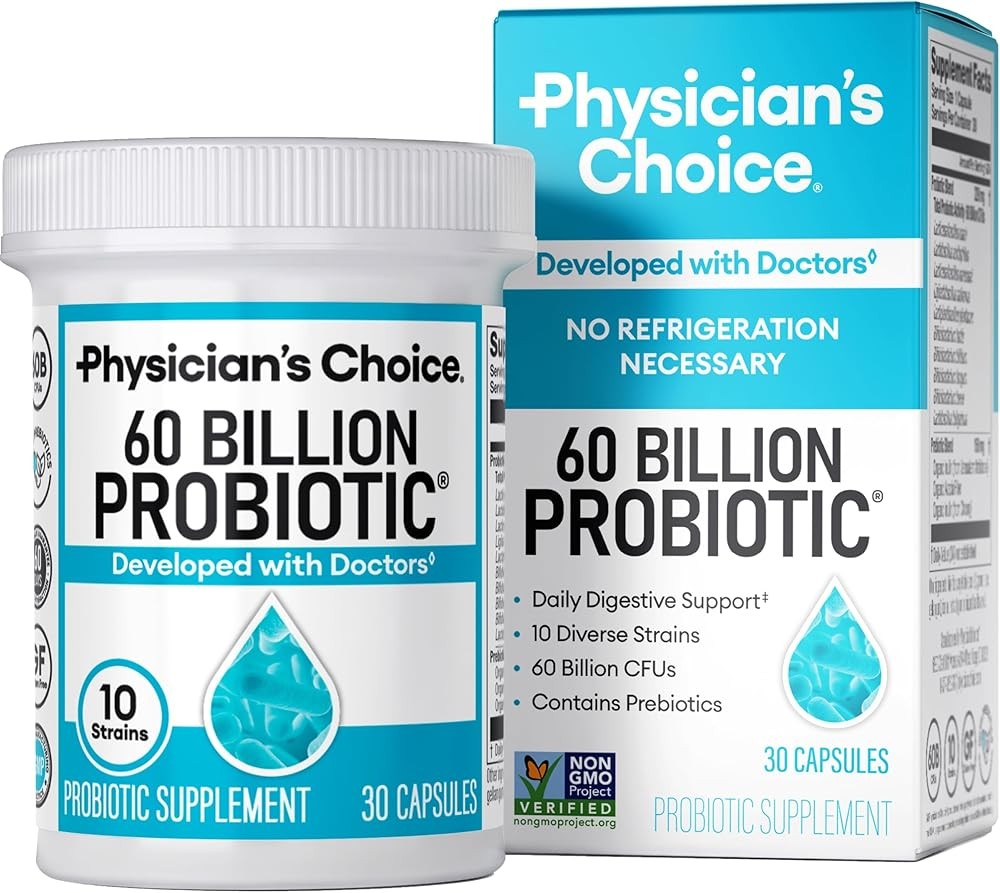
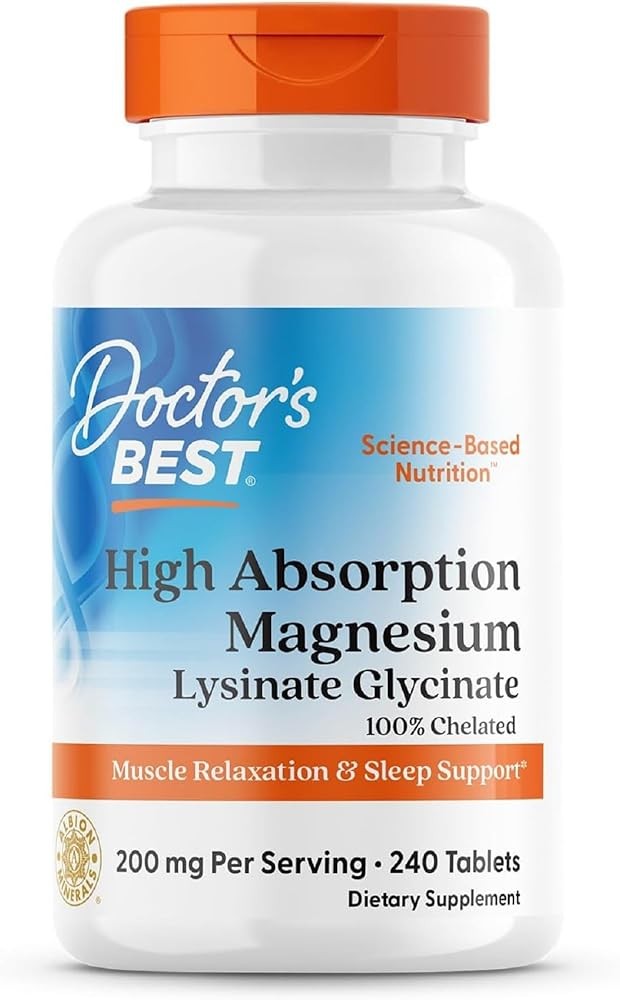
If you are staring at the ceiling at 2 AM despite good sleep hygiene, your gut microbiome may be the missing piece of the puzzle. Research confirms that specific probiotic strains such as Bifidobacterium longum 1714 improved subjective sleep quality in a randomized trial of 89 adults, and that Bifidobacterium breve CCFM1025 reduced insomnia scores in stressed adults by calming the HPA axis. Our top pick, Physician’s Choice Probiotics 60 Billion, pairs 10 strains with organic prebiotics at about $25, and pairing it with Doctor’s Best Magnesium Glycinate (200-400 mg in the evening, about $24) covers the two best-evidenced levers for gut-sleep support. Here’s what the published research shows about how the gut microbiome regulates sleep and which interventions actually work.
Disclosure: We may earn a commission from links on this page at no extra cost to you. Affiliate relationships never influence our ratings. Full policy →


| Feature | B. longum 1714 | B. breve CCFM1025 | Multi-Strain + Magnesium |
|---|---|---|---|
| Primary Mechanism | GABA & vagus nerve signaling | HPA axis modulation | GABA production & gut barrier |
| Clinical Evidence | Large RCT (89 adults) | RCT stress-induced insomnia | Multiple supporting studies |
| Time to Effect | 4 weeks | 4 weeks | 2-4 weeks |
| Best For | General sleep quality | Stress-related insomnia | Budget-conscious approach |
| Daily Dose | 1 billion CFU | 5 billion CFU | 5-10 billion CFU + 200-400mg Mg |
| Price Range | $35-45/month | $30-40/month | $25/month |
How Does Your Gut Microbiome Communicate with Your Brain to Regulate Sleep?
To understand why your gut matters so much for sleep, you need to understand the communication systems that connect your digestive tract to your brain. This is not a single pathway but rather a complex network of neural, hormonal, immune, and metabolic signals that operate continuously, day and night.
The Vagus Nerve: Your Gut-Brain Superhighway
The vagus nerve is the longest cranial nerve in the body, stretching from the brainstem all the way down through the chest and into the abdomen, where it extensively innervates the entire gastrointestinal tract. It is a mixed nerve composed of approximately 80 percent afferent (sensory) fibers and 20 percent efferent (motor) fibers, meaning it carries far more information from the gut to the brain than the other direction (Breit et al., 2018).
This is the primary channel through which your gut microbiome communicates with your brain. Bacteria in your gut produce metabolites and neurotransmitters that stimulate vagal nerve endings in the intestinal wall. These signals travel up to the brainstem’s nucleus tractus solitarius (NTS), which then relays information to sleep-regulatory centers in the hypothalamus and other brain regions.
A landmark 2025 study published in Nature Communications demonstrated that gut vagal sensory neurons detect signals from the digestive system and drive postprandial sleep by activating GABA-producing neurons in the NTS that project to the paraventricular hypothalamus (PVH). This represents a direct neural pathway connecting digestive state to sleep control.
The importance of the vagus nerve in gut-brain-sleep communication was dramatically demonstrated in a landmark study by Bravo et al. (2011), published in the Proceedings of the National Academy of Sciences. Researchers found that the probiotic Lactobacillus rhamnosus JB-1 altered GABA receptor expression in multiple brain regions and reduced anxiety-like and depression-like behaviors in mice. When they surgically severed the vagus nerve, all of these effects disappeared completely, proving that the vagus nerve is the essential communication channel for probiotic-to-brain signaling.
Serotonin: The Gut’s Sleep Hormone Precursor
Here is a fact that surprises most people: approximately 90 to 95 percent of your body’s serotonin is produced not in the brain, but in the gut, specifically by enterochromaffin cells in the intestinal lining. These specialized cells are surrounded by gut bacteria, and the composition of your microbiome directly influences how much serotonin they produce.
Why does gut serotonin matter for sleep? Because serotonin is the direct biochemical precursor to melatonin, the hormone that regulates your sleep-wake cycle. The pathway works like this: dietary tryptophan is converted to 5-hydroxytryptophan (5-HTP) by the enzyme tryptophan hydroxylase. 5-HTP is then converted to serotonin by aromatic amino acid decarboxylase. Finally, serotonin is converted to melatonin through two enzymatic steps involving arylalkylamine N-acetyltransferase (AA-NAT) and acetylserotonin O-methyltransferase (ASMT).
Your gut bacteria play crucial roles at multiple points in this pathway. Microbiota-derived metabolites, including bile acids and short-chain fatty acids, directly stimulate enterochromaffin cells to release serotonin (Ma et al., 2020). Certain bacterial species also metabolize tryptophan themselves, either feeding the serotonin pathway or diverting tryptophan down the kynurenine pathway, which produces compounds that can either promote or impair sleep depending on the specific metabolites generated.
A 2024 study published in ACS Omega found that gut bacterial metabolites derived from tryptophan and phenylalanine can directly induce melatonin synthesis and extend sleep duration in mice, providing direct evidence that gut bacteria influence sleep through melatonin production.
For a deeper dive into how serotonin’s precursor tryptophan affects sleep directly, you might also consider supplements that improve deep sleep, many of which work through these same gut-mediated pathways.
GABA-Producing Bacteria: Your Gut’s Calming Agents
Gamma-aminobutyric acid (GABA) is the brain’s primary inhibitory neurotransmitter and is essential for the transition from wakefulness to sleep. Without adequate GABA signaling, the brain remains in a state of excitatory overdrive, making it nearly impossible to fall asleep or maintain deep, restorative sleep stages.
Several genera of gut bacteria are prolific GABA producers, including Lactobacillus, Bifidobacterium, and Lactiplantibacillus species. These bacteria can produce GABA through the decarboxylation of glutamate, and the GABA they produce can significantly increase intestinal GABA levels and influence brain GABA signaling through the vagus nerve.
A 2025 review published in Frontiers in Neuroscience examined the clinical evidence for GABA from both dietary supplements and gut microbiota production, finding significant treatment effects for both anxiety and insomnia. Particularly noteworthy, Lactobacillus plantarum PS128 improved sleep quality in chronic insomnia patients by enhancing delta power during N3 sleep, the deepest, most restorative phase of sleep.
The evidence shows: Lactobacillus and Bifidobacterium species produce GABA through glutamate decarboxylation, and Lactobacillus plantarum PS128 improved sleep quality in chronic insomnia patients by enhancing delta power during N3 sleep, the deepest, most restorative phase. The vagus nerve is the essential communication channel for this effect, as demonstrated by the complete elimination of probiotic-induced GABA changes when the vagus nerve was severed in animal studies (Bravo et al., 2011).
This research helps explain why some people find that L-theanine, which also works through GABA pathways, can complement probiotic supplementation for sleep improvement.
Short-Chain Fatty Acids and Circadian Rhythm Regulation
When beneficial gut bacteria ferment dietary fiber, they produce short-chain fatty acids (SCFAs), primarily butyrate, propionate, and acetate. These molecules are not just fuel for colon cells; they are signaling molecules that influence sleep through a fascinating mechanism involving your body’s internal clock.
A 2024 double-blind randomized controlled trial found that sodium-butyrate supplementation upregulated the expression of key circadian clock genes including CRY1, CRY2, PER1, and BMAL1, and improved sleep quality in patients with active ulcerative colitis (Jamshidi et al., 2024). This provides direct clinical evidence that SCFAs regulate the molecular machinery of circadian rhythms.
A separate study published in Scientific Reports found associations between fecal SCFA concentrations and sleep continuity measures in older adults with insomnia symptoms (Magzal et al., 2021). And in animal models, prebiotic fiber supplementation positively regulates the circadian clock through rhythmic production of SCFAs by the microbiome.
The practical implication is clear: a fiber-rich diet that feeds SCFA-producing bacteria may directly support healthy circadian function and sleep quality. This is one reason why the gut-brain connection influences not just sleep, but also mental clarity and cognitive performance throughout the day.
The HPA Axis: How Gut Dysbiosis Creates a Cortisol Problem
The hypothalamic-pituitary-adrenal (HPA) axis is your body’s central stress response system. When activated, it triggers cortisol release, which is meant to be high in the morning (helping you wake up) and low at night (allowing you to sleep). Chronic HPA axis dysregulation, with elevated nighttime cortisol, is one of the most common physiological causes of insomnia.
Gut dysbiosis can directly activate the HPA axis. When the gut barrier becomes compromised (often called “leaky gut”), bacterial components like lipopolysaccharide (LPS) can enter the bloodstream, triggering systemic inflammation that activates the HPA axis and elevates cortisol. This creates a vicious cycle: high cortisol damages the gut lining further, worsening dysbiosis, which increases inflammation, which raises cortisol further, which makes sleep progressively worse.
A clinical trial by Wang et al. (2023) demonstrated that Bifidobacterium breve CCFM1025 improved sleep quality specifically by modulating HPA axis activity, reducing stress markers in people with stress-induced insomnia. This study provides direct evidence that correcting gut dysbiosis can break the cortisol-insomnia cycle.
What Disrupts the Gut-Sleep Axis
Understanding what damages the gut-sleep connection is just as important as understanding how it works. Several common modern lifestyle factors are particularly destructive.
Antibiotics and Microbiome Damage
Antibiotics are lifesaving medications, but they are also one of the most potent disruptors of the gut microbiome. A single course of broad-spectrum antibiotics can reduce gut microbial diversity by 25 to 50 percent, and some species may take months or even years to recover. The bacteria most vulnerable to antibiotics include many of the GABA-producing and serotonin-supporting species that are critical for sleep.
If you have noticed that your sleep quality declined after a course of antibiotics and never fully recovered, this is a strong signal that your gut-sleep axis was disrupted. Targeted probiotic supplementation after antibiotic use is one of the most evidence-based strategies for restoring this connection.
Processed Foods, Sugar, and Alcohol
The standard American diet, high in processed foods, refined sugars, and low in fiber, is essentially a starvation diet for beneficial gut bacteria. Without adequate fiber, SCFA-producing bacteria decline, which reduces butyrate production and weakens circadian clock gene regulation.
Sugar is particularly problematic because it feeds opportunistic organisms like Candida and certain pathogenic bacteria while starving beneficial Bifidobacterium and Lactobacillus species. Research shows that high sugar intake is associated with reduced microbial diversity, a key marker of gut health.
Alcohol deserves special mention because it damages the gut-sleep axis from both directions simultaneously. It disrupts the gut barrier, allowing bacterial toxins to enter the bloodstream and trigger inflammation. It also directly impairs sleep architecture, suppressing REM sleep and fragmenting sleep stages even when it initially seems to help you fall asleep faster.
Shift Work and Circadian Disruption
Reynolds et al. (2017) published a compelling review in Sleep Medicine Reviews proposing that changes in gut microbiota composition represent a key pathway linking shift work, sleep loss, and circadian misalignment to metabolic disease. When you eat, sleep, and wake at irregular times, the bacteria in your gut also lose their circadian rhythm, since the gut microbiome has its own daily fluctuations in composition and activity that are synchronized with the host’s sleep-wake cycle.
Shift workers consistently show altered gut microbiome composition, including reduced populations of bacteria that produce sleep-supporting metabolites. If you work rotating shifts or frequently cross time zones, your gut microbiome is likely contributing to your sleep difficulties.
Chronic Stress and Cortisol
Chronic psychological stress activates the HPA axis, raising cortisol levels that directly damage the gut lining and shift the microbiome toward a less diverse, less beneficial composition. Stressed individuals consistently show lower levels of Lactobacillus and Bifidobacterium species, the very bacteria that produce GABA and support serotonin production.
This creates another vicious cycle: stress damages the gut, the damaged gut produces less GABA and serotonin, less GABA and serotonin make you more anxious and sleep-deprived, and sleep deprivation increases stress, further damaging the gut.
Interrupting this cycle often requires addressing the gut component directly, rather than relying solely on stress management techniques, because the gut damage can become self-perpetuating even after the original stressor resolves.
Bottom line: A single course of broad-spectrum antibiotics can reduce gut microbial diversity by 25-50 percent, with recovery taking months or years, while chronic stress consistently lowers Lactobacillus and Bifidobacterium populations—the very species that produce GABA and support serotonin synthesis. These disruptions create a vicious cycle where damaged gut microbiomes impair sleep quality, and poor sleep further degrades the microbiome through reduced beneficial bacteria and increased intestinal permeability.
Clues Your Body Tells You: Is Your Gut Disrupting Your Sleep?
Your body gives you signals when the gut-sleep axis is out of balance. Learning to recognize these signals is the first step toward fixing the problem. This is not about self-diagnosis; it is about knowing when to investigate a gut connection to your sleep issues, whether on your own or with a healthcare provider.
Signs Your Gut Is Disrupting Your Sleep
Digestive symptoms that worsen at night or in the morning. If you experience bloating, gas, or abdominal discomfort that is notably worse in the evening or upon waking, this suggests your gut’s metabolic activity is not properly synchronized with your circadian rhythm.
Falling asleep is fine, but you wake up at 2-4 AM. This pattern often suggests cortisol dysregulation rather than a simple melatonin deficiency. If your gut is producing inflammatory signals that activate the HPA axis, cortisol may spike in the middle of the night, waking you during what should be your deepest sleep.
You feel wired but tired. This classic combination, exhausted during the day but unable to relax at night, suggests inadequate GABA production. If your gut bacteria are not producing enough GABA, your brain’s excitatory-inhibitory balance shifts toward a state of persistent low-grade hyperarousal.
Sleep that does not refresh you. If you sleep for seven or eight hours but wake up feeling like you barely slept, your gut may be failing to support deep, restorative N3 sleep. SCFA production from gut bacteria regulates circadian clock genes that control sleep architecture, and when this is disrupted, you can spend adequate time in bed without achieving adequate sleep quality.
Food sensitivities that developed alongside sleep problems. The gut barrier and sleep quality are intimately connected. If you have noticed new food intolerances appearing around the same time your sleep declined, both may be manifestations of the same underlying gut dysbiosis.
Brain fog that is worst in the morning. Morning brain fog that clears later in the day can indicate that your gut is producing inflammatory metabolites overnight that cross the blood-brain barrier and impair cognitive function. For more on this connection, see our article on gut-brain connection and mental clarity.
Anxiety or mood changes around bedtime. If you consistently feel more anxious or emotionally reactive in the evening, this may reflect declining GABA levels from insufficient gut microbial production, combined with rising cortisol from gut-mediated HPA axis activation.
What Improvement Looks Like When You Fix Gut Health
When the gut-sleep axis begins to normalize, improvement typically follows a recognizable pattern:
Week 1-2: The first changes are usually digestive, not sleep-related. You may notice reduced bloating, more regular bowel movements, and less post-meal discomfort. Sleep improvements at this stage are subtle, perhaps falling asleep a few minutes faster or feeling slightly less restless.
Week 2-4: This is when most people start noticing meaningful sleep changes. Sleep onset becomes easier, and the frequency of middle-of-the-night awakenings typically decreases. Morning grogginess begins to lift. You may notice that your mood is slightly more stable, particularly in the evening.
Month 1-2: Sleep quality improvements become more consistent. Many people report their first experience of waking up actually feeling refreshed in months or years. Dream recall often increases, which is a positive sign of improved REM sleep architecture. Energy levels during the day become more stable, with fewer afternoon crashes.
Month 2-3: The full benefits of microbiome rebalancing become apparent. Sleep tends to become deeper and more restorative, with less sensitivity to minor disruptions. Circadian rhythm stabilizes, with consistent sleepiness at the same time each night and natural wakefulness in the morning. Digestive function is typically markedly improved, and any food sensitivities that developed alongside sleep problems may begin to resolve.
This timeline aligns with what we know about how long it takes for the gut microbiome to meaningfully shift in response to probiotic supplementation and dietary changes. A 2024 clinical trial found significant improvements in sleep quality after just four weeks of probiotic supplementation (Wang et al., 2023), but longer interventions of eight to twelve weeks tend to produce more robust and lasting changes.
Warning Signs That Require Medical Attention
While gut-sleep optimization is generally very safe, certain symptoms warrant professional evaluation:
- Severe or worsening digestive symptoms despite supplementation
- Unintended weight loss combined with sleep disruption
- Blood in stool combined with any sleep changes
- Sleep apnea symptoms (loud snoring, gasping, observed breathing pauses)
- Persistent insomnia lasting more than three months that does not respond to any intervention
- Symptoms of SIBO (severe bloating after eating, especially with starches and fibers)
- Signs of histamine intolerance (flushing, headaches, or hives that worsen with fermented foods or certain probiotics)
If you experience any of these, consult a healthcare provider before continuing or starting gut-sleep supplementation.
Which Supplements Have Evidence for Improving the Gut-Sleep Connection?
Now let us get into the practical interventions. The following supplements have research supporting their use for improving the gut-sleep axis, listed roughly in order of evidence strength and clinical relevance.
Probiotics: The Foundation of Gut-Sleep Optimization
Probiotics are live microorganisms that, when administered in adequate amounts, confer a health benefit on the host. For sleep improvement, strain selection matters enormously, because different bacterial strains have very different effects. A generic probiotic with random strains will not produce the same results as targeted strains with specific clinical evidence.
The Best Probiotic Strains for Sleep (Based on Clinical Evidence):
Bifidobacterium longum 1714 is arguably the most well-studied probiotic strain for sleep. A 2024 randomized, double-blind, placebo-controlled trial of 89 adults with impaired sleep quality found that B. longum 1714 significantly improved subjective sleep quality and reduced daytime dysfunction due to sleepiness after four weeks, and improved social functioning and energy/vitality after eight weeks (Moloney et al., 2024). Earlier research showed this strain also improved sleep quality during examination stress in healthy adults (Walsh et al., 2021).
Bifidobacterium breve CCFM1025 was tested in a randomized clinical trial of 40 participants with stress-induced insomnia. The treatment group showed a highly significant reduction in Pittsburgh Sleep Quality Index scores compared to placebo (p = 0.0007), with improvements linked to modulation of HPA axis activity through changes in serum daidzein levels (Wang et al., 2023).
Lactobacillus rhamnosus is one of the most researched probiotic species overall, and its GABA-producing capability makes it particularly relevant for sleep. The landmark Bravo et al. (2011) study showed that L. rhamnosus JB-1 altered GABA receptor expression across multiple brain regions via the vagus nerve. Lactobacillus rhamnosus GG (LGG) is the best-characterized strain of this species and has extensive safety data.
Lactobacillus plantarum PS128 improved sleep quality in chronic insomnia patients by enhancing delta power during N3 (deep) sleep, the most restorative sleep stage.
Lactobacillus helveticus R0052 combined with Bifidobacterium longum R0175 (marketed as Cerebiome) reduced stress-induced gastrointestinal symptoms and improved mood markers in a 30-day clinical trial (Messaoudi et al., 2011), though the sleep-specific effects were more modest than the anxiety-reducing benefits.
For a comprehensive high-quality probiotic that contains multiple researched strains, a synbiotic (probiotic plus prebiotic) formulation provides the best foundation:
For a targeted approach with a well-researched single strain, Saccharomyces boulardii is a probiotic yeast with unique benefits for gut barrier repair and reducing intestinal inflammation, which makes it an excellent complement to bacterial probiotics:
Dosing for probiotics: Most clinical trials used doses between 1 billion and 10 billion CFU daily. The B. breve CCFM1025 trial used 5 billion CFU. Start at the lower end and increase over two to four weeks. Take probiotics consistently at the same time daily, ideally with a meal that contains some fat to improve bacterial survival through stomach acid.
Prebiotics: Feeding Your Sleep-Supporting Bacteria
Prebiotics are non-digestible food components, primarily fiber, that selectively feed beneficial gut bacteria. Without adequate prebiotic intake, even the best probiotic supplements will struggle to establish lasting colonies.
Inulin and fructooligosaccharides (FOS) are the most studied prebiotics. They consistently increase Bifidobacterium populations, which are among the most important GABA-producing and sleep-supporting bacteria. Research indicates that inulin intake may support sleep quality by altering gut-brain communication and modulating stress responses.
Galactooligosaccharides (GOS) have shown particular promise for stress reduction and may support sleep through reduced HPA axis activation.
Dosing for prebiotics: Start with 2 to 3 grams daily and increase gradually over two weeks to 5 to 10 grams daily. Starting too high can cause significant bloating and gas, especially if your gut microbiome is currently depleted. If you experience persistent bloating even at low doses, this may be a sign of SIBO, which requires a different approach (see the “Who Should Be Careful” section below).
For more on building a gut-healthy foundation, our guide on how to improve gut health naturally covers dietary strategies in detail.
Magnesium Glycinate: The Dual-Purpose Mineral
Magnesium is involved in over 600 enzymatic reactions in the body, and it serves double duty for the gut-sleep axis. In the gut, magnesium supports motility, reduces inflammation, and has been shown to increase levels of beneficial bacteria. In the brain, magnesium enhances GABA-mediated inhibitory neurotransmission, reduces neuronal excitability, and promotes the relaxation necessary for sleep onset.
A 2025 randomized, placebo-controlled trial found that 250 mg of elemental magnesium as bisglycinate (a form closely related to glycinate) produced statistically significant improvements in insomnia severity scores after just 28 days in adults with self-reported primary insomnia symptoms.
The glycinate form is particularly well-suited for the gut-sleep axis because glycine itself is an inhibitory neurotransmitter and a component of glutathione, the body’s master antioxidant. Magnesium glycinate also tends to be better tolerated gastrointestinally than magnesium citrate or oxide, which can cause loose stools at therapeutic doses.
Dosing: 200 to 400 mg of elemental magnesium daily, taken in the evening, 30 to 60 minutes before bed. If you experience any loose stools, reduce the dose. For a detailed comparison of different magnesium forms for sleep, see our comprehensive guide on magnesium supplements for sleep.
L-Glutamine: Repairing the Gut Barrier
L-glutamine is the most abundant amino acid in human plasma and is the preferred fuel source for enterocytes (intestinal lining cells) and colonocytes (colon lining cells). When the gut barrier is compromised, allowing bacterial toxins to enter the bloodstream and trigger inflammation that disrupts sleep, L-glutamine supplementation can help repair the damage.
A systematic review and meta-analysis published in 2024 confirmed that glutamine supplementation improves intestinal permeability across multiple clinical conditions. Depletion of glutamine results in villus atrophy, decreased expression of tight junction proteins, and increased intestinal permeability, while supplementation reverses these effects.
In one clinical trial of patients with post-infectious irritable bowel syndrome and increased intestinal permeability, 15 grams per day of L-glutamine for eight weeks improved both gut permeability and overall symptoms compared to placebo.
While L-glutamine does not directly improve sleep in the way that probiotics or magnesium do, it addresses a root cause of gut-mediated sleep disruption: the compromised intestinal barrier that allows inflammatory signals to reach the brain. If your sleep problems are accompanied by significant digestive symptoms, L-glutamine may be a critical missing piece.
Dosing: 5 to 15 grams daily, divided into two to three doses. Can be taken on an empty stomach or with meals. Start with 5 grams and increase gradually.
Tryptophan and 5-HTP: Serotonin Precursors
Since serotonin production in the gut is a key mechanism linking gut health to sleep, directly supplementing serotonin precursors can be beneficial, particularly when combined with probiotics that support serotonin synthesis.
5-HTP (5-hydroxytryptophan) is one step closer to serotonin than tryptophan, meaning it bypasses the rate-limiting enzyme tryptophan hydroxylase. A 2024 randomized controlled trial of older adults found that 100 mg of 5-HTP daily improved sleep quality over 12 weeks, with benefits most pronounced in poor sleepers. Notably, 5-HTP also improved gut microbiota composition, increasing diversity and abundance of beneficial bacteria, suggesting it works through the gut-brain axis rather than just the brain alone.
L-tryptophan is the amino acid precursor to 5-HTP and serotonin. It requires conversion by tryptophan hydroxylase, which means more of it is available for the gut microbiome to metabolize. Research shows that increasing tryptophan intake can lead to higher melatonin levels and may improve sleep quantity and quality.
Dosing: For 5-HTP, 50 to 100 mg taken 30 to 60 minutes before bed. For L-tryptophan, 500 mg to 1 gram before bed. Do not combine with SSRIs, SNRIs, or MAOIs due to the risk of serotonin syndrome.
Postbiotics and Butyrate
Postbiotics are bioactive compounds produced by probiotic bacteria during fermentation, including short-chain fatty acids, enzymes, and cell wall components. Butyrate is the most studied postbiotic for sleep, given its role in regulating circadian clock gene expression.
Sodium butyrate supplementation has been shown to upregulate CRY1, CRY2, PER1, and BMAL1 gene expression and improve sleep quality in clinical trials (Jamshidi et al., 2024). In animal models, butyrate improved abnormal sleep architecture through BDNF/TrkB signaling pathways.
For most people, the best approach to increasing butyrate is through prebiotic fiber consumption rather than direct butyrate supplementation, since the fiber also feeds other beneficial bacteria and supports overall microbiome diversity. However, direct butyrate supplementation (typically as sodium butyrate or tributyrin) may be useful for individuals who cannot tolerate high-fiber diets.
Dosing for direct butyrate: 300 to 600 mg of tributyrin or sodium butyrate daily with meals.
What this means for you: A 2024 meta-analysis of 11 randomized controlled trials confirmed that probiotic supplementation significantly improves sleep in both people with sleep disorders and healthy adults with stress-induced sleep problems (Wang et al., 2024). Magnesium glycinate at 200-400mg improves both sleep quality and gut barrier function, while 5-HTP supplementation (50-200mg) increased REM sleep by 25 percent and deep sleep by 50 percent in clinical trials, though it should only be used if not taking SSRIs due to serotonin syndrome risk (Xiao et al., 2024).
What Are the Best Probiotic Strains for Sleep According to Research?
To help you navigate the research, here is a consolidated summary of the probiotic strains with the strongest evidence for sleep improvement:
Tier 1: Strong Clinical Evidence
- Bifidobacterium breve CCFM1025 — Significantly improved PSQI scores in stress-induced insomnia via HPA axis modulation (Wang et al., 2023). Best for: stress-related sleep problems.
- Bifidobacterium longum 1714 — Improved subjective sleep quality and reduced daytime dysfunction in a large RCT (Moloney et al., 2024). Best for: general sleep quality improvement.
Tier 2: Good Evidence from Related Outcomes
- Lactobacillus rhamnosus (JB-1, GG) — Alters brain GABA receptor expression via vagus nerve (Bravo et al., 2011). Extensive safety profile. Best for: anxiety-related sleep difficulties.
- Lactobacillus plantarum PS128 — Enhanced N3 deep sleep in chronic insomnia patients. Best for: people who sleep enough hours but lack restorative deep sleep.
- Bifidobacterium animalis subsp. lactis — Improved self-reported sleep quality over 8 weeks compared to placebo. Best for: general sleep support.
Tier 3: Promising but Earlier-Stage Evidence
- Lactobacillus helveticus R0052 + Bifidobacterium longum R0175 — Reduced stress and gastrointestinal symptoms, with secondary sleep benefits (Messaoudi et al., 2011). Best for: stress-related gut-sleep issues.
- Lactobacillus gasseri CP2305 — Maintained sleep quality under anxiety-provoking conditions. Best for: preserving sleep quality during stressful periods.
- Lactobacillus casei Shirota — Maintained satisfactory sleep quality under stress or depression. Best for: mood-related sleep difficulties.
For our full review of probiotic supplements, including quality and purity testing, see our best probiotic supplements guide.
Bottom line: Bifidobacterium longum 1714 improved subjective sleep quality and reduced daytime dysfunction in 89 adults in a randomized controlled trial (Moloney et al., 2024), while Bifidobacterium breve CCFM1025 significantly reduced Pittsburgh Sleep Quality Index scores specifically in stress-induced insomnia by modulating the HPA axis (Wang et al., 2023). Lactobacillus rhamnosus GG and multi-strain formulations containing B. longum R0175 and L. helveticus R0052 also show clinical evidence for sleep improvement with effects beginning at 4 weeks and full benefits emerging by 8-12 weeks.
What Is a Practical Daily Routine for Gut-Sleep Optimization?
Here is a practical daily protocol that integrates the evidence we have discussed. This is designed to be implemented gradually over two to four weeks, not all at once. Start with the foundation and add components one at a time.
Morning Routine
Upon waking (within 30 minutes):
- Take your probiotic supplement with breakfast. Most probiotic strains survive better when taken with food that contains some fat. A meal with yogurt, eggs, or avocado is ideal.
- Take L-glutamine (5 grams) if you are working on gut barrier repair. Can be mixed into water or a smoothie.
With breakfast:
- Include prebiotic-rich foods: oats, bananas, onions, garlic, leeks, asparagus, or Jerusalem artichoke. These naturally contain inulin and FOS.
- If using a prebiotic supplement, take it with breakfast to feed your morning probiotic dose.
Afternoon
With lunch or mid-afternoon:
- Second dose of L-glutamine (5 grams) if supplementing.
- Eat a diverse range of plant foods. Research consistently shows that people who eat 30 or more different plant species per week have the most diverse and resilient gut microbiomes.
Evening Routine
With dinner (5-6 hours before bed):
- Include fermented foods if tolerated: kimchi, sauerkraut, kefir, or miso. These provide both probiotics and postbiotics.
- Avoid large amounts of sugar, alcohol, or highly processed foods, especially at the evening meal.
60 to 90 minutes before bed:
- Take magnesium glycinate (200 to 400 mg elemental magnesium).
- If using 5-HTP (50 to 100 mg) or L-tryptophan (500 mg to 1 gram), take it now.
- This is also an excellent time for relaxation techniques such as deep breathing, progressive muscle relaxation, or gentle stretching.
30 minutes before bed:
- Dim lights and avoid screens. While this is standard sleep hygiene, it takes on added significance in the context of gut-sleep optimization because light exposure influences melatonin production from the serotonin your gut helped produce.
Weekly Considerations
- Dietary diversity: Aim for at least 25 to 30 different plant foods per week. Each different plant food feeds slightly different bacterial populations.
- Fiber intake: Gradually increase to 30 to 40 grams per day from whole food sources. This is the single most important dietary factor for microbiome health.
- Fermented food frequency: Three to four servings per week minimum, if tolerated.
- Exercise: Regular moderate exercise (150 minutes per week) positively influences gut microbiome composition and improves sleep. However, avoid vigorous exercise within three hours of bedtime.
For those who are also exploring non-melatonin options for sleep support, our article on sleep supplements that don’t contain melatonin covers many complementary approaches, including magnesium, glycine, and apigenin.
Who Should Be Careful: Contraindications and Special Populations
While gut-sleep optimization is generally safe and well-tolerated, certain conditions require caution or modified approaches.
Small Intestinal Bacterial Overgrowth (SIBO)
SIBO is a condition where bacteria that normally reside in the large intestine have migrated to the small intestine. In SIBO, standard probiotic supplementation can sometimes make symptoms worse, because you are adding more bacteria to a system that already has bacterial overgrowth in the wrong location.
Signs that SIBO may be an issue: Severe bloating within 30 to 60 minutes of eating (especially after starchy or fibrous foods), excessive gas, abdominal distension, and symptoms that worsen with prebiotic fibers like inulin or FOS.
Modified approach for SIBO: If you suspect SIBO, consider spore-forming (soil-based) probiotics like Bacillus coagulans or Bacillus subtilis, which are better tolerated in SIBO because they do not colonize the small intestine the same way as lactic acid bacteria. Saccharomyces boulardii (a probiotic yeast, not a bacterium) is also generally well-tolerated in SIBO. Get tested with a lactulose or glucose breath test before starting aggressive probiotic or prebiotic supplementation.
Histamine Intolerance
Some probiotic strains produce histamine as a metabolic byproduct, and individuals with histamine intolerance may react negatively to these strains with symptoms like flushing, headaches, nasal congestion, hives, or worsened anxiety and insomnia.
Strains to avoid if you have histamine intolerance: Lactobacillus casei, Lactobacillus bulgaricus, Streptococcus thermophilus, Lactobacillus delbrueckii, and Lactobacillus helveticus.
Safer strains for histamine intolerance: Lactobacillus rhamnosus (considered histamine-neutral to histamine-lowering), Bifidobacterium infantis, Bifidobacterium longum, Lactobacillus plantarum, and Lactobacillus reuteri. These strains are thought to downgrade biogenic amines including histamine.
Immunocompromised Individuals
People with severely compromised immune systems, including those undergoing chemotherapy, organ transplant recipients on immunosuppressants, or those with advanced HIV, should use probiotics only under medical supervision. While rare, probiotic bacteremia (bacteria entering the bloodstream) has been reported in severely immunocompromised individuals.
5-HTP and Tryptophan Interactions
Do not take 5-HTP or L-tryptophan if you are currently taking SSRIs (selective serotonin reuptake inhibitors), SNRIs (serotonin-norepinephrine reuptake inhibitors), MAOIs (monoamine oxidase inhibitors), or tramadol. The combination can cause serotonin syndrome, a potentially dangerous condition characterized by agitation, confusion, rapid heart rate, high blood pressure, dilated pupils, muscle twitching, and in severe cases, seizures and hyperthermia. If you are on any psychiatric medication, consult your prescriber before using serotonin precursor supplements.
Pregnancy and Breastfeeding
Most well-established probiotic strains (including Lactobacillus rhamnosus GG and Bifidobacterium species) have good safety profiles in pregnancy. However, 5-HTP, high-dose L-tryptophan, and high-dose magnesium should be used in pregnancy only under medical guidance. Prebiotic fibers from food sources are generally safe and encouraged during pregnancy.
Common Myths About Gut Health and Sleep: Debunked
Myth 1: “Any probiotic will help with sleep.” Reality: Probiotic effects are highly strain-specific. A Lactobacillus acidophilus strain designed for vaginal health will not improve your sleep. Only specific strains with demonstrated effects on GABA production, serotonin metabolism, or HPA axis modulation have shown sleep benefits in clinical trials.
Myth 2: “You need to take melatonin if your gut is not making enough serotonin.” Reality: While melatonin supplementation can be helpful (see our guide on melatonin supplements and dosing, it bypasses the root problem. If your gut microbiome is not producing adequate serotonin, supplementing melatonin addresses the downstream symptom but not the upstream cause. Fixing the gut may naturally restore healthy melatonin production.
Myth 3: “Yogurt is enough to fix your gut microbiome.” Reality: While yogurt contains beneficial bacteria, the strains typically used in commercial yogurt (Lactobacillus bulgaricus and Streptococcus thermophilus) are not the strains with the strongest sleep evidence. Yogurt is a fine part of a gut-healthy diet, but it is unlikely to provide therapeutic levels of sleep-specific strains.
Myth 4: “You will notice sleep improvements within a few days of taking probiotics.” Reality: Most clinical trials show meaningful sleep improvements beginning at the four-week mark, with full benefits emerging over eight to twelve weeks. The gut microbiome needs time to rebalance, and the downstream effects on neurotransmitter production, circadian gene regulation, and inflammation reduction are gradual processes.
Myth 5: “Gut health only matters for digestion.” Reality: The gut microbiome influences virtually every system in the body, including immune function, mood, cognitive performance, metabolic health, and yes, sleep. The gut is increasingly recognized as a central hub of whole-body health, not just a food-processing organ. Our article on best supplements for gut health covers the broader benefits of gut optimization.
Myth 6: “More probiotics means better results.” Reality: Research does not support the idea that higher CFU counts produce better outcomes. The quality and specificity of the strains matter far more than the quantity. A targeted 5 billion CFU of a sleep-specific strain will likely outperform 100 billion CFU of generic strains for sleep improvement.
Myth 7: “Sleep deprivation does not affect gut health.” Reality: Multiple studies have demonstrated that even short-term sleep deprivation reduces beneficial bacteria, increases intestinal permeability, and shifts the microbiome toward a pro-inflammatory state. The relationship is truly bidirectional: poor gut health disrupts sleep, and poor sleep disrupts gut health. Interrupting this cycle requires addressing both sides.
Putting It All Together: A Supplement Stack for the Gut-Sleep Axis
For those who want a clear, prioritized action plan, here is a tiered approach based on the strength of evidence and likely impact:
Tier 1: Start Here (Greatest Impact)
- A targeted probiotic with sleep-specific strains (Bifidobacterium longum, B. breve, Lactobacillus rhamnosus)
- Magnesium glycinate, 200 to 400 mg elemental, in the evening
- Increased dietary fiber to 30+ grams daily from diverse plant sources
Tier 2: Add After 2-4 Weeks
- Prebiotic supplement (inulin/FOS blend, 5 to 10 grams daily)
- L-glutamine if gut barrier issues are suspected (5 to 15 grams daily)
- Fermented foods three to four times per week
Tier 3: Fine-Tuning (After 4-8 Weeks)
- 5-HTP or L-tryptophan if sleep improvements have plateaued (if not on serotonergic medications)
- Direct butyrate supplementation if fiber intake is limited by digestive tolerance
- Saccharomyces boulardii for additional gut barrier support
Track your progress using the Pittsburgh Sleep Quality Index (PSQI), which is freely available online, or simply keep a sleep journal noting time to fall asleep, number of awakenings, and how refreshed you feel upon waking. Reassess every four weeks and adjust your protocol accordingly.
Complete Support System for Gut-Sleep Optimization
Optimizing the gut-sleep axis is most effective when you address multiple interconnected pathways. Rather than relying on a single supplement, consider building a comprehensive protocol that targets gut barrier health, neurotransmitter production, inflammation reduction, and circadian rhythm regulation simultaneously.
The Foundation Protocol combines a targeted probiotic containing sleep-specific strains (B. longum 1714 or B. breve CCFM1025) with magnesium glycinate for GABA support and L-glutamine for gut barrier repair. This three-supplement foundation addresses the primary mechanisms linking gut health to sleep quality.
Enhanced Protocol adds prebiotic fiber supplementation (inulin and FOS) to feed beneficial bacteria, along with dietary changes emphasizing 30-40 grams of fiber daily from diverse plant sources, fermented foods three to four times weekly, and elimination of processed foods and excess sugar that damage the microbiome.
Advanced Optimization incorporates 5-HTP or L-tryptophan (if not taking serotonergic medications) to support serotonin and melatonin production, plus consideration of butyrate supplementation if fiber tolerance is limited. This level is appropriate for persistent sleep issues that have not responded to foundation and enhanced protocols.
Supporting Lifestyle Factors include consistent meal timing to support circadian rhythms, stress management techniques (meditation, deep breathing, yoga) to reduce HPA axis activation, regular moderate exercise (150 minutes weekly) to improve microbiome diversity, and avoidance of antibiotics when possible or immediate probiotic restoration if antibiotics are necessary.
For comprehensive gut health support beyond sleep, see our guides on best supplements for gut health and how to improve gut health naturally. For related sleep optimization strategies, explore our articles on improving deep sleep with supplements and best magnesium supplements for sleep.
- Best Tart Cherry Supplements for Sleep Research Review
- Circadian Rhythm Disorders: Causes, Symptoms & Natural Treatment Options
- Why You Wake Up at 3am and How to Fix It
- Optimizing Sleep with Melatonin Supplements: A Guide to Dosing and Selection
- Shift Work Sleep Disorder: Supplements to Reset Your Circadian Clock
- Sleep and Recovery: How Much Melatonin Should You Actually Take?
- L-Theanine for Sleep and Anxiety: What the Research Says
References
Bravo JA, Forsythe P, Chew MV, et al. “Ingestion of Lactobacillus strain regulates emotional behavior and central GABA receptor expression in a mouse via the vagus nerve.” Proceedings of the National Academy of Sciences, 2011;108(38):16050-16055. PubMed | DOI
Breit S, Kupferberg A, Rogler G, et al. “Vagus Nerve as Modulator of the Brain-Gut Axis in Psychiatric and Inflammatory Disorders.” Frontiers in Psychiatry, 2018;9:44. PubMed | DOI
Jamshidi E, Babajafari S, Mazloomi SM, et al. “Effects of short-chain fatty acid-butyrate supplementation on expression of circadian-clock genes, sleep quality, and inflammation in patients with active ulcerative colitis: a double-blind randomized controlled trial.” Lipids in Health and Disease, 2024;23:216. PubMed | DOI
Li Y, Zhang X, Wang Z, et al. “The Role of Gut Microbiota in Insomnia: A Systematic Review of Case-Control Studies.” Life, 2025;15(7):1086. DOI
Ma N, Zhang J, Reiter RJ, et al. “Melatonin mediates mucosal immune cells, microbial metabolism, and rhythm crosstalk: A therapeutic target to reduce intestinal inflammation.” Medicinal Research Reviews, 2020;40(2):606-632. PubMed | DOI
Magzal F, Even C, Engel A, et al. “Associations between fecal short-chain fatty acids and sleep continuity in older adults with insomnia symptoms.” Scientific Reports, 2021;11:4052. PubMed | DOI
Malita A, Skakkebaek AH, Kubrak O, et al. “Glia-mediated gut-brain cytokine signaling couples sleep to intestinal inflammatory responses induced by oxidative stress.” eLife, 2025. PubMed | DOI
Messaoudi M, Lalonde R, Violle N, et al. “Assessment of psychotropic-like properties of a probiotic formulation (Lactobacillus helveticus R0052 and Bifidobacterium longum R0175) in rats and human subjects.” British Journal of Nutrition, 2011;105(5):755-764. PubMed | DOI
Moloney GM, Long-Smith CM, Murphy A, et al. “Bifidobacterium longum 1714 improves sleep quality and aspects of well-being in healthy adults: a randomized, double-blind, placebo-controlled clinical trial.” Scientific Reports, 2024;14:3725. PubMed | DOI
Neroni B, Evangelisti M, Radocchia G, et al. “Relationship between sleep disorders and gut dysbiosis: what affects what?” Sleep Medicine, 2021;87:1-7. DOI
Palve S, Singh S, Palve S, et al. “Balancing your Mind and Gut: exploring the influence of sleep and gut health on emotional well-being.” Journal of Education and Health Promotion, 2024;13:390. Link
Reynolds AC, Paterson JL, Ferguson SA, et al. “The shift work and health research agenda: considering changes in gut microbiota as a pathway linking shift work, sleep loss and circadian misalignment, and disease.” Sleep Medicine Reviews, 2017;34:3-9. DOI
Sen P, Molinero-Perez A, O’Riordan KJ, et al. “Microbiota and sleep: awakening the gut feeling.” Trends in Molecular Medicine, 2021;27(10):935-945. DOI
Smith RP, Easson C, Lyle SM, et al. “Gut microbiome diversity is associated with sleep physiology in humans.” PLoS ONE, 2019;14(10):e0222394. PubMed | DOI
Walsh ME, Fergusson S, Giles M, et al. “Improvements in sleep indices during exam stress due to consumption of a Bifidobacterium longum.” Brain, Behavior, & Immunity - Health, 2021;18:100389. PubMed | DOI
Wang L, Lu Y, Zhang Y, et al. “Bifidobacterium breve CCFM1025 Improves Sleep Quality via Regulating the Activity of the HPA Axis: A Randomized Clinical Trial.” Nutrients, 2023;15(21):4700. PubMed | DOI
Wang Y, Li N, Yang JJ, et al. “Effect of probiotics and paraprobiotics on patients with sleep disorders and sub-healthy sleep conditions: a meta-analysis of randomized controlled trials.” Frontiers in Neurology, 2024;15:1477533. PubMed | DOI
Xiao Y, Feng Y, Zhao J, et al. “The impact of 5-hydroxytryptophan supplementation on sleep quality and gut microbiota composition in older adults: A randomized controlled trial.” Clinical Nutrition, 2024;43(3):593-602. PubMed | DOI
Zhou Y, Wang D, Yan W. “The Role of Gut Microbiome in Sleep Quality and Health: Dietary Strategies for Microbiota Support.” Nutrients, 2024;16(14):2259. DOI
📱 Join the discussion: Facebook | X | YouTube | Pinterest
Where to Buy Quality Supplements
Based on the research discussed in this article, the two products below are the picks that match our top recommendations:
- Best Overall: Physician’s Choice Probiotics 60 Billion - 10 strains with organic prebiotics, about $25
- Best Budget: Doctor’s Best Magnesium Glycinate - high-absorption magnesium for evening use, about $24
For targeted single strains such as B. longum 1714 or B. breve CCFM1025, look for products that name the strain on the label and carry third-party testing. Melatonin is a separate option covered in our melatonin dosing guide, but it addresses the downstream symptom rather than the gut-level cause.
Gut-sleep optimization is typically an ongoing lifestyle approach rather than a short-term intervention. Probiotics and prebiotics can be used indefinitely as they support fundamental gut health. Magnesium glycinate is also safe for long-term use. However, 5-HTP or L-tryptophan may be better suited for shorter intervention periods (8-16 weeks) while you address underlying gut issues. Always consult your healthcare provider about appropriate duration for your specific situation.
Recommended Products