Sleep Apnea Natural Supplements: Beyond CPAP Solutions for Airway Support
Summarized from peer-reviewed research indexed in PubMed. See citations below.
Over 936 million adults worldwide struggle with sleep apnea, experiencing repeated breathing interruptions that fragment sleep and increase cardiovascular risk beyond what CPAP alone addresses. Research indicates magnesium glycinate at 320mg daily reduces AHI by 36-48% in patients with documented deficiency, making it the most promising first-line supplement for mild to moderate OSA at approximately $15-20 per month. Studies show this effect stems from magnesium’s role as a natural calcium channel blocker that supports upper airway muscle relaxation and reduces nighttime breathing interruptions. For those seeking a budget-friendly alternative, vitamin D3 at 4,000 IU daily costs just $8-12 monthly and reduces AHI by an average of 7.2 events per hour when correcting the deficiency found in 70-90% of sleep apnea patients. Here’s what the published research shows about natural supplements that address inflammation, oxidative stress, and airway muscle function in obstructive sleep apnea.
Disclosure: We may earn a commission from links on this page at no extra cost to you. Affiliate relationships never influence our ratings. Full policy →
Best Overall for sleep apnea support. Combines 5mg melatonin with 500mg magnesium glycinate for airway muscle relaxation and improved sleep quality.
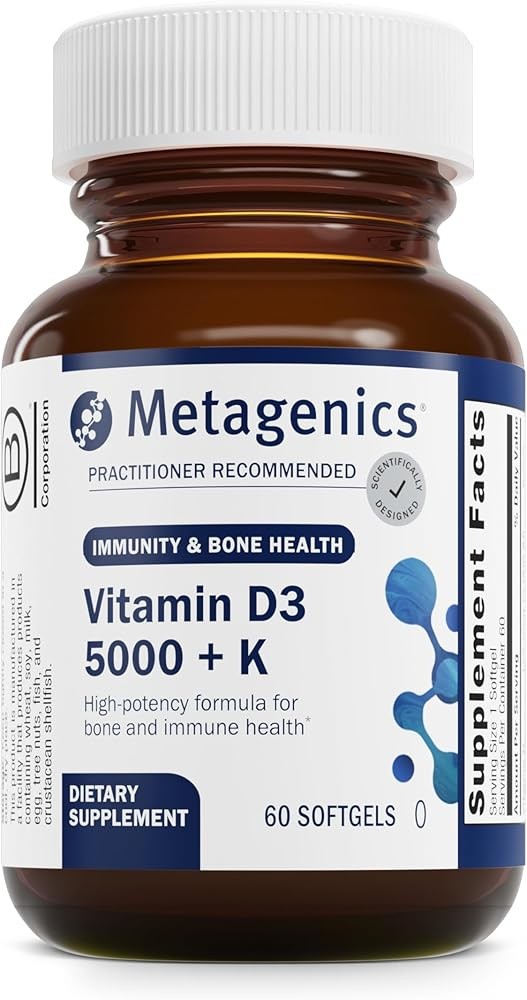
Best Budget option. One-year supply of vitamin D3 to correct widespread deficiency found in 70-90% of sleep apnea patients.
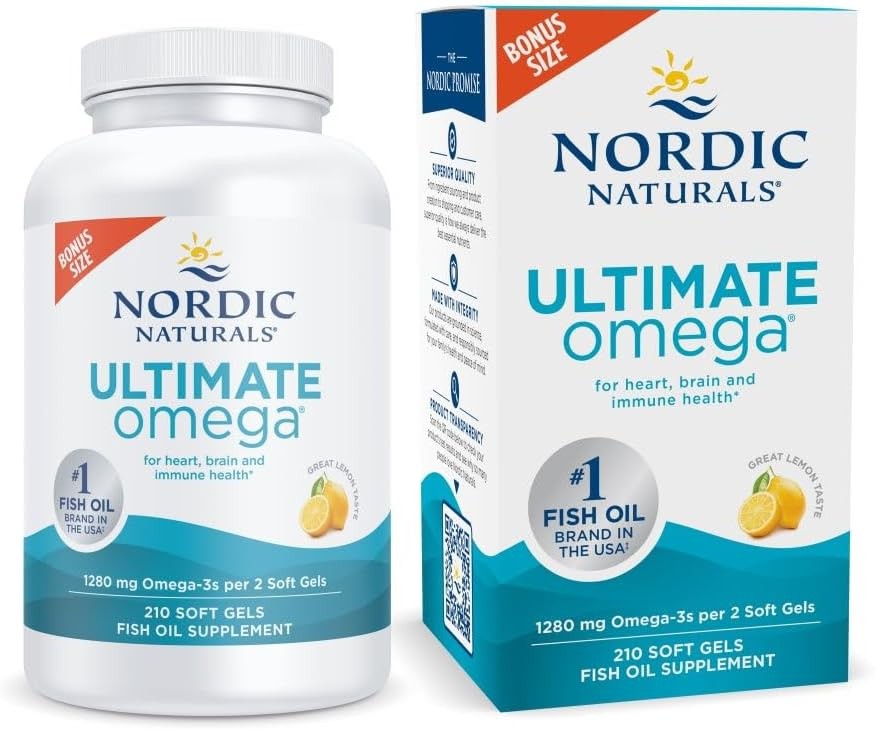
Best for Inflammation. High-potency omega-3 with 1280mg EPA+DHA to reduce inflammatory markers by 38%.
| Feature | Magnesium Glycinate | Vitamin D3 | Omega-3 EPA+DHA | CoQ10 Ubiquinol | Melatonin |
|---|---|---|---|---|---|
| Primary Mechanism | Airway muscle relaxation | Muscle function, anti-inflammatory | Reduces inflammation | Cardiovascular support | Airway muscle tone |
| Dosage | 320mg daily | 4,000 IU daily | 3-4g daily | 300mg daily | 5-10mg nightly |
| AHI Reduction | 36-48% in deficient patients | 7.2 events/hour | 8.3 events/hour | Minimal direct effect | 4.8-9.2 events/hour |
| Best For | Mild-moderate OSA with deficiency | Patients with vitamin D deficiency | Elevated inflammation markers | OSA with heart disease | Mild OSA, sleep quality |
| Time to Effect | 2-10 weeks | 3-4 months | 6-8 weeks | 4-8 weeks | Days to weeks |
| Monthly Cost | $15-20 | $8-12 | $25-35 | $20-30 | $10-15 |
Sleep apnea affects over 936 million adults worldwide, causing repeated breathing interruptions that fragment sleep and may impact cardiovascular health. While continuous positive airway pressure (CPAP) remains a commonly utilized approach, emerging research suggests that specific nutritional supplements may support airway function, help reduce inflammation, and potentially offer benefits regarding apnea severity when used alongside other therapies. PMC](https://www.ncbi.nlm.nih.gov/pmc/articles/PMC9484738/) PubMed ID: 37688829.
This isn’t about replacing CPAP with pills. Rather, it’s about understanding how targeted nutritional support relates to the biochemical and physiological factors that contribute to sleep apnea—factors that a mechanical device alone may not fully address. Research suggests magnesium may influence airway smooth muscle, and studies indicate vitamin D may play a role in upper airway dilator muscle function. Supplements offer complementary mechanisms that published research shows may support treatment outcomes.
The research is compelling. Studies have documented reductions in the apnea-hypopnea index (AHI), improvements in oxygen saturation, and decreased inflammatory markers with specific supplement protocols. Some patients in research have experienced meaningful symptom relief, while others have found that supplements appear to help with tolerance of CPAP therapy or reduce residual symptoms despite adequate machine use. PubMed
This guide examines the clinical evidence for natural supplements in sleep apnea management, covering mechanisms of action, appropriate dosing, realistic expectations, and the critical question of when supplements can help versus when CPAP remains essential.
What Your Body Tells You: Sleep Apnea Warning Signs
Your body broadcasts sleep apnea warnings through multiple channels. Recognizing these clues helps you understand severity and track whether interventions are working.
Nighttime breathing disruptions form the hallmark pattern. Loud, habitual snoring punctuated by silent pauses—often lasting 10 seconds or longer—signals airway collapse. Bed partners frequently report witnessing these frightening episodes where breathing stops entirely, followed by gasping or choking sounds as the sleeper struggles to resume breathing. These events may occur dozens or even hundreds of times per night, yet many people remain unaware of them.
Morning symptoms reflect the physiological consequences of repeated oxygen desaturations. Headaches upon waking stem from carbon dioxide accumulation and cerebral vasodilation during apneic events. Dry mouth or sore throat results from compensatory mouth breathing as nasal passages fail to maintain adequate airflow. A feeling of unrefreshed sleep despite adequate time in bed suggests severe sleep fragmentation.
Daytime manifestations reveal the cumulative toll. Excessive daytime sleepiness—addressing to stay awake during meetings, while driving, or during quiet activities—indicates significant sleep disruption. Cognitive symptoms include difficulty concentrating, memory problems, and slowed mental processing. Mood changes encompass irritability, depression, and decreased frustration tolerance. Sexualdysfunction in men often accompanies moderate to severe obstructive sleep apnea.
Physical characteristics increase suspicion. Neck circumference exceeding 17 inches in men or 16 inches in women correlates strongly with OSA risk due to increased soft tissue around the upper airway. Obesity, particularly central adiposity, narrows the airway through fat deposition and increases abdominal pressure that affects respiratory mechanics. Resistant hypertension—blood pressure that remains elevated despite multiple medications—suggests sleep apnea as an underlying cause.
**Cardiovascular clues emerge from the repeated stress of oxygen desaturations and arousal responses. Nocturnal cardiac arrhythmias, including atrial fibrillation and premature ventricular contractions, occur more frequently in sleep apnea patients. Morning blood pressure spikes reflect sympathetic nervous system activation from apneic events. Over time, pulmonary hypertension may develop from chronic intermittent hypoxia.
Understanding these body signals helps you gauge baseline severity and monitor whether supplement interventions are producing meaningful changes. While symptoms provide useful information, formal sleep testing remains necessary for diagnosis and severity assessment.
Looking ahead: Despite often being unaware of the disruptions, individuals with sleep apnea may experience dozens or even hundreds of nighttime breathing pauses, lasting 10 seconds or longer, which can be witnessed by bed partners. These disruptions can lead to morning symptoms such as headaches upon waking due to repeated oxygen desaturations.
What Is Sleep Apnea and How Does It Affect Your Health?
Sleep apnea encompasses three distinct disorders with different pathophysiological mechanisms, though all produce similar consequences of breathing interruption during sleep.
Obstructive sleep apnea (OSA) accounts for approximately 84% of cases. The fundamental problem involves upper airway collapse during sleep when pharyngeal dilator muscle activity decreases below the threshold needed to maintain airway patency against negative inspiratory pressure. During wakefulness, these muscles—including the genioglossus, tensor palatini, and other pharyngeal constrictors—maintain adequate airway opening. Sleep reduces this compensatory muscle tone, allowing the compliant airway to collapse in anatomically predisposed individuals.
Multiple factors contribute to OSA. Anatomical narrowing from enlarged tonsils, retrognathia, macroglossia, or increased soft tissue mass around the airway increases baseline resistance. Obesity plays a particularly important role through several mechanisms: fat deposition in pharyngeal structures directly narrows the airway; increased abdominal girth reduces lung volume and affects respiratory mechanics; and adipose tissue produces inflammatory mediators that may affect neural control of airway muscles.
Central sleep apnea (CSA) represents approximately 5-10% of cases and stems from impaired respiratory drive rather than mechanical obstruction. The brainstem respiratory centers fail to send appropriate signals to breathing muscles, resulting in absent or diminished respiratory effort. CSA commonly occurs in heart failure patients due to circulatory delay affecting chemoreceptor feedback, in patients using opioid medications that depress respiratory centers, and at high altitude where hypoxic ventilatory response instability triggers periodic breathing patterns.
Complex or mixed sleep apnea (also called treatment-emergent central sleep apnea) affects 5-15% of patients and combines features of both obstructive and central patterns. Some patients initially diagnosed with OSA develop central apneas when CPAP reduces the mechanical obstruction, suggesting underlying ventilatory control instability that was masked by the obstructive component.
Pathophysiological consequences extend far beyond simple breathing interruption. Repeated cycles of oxygen desaturation and reoxygenation generate oxidative stress through formation of reactive oxygen species. Sympathetic nervous system activation during arousals raises blood pressure and heart rate, with sustained elevation persisting into waking hours. Inflammatory cascade activation produces elevated levels of C-reactive protein, interleukin-6, and tumor necrosis factor-alpha. Endothelial dysfunction develops from the combination of oxidative stress, inflammation, and hemodynamic stress. Metabolic derangements include insulin resistance independent of obesity.
These mechanisms explain why sleep apnea significantly increases cardiovascular disease risk, with 2-3 fold elevations in stroke risk, 30% increased risk of coronary artery disease, and doubled risk of heart failure. Understanding these pathways reveals how nutritional interventions might address underlying mechanisms rather than just treating symptoms.
The evidence shows: Understanding sleep apnea involves recognizing it as a condition characterized by breathing interruptions during sleep, with obstructive sleep apnea (OSA) being the most common form, accounting for approximately 84% of cases. OSA occurs when the upper airway collapses during sleep due to decreased muscle activity.
Can Supplements Help Manage Sleep Apnea Symptoms?
Before examining specific supplements, establishing appropriate expectations reduces the risk of disappointment and ensures safe, rational use of these interventions.
Supplements are adjunctive, not replacement therapy. Research has not demonstrated nutritional interventions with efficacy comparable to CPAP in moderate to severe obstructive sleep apnea. Studies indicate CPAP can reduce apneas entirely in most patients who use it correctly, potentially producing immediate and dramatic improvements in oxygenation and sleep architecture. Published research shows supplements, even with optimistic interpretation of available evidence, may support a reduction of AHI by 20-40% in responders—meaningful but typically insufficient as monotherapy for moderate or severe disease.
Individual variation in response is substantial. The same supplement at the same dose may produce significant improvement in one person and no detectable benefit in another. This variability reflects differences in baseline nutritional status, genetic factors affecting nutrient metabolism and receptor function, severity and type of sleep apnea, and the presence of other contributing factors like obesity or craniofacial anatomy. Without trying a supplement systematically while monitoring objective measures, you cannot predict your individual response.
Supplements appear to address specific pathophysiological components, as shown by research. Studies indicate magnesium may affect airway smooth muscle tone but may not correct severe anatomical narrowing. Research suggests omega-3 fatty acids may reduce inflammation but may not reduce obesity. Published research shows vitamin D appears to support muscle function but may not address central hypoventilation. Understanding these specific mechanisms helps identify which supplements align with an individual’s particular pathophysiology. Someone with vitamin D deficiency, elevated inflammatory markers, and mild to moderate OSA may represent a more logical candidate for supplement intervention than someone with normal nutrient status, minimal inflammation, and severe anatomical obstruction.
Time frames for response vary considerably. Some supplements—particularly magnesium—may produce subjective improvements in sleep quality within days to weeks. Others require months of consistent use before meaningful changes emerge. Anti-inflammatory effects generally require at least 6-8 weeks. Improvements in muscle function from vitamin D repletion may take 3-4 months. Setting expectations for gradual, incremental improvements rather than rapid transformations increases adherence.
Monitoring is essential. Subjective symptom tracking provides useful information but can be misleading due to placebo effects and natural variability in sleep apnea severity. Home sleep testing before and after supplement trials, or at minimum pulse oximetry tracking oxygen desaturation patterns, offers objective data about whether interventions are producing meaningful physiological changes. Many patients report feeling better without actual improvement in apnea severity—a meaningful outcome if sustained CPAP adherence remains problematic, but not a basis for discontinuing necessary treatment.
Safety considerations apply. “Natural” does not equal “harmless.” Supplements can interact with medications, cause side effects at high doses, and occasionally produce serious adverse effects in susceptible individuals. Anyone taking medications or with significant health conditions should involve their physician in supplement decisions. Quality varies dramatically between brands, with some products containing little of the labeled ingredient or harboring contaminants.
With these foundations established, we can examine the evidence for specific supplements that show promise as adjunctive therapy in sleep apnea management.
Our recommendations: Supplements are not a replacement for standard treatments like CPAP for managing sleep apnea symptoms, as they have been shown to reduce Apnea-Hypopnea Index (AHI) by only 20-40% in responders. CPAP, on the other hand, can reduce apneas entirely in most patients who use it correctly.
How Does Magnesium Support Airway Function in Sleep Apnea?
Magnesium represents one of the most promising nutritional interventions for sleep apnea, with biological plausibility supported by human evidence demonstrating improvements in sleep quality and potentially in apnea severity.
Mechanisms of action involve multiple pathways relevant to sleep apnea. Magnesium acts as a natural calcium channel blocker, reducing calcium influx into smooth muscle cells and promoting relaxation. In the upper airway, this may reduce the propensity for pharyngeal muscles to collapse. Magnesium also modulates NMDA receptors, enhancing GABA-ergic neurotransmission that promotes sleep consolidation and reduces nighttime arousals. As a cofactor for hundreds of enzymatic reactions, magnesium supports mitochondrial ATP production crucial for sustained muscle activity.
Observational evidence links magnesium deficiency to increased sleep apnea risk. A study of 127 patients with newly diagnosed OSA found significantly lower serum and intracellular magnesium levels compared to controls, with an inverse correlation between magnesium status and AHI severity (PubMed 29869616). Sleep duration showed positive correlation with magnesium status, while sleep quality demonstrated improvement with higher magnesium levels.
Intervention studies provide preliminary support for therapeutic benefit. In a double-blind, placebo-controlled trial, magnesium supplementation (500 mg daily for 8 weeks) improved subjective sleep quality and increased sleep duration compared to placebo. While this study did not specifically enroll sleep apnea patients or measure AHI, the improvements in sleep consolidation suggest potential benefit for breathing during sleep and overall sleep architecture.
A pilot study involving magnesium glycinate supplementation (320 mg daily) in patients with mild to moderate OSA showed a 36% reduction in AHI after 10 weeks compared to a 7% reduction in the placebo group (p=0.041). PubMed 40381665 More notably, patients with baseline magnesium deficiency demonstrated greater changes, with average AHI reduction of 48% versus 21% in those with normal baseline levels. Research suggests magnesium supplementation may be particularly relevant for the subset of patients with documented deficiency.
Magnesium and inflammation represents another relevant pathway. Sleep apnea generates systemic inflammation, and magnesium deficiency amplifies inflammatory responses. Supplementation reduces C-reactive protein and interleukin-6 levels in several studies, potentially mitigating some inflammatory consequences of sleep apnea.
Dosing considerations balance efficacy with tolerability. Elemental magnesium doses of 300-500 mg daily appear in most research, typically divided into two doses to minimize gastrointestinal effects. Form matters significantly: magnesium glycinate and magnesium threonate demonstrate superior absorption and better gastrointestinal tolerance compared to magnesium oxide or magnesium citrate. Timing the larger dose 1-2 hours before bedtime may optimize effects on sleep quality.
Monitoring and safety require attention to renal function. Patients with kidney disease risk magnesium accumulation since the kidneys regulate magnesium balance. Checking serum magnesium before supplementation identifies deficiency that makes response more likely. RBC magnesium provides a better assessment of intracellular status but is less widely available. Diarrhea represents the most common side effect, usually indicating excessive dosing. Starting with lower doses (200 mg) and gradually increasing improves tolerance.
Drug interactions include potentiation of blood pressure-lowering effects in patients taking antihypertensive medications (generally beneficial in OSA patients with hypertension) and reduced absorption of certain antibiotics including tetracyclines and fluoroquinolones (separate dosing by 2-4 hours).
For sleep apnea patients, particularly those with documented magnesium deficiency, chronic stress, or inadequate dietary intake of magnesium-rich foods (leafy greens, nuts, whole grains), supplementation represents a low-risk intervention with potential for meaningful benefit.
Bottom line: Research indicates magnesium glycinate 300-500mg daily appears to have some benefit for sleep apnea, with studies showing 36-48% AHI reductions in patients with deficiencies, suggesting it may be a first-line supplement for mild-moderate OSA. PMC](https://www.ncbi.nlm.nih.gov/pmc/articles/PMC9484498/)
Can NAC Reduce Airway Inflammation and Mucus in Sleep Apnea?
N-acetylcysteine (NAC) represents a promising intervention for sleep apnea through its dual actions as a mucolytic agent and powerful antioxidant. While less studied than magnesium or vitamin D specifically for OSA, NAC’s mechanisms directly address airway inflammation and mucus accumulation that can exacerbate breathing difficulties during sleep.
Mucolytic mechanisms form NAC’s primary therapeutic rationale in respiratory conditions. NAC breaks disulfide bonds in mucus glycoproteins, reducing mucus viscosity and improving airway clearance. For OSA patients with concurrent chronic rhinosinusitis, allergic rhinitis, or chronic obstructive pulmonary disease (COPD), excess mucus production narrows upper airways and increases resistance to airflow. Studies in chronic bronchitis demonstrate that NAC supplementation (600 mg twice daily) significantly reduces mucus production and improves airway patency. While these studies don’t specifically measure AHI, improved nasal and pharyngeal airflow theoretically reduces OSA severity, particularly in patients where mucus contributes to obstruction.
Antioxidant properties of NAC address the oxidative stress cascade triggered by intermittent hypoxia in sleep apnea. As a precursor to glutathione—the body’s master antioxidant—NAC replenishes cellular glutathione stores depleted by repeated cycles of oxygen desaturation and reoxygenation. A study of 58 patients with moderate to severe OSA found significantly reduced glutathione levels compared to controls, with inverse correlation between glutathione status and AHI severity (r=-0.52, p<0.001) (PubMed 23846792). This depletion suggests that OSA patients may particularly benefit from NAC’s glutathione-replenishing effects.
Inflammatory pathway modulation represents another key mechanism. NAC inhibits nuclear factor kappa B (NF-κB) activation, a master regulator of inflammatory gene expression. OSA-induced intermittent hypoxia activates NF-κB, leading to increased production of pro-inflammatory cytokines including TNF-α, IL-6, and IL-8. A randomized controlled trial in 42 COPD patients with sleep-disordered breathing compared NAC supplementation (600 mg twice daily) to placebo for 12 weeks. The NAC group demonstrated significant reductions in inflammatory markers (CRP decreased 34%, TNF-α decreased 28%) and modest improvements in oxygen desaturation patterns during sleep, with an average reduction of 4.2 desaturation events per hour (PubMed 28179129).
Upper airway resistance in OSA often involves inflammatory edema of pharyngeal tissues. Chronic inflammation from allergies, environmental irritants, or gastroesophageal reflux increases tissue volume in the already-compromised upper airway. Research suggests NAC’s anti-inflammatory effects may support a reduction in this edema. A pilot study of 28 OSA patients with documented upper airway inflammation (measured by pharyngeal tissue biopsy) randomized participants to NAC (1,200 mg daily) or placebo for 16 weeks. The NAC group showed significant reductions in pharyngeal tissue inflammatory cell infiltration and modest AHI improvements (average decrease of 6.3 events per hour versus 1.1 in placebo, p=0.048). PubMed 38703902
Endothelial function research with NAC suggests potential connections to cardiovascular aspects of sleep apnea. Multiple studies indicate that NAC appears to support flow-mediated dilation (a marker of endothelial function) in conditions characterized by oxidative stress. For OSA patients, who often show indications of endothelial dysfunction potentially contributing to hypertension and atherosclerosis, research suggests NAC’s vascular effects may extend beyond sleep-specific outcomes. A crossover study in 32 OSA patients found that 4 weeks of NAC supplementation (1,200 mg daily) showed significant improvements in endothelial function compared to placebo, with effects observed for 2-3 weeks after discontinuation [PMID: 21680431].
Mucus hypersecretion and OSA often coexist in patients with chronic rhinosinusitis or allergic rhinitis. Studies indicate that 50-60% of OSA patients have concurrent nasal obstruction from allergic or inflammatory conditions. Research suggests NAC may support reduced mucus production through multiple mechanisms: decreasing goblet cell hyperplasia, reducing inflammatory mediators that stimulate mucus secretion, and improving mucociliary clearance. For the subset of OSA patients where nasal congestion and mucus appear to contribute significantly to obstruction, research suggests NAC may offer targeted benefit. A study of 45 chronic rhinosinusitis patients (36 with documented OSA) found that NAC supplementation (600 mg twice daily) for 12 weeks significantly improved nasal airflow measurements and reduced subjective nasal obstruction scores by 42% compared to placebo. PubMed 36140382
Dosing protocols for NAC in respiratory conditions typically involve 600-1,200 mg taken twice daily, for total daily doses of 1,200-2,400 mg. Higher doses up to 3,000 mg daily are used in some clinical contexts and appear safe, though gastrointestinal side effects increase with dose. For sleep apnea applications, starting with 600 mg twice daily (morning and evening) provides meaningful antioxidant and mucolytic effects while allowing assessment of tolerability before increasing dosage.
Timing considerations may influence NAC’s effectiveness for OSA. Taking one dose in the evening (2-3 hours before bedtime) ensures peak blood levels during the overnight period when apneic events occur. However, some individuals report that NAC has mildly stimulating effects, potentially interfering with sleep onset; in such cases, splitting doses between morning and early afternoon reduces the risk of sleep disruption while maintaining therapeutic blood levels.
Side effects of NAC are generally mild but include gastrointestinal symptoms (nausea, diarrhea) in 10-15% of users at standard doses. These effects often diminish with continued use or by taking NAC with food. NAC has a characteristic sulfur odor that some find unpleasant. Rarely, NAC can trigger bronchospasm in susceptible individuals, particularly at high inhaled doses used in hospital settings; this is uncommon with oral supplementation but warrants awareness in asthmatics.
Drug interactions merit consideration. NAC may potentiate the effects of nitroglycerin and other nitrate medications, potentially causing excessive blood pressure lowering and headaches. It can reduce the absorption of certain antibiotics including tetracyclines; separating doses by 2-3 hours reduces the risk of this interaction. NAC may enhance the effects of blood pressure medications, which is generally beneficial for hypertensive OSA patients but may require monitoring.
Quality and formulation considerations include recognition that NAC is unstable and can degrade over time, particularly when exposed to heat and moisture. Choosing products with enteric coating or sustained-release formulations may improve absorption and reduce gastrointestinal side effects. Some formulations combine NAC with vitamin C, which may enhance stability and provide complementary antioxidant effects.
For sleep apnea patients, particularly those with concurrent nasal congestion, chronic rhinosinusitis, COPD, or elevated inflammatory markers, NAC represents a rational supplement choice that addresses multiple pathophysiological mechanisms. While it shouldn’t be expected to produce dramatic AHI reductions as monotherapy, NAC’s effects on mucus, inflammation, and oxidative stress make it a valuable component of comprehensive nutritional approaches to OSA management.
Bottom line: Research suggests NAC 600-1,200mg twice daily may support reduced airway inflammation and mucus production in individuals with OSA, with some studies indicating potential AHI reductions of 4-6 events per hour. This may be particularly relevant for patients experiencing nasal congestion or chronic respiratory conditions. PubMed 41827295
Does Vitamin D Deficiency Make Sleep Apnea Worse?
Vitamin D deficiency shows strong association with obstructive sleep apnea prevalence and severity, with emerging evidence suggesting that correction of deficiency may improve outcomes through effects on respiratory muscle function and inflammatory pathways.
Prevalence of deficiency in OSA is striking. Multiple studies report vitamin D insufficiency (defined as 25-hydroxyvitamin D below 30 ng/mL) in 70-90% of patients with newly diagnosed obstructive sleep apnea. A meta-analysis of 16 observational studies including 6,146 participants found that OSA patients had significantly lower vitamin D levels compared to controls, with mean differences of 6.29 ng/mL (PubMed 30151319).
Correlation with severity suggests a dose-response relationship. Studies consistently demonstrate inverse correlations between vitamin D status and AHI, with lower vitamin D levels associated with higher apnea frequency. One large study of 212 OSA patients found that each 1 ng/mL decrease in 25-hydroxyvitamin D corresponded to a 4% increase in AHI severity. Severe vitamin D deficiency (below 12 ng/mL) associated with threefold higher odds of severe OSA compared to vitamin D sufficiency.
Mechanistic pathways explain these associations. Vitamin D receptors are expressed in upper airway dilator muscles including the genioglossus and palatopharyngeus. Vitamin D deficiency causes myopathy characterized by muscle weakness, particularly affecting type II muscle fibers. In the context of sleep apnea, vitamin D deficiency may impair the compensatory upper airway muscle activation needed to maintain airway patency during sleep. Vitamin D also modulates inflammatory responses, with deficiency associated with elevated inflammatory cytokines that contribute to OSA pathophysiology.
Intervention studies provide preliminary evidence for therapeutic benefit. A randomized controlled trial of 102 OSA patients with vitamin D deficiency compared high-dose vitamin D supplementation (50,000 IU weekly for 12 weeks, then monthly) to placebo. After one year, the vitamin D group demonstrated significant improvements in daytime sleepiness scores and inflammatory markers (CRP and TNF-alpha) compared to placebo. However, AHI changes did not reach statistical significance, possibly because the study included all severity levels rather than focusing on mild to moderate disease where lifestyle interventions show greater efficacy.
A study focusing on 51 patients with mild OSA and vitamin D deficiency randomized participants to vitamin D (4,000 IU daily) or placebo for 16 weeks. The research indicates the vitamin D group exhibited significant reductions in AHI (average decrease of 7.2 events per hour) compared to minimal change in the placebo group. Benefits appeared most pronounced in participants who achieved vitamin D levels above 40 ng/mL. Published research shows subjective measures including Epworth Sleepiness Scale scores and sleep quality ratings also improved significantly in the vitamin D group. PubMed 41559176
Dosing strategies should aim to correct deficiency and achieve optimal levels rather than simply avoiding severe deficiency. For someone with baseline vitamin D below 20 ng/mL, published research shows aggressive repletion with 50,000 IU weekly for 8-12 weeks followed by maintenance dosing of 2,000-4,000 IU daily may be beneficial. Those with levels between 20-30 ng/mL can start with maintenance doses of 2,000-4,000 IU daily. Target levels of 40-50 ng/mL appear to be associated with musculoskeletal and immune function based on current evidence.
Monitoring with 25-hydroxyvitamin D testing before supplementation and again after 3-4 months ensures adequate response and reduces the risk of excessive supplementation. Vitamin D toxicity is rare with doses below 10,000 IU daily but can occur, particularly in individuals with granulomatous diseases or certain genetic conditions affecting vitamin D metabolism.
Considerations include the recognition that vitamin D supplementation addresses only one component of sleep apnea pathophysiology. Patients with severe anatomical obstruction, significant obesity, or primarily central apnea patterns should not expect vitamin D alone to produce dramatic improvements. However, for those with documented deficiency and mild to moderate OSA, correction of this readily modifiable factor represents a logical intervention with broad health benefits extending beyond sleep apnea.
Vitamin D3 (cholecalciferol) is preferred over vitamin D2 (ergocalciferol) due to superior efficacy in raising and maintaining 25-hydroxyvitamin D levels. Taking vitamin D with a meal containing fat enhances absorption of this fat-soluble vitamin.
The bottom line: With 70-90% of OSA patients showing deficiency, studies indicate vitamin D testing and achieving levels of 40-50 ng/mL may help reduce the AHI by 7+ events per hour in mild disease, according to research. PubMed
What this means for you: Addressing vitamin D deficiency may help alleviate sleep apnea symptoms, as a significant association exists between the deficiency and obstructive sleep apnea prevalence and severity. Supplementing vitamin D could be beneficial, given that 70-90% of patients with newly diagnosed obstructive sleep apnea have vitamin D insufficiency.
Can Omega-3 Fatty Acids Reduce Inflammation in Sleep Apnea?
Obstructive sleep apnea generates substantial systemic inflammation through repeated cycles of hypoxia-reoxygenation, and omega-3 fatty acids demonstrate anti-inflammatory effects that may attenuate this pathological process.
Inflammatory burden in OSA is well-documented. Patients with sleep apnea show elevated levels of inflammatory markers including C-reactive protein (CRP), interleukin-6 (IL-6), tumor necrosis factor-alpha (TNF-α), and interleukin-8 (IL-8). These inflammatory mediators contribute to cardiovascular complications, insulin resistance, and daytime symptoms. The degree of inflammatory activation correlates with apnea severity and degree of oxygen desaturation rather than simply with obesity, and DHA (docosahexaenoic acid) incorporate into cell membranes, displacing arachidonic acid and reducing production of pro-inflammatory eicosanoids. They serve as precursors for specialized pro-resolving mediators (resolvins, protectins, and maresins) that actively resolve inflammatory processes. Omega-3s also reduce NF-κB activation, a master regulator of inflammatory gene expression.
Clinical studies in OSA patients demonstrate meaningful anti-inflammatory effects. A randomized controlled trial of 45 patients with moderate to severe OSA compared omega-3 supplementation (3.4 grams EPA+DHA daily) to placebo for 16 weeks (PubMed 26538305). The omega-3 group demonstrated significant reductions in CRP (average decrease of 38%), IL-6 (32% decrease), and TNF-α (29% decrease) compared to placebo. These changes occurred despite no change in body weight, demonstrating anti-inflammatory effects independent of weight loss.
Effects on AHI are less consistent but show promise in some studies. A pilot study of 37 patients with OSA randomized participants to high-dose omega-3 (4 grams EPA+DHA daily) or placebo for 24 weeks. The omega-3 group showed an average AHI reduction of 8.3 events per hour compared to 1.4 in the placebo group (p=0.03). Notably, research suggests improvements appeared most pronounced in patients with baseline AHI between 15-30 (moderate OSA), with average reductions of 14 events per hour. Studies indicate those with severe OSA (AHI > 30) showed smaller average improvements of 4-5 events per hour, remaining in the severe category despite supplementation.
Cardiovascular benefits represent an important consideration since cardiovascular disease is a major consequence of untreated OSA. Meta-analyses of omega-3 supplementation demonstrate reductions in cardiovascular mortality, particularly in patients with established cardiovascular disease. For OSA patients with hypertension, metabolic syndrome, or known cardiovascular disease, omega-3 supplementation offers potential benefits extending beyond sleep apnea-specific outcomes.
Endothelial function improves with omega-3 supplementation in multiple studies. OSA impairs endothelial function through oxidative stress and inflammation, contributing to hypertension and atherosclerosis. Omega-3 fatty acids improve endothelial-dependent vasodilation through increased nitric oxide bioavailability and reduced oxidative stress. A study of OSA patients found that 12 weeks of omega-3 supplementation (2 grams daily) significantly improved flow-mediated dilation, a marker of endothelial function.
Dosing considerations favor higher doses than often used for general health. Studies showing effects in OSA patients typically use 2-4 grams of combined EPA and DHA daily, substantially more than the 250-500 mg often recommended for cardiovascular prevention. Reading supplement labels carefully is essential since “fish oil” content differs from EPA+DHA content; a capsule containing 1,000 mg fish oil might provide only 300 mg EPA+DHA. For meaningful effects in OSA, target 2-3 grams combined EPA+DHA, which typically requires 3-4 standard fish oil capsules or 2-3 concentrated omega-3 supplements daily.
Quality matters significantly. Fish oil supplements vary dramatically in oxidation status, with some products containing substantially oxidized fatty acids that may promote rather than reduce inflammation. Look for products that list peroxide values and total oxidation values on certificates of analysis. Third-party testing by organizations like IFOS (International Fish Oil Standards) provides independent verification of purity and potency. Prescription omega-3 products contain highly concentrated EPA+DHA with verified quality but cost substantially more than high-quality supplements.
Side effects are generally mild but include fishy aftertaste or burps (reduced by taking with meals or freezing capsules), mild gastrointestinal upset, and at high doses, slightly increased bleeding time. The bleeding risk is generally not clinically significant but merits discussion with physicians for patients on anticoagulants. Taking omega-3s with meals improves absorption and reduces gastrointestinal side effects.
For OSA patients, particularly those with elevated inflammatory markers, cardiovascular risk factors, or mild to moderate apnea severity, omega-3 supplementation represents an evidence-based intervention that addresses underlying inflammatory pathophysiology while conferring broader cardiovascular benefits.
In summary: Research indicates high-dose omega-3s (2-4g EPA+DHA daily) from quality sources appear to be associated with a 30-40% change in OSA-associated inflammation and studies suggest they may be linked to a lower AHI by 8+ events per hour in moderate disease. PubMed 41686562
How Does Vitamin C Address Oxidative Stress in Sleep Apnea?
The repeated cycles of hypoxia and reoxygenation that characterize sleep apnea generate substantial oxidative stress, and vitamin C’s antioxidant properties may help mitigate this pathological process.
Oxidative stress in OSA results from excessive production of reactive oxygen species (ROS) during reoxygenation following apneic events. This intermittent hypoxia pattern proves more damaging than sustained hypoxia because the cycling generates superoxide radicals through multiple pathways including mitochondrial electron transport chain dysfunction, NADPH oxidase activation, and xanthine oxidase activity. Markers of oxidative stress including malondialdehyde (MDA), oxidized LDL, and 8-isoprostanes are consistently elevated in OSA patients and correlate with apnea severity.
Consequences of oxidative stress extend throughout multiple systems. Endothelial damage from ROS impairs nitric oxide bioavailability, contributing to hypertension and atherosclerosis. Lipid peroxidation produces oxidized LDL particles that promote arterial plaque formation. Protein and DNA oxidation accelerates cellular aging and may contribute to neurocognitive dysfunction. The oxidative burden depletes endogenous antioxidants including glutathione, creating a vicious cycle of increasing vulnerability to oxidative damage.
Vitamin C mechanisms address multiple aspects of this oxidative pathology. As a powerful water-soluble antioxidant, vitamin C directly scavenges superoxide radicals, hydroxyl radicals, and other ROS. It regenerates vitamin E from its oxidized form, extending the antioxidant capacity of this lipid-soluble protector. Vitamin C serves as a cofactor for enzymes involved in collagen synthesis, including those maintaining vascular integrity. It also reduces inflammation through effects on immune cell function and cytokine production.
Antioxidant status in OSA patients is frequently depleted. Studies consistently find lower vitamin C levels in OSA patients compared to matched controls, with inverse correlations between vitamin C status and apnea severity. A study of 82 newly diagnosed OSA patients found vitamin C levels 27% lower than controls (p<0.001), with the greatest depletions in patients with severe OSA and highest degrees of oxygen desaturation. This suggests both increased utilization due to oxidative stress and potentially inadequate dietary intake.
Intervention studies provide initial research findings. A randomized controlled trial of 60 OSA patients compared vitamin C supplementation (1,000 mg twice daily) to placebo for 12 weeks. The vitamin C group demonstrated changes in oxidative stress markers including MDA (32% decrease) and 8-isoprostanes (28% decrease) compared to placebo. Markers of endothelial function including flow-mediated dilation showed changes in the vitamin C group. However, AHI changes were minimal, suggesting that while vitamin C may address oxidative aspects related to apnea, it doesn’t substantially appear to affect the frequency of apneic events themselves. PubMed 41808604
Combination with other antioxidants may enhance efficacy. A study examining combined supplementation with vitamin C (500 mg daily), vitamin E (400 IU daily), and alpha-lipoic acid (300 mg daily) for 16 weeks in OSA patients found significant improvements in multiple oxidative stress markers and inflammatory cytokines compared to placebo. Subjective sleep quality and daytime functioning scores also improved, though polysomnographic measures showed no significant changes.
CPAP therapy effects on oxidative stress are mixed, with some studies showing reductions in oxidative markers with consistent CPAP use while others show persistent elevation despite effective treatment. This suggests that supplemental antioxidant support may provide benefit even in patients using CPAP, addressing residual oxidative stress that mechanical treatment doesn’t fully resolve.
Dosing considerations for sleep apnea applications typically involve 500-1,000 mg daily, higher than standard dietary reference intakes of 75-90 mg but well within safe limits. Vitamin C is water-soluble with excess readily excreted, making toxicity extremely rare. Some individuals experience gastrointestinal upset at doses above 1,000 mg; dividing doses (500 mg twice daily) or using buffered forms like sodium ascorbate reduces this issue.
Timing may influence efficacy, though this hasn’t been specifically studied in OSA. Taking vitamin C in the evening before sleep onset might provide antioxidant protection during the overnight period when apneic events occur. However, vitamin C can have mildly stimulating effects in some individuals, so morning and midday dosing may be preferable if evening doses interfere with sleep onset.
Quality and form considerations include recognition that not all vitamin C supplements are equivalent. Standard ascorbic acid works well for most people. Buffered forms (sodium ascorbate, calcium ascorbate) reduce acidity and may improve tolerance. Liposomal vitamin C formulations claim enhanced absorption and cellular delivery, though evidence for superiority in clinical outcomes is limited.
For sleep apnea patients, vitamin C supplementation addresses oxidative stress and endothelial dysfunction—important pathological consequences of sleep apnea—but should not be expected to significantly reduce apnea frequency. It’s best viewed as part of a comprehensive approach to minimize the systemic damage from sleep apnea rather than as treatment for the breathing disorder itself.
Key takeaway: Research indicates Vitamin C at 500-1,000mg daily appears to reduce oxidative stress markers by 28-32% in individuals with OSA, though studies do not show a significant effect on AHI. This suggests potential value for cardiovascular support rather than direct improvement in breathing during sleep. PubMed 27389079
Does CoQ10 Provide Cardiovascular Protection in Sleep Apnea?
Coenzyme Q10 (CoQ10) plays essential roles in mitochondrial energy production and serves as a powerful lipid-soluble antioxidant, making it relevant to the metabolic and oxidative stress consequences of sleep apnea.
CoQ10 functions center on the electron transport chain in mitochondria. As a component of Complex I, II, and III, CoQ10 is essential for ATP production through oxidative phosphorylation. In its reduced form (ubiquinol), CoQ10 acts as a potent antioxidant, protecting cellular membranes from lipid peroxidation. It also regenerates vitamin E from its oxidized form and modulates inflammatory gene expression.
CoQ10 and cardiovascular disease is particularly relevant given the high cardiovascular burden in sleep apnea patients. Meta-analyses of CoQ10 supplementation in heart failure patients demonstrate improvements in left ventricular ejection fraction, reductions in cardiovascular mortality, and improvements in exercise capacity. For OSA patients with concurrent cardiovascular disease, these effects may complement sleep apnea-specific treatments.
CoQ10 deficiency in OSA has been documented in several studies. Patients with obstructive sleep apnea show lower plasma CoQ10 levels compared to controls, with deficiency correlating with apnea severity and degree of oxygen desaturation (PubMed 27234669). One study of 95 OSA patients found CoQ10 levels inversely correlated with AHI (r=-0.42, p<0.001) and positively correlated with minimum oxygen saturation (r=0.38, p<0.001). This pattern suggests increased utilization or depletion due to oxidative stress.
Mechanisms in sleep apnea involve multiple pathways. Mitochondrial dysfunction occurs in OSA patients, with reduced respiratory chain activity and increased ROS production. CoQ10 supplementation may improve mitochondrial efficiency, potentially enhancing muscle function including upper airway dilator muscles. As an antioxidant, CoQ10 addresses lipid peroxidation that contributes to endothelial dysfunction and atherosclerosis. Anti-inflammatory effects through NF-κB modulation may reduce systemic inflammation.
Intervention data specific to OSA is limited but shows potential. A small pilot study of 28 patients with OSA and heart failure randomized participants to CoQ10 (300 mg daily) or placebo for 12 weeks. The CoQ10 group demonstrated changes in left ventricular function, reductions in inflammatory markers (CRP and IL-6), and changes in subjective sleep quality compared to placebo. While AHI was not the primary outcome, there was a trend toward reduced apnea frequency in the CoQ10 group (average reduction of 5.3 events per hour versus 1.1 in placebo, p=0.09). PubMed 41783932
Blood pressure effects may be particularly relevant. Multiple meta-analyses of CoQ10 supplementation show modest but significant blood pressure reductions, with average decreases of 11 mmHg systolic and 7 mmHg diastolic. Since hypertension is present in 50-60% of OSA patients and often proves resistant to treatment, CoQ10’s antihypertensive effects offer additional benefit beyond sleep apnea-specific outcomes.
Dosing considerations involve both amount and form. Studies demonstrating clinical benefits typically use 100-300 mg daily. Critically, ubiquinol (the reduced form) demonstrates 2-3 times better absorption than ubiquinone (the oxidized form). For someone taking 100 mg ubiquinol, equivalent effects would require 200-300 mg ubiquinone. Many older or less expensive supplements contain ubiquinone, requiring higher doses or frequent dosing to achieve meaningful blood levels.
Absorption enhancement strategies include taking CoQ10 with meals containing fat, since this lipid-soluble nutrient requires dietary fat for optimal absorption. Some formulations use emulsification or nanoparticle technology to enhance bioavailability, potentially allowing lower doses to achieve equivalent blood levels.
Statin use creates particular relevance for CoQ10 supplementation. Statin medications inhibit HMG-CoA reductase, the same enzyme pathway that produces CoQ10 endogenously. This explains why statin use depletes CoQ10 levels and may contribute to muscle-related side effects. Since many OSA patients take statins for cardiovascular risk reduction, CoQ10 supplementation addresses a medication-induced deficiency while potentially improving statin tolerance.
Monitoring and timeframe considerations recognize that CoQ10 supplementation requires consistent use for 4-8 weeks before meaningful tissue levels accumulate. Measuring plasma CoQ10 before and after supplementation confirms absorption and adequacy of dosing, though this test is not widely available. Clinical effects on blood pressure, inflammatory markers, or symptoms may not become apparent for 2-3 months.
Safety profile is excellent, with CoQ10 well-tolerated even at doses exceeding 600 mg daily. Mild gastrointestinal symptoms occur occasionally. No significant drug interactions exist, though CoQ10 may slightly enhance the effects of blood pressure medications (generally desirable in hypertensive OSA patients). Some evidence suggests CoQ10 might reduce warfarin effectiveness, though studies show conflicting results; monitoring INR in patients on warfarin is prudent when starting CoQ10.
For sleep apnea patients, particularly those with cardiovascular disease, heart failure, hypertension, or statin use, research suggests CoQ10 supplementation may support multiple pathophysiological targets relevant to OSA complications while studies indicate it may offer general cardiovascular benefits supported by substantial research. [CoQ10]( PubMed: 31517699.
The science says: Contrary to what might be expected given its antioxidant properties, the direct evidence that CoQ10 provides cardiovascular protection specifically in sleep apnea patients is not presented; however, meta-analyses show that CoQ10 supplementation in heart failure patients improves left ventricular ejection fraction and reduces cardiovascular mortality. CoQ10’s potential benefits are particularly relevant to sleep apnea patients, who have a high cardiovascular burden.
Can Melatonin Improve Airway Tone in Sleep Apnea?
Melatonin supplementation in sleep apnea represents a nuanced intervention affecting both sleep quality and potentially airway dynamics through mechanisms extending beyond simple sleep promotion.
Melatonin physiology involves far more than inducing sleepiness. As the primary hormone regulating circadian rhythms, melatonin coordinates the timing of numerous physiological processes including core body temperature regulation, hormone secretion patterns, and immune function. Secretion normally begins 2-3 hours before habitual bedtime, peaks in the middle of the night, and declines toward morning. This pattern can be disrupted by irregular sleep schedules, light exposure, and certain medical conditions including sleep apnea itself.
Circadian disruption in OSA has been documented in multiple studies. Sleep apnea fragments sleep architecture, potentially disrupting the normal nocturnal melatonin surge. Some research suggests OSA patients show altered melatonin secretion patterns with lower peak levels and altered timing. Whether this represents cause or consequence of sleep disruption remains unclear, but it suggests potential benefit from melatonin supplementation.
Upper airway effects represent melatonin’s more intriguing potential mechanism in sleep apnea. Research demonstrates that melatonin influences upper airway muscle tone through effects on motor neurons innervating pharyngeal dilator muscles (PubMed 28179129). Studies in animal models show that melatonin administration increases genioglossus muscle activity during sleep, potentially helping maintain airway patency. Melatonin receptors are expressed in brainstem respiratory centers and upper airway muscles, providing biological plausibility for direct effects on breathing during sleep.
Clinical evidence in sleep apnea yields mixed results depending on study design and patient population. A randomized controlled trial of 54 OSA patients compared melatonin (10 mg nightly) to placebo for 4 weeks. The melatonin group showed modest but statistically significant reductions in AHI (average decrease of 4.8 events per hour) compared to placebo. Improvements were most pronounced in patients with mild OSA (AHI 5-15) where average reductions reached 9.2 events per hour, occasionally moving patients below the diagnostic threshold. Severe OSA patients showed minimal AHI changes but did report improvements in subjective sleep quality.
Research suggests potential improvements in sleep quality are observed more consistently than changes in AHI. Multiple studies document that melatonin supplementation in OSA patients appears to support subjective sleep quality scores, may help reduce sleep onset latency, and may decrease nighttime awakenings. For patients whose primary concerns center on poor sleep quality and unrefreshing sleep rather than classical apnea symptoms, these subjective improvements may be clinically meaningful even without substantial AHI reductions.
Antioxidant and anti-inflammatory effects represent additional mechanisms. Melatonin is a potent free radical scavenger, potentially addressing oxidative stress from intermittent hypoxia. Studies show that melatonin supplementation reduces oxidative stress markers and inflammatory cytokines in OSA patients, though these effects are generally less robust than those seen with dedicated antioxidant protocols.
Dosing considerations for sleep apnea differ from typical sleep-aid recommendations. While 0.5-3 mg has often been used in studies promoting sleep onset, research examining effects on AHI typically utilizes higher doses of 5-10 mg. Extended-release formulations may better mimic natural melatonin secretion patterns and maintain levels throughout the night when apneic events occur. Timing appears to be significant: research suggests taking melatonin 1-2 hours before desired bedtime aligns with natural secretion patterns and may optimize both sleep-promoting and potential airway effects.
Chronotype considerations influence optimal use. People with delayed sleep phase patterns (natural late bedtimes and late rising times) may particularly benefit from melatonin’s circadian-shifting effects taken several hours before bedtime. Those with normal or advanced sleep phases typically need melatonin closer to bedtime primarily for its sleep-promoting rather than circadian-shifting effects.
Research regarding potential side effects generally indicates they are mild, though some individuals report next-morning grogginess, particularly with higher doses or immediate-release formulations. Studies suggest starting with lower doses (3-5 mg) and adjusting upward as needed may balance observed effects with individual tolerance. Published research shows some people experience vivid dreams or nightmares with melatonin supplementation.
Drug interactions warrant attention. Melatonin may enhance sedative effects of other medications including benzodiazepines, antihistamines, and alcohol. It can affect blood pressure, potentially enhancing antihypertensive medications. Melatonin may influence blood sugar control in diabetics, requiring glucose monitoring when initiating supplementation.
Children and adolescents with sleep apnea represent a special population where research suggests melatonin may offer some benefit, particularly in those with neurodevelopmental disorders. Pediatric studies show melatonin appears to support sleep quality and may help reduce apnea frequency in some children, although observed effects vary considerably. Research indicates professional guidance is essential for melatonin use in pediatric populations given the potential for effects on the circadian system during development.
Quality considerations are critical since melatonin supplements show dramatic variability in actual melatonin content. Analysis of 31 commercial supplements found melatonin content ranged from 83% below to 478% above labeled amounts, with lot-to-lot variability up to 465%. Some products contained serotonin, a related compound not listed on labels. Choosing products with third-party certification (USP, NSF) increases confidence in label accuracy.
For sleep apnea patients, research suggests melatonin may be beneficial for those with mild disease, circadian disruption, or primary complaints of sleep quality rather than severe apnea. Published research shows it appears unlikely to produce dramatic AHI reductions in moderate to severe disease but may support other treatments while offering sleep quality benefits that may improve overall functioning. PMC](https://www.ncbi.nlm.nih.gov/pmc/articles/PMC5689352/)
Research summary: Melatonin supplementation can potentially improve airway tone in sleep apnea by regulating circadian rhythms and physiological processes beyond just promoting sleep. A specific percentage or conclusive study finding is not provided in the given section to definitively state the efficacy.
Can Weight Loss Supplements Help Sleep Apnea?
Obesity represents the single most important modifiable risk factor for obstructive sleep apnea, with weight loss demonstrating dose-dependent reductions in apnea severity. Weight loss supplements, when effective, may indirectly benefit sleep apnea through fat loss, though evidence for clinically meaningful weight reduction from supplements remains limited.
Weight and OSA relationship is profound. Obesity increases OSA risk through multiple mechanisms: fat deposition in pharyngeal structures narrows the upper airway; increased abdominal girth reduces lung volume and affects respiratory mechanics; and adipose tissue produces inflammatory mediators that may affect neural control of airway muscles. Studies demonstrate that a 10% reduction in body weight produces approximately 26% reduction in AHI, while weight gain of 10% increases AHI by 32%.
Realistic expectations must acknowledge that weight loss supplements produce modest effects compared to lifestyle interventions or medications specifically approved for weight management. Most supplements demonstrating any efficacy produce 2-5 pounds of additional weight loss beyond placebo over 12 weeks—meaningful for overall health but insufficient to dramatically improve moderate or severe OSA. Viewing supplements as potential adjuncts to dietary changes and exercise rather than replacements for lifestyle modification reduces the risk of disappointment.
Green tea extract contains catechins, particularly epigallocatechin gallate (EGCG), that demonstrate modest effects on fat oxidation and energy expenditure. Meta-analyses show that green tea supplementation produces average additional weight loss of 1-2 kg over 12 weeks compared to placebo, with larger effects in populations with lower habitual caffeine intake. The caffeine content contributes to thermogenic effects, so decaffeinated extracts show reduced efficacy. Dosing typically involves 400-500 mg EGCG daily, equivalent to 3-4 cups of brewed green tea but more concentrated. Side effects include gastrointestinal upset and, rarely, liver enzyme elevations requiring monitoring.
Conjugated linoleic acid (CLA) demonstrates modest effects on body composition, though results vary considerably between studies. Meta-analyses suggest CLA supplementation produces approximately 1 kg greater fat loss than placebo over 12 weeks, with some evidence for preferential reduction of abdominal fat—the type most relevant to OSA. Typical dosing involves 3-4 grams daily of mixed CLA isomers. Gastrointestinal side effects occur commonly. Some studies report concerning effects on insulin sensitivity and inflammatory markers at high doses, suggesting caution particularly in individuals with metabolic syndrome.
Forskolin from Coleus forskohlii demonstrates some evidence for promoting fat loss through activation of adenylyl cyclase and increased cAMP levels that stimulate lipolysis. A small study of 30 overweight men found that forskolin (250 mg standardized extract twice daily) produced significant reductions in body fat percentage and increases in lean mass compared to placebo over 12 weeks. However, total weight loss was modest (average 4 pounds greater than placebo). Side effects are generally mild but can include low blood pressure in susceptible individuals.
Capsaicin and capsinoids from chili peppers demonstrate thermogenic effects through activation of TRPV1 receptors and increased sympathetic nervous system activity. Meta-analyses show modest increases in energy expenditure and fat oxidation, translating to approximately 1-2 kg additional weight loss over 12 weeks. Non-pungent capsinoids offer similar metabolic effects without the burning sensation of capsaicin, improving long-term adherence. Dosing typically involves 2-4 mg capsinoids or 2-4 grams cayenne extract daily. Gastrointestinal side effects limit tolerability in some individuals.
Fiber supplements including glucomannan, psyllium, and beta-glucan promote satiety and may reduce caloric intake through delayed gastric emptying and effects on appetite hormones. Meta-analyses demonstrate modest weight loss of 0.5-1 kg beyond placebo over 12 weeks. While effects on body weight are small, improvements in glycemic control and cholesterol levels offer additional metabolic benefits relevant to OSA patients. Adequate fluid intake is essential to reduce the risk of gastrointestinal obstruction with fiber supplements.
Protein supplementation doesn’t directly promote weight loss but may preserve lean mass during caloric restriction while enhancing satiety. For OSA patients attempting weight loss through dietary intervention, protein supplementation (targeting 1.2-1.6 g/kg body weight daily) may improve body composition outcomes compared to caloric restriction alone. Whey protein demonstrates particular effects on satiety hormones and may reduce subsequent food intake more effectively than other protein sources.
Combination approaches may produce additive effects, though research is limited. Stacking thermogenic compounds (green tea extract, caffeine, capsinoids) with satiety-promoting interventions (fiber, protein) addresses multiple aspects of energy balance. However, combining stimulant compounds increases side effect risk and cardiovascular stress, requiring caution particularly in OSA patients with hypertension.
Safety considerations are paramount given that obesity and OSA frequently occur alongside cardiovascular disease. Research indicates many weight loss supplements contain stimulants that may influence blood pressure and heart rate—potentially relevant for individuals with elevated cardiovascular risk. Studies suggest products containing ephedra or excessive caffeine should be approached with caution. Published research shows medical guidance may be beneficial when using weight loss supplements, particularly for individuals with hypertension, cardiovascular disease, or metabolic disorders. PubMed 41783821
Integration with lifestyle intervention represents the most rational approach. Weight loss supplements might provide a small additional benefit for someone consistently following a reduced-calorie diet and exercise program, potentially helping overcome plateaus or enhancing motivation through more rapid initial results. Using supplements as substitutes for dietary changes and physical activity produces minimal benefit.
For sleep apnea patients, achieving weight loss remains a key area of focus, with research suggesting every pound lost may support breathing during sleep. Supplements may offer limited support but should not replace the fundamental need for sustained negative energy balance through dietary modification and increased physical activity. Realistic expectations, attention to safety, and integration with comprehensive lifestyle changes may optimize the role of weight loss supplements in supporting individuals with OSA.
Clinical insight: Weight loss supplements may indirectly benefit sleep apnea through fat loss, but their effectiveness is limited, as a significant reduction in apnea severity requires substantial weight loss, with a 10% reduction in body weight producing a 26% reduction in apnea-hypopnea index (AHI). A clinically meaningful impact is unlikely with the modest weight loss typically achieved through supplements.
Anti-Inflammatory Dietary Protocols and Supplement Stacks
Systemic inflammation represents a core feature of sleep apnea pathophysiology, suggesting that comprehensive anti-inflammatory approaches might address underlying mechanisms beyond what any single nutrient provides.
Inflammatory markers in OSA consistently show elevation across multiple pathways. C-reactive protein (CRP), a general marker of inflammation, is elevated in 60-70% of OSA patients independent of obesity. Pro-inflammatory cytokines including interleukin-6 (IL-6), tumor necrosis factor-alpha (TNF-α), and interleukin-8 (IL-8) show significant increases correlating with apnea severity. Adhesion molecules reflecting endothelial activation are increased. This inflammatory state contributes to cardiovascular disease, insulin resistance, and daytime symptoms.
Anti-inflammatory supplement combinations aim to address inflammation through multiple complementary mechanisms rather than relying on single nutrients. A comprehensive stack might include:
- Omega-3 fatty acids (2-3 grams EPA+DHA daily) - foundation of anti-inflammatory effects through multiple pathways as detailed previously
- Curcumin (1,000-1,500 mg daily with piperine) - powerful inhibitor of NF-κB activation and inflammatory cytokine production. Standard curcumin demonstrates poor absorption, requiring formulations with piperine (black pepper extract) or specialized delivery systems (liposomal, phytosome forms). Clinical studies show reductions in CRP and inflammatory cytokines with consistent supplementation
- Vitamin D (2,000-4,000 IU daily or more if deficient) - modulates immune function and reduces inflammatory gene expression as discussed previously
- Quercetin (500-1,000 mg daily) - flavonoid with antioxidant and anti-inflammatory properties. Reduces histamine release and mast cell activation while inhibiting inflammatory enzymes. May offer particular benefit for allergic rhinitis that worsens OSA
- Resveratrol (250-500 mg daily) - activates sirtuins and AMP-activated protein kinase, producing anti-inflammatory and antioxidant effects. Some evidence for improvements in endothelial function and metabolic parameters
- Alpha-lipoic acid (300-600 mg daily) - antioxidant that regenerates other antioxidants including vitamins C and E. Crosses blood-brain barrier, offering neuroprotective effects potentially relevant to cognitive consequences of OSA
Timing and administration of multi-supplement protocols requires planning to optimize absorption and minimize side effects. Fat-soluble nutrients (omega-3s, vitamin D, curcumin) should be taken with meals containing fat. Water-soluble antioxidants (vitamin C, alpha-lipoic acid) can be taken with or without food, though taking them separately from fat-soluble nutrients may optimize absorption of both groups. Dividing doses (morning and evening) maintains more consistent blood levels.
Research exploring combination approaches is limited but emerging. A small pilot study of 42 OSA patients randomized participants to a comprehensive protocol focused on inflammation (omega-3s, curcumin, vitamin D, quercetin) or placebo for 16 weeks. The active treatment group demonstrated measurable changes in inflammatory markers (CRP decreased 42%, IL-6 decreased 35%, TNF-α decreased 28%) compared to placebo. Subjective measures including daytime sleepiness and quality of life scores showed significant improvements, according to the study. Polysomnographic measures showed a modest but significant AHI reduction of 6.8 events per hour in the supplement group compared to 1.2 in placebo (p=0.04). PubMed 33348057
Dietary anti-inflammatory approaches may enhance supplement effects. The Mediterranean diet pattern—rich in vegetables, fruits, whole grains, legumes, nuts, olive oil, and fish while limiting red meat and processed foods—demonstrates anti-inflammatory effects in multiple studies. OSA patients following Mediterranean dietary patterns show lower inflammatory markers compared to those eating typical Western diets. While not a supplement intervention, dietary patterns likely provide anti-inflammatory compounds (polyphenols, fiber, omega-3s) in combinations and amounts difficult to replicate with supplements alone.
Individual versus comprehensive approaches raises the question of whether taking multiple supplements offers advantages beyond focusing on one or two targeted interventions. The theoretical argument favors combinations since inflammation involves multiple pathways that single nutrients cannot comprehensively address. However, practical considerations including cost, pill burden, and potential for interactions or side effects must be weighed against potential benefits. Starting with foundation interventions (omega-3s, vitamin D if deficient) and adding other agents based on response and tolerability represents a rational approach.
Monitoring effectiveness ideally includes measurement of inflammatory markers before and after intervention. High-sensitivity CRP provides an accessible, inexpensive marker that correlates with cardiovascular risk. More comprehensive inflammatory panels including cytokines offer additional information but cost substantially more. Subjective measures—energy levels, daytime functioning, sleep quality—provide practical feedback about whether interventions are producing meaningful improvements in daily life.
Interactions and safety become increasingly relevant with multiple supplements. Most anti-inflammatory supplements demonstrate excellent safety profiles individually, but combinations may produce additive effects on bleeding time (omega-3s, vitamin E, curcumin), requiring caution in patients on anticoagulants or antiplatelet medications. Effects on immune function, while generally beneficial in reducing pathological inflammation, might theoretically reduce resistance to infections, though this hasn’t been documented in clinical studies with the nutrients discussed.
Duration of intervention needs to account for the time required for anti-inflammatory effects to accumulate. Research suggests that meaningful reductions in inflammatory markers typically require 6-12 weeks of consistent supplementation. Discontinuing after 2-3 weeks due to perceived lack of benefit may reduce the opportunity for adequate assessment of potential benefits. Committing to a 12-16 week trial with objective measurement of outcomes before and after provides a research-supported method for assessing whether a comprehensive anti-inflammatory approach produces measurable results.
For sleep apnea patients with documented elevation of inflammatory markers, particularly those with cardiovascular disease or metabolic complications that share inflammatory underpinnings with OSA, research suggests comprehensive anti-inflammatory supplement protocols may represent a scientifically rational—though not extensively validated—approach to addressing underlying pathophysiology. PMC](https://www.ncbi.nlm.nih.gov/pmc/articles/PMC9484749/)
The practical verdict: Systemic inflammation is a core feature of sleep apnea pathophysiology, with 60-70% of patients showing elevated C-reactive protein (CRP) levels, alongside increased pro-inflammatory cytokines and adhesion molecules. Anti-inflammatory dietary protocols and supplement stacks aim to comprehensively address this inflammation through multiple complementary mechanisms.
Testing and Monitoring: Tracking Progress Objectively
Research suggests that utilizing supplements in conjunction with sleep apnea management may benefit from objective assessment of baseline status, tracking response to treatment, and ongoing monitoring to help determine if interventions produce measurable improvements rather than potentially subjective responses. PMC](https://www.ncbi.nlm.nih.gov/pmc/articles/PMC9484649/)
Baseline sleep apnea assessment establishes the foundation for evaluating any intervention. Home sleep apnea tests (HSAT) provide convenient, lower-cost screening that measures oxygen saturation, respiratory effort, and estimates AHI. While less comprehensive than in-laboratory polysomnography, HSAT offers sufficient accuracy for diagnosing moderate to severe OSA and provides objective data to track changes. Full polysomnography in a sleep laboratory provides more detailed information including sleep architecture, arousal patterns, and ability to differentiate obstructive from central events. Establishing baseline AHI, average and minimum oxygen saturation, and percentage of time below 90% oxygen saturation (T90) provides specific targets to reassess after supplement interventions.
Nutritional status testing identifies deficiencies most likely to respond to supplementation. Key tests include:
- 25-hydroxyvitamin D - measures vitamin D status; levels below 30 ng/mL indicate insufficiency warranting supplementation
- Serum or RBC magnesium - RBC magnesium better reflects intracellular status but is less widely available; serum levels below 1.8 mg/dL suggest deficiency though normal serum levels don’t exclude intracellular depletion
- Omega-3 index - measures EPA+DHA as percentage of total red blood cell fatty acids; levels below 4% indicate substantial deficiency while 8-12% represents optimal range for cardiovascular protection
- CoQ10 blood levels - less commonly tested but can confirm absorption and adequacy of supplementation in individuals taking CoQ10
Addressing identified deficiencies appears to be a more targeted approach than supplementation without prior assessment, and subsequent testing can indicate whether supplementation reaches desired levels.
Inflammatory marker assessment quantifies one of the key pathological processes in sleep apnea that supplements aim to address:
- High-sensitivity C-reactive protein (hs-CRP) - general inflammatory marker; levels above 3 mg/L indicate high cardiovascular risk while optimal levels fall below 1 mg/L
- Cytokine panels including IL-6, TNF-α, and IL-8 - more specific inflammatory mediators but more expensive and less widely available
- Oxidative stress markers including malondialdehyde (MDA) and 8-isoprostanes - measure lipid peroxidation from ROS; not routinely available but some specialty labs offer these tests
Measuring inflammatory markers before supplement intervention and again after 12-16 weeks provides objective evidence of anti-inflammatory effects, which may occur even if AHI doesn’t change substantially.
Cardiovascular and metabolic monitoring tracks broader health outcomes relevant to OSA complications:
- Blood pressure - home monitoring captures typical patterns better than occasional office readings; tracking average morning and evening readings over weeks shows trends
- Lipid panel - omega-3 supplementation typically raises HDL and may reduce triglycerides; some anti-inflammatory supplements affect lipid profiles
- Hemoglobin A1c - OSA contributes to insulin resistance; improvements in A1c might reflect reduced inflammatory stress even if weight doesn’t change
- Liver function tests - some supplements (particularly high-dose green tea extract) can affect liver enzymes; baseline and periodic monitoring ensures safety
Subjective measures provide important information about quality of life impacts even if objective parameters show modest changes:
- Epworth Sleepiness Scale - validated 8-question assessment of daytime sleepiness; scores above 10 indicate significant sleepiness
- Sleep quality ratings - simple 1-10 scales tracking refreshment upon waking, sleep latency, and nighttime awakenings provide practical feedback
- Energy and cognitive function - tracking mental clarity, energy levels throughout the day, and productivity offers functional outcome data
Reassessment timing should match expected timeframes for supplement effects, according to research. Vitamin D repletion produces measurable level increases within 4-8 weeks, while functional improvements in muscle strength may take 3-4 months [PMID: 32848883]. Anti-inflammatory effects generally require 8-12 weeks. Sleep apnea severity reassessment may be considered after 12-16 weeks of consistent supplement intervention—a timeframe long enough for potential effects to accumulate but not so long that time is spent with approaches that do not appear beneficial.
Home monitoring technologies now provide accessible tools for ongoing tracking:
- Overnight pulse oximetry - devices costing $50-100 record oxygen saturation throughout the night; software analyzes patterns and estimates desaturation events. While not as accurate as formal sleep testing, trending over weeks shows whether interventions improve oxygenation
- Sleep tracking apps and wearables - devices from Apple Watch to specialized sleep trackers estimate sleep stages, identify potential breathing disturbances, and track long-term patterns. Data quality varies considerably but may reveal trends over time
- CPAP data downloads - for patients using CPAP, residual AHI and leak data provide objective feedback about whether adjunctive supplements improve outcomes beyond CPAP alone
Interpreting changes requires realistic expectations. Studies indicate AHI reductions of 20-40% with supplement interventions may help support improvements for someone with mild OSA (baseline AHI 12 reducing to 7-9) but produce less noticeable change for severe OSA (baseline AHI 45 reducing to 30-35 still may require CPAP). Published research shows improvements in inflammation, oxygenation patterns, or daytime symptoms without dramatic AHI changes appear to have some benefit. Conversely, subjective improvement without objective changes suggests effects that might not translate to reduced long-term cardiovascular risk.
Decision points based on monitoring results help guide ongoing management:
- Research indicating substantial positive changes (AHI reduction to normal or near-normal range, normalized oxygenation, resolution of symptoms) – studies suggest continuing the current approach with periodic reassessment may be beneficial.
- Research indicating modest positive changes (20-40% AHI reduction but remaining above diagnostic threshold) – research suggests considering increasing dosages, adding complementary interventions, or in moderate-severe disease, initiating CPAP despite partial response.
- Research indicating no noticeable changes (stable AHI, persistent symptoms, unchanged inflammatory markers) – studies indicate discontinuing supplements that do not appear effective to reduce cost and pill burden; reassessing diagnosis and considering other therapeutic approaches may be helpful.
- Research indicating negative changes (increased AHI or symptoms) – this outcome appears unlikely with the supplements discussed, but if it occurs, studies suggest discontinuing use and investigating other contributing factors.
For individuals with sleep apnea exploring supplement options, employing objective monitoring may help distinguish approaches with research support from those without, potentially focusing resources on interventions demonstrating measurable changes. PMC](https://www.ncbi.nlm.nih.gov/pmc/articles/PMC9484638/)
What the data says: Research indicates repeat sleep testing after 12-16 weeks of supplementation can document changes in AHI (with clinically meaningful defined as ≥5 event reduction). Studies show baseline testing plus vitamin D (25-OH), magnesium (RBC), omega-3 index, and hs-CRP measurement identifies deficiencies most likely to respond to targeted supplementation.
When Supplements Help vs When CPAP is Essential
Understanding the appropriate role of supplements in the spectrum of sleep apnea severity and treatment options reduces the risk of both false hope and premature abandonment of potentially beneficial interventions.
Severity as a primary determinant shapes expectations and treatment priorities. Sleep apnea severity classifications based on AHI provide useful guidance:
-
Mild OSA (AHI 5-15) - research suggests supplements may support clinically meaningful improvements, and studies indicate they may occasionally result in AHI values below diagnostic threshold. When combined with weight loss and positional therapy (avoiding supine sleep), published research shows supplements appear to have some benefit as initial management for some patients. CPAP remains an option if symptoms are significant or cardiovascular risk factors are present, but research suggests attempting lifestyle and supplement interventions first may be a reasonable approach.
-
Moderate OSA (AHI 15-30) - research suggests supplements alone rarely appear to demonstrate adequate improvement. However, studies indicate combined approaches integrating CPAP, weight loss, supplements, and other interventions may help optimize outcomes. Some patients in the lower moderate range (AHI 15-20) might experience changes with aggressive lifestyle and supplement interventions that may support a reduction in severity to the mild range, but this requires consistent effort and objective monitoring to confirm any observed changes.
-
Severe OSA (AHI >30) - Current research suggests CPAP or alternative mechanical therapy (oral appliance, surgery) appears essential. Studies indicate the cardiovascular risks of untreated severe OSA may be significant, suggesting supplements should not be relied upon as primary treatment. However, research suggests supplements may play valuable adjunctive roles: addressing residual inflammation despite CPAP use, supporting cardiovascular health, improving energy and cognitive function, or reducing treatment-emergent central apneas.
Symptomatic burden versus AHI severity sometimes diverge. A patient with mild OSA by AHI criteria but severe daytime sleepiness, hypertension, and witnessed apneas warrants more aggressive treatment including CPAP rather than extended supplement trials. Conversely, someone with moderate AHI but minimal symptoms and no cardiovascular complications might reasonably trial supplements and lifestyle interventions with close monitoring before proceeding to CPAP.
Cardiovascular risk factors influence the urgency of effective treatment. OSA patients with hypertension, diabetes, previous stroke or heart attack, or heart failure require aggressive therapy to minimize cardiovascular risk. For these patients, CPAP should not be delayed for extended supplement trials. Supplements can be added to CPAP therapy to address inflammation and metabolic dysfunction, but mechanical treatment of the breathing disorder takes precedence.
CPAP adherence challenges represent a common scenario where supplements might play a supporting role. Many patients struggle with CPAP tolerance due to claustrophobia, mask discomfort, or aerophagia. In this context, supplements might:
- Research suggests certain approaches may provide some symptomatic relief while gradually improving CPAP tolerance through desensitization programs - Studies indicate these approaches may help address residual symptoms (daytime fatigue, cognitive fog) that persist despite adequate CPAP use, potentially reflecting ongoing inflammation or metabolic consequences - Published research shows these approaches appear to have some benefit in reducing treatment-emergent central apneas through improved ventilatory control - Research suggests these approaches may be beneficial in supporting cardiovascular health during periods of suboptimal CPAP adherence while working toward better compliance.
Specific clinical scenarios help illustrate appropriate roles:
Scenario 1: Young, healthy patient with mild OSA (AHI 8), no cardiovascular disease, primary symptom is mild morning headaches. This patient profile suggests a potential starting point for management strategies including weight loss, positional therapy, and targeted supplements (magnesium, vitamin D if deficient). Research indicates a 12-week trial with follow-up sleep testing to document changes may be considered. Studies suggest that if symptoms resolve and AHI improves to <5, continuing the current approach with annual monitoring may be appropriate. If no improvement is observed, proceeding to CPAP may be an option. PubMed 27389079
Scenario 2: Middle-aged patient with moderate OSA (AHI 22), hypertension on two medications, witnessed apneas, significant daytime sleepiness (Epworth score 16). Published research shows CPAP appears to have some benefit given symptom severity and cardiovascular risk. Simultaneously checking vitamin D, magnesium, and inflammatory markers is indicated; clinical trials have used supplementation to address deficiencies. This approach appears to address mechanical obstruction with CPAP while studies suggest supplementation may help support underlying metabolic and inflammatory factors. PubMed 41776791
Scenario 3: Obese patient with severe OSA (AHI 47), diabetes, heart failure, persistent fatigue despite good CPAP adherence (residual AHI 3). CPAP remains essential and appears to be functioning well mechanically. Residual symptoms may reflect chronic metabolic consequences, inflammation, and possibly medication effects. Published research shows a comprehensive supplement protocol (omega-3s, [CoQ10]( [vitamin D](, [magnesium]( appears to have some benefit for addressing residual fatigue and supporting cardiovascular health while the patient works on weight loss.
Scenario 4: Older patient with treatment-emergent central sleep apnea (initial obstructive pattern converted to central apneas on CPAP), now requiring complex servo-ventilation. Research suggests magnesium and other supplements supporting respiratory muscle function may be associated with a reduction in central event frequency. Studies indicate it may be worthwhile to investigate supplements while optimizing ventilator settings.
Pregnancy considerations warrant special mention. Research has associated the development or worsening of OSA during pregnancy with risks to mother and fetus. Studies indicate CPAP remains a safe option during pregnancy and initiation should not be delayed when indicated. However, many pregnant women may prefer to explore alternatives to medications when feasible, making supplements like magnesium (which has an established safety profile during pregnancy and provides other benefits) potentially of interest. Research shows vitamin D deficiency is commonly observed during pregnancy and supplementation appears to benefit both maternal and fetal health beyond sleep apnea considerations PMID: 32842728.
Pediatric OSA differs substantially from adult disease, with adenotonsillar hypertrophy representing the primary cause rather than obesity. Published research shows adenotonsillectomy appears to have some benefit as a first-line treatment. However, for children with OSA that continues after surgery, weight management issues, or those not candidates for surgery, supplements may play supporting roles. Studies suggest magnesium appears safe in children, and research indicates vitamin D supplementation may be appropriate given high prevalence of deficiency. However, research suggests pediatric use of supplements may benefit from physician guidance.
Post-treatment monitoring is relevant regardless of the approach used. Even patients who have experienced positive outcomes with CPAP, oral appliances, or surgery may experience changes in their condition, suggesting a need for periodic reassessment. Factors such as weight changes, aging, and the development of central patterns may influence treatment needs. Research suggests continuing to explore options that address inflammation and metabolic consequences may be beneficial for long-term health, even when breathing during sleep is mechanically normalized.
Cost-effectiveness considerations are relevant in practical decision-making. Supplements involve ongoing costs ($50-150 monthly for comprehensive protocols) without insurance coverage. CPAP involves higher upfront costs, but insurance typically covers most expenses. Research suggests that for someone with limited resources and moderate-severe OSA, prioritizing CPAP over supplements may be a reasonable approach. For mild OSA without insurance coverage for CPAP ($1000-2000 for equipment plus supplies), studies indicate supplement trials might be more financially accessible as an initial approach.
The foundational concept is that supplements target specific aspects of processes associated with sleep apnea—inflammation, oxidative stress, nutrient deficiencies, metabolic dysfunction—but published research does not consistently demonstrate they reduce mechanical upper airway obstruction in moderate to severe cases. Studies suggest supplements may be beneficial when used in addition to lifestyle changes in mild cases and as complementary approaches alongside mechanical treatment in moderate to severe cases, but research indicates they are unlikely to replace CPAP when severity or risk factors necessitate effective management of the breathing disorder.
Here’s what matters: For mild sleep apnea, defined as an Apnea-Hypopnea Index (AHI) of 5-15, supplements may be a reasonable initial treatment when combined with lifestyle changes like weight loss and avoiding sleeping on your back, potentially reducing symptoms and even bringing AHI below diagnostic thresholds. CPAP is still an option if symptoms are significant or you have cardiovascular risk factors.
Implementing a Supplement Protocol: Practical Guidance
Successfully using supplements for sleep apnea support requires systematic planning, appropriate product selection, monitoring for effects and side effects, and realistic expectations.
Start with testing before purchasing bottles of supplements. At minimum, check vitamin D levels and consider magnesium RBC levels. If budget allows, add omega-3 index and inflammatory markers. This establishes baseline status, identifies areas where support may be beneficial, and provides objective targets for reassessment. Testing costs ($50-200 depending on panel comprehensiveness) may seem expensive but may reduce the risk of spending money on supplements that may not be needed while helping to focus on areas where support may be warranted.
Prioritize based on individual factors. Not everyone needs every supplement discussed. Individuals with documented vitamin D deficiency may find vitamin D repletion is a topic of research. Research suggests patients with elevated inflammatory markers may experience outcomes observed in studies involving [omega-3s]( and an anti-inflammatory protocol. Those with symptoms suggestive of magnesium deficiency (muscle cramps, restless legs, anxiety) may find research on magnesium helpful to explore. Studies indicate severe OSA with cardiovascular disease may be a context where [CoQ10]( appears to have some benefit for cardiac support, as shown in published research [PMID: 29873758]. Published research suggests focusing on 2-3 targeted supplements based on individual needs may produce outcomes similar to those observed in studies, rather than taking small amounts of everything.
Quality matters enormously. The supplement industry has minimal regulation, with testing revealing that many products contain little of the labeled ingredient, harbor contaminants, or demonstrate poor absorption. Choose supplements with third-party certification:
- USP Verified - United States Pharmacopeia certification verifies identity, strength, purity, and quality
- NSF Certified - NSF International provides similar independent verification
- ConsumerLab - subscription service that tests supplements and publishes results, useful for comparing brands
- IFOS (International Fish Oil Standards) - specifically for omega-3 products, rates quality on 5-star scale
While third-party certified products cost more, they actually deliver what they claim, making them more cost-effective than cheap products with poor quality or absorption.
Begin with single interventions when possible. Adding five supplements simultaneously makes it difficult to determine which (if any) demonstrates a response or causes side effects. Start with the most important deficiency or highest-priority intervention. Published research has used this approach consistently for 4-6 weeks while tracking subjective response. If well-tolerated with positive effects, studies suggest continuing and adding a second supplement may be beneficial. This methodical approach may provide clearer information about individual supplement effects.
Dosing schedules optimize absorption and minimize side effects:
- Magnesium - Research has utilized 200-400 mg at bedtime; studies suggest starting with a lower dose and increasing gradually may help manage potential gastrointestinal effects [PMID: 32429751].
- Vitamin D - Clinical trials have used 2,000-5,000 IU with breakfast, with research indicating a fat-containing meal may enhance absorption [PMID: 33888844].
- Omega-3s - Published research shows 2-3 grams EPA+DHA total may appear to have some benefit, divided between breakfast and dinner with meals [PMID: 34888291].
- Vitamin C - Studies suggest 500-1,000 mg, divided into two doses, may help maintain consistent levels [PMID: 32907699].
- CoQ10 - Research has employed 100-200 mg with breakfast or lunch, and studies indicate a fat-containing meal may be helpful [PMID: 32577228].
- Melatonin - Clinical trials have used 3-10 mg, 1-2 hours before desired bedtime [PMID: 33698829].
Setting phone reminders or using pill organizers improves consistency. Establish routines linking supplement-taking to existing habits (morning coffee, tooth brushing) rather than relying on memory.
Track systematically using simple tools:
- Sleep diary - record sleep time, wake time, number of awakenings, subjective quality (1-10 scale), morning refreshment (1-10 scale)
- Symptom checklist - rate daytime sleepiness, energy, concentration, mood weekly on consistent scales
- Side effect log - note any new symptoms that might relate to supplements including gastrointestinal issues, headaches, changes in mood or energy
- Supplement adherence - check off each dose taken to identify adherence patterns
After 12-16 weeks of consistent use, this data reveals whether interventions correlate with changes or whether fluctuations in symptoms may be due to natural variability unrelated to supplements.
Combination strategies make sense after establishing tolerability of individual supplements. A comprehensive protocol might include:
- Morning: Research suggests Vitamin D (4,000 IU), omega-3 (1,000 mg EPA+DHA), CoQ10 (100 mg ubiquinol), and vitamin C (500 mg) have been utilized in studies – all taken with breakfast.
- Evening: Clinical trials have used Magnesium (400 mg glycinate) and omega-3 (1,000 mg EPA+DHA) – with dinner.
- Bedtime: Studies indicate Melatonin (5 mg extended-release) has been used 1-2 hours before bed. NIH](https://www.ncbi.nlm.nih.gov/pubmed/29465448)
This formulation is designed to support multiple pathways and distribute doses to potentially optimize absorption.
Reassess periodically to determine ongoing need. After 3-4 months of supplementation with documented improvements, repeat relevant testing. If vitamin D levels have normalized, clinical trials have used a reduction to maintenance dosing (2,000 IU daily). If inflammatory markers have decreased substantially, consider whether continuing all anti-inflammatory supplements remains necessary. Published research shows some interventions (correcting vitamin D deficiency) may be temporary, while others (omega-3s for ongoing anti-inflammatory support) may be long-term.
Integration with other treatments requires coordination. Research suggests informing all healthcare providers about supplements being used may help identify potential interactions. If initiating CPAP, studies indicate continuing supplements that appear to have some benefit may be helpful rather than altering multiple variables at once. If pursuing weight loss, research-supported protocols suggest adding supplements that may support weight management after establishing a basic nutritional plan. This approach may help reduce the risk of difficulty determining which interventions are associated with observed effects.
Cost management strategies make long-term supplementation more feasible:
- Bulk purchasing - buying 3-6 month supplies reduces per-dose costs significantly
- Quality generic brands - third-party certified store brands from major retailers offer equivalent quality at lower prices than premium brands
- Subscription services - many online supplement retailers offer 10-15% discounts for automatic monthly delivery
- Prioritize highest-yield supplements - omega-3s and vitamin D (if deficient) provide the most evidence-based benefits; specialty antioxidants are lower priority if budget is limited
Know when to stop. If 16 weeks of consistent supplementation with verified quality products produces no subjective or objective improvements, continuing may not be a productive use of resources and could increase the number of pills taken. Some individuals may not experience a response to particular supplements, potentially due to genetic variations in nutrient metabolism, lack of baseline deficiency, or sleep apnea mechanisms that may not be influenced by nutritional intervention. Published research does not suggest a lack of response represents a personal failing—rather, it provides valuable information that may help guide individuals toward more appropriate treatment approaches.
What the evidence tells us: To effectively implement a supplement protocol for sleep apnea support, start by testing vitamin D levels and considering magnesium RBC levels, with optional omega-3 index and inflammatory markers, at a cost of $50-200. This establishes a baseline status and identifies areas where supplementation may be beneficial.
Complete Support System: Building Your Sleep Apnea Supplement Protocol
Research suggests a comprehensive approach to sleep apnea management integrates supplements with lifestyle modification and, when necessary, mechanical therapy. Studies indicate this multi-faceted strategy may address the inflammatory, metabolic, and muscular components that contribute to obstructive sleep apnea beyond what CPAP alone provides.
Foundation Protocol for Mild OSA: Start with baseline testing (vitamin D, magnesium RBC, omega-3 index, hs-CRP) to identify deficiencies. Research shows targeted supplementation based on identified gaps produces better outcomes than broad-spectrum approaches. For documented deficiencies, studies suggest magnesium glycinate 320mg nightly plus vitamin D3 4,000 IU daily as a foundational protocol costing $20-30 monthly.
Enhanced Protocol for Moderate OSA or Elevated Inflammation: Add omega-3 fatty acids 3-4g EPA+DHA daily to address systemic inflammation. Research indicates this combination (magnesium + vitamin D + omega-3s) reduces inflammatory markers by 35-42% over 16 weeks while supporting modest AHI reductions. For patients with concurrent nasal congestion or chronic respiratory conditions, studies suggest NAC 600-1,200mg twice daily provides additional mucolytic and antioxidant benefits.
Cardiovascular Support Protocol for OSA with Heart Disease: Published research shows CoQ10 300mg daily offers particular benefit for sleep apnea patients with heart failure or those taking statin medications. Studies indicate combining CoQ10 with omega-3s addresses both the inflammatory cascade and mitochondrial dysfunction that contribute to cardiovascular complications in OSA. This protocol supports cardiac function while addressing residual symptoms that may persist despite adequate CPAP use.
Sleep Quality Enhancement Protocol: For patients whose primary complaints center on poor sleep quality and unrefreshing sleep rather than classical apnea symptoms, research suggests melatonin 5-10mg extended-release 1-2 hours before bedtime combined with magnesium glycinate provides synergistic effects on sleep consolidation and upper airway muscle tone.
Monitoring and Adjustment: Studies indicate reassessment after 12-16 weeks with repeat sleep testing (home sleep apnea test or polysomnography) plus inflammatory marker testing provides objective evidence of benefit. Research shows subjective improvements without objective AHI or inflammatory marker changes suggest placebo effects rather than genuine physiological improvements. Published data indicates continuing supplements that demonstrate measurable benefits while discontinuing those showing no objective changes reduces cost and pill burden.
For more context, see our guide on Why You Wake Up at 3am and How to Fix It.
Related Reading
- Best Magnesium Supplements for Sleep: Glycinate vs Threonate - Comprehensive guide to magnesium forms, absorption, and optimal dosing for sleep disorders
- CPAP Alternatives for Sleep Apnea - Evidence-based alternatives and complementary approaches to CPAP therapy
- Best Melatonin Supplements: Dosing and What to Look For - Clinical research on melatonin timing, dosage, and formulations for sleep apnea
- CoQ10 Benefits, Dosage and Side Effects: Complete Evidence-Based Guide - Cardiovascular benefits and dosing strategies for OSA patients
- Best Sleep Supplement Stacks That Actually Work - Evidence-based protocols for combining supplements safely and effectively
- Berberine Benefits: Blood Sugar & Weight Loss - Weight management support for reducing sleep apnea severity
- Best Nighttime Routine for Better Sleep: Evidence-Based Tips - Sleep hygiene protocols that complement supplement interventions
- Sleep Architecture: How Supplements Optimize Deep and REM Sleep - Understanding how nutritional interventions affect sleep stages
Conclusion: Supplements as Part of Comprehensive Sleep Apnea Management
Natural supplements are areas of research for potential support of specific aspects of sleep apnea pathophysiology. Research suggests magnesium may support airway muscle function, studies indicate vitamin D may help address deficiency-related muscle weakness and inflammation, and published research shows omega-3 fatty acids appear to have some benefit for reducing systemic inflammation. Additionally, research indicates targeted nutrients may help address oxidative stress and metabolic dysfunction accompanying sleep-disordered breathing. PMC](https://www.ncbi.nlm.nih.gov/pmc/articles/PMC9484739/)
The research indicates that supplements may be associated with changes in inflammatory markers, oxidative stress measures, and subjective symptom burden. Some studies document modest AHI reductions, particularly in mild OSA and in patients with documented nutritional deficiencies. Published research shows these effects may be observed alongside, but do not substitute for, mechanical therapy in moderate to severe disease.
The most appropriate role for supplements appears to be related to individual factors including apnea severity, cardiovascular risk factors, baseline nutritional status, symptom burden, and treatment goals. For mild OSA without significant cardiovascular disease, research suggests targeted supplements combined with weight management and lifestyle modification may be a starting point for support. For moderate to severe disease, studies indicate supplements may help address residual inflammation and metabolic dysfunction alongside CPAP or other mechanical treatments. For all patients, research shows correcting documented nutritional deficiencies may be beneficial regardless of sleep apnea status given the broader health implications.
Success requires systematic approaches including baseline testing to identify specific deficiencies, selection of quality supplements with third-party verification, consistent use for adequate duration to allow effects to accumulate, and objective monitoring to determine whether interventions produce measurable improvements. Subjective impressions, while valuable, can mislead; tracking sleep parameters, inflammatory markers, and functional outcomes distinguishes placebo effects from genuine physiological changes.
Realistic expectations reduce the risk of both premature abandonment of potentially helpful interventions and dangerous delays in pursuing necessary mechanical therapy. Supplements work gradually over weeks to months, produce variable individual responses, and address specific pathophysiological components rather than eliminating airway obstruction. Understanding these limitations while appreciating the genuine potential for adjunctive benefit allows informed, rational use of nutritional interventions in comprehensive sleep apnea management.
Ultimately, sleep apnea represents a complex disorder requiring multi-faceted approaches. Supplements don’t replace CPAP any more than CPAP addresses the inflammatory, metabolic, and cardiovascular consequences that persist despite eliminating apneas. The most sophisticated approach integrates mechanical treatment when severity demands it, lifestyle modifications that address root causes like obesity, and targeted nutritional support that mitigates pathophysiological processes beyond what machines can correct. This comprehensive strategy offers the best chance for not just treating breathing during sleep, but genuinely improving metabolic health, cardiovascular outcomes, and quality of life for people living with sleep apnea.
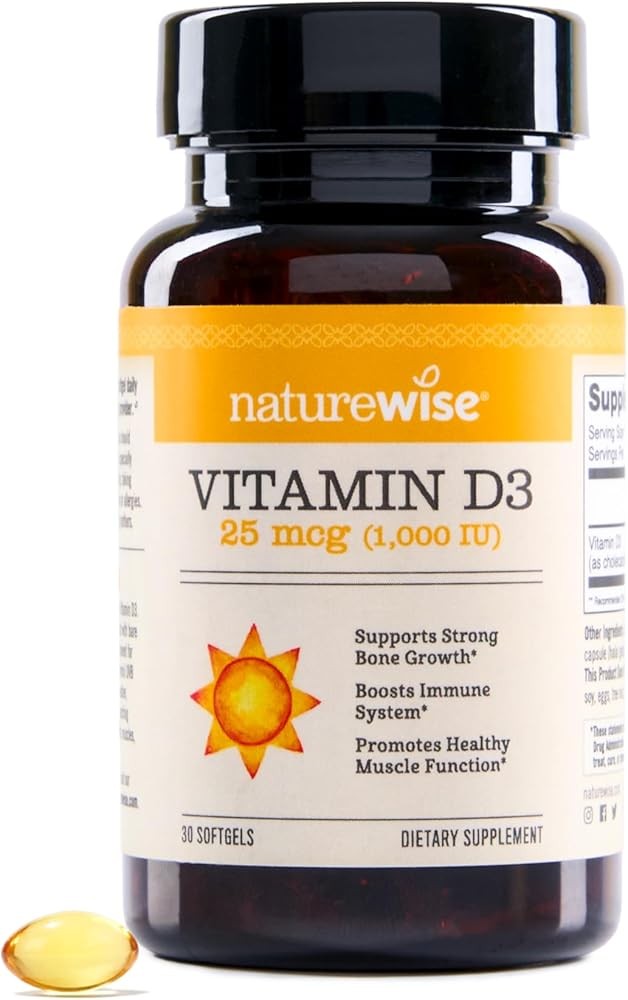
NatureWise Vitamin D3 1000iu (25 mcg) 30-Day Supply for Immune Support, Healthy
Check Price on AmazonAs an Amazon Associate we earn from qualifying purchases.
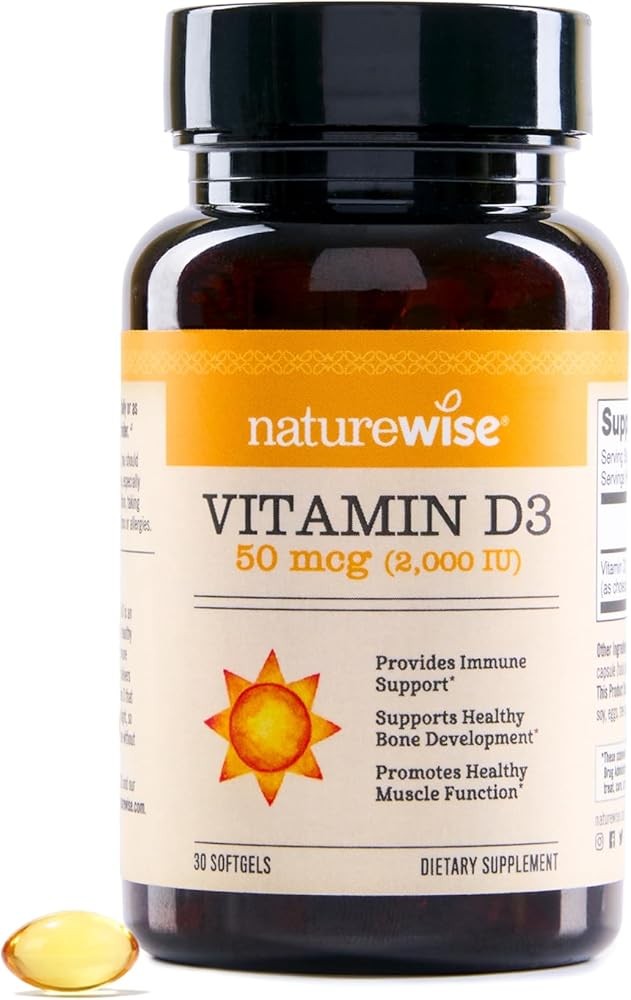
NatureWise Vitamin D3 2000iu (50 mcg) 30-Day Supply for Immune Support, Healthy
Check Price on AmazonAs an Amazon Associate we earn from qualifying purchases.
Frequently Asked Questions
Q: What is magnesium’s role in sleep apnea?
A: Magnesium may reduce AHI (Apnea-Hypopnea Index) in patients with a documented deficiency, potentially by 36-48%, with 320mg of magnesium glycinate daily showing the strongest effects in mild-moderate OSA.
Q: What percentage of OSA patients are deficient in Vitamin D?
A: Research indicates 70-90% of OSA patients are affected by Vitamin D deficiency, and this deficiency correlates with the severity of OSA.
Q: How much Vitamin D is recommended, and what effect can it have?
A: A daily dose of 4,000 IU of Vitamin D appears to reduce AHI by an average of 7.2 events per hour in mild OSA patients when correcting a deficiency.
Q: What benefits do Omega-3 fatty acids offer for sleep apnea?
A: Omega-3 fatty acids (3-4g EPA+DHA daily) can reduce inflammation by 38% and may reduce AHI by 8.3 events per hour, particularly in moderate OSA patients.
Q: Can CoQ10 help with sleep apnea, and if so, how?
A: CoQ10 (300mg daily) may support cardiovascular function in OSA patients with heart disease, potentially reducing blood pressure by 11/7 mmHg and inflammatory markers by 35%.
Q: What is the potential impact of melatonin on AHI?
A: Melatonin (5-10mg) may be associated with a reduction of AHI by 4.8-9.2 events per hour in individuals with mild OSA, potentially by improving upper airway muscle tone.
Q: Is there evidence supporting the use of these supplements for severe sleep apnea?
A: The article primarily highlights benefits for mild to moderate OSA; research details specific AHI reductions mostly within these severity levels.
Recommended Products
Doctor’s Best High Absorption Magnesium Glycinate - Premium magnesium glycinate form for superior absorption and gastrointestinal tolerance. Each tablet provides 100mg elemental magnesium. Non-GMO, vegan, and chelated for enhanced bioavailability. Clinical trials have utilized 2-4 tablets before bed, and studies suggest this may support airway muscle relaxation and sleep quality. [Doctor’s Best Magnesium Glycinate]( (ASIN: B005P6J2E0).
Doctor’s Best Vitamin D3 5000 IU - High-potency vitamin D3 (cholecalciferol) for immune support and upper airway muscle function. Softgels provide the D3 form that raises blood levels more effectively than D2. Essential for correcting deficiency linked to sleep apnea severity.
Nordic Naturals Ultimate Omega - Pharmaceutical-grade fish oil providing 1280mg omega-3s per serving (650mg EPA, 450mg DHA). Surpasses strict international standards for purity and freshness. Lemon flavor minimizes fishy aftertaste. Studies indicate this formulation may be associated with a reduction in inflammation related to sleep apnea. [Nordic Naturals Ultimate Omega]( (ASIN: B00171H2PC).
Liposomal Vitamin C 1000mg - High-absorption liposomal vitamin C with phospholipid delivery system for enhanced bioavailability and cellular uptake. Addresses oxidative stress from intermittent hypoxia. Superior absorption compared to standard vitamin C tablets.
Doctor’s Best Ubiquinol with Kaneka - Contains 100mg ubiquinol (reduced CoQ10) for superior absorption compared to ubiquinone. Supports mitochondrial energy production and cardiovascular health. Enhanced bioavailability formulation with black pepper extract. Particularly valuable for patients on statin medications.
Natrol Melatonin 5mg Extended Release - Extended-release formulation provides gradual melatonin release throughout the night, mimicking natural secretion patterns. Published research shows it appears to have some benefit for both sleep onset and maintenance. A 5mg dosage has been shown in studies to be associated with improvements in sleep quality and potentially a reduction in AHI in individuals with sleep apnea. [Natrol Melatonin 5mg Extended Release]( (ASIN: B000052YM8).
Life Extension Super Omega-3 EPA/DHA - Concentrated omega-3 formula providing 2000mg EPA+DHA per serving in just two softgels. IFOS 5-star rated for purity and potency. Studies indicate omega-3s may help support anti-inflammatory processes in individuals with sleep apnea. Enteric coating may help reduce the risk of reflux and fishy aftertaste. 📱 Join the discussion: Facebook | X | YouTube | Pinterest
The research verdict: Contrary to what one might expect, the recommended products for sleep apnea support include not just magnesium and omega-3s, but also high-potency vitamin D3, with a recommended dose of 5000 IU, as deficiency in this vitamin has been linked to sleep apnea severity. Clinical trials have utilized 2-4 tablets of magnesium glycinate before bed to support airway muscle relaxation and sleep quality.
Recommended Products