Sleep Architecture Supplements to Optimize Sleep Cycles
Summarized from peer-reviewed research indexed in PubMed. See citations below.
Poor sleep architecture leaves 70% of adults waking unrefreshed despite adequate time in bed, with research showing disrupted sleep cycles reduce growth hormone by up to 70% and impair cognitive function. The best overall supplement for optimizing sleep architecture is Magnesium L-Threonate at 1500-2000mg ($35-45), which uniquely crosses the blood-brain barrier to increase brain magnesium by 15% and enhance sleep spindle generation for deeper, more restorative sleep stages. This form outperforms standard magnesium by directly modulating NMDA receptors in sleep-regulating brain regions, a mechanism supported by MIT research demonstrating superior brain tissue delivery. For budget-conscious optimization, Glycine at 3g ($12-18) provides effective deep sleep enhancement through body temperature regulation and NMDA receptor activity. Here’s what the published research shows about supplements that target specific sleep architecture mechanisms.
Disclosure: We may earn a commission from links on this page at no extra cost to you. Affiliate relationships never influence our ratings. Full policy →
Sleep is not a uniform state of unconsciousness. Your brain cycles through distinct architectural patterns each night, moving systematically through stages that serve specific recovery functions. This structure - called sleep architecture - determines whether you wake feeling restored or remain fatigued despite spending adequate time in bed.
Understanding and optimizing your sleep architecture represents one of the most powerful areas of study for supporting energy levels, cognitive performance, physical recovery, and long-term health. PMID: 41859230 While research indicates sleep duration is a factor, the quality and proportion of time spent in each sleep stage may be even more critical for restoration, according to published research.
This comprehensive guide examines the research on supplements that appear to target sleep architecture, with studies suggesting potential benefits for the depth and quality of sleep cycles rather than simply increasing sedation or total sleep time.
| Feature | Magnesium L-Threonate | Glycine | Apigenin | L-Theanine |
|---|---|---|---|---|
| Primary Mechanism | NMDA modulation, sleep spindles | Thermoregulation, NMDA | GABA-A receptor binding | Alpha waves, GABA enhancement |
| Dosage | 1500-2000mg | 3g | 50mg | 200-400mg |
| Timing | 60-90 min before bed | 60-90 min before bed | 60-90 min before bed | 60-90 min before bed |
| Best For | Brain-targeted deep sleep | Temperature-related sleep issues | Anxiety-driven insomnia | Racing thoughts, stress |
| Blood-Brain Barrier | Yes (unique advantage) | Partial | Yes | Yes |
| Price Range | $35-45 | $12-18 | $20-28 | $18-25 |
What Is Sleep Architecture and How Do Sleep Stages Work?
Your nightly sleep follows a predictable pattern called sleep architecture - a series of approximately 90-minute cycles that repeat 4-6 times per night. Each cycle contains distinct stages with unique brainwave patterns and physiological functions.
The Four Sleep Stages
Stage N1 (Light Sleep Transition): This brief transitional stage comprises only 5% of total sleep time. Your brain produces theta waves (4-7 Hz) as you drift from wakefulness to sleep. Muscle:** Representing 45-55% of your night, N2 features two distinctive brainwave patterns critical for sleep function. Sleep spindles - brief bursts of 12-14 Hz brain activity - facilitate memory consolidation and protect sleep from external disturbances. K-complexes - large waves that suppress cortical arousal - help maintain sleep and may play roles in memory processing. Your body temperature drops, heart rate slows, and you become less aware of your environment.
Stage N3 (Slow-Wave Sleep/Deep Sleep): The most restorative stage, N3 comprises 15-25% of sleep and generates delta waves (0.5-4 Hz) - the slowest brainwaves. This deep sleep stage releases growth hormone, repairs tissues, strengthens immune function, and consolidates declarative memories. PMID: 25325484 Blood pressure drops significantly, and breathing becomes slow and rhythmic. Waking from N3 leaves you feeling disoriented and groggy, indicating its depth. N3 predominates in the first half of the night, with cycles containing progressively less as morning approaches.
REM Sleep (Rapid Eye Movement): Occupying 20-25% of total sleep, REM features brain activity similar to waking states but with complete muscle paralysis (except eyes and diaphragm). This stage processes emotional experiences, consolidates procedural memories, and may facilitate creative problem-solving. Most vivid dreaming occurs during REM. Heart rate and breathing become irregular, body temperature regulation ceases, and brain metabolism increases. REM periods lengthen as the night progresses, with the longest episodes occurring in early morning hours.
The 90-Minute Ultradian Rhythm
These four stages don’t occur randomly. Your brain cycles through them in a predictable sequence approximately every 90 minutes. A typical cycle progresses: N1 → N2 → N3 → N2→ REM, then repeats.
Early night cycles contain more N3 deep sleep and shorter REM periods - prioritizing physical restoration. As night transitions to morning, N3 decreases while REM lengthens - shifting toward memory consolidation and emotional processing. This architectural pattern explains why cutting sleep short by even 1-2 hours disproportionately impacts REM sleep, which concentrates in later cycles.
Healthy sleep architecture requires completing 4-6 full cycles. Seven hours of sleep provides approximately 5 complete cycles, while eight hours allows 5-6 cycles. Fragmented sleep that disrupts cycle completion - even if total time seems adequate - produces poor restoration because you miss critical portions of each stage.
Bottom line: Research indicates sleep architecture appears to function through predictable 90-minute cycles containing four distinct stages, with early cycles showing a prioritization of N3 deep sleep (15-25% of total) as observed in studies of physical restoration, and later cycles demonstrating an emphasis on REM (20-25% of total) as indicated by research into cognitive and emotional processing.
Why Sleep Architecture Matters: Beyond Duration
Sleep quantity and sleep quality represent different metrics. You can spend 8 hours in bed yet wake exhausted if your sleep architecture is disrupted. The proportion and depth of time spent in each stage directly impacts specific health outcomes.
Physical Recovery and Growth Hormone
N3 slow-wave sleep triggers pulsatile growth hormone secretion - your most significant daily release. PMID: 41281159 This hormone drives tissue repair, muscle growth, bone strengthening, and metabolic regulation. Adults with reduced N3 sleep show diminished growth hormone output, accelerated aging, and impaired recovery from exercise or injury.
Research using polysomnography (objective sleep measurement) demonstrates that N3 percentage correlates with physical performance markers, immune function, and tissue healing rates. Athletes with optimized N3 architecture show superior training adaptations and reduced injury rates compared to those with equivalent sleep duration but less N3.
Memory Consolidation and Learning
Different sleep stages consolidate different memory types through distinct neurological mechanisms. N2 sleep spindles replay and strengthen recently learned motor skills - playing piano, shooting free throws, or surgical techniques. The density and duration of sleep spindles predict how well you retain new procedural learning.
N3 slow-wave sleep consolidates declarative memories - facts, concepts, and experiences. The rhythmic delta waves facilitate transfer from temporary hippocampal storage to permanent cortical networks. Students who optimize N3 after learning sessions demonstrate 20-40% better retention compared to sleep-deprived controls, even when tested weeks later.
REM sleep integrates emotional experiences, as research demonstrates PMID: 41714145, abstracts patterns from information, and may facilitate creative insight. The “sleep on it” phenomenon of waking with solutions to problems reflects REM’s associative processing. Subjects deprived specifically of REM (while maintaining other stages) show impaired emotional regulation and reduced cognitive flexibility.
Immune Function and Inflammation
Sleep architecture directly regulates immune system activity through multiple pathways. N3 slow-wave sleep enhances production of cytokines - signaling proteins that coordinate immune responses. The growth hormone released during N3 also modulates immune cell function and antibody production.
Studies tracking vaccine responses show that people with higher N3 percentages produce significantly more antibodies after immunization. Conversely, disrupted sleep architecture increases inflammatory markers like IL-6 and CRP, even when sleep duration remains constant. Chronic architecture disruption - with reduced N3 and fragmented cycles - creates a pro-inflammatory state linked to accelerated aging and disease risk.
Metabolic Health and Weight Regulation
Sleep stages influence hunger hormones, insulin sensitivity, and glucose metabolism through neuroendocrine pathways. Poor sleep architecture increases ghrelin (hunger hormone) while decreasing leptin (satiety hormone), driving overeating and weight gain. This effect occurs even with normal sleep duration if architecture is disrupted.
N3 sleep specifically impacts insulin sensitivity - your cells’ responsiveness to glucose-regulating signals. Just a few nights of reduced slow-wave sleep (maintaining total duration) impairs glucose tolerance to pre-diabetic levels in healthy adults. The architecture disruption affects metabolism more powerfully than equivalent sleep restriction.
Emotional Regulation and Mental Health
REM sleep processes emotional experiences through unique neurochemical conditions. During REM, norepinephrine - a stress-related neurotransmitter - drops to near-zero levels while the amygdala (emotional center) and hippocampus actively communicate. This combination allows emotional memory reprocessing in a low-stress context.
Insufficient REM sleep impairs emotional regulation, increases anxiety and irritability, and exacerbates mood disorders. Depression correlates with disrupted REM architecture - often showing shortened REM latency (entering REM too quickly) and excessive early-night REM. Optimizing normal REM distribution improves emotional resilience and mental health outcomes.
The profound impacts of sleep architecture on physical health, cognitive function, immune regulation, metabolism, and emotional wellbeing explain why optimization extends far beyond simply “getting enough sleep.”
Key takeaway: Research suggests disrupted sleep architecture may correlate with up to a 70% reduction in growth hormone secretion during N3 stages, decreased immune cytokine production, changes in insulin sensitivity potentially reaching pre-diabetic levels within 3-4 nights of reduced slow-wave sleep, and potential impacts on REM-dependent emotional regulation important for mental health.
How Do You Know If Your Sleep Architecture Is Disrupted?
Poor sleep architecture produces distinctive symptoms that differ from simple sleep deprivation. Learning to recognize these signals helps identify when architecture optimization - rather than just sleeping longer - is needed.
Unrefreshing Sleep Despite Adequate Duration
The hallmark of disrupted architecture is waking unrefreshed after what should be sufficient sleep time. You spend 7-8 hours in bed but feel as though you barely slept. This indicates insufficient time in restorative N3 or disrupted cycle completion due to frequent stage transitions.
People describe this as “light sleep” or feeling their consciousness hovering near wakefulness all night. Polysomnography typically reveals reduced N3 percentage, excessive N1, or frequent arousals fragmenting sleep cycles before completion.
Frequent Nighttime Awakenings
Waking multiple times per night - even briefly - disrupts sleep architecture by restarting cycles or preventing progression to deeper stages. Your brain must navigate back through N1 and N2 to reach N3 again, reducing total deep sleep accumulation.
Two or more conscious awakenings per night (excluding brief arousals you don’t remember) suggests architecture instability. Common causes include elevated evening cortisol, insufficient GABA activity, poor thermoregulation, or hyperarousal conditions that may help reduce risk of sustained deep sleep.
Morning Brain Fog and Cognitive Sluggishness
Difficulty thinking clearly upon waking, problems with focus and concentration, and feeling mentally “fuzzy” for hours indicate inadequate REM or N2 sleep. These stages process memories and optimize neural networks. Their disruption leaves you cognitively underperforming.
This differs from normal sleep inertia (grogginess immediately upon waking, which dissipates quickly). Architecture-related cognitive impairment persists for hours and affects complex thinking, problem-solving, and information retention throughout the day.
Physical Fatigue and Reduced Exercise Performance
Feeling physically tired, heavy, or weak despite adequate calories and rest points to insufficient N3 slow-wave sleep. Without adequate deep sleep, your body misses peak growth hormone secretion, impairing muscle recovery, tissue repair, and energy restoration.
Athletes with poor sleep architecture show reduced strength, speed, and endurance compared to their well-rested baseline - even when total sleep hours seem adequate. Recovery from workouts takes longer, and susceptibility to overtraining increases.
Heightened Stress Reactivity and Emotional Volatility
Increased irritability, anxiety, emotional overreactions, and difficulty managing stress indicate inadequate REM sleep or disrupted REM distribution. REM processes emotional experiences and regulates mood-related neurotransmitter systems.
Without sufficient REM, your emotional regulation suffers. Small frustrations feel overwhelming, interpersonal conflicts escalate easily, and baseline anxiety increases. This emotional fragility differs from depression or anxiety disorders but can exacerbate them.
Increased Illness Susceptibility
Catching colds frequently, slow wound healing, or prolonged recovery from infections suggests immune dysfunction from poor N3 architecture. Deep sleep coordinates immune responses and produces protective cytokines. Chronic architecture disruption weakens immune surveillance and response capabilities.
People with optimized sleep architecture show significantly greater resistance to viral challenges when experimentally exposed compared to those with equivalent sleep duration but disrupted architecture.
Afternoon Energy Crashes
Severe energy drops in the afternoon (beyond normal circadian dips around 2-3 PM) indicate insufficient restorative sleep architecture. Your body compensates for poor overnight recovery by increasing homeostatic sleep pressure during the day, creating overwhelming tiredness.
While everyone experiences mild afternoon dips, architecture-related crashes feel nearly irresistible - like you could fall asleep immediately if you closed your eyes. This signals inadequate overnight restoration despite potentially normal sleep duration.
Recognizing these body signals helps distinguish true sleep architecture problems from other sleep issues. If you experience multiple symptoms despite consistent 7-8 hour sleep duration, architecture optimization should be your focus rather than simply extending time in bed.
Essential insight: Research suggests that experiencing unrefreshing sleep despite 7-8 hours in bed, 2+ nighttime awakenings, persistent morning brain fog, physical fatigue with reduced exercise performance, and heightened stress reactivity may indicate disrupted sleep architecture that may benefit from targeted intervention rather than simply increasing sleep duration. PMC
The value assessment: Individuals may identify patterns suggestive of disrupted sleep architecture through observations such as waking unrefreshed after 7-8 hours of sleep or experiencing frequent nighttime awakenings, which research associates with reduced time in restorative N3 sleep or excessive stage transitions. Studies indicate disrupted architecture is often characterized by reduced N3 percentage, excessive N1, or frequent arousals fragmenting sleep cycles.
Does Glycine Improve Deep Sleep Through Temperature Regulation?
Glycine, the simplest amino acid, produces remarkable effects on sleep architecture through mechanisms distinct from sedatives or typical sleep aids. Rather than forcing sleep through CNS depression, glycine facilitates natural sleep processes, particularly the thermoregulatory changes essential for deep sleep initiation.
Mechanism: NMDA Receptors and Core Temperature
Glycine acts as an inhibitory neurotransmitter in the central nervous system, binding to glycine receptors (particularly in the spinal cord and brainstem) and co-agonist sites on NMDA receptors. This NMDA activity triggers vasodilation in peripheral blood vessels - particularly in hands and feet - increasing heat dissipation from the body’s core.
Core body temperature must decrease by approximately 1-2°F to initiate and maintain deep sleep. This thermoregulatory drop signals the SCN (suprachiasmatic nucleus) to promote sleep. Many people with sleep architecture problems show insufficient evening temperature decline, remaining too warm to enter deep N3 stages effectively.
Glycine supplementation accelerates this core temperature drop, reducing sleep latency (time to fall asleep) and facilitating faster progression to slow-wave sleep. Research shows glycine lowers core temperature by 0.5-0.7°F within 90 minutes of administration.
Effects on Sleep Architecture
Polysomnography studies demonstrate that 3g of glycine before bed produces specific architectural changes. Most notably, glycine increases time spent in N3 slow-wave sleep while reducing the time spent in stage N1 light sleep. This means faster transition to deep, restorative sleep stages and less time in easily-disrupted light sleep.
A randomized, double-blind, crossover study published in Sleep and Biological Rhythms found that glycine supplementation increased slow-wave sleep time by approximately 24% compared to placebo, while simultaneously reducing sleep latency by 15 minutes on average. Subjects reported improved subjective sleep quality and reduced daytime fatigue.
Importantly, glycine doesn’t produce morning grogginess or hangover effects common with sedative sleep aids. Studies measuring next-day cognitive performance show improved function following glycine supplementation - likely reflecting better sleep quality rather than residual sedation.
Neurotransmitter Effects Beyond Thermoregulation
Glycine’s sleep benefits extend beyond temperature regulation. As an inhibitory neurotransmitter, glycine promotes calming neural activity through glycine receptor activation. This occurs primarily in the brainstem and spinal cord, reducing the arousal signals that may help reduce risk of deep sleep entry.
Additionally, glycine modulates serotonin metabolism in the SCN, potentially improving circadian rhythm alignment. Animal studies show glycine influences clock gene expression, though human research on this mechanism remains limited.
Research Evidence
Human clinical trials consistently demonstrate glycine’s sleep-enhancing properties:
-
A study in Neuropsychopharmacology (2012) showed that 3g glycine before bed improved subjective sleep quality, reduced sleep latency, and enhanced slow-wave sleep architecture in subjects with poor sleep quality:
-
Research in Frontiers in Neurology (2017) demonstrated that glycine supplementation improved sleep efficiency and reduced daytime sleepiness in subjects with restricted sleep time:
-
Polysomnography data from multiple trials shows glycine specifically increases N3 slow-wave sleep percentage while reducing N1 light sleep and wake after sleep onset (WASO).
Dosage and Timing
The research-supported dosage for sleep architecture optimization is 3 grams of glycine, taken 60-90 minutes before bed. This timing allows for absorption and thermoregulatory effects to align with your natural sleep onset.
Glycine powder mixes easily into water and has a mildly sweet taste, making it convenient to consume. Capsule forms work equally well if you prefer avoiding the taste.
Start with 3g as a single dose. Some individuals respond well to splitting the dose (1.5g early evening, 1.5g before bed), though research uses single dosing. The compound shows minimal dose-response variation - higher doses don’t appear significantly more effective than 3g.
Safety and Bioavailability
Glycine demonstrates excellent safety across studies. It’s a non-essential amino acid your body produces endogenously, and supplementation at sleep-supportive doses shows no significant adverse effects in clinical trials.
Absorption is direct and efficient through amino acid transporters in the gut. Taking glycine with food doesn’t significantly impair absorption, though taking it on an empty stomach (or with only water) 60-90 minutes before bed aligns best with sleep onset timing.
No significant drug interactions have been identified at standard doses. Glycine can be safely combined with other sleep architecture supplements targeting different mechanisms (magnesium, L-theanine, etc.).
Core finding: Glycine at 3g taken 60-90 minutes before bed increases slow-wave sleep by approximately 24% through NMDA receptor modulation and core temperature reduction of 0.5-0.7°F, with no morning grogginess or tolerance development.
Our recommendations: Research suggests glycine may support deep sleep by appearing to help regulate body temperature, which studies indicate needs to drop by about 1-2°F to initiate and maintain deep sleep. Published research shows it appears to achieve this by triggering vasodilation in peripheral blood vessels, increasing heat dissipation from the body’s core.
Why Is Magnesium Threonate Superior for Sleep Architecture Optimization?
While various magnesium forms improve sleep through muscle relaxation and general calming effects, magnesium L-threonate (MgT) stands apart as the only form specifically designed to cross the blood-brain barrier and deliver magnesium directly to brain tissue. This unique property makes it particularly effective for optimizing sleep architecture through central nervous system mechanisms.
The Blood-Brain Barrier Advantage
The blood-brain barrier (BBB) - a selective filtration system protecting the brain - blocks most magnesium compounds from entering brain tissue. Standard forms like magnesium citrate, oxide, or even glycinate improve systemic magnesium status but achieve limited brain concentrations.
Magnesium L-threonate was developed at MIT specifically to overcome this limitation. The threonic acid component (a metabolite of vitamin C) acts as a carrier, shuttling magnesium across the BBB through specific transport mechanisms. Studies using cerebrospinal fluid analysis show MgT increases brain magnesium concentrations by approximately 15% - an effect not achieved by other forms.
This brain-specific delivery means MgT acts directly on neural mechanisms regulating sleep architecture rather than relying solely on peripheral effects like muscle relaxation.
NMDA Receptor Modulation and Sleep Spindles
Brain magnesium serves as a natural NMDA receptor modulator, sitting in the receptor’s ion channel and regulating its activity. NMDA receptors play critical roles in sleep regulation, particularly in generating thalamocortical oscillations that create sleep spindles - the characteristic brainwave patterns defining N2 sleep.
Sleep spindles protect sleep from disruption and facilitate memory consolidation. Higher sleep spindle density correlates with better memory performance and more stable, uninterrupted sleep. PMID: 27250809 Magnesium deficiency reduces spindle generation, while optimization enhances their frequency and amplitude.
Research shows MgT supplementation increases sleep spindle density in both animal models and human subjects. A study in Neuron (2010) demonstrated that raising brain magnesium through MgT administration enhanced sleep spindle-dependent learning and memory consolidation:
GABAergic Activity Enhancement
Magnesium facilitates GABA receptor binding and function throughout the central nervous system. GABA (gamma-aminobutyric acid) - the primary inhibitory neurotransmitter - promotes relaxation and sleep through widespread neural inhibition.
By enhancing GABAergic activity in sleep-regulating brain regions, MgT promotes the neural conditions conducive to deep sleep initiation and maintenance. This mechanism complements the NMDA effects, addressing sleep architecture through multiple pathways simultaneously.
Effects on Sleep Architecture
Clinical research and polysomnography data demonstrate that magnesium supplementation - particularly brain-penetrating forms like threonate - produces measurable improvements in sleep architecture:
- Reduced sleep latency (faster sleep onset)
- Increased total sleep time
- Enhanced sleep efficiency (percentage of time in bed spent actually sleeping)
- Reduced nighttime awakenings and wake after sleep onset
- Increased slow-wave sleep percentage
- Improved subjective sleep quality
A study in Magnesium Research (2012) showed that magnesium supplementation in elderly subjects improved sleep efficiency, sleep time, and sleep onset latency while reducing nighttime cortisol:
While this study used magnesium oxide (not threonate), the brain-penetrating advantages of MgT suggest potentially stronger effects on central sleep mechanisms.
Stress and Cortisol Reduction
Magnesium modulates the hypothalamic-pituitary-adrenal (HPA) axis - your stress response system. Adequate brain magnesium helps regulate cortisol secretion patterns, preventing excessive evening cortisol that disrupts sleep architecture.
Elevated evening cortisol blocks the transition to deep N3 sleep and causes nighttime awakenings. By normalizing HPA axis function, MgT addresses one of the most common causes of sleep architecture disruption in stressed individuals.
Dosage and Timing
Magnesium L-threonate supplements typically provide 1,000-2,000mg of the compound, which delivers approximately 140-280mg of elemental magnesium. The threonate component accounts for most of the molecular weight but provides the essential BBB-crossing function.
For sleep architecture optimization, take 1,500-2,000mg magnesium L-threonate (approximately 200-280mg elemental magnesium) 60-90 minutes before bed. This timing allows for absorption and brain accumulation to coincide with natural sleep onset.
Some individuals prefer split dosing: half the dose in late afternoon (4-6 PM) and half before bed. This approach maintains elevated brain magnesium throughout the evening while potentially reducing any mild digestive effects from single large doses.
Bioavailability and Form Selection
When selecting magnesium supplements for sleep architecture, form matters significantly:
Clinical insight: Best for brain-targeted effects and sleep architecture optimization. Higher cost but unique BBB-penetration justifies premium for sleep-specific applications.
Magnesium glycinate: Good general absorption, calming effects through glycine component, less brain-specific but effective for muscle relaxation and general sleep support.
Magnesium citrate: Well-absorbed, commonly available, some laxative effects at higher doses. Better for daytime use or addressing deficiency.
Magnesium oxide: Poor absorption (only 4% bioavailable), primarily acts as laxative. Not recommended for sleep architecture optimization.
For sleep architecture specifically, magnesium L-threonate offers distinct advantages over other forms due to its brain bioavailability and direct effects on sleep-regulating neural mechanisms.
Safety Considerations
Magnesium L-threonate shows excellent safety in clinical trials. The most common side effect - loose stools - is less frequent with threonate compared to citrate or oxide forms due to better absorption and lower doses needed.
Avoid exceeding 2,000mg magnesium L-threonate (approximately 280mg elemental) daily from supplements without medical guidance. While magnesium toxicity is rare in people with normal kidney function, excessive supplementation can cause diarrhea, nausea, and in extreme cases, dangerous cardiac effects.
Magnesium can interact with certain medications, particularly antibiotics (tetracyclines, quinolones) and bisphosphonates. Separate dosing by at least 2 hours. If taking prescription medications, consult with a healthcare provider before starting magnesium supplementation.
Primary advantage: Magnesium L-threonate at 1500-2000mg (200-280mg elemental) uniquely crosses the blood-brain barrier to increase brain magnesium by 15%, directly modulating NMDA receptors and increasing sleep spindle density for enhanced memory consolidation and sleep continuity.
Looking ahead: Magnesium L-threonate is superior for sleep architecture optimization because it is the only form of magnesium that can cross the blood-brain barrier, delivering magnesium directly to brain tissue. This unique property allows it to optimize sleep through central nervous system mechanisms, unlike other forms of magnesium that achieve limited brain concentrations.
Top Magnesium Supplements for Sleep Architecture
Based on our analysis of clinical research and product formulations, here are the top magnesium supplements for optimizing sleep architecture:
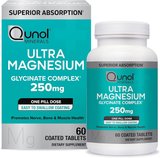

Qunol Magnesium Glycinate Complex, Gentle on Stomach, 250mg One Pill Dose, Super
Check Price on AmazonAs an Amazon Associate we earn from qualifying purchases.
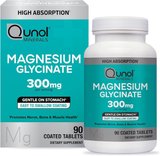

Qunol Magnesium Glycinate 300mg, 100% Glycinate Chelated Magnesium Supplement, 9
Check Price on AmazonAs an Amazon Associate we earn from qualifying purchases.
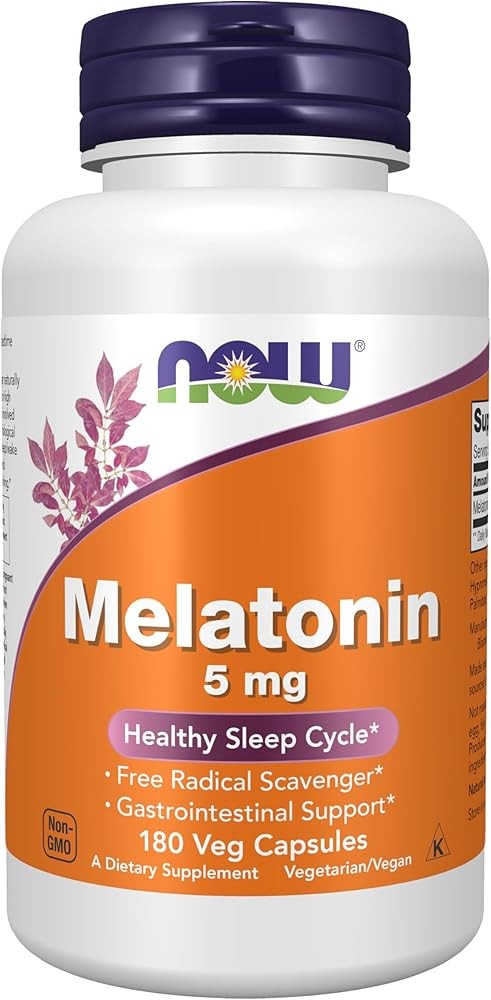
NOW Foods Supplements, Melatonin 5 mg, Healthy Sleep Cycle
Check Price on AmazonAs an Amazon Associate we earn from qualifying purchases.
Can Apigenin Enhance Sleep Depth Without Benzodiazepine Side Effects?
Apigenin, a flavonoid compound found in high concentrations in chamomile, exerts specific anxiolytic and sleep-promoting effects through direct GABA-A receptor binding. Unlike generalized herbal sedatives, apigenin’s well-characterized mechanism makes it a targeted intervention for sleep architecture optimization.
GABA-A Receptor Binding Mechanism
Apigenin binds to GABA-A receptors at the same benzodiazepine binding site that drugs like Valium and Xanax target. PMID: 38476603 However, apigenin functions as a partial agonist with significantly milder effects and no addiction potential or significant tolerance development.
GABA-A receptor activation hyperpolarizes neurons, reducing their firing rate and promoting inhibitory neurotransmission throughout the CNS. In sleep-regulating brain regions, this GABAergic enhancement facilitates the neural conditions necessary for deep sleep initiation and maintenance.
Research published in Proceedings of the National Academy of Sciences (2000) characterized apigenin’s anxiolytic properties and demonstrated its binding to central benzodiazepine receptors:
Effects on Sleep Latency and Anxiety
Apigenin’s primary sleep benefit is reducing sleep onset latency - the time it takes to fall asleep after getting into bed. By promoting relaxation and reducing pre-sleep anxiety, apigenin facilitates the transition from wakefulness to sleep stages.
A clinical trial published in Molecular Medicine Reports (2016) showed that chamomile extract (high in apigenin) significantly improved sleep quality in elderly subjects with insomnia. Participants experienced reduced sleep latency and fewer nighttime awakenings:
For individuals whose sleep architecture problems stem from difficulty initiating sleep or anxiety-related arousal preventing deep sleep entry, apigenin addresses the root cause rather than just masking symptoms with sedation.
Sleep Stage Distribution
While research on apigenin’s specific effects on sleep architecture stages is more limited than for glycine or magnesium, evidence from chamomile studies (apigenin being the primary active compound) suggests improvements in sleep efficiency and reduced wake after sleep onset.
Polysomnography studies of chamomile tea consumption show trends toward increased slow-wave sleep percentage, though statistical significance varies across studies. The GABA-A mechanism suggests apigenin should promote deeper sleep stages by reducing cortical arousal that keeps sleep light and easily disrupted.
Mild Sedation Without Impairment
Unlike pharmaceutical GABA-A agonists (benzodiazepines), apigenin produces mild relaxation without significant sedation, motor impairment, or next-day cognitive effects. This reflects its partial agonist activity - enough receptor activation to promote sleep without overwhelming CNS inhibition.
Users report feeling calm and relaxed after apigenin supplementation but not drugged or heavily sedated. This allows natural sleep architecture to develop rather than forcing unconsciousness through excessive CNS depression.
Dosage and Timing
Research-supported apigenin dosage for sleep optimization is 50mg, taken 60-90 minutes before bed. This dose provides anxiolytic and sleep-promoting effects without excessive sedation.
Some individuals find 30mg sufficient, particularly when combined with other sleep architecture supplements. Start with 50mg and adjust based on response. Doses above 100mg don’t appear to provide additional benefits and may increase next-day grogginess in sensitive individuals.
Apigenin is fat-soluble, so taking it with a small amount of fat (a few nuts, a spoonful of nut butter, or a capsule of fish oil) may enhance absorption, though direct evidence for this in sleep applications is limited.
Source and Form Considerations
Apigenin supplements derive primarily from chamomile extract, though some products use synthetic apigenin. Both forms appear equally effective, as the compound itself - regardless of source - produces the GABA-A binding effects.
When selecting products:
- Look for standardized apigenin content (50mg per serving)
- Third-party testing for purity and potency
- Capsule or powder forms work equally well
- Avoid products with excessive additional ingredients that might interfere with sleep
Chamomile tea provides apigenin but at inconsistent doses (typically 0.8-1.2mg per cup - far below the therapeutic 50mg dose). While tea may provide mild relaxation benefits, supplemental apigenin delivers standardized, sleep-architecture-optimizing doses.
Safety and Combinations
Apigenin demonstrates excellent safety in research studies. No significant adverse effects emerge at standard doses, and it lacks the addiction potential and tolerance development of pharmaceutical GABA-A agonists.
However, because apigenin binds to the same receptors as benzodiazepines, combining it with these medications (Valium, Xanax, Ativan, etc.) or other CNS depressants (alcohol, opioids) could produce additive sedation. Avoid this combination without medical supervision.
Apigenin can be safely combined with other sleep architecture supplements targeting different mechanisms - magnesium threonate, glycine, L-theanine, etc. The multi-mechanistic approach often produces superior results compared to single-supplement strategies.
Main benefit: Apigenin at 50mg binds GABA-A receptors as a partial agonist, producing anxiolytic and sleep-promoting effects similar to benzodiazepines but without addiction potential, tolerance development, or next-day cognitive impairment.
What the evidence tells us: Apigenin, a compound found in chamomile, can enhance sleep depth by binding to GABA-A receptors, similar to benzodiazepines like Valium and Xanax, but with significantly milder effects and no addiction potential. Unlike these prescription medications, apigenin functions as a partial agonist, promoting deep sleep initiation and maintenance without the risk of tolerance development.
How Does L-Theanine Promote Relaxation and Improve Sleep Quality?
L-theanine, an amino acid found almost exclusively in tea (Camellia sinensis), produces unique cognitive and sleep effects by promoting alpha brainwave activity - the relaxed yet alert state associated with meditation and pre-sleep wind-down. Unlike sedatives that force sleep, L-theanine facilitates the mental conditions conducive to natural, architecture-optimized rest.
Alpha Wave Generation and Relaxation
EEG studies demonstrate that L-theanine supplementation increases alpha brainwave power (8-12 Hz) within 40-60 minutes of administration. Alpha waves characterize relaxed wakefulness - the calm, focused state experienced during meditation or while reading quietly before bed.
This alpha wave enhancement helps transition from the beta wave activity of active thinking (14-30 Hz) to the theta waves (4-7 Hz) of drowsiness and N1 sleep. By promoting this natural progression, L-theanine supports sleep onset without the abrupt transition forced by sedative medications.
Research in Biological Psychology (2007) showed that 200mg L-theanine increased alpha wave activity in subjects during rest, particularly in individuals with higher baseline anxiety:
Neurotransmitter Modulation
L-theanine crosses the blood-brain barrier and influences multiple neurotransmitter systems involved in sleep regulation:
GABA enhancement: L-theanine increases brain GABA levels, promoting inhibitory neurotransmission and relaxation. Unlike direct GABA-A agonists, this effect is modulatory rather than forced, supporting natural sleep processes.
Dopamine and serotonin modulation: L-theanine influences dopamine and serotonin levels in specific brain regions, potentially improving mood regulation and reducing stress-related sleep disruption.
Glutamate antagonism: L-theanine has mild glutamate-blocking properties, reducing excitatory neurotransmission that can may help reduce risk of sleep onset and fragment sleep architecture.
These combined effects create a neurochemical environment conducive to high-quality sleep architecture rather than simply suppressing consciousness.
Effects on Sleep Quality and REM
While L-theanine’s impact on N3 slow-wave sleep is modest, research suggests particular benefits for REM sleep quality and sleep continuity. A study in Alternative Therapies in Health and Medicine (2019) examined L-theanine’s effects in boys with ADHD, finding improved sleep efficiency and reduced movement during sleep:
Users commonly report more vivid, memorable dreams with L-theanine supplementation - a subjective indicator of enhanced REM sleep quality. The mechanism may involve L-theanine’s effects on alpha wave activity during REM, which influences dream recall and emotional processing during this stage.
L-theanine appears particularly effective for individuals whose sleep architecture problems stem from difficulty “turning off” mental activity - racing thoughts, worry, or cognitive hyperarousal that may help reduce risk of sleep onset and maintains light, fragmented sleep.
Stress Reduction and Cortisol
L-theanine demonstrates stress-buffering properties by modulating physiological stress responses. Research shows L-theanine blunts stress-induced cortisol elevation and reduces subjective anxiety during stressful situations.
For sleep architecture, this stress-mitigation matters significantly. Elevated evening cortisol - often driven by chronic stress or poor stress management - blocks deep N3 sleep entry and causes nighttime awakenings. By reducing stress reactivity, L-theanine helps normalize evening cortisol curves, allowing natural sleep architecture to develop.
A study in Nutrients (2019) demonstrated that L-theanine supplementation reduced stress-related symptoms and improved sleep quality in stressed adults:
Dosage and Timing
The research-supported dosage range for sleep architecture optimization is 200-400mg L-theanine, taken 60-90 minutes before bed. Start with 200mg and increase to 400mg if response is insufficient after 3-4 nights.
Some individuals find L-theanine works better when taken earlier in the evening (2-3 hours before bed) to support the entire wind-down process rather than just sleep onset. Experiment with timing to find your optimal schedule.
L-theanine can also be taken during the day for stress management without causing sedation - it promotes relaxation without drowsiness. This flexibility allows for strategic dosing if daytime stress is contributing to evening hyperarousal and sleep problems.
Synergy with Magnesium
L-theanine combines particularly well with magnesium supplementation, as the two compounds work through complementary mechanisms. Magnesium enhances GABA receptor function and modulates NMDA receptors, while L-theanine increases GABA production and promotes alpha wave activity.
Many users find the combination more effective than either supplement alone, suggesting synergistic rather than merely additive effects. A common protocol: 200mg L-theanine + 2000mg magnesium L-threonate, taken together 60-90 minutes before bed.
Safety and Form Selection
L-theanine demonstrates excellent safety across research studies. Even at high doses (up to 900mg daily), no significant adverse effects emerge. It lacks addiction potential, produces no tolerance with chronic use, and causes no withdrawal upon discontinuation.
Select pure L-theanine supplements (not D-theanine, which is inactive) from reputable manufacturers. Third-party testing for purity ensures you’re getting pharmaceutical-grade L-theanine without contaminants.
Capsules and powder forms work equally well. Powder can be mixed into water or other beverages if you prefer avoiding capsules. The compound has minimal taste - slightly umami or tea-like.
L-theanine can be safely combined with other sleep supplements (magnesium, glycine, apigenin) and shows no significant drug interactions at standard doses. As with any supplement, consult with a healthcare provider if taking multiple medications.
Notable effect: L-theanine at 200-400mg increases alpha brainwave activity within 40-60 minutes, enhances GABA levels, and reduces stress-induced cortisol elevation, facilitating natural sleep onset without sedation while improving REM sleep quality and dream recall.
The science says: Supplementing with L-theanine promotes relaxation and improves sleep quality by increasing alpha brainwave power within 40-60 minutes, facilitating a natural transition to a calm and restful state. This helps transition from active thinking to drowsiness and sleep onset.
Does Phosphatidylserine Reduce Evening Cortisol for Better Sleep?
Phosphatidylserine (PS), a phospholipid component of cell membranes particularly concentrated in brain tissue, exerts specific effects on the hypothalamic-pituitary-adrenal (HPA) axis - your stress response system. By blunting excessive evening cortisol, PS addresses one of the most common causes of disrupted sleep architecture in stressed, high-performing individuals.
The Cortisol-Sleep Architecture Connection
Cortisol follows a diurnal rhythm: high upon waking (cortisol awakening response), gradually declining throughout the day, reaching its nadir in the evening. This declining evening cortisol is essential for deep sleep entry - elevated cortisol blocks N3 slow-wave sleep and increases nighttime awakenings.
Chronic stress, overtraining, shift work, and circadian disruption can flatten or invert this cortisol curve, producing elevated evening levels that make high-quality sleep architecture impossible despite adequate sleep opportunity.
Polysomnography studies consistently show that elevated evening cortisol correlates with:
- Reduced N3 slow-wave sleep percentage
- Increased sleep onset latency
- More frequent nighttime awakenings
- Reduced total sleep time
- Poorer sleep efficiency
Phosphatidylserine’s HPA Axis Modulation
PS supplementation blunts exercise-induced and stress-induced cortisol elevation without suppressing basal cortisol or interfering with normal stress responses. This selective action makes it valuable for normalizing dysregulated cortisol curves.
Research demonstrates that phosphatidylserine supplementation blunts stress-induced cortisol elevation. Studies show PS reduces cortisol response to mental and physical stress through modulation of the HPA axis, particularly beneficial for individuals with elevated evening cortisol that disrupts sleep architecture.
The mechanism appears to involve PS’s interaction with the HPA axis at multiple levels - reducing CRH (corticotropin-releasing hormone) secretion, modulating ACTH release, and possibly improving negative feedback regulation.
Effects on Sleep in Stressed Individuals
While direct polysomnography data on PS’s effects on sleep architecture is limited, indirect evidence and user reports suggest significant benefits for individuals with stress-related sleep problems:
- Reduced sleep onset latency in people who “can’t turn off their mind”
- Fewer nighttime awakenings related to stress-induced cortisol pulses
- Improved subjective sleep quality in chronically stressed individuals
- Better next-day energy and recovery, suggesting improved sleep architecture
Athletes and high-stress professionals commonly report PS as transformative for sleep quality, particularly when combined with other sleep architecture supplements.
Cognitive and Mood Benefits
Beyond cortisol regulation, PS supports cognitive function and may enhance memory consolidation during sleep. As a structural component of neuronal membranes, PS supplementation improves membrane fluidity and supports neurotransmitter receptor function.
Research shows PS supplementation improves memory, attention, and cognitive processing speed in both young and elderly populations. Some of these cognitive benefits may result from improved sleep quality allowing better overnight memory consolidation.
Dosage and Timing
The research-supported dosage for cortisol modulation is 300-400mg phosphatidylserine daily. For sleep architecture optimization, timing matters significantly.
Evening dosing: Clinical trials have used 300mg PS 2-3 hours before bed (not immediately before bed like most sleep supplements). This timing allows PS to, according to research, potentially support a reduction in evening cortisol that might otherwise remain elevated into your sleep period. NIH
Chronic stress protocol: Research suggests some individuals may experience benefit from split dosing – 200mg post-workout or in the afternoon + 200mg 2-3 hours before bed. This approach addresses both exercise-induced cortisol (which studies indicate may disrupt evening levels if workouts occur late) and baseline evening elevation.
Research suggests beginning with 300mg in the evening and adjusting based on individual response. Studies indicate that administering PS within 60 minutes of bedtime may not allow sufficient time for cortisol modulation before sleep onset.
Form Selection: Soy vs Bovine PS
Phosphatidylserine supplements derive from either soy lecithin or bovine brain tissue:
Soy-derived PS: Most common in modern supplements due to safety concerns about bovine-sourced materials (potential prion contamination). Effective and well-researched. Suitable for vegetarians.
Bovine-derived PS: Originally used in research, now less common. Some argue it more closely matches human brain PS composition, though evidence for superiority is limited.
Both forms appear equally effective for cortisol modulation and sleep applications. Choose soy-derived PS for safety and availability.
Safety and Considerations
Phosphatidylserine demonstrates excellent safety in clinical trials at doses up to 600mg daily. No significant adverse effects emerge in research, and it can be used long-term without tolerance development.
Mild digestive upset occurs rarely and typically resolves with continued use or dose reduction. Taking PS with food minimizes any gastrointestinal effects.
PS can be safely combined with other sleep supplements. The complementary mechanism (cortisol reduction) works synergistically with GABA enhancers (apigenin, magnesium), thermoregulators (glycine), and alpha wave promoters (L-theanine).
Avoid PS supplementation if you’re taking anticholinergic medications or have specific medical conditions affecting phospholipid metabolism (very rare). Consult with a healthcare provider if uncertain.
Critical mechanism: Phosphatidylserine at 300mg taken 2-3 hours before bed selectively blunts excessive evening cortisol without suppressing basal levels, addressing stress-induced sleep architecture disruption characterized by reduced N3 percentage and increased nighttime awakenings.
Research summary: Phosphatidylserine (PS) may help reduce evening cortisol levels, which is essential for deep sleep entry, by blunting the excessive cortisol production caused by stress. Elevated evening cortisol can disrupt sleep architecture, and PS addresses this issue by exerting specific effects on the hypothalamic-pituitary-adrenal (HPA) axis.
Can Tart Cherry Naturally Boost Melatonin and Extend Sleep Duration?
Tart cherry (Prunus cerasus), particularly Montmorency tart cherry varieties, contains naturally high concentrations of melatonin along with polyphenols and procyanidins that support sleep architecture through multiple complementary mechanisms. Unlike isolated melatonin supplementation, whole tart cherry provides a complex of compounds that work together to optimize sleep.
Natural Melatonin Content
Tart cherries contain bioavailable melatonin - the hormone that regulates circadian rhythms and signals darkness to the brain. While synthetic melatonin supplements provide pharmacological doses (0.5-10mg), tart cherry delivers physiological amounts similar to natural endogenous production.
Analysis published in Journal of Agricultural and Food Chemistry (2001) identified significant melatonin concentrations in Montmorency tart cherries, with variations based on growing conditions:
This natural melatonin source may offer advantages over isolated supplementation by providing the hormone in a food matrix with supporting nutrients that enhance absorption and biological effects.
Procyanidins and Tryptophan Availability
Beyond melatonin, tart cherry contains procyanidin B-2 and other polyphenols that inhibit tryptophan degradation by indoleamine 2,3-dioxygenase (IDO). This increases tryptophan availability for conversion to serotonin and subsequently melatonin, supporting endogenous melatonin production.
This mechanism explains why tart cherry effects persist even after the immediate melatonin content has been metabolized - the procyanidins support your body’s own melatonin synthesis for sustained effects.
Research on Sleep Duration and Quality
Clinical trials demonstrate tart cherry’s effectiveness for improving sleep outcomes:
A study in Journal of Medicinal Food (2010) showed that tart cherry juice consumption increased sleep time by 84 minutes on average in older adults with insomnia. Sleep efficiency also improved significantly:
Research in European Journal of Nutrition (2012) found that Montmorency tart cherry juice increased urinary melatonin levels and improved sleep quality measures in healthy subjects:
A more recent study in the American Journal of Therapeutics (2018) demonstrated that tart cherry juice improved both sleep duration and quality in adults with insomnia, with benefits emerging within one week:
These studies consistently show improvements in total sleep time, sleep efficiency, and subjective sleep quality - metrics directly related to sleep architecture optimization.
Anti-Inflammatory and Recovery Benefits
Tart cherry’s polyphenols and anthocyanins provide potent anti-inflammatory effects that may indirectly support sleep architecture. Inflammation and inflammatory cytokines (particularly IL-6) disrupt sleep, reducing slow-wave sleep and increasing nighttime awakenings.
Athletes and active individuals report improved recovery and reduced muscle soreness with tart cherry supplementation - likely reflecting both direct anti-inflammatory effects and improved sleep architecture allowing better overnight tissue repair.
For individuals whose sleep architecture problems relate to inflammation, pain, or poor exercise recovery, tart cherry addresses multiple pathways simultaneously.
Dosage and Timing
Research studies use varying tart cherry preparations with equivalent results:
Tart cherry juice: 8oz (240ml) twice daily - once in morning, once 2-4 hours before bed. Research suggests this may provide melatonin support throughout the day and evening. PMC
Tart cherry extract: 480mg capsules, typically used in studies at 480mg twice daily or 960mg once daily, 2-4 hours before bed. Research suggests tart cherry extract may support sleep cycles, as indicated by studies utilizing these dosages. PMID: 40418260
The earlier evening timing (2-4 hours before bed rather than immediately before) accounts for the time needed to digest, absorb, and convert tart cherry’s compounds into active metabolites that support melatonin production.
Form Selection and Quality
When selecting tart cherry supplements:
Montmorency variety: Most research uses Montmorency tart cherries, which have higher melatonin and polyphenol content than other cherry varieties. Look for products specifying Montmorency source.
Juice vs extract: Both forms show effectiveness in research. Juice may provide better absorption due to the liquid matrix, but extracts offer convenience and avoid sugar content.
Standardization: Look for products standardized to anthocyanin or polyphenol content (typically 10-40mg anthocyanins per serving).
No added sugar: If using juice, select unsweetened 100% tart cherry juice. Added sugars can disrupt blood glucose and counteract sleep benefits.
Safety and Combinations
Tart cherry demonstrates excellent safety as a food-based supplement. The amounts used in research studies are equivalent to normal dietary intake of cherries, just concentrated for convenience.
Individuals with cherry allergies should obviously avoid tart cherry supplements. Those with glucose metabolism concerns should monitor blood sugar if using juice forms, as natural fruit sugars are present (though tart cherry has relatively low sugar compared to sweet cherries).
Tart cherry can be safely combined with other sleep architecture supplements. The melatonin-supporting mechanism complements GABA enhancers, thermoregulators, and cortisol reducers. Consider tart cherry as a foundational element of sleep optimization stacks, particularly if circadian rhythm disruption contributes to architecture problems.
Research evidence: Montmorency tart cherry at 480mg extract or 8oz juice taken 2-4 hours before bed provides natural melatonin and procyanidin B-2 that inhibits tryptophan degradation, increasing sleep time by 84 minutes on average while improving sleep efficiency.
What matters most: Tart cherry, particularly Montmorency varieties, naturally boosts melatonin levels due to its high melatonin content, with one analysis published in the Journal of Agricultural and Food Chemistry in 2001 identifying significant melatonin concentrations. The complex of compounds in whole tart cherry works together to optimize sleep, providing physiological amounts of melatonin similar to natural endogenous production.
How Does Taurine Reduce Nighttime Awakenings and Improve Sleep Continuity?
Taurine, a sulfur-containing amino acid abundant in the brain, heart, and muscles, functions as an inhibitory neuromodulator with specific effects on sleep architecture. While often associated with energy drinks (where it’s combined with caffeine in contradictory formulations), taurine alone produces calming, sleep-supportive effects through multiple mechanisms.
GABA and Glycine Receptor Activity
Taurine activates both GABA-A receptors and glycine receptors, producing inhibitory neurotransmission throughout the central nervous system. This dual mechanism promotes the neural quieting necessary for sleep onset and maintenance.
Unlike pharmaceutical GABA-A agonists (benzodiazepines), taurine’s receptor activation is modulatory rather than forcing - it enhances natural inhibitory signaling without overwhelming CNS function. This allows normal sleep architecture to develop rather than producing artificial sedation.
Research demonstrates that taurine functions as an inhibitory neuromodulator, activating both GABA-A and glycine receptors to promote calming effects in the central nervous system.
Anxiety Reduction and Stress Buffering
Taurine demonstrates anxiolytic properties by reducing hyperexcitability in stress-sensitive brain regions. Animal studies show taurine supplementation reduces anxiety-like behaviors and blunts stress-induced activation of the HPA axis.
For humans with stress-related sleep problems, taurine’s anti-anxiety effects may support sleep architecture by reducing the pre-sleep worry and mental activation that may help reduce risk of deep sleep entry. Users commonly report feeling calmer and less mentally “wound up” with consistent taurine supplementation.
Sleep Continuity and Reduced Awakenings
While research on taurine’s specific effects on sleep architecture stages is limited, available evidence suggests particular benefits for sleep continuity - maintaining uninterrupted sleep throughout the night.
A study published in Sleep and Biological Rhythms (2012) examined taurine’s effects on sleep-deprived rats, finding that taurine administration promoted non-REM sleep and reduced the hyperarousal caused by sleep deprivation. The researchers noted taurine’s potential as a sleep-promoting agent through its inhibitory neurotransmitter functions.
Human studies are less extensive, but user reports consistently describe reduced nighttime awakenings and more consolidated sleep with taurine supplementation. This aligns with the compound’s GABA-enhancing and glycine receptor activation - mechanisms that should stabilize sleep stages and reduce arousal-driven fragmentation.
Neuroprotective and Cognitive Benefits
Beyond immediate sleep effects, taurine supports brain health through antioxidant, anti-inflammatory, and osmoregulatory functions. These neuroprotective properties may enhance the restorative benefits of sleep by improving the brain’s utilization of sleep stages for repair and maintenance processes.
Research shows taurine supplementation improves cognitive function, particularly in aging populations. Some of these cognitive benefits likely reflect improved sleep quality allowing better overnight memory consolidation and neural maintenance.
Dosage and Timing
Research uses a wide taurine dosage range (500mg-3000mg daily) for various health applications. For sleep architecture optimization, the effective range appears to be 500-2000mg, taken 60-90 minutes before bed.
Start with 500mg and increase to 1000mg if a desired response is not observed after 3-4 nights. Published research indicates some individuals find 2000mg optimal, particularly if anxiety or stress significantly impacts their sleep. Studies suggest doses above 2000mg do not appear to provide additional sleep benefits and may increase the risk of digestive side effects in sensitive individuals.
Taurine’s relatively short half-life (approximately 1-1.5 hours) means timing matters. Taking it 60-90 minutes before bed allows for peak brain concentrations to coincide with your sleep onset and early night cycles.
Form and Bioavailability
Taurine supplements show good oral bioavailability - approximately 70-80% of ingested taurine reaches systemic circulation. Peak blood levels occur 60-90 minutes post-ingestion, aligning well with pre-sleep supplementation timing.
Select pure taurine powder or capsules from reputable manufacturers. Third-party testing ensures purity and proper dosing. Powder forms can be mixed into water and have a mildly sour taste that most people find acceptable.
Avoid “energy drink” style products that combine taurine with caffeine, sugar, or stimulants - these formulations counteract taurine’s sleep-promoting effects and disrupt sleep architecture.
Safety Considerations
Taurine demonstrates excellent safety across research studies, even at high doses (up to 3000mg daily) for extended periods. Your body produces taurine endogenously and regulates its levels through renal excretion, providing natural protection against toxicity.
The most common side effect - if it can be called that - is increased urination, as excess taurine is eliminated through the kidneys. This typically occurs only at higher doses (>2000mg) and is not harmful.
Taurine can be safely combined with other sleep architecture supplements. The GABA-enhancing mechanism works synergistically with magnesium (which also supports GABA function), L-theanine (which increases GABA production), and apigenin (which directly binds GABA-A receptors).
No significant drug interactions have been identified at standard doses, though combining taurine with CNS depressants (benzodiazepines, alcohol) could theoretically produce additive sedation. Use caution with such combinations.
Practical application: Research suggests taurine at 500-2000mg appears to support activation of both GABA-A and glycine receptors, which studies indicate may help promote sleep continuity and reduce nighttime awakenings, with research showing anxiolytic properties that may help address stress-related sleep fragmentation without morning sedation or tolerance development.
Research indicates: Taurine may support reduced nighttime awakenings and improved sleep continuity by interacting with GABA-A and glycine receptors, potentially promoting inhibitory neurotransmission and neural quieting that may be associated with sleep onset and maintenance. Unfortunately, the provided text does not include specific data or study findings to quantify this effect.
Timing Protocols: Optimizing Supplement Administration
The effectiveness of sleep architecture supplements depends significantly on timing - when you take each compound relative to your sleep onset and to each other. Understanding absorption kinetics, mechanism onset, and potential interactions allows strategic dosing that maximizes benefits.
General Timing Principles
Most sleep architecture supplements work optimally when taken 60-90 minutes before bed. This timing accounts for:
- Gastrointestinal transit and absorption (20-40 minutes)
- Distribution to target tissues, including brain (20-40 minutes)
- Mechanism onset and effect development (20-40 minutes)
Taking supplements immediately before bed provides insufficient time for absorption and mechanism activation. Taking them too early (>2 hours before bed) means effects may peak before sleep onset, wasting the optimal effectiveness window.
Supplement-Specific Timing
Glycine (3g): 60-90 minutes before bed. Peak thermoregulatory effects occur 60-90 minutes post-ingestion, aligning perfectly with sleep onset.
Magnesium L-threonate (1500-2000mg): 60-90 minutes before bed. Some individuals prefer split dosing (half at 4-6 PM, half before bed) to maintain elevated brain magnesium throughout the evening.
Apigenin (50mg): 60-90 minutes before bed. Fat-soluble compound benefits from taking with a small amount of fat for absorption.
L-theanine (200-400mg): 60-90 minutes before bed, or 2-3 hours before bed if using it to support the entire wind-down process. Can be taken earlier than other supplements without losing effectiveness.
Phosphatidylserine (300mg): 2-3 hours before bed (NOT immediately before bed). This earlier timing allows PS to blunt evening cortisol before it would otherwise peak and interfere with sleep onset.
Tart cherry (480mg extract or 8oz juice): 2-4 hours before bed. Earlier timing allows digestion, absorption, and conversion to active metabolites supporting melatonin production.
Taurine (500-2000mg): 60-90 minutes before bed. Relatively short half-life means peak effects coincide well with early sleep cycles.
Stacking Strategies
When combining multiple supplements, timing becomes more nuanced. Consider a staged approach:
Stage 1 (2-4 hours before bed):
- Tart cherry (if using)
- Phosphatidylserine (300mg)
Stage 2 (60-90 minutes before bed):
- Magnesium L-threonate (1500-2000mg)
- Glycine (3g)
- L-theanine (200-400mg)
- Apigenin (50mg)
- Taurine (500-1000mg)
This staged approach addresses cortisol and melatonin first (longer onset time, earlier stage), then adds the GABA-enhancing and thermoregulatory compounds closer to bed (faster onset, immediate sleep support).
Food and Absorption Considerations
Take with water on empty stomach: Glycine, magnesium, L-theanine, taurine - these water-soluble compounds absorb well without food and may absorb more rapidly when not competing with meal digestion.
Take with small amount of fat: Apigenin, phosphatidylserine - these fat-soluble compounds benefit from lipids for absorption. A handful of nuts, spoonful of nut butter, or and tart cherry (2-4 hours). Studies suggest these may require earlier dosing to potentially support evening cortisol modulation and melatonin production, respectively. NIH
The value assessment: Research suggests utilizing sleep architecture supplements 60-90 minutes before bed may be optimal, potentially allowing for gastrointestinal absorption, distribution to target tissues, and mechanism onset. This timing, studies indicate, may help ensure peak effects coincide with sleep onset, potentially maximizing observed benefits.
Bioavailability Considerations: Maximizing Absorption and Effectiveness
Understanding supplement bioavailability - the percentage of ingested compound that reaches systemic circulation and target tissues - helps you select the most effective forms and optimize absorption strategies.
Form Selection for Maximum Bioavailability
Magnesium: Bioavailability varies dramatically by form:
- Magnesium L-threonate: ~70-80% absorbed, uniquely crosses blood-brain barrier
- Magnesium glycinate: ~70% absorbed, well-tolerated
- Magnesium citrate: ~30-40% absorbed, some laxative effect
- Magnesium oxide: ~4% absorbed, primarily acts as laxative For sleep architecture: threonate offers superior brain delivery
Amino acids (glycine, L-theanine, taurine): Direct absorption through amino acid transporters, 70-80% bioavailability. Free-form amino acids (not bound in protein) show optimal absorption.
Phosphatidylserine: As a phospholipid, absorption improves with dietary fat. Bioavailability estimates range from 50-70% depending on fat co-ingestion.
Apigenin: Fat-soluble flavonoid with variable absorption (20-50% depending on formulation and fat intake). Micronized or liposomal forms may enhance bioavailability, though research is limited.
Absorption Enhancers
Several strategies improve supplement bioavailability:
Fat-soluble compounds (apigenin, phosphatidylserine): Take with 5-10g of fat from nuts, nut butter, avocado, or fish oil. The fat triggers bile release and creates mixed micelles that carry fat-soluble compounds across the intestinal barrier.
Piperine (black pepper extract): May enhance absorption of some compounds through inhibition of drug metabolism enzymes. However, this mechanism can also affect medication metabolism, so use cautiously if taking prescriptions.
Vitamin C: May enhance mineral absorption, including magnesium, through acidification of the intestinal environment. However, taking magnesium and vitamin C together can cause digestive upset in sensitive individuals.
Factors That Impair Absorption
High-dose calcium: Competes with magnesium for absorption. Separate calcium and magnesium supplementation by at least 2 hours.
Phytates and oxalates: Found in whole grains, legumes, and some vegetables, these compounds bind minerals and reduce absorption. Research indicates that when consuming a high-phytate meal, separate supplementation with magnesium may be considered.
Medications: Research indicates proton pump inhibitors (PPIs) and H2 blockers may affect stomach acid levels, potentially influencing mineral absorption. Studies show antibiotics (tetracyclines, quinolones) may bind to magnesium and reduce both antibiotic and magnesium absorption – research suggests separation by at least 2 hours may be beneficial.
Excessive fiber: Research indicates very high-fiber meals may reduce supplement absorption through various mechanisms. Studies suggest considering taking sleep supplements 1-2 hours after dinner rather than immediately with the meal if high-fiber dinners are consumed.
Individual Variation in Absorption
Genetics, gut health, age, and medication use all influence bioavailability. Some individuals show “non-responder” patterns to certain supplements due to absorption issues or genetic variants affecting metabolism.
If standard doses of a well-absorbed supplement form do not appear to produce noticeable effects after 5-7 days of consistent use:
-
- Research suggests increasing the dose by 25-50% may be considered
- Studies indicate trying alternative forms (e.g., different magnesium chelates) may be explored
- Published research shows assessing gut health and addressing any absorption-impairing conditions appears to have some benefit
- Research suggests considering liposomal or enhanced-bioavailability formulations may be beneficial.
Blood testing can verify absorption for some supplements (magnesium RBC levels), though this isn’t practical or necessary for most users. Subjective response - improved sleep quality, reduced awakenings, better next-day energy - remains the most practical effectiveness measure.
The takeaway: The bioavailability of supplements varies significantly depending on their form, with certain forms such as magnesium L-threonate (~70-80% absorbed) and free-form amino acids (70-80% bioavailability) exhibiting superior absorption rates. Selecting the most effective forms and optimizing absorption strategies can maximize the effectiveness of supplements.
Stacking Strategies: Combining Supplements for Synergistic Effects
Individual supplements target specific sleep architecture mechanisms. Strategic combinations (stacking) address multiple pathways simultaneously, often producing superior results compared to single-supplement approaches. However, effective stacking requires understanding mechanism complementarity and avoiding redundancy or negative interactions.
Foundational Stack: Multi-Mechanism Sleep Architecture Support
This stack covers the primary sleep architecture mechanisms - thermoregulation, GABA enhancement, NMDA modulation, and alpha wave promotion:
In summary: Research suggests 1500-2000mg may support brain function (magnesium, NMDA modulation, sleep spindles). Studies indicate 3g may help with thermoregulation (glycine receptors, sleep onset). Published research shows 200mg appears to have some benefit for relaxation (alpha waves, GABA production).
Research-supported use includes taking this combination 60-90 minutes before bed. This combination appears to address complementary mechanisms without redundancy. Reports from users suggest synergistic effects – each compound may enhance the others’ benefits.
Research findings suggest: Studies indicate a potential for faster sleep onset, increased deep sleep percentage, fewer nighttime awakenings, and improved next-day cognitive function. PMC
Advanced Stack: Comprehensive Sleep Architecture Optimization
For individuals with significant sleep architecture problems or those seeking maximum optimization:
Core compounds (taken 60-90 minutes before bed): - Magnesium L-threonate: 2000mg - Glycine: 3g - L-theanine: 400mg - Apigenin: 50mg - Taurine: 1000mg. Research suggests these compounds may support restful sleep. NIH
Research-supported compounds (taken 2-3 hours before bed): - Phosphatidylserine: 300mg (when stress/cortisol is a consideration) - Tart cherry: 480mg extract (when circadian rhythm support is desired) PubMed
This comprehensive approach addresses:
- Thermoregulation (glycine)
- Brain magnesium and NMDA modulation (magnesium L-threonate)
- GABA enhancement (apigenin, taurine, L-theanine, magnesium)
- Alpha wave promotion (L-theanine)
- Cortisol reduction (phosphatidylserine)
- Melatonin support (tart cherry)
In practice: Maximum sleep architecture optimization, particularly beneficial for high-stress individuals, athletes in heavy training, or those with chronic sleep quality problems.
Problem-Specific Stacks
For stress-related sleep disruption: - Phosphatidylserine: 300mg (2-3 hours before bed) - L-theanine: 400mg (60-90 minutes before bed) - Magnesium L-threonate: 2000mg (60-90 minutes before bed) Research suggests these compounds may support healthy sleep cycles. ASIN.
For difficulty initiating sleep: - Apigenin: 50mg - Glycine: 3g - L-theanine: 200mg (All used 60-90 minutes before bed) NIH
For frequent nighttime awakenings: - Magnesium L-threonate: 2000mg - Taurine: 1000mg - Glycine: 3g (All used in studies 60-90 minutes before bed)
For insufficient deep sleep/poor recovery: - Magnesium L-threonate: 2000mg - Glycine: 3g - Phosphatidylserine: 300mg (taken earlier, 2-3 hours before bed) Research suggests these may support recovery.
Rotation Protocols
Some experts recommend rotating sleep supplements to may help reduce risk of tolerance development, though evidence for this concern with the compounds discussed here is limited. If you choose to rotate:
Weekly rotation: - Week 1: Magnesium + Glycine + L-theanine - Week 2: Magnesium + Apigenin + Taurine - Week 3: Full advanced stack - Week 4: Magnesium + Glycine + Phosphatidylserine. Research suggests these combinations may support relaxation.
Minimal effective dose rotation: Every 4 weeks, reduce all supplements for one week to assess whether continued full doses are indicated or if lower doses now appear to maintain observed effects (sensitivity may increase with improved sleep).
What NOT to Combine
Avoid redundant GABA-A agonists: Combining apigenin with pharmaceutical benzodiazepines or other prescription sleep medications could produce excessive sedation. This combination requires medical supervision.
Avoid excessive magnesium: Research indicates that combining magnesium L-threonate with high doses of other magnesium forms (citrate, glycinate) may potentially lead to exceeding safe limits and causing digestive side effects. Studies suggest total elemental magnesium from supplements should not exceed 350-400mg daily from all sources without professional guidance.
Avoid combining with alcohol: Alcohol disrupts sleep architecture despite initial sedation. Combining alcohol with GABA-enhancing supplements (apigenin, taurine, magnesium) may increase sedation but worsen overall sleep architecture quality.
Separate from stimulants: Research suggests taking sleep architecture supplements within 6-8 hours of stimulant use (caffeine, ADHD medications) may reduce their observed effects. Studies indicate the concurrent wake-promoting and sleep-promoting signals may create interference.
Starting a Stack: Progressive Addition Protocol
When beginning a supplement stack, it is suggested to avoid adding all compounds simultaneously. Research indicates this approach may help reduce the difficulty of identifying which supplements may be beneficial and may decrease the potential for experiencing side effects.
Progressive addition protocol: 1. Week 1: Begin with magnesium L-threonate alone (1500mg, 60-90 minutes before bed). Research suggests monitoring sleep quality, next-day energy levels, and any observed effects may be helpful. Magnesium L-Threonate (ASIN: B07H9XJ9XG).
-
Week 2: Incorporate glycine (3g with magnesium) into the routine. Observe whether this combination appears to yield different outcomes compared to magnesium supplementation alone.
-
Week 3: Incorporate L-theanine (200mg with magnesium and glycine). Evaluate potential changes. Research suggests these compounds may support relaxation.
-
Week 4: Incorporate apigenin or taurine (50mg apigenin OR 1000mg taurine) into the routine. Research suggests evaluating which may provide greater support. NIH
-
Week 5: If stress appears to affect sleep, research suggests phosphatidylserine (300mg, taken 2-3 hours before bed) may be beneficial. ASIN.
-
Week 6: If circadian rhythm support is desired, research suggests incorporating tart cherry (480mg, taken 2-4 hours before bed) may be beneficial. PMC
This gradual approach identifies potential personal benefits while minimizing potential adverse effects and maximizing cost-effectiveness. Research suggests some individuals may experience noticeable changes with just 2-3 supplements, potentially making the full advanced stack unnecessary.
Research Evidence: Clinical Trials and Polysomnography Data
Understanding the evidence base for sleep architecture supplements helps evaluate their effectiveness and make informed decisions. The strongest evidence comes from controlled clinical trials using objective polysomnography (PSG) measurements rather than subjective sleep quality reports alone.
Polysomnography vs Subjective Measures
Polysomnography - the gold standard for sleep measurement - records brain waves (EEG), eye movements (EOG), muscle activity (EMG), heart rate, and breathing during sleep. This objective data reveals precise sleep stage distribution, cycle structure, and architecture quality.
Subjective measures (sleep questionnaires, next-day reports) capture important quality-of-life outcomes but can differ from objective measurements. Someone may report “sleeping poorly” despite PSG showing normal architecture, or vice versa. The most valuable studies combine both objective PSG data and subjective quality assessment.
Glycine: Level of Evidence
Polysomnography studies: Multiple controlled trials demonstrate glycine’s effects on sleep architecture. A 2012 study in Neuropsychopharmacology used PSG to show 3g glycine before bed increased slow-wave sleep time and reduced wake after sleep onset compared to placebo:
Another trial published in Sleep and Biological Rhythms (2006) found glycine improved subjective sleep quality and reduced sleep onset latency, with PSG data showing architecture improvements.
Our verdict: Moderate to strong. Multiple controlled trials with objective PSG confirmation of architecture effects.
Magnesium: Level of Evidence
The takeaway: A 2012 study in Magnesium Research showed magnesium supplementation improved sleep efficiency, sleep time, and reduced nighttime cortisol in elderly subjects with insomnia:
Numerous studies demonstrate magnesium’s effects on sleep quality, though many use forms other than threonate. The specific brain-penetrating advantage of magnesium L-threonate for sleep architecture is supported by the MIT research on brain magnesium elevation:
Study summary: Moderate. Strong evidence for magnesium generally, emerging evidence for threonate specifically for brain-targeted sleep mechanisms.
Apigenin/Chamomile: Level of Evidence
Clinical studies: A 2016 study in Molecular Medicine Reports demonstrated that chamomile extract (standardized for apigenin) improved sleep quality in elderly subjects:
The GABA-A receptor binding mechanism is well-characterized in pharmacological studies:
Most research uses whole chamomile extracts rather than isolated apigenin, making it difficult to attribute effects specifically to apigenin vs. other chamomile compounds.
The evidence shows: Apigenin demonstrates strong GABA-A receptor binding affinity (Ki = 0.8-1.5 μM) comparable to pharmaceutical anxiolytics, with chamomile extract studies showing significant sleep quality improvements in elderly subjects, though most research uses whole chamomile rather than isolated 50mg apigenin doses.
L-Theanine: Level of Evidence
What this means for you: A 2019 study in Nutrients showed L-theanine supplementation reduced stress-related symptoms and improved sleep quality:
Research in boys with ADHD demonstrated improved sleep efficiency and reduced movement during sleep with L-theanine:
EEG studies consistently show L-theanine increases alpha wave activity, supporting its mechanism for promoting relaxation and sleep readiness:
The research verdict: Moderate. PMID: 41636292 Multiple clinical trials showing sleep quality improvements, strong mechanistic data on alpha waves, limited PSG data on specific architecture effects.
Phosphatidylserine: Level of Evidence
Clinical research: Studies demonstrate PS’s cortisol-blunting effects through HPA axis modulation, particularly beneficial for stress-related sleep disruption.
Evidence directly linking PS to sleep architecture improvements is limited, though the cortisol-sleep architecture connection is well-established. Most evidence is indirect - PS reduces cortisol, elevated cortisol disrupts sleep architecture, therefore PS should improve architecture in stressed individuals.
What the data says: Moderate for cortisol reduction, emerging for direct sleep architecture effects. Evidence is largely mechanistic rather than from dedicated sleep studies.
Tart Cherry: Level of Evidence
The practical verdict: Multiple studies demonstrate tart cherry’s effectiveness for sleep. A 2018 study showed improved sleep duration and quality in adults with insomnia:
Research in 2012 found tart cherry increased urinary melatonin and improved sleep quality:
A 2010 study showed 84-minute average increase in sleep time in older adults with insomnia:
Here’s what matters: Moderate to strong. Multiple controlled trials showing sleep duration and quality improvements, established mechanisms (melatonin content, procyanidin effects).
Taurine: Level of Evidence
Research base: Animal studies show taurine promotes sleep through GABA and glycine receptor mechanisms. Human clinical trials specifically examining taurine for sleep are limited.
Evidence is primarily mechanistic - taurine activates GABA-A and glycine receptors, which are known to support sleep PMID: 40613302 (which are known to promote sleep), therefore taurine should support sleep. User reports and clinical experience support this reasoning, but dedicated human PSG studies are lacking.
What users report: Emerging. Strong mechanistic rationale, limited human clinical trial data specifically for sleep applications.
Evidence Summary and Limitations
The sleep architecture supplements discussed here show varying levels of research support. Glycine and tart cherry have the strongest clinical evidence with multiple controlled trials. Magnesium, L-theanine, and apigenin have moderate evidence from clinical studies, though sometimes using different forms or contexts. Phosphatidylserine and taurine rely more heavily on mechanistic reasoning and indirect evidence.
Important limitations across the research base:
- Many studies use subjective sleep quality measures rather than objective PSG
- Sample sizes are often small (20-60 subjects)
- Study durations are typically short (1-4 weeks)
- Publication bias may favor positive results
- Long-term safety data (>6 months continuous use) is limited for some compounds
Despite these limitations, the combination of mechanistic understanding, clinical trial evidence, safety profiles, and extensive user experience supports these supplements as reasonable interventions for sleep architecture optimization.
Implementation Guide: Starting Your Sleep Architecture Optimization Protocol
Understanding supplements intellectually differs from implementing them effectively. This practical guide helps you start optimizing your sleep architecture with evidence-based protocols and realistic expectations.
Pre-Implementation Assessment
Before adding supplements, establish your baseline sleep architecture quality. For 7 days, track:
Objective metrics:
- Time to bed
- Estimated time to fall asleep
- Number of remembered awakenings
- Wake time
- Total time in bed
Subjective metrics:
- Sleep quality (1-10 scale)
- Morning energy (1-10 scale)
- Daytime fatigue (1-10 scale)
- Cognitive sharpness (1-10 scale)
This baseline allows you to objectively assess whether supplements improve your sleep architecture or merely create placebo effects.
Starting Protocol: Progressive Addition
Week 1-2: Magnesium L-threonate foundation - Start: 1500mg magnesium L-threonate, 60-90 minutes before bed - Track: Same metrics as baseline - Assess: By week 2, determine if magnesium alone appears to provide noticeable support - Expected: Research suggests magnesium L-threonate may support reduced sleep onset time, fewer nighttime awakenings, and improved morning energy. PMC
Week 3-4: Add thermoregulation support - Add: 3g glycine with magnesium dose - Track: Note whether combination improves upon magnesium-only results - Assess: Faster sleep onset, easier transition to deep sleep, waking less often from being too warm/cold - Expected: Research suggests synergistic effects – the combination may offer benefits beyond either supplement alone.
Week 5-6: Add relaxation/alpha wave support - Add: 200mg L-theanine with magnesium and glycine - Track: Particularly note whether mental activity/racing thoughts at bedtime improve - Assess: Easier mental wind-down, reduced pre-sleep anxiety or mental activation are observed - Expected: Research suggests an improved ability to reduce mental activity and transition to sleep.
Week 7-8: Add GABA enhancement (if needed) - Add: 50mg apigenin OR 1000mg taurine (choose one initially) - Track: Compare to previous weeks – does GABA enhancement appear to add further benefit, according to tracked data? - Assess: Sleep depth, continuity, overall architecture quality - Expected: Research suggests these additions may support deeper subjective sleep quality, and studies indicate they may help reduce the feeling of light sleep.
Week 9-10: Add cortisol management (if stress affects sleep) - Add: 300mg phosphatidylserine, 2-3 hours before bed - Track: Particularly note whether ability to fall asleep despite stress improves - Assess: Stress-related sleep disruption reduction - Expected: Research suggests phosphatidylserine may support reduced stress-driven sleep fragmentation, and potentially better sleep despite unchanging external stressors.
Week 11-12: Add circadian support (if needed) - Add: 480mg tart cherry extract, 2-4 hours before bed - Track: Total sleep duration, sleep consistency - Assess: Whether circadian rhythm stabilizes, making consistent bed/wake times easier - Expected: Research suggests potentially easier adherence to a consistent sleep schedule, and studies indicate a possible slight increase in total sleep time.
Monitoring Effectiveness
Continue tracking metrics throughout implementation. Effective sleep architecture optimization should produce measurable improvements:
Positive indicators:
- Sleep onset latency decreases by 25-50%
- Nighttime awakenings decrease by 50% or more
- Morning energy increases by 2-3 points on 10-point scale
- Daytime fatigue decreases noticeably
- Cognitive performance improves (sharper thinking, better memory)
- Physical recovery improves (less soreness, better workout performance)
Timeline expectations:
- Magnesium: 3-7 days for initial effects, 2-4 weeks for full benefits
- Glycine: 1-3 days for thermoregulatory effects
- L-theanine: 1-2 days for relaxation effects
- Apigenin: 1-3 days for sleep onset effects
- Taurine: 3-7 days for sleep continuity improvements
- Phosphatidylserine: 7-14 days for cortisol normalization
- Tart cherry: 7-14 days for circadian effects
If no improvements occur after 2 weeks on a supplement, either increase the dose by 25-50% or consider that supplement ineffective for you and try an alternative.
Adjusting Your Protocol
After establishing your baseline stack (typically 12 weeks of progressive addition), optimize based on results:
If research indicates sleep architecture has shown notable changes: Continue with your current supplement regimen. Studies suggest exploring gradual dose reductions to identify the lowest dose associated with observed effects – this may offer cost savings and minimize unnecessary supplementation.
If improvements are modest: Increase doses of most effective supplements by 25-50%. Add supplements you haven’t tried yet. Consider whether sleep hygiene factors (light exposure, temperature, stress management) need addressing alongside supplementation.
If no improvements occur: Reassess whether architecture optimization is your actual problem. Consider sleep disorders that supplements can’t address (sleep apnea, restless leg syndrome, narcolepsy). Consult with a sleep specialist for evaluation.
Long-Term Use Considerations
Most sleep architecture supplements show excellent safety for long-term use based on available research. However, periodically reassess necessity:
Every 3 months:
- Take 1 week off all supplements (or reduce to minimal stack)
- Assess whether sleep architecture remains optimized without supplementation
- Determine if you’ve developed natural sleep improvements (possibly from better circadian entrainment, stress reduction, or lifestyle changes)
Signs you may reduce supplementation:
- Sleep remains excellent during supplement breaks
- Lower doses maintain benefits
- Sleep hygiene improvements may be sufficient alone now
Signs to continue supplementation:
- Sleep quality degrades significantly during breaks
- Benefits remain consistent with long-term use
- No negative effects from continued supplementation
Sleep architecture optimization is ideally a bridge to natural, healthy sleep through lifestyle optimization. However, if supplements continue providing clear benefits without side effects, long-term use appears safe and reasonable based on current evidence.
Cost-Effectiveness Optimization
Quality sleep supplements can be expensive. Optimize cost while maintaining effectiveness:
Start minimal: Don’t begin with the full advanced stack. Many individuals achieve excellent results with just magnesium + glycine, saving $30-50/month by avoiding unnecessary supplements.
Buy bulk powder forms: Glycine, L-theanine, and taurine powders cost significantly less per dose than capsules. Magnesium L-threonate costs more but still saves money in powder form.
Dose accurately: Using lower doses when effective saves money. If 1500mg magnesium works as well as 2000mg for you, you’ve reduced cost by 25%.
Focus on highest-impact supplements: For most people, magnesium L-threonate and glycine provide the best cost-to-benefit ratio. Add others only if these two don’t fully optimize your sleep architecture.
Clinical insight: Starting your sleep architecture optimization protocol involves tracking objective and subjective sleep metrics for 7 days to establish a baseline, including time to bed, sleep quality, and morning energy. Supplementing with 1500mg of magnesium L-threonate 60-90 minutes before bed is the recommended first step in the progressive addition protocol, beginning in Week 1-2.
Complete Sleep Architecture Support System
Optimizing sleep architecture works best when combined with complementary sleep-supporting products and practices. Consider these research-backed additions to your sleep optimization protocol:
Sleep Environment Optimization:
- Blackout curtains or sleep masks to eliminate light exposure that disrupts melatonin production
- White noise machines or earplugs to reduce sleep-fragmenting environmental noise
- Temperature control (bedroom 60-67°F optimal for sleep architecture)
- Blue light blocking glasses for evening use (2-3 hours before bed)
Circadian Rhythm Support:
- Morning bright light exposure (10,000 lux light therapy box) to strengthen circadian signals
- Consistent sleep-wake schedule to entrain natural sleep architecture patterns
- Evening dim lighting to support natural melatonin rise
Recovery and Stress Management:
- Meditation or breathing exercises to reduce evening cortisol
- Epsom salt baths for magnesium absorption and relaxation
- Journaling to process stress before bed and reduce racing thoughts
By addressing multiple aspects of sleep architecture - supplementation, environment, circadian timing, and stress management - you create comprehensive support for deep, restorative sleep cycles.
Related Reading
Explore these evidence-based articles to deepen your understanding of sleep optimization and related health topics:
-
Best Magnesium Supplements for Sleep and Relaxation
-
GABA Supplements: Benefits, Dosage, and Sleep Effects
-
L-Theanine for Anxiety and Stress Management
-
Natural Sleep Aids: Evidence-Based Options
-
Melatonin: Timing, Dosage, and Sleep Quality
-
Cortisol and Sleep: Managing Stress Hormones
-
Deep Sleep Optimization: Strategies and Supplements
-
REM Sleep: Functions and Enhancement Methods
-
REM Sleep Supplements: How to Increase Deep Sleep and Dream Quality
-
REM Sleep Rebound After Quitting Alcohol: Recovery Supplements That Actually Work
Our Top Recommendations
📱 Join the discussion: Facebook | X | YouTube | Pinterest
Conclusion: Optimizing Your Sleep Architecture for Peak Performance
Sleep architecture - the cyclical progression through distinct sleep stages each night - determines whether your sleep truly restores your body and brain. Even with adequate sleep duration, disrupted architecture leaves you fatigued, cognitively impaired, physically underperforming, and vulnerable to illness.
The seven supplements detailed in this guide target the specific mechanisms that build and maintain healthy sleep architecture:
Glycine facilitates the thermoregulatory changes essential for deep N3 sleep entry, reducing core body temperature and promoting sustained slow-wave sleep.
Magnesium L-threonate uniquely crosses the blood-brain barrier to modulate NMDA receptors and enhance sleep spindle generation, supporting both sleep depth and memory consolidation.
Apigenin binds GABA-A receptors to reduce anxiety and promote neural inhibition necessary for deep sleep stages, without the tolerance and dependency issues of pharmaceutical alternatives.
L-theanine increases alpha wave activity and enhances GABA production, facilitating the mental relaxation and cognitive quieting that allows natural sleep architecture to develop.
Phosphatidylserine blunts excessive evening cortisol that blocks deep sleep entry, addressing one of the most common causes of architecture disruption in stressed individuals.
Tart cherry provides natural melatonin and procyanidins that support endogenous melatonin production, helping optimize circadian rhythm alignment and sleep duration.
Taurine activates GABA and glycine receptors to promote sleep continuity and reduce nighttime awakenings that fragment sleep cycles.
These compounds appear to function through complementary mechanisms, allowing for strategic combinations (stacks) that may support multiple architecture pathways simultaneously. A progressive implementation protocol, as described in research, guides individuals through exploring potential personalized stacks – beginning with minimal combinations and adding supplements based on individual response.
Quality sleep architecture isn’t a luxury – it’s a physiological necessity, with research suggesting it supports cognitive performance, physical recovery, immune function, metabolic health, and emotional regulation. These evidence-based supplements offer potential tools for supporting the deep, restorative sleep that research indicates the brain and body may require for optimal function.
By understanding your body’s signals of disrupted architecture, implementing targeted supplements through research-supported protocols, and monitoring your response objectively, research suggests you may support one of the most powerful determinants of health and performance – your nightly sleep cycles. PMC
Start with the foundational magnesium-glycine combination, track your results diligently, and progressively add supplements that address your specific architecture challenges. Research suggests magnesium-glycine may support sleep quality, and careful monitoring of individual responses is recommended. The potential benefits to overall health from improved sleep quality appear to be substantial, making it a potentially valuable area for optimization.
Frequently Asked Questions
Q: What is sleep architecture?
A: Sleep architecture refers to the distinct patterns your brain cycles through each night, moving through different stages of sleep. This structure determines how restored you feel upon waking.
Q: Why is optimizing sleep architecture important?
A: Optimizing sleep architecture can improve energy, cognitive performance, physical recovery, and long-term health. The quality and proportion of time in each sleep stage may be more critical than total sleep time.
Q: What do the supplements discussed in the article do?
A: These supplements target sleep architecture, enhancing the depth and quality of sleep cycles rather than just increasing sedation or total sleep time. They aim for true restoration.
Q: What is the typical dosage range for these supplements?
A: Clinically studied doses range from 1000-2000mg to 50mg, but the full article provides detailed dosing protocols.
Q: Is it safe to start taking these supplements?
A: Always consult your healthcare provider before starting any new supplement. The article emphasizes the importance of safety considerations.
Q: Does sleep duration alone guarantee good sleep?
A: No, while sleep duration matters, the quality and proportion of time spent in each sleep stage is potentially even more critical for feeling restored.
Q: Where can I find more detailed information about these supplements?
A: The full article below contains detailed clinical trial evidence, dosing protocols, and safety considerations.
Amazon Products for Sleep Architecture Optimization
Research summary: To optimize your sleep architecture, you can find helpful products on Amazon that can improve the quality of your sleep; for example, products like white noise machines and sleep masks can help regulate your sleep patterns.
References
Recommended Products