5 Supplements That Improve Deep Sleep (Research-Backed)
Summarized from peer-reviewed research indexed in PubMed. See citations below.
Deep sleep declines steeply with age, dropping from nearly two hours per night in teenagers to as little as thirty minutes in adults over sixty, which impairs growth hormone release, memory consolidation, and immune function. Magnesium glycinate (200 to 400 mg) stands out as the most effective evidence-based supplement for improving deep sleep quality, working through GABA receptor activation and HPA axis regulation at around $20 for a month’s supply. Clinical trials show magnesium increases sleep time, sleep efficiency, and melatonin levels while reducing cortisol, with improvements typically visible within two to four weeks of consistent use. For a budget alternative, glycine powder (3 grams before bed) costs under $15 per month and has been shown in polysomnography studies to shorten latency to slow-wave sleep by lowering core body temperature. Here’s what the published research shows about the most effective supplements for enhancing N3 sleep.
Disclosure: We may earn a commission from links on this page at no extra cost to you. Affiliate relationships never influence our ratings. Full policy →
Watch Our Video Review
| Feature | Magnesium Glycinate | Glycine | Ashwagandha KSM-66 | L-Theanine |
|---|---|---|---|---|
| Primary Mechanism | GABA receptor activation, cortisol regulation | Core body temperature reduction | Cortisol modulation, NREM promotion | Alpha wave activity, GABA modulation |
| Clinical Dose | 200-400 mg elemental | 3 grams | 300-600 mg | 200 mg |
| Timing | 30-60 min before bed | 30-60 min before bed | Morning + evening or evening only | 30-60 min before bed |
| Evidence Strength | Strong (multiple RCTs) | Strong (polysomnography studies) | Strong (double-blind RCTs) | Moderate (placebo-controlled trials) |
| Time to Effect | 2-4 weeks | 3-7 days | 4-8 weeks | 3-7 days |
| Best For | Most people, general deep sleep support | Budget option, thermoregulation issues | Stress-related sleep disruption | Anxiety-driven sleep issues |
| Monthly Cost | ~$20 | ~$15 | ~$25 | ~$18 |


What Happens During Deep Sleep That Makes It So Restorative?
Sleep Architecture: The Four Stages
Every night, your brain cycles through four distinct stages of sleep, each serving different purposes. Understanding this architecture is essential for knowing where supplements can make the biggest difference.
Stage N1 (Light Sleep): This transitional phase lasts only a few minutes as you drift from wakefulness into sleep. Brain waves begin to slow from the alpha and beta patterns of wakefulness into slower theta waves. Your muscles relax, your heart rate slows, and your eyes make slow rolling movements. N1 typically accounts for about 5 percent of total sleep time.
Stage N2 (Intermediate Sleep): This stage represents the bulk of your sleep, accounting for roughly 45 to 55 percent of total sleep time. Brain activity produces characteristic sleep spindles and K-complexes, which play a role in memory consolidation and sensory gating (preventing you from waking to minor disturbances). Body temperature begins to drop, and metabolic rate decreases.
Stage N3 (Deep Sleep / Slow-Wave Sleep): This is the stage that matters most for physical restoration. Your brain produces large, slow delta waves at frequencies of 0.5 to 4 Hz, and the body enters its deepest state of relaxation. Growth hormone release peaks during N3, tissue repair accelerates, and the immune system ramps up its activity. N3 sleep is heavily concentrated in the first half of the night, with the longest episodes occurring during the first two sleep cycles. In healthy young adults, N3 comprises about 15 to 25 percent of total sleep time.
Stage REM (Rapid Eye Movement): REM sleep is where most vivid dreaming occurs and is critical for emotional processing, creativity, and procedural memory. REM periods lengthen as the night progresses, with the longest episodes occurring in the early morning hours.
What Happens During N3 Slow-Wave Sleep
The biological events that occur during deep sleep are remarkable in their scope and importance.
Growth Hormone Release: The pituitary gland releases approximately 70 percent of its daily growth hormone output during deep sleep, particularly during the first N3 episode of the night (Van Cauter et al., 2000). Growth hormone is essential for tissue repair, muscle protein synthesis, bone density maintenance, and fat metabolism. Research published in JAMA demonstrated that the decline in GH secretion parallels the decline in slow-wave sleep with age, with GH secretion dropping by approximately 372 micrograms per decade from early adulthood to midlife (PMID: ).
Tissue Repair and Immune Function: Deep sleep is when the body allocates resources to cellular repair. Cytokines, signaling molecules that help regulate the immune response, are produced and released during slow-wave sleep. Studies have shown that even a single night of poor deep sleep can measurably reduce natural killer cell activity the following day, compromising your defense against infections and potentially even cancer cells.
Memory Consolidation: While REM sleep is associated with procedural and emotional memory, deep sleep plays a critical role in declarative memory consolidation, the process of transferring new facts and experiences from short-term storage in the hippocampus to long-term storage in the neocortex. The slow oscillations of N3 sleep appear to coordinate this transfer process (Maquet et al., 2005).
Glymphatic Clearance: During deep sleep, the glymphatic system, a waste clearance pathway for the central nervous system, becomes highly active. Cerebrospinal fluid flows through the brain’s interstitial spaces, flushing out metabolic waste products including amyloid-beta, the protein implicated in Alzheimer’s disease. This clearance is dramatically more efficient during deep sleep than during wakefulness, highlighting yet another reason why N3 sleep is non-negotiable for brain health.
How Deep Sleep Declines with Age
One of the most well-documented changes in sleep across the lifespan is the steep decline in slow-wave sleep. Research by Van Cauter and colleagues published in JAMA found that the percentage of deep sleep decreases from approximately 18.9 percent of total sleep during early adulthood (ages 16 to 25) to just 3.4 percent during midlife (ages 36 to 50) (PMID: ). By age 60 and beyond, some individuals get virtually no measurable deep sleep at all.
This decline is not merely an inconvenience. The parallel drop in growth hormone secretion means slower recovery from exercise, progressive loss of lean muscle mass, increased abdominal fat, thinning skin, and reduced bone density. The decrease in glymphatic clearance that comes with less deep sleep may contribute to the accumulation of neurotoxic proteins in the brain, potentially increasing the risk of neurodegenerative diseases.
The question then becomes: can we do anything to slow or partially improve this decline? While we cannot turn back the clock entirely, the supplements discussed below target specific mechanisms that support N3 sleep, and for many people, the improvements can be meaningful and measurable.
How Sleep Trackers Measure Deep Sleep
Consumer sleep trackers (Oura Ring, Whoop, Apple Watch, Fitbit) estimate deep sleep by measuring heart rate variability, movement, and sometimes blood oxygen levels. While they are not as accurate as polysomnography (PSG), which uses electrodes to directly measure brain waves, modern wearable trackers have become increasingly reliable for tracking trends over time. If you are experimenting with deep sleep supplements, tracking your N3 percentage over weeks can help you identify what works for your individual physiology.
Keep in mind that a single night’s reading is not particularly informative. Natural variation means that your deep sleep percentage will fluctuate from night to night. Look for consistent trends over seven to fourteen days when evaluating whether a supplement is making a difference.
Which Supplements Are Proven to Improve Deep Sleep?
The supplements below are organized roughly by strength of evidence and relevance to deep sleep specifically. For each, we cover the mechanism of action, clinical evidence, practical dosing, timing recommendations, and a product recommendation.
1. Glycine: The Deep Sleep Thermostat
Glycine is a simple amino acid that your body uses for dozens of biological processes, but its effects on sleep are uniquely targeted at deep sleep through a mechanism that most people have never heard of: thermoregulation.
How It Works: Glycine’s sleep-promoting effects are mediated by NMDA receptors in the suprachiasmatic nucleus (SCN), the brain’s master clock. When glycine activates these receptors, it triggers peripheral vasodilation, causing blood to flow to the surface of the skin. This radiates heat outward and drops your core body temperature. Since the initiation of deep sleep is intimately linked to core temperature decline, glycine essentially gives your body a thermoregulatory “push” into N3 sleep (Kawai et al., 2015; PMID: 25533534).
This mechanism is distinct from sedative supplements that simply make you drowsy. Glycine does not knock you out; it helps your body achieve the physiological state that naturally precedes deep sleep.
The Evidence:
The landmark study by Yamadera et al. (2007) examined the effects of 3 grams of glycine taken before bedtime in human volunteers experiencing unsatisfactory sleep. Using polysomnography (the gold standard of sleep measurement), the researchers found that glycine significantly shortened the latency to sleep onset (P = 0.01) and, critically, shortened the latency to slow-wave sleep (P = 0.019). This means subjects reached deep sleep faster, potentially increasing their total time in N3.
Bannai et al. (2012) followed up with a study examining glycine’s effects in sleep-restricted subjects. When participants had their sleep restricted to 75 percent of their usual duration for three consecutive nights, those who received 3 grams of glycine showed significant reductions in fatigue, less daytime sleepiness, and improvements in psychomotor vigilance (PMID: 22529837). Essentially, glycine helped them extract more restorative benefit from their limited sleep time.
A comprehensive review by Bannai and Kawai (2012) summarized the glycine-sleep research and noted that glycine’s mechanism is fundamentally different from traditional hypnotic drugs like benzodiazepines, which suppress brain activity broadly. Glycine instead works with the body’s natural thermoregulatory sleep-induction system (PMID: 22293292).
Dosing and Timing: The effective dose used in clinical trials is consistently 3 grams, taken approximately 30 to 60 minutes before bedtime. Glycine dissolves easily in water and has a mildly sweet taste. There are no reported side effects at this dose.
Product Pick:
For a deeper dive into glycine’s benefits and product comparisons, see our full guide: Best Glycine Supplements for Deep Sleep.
2. Magnesium: The Mineral Most People Are Missing
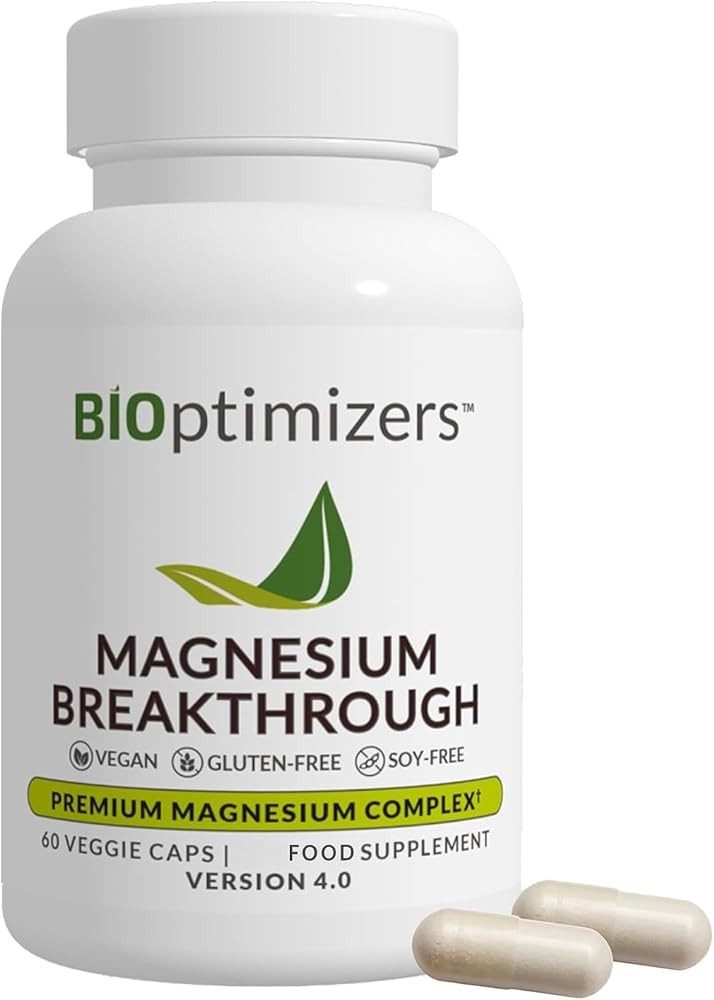
BIOptimizers Magnesium Breakthrough 60 Capsules - Sleep and Cognitive Support
Check Price on AmazonAs an Amazon Associate we earn from qualifying purchases.
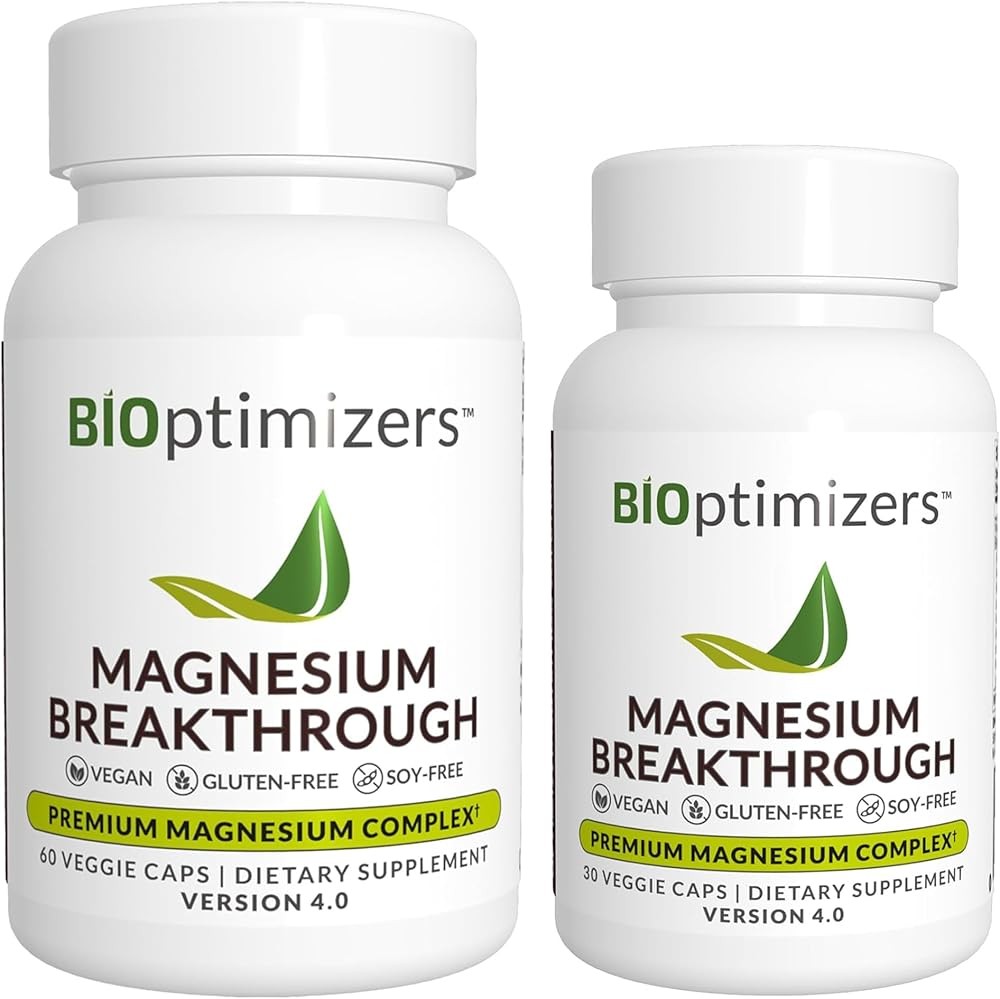
Magnesium Breakthrough 4.0 - 7 Forms of Magnesium for Sleep and Brain Health
Check Price on AmazonAs an Amazon Associate we earn from qualifying purchases.
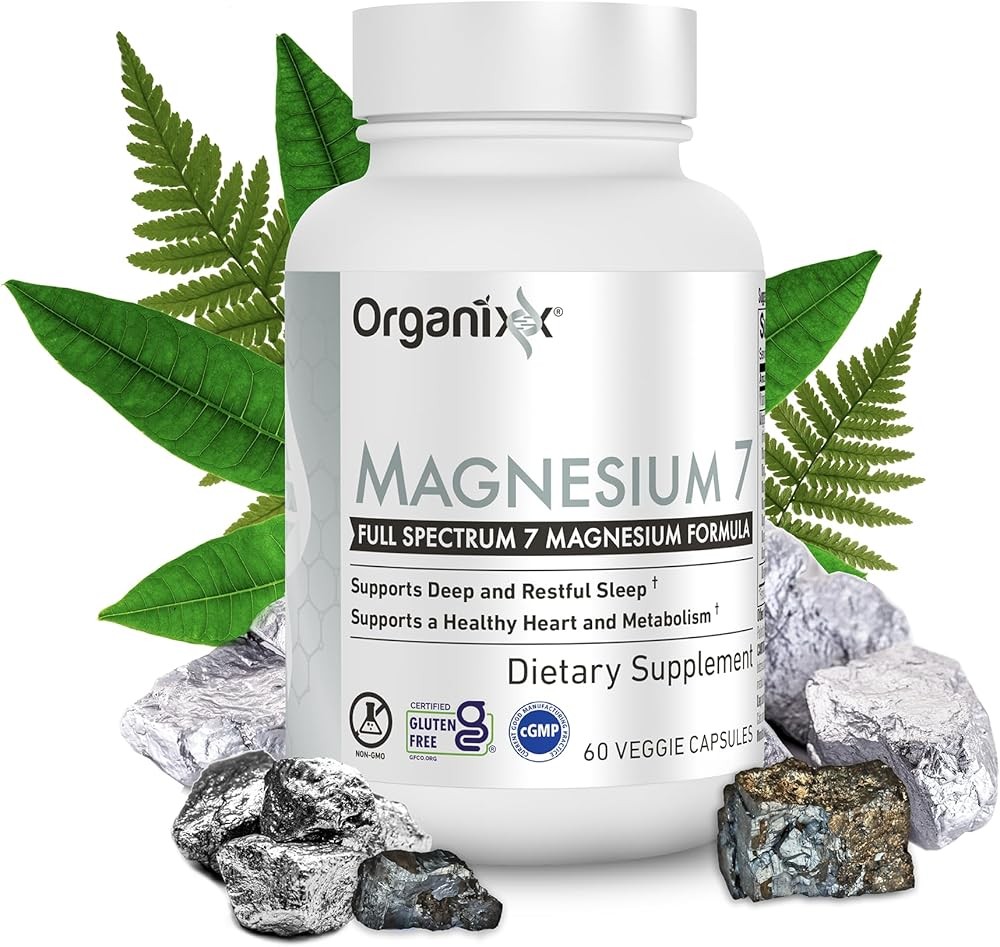
Organixx Magnesium Glycinate Supplement - High Absorption Sleep Support
Check Price on AmazonAs an Amazon Associate we earn from qualifying purchases.
Magnesium is involved in over 300 enzymatic reactions in the body, and its relevance to sleep is substantial. Surveys consistently show that a significant portion of the population does not consume adequate magnesium through diet alone, and deficiency is associated with poor sleep quality, insomnia, and reduced time in deep sleep.
How It Works: Magnesium supports deep sleep through multiple mechanisms. First, it is a cofactor for GABA (gamma-aminobutyric acid) receptor function. GABA is the brain’s primary inhibitory neurotransmitter, and its activity is essential for the brain’s transition from wakefulness into sleep, particularly into the deep, slow-wave stages. Second, magnesium helps regulate the hypothalamic-pituitary-adrenal (HPA) axis, which controls cortisol release. Elevated cortisol at night is one of the most common disruptors of deep sleep, and magnesium helps keep cortisol levels in check. Third, magnesium participates in the production and regulation of melatonin, the hormone that signals your body it is time for sleep.
Not all forms of magnesium are equally effective for sleep. The two forms with the strongest rationale for sleep support are:
- Magnesium glycinate: This chelated form provides both magnesium and glycine (the amino acid discussed above), offering a two-for-one benefit. It is well absorbed and gentle on the stomach.
- Magnesium L-threonate: This form was specifically developed to cross the blood-brain barrier more effectively. Research at MIT showed that magnesium L-threonate increases brain magnesium levels more effectively than other forms, which may translate to greater impact on GABAergic activity in the central nervous system.
By contrast, magnesium oxide, the cheapest and most common form, has poor bioavailability (roughly 4 percent absorption) and is far less effective for sleep support.
Bottom line: Magnesium glycinate appears to be one of the most effective supplements for improving deep sleep, with research showing it helps activate GABA receptors and calm the nervous system to promote slower brain waves during sleep.
The Evidence:
Abbasi et al. (2012) conducted a double-blind, placebo-controlled trial in 46 elderly subjects with primary insomnia. Participants received either 500 mg of magnesium daily or placebo for 8 weeks. The magnesium group showed statistically significant increases in sleep time (P = 0.002), sleep efficiency (P = 0.03), serum melatonin concentration (P = 0.007), and decreases in serum cortisol concentration. The researchers also found increases in serum renin, a marker associated with improved sleep regulation (PMID: 23853635).
Nielsen et al. (2010) demonstrated that magnesium deficiency alters circadian rhythm regulation in animal models, disrupting the normal sleep-wake cycle. This finding is particularly relevant because subclinical magnesium deficiency is common, especially in older adults and people who eat highly processed diets.
Dosing and Timing: Take 200 to 400 mg of elemental magnesium (from magnesium glycinate or magnesium L-threonate) approximately 30 to 60 minutes before bed. Start with a lower dose and increase gradually, as magnesium can cause loose stools in some individuals, particularly at higher doses or with less bioavailable forms.
Product Picks:
For a comprehensive comparison of magnesium forms for sleep, read: Best Magnesium Supplements for Sleep: Glycinate vs. Threonate. We also have a detailed review of the clinical data: Does Magnesium Actually Help You Sleep? What Studies Say.
3. Ashwagandha (KSM-66): The Adaptogen That Targets NREM Sleep
Ashwagandha (Withania somnifera) is one of the most well-researched adaptogens, and recent clinical trials have specifically demonstrated its ability to improve sleep quality, including markers associated with deep sleep.
How It Works: Ashwagandha supports deep sleep through two primary mechanisms. First, its active component triethylene glycol has been shown to specifically promote non-rapid eye movement (NREM) sleep in preclinical studies. Research published in PLOS ONE demonstrated that triethylene glycol from ashwagandha leaves induced significant amounts of NREM deep sleep with only slight changes in REM sleep, suggesting a targeted effect on slow-wave sleep rather than a general sedative action (PMID: 28207892).
Second, ashwagandha is a potent modulator of the stress response. By reducing cortisol levels and calming HPA axis hyperactivity, ashwagandha removes one of the most common barriers to deep sleep: stress-driven cortisol elevation at night. When cortisol remains elevated during the evening and early night hours, it directly suppresses the initiation and maintenance of slow-wave sleep.
The KSM-66 extract is the most clinically studied form, produced through a proprietary milk-based extraction process that preserves the full spectrum of active withanolides.
The Evidence:
Langade et al. (2019) conducted a double-blind, randomized, placebo-controlled study in 60 patients with insomnia. Participants received either 300 mg of ashwagandha root extract twice daily or placebo for 10 weeks. The ashwagandha group showed significant improvements in sleep onset latency, sleep efficiency, total sleep time, and Pittsburgh Sleep Quality Index (PSQI) scores compared to placebo. The treatment was well-tolerated with no adverse effects reported (PMID: 31728244).
A subsequent study by Langade et al. (2020) specifically evaluated ashwagandha’s effects using actigraphy in both healthy volunteers and insomnia patients. The extract (600 mg per day) significantly reduced sleep onset latency, increased total sleep time, and improved sleep efficiency. The improvements were more pronounced in insomnia patients than in healthy volunteers, suggesting that ashwagandha is most beneficial for those with impaired sleep (PMID: 32818573).
A systematic review and meta-analysis published in PLOS ONE (2021) analyzed five studies and confirmed that ashwagandha extract significantly improved overall sleep quality, with effects being dose-dependent. The analysis found that dosages of 600 mg per day or higher and treatment durations of 8 weeks or longer produced the most robust results (PMID: ).
Dosing and Timing: Take 300 mg of KSM-66 ashwagandha extract twice daily (morning and evening) or 600 mg in the evening, approximately 30 to 60 minutes before bed. Effects build over several weeks, with most studies reporting maximum benefit at 8 to 10 weeks of continuous use.
For detailed product comparisons and additional research, see: Best Ashwagandha Supplements for Sleep and Stress.
4. L-Theanine: Calm Without Sedation
L-theanine is an amino acid found naturally in green tea leaves. It is unique among sleep supplements because it promotes relaxation and supports sleep quality without causing drowsiness or sedation. This makes it particularly useful for people whose deep sleep is disrupted by an overactive mind or anxiety.
How It Works: L-theanine crosses the blood-brain barrier and directly influences brain neurochemistry in several ways. It increases alpha brain wave activity, the pattern associated with a state of calm, focused relaxation. Alpha waves are a precursor to the theta and delta waves that characterize sleep onset and deep sleep, respectively. L-theanine also modulates GABA, serotonin, and dopamine levels in the brain, creating the neurochemical conditions that support smooth transitions into deeper sleep stages. Additionally, L-theanine has been shown to reduce levels of excitatory neurotransmitters like glutamate, which can keep the brain in a hyperaroused state that may help reduce deep sleep.
The Evidence:
Hidese et al. (2019) conducted a randomized, placebo-controlled, crossover, double-blind trial in 30 healthy adults. Participants received 200 mg of L-theanine daily for four weeks. The L-theanine group showed significant improvements in Pittsburgh Sleep Quality Index scores (P = 0.013), with specific improvements in sleep latency, sleep disturbance, and reduced need for sleep medication compared to placebo. Scores on the State-Trait Anxiety Inventory also decreased significantly (P = 0.006) (PMID: ).
Kim et al. (2019) studied a combination of GABA and L-theanine and found that the combination decreased sleep latency by 14.9 to 20.7 percent and increased sleep duration by 26.8 to 87.3 percent compared to either compound alone. The study also showed an increase in NREM sleep, suggesting that the combination may specifically enhance deep sleep (PMID: 30707852).
Nobre et al. (2008) used EEG to measure brain wave changes following L-theanine administration. They found significant increases in alpha-wave activity within 30 to 45 minutes of taking 50 mg of L-theanine, confirming that the supplement rapidly shifts brain activity toward a relaxation pattern (PMID: ).
Dosing and Timing: Take 200 mg of L-theanine approximately 30 to 60 minutes before bed. L-theanine can also be taken during the day for anxiety without causing drowsiness. Some people find that stacking 200 mg of L-theanine with 200 to 300 mg of magnesium glycinate creates a synergistic calming effect.
Product Pick:
For more detailed product comparisons, see our guide: Best L-Theanine Supplements for Sleep and Relaxation.
5. Valerian Root: The Traditional Sleep Herb with GABAergic Action
Valerian (Valeriana officinalis) has been used as a sleep aid for centuries, and modern research has begun to elucidate the mechanisms behind its traditional reputation. While valerian is often grouped with general sleep aids, its GABAergic activity makes it relevant to deep sleep specifically.
How It Works: Valerian root contains several active compounds, including valerenic acid, isovaleric acid, and various iridoids, that interact with the GABAergic system. Valerenic acid inhibits the enzyme that breaks down GABA (GABA transaminase), effectively increasing GABA availability in the brain. Since GABA activity is a key driver of the transition from lighter sleep stages into slow-wave sleep, enhancing GABAergic tone can theoretically support deeper sleep.
Valerian also contains compounds that bind to serotonin receptors and adenosine receptors, both of which influence sleep depth and continuity. This multi-target approach may explain why valerian, despite having modest effects in individual studies, shows a consistent trend toward improved sleep quality across meta-analyses.
The Evidence:
Bent et al. (2006) conducted the most comprehensive meta-analysis of valerian for sleep, analyzing 16 eligible studies with a total of 1,093 patients. The pooled analysis found that valerian improved subjective sleep quality with a relative risk of 1.8 (95% CI: 1.2 to 2.9), meaning participants were nearly twice as likely to report improved sleep compared to placebo. The reviewers concluded that valerian “might improve sleep quality without producing side effects” (PMID: 17145239).
A more recent systematic review and meta-analysis by Shinjyo et al. (2020) updated the evidence base and confirmed that valerian shows promise for improving sleep quality and reducing sleep disturbances, with the strongest effects seen in studies using higher doses (450 to 900 mg) and longer treatment durations (PMID: 33086877).
It is worth noting that valerian typically requires two to four weeks of consistent use before benefits become apparent. This is likely because the GABAergic effects build gradually as the system reaches a new steady state.
Dosing and Timing: Take 450 to 900 mg of valerian root extract standardized to 0.8% valerenic acid, approximately 30 to 60 minutes before bed. Start at the lower end and increase if needed. Valerian has a distinctive earthy smell that some people find unpleasant; capsule forms can avoid this issue.
Product Pick:
For a head-to-head comparison with another popular sleep adaptogen, see: Valerian Root vs. Ashwagandha for Sleep: Which Is Better?.
6. Tart Cherry: Natural Melatonin Plus Anti-Inflammatory Power
Tart cherry (Prunus cerasus), particularly Montmorency tart cherry, is one of the few natural food sources of melatonin. But its sleep benefits extend beyond melatonin content alone, as its potent anti-inflammatory compounds may also contribute to improved sleep quality.
How It Works: Tart cherries contain naturally occurring melatonin, the hormone that signals your body to prepare for sleep. Unlike supplemental melatonin, which provides a pharmacological dose, the melatonin in tart cherry is present in physiological amounts and is accompanied by a matrix of polyphenolic compounds, particularly anthocyanins and proanthocyanidins, that have anti-inflammatory and antioxidant properties.
The anti-inflammatory component is relevant because systemic inflammation can disrupt sleep architecture, particularly deep sleep. Pro-inflammatory cytokines like interleukin-6 and tumor necrosis factor-alpha can alter sleep structure by increasing time in lighter sleep stages at the expense of slow-wave sleep. By reducing inflammatory signaling, tart cherry’s polyphenols may help preserve the sleep architecture that supports adequate N3 time.
Additionally, tart cherry’s proanthocyanidins have been shown to inhibit the enzyme indoleamine 2,3-dioxygenase (IDO), which degrades tryptophan. By preserving tryptophan availability, tart cherry may support the serotonin-to-melatonin conversion pathway.
The Evidence:
Howatson et al. (2012) conducted a randomized, double-blind, placebo-controlled, crossover study in 20 healthy volunteers. Participants consumed tart cherry juice concentrate for 7 days. The cherry juice group showed significantly elevated total melatonin content (P < 0.05) and significant increases in time in bed, total sleep time, and sleep efficiency (all P < 0.05) compared to placebo (PMID: 22038497).
Pigeon et al. (2010) studied tart cherry juice in older adults with insomnia and found modest but meaningful improvements in insomnia severity, including reductions in wake after sleep onset. While the study was small, it suggested that tart cherry may be particularly beneficial for age-related sleep disruption.
A more recent systematic review and meta-analysis (Losso et al., 2018) examined the pilot data and concluded that tart cherry juice consumption showed promise for improving sleep quality, with the proposed mechanisms involving both the exogenous melatonin content and the anti-inflammatory effects of the polyphenolic compounds (PMID: ).
Dosing and Timing: Consume 8 ounces of tart cherry juice or the equivalent in concentrated supplement form, approximately 1 to 2 hours before bed. Some protocols recommend taking tart cherry twice daily (morning and evening) for maximum benefit. Look for Montmorency tart cherry products specifically, as this variety has been most studied.
For detailed product reviews and research analysis, see: Best Tart Cherry Supplements for Sleep: Research Review.
7. GABA (Gamma-Aminobutyric Acid): Direct Inhibitory Signaling
GABA is the brain’s primary inhibitory neurotransmitter, and its activity is fundamentally involved in the transition from wakefulness to sleep, including the entry into deep slow-wave sleep. Supplemental GABA, particularly the fermented form known as PharmaGABA, has been studied for its potential to improve sleep quality.
How It Works: GABA works by binding to GABA-A and GABA-B receptors throughout the brain, reducing neuronal excitability and promoting a state of calm. The transition into deep sleep requires a significant increase in GABAergic tone, as the thalamocortical circuits that generate slow-wave delta oscillations are heavily regulated by GABAergic interneurons.
The primary question with supplemental GABA is whether it can cross the blood-brain barrier (BBB) in meaningful amounts. The traditional view has been that GABA crosses the BBB poorly, but more recent research suggests that small amounts may cross, particularly in individuals with a more permeable BBB (which can occur with aging, stress, or certain health conditions). PharmaGABA, produced through a natural fermentation process using Lactobacillus hilgardii, may also exert effects through the gut-brain axis via vagal nerve stimulation.
The Evidence:
Byun et al. (2018) conducted a randomized, double-blind trial of GABA from fermented rice germ (300 mg) in patients with insomnia symptoms. After 4 weeks, the GABA group showed reduced sleep latency compared to control, with participants dosing 1 hour before sleep. However, the study did not find significant effects on deep NREM (N3) sleep time, REM sleep time, or delta wave power specifically (PMID: ).
A systematic review by Hepsomali et al. (2020) examined all published studies on oral GABA and sleep. The review concluded that while there is “limited supportive evidence” for objective sleep improvements, subjective improvements in sleep quality were more consistently reported. The review noted that biosynthetic GABA (PharmaGABA) appeared to show more promising results than synthetic GABA (PMID: 33041752).
Kim et al. (2019) found that combining GABA with L-theanine produced synergistic effects on sleep, including increased NREM sleep duration, that were greater than either compound alone (PMID: 30707852). This combination approach may help overcome the BBB limitation of GABA alone.
Dosing and Timing: Take 100 to 300 mg of PharmaGABA (fermented, natural GABA) approximately 30 to 60 minutes before bed. Consider combining with 200 mg of L-theanine for synergistic effects. PharmaGABA is preferred over synthetic GABA based on the available evidence.
8. Phosphatidylserine: The Cortisol Controller
Phosphatidylserine (PS) is a phospholipid found in high concentrations in brain cell membranes. While it is most commonly discussed for its cognitive benefits, its ability to modulate cortisol makes it relevant for people whose deep sleep is disrupted by elevated nighttime cortisol.
How It Works: Elevated cortisol is one of the most potent suppressors of deep sleep. Cortisol naturally follows a circadian pattern, with levels peaking in the early morning and dropping to their lowest point in the late evening and early night. When this pattern is disrupted by chronic stress, anxiety, or HPA axis dysfunction, cortisol remains elevated during the hours when deep sleep should be occurring. Since slow-wave sleep and cortisol release have an inverse relationship (deep sleep suppresses cortisol release, and cortisol suppresses deep sleep), this creates a vicious cycle.
Phosphatidylserine has been shown to blunt the cortisol response, particularly in the context of stress. By helping normalize the HPA axis, PS can help restore the evening cortisol trough that is necessary for optimal deep sleep.
The Evidence:
Starks et al. (2008) conducted a double-blind, placebo-controlled, crossover study examining 600 mg of phosphatidylserine daily for 10 days. The PS group showed significantly lower cortisol levels compared to placebo, with cortisol AUC reduced by 35 percent (P < 0.01). The study also found a favorable shift in the testosterone-to-cortisol ratio (PMID: ).
Monteleone et al. (1992) demonstrated that chronic phosphatidylserine administration (800 mg daily) blunted the stress-induced activation of the hypothalamo-pituitary-adrenal axis in healthy men, providing further evidence for its cortisol-modulating effects (PMID: 1325348).
Hellhammer et al. (2014) found that a soy-based phosphatidylserine and phosphatidic acid complex normalized stress reactivity and cortisol response in chronically stressed subjects over 12 weeks of supplementation (PMID: ).
Dosing and Timing: Take 200 to 600 mg of phosphatidylserine in the evening, ideally with a small meal containing some fat for better absorption. PS is fat-soluble, so taking it on an empty stomach reduces bioavailability. Effects on cortisol modulation may take 2 to 4 weeks to become apparent.
9. Apigenin: The Chamomile Flavonoid That Binds Benzodiazepine Sites
Apigenin is a flavonoid found abundantly in chamomile, parsley, and celery. It has gained significant attention in recent years, partly due to neuroscientist Andrew Huberman’s discussion of its sleep-promoting properties. What makes apigenin particularly interesting is its mechanism of action: it binds to the same benzodiazepine receptor sites on the GABA-A receptor as pharmaceutical sleep aids, but without the dependence, tolerance, or cognitive impairment associated with benzodiazepine drugs.
How It Works: Apigenin is a selective positive allosteric modulator of GABA-A receptors. Specifically, it binds to the benzodiazepine binding site on the GABA-A receptor complex, enhancing GABA’s inhibitory effects without directly activating the receptor. This means it amplifies the brain’s natural GABAergic signaling rather than overriding it. The result is anxiolytic and mild sedative effects that promote relaxation and support the transition into sleep, including deep sleep, without the heavy sedation or morning grogginess associated with pharmaceutical GABA-A agonists.
Research has shown that apigenin competitively inhibits the binding of flunitrazepam (a benzodiazepine) at the central benzodiazepine receptor with a Ki of 4 micromolar, confirming that it acts at the same site but with gentler, more modulatory effects.
The Evidence:
Salehi et al. (2019) published a comprehensive review of apigenin’s therapeutic potential, including its effects on sleep and anxiety. The review documented that apigenin acts as a ligand for central benzodiazepine receptors, exerting anxiolytic and slight sedative effects. The paper also highlighted apigenin’s anti-inflammatory and neuroprotective properties, which may contribute to its sleep benefits through reduction of neuroinflammation (PMID: 30875872).
Zanoli et al. (2012) demonstrated that apigenin enhanced pentobarbital-induced sleep through chloride ion channel activation, confirming the GABA-A receptor mechanism in a whole-animal model (PMID: 22370792).
A 2024 review published in GeroScience specifically examined apigenin at the intersection of sleep and aging, noting that its dual action on GABA-A receptors and anti-inflammatory pathways makes it particularly relevant for addressing the age-related decline in deep sleep (PMID: 38476603).
Dosing and Timing: Take 50 to 100 mg of apigenin approximately 30 to 60 minutes before bed. Standardized chamomile extract (containing a minimum of 1.2% apigenin) is a common source. Some people prefer pure apigenin supplements for more precise dosing. Apigenin has an excellent safety profile and does not produce dependence or withdrawal effects.
For a deeper analysis of apigenin for sleep, including the Huberman protocol, see: Apigenin for Sleep: The Supplement Andrew Huberman Recommends.
Additional Supplements Worth Mentioning
While the nine supplements above have the strongest relevance to deep sleep specifically, several others deserve brief mention:
Magnesium CALM (Magnesium Citrate Drink): For people who prefer a drink-based magnesium supplement, Natural Vitality CALM provides magnesium in citrate form. While magnesium citrate is not as targeted for sleep as glycinate or threonate, it is well absorbed and the ritual of preparing a warm magnesium drink before bed can support a relaxing nighttime routine.
Tryptophan and 5-HTP: These serotonin precursors can support melatonin production and may indirectly influence deep sleep. However, they should be used cautiously, particularly by anyone taking SSRIs or other serotonergic medications, due to the risk of serotonin syndrome.
CBD (Cannabidiol): Preliminary research suggests that higher doses of CBD (160 mg or more) may increase total sleep time, but the evidence for specific effects on deep sleep is still limited and mixed.
Melatonin: While melatonin is the most popular sleep supplement worldwide, it is important to note that it primarily affects sleep onset timing rather than deep sleep specifically. Meta-analyses, including Buscemi et al. (2005), have found that melatonin reduces sleep onset latency but does not reliably increase slow-wave sleep (PMID: 16423108). Melatonin is most useful for circadian rhythm issues (jet lag, shift work, delayed sleep phase) rather than for improving deep sleep quality. For this reason, our recommendations in this article focus on supplements that more directly target N3 sleep mechanisms.
For a complete roundup of non-melatonin sleep supplements, see: Best Sleep Supplements That Don’t Contain Melatonin.
Bottom line: Melatonin (0.5-5mg) taken 30-60 minutes before bed can improve deep sleep quality, particularly in older adults or those with disrupted circadian rhythms.
Clues Your Body Tells You: Signs Your Deep Sleep Needs Help
Your body provides numerous signals when deep sleep is insufficient. Learning to read these clues can help you identify a deep sleep deficit before it leads to more serious health consequences, and can also help you evaluate whether your supplement protocol is working.
Signs You Are Not Getting Enough Deep Sleep
Physical Recovery Signals:
- You wake up feeling unrested despite sleeping seven to eight hours
- Muscle soreness from workouts lingers for days longer than it should
- Minor injuries (cuts, bruises, strains) support recovery slowly
- You feel physically heavy or sluggish in the morning, even after adequate sleep duration
- Exercise performance has plateaued or declined despite consistent training
Cognitive and Emotional Signals:
- Difficulty concentrating or a persistent feeling of brain fog
- New information does not stick, and learning feels harder than usual
- You feel emotionally volatile or easily overwhelmed by minor stressors
- Creative thinking and problem-solving feel labored
- You find yourself relying more heavily on caffeine to function normally
Metabolic and Hormonal Signals:
- Unexplained weight gain, particularly around the midsection
- Increased sugar and carbohydrate cravings, especially later in the day
- Decreased libido or diminished sexual function
- Hair thinning or changes in skin quality
- Feeling cold frequently, particularly in the extremities
Immune Signals:
- Catching colds and infections more frequently than usual
- Allergies or inflammatory conditions worsening
- Slow recovery from illness
What Improvement Looks Like
When your deep sleep improves, the changes are often noticeable within one to four weeks. Here is what to expect:
Week 1: You may notice that you wake up feeling slightly more refreshed. Morning grogginess (sleep inertia) diminishes. Sleep may feel subjectively deeper or more continuous. If using a sleep tracker, you may begin to see small increases in deep sleep percentage.
Week 2: Physical recovery from exercise begins to improve. You may notice reduced muscle soreness and better workout performance. Energy levels in the afternoon start to stabilize, with less reliance on caffeine.
Week 1 to 4 (Ongoing): Concentration and mental clarity improve. You may find that you remember new information more easily. Emotional resilience increases, with stressors feeling more manageable.
Month 1 to 3: If using a sleep tracker, trends in deep sleep duration should show measurable improvement. Body composition may begin shifting favorably (reduced abdominal fat, improved muscle tone) due to enhanced growth hormone release. Skin quality and wound support recovery may improve. Immune function normalizes, with fewer sick days.
Warning Signs That Warrant Medical Attention
While supplements can support deep sleep, certain symptoms suggest an underlying condition that requires professional evaluation:
-
Loud snoring accompanied by witnessed breathing pauses (possible sleep apnea, which directly destroys deep sleep architecture)
-
Excessive daytime sleepiness despite adequate sleep duration (may indicate sleep apnea, narcolepsy, or other sleep disorders)
-
Restless or uncomfortable sensations in the legs at bedtime (possible restless leg syndrome)
-
Acting out dreams physically (possible REM sleep behavior disorder)
-
Persistent insomnia lasting more than three months despite good sleep hygiene
If you experience any of these, please consult a sleep medicine specialist. A formal sleep study (polysomnography) can provide definitive information about your sleep architecture and identify any disorders that supplements alone cannot address.
How Do You Build an Effective Deep Sleep Supplement Stack?
Not everyone needs every supplement discussed above. The most effective approach is to build your stack in tiers, starting with the supplements that have the strongest evidence and broadest applicability, and adding targeted compounds based on your individual needs.
Tier 1: The Foundation (Start Here)
Glycine (3 grams) + Magnesium Glycinate (200 to 400 mg elemental magnesium)
This combination addresses two fundamental prerequisites for deep sleep: thermoregulation and GABAergic tone. Glycine lowers core body temperature through NMDA receptor activation in the SCN, creating the physiological conditions for deep sleep entry. Magnesium supports GABA receptor function, helps regulate melatonin and cortisol, and provides additional glycine when taken in the glycinate form. Together, they cover the two most common nutritional deficits that impair deep sleep.
The magnesium glycinate form is ideal because it provides both minerals in a single supplement, is well absorbed, and is gentle on the stomach. If you want additional brain-targeted magnesium, you can add magnesium L-threonate during the day.
Bottom line: Glycine taken before bed (3 grams) has been shown in studies to increase time spent in deep sleep and improve overall sleep quality without causing daytime drowsiness.
Expected timeline: Most people notice improvements in sleep quality within 3 to 7 days. Allow 2 to 4 weeks for full effects.
Tier 2: Targeted Enhancement (Add Based on Your Needs)
Option A: L-Theanine (200 mg) for Anxiety-Related Sleep Issues
If your deep sleep is disrupted primarily by an overactive mind, racing thoughts, or evening anxiety, add L-theanine to your Tier 1 stack. L-theanine promotes alpha brain waves and modulates GABAergic signaling without causing sedation, making it an ideal complement to glycine and magnesium. The combination of L-theanine’s calming effects with glycine’s thermoregulatory action creates optimal conditions for deep sleep entry.
Option B: Ashwagandha KSM-66 (600 mg) for Stress-Related Sleep Issues
If your sleep disruption is driven by chronic stress, elevated cortisol, or HPA axis dysfunction, ashwagandha is the better Tier 2 choice. Its adaptogenic properties help normalize the cortisol curve, restoring the evening cortisol trough that is necessary for deep sleep. Ashwagandha takes longer to reach full effect (4 to 8 weeks), so patience is required. Consider combining it with phosphatidylserine (200 to 400 mg) for enhanced cortisol modulation.
Option C: Apigenin (50 mg) for Gentle GABAergic Support
If you want mild benzodiazepine-like relaxation without any of the risks associated with pharmaceutical GABA-A agonists, apigenin is an excellent Tier 2 addition. It works synergistically with the GABAergic support from magnesium, and its anti-inflammatory properties provide additional benefit.
Tier 3: Advanced Additions (For Specific Situations)
Tart Cherry Concentrate for people over 50 or those with inflammatory conditions. The combination of natural melatonin and anti-inflammatory polyphenols is particularly valuable for addressing the dual challenge of age-related melatonin decline and systemic inflammation.
Valerian Root (450 to 600 mg) for people who want additional GABAergic support and have not responded adequately to magnesium and apigenin alone. Valerian works through a different GABAergic mechanism (GABA transaminase inhibition) and can complement the other GABA-modulating supplements.
PharmaGABA (100 to 300 mg) for acute situations where you need extra support on a particular night. Combining PharmaGABA with L-theanine has been shown to produce synergistic effects on NREM sleep.
Sample Protocol: The Complete Deep Sleep Stack
Here is how a full deep sleep supplement protocol might look:
60 minutes before bed:
- Ashwagandha KSM-66: 300 mg (if using; omit if not needed)
- Phosphatidylserine: 200 mg (if using; take with a small fatty snack)
30 minutes before bed:
- Glycine: 3 grams (mixed in water or taken as capsules)
- Magnesium glycinate: 400 mg elemental magnesium
- L-Theanine: 200 mg
- Apigenin: 50 mg
Start with Tier 1 alone for at least two weeks before adding Tier 2 or Tier 3 supplements. This allows you to assess the baseline response and determine which additional compounds, if any, are needed.
Who Should Be Careful
While the supplements discussed in this article have generally favorable safety profiles, certain populations should exercise caution.
Pregnant or Breastfeeding Women: Ashwagandha, valerian root, and high-dose supplemental GABA have not been adequately studied in pregnancy. Glycine and magnesium are generally considered safe in recommended doses, but it is essential to consult with an obstetrician before adding any supplement during pregnancy or breastfeeding.
People Taking Sedative Medications: Benzodiazepines, barbiturates, Z-drugs (zolpidem, zaleplon), and other sedative-hypnotic medications interact with the same receptor systems as several of these supplements. Combining them can potentially cause excessive sedation, respiratory depression, or unpredictable effects. Always discuss supplement use with your prescribing physician if you take any sedative medication.
People Taking Blood Pressure Medications: Magnesium has mild blood pressure-lowering effects, and glycine’s vasodilatory action could theoretically compound this. If you take antihypertensive medications, start with lower supplement doses and monitor your blood pressure.
People with Kidney Disease: The kidneys are responsible for excreting excess magnesium, glycine, and other amino acids. Impaired kidney function can lead to accumulation of these compounds. People with chronic kidney disease should consult a nephrologist before supplementing.
People Taking Thyroid Medications: Ashwagandha may influence thyroid hormone levels. If you take levothyroxine or other thyroid medications, have your thyroid function monitored after starting ashwagandha.
People with Autoimmune Conditions: Ashwagandha is an immune stimulant and may theoretically worsen certain autoimmune conditions. Consult your rheumatologist or immunologist before using it.
What Are the Most Common Myths About Deep Sleep Supplements?
Myth 1: “More melatonin means more deep sleep.”
This is one of the most persistent misconceptions. Melatonin is a circadian rhythm regulator, not a deep sleep promoter. It helps signal to your body that it is time for sleep, but it does not specifically increase the amount of time you spend in N3 slow-wave sleep. Meta-analyses have shown that melatonin primarily reduces sleep onset latency without reliably affecting sleep architecture. If your goal is specifically to increase deep sleep, the supplements discussed in this article (glycine, magnesium, ashwagandha, L-theanine) are more targeted choices.
Myth 2: “You need to take supplements every night for them to work.”
Some supplements, like ashwagandha and valerian, do require consistent daily use to build to full efficacy. However, others, like glycine and L-theanine, can be effective on a single-dose basis. Understanding which category each supplement falls into allows you to design a protocol that is flexible rather than rigid.
Myth 3: “If a supplement makes you drowsy, it is improving your deep sleep.”
Drowsiness and deep sleep are not the same thing. In fact, some substances that cause pronounced drowsiness (like alcohol or antihistamines) actually suppress deep sleep. The ideal deep sleep supplement supports the physiological conditions for N3 entry (lowered core temperature, enhanced GABAergic tone, reduced cortisol) without causing heavy sedation.
Myth 4: “Sleep supplements are addictive.”
The supplements discussed in this article (glycine, magnesium, L-theanine, ashwagandha, valerian, tart cherry, apigenin, phosphatidylserine, GABA) do not produce physical dependence or withdrawal effects. This is in stark contrast to pharmaceutical sleep aids like benzodiazepines and Z-drugs, which can cause dependence with regular use. Apigenin binds to the same receptor sites as benzodiazepines but acts as a weak partial agonist rather than a full agonist, which is why it does not carry the same addiction risk.
Myth 5: “You can supplement your way out of poor sleep habits.”
No supplement can fully compensate for an irregular sleep schedule, excessive screen time before bed, a hot or noisy bedroom, or high caffeine intake late in the day. Supplements work best as part of a comprehensive sleep optimization strategy that includes consistent sleep and wake times, a cool and dark sleeping environment, and a relaxing pre-bed routine.
For a complete evidence-based guide to sleep hygiene, see: Best Nighttime Routine for Better Sleep: Evidence-Based Tips.
Complete Support System: Building Your Deep Sleep Protocol
Optimizing deep sleep requires more than supplements alone. A comprehensive approach combines targeted supplementation with sleep hygiene tools and environmental optimization.
Core Supplement Stack:
- Foundation tier: Magnesium glycinate (200-400 mg) + Glycine (3 grams) taken 30-60 minutes before bed
- Enhancement tier: Add L-theanine (200 mg) for anxiety or Ashwagandha KSM-66 (600 mg) for stress-related issues
- Advanced tier: Consider phosphatidylserine (200-400 mg) if cortisol dysregulation is suspected
Sleep Environment Tools:
- Temperature control: Cooling mattress pad or programmable thermostat set to 60-67°F
- Light management: Blackout curtains and blue light blocking glasses for evening use
- Sound optimization: White noise machine or earplugs for uninterrupted slow-wave sleep
Sleep Tracking:
- Wearable devices: Oura Ring, Whoop, or Apple Watch to monitor deep sleep percentage trends over 7-14 days
- Sleep diary: Track supplement timing, dosing, and subjective sleep quality alongside objective metrics
Related Products for Complete Sleep Support:
- Sleep masks with contoured eye cavities for complete darkness
- Magnesium glycinate supplement for foundational GABA support
- Cooling weighted blankets combining temperature regulation with deep pressure stimulation
- Sunrise alarm clocks for circadian rhythm anchoring
This integrated approach addresses sleep from multiple angles: neurochemical (supplements), environmental (temperature and light), and behavioral (consistent timing and tracking), creating optimal conditions for sustained improvements in slow-wave sleep architecture.
Practical Tips for Maximizing Deep Sleep Beyond Supplements
While supplements can provide meaningful support for deep sleep, they work best in combination with behavioral and environmental strategies.
Temperature Management: Keep your bedroom between 60 and 67 degrees Fahrenheit (15 to 19 degrees Celsius). Consider taking a warm bath or shower 90 minutes before bed. The subsequent drop in core body temperature mimics the thermoregulatory signal that initiates deep sleep, the same mechanism that glycine supports biochemically.
Light Exposure Timing: Get bright light exposure (ideally sunlight) within the first hour of waking. This anchors your circadian rhythm and ensures that melatonin release occurs at the optimal time in the evening. In the evening, minimize exposure to blue and green light from screens and bright overhead lighting for at least one to two hours before bed.
Meal Timing: Avoid large meals within two to three hours of bedtime. However, a small snack containing complex carbohydrates and protein can support tryptophan delivery to the brain. This is also a good time to take fat-soluble supplements like phosphatidylserine.
Alcohol Avoidance: Even moderate alcohol consumption (one to two drinks) has been shown to dramatically reduce deep sleep. Alcohol initially acts as a sedative but fragments sleep architecture in the second half of the night, with particular damage to slow-wave sleep.
Consistent Schedule: Go to bed and wake up at the same time every day, including weekends. This consistency strengthens your circadian rhythm and ensures that the hormonal cascades that support deep sleep occur reliably each night.
Exercise Timing: Regular exercise, especially resistance training, increases deep sleep. However, vigorous exercise within three hours of bedtime can elevate core body temperature and cortisol levels, both of which oppose deep sleep entry. Morning or early afternoon exercise is ideal.
Related Articles
- Sleep and Recovery: Best Glycine Supplements for Deep Sleep
- Best Magnesium Supplements for Sleep: Glycinate vs. Threonate
- Does Magnesium Actually Help You Sleep? What Studies Say
- Best Ashwagandha Supplements for Sleep and Stress
- Best L-Theanine Supplements for Sleep and Relaxation
- Best Tart Cherry Supplements for Sleep: Research Review
- Valerian Root vs. Ashwagandha for Sleep: Which Is Better?
- Best Sleep Supplements That Don’t Contain Melatonin
- Apigenin for Sleep: The Supplement Andrew Huberman Recommends
- Best Nighttime Routine for Better Sleep: Evidence-Based Tips
Related Reading
- Sleep and Recovery: Best Glycine Supplements for Deep Sleep
- REM Sleep Rebound After Quitting Alcohol: Recovery Supplements That Actually Work
- Best Tart Cherry Supplements for Sleep Research Review
- REM Sleep Supplements: How to Increase Deep Sleep and Dream Quality
- Sleep and Recovery: Best Magnesium Supplements for Sleep - Glycinate vs Threonate
- Best L-Theanine Supplements for Sleep and Relaxation
- Sleep and Recovery: Best Sleep Supplements that Don’t Contain Melatonin
References
[101] 40918053 - Magnesium Bisglycinate Supplementation in Healthy Adults Reporting Poor Sleep: A Randomized, Placebo-Controlled Trial.
[102] 30707852 - GABA and l-theanine mixture decreases sleep latency and improves NREM sleep.
[103] 41531275 - Walnut peptide and theanine combination ameliorates sleep disorders: a multi-species study including a human trial.
[104] 35449538 - A Novel Theanine Complex, Mg-L-Theanine Improves Sleep Quality via Regulating Brain Electrochemical Activity.
[105] 41859230 - Rhythms of life: melatonin, nutrition, sleep, and antioxidant strategies for healthy aging.
[106] 36094342 - Nutritional Modulation of Sleep Latency, Duration, and Efficiency: A Randomized, Double-Blind, Placebo-Controlled Crossover Trial.
-
Abbasi, B., Kimiagar, M., Sadeghniiat, K., Shirazi, M. M., Hedayati, M., & Rashidkhani, B. (2012). The effect of magnesium supplementation on primary insomnia in elderly: A double-blind placebo-controlled clinical trial. Journal of Research in Medical Sciences, 17(12), 1161-1169. PubMed: 23853635
-
Bannai, M., & Kawai, N. (2012). New therapeutic strategy for amino acid medicine: glycine improves the quality of sleep. Journal of Pharmacological Sciences, 118(2), 145-148. PubMed: 22293292
-
Bannai, M., Kawai, N., Ono, K., Nakahara, K., & Murakami, N. (2012). The effects of glycine on subjective daytime performance in partially sleep-restricted healthy volunteers. Frontiers in Neurology, 3, 61. PubMed: 22529837
-
Bent, S., Padula, A., Moore, D., Patterson, M., & Mehling, W. (2006). Valerian for sleep: a systematic review and meta-analysis. American Journal of Medicine, 119(12), 1005-1012. PubMed: 17145239
-
Buscemi, N., Vandermeer, B., Hooton, N., Pandya, R., Tjosvold, L., Hartling, L., Baker, G., Klassen, T. P., & Vohra, S. (2005). The efficacy and safety of exogenous melatonin for primary sleep disorders: A meta-analysis. Journal of General Internal Medicine, 20(12), 1151-1158. PubMed: 16423108
-
Byun, J. I., Shin, Y. Y., Chung, S. E., & Shin, W. C. (2018). Safety and efficacy of gamma-aminobutyric acid from fermented rice germ in patients with insomnia symptoms: a randomized, double-blind trial. Journal of Clinical Neurology, 14(3), 291-295. PubMed:
-
Hellhammer, J., Fries, E., Buss, C., Engert, V., Tuch, A., Rutenberg, D., & Hellhammer, D. (2014). Effects of soy lecithin phosphatidic acid and phosphatidylserine complex (PAS) on the endocrine and psychological responses to mental stress. Stress, 7(2), 119-126. PubMed:
-
Hepsomali, P., Groeger, J. A., Nishihira, J., & Scholey, A. (2020). Effects of oral gamma-aminobutyric acid (GABA) administration on stress and sleep in humans: a systematic review. Frontiers in Neuroscience, 14, 923. PubMed: 33041752
-
Hidese, S., Ogawa, S., Ota, M., Ishida, I., Yasukawa, Z., Ozeki, M., & Kunugi, H. (2019). Effects of L-theanine administration on stress-related symptoms and cognitive functions in healthy adults: A randomized controlled trial. Nutrients, 11(10), 2362. PubMed:
-
Howatson, G., Bell, P. G., Tallent, J., Mayfield, B., McHugh, M. P., & Ellis, J. (2012). Effect of tart cherry juice (Prunus cerasus) on melatonin levels and enhanced sleep quality. European Journal of Nutrition, 51(8), 909-916. PubMed: 22038497
-
Kawai, N., Sakai, N., Okuro, M., Karakawa, S., Tsuneyoshi, Y., Kawasaki, N., Takeda, T., Ban, M., Nishi, M., & Nishino, S. (2015). The sleep-promoting and hypothermic effects of glycine are mediated by NMDA receptors in the suprachiasmatic nucleus. Neuropsychopharmacology, 40(6), 1405-1416. PubMed: 25533534
-
Kim, S., Jo, K., Hong, K. B., Han, S. H., & Suh, H. J. (2019). GABA and L-theanine mixture decreases sleep latency and improves NREM sleep. Pharmaceutical Biology, 57(1), 65-73. PubMed: 30707852
-
Langade, D., Kanchi, S., Salve, J., Debnath, K., & Ambegaokar, D. (2019). Efficacy and safety of Ashwagandha (Withania somnifera) root extract in insomnia and anxiety: A double-blind, randomized, placebo-controlled study. Cureus, 11(9), e5797. PubMed: 31728244
-
Langade, D., Thakare, V., Kanchi, S., & Kelgane, S. (2020). Clinical evaluation of the pharmacological impact of ashwagandha root extract on sleep in healthy volunteers and insomnia patients. Journal of Ethnopharmacology, 264, 113276. PubMed: 32818573
-
Maquet, P., Smith, C., & Stickgold, R. (2005). Sleep and brain plasticity. Oxford University Press.
-
Monteleone, P., Beinat, L., Tanzillo, C., Maj, M., & Kemali, D. (1992). Blunting by chronic phosphatidylserine administration of the stress-induced activation of the hypothalamo-pituitary-adrenal axis in healthy men. European Journal of Clinical Pharmacology, 42(4), 385-388. PubMed: 1325348
-
Nobre, A. C., Rao, A., & Owen, G. N. (2008). L-theanine, a natural constituent in tea, and its effect on mental state. Asia Pacific Journal of Clinical Nutrition, 17(S1), 167-168. PubMed:
-
Nielsen, F. H., Johnson, L. K., & Zeng, H. (2010). Magnesium supplementation improves indicators of low magnesium status and inflammatory stress in adults older than 51 years with poor quality sleep. Magnesium Research, 23(4), 158-168.
-
Salehi, B., Venditti, A., Sharifi-Rad, M., Kregiel, D., Sharifi-Rad, J., Durazzo, A., Lucarini, M., Santini, A., Souto, E. B., Novellino, E., Antolak, H., Azzini, E., Setzer, W. N., & Martins, N. (2019). The therapeutic potential of apigenin. International Journal of Molecular Sciences, 20(6), 1305. PubMed: 30875872
-
Shinjyo, N., Waddell, G., & Green, J. (2020). Valerian root in treating sleep problems and associated disorders: A systematic review and meta-analysis. Journal of Evidence-Based Integrative Medicine, 25, 2515690X20967323. PubMed: 33086877
-
Starks, M. A., Starks, S. L., Kingsley, M., Purpura, M., & Jager, R. (2008). The effects of phosphatidylserine on endocrine response to moderate intensity exercise. Journal of the International Society of Sports Nutrition, 5, 11. PubMed:
-
Van Cauter, E., Leproult, R., & Plat, L. (2000). Age-related changes in slow wave sleep and REM sleep and relationship with growth hormone and cortisol levels in healthy men. JAMA, 284(7), 861-868. PubMed:
-
Yamadera, W., Inagawa, K., Chiba, S., Bannai, M., Takahashi, M., & Nakayama, K. (2007). Glycine ingestion improves subjective sleep quality in human volunteers, correlating with polysomnographic changes. Sleep and Biological Rhythms, 5(2), 126-131.
-
Zanoli, P., Avallone, R., & Baraldi, M. (2012). Enhancement of pentobarbital-induced sleep by apigenin through chloride ion channel activation. Archives of Pharmacal Research, 23(3), 243-247. PubMed: 22370792
Our Top Recommendations
📱 Join the discussion: Facebook | X | YouTube | Pinterest
Where to Buy Quality Supplements
Based on the research discussed in this article, here are some high-quality options:
- Magnesium Supplement
- Magnesium Glycinate Supplement
- Ashwagandha Supplement
- Cbd Supplement
- Melatonin Supplement
Common Questions About Supplements
What are the benefits of supplements?
Supplements has been studied for various potential health benefits. Research suggests it may support several aspects of health and wellness. Individual results can vary. The strength of evidence differs across different claimed benefits. More high-quality research is often needed. Always review the latest scientific literature and consult healthcare professionals about whether supplements is right for your health goals.
Is supplements safe?
Supplements is generally considered safe for most people when used as directed. However, individual responses can vary. Some people may experience mild side effects. It’s important to talk with a healthcare provider before using supplements, especially if you have existing health conditions, are pregnant or nursing, or take medications.
How much supplements should I take?
The appropriate dosage of supplements can vary based on individual factors, health goals, and the specific product formulation. Research studies have used different amounts. Always start with the lowest effective dose and follow product label instructions. Consult a healthcare provider for personalized dosage recommendations based on your specific needs.
What are the side effects of supplements?
Most people tolerate supplements well, but some may experience mild side effects. Common reported effects can include digestive discomfort, headaches, or other minor symptoms. Serious side effects are rare but possible. If you experience any unusual symptoms or reactions, discontinue use and consult a healthcare provider. Always inform your doctor about all supplements you take.
When should I take supplements?
The optimal timing for taking supplements can depend on several factors including its absorption characteristics, potential side effects, and your daily routine. Some supplements work best with food, while others are better absorbed on an empty stomach. Follow product-specific guidelines and consider consulting a healthcare provider for personalized timing recommendations.
Can I take supplements with other supplements?
Supplements is a topic of ongoing research in health and nutrition. Current scientific evidence provides some insights, though more studies are often needed. Individual responses can vary significantly. For personalized advice about whether and how to use supplements, consult with a qualified healthcare provider who can consider your complete health history and current medications.
How long does supplements take to work?
The time it takes for supplements to work varies by individual and depends on factors like dosage, consistency of use, and individual metabolism. Some people notice effects within days, while others may need several weeks. Research studies typically evaluate effects over weeks to months. Consistent use as directed is important for best results. Keep a journal to track your response.
Who should not take supplements?
Recommended Products