Valerian vs Ashwagandha: Valerian Works Faster (3-14 Days) But Ashwagandha Cuts Cortisol 30%
Summarized from peer-reviewed research indexed in PubMed. See citations below.
More than 50 million Americans suffer from chronic sleep disorders, with one in three adults regularly failing to get the recommended seven to nine hours per night. For stress-driven insomnia with racing thoughts and cortisol-fueled wakefulness, KSM-66 ashwagandha at 600 mg daily significantly improves sleep latency, efficiency, and total sleep time (p<0.0001) by normalizing cortisol rhythms and upregulating GABA-A receptors, though full effects take 2-4 weeks. Clinical trials demonstrate ashwagandha reduces morning cortisol levels across 4-13 week studies while also providing daytime benefits including reduced anxiety, better stress resilience, and improved mental alertness. For simple sleep-onset issues without stress, valerian root (300-600 mg standardized to 0.8% valerenic acid) works faster, showing significant PSQI improvements within 14 days through direct GABA-A receptor modulation, though at $8-15 monthly versus ashwagandha’s $15-25 cost. Here’s what the published research shows about these two mechanistically distinct approaches to better sleep.
Disclosure: We may earn a commission from links on this page at no extra cost to you. Affiliate relationships never influence our ratings. Full policy →
Quick Comparison Table
| Feature | Valerian Root | Ashwagandha |
|---|---|---|
| Primary Mechanism | GABA-A receptor modulation | Cortisol reduction, HPA axis regulation |
| Best For | Difficulty falling asleep | Stress-driven insomnia, racing thoughts |
| Onset Time | 3-14 days | 2-4 weeks |
| Clinical Dose | 300-600 mg (0.8% valerenic acid) | 300-600 mg (KSM-66 or equivalent) |
| Timing | 30-60 min before bed | Split dosing or with dinner |
| Side Effects | Vivid dreams, mild morning grogginess | Rare GI discomfort, thyroid considerations |
| Evidence Quality | Moderate (variable extracts) | Moderate-to-good (standardized extracts) |
| Sleep Latency | 14-17 min reduction | Significant improvement (p<0.0001) |
| Additional Benefits | Mild anxiety relief | Stress resilience, daytime energy, cognitive support |
| Monthly Cost | $8-15 | $15-25 |
| Can Stack? | Yes - complementary mechanisms | Yes - complementary mechanisms |
Why Are Millions Turning to Valerian Root and Ashwagandha for Sleep?
More than 50 million Americans suffer from chronic sleep disorders, and an estimated one in three adults regularly fails to get the recommended seven to nine hours of sleep per night. The consequences extend far beyond daytime fatigue: chronic sleep deprivation raises the risk of cardiovascular disease, type 2 diabetes, obesity, depression, and impaired cognitive function. While pharmaceutical sleep aids work, they often carry concerns about dependence, next-day impairment, and long-term safety, which is why millions of people are turning to natural alternatives.
Two of the most researched herbal sleep supplements are valerian root (Valeriana officinalis) and ashwagandha (Withania somnifera). Both have centuries of traditional use and growing bodies of clinical evidence, but they work through fundamentally different mechanisms and serve different types of sleepers. Valerian is a targeted sedative herb that directly enhances GABA signaling to help you fall asleep faster. Ashwagandha is an adaptogen that lowers cortisol and calms the stress response, addressing the root cause of stress-driven insomnia over time.
This guide breaks down every aspect of the valerian vs. ashwagandha comparison: how each one works in your brain, what clinical trials actually show, optimal dosing and forms, side effects, drug interactions, who should choose which, and whether you can stack them together. Every claim is backed by peer-reviewed research.
If you are also evaluating other non-melatonin sleep options, our guide to the best sleep supplements that don’t contain melatonin covers a broader range of alternatives.
How Does Valerian Root Work to Improve Sleep?
Valerenic Acid and GABA-A Receptor Modulation
Valerian root’s primary sleep-promoting mechanism centers on valerenic acid, a sesquiterpene compound found in the root and rhizome. Valerenic acid acts as a positive allosteric modulator of GABA-A receptors, meaning it does not replace GABA (the brain’s primary inhibitory neurotransmitter) but instead makes the receptor more responsive to GABA that your brain is already producing (Khom et al., 2007).
This is a critical distinction. Unlike benzodiazepines, which bind directly to the GABA-A receptor and can cause dependence, valerenic acid enhances the receptor’s natural activity. Specifically, valerenic acid targets GABA-A receptors containing the beta-2 and beta-3 subunits (Khom et al., 2007). The beta-3 subunit interaction appears particularly important for anxiolytic (anxiety-reducing) effects, which explains why valerian can reduce both sleep-onset anxiety and sleep latency (Benke et al., 2009).
Adenosine Receptor Binding
Beyond GABA, valerian extracts bind with high affinity to A1 adenosine receptors, with 15-fold greater potency at A1 compared to A2A receptors (Lacher et al., 2007). Adenosine is the molecule that accumulates during waking hours and drives sleep pressure (it is also the molecule that caffeine blocks). By enhancing adenosine signaling at A1 receptors, valerian may augment the natural sleep drive that builds throughout the day.
Inhibition of GABA Reuptake
Additional research suggests valerian components may inhibit the enzymatic breakdown of GABA in the brain, effectively increasing the amount of GABA available in synaptic spaces. This multi-target approach (enhancing GABA receptor sensitivity, supporting adenosine signaling, and reducing GABA degradation) creates a cumulative sedative effect without overwhelming any single pathway.
What This Means Practically
Valerian’s mechanism of action makes it a direct-acting sleep aid with a relatively fast onset. Because it enhances existing GABA signaling rather than replacing it, the effects tend to be milder than pharmaceutical sedatives, with lower risk of next-day grogginess at appropriate doses. Most users notice effects within the first few days, though maximum benefit may take one to two weeks of consistent use.
Bottom line: Valerian root works as a direct-acting sleep aid by enhancing GABA-A receptor sensitivity (particularly beta-2 and beta-3 subunits) and binding to A1 adenosine receptors with 15-fold greater potency than A2A receptors, producing measurable sleep improvements within 3-14 days without dependency risk.
For a deep dive into valerian product selection, see our review of the best valerian root supplements.
How Does Ashwagandha Address Stress-Related Insomnia?
Withanolides and Cortisol Reduction
Ashwagandha’s sleep benefits stem primarily from its adaptogenic properties, meaning it helps regulate the body’s stress response rather than acting as a direct sedative. The active compounds, withanolides (steroidal lactones), modulate the hypothalamic-pituitary-adrenal (HPA) axis, the hormonal cascade that controls cortisol release (Salve et al., 2019).
Elevated evening cortisol is one of the most common drivers of insomnia, keeping the body in a hyperaroused state that blocks the transition to sleep. A systematic review of human trials found that ashwagandha supplementation at 250-600 mg daily for 4-13 weeks significantly decreased morning cortisol levels in stressed adults (Lopresti et al., 2019). By normalizing cortisol rhythms, ashwagandha helps restore the natural cortisol curve where levels are high in the morning (promoting alertness) and low in the evening (permitting sleep).
GABAergic Activity
Ashwagandha also has direct effects on GABA signaling. A 2023 study by Park et al. found that amylase-treated ashwagandha root extract significantly increased GABA content in the brain and upregulated the expression of GABA-A and GABA-B1 receptors, as well as serotonin receptors (Park et al., 2023). This GABAergic activity means ashwagandha shares some mechanistic overlap with valerian, though through different molecular pathways.
A 2022 study demonstrated that hydroalcoholic ashwagandha extract improved sleep by modulating GABA and histamine receptors and enhancing slow-wave EEG patterns, the brain activity associated with deep, restorative sleep (Dey et al., 2022).
Triethylene Glycol: The Sleep-Specific Compound
An intriguing 2017 discovery identified triethylene glycol (TEG) as a sleep-active component found primarily in ashwagandha leaves. In a mouse model, the water extract (rich in TEG) significantly induced non-rapid eye movement (NREM) sleep, while the alcoholic extract (rich in withanolides) did not directly induce sleep (Kaushik et al., 2017). This suggests that ashwagandha’s sleep effects may come from multiple active compounds working through different mechanisms: withanolides reducing cortisol-driven arousal and TEG promoting NREM sleep directly.
What This Means Practically
Ashwagandha’s mechanism makes it particularly effective for stress-driven insomnia: lying awake with a racing mind, inability to “shut off” thoughts, waking in the early morning hours with anxiety, or feeling wired but tired at bedtime. Because it works by recalibrating the stress response over time, ashwagandha typically takes two to four weeks to reach full effect on sleep, but the benefits extend beyond sleep to include reduced anxiety, better stress resilience, and improved daytime energy.
Bottom line: Ashwagandha addresses stress-driven insomnia by significantly reducing morning cortisol levels (demonstrated across 4-13 week trials at 250-600 mg daily) and upregulating GABA-A and GABA-B1 receptors, requiring 2-4 weeks for full effect but providing broader stress resilience benefits.
For our curated product picks, see best ashwagandha supplements for sleep and stress.
What Does the Research Say About Valerian vs Ashwagandha?
Valerian Root Clinical Trials
Shinjyo et al. (2020) — Systematic Review and Meta-Analysis This comprehensive review examined 60 studies (n = 6,894) on valerian for sleep and associated disorders. Meta-analysis of 10 studies (n = 1,065) found valerian significantly improved subjective sleep quality compared to placebo. Of the 40 studies using valerian as a single herb, 36 were randomized controlled trials. Studies using dried root and rhizome showed the most consistent improvements, suggesting that whole-root preparations may be more effective than highly processed extracts (Shinjyo et al., 2020).
Chandra Shekhar et al. (2024) — Double-Blind RCT In this rigorous trial, 80 adults with sleep complaints were randomized to receive either standardized V. officinalis extract or placebo for 8 weeks. The valerian group showed:
- Significant PSQI total score improvement on Days 14, 28, and 56 (p < 0.05)
- Improved sleep latency and actual sleep time as early as Day 3 (measured by wrist actigraphy)
- Improved sleep efficiency by Day 14
- Reduced anxiety (Beck Anxiety Inventory) on Days 14, 28, and 56
- Decreased daytime drowsiness (Epworth Sleepiness Scale) on Days 28 and 56
- Increased feeling of waking refreshed (Visual Analog Scale) by Days 28 and 56
This study is particularly significant because it used both subjective (PSQI) and objective (actigraphy) sleep measurements and showed benefits starting within the first week (Chandra Shekhar et al., 2024).
Fernandez-San-Martin et al. (2010) — Meta-Analysis of Sleep Onset An earlier meta-analysis of 18 RCTs found more modest quantitative effects, with mean sleep latency difference of only 0.70 minutes between valerian and placebo groups. However, individual trials showed clinically meaningful reductions: two studies reported 15-17.7 minute improvements in sleep onset latency, and two reported significant reductions of 14-16.7 minutes (Fernandez-San-Martin et al., 2010). The variability suggests that extract quality, dosing, and patient selection strongly influence outcomes.
Ashwagandha Clinical Trials
Langade et al. (2021) — Double-Blind RCT in Healthy and Insomnia Subjects This pivotal study randomized 80 participants (40 healthy, 40 with insomnia) to ashwagandha KSM-66 (600 mg/day) or placebo for 8 weeks. Key results:
- Sleep onset latency: highly significant improvement (p < 0.0001)
- Sleep efficiency: highly significant improvement (p < 0.0001)
- Total sleep time: significant improvement (p < 0.002)
- Wake after sleep onset: significant improvement (p < 0.040)
- Hamilton Anxiety Scale: significant reduction in insomnia subjects (p < 0.05)
- Mental alertness on rising: significant improvement (p = 0.01)
Improvements were more pronounced in insomnia subjects than healthy volunteers, suggesting ashwagandha is most beneficial for people with actual sleep problems rather than already-good sleepers looking for marginal gains (Langade et al., 2021).
Deshpande et al. (2020) — Shoden Ashwagandha in Healthy Adults This trial of 150 healthy subjects with non-restorative sleep used a lower dose: just 120 mg of Shoden ashwagandha extract (standardized to 35% withanolide glycosides) daily for 6 weeks. Results:
- 72% increase in self-reported sleep quality vs. 29% in placebo (p < 0.001)
- Significant improvements in sleep efficiency (p < 0.01), total sleep time (p < 0.001), and sleep latency (p < 0.01) on actigraphy
- No dropouts due to adverse events from 144 completers
The fact that even 120 mg of a high-potency extract improved sleep suggests that ashwagandha’s sleep benefits are robust across different formulations and doses (Deshpande et al., 2020).
Cheah et al. (2021) — Systematic Review and Meta-Analysis This meta-analysis pooled five RCTs with 400 participants and found ashwagandha had a standardized mean difference of -0.59 (95% CI: -0.75 to -0.42), indicating a small but statistically significant sleep improvement. The effect was more prominent in subgroups with:
- Diagnosed insomnia (vs. healthy adults)
- Doses of 600 mg/day or higher
- Treatment duration of 8 weeks or longer (Cheah et al., 2021)
Fatima et al. (2024) — Safety and Efficacy Meta-Analysis The most recent meta-analysis evaluated ashwagandha for both anxiety and insomnia across multiple RCTs with doses ranging from 150-600 mg daily for 4-12 weeks, confirming promising results for both outcomes while calling for larger trials to strengthen the evidence base (Fatima et al., 2024).
Evidence Summary Table
| Parameter | Valerian Root | Ashwagandha |
|---|---|---|
| Number of RCTs | 36+ (as single herb) | 10+ for sleep specifically |
| Total participants studied | ~6,900 | ~1,000+ |
| Effect on sleep latency | Moderate (14-17 min reduction in best trials) | Strong (p < 0.0001 in Langade 2021) |
| Effect on sleep quality | Significant PSQI improvement | Significant PSQI improvement |
| Effect on anxiety | Moderate (secondary benefit) | Strong (primary mechanism) |
| Onset of benefit | Days 3-14 | Weeks 2-4 |
| Objective sleep measures | Actigraphy confirmed | Actigraphy confirmed |
| Quality of evidence | Moderate (variable extract quality) | Moderate-to-good (standardized extracts) |
The evidence shows: Both supplements have solid clinical evidence for improving sleep quality across 36+ valerian RCTs (n=6,894) and 10+ ashwagandha RCTs (n=1,000+), with valerian showing faster onset (significant PSQI improvement by day 14) and ashwagandha demonstrating stronger effects in insomnia subjects (p<0.0001 for sleep latency and efficiency in the Langade 2021 trial).
Which Extract Forms and Brands Should You Choose?
Valerian Root Forms
Standardized Root Extract (Recommended) Look for extracts standardized to 0.8% valerenic acid, which is the benchmark used in most clinical trials. This ensures you are getting a consistent dose of the primary active compound. Extracts typically have a 4:1 to 6:1 concentration ratio.
Dried Root Powder The 2020 Shinjyo meta-analysis found that studies using dried root/rhizome showed the most consistent improvements, suggesting that the whole-root matrix may contain synergistic compounds beyond valerenic acid alone. Doses for dried root are typically higher (450-900 mg) because the valerenic acid is less concentrated.
Tinctures and Teas Liquid extracts and valerian tea are available but harder to dose precisely. Teas have the disadvantage of requiring significant steeping time, and the sedative compounds are not highly water-soluble, making tinctures (alcohol-based extracts) more reliable than tea for therapeutic use.
What to Avoid Steer clear of valerian products that do not specify valerenic acid content or standardization. The wide variability in extract quality is likely responsible for the inconsistent results across clinical trials. Products combining valerian with many other herbs at sub-therapeutic doses are also less reliable.
Ashwagandha Forms
KSM-66 (Root-Only Extract, 5% Withanolides) KSM-66 is the most extensively studied ashwagandha extract, with over 24 published clinical trials. It uses a proprietary extraction method from roots only (no leaves), standardized to at least 5% withanolides. The typical dose used in sleep studies is 600 mg per day (often split into two 300 mg doses). KSM-66 has the deepest evidence base specifically for sleep quality.
Sensoril (Root + Leaf Extract, 10%+ Withanolides) Sensoril uses both root and leaf material, achieving a higher withanolide concentration (10%+ vs. 5% for KSM-66). It is particularly high in glycowithanolides, which are believed to have calming properties. Sensoril often achieves effects at lower doses (125-250 mg/day), making it appealing if you prefer fewer capsules. Most anecdotal reports describe Sensoril as having a more overtly calming effect, making it a strong choice specifically for sleep and relaxation.
Shoden (Root + Leaf, 35% Withanolide Glycosides) Shoden is the highest-potency standardized extract, with 35% withanolide glycosides. The Deshpande 2020 study used just 120 mg of Shoden daily and achieved significant sleep improvements, demonstrating that higher standardization allows lower doses with equivalent benefits.
Full-Spectrum Root Powder Non-standardized ashwagandha root powder is available but requires much higher doses (typically 1,000-2,000 mg) and delivers inconsistent withanolide levels. For sleep purposes, standardized extracts are strongly preferred because the clinical evidence is built on them.
Dosing: Getting It Right
Valerian Root Dosing Protocol
| Timing | Dose | Notes |
|---|---|---|
| 30-60 minutes before bed | 300-600 mg standardized extract (0.8% valerenic acid) | Take consistently for at least 2 weeks |
| For dried root powder | 450-900 mg | Higher dose needed due to lower concentration |
| Maximum daily dose | 900 mg | Higher doses increase risk of morning grogginess |
| Onset of effect | 30-60 minutes after ingestion | May work faster on an empty stomach |
Important dosing notes for valerian:
- Do not take valerian during the day unless you want sedation
- If you experience morning grogginess, reduce the dose or take it earlier (90 minutes before bed)
- Valerian has a noticeable earthy, somewhat unpleasant smell; this is normal and indicates active compounds are present
- The best evidence supports taking valerian daily rather than as needed, as benefits accumulate over 1-2 weeks
Ashwagandha Dosing Protocol
| Form | Daily Dose | Timing | Notes |
|---|---|---|---|
| KSM-66 | 300-600 mg | With dinner or before bed | 600 mg shows strongest sleep effects |
| Sensoril | 125-250 mg | With dinner or before bed | Lower dose effective due to higher potency |
| Shoden | 120 mg | With dinner | Highest potency, lowest dose needed |
| Full-spectrum root | 1,000-2,000 mg | Split into 2 doses | Less reliable than standardized extracts |
Important dosing notes for ashwagandha:
- Ashwagandha can be taken with food (and it is recommended to reduce GI discomfort)
- For sleep specifically, evening dosing is preferred, but ashwagandha does not cause acute sedation in the way valerian does
- Benefits build over 2-4 weeks; do not expect overnight results
- The 2021 meta-analysis found the best results at 600 mg/day of KSM-66 for at least 8 weeks
- If you also want daytime stress reduction, you can split the dose (300 mg morning, 300 mg evening)
Onset Time: When Will You Notice a Difference?
This is one of the most practical differences between these two supplements.
Valerian Root Timeline
- Day 1-3: Some users notice mild relaxation and easier time falling asleep, especially at the 450-600 mg dose range. The Chandra Shekhar 2024 trial detected improved sleep latency and actual sleep time on actigraphy as early as Day 3.
- Week 1: Subjective sleep quality begins to improve for most people. Sleep onset becomes more predictable.
- Week 2: Most clinical benefits are established. The Chandra Shekhar 2024 trial showed significant PSQI improvement, better sleep efficiency, and reduced anxiety by Day 14.
- Week 4-8: Continued improvements in daytime alertness and overall sleep architecture. Maximum benefit appears to plateau around 4-8 weeks.
Ashwagandha Timeline
- Day 1-7: Minimal noticeable changes in sleep for most people. You may notice a subtle sense of calm during the day.
- Week 2: Initial sleep improvements may begin, particularly if stress and anxiety are major contributors to your insomnia. Cortisol levels begin to shift.
- Week 4: Most clinical trials show significant improvements by this point. Sleep onset latency, total sleep time, and sleep quality all improve measurably.
- Week 6-8: Full benefits established. The meta-analysis found the strongest effects at 8+ weeks of treatment. Daytime stress resilience, anxiety reduction, and sleep quality all peak.
- Week 12+: Long-term use appears safe based on a 12-month KSM-66 safety study, with sustained benefits and no tolerance development.
Bottom line on timing: If you need sleep help tonight, valerian will work faster. If your insomnia is driven by chronic stress and you can be patient, ashwagandha delivers broader and potentially deeper benefits over time.
Clues Your Body Tells You: Signs Your Sleep Supplement Is Working
Your body provides clear signals when a sleep supplement is doing its job. Here is what to watch for with each herb.
Signs Valerian Root Is Working
-
Falling asleep faster: You spend less time lying awake. What used to be 30-45 minutes of tossing shrinks to 10-15 minutes.
-
Fewer nighttime awakenings: You sleep through the night more consistently, with fewer 2 AM or 4 AM wake-ups.
-
Vivid dreams: This is a common and distinctive valerian effect. Many users report more vivid, colorful, or memorable dreams. This is generally not a bad sign; it may indicate increased time in REM sleep.
-
Easier transition to sleep: The mental “chatter” that keeps you awake quiets down more readily. You feel a gentle heaviness or relaxation 30-45 minutes after taking your dose.
-
More refreshed mornings: Over 1-2 weeks, you wake up feeling more rested and less groggy (provided you are not overdosing).
-
Reduced bedtime anxiety: If you experience anxiety about not being able to fall asleep (a vicious cycle for many insomniacs), valerian often breaks this pattern.
Signs Ashwagandha Is Working
- Lower evening stress levels: The racing thoughts and mental replaying of the day’s events begin to quiet. This is often the first noticeable change, appearing before sleep improvements.
- Easier time “winding down”: The transition from alertness to relaxation at bedtime becomes smoother and more natural.
- Better sleep quality (not just quantity): You wake up feeling more restored, even if you sleep the same number of hours. Deep sleep stages may improve.
- Improved mental alertness on waking: The Langade 2021 trial specifically measured this, and ashwagandha users scored significantly better. You feel sharper and more energized in the morning.
- Less daytime anxiety: Reduced general anxiety during the day, with a calmer baseline emotional state.
- Steadier energy: Rather than the cortisol-driven spikes and crashes of energy, you feel more even throughout the day.
- Reduced stress-eating or stress-related behaviors: As your cortisol normalizes, downstream stress behaviors may diminish.
Clues Your Body Tells You: Signs It Is NOT Working (Time to Switch)
Not every supplement works for every person. Here are red flags that tell you to reassess.
With Valerian Root — Possible Signs of Failure
- Still lying awake 30+ minutes after 2 weeks of consistent use at 450-600 mg
- Morning grogginess that does not improve with dose reduction (you may be a slow metabolizer)
- No subjective improvement in sleep quality after 3-4 weeks
- Worsening insomnia or paradoxical excitation (rare but documented; some people experience stimulation rather than sedation from valerian)
- Gastrointestinal distress that does not resolve with food timing adjustments
- Daytime drowsiness persists even after lowering the dose
If valerian is not working after 3-4 weeks of consistent, properly-dosed use, consider switching to ashwagandha (especially if stress is a factor) or exploring other options like magnesium glycinate or threonate.
With Ashwagandha — Possible Signs of Failure
- No improvement in anxiety or stress levels after 4 weeks
- Sleep quality unchanged after 6-8 weeks at 600 mg/day
- Thyroid-related symptoms appearing or worsening (unexplained weight changes, heart rate changes, heat intolerance, tremor)
- Gastrointestinal issues that persist beyond the first week
- Unusual drowsiness or sedation during the day that interferes with functioning
- Skin reactions (rare allergic response)
If ashwagandha is not working after 6-8 weeks and your insomnia is not primarily stress-driven, your sleep issue may be more suited to a direct GABA modulator like valerian, or you may need a different approach entirely. See our comparison of L-theanine vs ashwagandha for anxiety for alternative options.
When to See a Doctor: Do Not Ignore These Signs
Supplements are appropriate for mild to moderate sleep difficulties. However, certain symptoms require medical evaluation, not herbs.
See a doctor if you experience:
- Chronic insomnia lasting more than 3 months despite trying behavioral changes and supplements
- Signs of sleep apnea: loud snoring, gasping or choking during sleep (reported by a partner), waking with headaches, excessive daytime sleepiness regardless of hours slept
- Daytime sleepiness severe enough to affect safety (nodding off while driving, at work, or during conversations)
- Restless legs syndrome: uncomfortable sensations in the legs with an uncontrollable urge to move them, especially at night
- Significant changes in sleep patterns that occur suddenly, especially after starting a new medication
- Depression or suicidal thoughts accompanied by sleep disruption
- Sleepwalking, sleep eating, or other parasomnias that are new or worsening
- Night sweats, unexplained weight loss, or other systemic symptoms alongside poor sleep
These conditions require proper medical diagnosis. Sleep apnea alone affects an estimated 22 million Americans, and no supplement will fix an obstructed airway. A sleep study (polysomnography) can identify structural and neurological causes of poor sleep that need targeted treatment.
Side Effects: A Detailed Comparison
Valerian Root Side Effects
Common (reported in clinical trials):
- Vivid or unusual dreams (most frequently reported)
- Mild headache
- Gastrointestinal discomfort (stomach upset, nausea)
- Dizziness
- Morning grogginess (dose-dependent; more common above 600 mg)
Uncommon:
- Paradoxical excitation (increased alertness instead of sedation)
- Heart palpitations (rare, usually at high doses)
- Dry mouth
Safety notes:
- No evidence of dependence or withdrawal in clinical trials
- Should be discontinued 2 weeks before any surgery due to potential interaction with anesthetic agents
- A comprehensive review found no evidence for clinically relevant drug interactions with valerian at therapeutic doses, though theoretical concerns remain about additive sedation with CNS depressants (Kelber et al., 2014)
Ashwagandha Side Effects
Common (reported in clinical trials):
- Mild gastrointestinal discomfort (upper abdominal pain, loose stools, nausea)
- Drowsiness (less common than with valerian)
- Nasal congestion
Uncommon but important:
- Thyroid hormone elevation: Ashwagandha may increase thyroid hormone levels (T3 and T4), which is beneficial for hypothyroid individuals but potentially dangerous for those with hyperthyroidism or Graves’ disease (Sharma et al., 2018)
- Liver enzyme elevation: Rare but documented cases of cholestatic liver injury, typically appearing 2-12 weeks after starting ashwagandha and resolving upon discontinuation (LiverTox, NCBI)
- Allergic dermatitis (rare)
Safety notes:
- The French food safety agency (ANSES) in 2024 advised that people with thyroid, liver, or cardiac conditions, pregnant or breastfeeding women, and children under 18 should avoid ashwagandha supplements
- A 12-month safety study of KSM-66 (600 mg/day) found no harmful effects on liver or kidney function in healthy adults, with 68.7% showing overall clinical improvement (ClinicalTrials.gov, NCT06244147)
- Not recommended during pregnancy due to potential uterotonic effects
Side Effect Comparison Table
| Side Effect | Valerian | Ashwagandha |
|---|---|---|
| GI discomfort | Common | Common |
| Morning grogginess | Common (dose-dependent) | Uncommon |
| Vivid dreams | Common | Not reported |
| Headache | Occasional | Rare |
| Thyroid effects | None | Possible elevation |
| Liver concerns | None | Rare cases reported |
| Dependence risk | None | None |
| Pregnancy safety | Insufficient data | Not recommended |
| Surgery precaution | Stop 2 weeks before | No specific guideline |
Drug Interactions: What You Must Know
Valerian Root Interactions
Moderate concern (use with caution):
-
Sedatives and sleep medications (zolpidem, eszopiclone, suvorexant): Potential additive sedation. While the 2014 Kelber review found no clinical evidence of relevant interactions, the theoretical risk of enhanced CNS depression warrants caution.
-
Benzodiazepines (alprazolam, diazepam, lorazepam, clonazepam): Both act on GABA-A receptors, creating a theoretical risk of excessive sedation.
-
Barbiturates and opioids: Additive CNS depression.
-
Alcohol: Enhanced sedative effects.
-
Anesthetic agents: Valerian should be stopped 2 weeks before surgery.
Lower concern:
- Clinical studies show valerian does not significantly inhibit cytochrome P450 enzymes (CYP3A4, CYP2D6, CYP1A2, CYP2E1), meaning it is unlikely to alter blood levels of most medications metabolized by these pathways (Kelber et al., 2014).
- Antihistamines (diphenhydramine, doxylamine): Minor additive sedation possible.
Ashwagandha Interactions
Significant concern (consult doctor first):
- Thyroid medications (levothyroxine, liothyronine): Ashwagandha may independently increase thyroid hormone levels, potentially leading to hyperthyroid symptoms when combined with thyroid replacement therapy. Dose adjustment may be needed.
- Immunosuppressants (tacrolimus, cyclosporine, corticosteroids): Ashwagandha has immunomodulating properties that could interfere with immunosuppressive therapy.
- Sedatives and benzodiazepines: Potential additive sedation through GABA modulation.
Moderate concern:
- Blood sugar medications (metformin, insulin, sulfonylureas): Ashwagandha may lower blood sugar, potentially causing additive hypoglycemia.
- Blood pressure medications: Ashwagandha may mildly lower blood pressure, creating additive effects.
- Testosterone-modifying medications: Ashwagandha may increase testosterone levels.
Bottom line: If you take prescription medications, especially for thyroid conditions, autoimmune diseases, diabetes, or psychiatric conditions, consult your doctor before starting ashwagandha. Valerian has fewer documented drug interactions but should still be discussed with your healthcare provider if you take any sedative medications.
Who Should Choose Which: Matching Supplements to Your Sleep Profile
This is the most practical section of this article. Not all sleep problems are the same, and matching the right herb to your specific issue dramatically improves your chances of success.
Choose Valerian Root If You:
- Have trouble falling asleep but sleep well once you are asleep (pure sleep-onset insomnia)
- Want faster results — you need sleep help within the next week, not in a month
- Do not have significant stress or anxiety driving your insomnia
- Prefer a targeted sleep aid rather than a broad-spectrum adaptogen
- Have shift work or jet lag and need to reset your sleep timing
- Are looking for an occasional-use supplement (though daily use is more effective)
- Have thyroid conditions that make ashwagandha inadvisable
Choose Ashwagandha If You:
- Have stress-driven insomnia — racing thoughts, inability to wind down, cortisol-fueled wakefulness
- Experience both anxiety and poor sleep — ashwagandha addresses both simultaneously
- Wake up in the middle of the night with worry or rumination (cortisol-mediated arousal)
- Feel “wired but tired” at bedtime — physically exhausted but mentally activated
- Want daytime benefits too — better stress resilience, reduced anxiety, improved energy
- Are willing to wait 2-4 weeks for the full effect to develop
- Have chronic, long-term sleep issues that have not responded to direct sleep aids
- Also want cognitive and physical performance benefits (ashwagandha has evidence for both)
Consider Both Together If You:
- Have stress-driven insomnia AND difficulty with sleep onset — ashwagandha for the stress root cause, valerian for the acute difficulty falling asleep
- Have tried each individually with partial success
- Do not take sedative medications or benzodiazepines
- Want a comprehensive natural sleep protocol
Stacking Valerian and Ashwagandha: Can You Take Both?
Many people wonder whether combining these two herbs is safe and effective. The short answer is yes, with appropriate precautions.
Why the Combination Makes Sense
Valerian and ashwagandha work through largely complementary mechanisms:
- Valerian provides direct GABA-A enhancement for acute sedation and faster sleep onset
- Ashwagandha provides cortisol normalization and stress adaptation for addressing the root cause of stress-related insomnia
This is not redundancy. It is targeting two different aspects of the sleep process.
Practical Stacking Protocol
- Start with one supplement first (whichever matches your primary issue better) for 1-2 weeks
- Assess tolerance and response before adding the second
- Suggested timing:
- Ashwagandha (300-600 mg KSM-66) with dinner
- Valerian root (300-450 mg standardized extract) 30-60 minutes before bed
- Use a lower dose of each when combining than you would use alone (e.g., 300 mg ashwagandha + 300 mg valerian, rather than 600 mg of each)
- Monitor for excessive sedation — if you experience significant morning grogginess, reduce the valerian dose first
Safety Considerations for Stacking
- Both can enhance GABA signaling (through different mechanisms), so additive sedation is possible
- Do not combine the stack with alcohol, benzodiazepines, or prescription sleep medications
- If you experience daytime drowsiness, reduce the valerian dose before reducing ashwagandha
- There are no published clinical trials specifically testing this combination at defined doses, so evidence is based on mechanistic reasoning and the safety profiles of each individual herb
Combination Strategies: Adding Other Supplements
Both valerian and ashwagandha pair well with other sleep-supportive nutrients. Here are evidence-based combinations.
Valerian + Magnesium Glycinate
Magnesium supports GABA synthesis and promotes muscle relaxation, complementing valerian’s GABA-A receptor modulation. A dose of 200-400 mg magnesium glycinate taken with 300-450 mg valerian before bed is a well-tolerated combination. Magnesium glycinate is preferred over magnesium oxide because of its superior absorption and gentler GI profile. For a full magnesium comparison, see best magnesium supplements for sleep.
Valerian + L-Theanine
L-theanine (an amino acid from green tea) promotes alpha brain wave activity associated with calm alertness and relaxation. A placebo-controlled study found that 400 mg valerian combined with 250 mg L-theanine shortened sleep latency by 22% compared to valerian alone. A typical protocol: 200-300 mg L-theanine + 300-450 mg valerian, 30-60 minutes before bed.
Ashwagandha + Magnesium L-Threonate
While magnesium glycinate is excellent for general sleep support, magnesium L-threonate (Magtein) uniquely crosses the blood-brain barrier and may enhance the cognitive and calming benefits of ashwagandha. A dose of 144 mg elemental magnesium from L-threonate combined with 300-600 mg ashwagandha KSM-66 is a synergistic pairing for people with stress-driven insomnia and cognitive concerns. Learn more in our magnesium L-threonate research review.
Ashwagandha + Low-Dose Melatonin
For people with circadian rhythm disruption alongside stress-driven insomnia, adding 0.3-0.5 mg melatonin (physiological dose) to ashwagandha can help reset the sleep-wake cycle. Take melatonin 30-60 minutes before your target bedtime and ashwagandha with dinner. This combination addresses both the cortisol axis (ashwagandha) and the circadian clock (melatonin). For a melatonin comparison, see our melatonin vs valerian root guide.
Either Herb + Sleep Hygiene (Non-Negotiable)
No supplement works optimally without foundational sleep hygiene practices, including:
- Consistent sleep and wake times (even on weekends)
- Dark, cool bedroom (65-68 degrees Fahrenheit)
- No screens 60 minutes before bed (or use blue-light blocking glasses)
- No caffeine after 2 PM (or noon, if you are caffeine-sensitive)
- No alcohol within 3 hours of bedtime (alcohol fragments sleep architecture)
- Morning sunlight exposure (10-15 minutes within an hour of waking to set circadian rhythm)
How Much Will These Supplements Cost You Each Month?
Understanding the cost per month helps you budget realistically.
Valerian Root
| Product Type | Typical Price (30-day supply) | Notes |
|---|---|---|
| Standardized extract (300-600 mg/day) | $8-15 | Best value for clinical-grade dosing |
| Dried root capsules (450-900 mg/day) | $6-12 | Affordable but less potent per capsule |
| Liquid tincture | $10-18 | More variable dosing |
Valerian root is one of the most affordable sleep supplements available. Even premium standardized extracts rarely exceed $15 per month.
Ashwagandha
| Product Type | Typical Price (30-day supply) | Notes |
|---|---|---|
| KSM-66 (600 mg/day) | $15-25 | Most studied form; excellent value |
| Sensoril (250 mg/day) | $12-20 | Lower dose = fewer capsules |
| Shoden (120 mg/day) | $18-30 | Highest potency, premium price |
| Generic root powder (1,000+ mg/day) | $8-12 | Cheapest but inconsistent quality |
Ashwagandha costs slightly more than valerian, particularly for the branded extracts (KSM-66, Sensoril, Shoden), but the broader range of benefits (sleep + stress + cognitive + physical performance) makes it a strong value proposition.
Combined Cost
If you decide to stack both, expect to spend $20-40 per month, which is still significantly less than most prescription sleep medications or even many OTC options when used nightly.
What Are the Commonly Missed Details About These Supplements?
Valerian Root Smell and Taste
Valerian root has an extremely pungent, earthy, almost cheesy odor caused by isovaleric acid. This is a sign of active compounds, not contamination. If your valerian supplement has no smell, it may be poorly potent. Capsules largely mask the odor, but if you use tinctures or open capsules, be prepared. This smell does not affect efficacy.
Ashwagandha and Thyroid: A Nuanced Picture
The thyroid interaction deserves more detail than most articles provide. Ashwagandha appears to stimulate thyroid function, which may be beneficial for people with subclinical hypothyroidism (mildly underactive thyroid) but problematic for people with Graves’ disease, hyperthyroidism, or Hashimoto’s thyroiditis in certain phases. If you have any thyroid condition or are taking thyroid medication, get your TSH and free T4 checked before starting ashwagandha and again after 4-8 weeks.
Tolerance and Long-Term Use
Valerian: No evidence of tolerance development in trials up to 8 weeks. However, the longest controlled trials are relatively short. Some practitioners recommend cycling valerian (4-6 weeks on, 1-2 weeks off) as a precaution, though this is not evidence-based.
Ashwagandha: The 12-month KSM-66 safety study showed sustained benefits without tolerance, suggesting long-term use is both safe and effective. This is consistent with its traditional use in Ayurvedic medicine, where it is taken as a daily tonic.
Quality Control and Third-Party Testing
Both supplements have quality control challenges. A 2019 ConsumerLab analysis found that many ashwagandha products did not contain the labeled amount of withanolides, and some valerian products had significantly less valerenic acid than claimed. Look for products with:
- USP, NSF, or ConsumerLab verification
- Clear standardization claims (0.8% valerenic acid for valerian; 5% withanolides for KSM-66)
- GMP (Good Manufacturing Practice) certification
- Third-party heavy metal testing (especially important for herbs grown in contaminated soils)
Which Supplement Should You Choose for Better Sleep?
There is no single “winner” in this comparison because these supplements solve different problems.
Choose valerian root if your primary issue is difficulty falling asleep, you want fast-acting relief, and you do not have significant stress or anxiety driving your insomnia. It is affordable, well-studied, and works within days.
Choose ashwagandha if your insomnia is rooted in stress, anxiety, or elevated cortisol. It takes longer to work but provides deeper, multi-system benefits including daytime stress reduction, better mental alertness, and improved sleep quality. It is particularly effective for the “wired but tired” pattern.
Consider stacking both if you have stress-driven insomnia AND difficulty with sleep onset, or if either supplement alone provides only partial relief.
Whichever you choose, give it an adequate trial (2 weeks minimum for valerian, 6-8 weeks for ashwagandha), use a properly standardized extract at clinical doses, and combine it with solid sleep hygiene practices. Supplements work best as part of a comprehensive sleep strategy, not as magic pills.
For a broader comparison of stress-relief adaptogens including ashwagandha, see our ashwagandha vs rhodiola rosea guide.
Complete Sleep Support System
While valerian root and ashwagandha target different sleep pathways, comprehensive sleep quality often requires a multi-nutrient approach. Consider pairing your chosen herb with:
Magnesium Glycinate or L-Threonate — Supports GABA synthesis and muscle relaxation, complementing both valerian’s GABA-A receptor modulation and ashwagandha’s stress reduction. Doses of 200-400 mg glycinate or 144 mg elemental magnesium from L-threonate enhance sleep architecture without morning grogginess. See our magnesium supplements for sleep guide for form comparisons.
L-Theanine — A placebo-controlled study found that 400 mg valerian combined with 250 mg L-theanine shortened sleep latency by 22% compared to valerian alone. L-theanine promotes alpha brain wave activity and reduces stress-driven arousal without sedation, making it synergistic with ashwagandha as well.
Low-Dose Melatonin — For circadian rhythm disruption alongside stress or sleep-onset issues, 0.3-0.5 mg melatonin (physiological dose) 30-60 minutes before target bedtime resets the sleep-wake clock while valerian or ashwagandha address the mechanisms. Avoid mega-doses above 1 mg which can cause morning grogginess.
Sleep Hygiene Foundation — No supplement works optimally without consistent sleep-wake times, dark cool bedroom (65-68°F), no screens 60 minutes before bed, no caffeine after 2 PM, and morning sunlight exposure within an hour of waking to anchor circadian rhythm.
- Valerian Root Supplements for Sleep: Separating Fact from Fiction
- Sleep and Recovery: Best Ashwagandha Supplements for Sleep and Stress
- The Ultimate Guide to Ashwagandha for Mental Clarity and Stress Relief
- Melatonin Dosage Guide: 0.5mg vs 3mg vs 10mg - What Works Best?
- Sleep and Recovery: The Science Behind Apigenin for Better Rest
- Sleep and Recovery: Best Sleep Supplements that Don’t Contain Melatonin
- Sleep and Recovery: How Much Melatonin Should You Actually Take?
References
-
Khom S, Baburin I, Timin E, et al. “Valerenic acid potentiates and inhibits GABA(A) receptors: molecular mechanism and subunit specificity.” Neuropharmacology. 2007;53(1):178-187. PubMed | DOI
-
Benke D, Barberis A, Kopp S, et al. “GABA A receptors as in vivo substrate for the anxiolytic action of valerenic acid, a major constituent of valerian root extracts.” Neuropharmacology. 2009;56(1):174-181. PubMed | DOI
-
Shinjyo N, Waddell G, Green J. “Valerian root in treating sleep problems and associated disorders—a systematic review and meta-analysis.” Journal of Evidence-Based Integrative Medicine. 2020;25:2515690X20967323. PubMed | DOI
-
Chandra Shekhar H, et al. “Standardized Extract of Valeriana officinalis Improves Overall Sleep Quality in Human Subjects with Sleep Complaints: A Randomized, Double-Blind, Placebo-Controlled, Clinical Study.” Advances in Therapy. 2024;41:402-420. PubMed | DOI
-
Fernandez-San-Martin MI, Masa-Font R, Palacios-Soler L, et al. “Effectiveness of Valerian on insomnia: a meta-analysis of randomized placebo-controlled trials.” Sleep Medicine. 2010;11(6):505-511. PubMed | DOI
-
Kelber O, Nieber K, Kraft K. “Valerian: no evidence for clinically relevant interactions.” Evidence-Based Complementary and Alternative Medicine. 2014;2014:879396. PubMed | DOI
-
Langade D, Thakare V, Kanchi S, et al. “Clinical evaluation of the pharmacological impact of ashwagandha root extract on sleep in healthy volunteers and insomnia patients: A double-blind, randomized, parallel-group, placebo-controlled study.” Journal of Ethnopharmacology. 2021;264:113276. PubMed | DOI
-
Deshpande A, Irani N, Balkrishnan R, et al. “A randomized, double blind, placebo controlled study to evaluate the effects of ashwagandha (Withania somnifera) extract on sleep quality in healthy adults.” Sleep Medicine. 2020;72:28-36. PubMed | DOI
-
Cheah KL, Norhayati MN, Husniati Yaacob L, et al. “Effect of ashwagandha (Withania somnifera) extract on sleep: A systematic review and meta-analysis.” PLoS One. 2021;16(9):e0257843. PubMed | DOI
-
Salve J, Pate S, Debnath K, et al. “Adaptogenic and anxiolytic effects of ashwagandha root extract in healthy adults: a double-blind, randomized, placebo-controlled clinical study.” Cureus. 2019;11(12):e6466. PubMed | DOI
-
Lopresti AL, Smith SJ, Malvi H, et al. “An investigation into the stress-relieving and pharmacological actions of an ashwagandha (Withania somnifera) extract: A randomized, double-blind, placebo-controlled study.” Medicine. 2019;98(37):e17186. PubMed | DOI
-
Kaushik MK, Kaul SC, Wadhwa R, et al. “Triethylene glycol, an active component of Ashwagandha (Withania somnifera) leaves, is responsible for sleep induction.” PLoS One. 2017;12(2):e0172508. PubMed | DOI
-
Park CW, Hong KB, Suh HJ, et al. “Sleep-promoting activity of amylase-treated Ashwagandha (Withania somnifera L. Dunal) root extract via GABA receptors.” Journal of Food and Drug Analysis. 2023;31(2):278-288. PubMed | DOI
-
Dey A, Chatterjee SS, Kumar V. “Hydroalcoholic extract of ashwagandha improves sleep by modulating GABA/Histamine receptors and EEG slow-wave pattern in in vitro-in vivo experimental models.” Preventive Nutrition and Food Science. 2022;27(1):108-120. PubMed | DOI
-
Fatima K, et al. “Safety and efficacy of Withania somnifera for anxiety and insomnia: Systematic review and meta-analysis.” Human Psychopharmacology. 2024;39(6):e2924. PubMed | DOI
-
Sharma AK, Basu I, Singh S. “Efficacy and safety of ashwagandha root extract in subclinical hypothyroid patients: a double-blind, randomized placebo-controlled trial.” Journal of Alternative and Complementary Medicine. 2018;24(3):243-248. PubMed | DOI
-
Dolepski K, et al. “Supplements for Enhancing the Quality of Sleep: A Review.” Journal of Health Sciences and Medicine. 2025. DOI
-
LiverTox: Clinical and Research Information on Drug-Induced Liver Injury. “Ashwagandha.” National Institute of Diabetes and Digestive and Kidney Diseases. NCBI Bookshelf
-
NIH Office of Dietary Supplements. “Ashwagandha: Is it helpful for stress, anxiety, or sleep?” Health Professional Fact Sheet. ODS
📱 Join the discussion: Facebook | X | YouTube | Pinterest
Where to Buy Quality Supplements
Based on the research in this article, our two product picks are:
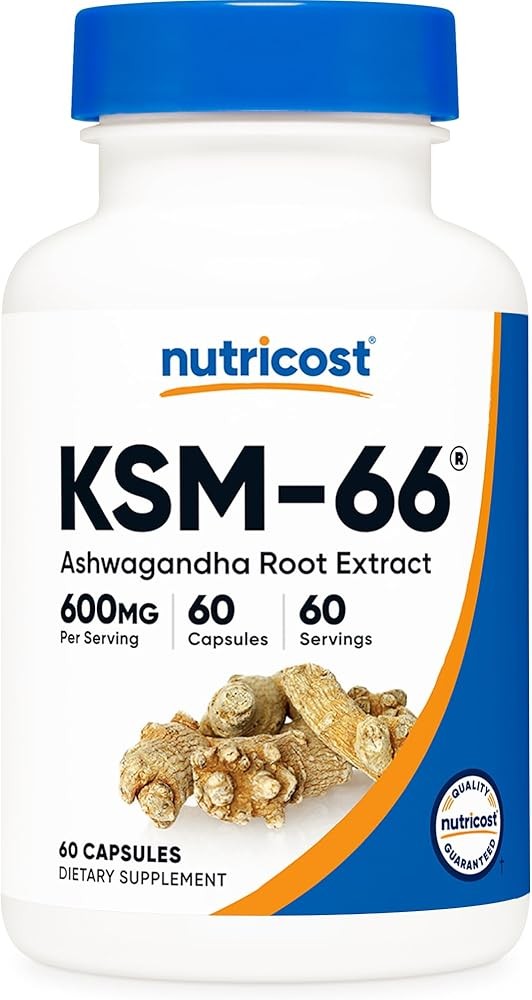
- Best Overall: Nutricost KSM-66 Ashwagandha Root Extract - 600 mg per serving with 5% withanolides, about $15
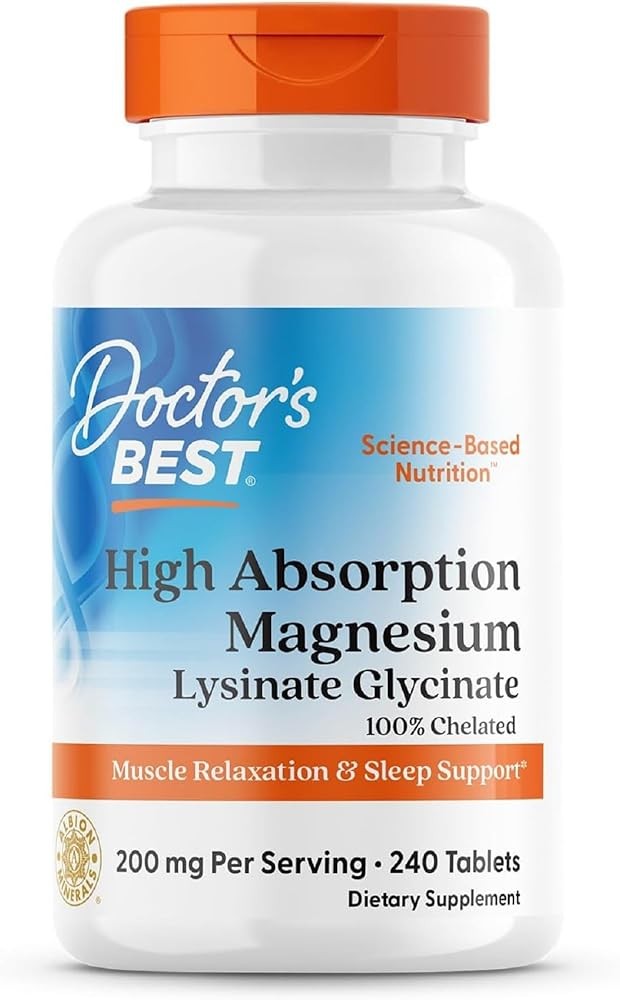
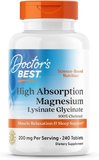
- Best Budget: Doctor’s Best Magnesium Glycinate - a well-absorbed magnesium that pairs with either herb, about $24
Valerian root itself has no single standout listing we can verify across retailers, so look for a standardized extract labeled 0.8% valerenic acid with third-party testing, per the criteria in the extract-forms section above.
The time it takes for valerian root to work varies by individual and depends on factors like dosage, consistency of use, and individual metabolism. Some people notice effects within days, while others may need several weeks. Research studies typically evaluate effects over weeks to months. Consistent use as directed is important for best results. Keep a journal to track your response.
Recommended Products