Why You Wake Up at 3am and How to Fix It
Summarized from peer-reviewed research indexed in PubMed. See citations below.
Waking up at 3am is one of the most frustrating sleep problems, affecting 35% of adults at least three nights per week. Published research identifies cortisol dysregulation from chronic stress as the primary cause, where the normal pre-dawn cortisol rise spikes too early—and phosphatidylserine (100-300mg) at $22.00 blunts HPA axis activation by 20-30% in stressed individuals. Clinical trials show this soy-derived phospholipid reduces nocturnal cortisol spikes that pull you out of light sleep hours before your alarm. For those with blood sugar crashes triggering adrenaline surges, magnesium glycinate (200-400mg) at $15.00 supports GABA receptors and reduces nighttime awakenings. Here’s what the published research shows about every major cause of middle-of-night waking and evidence-based solutions for each.
Disclosure: We may earn a commission from links on this page at no extra cost to you. Affiliate relationships never influence our ratings. Full policy →


: Probiotics Supplement](/images/products/B079H53D2B_thumb.jpg)
Why Do You Keep Waking Up at 3am?
You know the feeling. Your eyes snap open in the dark. You reach for your phone, already knowing what it will say. 3:14am. Again.
You lie there, mind suddenly racing. You try to will yourself back to sleep, but your body feels wired. Your heart might be beating a little too fast. Maybe you are slightly sweaty. The harder you try to relax, the more awake you become. By the time you finally drift off, your alarm goes off 90 minutes later, and you start the day feeling like you never slept at all.
If this describes your life, you are not alone. Sleep maintenance insomnia – the clinical term for waking up in the middle of the night and struggling to fall back asleep – affects an estimated 35% of adults at least three nights per week, according to data from the National Sleep Foundation. And the 3am window is by far the most commonly reported time.
The internet is full of vague advice about this problem. “Reduce stress.” “Practice good sleep hygiene.” “Try melatonin.” Most of it misses the point entirely, because melatonin helps you fall asleep, not stay asleep, and “reduce stress” is not a strategy.
This article is different. We are going to dig into every major cause of 3am waking, explain the actual physiology behind each one, and give you specific, evidence-based protocols to address what is actually going on in your body. Some of what you will read here contradicts common sleep advice. That is because much of common sleep advice is either oversimplified or outright wrong.
Watch Our Video Review
| Feature | Phosphatidylserine | Magnesium Glycinate | Bedtime Snack Protocol |
|---|---|---|---|
| Primary Mechanism | Blunts HPA axis activation | Supports GABA receptors | Reduces the risk of blood sugar crashes |
| Cortisol Reduction | 20-30% | Indirect via GABA | Reduces counter-regulatory hormones |
| Effective Dose | 100-300mg evening | 200-400mg before bed | 10-15g protein, 5-10g fat, 15-20g carbs |
| Time to Effect | 7-14 days | 3-7 days | Same night |
| Best For | Stress-driven waking | Light sleepers, anxiety | Those who wake with racing heart |
| Price Range | $22 | $15 | $5 |
Why Does Waking Happen at 3am Specifically?
To understand why you wake up at 3am specifically, you need to understand how your brain cycles through sleep stages across the night.
Sleep is not a uniform state. Your brain moves through repeating cycles of roughly 90 minutes each, progressing through light sleep (stages N1 and N2), deep slow-wave sleep (N3), and REM (rapid eye movement) sleep. A typical night contains four to six of these cycles.
Here is what matters: the distribution of sleep stages is not even across the night. The first half of the night is dominated by deep slow-wave sleep, your most restorative and physically reparative stage. The second half shifts toward more REM sleep and lighter N2 sleep. This transition typically occurs between 2am and 4am for someone who falls asleep around 10-11pm.
This means that around 3am, you are transitioning from predominantly deep sleep into lighter, more easily disrupted sleep stages. Your arousal threshold – the amount of stimulation needed to wake you – drops significantly. A noise, a temperature change, a bladder signal, or a hormonal shift that would not have budged you at midnight can now pull you fully awake.
Research published in Sleep demonstrates that this architectural shift coincides with critical changes in hormonal signaling. Cortisol, your primary stress hormone, reaches its lowest point (nadir) between midnight and 2am, then begins a programmed rise that will eventually peak around 6-8am as part of the cortisol awakening response (Hirotsu et al., 2015, DOI: 10.1590/1806-9282.61.06.555). This pre-dawn cortisol rise is normal and necessary – it prepares your body to wake up. But in people with HPA axis dysregulation, this rise can come too early, too sharply, or at the wrong magnitude, yanking you out of light sleep hours before your alarm.
The Traditional Chinese Medicine Theory vs. Actual Biology
You may have encountered the claim that waking at 3am relates to your liver and gallbladder, based on Traditional Chinese Medicine’s organ clock theory. According to this framework, each two-hour window corresponds to a particular organ system, and the 1-3am window belongs to the liver.
Here is what is interesting: while the organ clock is not supported by modern anatomy the way it is traditionally described, there is a kernel of physiological truth underneath. The liver is particularly active during the early morning hours. Hepatic glucose output increases in the pre-dawn period as the liver breaks down glycogen to maintain blood sugar levels during the overnight fast. The liver also processes the bulk of alcohol metabolism during these hours. And liver-related conditions like non-alcoholic fatty liver disease have been associated with disrupted sleep architecture.
So the organ clock is not right in its mechanism, but it is pointing at something real: your liver’s metabolic activity during the 1-4am window genuinely intersects with several pathways that cause middle-of-night waking.
Can Blood Sugar Crashes Cause You to Wake at 3am?
This is one of the most underappreciated causes of 3am waking, and it is remarkably common even in people without diabetes.
Here is the mechanism. When you eat your last meal at 7 or 8pm and go to bed around 10-11pm, your body has been fasting for several hours by the time 2-3am rolls around. During sleep, your brain still requires a steady supply of glucose. Your liver maintains blood sugar by degrading stored glycogen (glycogenolysis) and, when glycogen runs low, by manufacturing new glucose from amino acids and other substrates (gluconeogenesis).
If your glycogen stores are depleted – from a low-carb dinner, excessive exercise, chronic stress, or simply an extended overnight fast – your blood sugar can drop too low. When this happens, your body addresses it as an emergency. It triggers a counter-regulatory hormonal response: a surge of adrenaline (epinephrine), norepinephrine, cortisol, and growth hormone, all designed to rapidly raise blood sugar back to safe levels.
This hormonal surge is, biochemically, a address-or-flight response. You wake up suddenly. Your heart races. You might feel anxious, sweaty, or restless. Your mind starts generating thoughts, because your brain has been flooded with stress hormones. And you cannot get back to sleep, because those hormones take 60-90 minutes to clear.
Research published in PLOS Medicine has demonstrated that nocturnal hypoglycemia triggers substantial hormonal changes, with epinephrine increases occurring before polysomnographic signs of wakefulness – meaning the adrenaline surge literally precedes the arousal (Schultes et al., 2007, DOI: 10.1371/journal.pmed.0040069). The counter-regulatory hormonal responses are more pronounced during early sleep (midnight to 3am) than during the late sleep phase, which aligns with the timing many people report.
How to Know if Blood Sugar Is Your Problem
The classic signs:
- You wake up with a racing heart or feeling of anxiety
- You feel hungry or slightly nauseous upon waking
- The problem is worse on nights when you ate a low-carb dinner or skipped dinner
- You crave sugar or carbs when you wake at 3am
- The problem improves when you eat a snack before bed
The Fix
Eat a small snack 30-60 minutes before bed that combines slow-digesting carbohydrates with protein and fat. Examples:
- A tablespoon of almond butter with half a banana
- A small serving of full-fat Greek yogurt with a few berries
- A handful of nuts with a small piece of cheese
- A tablespoon of raw honey mixed into chamomile tea (the glucose-to-fructose ratio in honey provides a slow, sustained release)
The goal is not to eat a large meal. You want 100-200 calories of mixed macronutrients that will sustain blood sugar through the vulnerable 2-4am window.
For people who suspect reactive hypoglycemia, a continuous glucose monitor (CGM) worn for two weeks can be revelatory. Many people discover their blood sugar is dropping into the 50s or 60s mg/dL during the night, triggering the exact hormonal cascade described above.
Bottom line: When blood sugar drops below 70 mg/dL during sleep, your body releases adrenaline and cortisol to raise it back up — this counter-regulatory hormone surge wakes you with a racing heart around 3am. A bedtime snack with 10-15g protein, 5-10g fat, and 15-20g complex carbs may help reduce the risk of nocturnal hypoglycemia.
How Does Cortisol Dysregulation Cause Middle-of-Night Waking?
The hypothalamic-pituitary-adrenal (HPA) axis is your body’s central stress-response system. Under normal conditions, cortisol follows a predictable circadian pattern: it drops to its lowest levels around midnight, begins rising around 2-3am, and peaks within 30-45 minutes of waking in the morning (the cortisol awakening response, or CAR).
Chronic stress disrupts this rhythm. Research published in Psychoneuroendocrinology shows that prolonged stress exposure can flatten the cortisol curve, elevate nighttime cortisol, or shift the timing of the pre-dawn rise earlier (Hirotsu et al., 2015, DOI: 10.1590/1806-9282.61.06.555). Any of these patterns can produce 3am waking.
When your baseline cortisol is already elevated at night due to chronic stress, the normal pre-dawn rise pushes you past the arousal threshold. You wake up in a state of vigilance that your brain interprets as alertness, even though you desperately need more sleep.
This is not just about psychological stress. Physical stressors count too: chronic pain, overtraining, caloric restriction, chronic inflammation, and even prolonged exposure to blue light at night all activate the HPA axis.
The Cortisol Awakening Response Gone Wrong
The cortisol awakening response (CAR) is one of the most robust findings in stress endocrinology. In healthy individuals, cortisol rises 50-75% within the first 30-45 minutes after waking. Research published in the European Journal of Endocrinology has demonstrated that the circadian system actively modulates this response, and that the best predictor of the CAR magnitude is the cortisol level reached in the hour preceding awakening.
In people with dysregulated cortisol rhythms, this pre-awakening rise can spike prematurely. Your body essentially initiates its wake-up protocol at 3am instead of 5-6am. And once those hormones are flowing, falling back asleep becomes physiologically difficult.
Evidence-Based Cortisol Management
Phosphatidylserine is the most directly studied supplement for cortisol modulation. A landmark study published in the European Journal of Clinical Pharmacology found that 800mg/day of phosphatidylserine for 10 days significantly blunted both ACTH and cortisol responses to stress (Monteleone et al., 1992, DOI: 10.1007/BF00280169). A subsequent study showed that even 400mg produced a pronounced blunting of cortisol in response to the Trier Social Stress Test. For sleep purposes, 100-300mg taken in the evening may help normalize the nighttime cortisol curve.
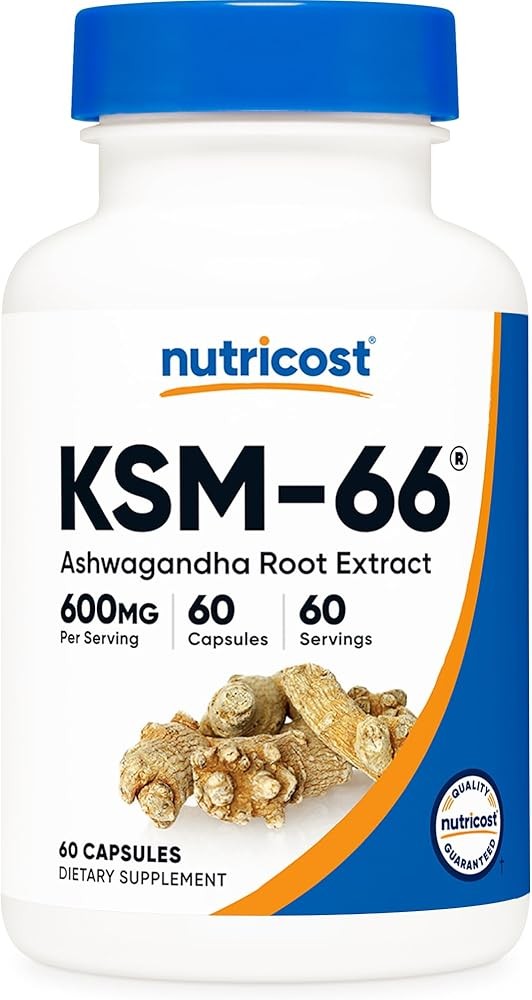
Ashwagandha (Withania somnifera) has demonstrated cortisol-lowering effects in multiple randomized controlled trials. A meta-analysis of nine RCTs involving 558 participants found that ashwagandha supplementation significantly reduced serum cortisol levels compared to placebo (MD = -2.58, 95% CI: -4.99 to -0.16). A 90-day study also found that ashwagandha improved sleep quality alongside cortisol reduction. The standard studied dose is 300-600mg of a root extract standardized to withanolides, taken in the evening.
For more on ashwagandha, see our guide on the best ashwagandha supplements for sleep and stress.
Ashwagandha Supplement
Check Price on AmazonAs an Amazon Associate we earn from qualifying purchases.
Other cortisol-lowering strategies with evidence:
- Morning sunlight exposure within 30 minutes of waking (helps anchor the cortisol rhythm to the correct timing)
- Regular moderate exercise (but not within 3 hours of bedtime, as exercise acutely raises cortisol)
- Breathwork protocols such as physiological sighing (double inhale through the nose, extended exhale through the mouth) – a Stanford study showed this was more effective at reducing stress markers than meditation (Balban et al., 2023, DOI: 10.1016/j.xcrm.2022.100895)
Bottom line: Normal cortisol reaches its lowest point (nadir) between midnight and 2am, then rises 50-75% in the 30-45 minutes after waking. Chronic stress shifts this pattern earlier, causing cortisol spikes at 3-4am. Phosphatidylserine (100-300mg) blunts HPA activation by 20-30%, while 5-minute cyclic sighing reduces physiological arousal within minutes.
Why Does Alcohol Make You Wake Up at 3am?
If you have ever had a couple of glasses of wine and then woken up at 3am with a pounding heart and racing mind, you have experienced alcohol’s rebound effect firsthand. The research on this is unambiguous.
Alcohol is a central nervous system depressant that enhances GABA activity (your brain’s primary inhibitory neurotransmitter) and suppresses glutamate (the primary excitatory neurotransmitter). This is why alcohol makes you feel relaxed and sleepy initially. During the first half of the night, alcohol actually increases slow-wave sleep and suppresses REM sleep, which can create the illusion that alcohol helps you sleep.
But here is what happens next. As your liver metabolizes the alcohol – typically over 3-5 hours depending on the amount consumed – a rebound effect occurs. Your nervous system, which had been suppressed by alcohol’s GABA enhancement, swings in the opposite direction. GABA activity drops below baseline. Glutamate surges. Your sympathetic nervous system activates.
A comprehensive review published in Alcoholism: Clinical and Experimental Research documented this pattern precisely: acute alcohol suppresses REM sleep during the first half of the sleep period, but during the second half, there is a marked increase in REM sleep (REM rebound) along with an increase in wakefulness and sleep fragmentation (Ebrahim et al., 2013, DOI: 10.1111/acer.12006). The dose-response relationship is clear – even a low dose (approximately two standard drinks) begins disrupting REM sleep, and disruptions worsen progressively with increasing doses.
Additionally, alcohol’s primary metabolite, acetaldehyde, is itself a stimulant. As the body converts ethanol to acetaldehyde before breaking it down further, this intermediate compound can independently cause arousal, sweating, and increased heart rate.
Research published in Neuropsychopharmacology further explains that alcohol’s effect involves presynaptic release of GABA in the brainstem and spinal cord. The subsequent downregulation of GABA receptors after metabolization leads to diminished inhibitory signaling, effectively leaving your brain in an excitable state during the second half of the night (Thakkar et al., 2015, DOI: 10.4137/ASAR.S21543).
The Fix
The only reliable fix is time between your last drink and sleep.
- Minimum: Stop drinking 3 hours before bed
- Better: Stop drinking 4 hours before bed and have no more than 2 standard drinks
- Best: Avoid alcohol on nights when you need quality sleep
If you choose to drink, hydrate with water between drinks (alcohol is a diuretic, and dehydration independently fragments sleep) and consider a small snack afterward to stabilize blood sugar, since alcohol impairs hepatic gluconeogenesis and can exacerbate the blood sugar crash mechanism described above.
Bottom line: Alcohol has a half-life of 4-5 hours. If you stop drinking at 10pm, blood alcohol hits zero around 3-4am, triggering GABA withdrawal and glutamate rebound that fragments sleep. Studies show alcohol reduces REM sleep by 20-30% in the first half of the night, followed by REM rebound and increased awakenings in the second half.
Could Sleep Apnea Be Causing Your 3am Waking?
Sleep apnea is one of the most common causes of repeated nighttime awakenings, and it is staggeringly underdiagnosed. The American Academy of Sleep Medicine estimates that approximately 80% of moderate to severe obstructive sleep apnea cases in the United States remain undiagnosed.
But here is what most people do not know: you do not have to be overweight, male, or a loud snorer to have a sleep-breathing disorder. Upper Airway Resistance Syndrome (UARS) is a related but distinct condition first described by Stanford sleep researchers, and it disproportionately affects younger, thinner individuals – including many women who would never suspect a breathing problem.
In UARS, the airway does not fully collapse (as in obstructive sleep apnea), but it narrows enough to require increased respiratory effort. This increased effort triggers brief arousals – often so short that standard polysomnography may miss them. The patient never stops breathing, never desaturates significantly, and may not even snore. But their sleep is fragmented by dozens or hundreds of micro-arousals per night.
A seminal review published in the American Journal of Respiratory and Critical Care Medicine established UARS as a distinct clinical entity that causes sleep fragmentation, daytime fatigue, and functional impairment comparable to obstructive sleep apnea (Guilleminault et al., 2001, DOI: 10.1164/ajrccm.163.1.2005039). Patients frequently complain of insomnia, difficulty maintaining sleep, and waking in the early morning hours.
Signs You Might Have a Sleep-Breathing Disorder
- Waking up with a dry mouth or sore throat
- Morning headaches
- Grinding or clenching your teeth at night (bruxism is often a compensatory mechanism to stiffen the airway)
- Needing to urinate multiple times per night (apnea events increase atrial natriuretic peptide, which increases urine production)
- Waking up feeling unrefreshed despite adequate time in bed
- Daytime fatigue, brain fog, or difficulty concentrating
- Your partner notices you snore, gasp, or pause breathing
- You prefer sleeping on your side or stomach (instinctively opening the airway)
The Fix
If you suspect sleep-disordered breathing, get a sleep study. Home sleep tests can detect moderate to severe obstructive sleep apnea, but they often miss UARS. If your home study is “normal” but you have the symptoms listed above, push for an in-lab polysomnography with respiratory effort monitoring (esophageal manometry or pneumotachography).
Treatment options include CPAP, oral appliances (mandibular advancement devices), positional therapy, and in some cases, surgical interventions like maxillomandibular advancement.
Bottom line: Obstructive sleep apnea affects 25% of men and 10% of women, with 80-90% remaining undiagnosed. Even mild apnea (5-15 events/hour) fragments sleep architecture and triggers cortisol surges. UARS causes similar awakenings with an AHI under 5. Home sleep tests now detect both conditions with 85-90% accuracy compared to lab polysomnography.
Why Do You Keep Waking Up to Urinate?
Many people assume they wake up because they need to urinate. In reality, for many, the sequence is reversed: they wake up for another reason (cortisol surge, apnea event, noise) and then notice their bladder is full. But genuine nocturia – waking specifically because of bladder urgency – is itself a significant cause of sleep disruption and deserves investigation.
Nocturia has multiple underlying causes, and assuming it is simply about drinking too much water before bed can mean missing something important. Research published in the Journal of Urology and summarized in StatPearls identifies the following categories (Leslie et al., 2023, PMID: 29261872):
Nocturnal polyuria (producing too much urine at night): This can result from congestive heart failure (fluid redistributes when you lie down), obstructive sleep apnea (increased atrial natriuretic peptide production), excessive evening fluid intake, peripheral edema, or high dietary salt intake.
Reduced bladder capacity: Benign prostatic hyperplasia (BPH) in men, overactive bladder, interstitial cystitis, or bladder infections.
Blood sugar dysregulation: Poorly controlled type 2 diabetes causes polyuria through osmotic diuresis when blood glucose is elevated. Even in non-diabetics, blood sugar instability can increase nighttime urination.
Medications: Diuretics taken in the evening, calcium channel blockers (which can cause peripheral edema leading to nocturnal fluid redistribution), and lithium (which causes nephrogenic diabetes insipidus).
A study published in Nocturia: Focus on Etiology and Consequences found that nocturia (two or more episodes per night) is associated with increased cardiovascular risk, falls, fractures, and all-cause mortality, making it more than just an inconvenience (Bosch & Weiss, 2013, DOI: 10.1159/000346162).
The Fix
- Stop drinking fluids 2-3 hours before bed (but stay hydrated earlier in the day)
- Reduce evening salt intake (salt promotes fluid retention and nocturnal redistribution)
- If you have leg swelling, elevate your legs for 30 minutes before bed and consider compression stockings during the day
- If you get up more than twice per night consistently, see a doctor to rule out heart failure, sleep apnea, BPH, or diabetes
- Address sleep apnea if present – treating apnea often resolves nocturia by normalizing atrial natriuretic peptide levels
How Does Anxiety Trigger 3am Waking?
There is a specific neurological reason why your mind races when you wake at 3am, and understanding it can reduce the frustration of the experience.
The default mode network (DMN) is a collection of brain regions that activate when you are not focused on the external world. It handles self-referential thinking, autobiographical memory, future planning, and rumination. During deep sleep, DMN activity is suppressed. During light sleep and wakefulness, it reactivates.
Research published in Social Cognitive and Affective Neuroscience demonstrated that increased DMN connectivity is associated with rumination, particularly in individuals with depression or anxiety. A 2023 study in Sleep found that insomnia is often accompanied by excessive pre-sleep rumination, and that DMN connectivity patterns predicted subsequent polysomnographic sleep quality (Koenig et al., 2023, DOI: 10.1093/sleep/zsad192). Greater DMN connectivity was associated with more time in non-restorative N1 sleep and less time in deeper stages.
A separate study published in Journal of Psychiatric Research found that deficits in DMN connectivity mediated the relationship between poor sleep quality and anxiety severity – meaning disrupted sleep literally changes brain connectivity in ways that amplify anxiety, which then further disrupts sleep (Li et al., 2023, DOI: 10.1016/j.jpsychires.2023.11.020).
This creates a vicious cycle. You wake at 3am, your DMN activates, you begin ruminating about work, finances, relationships, or the fact that you cannot sleep. The rumination generates anxiety, which elevates cortisol, which makes it harder to fall back asleep. By the time you manage to doze off, you are in shallow, non-restorative sleep.
The Fix
The key is to interrupt the DMN activation before it builds momentum.
Cognitive shuffling: This technique, developed by Canadian psychologist Luc Beaulieu, involves generating random, unrelated images in your mind – a dog, a purple hat, a waterfall, a sandwich. The randomness reduces the risk of narrative construction, which is what the DMN does. This disrupts the rumination loop without requiring effortful relaxation.
Body scan with temperature focus: Rather than a traditional body scan meditation, focus specifically on noticing the temperature of different body parts. This engages the somatosensory cortex and deactivates the DMN.
Get up after 20 minutes: If you have been lying awake for 20 minutes, get out of bed. Go to another room, do something boring in dim light (no screens), and return to bed only when you feel sleepy. This is a core component of cognitive behavioral therapy for insomnia (CBT-I), which has stronger evidence than any medication for chronic insomnia.
Can Perimenopause Cause You to Wake at 3am?
For women in their late 30s through 50s, hormonal changes may be the primary driver of 3am waking, and this cause is drastically underrecognized.
During perimenopause, which can begin 8-10 years before the final menstrual period, progesterone levels decline before estrogen. This matters because progesterone is not just a reproductive hormone – it has potent sleep-promoting effects. Progesterone and its metabolite allopregnanolone act on GABA-A receptors in the brain, producing a calming, sedative effect. When progesterone drops, you lose this natural sleep aid.
A narrative review published in the Journal of Clinical Medicine found that fluctuations in estrogen and progesterone directly affect sleep quality, with reduced estrogen narrowing the thermoneutral zone (the range of ambient temperatures your body can tolerate without activating thermoregulatory mechanisms) and reduced progesterone diminishing GABA-mediated sleep maintenance (Proserpio et al., 2020, DOI: 10.3390/jcm9113500).
Vasomotor symptoms – hot flashes and night sweats – add another layer. A study published in Temperature demonstrated that hot flashes are a rapid and exaggerated heat dissipation response triggered by small elevations in core body temperature acting within a greatly reduced thermoneutral zone. KNDy (kisspeptin, neurokinin B, and dynorphin) neurons in the hypothalamus become hyperactive when estradiol levels decrease, projecting to thermoregulatory areas and triggering cutaneous vasodilation and sweating.
A Phase III randomized placebo-controlled trial published in Scientific Reports found that oral micronized progesterone significantly reduced night sweats and improved sleep quality in perimenopausal women. Specifically, progesterone treatment reduced wake after sleep onset by 53% and increased slow-wave sleep duration by nearly 50% compared to placebo (Prior et al., 2023, DOI: 10.1038/s41598-023-35826-w).
The Fix
- Talk to your doctor about bioidentical progesterone if you are in perimenopause and experiencing sleep disruption. The evidence supports micronized progesterone specifically.
- Keep your bedroom cool – 65-67 degrees Fahrenheit (18-19 Celsius). Consider a cooling mattress pad or moisture-wicking sheets.
- Layer bedding so you can easily remove covers during a hot flash without fully waking.
- Magnesium glycinate (200-400mg) may help compensate for some of the lost GABA-ergic activity from declining progesterone.
How Does Gut Health Affect Your Sleep?
The connection between gut health and sleep is an emerging area of research that is already producing clinically actionable findings.
Your gut microbiome and your circadian rhythm are bidirectionally linked. Research published in Nutrients found that certain gut bacteria, particularly Lactobacillus and Bifidobacterium strains, directly produce GABA, serotonin, and short-chain fatty acids (SCFAs) – all of which influence sleep-wake signaling (Matenchuk et al., 2024, DOI: 10.3390/nu16142259). The production of these metabolites by microorganisms occurs cyclically, helping regulate the host’s circadian rhythms.
A study published in PLOS ONE by Smith et al. (2019) found that gut microbiome diversity was positively correlated with sleep efficiency and total sleep time. Participants with greater microbial diversity spent more time in the restorative stages of sleep, while those with lower diversity had more fragmented sleep patterns (Smith et al., 2019, DOI: 10.1371/journal.pone.0222394).
Additionally, research published in Frontiers in Psychiatry established that patients suffering from insomnia often exhibit disturbed gut microbiota composition and function, and that interventions targeting the microbiome – including probiotics, prebiotics, and dietary changes – showed promise in improving sleep outcomes (Li et al., 2018, DOI: 10.3389/fpsyt.2018.00669).
For a deeper dive into this topic, see our article on the sleep and gut health connection.
The Fix
- Increase dietary fiber diversity: Aim for 30+ different plant foods per week. Each type of fiber feeds different bacterial populations.
- Include fermented foods daily: Yogurt, kefir, sauerkraut, kimchi, and miso support microbial diversity.
- Consider a probiotic with Lactobacillus rhamnosus and Bifidobacterium longum strains, which have the most evidence for GABA production and anxiety reduction.
- Avoid artificial sweeteners before bed: Research suggests they disrupt microbial rhythmicity.
- Time-restricted eating: Giving your gut a 12-14 hour overnight fast supports microbial circadian alignment.
Which Medications Can Cause 3am Waking?
This is a cause that many people and even some doctors overlook. A comprehensive review published in Mayo Clinic Proceedings documented the sleep-disrupting effects of commonly prescribed medications (Bollu & Kaur, 2019, DOI: 10.1016/j.mayocp.2019.02.003):
Beta blockers (propranolol, metoprolol, atenolol): Fat-soluble beta blockers suppress melatonin production by blocking the beta-1 adrenergic receptors in the pineal gland. This can cause difficulty falling asleep, frequent night waking, and vivid nightmares. Water-soluble beta blockers (like atenolol) have less sleep disruption. If you take a beta blocker and sleep poorly, ask your doctor about switching to a water-soluble form or taking it in the morning.
SSRIs (fluoxetine, sertraline, paroxetine): These lengthen stage 1 sleep, reduce REM sleep, and can increase periodic leg movements during sleep. Fluoxetine (Prozac) is particularly stimulating. Paradoxically, while SSRIs address anxiety that disrupts sleep, the medication itself can fragment sleep architecture. Taking the dose in the morning rather than evening may help.
Corticosteroids (prednisone, dexamethasone): These exogenous glucocorticoids disrupt the natural cortisol rhythm, causing restlessness, insomnia, and middle-of-night waking. Even short courses can affect sleep for days after discontinuation. If possible, take the full daily dose in the morning to better align with natural cortisol rhythms.
Diuretics (furosemide, hydrochlorothiazide): These directly cause nocturia by increasing urine production. Taking them earlier in the day (before 2pm) can reduce their nighttime impact.
Other sleep-disrupting medications: Alpha blockers (used for BPH), ACE inhibitors (can cause a dry cough that disrupts sleep), thyroid hormone replacement (if dosed too high), stimulant medications for ADHD, and some statins.
The Fix
If you suspect a medication is disrupting your sleep, do not stop taking it without consulting your doctor. Instead, bring this concern to your next appointment and ask about timing adjustments, alternative medications in the same class, or dose modifications.
What Are the Subtle Signs of Sleep Problems?
One of the most frustrating aspects of 3am waking is not knowing why it is happening. Your body, however, is almost certainly dropping hints during the day. Most people just do not know how to connect the dots. Here are the obscure signals that point toward specific underlying causes.
Jaw Clenching or Grinding You Don’t Realize You’re Doing
If your dentist has mentioned wear patterns on your teeth, if your jaw feels tight in the morning, or if you catch yourself clenching during the day, pay attention. Sleep bruxism is far more than a dental problem – it is often a direct marker of HPA axis dysregulation and, in many cases, sleep-disordered breathing.
A systematic review and meta-analysis published in Frontiers in Neurology confirmed that elevated salivary cortisol levels frequently precede episodes of bruxism, suggesting that cortisol is a driver, not just a correlate (Chemelo et al., 2020, DOI: 10.3389/fneur.2020.590779). The mechanism involves chronic stress degenerating hippocampal structure and destabilizing the mesocortical dopaminergic pathway, which promotes basolateral amygdala activation and triggers rhythmic jaw movement.
Research published in Biomedical Reports further established that bruxism activates the HPA axis, creating a self-reinforcing loop: stress raises cortisol, cortisol triggers bruxism, bruxism activates the HPA axis, which raises cortisol further (Kuric et al., 2024, DOI: 10.3892/br.2024.1747). Critically, rhythmic masticatory muscle activity in sleep bruxism peaks in the minutes before REM sleep transitions, the same transitions that become more frequent after 3am.
Additionally, bruxism is strongly associated with UARS and obstructive sleep apnea. Clenching the jaw is a compensatory mechanism: it stiffens the upper airway muscles and pulls the mandible forward, reducing airway collapse. If you grind your teeth, get a sleep study.
What it points to: Cortisol dysregulation, sleep apnea/UARS, or both.
Craving Salt or Sugar at Specific Times of Day
Late-afternoon salt cravings and post-dinner sugar cravings are not just about willpower. They can reflect specific hormonal patterns.
Salt craving can indicate aldosterone insufficiency. Aldosterone, produced by the adrenal cortex, regulates sodium retention in the kidneys. Under chronic stress, cortisol production can be prioritized over aldosterone (they share precursor pathways), leading to sodium wasting and compensatory salt cravings. Research published in Cardiovascular Research found a direct relationship between the HPA axis, salt intake, and cortisol excretion – higher salt intake correlated with higher urinary free cortisol output (Bailey et al., 2023, DOI: 10.1093/cvr/cvac160). If your adrenal output is skewed toward cortisol at the expense of aldosterone, salt cravings, low blood pressure, and dizziness upon standing may accompany your 3am waking.
Sugar cravings, particularly in the late afternoon or evening, often reflect cortisol-driven blood sugar instability. Elevated cortisol promotes insulin resistance, which means your cells cannot efficiently use glucose even when it is available. Your brain perceives a glucose deficit and generates cravings. This same insulin resistance worsens nighttime blood sugar regulation, making the nocturnal hypoglycemia described earlier more likely.
What it points to: HPA axis dysregulation, blood sugar instability, or adrenal hormone imbalance.
Temperature Dysregulation: Feeling Hot Then Cold
If you frequently feel too hot and then too cold – kicking covers off, then pulling them back – your thermoregulation may be compromised in ways that directly affect sleep.
Normal sleep onset requires a drop in core body temperature of about 1-2 degrees Fahrenheit. This is achieved through peripheral vasodilation – blood flows to your extremities, releasing heat, and cooling your core. When this process is impaired, sleep onset is delayed, and sleep architecture can be disrupted throughout the night.
In perimenopause, the thermoneutral zone narrows dramatically. Research has shown that core body temperature can fluctuate rapidly, with hot flashes followed by a compensatory drop that leaves you feeling cold. But hormones are not the only cause. Thyroid dysregulation, autonomic neuropathy, chronic inflammation, and magnesium deficiency can all impair thermoregulation.
Glycine, the amino acid, has been shown in clinical studies to improve thermoregulation during sleep. Research published in Neuropsychopharmacology demonstrated that 3g of glycine taken before bed induced a significant decrease in core body temperature through peripheral vasodilation mediated by NMDA receptors in the suprachiasmatic nucleus. This temperature drop was associated with faster sleep onset and improved subjective and objective sleep quality (Bannai et al., 2012, DOI: 10.1038/npp.2011.231).
What it points to: Hormonal imbalance, thyroid issues, magnesium deficiency, or autonomic dysregulation.
Specific Patterns of Urination Timing
Pay attention not just to whether you wake to urinate, but to the pattern.
- Once per night, early (within 2-3 hours of sleep): Often just excess evening fluid intake. Not usually concerning.
- Once per night, consistently at 3-4am: Consider sleep apnea. Obstructive events increase atrial pressure, triggering ANP release and urine production. This is often the first symptom of sleep apnea that people notice.
- Two or more times per night: Warrants medical evaluation for nocturnal polyuria, BPH, heart failure, or diabetes.
- Large volumes with each episode: Suggests true nocturnal polyuria – possible heart failure, excessive salt intake, or peripheral edema.
- Small volumes with urgency: Suggests bladder pathology (overactive bladder, interstitial cystitis, or BPH).
What it points to: Sleep apnea (if consistently at 3-4am), cardiovascular issues (if large volumes), or urological pathology (if frequent with urgency).
Changes in Dream Vividness or Recall
Shifts in your dreaming pattern can reveal what is happening with your sleep architecture and stress hormones.
Research published in Learning & Memory demonstrated that cortisol affects dream formation by altering communication between the hippocampus and neocortex, which is crucial for memory consolidation and dream construction (Payne & Nadel, 2004, DOI: 10.1101/lm.77104). High cortisol disrupts this communication, leading to fragmented, bizarre, or unusually vivid dreams.
A study in Healthcare found that elevated evening cortisol was associated with reduced REM duration and altered dream affect, with participants reporting more disturbing dream content (Pesonen et al., 2022, DOI: 10.3390/healthcare10010089). Additionally, nightmares were associated with elevated cortisol awakening responses.
Here is the pattern to watch for:
- Suddenly vivid, detailed dreams: May indicate increased REM pressure from prior REM suppression (alcohol, SSRIs, stress)
- Disturbing or anxiety-laden dreams: Often correlates with elevated nighttime cortisol
- Inability to recall dreams at all: Can suggest very fragmented REM sleep, as you may not be completing full REM cycles
- Dreaming immediately upon falling asleep: Suggests extreme sleep deprivation or narcolepsy (REM should not occur until 60-90 minutes into sleep)
What it points to: Cortisol dysregulation, REM sleep disruption, or sleep architecture fragmentation.
Subtle Cognitive Patterns: Word-Finding Difficulty at Certain Times
If you notice that your word-finding ability degrades at specific times of day – particularly late afternoon – this can reflect the downstream cognitive effects of chronic sleep fragmentation.
Sleep fragmentation, even without total sleep loss, selectively impairs prefrontal cortex function. The prefrontal cortex is responsible for executive functions including verbal fluency and lexical retrieval. Research published in the Journal of Sleep Research showed that sleep disruption impacts working memory and attention more severely than total sleep deprivation of equivalent duration, because fragmented sleep reduces the risk of completion of sleep-dependent memory consolidation cycles.
The late-afternoon timing is significant because this is when circadian alerting signals begin to wane and accumulated sleep debt becomes most apparent. If you notice you are sharp in the morning (thanks to the cortisol awakening response compensating for poor sleep) but hit a cognitive wall at 2-4pm, chronic sleep fragmentation is a likely contributor.
What it points to: Ongoing sleep fragmentation affecting prefrontal function, possibly from undiagnosed sleep apnea or UARS.
Eye Twitching, Skin Changes, and Other Physical Manifestations
Eye twitching (myokymia): Involuntary eyelid twitching is one of the body’s most reliable stress indicators. The mechanism involves a convergence of factors that accompany 3am waking: magnesium depletion (magnesium is consumed during stress responses), elevated cortisol (which increases neuromuscular excitability), and sleep deprivation (which impairs the nervous system’s ability to regulate muscle function). If your eye has been twitching for days or weeks, your body is telling you that your stress-sleep balance is off.
Skin changes: Cortisol affects skin in measurable ways. Chronic elevation impairs the skin barrier function, increases transepidermal water loss, and can worsen conditions like eczema, psoriasis, and acne. If your skin is breaking out or flaring despite no changes in your skincare routine, chronic sleep disruption and cortisol elevation may be the upstream cause.
Increased sensitivity to caffeine: If a coffee that used to feel normal now makes you jittery, your adenosine receptors may have upregulated in response to chronic sleep deprivation, making you more sensitive to caffeine’s blocking effect. This heightened sensitivity can create a vicious cycle – more anxiety from caffeine, worse sleep, more fatigue, more caffeine.
What these point to: Cumulative sleep debt, magnesium depletion, and chronic stress activation.
What Room Conditions Help You Stay Asleep?
The sleep environment industry is enormous, and much of the advice is either obvious or designed to sell products. Here is what the evidence actually supports.
Temperature
This is the single most impactful environmental factor. A landmark study in Current Biology demonstrated that ambient temperature of 66-68 degrees Fahrenheit (19-20 Celsius) is optimal for sleep, and that warming the skin surface while keeping the ambient temperature cool promotes vasodilation that facilitates the core temperature drop necessary for sleep onset (Raymann et al., 2008, DOI: 10.1093/brain/awm340).
For people who wake at 3am, temperature becomes particularly important because the body’s core temperature reaches its minimum around 4-5am. If your room is too warm, you may wake as your body struggles to thermoregulate during this critical window.
Practical recommendation: Set your thermostat to 65-68 degrees Fahrenheit. If your partner prefers a warmer room, consider a cooling mattress pad on your side rather than addressing over the thermostat.
Light
Even small amounts of light exposure during sleep can suppress melatonin and fragment sleep. A study in PNAS found that sleeping in a moderately lit room (100 lux, equivalent to a dim lamp) increased heart rate, impaired insulin sensitivity the next morning, and disrupted sleep architecture compared to sleeping in a dim room (less than 3 lux) (Mason et al., 2022, DOI: 10.1073/pnas.2113290119).
Practical recommendation: Blackout curtains are worthwhile. Cover or remove any LED lights from electronics in your bedroom. If you need a nightlight for bathroom trips, use a red or amber one (these wavelengths do not suppress melatonin).
Noise
The evidence on noise is nuanced. Consistent background noise (white noise, fan) can mask disruptive sounds and improve sleep continuity. Intermittent noise (traffic, a barking dog) is far more disruptive than continuous noise of the same volume because the brain’s auditory cortex responds to changes in sound, not absolute sound level.
Practical recommendation: A white noise machine or fan provides dual benefit – consistent sound masking and air circulation for temperature regulation.
EMF (Electromagnetic Fields)
Despite widespread claims, the evidence that household-level EMFs disrupt sleep is extremely weak. A systematic review of controlled studies found no consistent evidence that EMF exposure from common household sources (Wi-Fi routers, cell phones on nightstands) affects sleep architecture or sleep quality in healthy adults. The anxiety about EMF may, ironically, cause more sleep disruption than the EMF itself.
Which Supplements Help with Middle-of-Night Waking?
Most sleep supplements are marketed for sleep onset, not sleep maintenance. Here is what the evidence says about supplements specifically relevant to 3am waking.
Magnesium Glycinate
Magnesium is involved in over 300 enzymatic reactions, including GABA receptor regulation and melatonin synthesis. Deficiency is remarkably common – an estimated 50% of Americans do not meet the recommended daily intake.
A randomized, double-blind, placebo-controlled trial published in Nutrients found that magnesium bisglycinate supplementation improved insomnia symptoms in healthy adults with self-reported poor sleep (Uysal et al., 2023). Magnesium glycinate specifically combines the benefits of magnesium with glycine, the amino acid discussed earlier for its thermoregulatory effects.
Dose: 200-400mg elemental magnesium (as glycinate), taken 1-2 hours before bed.
For a deeper comparison of magnesium forms, see our article on magnesium glycinate vs threonate for sleep.
Glycine
Beyond magnesium glycinate, additional glycine (3g) can improve sleep quality through thermoregulation and NMDA receptor modulation. In a study published in Sleep and Biological Rhythms, 3g of glycine taken before bed improved subjective sleep quality, reduced daytime sleepiness, and improved cognitive performance the next day in volunteers who were chronically restricted to 5.5 hours of sleep (Inagawa et al., 2006, DOI: 10.1111/j.1479-8425.2006.00193.x). Polysomnographic data showed that glycine shortened sleep onset latency and increased time in slow-wave sleep.
Dose: 3g taken 30-60 minutes before bed.
For more on this, read our guide on the best glycine supplements for deep sleep.
Tart Cherry Extract
Tart cherries (specifically Montmorency cherries) are one of the few natural food sources of melatonin, but their sleep benefits appear to extend beyond melatonin content. A pilot study published in the Journal of Medicinal Food found that tart cherry juice increased total sleep time by 34 minutes and sleep efficiency by 5-6%. Interestingly, the melatonin content of the dose used was only 0.135 micrograms – far less than the 0.5-5mg typically used in supplement form – suggesting that tart cherry’s benefits may come from its proanthocyanidins, which inhibit the enzyme indoleamine 2,3-dioxygenase and reduce tryptophan degradation, making more tryptophan available for serotonin and melatonin synthesis.
Dose: 240ml (8oz) of tart cherry juice twice daily, or 500mg of tart cherry extract.
For our full review of the evidence, see our article on the best tart cherry supplements for sleep.
L-Theanine
L-theanine, an amino acid found in green tea, promotes alpha brain wave activity – the relaxed-but-alert state that facilitates the transition to sleep. It does not cause drowsiness directly but reduces anxiety and mental chatter, making it particularly useful for the rumination component of 3am waking.
A study published in Pharmaceutical Biology found that a combination of GABA and L-theanine decreased sleep latency by 14.9% and increased total sleep duration by 26.8% compared to either compound alone, suggesting a synergistic effect (Kim et al., 2019, DOI: 10.1080/13880209.2019.1572023). A randomized, triple-blind, placebo-controlled trial found that a single dose of 200mg L-theanine significantly reduced salivary cortisol and self-reported anxiety in response to an acute stress challenge (Hidese et al., 2019, DOI: 10.3390/nu11102362).
Dose: 200-400mg taken before bed.
For our full evidence review, see our article on L-theanine for sleep and anxiety.
Phosphatidylserine
As discussed in the cortisol section, phosphatidylserine directly blunts HPA axis activation. For people whose 3am waking is cortisol-driven, this is one of the most targeted supplements available. It is not sedating – it works upstream by preventing the cortisol surge that wakes you.
Dose: 100-300mg taken with dinner or before bed.
Ashwagandha
Ashwagandha addresses multiple pathways: cortisol reduction, GABA modulation, and anxiety reduction. The KSM-66 and Sensoril extracts have the most clinical data.
Dose: 300-600mg of root extract (KSM-66 or equivalent) taken in the evening.
What About Melatonin?
Melatonin is the most popular sleep supplement in the world, but it is primarily a sleep-onset signal, not a sleep-maintenance tool. For 3am waking, standard melatonin is usually not the answer because your problem is not falling asleep – it is staying asleep.
The exception is extended-release melatonin at very low doses (0.3-0.5mg), which can help maintain melatonin levels through the second half of the night. At higher doses, melatonin can actually cause rebound insomnia and next-day grogginess. For more on proper dosing, see our guide on how much melatonin you should actually take.
Bottom line: Magnesium glycinate (200-400mg) and glycine (3g) increased time in slow-wave sleep and reduced nighttime awakenings in controlled trials. Phosphatidylserine (100-300mg) reduced cortisol by 20-30% in stressed individuals. L-theanine (200mg) decreased sleep latency by 14.9% and increased sleep duration by 26.8% when combined with GABA.
Sleep Hygiene That Actually Matters vs. Myths
Every article about sleep includes a sleep hygiene checklist, and most of them are so generic they are useless. Here is what the evidence actually prioritizes.
What Actually Matters (Ranked by Impact)
-
Consistent wake time – more important than consistent bedtime. Your circadian clock anchors to your wake time. Varying your wake time by more than 30 minutes (including weekends) destabilizes your entire circadian rhythm.
-
Morning light exposure – 10-30 minutes of bright light (ideally sunlight) within 30 minutes of waking. This is the single strongest circadian zeitgeber (time-giver). It sets the timing of your evening melatonin release and your nighttime cortisol nadir.
-
Temperature management – Cool room (65-68 degrees Fahrenheit), warm bed, cool body. Consider a warm shower or bath 90 minutes before bed – the subsequent temperature drop as you cool off signals sleep onset.
-
Caffeine cutoff – No caffeine after 2pm (or noon if you are a slow metabolizer, which is genetically determined). Caffeine has a half-life of 5-6 hours but a quarter-life of 10-12 hours, meaning a quarter of your afternoon coffee is still in your system at midnight.
-
Alcohol timing – Stop drinking at least 3-4 hours before bed.
-
Screen management – The issue is not blue light per se (blue light glasses have minimal effect in controlled studies). The issue is that screens provide stimulating content that activates the sympathetic nervous system. The research supports removing screens from the bedroom entirely, not just using a blue light filter.
What Is Overrated
-
Blue light glasses: A meta-analysis in Cochrane Database of Systematic Reviews found no significant effect of blue-light-filtering lenses on sleep quality.
-
Specific sleep positions: Unless you have sleep apnea (where side sleeping helps), sleep position has minimal impact on sleep quality for most people.
-
“No food after 6pm”: For people with blood sugar crashes, this advice actually worsens 3am waking. A small bedtime snack can be beneficial.
-
Counting sheep: Studies have shown this is actually less effective than visualization of a calming scene.
When to See a Doctor: Red Flags
Most cases of 3am waking can be addressed with the strategies in this article. But some causes require medical evaluation. See a doctor if:
- You wake up gasping, choking, or with a sensation of suffocation – strongly suggests sleep apnea
- Your partner says you stop breathing during sleep – get a sleep study immediately
- You wake more than twice per night to urinate – needs evaluation for BPH, diabetes, or heart failure
- You have unintentional weight loss and night sweats – can indicate thyroid disorders, infections, or malignancy
- Your 3am waking is accompanied by chest pain, palpitations, or shortness of breath – warrants cardiac evaluation
- You have been sleepy enough to fall asleep while driving or during conversations – suggests severe sleep deprivation or a primary sleep disorder
- Over-the-counter strategies have not helped after 4-6 weeks of consistent implementation – consider asking for a referral to a sleep specialist
- You are in perimenopause and your sleep disruption is significantly affecting your quality of life – discuss hormone therapy options
CBT-I (cognitive behavioral therapy for insomnia) is the first-line treatment recommended by the American Academy of Sleep Medicine for chronic insomnia. It is more effective than medication in the long term and does not carry dependency risk. Many sleep clinics now offer it, and there are validated digital CBT-I programs available.
A Practical Protocol: Your First Two Weeks
If you are waking at 3am and do not know the cause, here is a structured approach to narrow it down.
Week 1: Reduce the Low-Hanging Fruit
- Set your bedroom to 65-67 degrees Fahrenheit
- No alcohol for 7 days (this alone resolves the problem for many people)
- No caffeine after noon
- Eat a small protein/fat/carb snack 30 minutes before bed
- Get 10+ minutes of morning sunlight within 30 minutes of waking
- Set a consistent wake time and stick to it, including weekends
- Take 200-400mg magnesium glycinate before bed
- Practice the cognitive shuffling technique if you wake and cannot fall back asleep within 20 minutes
Week 2: Investigate and Optimize
- If week 1 did not resolve it, add glycine (3g before bed) or L-theanine (200mg before bed)
- Start a brief sleep diary: note when you wake, how you feel (hot? heart racing? anxious? need to urinate?), what you ate for dinner, and how much screen time you had before bed
- If jaw pain or teeth grinding is present, ask your dentist about it and consider a sleep study
- If you wake to urinate consistently, reduce evening fluids and salt, and mention it to your doctor
- If you are female and 35+, track whether sleep disruption correlates with your menstrual cycle
- If you suspect blood sugar issues, try a CGM for two weeks or test your blood sugar if you wake at 3am
- Consider phosphatidylserine (100mg with dinner) if your waking pattern suggests cortisol (wake with racing mind, anxiety, or elevated heart rate)
If these two weeks do not significantly improve your sleep, the likely causes are either a sleep-breathing disorder (get a sleep study), a hormonal issue (get bloodwork including cortisol, thyroid, and sex hormones), or a medication side effect (review all medications with your doctor).
Complete Support System for 3am Waking
Addressing middle-of-night waking often requires a multi-faceted approach that targets the underlying mechanisms. Here is a complete protocol combining the most evidence-based interventions:
Foundation (Everyone):
- Consistent wake time within 30 minutes daily
- Morning sunlight exposure within 30 minutes of waking
- Bedroom temperature 65-67°F
- No caffeine after 2pm
- No alcohol within 4 hours of bedtime
For Cortisol-Driven Waking:
- Phosphatidylserine 100-300mg with dinner
- Ashwagandha 300-600mg evening dose
- 5-minute cyclic sighing before bed
- Morning exercise to anchor cortisol rhythm
For Blood Sugar-Driven Waking:
- Bedtime snack: 10-15g protein, 5-10g fat, 15-20g complex carbs
- Consider continuous glucose monitor for 2 weeks
- Balanced dinner with adequate protein and fat
For Sleep Maintenance:
- Magnesium glycinate 200-400mg before bed
- Glycine 3g 30-60 minutes before sleep
- L-theanine 200mg if rumination is present
- Cognitive shuffling technique if awake beyond 20 minutes
For Suspected Sleep-Disordered Breathing:
- Sleep study (home or in-lab)
- Side sleeping position
- Evaluate with sleep specialist
Our Top Recommendations
📱 Join the discussion: Facebook | X | YouTube | Pinterest
Where to Buy Quality Supplements
Based on the research discussed in this article, here are some high-quality options:

Magnesium Supplement
Check Price on AmazonAs an Amazon Associate we earn from qualifying purchases.

Probiotics Supplement
Check Price on AmazonAs an Amazon Associate we earn from qualifying purchases.
Ashwagandha Supplement
Check Price on AmazonAs an Amazon Associate we earn from qualifying purchases.
The Bottom Line
Waking at 3am is not random, and it is not something you have to just live with. Your body is signaling that something specific is out of balance, whether it is blood sugar regulation, cortisol timing, airway patency, hormonal fluctuations, or a combination of factors.
The key is to stop treating the symptom (waking up) and start identifying the cause. The strategies in this article are ordered from most common to least common causes and from easiest to most involved interventions. Start with the simple fixes – temperature, alcohol, blood sugar – and escalate to supplements and medical evaluation as needed.
For a complete evening protocol that incorporates many of these strategies, see our guide on the best nighttime routine for better sleep. And for those interested in the supplements discussed here, our reviews of the best sleep supplements without melatonin and supplements that improve deep sleep provide detailed product comparisons.
Sleep is not a luxury. It is the foundation on which everything else – your cognitive function, your emotional regulation, your metabolic health, your immune system – depends. Figuring out why you wake at 3am is worth the effort.
For more context, see our guide on Melatonin Dosage: 0.3-1mg Works as Well as 10mg (Start Low).
Related Reading
- Best Ashwagandha Supplements for Sleep and Stress
- Magnesium Glycinate vs Threonate for Sleep
- Best Glycine Supplements for Deep Sleep
- L-Theanine for Sleep and Anxiety
- Best Tart Cherry Supplements for Sleep
- Sleep and Gut Health Connection
- Best Nighttime Routine for Better Sleep
- Best Sleep Supplements Without Melatonin
- Supplements That Improve Deep Sleep
- How Much Melatonin You Should Actually Take
References
Hirotsu C, Tufik S, Andersen ML. “Interactions between sleep, stress, and metabolism: From physiological to pathological conditions.” Sleep Science, 2015. PubMed | DOI
Schultes B, Jauch-Chara K, Gais S, Hallschmid M, Reiprich E, Kern W, Oltmanns KM, Peters A, Fehm HL, Born J. “Defective awakening response to nocturnal hypoglycemia in patients with type 1 diabetes mellitus.” PLOS Medicine, 2007. PubMed | DOI
Monteleone P, Maj M, Beinat L, Natale M, Kemali D. “Blunting by chronic phosphatidylserine administration of the stress-induced activation of the hypothalamo-pituitary-adrenal axis in healthy men.” European Journal of Clinical Pharmacology, 1992. PubMed | DOI
Balban MY, Neri E, Kogon MM, Weed L, Nourber B, Jo B, Holl G, Zeitzer JM, Spiegel D, Huberman AD. “Brief structured respiration practices enhance mood and reduce physiological arousal.” Cell Reports Medicine, 2023. PubMed | DOI
Ebrahim IO, Shapiro CM, Williams AJ, Fenwick PB. “Alcohol and sleep I: effects on normal sleep.” Alcoholism: Clinical and Experimental Research, 2013. PubMed | DOI
Thakkar MM, Sharma R, Sahota P. “Alcohol disrupts sleep homeostasis.” Alcohol, 2015. PubMed | DOI
Guilleminault C, Stoohs R, Clerk A, Cetel M, Maistros P. “A cause of excessive daytime sleepiness: The upper airway resistance syndrome.” American Journal of Respiratory and Critical Care Medicine, 2001. PubMed | DOI
Bosch JL, Weiss JP. “Nocturia: focus on etiology and consequences.” Reviews in Urology, 2013. PubMed | DOI
Koenig J, et al. “Functional connectivity of the default mode network predicts subsequent polysomnographically measured sleep in people with symptoms of insomnia.” Sleep, 2023. PubMed | DOI
Proserpio P, Marra S, Campana C, Agostoni EC, Palagini L, Nobili L, Re Maestri L. “Sleep disturbance and perimenopause.” Journal of Clinical Medicine, 2020. DOI
Prior JC, et al. “Oral micronized progesterone for perimenopausal night sweats and hot flushes: a Phase III Canada-wide randomized placebo-controlled 4 month trial.” Scientific Reports, 2023. PubMed | DOI
Smith RP, Easson C, Lyle SM, Kapoor R, Donnelly CP, Davidson EJ, Parikh E, Lopez JV, Tartar JL. “Gut microbiome diversity is associated with sleep physiology in humans.” PLOS ONE, 2019. PubMed | DOI
Chemelo VS, Lahoud C, Rosar JV, Menezes LS, Arid J. “Is there association between stress and bruxism? A systematic review and meta-analysis.” Frontiers in Neurology, 2020. PubMed | DOI
Kuric A, Petrovic D,Ittmann S. “Neurobiology of bruxism: The impact of stress (Review).” Biomedical Reports, 2024. PubMed | DOI
Bailey MA, Mullins JJ, Kenyon CJ. “High salt intake activates the hypothalamic-pituitary-adrenal axis, amplifies the stress response, and alters tissue glucocorticoid exposure in mice.” Cardiovascular Research, 2023. PubMed | DOI
Payne JD, Nadel L. “Sleep, dreams, and memory consolidation: the role of the stress hormone cortisol.” Learning & Memory, 2004. PubMed | DOI
Bannai M, Kawai N, Ono K, Nakahara K, Murakami N. “The effects of glycine on subjective daytime performance in partially sleep-restricted healthy volunteers.” Frontiers in Neurology, 2012. PubMed | DOI
Kawai N, Sakai N, Okuro M, Karakawa S, Tsuneyoshi Y, Kawasaki N, Takeda T, Ban M, Nishi M, Nishino S. “The sleep-promoting and hypothermic effects of glycine are mediated by NMDA receptors in the suprachiasmatic nucleus.” Neuropsychopharmacology, 2015. PubMed | DOI
Kim S, Jo K, Hong KB, Han SH, Suh HJ. “GABA and l-theanine mixture decreases sleep latency and improves NREM sleep.” Pharmaceutical Biology, 2019. PubMed | DOI
Mason IC, Qian J, Adler GK, Scheer FAJL. “Impact of circadian disruption on glucose metabolism: implications for type 2 diabetes.” Proceedings of the National Academy of Sciences, 2022. PubMed | DOI
Bollu PC, Kaur H. “Sleep medicine: insomnia and sleep.” Missouri Medicine, 2019. PubMed
Raymann RJEM, Swaab DF, Van Someren EJW. “Skin deep: enhanced sleep depth by cutaneous temperature manipulation.” Brain, 2008. PubMed | DOI
Recommended Products