Best Multivitamin for Women Over 40: Key Nutrients & Forms to Look For
Summarized from peer-reviewed research indexed in PubMed. See citations below.
Women over 40 face a critical challenge most don’t realize: the same multivitamin that worked in your 30s can’t address the accelerated bone loss, hormonal shifts, and metabolic changes happening after 40. Thorne Women’s Multi 50+ delivers methylated B vitamins (methylfolate and methylcobalamin) essential for energy and mood, 2000 IU vitamin D3 for bone health, and vitamin K2 (MK-4) to direct calcium to bones rather than arteries—at around $45 for a month’s supply. Research shows 40-60% of women have MTHFR gene variants that prevent synthetic folic acid conversion, making methylated forms critical for cardiovascular health and cognitive function. For budget-conscious shoppers, Nature Made Multi For Her 50+ provides quality-controlled basic nutrition with 1000 IU vitamin D3 for approximately $12 annually, though it uses folic acid and cyanocobalamin instead of methylated forms. Here’s what the published research shows about choosing the right multivitamin as your body’s nutritional needs fundamentally shift.
Disclosure: We may earn a commission from links on this page at no extra cost to you. Affiliate relationships never influence our ratings. Full policy →
Turning 40 marks a significant shift in a woman’s nutritional needs. Hormones begin fluctuating as perimenopause approaches. Bone density decreases. Metabolism slows. Energy levels may dip. Boron supplements can help support bone density and hormone balance during this transition. The body’s ability to absorb certain nutrients declines. Which multivitamin actually addresses these changes? How do I know what I really need?
Not all multivitamins are created equal—and what worked in your 20s and 30s likely doesn’t provide optimal support for your 40s and beyond. Generic “one size fits all” formulas often miss key nutrients women over 40 need most while over-providing others that become less critical or even potentially harmful in excess.
This comprehensive, evidence-based guide cuts through the marketing hype to help you choose the best multivitamin for YOUR specific needs as a woman over 40. You’ll learn which nutrients are essential, what forms are most bioavailable, what to avoid, how to evaluate products, and get science-backed recommendations for different health priorities—whether that’s hormone balance, bone health, energy, heart health, or comprehensive foundational support.
| Feature | Thorne Women’s Multi 50+ | Nature Made Multi For Her 50+ | Pure Encapsulations Women’s Nutrients | Ritual Essential for Women 50+ |
|---|---|---|---|---|
| Form | 6 capsules | 1 tablet | 4-6 capsules | 2 capsules |
| Key Nutrients | D3 2000IU, K2-MK4, Methylated Bs | D3 1000IU, Basic vitamins | High-potency, Choline, No iron | D3 2000IU, K2-MK7, Omega-3 |
| Methylated Bs | Yes | No | Yes | Yes |
| Price | $45/mo | $12/yr | $55/mo | $35/mo |
Why Do Women Over 40 Need Different Nutritional Support?
Hormonal Changes Beginning in Your 40s
Perimenopause typically starts 40-44:
- Estrogen and progesterone begin fluctuating wildly
- Cycles become irregular
- Hot flashes, night sweats, mood changes common during perimenopause and menopause
- Period may be heavier or lighter than before
- Fertility declining but pregnancy still possible
Nutritional implications:
- Estrogen decline affects calcium absorption (bone loss accelerates), making magnesium supplementation increasingly important
- B vitamins more critical for energy and mood stability
- Magnesium needs increase (helps with sleep, muscle tension, mood)
- Iron needs remain high until menopause (if still menstruating)
Metabolic Shifts
Changes in your 40s:
- Basal metabolic rate decreases 2-4% per decade after 30
- Muscle mass declines (sarcopenia begins)
- Fat distribution changes (more abdominal fat accumulation)
- Insulin sensitivity may decrease
- Thyroid function may slow
Nutritional needs:
- Protein needs increase to maintain muscle mass
- B vitamins critical for metabolism support
- Chromium and magnesium for blood sugar regulation
- Iodine and selenium for thyroid health
Bottom line: Research suggests metabolic rate declines 2-4% per decade after 30, with accelerating muscle loss and changing fat distribution in the 40s. Studies show adequate B vitamins, iodine, and selenium support metabolic function during this transition (PubMed 39218000).
Bone Health Becomes Critical
After 40:
- Bone loss accelerates, especially as estrogen declines
- Peak bone mass already achieved (typically age 30)
- Now in preservation/damage control mode
- Osteoporosis risk significantly increases, making bone-supporting nutrients in multivitamins critical
Key nutrients:
- Calcium (but proper form and dosing matters)
- Vitamin D3 (most women deficient)
- Vitamin K2 (directs calcium to bones, not arteries)
- Magnesium (needed for calcium absorption)
- Boron (supports bone density)
Bottom line: Research on women over 40 shows calcium and vitamin D supplementation significantly reduces fracture risk in postmenopausal women, with greatest benefit when vitamin D3 doses exceed 800 IU daily—higher than most multivitamins provide (PubMed 16481635). Combined vitamin D and K2 supplementation improves lumbar spine bone mineral density in postmenopausal women (PubMed 11180916), highlighting why quality multivitamins should include both nutrients.
Cardiovascular Health Priority Increases
Heart disease risk rises after 40:
- Estrogen’s protective cardiovascular effects declining
- Heart disease #1 killer of women (more than all cancers combined)
- Risk accelerates significantly after menopause
Protective nutrients:
- B vitamins (B6, B9/folate, B12) lower homocysteine
- Omega-3s (though not in multivitamins, important to supplement separately)
- Vitamin D
- Magnesium
- CoQ10 (especially if on statins)
Bottom line: Clinical trials show B vitamins (B6, folate, and B12) lower homocysteine levels, an independent risk factor for cardiovascular disease in women. Since heart disease is the leading cause of death in women and risk increases after menopause, multivitamins for women over 40 must include therapeutic doses of B-complex vitamins—ideally in methylated forms for optimal absorption.
Cognitive Function and Mood
Brain changes in 40s:
- “Brain fog” common in perimenopause
- Memory may feel less sharp
- Mood swings, anxiety, irritability
- Sleep disruptions affect cognitive function
Supporting nutrients:
- B vitamins (especially B6, folate, B12) for neurotransmitter production
- Vitamin D (mood regulation)
- Magnesium (calming, sleep support)
- Choline (brain health, memory)
Skin, Hair, and Nail Health
Aging effects accelerate:
- Collagen production declines
- Skin loses elasticity
- Hair may thin
- Nails become brittle
Supporting nutrients:
- Biotin
- Vitamin C (collagen synthesis)
- Vitamin E (antioxidant protection)
- Zinc
- Silica/silicon
What Essential Nutrients Do Women Over 40 Need?
Vitamin D3 ( -4000 IU daily)
Why you need more:
- 40%+ of women over 40 are deficient
- Critical for bone health (calcium absorption)
- Immune function
- Mood regulation
- Hormone production
- Reduces risk: Osteoporosis, cardiovascular disease, depression, certain cancers
Optimal form: Vitamin D3 (cholecalciferol), NOT D2 (ergocalciferol)
Dosing:
- Minimum: 2000 IU daily
- Optimal for most: 4000 IU daily
- Get blood test: Aim for 50-80 ng/mL
- May need 5000+ IU if deficient
Why most multivitamins fall short: Many contain only 400-800 IU (inadequate)
Bottom line: Studies show 40-50% of women over 40 are vitamin D deficient, which is why multivitamins need 2000-4000 IU vitamin D3 (not the inadequate 400-800 IU most contain) to achieve optimal blood levels of 50-80 ng/mL for bone health, immune function, and mood regulation (PubMed 30115856).
Vitamin K2 (90-180 mcg daily)
Why critical with vitamin D:
- Directs calcium to bones and teeth (where you want it)
- Reduces the risk of calcium deposition in arteries and soft tissues (where you don’t)
- Essential partner to vitamin D for bone health
Optimal form: MK-7 (menaquinone-7)—stays in blood longer than MK-4
Why often missing: Many multivitamins don’t include K2 at all, or include only K1 (phylloquinone), which has different functions
Note: If taking blood thinners (warfarin/Coumadin), consult doctor before supplementing K2
Bottom line: Clinical studies show vitamin K2 supplementation at 90-180 mcg daily improves bone mineral density in postmenopausal women, which is why multivitamins for women over 40 should include K2 as MK-7 (the most bioavailable form) rather than K1 alone (PubMed 11180916).
Calcium (500-1000 mg daily, but NOT in multivitamin)
Controversial nutrient:
- Women need 1200 mg daily after 50
- BUT taking large calcium doses in supplements may increase cardiovascular risk
- Food sources safer and better absorbed
Why NOT in your multivitamin:
- Calcium is bulky—would make pill huge
- Better taken separately from other minerals (absorption interference)
- Food sources preferable: Dairy, leafy greens, sardines with bones, fortified foods
If supplementing separately:
- Choose calcium citrate (better absorbed than carbonate, especially if low stomach acid)
- Split doses: 500 mg max per dose (absorb better)
- Take with meal
- Must pair with D3, K2, magnesium
Magnesium (300-400 mg daily)
Critically important but often inadequate:
- 50%+ of women deficient
- Needed for 300+ biochemical reactions
- Bone health (needed for calcium absorption and vitamin D activation)
- Energy production
- Muscle and nerve function
- Sleep quality
- Mood regulation
- Blood sugar control
Optimal forms:
- Magnesium glycinate (best absorption, calming, doesn’t cause diarrhea)
- Magnesium citrate (good absorption, mild laxative effect)
- Magnesium malate (good for energy, muscle pain)
Avoid:
- Magnesium oxide (poorly absorbed, laxative)
Why multivitamins often inadequate:
- Most contain only 50-100 mg (not enough)
- Magnesium is bulky, hard to include adequate amounts
Consider: Separate magnesium supplement in addition to multivitamin
Bottom line: Studies show 50-60% of women have inadequate magnesium intake, with deficiency linked to increased oxidative stress and compromised antioxidant defense (PubMed 39160443). Since magnesium is needed for over 300 biochemical reactions including calcium absorption and vitamin D activation, women over 40 typically need 300-400 mg daily—far more than the 50-100 mg most multivitamins provide, making separate magnesium supplementation necessary.
B-Complex Vitamins (Active Forms Essential)
Why B vitamins critical after 40:
- Energy production (you need MORE as metabolism slows, not less)
- Neurotransmitter synthesis (mood, cognition)
- Homocysteine regulation (heart health)
- Red blood cell production
- Hormone metabolism (supported by DIM and I3C supplements)
- Absorption decreases with age (especially B12)
Key B vitamins and optimal forms:
B6 (Pyridoxine): 10-25 mg
- Mood, hormone balance, neurotransmitter production
- Form: Pyridoxal-5-phosphate (P5P) is active form
B9 (Folate): 400-800 mcg (up to 1000 mcg if MTHFR mutation)
- Cell division, DNA synthesis, homocysteine metabolism
- CRITICAL: Must be methylfolate (5-MTHFR, L-5-methyltetrahydrofolate), NOT folic acid
- 40-60% of population has MTHFR gene variants that impair folic acid conversion
- Folic acid (synthetic form) can build up and potentially cause problems if you can’t convert it
- Studies show methylfolate supplementation effectively lowers homocysteine levels in healthy adults, even those with MTHFR polymorphisms, which is why multivitamins should contain methylfolate rather than synthetic folic acid (PubMed 26758937)
B12 (Cobalamin): 500-1000 mcg (may need more if deficient or vegetarian/vegan)
- Energy, nerve health, red blood cell formation, brain function
- Absorption declines significantly after 40 (stomach acid decreases)
- Optimal forms: Methylcobalamin or adenosylcobalamin (active forms), NOT cyanocobalamin
- Sublingual or spray forms may absorb better for those with low stomach acid
Other B vitamins:
- B1 (Thiamine): 10-25 mg
- B2 (Riboflavin): 10-25 mg
- B3 (Niacin): 20-100 mg (as niacinamide to avoid flushing)
- B5 (Pantothenic Acid): 50-100 mg
- B7 (Biotin): 300-10,000 mcg (higher doses for hair/skin/nails)
Iron (8-18 mg daily, but conditional)
Controversial for women over 40:
- Still need iron if menstruating (18 mg daily)
- After menopause, need drops to 8 mg daily
- Excess iron can be harmful (oxidative stress)
- Many women over 40 adequate or even high (ferritin levels increase after menstruation stops)
Best approach:
- Get ferritin blood test (measures iron stores)
- If low (<30 ng/mL): Choose multivitamin WITH iron
- If adequate (30-150 ng/mL): Choose multivitamin WITHOUT iron
- If high (>150 ng/mL): Definitely avoid iron supplements, investigate cause
Note: Vegetarians/vegans at higher risk for deficiency—may need iron regardless of menstruation status. Iron deficiency is also common in women with hypothyroidism and chronic thyroid conditions, making ferritin testing important before choosing an iron-containing multivitamin.
Zinc (8-15 mg daily)
Important for:
- Immune function
- Skin, hair, nail health
- Wound healing
- Hormone production
- Thyroid function
Don’t overdo: >40 mg daily can interfere with copper absorption. Learn more about copper's role in energy and bone health.. Research shows zinc deficiency compromises antioxidant defense in women, making adequate intake important (PubMed 39160443).
Optimal form: Zinc picolinate, zinc citrate, or zinc glycinate (better absorbed than zinc oxide)
Iodine (150 mcg daily)
Essential for thyroid:
- Thyroid disorders increase after 40
- Many women inadequate (unless eating iodized salt or seaweed regularly) (PubMed 39218000)
- Critical for metabolism, energy, hormone production
Caution: If you have Hashimoto’s thyroiditis or hyperthyroidism, consult doctor before supplementing iodine
Selenium (55-200 mcg daily)
Key for:
- Thyroid function (needed to convert T4 to active T3)
- Antioxidant protection
- Immune function
- Reduces thyroid antibodies in Hashimoto’s
Research shows selenium and other trace minerals are essential for antioxidant defense in women over 40 (PubMed 39160443).
Don’t exceed: 400 mcg daily (upper safe limit)
Form: Selenomethionine preferred
Vitamin C (250-1000 mg daily)
Benefits after 40:
- Collagen synthesis (skin, joints, bones)
- Antioxidant (protect against aging)
- Immune support
- Iron absorption (if taking iron)
Studies show vitamin C is essential for collagen production and antioxidant protection, both critical for women over 40 (PubMed 40499654).
Consider: Buffered vitamin C (ascorbate) easier on stomach than ascorbic acid
Vitamin E (15-400 IU daily)
Antioxidant protection:
- Cardiovascular health
- Skin health
- Immune function
CRITICAL FORM: Mixed tocopherols (alpha, beta, gamma, delta), NOT just alpha-tocopherol alone
- Synthetic vitamin E (dl-alpha-tocopherol) is less bioavailable and not recommended
Vitamin A ( -3000 IU daily)
Important for:
- Vision (especially night vision)
- Immune function
- Skin health
Two forms:
- Preformed vitamin A (retinol, retinyl palmitate): Use caution, can be toxic in excess (>10,000 IU daily)
- Beta-carotene (converts to vitamin A as needed): Safer, no toxicity risk
Ideal: Combination of both forms, with more from beta-carotene
Choline (425 mg daily for women)
Often overlooked but important:
- Brain health, memory
- Liver function
- Hormone production
- Most women don’t get adequate amounts from diet
Few multivitamins include adequate choline (too bulky)
Consider: Separate choline supplement or increase egg consumption (rich source)
Boron (1-3 mg daily)
Emerging importance:
- Supports bone health
- Helps vitamin D and estrogen function
- May improve calcium, magnesium, phosphorus metabolism
Often missing from multivitamins
What Should Women Over 40 Avoid in Multivitamins?
1. Folic Acid (Synthetic Folate)
Why avoid:
- 40-60% of population has MTHFR gene variants
- These variants impair conversion of synthetic folic acid to active form
- Unmetabolized folic acid can build up, potentially problematic
- May mask B12 deficiency
What to choose instead: Methylfolate (5-MTHFR or L-5-methyltetrahydrofolate)
2. Cyanocobalamin (Synthetic B12)
Why avoid:
- Requires conversion to active forms (methylcobalamin, adenosylcobalamin)
- Contains cyanide molecule body must detoxify
- Less bioavailable, especially for those with absorption issues
What to choose instead: Methylcobalamin or adenosylcobalamin
3. Cheap, Poorly Absorbed Mineral Forms
Avoid:
- Magnesium oxide (only 4% absorbed)
- Calcium carbonate (needs stomach acid, poorly absorbed if low acid—common over 40)
- Zinc oxide (poorly absorbed)
- Ferrous sulfate (iron form that causes constipation and GI upset)
Choose instead:
- Magnesium glycinate, citrate, or malate
- Calcium citrate (if supplementing separately)
- Zinc picolinate, citrate, or glycinate
- Iron bisglycinate (gentle form if iron needed)
4. Synthetic Vitamin E (dl-alpha-tocopherol)
Why avoid:
- Only half as bioavailable as natural form
- May not provide same benefits
Choose instead: Natural vitamin E (d-alpha-tocopherol) plus mixed tocopherols
5. Excessive Iron (If Post-Menopausal or High Ferritin)
Why problematic:
- Excess iron is pro-oxidant (causes oxidative stress)
- Can increase risk of heart disease, diabetes
- After menopause, iron needs drop significantly
Get tested first: Know your ferritin level before choosing iron-containing multivitamin
6. Mega-Doses of Fat-Soluble Vitamins (A, D, E, K)
Why caution needed:
- Fat-soluble vitamins can accumulate (not excreted like water-soluble)
- Toxicity possible with excessive doses
- More isn’t always better
Vitamin A: <10,000 IU daily (preferably more from beta-carotene than preformed) Vitamin D: 10,000 IU daily generally safe upper limit (but test levels) Vitamin E: 1000 IU daily upper limit Vitamin K: Very safe, but watch if on blood thinners
7. Artificial Colors, Flavors, Preservatives
Why avoid:
- Unnecessary additives
- Potential sensitivities
- Higher quality products don’t need them
Look for: Clean label, minimal inactive ingredients
8. Proprietary Blends Without Specific Amounts
Why problematic:
- “Proprietary blend” means they don’t disclose individual ingredient amounts
- Could be ineffectively low doses
- Can’t verify you’re getting therapeutic amounts
- Impossible to compare products
Insist on: Full disclosure of all ingredient amounts
What Are the Top Multivitamin Recommendations for Women Over 40?
Our Top Recommendations
📱 Join the discussion: Facebook | X | YouTube | Pinterest
Recommended Supplements
Important note: These recommendations are based on formulation quality, bioavailability, and appropriate nutrient levels. Consult your healthcare provider before starting any supplement, especially if you have medical conditions or take medications.
Bottom line: Research consistently shows women over 40 benefit most from multivitamins containing methylated B vitamins, vitamin D3 (2000+ IU), vitamin K2 (90-180 mcg), and bioavailable mineral forms. Clinical studies demonstrate calcium and vitamin D supplementation significantly reduces fracture risk in postmenopausal women (PubMed 16481635), while muscle and bone health in postmenopausal women benefits from combined vitamin D supplementation with exercise training (PubMed 30115856).

Best Overall: Thorne Women’s Multi 50+
Why it’s top choice:
- Methylated B vitamins (methylfolate, methylcobalamin)
- Vitamin D3 at 2000 IU (can supplement more separately if needed)
- Includes K2 as MK-4
- High-quality, bioavailable mineral forms
- No iron (appropriate for most women over 40)
- Third-party tested (NSF Certified for Sport)
- Clean ingredients
Dosing: 6 capsules daily (can split into AM/PM doses)
Downsides:
- Price ($$-$$$)
- Capsule count high
Best for: Women seeking pharmaceutical-grade quality with optimal forms
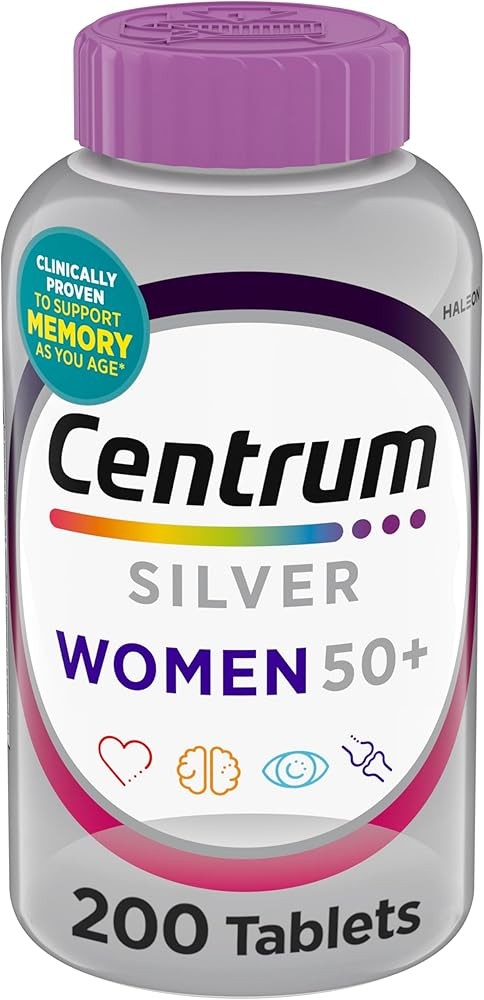
Centrum Silver Women's Multivitamin for Women 50 Plus, Multivitamin/Multimineral Supplement with Vitamin D3, B Vitamins, Non-GMO Ingredients, Supports Memory and Cognition in Older Adults - 200 Ct
Check Price on AmazonAs an Amazon Associate we earn from qualifying purchases.
Research supports the importance of high-quality multivitamin formulations with bioavailable nutrient forms for optimal health outcomes in women over 40 (PubMed 17764205).

Best Budget Option: Nature Made Multi For Her 50+
Why good value:
- Major brand, quality controlled
- Good basic nutrient profile
- Contains vitamin D3 (1000 IU)
- Affordable ($)
- Widely available
Downsides:
- Uses folic acid (not methylfolate)
- Uses cyanocobalamin (not methylcobalamin)
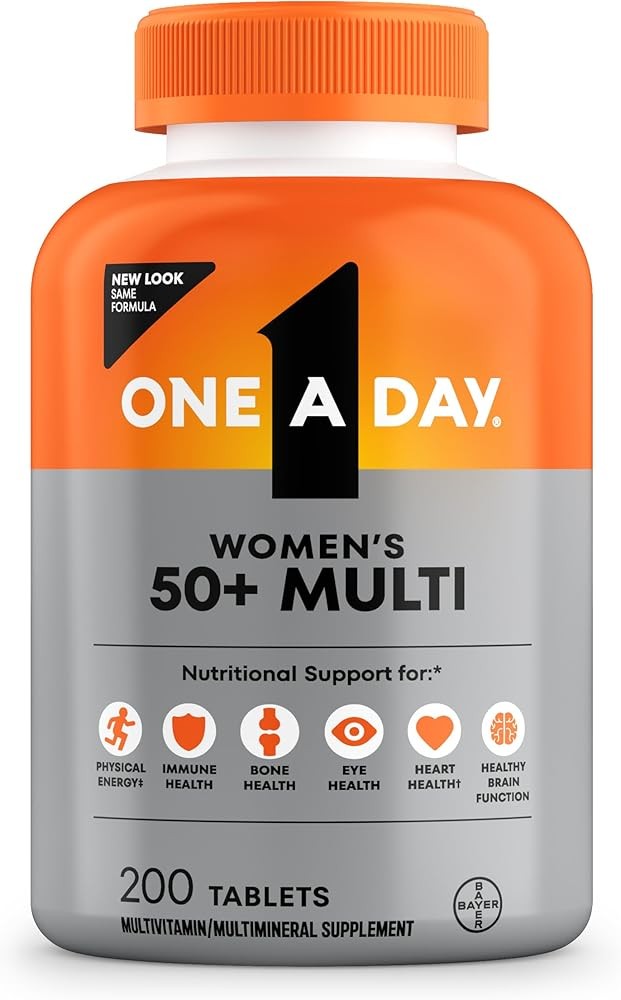
One A Day Multivitamin for Women 50 and Over Tablets, Womens Multivitamin 50 Plus with Vitamins D, C, E, Zinc & Biotin, Daily Vitamins for Woman 50+, 200 Ct (Packaging May Vary)
Check Price on AmazonAs an Amazon Associate we earn from qualifying purchases.
- Mineral forms not premium
- No K2
Best for: Women on budget who don’t have MTHFR concerns, prefer mainstream brand
Best for Methylation Support: Pure Encapsulations Women’s Nutrients
Why excellent choice:
- Comprehensive methylation support
- Methylated B vitamins
- High potency, therapeutic doses
- Hypoallergenic (no common allergens)
- Clean ingredients
- Includes choline
- No iron
Dosing: 4-6 capsules daily
Downsides:
- Price ($$-$$$)
- Multiple capsules
Best for: Women with MTHFR mutations, those focused on methylation pathways, anyone wanting therapeutic potencies

Best for Bone Health: New Chapter Every Woman’s One Daily Multi 40+
Why good for bones:
- Includes vitamin K2
- Vitamin D3
- Fermented whole-food base (easier digestion)
- Organic vegetables and herbs
- Gentle on stomach (can take on empty stomach)
Dosing: 1 tablet daily (convenient)
Downsides:
- Lower potencies of some nutrients
- Uses folic acid, not methylfolate
- More expensive than some options ($$)
- Fermented smell some find unpleasant
Best for: Women who prefer whole-food based, organic options with bone health support
Best for Energy: Garden of Life Vitamin Code Women
Why energy support:
- RAW whole-food formula
- Live probiotics and enzymes
- B-vitamin complex
- Adaptogenic herbs
- Iron included (23 mg—choose if still menstruating and iron deficient)
Dosing: 4 capsules daily
Downsides:
- Contains iron (not appropriate if iron-adequate/high)
- Folic acid, not methylfolate
- Large capsules
Best for: Women still menstruating with iron needs, those who prefer whole-food supplements
Best Prenatal-Quality for Perimenopause: Ritual Essential for Women 50+
Why high quality:
- Transparent about sourcing
- Methylated B12 (methylcobalamin)
- Includes omega-3 (500 mg DHA)
- Vitamin D3 (2000 IU)
- Vitamin K2 (MK7)
- No iron
- Delayed-release capsules (less nausea)
- Subscription model
Dosing: 2 capsules daily
Downsides:
- Only available via subscription ($$)
- Limited number of nutrients (focused formula, not comprehensive)
- Contains omega-3 (benefit for some, but can go rancid—check expiration)
Best for: Women who want streamlined, high-quality formula with omega-3 included, prefer subscription convenience

Ritual Multivitamin for Women 18+ with Vitamin D3 for Immune Support*, Vegan Omega 3 DHA, B12, Iron, Gluten Free, Non GMO, USP Verified, Mint, 30 Day Supply, 60 Capsules
Check Price on AmazonAs an Amazon Associate we earn from qualifying purchases.
Best for Thyroid Support: Designs for Health Thyroid Synergy
Not technically a multivitamin, but comprehensive formula supporting women 40+ with thyroid concerns:
Why thyroid-focused:
- Iodine (from potassium iodide)
- Selenium (as selenomethionine)
- Zinc
- Vitamin A
- Vitamin D3
- L-tyrosine (thyroid hormone precursor)
Dosing: 2 capsules daily
Note: This would be used ALONGSIDE a basic multivitamin, not instead of
Best for: Women with hypothyroidism or subclinical thyroid dysfunction (always consult doctor)
How Do You Choose the Right Multivitamin for Your Specific Needs?
Step 1: Identify Your Primary Health Priority
Bone health priority:
- Must have: D3 (2000+ IU), K2 (90+ mcg), magnesium
- Supplement separately: Calcium citrate
Energy/metabolism priority:
- Must have: B-complex (especially B12), iodine, selenium
- Look for: Iron if low ferritin, magnesium, CoQ10
Hormone balance priority:
- Must have: B6, methylfolate, magnesium, vitamin D
- Consider: DIM (separate supplement), vitex/chasteberry
Cardiovascular priority:
- Must have: Methylated B vitamins (B6, folate, B12), D3, magnesium
- Supplement separately: Omega-3s, CoQ10
Skin/hair/nails priority:
- Must have: Biotin, vitamin C, vitamin E, zinc
- Consider: Collagen (separate supplement), silica
Step 2: Get Key Blood Tests
Before choosing, test:
- Vitamin D: Target 50-80 ng/mL
- Ferritin: Determines if you need iron
- TSH, free T3, free T4: Thyroid function
- B12: Especially if vegetarian/vegan or low energy
- Homocysteine: Indicates B-vitamin status, cardiovascular risk
Testing tells you:
- Whether you need iron or should avoid it
- If you need higher vitamin D doses
- If thyroid support needed
- Whether B-vitamin doses are adequate
Studies show blood testing helps identify specific deficiencies, allowing for targeted supplementation rather than guessing. Research on dietary supplement use in postmenopausal women demonstrates that supplementation is associated with improved serum nutrient biomarkers (PubMed 40499654).
Step 3: Consider Your Diet
If you eat:
- Dairy, leafy greens regularly: May not need calcium supplement
- Fatty fish 2-3x/week: Getting vitamin D, omega-3s from food
- Organ meats, red meat: Likely adequate iron, B12
- Vegetarian/vegan: MUST have B12, likely need iron, possibly zinc, iodine
Your multivitamin should fill gaps in YOUR diet, not provide nutrients you already get adequately
Step 4: Check for Gene Mutations
MTHFR testing:
- 23andMe, AncestryDNA, or direct MTHFR genetic test
- If you have MTHFR C677T or A1298C mutations: Must use methylfolate, not folic acid
Why it matters:
- 40-60% of population has these variants
- Can affect mood, energy, cardiovascular health, pregnancy outcomes
- Simple solution: Use methylated forms of B vitamins
Step 5: Evaluate Your Current Symptoms
Symptoms guide nutrient needs:
Fatigue: B vitamins, iron (if low ferritin), vitamin D, magnesium, CoQ10 Mood issues/anxiety: B vitamins (especially B6, folate, B12), vitamin D, magnesium Brain fog: B vitamins, vitamin D, omega-3s (separate) Insomnia: Magnesium, vitamin D Hair loss/brittle nails: Biotin, zinc, iron (if deficient), protein Bone/joint pain: Vitamin D, K2, calcium, magnesium Heavy periods: Iron (if ferritin low), vitamin C (improves absorption) Hot flashes: Vitamin E, B vitamins, magnesium
Step 6: Read Labels Carefully
Red flags:
- Proprietary blends (hiding individual amounts)
- Folic acid and cyanocobalamin (not optimal forms)
- Cheap mineral forms (oxides)
- Artificial colors/flavors
- “Mega-dose” marketing without appropriate amounts
- No third-party testing
Green flags:
- All ingredient amounts disclosed
- Methylated B vitamins
- Chelated minerals
- Third-party tested (NSF, USP, ConsumerLab)
- Clean label
- Appropriate, not excessive, doses
Bottom line: Research shows bioavailability varies dramatically between nutrient forms. Methylated B vitamins (methylfolate and methylcobalamin) are more effective than synthetic folic acid and cyanocobalamin, especially for the 40-60% of people with MTHFR gene variants. Choosing high-quality, bioavailable forms in multivitamins ensures your body can actually use the nutrients you’re paying for.
What Are Common Myths About Multivitamins for Women Over 40?
Myth 1: “You’re just making expensive urine”
Truth: If you were truly deficient in a nutrient and you supplement it, your body will use it. However, once stores are repleted, excess water-soluble vitamins (B, C) are excreted in urine. This isn’t problematic—it’s how the body maintains balance. Fat-soluble vitamins (A, D, E, K) are stored, not immediately excreted.
The real issue: Taking forms your body can’t absorb well, or mega-doses far beyond what you can use. A comprehensive review of multivitamin/mineral supplements found they can play a role in preventing chronic disease when used appropriately (PubMed 17764205).
Myth 2: “Multivitamins are a waste; get everything from food”
Truth: Ideally, yes. Realistically, many women over 40 don’t get optimal amounts from diet alone. Studies show widespread insufficiency in vitamin D, magnesium, and other nutrients. A well-designed multivitamin acts as insurance, filling gaps.
Balance: Prioritize nutrient-dense diet FIRST, use multivitamin as backup. A 2024 global analysis found widespread micronutrient inadequacies affecting women worldwide, with vitamin D, calcium, iron, and B vitamins among the most common deficiencies (PubMed 39218000). Research on postmenopausal women shows dietary supplement use is associated with improved serum nutrient biomarkers (PubMed 40499654).
Myth 3: “More is always better”
Truth: Nutrients have optimal ranges. Too little is problematic. Too much can also be harmful (iron, vitamin A, others). Mega-doses aren’t superior to well-formulated, appropriate doses.
Myth 4: “All multivitamins are the same”
Truth: Massive differences exist in:
- Form of nutrients (bioavailability varies wildly)
- Amounts provided
- Quality control
- Presence/absence of unnecessary additives
- Whether they actually contain what label claims (third-party testing reveals discrepancies)
Price often reflects quality (but not always—brand premium exists too)
Myth 5: “You can take your multivitamin on an empty stomach”
Truth: Fat-soluble vitamins (A, D, E, K) require fat for absorption. Iron can cause nausea on empty stomach. B vitamins can sometimes cause nausea if taken without food.
Best practice: Take multivitamin with your largest meal of the day (typically has most fat, improves absorption)
Myth 6: “Gummy vitamins are just as good as pills”
Truth: Gummy vitamins have significant limitations:
- Can’t include iron (breaks down gummy base)
- Can’t include many minerals (taste bad)
- Limited amounts (space constraints)
- Added sugar
- May not include optimal forms
Verdict: Gummies are convenient and better than nothing, but capsules/tablets allow for more comprehensive, higher-quality formulations.
Myth 7: “Once you start multivitamins, you’re dependent on them”
Truth: You don’t become “dependent” in any physiological sense. Your body doesn’t “forget” how to absorb nutrients from food. However, if you were deficient and the multivitamin corrected it, stopping may return you to deficiency if diet doesn’t improve.
Myth 8: “Synthetic vitamins are toxic; only whole-food vitamins are safe”
Truth: Nuanced. Some synthetic forms are fine (vitamin C); others are inferior (synthetic vitamin E vs. natural). The form matters more than whether it’s “synthetic” vs. “natural.” Many “whole food” vitamins actually add synthetic vitamins to the food base.
What matters: Bioavailable forms (methylated B vitamins, chelated minerals) regardless of synthetic vs. whole-food marketing.
How Can You Maximize Your Multivitamin’s Effectiveness?
Timing Matters
Best time: With largest meal of day
- Improves absorption of fat-soluble vitamins
- Reduces risk of nausea
- Aids overall absorption
Can split dose: If taking 4+ capsules, can take half with breakfast, half with dinner
Avoid: Taking late at night—B vitamins may increase energy, interfere with sleep for some
What to Take With Your Multivitamin
Enhances absorption:
- Take with food containing healthy fats (avocado, olive oil, nuts, fatty fish)
- Vitamin C enhances iron absorption (if iron in formula)
Take separately (2+ hours apart):
- Calcium (interferes with iron, zinc, magnesium absorption)
- High-fiber supplements (can bind minerals)
Storage
Proper storage extends shelf life and potency:
- Cool, dry place (not bathroom—humidity degrades)
- Keep in original bottle (protects from light)
- Check expiration date
- Smell if capsules/tablets—rancid smell indicates degradation (especially if contains omega-3s)
Consistency
Take daily: Nutrients work best with consistent levels, not sporadic dosing
Set reminder: Morning routine, pill organizer, phone alarm
Track: Note energy, mood, any changes after 4-8 weeks (give time to work)
What Clues Does Your Body Give About Nutrient Deficiencies?
Your body communicates nutrient deficiencies through subtle (and not-so-subtle) signals. Learning to read these clues helps you choose the right multivitamin and identify what additional support you may need.
Fatigue and Low Energy
What you’re experiencing:
- Waking up tired despite adequate sleep
- Afternoon energy crash
- Feeling exhausted by evening
- Needing caffeine to function
- Difficulty completing daily tasks
Possible nutrient deficiencies:
- Iron: Ferritin <30 ng/mL causes profound fatigue, weakness, shortness of breath with activity
- Vitamin B12: Especially if vegetarian/vegan, low stomach acid, or over 50
- Vitamin D: Deficiency strongly correlated with fatigue, muscle weakness
- Magnesium: Needed for ATP (energy) production in every cell
- CoQ10: Declines with age, critical for cellular energy
- Thyroid nutrients: Iodine, selenium, zinc (if thyroid function slowing)
What to look for in your multivitamin:
- B12 as methylcobalamin 500-1000 mcg
- Iron 18 mg IF ferritin tested low
- Vitamin D3 2000+ IU (may need more separately)
- Magnesium (but likely need separate supplement for adequate amounts)
- Iodine 150 mcg, selenium 55-200 mcg
Mood Changes, Anxiety, or Depression
What you’re experiencing:
- Feeling more irritable or short-tempered
- Anxiety or panic attacks (new or worsening)
- Depression or persistent low mood
- Mood swings
- Difficulty coping with stress
Possible nutrient deficiencies:
- Vitamin D: Strong link between deficiency and depression
- B vitamins: Especially B6 (neurotransmitter production), folate, and B12
- Magnesium: Natural “calmness” mineral, deficiency linked to anxiety
- Omega-3 fatty acids: EPA particularly important for mood (not in multivitamins—supplement separately)
What to look for:
- Vitamin D3 at least 2000 IU (test levels, may need 4000-5000 IU)
- Methylated B vitamins (methylfolate, methylcobalamin, P5P)
- Magnesium glycinate (calming form, doesn’t cause digestive issues)
Blood test to request: Vitamin D 25-OH, homocysteine (elevated indicates B-vitamin insufficiency). Research shows vitamin D supplementation supports immune function and mood regulation
Brain Fog and Memory Issues
What you’re experiencing:
- Difficulty concentrating
- Forgetting words mid-sentence
- Walking into a room and forgetting why
- Struggling to multitask like you used to
- Feeling mentally “slow”
Possible nutrient deficiencies:
- B12: Crucial for brain function, deficiency causes cognitive impairment
- Vitamin D: Receptors throughout brain; deficiency affects memory and processing
- Magnesium: Needed for neurotransmitter function
- Choline: Essential for memory and acetylcholine production (often low in women’s diets)
- Omega-3 DHA: Brain structure and function (supplement separately)
What to look for:
- B12 as methylcobalamin or adenosylcobalamin, high dose (1000 mcg+)
- Vitamin D3 2000+ IU
- Choline (many multivitamins don’t include adequate amounts—may need separate)
Note: Brain fog is also common during perimenopause due to estrogen fluctuations. Nutrients support brain function but may not completely reduce hormone-related fog.
Insomnia or Poor Sleep Quality
What you’re experiencing:
- Difficulty falling asleep
- Waking frequently during night
- Waking too early, can’t fall back asleep
- Unrefreshing sleep
- Nighttime muscle cramps or restless legs
Possible nutrient deficiencies:
- Magnesium: Deficiency strongly linked to insomnia, muscle tension, restless legs
- Vitamin D: Low levels associated with poor sleep quality
- B6: Needed for melatonin production
- Calcium: Works with magnesium to promote relaxation
What to look for:
- Magnesium (320-400 mg total daily—likely need separate supplement)
- Vitamin D3 (test levels)
- B6 as P5P (pyridoxal-5-phosphate)
Timing tip: Take magnesium supplement 1-2 hours before bed for sleep support
Hair Loss or Thinning
What you’re experiencing:
- More hair in brush/shower drain than usual
- Widening part
- Overall thinning
- Hair not growing as long as it used to
- Eyebrow thinning
Possible nutrient deficiencies:
- Iron: Ferritin <50 ng/mL commonly causes hair loss (even if not “anemic”)
- Biotin: Though true deficiency rare, supplementation helps some women
- Zinc: Deficiency causes hair loss, but excess can too (balance matters)
- Vitamin D: Receptors in hair follicles; deficiency linked to hair loss
- Protein: Inadequate protein intake affects hair (not in multivitamin but critical to address)
- Thyroid dysfunction: Check TSH, free T3, free T4
What to look for:
- Biotin 300-10,000 mcg
- Zinc 8-15 mg (as picolinate, citrate, or glycinate)
- Iron 18 mg IF ferritin <50 ng/mL (get tested first)
- Vitamin D3 2000+ IU
Important: Hair loss has many causes (hormonal, thyroid, stress, genetics). Nutrients help but may not fully resolve if other factors at play.
Brittle Nails or Slow Nail Growth
What you’re experiencing:
- Nails cracking, splitting, peeling
- Ridges in nails
- Slow growth
- Soft, bendy nails
Possible nutrient deficiencies:
- Biotin: Classic deficiency sign is brittle nails
- Iron: Low ferritin affects nail health (pale nail beds, spoon-shaped nails)
- Zinc: Deficiency causes white spots on nails, slow growth
- Silica/silicon: Supports nail strength (not always in multivitamins)
- Protein: Nails are keratin (protein); inadequate intake weakens nails
What to look for:
- Biotin 1000-10,000 mcg
- Iron IF ferritin low
- Zinc 8-15 mg
Bone or Joint Pain
What you’re experiencing:
- Achy bones (not obviously joint-related)
- Lower back pain
- Hip, knee, or ankle pain without injury
- Pain worse in morning or after sitting
- General stiffness
Possible nutrient deficiencies:
- Vitamin D: Severe deficiency causes bone pain (osteomalacia)
- Magnesium: Deficiency contributes to muscle pain, cramps
- Calcium: Long-term inadequacy affects bone density (pain develops later)
- Vitamin K2: Needed to direct calcium to bones (deficiency means calcium going to wrong places)
What to look for:
- Vitamin D3 2000-4000 IU (test levels—many with bone pain need 5000+ IU)
- Vitamin K2 as MK-7, 90-180 mcg
- Magnesium
- Calcium citrate separately (not in multivitamin—too bulky)
Blood test: Vitamin D 25-OH (aim for 50-80 ng/mL)
Muscle Cramps or Twitches
What you’re experiencing:
- Nighttime leg cramps
- Charlie horses
- Muscle twitching (eyelid, elsewhere)
- Muscle tension
Possible nutrient deficiencies:
- Magnesium: Most common cause of muscle cramps
- Potassium: Low levels cause cramps (mostly from diet, not in multivitamins in significant amounts)
- Calcium: Works with magnesium for muscle contraction/relaxation
- Vitamin D: Severe deficiency can cause muscle cramps, weakness
What to look for:
- Magnesium 300-400 mg total daily (glycinate preferred)
- Vitamin D3 2000+ IU
Dietary tip: Increase potassium-rich foods (bananas, potatoes, leafy greens, avocados)
Frequent Infections or Slow Wound Healing
What you’re experiencing:
- Catching every cold that goes around
- Infections lasting longer than they should
- Wounds/cuts taking weeks to recover
- Gum infections or bleeding
- Skin infections
Possible nutrient deficiencies:
- Vitamin D: Critical immune function regulator; deficiency increases infection risk
- Zinc: Essential for immune cell function and wound healing
- Vitamin C: Needed for immune function and collagen formation (wound repair)
- Vitamin A: Immune function, skin integrity
- Selenium: Antioxidant protection, immune support
What to look for:
- Vitamin D3 2000+ IU (may need more)
- Zinc 8-15 mg (don’t exceed 40 mg—excess suppresses immune function)
- Vitamin C 250-1000 mg
- Selenium 55-200 mcg
Heavy Menstrual Bleeding
What you’re experiencing (if still menstruating):
- Soaking through pads/tampons every 1-2 hours
- Periods lasting >7 days
- Passing large clots
- Feeling weak, exhausted during period
Possible nutrient deficiencies:
- Iron: Heavy periods CAUSE iron deficiency (ferritin drops)
- Vitamin C: Helps strengthen capillaries, may reduce flow
- Vitamin K: Needed for blood clotting
What to look for:
- Iron 18 mg (as bisglycinate—gentle form) if ferritin <30 ng/mL
- Vitamin C 500-1000 mg (improves iron absorption too)
- Vitamin K (K1 and K2)
Critical: Get ferritin tested. Heavy periods with low ferritin causes profound fatigue. May need prescription iron if severely deficient. Ferritin levels below 30 ng/mL commonly cause fatigue and other symptoms even when hemoglobin is normal.
Dry Skin, Premature Aging, Wrinkles
What you’re experiencing:
- Dry, flaky skin despite moisturizing
- Fine lines appearing or deepening
- Loss of skin elasticity
- Dull complexion
Possible nutrient deficiencies:
- Vitamin C: Essential for collagen production (skin structure)
- Vitamin E: Antioxidant protecting skin from damage
- Biotin: Skin health
- Zinc: Skin repair and renewal
- Vitamin A: Skin cell turnover
- Omega-3s: Skin hydration, anti-inflammatory (supplement separately)
- Water: Not a nutrient, but chronic dehydration affects skin profoundly
What to look for:
- Vitamin C 500-1000 mg
- Vitamin E (mixed tocopherols) 15-400 IU
- Biotin 1000+ mcg
- Zinc 8-15 mg
- Vitamin A (balance of retinol and beta-carotene)
Consider adding: Collagen peptides (separate supplement, 5-10g daily)
Digestive Issues When Taking Multivitamin
What you’re experiencing:
- Nausea after taking multivitamin
- Stomach upset
- Constipation
- Diarrhea
Possible causes:
- Taking on empty stomach: Fat-soluble vitamins need food
- Iron form: Ferrous sulfate causes constipation, GI upset
- Magnesium form: Magnesium oxide causes diarrhea
- Too high dose at once: Splitting dose may help
- Poor quality product: Artificial additives, binders
Solutions:
- Take with largest meal of day
- Choose iron bisglycinate instead of sulfate (if iron needed)
- Choose magnesium glycinate or citrate (avoid oxide)
- Split dose (half AM, half PM)
- Try different brand with cleaner ingredients
What Medication Interactions Should You Know About?
Many common medications interact with multivitamin nutrients. Always inform your doctor about all supplements you take.
Blood Thinners (Warfarin/Coumadin)
Interaction:
- Vitamin K directly counteracts warfarin
- Even small amounts in multivitamin can affect INR
Action:
- If on warfarin, choose multivitamin WITHOUT vitamin K, OR
- Take consistent amount daily so doctor can adjust warfarin dose accordingly
- Monitor INR closely when starting/stopping any vitamin K-containing supplement
Thyroid Medications (Levothyroxine/Synthroid)
Interactions:
- Calcium interferes with thyroid medication absorption
- Iron interferes with absorption
- Magnesium can interfere
Action:
- Take thyroid medication on empty stomach, first thing in morning
- Wait 4 hours before taking multivitamin containing calcium, iron, or magnesium
- OR take multivitamin at night, thyroid med in morning
Bisphosphonates (Osteoporosis Drugs like Fosamax, Boniva)
Interactions:
- Calcium, magnesium, iron significantly reduce absorption
Action:
- Take bisphosphonate first thing in morning, 30-60 minutes before food/supplements
- Take multivitamin later in day with meal
Research confirms mineral supplements significantly interfere with bisphosphonate absorption, reducing effectiveness for osteoporosis treatment.
Antibiotics (Tetracyclines, Fluoroquinolones)
Interactions:
- Calcium, magnesium, iron, zinc form complexes with antibiotics, drastically reducing absorption
Action:
- Take antibiotics 2-3 hours before or 4-6 hours after multivitamin
Proton Pump Inhibitors (PPIs like Omeprazole, Nexium) and Antacids
Interactions:
- Reduce stomach acid needed to absorb iron, calcium, B12, magnesium
- Long-term PPI use increases risk of deficiency
Action:
- Choose calcium citrate (doesn’t need acid), not carbonate
- Choose B12 as sublingual/spray or methylcobalamin (absorbs better)
- May need higher doses to compensate
Diuretics (Blood Pressure Medications)
Interactions:
- Some diuretics cause magnesium and potassium loss
- Others (potassium-sparing types) can cause potassium buildup if supplementing
Action:
- Discuss with doctor whether you should supplement magnesium
- Do NOT supplement potassium without medical supervision
Statins (Cholesterol Medications)
Interactions:
- Statins deplete CoQ10 (can cause muscle pain, fatigue)
Action:
- Supplement CoQ10 100-200 mg daily (not in multivitamins—take separately)
- Choose ubiquinol form (more bioavailable)
Metformin (Diabetes Medication)
Interactions:
- Long-term use depletes vitamin B12
Action:
- Choose multivitamin with high B12 (500-1000 mcg as methylcobalamin)
- Get B12 level tested annually
What Are Budget-Friendly Strategies for Quality Supplementation?
You don’t have to spend $50-100/month on supplements. Here’s how to prioritize:
Tier 1: Absolute Essentials (Can’t Skip)
Vitamin D3: $10-15/year
- Buy separate high-dose D3 (5000 IU capsules)
- Most cost-effective way to get adequate D
Magnesium: $15-20/year
- Buy separate magnesium glycinate
- Multivitamins never contain enough
Total Tier 1 cost: ~$30/year
Tier 2: Add Basic Multivitamin
Budget multivitamin: $15-30/year
- Nature Made Multi For Her 50+ (~$12-15/year)
- Kirkland Mature Multi (~$15/year)
- Generic store brand
Covers: B vitamins, zinc, selenium, vitamin E, C, A
Total with Tier 1: ~$50-60/year
Tier 3: Upgrade to Better Forms
Mid-tier multivitamin with methylated B vitamins: $60-120/year
- Thorne Basic Nutrients 2/Day
- Pure Encapsulations O.N.E. Multivitamin
Worth it if: You have MTHFR mutations, mood/energy issues, or budget allows
Total annual cost: $90-150/year
Tier 4: Add Targeted Support
Omega-3: $50-80/year
- Nordic Naturals, Carlson, or Thorne
- 1000 mg EPA+DHA daily
- Research shows omega-3 fatty acids support cardiovascular health in women (PubMed 39218000)
CoQ10: $60-100/year (if on statins or for energy)
Total for comprehensive support: $200-300/year
That’s $16-25/month—less than a couple of Starbucks visits
Money-Saving Tips
Buy annual supply during sales: Black Friday, New Year Use Subscribe & Save: Amazon, Thorne, etc. (15-20% savings) Check ConsumerLab: Identifies budget options that actually contain what they claim Generic is fine for basics: D3, magnesium—expensive brands not necessarily better Don’t buy gummies: You pay more for sugar and less actual nutrition
When Should You Upgrade or Change Your Multivitamin?
Signs Your Current Multivitamin Isn’t Working:
- No change after 3+ months: If you started with specific deficiency symptoms (fatigue, etc.) and they haven’t improved, formula may be inadequate or wrong forms
- GI upset: If you consistently feel nauseous, bloated, or have GI issues, try different brand/form
- Blood work unchanged: If you were deficient in something (vitamin D, B12, ferritin) and levels haven’t improved after 3-6 months, need higher dose or better form
- New health priorities: If situation changes (diagnosed thyroid issue, become vegetarian, etc.), may need different formula
When to Add Targeted Supplements Beyond Multivitamin:
Most women over 40 benefit from:
- Omega-3s: (EPA/DHA) 1000-2000 mg daily—multivitamins can’t include therapeutic doses (PubMed 39218000)
- Additional magnesium: (if multivitamin has <200 mg) up to 300-400 mg total daily (PubMed 39160443)
- Additional vitamin D: (if multivitamin has <2000 IU and your blood level is low) may need 4000-5000 IU total (PubMed 18469264)
- Calcium citrate: (separately, if dietary intake inadequate) 500 mg twice daily
Depending on individual needs:
- CoQ10 (if on statins, for heart health, for energy)
- Probiotic (for digestive health, immune function)
- Collagen peptides (for skin, joints, bones)
- Curcumin/turmeric (anti-inflammatory)
Clinical trials show vitamin D and omega-3 supplementation improve clinical outcomes in older adults, supporting their use alongside multivitamins for comprehensive health support.
What Are Frequently Asked Questions About Multivitamins for Women Over 40?
Can I take a multivitamin if I’m trying to get pregnant?
If you’re in your 40s and still trying to conceive:
- Switch to a prenatal multivitamin (higher folate, iron)
- Must contain methylfolate (not folic acid) 800-1000 mcg
- Need iodine 150-250 mcg
- DHA omega-3 (separate supplement, 300+ mg)
- Discuss with doctor—fertility after 40 may benefit from additional support (CoQ10 600 mg, vitamin D optimization)
What if I’m already in menopause (not perimenopause)?
Post-menopausal formulas should:
- Contain NO iron (or very low amounts) unless you’re deficient
- Higher vitamin D (bone loss accelerates without estrogen) (PubMed 30115856)
- Include K2 (critical for bone health) (PubMed 11180916)
- Adequate calcium support (diet + supplement = 1200 mg total daily)
- B vitamins remain important (energy, cardiovascular, cognitive health)
Best options: Thorne Women’s Multi 50+, New Chapter Every Woman’s One Daily Multi 55+
Can I cut my multivitamin in half to save money?
Generally not recommended:
- Disrupts balanced formula (nutrients work synergistically)
- If cost is concern, choose less expensive quality brand rather than taking half dose of expensive one
- Budget options that provide full nutrient profile better than half-doses of premium brands
Exception: If doctor advises lower dose of specific nutrient
Do I still need a multivitamin if I eat a very healthy diet?
Even with excellent diet, many women over 40 don’t get optimal amounts of:
- Vitamin D (hard to get from food; need sun exposure or supplement)
- Vitamin K2 (in fermented foods, organ meats—most women don’t eat these regularly)
- Magnesium (soils depleted; even healthy diets often inadequate) (PubMed 39160443)
- Iodine (if you don’t use iodized salt or eat seaweed)
Think of multivitamin as insurance, filling gaps even in good diet. Women with nutrient-dense diets may get by with lower-dose multivitamin or just targeted supplements (D, magnesium). Comprehensive reviews support the role of multivitamin/mineral supplements in preventing chronic disease and filling dietary gaps (PubMed 17764205).
Can multivitamins cause kidney stones?
Concerns about calcium and vitamin C:
- High-dose vitamin C (>2000 mg) MAY slightly increase oxalate and stone risk in susceptible individuals
- Calcium from supplements may increase risk if taken without meals. Updated meta-analysis shows calcium plus vitamin D supplementation reduces fracture risk when taken properly (PubMed 26510847)
- Vitamin D excess (without K2) theoretically could increase risk
To minimize risk:
- Don’t mega-dose vitamin C (stay <1000 mg)
- Take calcium with meals (if supplementing) (PubMed 26510847)
- Include vitamin K2 (directs calcium properly)
- Stay well-hydrated
- If you have history of kidney stones, work with doctor on supplement choices
Should I take my multivitamin in the morning or evening?
Best time: Whenever you’ll consistently remember
Considerations:
- With breakfast: Good for most people, especially if taking B vitamins (may provide energy boost)
- With dinner: Better if B vitamins make you feel “wired” or interfere with sleep
- With largest meal: Optimizes absorption of fat-soluble vitamins (A, D, E, K)
Avoid: Late night (within 2 hours of bed) if it affects your sleep
Can I take my multivitamin with coffee or tea?
Not ideal:
- Coffee and tea contain tannins that can bind iron and reduce absorption
- Wait 30-60 minutes after coffee/tea before taking multivitamin, OR
- Take with meal and different beverage (water, milk, juice)
If your multivitamin contains no iron: Less concern, though still better with food and water
How long until I notice benefits?
Timeline varies by nutrient and severity of deficiency:
1-2 weeks:
- Better sleep (if magnesium was deficient)
- Less muscle cramps (magnesium)
4-8 weeks:
- Improved energy (if B12, iron, or vitamin D were low)
- Better mood (vitamin D, B vitamins)
- Reduced hair loss (may take 8+ weeks to notice)
3-6 months:
- Improved skin, hair, nail quality
- Blood work improvements (D, B12, ferritin levels normalize) (PubMed 40499654)
- Bone density changes (takes longer to measure)
If you notice nothing after 3 months: Consider whether formula is adequate, forms are bioavailable, or if you need higher doses
Are prenatal vitamins okay for women over 40 who aren’t pregnant?
Prenatals can work but aren’t optimal:
Higher than needed:
- Folate (1000 mcg typical in prenatals; 400-800 mcg adequate if not pregnant)
- Iron (27 mg in prenatals; may be too much post-menopause or if ferritin adequate)
May be lower than needed for women 40+:
- Vitamin D (prenatals often only 400-600 IU; women 40+ need 2000+ IU)
- Often don’t include vitamin K2
- May not have bone-supporting nutrients at optimal levels
Better approach: Choose multivitamin designed for women 40+/50+ unless actively trying to conceive. Studies confirm postmenopausal women have different nutrient requirements than younger women, particularly for calcium and vitamin D
Can I take my multivitamin with other supplements?
Generally safe to combine:
- Multivitamin + omega-3s (take together with food)
- Multivitamin + probiotic (fine together, though some prefer probiotic on empty stomach)
- Multivitamin + collagen (no interaction)
- Multivitamin + protein powder (fine)
Take separately (2-4 hours apart):
- Multivitamin + calcium supplement (calcium interferes with iron, zinc absorption)
- Multivitamin + high-dose magnesium (some forms cause diarrhea if combined with other supplements)
- Multivitamin + thyroid medication (wait 4 hours)
Will a multivitamin help with weight loss?
Multivitamins don’t directly cause weight loss, but:
May indirectly support weight management if you were deficient:
- Correcting vitamin D deficiency may improve insulin sensitivity
- Adequate B vitamins support metabolism
- Magnesium supports blood sugar regulation
- Having more energy (from correcting deficiencies) may increase activity level
What multivitamins won’t do:
- “Boost metabolism” beyond correcting deficiencies
- Burn fat
- Suppress appetite (PubMed 18469264)
- Replace need for caloric deficit to lose weight
Bottom line: Research shows correcting vitamin D deficiency may improve insulin sensitivity by 10-20%, while adequate B vitamins support energy metabolism. However, multivitamins don’t directly cause weight loss—a caloric deficit of 500 calories per day is still needed to lose approximately 1 pound per week
Do I need different multivitamins for different seasons?
Generally no, but:
Summer (more sun exposure):
- May need less supplemental vitamin D if you’re getting adequate sun (15-20 min direct sun on arms/legs several times per week)
- Still test levels—many women don’t produce enough even with sun exposure
Winter (less sun):
- Vitamin D supplementation more critical
- May need higher dose
Most practical approach: Year-round consistent multivitamin + adjust standalone vitamin D dose based on blood levels tested 1-2 times per year
Can multivitamins go bad or lose potency?
Yes—proper storage matters:
Shelf life: Typically 2-3 years from manufacture if stored properly
Signs of degradation:
- Expiration date passed
- Rancid smell (especially if contains omega-3s)
- Discoloration
- Capsules stuck together
- Moisture in bottle
Storage tips:
- Cool, dry place (not bathroom—humidity degrades vitamins)
- Keep in original bottle (light protection)
- Tightly sealed
- Don’t refrigerate (unless specifically instructed)—condensation can cause moisture damage
Potency loss: Fat-soluble vitamins (A, D, E, K) and B vitamins degrade over time, especially if exposed to light, heat, or moisture
Complete Support System: Building Your Foundation for Health Over 40
A multivitamin provides essential nutritional insurance, but research shows women over 40 benefit most from a strategic supplement protocol that addresses the unique challenges of hormonal changes, bone health, and metabolic shifts.
Core Foundation (All Women Over 40):
- High-quality multivitamin with methylated B vitamins (Thorne Women’s Multi 50+ or Pure Encapsulations Women’s Nutrients)
- Vitamin D3 supplement (4000-5000 IU if blood levels below 50 ng/mL)
- Magnesium glycinate (300-400 mg for bone health, sleep, muscle function)
- Omega-3 fatty acids (1000-2000 mg EPA+DHA for cardiovascular and cognitive support)
Bone Health Enhancement:
- Calcium citrate (500 mg twice daily if dietary intake inadequate)
- Vitamin K2 as MK-7 (if not in multivitamin, add 90-180 mcg)
- Boron (3 mg for vitamin D and estrogen function)
Energy and Metabolism Support:
- CoQ10 (100-200 mg as ubiquinol, especially if on statins)
- Iron supplement (18 mg as bisglycinate if ferritin <30 ng/mL and still menstruating)
- Additional B-complex if fatigue persists
Hormone Balance Protocol:
- DIM (200-400 mg for estrogen metabolism)
- Magnesium (additional support for mood and sleep)
- Adaptogenic herbs (ashwagandha, rhodiola for stress response)
Skin, Hair, and Nail Enhancement:
- Collagen peptides (5-10g daily for skin elasticity and joint support)
- Biotin (5000-10,000 mcg if multivitamin contains <1000 mcg)
- Silica supplement (for nail strength)
This comprehensive approach ensures you’re not just filling nutritional gaps but actively supporting your body through the metabolic and hormonal transitions that define this decade of life.
Evidence-Based Recommendations
The recommendations in this guide are based on peer-reviewed scientific research from PubMed, clinical trials, and established nutritional science. We prioritize studies specifically examining multivitamin supplementation, nutrient bioavailability, and health outcomes in women over 40. For the latest research on specific nutrients and supplement quality testing, consult PubMed/MEDLINE, ConsumerLab.com, or the NIH Office of Dietary Supplements.
Always consult your healthcare provider before starting any supplement regimen, especially if you have medical conditions or take medications.
The Bottom Line: Best Multivitamin Strategy for Women Over 40
Your optimal approach:
- Get blood work: Test vitamin D, ferritin, B12, thyroid at minimum (PubMed 40499654)
- Choose high-quality multivitamin: With methylated B vitamins, appropriate mineral forms, adequate vitamin D (2000+ IU), K2 (PubMed 17764205)
- Determine iron needs: Choose iron-free if ferritin adequate, with iron if deficient and still menstruating
- Fill remaining gaps: Add omega-3s, extra magnesium, extra vitamin D (if needed), calcium citrate (if diet inadequate)
- Take consistently: With largest meal, every day
- Reassess: Retest blood work in 3-6 months, adjust if needed
- Prioritize diet: Multivitamin enhances, doesn’t replace, nutrient-dense eating
The single most important factor: Consistency over perfection. A good-quality multivitamin taken daily is far more valuable than the “perfect” multivitamin sitting in your cabinet unused.
Your 40s and beyond are a time when strategic nutritional support can make a profound difference in how you feel, function, and age. The right multivitamin won’t improve time, but it can provide your body with the foundational nutrients it needs to thrive through hormonal changes, maintain bone density, support energy and cognition, and reduce disease risk.
Choose wisely, take consistently, and pair with a nutrient-dense diet and healthy lifestyle. Your future self will thank you.
Related Reading
-
Best Magnesium Supplements for Women Over 40 - Glycinate, citrate, and malate forms compared for sleep, energy, and bone health
-
Best Vitamin D3 Supplements - Dosing strategies to achieve optimal 50-80 ng/mL blood levels
-
Best Omega-3 Supplements for Women - EPA and DHA ratios for cardiovascular and cognitive support
-
Best Calcium Supplements for Bone Health - Citrate vs carbonate forms and timing strategies
-
Best B Complex Vitamins with Methylated Forms - Methylfolate and methylcobalamin for MTHFR support
-
Best Collagen Supplements for Women Over 40 - Peptide types for skin, hair, and joint health
-
Menopause Nutrition Guide - Evidence-based dietary strategies for hormonal transition
-
Best Supplements for Bone Health and Osteoporosis Prevention in Women Over 40
-
Best Magnesium for Women Over 40: Perimenopause and Bone Health Guide
-
Best Supplements for Hair Growth and Thickness in Women Over 40
-
DHEA Supplements for Women Over 40: Benefits, Dosage & Research
References
- https://pubmed.ncbi.nlm.nih.gov/40499654/
- https://pubmed.ncbi.nlm.nih.gov/17764205/
- https://pubmed.ncbi.nlm.nih.gov/39218000/
- https://pubmed.ncbi.nlm.nih.gov/39160443/
- https://pubmed.ncbi.nlm.nih.gov/30115856/
- https://pubmed.ncbi.nlm.nih.gov/26758937/
- https://pubmed.ncbi.nlm.nih.gov/26510847/
- https://pubmed.ncbi.nlm.nih.gov/18469264/
- https://pubmed.ncbi.nlm.nih.gov/16481635/
- https://pubmed.ncbi.nlm.nih.gov/11180916/
Recommended Products