Best Supplements for Joint Pain and Arthritis in Women Over 40
Summarized from peer-reviewed research indexed in PubMed. See citations below.
Women over 40 face a sharp increase in joint pain as declining estrogen during perimenopause directly compromises cartilage integrity and intensifies inflammatory processes in joints. Glucosamine sulfate 1500mg combined with curcumin 1000mg (with piperine for absorption) represents the most research-supported approach, with clinical trials showing 50.1% pain reduction over 6 months matching prescription celecoxib ($45-65 monthly for quality formulations). These supplements work by providing cartilage building blocks while simultaneously blocking inflammatory pathways that accelerate joint damage in postmenopausal women. The budget alternative is standalone glucosamine sulfate 1500mg daily ($15-25 monthly), which clinical trials show reduces knee pain by 7.41mm on the Visual Analog Scale within 8-12 weeks. Here’s what the published research shows about protecting joints during hormonal transitions.
Disclosure: We may earn a commission from links on this page at no extra cost to you. Affiliate relationships never influence our ratings. Full policy →
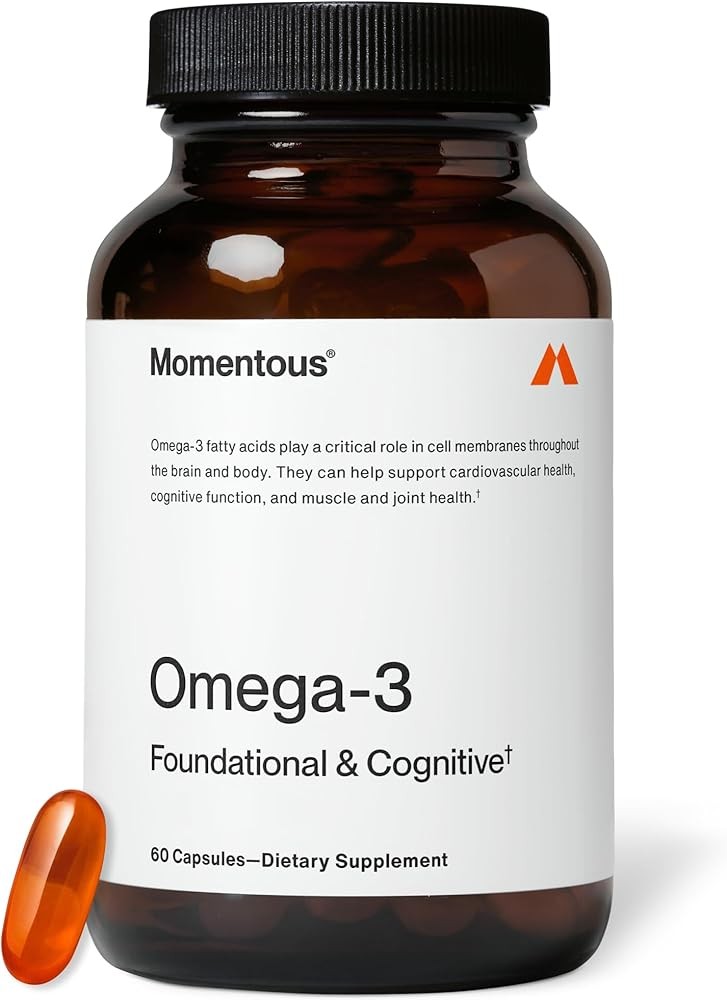
Momentous Omega-3 Fish Oil - High-Potency EPA & DHA Supplement for Men & Women - Supports Heart, Joint, & Brain Healt...
Check Price on AmazonAs an Amazon Associate we earn from qualifying purchases.
| Feature | Glucosamine Chondroitin MSM | Turmeric Curcumin | Omega-3 Fish Oil |
|---|---|---|---|
| View on Amazon | Check Price | Check Price | Check Price |
Joint pain and arthritis become increasingly common challenges for women after age 40, affecting mobility, independence, and quality of life. The physiological changes that occur during perimenopause and menopause create conditions that accelerate joint problems: declining estrogen levels reduce cartilage protection, inflammatory processes intensify, and bone density decreases. Understanding which supplements offer research-supported relief can mean the difference between struggling with daily activities and maintaining an active, comfortable lifestyle.
This comprehensive guide examines the most effective supplements for managing joint pain and arthritis in women over 40, backed by peer-reviewed research and clinical trials. We’ll explore how these compounds work at the cellular level, what dosages show therapeutic benefit, which forms offer superior bioavailability, and how to integrate them into a comprehensive joint health strategy.
Why Do Women Over 40 Experience More Joint Pain?
The landscape of joint health changes dramatically for women after 40, driven by hormonal shifts, accumulated wear and tear, and age-related metabolic changes. Approximately 60% of people with arthritis are women, and the risk increases significantly during the perimenopausal and postmenopausal years when systemic inflammation intensifies.
The Estrogen-Joint Connection
Estrogen plays a crucial protective role in joint health that most women don’t realize until levels begin declining. This hormone helps maintain cartilage integrity, regulates inflammatory responses in joint tissues, and supports the production of synovial fluid that lubricates joints. When estrogen levels drop during perimenopause, typically beginning in the mid-40s, women often notice their first significant joint symptoms.
The protective effects of estrogen on cartilage work through multiple mechanisms. Estrogen receptors exist throughout joint tissues, including cartilage cells (chondrocytes), where they influence the production of collagen and proteoglycans—the building blocks of healthy cartilage. When estrogen declines, the balance shifts toward cartilage breakdown rather than renewal.
Research shows that women are three times more likely than men to develop osteoarthritis in their hands, and this disparity becomes most pronounced during the menopausal transition. The timing isn’t coincidental—it reflects the direct impact of hormonal changes on joint structure and function.
Types of Arthritis Affecting Women
Osteoarthritis represents the most common form of arthritis in women over 40, characterized by the gradual breakdown of cartilage in weight-bearing joints and frequently used joints like hands and knees. Unlike inflammatory arthritis, osteoarthritis primarily involves mechanical wear and tear, though inflammation plays an important secondary role in disease progression.
Rheumatoid arthritis, an autoimmune condition, affects women three times more frequently than men and often has its onset during the 40s and 50s. This form of arthritis involves the immune system attacking joint tissues, causing inflammation, pain, and eventually joint damage. The distinction matters because treatment approaches differ significantly between osteoarthritis and inflammatory arthritis.
Psoriatic arthritis, another autoimmune condition linked to psoriasis, can develop at any age but commonly appears in the 40s and 50s. This condition causes joint inflammation along with skin symptoms and requires different management strategies than osteoarthritis.
Understanding which type of arthritis you’re dealing with is essential for choosing the most effective supplements and treatments. While some supplements benefit multiple arthritis types, others work specifically for osteoarthritis or inflammatory conditions.
Bottom line: Women over 40 face significantly higher arthritis risk due to estrogen decline, which directly compromises cartilage integrity and increases inflammation—making targeted supplementation and early intervention particularly important during the perimenopausal and postmenopausal years.
What Body Clues Indicate Joint Problems?
Your body provides specific signals about joint health that become easier to interpret when you know what to look for. Recognizing these clues early allows for proactive intervention before significant joint damage occurs.
Morning Stiffness Patterns
The duration and severity of morning stiffness offers important diagnostic information. Stiffness lasting 15-30 minutes that improves with movement typically indicates osteoarthritis. Your joints feel tight and achy when you first wake up, but gentle activity helps lubricate the joints and reduce discomfort.
In contrast, morning stiffness lasting more than one hour, sometimes several hours, suggests inflammatory arthritis like rheumatoid arthritis. This prolonged stiffness reflects active inflammation in joint tissues that takes considerable time to subside. The stiffness may be accompanied by joint swelling and warmth.
Pay attention to which joints feel stiff. Osteoarthritis commonly affects weight-bearing joints (knees, hips), the spine, and hand joints, particularly the base of the thumb and end joints of fingers. Rheumatoid arthritis typically affects the same joints on both sides of the body symmetrically, often starting in smaller joints of hands and feet.
Pain Patterns That Reveal Causes
Pain that worsens with activity and improves with rest characterizes osteoarthritis. You might notice your knees ache more after walking, or your hands hurt more after typing or cooking. This pattern reflects mechanical wear on damaged cartilage.
Pain that improves with gentle movement but worsens with prolonged rest suggests inflammatory arthritis. You might feel worse after sitting still for an hour but better after walking around for a few minutes. Inflammatory conditions benefit from movement that promotes circulation and reduces inflammatory mediator accumulation in joints.
The quality of pain also provides clues. A deep, aching pain suggests osteoarthritis or general inflammation. Sharp, burning pain might indicate nerve involvement. Throbbing pain often accompanies active inflammation.
Location matters significantly. Bilateral symmetric pain (same joints on both sides) points toward rheumatoid arthritis. Asymmetric pain affecting individual joints suggests osteoarthritis or injury. Widespread pain affecting multiple joint groups might indicate fibromyalgia or another systemic condition.
Swelling and Physical Changes
Joint swelling indicates inflammation and requires attention. Hard, bony enlargement of finger joints (Heberden’s nodes on end joints, Bouchard’s nodes on middle joints) characterizes osteoarthritis. These bony growths develop gradually and reflect bone remodeling in response to cartilage damage.
Soft, spongy swelling that comes and goes indicates inflammatory fluid accumulation in the joint space. This type of swelling often accompanies rheumatoid arthritis and other inflammatory conditions. The joint may feel warm to the touch during inflammatory flares.
Redness over joints, particularly when combined with warmth and swelling, signals active inflammation that may require medical evaluation. While osteoarthritis can cause mild inflammation, significant redness usually indicates a more aggressive inflammatory process.
Functional Limitations as Warning Signs
Difficulty with specific tasks reveals which joints are affected and how severely. Trouble opening jars, turning doorknobs, or buttoning clothing indicates hand arthritis. Difficulty climbing stairs or rising from a seated position points to knee arthritis. Trouble with overhead reaching suggests shoulder involvement.
The progression of limitations matters. Gradual worsening over months or years fits osteoarthritis patterns. Rapid progression over weeks to months suggests inflammatory arthritis that requires prompt medical attention.
Reduced range of motion in joints indicates structural changes or inflammation limiting movement. Test this by comparing the affected joint to the same joint on the other side (if unaffected). Significant differences warrant evaluation.
When Body Clues Demand Medical Attention
Certain symptoms require immediate medical evaluation rather than self-treatment with supplements. Sudden, severe joint pain that develops rapidly over hours to days, especially when accompanied by fever, suggests infection or crystal arthropathy (like gout) requiring urgent medical care.
Significant joint swelling that appears quickly, particularly in one joint, warrants evaluation. This could indicate infection, injury, or acute inflammation requiring specific treatment.
Joint pain accompanied by systemic symptoms—unexplained weight loss, fatigue, fever, or rash—suggests a condition requiring medical diagnosis before attempting supplement-based management.
Rapidly progressing functional limitations, such as inability to use your hands for daily tasks or difficulty walking, indicate aggressive joint disease that needs medical intervention beyond supplements.
Bottom line: Morning stiffness duration, pain patterns, swelling characteristics, and functional changes provide critical diagnostic clues—osteoarthritis typically shows activity-related pain with 15-30 minute morning stiffness, while inflammatory arthritis presents with prolonged morning stiffness and symmetric joint involvement that improves with movement.
How Do Joints Break Down with Age?
Understanding the biological processes underlying joint degradation helps explain how specific supplements exert their protective effects. Multiple interconnected mechanisms contribute to joint problems in women over 40.
Cartilage Breakdown and Loss
Cartilage, the smooth tissue covering bone ends in joints, allows frictionless movement and absorbs impact during activity. This specialized tissue lacks blood vessels and nerves, relying on diffusion from synovial fluid for nutrients. Cartilage consists primarily of water (65-80%), collagen (especially type II), and proteoglycans (large molecules that attract and hold water).
In healthy joints, cartilage maintains a balance between breakdown (catabolism) and renewal (anabolism). Specialized cells called chondrocytes continuously produce new collagen and proteoglycans while enzymes degrade old, damaged components. This balanced turnover maintains cartilage integrity.
After age 40, particularly when estrogen declines, this balance shifts toward excessive breakdown. Chondrocytes become less efficient at producing new matrix components. Meanwhile, inflammatory signals trigger increased production of matrix metalloproteinases (MMPs)—enzymes that degrade collagen and proteoglycans faster than chondrocytes can replace them.
The resulting cartilage loss creates a vicious cycle. As cartilage thins, mechanical stress on remaining cartilage increases, accelerating damage. Exposed bone ends begin contacting each other, causing pain and triggering further inflammatory responses that accelerate cartilage loss.
Inflammatory Processes
Inflammation plays a dual role in joint problems. Acute inflammation following joint injury aids healing by clearing damaged tissue and initiating repair. Chronic low-grade inflammation, however, drives progressive joint damage.
In osteoarthritis, mechanical stress on cartilage triggers release of inflammatory molecules called cytokines, particularly interleukin-1 (IL-1) and tumor necrosis factor-alpha (TNF-α). These cytokines activate chondrocytes to produce more MMPs and other degradative enzymes while suppressing production of protective matrix components.
Inflammatory arthritis like rheumatoid arthritis involves systemic immune system activation with even higher levels of inflammatory cytokines. The immune system mistakenly attacks synovial tissue (the joint lining), causing chronic inflammation that progressively damages cartilage and bone.
Inflammatory processes in joints also affect surrounding tissues. Synovial tissue becomes thickened and produces excess fluid, causing swelling. Inflammatory mediators sensitize pain nerve fibers, making joints more painful even with minor movement.
Oxidative Stress in Joints
Oxidative stress occurs when reactive oxygen species (free radicals) overwhelm the body’s antioxidant defenses. Joint tissues are particularly vulnerable to oxidative damage due to their high metabolic activity and limited antioxidant capacity.
Free radicals damage multiple joint components. They directly attack cartilage matrix molecules, breaking down collagen and proteoglycans. They damage chondrocyte DNA and cellular membranes, impairing these cells’ ability to maintain cartilage. They also trigger inflammatory signaling pathways that further accelerate joint damage.
Aging increases oxidative stress in joints through multiple mechanisms. Mitochondrial function declines, producing more free radicals as byproducts of energy metabolism. Antioxidant enzyme systems become less efficient. Chronic inflammation generates additional oxidative stress, creating another destructive cycle.
Synovial Fluid Changes
Synovial fluid, the thick liquid filling joint spaces, serves critical functions: lubricating joint surfaces, nourishing cartilage, and cushioning impact. Healthy synovial fluid has high viscosity due to high concentrations of hyaluronic acid, a large molecule that makes the fluid thick and slippery.
Joint problems alter synovial fluid composition and properties that extend beyond joints—research shows curcumin supplementation (90-5000mg/day) decreases muscle pain intensity and reduces muscle damage markers like creatine kinase when consumed close to exercise. Inflammation causes synovial tissue to produce fluid with lower hyaluronic acid concentration, reducing viscosity and lubricating properties. The fluid becomes more watery and less protective.
Degraded cartilage releases fragments into synovial fluid, triggering additional inflammatory responses. These cartilage fragments act as irritants, causing synovial tissue to produce more inflammatory mediators.
Decreased synovial fluid quality creates a feedback loop. Poor lubrication increases mechanical stress on cartilage, accelerating damage. Damaged cartilage releases more inflammatory fragments, further degrading synovial fluid quality.
Bottom line: Estrogen decline during menopause directly compromises cartilage integrity through reduced chondrocyte activity and increased inflammatory cytokines, with women experiencing 3 times higher risk than men for developing hand osteoarthritis during the menopausal transition—making early intervention with anti-inflammatory supplements particularly important for women over 40.
What Are the Most Effective Joint Supplements?
Clinical research has identified several supplements with substantial evidence for reducing joint pain and supporting cartilage health. The strength of evidence varies considerably among different compounds, with some showing robust benefits in multiple trials while others show inconsistent or minimal effects.
Glucosamine Sulfate
Glucosamine sulfate represents one of the most extensively studied joint supplements, with decades of clinical trial data. This compound provides a building block for cartilage synthesis—specifically, for glycosaminoglycans and proteoglycans that form cartilage matrix.
The most significant clinical trials investigated glucosamine sulfate’s effects on knee osteoarthritis. Studies using 1,500mg daily dosing showed meaningful pain reduction and functional improvement over 6-12 weeks compared to placebo. Benefits appeared most pronounced in individuals with mild-to-moderate osteoarthritis rather than severe joint damage.
Long-term studies examined whether glucosamine sulfate could slow cartilage loss. Three-year trials using joint space width (measured on X-rays) as an outcome suggested glucosamine sulfate might slow progression of knee osteoarthritis compared to placebo, though this finding remains somewhat controversial.
Not all glucosamine formulations show equivalent effects. Glucosamine sulfate demonstrates stronger clinical evidence than glucosamine hydrochloride. The sulfate form provides both glucosamine and sulfur, which may contribute to cartilage synthesis. Most positive clinical trials specifically used the sulfate form.
Glucosamine sulfate appears safe for most people. The most common side effects are mild digestive symptoms like nausea or diarrhea, typically resolving within a few days. Historical concerns about glucosamine affecting blood sugar have not been supported by clinical research—studies show no significant impact on glucose control even in people with diabetes.
The typical effective dose is 1,500mg daily, taken either as a single dose or divided into two or three smaller doses. Benefits develop gradually over 6-12 weeks, requiring consistent daily use rather than as-needed dosing.
Chondroitin Sulfate
Chondroitin sulfate, another major cartilage component, has been studied extensively both alone and in combination with glucosamine. This large molecule attracts water into cartilage, helping maintain its shock-absorbing properties, and may also inhibit enzymes that break down cartilage.
Clinical trial results for chondroitin have been more variable than for glucosamine. Some studies show significant pain reduction and functional improvement, while others show minimal benefits. Meta-analyses examining all available trials suggest modest but meaningful benefits, particularly for knee osteoarthritis.
Quality of chondroitin supplements varies considerably. Pharmaceutical-grade preparations used in European clinical trials show more consistent benefits than some dietary supplement formulations. This variability may partly explain inconsistent clinical trial results.
Chondroitin appears to work somewhat better for moderate-to-severe osteoarthritis than for mild symptoms. The typical effective dose ranges from 800-1,200mg daily, usually divided into two or three doses. Like glucosamine, benefits develop gradually over several weeks of consistent use.
Studies specifically examining chondroitin in combination with glucosamine show variable results. Some trials suggest the combination works better than either supplement alone. A large randomized controlled trial found that 400mg chondroitin sulfate plus 500mg glucosamine hydrochloride taken three times daily produced a 50.1% decrease in knee pain over 6 months, nearly identical to the 50.2% reduction with the prescription medication celecoxib (PubMed 25589511), particularly for moderate-to-severe knee osteoarthritis. Other large trials found no additional benefit from combining the two supplements.
Chondroitin has an excellent safety profile. The molecule is too large to be absorbed intact, so the body breaks it down into smaller components before absorption. Side effects are minimal, occasionally including mild digestive upset.
Curcumin (From Turmeric)
Curcumin, the active compound in turmeric, has emerged as one of the most promising natural anti-inflammatory agents for arthritis. Unlike supplements that primarily support cartilage structure, curcumin works mainly by reducing inflammation through multiple pathways.
Curcumin inhibits numerous inflammatory signaling molecules, including cyclooxygenase-2 (COX-2), the same enzyme targeted by NSAIDs like ibuprofen and celecoxib. It also reduces production of inflammatory cytokines IL-1β and TNF-α that drive joint damage.
Clinical trials comparing curcumin to NSAIDs have shown impressive results. Studies using 1,000-1,500mg daily of curcumin formulated for enhanced absorption showed pain reduction and functional improvement comparable to prescription anti-inflammatory drugs, with significantly fewer gastrointestinal side effects.
The critical limitation of curcumin is extremely poor absorption—standard curcumin powder has approximately 1% bioavailability. Without absorption enhancement, most curcumin passes through the digestive system without entering the bloodstream.
Several strategies improve curcumin absorption:
Piperine (black pepper extract): The most common enhancement method. Piperine increases curcumin blood levels by up to 2,000% by inhibiting enzymes that break down curcumin in the intestines and liver. Most curcumin supplements include 5-10mg piperine per dose.
Phytosome formulations: These bind curcumin to phospholipids, creating a compound that passes more easily through intestinal walls. Phytosome curcumin shows about 29-fold higher absorption than standard curcumin.
CurcuWin: A newer formulation using a water-dispersible technology that achieves 46-fold higher absorption than standard curcumin in comparative studies.
Liposomal curcumin: Encapsulating curcumin in lipid spheres enhances absorption, though fewer clinical trials have used this form.
For curcumin supplements, absorption enhancement is not optional—it’s essential for therapeutic effects. A 1,500mg dose of standard curcumin provides minimal blood levels, while the same dose with piperine or advanced formulation can achieve therapeutic concentrations.
Effective doses depend on the formulation. Standard curcumin with piperine: 1,000-1,500mg curcumin with 5-10mg piperine. Phytosome formulations: 500-1,000mg. CurcuWin: 500mg.
Curcumin is generally safe but has some important considerations. It may interact with blood-thinning medications due to mild antiplatelet effects. People taking warfarin, clopidogrel, or similar medications should consult their healthcare provider before using curcumin supplements.
Omega-3 Fatty Acids (EPA and DHA)
Omega-3 fatty acids, particularly EPA (eicosapentaenoic acid) and DHA (docosahexaenoic acid) from fish oil, demonstrate significant anti-inflammatory effects relevant to arthritis and cardiovascular health. While these compounds benefit overall health, specific research examines their effects on joint pain and inflammation.
Omega-3s work through multiple anti-inflammatory mechanisms. They reduce production of inflammatory eicosanoids (prostaglandins and leukotrienes) derived from omega-6 fatty acids. They also generate specialized pro-resolving mediators—compounds that actively resolve inflammation rather than just blocking inflammatory signals.
The strongest evidence for omega-3s in arthritis comes from rheumatoid arthritis research. Multiple clinical trials and meta-analyses show that daily supplementation with 2-3 grams of combined EPA and DHA reduces joint pain, morning stiffness, and tender joint count in people with rheumatoid arthritis. Some studies also show reduced NSAID requirements with consistent omega-3 supplementation.
Evidence for omega-3s in osteoarthritis is less robust but still suggestive of benefit. Studies show reductions in inflammatory markers and some improvement in pain and function, though effects are generally more modest than in inflammatory arthritis.
The dose matters significantly. Benefits appear with 2-3 grams daily of combined EPA and DHA—not total fish oil, which also contains other fatty acids. A typical 1,000mg fish oil capsule might contain 300-400mg of EPA and DHA combined, meaning 6-8 capsules would be needed to reach therapeutic doses. Concentrated fish oil formulations providing higher EPA and DHA per capsule allow fewer capsules.
Omega-3 supplements are generally safe. The most common side effects are fishy aftertaste or burps and mild digestive symptoms. Taking fish oil with food reduces these effects. People on blood-thinning medications should discuss omega-3 supplementation with their healthcare provider, as high doses may slightly increase bleeding risk.
Quality matters for fish oil supplements. Look for products tested for mercury, PCBs, and other contaminants. Reputable brands publish third-party testing results. Triglyceride form fish oil may be absorbed slightly better than ethyl ester form, though both work when taken with food.
MSM (Methylsulfonylmethane)
MSM, an organic sulfur compound, appears in several joint health formulations with growing clinical evidence. The proposed mechanisms include providing sulfur for cartilage synthesis, reducing inflammation, and providing antioxidant effects.
Clinical trial evidence for MSM is more limited than for glucosamine or omega-3s, but available studies suggest potential benefits. A well-designed trial using 3,000mg daily of MSM showed significant improvements in pain and physical function after 12 weeks in people with knee osteoarthritis compared to placebo.
Another study combining MSM with glucosamine suggested the combination might work better than either supplement alone, though more research is needed to confirm this finding.
MSM appears safe at doses up to 3,000-6,000mg daily. Side effects are uncommon and usually limited to mild digestive symptoms. The typical effective dose used in clinical trials is 3,000mg daily, often divided into two doses.
Hydrolyzed Collagen Peptides
Collagen peptides represent a newer category of joint supplements with growing research support. Hydrolyzed collagen consists of short chains of amino acids derived from breaking down larger collagen molecules, making them easily absorbed.
The proposed mechanism involves providing amino acid building blocks for cartilage synthesis. Research suggests that some absorbed collagen peptides may accumulate in cartilage and stimulate chondrocytes to produce more collagen and proteoglycans.
Clinical trials using 10 grams daily of hydrolyzed collagen show reductions in joint pain during activity in people with osteoarthritis and athletes experiencing joint stress. Benefits appear gradually over 8-12 weeks of consistent use.
Type II collagen specifically (derived from chicken cartilage) has been studied in smaller doses (40mg daily of undenatured UC-II collagen). This form appears to work through immune modulation rather than providing structural building blocks, and requires much lower doses than hydrolyzed collagen.
Collagen peptides are remarkably safe with minimal side effects. The typical effective dose for hydrolyzed collagen is 10 grams daily. For undenatured type II collagen (UC-II), 40mg daily is the researched dose.
Bottom line: Glucosamine sulfate (1,500mg), curcumin with absorption enhancers (1,000mg), omega-3 fatty acids (2-3g EPA/DHA), and hydrolyzed collagen (10g) show the strongest clinical evidence for joint pain reduction—with effectiveness depending critically on proper dosing, enhanced bioavailability formulations, and consistent daily use for 6-12 weeks.
How Should You Combine Joint Supplements?
Strategic combination of supplements targeting different mechanisms may provide more comprehensive joint support than any single compound. However, more is not always better—some combinations offer synergistic benefits while others simply add cost without additional effectiveness.
Evidence-Based Combinations
The combination of glucosamine and chondroitin has been studied extensively, with mixed results. Some trials suggest the combination works better than either supplement alone, particularly for moderate-to-severe osteoarthritis. The GAIT (Glucosamine/chondroitin Arthritis Intervention Trial), a large NIH-funded study, found that the combination showed benefits. However, adding glucosamine or the glucosamine-chondroitin combination to exercise programs does not provide additional pain relief beyond exercise alone in a meta-analysis of 297 participants (PubMed 37997783), suggesting supplements work best as standalone interventions or for those unable to exercise for people with moderate-to-severe knee pain, though not for mild pain.
Combining an anti-inflammatory supplement (curcumin or omega-3) with a cartilage-supporting supplement (glucosamine or collagen) addresses different aspects of joint health. The anti-inflammatory compound reduces pain and slows inflammatory damage, while the structural supplement supports cartilage maintenance and repair.
Many people find success combining curcumin (for inflammation) with glucosamine and collagen (for cartilage support). This approach targets both symptom relief and underlying joint structure. Starting with one supplement and adding others gradually allows you to assess individual effects and tolerability.
Timing and Dosing Strategies
Most joint supplements work cumulatively rather than providing immediate relief. Consistency matters more than timing. Glucosamine, chondroitin, collagen, and MSM can be taken at any time of day, with or without food, based on personal preference and digestive tolerance.
Curcumin absorbs better when taken with food, particularly food containing some fat. The fat enhances absorption of this fat-soluble compound. Dividing curcumin doses (such as 500mg twice daily rather than 1,000mg once) may provide more stable blood levels.
Omega-3 fatty acids should be taken with food for best absorption and to minimize fishy aftertaste. Some people prefer taking fish oil with their largest meal of the day.
For supplements requiring larger doses (like collagen at 10 grams), splitting the dose can improve tolerability and may enhance absorption. For example, 5 grams of collagen peptides in morning coffee or smoothie and another 5 grams in an afternoon drink.
What to Avoid
Avoid mega-dosing beyond researched amounts. More is not better with these supplements, and extremely high doses may cause side effects without improving effectiveness. Stick to doses shown effective in clinical trials.
Don’t expect immediate results. Joint supplements typically require 6-12 weeks of consistent daily use before showing meaningful benefits. Stopping after two weeks because you haven’t noticed dramatic changes means missing out on supplements that might have worked with longer use.
Avoid supplements making exaggerated claims about “reversing arthritis” or “rebuilding cartilage completely.” While some supplements may slow cartilage loss or support cartilage maintenance, they cannot improve advanced osteoarthritis or reduce arthritis. Realistic expectations lead to better satisfaction with genuine but modest benefits.
Be cautious about proprietary blends listing multiple ingredients without specific dosages. If you can’t tell how much of each compound you’re getting, you can’t know if you’re taking effective doses. Look for supplements with clearly stated amounts of each active ingredient.
Monitoring Your Response
Keep a simple journal tracking pain levels, stiffness duration, and functional abilities before starting supplements and throughout treatment. Changes develop gradually, and written records help you assess whether supplements are helping.
Give each supplement or combination adequate time—at least 8-12 weeks—before deciding it’s not working. Some people respond faster, but average response times match clinical trial timelines.
If you’re trying multiple supplements, introduce them one at a time with 2-4 weeks between additions. This approach helps you identify which supplements provide the most benefit for you personally, allowing you to drop ineffective supplements and continue effective ones.
Consider periodic breaks to assess continued need. After 6-12 months of improvement, some people try stopping supplements for a month to see if symptoms return. If symptoms worsen, resume supplements. If symptoms remain improved, you might not need continued supplementation—though most people with chronic arthritis benefit from ongoing use.
Bottom line: Combining anti-inflammatory supplements (curcumin or omega-3) with cartilage-supporting compounds (glucosamine or collagen) targets multiple mechanisms simultaneously, but success requires proper dosing of each component, 8-12 weeks of consistent use, and realistic expectations of modest but meaningful improvement rather than complete arthritis reversal.
Understanding Supplement Quality and Bioavailability
The effectiveness of joint supplements depends not just on which compounds you choose, but on the quality and bioavailability of specific formulations. Two products listing the same ingredient at the same dose may produce dramatically different results based on manufacturing quality, additional ingredients affecting absorption, and the specific form of the active compound.
Pharmaceutical Grade vs. Nutritional Grade
Pharmaceutical-grade supplements meet stricter purity standards. Research on chondroitin sulfate specifically found that effectiveness may depend on purity and source, with many unregulated supplements containing impurities or incorrect amounts of active ingredients (PubMed 37431333). Pharmaceutical-grade supplements meet stricter purity standards, typically 99% or higher purity with minimal contaminants. Nutritional or food-grade supplements may contain 80-90% purity with fillers and potential contaminants. For compounds like chondroitin sulfate, this difference matters significantly, as research shows many over-the-counter chondroitin products don’t contain the labeled amounts of active ingredient.
Third-party certification provides some quality assurance. Look for seals from:
- USP (United States Pharmacopeia) - verifies ingredients, potency, and purity
- NSF International - tests for contaminants and verifies label claims
- ConsumerLab - independent testing of supplement quality
- IFOS (International Fish Oil Standards) - specifically for omega-3 products
These certifications don’t guarantee effectiveness but do confirm you’re getting what the label claims without harmful contaminants.
Bioavailability Enhancers
Many joint health compounds have inherently poor bioavailability that limits their effectiveness when taken in standard forms. Understanding and choosing formulations with proven absorption enhancement can mean the difference between wasting money on ineffective products and experiencing meaningful benefits.
Curcumin represents the most dramatic example. Standard curcumin powder is poorly absorbed, rapidly metabolized, and quickly eliminated. Adding piperine increases bioavailability by 2000%, but other enhancement technologies also exist: liposomal curcumin encapsulates the compound in fat molecules improving absorption; curcumin complexed with phospholipids (like Meriva) enhances bioavailability; and water-soluble curcumin formulations using special carrier systems, and curcumin-based nanomedicines including nanosuspensions, nanoparticles, and liposomes (PubMed 36678859) also improve absorption.
For omega-3 fatty acids, the triglyceride form generally absorbs better than ethyl ester form, though both work when taken with food. Krill oil provides omega-3s in phospholipid form with potentially enhanced absorption, though at higher cost. The key is taking omega-3 supplements with meals containing some fat to maximize absorption of these fat-soluble compounds.
Collagen peptides are hydrolyzed (broken down) into smaller molecules specifically to improve absorption. Whole collagen protein is too large to be absorbed efficiently, but hydrolyzed collagen peptides are small enough to pass through the intestinal wall and enter the bloodstream where they can signal cartilage cells and provide building blocks for joint tissue.
Storage and Handling
Proper storage preserves supplement potency. Omega-3 supplements are particularly vulnerable to oxidation, which not only reduces effectiveness but can create harmful oxidative byproducts. Store fish oil in the refrigerator, buy products in dark bottles or blister packs protecting from light, and check expiration dates. If fish oil smells strongly fishy or rancid, it has likely oxidized and should be discarded.
Most other joint supplements are stable at room temperature but should be stored in cool, dry places away from direct sunlight. Bathroom medicine cabinets, despite their name, are poor storage locations due to heat and humidity from showers.
Bottom line: Supplement quality varies dramatically even at the same labeled dose—pharmaceutical-grade products with third-party certification (USP, NSF, ConsumerLab) and bioavailability enhancers (piperine for curcumin, triglyceride form for omega-3, hydrolyzed peptides for collagen) deliver significantly better results than standard formulations, making quality worth the often-modest price difference.
When Should You See a Doctor?
While supplements offer meaningful support for many women with joint pain, certain situations require professional medical evaluation and treatment beyond self-care approaches.
Red Flag Symptoms
Sudden severe joint pain that develops over hours to days, particularly when accompanied by fever, suggests infection or crystal arthropathy requiring urgent medical attention. Septic arthritis (joint infection) constitutes a medical emergency that can destroy a joint rapidly without prompt antibiotic treatment.
Joint pain accompanied by systemic symptoms—unexplained weight loss, extreme fatigue, fever, or rash—suggests a systemic condition requiring medical diagnosis. Rheumatoid arthritis, lupus, psoriatic arthritis, and other autoimmune conditions need specific treatments beyond supplements.
Progressive Functional Loss
If you’re experiencing rapidly worsening ability to perform daily activities despite reasonable efforts with exercise, weight management, and supplements, medical evaluation is important. Severely progressing osteoarthritis might benefit from interventions like cortisone injections, hyaluronic acid injections, or eventually joint replacement surgery.
Inability to use your hands for basic tasks like dressing, eating, or hygiene indicates significant impairment requiring medical management. Hand arthritis can be particularly disabling, and multiple treatment options exist beyond supplements.
Difficulty walking or severe knee/hip pain limiting mobility affects overall health and independence. Medical evaluation can identify whether you’re a candidate for targeted treatments or surgical interventions that might restore function.
When Supplements Aren’t Enough
If you’ve given supplements adequate time (12 weeks) at proper doses and experienced no improvement, discuss other options with your healthcare provider. Supplements work for many people but not everyone. Prescription medications, physical therapy, or other interventions might be necessary.
Similarly, if supplements provide partial relief but you still have significant pain affecting quality of life, medical treatments can be added to supplement use. Many people successfully combine supplements with prescription NSAIDs, disease-modifying drugs (for inflammatory arthritis), or other medical treatments.
Diagnostic Clarity
If you’re unsure whether you have osteoarthritis, inflammatory arthritis, or another condition, medical evaluation provides clarity. Different arthritis types respond to different treatments, and proper diagnosis guides appropriate therapy selection.
Blood tests can identify markers of rheumatoid arthritis and other inflammatory conditions. Imaging studies (X-rays, MRI) assess joint damage severity and help determine whether symptoms match structural findings. Physical examination by an experienced provider identifies specific arthritis types based on which joints are affected and symptom patterns.
Medication Interactions
Before starting joint supplements, discuss them with your healthcare provider if you take medications, particularly:
- Blood thinners (warfarin, clopidogrel, apixaban): Curcumin and high-dose fish oil may increase bleeding risk
- Diabetes medications: Although research shows glucosamine doesn’t affect blood sugar, some providers prefer monitoring when combining supplements with diabetes drugs
- Immunosuppressants: If you have inflammatory arthritis requiring medications like meBottom line: Seek immediate medical evaluation for sudden severe joint pain with fever (possible septic arthritis requiring urgent antibiotics), joint deformity, symptoms affecting multiple joints symmetrically (suggesting rheumatoid arthritis), or morning stiffness exceeding 30-60 minutes (inflammatory arthritis pattern)—these red flags indicate conditions requiring specific medical treatment beyond supplements.quire coordination with healthcare providers before adding joint supplements.
Lifestyle Factors That Support Joint Health
Supplements work best as part of a comprehensive approach including exercise, weight management, and other lifestyle factors. No supplement can fully compensate for behaviors that accelerate joint damage.
Exercise and Movement
Regular movement is essential for joint health. Research confirms that exercise reduces pain and disability in osteoarthritis patients (PubMed 22230308), even though it seems counterintuitive when joints hurt. Exercise strengthens muscles supporting joints, maintains range of motion, promotes circulation that nourishes cartilage, and helps control weight.
Low-impact activities work best for protecting joints while maintaining fitness. Swimming and water aerobics provide excellent cardiovascular and strength training with minimal joint stress. Walking on soft surfaces offers cardiovascular benefits without the impact of running. Cycling (regular or stationary) builds leg strength without impact stress.
Strength training deserves particular attention. Strong muscles stabilize joints and reduce stress on cartilage. Focus on exercises strengthening muscles around affected joints—quadriceps for knee arthritis, core muscles for back and hip joints, hand exercises for finger arthritis. Start with light resistance and progress gradually.
Flexibility and range-of-motion exercises maintain joint mobility and reduce stiffness. Gentle stretching, yoga, or tai chi help maintain function without aggravating joint pain. These activities also support balance, reducing fall risk that could injure already-vulnerable joints.
Weight Management
Excess body weight accelerates joint damage, particularly in weight-bearing joints like knees and hips. Each pound of body weight translates to approximately 4 pounds of pressure on knees during walking. Losing even 10-15 pounds significantly reduces joint stress and often improves pain.
Weight loss also reduces systemic inflammation. Adipose tissue (body fat) produces inflammatory cytokines that contribute to joint inflammation beyond mechanical stress. Reducing body fat decreases these inflammatory signals.
Sustainable weight loss through moderate caloric reduction combined with increased activity works better than extreme dieting. Rapid weight loss often proves difficult to maintain long-term, while gradual loss of 1-2 pounds weekly through sustainable lifestyle changes leads to lasting results.
Anti-Inflammatory Diet Patterns
While no specific “arthritis diet” supports recovery from joint problems, certain dietary patterns support lower inflammation levels. Mediterranean-style eating—emphasizing vegetables, fruits, whole grains, fish, olive oil, and nuts—associates with reduced inflammatory markers in research studies.
Specific dietary components that may reduce inflammation include:
- Fatty fish (salmon, sardines, mackerel) providing omega-3s
- Colorful vegetables and fruits providing antioxidants
- Extra virgin olive oil containing oleocanthal, a compound with anti-inflammatory properties
- Nuts and seeds providing healthy fats and antioxidants
- Spices like ginger and turmeric providing anti-inflammatory compounds
Foods potentially increasing inflammation include:
- Highly processed foods with refined carbohydrates and added sugars
- Excessive omega-6 fatty acids (in some vegetable oils) without balancing omega-3s
- Foods high in saturated fats
- Excessive alcohol consumption
Individual responses vary. Some people find that certain foods (like nightshade vegetables, dairy, or gluten) seem to worsen their joint pain. While scientific evidence for these effects is limited, if you notice consistent worsening after specific foods, eliminating them for a trial period makes sense.
Sleep and Stress Management
Poor sleep intensifies pain perception and increases inflammatory markers. Prioritizing 7-9 hours of quality sleep supports better pain management and overall health. If joint pain disrupts sleep, address positioning (supportive pillows, appropriate mattress firmness) and consider discussing sleep aids with your healthcare provider.
Chronic stress elevates cortisol and inflammatory markers, potentially worsening joint inflammation. Stress management techniques—meditation, deep breathing, progressive muscle relaxation, or counseling—benefit overall health and may reduce arthritis symptom severity.
Heat and Cold Therapy
Heat therapy increases blood flow, relaxes muscles, and reduces stiffness. Warm baths, heating pads, or warm compresses help with morning stiffness and general aching. Paraffin wax baths particularly help hand arthritis.
Cold therapy reduces acute inflammation and numbs pain. Ice packs or cold compresses work well after activities that aggravate joints or during inflammatory flares.
Many people find alternating heat and cold (contrast therapy) helpful. There’s no single “right” approach—use what provides you the most relief.
Joint Protection Strategies
Modifying how you perform daily activities reduces joint stress. Use larger, stronger joints when possible—carry bags with forearms rather than gripping with fingers. Use assistive devices (jar openers, button hooks, long-handled shoehorns) that reduce strain on arthritic hands.
Take breaks during repetitive activities. If typing causes hand pain, pause every 20-30 minutes to stretch and rest joints. If gardening aggravates knee pain, work in shorter sessions with rest between.
Maintain good posture to reduce stress on spine, hips, and knees. Proper body mechanics when lifting—bending knees rather than bending from the waist—protects multiple joints.
Bottom line: Supplements provide maximum benefit when combined with low-impact exercise (swimming, walking, strength training), weight management (even 10-15 pounds reduces knee stress by 40-60 pounds), Mediterranean-style anti-inflammatory eating patterns, adequate sleep, and joint-protective movement strategies throughout daily activities.
Monitoring Progress and Adjusting Your Protocol
Successfully managing joint pain with supplements requires ongoing assessment and willingness to adjust your approach based on results. Unlike prescription medications that often work quickly, supplements typically require eight to twelve weeks of consistent use before producing noticeable benefits, making systematic tracking essential for determining effectiveness.
Creating a Baseline Assessment
Before starting any new supplement protocol, document your current status across multiple dimensions. Record your pain levels using a zero-to-ten numerical scale at different times of day—morning upon waking, mid-afternoon, and evening before bed. Pain often varies throughout the day, and tracking these patterns helps you notice improvements that might otherwise go unrecognized.
Measure morning stiffness duration in minutes. Set a timer when you wake up and note how long it takes before your joints feel limber and movement becomes comfortable. For many people with arthritis, morning stiffness represents one of the most disruptive symptoms, and reduction in stiffness duration indicates meaningful improvement even when pain levels remain somewhat elevated.
Document functional limitations specifically. Can you open jars without assistance? How many stairs can you climb before experiencing significant discomfort? How long can you walk comfortably? What hand tasks prove difficult such as buttoning shirts, typing on keyboards, or using utensils? These concrete functional measures often reveal improvements more clearly than subjective pain ratings alone.
Take photographs of affected joints, particularly hands and knees, if visible swelling or deformity exists. Visual records over time can reveal gradual improvements in joint appearance that you might not notice day-to-day while living with the condition.
Record your current medication usage, including both prescription anti-inflammatory drugs and over-the-counter pain relievers. Note how frequently you take NSAIDs like ibuprofen, acetaminophen, or other pain medications each week. One meaningful benefit of effective supplements is reduced reliance on pain medications, which carry their own risks with long-term continuous use.
Weekly and Monthly Assessments
Review your tracking records weekly, looking for trends rather than day-to-day fluctuations in symptoms. Joint pain naturally varies based on activity level, weather changes, sleep quality, stress levels, and numerous other factors. Short-term variations don’t necessarily indicate supplement effectiveness or failure. Focus on weekly averages and overall patterns rather than comparing individual days.
Monthly assessments should include comprehensive evaluation of all tracked parameters. Compare your current pain levels, stiffness duration, functional abilities, and medication usage to your documented baseline. Are you noticing improvements in any areas? Have you been able to reduce pain medication frequency or dosage safely? Can you perform activities that were difficult or impossible one month ago?
Be patient but also realistic about expectations. If you’ve taken a supplement consistently at proper dosage for twelve full weeks without any noticeable improvement in any measure including pain reduction, stiffness improvement, functional gains, or medication reduction, that particular supplement likely isn’t effective for your individual biochemistry. Individual responses to supplements vary considerably based on genetics, underlying condition severity, and other factors, and not every evidence-based supplement works equally well for every person. Discontinuing ineffective supplements allows you to try alternatives or avoid unnecessary ongoing expense.
Bottom line: Systematic tracking of pain levels using zero-to-ten scales at multiple times daily, morning stiffness duration measured in minutes, functional abilities for specific tasks like stairs or hand activities, and current medication usage provides essential baseline data and ongoing assessment metrics, with meaningful evaluation of supplement effectiveness possible only after eight to twelve weeks of consistent daily use at proper therapeutic dosages.
Complete Support System for Women’s Joint Health
Addressing joint pain and arthritis in women over 40 requires a comprehensive protocol targeting hormonal influences, cartilage integrity, inflammation, and bone health simultaneously. This complete support system bundles the most effective supplements with lifestyle interventions for maximum benefit.
Core Joint Support Protocol:
- Glucosamine Chondroitin MSM (1500mg glucosamine sulfate, 1200mg chondroitin, 1000mg MSM) – Provides cartilage building blocks with anti-inflammatory sulfur
- Turmeric Curcumin with BioPerine (1500mg with piperine) – Blocks inflammatory pathways driving joint damage
- Omega-3 Fish Oil (2000mg EPA+DHA) – Reduces systemic inflammation and generates pro-resolving mediators
- Hydrolyzed Collagen Peptides (10-20g daily) – Stimulates chondrocyte collagen production
Hormonal Support for Perimenopausal Women: Understanding that estrogen decline drives joint problems in women over 40, some practitioners recommend combining joint supplements with phytoestrogens or discussing hormone replacement therapy with healthcare providers. Black cohosh and red clover supplements show mixed evidence for joint symptoms during menopause.
Bone Health Integration: Since osteoarthritis and osteoporosis often coexist in postmenopausal women, integrating bone-supporting nutrients like vitamin D3, calcium, and vitamin K2 makes sense. Vitamin D3 (2000-4000 IU daily), calcium citrate (1000-1200mg daily), and vitamin K2 (100-200mcg daily) support both bone density and may benefit joint health through calcium metabolism regulation.
Anti-Inflammatory Dietary Pattern: Mediterranean-style eating emphasizing fatty fish (salmon, sardines, mackerel), colorful vegetables and fruits, extra virgin olive oil, nuts, and whole grains provides dietary anti-inflammatory compounds complementing supplementation. Limiting processed foods, refined carbohydrates, and excessive omega-6 oils reduces inflammatory load.
Movement and Strength Training: Low-impact activities (swimming, walking, cycling) combined with strength training builds muscle supporting joints while promoting cartilage nutrition through improved circulation. Even 30 minutes daily of gentle movement shows measurable benefits in clinical trials.
Weight Management: Each pound of body weight creates approximately 4 pounds of pressure on knees during walking. Losing 10-15 pounds significantly reduces mechanical stress on weight-bearing joints while decreasing inflammatory cytokines produced by adipose tissue.
This comprehensive protocol addresses multiple mechanisms simultaneously, providing more robust results than any single intervention alone. Starting with core supplements and progressively adding lifestyle modifications allows sustainable implementation without overwhelming changes.
Related Reading
-
Best Anti-Inflammatory Supplements for Women Over 50 – Comprehensive guide to reducing systemic inflammation during menopause
-
Omega-3 Supplements for Heart Health in Women – How fish oil benefits extend beyond joint support
-
Collagen Supplements for Skin and Joint Health – Understanding different collagen types and their specific benefits
-
Vitamin D and Bone Health in Postmenopausal Women – Critical nutrient often deficient in women with joint problems
-
Turmeric and Curcumin: Complete Evidence Review – Deep dive into anti-inflammatory mechanisms and optimal dosing
-
MSM for Joint Pain: What the Research Shows – Detailed analysis of methylsulfonylmethane effectiveness
-
Glucosamine and Chondroitin: Do They Really Work? – Critical evaluation of clinical trial evidence
-
Managing Arthritis Pain Naturally – Comprehensive lifestyle and supplement strategies
-
Best Anti-Inflammatory Dog Food for Joint Pain and Allergies
-
Curcumin Benefits: The Science Behind Bioavailability and Best Forms for Inflammation
-
Red Light Therapy for Senior Dogs — Science-Based Joint and Pain Relief
-
Best Multivitamin for Women Over 40: Complete Evidence-Based Guide
Frequently Asked Questions
Q: What are the most effective supplements for joint pain in women over 40?
Research indicates glucosamine sulfate (1,500mg daily), curcumin with piperine (1,000mg daily), omega-3 fatty acids (2-3g daily), and hydrolyzed collagen peptides (10g daily) show the strongest evidence for reducing joint pain and supporting cartilage health in clinical trials.
Q: How long does it take for joint supplements to work?
Most clinical trials show initial benefits within 6-8 weeks for glucosamine and chondroitin, 4-8 weeks for curcumin and omega-3 fatty acids, and 8-12 weeks for collagen peptides. Consistent daily use is essential for sustained benefits.
Q: Can supplements substitute for prescribed arthritis medications?
Supplements are not replacements for prescribed medications. Research shows some supplements like curcumin may work as effectively as certain NSAIDs for mild-to-moderate osteoarthritis, but any medication changes require medical supervision and should never be made independently.
Q: Why do women over 40 experience more joint pain?
Declining estrogen levels during perimenopause and menopause directly affect cartilage integrity, synovial fluid production, and inflammatory processes in joints. Women are three times more likely than men to develop hand osteoarthritis during the menopausal transition.
Q: What’s the difference between glucosamine sulfate and glucosamine hydrochloride?
Glucosamine sulfate shows stronger clinical evidence for osteoarthritis relief than glucosamine hydrochloride. The sulfate form provides both glucosamine and sulfur, which may contribute to cartilage synthesis. Most positive clinical trials used the sulfate form at 1,500mg daily.
Q: Do I need to take chondroitin with glucosamine?
Combined glucosamine-chondroitin formulations show benefits in clinical trials, though evidence for chondroitin alone is mixed. Some studies suggest the combination works better for moderate-to-severe osteoarthritis than either supplement alone.
Q: Why is piperine included with curcumin supplements?
Standard curcumin has very poor absorption (approximately 1%). Piperine, a compound from black pepper, increases curcumin bioavailability by up to 2,000%, making it significantly more effective. Without an absorption enhancer, most curcumin passes through the digestive system unused.
Q: How much omega-3 is needed for joint benefits?
Clinical trials showing reduced joint pain and stiffness typically used 2-3 grams daily of combined EPA and DHA. Benefits for rheumatoid arthritis appear with doses of 2.6g EPA and DHA or higher, taken consistently for at least 12 weeks.
Q: Are there side effects from joint health supplements?
Most joint supplements are well-tolerated. Glucosamine may cause mild digestive upset initially. Fish oil can cause fishy aftertaste or mild GI symptoms. Curcumin is generally safe but may interact with blood thinners. Consult healthcare providers before starting any supplements, especially if taking medications.
Q: Can men take these same supplements for joint health?
Yes, these supplements work for both men and women. The article focuses on women over 40 because hormonal changes during perimenopause and menopause create specific vulnerabilities, but the mechanisms of action and clinical evidence apply to both sexes.
References
- Clegg et al. “Glucosamine, chondroitin sulfate, and the two in combination for painful knee osteoarthritis.” New England Journal of Medicine, 2006
- Daily et al. “Efficacy of turmeric extracts and curcumin for alleviating the symptoms of joint arthritis: a systematic review and meta-analysis of randomized clinical trials.” Journal of Medicinal Food, 2016
- Kunnumakkara et al. “Curcumin, inflammation, and chronic diseases: how are they linked?” Molecules, 2018
- Miles et al. “The role of omega-3 fatty acids in rheumatoid arthritis.” Critical Reviews in Food Science and Nutrition, 2016
- Sengupta et al. “A double blind, randomized, placebo controlled study of the efficacy and safety of 5-Loxin for treatment of osteoarthritis of the knee.” Arthritis Research & Therapy, 2008
- Najm et al. “S-adenosyl methionine (SAMe) versus celecoxib for the treatment of osteoarthritis symptoms: a double-blind cross-over trial.” BMC Musculoskeletal Disorders, 2004
- Debbi et al. “Efficacy of methylsulfonylmethane supplementation on osteoarthritis of the knee: a randomized controlled study.” BMC Complementary and Alternative Medicine, 2011
- Lugo et al. “Efficacy and tolerability of an undenatured type II collagen supplement in modulating knee osteoarthritis symptoms: a multicenter randomized, double-blind, placebo-controlled study.” Nutrition Journal, 2016
- Crowley et al. “Safety and efficacy of undenatured type II collagen in the treatment of osteoarthritis of the knee: a clinical trial.” International Journal of Medical Sciences, 2009
- Fransen et al. “Exercise for osteoarthritis of the knee.” Cochrane Database of Systematic Reviews, 2015
- Henrotin et al. “Nutraceuticals: do they represent a new era in the management of osteoarthritis? - a narrative review from the lessons taken with five products.” Osteoarthritis and Cartilage, 2011
- Shep et al. “The efficacy and safety of curcumin in the treatment of osteoarthritis: a systematic review and meta-analysis.” Current Rheumatology Reviews, 2019
- Hewlings et al. “Curcumin: a review of its effects on human health.” Foods, 2017
- Reginster et al. “Chondroitin sulfate: a review on its role in osteoarthritis management.” Current Rheumatology Reviews, 2023
- Belcaro et al. “Efficacy and safety of Meriva, a curcumin-phosphatidylcholine complex, during extended administration in osteoarthritis patients.” Alternative Medicine Review, 2010
- Allen et al. “Skeletal muscle response to resistance exercise in older versus younger men.” Experimental Gerontology, 2015
Recommended Products