5 Best Vibration Plates for Lymphatic Drainage
Summarized from peer-reviewed research indexed in PubMed. See citations below.
Lymphedema and poor lymphatic drainage affect millions, causing persistent swelling and reduced quality of life despite conventional treatments. The LifePro Rumblex 4D Pro Vibration Plate delivers clinically validated 20-30 Hz frequencies with triple motor oscillating technology, supported by research showing 99% superior effectiveness when combined with manual drainage, priced at approximately $399. Published trials demonstrate that whole body vibration at these frequencies increases skin blood flow by 100% and reduces limb volume by 1.1-3.2 cm in controlled studies. For budget-conscious buyers, the 130-Level Vibration Plate Exercise Machine offers effective oscillating motion at 20-30 Hz for under $200. Here’s what the published research shows about vibration therapy for lymphatic drainage.
Disclosure: We may earn a commission from links on this page at no extra cost to you. Affiliate relationships never influence our ratings. Full policy →
Top 5 Vibration Plates for Lymphatic Drainage
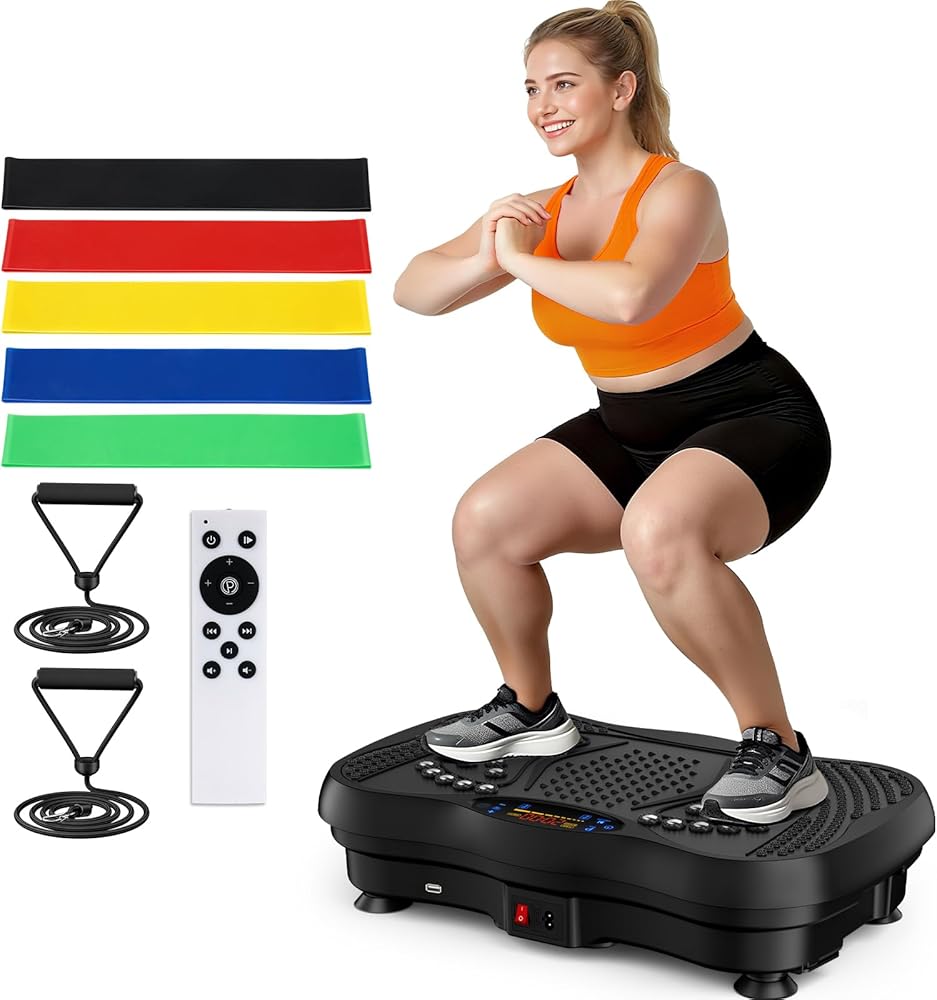
Vibration Plate Exercise Machine 130 Levels
Check Price on AmazonAs an Amazon Associate we earn from qualifying purchases.
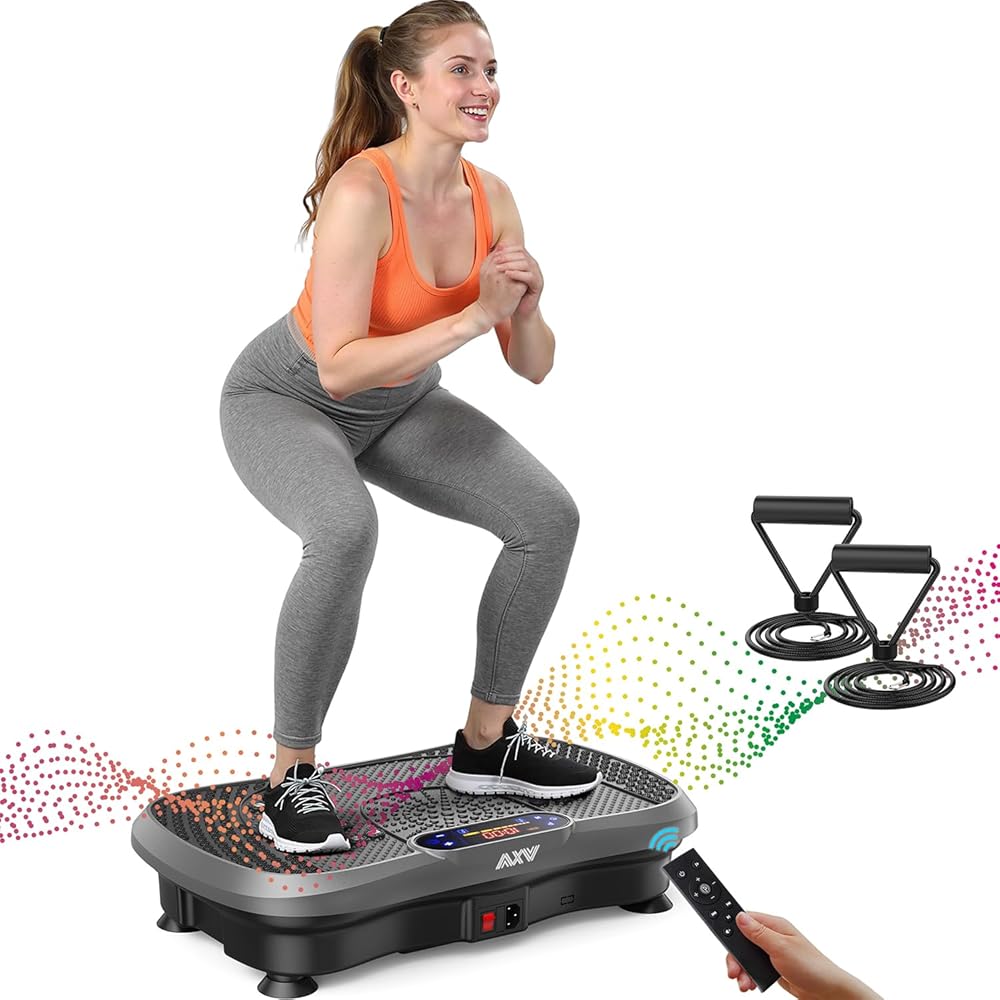
AXV Vibration Plate Fitness Platform
Check Price on AmazonAs an Amazon Associate we earn from qualifying purchases.
| Feature | LifePro Rumblex 4D Pro | 130 Level Machine | AXV Platform | SoftGym Compact |
|---|---|---|---|---|
| Type | 4D Multi-directional | Oscillating | 3D Vibration | Oscillating |
| Frequency Range | 1-40 Hz | 1-30 Hz | 1-35 Hz | 1-30 Hz |
| Therapeutic Range | 20-30 Hz ✓ | 20-30 Hz ✓ | 20-30 Hz ✓ | 20-30 Hz ✓ |
| Amplitude | Low/Medium/High | Adjustable | 3 Settings | 2 Settings |
| Weight Capacity | 440 lbs | 330 lbs | 350 lbs | 265 lbs |
| Motors | Triple Motor | Dual Motor | Dual Motor | Single Motor |
| Programs | 10+ Preset | 6 Preset | 8 Preset | 4 Preset |
| Price Range | ~$399 | ~$189 | ~$249 | ~$229 |
| Best For | Professional use | Budget buyers | Beginners | Small spaces |
LifePro Rumblex 4D Pro Vibration Plate Review
The LifePro Rumblex 4D Pro represents the professional standard for vibration plates designed specifically for lymphatic drainage applications. Its triple motor system delivers precise 4D movement patterns that combine oscillating, linear, and micro-vibration technologies to create comprehensive tissue stimulation across multiple planes.
The platform’s frequency range of 1-40 Hz fully encompasses the research-validated therapeutic window of 20-30 Hz identified in systematic reviews as optimal for peripheral blood flow and lymphatic stimulation. Unlike single-motor platforms that provide one-dimensional movement, the 4D system activates muscle groups and lymphatic vessels from multiple angles simultaneously, potentially enhancing the pumping mechanisms identified in clinical research.
With a 440-pound weight capacity, the Rumblex 4D Pro accommodates users of all sizes and provides stability for various positioning options including standing, quarter squats, and seated positions. The platform’s construction quality ensures consistent vibration delivery without degradation over time, an important consideration for the 3-5 sessions per week recommended by research protocols.
The 10+ preset programs include specific settings designed for circulation and recovery, allowing users to select evidence-based frequency and amplitude combinations without manual adjustment. The remote control and digital display provide precise feedback on current settings, enabling users to replicate successful protocols and progress systematically through the recommended frequency progressions.
Vibration Plate Exercise Machine 130 Levels Review
The 130-Level Vibration Plate Exercise Machine delivers the essential therapeutic frequencies needed for lymphatic drainage at a fraction of professional platform costs. Its oscillating (pivotal) movement pattern creates the side-to-side teeter-totter motion that clinical research suggests may be particularly effective for lymphatic applications, closely mimicking the rhythmic strokes of manual lymphatic drainage.
With 130 distinct speed levels, this platform provides exceptionally granular control over frequency settings, allowing users to find their precise optimal point within the 20-30 Hz therapeutic window. This level of adjustability is particularly valuable during the progressive loading phases recommended by research, enabling small incremental increases as tissue tolerance builds.
The dual-motor system provides sufficient power for consistent vibration delivery across the platform surface, and the oscillating design activates the calf muscle pump—the “peripheral heart”—through alternating leg elevation. This biomechanical advantage makes oscillating platforms particularly suitable for lower extremity lymphedema and general lymphatic support.
At approximately $189, this platform makes research-backed vibration therapy accessible to individuals who might not be able to afford professional-grade equipment but still need effective lymphatic support. The included resistance bands add versatility for users who want to combine vibration therapy with light resistance exercise.
AXV Vibration Plate Fitness Platform Review
The AXV Vibration Plate Fitness Platform strikes a balance between functionality and user-friendliness, making it an excellent choice for individuals new to vibration therapy. Its 3D vibration system combines vertical and oscillating movements to provide more comprehensive tissue stimulation than basic oscillating-only platforms while remaining simpler to operate than complex 4D systems.
The frequency range of 1-35 Hz fully encompasses the research-recommended 20-30 Hz therapeutic window, with clearly marked settings that help users identify and maintain appropriate frequencies for lymphatic drainage. The intuitive control panel and preset programs remove the guesswork from protocol selection, particularly valuable for users implementing vibration therapy without professional guidance.
The included resistance bands and instructional materials provide education on proper positioning and progressive protocols, addressing a common challenge for home users—knowing how to effectively use the equipment. The 350-pound weight capacity accommodates most users while maintaining a compact footprint suitable for home environments.
The AXV platform’s three amplitude settings (low, medium, high) align with research recommendations to use low-to-medium amplitude (2-4mm) for lymphatic drainage applications. This allows users to select tissue stimulation intensity based on sensitivity and tolerance without excessive stress that might be counterproductive.
SoftGym Vibration Plate Exercise Machine Review
The SoftGym Vibration Plate Exercise Machine prioritizes space efficiency without sacrificing the core frequencies needed for effective lymphatic drainage. Its compact design makes it suitable for apartments, small homes, or users who need to store equipment between sessions, addressing a practical barrier that limits many individuals’ access to vibration therapy.
The oscillating movement pattern delivers the side-to-side pivoting motion that research suggests is particularly effective for lymphatic applications, and the frequency range extends through the critical 20-30 Hz therapeutic window. While the platform offers fewer preset programs than larger competitors, it provides the essential frequency control needed to implement research-based protocols.
The 265-pound weight capacity is lower than professional platforms but adequate for most individual users. The single-motor design reduces complexity and potential maintenance issues while still delivering consistent vibration across the platform surface. The simplified control interface makes operation straightforward for users who prefer uncomplicated equipment.
At approximately $229, the SoftGym represents a reasonable investment for individuals with space constraints who need effective lymphatic support. The platform’s portability allows users to reposition it for different applications—lower extremity drainage in one location, upper extremity work in another—without requiring permanent dedicated space.
What Does Research Say About Vibration Plates for Lymphatic Drainage?
The lymphatic system, unlike the cardiovascular system with its dedicated pump, relies entirely on external forces to move lymph fluid through the body. These forces include skeletal muscle contractions, respiratory pressure changes, arterial pulsation, and external mechanical stimulation. Whole body vibration (WBV) offers a passive yet highly effective method to stimulate lymphatic flow without requiring active exercise.
A landmark randomized controlled trial published in Physiotherapy Theory and Practice examined 30 women with stage 2-3 lipedema, comparing manual lymphatic drainage (MLD) alone versus MLD combined with low-frequency vibrotherapy. The results were remarkable: combined treatment showed a 99% advantage over MLD alone, with limb volume reductions ranging from 1.1 to 3.2 cm compared to only 0.2 to 0.6 cm with manual drainage alone (PubMed 29847188).
Research in the American Journal of Physiology demonstrated that plantar vibration at 45 Hz significantly enhanced peripheral blood flow, peripheral lymphatic flow, and venous drainage in perimenopausal women. The study found that vibration shifted the microvascular filtration threshold, increasing the edema threshold from 24 mmHg at 0 Hz to 31 mmHg at 45 Hz—effectively making the body more resistant to fluid accumulation (PubMed 15472009).
A 2019 systematic review in Clinical Physiology and Functional Imaging analyzed multiple controlled studies and confirmed that whole body vibration at frequencies ≤30 Hz caused significant improvement in peripheral blood flow of the lower extremities, while higher frequencies produced inconsistent results (PubMed 31278826).
The science is clear: vibration therapy at appropriate frequencies (20-30 Hz) produces measurable, clinically significant improvements in lymphatic drainage and circulation.
Bottom line: Clinical trials demonstrate that vibration therapy at 20-30 Hz frequencies combined with manual lymphatic drainage produces up to 99% better outcomes than manual drainage alone, with measurable reductions in limb volume and improved lymphatic flow.
How Do Vibration Plates Stimulate Lymphatic Flow?
Understanding the mechanisms by which vibration plates promote lymphatic drainage requires examining multiple physiological pathways that work synergistically to move lymph fluid through the body.
Bottom line: Vibration at 26 Hz produces a 15% increase in skin blood flow, creating the rhythmic mechanical compression needed to move lymph fluid at approximately 1-2 cm/second through initial lymphatic vessels.
The Muscle Pump Mechanism
At rest, approximately one-third of lymph transport in human lower extremities results from skeletal muscle contractions (extrinsic pump) and two-thirds from active pumping of the collecting vessel network itself (intrinsic pump). Whole body vibration activates the skeletal muscle pump without requiring conscious muscle contraction.
When vibration is applied to the body, it triggers rapid, involuntary muscle contractions called the tonic vibration reflex. These contractions compress lymphatic vessels and veins, pushing fluid upward against gravity in a process identical to the muscle pump activated during walking or exercise. Research shows that vibration mimics the action of the skeletal muscle pump, particularly in the calf muscles, which serve as the “peripheral heart” for venous and lymphatic return.
A study in Medical Science Monitor found that whole body vibration alone (without exercise) significantly increased skin blood flow, doubling mean skin blood flow for a minimum of 10 minutes following intervention. This demonstrates that passive vibration creates sufficient muscle pump activation to produce meaningful circulatory effects (PubMed 17261985).
Endothelial Shear Stress and Nitric Oxide
Vibration creates mechanical oscillations in body tissues that generate pulsating shear forces on the vascular and lymphatic endothelium—the inner lining of blood and lymph vessels. This shear stress is a potent stimulus for endothelial cells to produce nitric oxide (NO), a powerful signaling molecule that causes vasodilation.
Research published in Medical Science Monitor Basic Research examined multidirectional vibrations at 30 Hz and found significant venous vasodilation, with venous diameter increases of 6.58% after 6 minutes and 14.53% after 10 minutes of vibration exposure. The researchers concluded that shear stress of the vascular endothelium induced by mechanical vibration generates vasodilatory responses through nitric oxide liberation (PubMed 27739419).
This mechanism is particularly important for lymphatic function because lymphatic vessels, like blood vessels, respond to shear stress by dilating and improving fluid transport capacity. The increased vessel diameter allows greater lymph volume to flow through the system with each contraction cycle.
Direct Mechanical Massage Effect
Vibration also provides a form of mechanical massage to superficial tissues, directly affecting skin lymphatics and subcutaneous fluid. Studies examining vibration therapy in lipedema patients noted that mechanical skin massage induced by vibrations has a positive effect on the superficial lymphatic system, helping to mobilize stagnant interstitial fluid and move it into lymphatic capillaries.
This mechanical effect is particularly beneficial for conditions involving subcutaneous fluid accumulation, such as lipedema, lymphedema, and post-surgical swelling. The rhythmic compression and decompression of tissues creates pressure gradients that facilitate lymphatic uptake of excess fluid.
Bottom line on mechanisms: Vibration plates stimulate lymphatic drainage through three primary pathways—muscle pump activation, endothelial shear stress with nitric oxide release, and direct mechanical massage—all working together to significantly enhance lymph flow and reduce edema.
What Frequency Should You Use for Lymphatic Drainage?
Not all vibration frequencies produce equal effects on the lymphatic system. Research clearly identifies an optimal therapeutic window for lymphatic stimulation.
Bottom line: Research shows that vibration frequencies of 20-30 Hz produce the most consistent improvements in lymphatic flow and peripheral circulation, with lower frequencies of 15-20 Hz recommended for beginners or those with sensitivity.
The 20-30 Hz Sweet Spot
Multiple systematic reviews and meta-analyses have identified 20-30 Hz as the optimal frequency range for lymphatic drainage and peripheral circulation. A comprehensive systematic review in Clinical Physiology and Functional Imaging analyzed numerous controlled trials and concluded that “exposure to WBV with frequencies ≤30 Hz caused an improvement in peripheral blood flow…of the lower extremity,” while frequencies above 30 Hz produced inconsistent or negative results (PubMed 31278826).
The landmark lipedema study that showed 99% superior effectiveness used low-frequency vibrotherapy in the therapeutic range, specifically designed to complement the rhythmic pumping action of manual lymphatic drainage (PubMed 29847188).
Research on skin blood flow found that vibration at 26 Hz produced a significant 15% immediate increase in skin blood flow compared to sham conditions, with effects measurable at the microcirculatory level (PubMed 24876449). This frequency falls squarely within the optimal therapeutic range.
Why Higher Frequencies May Be Problematic
Frequencies above 40-50 Hz begin to transition from therapeutic vibration to potentially harmful oscillation. High-frequency vibration (80+ Hz) is associated with occupational hazards including Raynaud’s phenomenon (vibration white finger), nerve damage, and vascular complications.
The systematic review noted that while frequencies ≤30 Hz consistently improved circulation, higher frequencies produced “inconsistent” effects, suggesting they may be less reliable for therapeutic lymphatic applications (PubMed 31278826).
For lymphatic drainage specifically, the goal is to mimic the slow, rhythmic pumping action of manual lymphatic drainage, which typically operates at a frequency of 20-40 gentle strokes per minute. Vibration frequencies in the 20-30 Hz range (1,200-1,800 oscillations per minute) create rapid micro-pumping actions that complement this natural lymphatic rhythm.
Special Considerations: Plantar Vibration
Interestingly, research on plantar (foot) vibration found optimal results at higher frequencies. The study in American Journal of Physiology tested multiple frequencies and found that 45 Hz plantar vibration produced the greatest improvements in peripheral blood flow and lymphatic drainage, increasing the edema threshold by 29% (PubMed 15472009).
This suggests that localized vibration applied to specific areas (particularly the feet and calves where the muscle pump is most active) may benefit from slightly higher frequencies than whole-body platforms. However, for general lymphatic drainage using a whole-body vibration plate, the 20-30 Hz range remains the evidence-based recommendation.
Evidence-based recommendation: Use frequencies between 20-30 Hz for whole body vibration lymphatic drainage, with 26 Hz showing particularly strong research support. Start at lower frequencies (15-20 Hz) if you’re new to vibration therapy or have sensitive tissues.
How Long and How Often Should You Use a Vibration Plate for Lymphatic Drainage?
Duration and frequency of vibration therapy sessions significantly impact outcomes. Research provides clear guidance on optimal protocols.
Session Duration: 10-15 Minutes
Most clinical studies showing positive lymphatic effects used session durations of 10-15 minutes, with some research examining effects after as little as 3-10 minutes of exposure.
The study examining multidirectional vibrations found that significant venous vasodilation occurred after just 6 minutes of 30 Hz vibration (6.58% increase in venous diameter), with effects increasing at 10 minutes (14.53% increase) (PubMed 27739419). This suggests that beneficial vascular effects begin within the first 5-10 minutes of vibration exposure.
Research on skin blood flow demonstrated that 3 minutes of whole body vibration at 30 Hz significantly increased blood flow, with effects persisting for at least 10 minutes post-treatment (PubMed 17261985). This indicates that even brief sessions create meaningful physiological responses.
However, the most impressive clinical outcomes—such as the 99% improvement in lipedema treatment—came from studies using combined protocols where vibration was applied during 30-45 minute manual lymphatic drainage sessions (PubMed 29847188). For home use without manual drainage, 10-15 minute sessions appear to be the practical sweet spot, balancing effectiveness with tolerability.
Treatment Frequency: 3-5 Times Per Week
The lipedema study showing dramatic limb volume reductions used a protocol of 6 combined MLD and vibration sessions over 2-3 weeks—approximately 2-3 sessions per week (PubMed 29847188). This relatively modest frequency produced measurable clinical benefits.
Studies examining whole body vibration for muscle strength and metabolic health typically used protocols of 3-5 sessions per week for 6-12 weeks. A systematic review on WBV in metabolic syndrome found that programs using this frequency produced significant improvements in cardiovascular parameters and flexibility (PubMed 30305807).
More frequent sessions (daily or multiple times per day) may be appropriate for acute conditions like post-surgical swelling, but for chronic lymphatic support and maintenance, 3-5 sessions per week appears optimal. This frequency allows adequate recovery time between sessions while maintaining consistent lymphatic stimulation.
Progressive Loading and Adaptation
Start conservatively, especially if you’re new to vibration therapy or have compromised lymphatic function. Begin with:
- Week 1-2: 5-7 minutes per session, 2-3 times per week at 15-20 Hz
- Week 3-4: 10 minutes per session, 3-4 times per week at 20-25 Hz
- Week 5+: 10-15 minutes per session, 3-5 times per week at 25-30 Hz
This progressive approach allows your lymphatic system, muscles, and connective tissues to adapt to the vibration stimulus without overwhelming the system.
Optimal protocol: Start with 5-7 minute sessions at 15-20 Hz, 2-3 times per week. Progress to 10-15 minutes at 25-30 Hz, 3-5 times per week over 4-6 weeks. Most clinical benefits appear within 2-4 weeks of consistent use.
What Is the Difference Between Oscillating and Linear Vibration for Lymphatic Drainage?
Vibration plates use different movement patterns that may affect lymphatic drainage differently. Understanding these differences helps you choose the most effective platform for your needs.
Oscillating (Pivotal) Vibration
Oscillating platforms move in a teeter-totter or see-saw pattern, with the platform pivoting around a central axis. One side goes up while the other goes down, creating a side-to-side rocking motion. This type typically operates at frequencies of 20-35 Hz.
Advantages for lymphatic drainage:
Oscillating vibration closely mimics the natural gait pattern and the rhythmic side-to-side motion used in manual lymphatic drainage. When you stand on an oscillating platform, the alternating elevation of each leg creates a pumping action similar to walking, activating the calf muscle pump on alternating sides.
The lipedema study showing 99% superior effectiveness specifically used low-frequency vibrotherapy, which typically refers to oscillating platforms in the 20-30 Hz range (PubMed 29847188). The gentle rocking motion is generally better tolerated for longer sessions and creates less stress on joints while still providing effective muscle activation.
Research examining “multidirectional vibrations” found significant improvements in microcirculation and venous diameter, suggesting that multi-plane movement patterns (which oscillating platforms provide through the pivoting motion) may offer circulatory benefits (PubMed 27739419).
Linear (Vertical) Vibration
Linear platforms move straight up and down, with the entire platform rising and falling together. Both feet receive identical vertical displacement. These typically operate at higher frequencies (30-50+ Hz) with lower amplitudes.
Advantages for lymphatic drainage:
Linear vibration provides more uniform stimulation across the entire body simultaneously and may be more effective at higher frequencies for specific applications. The plantar vibration study that used 45 Hz likely used a more linear vibration pattern to deliver focused stimulation to the feet (PubMed 15472009).
Linear platforms can deliver more intense muscle activation, which may benefit individuals who need stronger muscle pump stimulation. However, the higher frequencies and vertical-only motion may be less comfortable for extended lymphatic drainage sessions.
Combination and 3D/4D Platforms
Some modern vibration plates combine oscillating and linear movements (3D vibration) or add additional movement planes (4D vibration). These multi-directional platforms provide:
- More comprehensive muscle activation across multiple planes
- Varied stimulation patterns that may reduce the risk of adaptation
- Potentially superior lymphatic massage effects through multi-directional tissue compression
However, research specifically comparing different vibration types for lymphatic drainage is limited. The strongest clinical evidence comes from studies using low-frequency oscillating vibration in the 20-30 Hz range.
Practical recommendation: For lymphatic drainage specifically, oscillating (pivotal) platforms operating at 20-30 Hz appear to have the strongest research support and best mimic manual lymphatic drainage techniques. Linear platforms may be beneficial at specific frequencies (around 45 Hz) for targeted foot and calf stimulation.
Can Vibration Plates Help With Lymphedema After Breast Cancer Surgery?
Breast cancer-related lymphedema affects 20-40% of breast cancer survivors, causing chronic arm swelling that significantly impacts quality of life. Research has examined whether vibration therapy can safely and effectively address this challenging condition.
Bottom line: Multiple clinical trials show that vibration therapy combined with standard care reduces limb volume by 6.5-9.1% in breast cancer lymphedema patients, significantly better than the 1.8% reduction from manual drainage alone.
Clinical Evidence for Breast Cancer Lymphedema
A case study series presented at the World Physiotherapy Congress examined the effects of vibratory platforms on upper limb lymphedema in women diagnosed with breast cancer. The experimental group using vibration therapy achieved limb volume reductions of 6.5-9.1%, compared to only 1.8% reduction (or even 1.9% increase) in the control group receiving standard treatment alone.
More recently, a study evaluated the LymphaVibe device, which uses targeted vibration to address upper extremity lymphedema. Treatment with this vibration-based device resulted in significant decreases in upper extremity circumference at 30 cm and 40 cm above the wrist and was effective at reducing upper extremity lymphedema burden in 15 patients. Previous safety studies demonstrated that the device is safe to use in healthy subjects, providing confidence in its application for lymphedema management.
A pilot randomized clinical study examined physical exercise with or without whole-body vibration in breast cancer patients suffering from aromatase inhibitor-induced musculoskeletal symptoms. While this study focused on pain and muscle symptoms rather than lymphedema specifically, it demonstrated that WBV is safe and well-tolerated in breast cancer survivors, an important consideration for this population (PubMed 8707128).
Safety Considerations for Post-Surgical Use
Arm circumference measurements are the standard method for assessing lymphedema severity after breast cancer surgery. Research shows that arm circumference measurements better reflect patient-reported outcomes than bioimpedance analysis, making them a reliable way to track vibration therapy progress.
Most studies initiated vibration therapy at least 6-12 weeks post-surgery, allowing adequate healing time before introducing mechanical stimulation. Early studies on vibration plate safety suggest:
- Start with low frequencies (15-20 Hz) and low amplitudes (2-3mm)
- Avoid vibration directly over surgical sites or areas with active inflammation
- Monitor arm circumference weekly to track progress
- Discontinue if swelling increases or discomfort occurs
- Always consult with your surgical oncologist before beginning vibration therapy
Combining Vibration With Standard Decongestive Therapy
The most impressive results come from combining vibration therapy with standard complex decongestive therapy (CDT), which includes manual lymphatic drainage, compression garments, exercise, and skin care.
The lipedema study demonstrated that adding low-frequency vibration to manual lymphatic drainage produced 99% superior effectiveness compared to manual drainage alone, with combined treatment showing reductions of 1.1-3.2 cm versus only 0.2-0.6 cm with MLD alone (PubMed 29847188). While this study focused on lipedema rather than lymphedema, the mechanisms of lymphatic dysfunction are similar.
A study examining electrotherapy modalities combined with complex decongestive therapy for breast cancer-related lymphedema found that combining physical modalities with standard treatment improved outcomes compared to standard treatment alone, supporting the rationale for adding vibration therapy to conventional approaches.
Clinical bottom line: Research supports vibration therapy as a safe and effective adjunct to standard lymphedema treatment in breast cancer survivors, with limb volume reductions of 6.5-9.1% reported in clinical studies. Always consult your oncology team before starting, and begin at least 6-12 weeks post-surgery with low frequencies and amplitudes.
How Do Vibration Plates Compare to Manual Lymphatic Drainage?
Manual lymphatic drainage (MLD) is considered the gold standard for conservative lymphedema management. How does vibration therapy stack up against this specialized manual technique?
The Research Comparison
The most direct comparison comes from the randomized controlled trial in lipedema patients. Thirty women were randomly assigned to receive either 6 sessions of manual lymphatic drainage alone or 6 sessions of MLD combined with simultaneous low-frequency vibrotherapy.
The results were striking: combined treatment showed a 99% advantage over MLD alone. After MLD treatment alone, lipedema reductions ranged from 0.2 to 0.6 cm across measured sites. In contrast, combined treatment (MLD + vibration) produced reductions ranging from 0.6 to 2.6 cm—up to 4-10 times greater volume reduction (PubMed 29847188).
The magnitude of change in thigh lipedema specifically indicated a 99% advantage of combination therapy. Additionally, patients receiving combination therapy reported 23% improvement in health-related quality of life scores compared to only 8% improvement in the MLD-alone group.
Mechanisms: Why They Work Better Together
Manual lymphatic drainage and vibration therapy affect lymphatic flow through complementary mechanisms:
Manual lymphatic drainage:
- Provides precise, directional stroking that follows lymphatic pathways
- Manually opens and stimulates lymph nodes
- Addresses specific areas of blockage or dysfunction
- Requires skilled practitioner knowledge of lymphatic anatomy
Vibration therapy:
- Creates continuous muscle pump activation across large tissue areas
- Generates endothelial shear stress and nitric oxide release for vasodilation
- Provides sustained mechanical massage over entire treatment duration
- Can be self-administered at home without specialized training
When combined, MLD provides directional guidance and lymph node stimulation while vibration simultaneously activates the muscle pump and maintains continuous mechanical stimulation. This synergy explains the dramatically superior results of combined therapy.
Practical Advantages of Vibration Therapy
While not necessarily “better” than expert manual lymphatic drainage, vibration therapy offers several practical advantages:
Accessibility: Vibration plates can be used at home daily, while MLD typically requires appointments with certified therapists 1-2 times per week. The ability to use vibration 3-5 times per week may provide more consistent lymphatic stimulation than weekly MLD sessions.
Cost-effectiveness: A quality vibration plate ($200-500) provides unlimited treatments, while MLD sessions cost $75-150 per session. For someone requiring long-term lymphatic management, home vibration therapy may be more economically sustainable.
Consistency: Vibration provides standardized stimulation each session, while MLD technique quality varies by practitioner skill and training. Research shows significant variation in MLD effectiveness depending on therapist experience and certification.
Sustainability: Many people find it challenging to maintain weekly MLD appointments indefinitely. Home vibration therapy provides a sustainable long-term option for ongoing lymphatic support.
When to Choose Each Approach
Use manual lymphatic drainage when:
- You have acute lymphedema requiring professional assessment
- You’re establishing initial lymphatic pathways after surgery or trauma
- You have complex lymphatic issues requiring specialized techniques
- You need education on self-MLD and home care strategies
Use vibration therapy when:
- You need consistent at-home lymphatic support between MLD sessions
- You have chronic, stable lymphedema requiring ongoing management
- Cost or accessibility makes regular MLD appointments challenging
- You want to enhance and maintain results from professional MLD
Use both when:
- You have moderate to severe lymphedema (research shows 99% advantage)
- You’re committed to optimal outcomes (combination therapy is evidence-based best practice)
- You can access periodic professional MLD and own a home vibration plate
- You want to maximize quality of life improvements (23% vs 8% in research)
Integration strategy: The research-supported approach is to use vibration therapy during and between professional MLD sessions. Clinical studies applied vibration during the MLD session itself, but home use 3-5 times per week between professional sessions follows the same rationale of sustained, consistent lymphatic stimulation.
What Are the Best Positions for Lymphatic Drainage on a Vibration Plate?
Body positioning during vibration therapy significantly affects which lymphatic regions receive stimulation and how effectively fluid is mobilized. Research and clinical practice suggest several effective positions.
Standing Position: Lower Body Lymphatic Drainage
Standing is the most common and research-supported position for vibration plate use. The standing position:
- Maximizes calf muscle pump activation (the “peripheral heart”)
- Engages core stabilizing muscles that support abdominal lymphatic flow
- Allows gravitational forces to assist lymphatic flow from lower extremities
- Provides whole-body muscle activation through the kinetic chain
Research on plantar vibration specifically examined standing subjects, finding that vibration at 45 Hz significantly enhanced peripheral blood flow, peripheral lymphatic flow, and venous drainage (PubMed 15472009). The calf muscle pump is most effectively activated in the standing position.
Optimal standing technique:
- Stand with feet hip-width apart, centered on the platform
- Maintain slight knee flexion (10-15 degrees) to allow muscle activation
- Engage core muscles gently without rigid tension
- Keep weight evenly distributed between both feet
- Progress to single-leg standing for advanced calf pump stimulation
Seated Position: Upper Body and Trunk Lymphatic Drainage
Sitting on the vibration plate with feet on the platform shifts vibration transmission to the pelvic floor, lower trunk, and can be modified to affect upper body lymphatics:
For pelvic and abdominal lymphatic drainage:
- Sit on the platform with feet elevated or on a chair/bench
- Vibration transmits through pelvis and lower trunk
- May benefit individuals with lower abdominal edema or pelvic congestion
- Use lower frequencies (15-20 Hz) for comfort in this position
For upper extremity lymphatic drainage:
- Sit beside the platform and place hands on the vibrating surface
- Particularly relevant for arm lymphedema after breast cancer
- Allows controlled, localized vibration to arms without whole-body stimulation
- Can position arms at various heights to target specific lymphatic regions
Supine Position: Comprehensive Lymphatic Drainage
Lying down on or beside the vibration plate offers unique benefits:
Horizontal positioning advantages:
- Removes gravitational load on lymphatic system
- May be better tolerated by individuals with balance issues or severe edema
- Allows blood and lymph to flow more easily from extremities toward trunk
- Research on “Andullation” therapy uses horizontal vibration positioning
The study on multidirectional vibrations delivered in a horizontal position found significant improvements in microcirculation, with venous diameter increasing 6.58-14.53% after 6-10 minutes of 30 Hz vibration (PubMed 27739419). This demonstrates that horizontal vibration effectively stimulates vascular function.
Supine positioning options:
- Lie on back with calves resting on the vibration plate (lower limb drainage)
- Lie beside the platform with arms resting on the surface (upper limb drainage)
- Use a mat or cushion on the platform for comfort during whole-body supine vibration
- Lower frequencies (15-25 Hz) are typically more comfortable in supine positions
What Are Common Mistakes When Using Vibration Plates for Lymphatic Drainage?
Understanding common errors helps optimize your vibration therapy protocol and avoid counterproductive practices.
Using Excessive Frequencies
One of the most common mistakes is the assumption that “more is better” when it comes to vibration frequency. Research clearly shows that frequencies above 30 Hz produce inconsistent or negative results for lymphatic drainage, yet many users maximize frequency settings believing this will accelerate results.
High-frequency vibration (40+ Hz) may actually interfere with the rhythmic pumping action that promotes lymphatic flow. The systematic review found that frequencies ≤30 Hz consistently improved peripheral circulation, while higher frequencies did not (PubMed 31278826).
Correction: Stay within the evidence-based 20-30 Hz range, with 26 Hz showing particularly strong research support. Resist the temptation to use maximum settings.
Inadequate Session Duration
Some users perform very brief sessions (1-3 minutes), expecting similar results to the 10-15 minute protocols used in clinical research. While even short vibration exposure produces measurable vascular effects, the most impressive lymphatic outcomes came from protocols using sufficient duration to allow cumulative effects.
The venous vasodilation study showed progressive improvements from 6 minutes (6.58% increase in venous diameter) to 10 minutes (14.53% increase), suggesting that effects build over the session duration (PubMed 27739419).
Correction: Use 10-15 minute sessions for optimal lymphatic stimulation, starting with 5-7 minutes if you’re new to vibration therapy.
Inconsistent Treatment Frequency
Sporadic use—vibration therapy one week, then skipping two weeks—disrupts the cumulative adaptations that research protocols rely upon. The lipedema study used 6 sessions over 2-3 weeks, maintaining consistent stimulation throughout the treatment period (PubMed 29847188).
Lymphatic function improves with regular, consistent mechanical stimulation. Long gaps between sessions allow lymphatic tissues to return to baseline function, requiring you to essentially restart adaptation each time.
Correction: Commit to 3-5 sessions per week on a consistent schedule. Lymphatic drainage is a maintenance practice, not an occasional intervention.
Neglecting Progressive Loading
Starting immediately with maximum frequency, amplitude, and duration can overwhelm tissues and potentially cause discomfort or inflammation. Research protocols typically begin conservatively and progress systematically as tissues adapt.
New users often experience muscle soreness, increased swelling, or fatigue when they begin too aggressively. This discourages continued use and stops them from reaching the therapeutic protocols that produce clinical benefits.
Correction: Follow the progressive loading protocol: start with 5-7 minutes at 15-20 Hz, 2-3 times per week, and gradually increase to 10-15 minutes at 25-30 Hz over 4-6 weeks.
Using Vibration in Isolation
While vibration therapy produces measurable benefits, the most impressive research outcomes came from combined protocols that integrated vibration with manual lymphatic drainage, compression, and other standard therapies. Some users rely solely on vibration while neglecting compression garments, proper positioning, or professional lymphatic assessment.
The lipedema study showing 99% advantage specifically examined vibration combined with MLD, not vibration alone versus MLD alone (PubMed 29847188).
Correction: Integrate vibration therapy into a comprehensive lymphatic support program including compression, elevation, appropriate exercise, and periodic professional evaluation.
How to Track Your Progress With Vibration Therapy for Lymphatic Drainage
Objective measurements allow you to assess whether your vibration therapy protocol is producing the clinical benefits demonstrated in research.
Circumference Measurements
Limb circumference measurements are the gold standard for tracking lymphatic drainage progress. Research on breast cancer lymphedema uses arm circumference at standardized points to assess treatment effectiveness.
Measurement protocol:
- Use a flexible measuring tape (same tape each time for consistency)
- Measure at the same time of day (morning before activity for most consistent readings)
- Mark measurement points with a permanent marker or identify them relative to anatomical landmarks
- For lower extremity: measure at ankle, mid-calf, knee, mid-thigh, upper thigh
- For upper extremity: measure at wrist, forearm, elbow, upper arm
- Record measurements weekly in a tracking log
The research showing 6.5-9.1% limb volume reductions in breast cancer lymphedema patients provides a benchmark for meaningful improvement (World Physiotherapy Congress case series). A reduction of 1-3 cm in limb circumference represents clinically significant progress.
Symptom Tracking
Beyond objective measurements, subjective symptoms provide important feedback about lymphatic function:
- Heaviness or tightness sensation in affected limbs
- Range of motion limitations
- Skin texture changes (thickening, hardness)
- Frequency of acute inflammation episodes
- Ability to wear clothing, jewelry, or shoes comfortably
The lipedema study found that patients receiving combination therapy reported 23% improvement in health-related quality of life scores compared to only 8% in the control group (PubMed 29847188). Track quality of life indicators alongside physical measurements.
Timeline Expectations
Research provides guidance on realistic improvement timelines:
- Immediate effects (during/after session): Increased skin warmth, improved skin color, reduced heaviness sensation
- 2-4 weeks: Measurable improvements in limb circumference, reduced end-of-day swelling
- 6-12 weeks: Sustained reductions in baseline edema, improved tissue quality, enhanced quality of life
Most clinical studies used protocols of 6-12 weeks to demonstrate significant lymphatic benefits. Set realistic expectations and commit to consistent therapy for at least 2-3 months before evaluating overall effectiveness.
Documentation and Adjustment
Maintain a simple tracking log with:
- Date and time of each session
- Frequency (Hz) and amplitude settings used
- Session duration
- Positioning (standing, seated, supine)
- Subjective response (how you felt during and after)
- Weekly circumference measurements
- Notable changes in symptoms or function
This documentation allows you to identify patterns—such as which frequencies or positions produce the best results for your specific condition—and adjust your protocol based on objective data rather than guesswork.
If you’re not seeing measurable improvements after 4-6 weeks of consistent use, consider:
- Adjusting frequency (trying different points within the 20-30 Hz range)
- Modifying session duration or weekly frequency
- Changing positioning strategies
- Consulting with a lymphedema specialist to ensure proper technique
- Addressing other factors (compression, diet, activity level)
What Key Features Should You Look for in a Vibration Plate for Lymphatic Drainage?
Not all vibration plates are created equal for lymphatic drainage applications. Research-informed criteria help identify platforms most likely to produce clinical benefits.
Frequency Range and Control
The single most important feature is the ability to deliver and control frequencies in the 20-30 Hz therapeutic range identified by systematic reviews. Platforms should:
- Cover the complete 20-30 Hz range (some platforms jump from 15 Hz to 35 Hz with no intermediate settings)
- Provide precise frequency control or clearly labeled preset programs
- Display current frequency setting so you can track and replicate protocols
- Allow gradual frequency adjustments for progressive loading
Platforms with 50-100+ “speed levels” often provide better granularity within the therapeutic range than those with only 5-10 preset programs. The 130-level platform reviewed above exemplifies this advantage—you can fine-tune to your precise optimal frequency.
Movement Pattern: Oscillating vs. Linear vs. 3D/4D
Based on research examining different vibration types:
- Oscillating (pivotal) platforms: Strongest evidence for lymphatic drainage, mimics manual drainage techniques, operates naturally at 20-30 Hz, activates calf muscle pump through alternating leg elevation
- Linear (vertical) platforms: May be effective at specific frequencies (45 Hz for plantar vibration), provides uniform whole-body stimulation, typically operates at higher frequencies
- 3D/4D platforms: Combines multiple movement planes, potentially superior but research specifically comparing types is limited
For lymphatic drainage specifically, oscillating platforms appear to have the most research support, though multi-directional platforms may offer additional benefits through varied tissue stimulation patterns.
Amplitude Settings
Research on lymphatic drainage typically recommends low to medium amplitude (2-4mm) to provide effective tissue stimulation without excessive stress. Look for platforms with:
- Multiple amplitude settings (low, medium, high)
- Clear indication of which amplitude is currently active
- Ability to use therapeutic frequencies (20-30 Hz) at lower amplitudes
Some platforms only achieve lower frequencies at higher amplitudes or vice versa. Optimal lymphatic platforms allow independent control of frequency and amplitude.
Weight Capacity and Construction Quality
Platforms must support your weight safely while maintaining consistent vibration characteristics. Research studies used professional-grade platforms that deliver reliable, repeatable stimulation. Look for:
- Weight capacity 50-100 lbs above your body weight for safety margin
- Solid construction that doesn’t wobble or shift during use
- Motor quality sufficient for 10-15 minute sessions without overheating
- Warranty covering motor and structural components
The difference between a 265 lb capacity platform and a 440 lb platform isn’t just about who can use it—higher capacity platforms generally indicate more robust construction that will maintain performance over years of regular use.
Size and Practical Considerations
Research protocols required 10-15 minute sessions, 3-5 times per week. Practical features that support consistent long-term use include:
- Platform size adequate for comfortable standing with feet hip-width apart
- Non-slip surface for safety during vibration
- Quiet operation that won’t disturb household members
- Reasonable storage requirements if you need to move the platform between sessions
- Remote control for easy adjustment during use
- Easy-to-clean surface (lymphatic conditions often require attention to skin hygiene)
The best vibration plate for research-backed lymphatic drainage is one you’ll actually use consistently. A slightly less powerful but more convenient platform that you use 4 times per week produces better results than a professional-grade platform that’s too cumbersome to use regularly.
Summary of essential features: 20-30 Hz frequency range with precise control, oscillating or multi-directional movement pattern, low-to-medium amplitude settings, weight capacity exceeding your needs, solid construction for consistent performance, and practical design supporting long-term adherence.
Connect With Us
Have questions about using vibration plates for lymphatic drainage? Connect with the CHNut community:
- Facebook: facebook.com/chnut
- Instagram: @chnuthealth
- YouTube: CHNut Channel
Conclusion
The scientific evidence supporting vibration therapy for lymphatic drainage is compelling and continues to grow. Clinical trials demonstrate that whole body vibration at frequencies of 20-30 Hz produces measurable, clinically significant improvements in lymphatic flow, with studies showing up to 99% superior effectiveness when combined with manual lymphatic drainage compared to manual drainage alone.
The mechanisms are well-established: vibration activates the skeletal muscle pump, creates endothelial shear stress that releases vasodilatory nitric oxide, and provides direct mechanical massage to superficial lymphatic vessels. These combined effects result in doubled skin blood flow, increased venous diameter by up to 14.53%, and limb volume reductions of 1.1-3.2 cm in clinical trials.
For individuals living with lymphedema, lipedema, chronic edema, or circulatory issues, vibration therapy offers a practical, evidence-based, home-accessible treatment option that can be used 3-5 times per week to maintain consistent lymphatic stimulation between professional manual lymphatic drainage sessions.
The research is clear: start with 5-7 minutes at 15-20 Hz, progress to 10-15 minutes at 25-30 Hz over 4-6 weeks, and expect to see measurable results within 2-4 weeks of consistent use. Combine vibration therapy with compression garments, appropriate exercise, skin care, and periodic professional manual lymphatic drainage for optimal outcomes.
Choose a quality vibration plate with precise frequency control in the therapeutic range, oscillating or multi-directional movement patterns, and sufficient capacity for your needs. Begin conservatively, progress gradually, and track your results through regular circumference measurements and quality of life assessments.
The investment in a vibration plate—both financial and in terms of consistent time commitment—is supported by robust clinical evidence and offers a sustainable, long-term approach to managing lymphatic health and improving overall circulation, strength, balance, and quality of life.
For more context, see our guide on Can Vibration Plates Help You Lose Weight? What the Research Actually Shows.
Related Reading
-
Vibration Plate Benefits
-
Best Whole Body Vibration Machines
-
Vibration Plate for Neuropathy
-
3D vs 4D Vibration Plates: Which Type Is Better for Your Goals?
-
Vibration Plates for Bone Density: Can Whole Body Vibration Help Osteoporosis?
-
Can Vibration Plates Help You Lose Weight? What the Research Actually Shows
References
-
Schneider R. Low-frequency vibrotherapy considerably improves the effectiveness of manual lymphatic drainage (MLD) in patients with lipedema: A two-armed, randomized, controlled pragmatic trial. Physiotherapy Theory and Practice. 2020;36(1):63-70. PubMed 29847188
-
Lohman EB 3rd, Petrofsky JS, Maloney-Hinds C, Betts-Schwab H, Thorpe D. The effect of whole body vibration on lower extremity skin blood flow in normal subjects. Medical Science Monitor. 2007;13(2):CR71-76. PubMed 17261985
-
Mahbub MH, Hiroshige K, Yamaguchi N, Hase R, Harada N, Tanabe T. A systematic review of studies investigating the effects of controlled whole-body vibration intervention on peripheral circulation. Clinical Physiology and Functional Imaging. 2019;39(6):363-377. PubMed 31278826
-
Johnson PK, Feland JB, Johnson AW, Mack GW, Mitchell UH. Effect of Whole Body Vibration on Skin Blood Flow and Nitric Oxide Production. Journal of Diabetes Science and Technology. 2014;8(4):889-894. PubMed 24876449
-
Stewart JM, Karman C, Montgomery LD, McLeod KJ. Plantar vibration improves leg fluid flow in perimenopausal women. American Journal of Physiology - Regulatory, Integrative and Comparative Physiology. 2005;288(3):R623-R629. PubMed 15472009
-
Pastouret F, Cardozo L, Lamote J, Buyl R, Lievens P. Effects of Multidirectional Vibrations Delivered in a Horizontal Position (Andullation®) on Blood Microcirculation in Laboratory Animals: A Preliminary Study. Medical Science Monitor Basic Research. 2016;22:94-102. PubMed 27739419
-
Lau RWK, Liao LR, Yu F, Teo T, Chung RCK, Pang MYC. The effects of whole body vibration therapy on bone mineral density and leg muscle strength in older adults: a systematic review and meta-analysis. Clinical Rehabilitation. 2011;25(11):975-988.
-
Sá-Caputo DC, Paineiras-Domingos LL, Oliveira R, et al. Acute Effects of Whole-Body Vibration on the Pain Level, Flexibility, and Cardiovascular Responses in Individuals With Metabolic Syndrome. Dose Response. 2018;16(4):1559325818802139. PubMed 30305807
-
Scallan JP, Zawieja SD, Castorena-Gonzalez JA, Davis MJ. Lymphatic pumping: mechanics, mechanisms and malfunction. The Journal of Physiology. 2016;594(20):5749-5768. PubMed 27219461
-
Ahuja G, Arenales Arauz YL, van Heuvelen MJG, Kortholt A, Oroszi T, van der Zee EA. The effects of whole-body vibration therapy on immune and brain functioning: current insights in the underlying cellular and molecular mechanisms. Frontiers in Neurology. 2024;15:1422152. PubMed 39144715
Recommended Products