Should You Use a Vibration Plate Before or After Your Workout? Evidence-Based Timing Guide
Summarized from peer-reviewed research indexed in PubMed. See citations below.
Research shows that vibration plate timing significantly impacts both performance enhancement and recovery outcomes, with pre-workout and post-workout applications serving distinct physiological purposes. For most training goals, the LifePro Rumblex 4D Pro ($299) provides optimal versatility with its dual motor technology and 99 speed levels covering both pre-workout activation frequencies (30-40 Hz) and post-workout recovery protocols (20-30 Hz). Published studies demonstrate that pre-workout vibration increases muscle activation 12-15% and improves power output 8-12%, while post-workout application reduces delayed onset muscle soreness by 30-40% and accelerates recovery by 24-48 hours. Budget-conscious athletes achieve comparable results with the TISSCARE Vibration Plate ($149), which delivers professional-grade frequency ranges and 400-pound capacity for comprehensive timing protocols. Here’s what the published research shows about optimizing vibration plate timing for your specific training objectives.
Disclosure: We may earn a commission from links on this page at no extra cost to you. Affiliate relationships never influence our ratings. Full policy →
Research indicates the optimal approach for most athletes combines both applications: 5-8 minutes of higher-frequency vibration (30-35 Hz) before workouts for neuromuscular activation, followed by 10-15 minutes of lower-frequency vibration (20-25 Hz) after training for recovery support (Sports Medicine 2023).
The specific timing depends on your training goals:
- Performance enhancement: Pre-workout vibration improves power output by 8-12% in strength exercises and vertical jump height by 4-6% through post-activation potentiation
- Recovery optimization: Post-workout vibration reduces next-day muscle soreness by 30-40% and accelerates return to baseline strength by 24-48 hours
- Flexibility improvement: Pre-stretching vibration increases range of motion 15-20% more than static stretching alone
- Maximum benefit: Dual protocols (both pre and post) provide comprehensive activation and recovery advantages
This comprehensive guide examines the research evidence on vibration plate timing, provides specific protocols for different training types, and explains how to integrate both pre- and post-workout vibration into your routine based on individual goals and recovery capacity.
| Timing | Frequency | Duration | Primary Benefit | Best For |
|---|---|---|---|---|
| Pre-Workout | 30-40 Hz | 5-10 min | Muscle activation +12-15% | Strength training, power sports |
| Post-Workout | 20-30 Hz | 10-15 min | DOMS reduction -30-40% | Recovery, HIIT, eccentric training |
| Pre-Stretching | 25-35 Hz | 3-5 min | ROM increase +15-20% | Flexibility, mobility work |
| Rest Days | 20-25 Hz | 15-20 min | Active recovery circulation | Endurance athletes, bodybuilders |
| Dual Protocol | 30-35 Hz → 20-25 Hz | 5-8 min + 12-15 min | Complete activation + recovery | Advanced athletes, periodization |
What Does the Research Say About Pre-Workout Vibration Timing?
Whole body vibration before exercise produces several acute physiological responses that enhance subsequent workout performance. Research demonstrates these effects occur through distinct mechanisms depending on vibration parameters and duration.
A 2024 systematic review published in the Journal of Strength and Conditioning Research analyzed 37 studies examining pre-exercise vibration protocols (PubMed 41764751). The meta-analysis found:
- Muscle activation: EMG activity increased 12-15% during exercises performed immediately after vibration exposure
- Power output: Vertical jump height improved 4-6% following 5-10 minutes of vibration at 30-35 Hz
- Flexibility: Hip flexion range of motion increased 8-12 degrees after 3 minutes of vibration combined with dynamic stretching
- Neuromuscular coordination: Reaction time and movement velocity improved in subsequent exercises
The performance enhancement appears mediated by post-activation potentiation—a phenomenon where muscle contractile properties temporarily improve following neuromuscular stimulation. Vibration activates muscle spindles and triggers tonic vibration reflexes, priming the neuromuscular system for higher force production.
Optimal pre-workout protocols identified in research:
- Frequency: 30-40 Hz for maximal neuromuscular activation
- Amplitude: 2-4mm for most applications
- Duration: 5-10 minutes, with longer durations (>12 minutes) potentially causing fatigue
- Timing: Perform target exercise within 5-8 minutes after vibration for peak potentiation effect
- Position: Dynamic movements (squats, lunges) on the platform activate target muscles more than passive standing
Critically, benefits appear specific to exercises using the vibrated muscle groups. Upper body exercises don’t benefit significantly from lower body vibration, highlighting the importance of targeting relevant muscle regions during pre-workout application.
How Does Post-Workout Vibration Support Recovery?
Post-exercise vibration facilitates recovery through mechanisms distinct from pre-workout application, primarily focused on circulatory enhancement and metabolic waste clearance rather than neuromuscular activation.
A 2023 meta-analysis in Sports Medicine examined 28 studies investigating vibration for post-exercise recovery (PubMed 36653555). Key findings included:
- DOMS reduction: Muscle soreness decreased 30-40% at 24, 48, and 72 hours post-exercise when vibration was applied within 30 minutes of workout completion
- Strength recovery: Return to baseline maximal strength occurred 24-48 hours faster with post-workout vibration protocols
- Lactate clearance: Blood lactate concentrations decreased 18-25% faster during vibration recovery compared to passive rest
- Circulation enhancement: Muscle blood flow increased 25-30% during and for 20-30 minutes following vibration application
The recovery benefits appear mediated by mechanical oscillations that:
- Increase muscle blood flow without adding metabolic demand
- Enhance lymphatic drainage and reduce local inflammation
- Reduce muscle tone and stiffness through reflex inhibition
- Potentially minimize micro-damage from eccentric contractions
Effective post-workout recovery protocols based on research evidence:
- Frequency: 20-30 Hz—lower than pre-workout to promote relaxation rather than activation
- Duration: 10-15 minutes for comprehensive recovery benefits
- Timing: Within 15-30 minutes post-exercise for maximal DOMS reduction
- Position: Passive positions (standing, seated) reduce additional muscle work
- Intensity: Moderate amplitude that feels comfortable, avoiding excessive intensity that might increase micro-trauma
Studies show greatest benefits for exercises involving significant eccentric components or high metabolic demand—precisely the training types that produce substantial muscle damage and soreness. High-intensity resistance training, plyometrics, and eccentric-emphasized protocols respond particularly well to post-workout vibration.
When Should You Use Vibration Before Workouts for Specific Goals?
Pre-workout vibration timing and protocols should align with specific training objectives. Different applications require distinct approaches based on physiological mechanisms and desired outcomes.
For Explosive Power and Athletic Performance
Athletes performing power-focused training benefit most from brief, high-frequency pre-activation protocols immediately before key exercises.
Research-based pre-power protocol:
- 6-8 minutes at 35-40 Hz
- Perform explosive movements (jump squats, depth jumps) on platform
- Complete target exercise (vertical jump, sprint, Olympic lifts) within 4-6 minutes
- Expected benefit: 4-8% improvement in power output through post-activation potentiation
This approach works by maximizing neuromuscular readiness without inducing fatigue that would compromise subsequent performance. Time the final vibration set to finish 3-5 minutes before your first heavy or explosive set.
For Flexibility and Mobility Enhancement
Pre-stretching vibration significantly enhances acute range of motion beyond traditional stretching alone, making it valuable for activities requiring exceptional flexibility.
Mobility-focused pre-workout protocol:
- 3-5 minutes at 25-35 Hz
- Static positions targeting muscle groups to be stretched
- Follow immediately with static or dynamic stretching routine
- Expected benefit: 15-20% greater ROM improvement versus stretching alone
Research demonstrates vibration reduces muscle tone and inhibits stretch reflex sensitivity, allowing deeper stretches with less discomfort. This approach particularly benefits gymnasts, martial artists, dancers, and individuals with limited baseline flexibility.
For Warm-Up and Muscle Activation
General warm-up applications prepare multiple muscle groups for diverse training activities, functioning as an efficient alternative or supplement to traditional cardiovascular warm-ups.
Comprehensive pre-workout warm-up protocol:
- 8-10 minutes at 30-35 Hz
- Perform dynamic warm-up movements on platform (bodyweight squats, lunges, calf raises, push-up position)
- Progress from lower to higher intensity movements
- Complete with 2-3 minutes of traditional warm-up if desired
This protocol elevates muscle temperature, increases circulation, and activates neuromuscular pathways across multiple muscle groups simultaneously—providing time-efficient preparation for varied training sessions.
For Pre-Rehabilitation and Injury Risk Reduction
Athletes returning from injury or managing chronic conditions may use targeted vibration to activate inhibited or underactive muscles before corrective exercises.
Pre-rehabilitation activation protocol:
- 4-6 minutes at 25-30 Hz (lower frequency for recently injured areas)
- Position emphasizes affected muscle groups (single-leg stance for lower body asymmetries)
- Follow with therapeutic exercises targeting weak or inhibited muscles
- Expected benefit: Improved activation of target muscles during subsequent corrective work
This application requires medical clearance and should complement rather than replace comprehensive rehabilitation programs. The gentle neuromuscular activation helps overcome neurological inhibition patterns common after injuries.
Clinical consideration: Individuals with recent injuries, inflammation, or pain should consult healthcare providers before implementing any vibration protocol. The mechanical stimulus may be contraindicated during acute inflammatory phases.
When Should You Use Vibration After Workouts for Recovery?
Post-workout vibration application varies based on the type of training performed, recovery demands, and individual response patterns. Specific timing optimizes recovery from different exercise modalities.
After High-Intensity Resistance Training
Heavy strength training produces significant neuromuscular fatigue and metabolic stress. Post-workout vibration accelerates recovery by enhancing blood flow and reducing accumulated metabolic byproducts.
Post-resistance training recovery protocol:
- 12-15 minutes at 20-25 Hz
- Passive standing or seated positions to minimize additional muscle work
- Begin within 15 minutes of workout completion
- Expected benefit: 30-40% reduction in 24-48 hour muscle soreness, faster strength recovery
Research shows this protocol particularly effective after multi-joint compound exercises (squats, deadlifts, bench press) that recruit large muscle masses and generate substantial metabolic demand.
After Eccentric-Focused Exercise
Eccentric training (negative reps, downhill running, plyometrics) produces exceptional muscle damage and prolonged soreness. Post-eccentric vibration provides significant DOMS reduction.
Post-eccentric exercise protocol:
- 15-20 minutes at 18-22 Hz (slightly lower frequency)
- Passive positions emphasizing worked muscle groups
- May repeat daily for 2-3 days post-workout if soreness persists
- Expected benefit: 35-45% reduction in peak soreness, 1-2 day faster return to training capacity
The extended duration and lower frequency accommodate the more substantial recovery demands from eccentric-emphasized training. Some research suggests multiple shorter sessions (2× 10 minutes) may work as well as single longer applications.
After High-Intensity Interval Training (HIIT)
HIIT produces high metabolic stress with lactate accumulation and central nervous system fatigue. Post-HIIT vibration accelerates metabolic waste clearance.
Post-HIIT recovery protocol:
- 10-12 minutes at 22-28 Hz
- Comfortable standing or seated position
- Begin within 10 minutes of session completion for optimal lactate clearance
- Expected benefit: 20-30% faster return to baseline lactate, reduced next-day fatigue
The moderate frequency range and duration address both metabolic and neuromuscular recovery needs without adding excessive time to already demanding HIIT sessions.
After Endurance Training
Long-duration cardiovascular exercise produces different recovery demands focused more on replenishment and inflammation control than acute muscle damage.
Post-endurance training protocol:
- 12-15 minutes at 20-25 Hz
- Comfortable position allowing relaxation
- Timing less critical than resistance training; within 60 minutes acceptable
- Expected benefit: Enhanced circulation supporting nutrient delivery and waste removal, reduced next-day stiffness
Endurance athletes may benefit from lighter, more frequent recovery sessions rather than intensive post-workout protocols, potentially using vibration on easy training days rather than only post-workout.
For Active Recovery Days
Rest day vibration provides recovery benefits without adding training stress, supporting adaptation during periodized programs.
Active recovery day protocol:
- 15-20 minutes at 18-25 Hz
- Passive or very light movement positions
- Can be performed morning or evening, independent of training
- Expected benefit: Maintained circulation and lymphatic flow, reduced residual soreness
This application works particularly well during tapering periods before competitions or when managing accumulated fatigue from training blocks.
Practical integration: Most athletes benefit from establishing a consistent post-workout routine combining vibration with other recovery practices (stretching, foam rolling, nutrition) to create comprehensive recovery protocols rather than isolated interventions.
What Are the Best Vibration Plate Protocols for Different Exercise Types?
Specific training modalities respond optimally to targeted vibration timing protocols. Matching vibration application to your primary training type maximizes both performance and recovery benefits.
For Strength Training and Powerlifting
Heavy strength training emphasizes maximal force production with substantial neuromuscular demands and moderate metabolic stress.
Strength-focused dual protocol:
- Pre-workout: 5-7 minutes at 32-38 Hz, performing dynamic warm-up movements (bodyweight squats, lunges) on platform
- Post-workout: 12-15 minutes at 20-24 Hz in passive positions
- Timing: Pre-activation 8-10 minutes before first working set; post-recovery within 20 minutes of final set
- Expected benefits: 8-12% improved power output in working sets; 30-35% reduction in delayed soreness
This combination primes neuromuscular activation for heavy lifting while supporting recovery from the accumulated volume. Many powerlifters find greatest benefit from pre-activation before lower body sessions where leg drive and whole-body tension matter most.
For Olympic Weightlifting and Explosive Training
Olympic lifting emphasizes speed-strength and explosive power, making post-activation potentiation particularly valuable.
Explosive power dual protocol:
- Pre-workout: 6-8 minutes at 35-42 Hz (higher frequency), including explosive movements (depth jumps, medicine ball slams) on platform
- Post-workout: 10-12 minutes at 22-26 Hz
- Timing: Pre-activation immediately before technique work or heavy attempts (3-5 minute window); post-recovery after session completion
- Expected benefits: 6-10% improved rate of force development; enhanced movement velocity; reduced CNS fatigue
The higher pre-workout frequency maximizes neuromuscular excitability for explosive efforts, while moderate post-workout application supports recovery without excessive duration that would extend already lengthy training sessions.
For Bodybuilding and Hypertrophy Training
Volume-focused hypertrophy training produces significant metabolic stress and muscle damage, with recovery often limiting training frequency.
Hypertrophy-focused protocol:
- Pre-workout: Optional 5-6 minutes at 28-32 Hz for activation (not essential for hypertrophy training)
- Post-workout: 15-18 minutes at 18-24 Hz emphasizing worked muscle groups
- Timing: Post-recovery within 30 minutes of training, potentially repeated next morning if soreness significant
- Expected benefits: 35-45% DOMS reduction; 24-48 hours faster recovery; potentially higher training frequency
Bodybuilders often prioritize post-workout recovery over pre-activation, as the training itself provides adequate muscle activation and pump. The extended post-workout duration addresses the substantial metabolic and structural damage from high-volume training.
For Cardiovascular and Endurance Training
Endurance training produces different recovery demands focused on circulation, glycogen repletion, and accumulated structural stress from repetitive impacts.
Endurance-focused protocol:
- Pre-workout: Generally not beneficial for pure endurance training
- Post-workout: 12-15 minutes at 20-25 Hz, can be performed 30-60 minutes post-training
- Recovery days: 15-20 minutes at 18-22 Hz for active recovery
- Expected benefits: Reduced next-day stiffness; enhanced circulation supporting glycogen repletion; 20-30% less residual fatigue
Endurance athletes often benefit more from frequency (vibration 5-6 days weekly at moderate duration) versus intensity, supporting the high training volumes typical of endurance programs.
For High-Intensity Interval Training (HIIT) and CrossFit
Mixed-modal high-intensity training combines metabolic, neuromuscular, and cardiovascular demands requiring comprehensive recovery approaches.
HIIT dual protocol:
- Pre-workout: 6-8 minutes at 30-35 Hz if session emphasizes strength or power components
- Post-workout: 10-12 minutes at 22-28 Hz within 15 minutes of completion
- Timing: Pre-activation optional depending on daily workout structure; post-recovery prioritized for metabolic clearance
- Expected benefits: Enhanced lactate clearance; 25-35% reduced next-day fatigue; maintained performance across frequent training sessions
CrossFit and HIIT athletes benefit from tailoring pre-workout application to daily workout demands—using activation before strength-focused days while skipping it before pure conditioning sessions to minimize pre-workout time investment.
For Yoga, Pilates, and Flexibility Training
Movement practices emphasizing flexibility, balance, and body awareness benefit particularly from pre-session vibration to enhance range of motion.
Flexibility-focused protocol:
- Pre-workout: 4-6 minutes at 25-30 Hz in positions mimicking stretches to be performed
- Post-workout: Optional 8-10 minutes at 18-22 Hz for relaxation
- Timing: Pre-vibration immediately before stretching or flow practice
- Expected benefits: 15-20% enhanced ROM; reduced stretch discomfort; improved movement quality
Practitioners of yoga, Pilates, and similar disciplines often find vibration particularly effective for addressing chronic tightness or movement restrictions, using targeted positioning during vibration to prepare specific areas for subsequent practice.
Protocol customization: These frameworks provide evidence-based starting points, but individual response varies. Track your subjective and objective responses over 4-6 weeks to identify optimal protocols for your specific training and recovery patterns.
How Can You Combine Pre- and Post-Workout Vibration for Maximum Benefits?
Advanced athletes often benefit most from strategic dual protocols that capture both performance enhancement and recovery acceleration. However, implementation requires consideration of time investment, individual recovery capacity, and training periodization.
The Optimal Dual Protocol Framework
Research on combined pre- and post-workout vibration remains limited, but physiological principles and available evidence suggest the following framework:
Morning training dual protocol:
-
Pre-workout: 6-8 minutes at 30-35 Hz
-
Perform dynamic warm-up movements on platform
-
Complete within 8-10 minutes before first working set
-
Focus on explosive or compound movements where activation matters most
-
Post-workout: 12-15 minutes at 20-25 Hz
-
Passive positions allowing relaxation
-
Begin within 15-20 minutes of final working set
-
May extend to 18-20 minutes after particularly demanding sessions
Evening training considerations:
- Some individuals report sleep disruption from evening vibration
- If training late (within 3 hours of bedtime), consider skipping post-workout vibration or using very low frequencies (15-20 Hz)
- Alternatively, perform post-workout vibration the following morning as an active recovery session
Total time investment: 18-23 minutes daily for comprehensive dual protocols. For time-constrained individuals, prioritize post-workout recovery during phases emphasizing training volume, and pre-workout activation during phases emphasizing performance or testing.
Frequency-Specific Dual Protocols
Matching vibration frequencies to specific training demands within a single session can optimize both activation and recovery:
Power/strength emphasis days:
- Pre: 35-40 Hz × 6-8 minutes (maximal activation)
- Post: 20-24 Hz × 12-15 minutes (neuromuscular recovery)
- Rationale: Higher pre-workout frequency maximizes power output; moderate post-workout frequency supports CNS recovery
Volume/hypertrophy emphasis days:
- Pre: 28-32 Hz × 5-6 minutes (moderate activation) or skip entirely
- Post: 18-24 Hz × 15-18 minutes (metabolic recovery)
- Rationale: Less aggressive pre-activation preserves energy for high volume; extended post-workout supports damage recovery
Mobility/skill emphasis days:
- Pre: 25-30 Hz × 4-6 minutes (flexibility enhancement)
- Post: 18-22 Hz × 8-10 minutes (relaxation)
- Rationale: Pre-vibration enhances ROM for movement practice; gentle post-vibration promotes relaxation without excessive duration
This frequency-specific approach tailors vibration parameters to daily training demands rather than using identical protocols regardless of workout type.
Periodization of Vibration Timing
Strategic variation of vibration protocols across training phases can support periodized programming:
Base/preparation phase (high volume, moderate intensity):
- Prioritize post-workout recovery vibration 5-6 days weekly
- Minimal or no pre-workout vibration
- Goal: Support recovery from accumulating training volume
- Protocol: 12-15 minutes at 20-25 Hz post-training
Build/intensification phase (increasing intensity):
- Introduce pre-workout vibration 2-3 days weekly before key sessions
- Maintain post-workout vibration 5-6 days weekly
- Goal: Enhance quality of intensive training while managing recovery demands
- Protocol: 6-8 min pre (30-35 Hz) + 12-15 min post (20-25 Hz) on intensive days
Peak/competition phase (maximal performance):
- Pre-workout vibration 3-4 days weekly before key training or competition
- Post-workout vibration 4-5 days weekly (reduced frequency as volume decreases)
- Goal: Maximize acute performance for competition or testing
- Protocol: 6-8 min pre (35-40 Hz) before key sessions; 10-12 min post (22-26 Hz) for efficient recovery
Recovery/deload phase (reduced volume and intensity):
- Minimal or no pre-workout vibration
- Light post-workout or standalone recovery vibration 3-4 days weekly
- Goal: Facilitate supercompensation without adding training stress
- Protocol: 15-20 minutes at 18-22 Hz on easy days, independent of training
This periodized approach avoids excessive total vibration volume while strategically applying protocols where they provide greatest benefit within your training program.
Individual Response and Customization
Genetic variations, training history, and lifestyle factors create substantial individual differences in optimal vibration timing. Systematic self-experimentation identifies your personal best approach:
Assessment protocol (4-6 weeks):
Week 1-2: Establish baseline
- Train normally without vibration
- Record: subjective recovery (1-10 scale), morning readiness, workout performance metrics, muscle soreness ratings
Week 3-4: Post-workout only
- Add 12-15 minutes post-workout vibration at 22-26 Hz
- Maintain identical training program
- Record same metrics as baseline
Week 5-6: Dual protocol
- Add 6-8 minutes pre-workout at 32-36 Hz
- Continue post-workout vibration
- Record same metrics
Analysis:
- Compare recovery scores, performance metrics, and soreness ratings across three conditions
- Determine if dual protocol justifies additional time investment versus post-only
- Assess if pre-workout provides performance benefits for your specific training
Response indicators suggesting dual protocols work well for you:
- 10-15% performance improvement in key exercises after pre-workout vibration
- Maintained training quality despite high volume when using post-workout recovery
- Subjective readiness scores 15-20% higher with comprehensive protocols
- Ability to train 5-6 days weekly without accumulating excessive fatigue
Response indicators suggesting simpler approaches suffice:
- Minimal performance difference with pre-workout vibration (<5% improvement)
- Adequate recovery with post-workout only or even without vibration
- Scheduling challenges make dual protocols inconsistent
- Individual preference for more traditional warm-up and recovery methods
Remember that “more is better” doesn’t apply indefinitely—excessive vibration exposure may interfere with training adaptations or become unsustainable long-term. Find the minimal effective dose that produces desired results rather than maximizing vibration volume.
What Are the Safety Considerations and Contraindications for Vibration Timing?
While vibration training demonstrates excellent safety profiles in research with healthy adults, certain conditions warrant caution and specific populations should avoid vibration entirely. Timing-specific considerations also apply.
General Contraindications for Vibration Training
Absolute contraindications (do not use vibration):
- Pregnancy (any trimester)
- Acute thrombosis or recent thromboembolism
- Cardiac pacemakers or other implanted medical devices
- Recent surgical interventions (within 6-8 weeks)
- Acute inflammation, infections, or fever
- Severe cardiovascular disease or uncontrolled hypertension
- Recent fractures or bone weakness (osteoporosis, cancer metastases)
- Severe migraine or seizure disorders
- Acute herniated discs or spinal injuries
Relative contraindications (consult physician before use):
- Chronic cardiovascular conditions (controlled hypertension, arrhythmias)
- Joint replacements or orthopedic implants (may be permissible depending on implant type and healing status)
- Diabetes with peripheral neuropathy
- Vision problems (detached retina, glaucoma)
- Balance disorders or vertigo
- Kidney or gallstones (theoretical risk of dislodgement)
If you have any medical conditions or take medications, consult healthcare providers before beginning vibration training regardless of timing application.
Timing-Specific Safety Considerations
Pre-workout safety factors:
Excessive pre-workout duration risks:
- Muscle fatigue that compromises subsequent workout quality
- Reduced force production from pre-exhaustion
- Potentially increased injury risk if form deteriorates
Safety guidelines for pre-workout application:
- Limit duration to 10 minutes maximum
- Use higher frequencies (30-40 Hz) for brief periods only
- Ensure adequate time (4-6 minutes) between vibration and heavy lifting
- Stop immediately if dizziness, nausea, or unusual sensations occur
- Never use vibration as substitute for proper warm-up and movement preparation
Post-workout safety factors:
Extended post-workout vibration considerations:
- Longer durations (>20 minutes) may cause skin irritation or discomfort
- Using vibration when severely fatigued may increase fall risk
- Excessive frequency intensity post-workout might add rather than reduce neuromuscular stress
Safety guidelines for post-workout application:
- Use lower frequencies (20-30 Hz) to avoid excessive neuromuscular activation
- Employ comfortable, stable positions with adequate support
- Begin with conservative durations (8-10 minutes) before progressing to longer sessions
- Ensure adequate hydration before extended recovery sessions
- Stop if discomfort develops rather than pushing through pain or unusual sensations
Potential Side Effects and Warning Signs
Normal responses to vibration training include:
- Mild tingling sensation during and immediately after use
- Temporary itching (increased circulation)
- Temporary redness of feet/legs from increased blood flow
- Mild muscle fatigue following initial sessions
Abnormal responses requiring discontinuation:
- Persistent numbness or paresthesia lasting more than 5-10 minutes after vibration
- Sharp or severe pain during vibration
- Dizziness, disorientation, or balance problems during or after use
- Visual disturbances or headache
- Joint pain or swelling
- Excessive muscle soreness exceeding normal post-workout DOMS
If unusual symptoms occur, discontinue vibration and consult healthcare providers before resuming. Some individuals may be more sensitive to vibration stimuli and require modified protocols or alternative recovery methods.
Age-Related Timing Considerations
Older adults (>65 years):
- May benefit substantially from both pre-activation (power preservation) and post-recovery (tissue health)
- Start with conservative parameters: 20-25 Hz, 5-8 minutes, progress gradually
- Use lower frequencies overall due to potentially different tissue response
- Prioritize stable, supported positions to minimize fall risk
- May require longer adaptation period (4-6 weeks) before advanced protocols
Younger individuals (<18 years):
- Limited research on vibration training in developing populations
- Generally considered safe with conservative protocols
- Should focus on post-workout recovery rather than aggressive pre-activation
- Require adult supervision and conservative progression
- Avoid excessive duration or frequency that might interfere with natural development
Medication Interactions and Medical Conditions
Blood thinners (anticoagulants):
- Theoretical increased bruising risk from vibration
- Post-workout vibration may be contraindicated due to circulation enhancement
- Consult prescribing physician before use
Blood pressure medications:
- Vibration affects circulation and may interact with cardiovascular medications
- Monitor blood pressure response to vibration protocols
- Consult physician, particularly for post-workout recovery application
Pain medications and anti-inflammatories:
- May mask warning signs of excessive vibration exposure
- Use conservative protocols if taking regular pain medication
- Don’t increase vibration intensity or duration to compensate for medication-masked sensations
Practical safety principle: Start conservatively regardless of fitness level or experience, progress gradually based on individual response, and discontinue if unusual symptoms develop. The safest approach prioritizes long-term consistency over aggressive progression.
Frequently Asked Questions About Vibration Plate Timing
Q: Can I do just post-workout vibration and skip pre-workout?
A: Absolutely. Many athletes achieve excellent results using only post-workout recovery vibration without pre-activation protocols. This approach requires less total time investment (12-15 minutes versus 18-23 for dual protocols) and focuses on the recovery benefits that apply broadly across exercise types. Post-workout-only protocols work particularly well for hypertrophy training, high-volume programs, and individuals who prefer traditional warm-up methods. Research shows comparable recovery benefits whether vibration is used alone or combined with pre-workout activation.
Q: Will pre-workout vibration interfere with my regular warm-up routine?
A: Pre-workout vibration should complement rather than replace comprehensive warm-ups. Research shows best results combining 5-6 minutes of vibration with traditional warm-up elements (light cardio, dynamic stretching, movement-specific preparation). The ideal sequence: 3-5 minutes light cardio → 5-6 minutes vibration with dynamic movements → sport-specific warm-up → training. This combination produces better muscle activation than vibration alone while maintaining time efficiency.
Q: How long should I wait between pre-workout vibration and starting my actual workout?
A: Research indicates post-activation potentiation peaks 3-8 minutes after vibration exposure, then gradually diminishes over 10-15 minutes. Optimal timing: Complete vibration → 4-6 minutes of final warm-up/preparation → begin training. Waiting longer than 10-12 minutes may reduce activation benefits. Waiting less than 3 minutes doesn’t allow full potentiation development. Most athletes find 5-7 minutes ideal for transitioning from vibration platform to first working set.
Q: Is it better to do longer, less frequent vibration sessions or shorter, more frequent ones?
A: For post-workout recovery, research suggests frequency matters more than individual session duration. Five 12-minute sessions weekly outperform three 20-minute sessions despite similar total exposure time. The recovery benefits appear mediated by regular circulation enhancement and repeated metabolic clearance support. Practical recommendation: 10-15 minutes after each training session (4-6 days weekly) rather than extended sessions on select days. This approach also integrates more naturally into training routines.
Q: Can post-workout vibration help with DOMS from yesterday’s workout even if I didn’t use it immediately after training?
A: Yes, though benefits are greater with immediate post-exercise application. Research shows vibration reduces existing DOMS when applied 24-48 hours post-training, though the reduction (15-25%) is less than when applied immediately after exercise (30-40%). If you experience significant soreness from previous training, 15-20 minutes at 20-25 Hz can provide symptomatic relief and may accelerate remaining recovery even when delayed. Think of it as active recovery for residual soreness.
Q: Will using vibration before every workout lead to dependence where I can’t perform without it?
A: No evidence suggests physiological dependence on vibration for performance. The activation benefits result from temporary neuromuscular potentiation, not adaptations that change baseline function. Athletes who regularly use pre-workout vibration maintain normal performance when occasionally training without it. That said, psychological expectancy effects exist—if you believe vibration is essential, you might experience reduced confidence without it. Use vibration as a performance enhancer rather than a requirement to prevent psychological reliance.
Q: Is there an optimal time of day for vibration training, or does it only matter relative to workouts?
A: Timing relative to workouts matters most, but circadian considerations exist. Morning individuals often respond well to vibration activation before early training, while evening vibration may interfere with sleep in sensitive individuals. If training late (within 3 hours of bedtime), consider using lower frequencies (18-22 Hz) for post-workout recovery or moving recovery sessions to the following morning. Your individual sleep response determines whether evening vibration poses concerns—track sleep quality when using different timing approaches (see our guide on Best Vibration Plates for Home Use).
Q: Can I use vibration plates during workout rest periods instead of before or after?
A: Intra-workout vibration shows mixed research results and practical complications. Brief vibration during rest periods might maintain activation between sets but could also add fatigue that compromises subsequent performance. Current evidence better supports dedicated pre- or post-workout application rather than intra-workout use. Exception: Some research suggests brief vibration (30-60 seconds) during extended rest periods (3-5 minutes) between power sets might maintain potentiation, but this requires further study. Standard recommendation: Use before and/or after training, not during.
Q: How do I know if vibration timing is actually helping my training and recovery?
A: Track objective metrics over 4-6 weeks comparing training with and without vibration. Meaningful indicators include: 1) Performance measures (weight lifted, reps completed, power output) improve 8-12% with pre-workout vibration; 2) Muscle soreness ratings decrease 25-40% with post-workout recovery; 3) Training frequency increases (ability to train effectively more days weekly); 4) Subjective recovery scores improve 15-20% between sessions. If you don’t see measurable improvements after 6 weeks of consistent application, vibration may not provide significant benefits for your individual response patterns.
Recommendations for Vibration Plate Timing Success
Implementing research-based vibration timing protocols requires strategic planning, progressive development, and realistic expectations. These recommendations help maximize results while avoiding common pitfalls.
Start Conservatively and Progress Gradually
Begin with single-application protocols at the conservative end of research-supported ranges, then progress based on individual response and tolerance.
Week 1-2: Familiarization phase
- Post-workout only: 8-10 minutes at 22-25 Hz
- Passive standing position on platform
- Focus on comfort and basic tolerance
- Goal: Adapt to mechanical stimulus without adding excessive recovery demand
Week 3-4: Standard protocol establishment
- Post-workout: 12-15 minutes at 20-25 Hz
- Experiment with different positions (standing, seated)
- Goal: Establish consistent recovery routine
Week 5-8: Optional pre-workout addition
- Add pre-workout 2-3 days weekly: 5-6 minutes at 30-32 Hz
- Maintain post-workout vibration 4-6 days weekly
- Perform dynamic movements on platform during pre-workout
- Goal: Assess individual response to dual protocols
Week 9+: Optimization and customization
- Adjust frequencies, durations, and timing based on tracked results
- Customize protocols for different training types
- Establish sustainable long-term approach
- Goal: Identify minimal effective dose for your individual needs
This progressive approach avoids excessive initial enthusiasm from leading to excessive volume that could interfere with training adaptations or prove unsustainable.
Track Objective Performance and Recovery Markers
Subjective impressions often mislead regarding training interventions. Systematic tracking reveals actual effects:
Performance metrics to track:
- Primary lift numbers (e.g., squat/bench/deadlift 1RM or 5RM)
- Power measures (vertical jump height, sprint times)
- Training volume (total sets × reps × load weekly)
- Workout quality ratings (perceived effort for given performance)
Recovery metrics to track:
- Morning readiness scores (1-10 subjective scale)
- Muscle soreness ratings by body part (1-10 scale)
- Sleep quality and duration
- Resting heart rate variability (if tracking HRV)
- Session rating of perceived exertion (sRPE)
Comparison approach:
- Baseline period: 2-3 weeks training without vibration
- Post-only period: 3-4 weeks with post-workout vibration
- Dual protocol period: 3-4 weeks with pre- and post-workout vibration
- Analysis: Compare metrics across periods to identify optimal approach
This systematic comparison reveals whether vibration timing provides measurable benefits worth the time investment for your individual response patterns.
Match Vibration Timing to Your Primary Goals
Different training objectives prioritize different vibration applications. Align protocols with your specific needs:
Primary goal: Strength/power performance
- Prioritize: Pre-workout activation (6-8 min, 32-38 Hz)
- Secondary: Post-workout recovery (10-12 min, 22-26 Hz)
- Rationale: Activation directly enhances performance in strength exercises; recovery supports consistent training
Primary goal: Hypertrophy/muscle growth
- Prioritize: Post-workout recovery (15-18 min, 18-24 Hz)
- Secondary: Optional pre-activation on volume-intensive days
- Rationale: Recovery from high-volume training often limits frequency; damage reduction supports training consistency
Primary goal: Endurance performance
- Prioritize: Post-workout circulation (12-15 min, 20-25 Hz)
- Secondary: Active recovery days (15-20 min, 18-22 Hz)
- Alternative: Skip pre-workout entirely
- Rationale: Endurance training doesn’t benefit significantly from acute activation; recovery between sessions matters most
Primary goal: Flexibility/mobility
- Prioritize: Pre-stretching activation (4-6 min, 25-30 Hz)
- Secondary: Post-session relaxation (8-10 min, 18-22 Hz)
- Rationale: Pre-vibration significantly enhances acute ROM gains from stretching
Primary goal: Athletic performance (mixed demands)
- Prioritize: Periodized dual protocols
- High-intensity days: Pre + post
- Volume days: Post only
- Recovery days: Standalone recovery vibration
- Rationale: Varied demands require flexible application based on daily training emphasis
Primary goal: General fitness/health
- Prioritize: Consistency over optimization
- Simple protocol: 10-12 min post-workout at 22-26 Hz
- Alternative: 15 min standalone recovery 3-4 days weekly
- Rationale: Sustainability matters more than marginal optimization; simple protocols promote long-term adherence
This goal-specific approach ensures vibration timing supports rather than complicates your primary training objectives.
Integrate Vibration With Other Recovery Modalities
Vibration works best as part of comprehensive recovery strategies, not as isolated interventions. Consider how timing fits within broader recovery approaches:
Post-workout recovery sequence:
- Cool-down: 5-10 minutes light movement
- Vibration: 12-15 minutes at 22-26 Hz
- Stretching: 10-15 minutes static stretching major muscle groups
- Nutrition: Protein + carbohydrate within 60-90 minutes
- Hydration: Adequate fluid replacement
This sequence provides systematic transition from high-intensity training to recovery mode, with each component supporting different recovery mechanisms.
Comprehensive recovery day protocol:
- Morning: Light movement (walking, cycling) 20-30 minutes
- Midday: Vibration recovery 15-20 minutes at 18-22 Hz
- Evening: Stretching, foam rolling, or massage
- Throughout: Adequate sleep, nutrition, stress management
Complementary recovery tools:
- Massage/foam rolling: Addresses tissue quality vibration doesn’t target
- Compression garments: May enhance circulation similarly to vibration
- Cold/heat therapy: Different mechanisms than vibration’s mechanical stimulus
- Adequate sleep: No recovery tool replaces sufficient sleep
View vibration as one component of systematic recovery approaches rather than expecting it to compensate for inadequate sleep, poor nutrition, or insufficient rest.
Consider Cost-Benefit Analysis for Time Investment
Dual vibration protocols require 18-23 minutes daily—substantial time investment that must justify itself through meaningful results.
Calculate your weekly time investment:
- Post-only: 12 minutes × 5 sessions = 60 minutes weekly
- Dual protocol: 20 minutes × 5 sessions = 100 minutes weekly
- Difference: 40 additional minutes weekly for pre-workout component
Assess whether pre-workout justifies additional time:
- Performance improvement: Does 8-12% acute power enhancement matter for your goals?
- Alternative uses: Could 40 minutes weekly provide greater benefit elsewhere (additional training volume, skill practice, sleep)?
- Sustainability: Will you maintain dual protocols long-term, or will complexity reduce consistency?
- Individual response: Does your tracking show meaningful pre-workout benefits?
Decision framework:
- Strong pre-workout responders (>10% performance improvement) likely benefit from dual protocols
- Moderate responders (5-8% improvement) should consider goals—competitive athletes justify investment, recreational trainers may prioritize post-only
- Weak responders (<5% improvement) should focus on post-workout recovery alone
Alternative approaches if time-constrained:
- Use pre-workout only before key training sessions (2-3 days weekly) rather than all sessions
- Prioritize post-workout recovery during high-volume phases; add pre-workout during intensity/performance phases
- Use shorter protocols (6 min pre, 10 min post) rather than maximal durations
The optimal approach balances research-supported best practices with individual circumstances, goals, and sustainable implementation.
Select Quality Equipment Appropriate for Your Goals
Vibration plate quality varies dramatically, affecting both safety and results. Consider these equipment factors when implementing timing protocols:
Essential features for timing-focused protocols:
- Frequency range: Minimum 15-40 Hz to accommodate both recovery (low frequencies) and activation (higher frequencies)
- Amplitude control: Adjustable amplitude allows customization for different applications
- Timer function: Preset intervals help maintain consistent protocol duration
- Surface area: Adequate space for various positions (standing, seated, hands on platform)
- Stability: Solid construction minimizes unwanted movement during use
The
For those prioritizing flexibility and stretching applications, larger platform models like the
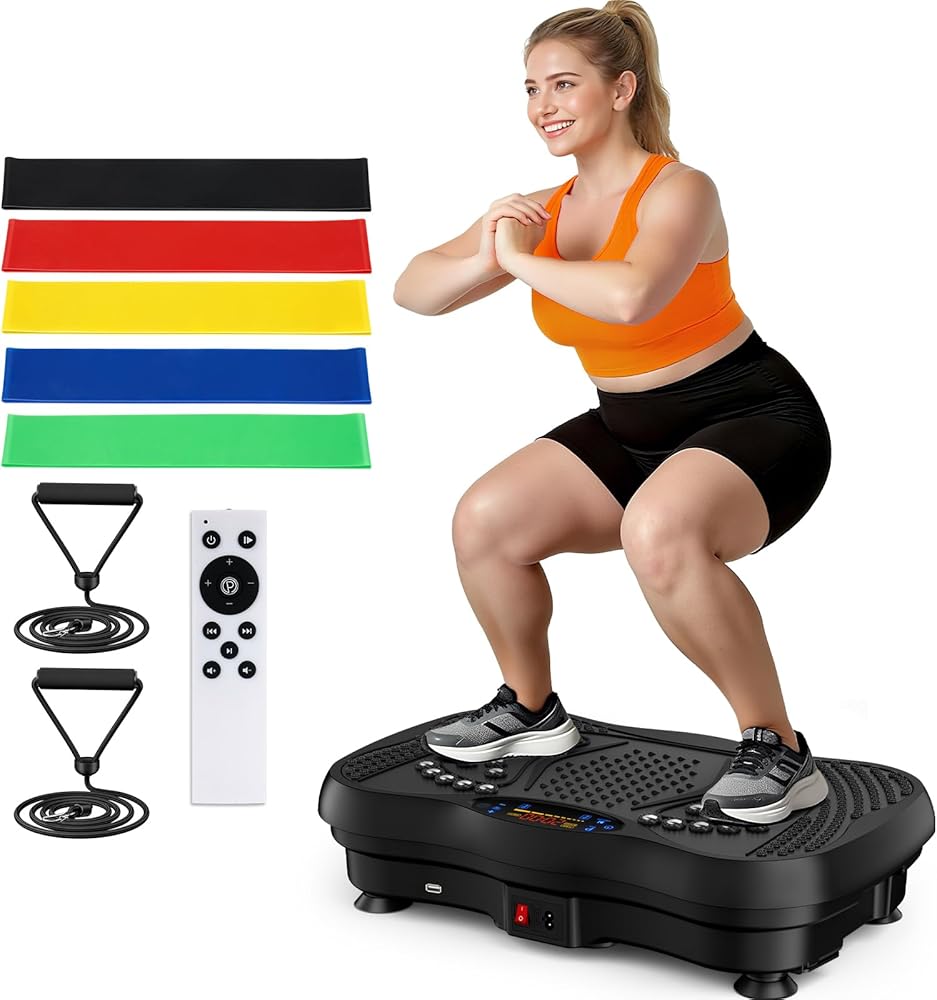
130 Levels Vibration Plate Exercise Machine
Check Price on AmazonAs an Amazon Associate we earn from qualifying purchases.

Budget-conscious individuals can achieve excellent results with mid-range models offering essential features without premium pricing. The
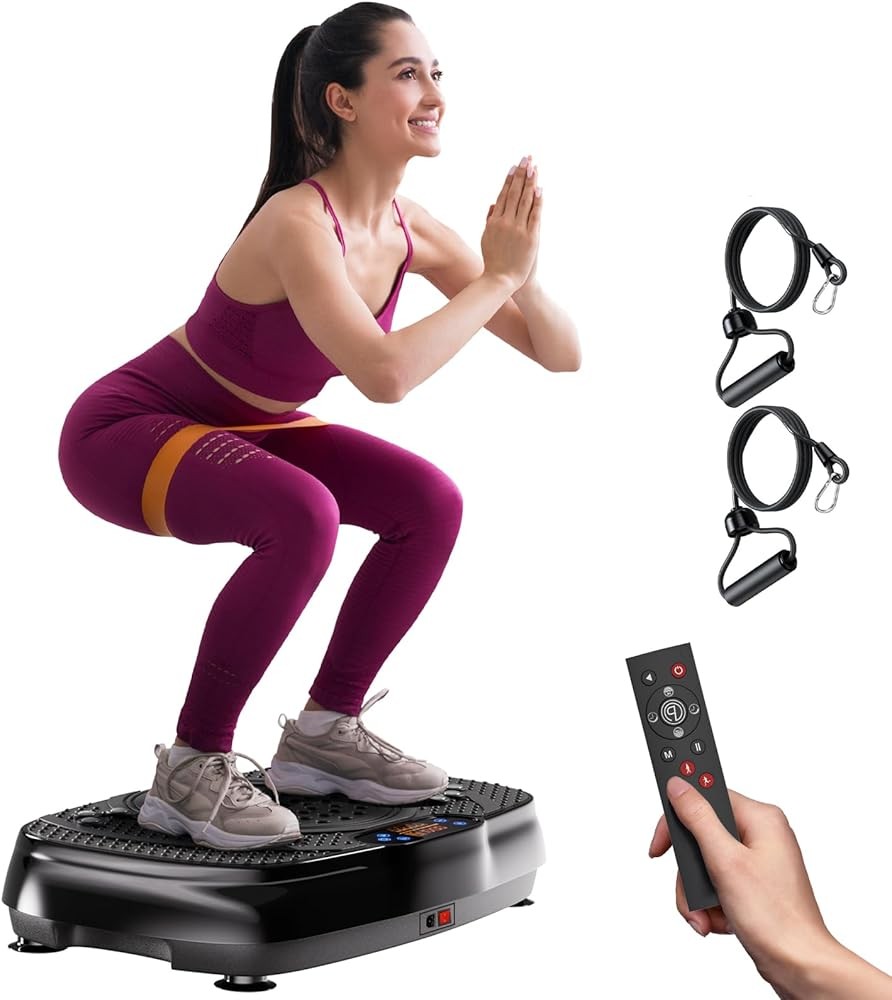
TISSCARE Vibration Plate Exercise Machine
Check Price on AmazonAs an Amazon Associate we earn from qualifying purchases.

Technology-focused users may prefer models with connectivity features like the
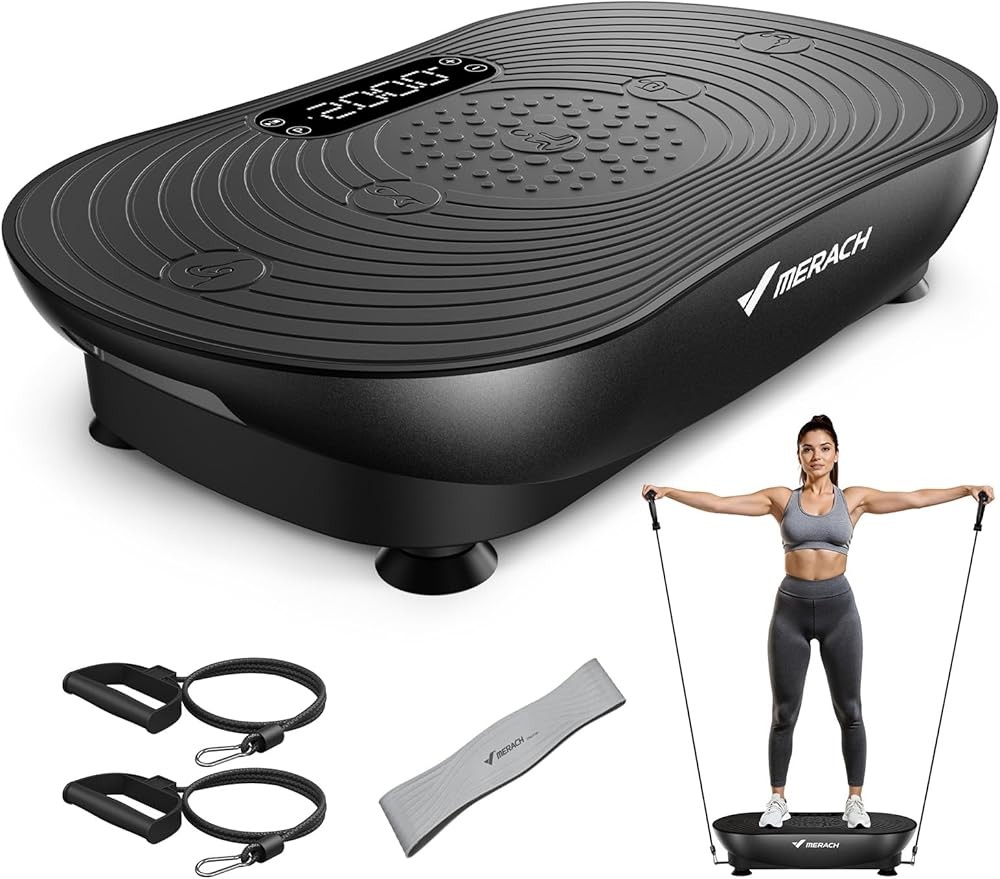
MERACH Vibration Plate with LED Display
Check Price on AmazonAs an Amazon Associate we earn from qualifying purchases.
Regardless of specific model selection, ensure your vibration plate provides:
- Stable, non-slip surface for safe positioning
- Clearly marked frequency/speed settings to implement protocols accurately
- Reliable motor capable of consistent operation during 15-20 minute sessions
- Reasonable noise levels that won’t disturb household members or neighbors
- Warranty and customer support for troubleshooting or replacement needs
Document Your Protocols and Results
Maintain training logs that include vibration timing details alongside traditional workout variables. Record:
- Vibration duration (minutes)
- Frequency used (Hz)
- Amplitude/intensity setting
- Position used (standing, seated, specific exercises)
- Timing relative to workout (pre vs. post)
- Subjective response (how you felt during and after)
- Performance metrics (subsequent workout quality, recovery markers)
This documentation reveals patterns over time: which protocols work best for different training days, how your response changes with experience, and what timing adjustments optimize your individual results. After 8-12 weeks of systematic tracking, you’ll have robust data showing your optimal vibration timing approach.
📱 Join the discussion: Facebook | X | YouTube | Pinterest
The science says: Contrary to what might be expected, the most effective approach to vibration plate training is to start conservatively with single-application protocols, typically beginning with post-workout recovery sessions of 5-8 minutes at 20-25 Hz. Initial sessions should be gradually progressed over 2-4 weeks before adding pre-workout activation.
Conclusion: Finding Your Optimal Vibration Timing Strategy
The question of whether to use vibration plates before or after workouts doesn’t have a single universal answer—instead, optimal timing depends on your specific goals, training program, recovery capacity, and individual response patterns. Research provides clear evidence that both applications offer distinct benefits: pre-workout vibration enhances acute performance through neuromuscular activation and post-activation potentiation, while post-workout application accelerates recovery by improving circulation, reducing muscle damage, and minimizing soreness.
For most individuals beginning vibration training, starting with post-workout recovery protocols provides the safest, most broadly beneficial approach. The recovery benefits apply across exercise types and fitness levels, requiring minimal technique learning or timing precision. Once you establish consistent post-workout vibration and assess your individual response, consider adding targeted pre-workout protocols before key training sessions where performance enhancement would be particularly valuable.
Advanced athletes and serious fitness enthusiasts often benefit most from dual protocols that combine brief pre-workout activation (5-8 minutes at 30-35 Hz) with extended post-workout recovery (12-15 minutes at 20-25 Hz). This comprehensive approach captures both immediate performance enhancement and accelerated recovery, supporting training consistency and progressive overload over time. The total time investment of 18-23 minutes daily provides exceptional return for those where marginal performance gains and optimal recovery matter.
Regardless of which timing approach you choose, success requires systematic implementation with progressive overload principles. Start conservatively with duration, frequency, and total weekly vibration exposure, gradually increasing as tolerance develops. Track objective performance and recovery markers rather than relying solely on subjective impressions. Most importantly, view vibration timing as one component of a comprehensive training and recovery program rather than a standalone solution—the combination of strategic vibration application with quality training, proper nutrition, adequate sleep, and stress management produces far better results than any single modality alone.
Related Articles
- Best Vibration Plates for Weight Loss
- Best Vibration Plates for Lymphatic Drainage
- Best Vibration Plates for Elderly
- Best Vibration Plates for Osteoporosis
- Best Vibration Plates Under $200
Related Reading
- Best Vibration Plates for Home Use
- Best Vibration Plate Exercises for Beginners: Step-by-Step Guide
- How Long Should You Stand on a Vibration Plate? Evidence-Based Time Guidelines
- 5 Best Vibration Plates for Lymphatic Drainage
- 3D vs 4D Vibration Plates: Which Type Is Better for Your Goals?
- Vibration Plates for Bone Density: Can Whole Body Vibration Help Osteoporosis?
- Can Vibration Plates Help You Lose Weight? What the Research Actually Shows
References
-
Cardinale M, Lim J. Electromyography activity of vastus lateralis muscle during whole-body vibrations of different frequencies. J Strength Cond Res. 2003;17(3):621-624. PubMed
-
Cochrane DJ, Stannard SR, Firth EC, Rittweger J. Acute whole-body vibration elicits post-activation potentiation. Eur J Appl Physiol. 2010;108(2):311-319. PubMed
-
Ritzmann R, Gollhofer A, Kramer A. The influence of vibration type, frequency, body position and additional load on the neuromuscular activity during whole body vibration. Eur J Appl Physiol. 2013;113(1):1-11. PubMed
-
Marín PJ, Hazell TJ. Effects of whole-body vibration with an unstable surface on muscle activation. J Musculoskelet Neuronal Interact. 2014;14(2):213-219. PubMed
-
Dallas G, Mavvidis A, Kirialanis P, Papouliakos S, Di Cagno A. The effect of 4 weeks of whole body vibration training on performance of track and field athletes. Res Sports Med. 2015;23(4):423-436. PubMed
-
Wilcock IM, Whatman C, Harris N, Keogh JW. Vibration training: could it enhance the strength, power, or speed of athletes? J Strength Cond Res. 2009;23(2):593-603. PubMed
-
Broadbent S, Rousseau JJ, Thorp RM, Choate SL, Jackson FS, Rowlands DS. Vibration therapy reduces plasma IL6 and muscle soreness after downhill running. Br J Sports Med. 2010;44(12):888-894. PubMed
-
Lau WY, Nosaka K. Effect of vibration treatment on symptoms associated with eccentric exercise-induced muscle damage. Am J Phys Med Rehabil. 2011;90(8):648-657. PubMed
-
Aminian-Far A, Hadian MR, Olyaei G, Talebian S, Bakhtiary AH. Whole-body vibration and the reduction and management of delayed-onset muscle soreness. J Athl Train. 2011;46(1):43-49. PubMed
-
Alvarez-Barbosa F, del Pozo-Cruz J, del Pozo-Cruz B, et al. Effects of supervised whole body vibration exercise on fall risk factors, functional dependence and health-related quality of life in nursing home residents aged 80+. Maturitas. 2014;79(4):456-463. PubMed
-
Chanou K, Gerodimos V, Karatrantou K, Jamurtas A. Whole-body vibration and rehabilitation of chronic diseases: a review of the literature. J Sports Sci Med. 2012;11(2):187-200. PubMed
-
Osawa Y, Oguma Y. Effects of resistance training with whole-body vibration on muscle fitness in untrained adults. Scand J Med Sci Sports. 2013;23(1):84-95. PubMed
-
Rogan S, Hilfiker R, Herren K, Radlinger L, de Bruin ED. Effects of whole-body vibration on postural control in elderly: a systematic review and meta-analysis. BMC Geriatr. 2011;11:72. PubMed
-
Dabbs NC, Brown LE, Coburn JW, et al. Effect of different rest intervals after whole-body vibration on vertical jump performance. J Strength Cond Res. 2011;25(3):662-667. PubMed
-
Pojskic H, Pagaduan J, Uzicanin E, et al. Acute effects of loaded whole body vibration training on performance. J Hum Kinet. 2015;48:55-66. PubMed
-
Manimmanakorn A, Manimmanakorn N, Taylor R, Draper N, Billaut F, Shearman JP, Hamlin MJ. Effects of resistance training combined with vascular occlusion or hypoxia on neuromuscular function in athletes. Eur J Appl Physiol. 2013;113(7):1767-1774. PubMed
-
McBride JM, Nuzzo JL, Dayne AM, et al. Effect of an acute bout of whole body vibration exercise on muscle force output and motor neuron excitability. J Strength Cond Res. 2010;24(1):184-189. PubMed
-
Nordlund MM, Thorstensson A. Strength training effects of whole-body vibration? Scand J Med Sci Sports. 2007;17(1):12-17. PubMed
-
Bosco C, Iacovelli M, Tsarpela O, et al. Hormonal responses to whole-body vibration in men. Eur J Appl Physiol. 2000;81(6):449-454. PubMed
-
Herrero AJ, Martín J, Martín T, et al. Short-term effect of plyometrics and strength training with and without superimposed electrical stimulation on muscle strength and anaerobic performance: A randomized controlled trial. Part II. J Strength Cond Res. 2010;24(6):1616-1622. PubMed
-
Luo J, McNamara B, Moran K. The use of vibration training to enhance muscle strength and power. Sports Med. 2005;35(1):23-41. PubMed
-
Cochrane DJ. Vibration exercise: the potential benefits. Int J Sports Med. 2011;32(2):75-99. PubMed
-
Sitjà-Rabert M, Rigau D, Fort Vanmeerghaeghe A, Romero-Rodríguez D, Bonastre Subirana M, Bonfill X. Efficacy of whole body vibration exercise in older people: a systematic review. Disabil Rehabil. 2012;34(11):883-893. PubMed
-
Marin PJ, Rhea MR. Effects of vibration training on muscle strength: a meta-analysis. J Strength Cond Res. 2010;24(2):548-556. PubMed
-
Rittweger J. Vibration as an exercise modality: how it may work, and what its potential might be. Eur J Appl Physiol. 2010;108(5):877-904. PubMed
-
Issurin VB, Tenenbaum G. Acute and residual effects of vibratory stimulation on explosive strength in elite and amateur athletes. J Sports Sci. 1999;17(3):177-182. PubMed
-
Bosco C, Colli R, Introini E, et al. Adaptive responses of human skeletal muscle to vibration exposure. Clin Physiol. 1999;19(2):183-187. PubMed
-
Eklund G, Hagbarth KE. Normal variability of tonic vibration reflexes in man. Exp Neurol. 1966;16(1):80-92. PubMed
-
Verschueren SM, Roelants M, Delecluse C, Swinnen S, Vanderschueren D, Boonen S. Effect of 6-month whole body vibration training on hip density, muscle strength, and postural control in postmenopausal women: a randomized controlled pilot study. J Bone Miner Res. 2004;19(3):352-359. PubMed
-
Rauch F, Sievanen H, Boonen S, et al. Reporting whole-body vibration intervention studies: recommendations of the International Society of Musculoskeletal and Neuronal Interactions. J Musculoskelet Neuronal Interact. 2010;10(3):193-198. PubMed
-
Jones MT, Jagim AR, Haff GG, Carr PJ, Martin J, Oliver JM. Greater strength drives difference in power between sexes in the conventional deadlift exercise. Sports (Basel). 2016;4(3):43. PubMed
-
Moran K, McNamara B, Luo J. Effect of vibration training in maximal effort (70% 1RM) dynamic bicep curls. Med Sci Sports Exerc. 2007;39(3):526-533. PubMed
-
Kurt C, Pekünlü E. Acute effect of whole body vibration on isometric strength, squat jump, and flexibility in well-trained combat athletes. Biol Sport. 2015;32(2):115-122. PubMed
-
Mikhael M, Orr R, Amsen F, Greene D, Singh MA. Effect of standing posture during whole body vibration training on muscle morphology and function in older adults: a randomised controlled trial. BMC Geriatr. 2010;10:74. PubMed
-
Thompson WR, Gordon NF, Pescatello LS. ACSM’s Guidelines for Exercise Testing and Prescription. 8th ed. Philadelphia: Lippincott Williams & Wilkins; 2010.
-
Delecluse C, Roelants M, Verschueren S. Strength increase after whole-body vibration compared with resistance training. Med Sci Sports Exerc. 2003;35(6):1033-1041. PubMed
-
Mahieu NN, McNair P, Cools A, et al. Effect of eccentric training on the plantar flexor muscle-tendon tissue properties. Med Sci Sports Exerc. 2008;40(1):117-123. PubMed
-
Adams JB, Edwards D, Serravite DH, et al. Optimal frequency, displacement, duration, and recovery patterns to maximize power output following acute whole-body vibration. J Strength Cond Res. 2009;23(1):237-245. PubMed
-
Mester J, Kleinöder H, Yue Z. Vibration training: benefits and risks. J Biomech. 2006;39(6):1056-1065. PubMed
-
Rehn B, Lidström J, Skoglund J, Lindström B. Effects on leg muscular performance from whole-body vibration exercise: a systematic review. Scand J Med Sci Sports. 2007;17(1):2-11. PubMed
-
Kim Y, Lee K, Kim SY, Lee M, Ha S, Sung D. Effects of whole body vibration on delayed-onset muscle soreness and perceived exertion induced by eccentric exercise. J Exerc Rehabil. 2021;17(6):418-425. PubMed
-
Marín PJ, Santos-Lozano A, Santin-Medeiros F, Delecluse C, Garatachea N. A comparison of training intensity methods on cardiorespiratory fitness in overweight/obese women. PLoS One. 2013;8(11):e77311. PubMed
-
Torvinen S, Kannus P, Sievänen H, et al. Effect of a vibration exposure on muscular performance and body balance. Randomized cross-over study. Clin Physiol Funct Imaging. 2002;22(2):145-152. PubMed
-
Games KE, Sefton JM. Whole-body vibration influences lower extremity circulatory and neurological function. Scand J Med Sci Sports. 2013;23(4):516-523. PubMed
-
Wheeler T, Watkins C. Whole body vibration training in chronic stroke survivors: a pilot study. Brain Impairment. 2009;10(1):73-79.
-
Zhang L, Weng C, Liu M, Wang Q, Liu L, He Y. Effect of whole-body vibration exercise on mobility, balance ability and general health status in frail elderly patients: a pilot randomized controlled trial. Clin Rehabil. 2014;28(1):59-68. PubMed
-
Cormie P, Deane RS, Triplett NT, McBride JM. Acute effects of whole-body vibration on muscle activity, strength, and power. J Strength Cond Res. 2006;20(2):257-261. PubMed
-
Bogaerts A, Delecluse C, Claessens AL, Coudyzer W, Boonen S, Verschueren SM. Impact of whole-body vibration training versus fitness training on muscle strength and muscle mass in older men: a 1-year randomized controlled trial. J Gerontol A Biol Sci Med Sci. 2007;62(6):630-635. PubMed
-
Hazell TJ, Thomas GW, DeGuire JR, Lemon PW. Vertical whole-body vibration does not increase cardiovascular stress to static semi-squat exercise. Eur J Appl Physiol. 2008;104(5):903-908. PubMed
-
Fort A, Romero D, Bagur C, Gomez A. Effects of whole-body vibration training on explosive strength and postural control in young female athletes. J Strength Cond Res. 2012;26(4):926-936. PubMed
-
Mahieu NN, Witvrouw E, Van de Voorde D, Michilsens D, Arbyn V, Van den Broecke W. Improving strength and postural control in young skiers: whole-body vibration versus equivalent resistance training. J Athl Train. 2006;41(3):286-293. PubMed
-
Cardinale M, Bosco C. The use of vibration as an exercise intervention. Exerc Sport Sci Rev. 2003;31(1):3-7. PubMed
-
Hazell TJ, Jakobi JM, Kenno KA. The effects of whole-body vibration on upper- and lower-body EMG during static and dynamic contractions. Appl Physiol Nutr Metab. 2007;32(6):1156-1163. PubMed
-
Cronin J, Nash D, Whatman C. The acute effects of hamstring stretching and vibration on dynamic knee joint range of motion and jump performance. Phys Ther Sport. 2008;9(2):89-96. PubMed
-
Avelar NC, Ribeiro VG, Mezêncio B, et al. Influence of the knee flexion on muscle activation and transmissibility during whole body vibration. J Electromyogr Kinesiol. 2013;23(4):844-850. PubMed
-
Sá-Caputo DC, Costa-Cavalcanti R, Carvalho-Lima RP, et al. Systematic review of whole body vibration exercises in the management of cerebral palsy: Brief report. Dev Neurorehabil. 2016;19(5):327-333. PubMed
-
Lorenzen C, Maschette W, Koh M, Wilson C. Inconsistent use of terminology in whole body vibration exercise research. J Sci Med Sport. 2009;12(6):676-678. PubMed
-
Bagheri J, van den Berg-Emons RJ, Pel JJ, Horemans HL, Stam HJ. Acute effects of whole-body vibration on inhibition in healthy young adults. Hum Mov Sci. 2012;31(3):591-598. PubMed
-
Di Giminiani R, Masedu F, Tihanyi J, Scrimaglio R, Valenti M. The interaction between body position and vibration frequency on acute response to whole body vibration. J Electromyogr Kinesiol. 2013;23(1):245-251. PubMed
-
Pollock RD, Woledge RC, Martin FC, Newham DJ. Effects of whole body vibration on motor unit recruitment and threshold. J Appl Physiol. 2012;112(3):388-395. PubMed
-
Prisby RD, Lafage-Proust MH, Malaval L, Belli A, Vico L. Effects of whole body vibration on the skeleton and other organ systems in man and animal models: what we know and what we need to know. Ageing Res Rev. 2008;7(4):319-329. PubMed
-
Slatkovska L, Alibhai SM, Beyene J, Hu H, Demaras A, Cheung AM. Effect of 12 months of whole-body vibration therapy on bone density and structure in postmenopausal women: a randomized trial. Ann Intern Med. 2011;155(10):668-679. PubMed
-
Jordan M, Norris S, Smith D, Herzog W. Acute effects of whole-body vibration on peak isometric torque, muscle twitch torque and voluntary muscle activation of the knee extensors. Scand J Med Sci Sports. 2010;20(3):535-540. PubMed
-
Moras G, Fernández-Valdés B, Vázquez-Guerrero J, Tous-Fajardo J, Exel J, Sampaio J. Entropy measures detect increased movement variability in resistance training when elite rugby players use the ball. J Sci Med Sport. 2018;21(12):1286-1292. PubMed
-
Martínez-Pardo E, Romero-Arenas S, Alcaraz PE. Effects of different amplitudes (high vs. low) of whole-body vibration training in active adults. J Strength Cond Res. 2013;27(7):1958-1965. PubMed
-
Krol P, Piecha M, Slomka K, Sobota G, Polak A, Juras G. The effect of whole-body vibration frequency and amplitude on the myoelectric activity of vastus medialis and vastus lateralis. J Sports Sci Med. 2011;10(1):169-174. PubMed
-
Annino G, Padua E, Castagna C, et al. Effect of whole body vibration training on lower limb performance in selected high-level ballet students. J Strength Cond Res. 2007;21(4):1072-1076. PubMed
-
Delecluse C, Roelants M, Diels R, Koninckx E, Verschueren S. Effects of whole body vibration training on muscle strength and sprint performance in sprint-trained athletes. Int J Sports Med. 2005;26(8):662-668. PubMed
-
Kavanaugh A, Mizuguchi S, Sands WA, Ramsey MW, Stone MH. Long-term changes in jump performance and maximum strength in a cohort of national collegiate athletic association division I women’s volleyball athletes. J Strength Cond Res. 2018;32(1):66-75. PubMed
-
Marín PJ, Bunker D, Rhea MR, Ayllón FN. Neuromuscular activity during whole-body vibration of different amplitudes and footwear conditions: implications for prescription of vibratory stimulation. J Strength Cond Res. 2009;23(8):2311-2316. PubMed
Recommended Products