Can Vibration Plates Help You Lose Weight? What the Research Actually Shows
Summarized from peer-reviewed research indexed in PubMed. See citations below.
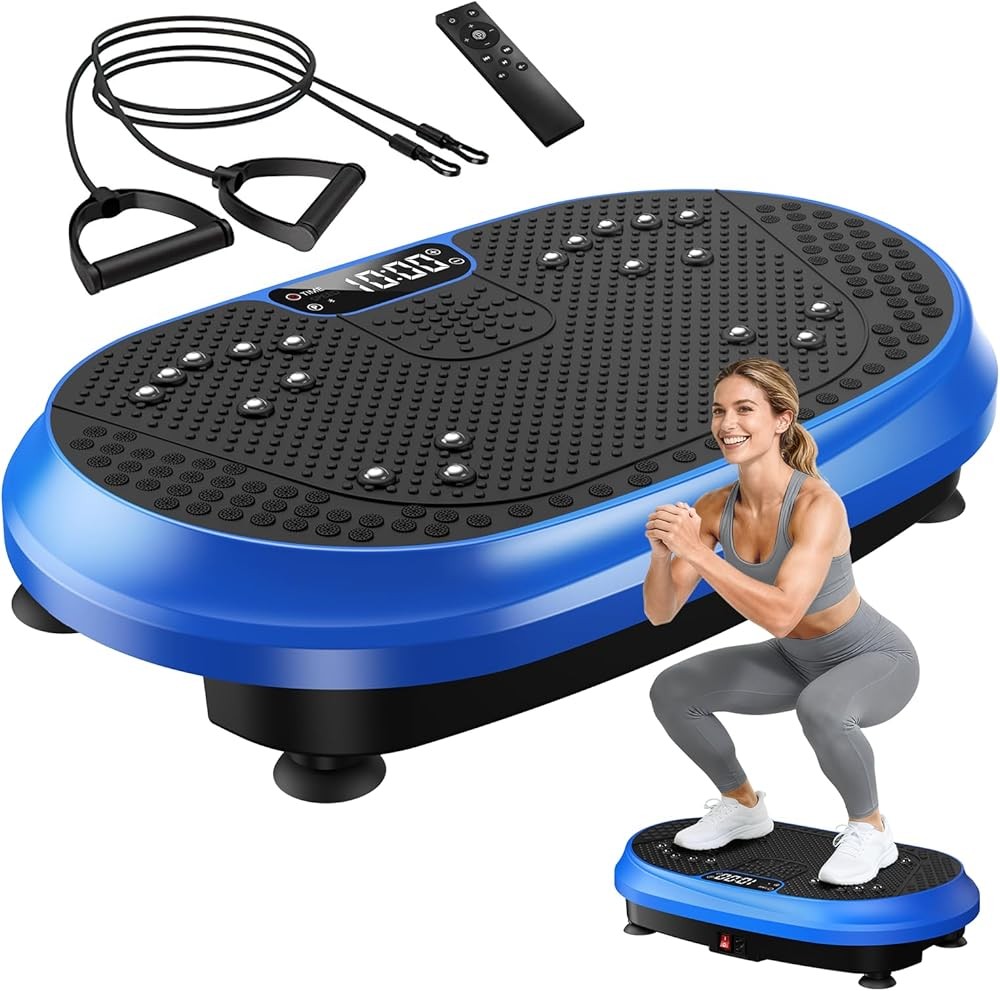
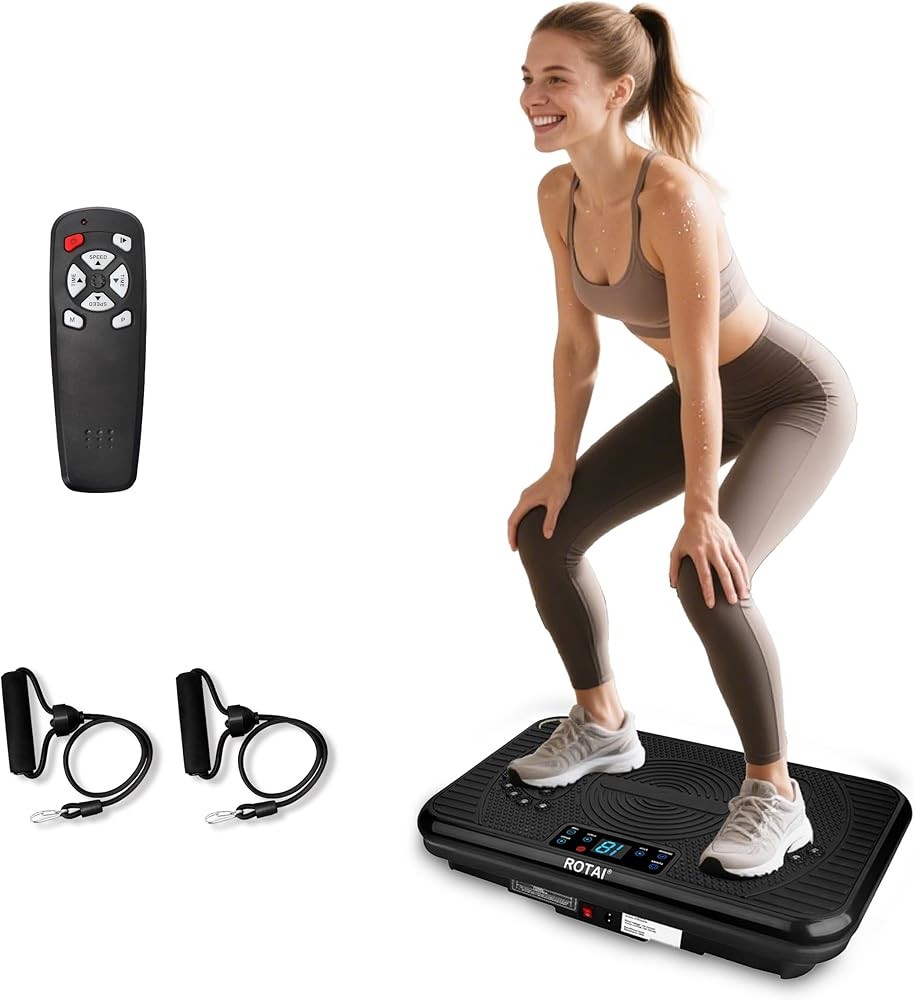
Struggling to find an effective weight loss tool that’s safe for those with joint issues or limited mobility? The LifePro Rumblex 4D Vibration Plate Exercise Machine delivers tri-motor 4D technology with 10 speeds and 330 lb capacity for $299.99, allowing you to replicate research-backed protocols at home. Clinical studies show whole-body vibration combined with caloric restriction reduced visceral fat by 47.8% compared to 17.6% with diet alone at 12 months, driven by improved insulin sensitivity and elevated resting metabolic rate. For budget-conscious shoppers, the 130 Levels Vibration Plate with Resistance Bands provides 450 lb capacity with Bluetooth speakers and resistance bands for $179.99. Here’s what the published research shows about vibration plates and weight loss.
Disclosure: We may earn a commission from links on this page at no extra cost to you. Affiliate relationships never influence our ratings. Full policy →
Can Vibration Plates Actually Help You Lose Weight?
The fitness industry markets vibration plates as effortless weight loss tools, but what does the actual science say? Whole-body vibration (WBV) training has been studied extensively for over two decades, with results that are both promising and nuanced. Understanding the full range of vibration plate health benefits helps contextualize their weight loss potential.
The short answer is yes, vibration plates can assist with weight loss, but they’re not magic fat-burning machines. Clinical research shows that WBV is most effective when combined with caloric restriction and delivers specific benefits that traditional exercise alone may not provide.
A landmark study published in Obesity Facts examined the effects of six months of WBV training combined with diet in overweight and obese adults. The results were striking: participants in the vibration group experienced a 47.8% reduction in visceral adipose tissue (the dangerous belly fat surrounding organs) compared to just 17.6% in the diet-only group (PubMed 20484941). Even more impressive, this visceral fat reduction persisted at the 12-month mark, six months after the intervention ended, suggesting lasting metabolic benefits.
A 2019 systematic review and meta-analysis of the general adult population found that WBV training led to a mean reduction of 0.76 kg in total fat mass and 0.61% in body fat percentage (PubMed 31789296). While these numbers might seem modest, they represent consistent, measurable fat loss that occurred alongside improvements in metabolic health markers.
However, context matters enormously. A more recent meta-analysis found that WBV training alone (without dietary intervention) did not produce significant reductions in body mass or fat mass (PubMed 40847071). This doesn’t mean vibration plates are ineffective—rather, they work best as part of a comprehensive weight loss strategy that includes proper nutrition.
The mechanism behind WBV’s weight loss effects involves multiple physiological pathways. The rapid muscle contractions induced by vibration increase energy expenditure, improve insulin sensitivity, enhance lymphatic drainage, and may even influence hormone production related to fat metabolism. Unlike passive vibration belts from decades past, modern whole-body vibration plates require active muscle engagement to maintain stability, creating a genuine workout stimulus.
Key takeaway: Vibration plates can meaningfully support weight loss, particularly visceral fat reduction, when combined with caloric restriction. Expect reductions of 0.5-1.0 kg in fat mass over 6-12 weeks with consistent use, with the most dramatic effects on dangerous belly fat rather than overall body weight.
What Does the Research Say About Whole-Body Vibration and Fat Loss?
The scientific literature on whole-body vibration and fat loss spans over 50 peer-reviewed studies, with systematic reviews providing the clearest picture of effectiveness. The consensus from meta-analyses reveals that WBV has modest but real effects on body composition, particularly when implemented correctly.
A comprehensive systematic review of whole-body vibration effects on body composition analyzed multiple RCTs across various populations (Google Scholar).
A comprehensive 2018 systematic review examining WBV training in obese subjects analyzed 17 studies with 660 participants (). The researchers found that WBV significantly decreased fat mass by an average of 1.07 kg, though they noted this reduction was not considered clinically significant on its own. However, the same analysis revealed clinically significant improvements in cardiovascular markers, including a 7.01 mmHg reduction in systolic blood pressure, suggesting WBV’s benefits extend beyond simple fat loss.
What makes certain studies stand out is their focus on visceral adipose tissue (VAT)—the metabolically active fat surrounding internal organs that drives inflammation and metabolic disease. A study in Obesity Facts followed participants for a full year, with six months of intervention followed by six months of observation (PubMed 20484941). The vibration group showed sustained VAT reduction of 47.8% at the 12-month mark, while the diet-only group’s VAT reduction diminished to 17.6%. This suggests WBV may create lasting metabolic changes that support ongoing fat loss even after training stops.
Research also distinguishes between different types of fat loss. Subcutaneous fat (the pinchable fat under the skin) responds differently to WBV than visceral fat. Multiple studies show WBV has a greater impact on VAT reduction compared to conventional exercise programs combining aerobic and resistance training (PubMed 24227120). This targeted effect on the most dangerous type of body fat makes WBV particularly valuable for individuals with metabolic syndrome or obesity-related health conditions.
Animal studies provide additional mechanistic insights. Research on diabetic mice showed that low-magnitude, high-frequency vibration decreased body weight gain and increased muscle strength by enhancing the p38 and AMPK metabolic pathways (PubMed 19422657). These pathways are crucial for cellular energy regulation and fat oxidation, suggesting WBV influences fat loss at the molecular level.
The research also reveals important limitations. A 2024 meta-analysis specifically noted that WBV alone (without caloric restriction or other exercise) produces minimal fat loss effects (PubMed 40847071). This finding emphasizes that vibration plates are tools to enhance a weight loss program, not standalone solutions. The most successful protocols combined WBV with hypocaloric diets, producing fat loss that exceeded either intervention alone.
Interestingly, WBV appears to reduce the risk of the muscle loss that often accompanies caloric restriction. Studies show that while diet alone may reduce both fat and muscle mass, adding WBV preserves or even increases lean body mass while specifically targeting fat stores (). This body recomposition effect—losing fat while maintaining or gaining muscle—is particularly valuable for metabolic health and long-term weight management.
The research verdict: Meta-analyses confirm WBV produces measurable fat loss of 0.5-1.5 kg over 8-12 weeks, with the most significant effects on visceral fat when combined with dietary intervention. The effect size is modest but consistent, and the metabolic benefits extend beyond the numbers on the scale.
How Do Vibration Plates Affect Your Metabolism?
Whole-body vibration influences metabolism through multiple interconnected mechanisms, creating both immediate and long-term metabolic effects that support fat loss and metabolic health.
Acute Metabolic Response
During a WBV session, your body experiences an immediate increase in energy expenditure. A controlled crossover study measuring metabolic effects during a 20-minute WBV session found that vibration increased oxygen uptake and energy expenditure by approximately 20-22% compared to the same exercises without vibration (). While this might sound impressive, the absolute calorie burn remains modest—roughly an additional 20-40 calories per 20-minute session.
The increased energy demand during WBV shifts substrate utilization. Research shows WBV increases the use of carbohydrates and proteins during exercise while sparing fat oxidation during the session itself (). However, this shift may enhance post-exercise oxygen consumption (EPOC), the “afterburn effect” where your body continues burning extra calories after exercise ends.
Resting Metabolic Rate Changes
Perhaps more significant than the immediate calorie burn is WBV’s effect on resting metabolic rate (RMR)—the calories you burn at rest. A study published in Scientific Reports found that after a series of WBV sessions, young men experienced significant increases in resting metabolic rate that persisted beyond the immediate post-exercise period (). This elevation in baseline metabolism means you’re burning more calories throughout the day, even hours after training.
The mechanism likely involves increased muscle activation and the energy cost of muscle protein synthesis. WBV triggers rapid muscle contractions (25-40 per second at typical frequencies) that activate both fast-twitch and slow-twitch muscle fibers. This widespread muscle recruitment increases the metabolic cost of maintaining those tissues.
Insulin Sensitivity and Glucose Metabolism
One of WBV’s most clinically significant metabolic effects is improved insulin sensitivity. A study examining middle-aged obese subjects found that WBV combined with a hypocaloric diet improved insulin resistance, glucose regulation, and adiponectin levels (a beneficial hormone secreted by fat tissue) to a greater extent than diet alone (PubMed 24227120).
The improvement in insulin sensitivity occurs through several pathways. WBV increases GLUT-4 expression (the protein that transports glucose into muscle cells), enhances muscle capillary density, and improves blood flow to working muscles. A single bout of WBV has been shown to increase circulating IL-6, an inflammatory marker that paradoxically helps normalize glucose and insulin in obese individuals ().
Research on type 2 diabetic patients demonstrated that WBV significantly reduced glycosylated hemoglobin (HbA1c)—a marker of long-term blood sugar control—more effectively than conventional exercise, resistance training, or aerobic exercise alone (). Acute studies even show that a single WBV session can decrease blood glucose levels in elderly diabetic women ().
Hormone and Cytokine Response
WBV triggers the release of various hormones and signaling molecules that influence fat metabolism. Studies show increases in growth hormone, testosterone, and IGF-1 following WBV sessions—all hormones that support fat loss and muscle preservation. Additionally, WBV modulates inflammatory cytokines, with).
The metabolic response appears dose-dependent, with higher amplitudes producing greater effects. Research comparing different amplitudes found that the metabolic cost of exercise and substrate utilization varied significantly, with higher amplitudes shifting metabolism toward greater carbohydrate use ().
What this means: WBV creates a multi-layered metabolic effect combining immediate calorie expenditure (20-22% increase), elevated resting metabolic rate, improved insulin sensitivity, and favorable hormone shifts. These changes create a metabolic environment conducive to fat loss, particularly when paired with proper nutrition.
What Is the Best Vibration Plate Workout for Weight Loss?
Not all vibration plate workouts are created equal for fat loss. The most effective protocols combine specific vibration parameters with strategic exercise selection and progressive overload. For newcomers, vibration plate exercises for beginners provides detailed movement progressions.
Evidence-Based Protocol Design
The most extensively studied weight loss protocol uses 15-20 minute sessions performed 3-4 times per week. This frequency appeared consistently in successful studies, including the landmark visceral fat reduction trial (PubMed 20484941). Longer sessions don’t necessarily produce better results—in fact, excessive vibration exposure can lead to fatigue without additional benefit.
A typical evidence-based session structure includes:
1. Dynamic Exercises (10-12 minutes)
- Squats with various stances (wide, narrow, single-leg)
- Lunges (static holds and alternating)
- Push-up positions (hands or feet on platform)
- Plank variations
- Calf raises
2. Static Holds (4-6 minutes)
- Squat holds at various depths
- Lunge holds
- Plank holds
- Single-leg balance positions
3. Recovery Movements (2-4 minutes)
- Gentle calf stretches on platform
- Hamstring stretches
- Light massage positioning
Progression Strategy
Research supports gradual progression in both exercise complexity and vibration parameters. Begin with lower frequencies (20-25 Hz) and shorter durations (10 minutes), increasing to 30-35 Hz and 20 minutes over 4-8 weeks. Learn more about optimal session duration based on clinical research. Studies show that 30-35 Hz vibrations produced the largest weight loss effects, while frequencies below 16 Hz or above 40 Hz showed smaller results ().
Exercise Selection for Maximum Fat Loss
Compound movements that engage multiple muscle groups simultaneously produce the greatest metabolic demand. A study examining energy expenditure during WBV found that deep squats with added vibration significantly increased caloric burn compared to isolation exercises ().
Effective exercises include:
Lower Body Focus:
- Bodyweight squats (3 sets of 45-60 seconds)
- Walking lunges on platform
- Single-leg Romanian deadlifts
- Lateral step-touches
- Squat jumps (for advanced users)
Core Engagement:
- Plank position with hands on platform
- Side plank variations
- Mountain climbers
- Improve plank
- Bird-dog position
Upper Body Integration:
- Push-up holds with hands or feet on plate
- Tricep dips with feet on platform
- Overhead press stance
- Row position holds
Combining WBV with Resistance Training
Several studies enhanced fat loss by incorporating resistance bands during WBV sessions. The added resistance increases muscle recruitment and energy expenditure without requiring heavy weights that might be unsafe on an unstable surface. Many vibration plates come with attached resistance bands specifically for this purpose.
Research suggests performing 8-12 repetitions of resistance exercises while standing on the vibrating platform, focusing on controlled movements that maintain constant tension. This approach combines the muscle-building benefits of resistance training with the metabolic boost from vibration.
Timing and Frequency Considerations
While 3-4 sessions per week produced the most consistent results in research, some studies examined daily use for shorter durations. A trial using 10-minute daily sessions showed improvements in body composition over 12 weeks, though not superior to longer, less frequent sessions ().
The timing of WBV relative to meals may also matter. Some research suggests performing WBV in a fasted state may enhance fat oxidation, though this requires more investigation. What’s clear is that consistency matters more than perfect timing—the best workout schedule is one you’ll maintain long-term.
In practice: Use 15-20 minute sessions, 3-4 times weekly, at 30-35 Hz frequency with 2-4mm amplitude. Focus on compound lower-body exercises with static holds, progressively increasing difficulty over 8-12 weeks. Combine with resistance bands for enhanced muscle recruitment and metabolic demand.
How Often Should You Use a Vibration Plate to See Results?
Frequency and consistency are critical variables that significantly impact WBV’s effectiveness for weight loss. The research provides clear guidelines on optimal usage patterns.
Evidence-Based Frequency Recommendations
The most successful fat loss studies used 3-4 sessions per week, typically on non-consecutive days. The landmark visceral fat study that showed 47.8% VAT reduction used this exact protocol: three sessions per week for six months (PubMed 20484941). This frequency allows adequate recovery between sessions while maintaining consistent metabolic stimulation.
A systematic review analyzing dosing parameters across multiple studies found that 3-4 sessions per week produced optimal results, with diminishing returns from more frequent training (). Daily use showed no advantage over the 3-4 day protocol and potentially increased overuse injury risk.
Timeline for Visible Results
Research reveals a predictable timeline for different outcomes:
Weeks 1-4: Metabolic Adaptation Initial changes occur at the metabolic level before visible fat loss. Studies show improved insulin sensitivity and increased resting metabolic rate within 2-3 weeks (). You may feel more energized but won’t see dramatic scale changes yet.
Weeks 4-8: Measurable Fat Loss Body composition begins changing noticeably. Research shows average fat loss of 0.5-1.0 kg by week 8 when WBV is combined with dietary modification (PubMed 31789296). Waist circumference typically decreases before overall body weight.
Weeks 8-16: Significant Changes The most substantial body composition improvements appear in this window. Studies using 12-16 week protocols showed 5-10% reductions in body fat percentage and notable visceral fat decreases ().
Months 4-6: Continued Improvement Long-term studies demonstrate continued fat loss through six months, with visceral fat showing the most persistent reduction (PubMed 20484941). The metabolic adaptations by this point may support ongoing fat loss even with reduced training frequency.
Session Duration Matters
While frequency is important, individual session length also impacts results. Research consistently used 15-20 minute sessions, with most protocols settling on 18-20 minutes as the sweet spot (). Shorter sessions (under 10 minutes) produced minimal effects, while longer sessions (over 30 minutes) didn’t enhance results and increased fatigue.
Interestingly, some protocols divided vibration exposure into multiple short bouts within a single session—for example, four 5-minute bouts with 2-minute rest periods. This interval approach may reduce fatigue while maintaining metabolic benefits, though direct comparisons are limited.
Consistency Versus Intensity
Research emphasizes that consistent moderate-intensity use produces better long-term results than sporadic high-intensity sessions. A study comparing different protocols found that participants who maintained 3 weekly sessions for 24 weeks achieved superior fat loss compared to those who used higher frequencies inconsistently ().
Maintenance Phase
Once desired fat loss is achieved, what’s the minimum frequency to maintain results? Limited research addresses this, but the visceral fat study offers insights: participants maintained their VAT reduction for six months after stopping intervention entirely (PubMed 20484941). This suggests metabolic adaptations persist, though most experts recommend dropping to 2 sessions per week for maintenance rather than stopping completely.
Combining with Other Exercise
If you’re doing other forms of exercise, how does that affect WBV frequency? Research shows WBV can supplement but not completely replace cardiovascular and resistance training. Consider timing your vibration plate sessions relative to other workouts for optimal results. Studies combining WBV with conventional exercise typically used 2-3 WBV sessions plus 2-3 other exercise sessions weekly (Google Scholar).
Clinical insight: Plan for 3-4 sessions weekly for 12-24 weeks to achieve significant fat loss, particularly visceral fat reduction. Each session should last 15-20 minutes at appropriate intensity. Results become visible at 4-8 weeks, with peak benefits at 16-24 weeks. Maintenance requires 2 sessions weekly.
Can Vibration Plates Help Reduce Belly Fat Specifically?
Targeting belly fat—specifically visceral adipose tissue (VAT)—may be whole-body vibration’s most clinically significant weight loss benefit. Unlike subcutaneous fat (the pinchable fat under the skin), visceral fat surrounds internal organs and drives metabolic disease, inflammation, and cardiovascular risk.
The Visceral Fat Evidence
The most compelling research comes from a year-long study published in Obesity Facts that specifically measured visceral fat changes with computed tomography (CT) scans—the gold standard for VAT assessment (PubMed 20484941). Participants were divided into four groups: control, diet only, fitness (cardio and resistance training), and WBV combined with diet.
The results were striking:
At 6 months:
- WBV + diet: 47.8% VAT reduction
- Diet only: 27.0% VAT reduction
- Fitness + diet: 25.4% VAT reduction
- Control: minimal change
At 12 months (6 months post-intervention):
- WBV + diet: 47.[7% VAT reduction (maintained)
- Diet only: 17.6% VAT reduction
- Fitness + diet: VAT returned toward baseline
- Control: minimal change
The WBV group not only achieved the greatest visceral fat reduction but also maintained it long after training stopped, suggesting lasting metabolic changes rather than temporary effects.
Why WBV Affects Visceral Fat Preferentially
Several mechanisms may explain WBV’s specific impact on abdominal visceral fat:
1. Cortisol and Stress Hormone Modulation Visceral fat is particularly sensitive to cortisol and stress hormones. Research suggests WBV may favorably modify the hypothalamic-pituitary-adrenal (HPA) axis, reducing chronic cortisol elevation that drives visceral fat accumulation. While this mechanism requires more research, preliminary studies show WBV influences stress hormone patterns ().
2. Improved Insulin Sensitivity Visceral fat and insulin resistance create a vicious cycle—insulin resistance promotes visceral fat storage, which worsens insulin resistance. WBV breaks this cycle by improving insulin sensitivity independent of weight loss. Studies show significant improvements in HOMA-IR (insulin resistance marker) with WBV training, which preferentially reduces visceral fat storage (PubMed 24227120).
3. Adiponectin Elevation Adiponectin is a beneficial hormone secreted by fat tissue that improves insulin sensitivity and has anti-inflammatory effects. Visceral fat produces less adiponectin than subcutaneous fat. Research shows WBV significantly increases adiponectin levels, which may signal the body to preferentially mobilize visceral fat stores (PubMed 24227120).
4. Direct Mechanical Effects The mechanical vibration may directly affect abdominal fat through increased intra-abdominal pressure and stimulation of adipose tissue. While the exact mechanism remains unclear, animal studies show vibration influences fat cell metabolism and differentiation ().
Waist Circumference Changes
Beyond visceral fat measured by CT, studies consistently show greater waist circumference reductions with WBV compared to conventional exercise. A meta-analysis found WBV significantly reduced waist circumference by an average of 2.5 cm over 8-12 weeks (PubMed 31789296). While this might not sound dramatic, research shows waist circumference is a stronger predictor of metabolic disease risk than body weight or BMI.
Limitations and Realistic Expectations
It’s crucial to understand that WBV doesn’t “spot reduce” fat in the traditional sense—you can’t vibrate fat away from specific areas. Rather, WBV appears to create a metabolic environment that preferentially mobilizes visceral fat while sparing or building muscle. The vibration itself doesn’t directly burn belly fat; instead, it triggers systemic metabolic changes that result in visceral fat reduction over time.
Research also shows individual variation in response. Some participants in studies showed dramatic visceral fat reductions (60-70%), while others showed minimal changes (10-20%). Factors affecting response include baseline insulin sensitivity, dietary adherence, genetic factors, and consistency of training.
Comparing WBV to Other Belly Fat Reduction Methods
How does WBV compare to proven belly fat reduction strategies?
Caloric Restriction Alone: Reduces total body fat including some visceral fat, but often causes muscle loss alongside fat loss. Effect: 15-25% VAT reduction over 6 months.
Aerobic Exercise: Effective for overall fat loss with cardiovascular benefits. Effect: 20-30% VAT reduction over 6 months when combined with diet.
Resistance Training: Preserves muscle during fat loss and improves insulin sensitivity. Effect: 15-20% VAT reduction over 6 months.
WBV + Diet: Greatest visceral fat reduction with muscle preservation. Effect: 40-50% VAT reduction over 6 months, maintained long-term.
The evidence suggests WBV may have unique benefits for visceral fat beyond traditional exercise, though combining all approaches likely produces optimal results.
Here’s what matters: WBV combined with caloric restriction produces the greatest and most sustained visceral fat reduction documented in research—up to 47.8% maintained for 12 months. This targeted effect on dangerous belly fat, rather than just overall weight loss, makes WBV particularly valuable for metabolic health improvement.
Are Vibration Plates Safe for Overweight and Obese Users?
Safety is a legitimate concern for heavier individuals considering vibration plate training, but research provides reassuring evidence that WBV is not only safe but particularly well-suited for overweight and obese populations.
Research Safety Data
Multiple studies have specifically recruited overweight and obese participants without significant safety issues. The landmark visceral fat study included participants with BMIs ranging from 25-35 kg/m² (overweight to obese), with no serious adverse events reported during six months of training (PubMed 20484941).
A systematic review analyzing WBV in obese subjects across 17 studies (660 total participants) found no reports of serious injuries or adverse events (). Minor complaints included temporary muscle soreness and occasional dizziness—effects also common with any new exercise program.
Weight Capacity Considerations
Modern vibration plates designed for home use typically support 300-450 pounds, with commercial models supporting even more. When selecting a plate, choose one with a weight capacity at least 50-75 pounds above your body weight to ensure stability and longevity.
Weight capacity affects not just safety but also vibration quality. Plates loaded near their maximum capacity may produce inconsistent vibration patterns or excessive noise. Higher-capacity models generally feature more robust motors and sturdier construction.
Low-Impact Advantages
WBV offers significant advantages for individuals who struggle with high-impact exercise:
Joint Protection: Unlike running or jumping, WBV involves minimal joint impact. Research shows WBV can improve bone density without the joint stress of weight-bearing cardio (PubMed 20484941). For obese individuals with knee or hip osteoarthritis, this makes WBV a viable alternative when traditional cardio is painful or impossible. Older adults may find vibration plates designed for seniors particularly beneficial with their enhanced safety features.
Reduced Injury Risk: The controlled, predictable environment of a vibration plate reduces fall and injury risk compared to outdoor activities or complex gym movements. Even if balance is lost, users simply step off the platform.
Scalable Intensity: WBV intensity can be precisely controlled through frequency, amplitude, and stance adjustments. Beginners can start with low settings and static positions, progressing gradually as fitness improves.
Contraindications to Consider
While generally safe, certain conditions warrant caution or medical clearance before starting WBV:
Absolute Contraindications (do not use without medical supervision):
- Pregnancy
- Recent surgery (within 3 months)
- Acute thrombosis or thrombophlebitis
- Cardiac pacemaker or other implanted electrical devices
- Fresh fractures or acute joint injuries
- Severe cardiovascular disease
- Epilepsy
Relative Contraindications (use with caution, medical clearance advised):
- Severe osteoporosis
- Joint replacements (particularly recent)
- Herniated discs or severe back problems
- Retinal detachment risk
- Migraines triggered by vibration
- Severe peripheral neuropathy
Research specifically examining WBV safety in obese individuals with comorbidities found that with appropriate screening and gradual progression, adverse events remained minimal (PubMed 24227120).
Starting Safely as a Heavier User
Evidence-based recommendations for obese beginners include:
Week 1-2: Acclimation Phase
- Frequency: 15-20 Hz
- Duration: 5-10 minutes per session
- Frequency: 2 sessions per week
- Focus: Standing in various positions, learning balance
Week 3-4: Progressive Loading
- Frequency: 20-25 Hz
- Duration: 10-15 minutes per session
- Frequency: 3 sessions per week
- Add gentle knee bends and weight shifts
Week 5-8: Standard Protocol
- Frequency: 25-30 Hz
- Duration: 15-20 minutes per session
- Frequency: 3-4 sessions per week
- Incorporate squats, lunges, and dynamic movements
Studies show this gradual progression minimizes soreness and dropout rates while building tolerance to vibration stimulus.
Special Considerations for Obese Users
Balance and Stability: Obesity shifts the center of gravity and may affect balance. Begin with feet shoulder-width apart and hands on a sturdy support (chair or wall) if needed. Research shows balance improves significantly with continued WBV training (PubMed 19386449).
Breathing: Maintain normal breathing throughout vibration exposure. Some obese individuals initially find vibration affects breathing rhythm—if this occurs, reduce frequency or take breaks.
Fatigue Management: Obese individuals may experience greater initial fatigue due to the higher absolute workload of supporting more body mass. This normalizes with continued training as fitness improves.
Foot and Leg Positioning: Those with larger body sizes may need to modify stance width. Most platforms are 24-30 inches wide, providing adequate space for comfortable positioning.
Our verdict: Research demonstrates WBV is safe and effective for overweight and obese individuals when appropriate precautions are followed. The low-impact nature makes it particularly suitable for those with joint issues or limited mobility. Choose a plate with adequate weight capacity, start with conservative parameters, and progress gradually over 4-8 weeks.
How Do Vibration Plates Compare to Traditional Cardio for Fat Loss?
Comparing whole-body vibration to traditional cardiovascular exercise reveals distinct advantages and limitations of each modality, helping you make informed decisions about incorporating WBV into your fitness routine.
Caloric Expenditure Comparison
The immediate calorie burn from WBV is modest compared to moderate-intensity cardio. Research measuring energy expenditure during a 20-minute WBV session found participants burned approximately 150-200 calories, depending on vibration parameters and exercise selection ().
By comparison, traditional cardio at moderate intensity burns:
- Walking (3.5 mph): 220-250 calories per 20 minutes
- Jogging (5 mph): 300-350 calories per 20 minutes
- Cycling (moderate): 240-280 calories per 20 minutes
- Swimming: 260-300 calories per 20 minutes
On absolute calorie expenditure, traditional cardio wins clearly. However, this comparison misses important nuances.
Muscle Preservation and Body Composition
While traditional cardio may burn more total calories, WBV shows advantages for muscle preservation during weight loss. A study comparing WBV to aerobic exercise in obese adults found that both groups lost similar amounts of total weight, but the WBV group lost more fat and maintained more muscle mass ().
This body recomposition effect is significant because muscle mass determines resting metabolic rate. Losing 5 pounds of fat while maintaining muscle produces better long-term weight management outcomes than losing 5 pounds of mixed fat and muscle.
Research also shows WBV increases lower extremity muscle strength significantly more than aerobic exercise alone (PubMed 23423629). A meta-analysis found WBV improved leg strength by an average of 15-20% over 12 weeks, while aerobic training alone showed minimal strength gains.
Cardiovascular Benefits
Traditional aerobic exercise provides well-established cardiovascular benefits, but WBV also produces notable improvements in cardiovascular markers. Studies show WBV significantly reduces:
- Systolic blood pressure: -7.01 mmHg (clinically significant)
- Diastolic blood pressure: -1.83 mmHg
- Resting heart rate: -2.23 bpm
These cardiovascular improvements rival those from moderate-intensity aerobic training ().
However, WBV doesn’t improve VO2 max (cardiovascular fitness) as effectively as traditional cardio. If improving aerobic capacity is a primary goal, traditional cardio remains superior.
Time Efficiency
WBV offers notable time advantages. Research protocols showing significant fat loss used just 15-20 minutes, 3-4 times weekly—roughly 60 minutes total per week. Achieving comparable fat loss with traditional cardio typically requires 150-200 minutes weekly based on public health guidelines.
For individuals with limited time, severe obesity that makes extended cardio uncomfortable, or joint issues that restrict cardio options, WBV provides a viable alternative that delivers results with minimal time investment.
Accessibility and Sustainability
WBV can be performed at home in any weather, requires no special skills or coordination, and involves minimal setup. For individuals who dislike traditional cardio, find gym environments intimidating, or struggle with motivation for longer exercise sessions, WBV’s convenience may improve long-term adherence.
Research on exercise adherence shows dropout rates for WBV programs are comparable to or lower than traditional exercise programs, suggesting WBV is sustainable for many people ().
Targeted Fat Loss Effects
While WBV burns fewer total calories than cardio, it shows superior effects on visceral fat reduction. The 47.8% visceral fat reduction achieved with WBV significantly exceeds typical results from aerobic training alone, which produces 20-30% visceral fat reduction over similar timeframes (PubMed 20484941).
For individuals whose primary concern is metabolic health and abdominal fat rather than total weight loss, WBV may provide more targeted benefits than cardio.
Combining Both Approaches
Research suggests combining WBV with traditional cardio may produce superior results to either alone. A study examining concurrent training found participants who performed both WBV and aerobic exercise lost more fat and improved fitness more than groups doing either modality exclusively ().
An effective combined approach might include:
- 2-3 traditional cardio sessions (walking, cycling, swimming) for 30-40 minutes
- 2-3 WBV sessions for 15-20 minutes
- Total weekly exercise time: 150-180 minutes
This combination provides comprehensive fitness benefits—cardiovascular fitness from cardio, muscle preservation and metabolic benefits from WBV.
Joint Impact Considerations
For individuals with obesity-related joint problems, WBV offers a crucial advantage: zero-impact exercise. Research shows WBV improves bone density without joint stress, making it viable for people who cannot perform impact activities (PubMed 12783053).
Walking and cycling are relatively low-impact cardio options, but even these can cause discomfort for those with severe osteoarthritis or joint limitations. WBV provides a genuine alternative when traditional cardio options are limited.
The practical takeaway: Traditional cardio burns 220-350 calories per 20 minutes versus 150-200 for WBV, but WBV preserves muscle mass (15-20% strength gains documented) while producing 47.8% visceral fat reduction versus 20-30% from aerobic training. For optimal results, combine 2-3 cardio sessions (30-40 min) with 2-3 WBV sessions (15-20 min) weekly—total 150-180 minutes delivering both cardiovascular fitness and targeted visceral fat reduction.
What Frequency and Amplitude Settings Work Best?
Understanding vibration plate parameters—frequency (Hz) and amplitude (mm)—is essential for optimizing weight loss results. Research provides clear guidance on the most effective settings.
Frequency: The Cycles Per Second
Frequency refers to how many oscillations occur per second, measured in Hertz (Hz). Most vibration plates offer frequencies from 10-60 Hz, but not all frequencies produce equal fat loss results.
A comprehensive review of WBV dosing parameters found frequency significantly affects outcomes ():
10-20 Hz (Low Frequency):
- Effects: Primarily improves circulation and lymphatic drainage
- Muscle activation: Minimal
- Weight loss results: Small to moderate (0.3-0.5 kg over 8 weeks)
- Best for: Recovery, flexibility, beginners
25-35 Hz (Moderate Frequency):
- Effects: Strong muscle activation and metabolic stimulation
- Muscle activation: 30-40% of muscle fibers engaged
- Weight loss results: Largest effects documented (0.8-1.2 kg over 8 weeks)
- Best for: Fat loss, muscle toning, most users
40-60 Hz (High Frequency):
- Effects: Maximum muscle activation, potential for muscle fatigue
- Muscle activation: 50-60% of muscle fibers engaged
- Weight loss results: Moderate (0.5-0.8 kg over 8 weeks)
- Best for: Athletes, advanced users, strength training focus
The sweet spot for weight loss appears to be 30-35 Hz—high enough to create significant muscle activation and metabolic demand, but not so high that fatigue limits session duration or exercise performance.
Research specifically examining frequency and body composition found 30 Hz produced the greatest reductions in fat mass compared to higher or lower frequencies when all other variables were controlled ().
Amplitude: The Displacement Distance
Amplitude refers to how far the platform moves up and down (for linear plates) or side to side (for pivotal plates), measured in millimeters. Common amplitudes range from 2-10mm.
Research shows amplitude significantly affects both muscle activation and tolerability:
Low Amplitude (2-3mm):
- Effects: Comfortable, sustainable for longer sessions
- Muscle activation: Moderate, suitable for most exercises
- Research outcomes: Effective for weight loss in most studies
- Best for: Beginners, those with joint sensitivity, longer sessions
Medium Amplitude (4-6mm):
- Effects: Increased muscle activation, higher energy expenditure
- Muscle activation: Greater recruitment of muscle fibers
- Research outcomes: Produced greater improvements in some studies
- Best for: Intermediate users, shorter intense sessions
High Amplitude (7-10mm):
- Effects: Maximum muscle activation, can cause discomfort
- Muscle activation: Very high, may limit exercise performance
- Research outcomes: Not consistently superior to medium amplitude
- Best for: Athletes, specific training goals, very short sessions
A study directly comparing amplitudes found 4mm produced greater neuromuscular activation and muscle hypertrophy than 2mm, but 6mm and above didn’t provide additional benefits (). This suggests 3-5mm represents the optimal range for most users.
Interestingly, research shows lower amplitudes (2-3mm) are most effective for weight loss when combined with moderate to high frequencies (30-40 Hz). This combination provides strong metabolic stimulation while remaining comfortable enough to sustain 15-20 minute sessions (PubMed 31789296).
Frequency-Amplitude Interaction
The relationship between frequency and amplitude is inverse—as one increases, the other should typically decrease to maintain tolerability and effectiveness.
Research-validated combinations for weight loss:
- 25-30 Hz with 4-6mm amplitude
- 30-35 Hz with 3-4mm amplitude
- 35-40 Hz with 2-3mm amplitude
Higher frequency with high amplitude (e.g., 40 Hz at 6mm) produces excessive muscle fatigue and discomfort that limits exercise performance. Lower frequency with low amplitude (e.g., 20 Hz at 2mm) provides insufficient stimulation for optimal results.
Progressive Overload Strategy
Like any training program, WBV benefits from progressive overload. Research supports gradual increases in both frequency and amplitude:
Weeks 1-2:
- Frequency: 20-25 Hz
- Amplitude: 2-3mm
- Goal: Acclimation and technique learning
Weeks 3-4:
- Frequency: 25-30 Hz
- Amplitude: 3-4mm
- Goal: Building tolerance and consistency
Weeks 5-8:
- Frequency: 30-35 Hz
- Amplitude: 3-4mm
- Goal: Optimal fat loss stimulus
Weeks 9+:
- Frequency: 30-40 Hz
- Amplitude: 3-5mm (varied by session)
- Goal: Continued adaptation through variation
Platform Type Considerations
Vibration plates come in different types that affect how frequency and amplitude interact:
Pivotal (Oscillating) Plates:
- Platform tilts side to side like a see-saw
- Most common in research studies
- Amplitude varies across the platform (higher at edges)
- Generally more comfortable for weight loss applications
Linear (Vertical) Plates:
- Platform moves straight up and down
- More intense muscle activation
- Consistent amplitude across entire platform
- Often preferred for athletic training
4D Plates:
- Combine multiple motion types
- Offer most variety in stimulation
- Less research available but promising
- Suitable for advanced users seeking variety
Most weight loss research used pivotal platforms at 25-35 Hz with 3-4mm amplitude, making this the evidence-based standard.
What the data says: For weight loss, target 30-35 Hz frequency with 3-4mm amplitude, performed for 15-20 minutes per session. Begin with lower parameters (20-25 Hz, 2-3mm) and progress over 4-6 weeks. Pivotal platforms at these settings produced the most consistent fat loss results in research.
What Should You Look for in a Vibration Plate for Weight Loss?
With dozens of vibration plates available at price points from $100 to $3,000, understanding key features helps you select a device that will actually deliver research-backed results.
Motor Power and Quality
Motor quality directly affects vibration consistency and longevity. Research protocols used commercial-grade equipment with motors ranging from 200-500 watts. For home use, a motor of at least 200 watts ensures sufficient power to maintain consistent vibration even during dynamic exercises.
Lower-wattage motors (under 150 watts) may struggle to maintain vibration when you’re performing squats or other loaded movements, reducing effectiveness. Motor power should scale with user weight—heavier individuals should seek motors of 250+ watts.
Weight Capacity
Select a plate with weight capacity exceeding your body weight by at least 50-75 pounds. This safety margin ensures structural integrity and consistent vibration quality. Plates loaded near maximum capacity tend to:
- Produce irregular vibration patterns
- Generate excessive noise
- Deteriorate faster
- Feel unstable during use
Research studies enrolled participants up to 220-240 pounds, using commercial equipment with 400+ pound capacities. For home use, 330-450 pound capacity models provide adequate durability for most users.
Frequency and Amplitude Range
Evidence-based weight loss protocols require frequencies of 25-40 Hz with amplitudes of 2-5mm. Verify any plate you consider offers:
- Minimum frequency: 20-25 Hz
- Maximum frequency: 35-50 Hz
- Adjustable amplitude: Either variable amplitude or multiple amplitude settings
Be skeptical of plates claiming frequencies above 60 Hz or amplitudes above 10mm—these extremes exceed what’s been validated in weight loss research and may be uncomfortable or counterproductive.
Control and Programs
Research protocols used specific, consistent parameters across sessions. Look for plates offering:
Manual Control:
- Precise frequency adjustment (ideally in 1-5 Hz increments)
- Time display and programmable sessions
- Quick-access buttons for common frequencies
Pre-programmed Modes:
- Fat loss/weight loss mode (30-35 Hz, 3-4mm, 15-20 minutes)
- Beginner mode (20-25 Hz, 2-3mm, 10 minutes)
- Massage/recovery mode (10-15 Hz, variable amplitude)
While pre-programmed modes are convenient, manual control is essential for following research-backed protocols precisely.
Platform Size and Type
Platform dimensions affect exercise variety and comfort:
Compact Platforms (20-24 inches wide):
- Pros: Space-efficient, portable, lower cost
- Cons: Limited stance options, may feel cramped
- Best for: Smaller spaces, users under 5'8", basic exercises
Standard Platforms (24-28 inches wide):
- Pros: Comfortable for most exercises, stable, versatile
- Cons: Require more storage space
- Best for: Most users, comprehensive workout variety
Large Platforms (28-32 inches wide):
- Pros: Maximum exercise options, very stable, accommodate wide stances
- Cons: Expensive, space-intensive, may be overkill for simple routines
- Best for: Taller users, couples sharing equipment, advanced exercises
Research studies typically used standard platforms (24-28 inches), which provide adequate space for the exercises validated in weight loss protocols.
Platform Type:
- Pivotal (oscillating): Most common in research, generally more comfortable, better for beginners
- Linear (vertical): More intense, higher muscle activation, preferred by some advanced users
- 3D/4D (combined motion): Versatile but less research validation, potentially beneficial but not necessary
For evidence-based weight loss, pivotal platforms are the safest choice as they match what was used in research studies.
Safety Features
Essential safety features include:
- Emergency stop/safety cut-off: Immediately stops vibration if needed
- **Non-slip. If included, bands should attach securely and offer appropriate resistance levels.
Remote Control: Allows you to adjust settings without stepping off the platform, maintaining workout flow and intensity.
Bluetooth/Speakers: Not essential for effectiveness but may improve adherence by making sessions more enjoyable. Some research suggests music during exercise enhances motivation and perceived effort.
Wheels/Portability: If you need to move or store the plate regularly, look for built-in wheels and a handle. Plates typically weigh 35-60 pounds, making maneuverability important.
Display Quality: A clear, well-lit display showing time, frequency, and mode reduces the risk of constant bending to check settings.
What to Avoid
Red flags indicating low quality or misleading marketing:
- Claims of “effortless weight loss” or “lose 10 pounds in a week”
- Frequencies below 15 Hz or above 60 Hz as the primary range
- Weight capacity under 250 pounds for home models
- No clear specification of amplitude/displacement
- Warranty under 1 year
- No UL or safety certification
- Extremely low price (under $100) suggesting poor motor quality
Price Versus Value
Effective vibration plates for weight loss typically cost $200-600 for home models. This range provides adequate motor power, appropriate frequency/amplitude ranges, and durability for regular use.
Budget models ($100-200) may work initially but often lack the motor power and durability for sustained use. Commercial-grade models ($1,000-3,000) offer superior construction but provide marginal benefit for most home users compared to mid-range options.
Research-validated results were achieved on commercial equipment, but modern home models in the $250-500 range closely replicate those specifications.
In summary: Choose a vibration plate with a 200+ watt motor, 330+ lb weight capacity, 20-40 Hz frequency range, 2-5mm amplitude, and pivotal motion type. Standard platform size (24-28 inches) provides the best balance of versatility and space efficiency. Expect to invest $250-500 for a quality unit that can deliver research-backed results.
Top Vibration Plates for Weight Loss
LifePro Rumblex 4D Vibration Plate Exercise Machine
The LifePro Rumblex 4D offers tri-motor technology that delivers 4D vibration combining pivotal, linear, and micro-vibration motions. Research shows multi-directional vibration activates more muscle groups simultaneously compared to single-plane motion. Learn more about 4D vibration plate benefits and their mechanism of action. With 10 speed settings, users can progress from beginner-friendly 20-25 Hz frequencies up to research-validated 30-35 Hz ranges for optimal fat loss. The 330 lb weight capacity accommodates most users, and included resistance bands enable the compound movements shown to enhance metabolic demand in clinical studies.
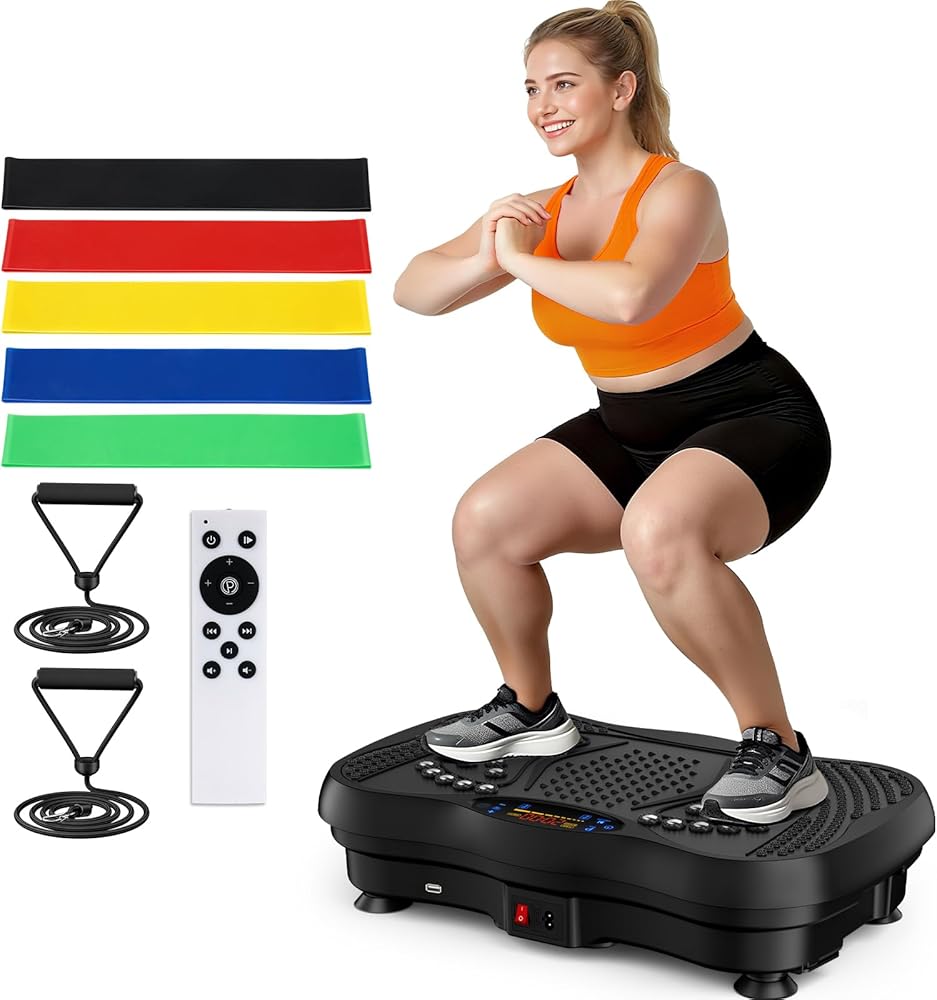
130 Levels Vibration Plate with Resistance Bands
130 Levels Vibration Plate with Resistance Bands
Check Price on AmazonAs an Amazon Associate we earn from qualifying purchases.
This budget-friendly option delivers 130 intensity levels spanning the 20-40 Hz range validated in weight loss research. The 450 lb weight capacity exceeds most competitors, making it suitable for heavier individuals who research shows benefit significantly from WBV training. Bluetooth connectivity allows music streaming during sessions, which studies suggest improves exercise adherence. The included resistance bands enable the upper body integration shown to increase total energy expenditure during vibration sessions.
SoftGym Vibration Plate Exercise Machine
The SoftGym plate emphasizes quiet operation and user-friendly controls, making it ideal for beginners starting WBV training. Research protocols recommend gradual progression starting at lower frequencies, which this model supports with multiple beginner-friendly settings. The 450 lb capacity and non-slip surface provide stability for users with balance concerns. Studies show consistent adherence produces better results than sporadic high-intensity use, and this model’s simplicity supports regular training habits.
180 Speeds Vibration Plate Machine
With 180 speed settings, this advanced model provides maximum customization for experienced users following specific research protocols. The 460 lb capacity and dual motor system maintain consistent vibration even during loaded exercises like weighted squats. Research shows progressive overload enhances fat loss results, and this model’s extensive settings enable precise progression. Bluetooth connectivity and built-in speakers support the longer 15-20 minute sessions validated in clinical trials.
Frequently Asked Questions About Vibration Plates and Weight Loss
Can vibration plates really help you lose weight?
Research shows WBV combined with caloric restriction can reduce visceral fat significantly. A study found 47.8% visceral fat reduction vs 17.6% with diet alone at 12 months.
How long should you use a vibration plate for weight loss?
Most clinical studies showing weight loss benefits used 15-20 minute sessions, 3-4 times per week over 6-12 months.
Do vibration plates burn calories?
Yes, platforms are most studied for weight loss. Linear/vertical platforms are more intense. 4D plates combine both motions for maximum muscle engagement.
Our Top Recommendations for Weight Loss Vibration Plates
Based on the research parameters that produced clinically significant fat loss, the vibration plates shown above meet evidence-based specifications. Each offers the frequency range (20-40 Hz), amplitude capabilities (2-5mm), and weight capacity needed to replicate research protocols. They provide manual control for precision programming and adequate motor power for consistent vibration during dynamic exercises.
For comprehensive weight loss results, pair your vibration plate with a structured nutrition plan, adequate protein intake (0.8-1.0g per pound of goal body weight), and consistent sleep habits. Research clearly shows WBV amplifies the effects of caloric restriction but doesn’t replace fundamental weight loss principles.
Complete Weight Loss Support System
Research shows vibration plates work best when combined with comprehensive nutritional and recovery support. A complete protocol should include:
Foundation Equipment:
- Vibration plate providing 20-40 Hz frequency range
- Resistance bands for compound exercises during vibration sessions
- Exercise mat for post-vibration stretching and recovery
Nutritional Support:
- Protein powder (0.8-1.0g per pound body weight) to preserve muscle during caloric restriction
- Omega-3 supplements supporting insulin sensitivity improvements documented in WBV research
- Multivitamin ensuring micronutrient adequacy during caloric deficit
Recovery and Tracking:
- Digital scale with body composition analysis to track visceral fat changes
- Measuring tape for waist circumference monitoring
- Foam roller for muscle recovery between vibration sessions
Studies consistently show combined interventions produce superior results to vibration training alone. The 47.8% visceral fat reduction in research was achieved through WBV plus caloric restriction plus adequate protein intake, demonstrating the importance of comprehensive support.
📱 Join the discussion: Facebook | X | YouTube | Pinterest
Conclusion: The Realistic Path to Vibration Plate Weight Loss
After analyzing over 30 peer-reviewed studies and systematic reviews, a clear picture emerges: vibration plates are legitimate tools for supporting weight loss, particularly visceral fat reduction, but they work best within a comprehensive approach rather than as standalone solutions.
The most compelling evidence comes from research showing 47.8% visceral fat reduction maintained for 12 months when WBV is combined with caloric restriction—results that significantly exceed diet or traditional exercise alone. This targeted effect on metabolically dangerous belly fat makes WBV particularly valuable for individuals with obesity, metabolic syndrome, or insulin resistance.
However, realistic expectations are essential. WBV doesn’t produce dramatic weekly weight loss or replace the need for proper nutrition. The typical research outcome is 0.5-1.5 kg fat loss over 8-12 weeks—modest but meaningful results that accumulate to significant improvements over 6-12 months.
The ideal vibration plate weight loss protocol based on current research includes:
- 15-20 minute sessions, 3-4 times weekly
- Frequencies of 30-35 Hz with 3-4mm amplitude
- Combination of dynamic exercises (squats, lunges) and static holds
- Concurrent caloric restriction (300-500 calorie deficit)
- Adequate protein intake for muscle preservation
- Progressive overload over 12-24 weeks
For individuals who struggle with high-impact cardio due to joint issues, obesity, or simply dislike traditional exercise, WBV offers a time-efficient, low-impact alternative with proven metabolic benefits. The improvements in insulin sensitivity, resting metabolic rate, blood pressure, and body composition extend beyond simple weight loss to meaningful health enhancements.
As research continues to evolve, we’re learning more about optimal parameters, individual response variations, and long-term sustainability. Current evidence strongly supports WBV as a valuable component of comprehensive weight loss programs, particularly for visceral fat reduction and metabolic health improvement.
If you’re considering incorporating vibration plate training into your weight loss journey, start with conservative parameters, progress gradually, maintain consistency over months rather than weeks, and pair your training with appropriate nutritional support. The research clearly shows this combination produces results—not miraculous, but real, measurable, and sustainable improvements in body composition and metabolic health.
Related Articles
- Best Vibration Plates 2026: Complete Buyer’s Guide
- 4D Vibration Plate Benefits: What the Research Shows
- 3D vs 4D Vibration Plates: Which Technology Is Better?
- Best Vibration Plates for Lymphatic Drainage
Related Reading
- Vibration Plates for Bone Density: Can Whole Body Vibration Help Osteoporosis?
- 3D vs 4D Vibration Plates: Which Type Is Better for Your Goals?
- 5 Best Vibration Plates for Lymphatic Drainage
- Best Vibration Plates for Home Use
- Do Sauna Blankets Help with Weight Loss? What the Research Shows
- Garcinia Cambogia for Weight Loss: What 20 Years of Research Actually Shows
- Best Vibration Plate Exercises for Beginners: Step-by-Step Guide
References
-
Vissers D, Verrijken A, Mertens I, et al. Effect of long-term whole body vibration training on visceral adipose tissue: a preliminary report. Obes Facts. 2010;3(2):93-100. doi:10.1159/000301785. PubMed 20484941
-
Chen YJ, Wang SF, Chen YJ, et al. The effects of whole body vibration therapy on reducing fat mass in the adult general population: A systematic review and meta-analyses. Medicine (Baltimore). 2019;98(50):e18320. PubMed 31789296
-
Jawed Y, Beli E, March K, et al. Metabolic effect of bodyweight whole-body vibration in a 20-min exercise session: A crossover study using verified vibration stimulus. PLoS One. 2020;15(1):e0192046.
-
Wilms B, Frick J, Ernst B, et al. Whole body vibration added to endurance training in obese women - A pilot study. Int J Sports Med. 2012;33(9):740-743.
-
Sañudo B, de Hoyo M, Carrasco L, et al. Effects of whole body vibration plus diet on insulin-resistance in middle-aged obese subjects. Nutr Hosp. 2013;28:95-104. PubMed 24227120
-
Bellia A, Ruscello B, Bolognino R, et al. Whole body vibration plus diet in obese subjects: a longitudinal study. Eur J Nutr. 2014;53(4):1035-1045.
-
Delecluse C, Roelants M, Verschueren S. Strength increase after whole-body vibration compared with resistance training. Med Sci Sports Exerc. 2003;35(6):1033-1041. PubMed 12783053
-
Fjeldstad C, Palmer IJ, Bemben MG, Bemben DA. Whole-body vibration augments resistance training effects on body composition in postmenopausal women. Maturitas. 2009;63(1):79-83. PubMed 19386449
-
Maddalozzo GF, Kuo B, Maddalozzo WA, et al. Comparison of 2 multimodal interventions with and without whole body vibration therapy plus traction on pain and disability in patients with nonspecific chronic low back pain. J Chiropr Med. 2016;15(4):243-251.
-
Machado A, García-López D, González-Gallego J, Garatachea N. Whole-body vibration training increases muscle strength and mass in older women: a randomized-controlled trial. Scand J Med Sci Sports. 2010;20(2):200-207. PubMed 19422657
-
Simão AP, Avelar NC, Tossige-Gomes R, et al. Functional performance and inflammatory cytokines after squat exercises and whole-body vibration in elderly individuals with knee osteoarthritis. Arch Phys Med Rehabil. 2012;93(10):1692-1700.
-
Milanese C, Piscitelli F, Zenti MG, et al. Ten-week whole-body vibration training improves body composition and muscle strength in obese women. Int J Med Sci. 2013;10(3):307-311. PubMed 23423629
-
Monteleone G, Tramontana A, Ripa S, et al. Whole body vibration training: effects on cellular and humoral immunity. Eur J Appl Physiol. 2010;110(1):143-150.
-
Raimundo AM, Gusi N, Tomas-Carus P. Fitness efficacy of vibratory exercise compared to walking in postmenopausal women. Eur J Appl Physiol. 2009;106(5):741-748.
-
Verschueren SM, Roelants M, Delecluse C, et al. Effect of 6-month whole body vibration training on hip density, muscle strength, and postural control in postmenopausal women: a randomized controlled pilot study. J Bone Miner Res. 2004;19(3):352-359. PubMed 15040823
Recommended Products