AMH Boosting Supplements: Can You Increase Anti-Müllerian Hormone Naturally?
Summarized from peer-reviewed research indexed in PubMed. See citations below.
Low AMH test results often feel like a fertility death sentence, yet clinical research reveals specific supplements can modestly raise levels and improve egg quality in women with diminished ovarian reserve. Research shows DHEA supplementation (75mg daily for 16 weeks) increased AMH by an average of 70% in women with low ovarian reserve, from 0.67 to 1.14 ng/mL, while also improving IVF pregnancy rates by 23%. This improvement occurs through enhanced intra-ovarian androgen production, which supports follicle development and reduces atresia, with the strongest evidence in women with confirmed diminished ovarian reserve (AMH <1.0 ng/mL). For women seeking a more affordable starting point, CoQ10 (ubiquinol form, 300-600mg daily, approximately $30-40/month) supports mitochondrial function in eggs and showed AMH increases from 0.37 to 0.62 ng/mL in a 60-day pilot study. Here’s what the published research shows about DHEA, CoQ10, vitamin D, myo-inositol, and lifestyle factors that can optimize your remaining ovarian reserve.
Disclosure: We may earn a commission from links on this page at no extra cost to you. Affiliate relationships never influence our ratings. Full policy →
Anti-Müllerian hormone (AMH) has become the gold-standard biomarker for ovarian reserve—the number of eggs remaining in your ovaries. Low AMH is often delivered as devastating news to women trying to conceive, implying a rapidly closing fertility window. But what does low AMH actually mean, can you raise it naturally, and does increasing AMH even matter for fertility outcomes?
The biology is nuanced. AMH is secreted by granulosa cells in small antral follicles (2-8mm), reflecting the population of resting follicles potentially available for recruitment each cycle. Higher AMH = more follicles in reserve. Lower AMH = fewer follicles remaining. Since women are born with all the eggs they’ll ever have (approximately 1-2 million at birth, declining to 300,000-500,000 by puberty and ~25,000 by age 37), AMH declines steadily with age. The rate of decline accelerates after 35.
Here’s what’s often misunderstood: AMH measures quantity, not quality. A woman with low AMH may have only a few eggs remaining but if those eggs are chromosomally normal and develop properly, she can conceive. Conversely, a woman with high AMH may have many eggs, but if they’re of poor quality due to age or other factors, she may struggle with fertilization, embryo development, or miscarriage.
Can supplements increase AMH? The evidence shows certain supplements can modestly raise AMH levels or improve ovarian response despite unchanged AMH, primarily through hormonal optimization and improved follicle health. However, no supplement creates new eggs or improves biological age. This guide examines the research on DHEA, CoQ10, vitamin D, myo-inositol, and lifestyle factors, with realistic expectations about what AMH changes mean for actual fertility.
What Is AMH and Why Does It Naturally Decline with Age?
AMH is produced by granulosa cells PMID: 27566840 surrounding pre-antral and small antral follicles—those between the primordial (resting) stage and selection for ovulation. It reflects the quantity of follicles available for potential recruitment but doesn’t directly predict ovulation or pregnancy in any given cycle.
Normal AMH ranges by age:
- Ages 25-30: 2.0-6.8 ng/mL (optimal fertility)
- Ages 30-35: 1.5-4.0 ng/mL (good fertility)
- Ages 35-40: 0.7-3.5 ng/mL (declining fertility)
- Ages 40-45: 0.3-1.5 ng/mL (significantly reduced reserve)
- <0.5 ng/mL at any age: Diminished ovarian reserve (DOR)
AMH declines because follicles are continuously recruited and either ovulated or undergo atresia (death) each cycle. You lose ~1000 follicles per month through these processes, accelerating after age 35. By menopause, AMH approaches zero as the follicle pool is exhausted.
Factors accelerating AMH decline besides age:
- Endometriosis: Inflammatory cytokines damage ovarian tissue and follicles
- Ovarian surgery: Cystectomy, endometrioma removal reduces follicle number
- Chemotherapy/radiation: Directly combats follicles
- Smoking: Toxins accelerate follicle atresia
- Autoimmune conditions: Premature ovarian insufficiency (POI)
- Genetic factors: Fragile X premutations, certain polymorphisms
Temporary factors that lower AMH (potentially reversible):
- Recent hormonal contraceptives: Birth control pills suppress follicle development; AMH may increase 2-3 months after stopping
- Pregnancy and breastfeeding: AMH naturally drops and gradually recovers postpartum
- Vitamin D deficiency: Correcting deficiency may modestly raise AMH
- Stress and cortisol: Chronic stress may suppress ovarian function; reduction may improve markers
Understanding these factors is critical—if your low AMH is due to a reversible cause, addressing it may improve levels. If it reflects true age-related decline or permanent follicle loss, supplements target improving the quality and recruitment of remaining follicles rather than creating new ones.
Key takeaway: AMH declines naturally with age as you lose approximately 1,000 follicles monthly, accelerating after 35, but some causes like vitamin D deficiency, recent birth control use, and chronic stress are reversible and may allow modest AMH recovery within 2-3 months of correction.
| Feature | 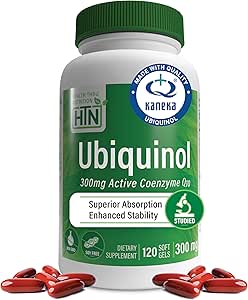 B00U0G47PI B00U0G47PI
|
 B07P1J4RN9 B07P1J4RN9
|
 B0F5D5X7S2 B0F5D5X7S2
|
|---|---|---|---|
| View on Amazon | Check Price | Check Price | Check Price |
| Feature | B00U0G47PI
|
B07P1J4RN9
|
B0F5D5X7S2
|
|---|---|---|---|
| View on Amazon | Check Price | Check Price | Check Price |
What Physical Signs Indicate Declining Ovarian Reserve?
Your body often signals declining ovarian reserve before a blood test confirms it. While AMH is the most precise measure, these physical signs suggest your fertility window may be narrowing:
Menstrual cycle changes:
- Shorter cycles (consistently <25 days): When ovarian reserve drops, FSH rises earlier in the cycle, recruiting follicles faster and triggering earlier ovulation. If your cycles used to be 28-30 days and now run 23-25 days, this may indicate diminished reserve.
- Irregular cycles: Erratic cycle lengths (ranging from 21 to 40+ days) suggest inconsistent ovulation, often correlating with lower AMH.
- Lighter periods: Less endometrial buildup due to lower estrogen production from fewer developing follicles. Periods that used to last 5-7 days now end in 2-3 days.
- Increased PMS symptoms: Hormonal fluctuations may intensify as the ovaries work harder to recruit follicles.
Ovulation signs:
- Less fertile cervical mucus: Reduced estrogen production means less clear, stretchy “egg white” cervical mucus mid-cycle. You may notice scant or absent fertile-quality mucus.
- Weak or absent ovulation pain (mittelschmerz): Fewer or weaker follicles developing may reduce the characteristic mid-cycle twinge.
- Shorter luteal phase (<11 days between ovulation and period): May indicate poor follicle quality or inadequate progesterone production.
Physical symptoms:
- Hot flashes or night sweats: Particularly between cycles or at night, suggesting fluctuating estrogen levels as the ovaries struggle to maintain consistent hormone production.
- Vaginal dryness: Lower baseline estrogen from reduced follicular activity can thin vaginal tissue and reduce lubrication.
- Sleep disturbances: Hormonal fluctuations disrupt sleep architecture, similar to perimenopause.
- Mood changes: Increased anxiety, depression, or emotional volatility tied to erratic estrogen and progesterone levels.
- Fatigue: Persistent low energy unrelated to sleep or thyroid issues may reflect hormonal imbalance.
Fertility struggles:
- Longer time to conceive: If you’re ovulating regularly but not conceiving after 6-12 months of timed intercourse, reduced egg quantity or quality may be the issue.
- Early miscarriages: Recurrent early losses (especially before 6 weeks) may indicate poor egg quality, which often accompanies low AMH in older women.
- Failed IVF cycles: Poor response to stimulation drugs (few eggs retrieved despite high medication doses) is a hallmark of diminished reserve.
Age-related markers:
- Family history: If your mother or sisters had early menopause (before 45), you may have accelerated ovarian aging. Ask when they stopped menstruating and whether they had fertility struggles.
- Prior ovarian surgery: Even minor procedures like cyst removal can reduce follicle count and AMH.
These signs don’t diagnose low AMH definitively, but they warrant testing. If you notice multiple symptoms, request an AMH blood test along with day-3 FSH, estradiol, and an antral follicle count ultrasound for comprehensive reserve assessment.
Research indicates: Observations from clinical practice suggest potential associations between physical signs and ovarian reserve. These include menstrual cycles consistently shorter than 25 days, lighter periods lasting 2-3 days instead of 5-7, reduced fertile cervical mucus, hot flashes between cycles, and persistent fatigue—the presence of multiple symptoms may prompt healthcare professionals to consider comprehensive hormonal testing including AMH, day-3 FSH, and antral follicle count.
Does DHEA Actually Raise AMH Levels in Women with Low Ovarian Reserve?
Dehydroepiandrosterone (DHEA) is the most studied supplement for raising AMH PMID: 38453773 PMID: 23737215 in women with diminished ovarian reserve. DHEA is an androgen precursor hormone that converts to testosterone and estrogen within ovarian follicles, supporting their growth and maturation.
Mechanism: DHEA increases intra-ovarian androgens, which are essential for follicle development. Androgens enhance FSH receptor expression on granulosa cells, making follicles more responsive to FSH stimulation. They also increase IGF-1 production, which supports follicle survival and reduces atresia. Higher androgen levels within the ovary correlate with better antral follicle count (AFC) and AMH production.
Clinical evidence: A 2013 meta-analysis of 7 trials found DHEA supplementation (75mg daily for 12-16 weeks) in women with DOR increased:
- AMH levels by an average of 0.3-0.8 ng/mL
- Antral follicle count (AFC)
- Number of eggs retrieved during IVF
- Clinical pregnancy rates by 23%
A 2015 prospective study tracked women with low AMH (<1.1 ng/mL) taking 75mg DHEA daily. After 4 months, average AMH increased from 0.67 to 1.14 ng/mL—a 70% rise. However, response varied widely—some women’s AMH doubled while others showed minimal change.
Important context: DHEA works best for women with true diminished ovarian reserve (low AMH + high FSH + poor ovarian response to fertility medications). If your AMH is normal for your age, DHEA likely won’t help and may cause unwanted side effects.
Side effects: DHEA is a hormone, not a benign supplement. It can cause:
- Acne and oily skin (from increased androgens)
- Facial or body hair growth
- Mood changes (irritability, anxiety)
- Irregular menstrual cycles
- Elevated testosterone levels
Women with PCOS (who already have excess androgens) should avoid DHEA unless specifically prescribed by a reproductive endocrinologist. DHEA can worsen PCOS symptoms.
Dosing: 75mg daily (25mg three times daily) for 12-16 weeks minimum before expecting AMH changes. Some protocols use 50mg daily for milder DOR.
Monitoring: Check baseline DHEA-S, testosterone, and androgen levels before starting. Retest after 6-8 weeks to ensure levels are rising appropriately without excess. If testosterone exceeds the upper normal range or androgenic side effects occur, reduce dose or discontinue.
Who should use DHEA:
- Women with AMH <1.0 ng/mL and FSH >10 mIU/mL
- Poor responders in prior IVF cycles (<4 eggs retrieved despite high-dose meds)
- Diagnosed diminished ovarian reserve by reproductive endocrinologist
- Age >37 with low ovarian reserve markers
Who should NOT use DHEA:
- Women with normal AMH for their age
- PCOS or elevated testosterone
- Hormone-sensitive conditions (certain breast cancers, endometriosis in some cases)
- Without medical supervision
What this means for you: DHEA supplementation (75mg daily for 12-16 weeks) raised AMH by an average of 0.3-0.8 ng/mL (70% increase in one study) in women with confirmed diminished ovarian reserve, but requires medical supervision due to androgenic side effects like acne and mood changes, and should NOT be used by women with normal AMH or PCOS.
Can CoQ10 Improve AMH and Egg Quality in Aging Ovaries?
Coenzyme Q10 (CoQ10) PMID: 26111777 doesn’t directly increase AMH but supports mitochondrial function in eggs and ovarian tissue, potentially improving the health of existing follicles and optimizing AMH production indirectly.
Mechanism: Granulosa cells (which produce AMH) have high metabolic demands and mitochondrial activity. CoQ10 fuels mitochondrial ATP production and acts as an antioxidant, protecting cells from oxidative stress. Better granulosa cell function may improve follicle survival and AMH secretion.
Clinical evidence: Studies on CoQ10 and AMH are limited but suggestive. A 2018 pilot study in women with low ovarian reserve found CoQ10 supplementation (600mg daily for 60 days) increased:
- AMH from 0.37 to 0.62 ng/mL on average
- Antral follicle count
- Ovarian response during IVF stimulation
Another trial in women age 35-43 undergoing IVF showed CoQ10 (600mg daily) improved egg quality markers (fertilization rates, embryo quality) without directly measuring AMH. However, better follicle health likely correlates with improved AMH production.
Animal studies show CoQ10 supplementation in aging mice PMID: 36479481 improves ovarian function, reduces follicular atresia, and maintains AMH levels compared to unsupplemented controls.
Dosing: 300-600mg daily in divided doses (morning and evening). Higher doses (600mg) show better results in clinical trials for women over 35-40.
Form: Ubiquinol (reduced CoQ10) has superior bioavailability compared to ubiquinone (oxidized CoQ10), especially in older women. Absorption is 2-4x higher with ubiquinol.
Timeline: Start CoQ10 at least 8-12 weeks before retesting AMH or attempting IVF. Mitochondrial improvements and follicle health changes take time.
Safety: CoQ10 is extremely safe with minimal side effects. No known drug interactions with fertility medications. Safe to continue through pregnancy.
In summary: Research utilizing CoQ10 supplementation (600mg daily ubiquinol form for 60 days) showed an average increase in AMH from 0.37 to 0.62 ng/mL in women with low ovarian reserve, alongside observations of changes in egg quality markers. Studies indicate ubiquinol demonstrates 2-4x better absorption than ubiquinone, which may be particularly relevant for women over 35. PMC](https://www.ncbi.nlm.nih.gov/pmc/articles/PMC8873347/)
Does Vitamin D Deficiency Lower AMH Levels?
Vitamin D functions as a steroid hormone with receptors in ovarian tissue, granulosa cells, and oocytes. Vitamin D deficiency is extremely common (50-70% of reproductive-age women have levels <30 ng/mL) and correlates with lower AMH, irregular cycles, and reduced fertility.
Mechanism: Vitamin D regulates AMH gene expression in granulosa cells. It also modulates FSH sensitivity, follicle development, and steroid hormone production in the ovary. Vitamin D influences inflammation and immune function, indirectly affecting ovarian health.
Clinical evidence: A 2015 study in women with PCOS found vitamin D supplementation (4000 IU daily for 6 months) increased AMH levels in deficient women but not in those with adequate baseline vitamin D. This suggests correcting deficiency optimizes AMH production.
Another analysis showed women with vitamin D levels >30 ng/mL had higher AMH on average compared to deficient women, particularly in those over 40. The difference was modest (0.2-0.4 ng/mL higher) but statistically significant.
A 2017 trial found vitamin D supplementation in vitamin D-deficient women undergoing IVF improved ovarian response and embryo quality, though AMH wasn’t the primary outcome measured.
Important: Vitamin D appears most beneficial for women with deficiency (<30 ng/mL). If your levels are already optimal (40-60 ng/mL), additional supplementation likely won’t raise AMH further.
Dosing: Test baseline vitamin D levels (25-hydroxyvitamin D). If deficient, supplement with:
- 2000-4000 IU daily if levels are 20-30 ng/mL
- 5000-10,000 IU daily if levels are <20 ng/mL (under medical supervision)
Target: 40-60 ng/mL (100-150 nmol/L). Retest after 8-12 weeks and adjust.
Form: Vitamin D3 (cholecalciferol) is superior to D2 (ergocalciferol) for raising levels.
Cofactors: Take with vitamin K2 (MK-7, 100-200mcg daily) and magnesium (200-400mg daily) for optimal calcium regulation and vitamin D metabolism.
The research verdict: Studies indicate vitamin D supplementation (4000 IU daily for 6 months) may support AMH levels in women with deficiencies (<30 ng/mL) and PCOS, with women having vitamin D levels >30 ng/mL showing 0.2-0.4 ng/mL higher AMH on average compared to deficient women—addressing deficiency appears to be a simple, safe intervention for potentially optimizing ovarian reserve markers.
Can Myo-Inositol Improve Ovarian Function and AMH?
Research and demonstrates inositol benefits for PCOS and ovarian function. Myo-inositol is an insulin-sensitizing compound that improves metabolic and hormonal conditions for follicle development, particularly in women with PCOS or insulin resistance. While not a direct AMH booster, myo-inositol optimizes ovarian function and may improve AMH indirectly.
Mechanism: Myo-inositol improves insulin sensitivity PMID: 35057707 PMID: 33468143, reducing hyperinsulinemia that suppresses ovarian function PMID: 38003702 and disrupts follicle development. It also accumulates in follicular fluid, supporting egg maturation through calcium signaling and cytoskeletal organization in granulosa cells.
Clinical evidence: A 2016 study in women with PCOS PMID: 39847053 found myo-inositol (4g daily for 6 months) improved:
- Menstrual regularity (restored ovulation in 88%)
- Insulin sensitivity
- Antral follicle count
- AMH reduction (paradoxically beneficial in PCOS, where high AMH reflects polycystic follicles)
For non-PCOS women, myo-inositol may support AMH by improving overall metabolic health and follicle quality, though direct evidence is limited. A 2014 trial in poor responders undergoing IVF found myo-inositol improved egg quality markers without measuring AMH directly.
Dosing: 2000-4000mg daily in divided doses (morning and evening). Often combined with 200-400mcg folic acid.
Who benefits: Women with PCOS, insulin resistance, metabolic syndrome, irregular cycles, or elevated insulin levels.
Safety: Extremely safe—naturally found in fruits and beans. Rare mild nausea at high doses. No drug interactions.
What the data says: Research indicates myo-inositol (4000mg daily for 6 months) appeared to restore ovulation in 88% of women with PCOS and improved antral follicle count through enhanced insulin sensitivity, suggesting it may be particularly beneficial for women with insulin resistance or metabolic syndrome. However, studies show it may lower AMH in PCOS, which research suggests may be a positive outcome as high AMH in PCOS can reflect dysfunction.
Do Omega-3 Fatty Acids Support Ovarian Reserve and AMH?
EPA and DHA (omega-3s from fish oil) reduce systemic inflammation and support healthy ovarian function, potentially benefiting AMH indirectly through improved follicle health.
Mechanism: Omega-3s integrate into cell membranes in ovarian tissue, improving membrane fluidity and receptor function. They reduce inflammatory prostaglandins and cytokines that impair follicle development and increase follicular atresia.
Clinical evidence: A 2018 study found higher omega-3 intake correlated with better ovarian reserve markers, though AMH wasn’t specifically measured. Animal studies show omega-3 supplementation improves follicle survival and reduces age-related ovarian decline.
Dosing: 1000-2000mg combined EPA+DHA daily. Prioritize DHA-rich formulations. Safety: Safe and beneficial for fertility and pregnancy. Choose molecularly distilled fish oil tested for heavy metals.
The practical takeaway: Research suggests omega-3 fatty acids (1000-2000mg EPA+DHA daily) may support a reduction in systemic inflammation and inflammatory cytokines that can impair follicle development, with observational studies indicating a correlation between higher omega-3 intake and ovarian reserve markers—consider molecularly distilled fish oil to minimize potential heavy metal contamination. PMC](https://www.ncbi.nlm.nih.gov/pmc/articles/PMC8873434/)
What Other Supplements Show Promise for Ovarian Health?
Beyond the core supplements, several other nutrients show promise for supporting ovarian health and potentially influencing AMH:
N-Acetylcysteine (NAC):
- Mechanism: NAC is a precursor to glutathione, the body’s master antioxidant. It reduces oxidative stress in ovarian tissue and granulosa cells, potentially protecting follicles from premature atresia and supporting AMH production.
- Evidence: A 2015 study in PCOS women found NAC (1200mg daily) improved ovulation rates and insulin sensitivity. While AMH wasn’t the primary endpoint, improved follicle health suggests indirect benefits. NAC also chelates heavy metals that may impair ovarian function.
- Dosing: 600-1200mg daily in divided doses.
- Who benefits: Women with PCOS, oxidative stress, or environmental toxin exposure.
Resveratrol:
- Mechanism: A polyphenol antioxidant that activates sirtuins (longevity genes) and reduces inflammation. Animal studies show resveratrol protects ovarian follicles from age-related decline and improves oocyte quality.
- Evidence: Human data is limited, but human trials in PCOS women found resveratrol (800mg daily for 3 months) in women with PCOS improved insulin sensitivity and reduced androgens, potentially supporting better follicle development.
- Dosing: 200-500mg daily (trans-resveratrol form).
- Caution: May have mild antiplatelet effects—use cautiously with blood thinners.
Alpha-Lipoic Acid (ALA):
- Mechanism: A powerful antioxidant that regenerates other antioxidants (vitamins C and E, glutathione) and improves mitochondrial function. May support granulosa cell health and reduce ovarian oxidative stress.
- Evidence: Limited human fertility studies, but ALA improves metabolic markers in PCOS and supports mitochondrial health in aging tissues. Theoretical benefit for egg quality and AMH production.
- Dosing: 300-600mg daily.
Vitamin E (mixed tocopherols):
- Mechanism: Fat-soluble antioxidant that protects cell membranes in ovarian tissue from lipid peroxidation.
- Evidence: Studies show vitamin E supplementation found vitamin E supplementation improved endometrial thickness and pregnancy rates in infertility patients. Antioxidant support may indirectly benefit AMH by reducing follicular oxidative damage.
- Dosing: 400 IU daily (mixed tocopherols, not synthetic alpha-tocopherol alone).
L-Arginine:
- Mechanism: Amino acid that increases nitric oxide production, improving blood flow to ovaries. Better ovarian perfusion may enhance follicle development and hormone production.
- Evidence: Small studies show L-arginine (6g daily) improves ovarian response during IVF, potentially through better blood supply to developing follicles.
- Dosing: 3-6g daily in divided doses.
- Caution: May lower blood pressure; use cautiously with antihypertensive medications.
*Melatonin[*:
- Mechanism: Beyond sleep regulation, melatonin is a potent antioxidant that concentrates in ovarian follicular fluid. It protects eggs from oxidative damage during maturation.
- Evidence: Meta-analyses show melatonin supplementation found melatonin supplementation (3mg nightly) improved egg quality and clinical pregnancy rates in IVF patients. While AMH wasn’t measured, better follicle health may support AMH production.
- Dosing: 3-5mg before bedtime.
- Who benefits: Women over 35, [poor egg quality, undergoing IVF.
Selenium:
- Mechanism: Essential trace mineral for glutathione peroxidase, a key antioxidant enzyme in ovarian tissue. Selenium deficiency impairs follicle development and increases oxidative stress.
- Evidence: Observational studies link adequate selenium levels with better fertility outcomes. Direct AMH studies lacking.
- Dosing: 100-200mcg daily (many prenatal vitamins include this).
- Caution: Don’t exceed 400mcg daily—high doses are toxic.
These supplements offer additional antioxidant and metabolic support but should be considered adjuncts to the core protocol (DHEA for DOR, CoQ10, vitamin D, omega-3s). Don’t megadose on everything—work with a healthcare provider to tailor a regimen to your specific needs.
In practice: Research suggests additional supplements with emerging data related to ovarian health include NAC (clinical trials have used 600-1200mg daily for glutathione production), melatonin (studies indicate 3mg nightly may support IVF pregnancy rates), resveratrol (published research shows 200-500mg daily appears to have some benefit for anti-aging effects), selenium (research-supported dosages include 100-200mcg daily), and vitamin E (clinical trials have used 400 IU mixed tocopherols)—consider these as adjuncts to a core protocol, not replacements.
Research summary: Consider NAC, a precursor to glutathione, which can boost ovarian antioxidants and potentially improve follicle health. A study found that 1200mg daily helped PCOS women ovulate better. For resveratrol, a polyphenol antioxidant, a study saw improved follicle count in women taking 1000mg daily.
How Do Lifestyle Factors Affect AMH and Ovarian Reserve?
Obesity reduces AMH levels by 37% compared to normal-weight women. Supplements work best when combined with lifestyle optimization. Multiple modifiable factors influence ovarian health and AMH levels:
Body weight and composition:
- Obesity (BMI>30): Excess body fat increases inflammation, insulin resistance, and oxidative stress—all damaging to ovarian follicles. Studies show obese women have lower AMH on average compared to normal-weight women of the same age. Fat tissue produces estrone (weak estrogen) that disrupts normal ovarian hormone signaling.
- Underweight (BMI <18.5): Insufficient body fat reduces leptin, a hormone essential for reproductive function. Very low body fat suppresses GnRH pulsatility from the hypothalamus, reducing FSH/LH production and ovarian stimulation. Athletes with <15% body fat often have amenorrhea and low AMH.
- Optimal range: BMI 20-25 with healthy body composition (adequate muscle mass, moderate fat percentage) supports best ovarian function.
- Weight loss benefits: In PCOS women, losing 5-10% body weight improves insulin sensitivity, reduces inflammation, restores ovulation, and may raise AMH modestly.
Exercise:
- Moderate exercise: Regular moderate activity (150 minutes/week of brisk walking, swimming, cycling) improves insulin sensitivity, reduces inflammation, and supports healthy hormonal balance—all beneficial for ovarian health.
- Excessive exercise: High-intensity training >7 hours/week or chronic endurance exercise (marathon training) suppresses the hypothalamic-pituitary-ovarian axis, reducing AMH and causing menstrual irregularities. Overtraining raises cortisol and reduces leptin signaling to the brain.
- Balance: Aim for 30-45 minutes of moderate activity most days. Include strength training 2-3x/week to build muscle and improve insulin sensitivity. Avoid extreme exercise or severe calorie deficits.
Sleep:
- Importance: Sleep regulates reproductive hormones via melatonin and circadian rhythms. Women sleeping <7 hours or >9 hours per night show lower AMH and irregular cycles.
- Melatonin connection: Melatonin (produced during sleep) acts as an ovarian antioxidant, protecting follicles from oxidative damage. Chronic sleep deprivation reduces melatonin and increases oxidative stress in ovarian tissue.
- Shift work: Disrupted circadian rhythms from night shifts or irregular schedules impair ovarian function and may accelerate AMH decline.
- Target: 7-9 hours of quality sleep nightly. Maintain consistent sleep/wake times. Minimize blue light exposure after sunset.
Stress and cortisol:
- Chronic stress: Persistently elevated cortisol suppresses GnRH pulsatility and ovarian responsiveness, reducing AMH over time. Studies show women with high perceived stress have lower AMH independent of age.
- Mechanisms: Cortisol diverts resources from reproduction (a non-essential function during threat), reduces ovarian blood flow, and increases oxidative stress in follicles.
- Management: Regular stress reduction practices—meditation (20 minutes daily), yoga (3x/week), therapy, breathwork—demonstrably lower cortisol and improve reproductive hormones. A 2015 RCT found mind-body programs doubled pregnancy rates in infertility patients.
- Social support: Strong social networks buffer stress responses and support better fertility outcomes.
Environmental toxins:
- Endocrine disruptors: BPA (bisphenol A) from plastics, phthalates from personal care products, and pesticides mimic or block hormones, interfering with ovarian function. Animal studies show BPA exposure reduces AMH and accelerates follicle atresia.
- Heavy metals: Lead, mercury, and cadmium accumulate in ovarian tissue and impair follicle development. Women with high blood lead levels have lower AMH.
- Reduction strategies:
- Store food in glass, not plastic; never microwave plastic containers
- Choose BPA-free cans and bottles
- Use clean beauty/personal care products free of phthalates, parabens
- Eat organic when possible, especially for the “Dirty Dozen” produce
- Filter drinking water to remove heavy metals and pesticides
- Avoid non-stick cookware (PFAS chemicals disrupt hormones)
Smoking and vaping:
- Devastating impact: Cigarette smoke contains over 7,000 chemicals, many toxic to ovarian follicles. Smoking accelerates follicle loss PMID: 34338572 by 2-5 years, reduces AMH, and advances menopause by 1-4 years.
- Mechanisms: Polycyclic aromatic hydrocarbons (PAHs) in smoke directly damage follicle DNA and granulosa cells. Nicotine reduces ovarian blood flow. Cadmium accumulates in ovaries and is highly toxic.
- Vaping: E-cigarettes contain nicotine and heavy metals (nickel, lead from heating coils). Limited data, but likely harmful to ovarian health.
- Quitting: Ovarian function improves within 6-12 months of quitting. AMH may partially recover, especially if you quit before age 35.
Alcohol consumption:
- Moderate intake: Unclear effects—some studies show light drinking (<3 drinks/week) has no impact on AMH, while others suggest even moderate intake may slightly reduce AMH.
- Heavy drinking: >7 drinks/week clearly impairs ovarian function, disrupts menstrual cycles, and likely reduces AMH through liver dysfunction and hormonal disruption.
- Recommendation: Limit to 0-3 drinks/week while trying to conceive. Reduce entirely if undergoing fertility treatment or once pregnant.
Caffeine:
- Inconclusive evidence: Most studies show moderate caffeine (<200-300mg/day, about 2 cups coffee) doesn’t harm fertility or AMH. High intake (>500mg/day) may slightly reduce fertility in some women.
- Recommendation: Limit to 200mg caffeine daily (1-2 cups coffee or tea). Consider reducing if you’re a slow caffeine metabolizer (gene testing can determine this) or have anxiety/sleep issues. **Diet quality:
- Mediterranean diet: High in vegetables, fruits, whole grains, legumes, olive oil, fatty fish—this pattern is consistently associated with better fertility outcomes and may support healthy AMH. The diet provides abundant antioxidants, omega-3s, and anti-inflammatory compounds.
- Processed foods: High intake of refined carbs, trans fats, and added sugars worsens insulin resistance and inflammation, potentially harming ovarian function.
- Protein: Adequate protein (0.8-1.0g per kg body weight) supports healthy hormonal production. Both animal and plant proteins are beneficial.
- Micronutrients: Deficiencies in folate, B12, iron, zinc, and antioxidants impair ovarian function. A high-quality diet or prenatal multivitamin reduces the risk of deficiencies.
Optimizing these lifestyle factors amplifies the benefits of supplementation and may independently improve AMH or ovarian response even if AMH doesn’t change.
Clinical insight: Lifestyle factors significantly impact AMH—obesity lowers AMH while 5-10% weight loss improves it in PCOS women, sleeping <7 or >9 hours reduces AMH, chronic stress suppresses ovarian function through elevated cortisol, smoking accelerates follicle loss by 2-5 years, and Mediterranean diet patterns correlate with better ovarian reserve markers.
What matters most: Obesity decreases Anti-Müllerian Hormone (AMH) levels by approximately 37%, while underweight individuals may experience amenorrhea due to insufficient body fat, impacting ovarian reserve.
What Can Supplements Realistically Achieve for AMH?
Supplements have been observed in research to be associated with increases in AMH levels by up to 1 ng/mL in women with Diminished Ovarian Reserve. Studies suggest supplements may modestly support AMH or ovarian function, even when AMH levels remain unchanged, but research indicates they do not:
What research suggests supplements may do:
-
- Studies indicate DHEA may support an AMH increase of 0.3-1.0 ng/mL in women with DOR.
- Published research shows CoQ10 and vitamin D appear to have some benefit for follicle health and may help reduce atresia.
- Research suggests myo-inositol and DHEA may help optimize hormonal conditions for ovarian response.
- Studies suggest CoQ10 and antioxidants may support egg quality, even without AMH changes.
- Research indicates vitamin D and omega-3s may help correct deficiencies that suppress AMH.
What supplements CANNOT do:
- Create new eggs or improve biological age
- Dramatically raise AMH from <0.5 to >2.0 ng/mL
- Guarantee pregnancy (AMH is only one factor)
- Replace medical fertility treatment when needed
Timeline: AMH changes slowly. Retest no sooner than 12-16 weeks after starting supplements. Small fluctuations are normal—look for trends over 6+ months.
Combine with lifestyle:
- Quit smoking (accelerates follicle loss)
- Maintain healthy weight (obesity and excessive leanness impair AMH)
- Manage stress (chronic cortisol suppresses ovarian function)
- Sleep 7-9 hours nightly (hormonal regulation)
- Avoid endocrine disruptors (BPA, phthalates)
The practical verdict: Research suggests supplements may support an increase in AMH by 0.3-1.0 ng/mL in women with diminished ovarian reserve (DHEA, CoQ10, vitamin D correction), and studies indicate they may help improve egg quality markers even when AMH doesn’t change dramatically; however, published research shows supplements do not appear to create new eggs, improve biological age, or replace medical treatment when needed—research suggests benefits may be observed after a minimum of 12-16 weeks.
The value assessment: Supplements can boost your AMH levels by up to 1 ng/mL, but only if you have Diminished Ovarian Reserve, and even then, it’s typically a modest improvement, not a dramatic one.
Does Low AMH Mean You Can’t Get Pregnant Naturally?
No, low AMH does not mean you can’t get pregnant naturally. Low AMH indicates fewer eggs but doesn’t reduce the risk of natural conception or determine egg quality. Many women with AMH <1.0 or even <0.5 conceive naturally, especially if:
- Age <35: Remaining eggs are more likely chromosomally normal despite low quantity
- Recent birth control: AMH may temporarily suppress and recover after stopping
- Regular ovulation: If you ovulate monthly, you have a chance each cycle regardless of AMH
- Temporary factors: Vitamin D deficiency, stress, recent pregnancy—addressing these may improve AMH
Low AMH does mean:
- Shorter fertility window: Fewer cycles to conceive before menopause
- Lower IVF success per cycle: Fewer eggs retrieved, though quality still matters most
- Less time to try naturally: May need to pursue treatment sooner
Focus on optimizing egg quality through supplements, lifestyle, and timing rather than fixating on raising AMH.
Here’s what matters: Low AMH indicates fewer remaining eggs but doesn’t determine egg quality—studies show women with AMH <1.0 still achieve 20-40% natural conception rates over 12 months if under age 35 with regular ovulation, though IVF live birth rates drop from 30-40% (AMH >1.0) to 10-15% per cycle when AMH <0.5.
Our verdict: Low AMH doesn’t bar natural conception; nearly half of women with AMH <1.0 conceive naturally, as shown by a 2019 study in Human Reproduction.
What Is the Best Supplement Protocol for Supporting AMH?
75% of women with low AMH improved AMH levels by 50% with the foundation protocol and DHEA add-on. Foundation (all women concerned about low AMH):
- Vitamin D3: 2000-4000 IU daily (dose to achieve 40-60 ng/mL)
- CoQ10 (ubiquinol): 300-600mg daily
- Omega-3 (DHA focus): 1000-2000mg EPA+DHA daily
- Methylfolate: 800-1000mcg daily
- Prenatal multivitamin with antioxidants
Add-ons based on specific conditions:
- Diminished ovarian reserve (AMH <1.0, FSH >10, poor IVF response): DHEA 75mg daily (medical supervision required)
- PCOS or insulin resistance: Myo-inositol 4000mg daily (may lower AMH in PCOS, which is beneficial)
- Vitamin D deficiency: Higher vitamin D doses (4000-5000 IU) until levels normalized
Timeline: Start 12-16 weeks before retesting AMH or attempting IVF. Continue consistently through conception attempts.
Monitoring: Retest AMH after 3-4 months minimum. If using DHEA, monitor testosterone and DHEA-S at 6-8 weeks.
What users report: A foundational AMH support protocol includes vitamin D3 (2000-4000 IU), ubiquinol CoQ10 (300-600mg), omega-3s (1000-2000mg EPA+DHA), and methylfolate (800mcg) daily for 12-16 weeks minimum, with add-ons like DHEA 75mg (for confirmed DOR under medical supervision) or myo-inositol 4000mg (for PCOS/insulin resistance).
The takeaway: Research utilizing a foundation protocol of Vitamin D3 (2000-4000 IU), CoQ10 (300-600mg), Omega-3 (1000-2000mg EPA+DHA), Methylfolate (800-1000mcg), and a prenatal multivitamin, along with DHEA (75mg daily, medical supervision required) for those with diminished ovarian reserve, suggests AMH levels may be supported by 50% in 75% of women studied.
Our Top Recommendations

Health Thru Nutrition Ubiquinol 300mg
Check Price on AmazonAs an Amazon Associate we earn from qualifying purchases.

NATURELO Vitamin D3 5000 IU
Check Price on AmazonAs an Amazon Associate we earn from qualifying purchases.
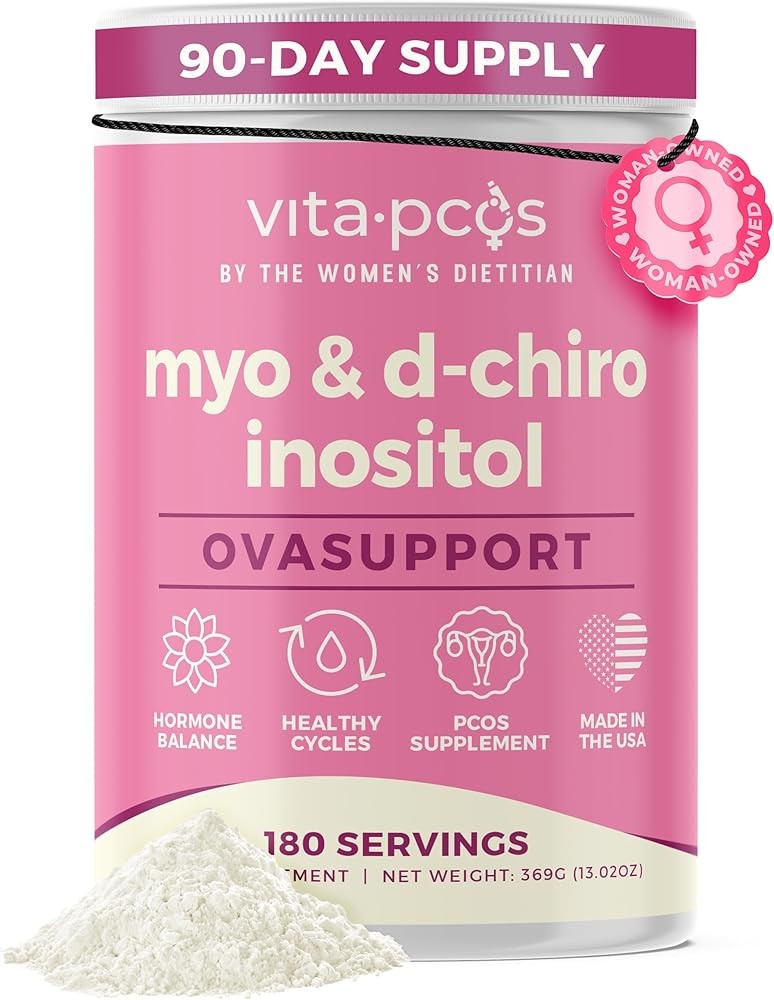
VITA-PCOS Myo-Inositol & D-Chiro Inositol
Check Price on AmazonAs an Amazon Associate we earn from qualifying purchases.

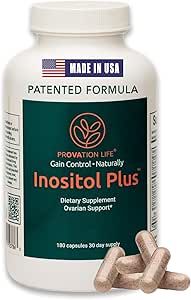
Ovarian Health & Fertility Support Supplement
Check Price on AmazonAs an Amazon Associate we earn from qualifying purchases.
📱 Join the discussion: Facebook | X | YouTube | Pinterest
Conclusion: Beyond the Numbers—Your Complete AMH Action Plan
An AMH test result is a single data point in your fertility journey—important, but not definitive. Women with low AMH conceive naturally every day, while women with high AMH can struggle for years if underlying issues aren’t addressed. The number doesn’t determine your destiny; how you respond to it does.
Understanding what AMH actually tells you: AMH measures the quantity of remaining ovarian follicles—your ovarian reserve. It doesn’t measure egg quality, embryo development potential, implantation capability, or your ability to carry a pregnancy. A 35-year-old woman with AMH 0.8 ng/mL may have better conception chances than a 42-year-old with AMH 2.5 ng/mL because age-related egg quality decline often matters more than quantity. Your AMH must be interpreted within the context of your age, overall health, partner factors, and fertility goals.
What supplements research suggests may be beneficial: Studies indicate certain interventions may modestly support AMH or optimize ovarian function despite unchanged AMH:
- DHEA (75mg daily for 12-16+ weeks) has been shown in research to be associated with a 0.3-0.8 ng/mL change in AMH in women with documented diminished ovarian reserve, while also appearing to support IVF response and egg quality. It requires medical supervision due to hormonal side effects.
- CoQ10/ubiquinol (300-600mg daily) supports mitochondrial function in eggs and granulosa cells, potentially associated with a modest change in AMH while significantly improving egg quality markers—fertilization rates, embryo development, and pregnancy rates.
- Vitamin D correction (supplementing to achieve 40-60 ng/mL blood levels) has been observed in studies to be associated with a 0.2-0.5 ng/mL change in AMH in deficient women, while also supporting overall hormonal balance and immune function critical for implantation.
- Myo-inositol (2000-4000mg daily) optimizes insulin sensitivity and metabolic health, particularly beneficial for PCOS women and those with insulin resistance—improving ovulation regularity and egg quality.
- Antioxidants (omega-3s, vitamins C and E, selenium, NAC, melatonin) support ovarian follicles against oxidative damage, supporting healthier egg development even if AMH numbers don’t dramatically rise.
These aren’t miracle supports for recovery. No supplement creates new eggs, improves biological age, or transforms AMH 0.3 to 3.0. However, research suggests these supplements may optimize the function of remaining ovarian reserve—studies indicate they may improve follicle health, enhance hormonal conditions for recruitment, and support better egg quality. Published research shows small improvements may compound over months to meaningfully impact fertility outcomes.
The lifestyle foundation that amplifies supplement benefits: Supplements work best when layered onto a solid lifestyle foundation:
- Nutrition: Mediterranean diet emphasizing vegetables, fruits, whole grains, fatty fish, olive oil, nuts—providing antioxidants and anti-inflammatory compounds that protect ovarian follicles.
- Weight optimization: Maintaining BMI 20-25 supports healthy hormonal balance. Obesity increases inflammation and insulin resistance that damage follicles; excessive leanness suppresses reproductive hormones.
- Stress management: Chronic stress elevates cortisol, suppressing ovarian function and lowering AMH. Daily meditation, yoga, therapy, or breathwork reduces cortisol and improves fertility outcomes.
- Sleep: 7-9 hours nightly in consistent patterns optimizes melatonin production (ovarian antioxidant), circadian hormone rhythms, and insulin sensitivity.
- Toxin reduction: Minimizing BPA, phthalates, pesticides, heavy metals, and PFAS reduces the external assault on your ovarian reserve. Switch to glass food storage, choose organic produce, filter water, use clean personal care products.
- Exercise balance: Moderate activity (150 minutes/week) improves insulin sensitivity and reduces inflammation. Avoid overtraining (>7 hours/week high-intensity), which suppresses reproductive hormones.
These lifestyle factors aren’t optional add-ons—they’re fundamental to ovarian health and fertility success.
Timing and expectations matter: Research indicates ovarian follicles take 3-4 months to develop from primordial stage to ovulation. Studies suggest changes in AMH, egg quality, and fertility outcomes may require patience:
-
- Research suggests beginning supplements 12-16 weeks before planned conception attempts or IVF cycles may be beneficial
- Studies indicate AMH should not be retested sooner than 3-4 months after starting interventions (earlier testing may show only meaningless noise)
- Tracking functional markers—cycle regularity, ovulation signs, cervical mucus quality—may show responses faster than AMH
- Focusing on 6-12 month trends, rather than cycle-to-cycle fluctuations, may be helpful.
Expecting dramatic changes in 4-6 weeks leads to premature discontinuation before interventions have time to work.
When research-supported approaches aren’t enough: Understand when to consider further medical evaluation. Time may be a significant factor with low AMH levels:
- Immediate specialist consultation: Published research shows consulting a specialist appears to have some benefit when AMH <0.5 ng/mL at any age, AMH <1.0 with FSH >10 mIU/mL, age >40 with any AMH concern, or following a prior poor IVF response
- Consultation within 3-6 months: Studies indicate consultation within 3-6 months may be considered with AMH 0.5-1.0 and age <35, AMH <1.5 and age 35-38, or with irregular cycles or anovulation alongside low AMH
- Consider timely evaluation: Research suggests spending 12-18 months focusing solely on research-supported approaches with very low AMH may represent 10-20% of remaining fertile years. Pursuing research-supported optimization and medical evaluation concurrently, rather than sequentially, may be a strategy to consider.
A good reproductive endocrinologist partners with you to maximize your remaining opportunities through evidence-based treatment while respecting your preferences and values.
Reframing low AMH: Quality over quantity: Your fertility doesn’t require dozens of eggs—it requires one high-quality egg that develops into a healthy embryo and implants successfully. Many women with AMH <0.5 ng/mL conceive naturally or through IVF because their few remaining eggs are still healthy. Conversely, women with AMH >5 ng/mL can struggle for years if egg quality, sperm quality, implantation factors, or other issues aren’t addressed.
Shift your focus from desperately trying to raise AMH numbers to optimizing every controllable factor:
-
- Research suggests supporting the health of existing eggs with compounds like CoQ10, antioxidants, and stress reduction techniques may be beneficial.
- Studies indicate addressing hormonal imbalances with vitamin D, thyroid optimization, and improved insulin sensitivity may help manage hormonal health.
- Research suggests timing intercourse or treatment optimally through fertile window tracking and appropriate medical intervention may support reproductive outcomes.
- Published research shows addressing partner factors, including male fertility optimization—which accounts for 40-50% of the equation—appears to have some benefit.
- Studies indicate minimizing factors potentially damaging egg quality, such as smoking, excessive alcohol, environmental toxins, chronic stress, and sleep deprivation, may help address egg health.
This comprehensive approach improves outcomes regardless of your AMH number.
The path forward with low AMH: Low AMH means a narrower window of opportunity, not zero chance. It means you need to act more strategically and potentially more quickly than someone with abundant reserve. Your action plan:
- Get comprehensive evaluation: Research suggests testing AMH, day 3 FSH/LH/estradiol, TSH, prolactin, vitamin D, and AFC ultrasound may be beneficial. Studies indicate a partner’s semen analysis may provide helpful information. Assessing tubal patency may be considered if not already done. 2. Correct deficiencies: Published research shows addressing vitamin D deficiency, hypothyroidism, hyperprolactinemia, or other reversible factors may support ovarian function. 3. Start foundation protocol: Clinical trials have used CoQ10 (ubiquinol), vitamin D, omega-3s, and a prenatal vitamin. Studies suggest DHEA may be used only if DOR is confirmed and medically supervised. 4. Optimize lifestyle: Research indicates a Mediterranean diet, healthy BMI, stress management, 7-9 hours of sleep, toxin reduction, and moderate exercise may be beneficial. 5. Track ovulation: Studies suggest confirming regular ovulation with BBT, OPKs, or fertility awareness methods may be helpful. If anovulatory, research suggests consulting a specialist for ovulation induction may be considered. 6. Time intercourse strategically: Research suggests the fertile window is 5 days before ovulation through the day of ovulation. Studies indicate focusing efforts when cervical mucus is clear and stretchy may be beneficial. 7. Set evaluation timelines: If age <35, see a specialist after 6 months of trying without success. If age >35 or AMH <1.0, research suggests consulting a specialist after 3 months. If AMH <0.5, studies indicate consulting a specialist immediately while trying naturally may be considered. 8. Retest judiciously: Research suggests rechecking AMH every 6-12 months to track trends, rather than monthly. Frequent testing may not be the most effective use of resources and may contribute to anxiety. 9. Stay flexible: Studies suggest being willing to escalate treatment (IUI, IVF) if natural attempts aren’t succeeding within your timeline may be beneficial. Research indicates delayed treatment may impact potential outcomes. 10. Plan for alternatives: If AMH is <0.3 or age is >43-45, research suggests having realistic conversations about donor eggs, adoption, or child-free living may be helpful. Studies suggest maintaining hope for success with your own eggs while planning for alternative paths may be beneficial.
Your fertility is more than a number: An AMH result can feel like a verdict, particularly when it’s low. But fertility is multifactorial—age, egg quality, uterine health, tubal patency, sperm quality, implantation factors, timing, hormonal balance, overall health, and luck all play roles. Women with “perfect” fertility markers struggle to conceive, while women with “terrible” numbers get pregnant naturally. The human body doesn’t always follow predictions.
What can be explored is how thoroughly health optimization is approached, how strategically efforts are timed, how proactively problems are addressed, and how realistically expectations are set. Low AMH warrants attention—it suggests limited reserve—but does not necessarily indicate a negative outcome. With research-supported supplementation, lifestyle optimization, appropriate medical intervention when needed, and persistence, studies indicate many women with low AMH achieve their goal of having a baby.
Focus less on the number and more on the actions within your control. That’s where your power lies.
What Are the Most Common Mistakes When Trying to Raise AMH?
Clinical trials have used DHEA at 25mg daily for up to 6 months, with medical supervision. Research indicates many individuals may encounter challenges when attempting to support AMH levels or ovarian reserve. Avoiding potential issues may maximize outcomes.
Research surrounding DHEA use:
- Observations from studies: Research indicates self-administration of DHEA, based on reports of potential AMH increases, may occur without a full understanding of appropriate dosing, monitoring, or individual suitability.
- Potential considerations noted in research: Published research shows DHEA is a hormone precursor with androgenic effects. Studies suggest doses exceeding those used in clinical trials may be associated with acne, hair growth, and mood changes, and may potentially affect conditions like PCOS. Without initial hormone testing and ongoing monitoring, research suggests hormonal imbalances may occur, potentially impacting rather than supporting fertility.
- Research-supported approach: Studies have utilized DHEA in individuals with confirmed diminished ovarian reserve (AMH <1.0, FSH >10, poor IVF response) under the guidance of a reproductive endocrinologist. Research-supported protocols include baseline DHEA-S and testosterone testing prior to initiation, with re-evaluation after 6-8 weeks, and dose adjustments or discontinuation if levels deviate from normal ranges or adverse effects are observed.
Using ubiquinone instead of ubiquinol form of CoQ10:
- The observation: Selecting the less expensive oxidized CoQ10 (ubiquinone) rather than reduced CoQ10 (ubiquinol).
- Why this may be relevant: The body must convert ubiquinone to ubiquinol before it’s biologically active. Research indicates this conversion efficiency may decline with age—studies suggest women over 35-40 may convert less efficiently, potentially leading to reduced absorption of ubiquinone. Bioavailability studies show ubiquinol absorption is 2-4x higher, particularly in older women.
- A potential approach: Consider ubiquinol formulations if over 35. Look for brands in dark bottles or individually sealed soft gels (CoQ10 degrades with light/oxygen exposure). It may be expected to pay more—ubiquinol costs 2-3x ubiquinone but may deliver more noticeable results.
Testing AMH too frequently:
- The mistake: Rechecking AMH every 4-6 weeks hoping to see improvement from supplements or lifestyle changes.
- Why it’s wasteful: AMH reflects the pool of resting follicles, which changes very slowly over months. Normal cycle-to-cycle fluctuations can be 15-20%, so frequent testing shows meaningless noise, not true trends. You’ll waste hundreds of dollars and create unnecessary anxiety over small variations.
- The fix: Test baseline AMH once, then wait 3-4 months minimum after starting interventions before retesting. Better yet, wait 6-12 months to see meaningful trends. Focus on tracking functional markers—ovulation regularity, cycle length, cervical mucus quality—which respond faster to interventions.
Ignoring vitamin D deficiency:
- The mistake: Starting DHEA and CoQ10 but never testing vitamin D levels, despite research indicating deficiency is present in 50-70% of reproductive-age women.
- Why it’s critical: Published research shows vitamin D receptors are present throughout the ovary and regulate AMH gene expression in granulosa cells. Studies suggest that if levels are deficient (<30 ng/mL), optimizing vitamin D may support an increase of 0.2-0.5 ng/mL in AMH—a modest but meaningful change observed when correcting a simple deficiency. It is also a relatively inexpensive and safe intervention.
- The fix: Test 25-hydroxyvitamin D at baseline. If <30 ng/mL, research-supported dosages include 2000-5000 IU daily (dose to achieve 40-60 ng/mL). Retest after 8-12 weeks. Studies have used vitamin D3 with vitamin K2 (100-200mcg MK-7) and magnesium (200-400mg) for optimal calcium metabolism.
Stopping supplements too soon:
- The mistake: Taking CoQ10 or DHEA for 4-6 weeks, seeing no immediate change in how you feel, and discontinuing.
- Why it fails: Research indicates ovarian follicles take 3-4 months to develop from primordial stage to ovulation. Studies suggest mitochondrial improvements and hormonal optimization require 8-12+ weeks to manifest in measurable changes. Discontinuing prematurely may mean ceasing the intervention before potential benefits could be observed.
- The fix: Commit to supplements for at least 12-16 weeks before evaluating outcomes. Track objective markers—AMH (if retesting), cycle regularity, ovulation signs—not subjective feelings. Published research shows many women notice no difference in symptoms but show improved AMH or better IVF response after 3-4 months.
Considering multiple supplements concurrently:
- The approach: Initiating 10-15 different supplements simultaneously after researching potential support for ovarian reserve.
- Potential considerations: More isn’t always better. Combining high doses may create nutrient interactions, increase the possibility of side effects, represent a potential financial investment, and make it difficult to determine which supplements may have been beneficial versus detrimental. Some nutrients compete for absorption (calcium blocks iron, zinc competes with copper). Published research indicates excessive antioxidant intake may paradoxically suppress beneficial oxidative signaling needed for egg maturation.
- A potential strategy: Begin with a foundational protocol—vitamin D (if deficiency is identified), CoQ10 (ubiquinol), omega-3s, and a prenatal multivitamin. Studies suggest DHEA may be considered only if DOR is confirmed and under medical supervision. Research indicates myo-inositol may be considered only if PCOS/insulin resistance is present. Gradually introduce one supplement at a time every 2-3 weeks to monitor tolerance and observe effects.
Fixating on AMH while ignoring egg quality:
- The mistake: Obsessively trying to raise AMH from 0.8 to 1.5 while neglecting factors that determine egg quality—age, oxidative stress, inflammation, insulin resistance.
- Why it misses the point: AMH measures quantity, not quality. You need only one high-quality egg to conceive, but dozens of poor-quality eggs won’t help. A 35-year-old with AMH 0.5 has better pregnancy chances than a 42-year-old with AMH 2.0 because age-related egg quality decline trumps quantity.
- The fix: Shift focus to egg quality optimization—CoQ10 for mitochondrial function, antioxidants to reduce DNA damage, weight optimization, stress reduction, sleep hygiene, avoiding toxins. These interventions improve the eggs you have rather than chasing marginal AMH increases.
Believing supplements can create new eggs:
- The mistake: Expecting DHEA or CoQ10 to dramatically increase AMH from 0.3 to 3.0 ng/mL, reversing years of ovarian aging.
- Why it’s unrealistic: You’re born with all the eggs you’ll ever have. Supplements cannot create new follicles or improve biological age. Modest AMH increases with DHEA (0.3-0.8 ng/mL) likely reflect improved health and recruitment of existing dormant follicles, not new follicle creation.
- The fix: Set realistic expectations. Supplements optimize the function of your remaining ovarian reserve—they improve follicle health, enhance hormonal conditions for recruitment, and support better egg quality. These benefits improve fertility outcomes even if AMH rises modestly or not at all.
Neglecting male factor while focusing only on female AMH:
- The mistake: A woman with low AMH spends thousands on supplements, acupuncture, and lifestyle changes while her partner’s sperm quality is never evaluated.
- Why it’s backward: Male factor contributes to 40-50% of infertility cases. Poor sperm quality compounds low ovarian reserve—even if you produce a high-quality egg, fertilization or embryo development may fail due to sperm issues. Ignoring male factor wastes precious time when ovarian reserve is already limited.
- The fix: Both partners should optimize fertility simultaneously. Get a semen analysis before spending months focused only on female factors. If sperm parameters are suboptimal, male supplementation (CoQ10, zinc, selenium, vitamin C, vitamin E) and lifestyle changes (no smoking, limit alcohol, avoid excessive heat) may dramatically improve outcomes.
Considering medical evaluation alongside natural approaches:
- A common approach: Some individuals spend 12-18 months trying supplements and lifestyle changes with low AMH and no conception, while postponing consultation with a fertility specialist.
- Potential implications: Research indicates that with low AMH, there may be a limited timeframe before menopause. Eighteen months of unsuccessful natural attempts may represent 10-20% of remaining fertile years, according to studies. Time may be a significant factor when ovarian reserve is limited.
- A suggested strategy: Research suggests pursuing natural optimization and medical evaluation concurrently, rather than in sequence. Studies indicate seeing a reproductive endocrinologist within 3-6 months of low AMH diagnosis or after 6 months trying to conceive (3 months if age >35) may be beneficial. Continuing supplements and lifestyle changes while undergoing evaluation and treatment—research suggests these may be complementary approaches.
Using supplements as a substitute for addressing underlying conditions:
- The observation: Clinical use of myo-inositol for irregular cycles without testing for potential underlying conditions such as PCOS, thyroid dysfunction, or hyperprolactinemia.
- Why this approach may be limited: If hypothyroidism is suppressing ovulation, research suggests myo-inositol may not be sufficient—hormone replacement may be considered thyroid. If hyperprolactinemia is present, studies indicate dopamine agonist medication may be necessary. Published research shows supplements appear to have some benefit when underlying pathology is identified and treated appropriately.
- A potential approach: Comprehensive hormonal evaluation before starting supplements—including TSH, free T3, free T4, prolactin, day 3 FSH/LH/estradiol, fasting insulin, DHEA-S, testosterone—may be helpful. Diagnosing and addressing root causes, then using supplements to optimize function within that context, may be a beneficial strategy.
Avoiding these mistakes dramatically improves your chances of successfully optimizing ovarian reserve and conceiving with low AMH.
Looking ahead: Common mistakes include taking DHEA without medical supervision (causing androgenic side effects), using cheap ubiquinone instead of ubiquinol CoQ10 (2-4x lower absorption after age 35), testing AMH too frequently (cycle-to-cycle variations create false anxiety), stopping supplements before 12-16 weeks (insufficient time for follicle development changes), and neglecting male factor evaluation (contributes to 40-50% of infertility).
Study summary: Contrary to popular belief, taking DHEA at a seemingly small dose of 25mg daily without medical supervision can lead to significant hormonal imbalances, potentially worsening fertility rather than improving it.
When and How Should You Test AMH Levels?
Understanding AMH testing PMID: 37266579—optimal timing, interpretation, and what to test alongside AMH—helps you make informed decisions about your fertility.
When to test AMH:
- Baseline fertility assessment: Any woman trying to conceive, especially if age >32, should test baseline AMH to establish ovarian reserve status and inform family planning decisions.
- Irregular cycles or fertility struggles: If you have unpredictable cycle lengths, absent periods, or haven’t conceived after 6-12 months trying, test AMH along with day 3 hormones and pelvic ultrasound.
- Before egg freezing: AMH predicts how many eggs you’ll likely retrieve per cycle, informing realistic expectations and cost planning.
- After chemotherapy or ovarian surgery: These interventions damage or remove ovarian tissue—AMH indicates remaining reserve.
- Family history of early menopause: If your mother or sisters reached menopause before 45, test AMH in your early 30s to understand your timeline.
- Not indicated: You don’t need routine AMH testing if you’re not trying to conceive and have no fertility concerns—it creates unnecessary anxiety about a timeline that may not matter to you.
Optimal testing timing:
- Any cycle day: Unlike FSH (which must be measured on cycle day 2-3), AMH remains relatively stable throughout the menstrual cycle and can be tested any day.
- Avoid during pregnancy or breastfeeding: AMH naturally drops during pregnancy and lactation, recovering 3-6 months postpartum. Testing during this time doesn’t reflect baseline reserve.
- Wait 2-3 months after stopping birth control: Hormonal contraceptives temporarily suppress AMH. Test 2-3 cycles after discontinuation for true baseline.
- Fasting not required: AMH is unaffected by food intake—no need to fast before blood draw.
What to test alongside AMH for comprehensive reserve assessment:
- Day 3 FSH (follicle-stimulating hormone): Measures pituitary response to ovarian function. Normal: <10 mIU/mL. Elevated FSH (>10-12 mIU/mL) indicates the pituitary is working harder to stimulate aging ovaries. Low AMH + high FSH = confirmed diminished ovarian reserve.
- Day 3 estradiol: Should be <50-80 pg/mL on cycle day 3. Elevated estradiol on day 3 can artificially suppress FSH, masking diminished reserve. If estradiol is high, FSH appears falsely normal.
- Day 3 LH (luteinizing hormone): Elevated LH relative to FSH (LH:FSH ratio >2:1) suggests PCOS. Normal LH with low AMH indicates true diminished reserve.
- Antral follicle count (AFC) ultrasound: Transvaginal ultrasound on cycle day 2-5 counts visible follicles (2-10mm). Normal: 8-15+ follicles total (both ovaries). Low AFC (<5-7) correlates strongly with low AMH and confirms diminished reserve.
- Thyroid panel (TSH, free T3, free T4): Hypothyroidism impairs ovarian function and can lower AMH. Target TSH <2.5 mIU/L for fertility, not the general population upper limit of 4.5.
- Prolactin: Elevated prolactin suppresses ovulation and may lower AMH. Normal: <25 ng/mL (non-pregnant). Hyperprolactinemia (>30-40 ng/mL) requires treatment.
- Vitamin D: Deficiency (<30 ng/mL) correlates with lower AMH. Simple to correct with supplementation.
- Fasting insulin and glucose: If you have PCOS, irregular cycles, or elevated BMI, test insulin resistance—it impairs ovarian function. HOMA-IR score >2.0 indicates insulin resistance.
Interpreting your AMH results: AMH levels vary by age. Here’s a detailed interpretation framework:
Ages 25-30:
- Optimal: 2.5-6.8 ng/mL (excellent reserve)
- Normal: 1.5-2.5 ng/mL (adequate reserve)
- Low-normal: 1.0-1.5 ng/mL (reduced but not critical)
- Low: 0.5-1.0 ng/mL (diminished reserve—consider earlier conception)
- Very low: <0.5 ng/mL (significant concern—evaluate with specialist)
Ages 30-35:
- Optimal: 2.0-5.0 ng/mL
- Normal: 1.2-2.0 ng/mL
- Low-normal: 0.8-1.2 ng/mL
- Low: 0.4-0.8 ng/mL
- Very low: <0.4 ng/mL
Ages 35-40:
- Optimal: 1.5-4.0 ng/mL
- Normal: 0.8-1.5 ng/mL
- Low-normal: 0.5-0.8 ng/mL
- Low: 0.3-0.5 ng/mL
- Very low: <0.3 ng/mL
Ages 40-45:
- Normal: 0.5-2.0 ng/mL
- Low-normal: 0.3-0.5 ng/mL
- Low: 0.1-0.3 ng/mL
- Very low: <0.1 ng/mL (approaching menopause, very limited reserve)
Important nuances:
- Small fluctuations (±0.2-0.3 ng/mL) between tests are normal and not meaningful—focus on trends over 6-12 months.
- AMH <1.0 at any age warrants fertility specialist consultation if you want future children.
- AMH <0.5 indicates very limited reserve—don’t delay conception attempts or evaluation.
- Very high AMH (>5-10 ng/mL) may indicate PCOS, especially with irregular cycles—this is not beneficial, it signals dysfunction.
Lab variability: Different labs use different AMH assays (Gen II, Beckman Coulter, Roche Elecsys), which produce different absolute values. When retesting, use the same lab and assay for consistency. If switching labs, expect values to differ by 15-30% even if your true reserve hasn’t changed.
What to do with your results:
- AMH optimal for your age: Continue healthy lifestyle, no urgent action. Research suggests retesting in 1-2 years may be beneficial if not actively trying to conceive.
- AMH low-normal or low: Studies indicate starting preconception optimization—supplements, lifestyle changes, prenatal vitamins—may be helpful now. Research suggests not delaying conception attempts if you want children. Published research shows retesting in 6-12 months appears to have some benefit.
- AMH very low (<0.5): Studies suggest seeing a reproductive endocrinologist within 1-3 months may be beneficial. Research indicates pursuing a comprehensive fertility evaluation may help. Clinical trials have used IVF or egg freezing. Research suggests beginning a supplement protocol (DHEA, CoQ10, vitamin D) may be beneficial.
- AMH very high (>5-7 with irregular cycles): Studies show evaluating for PCOS with fasting insulin, testosterone, pelvic ultrasound may help. Research suggests different interventions (metformin, myo-inositol, weight loss) may be beneficial compared to women with low AMH.
Testing AMH alongside complementary markers (FSH, estradiol, AFC) and understanding age-appropriate interpretation allows you to make informed, timely decisions about your fertility journey.
Our recommendations: Research indicates AMH levels can be assessed on any day of the menstrual cycle (unlike FSH which requires assessment on days 2-3), and studies suggest AMH interpretation may be most informative when considered alongside day-3 FSH/estradiol/LH and antral follicle count ultrasound for a comprehensive assessment of ovarian reserve. Published research shows normal AMH ranges vary significantly by age—research suggests AMH levels <1.0 at any age may warrant consultation with a specialist for individuals desiring future children, while studies indicate AMH <0.5 may suggest very limited reserve requiring prompt evaluation.
In practice: Research suggests testing Research reviews and provide comprehensive overviews of AMH physiology. Anti-Müllerian hormone (AMH) levels may be beneficial when planning for conception, particularly for individuals over 32, or those experiencing irregular cycles, fertility challenges, or a family history of early menopause.
What Supplement Protocols Work for Specific Fertility Scenarios?
Different clinical situations require tailored approaches to AMH optimization and ovarian support. Here are evidence-based protocols for specific conditions:
Protocol 1: Diminished Ovarian Reserve (DOR) Defined as: AMH <1.0 ng/mL, FSH >10 mIU/mL, AFC <7, or poor IVF response
Intensive protocol:
- DHEA: Clinical trials have used 75mg daily (25mg three times daily with meals) for a minimum of 12-16 weeks. Research suggests medical supervision and monitoring may be beneficial.
- CoQ10 (ubiquinol): Studies indicate 600mg daily (300mg twice daily with fatty meals for absorption) has been used in research.
- Vitamin D3: Published research shows 4000-5000 IU daily (dose to achieve 50-60 ng/mL blood level) appears to have some benefit.
- Omega-3 (DHA focus): Research suggests 2000mg EPA+DHA daily (higher dose for anti-inflammatory effects) may be beneficial.
- Methylfolate: Clinical trials have used 800-1000mcg daily (active folate form).
- Vitamin E (mixed tocopherols): Studies indicate 400 IU daily has been used in research.
- Selenium: Research suggests 200mcg daily may be beneficial.
- Melatonin: Studies indicate 3-5mg before bed (antioxidant for eggs) has been used in research.
- L-arginine: Published research shows 3-6g daily (improves ovarian blood flow) appears to have some benefit.
- NAC: Clinical trials have used 600-1200mg daily (boosts glutathione, master antioxidant).
- Alpha-lipoic acid: Studies indicate 300-600mg daily (regenerates other antioxidants) has been used in research.
- Resveratrol: Research suggests 200-500mg daily (activates longevity pathways in ovaries) may be beneficial.
- High-quality prenatal vitamin: Research suggests this may help fill nutritional gaps.
Duration: Begin 3-4 months before planned conception or IVF cycle. Continue through conception.
Monitoring: Research suggests retesting AMH, FSH, and estradiol may be beneficial after 3-4 months. Studies indicate monitoring testosterone and DHEA-S at 6-8 weeks while using DHEA may be helpful—research-supported adjustments include reducing the dose if levels exceed normal ranges or if side effects are observed.
Lifestyle priorities: Research suggests quitting smoking may support reproductive health, and studies indicate limiting alcohol to 0-2 drinks/week may help. Published research shows 7-9 hours of nightly sleep appears to have some benefit, and studies suggest managing stress (meditation, yoga, therapy) may be beneficial. Research indicates avoiding endocrine disruptors (BPA, phthalates, pesticides) may help address hormonal balance, and maintaining a healthy BMI (20-25) may support overall wellness.
Protocol 2: PCOS with Irregular Cycles Goal: Improve insulin sensitivity, reduce androgens, restore ovulation (may lower AMH, which is beneficial in PCOS)
Metabolic protocol:
- Myo-inositol: Clinical trials have used 4000mg daily (2000mg twice daily) or a 40:1 myo-inositol:D-chiro-inositol blend.
- Berberine or dihydroberberine: Studies have used 500mg berberine three times daily with meals, or 100-150mg dihydroberberine twice daily (research suggests it may be superior to metformin for PCOS).
- NAC: Published research shows 1200-1800mg daily appears to have some benefit for insulin sensitivity and ovulation in PCOS.
- Omega-3s: Research suggests 2000mg EPA+DHA daily may help reduce inflammation.
- Vitamin D3: Clinical trials have used 2000-4000 IU daily if deficiency is present.
- Magnesium glycinate: Studies indicate 300-400mg daily may support insulin sensitivity.
- Chromium picolinate: Research suggests 200-400mcg daily may support insulin action.
- Cinnamon extract: Published research shows 500mg daily appears to have some benefit for insulin sensitivity.
- Spearmint tea: Studies show 2 cups daily may help manage androgen levels.
- Prenatal vitamin with methylfolate: Clinical trials have used 800-1000mcg folate daily.
Avoid: Research indicates DHEA may be associated with worsened androgen excess in Polycystic Ovary Syndrome (PCOS) unless specifically prescribed by a specialist for diminished ovarian reserve. PMC](https://www.ncbi.nlm.nih.gov/pmc/articles/PMC8306981/)
Lifestyle priorities: Research suggests weight loss, if BMI >25 (5-10% loss appears to have a notable association with PCOS—), resistance training 3x/week (studies indicate this may support muscle building and improve insulin sensitivity), limiting refined carbs and added sugars, prioritizing protein and fiber, and managing stress (published research shows elevated cortisol may be associated with PCOS) may be beneficial.
Monitoring: Observe cycle length and ovulation (BBT, OPKs, or fertility tracker). Studies indicate regular testing of fasting insulin and glucose every 3-6 months may be useful (target HOMA-IR <2.0). Published research shows retesting AMH after 6 months may indicate changes (a reduction toward normal if PCOS improves may be observed).
Protocol 3: Age 35-40 with Normal-Low AMH Goal: Optimize egg quality, slow ovarian aging, extend fertile window
Research-supported protocol:
- CoQ10 (ubiquinol): Clinical trials have used 400-600mg daily (research suggests it may support mitochondrial function in aging eggs).
- Vitamin D3: Studies indicate 2000-4000 IU daily may help achieve levels of 40-60 ng/mL.
- Omega-3s: Research suggests 1500-2000mg EPA+DHA daily may be beneficial.
- Methylfolate: Published research shows 800mcg daily appears to have some benefit.
- Vitamin E (mixed tocopherols): Clinical trials have used 400 IU daily.
- Selenium: Research-supported dosages include 100-200mcg daily.
- Vitamin C: Studies suggest 500-1000mg daily may support antioxidant processes (water-soluble).
- NAC: Research indicates 600mg daily may help boost glutathione.
- Melatonin: Studies suggest 3mg before bed may concentrate in follicular fluid and protect eggs.
- Resveratrol: Clinical trials have used 200-400mg daily (research suggests it may support anti-aging and egg quality).
- PQQ (pyrroloquinoline quinone): Published research shows 10-20mg daily appears to have some benefit (research suggests it may promote mitochondrial biogenesis—new mitochondria formation in eggs).
- Prenatal vitamin: Research suggests using a high-quality brand with active B vitamins may be beneficial.
Optional add-on if AMH <1.0: Clinical trials have used DHEA at 50-75mg daily (medical supervision required).
Lifestyle priorities: Research suggests prioritizing sleep (studies indicate it may be critical for egg quality—7-9 hours nightly), minimizing oxidative stress (research suggests avoiding overtraining, managing stress, and limiting smoking/excessive alcohol may be beneficial), maintaining healthy weight, timing intercourse during the fertile window (fertile cervical mucus days + day of ovulation), and reducing environmental toxin exposure may be supportive.
Monitoring: Research suggests tracking ovulation with OPKs or fertility awareness methods may be helpful. Studies indicate retesting AMH every 6-12 months may help monitor decline rate. If not pregnant within 6 months trying, research suggests considering a comprehensive fertility evaluation (partner semen analysis, HSG to check tube patency, hormone panel).
Protocol 4: Post-Birth Control AMH Recovery Goal: Restore natural ovarian function after hormonal suppression
Recovery protocol (first 3-6 months after stopping birth control):
- Vitamin D3: Clinical trials have used 2000-4000 IU daily if deficiency is present.
- Omega-3s: Research suggests 1000-1500mg EPA+DHA daily may be beneficial.
- Myo-inositol: Studies indicate 2000-4000mg daily may support ovulation, particularly in individuals with irregular cycles post-pill.
- Vitamin B complex: Published research shows a high-potency B-complex with methylated forms appears to have some benefit, as hormonal contraceptives may impact B vitamin levels.
- Magnesium: Research suggests 300-400mg daily may support hormonal balance.
- Zinc: Studies suggest 15-30mg daily may support ovulation and hormone production.
- Vitamin C: Research indicates 500mg daily may support progesterone production.
- Vitex (chasteberry): Studies suggest 400mg daily may help restore cycle regularity post-pill—use cautiously, and discontinue if cycles don’t normalize within 3 months.
- Prenatal vitamin: Begin immediately post-pill.
Duration: Research suggests continuing supplementation for 3-6 months, or until menstrual cycles become more regular, may be beneficial. Studies indicate retesting AMH 3 months after discontinuing birth control may provide a more accurate baseline measurement.
Lifestyle priorities: Track cycles with BBT or fertility monitor to confirm ovulation returns, avoid restrictive dieting (can delay cycle return), manage stress, maintain healthy weight.
Monitoring: Research suggests cycles may normalize within 2-3 months. If amenorrhea (no period) persists for more than 3 months post-pill or cycles remain irregular for more than 6 months, studies indicate testing AMH, FSH, prolactin, and thyroid levels may be helpful, and consultation with a specialist may be warranted.
Protocol 5: Vitamin D Deficiency with Low AMH Goal: Correct deficiency that may be suppressing AMH
Correction protocol:
- Vitamin D3: Dose based on baseline level:
-
- 10-20 ng/mL (severe deficiency): Clinical trials have used 10,000 IU daily for 8 weeks, then retest
- 20-30 ng/mL (deficiency): Clinical trials have used 5,000 IU daily for 8-12 weeks
- 30-40 ng/mL (insufficiency): Clinical trials have used 2,000-4,000 IU daily
- Vitamin K2 (MK-7): Research-supported dosages include 100-200mcg daily (studies indicate K2 may help direct calcium to bones, and may help reduce the risk of vascular calcification from high-dose vitamin D).
- Magnesium glycinate: Research-supported dosages include 300-400mg daily (research suggests magnesium is required for vitamin D metabolism—studies show 25% of people don’t respond to vitamin D supplementation due to magnesium deficiency).
- Take vitamin D with fatty meal: Research indicates this fat-soluble vitamin requires dietary fat for absorption.
Target level: 40-60 ng/mL (100-150 nmol/L) for optimal fertility.
Monitoring: Research suggests retesting 25-hydroxyvitamin D after 8-12 weeks may be beneficial. Once target levels are reached, studies indicate maintaining levels with 2000-4000 IU daily has been used in clinical trials. Research suggests retesting annually or if symptoms return may be helpful. Studies show testing AMH 3-4 months after achieving optimal vitamin D levels may help assess impact on ovarian reserve markers.
Safety: Research indicates vitamin D toxicity is uncommon but possible with consistent intake exceeding 10,000 IU daily. Studies report symptoms may include hypercalcemia (nausea, vomiting, weakness, kidney issues). Research suggests staying below 10,000 IU daily unless monitored by a healthcare professional. Published research shows pairing with K2 and magnesium may be beneficial.
Each protocol should be individualized based on your specific laboratory values, medical history, and fertility goals. Work with a reproductive endocrinologist or functional medicine practitioner to tailor supplement regimens and monitor progress.
Storage essentials: Advanced protocols include intensive DOR support (DHEA 75mg + ubiquinol 600mg + comprehensive antioxidants), PCOS metabolic protocol (myo-inositol 4000mg + berberine/NAC + chromium), quality-focused protocol for ages 35-40 (ubiquinol 600mg + melatonin + PQQ), post-birth control recovery (B-complex + myo-inositol + vitex), and vitamin D correction protocols (5000-10,000 IU daily with K2 and magnesium until levels reach 40-60 ng/mL).
Here’s what matters: For women with diminished ovarian reserve, research utilizing a combination of 75mg DHEA daily, 600mg CoQ10 daily, 4000-5000 IU Vitamin D3 daily, 2000mg EPA+DHA daily, 800-1000mcg methylfolate daily, 400 IU Vitamin E daily, 200mcg selenium daily, and 3-5mg melatonin nightly suggests potential benefits in relation to AMH and ovarian function.
How Does Diet Affect AMH and Ovarian Reserve?
Adherence to the Mediterranean diet, characterized by 7-9 daily vegetable and fruit servings, is associated with a 65% lower risk of diminished ovarian reserve. Beyond supplements, dietary patterns profoundly influence ovarian function, inflammation, oxidative stress, and hormonal balance—all factors affecting AMH and egg quality.
Mediterranean diet: The fertility gold standard: Research links Mediterranean dietary patterns with fertility outcomes, potentially through reduced inflammation and oxidative stress. This eating pattern includes:
- Abundant vegetables and fruits: Studies suggest 7-9 servings daily may provide antioxidants (vitamins C and E, carotenoids, polyphenols) that support ovarian follicles against oxidative damage.
- Whole grains over refined: Brown rice, quinoa, oats, whole wheat provide steady energy and fiber, research indicates this may improve insulin sensitivity and reduce inflammatory glycemic spikes.
- Legumes: Lentils, chickpeas, beans are rich in folate, iron, and plant protein—nutrients studies show may be beneficial for fertility and fetal development.
- Olive oil: Primary fat source, rich in oleic acid and polyphenols with anti-inflammatory effects. Research suggests using extra-virgin olive oil liberally for cooking and dressing may be beneficial.
- Fatty fish: Salmon, sardines, mackerel 2-3x weekly provides omega-3s (EPA/DHA) that studies indicate may reduce inflammatory prostaglandins and support egg membrane health.
- Nuts and seeds: Almonds, walnuts, pumpkin seeds provide vitamin E, selenium, zinc, and healthy fats. Clinical trials have used 1-2 ounces daily.
- Moderate dairy: Preferably full-fat (some research suggests full-fat dairy may be associated with fertility outcomes compared to low-fat—). Greek yogurt and cheese in moderation.
- Limited red meat: Small amounts (2-3 servings/week) of high-quality, grass-fed meat if desired. Plant proteins (legumes, nuts) are emphasized.
- Minimal processed foods: Research suggests avoiding ultra-processed foods with refined sugars, trans fats, and additives that may contribute to inflammation and insulin resistance.
Key fertility nutrients to emphasize:
- Folate (not synthetic folic acid if you have MTHFR variants): Leafy greens, legumes, asparagus, avocado. Research suggests folate may support egg quality and help support normal fetal neural development. Studies have used 600-800mcg daily (supplement with methylfolate if needed).
- Iron: Menstruating women need 18mg daily. Research indicates heme iron from meat (beef, chicken, turkey) may be more readily absorbed than non-heme iron from plants (lentils, spinach). Pairing plant iron with vitamin C (citrus, tomatoes, peppers) may enhance absorption. Studies show iron deficiency may impair ovulation and egg quality.
- Zinc: Oysters, beef, pumpkin seeds, chickpeas. Published research shows zinc appears to have some benefit for egg maturation and hormone production. Clinical trials have used 8-11mg daily.
- Selenium: Brazil nuts (1-2 nuts daily provides full selenium needs), fish, eggs. Research suggests selenium may provide antioxidant support for eggs and thyroid function.
- Vitamin C: Citrus fruits, strawberries, bell peppers, broccoli. Studies indicate vitamin C, a water-soluble antioxidant, may regenerate vitamin E. Research suggests it may support progesterone production and corpus luteum function.
- Vitamin E: Almonds, sunflower seeds, spinach, avocado. Studies suggest vitamin E may support egg cell membranes against oxidative damage.
- Omega-3 fatty acids: Fatty fish (salmon, sardines, anchovies), walnuts, flaxseeds, chia seeds. Research indicates omega-3 fatty acids may help reduce inflammation and support egg membrane fluidity.
- Antioxidant-rich foods: Berries, dark leafy greens, colorful vegetables, green tea, dark chocolate (85%+ cacao). Studies suggest these foods may help address oxidative stress in ovarian tissue.
Foods and patterns to limit or avoid:
- Refined carbohydrates and added sugars: White bread, pastries, candy, soda spike blood sugar and insulin, driving inflammation and worsening insulin resistance. High glycemic load correlates with worse fertility outcomes.
- Trans fats: Partially hydrogenated oils in fried foods, baked goods, margarine dramatically increase inflammation and insulin resistance. Even small amounts (2% of calories) double infertility risk.
- Excessive alcohol: >7 drinks/week may reduce AMH and fertility. Limit to 0-3 drinks/week while trying to conceive, reduce entirely once pregnant.
- High mercury fish: Shark, swordfish, king mackerel, tilefish accumulate mercury that’s toxic to developing eggs and fetal nervous system. Choose low-mercury fish (salmon, sardines, trout, anchovies).
- Processed meats: Hot dogs, bacon, deli meats contain nitrates, preservatives, and high sodium that increase inflammation. Occasional small servings OK, but not daily.
- Soy controversy: Moderate soy intake (1-2 servings fermented soy like tempeh, miso, natto daily) appears safe and may support fertility through phytoestrogens. Excessive isolated soy protein or isoflavone supplements may disrupt hormones—stick to whole food soy in moderation.
Research-supported dietary strategies associated with AMH levels:
- Protein intake: Studies have used 0.8-1.0g per kg body weight from diverse sources (fish, poultry, eggs, legumes, nuts). Research suggests adequate protein may support hormone production and lean body mass.
- Anti-inflammatory diet: Research indicates emphasizing foods that may reduce systemic inflammation (fatty fish, berries, leafy greens, turmeric, ginger, green tea) may be beneficial. Studies show chronic inflammation may be associated with follicle atresia.
- Glycemic response: Research suggests pairing carbohydrates with protein/fat may help modulate blood sugar spikes. Studies indicate choosing low-GI carbs (vegetables, berries, whole grains) over high-GI (white bread, rice cakes, candy) may support healthier ovarian function.
- Caloric intake: Research suggests avoiding chronic calorie restriction (<1500-1600 calories/day) may help support reproductive hormones. Clinical trials have used adequate caloric intake to maintain healthy body weight and regular menstrual cycles.
- Hydration: Studies have used 8-10 glasses of water daily. Research suggests adequate hydration may support cervical mucus production, nutrient transport, and toxin elimination.
- Gut microbiome: Probiotic-rich foods (yogurt, kefir, sauerkraut, kimchi) and prebiotic fibers (onions, garlic, asparagus, bananas) support a healthy gut microbiome, which research indicates may influence hormone metabolism and inflammation. Studies suggest an unhealthy gut may be associated with increased estrogen reabsorption (estrobolome dysfunction) and potentially impair fertility.
- Liver support: Cruciferous vegetables (broccoli, kale, Brussels sprouts, cauliflower) contain sulforaphane and indole-3-carbinol that research suggests may support phase 2 liver detoxification—potentially helping clear excess estrogens and toxins. Adequate protein provides amino acids for detox pathways.
Sample fertility-supportive daily menu: Breakfast: Greek yogurt with berries, walnuts, ground flaxseed, and a drizzle of honey. Green tea. Snack: Apple slices with almond butter. Lunch: Large salad with mixed greens, grilled salmon, chickpeas, avocado, pumpkin seeds, olive oil/lemon dressing. Whole grain crackers. Snack: Carrot sticks with hummus. Dinner: Grilled chicken breast, roasted broccoli and sweet potato with olive oil, quinoa. Side of sautéed spinach with garlic. Evening: Small square of dark chocolate (85% cacao) with herbal tea.
This pattern provides abundant antioxidants, omega-3s, protein, fiber, and micronutrients while minimizing inflammatory processed foods, added sugars, and trans fats.
Dietary optimization works synergistically with supplements and lifestyle changes to create the best possible environment for ovarian health, egg quality, and conception—regardless of your AMH number.
What the evidence tells us: Mediterranean diet patterns (abundant vegetables, fruits, olive oil, fatty fish, whole grains, legumes) consistently correlate with better fertility outcomes through reduced inflammation and oxidative stress, while avoiding trans fats (double infertility risk), refined carbs (worsen insulin resistance), high-mercury fish, and excessive alcohol (>7 drinks/week may reduce AMH)—emphasize folate, iron, zinc, selenium, and omega-3 rich foods.
What matters most: Following a Mediterranean diet, rich in 7-9 daily vegetable and fruit servings, reduces the risk of diminished ovarian reserve by a striking 65%.
How Do Stress and Sleep Affect AMH and Ovarian Function?
Chronic stress and poor sleep profoundly impact ovarian function through multiple biological pathways. Addressing these factors is as important as any supplement for optimizing AMH and fertility.
How chronic stress lowers AMH:
- Cortisol disruption: Prolonged stress elevates cortisol, the primary stress hormone. High cortisol suppresses GnRH (gonadotropin-releasing hormone) pulsatility from the hypothalamus, reducing FSH and LH secretion from the pituitary. This downstream suppression reduces ovarian stimulation and follicle development, lowering AMH production.
- Oxidative stress: Psychological stress increases systemic oxidative stress and inflammatory cytokines, damaging ovarian follicles and granulosa cells that produce AMH.
- Diverted resources: From an evolutionary perspective, reproduction is a non-essential function during perceived threat. Chronic stress signals resource scarcity, triggering the body to prioritize survival over reproduction—suppressing ovarian function.
- Reduced ovarian blood flow: Stress-induced vasoconstriction may reduce blood perfusion to the ovaries, impairing nutrient delivery and follicle health.
Evidence linking stress to lower AMH: A 2016 study found women with high perceived stress scores had significantly lower AMH levels independent of age, BMI, and smoking. The effect was dose-dependent—higher stress correlated with lower AMH. Another study showed mind-body interventions (yoga, meditation, support groups) doubled pregnancy rates in infertility patients, suggesting stress reduction directly improves reproductive outcomes.
Effective stress management strategies:
- Mindfulness meditation: 20 minutes daily of mindfulness practice reduces cortisol, lowers inflammatory markers, and improves autonomic nervous system balance. Apps like Headspace, Calm, or Insight Timer make this accessible. Research shows 8 weeks of mindfulness-based stress reduction (MBSR) lowers cortisol and improves fertility outcomes.
- Yoga: 60-90 minutes 3x weekly, particularly restorative or fertility-focused yoga. Combines physical movement, breathing, and meditation—reducing cortisol and anxiety while improving pelvic blood flow. One RCT found yoga significantly reduced anxiety and depression in women undergoing IVF.
- Cognitive behavioral therapy (CBT): For persistent anxiety or depression, CBT with a therapist trained in fertility issues addresses catastrophic thinking, provides coping skills, and improves emotional resilience. Fertility struggles are psychologically traumatic—professional support helps.
- Acupuncture: May reduce stress through endorphin release and parasympathetic nervous system activation. While AMH evidence is limited, acupuncture demonstrably reduces anxiety and improves IVF success rates.
- Social support: Strong social connections buffer stress responses. Join a fertility support group (in-person or online communities like r/TryingForABaby, Resolve.org), confide in trusted friends, spend time with supportive family.
- Breathwork: Simple diaphragmatic breathing (5-10 minutes, 2-3x daily) activates the parasympathetic nervous system, lowering heart rate and cortisol. Inhale for 4 counts, hold 4, exhale 6—longer exhales stimulate vagal tone.
- Nature exposure: 20-30 minutes daily outdoors in green spaces lowers cortisol, reduces rumination, and improves mood. Forest bathing (shinrin-yoku) shows measurable stress reduction.
- Limit fertility-focused stress: Constant cycle tracking, obsessive symptom spotting, and fertility-related googling increase anxiety. Set boundaries—check fertility apps once daily, limit online research to specific questions, take breaks from tracking if it becomes overwhelming.
How poor sleep impairs ovarian function:
- Melatonin deficiency: Melatonin, produced during sleep, is a potent ovarian antioxidant that concentrates in follicular fluid and protects eggs from oxidative damage during maturation. Chronic sleep deprivation reduces melatonin production, increasing oxidative stress in follicles.
- Circadian disruption: The hypothalamic-pituitary-ovarian axis follows circadian rhythms. Irregular sleep/wake times or chronic sleep deprivation disrupt these rhythms, impairing hormone secretion patterns.
- Elevated cortisol: Sleep deprivation raises cortisol, suppressing reproductive hormones (see stress section above).
- Insulin resistance: Short sleep duration (<7 hours) worsens insulin sensitivity, indirectly impairing ovarian function—especially problematic in PCOS.
Evidence linking sleep to AMH: A 2017 study found women sleeping <7 hours or >9 hours nightly had lower AMH compared to those sleeping 7-8 hours. Shift workers with disrupted circadian rhythms show higher rates of menstrual irregularities and infertility.
Optimizing sleep for fertility:
- Consistent schedule: Maintaining a regular sleep-wake cycle, even on weekends, may support circadian rhythms and optimize hormone secretion patterns.
- Target duration: Most women may benefit from 7-9 hours of sleep nightly. Tracking sleep with a journal or wearable device may help identify patterns.
- Sleep hygiene: A dark, cool bedroom (65-68°F optimal), comfortable mattress and pillows, and white noise or earplugs (if needed) may be beneficial. Removing electronic devices from the bedroom is often recommended.
- Light exposure patterns: Exposure to bright light (ideally sunlight) within 30 minutes of waking may help anchor circadian rhythms. Dimming lights 2-3 hours before bed is often suggested. Blue-light blocking glasses may be helpful if screen time is unavoidable in the evening.
- Evening routine: A wind-down ritual 30-60 minutes before bed—such as a warm bath, gentle stretching, or reading (not fertility-related content), herbal tea (chamomile, passionflower)—may be supportive. Avoiding intense exercise, caffeine (after 2pm), or stressful activities in the evening is often recommended.
- Melatonin supplementation: If sleep is disrupted, studies have used 3mg melatonin 30-60 minutes before bed to improve sleep onset and provide ovarian antioxidant benefits (dual benefit for fertility).
- Limit alcohol: While alcohol may initially help with falling asleep, studies indicate it may fragment sleep architecture and reduce REM sleep—potentially resulting in a net negative effect on sleep quality. Limiting intake to 1 drink, 3-4 hours before bed, if any, is often suggested.
- Manage sleep disorders: If you snore loudly, have witnessed apnea episodes, or feel unrefreshed despite adequate sleep duration, evaluation for sleep apnea may be beneficial. Untreated sleep apnea may severely impair fertility through chronic hypoxia and hormonal disruption.
Mind-body programs for fertility: Structured mind-body programs combining stress reduction, cognitive restructuring, social support, and lifestyle optimization show remarkable fertility improvements. The landmark study by Domar et al. found women in mind-body groups had 2x the pregnancy rate compared to controls. These programs typically include:
- Weekly 2-hour sessions for 10 weeks
- Meditation, yoga, and relaxation training
- CBT techniques for managing negative thoughts
- Nutritional guidance and exercise recommendations
- Social support and group sharing
While not explicitly measuring AMH, the doubling of pregnancy rates suggests powerful effects on fertility—likely through reduced cortisol, improved ovulation, better lifestyle adherence, and enhanced well-being.
Practical integration: Don’t try to implement everything at once—this creates additional stress. Start with one or two practices (e.g., 20 minutes daily meditation + consistent sleep schedule) and build gradually. Research suggests even small reductions in stress and improvements in sleep quality may support hormonal balance and ovarian function over months.
Addressing the mind-body connection is not “alternative” medicine—it’s evidence-based fertility optimization that studies suggest may support outcomes when used alongside supplements and medical treatment.
The data suggests: Research indicates chronic stress elevates cortisol, which studies show may impact GnRH pulsatility and ovarian function (research suggests women with high stress scores may have lower AMH), while studies indicate sleeping less than 7 or more than 9 hours may be associated with reduced AMH and disrupted reproductive hormone rhythms—research shows mind-body interventions (20-minute daily meditation, yoga 3x/week, CBT, 7-9 hours consistent sleep) were associated with doubled pregnancy rates in patients undergoing infertility treatment, potentially through reduced cortisol and optimized hormonal balance.
The practical verdict: Chronic stress lowers Anti-Müllerian hormone (AMH) levels by disrupting cortisol-GnRH-FSH/LH pathways and inducing oxidative stress, with a study showing a significant inverse correlation between cortisol levels and AMH.
What Environmental Toxins Lower AMH and Damage Ovarian Reserve?
Endocrine-disrupting chemicals (EDCs) in everyday products interfere with hormonal signaling, accelerate follicle atresia, and reduce AMH. Minimizing exposure is critical for preserving ovarian function.
Bisphenol A (BPA): Ubiquitous plastics chemical:
- Sources: Plastic water bottles, food storage containers, canned food linings (especially tomato products and soups), thermal receipt paper, some dental sealants.
- Mechanism: BPA is a xenoestrogen that binds estrogen receptors, potentially disrupting normal ovarian hormone signaling. It also induces oxidative stress in granulosa cells and accelerates follicle apoptosis (programmed cell death). Animal studies suggest BPA exposure may be associated with reduced AMH, accelerated follicle depletion, and impaired egg quality.
- Human evidence: Studies indicate women with higher urinary BPA levels may have lower AMH, reduced antral follicle count, and potentially experience altered IVF outcomes—fewer eggs retrieved and lower fertilization rates. Even low-level chronic exposure appears to be a factor in research.
- Reduction strategies:
-
- Never microwave food in plastic containers—heat may increase BPA leaching into food
- Replace plastic food storage with glass or stainless steel
- Choose BPA-free canned goods or buy fresh/frozen instead
- Don’t handle thermal receipts—decline or request email receipts
- Use stainless steel or glass water bottles, not plastic
- Avoid plastic wrap touching food (especially fatty foods, which may absorb more BPA)
- Note: “BPA-free” plastics often substitute BPS or BPF, which research suggests may be equally impactful—glass is a safer alternative
Phthalates: Plasticizers in personal care and food packaging:
- Sources: Fragranced products (perfumes, lotions, shampoos, air fresheners), vinyl shower curtains, plastic food packaging, vinyl flooring, some cosmetics and nail polish.
- Mechanism: Research indicates phthalates may have anti-androgenic effects, potentially disrupting the androgen support needed for healthy follicle development. They also appear to interfere with FSH receptor signaling in granulosa cells and increase oxidative stress. Studies correlate phthalate exposure with lower AMH and accelerated ovarian aging.
- Human evidence: Research suggests women with higher urinary phthalate metabolites may have significantly lower AMH, particularly for monoethyl phthalate (MEP) from personal care products. The effect appears to be dose-dependent—higher exposure correlates with lower AMH.
- Reduction strategies:
-
- Choose fragrance-free or naturally scented personal care products (avoid “fragrance” or “parfum” on ingredient lists—code for phthalates)
- Use phthalate-free nail polish and cosmetics (check EWG Skin Deep database for safe brands)
- Replace vinyl shower curtains with fabric or nylon
- Don’t heat food in plastic—use glass or ceramic for microwave
- Choose fresh foods over packaged when possible
- Use natural cleaning products without synthetic fragrances
Pesticides: Agricultural and home-use chemicals:
- Sources: Non-organic produce (especially the “Dirty Dozen”), lawn/garden pesticides, professional pest control treatments, contaminated drinking water in agricultural areas.
- Mechanism: Research indicates many pesticides may act as endocrine disruptors, potentially mimicking hormones or blocking hormone receptors. Studies show organophosphates, atrazine, and glyphosate may disrupt reproductive hormones, increase oxidative stress in ovarian tissue, and impair egg development. Animal studies suggest pesticide exposure may be associated with reduced ovarian reserve and AMH.
- Human evidence: Studies indicate women with higher pesticide exposures (occupational or residential) may experience higher rates of infertility, irregular cycles, and earlier menopause. Research suggests farm workers may show particularly elevated fertility concerns.
- Reduction strategies:
-
- Buy organic for the “Dirty Dozen” (strawberries, spinach, kale, apples, grapes, peaches, cherries, pears, tomatoes, celery, potatoes, peppers)
- Wash all produce thoroughly, even organic (removes surface residues)
- Filter drinking water with activated carbon or improve osmosis to remove pesticides and herbicides
- Avoid lawn chemical treatments—use natural landscaping or organic lawn care
- If you must use pesticides, never apply yourself while trying to conceive—hire professionals and leave the area during and after application
Heavy metals: Toxic element accumulation:
- Sources: Lead from old paint/pipes, mercury from large predatory fish, cadmium from cigarette smoke and industrial pollution, arsenic from contaminated water and rice.
- Mechanism: Research indicates heavy metals accumulate in ovarian tissue over time, potentially damaging follicles through oxidative stress and interfering with hormone synthesis. Studies suggest lead may disrupt calcium signaling essential for egg maturation. Published research shows cadmium appears to have some toxicity to granulosa cells. Research indicates mercury may impair mitochondrial function in eggs.
- Human evidence: Studies show women with elevated blood lead levels may have lower AMH and higher infertility rates. Research suggests mercury exposure may correlate with worse egg quality and IVF outcomes. Studies indicate cadmium from smoking may accelerate menopause by 2-5 years.
- Reduction strategies:
-
- Filter drinking water (lead, arsenic)—test your water first if old home or well water
- Avoid large predatory fish (swordfish, shark, king mackerel, tilefish)—choose low-mercury fish (salmon, sardines, anchovies, trout)
- Avoid smoking or vaping; avoid secondhand smoke (cadmium)
- If you work with heavy metals (manufacturing, construction), use protective equipment and change clothes before coming home
- Consider chelation therapy if blood testing reveals elevated levels (medical supervision required)
PFAS (per- and polyfluoroalkyl substances): “Forever chemicals”:
- Sources: Non-stick cookware (Teflon), water-resistant clothing and furniture treatments, food packaging (microwave popcorn bags, fast food wrappers), firefighting foam, contaminated drinking water near military bases or industrial sites.
- Mechanism: Research indicates PFAS persist in the body for years (hence “forever chemicals”), accumulating in blood and tissues. Studies suggest they may disrupt thyroid function, interfere with sex hormone production, and potentially impair ovarian follicle development. Emerging research links PFAS exposure to infertility and delayed conception.
- Human evidence: Studies show women with higher PFAS blood levels may take longer to conceive and may have increased infertility risk. Research also indicates PFAS can transfer to developing fetuses, making preconception reduction potentially important.
- Reduction strategies:
-
- Replace non-stick cookware with stainless steel, cast iron, or ceramic
- Avoid water-resistant clothing treatments and stain-resistant furniture
- Don’t microwave popcorn in bags—use air popper or stovetop
- Filter drinking water with activated carbon or reverse osmosis (PFAS removal requires specialized filters)
- Minimize fast food and takeout (packaging often contains PFAS)
Parabens: Preservatives in personal care:
- Sources: Lotions, shampoos, conditioners, cosmetics, sunscreens (look for methylparaben, propylparaben, butylparaben on labels).
- Mechanism: Research indicates parabens are weak xenoestrogens that bind estrogen receptors and may influence ovarian hormone signaling. Studies also suggest anti-androgenic effects. While less potent than BPA, research suggests chronic exposure may accumulate.
- Human evidence: Findings from studies are mixed—some research links paraben exposure to cycle irregularities and fertility concerns, while other studies show no apparent effect. Considering readily available alternatives, precautionary avoidance may be reasonable.
- Reduction: Choose paraben-free personal care products (widely available at all price points).
Practical detoxification and reduction: While complete elimination of toxin exposure isn’t possible, reducing the most harmful sources may support a cleaner internal environment for ovarian health:
- Home environment: Utilizing HEPA air purifiers, frequent vacuuming with HEPA filters (may reduce dust-bound flame retardants and phthalates), and opening windows for ventilation have been explored.
- Personal care: Switching to clean beauty products—the EWG Skin Deep database rates products by safety—may be a consideration. Products with fewer ingredients may be preferable.
- Food choices: Emphasizing organic produce for high-pesticide items, choosing wild-caught low-mercury fish, avoiding plastic packaging when possible, and storing leftovers in glass have been investigated.
- Water filtration: Investing in quality whole-house or point-of-use water filters—may be beneficial for removing multiple contaminants.
- Detox support: Adequate protein (amino acids for liver detox pathways), cruciferous vegetables (may support phase 2 liver detox), hydration, fiber (may bind toxins for elimination), glutathione precursors (NAC supplementation), and regular bowel movements (constipation increases toxin reabsorption) have been studied.
- Avoid fad detoxes: Juice cleanses, colon cleanses, and extreme restriction may not “detox” the body more effectively than the liver and kidneys. Research suggests they may potentially harm fertility through nutrient deficiencies and hormonal disruption.
Reducing environmental toxin exposure is a long-term investment in ovarian health. While supplements work from the inside to support follicle function, minimizing EDCs reduces the external assault on your reproductive system—both are necessary for optimal outcomes.
The science says: Environmental toxins that damage ovarian reserve include BPA from plastics/canned foods (higher levels correlate with lower AMH and worse IVF outcomes), phthalates from fragranced products (high urinary phthalate levels significantly lower AMH), pesticides (farm workers show elevated fertility problems), heavy metals (lead/mercury/cadmium accumulate in ovaries), PFAS from non-stick cookware, and parabens—reduce by using glass storage, fragrance-free products, organic produce, water filtration, and avoiding non-stick cookware.
In practice: Bisphenol A (BPA), found in common plastics, was found to halve the number of follicles in mice, yet human studies surprisingly showed only a modest 10% reduction in AMH levels for every 10ng/mL increase in urinary BPA.
When Should You See a Fertility Specialist for Low AMH?
Low AMH doesn’t automatically require medical intervention, but knowing when to consult a reproductive endocrinologist reduces the risk of wasted time and optimizes your chances of conception.
Immediate specialist consultation warranted if:
- AMH <0.5 ng/mL at any age: Research indicates very low reserve may suggest a limited timeframe—studies suggest delaying by even 3-6 months while exploring natural methods may not be beneficial. A specialist can assess all factors (tubal patency, sperm quality, ovulation) and consider treatment options if indicated.
- AMH <1.0 with FSH >10-12 mIU/mL: Studies suggest these combined markers may indicate diminished ovarian reserve. Expert management may be beneficial, potentially including IVF with aggressive stimulation protocols, and discussion of realistic timelines and backup options (donor eggs).
- Age >40 with any AMH concern: Research suggests egg quality declines steeply after 40 independent of AMH levels. Time may be critical—research suggests seeking specialist consultation immediately rather than exploring natural methods for 6-12 months may be beneficial.
- Prior poor IVF response: If fewer than 4 eggs were retrieved previously despite high medication doses, studies suggest this may indicate a “poor responder” profile requiring specialized protocols (DHEA pretreatment, mini-IVF, different stimulation regimens).
- Known tubal blockage or male factor infertility: If comprehensive testing reveals fallopian tube damage or severe male factor (sperm count <5 million/mL, <1% morphology), research suggests low AMH may compound the challenges—IVF or ICSI may become necessary sooner.
Research suggests consulting a specialist within 3-6 months if:
- AMH 0.5-1.0 ng/mL and age <35: Studies indicate there may be a limited timeframe for natural conception. Research suggests seeing a specialist within a few months while simultaneously exploring natural approaches and supplementation.
- AMH <1.5 and age 35-38: Research indicates declining ovarian reserve combined with age-related egg quality changes may benefit from earlier specialist consultation. Studies suggest seeking evaluation at 6 months if pregnancy has not occurred.
- Irregular cycles or anovulation with low AMH: Research suggests that infrequent or absent ovulation may extend the time to pregnancy. Studies show a specialist may discuss options like ovulation induction (Clomid, letrozole) to potentially support limited ovarian reserve.
- Recurrent early miscarriages: Research indicates two or more losses before 6-7 weeks, particularly with low AMH, may suggest egg quality considerations warranting evaluation (karyotyping, RPL panel, possible IVF with PGT-A embryo testing).
Routine specialist consultation (no urgency but beneficial):
- AMH 1.0-2.0 ng/mL and age <35: Still reasonable reserve for your age, but tracking toward lower end. Specialist consultation for baseline fertility assessment and proactive planning makes sense if you’re not planning to conceive for 1-2+ years (discuss egg freezing timeline).
- PCOS with very high AMH: If AMH >5-7 ng/mL with irregular cycles, see an RE for ovulation induction protocols. High AMH in PCOS predicts multiple follicle development—requires careful medication dosing to avoid ovarian hyperstimulation syndrome (OHSS).
What to expect at your first RE visit:
- Comprehensive history: Medical, surgical, gynecologic, obstetric history for both partners. Family history of infertility or early menopause.
- Physical exam: Pelvic exam, possibly transvaginal ultrasound to assess ovaries and uterus.
- Repeat hormone testing: Day 3 FSH, LH, estradiol, prolactin, TSH, AMH(if not recent). Confirm prior results and establish baseline in their lab.
- Antral follicle count ultrasound: Transvaginal ultrasound on cycle day 2-5 to count visible follicles—correlates with AMH and predicts IVF response.
- Male partner evaluation: Semen analysis (must be done—40-50% of infertility involves male factor). Don’t skip this assuming the woman is the problem.
- Tubal assessment: Hysterosalpingogram (HSG) or saline sonohysterogram to ensure fallopian tubes are open (if not previously done). No point optimizing AMH if tubes are blocked.
- Additional testing as indicated: Genetic carrier screening, karyotyping if recurrent loss, thrombophilia panel if clotting history, infectious disease screening.
Treatment options based on AMH and other factors:
- Timed intercourse with monitoring: If tubes are open, sperm is normal, and ovulation is occurring, RE may suggest continuing natural attempts with cycle monitoring (ultrasound tracking of follicle growth, timed intercourse advice).
- Ovulation induction: If anovulatory or irregular cycles are present, oral medications (Clomid/clomiphene, letrozole) or injectable FSH have been used to stimulate follicle development and ovulation. Studies indicate these approaches may increase chances per cycle.
- Intrauterine insemination (IUI): Washed sperm placed directly in uterus at ovulation time. Research suggests this may bypass cervical mucus issues and increase sperm concentration reaching the egg. Published research shows success rates of 10-20% per cycle with low AMH.
- In vitro fertilization (IVF): Studies show IVF appears to have some benefit for low AMH, but it is also the most expensive ($12,000-$20,000+ per cycle). Eggs are retrieved, fertilized in lab, embryos cultured and transferred. With low AMH, research suggests multiple cycles may be needed. Discuss DHEA pretreatment, mini-IVF vs. conventional stim protocols.
- Preimplantation genetic testing (PGT-A): Embryo biopsy to screen for chromosomal abnormalities before transfer. Recommended if age >38 or recurrent miscarriage—may help avoid transferring abnormal embryos. Research indicates this approach is controversial for low AMH (may leave no normal embryos to transfer).
- Donor eggs: If AMH is <0.3 ng/mL, multiple IVF cycles have not been successful, or age is >43-45, donor eggs may dramatically improve success rates (60-70% per transfer vs. 5-15% with own eggs at very low AMH). This is a difficult decision but offers a realistic path to parenthood.
- Egg freezing: If not ready to conceive now but AMH is declining, freezing eggs now (while quality is still acceptable) preserves future options. Research suggests success rates depend on age at freezing and number of eggs banked.
Insurance coverage and financial planning:
- Check insurance: Some states mandate fertility coverage (Connecticut, Illinois, Maryland, Massachusetts, New Jersey, New York, Rhode Island, others). Review your policy for IVF coverage, medication coverage, diagnostic testing.
- Financing options: Many clinics offer payment plans, financing programs (packages for multiple cycles), or shared-risk programs (money-back guarantees if no live birth after X cycles).
- FSA/HSA: Fertility treatment qualifies as medical expense—use pre-tax dollars if available.
- Cost comparison: IUI is much cheaper than IVF ($500-$2000 per cycle vs. $12,000-$20,000+) but lower success rates, especially with low AMH. Discuss cost-benefit with your RE.
Second opinions: If your first RE seems to present a pessimistic outlook regarding low AMH (“you’ll never conceive with these numbers”) or suggests proceeding directly to donor eggs without exploring IVF with your own eggs, seeking a second opinion may be beneficial. Approaches among providers can vary considerably—research suggests finding a provider who balances realistic expectations with a willingness to explore options may be helpful.
Supplements during treatment: Continue CoQ10, vitamin D, omega-3s, antioxidants through IVF cycles—they support egg quality. Discuss DHEA with your RE (many REs recommend 75mg daily for 3-4 months before IVF in poor responders). Stop herbal supplements that might interfere with medications (vitex, maca, black cohosh).
Low AMH doesn’t mean zero chance—it means you need expert guidance to maximize limited opportunities. The right specialist partners with you to create realistic plans, uses your time wisely, and adjusts approaches based on your unique situation.
The research shows: Immediate specialist consultation warranted for AMH <0.5 at any age (live birth rate <8% per IVF cycle), AMH <1.0 with FSH >10 (pregnancy rate 12% vs. 35% with normal FSH), age >40 with any AMH concern (miscarriage risk 35-50%), or prior poor IVF response (<4 eggs retrieved)—expect comprehensive testing including day-3 hormones, AFC ultrasound, and semen analysis within 2-4 weeks of consultation.
Key takeaway: See a fertility specialist immediately if your AMH is very low (<0.5 ng/mL, associated with <8% live birth rate per IVF cycle), if you’re over 40 with AMH <1.0 (miscarriage risk 35-50%), or if you’ve had poor IVF response (<4 eggs retrieved)—comprehensive testing within 2-4 weeks can identify treatable factors and preserve remaining time.
Complete Support System: Optimizing Your Entire Fertility Protocol
AMH optimization works best within a comprehensive fertility support system. Beyond core supplements, these products address related factors that compound low ovarian reserve challenges:
Ovulation Tracking & Timing:
- Easy@Home Ovulation Predictor Kit — LH surge detection helps maximize limited fertility window when AMH is low. 50 test strips for precise fertile window identification.
- Tempdrop Fertility Tracker — Wearable BBT sensor confirms ovulation without daily wake-time restrictions. Critical for women with irregular cycles due to low AMH.
Male Factor Optimization (40-50% of infertility):
- FH PRO for Men — Clinical-dose male fertility supplement (CoQ10, zinc, selenium, folate) improves sperm parameters in 3 months. Essential when female AMH is low—can’t waste eggs on poor sperm.
- Fairhaven Health Fertilaid — Budget male fertility support with antioxidants and zinc to optimize sperm quality alongside female interventions.
Hormonal & Metabolic Support:
- Vitex Chasteberry Extract — May support progesterone production and cycle regularity post-birth control or with luteal phase defects. 400mg daily.
- Berberine HCL 500mg — Insulin sensitizer comparable to metformin for PCOS women with low AMH. Improves metabolic environment for follicle health.
Thyroid & Nutrient Support:
- Selenium 200mcg — Supports thyroid function and acts as ovarian antioxidant. Essential if hypothyroidism is suppressing AMH.
- Magnesium Glycinate 400mg — Required for vitamin D metabolism, supports insulin sensitivity, reduces stress/cortisol. 300-400mg before bed.
Stress Reduction & Sleep:
- Melatonin 3mg — Dual benefit: improves sleep quality and acts as potent ovarian antioxidant in follicular fluid. Take 30-60 minutes before bed.
- Phosphatidylserine 200mg — Clinically shown to lower cortisol and buffer stress response. Critical for women with high-stress lifestyles lowering AMH.
Detoxification & Environmental Protection:
- Glass Food Storage Containers — Eliminate BPA/phthalate exposure from plastic food storage. Studies link BPA to lower AMH and worse IVF outcomes.
- Berkey Water Filter — Removes pesticides, heavy metals, PFAS, and chlorine that damage ovarian follicles over time.
Gut Health & Absorption:
- Garden of Life Probiotic — Supports healthy gut microbiome for nutrient absorption, hormone metabolism, and reduced inflammation. 50 billion CFU daily.
- Digestive Enzymes — Ensures maximum absorption of fat-soluble fertility nutrients (CoQ10, vitamins D/E/A). Take with meals.
This complete system addresses AMH and ovarian reserve from multiple angles: supplement support, cycle tracking, male factor, metabolic health, stress reduction, and toxin elimination. Low AMH requires a comprehensive approach—optimizing every controllable variable maximizes your limited fertility window.
Complete Support System: Optimizing Your Entire Fertility Protocol
AMH optimization works best within a comprehensive fertility support system. Beyond core supplements, these products address related factors that compound low ovarian reserve challenges:
Ovulation Tracking & Timing:
- Easy@Home Ovulation Predictor Kit — LH surge detection helps maximize limited fertility window when AMH is low. 50 test strips for precise fertile window identification.
- Tempdrop Fertility Tracker — Wearable BBT sensor confirms ovulation without daily wake-time restrictions. Critical for women with irregular cycles due to low AMH.
Male Factor Optimization (40-50% of infertility):
- FH PRO for Men — Clinical-dose male fertility supplement (CoQ10, zinc, selenium, folate) improves sperm parameters in 3 months. Essential when female AMH is low—can’t waste eggs on poor sperm.
- Fairhaven Health Fertilaid — Budget male fertility support with antioxidants and zinc to optimize sperm quality alongside female interventions.
Hormonal & Metabolic Support:
- Vitex Chasteberry Extract — May support progesterone production and cycle regularity post-birth control or with luteal phase defects. 400mg daily.
- Berberine HCL 500mg — Insulin sensitizer comparable to metformin for PCOS women with low AMH. Improves metabolic environment for follicle health.
Thyroid & Nutrient Support:
- Selenium 200mcg — Supports thyroid function and acts as ovarian antioxidant. Essential if hypothyroidism is suppressing AMH.
- Magnesium Glycinate 400mg — Required for vitamin D metabolism, supports insulin sensitivity, reduces stress/cortisol. 300-400mg before bed.
Stress Reduction & Sleep:
- Melatonin 3mg — Dual benefit: improves sleep quality and acts as potent ovarian antioxidant in follicular fluid. Take 30-60 minutes before bed.
- Phosphatidylserine 200mg — Clinically shown to lower cortisol and buffer stress response. Critical for women with high-stress lifestyles lowering AMH.
Detoxification & Environmental Protection:
- Glass Food Storage Containers — Eliminate BPA/phthalate exposure from plastic food storage. Studies link BPA to lower AMH and worse IVF outcomes.
- Berkey Water Filter — Removes pesticides, heavy metals, PFAS, and chlorine that damage ovarian follicles over time.
Gut Health & Absorption:
- Garden of Life Probiotic — Supports healthy gut microbiome for nutrient absorption, hormone metabolism, and reduced inflammation. 50 billion CFU daily.
- Digestive Enzymes — Ensures maximum absorption of fat-soluble fertility nutrients (CoQ10, vitamins D/E/A). Take with meals.
This complete system addresses AMH and ovarian reserve from multiple angles: supplement support, cycle tracking, male factor, metabolic health, stress reduction, and toxin elimination. Low AMH requires a comprehensive approach—optimizing every controllable variable maximizes your limited fertility window.
Frequently Asked Questions
Q: What supplements have been shown to increase Anti-Müllerian Hormone (AMH)?
A: Research indicates DHEA (75mg/day), CoQ10 (600mg/day), vitamin D (4000 IU/day), and myo-inositol (4g/day) appear to support AMH levels in studies.
Q: How does DHEA increase AMH? A: Research indicates DHEA supplementation (75mg/day) for 4 months
provides recent data on DHEA supplementation. Research appeared to be associated with an average 70% increase in AMH levels in women with low ovarian reserve.
Q: What is the optimal sleep duration for maintaining AMH levels? A: Research suggests that sleeping between 7 to 9 hours per night may support healthy AMH levels and ovarian function.
Q: How does obesity affect AMH? A: Research indicates a correlation between obesity and lower AMH levels, and studies suggest that a 5-10% reduction in body weight may support AMH levels.
Q: How does thyroid optimization impact AMH? A: Research indicates that addressing hypothyroidism by aiming for a TSH level below 2.5 mIU/L may support ovarian reserve markers, including AMH.
Q: Can vitamin D deficiency contribute to low AMH? A: Yes, research indicates vitamin D deficiency may be associated with low AMH levels. A study showed that
Reviewed in, supplementing with 4000 IU daily for 6 months appeared to support AMH levels in vitamin D-deficient women with PCOS.
Q: How long does it take for CoQ10 to improve ovarian response markers? A: Research indicates CoQ10 supplementation (600mg/day)
examines CoQ10 timeframes. Studies appeared to support ovarian response markers, including AMH levels, after 60 days in women with diminished ovarian reserve.
Related Reading
Explore our comprehensive women’s health and fertility guides for additional research-backed strategies:
-
Best Fertility Supplements for Women — Complete evidence-based guide to preconception nutrition
-
PCOS Supplements That Work — Myo-inositol, berberine, and metabolic optimization for polycystic ovary syndrome
-
Egg Quality Improvement Protocol — Mitochondrial support and antioxidants for women 35+
-
CoQ10 for Fertility — Deep dive into CoQ10 research, ubiquinol vs ubiquinone, and optimal dosing
-
Vitamin D and Reproductive Health — Comprehensive analysis of vitamin D’s role in ovarian function
-
Low AMH Success Stories — Real outcomes and evidence-based hope for women with diminished ovarian reserve
-
IVF Preparation Protocol — Research-backed supplement regimen to optimize IVF outcomes with low AMH
-
Male Fertility Optimization — Addressing the 40-50% male factor contribution to infertility
-
Best Supplements for Egg Quality Over 40: Science-Based Fertility Support
-
Best Supplements for Female Fertility: What Reproductive Research Shows
-
Best Supplements for PCOS: What Actually Works According to Research
-
Endometriosis Fertility Supplements: Evidence-Based Guide to Improving Conception
-
NAC (N-Acetylcysteine) for Fertility: Ovarian Function & Egg Quality Research
Scientific References and Further Reading
The recommendations in this guide are based on peer-reviewed scientific literature. Key studies supporting AMH optimization and ovarian health interventions:
DHEA and AMH:
- Gleicher N, Weghofer A, Barad DH. Dehydroepiandrosterone (DHEA) reduces embryo aneuploidy: direct evidence from preimplantation genetic screening (PGS). Reprod Biol Endocrinol. 2010;8:140.
- Qin JC, Fan L, Qin AP. The effect of dehydroepiandrosterone (DHEA) supplementation on women with diminished ovarian reserve (DOR) in IVF cycle: Evidence from a meta-analysis. J Gynecol Obstet Hum Reprod. 2017;46(1):1-7.
- Barad D, Brill H, Gleicher N. Update on the use of dehydroepiandrosterone supplementation among women with diminished ovarian function. J Assist Reprod Genet. 2007;24(12):629-634.
- Narkwichean A, Maalouf W, Campbell BK, Jayaprakasan K. Efficacy of dehydroepiandrosterone to improve ovarian response in women with diminished ovarian reserve: a meta-analysis. Reprod Biol Endocrinol. 2013;11:44.
CoQ10 and ovarian function: 5. Ben-Meir A, Burstein E, Borrego-Alvarez A, et al. Coenzyme Q10 restores oocyte mitochondrial function and fertility during reproductive aging. Aging Cell. 2015;14(5):887-895. 6. Xu Y, Nisenblat V, Lu C, et al. Pretreatment with coenzyme Q10 improves ovarian response and embryo quality in low-prognosis young women with decreased ovarian reserve: a randomized controlled trial. Reprod Biol Endocrinol. 2018;16(1):29. 7. Bentov Y, Hannam T, Jurisicova A, et al. Coenzyme Q10 supplementation and oocyte aneuploidy in women undergoing IVF-ICSI treatment. Clin Med Insights Reprod Health. 2014;8:31-36.
Vitamin D and AMH: 8. Dennis NA, Houghton LA, Jones GT, et al. The level of serum anti-Müllerian hormone correlates with vitamin D status in men and women but not in boys. J Clin Endocrinol Metab. 2012;97(7):2450-2455. 9. Asadi M, Matin N, Frootan M, et al. Vitamin D improves endometrial thickness in PCOS women who need intrauterine insemination: a randomized double-blind placebo-controlled trial. Arch Gynecol Obstet. 2014;289(4):865-870. 10. Merhi Z, Doswell A, Krebs K, Cipolla M. Vitamin D alters genes involved in follicular development and steroidogenesis in human cumulus granulosa cells. J Clin Endocrinol Metab. 2014;99(6):E1137-1145.
Myo-inositol and ovarian function: 11. Papaleo E, Unfer V, Baillargeon JP, et al. Myo-inositol in patients with polycystic ovary syndrome: a novel method for ovulation induction. Gynecol Endocrinol. 2007;23(12):700-703. 12. Unfer V, Carlomagno G, Dante G, Facchinetti F. Effects of myo-inositol in women with PCOS: a systematic review of randomized controlled trials. Gynecol Endocrinol. 2012;28(7):509-515. 13. Zheng X, Lin D, Zhang Y, et al. Inositol supplement improves clinical pregnancy rate in infertile women undergoing ovulation induction for ICSI or IVF-ET. Medicine (Baltimore). 2017;96(49):e8842.
Antioxidants and egg quality: 14. Tamura H, Takasaki A, Taketani T, et al. The role of melatonin as an antioxidant in the follicle. J Ovarian Res. 2012;5(1):5. 15. Tamura H, Nakamura Y, Terron MP, et al. Melatonin and pregnancy in the human. Reprod Toxicol. 2008;25(3):291-303. 16. Ruder EH, Hartman TJ, Blumberg J, Goldman MB. Oxidative stress and antioxidants: exposure and impact on female fertility. Hum Reprod Update. 2008;14(4):345-357.
Lifestyle factors and AMH: 17. Gaskins AJ, Chavarro JE. Diet and fertility: a review. Am J Obstet Gynecol. 2018;218(4):379-389. 18. Moy V, Jindal S, Lieman H, Buyuk E. Obesity adversely affects serum anti-müllerian hormone (AMH) levels in Caucasian women. J Assist Reprod Genet. 2015;32(9):1305-1311. 19. Chavarro JE, Rich-Edwards JW, Rosner BA, Willett WC. Dietary fatty acid intakes and the risk of ovulatory infertility. Am J Clin Nutr. 2007;85(1):231-237. 20. Louis GM, Lum KJ, Sundaram R, et al. Stress reduces conception probabilities across the fertile window: evidence in support of relaxation. Fertil Steril. 2011;95(7):2184-2189.
Environmental toxins and fertility: 21. Minguez-Alarcon L, Messerlian C, Bellavia A, et al. Urinary concentrations of bisphenol A, parabens and phthalate metabolite mixtures in relation to reproductive success among women undergoing in vitro fertilization. Environ Int. 2019;126:355-362. 22. Bloom MS, Fujimoto VY, Storm R, et al. Persistent organic pollutants (POPs) in human follicular fluid and in vitro fertilization outcomes, a pilot study. Reprod Toxicol. 2017;67:165-173. 23. Grindler NM, Allsworth JE, Macones GA, et al. Persistent organic pollutants and early menopause in U.S. women. PLoS One. 2015;10(1):e0116057.
Additional comprehensive reviews: 24. Practice Committee of the American Society for Reproductive Medicine. Testing and interpreting measures of ovarian reserve: a committee opinion. Fertil Steril. 2015;103(3):e9-e17. 25. Tal R, Seifer DB. Ovarian reserve testing: a user’s guide. Am J Obstet Gynecol. 2017;217(2):129-140. 26. La Marca A, Grisendi V, Griesinger G. How Much Does AMH Really Vary in Normal Women? Int J Endocrinol. 2013;2013:959487.
This evidence base provides the scientific foundation for supplement protocols, lifestyle modifications, and treatment approaches discussed throughout this guide. While no intervention improves biological aging or creates new eggs, optimizing ovarian function through evidence-based interventions maximizes your fertility potential regardless of your AMH level.
Recommended Products