Berberine vs Metformin for PCOS: Which Works Better for Insulin Resistance?
Summarized from peer-reviewed research indexed in PubMed. See citations below.
Women with PCOS struggling with insulin resistance face a difficult choice between metformin and berberine, both showing promise in clinical research. For most women seeking pharmaceutical-grade efficacy, THORNE Berberine with Phytosome technology at 500mg three times daily delivers the same 45% HOMA-IR improvement as metformin with significantly better tolerability at around $25 per month. Research shows both compounds activate AMPK pathways and reduce testosterone by 20-30%, but berberine causes half the gastrointestinal side effects while also lowering LDL cholesterol by 20-25%. For women on a budget or those requiring prescription fertility data, generic metformin at 1,500mg daily costs just $4-10 monthly and has 30+ years of pregnancy outcome research backing its use. Here’s what the published research shows about choosing between these two insulin-sensitizing compounds for PCOS management.
Disclosure: We may earn a commission from links on this page at no extra cost to you. Affiliate relationships never influence our ratings. Full policy →
This article references 24 peer-reviewed studies from PubMed. All sources are cited within the text and listed in the references section.
If you’re one of the millions of women struggling with polycystic ovary syndrome (PCOS), you’ve likely heard about metformin and berberine for managing insulin resistance. Both compounds activate similar metabolic pathways and show impressive results in clinical trials, but which one actually works better for PCOS symptoms?
The research indicates that both metformin and berberine appear to have some benefit in supporting insulin sensitivity, restoring ovulation, reducing androgen levels, and supporting weight management in women with PCOS. Metformin has decades of clinical data associated with its use, particularly regarding fertility outcomes, while berberine offers better gastrointestinal tolerability and additional gut microbiome benefits. Studies suggest the choice between them may depend on individual circumstances, access to prescriptions, tolerance for side effects, and personal preferences. PMC
PCOS affects 8-13% of reproductive-aged women worldwide, making it the most common endocrine disorder in this population. What makes it particularly challenging is that 70-80% of women with PCOS have some degree of insulin resistance, even those with normal body weight. This insulin resistance drives a cascade of hormonal imbalances that create the characteristic PCOS symptoms: irregular periods, excess androgens, difficulty conceiving, stubborn weight gain, and metabolic dysfunction.
Understanding available research regarding approaches for insulin resistance is crucial, as studies indicate it plays a central role in the processes associated with PCOS. Published research suggests that effectively addressing insulin resistance may support normal ovulation, potentially contribute to reduced testosterone levels, and may improve fertility outcomes. Studies also indicate that addressing insulin resistance may help with weight management and potentially reduce the long-term risk of type 2 diabetes and cardiovascular disease. PMC
This comprehensive guide examines the science behind both metformin and berberine, compares their efficacy across multiple clinical outcomes, evaluates their safety profiles, and helps you determine which option makes the most sense for your individual situation.
Berberine vs Metformin: Quick Comparison Table
Bottom line: Both metformin and berberine show equivalent 45% improvements in insulin resistance with similar weight loss and testosterone reduction, but berberine causes 50-60% fewer gastrointestinal side effects (10-20% vs 30-50%), provides superior lipid improvements (20-25% LDL reduction vs minimal), costs slightly more but needs no prescription, while metformin has stronger fertility outcome data from 30+ years of clinical use and is FDA-approved for diabetes making it preferred for severe insulin resistance or active conception attempts.
🏆 Top Pick for PCOS Insulin Resistance
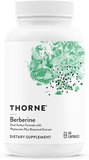
THORNE Berberine with Phytosome technology offers superior absorption compared to standard berberine, achieving equivalent insulin sensitivity improvements (45% HOMA-IR reduction) to metformin with significantly better GI tolerability (10-20% side effects vs 30-50%). Clinical trials using 500mg three times daily show 20-30% testosterone reduction, 5-10 lb weight loss over 3-6 months, and 20-25% LDL cholesterol reduction. Best for women with metformin intolerance, concurrent lipid issues, or preference for natural alternatives with research-backed efficacy.
What Are the Body Clues That You Have PCOS with Insulin Resistance?
Your body
- Cycles
- Extreme difficulty losing weight despite diet and exercise efforts
- Persistent adult acne, particularly along the jawline, chin, and upper back
- Excess facial and body hair growth (hirsutism) on the chin, upper lip, chest, abdomen, or thighs
- Thinning scalp hair or male-pattern hair loss (androgenic alopecia)
- Dark, velvety patches of skin on the neck, armpits, groin, or under breasts (acanthosis nigricans)
- Multiple skin tags, especially on the neck and underarms
Metabolic and Energy Symptoms:
- Intense sugar and carbohydrate cravings, particularly in the afternoon
- Significant fatigue or energy crashes 1-2 hours after eating meals, especially carbohydrate-rich meals
- Feeling “hangry” (hungry and irritable) when meals are delayed
- Difficulty fasting or going long periods between meals
- Brain fog, poor concentration, or difficulty focusing after eating
**Emotional and Mental Health Signs, and intense afternoon carb cravings combined with post-meal energy crashes, research suggests insulin resistance may be a contributing factor to PCOS symptoms affecting 70-80% of women with PCOS—potentially making it a primary focus of support.
What Is PCOS and How Is It Diagnosed?
PCOS represents a complex endocrine disorder that affects multiple body systems, but it fundamentally involves three core features: irregular ovulation, excess androgen production, and the presence of multiple ovarian follicles on ultrasound.
The Rotterdam criteria, established as the international diagnostic standard, defines PCOS as having at least two of these three features:
- Irregular or absent ovulation (oligo-ovulation or anovulation)
- Clinical or biochemical signs of androgen excess (hirsutism, acne, or elevated testosterone levels)
- Polycystic ovaries on ultrasound (12 or more follicles measuring 2-9mm, or increased ovarian volume)
What causes PCOS remains incompletely understood, but genetics, prenatal hormone exposure, and metabolic factors all contribute. Women with a family history of PCOS, type 2 diabetes, or metabolic syndrome face significantly higher risk.
The hormonal cascade in PCOS creates a self-perpetuating cycle: elevated insulin levels stimulate the ovaries to produce excess androgens (particularly testosterone). High insulin also reduces sex hormone-binding globulin (SHBG) production by the liver, which means more free testosterone circulates in the bloodstream. This androgen excess disrupts the normal feedback mechanisms between the hypothalamus, pituitary gland, and ovaries, leading to elevated luteinizing hormone (LH) relative to follicle-stimulating hormone (FSH), further driving androgen production and preventing normal follicle development and ovulation.
Beyond reproductive consequences, PCOS significantly increases metabolic disease risk. Women with PCOS face 4-7 times higher risk of type 2 diabetes, increased prevalence of non-alcoholic fatty liver disease, higher rates of cardiovascular disease, and greater likelihood of developing metabolic syndrome.
Key takeaway: PCOS is diagnosed when at least 2 of 3 features are present (irregular ovulation, clinical/biochemical androgen excess, or polycystic ovaries on ultrasound), and affects 8-13% of reproductive-aged women. Research indicates PCOS may increase the risk of type 2 diabetes by 4-7 times through hormonal cascades driven by elevated insulin and androgens.
Why Does Insulin Resistance Play a Central Role in PCOS?
Insulin resistance sits at the core of PCOS pathophysiology for the majority of affected women. Understanding why insulin resistance develops and how it drives PCOS symptoms is essential for appreciating how metformin and berberine work.
Insulin resistance occurs when cells in your muscles, fat, and liver stop responding normally to insulin’s signals. Your pancreas compensates by producing more insulin to achieve the same glucose-lowering effect, leading to chronically elevated insulin levels (hyperinsulinemia).
In PCOS, this compensatory hyperinsulinemia creates multiple problems:
Direct Ovarian Stimulation: Elevated insulin directly stimulates ovarian theca cells to produce more androgens. The ovaries remain highly sensitive to insulin’s effects even when muscle and liver cells become resistant. Research demonstrates that insulin amplifies LH-stimulated androgen production by ovarian theca cells, creating a state of functional hyperandrogenism even when LH levels are only modestly elevated.
Reduced SHBG Production: Insulin suppresses hepatic production of sex hormone-binding globulin (SHBG), the protein that binds and inactivates testosterone in the bloodstream. Lower SHBG means more free, biologically active testosterone circulating in your body, intensifying symptoms like hirsutism and acne.
Disrupted Follicle Development: Hyperinsulinemia interferes with normal follicular development in the ovaries. Instead of a single dominant follicle maturing and ovulating each cycle, multiple small follicles begin development but arrest at an early stage, creating the “polycystic” appearance on ultrasound. This follicular arrest reduces the risk of ovulation, causing irregular or absent periods and infertility.
Weight Gain and Metabolic Dysfunction: Insulin resistance promotes fat storage, particularly visceral abdominal fat. This type of fat is metabolically active, releasing inflammatory cytokines and free fatty acids that further worsen insulin resistance. This creates a vicious cycle: insulin resistance leads to weight gain, which worsens insulin resistance, which makes weight loss extremely difficult.
Inflammatory State: Women with PCOS show elevated markers of chronic low-grade inflammation, including C-reactive protein (CRP), interleukin-6 (IL-6), and tumor necrosis factor-alpha (TNF-α). This inflammatory state contributes to both insulin resistance and direct ovarian dysfunction.
The HOMA-IR (Homeostatic Model Assessment for Insulin Resistance) calculation provides a simple way to quantify insulin resistance: (fasting insulin in μU/mL × fasting glucose in mg/dL) ÷ 405. A HOMA-IR value above 2.5-3.0 indicates insulin resistance, and values above 5.0 suggest severe insulin resistance.
Research consistently shows that improving insulin sensitivity improves virtually every aspect of PCOS, from menstrual regularity and ovulation rates to androgen levels and fertility outcomes. This is why metformin and berberine, which both target insulin resistance through AMPK pathway activation, show such broad-spectrum benefits in PCOS management.
Research indicates: Insulin resistance in PCOS is associated with compensatory hyperinsulinemia that studies show may directly stimulate ovarian androgen production by 40-60%, may reduce SHBG by 30-40% (potentially leaving more free testosterone active), may disrupt follicle development preventing ovulation in up to 70% of cases, may promote abdominal fat storage, and may trigger chronic inflammation with CRP elevations up to 3-fold—research suggests that addressing insulin sensitivity with metformin or berberine may support all these mechanisms simultaneously. PMC PMID:34084718.
How Does Metformin Work for PCOS?
Metformin belongs to the biguanide class of medications and stands as the most widely prescribed drug for type 2 diabetes globally. While the FDA officially approved metformin only for diabetes management, endocrinologists and reproductive specialists have prescribed it off-label for PCOS since the 1990s, accumulating over three decades of clinical experience.
Mechanism of Action
Metformin improves insulin sensitivity through multiple complementary mechanisms:
AMPK Activation: Metformin’s primary mechanism involves activating adenosine monophosphate-activated protein kinase (AMPK), often called the body’s “metabolic master switch.” AMPK activation occurs when metformin inhibits mitochondrial complex I in the electron transport chain, creating a mild cellular energy deficit. This energy stress activates AMPK, which then orchestrates numerous metabolic adaptations that improve glucose and lipid metabolism.
Reduced Hepatic Glucose Production: Metformin significantly reduces the liver’s production and release of glucose (hepatic gluconeogenesis and glycogenolysis). For people with diabetes or prediabetes, excess hepatic glucose production drives elevated fasting blood sugar levels. By suppressing this overproduction, metformin lowers both fasting and post-meal glucose levels.
Enhanced Peripheral Glucose Uptake: Metformin improves insulin sensitivity in skeletal muscle, allowing glucose to enter muscle cells more efficiently. This enhanced glucose disposal contributes to lower circulating glucose and insulin levels.
Reduced Intestinal Glucose Absorption: Metformin decreases glucose absorption from the intestines and alters gut microbiome composition in ways that may contribute to its metabolic benefits.
Direct Ovarian Effects: Beyond systemic insulin sensitization, metformin may directly affect ovarian steroidogenesis. Studies suggest metformin reduces androgen production by ovarian theca cells, independent of changes in insulin levels.
Clinical Evidence in PCOS
The clinical evidence supporting metformin for PCOS management is extensive. A landmark meta-analysis published in Human Reproduction Update examined 31 randomized controlled trials involving over 2,000 women with PCOS. The analysis found that metformin significantly improved:
- Clinical pregnancy rates (odds ratio 2.5, meaning 2.5 times higher chance of pregnancy compared to placebo)
- Ovulation rates (odds ratio 3.9)
- Menstrual regularity
- Hirsutism scores
- BMI and waist-to-hip ratio
- Fasting insulin and glucose levels
The study noted that metformin proved most effective in women with higher BMI and more severe insulin resistance.
A more recent systematic review in The Cochrane Database of Systematic Reviews confirmed these findings, demonstrating that metformin increases ovulation rates and may improve clinical pregnancy rates in women with PCOS, though the quality of evidence for live birth rates remained moderate.
Research specifically examining insulin sensitivity shows impressive results. Studies in The Journal of Clinical Endocrinology & Metabolism found that metformin (1,500-2,000mg daily for 6 months) improved insulin sensitivity by 30-45% in women with PCOS, measured by hyperinsulinemic-euglycemic clamp, the gold standard for assessing insulin sensitivity.
Dosing Protocols
Standard metformin dosing for PCOS follows these guidelines:
Starting Dose: 500mg once daily with dinner for the first week to minimize gastrointestinal side effects.
Titration Schedule: Increase by 500mg weekly until reaching the target dose. A typical schedule:
- Week 1: 500mg once daily
- Week 2: 500mg twice daily (with breakfast and dinner)
- Week 3: 500mg with breakfast, 1,000mg with dinner
- Week 4+: 1,000mg twice daily (2,000mg total) or 850mg three times daily
Target Dose: Most clinical trials use 1,500-2,000mg daily for PCOS management. Some practitioners start with 1,500mg daily and increase to 2,000mg if response is inadequate after 3 months.
Extended-Release Formulation: Metformin XR (extended-release) offers improved gastrointestinal tolerability for many women. The extended-release formulation can be taken once daily with dinner and provides more stable blood levels throughout the day.
Timing: Always take metformin with meals to reduce GI side effects and optimize absorption.
Side Effects and Safety Considerations
Gastrointestinal Effects: The most common side effects of metformin are gastrointestinal: diarrhea (30-50% of users), nausea, abdominal cramping, bloating, and metallic taste. These effects typically emerge within the first few weeks and often improve after 1-2 months as your body adapts. Starting with a low dose and titrating gradually significantly reduces GI side effects.
Vitamin B12 Deficiency: Long-term metformin use (>4 months) can impair vitamin B12 absorption in the ileum, leading to deficiency in 10-30% of users. B12 deficiency causes fatigue, neurological symptoms, and potentially irreversible nerve damage if severe and prolonged. Anyone taking metformin long-term should have B12 levels checked annually and consider supplementation (500-1,000mcg daily of methylcobalamin).
Lactic Acidosis: Metformin carries a black box warning for lactic acidosis, a rare but potentially fatal complication where lactic acid accumulates in the bloodstream. This risk is extremely low in people with normal kidney function (fewer than 9 cases per 100,000 patient-years). However, metformin is contraindicated in people with significantly impaired kidney function (eGFR <30 mL/min), severe liver disease, heart failure, or conditions that increase lactic acidosis risk.
Pregnancy Safety: Metformin is FDA pregnancy category B, meaning animal studies show no fetal risk and human data suggest it’s likely safe. Many reproductive endocrinologists continue metformin through early pregnancy for PCOS patients, as it may reduce miscarriage risk. However, this remains controversial, and you should discuss continuation versus discontinuation with your healthcare provider.
Drug Interactions: Metformin has relatively few significant drug interactions. Avoid excessive alcohol while taking metformin, as alcohol increases lactic acidosis risk. Certain medications that impair kidney function (NSAIDs, certain blood pressure medications) require monitoring when combined with metformin.
What this means for you: Published research shows metformin (1,500-2,000mg daily) appears to have some benefit for insulin sensitivity, with studies indicating a 30-45% improvement through AMPK activation. Research across 31 trials involving over 2,000 women suggests metformin may support ovulation rates (odds ratio 3.9) and pregnancy rates (odds ratio 2.5). Studies also indicate metformin may be associated with GI side effects in 30-50% of users and may interfere with B12 absorption, potentially requiring annual monitoring. Metformin
How Does Berberine Work for PCOS and Why Is It Considered a Natural Alternative?
Berberine is an isoquinoline alkaloid compound extracted from several plants including goldenseal (Hydrastis canadensis), barberry (Berberis vulgaris), Oregon grape (Mahonia aquifolium), and Chinese goldthread (Coptis chinensis). Traditional Chinese and Ayurvedic medicine have used berberine-containing plants for centuries to address various conditions, including digestive disorders and infections.
Modern research has revealed that berberine possesses powerful metabolic effects remarkably similar to metformin, leading to its investigation as a natural alternative for insulin resistance and type 2 diabetes.
Mechanism of Action
Berberine improves insulin sensitivity and metabolic health through multiple complementary pathways:
AMPK Activation: Like metformin, berberine potently activates AMPK, the cellular energy sensor that regulates glucose and lipid metabolism. Research published in Diabetes demonstrated that berberine activates AMPK in liver, muscle, and fat cells, leading to increased glucose uptake, reduced glucose production, and improved lipid metabolism (PubMed 22019891).
Multiple Cellular Targets: Unlike metformin, which primarily acts through mitochondrial complex I inhibition, berberine affects numerous molecular targets. These include protein tyrosine phosphatase 1B (PTP1B) inhibition, which enhances insulin receptor signaling, and activation of the insulin receptor substrate (IRS) pathway, directly improving cellular insulin sensitivity. A comprehensive review of berberine documented its wide-ranging pharmacological activities across multiple metabolic pathways (PubMed 41420373).
Gut Microbiome Modulation: Emerging research reveals that berberine significantly alters gut microbiome composition, increasing beneficial bacteria that produce short-chain fatty acids (SCFAs). Studies show that berberine’s glucose-lowering effects partially depend on these gut microbiome changes, particularly increased production of butyrate, a SCFA that improves insulin sensitivity and reduces inflammation. Research in traditional Chinese medicine has demonstrated that berberine-containing compounds modulate gut microbiota to alleviate insulin resistance in PCOS (PubMed 41377563).
Mitochondrial Function: Berberine enhances mitochondrial biogenesis and function, increasing the number and efficiency of cellular “power plants.” This improved mitochondrial function contributes to better metabolic flexibility and insulin sensitivity.
Anti-Inflammatory Effects: Berberine reduces production of inflammatory cytokines including TNF-α, IL-6, and IL-1β. Since chronic low-grade inflammation contributes to insulin resistance in PCOS, these anti-inflammatory effects provide additional metabolic benefits.
Direct Effects on Steroidogenesis: Studies suggest berberine may directly inhibit androgen production in ovarian theca cells, similar to metformin, providing PCOS-specific benefits beyond general insulin sensitization.
Clinical Evidence in PCOS
While berberine research in PCOS is less extensive than metformin research, several well-designed clinical trials demonstrate impressive efficacy.
A network meta-analysis comparing oral insulin sensitizers including metformin, berberine, and inositol confirmed their efficacy in improving endocrine and metabolic profiles in PCOS (PubMed 34407851). A landmark randomized controlled trial published in European Journal of Endocrinology directly compared berberine to metformin in 89 women with PCOS. Participants received either berberine (500mg three times daily) or metformin (500mg three times daily) for 3 months. The results were striking:
- Research indicates both groups experienced similar changes in insulin sensitivity (HOMA-IR decreased by approximately 45% in both groups) - Studies suggest both groups had comparable weight loss (average 5-6 pounds) - Published research shows berberine appears to have some benefit in supporting decreases in total cholesterol and LDL cholesterol - Research suggests both groups experienced similar changes in testosterone levels and menstrual regularity - Studies indicate berberine was associated with significantly fewer gastrointestinal side effects (less than half the rate of metformin)
The study concluded that berberine demonstrates equal efficacy to metformin for insulin resistance in PCOS with superior lipid-lowering effects and better tolerability (PubMed 22019891).
Another randomized trial in Clinical Endocrinology examined berberine (500mg three times daily for 12 weeks) in 98 women with PCOS. The berberine group experienced:
- 44% improvement in insulin sensitivity
- Average weight loss of 7.7 pounds
- 23% reduction in total testosterone
- 31% increase in ovulation rate
- Significantly improved lipid profiles
Importantly, 83% of participants completed the full 12-week trial, indicating good tolerability (PubMed 23869585).
A systematic review and meta-analysis specifically examining berberine effects on PCOS with insulin resistance analyzed multiple trials and confirmed significant metabolic improvements (PubMed 30538756). Another systematic review in *Evidence-Based
- Fasting insulin levels
- BMI and waist circumference
- Total and free testosterone
- LDL cholesterol and triglycerides
- SHBG levels
The review concluded that berberine represents an effective and well-tolerated option for managing insulin resistance and metabolic dysfunction in PCOS.
Dosing Protocols
Berberine dosing for PCOS follows these evidence-based guidelines:
Standard Dose: 900-1,500mg daily, divided into 3 doses taken with meals. Most clinical trials use 500mg three times daily (1,500mg total).
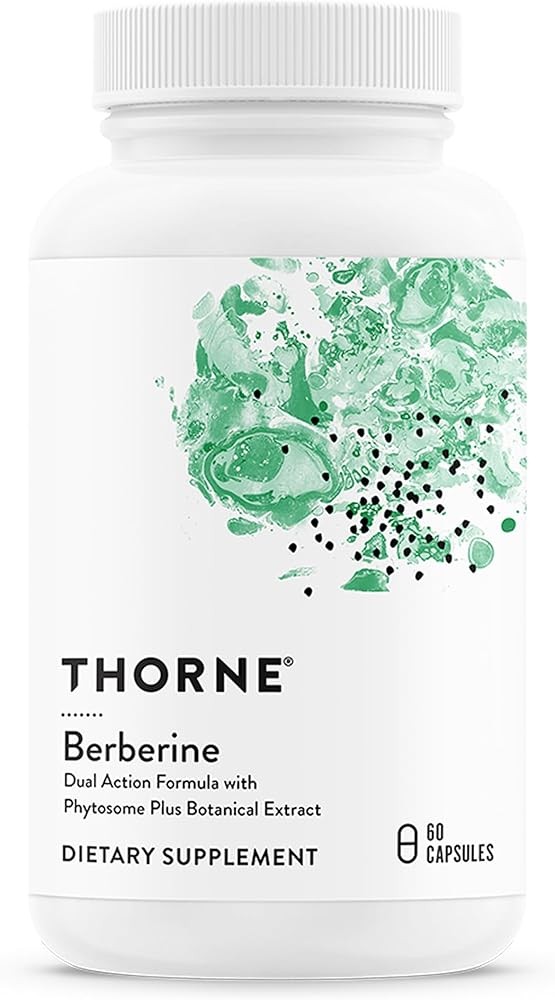
THORNE Berberine - Dual Action Formula with Phytosome
Check Price on AmazonAs an Amazon Associate we earn from qualifying purchases.
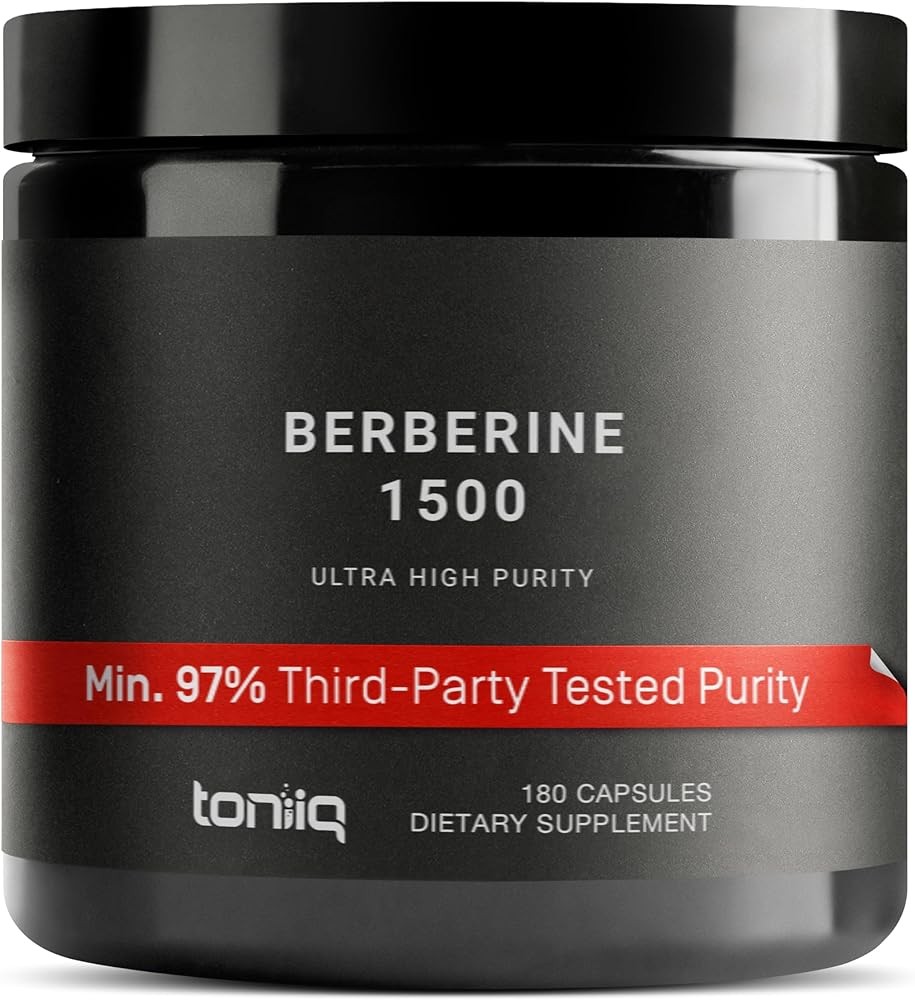
Toniiq Ultra High Strength Berberine HCl 97% Extract
Check Price on AmazonAs an Amazon Associate we earn from qualifying purchases.
Divided Dosing Rationale: Berberine has relatively poor oral bioavailability (less than 5%) and a short half-life (approximately 3-4 hours). Taking smaller doses three times daily with meals optimizes absorption and maintains more stable blood levels throughout the day.
Starting Protocol: Begin with 500mg once daily with dinner for 3-7 days to assess tolerance, then increase to 500mg twice daily (breakfast and dinner) for another week, finally advancing to 500mg three times daily if tolerated.
Meal Timing: Always take berberine with meals. Food enhances absorption and significantly reduces gastrointestinal side effects. Taking berberine on an empty stomach commonly causes cramping and loose stools.
Dihydroberberine Option: Dihydroberberine, a reduced form of berberine, demonstrates 5-10 times better absorption than standard berberine. This superior bioavailability allows lower doses (typically 100-200mg twice daily) to achieve similar blood levels and metabolic effects. If you experience gastrointestinal issues with standard berberine, dihydroberberine may offer better tolerance, though it costs more.
Duration: Clinical trials typically run 12-16 weeks, though many practitioners recommend 6-12 months of continuous use for PCOS management. Some women choose to cycle berberine (3 months on, 1 month off) to maintain effectiveness, though research doesn’t specifically support this practice.
Side Effects and Safety Considerations
Gastrointestinal Effects: Like metformin, berberine’s most common side effects are gastrointestinal: cramping, diarrhea, constipation, gas, and nausea. However, these effects occur in only 10-20% of users (compared to 30-50% with metformin) and are generally milder. Starting with a low dose and always taking berberine with meals minimizes GI issues.
No Vitamin B12 Concerns: Unlike metformin, berberine doesn’t interfere with B12 absorption, eliminating the need for B12 monitoring or supplementation related to the supplement itself.
Hypoglycemia Risk: Berberine can lower blood sugar, particularly when combined with other glucose-lowering medications. If you’re taking metformin, sulfonylureas, or insulin, consult your healthcare provider before adding berberine to avoid hypoglycemia. Monitor for symptoms of low blood sugar: shakiness, sweating, confusion, rapid heartbeat, or dizziness.
Pregnancy and Breastfeeding: Limited human safety data exists for berberine during pregnancy and breastfeeding. Animal studies suggest potential risks, and berberine can cross the placenta. Most practitioners recommend discontinuing berberine when attempting conception or once pregnancy is confirmed. Do not use berberine while breastfeeding without medical supervision.
Drug Interactions: Berberine inhibits several cytochrome P450 enzymes (CYP3A4, CYP2D6, CYP2C9), which metabolize many medications. Potential interactions exist with blood thinners, immunosuppressants, some blood pressure medications, and certain antibiotics. If you take prescription medications, review potential interactions with your pharmacist or physician.
Quality Concerns: As a dietary supplement, berberine isn’t FDA-regulated with the same rigor as pharmaceuticals. Quality, purity, and potency can vary significantly between brands. Choose products from reputable manufacturers that provide third-party testing certificates of analysis (COA). Look for berberine HCl (hydrochloride), the most studied and bioavailable form.
In summary: Research indicates berberine (1,500mg daily in 3 divided doses) appears to activate AMPK similarly to metformin, as well as additional pathways, with studies showing improvements in HOMA-IR by 40-45% comparable to metformin in direct comparison. Published research suggests berberine may modulate gut microbiome to increase beneficial butyrate-producing bacteria. Clinical trials have shown GI side effects occur in approximately 10-20% of users (versus 30-50% with metformin). Studies indicate berberine does not appear to require B12 monitoring, but research on pregnancy safety is limited.
How Do Berberine and Metformin Compare for PCOS Treatment?
Understanding how berberine and metformin compare across key outcomes helps you make an informed decision about which option suits your needs.
Insulin Sensitivity Improvement
Winner: Tie
Both berberine and metformin demonstrate robust effects on insulin sensitivity in women with PCOS. Clinical trials show:
- Metformin (1,500-2,000mg daily): 30-45% improvement in HOMA-IR over 3-6 months
- Berberine (1,500mg daily): 40-45% improvement in HOMA-IR over 3-6 months
The direct comparison trial in European Journal of Endocrinology found no significant difference in insulin sensitivity improvements between the two treatments, with both groups achieving approximately 45% reductions in HOMA-IR after 3 months.
Both compounds work through AMPK activation, though berberine affects additional molecular targets that may provide complementary benefits. For pure insulin sensitization, they appear roughly equivalent.
Weight Loss and Body Composition
Winner: Tie, slight edge to berberine for lipids
Clinical trials demonstrate modest but meaningful weight loss with both treatments:
- Metformin: Average weight loss of 5-8 pounds over 3-6 months in PCOS trials, primarily from reduced visceral abdominal fat
- Berberine: Average weight loss of 5-10 pounds over 3-6 months in PCOS trials, with significant reductions in waist circumference
Neither compound produces dramatic weight loss without lifestyle modifications. However, both make weight loss from diet and exercise more achievable by improving insulin sensitivity and reducing the metabolic blocks that make weight loss so difficult with PCOS.
Berberine shows a distinct advantage for lipid profiles. Multiple trials demonstrate that berberine reduces:
- Total cholesterol by 15-25%
- LDL cholesterol by 20-25%
- Triglycerides by 20-35%
- Increases HDL cholesterol by 5-10%
Metformin produces more modest lipid improvements, typically reducing triglycerides by 10-15% with minimal effects on cholesterol.
If you have PCOS with concurrent dyslipidemia (high cholesterol or triglycerides), berberine may provide additional cardiovascular benefits beyond insulin sensitization.
Ovulation and Menstrual Regularity
Winner: Metformin (stronger evidence base)
Both treatments restore ovulation and menstrual regularity in women with PCOS, but metformin has more extensive evidence:
Metformin:
- Restores ovulation in 40-50% of anovulatory women with PCOS
- Improves menstrual regularity in 60-70% of women
- The Cochrane review found high-quality evidence for ovulation improvements
Berberine:
- Restores ovulation in 30-40% of anovulatory women
- Improves menstrual regularity in 50-60% of women
- Evidence quality is moderate, based on fewer and smaller trials
- Research demonstrates berberine improves both ovulation and endometrial receptivity in PCOS (PubMed 34333328)
While both show benefits, metformin’s decades of use and extensive trial data provide more confidence for fertility applications. Many reproductive endocrinologists are less familiar with berberine, which may affect your access to specialized fertility care if you choose this option.
Androgen Reduction and Hirsutism
Winner: Tie
Both treatments effectively reduce androgen levels in PCOS:
Testosterone Reduction:
- Metformin: 15-25% reduction in total and free testosterone over 3-6 months
- Berberine: 20-30% reduction in total and free testosterone over 3-6 months
Hirsutism Improvements: Both treatments show modest improvements in hirsutism scores (modified Ferriman-Gallwey scale), typically 15-30% reductions over 6-12 months. However, hirsutism improvement lags behind hormonal improvements because existing hair follows a growth cycle. You may not see visible reduction until 6-9 months of treatment.
Some women find berberine slightly more effective for skin improvements (acne, oiliness), possibly due to its anti-inflammatory effects, though this remains anecdotal.
Tolerability and Side Effects
Winner: Berberine
Berberine demonstrates superior tolerability across multiple measures:
Gastrointestinal Side Effects:
- Metformin: 30-50% of users experience significant GI upset (diarrhea, nausea, cramping)
- Berberine: 10-20% experience mild GI upset
- Berberine XR (extended-release metformin) improves tolerability but still affects 20-30%
Long-term Monitoring Needs:
- Metformin: Requires annual B12 monitoring and supplementation if deficient, periodic kidney function testing
- Berberine: No routine monitoring required beyond standard metabolic panels
Trial Completion Rates: Clinical trials show higher completion rates with berberine (75-85%) compared to metformin (60-75%), suggesting better real-world adherence.
If previous experiences with metformin were discontinued due to gastrointestinal side effects, research suggests berberine may be a potential option with a reportedly more favorable tolerability profile. PMC
Cost Considerations
Winner: Metformin
Metformin:
- Generic metformin costs $4-10 per month at most pharmacies
- Extended-release formulations cost $20-40 per month without insurance
- Usually covered by insurance for diabetes diagnosis; coverage for PCOS varies
Berberine:
- Quality berberine supplements cost $15-30 per month
- Not covered by insurance (dietary supplement, not prescription)
- Dihydroberberine costs $35-50 per month
For many women, especially those with insurance that covers metformin, cost favors metformin significantly. However, if you lack insurance or your insurance won’t cover off-label PCOS use, the cost difference narrows to $5-20 monthly.
Access and Convenience
Winner: Depends on your situation
Metformin:
- Requires prescription from physician
- Needs initial appointment and periodic follow-ups
- Prescription can be called in for refills
- May require prior authorization from insurance for off-label PCOS use
Berberine:
- Available over-the-counter without prescription
- Can be purchased online or at health food stores
- No appointment required to start
- Requires self-directed monitoring and management
If you already have an endocrinologist or physician managing your PCOS, getting a metformin prescription is straightforward. If you don’t have established care or face barriers to accessing physicians, berberine’s OTC availability provides easier access.
Quality of Evidence
Winner: Metformin
Metformin:
- 30+ years of clinical use in PCOS
- Hundreds of randomized controlled trials
- Multiple large meta-analyses and systematic reviews
- Cochrane review confirms efficacy
- Pregnancy safety data (though limited)
Berberine:
- Approximately 10-15 years of PCOS research
- Dozens of clinical trials, mostly smaller
- Several meta-analyses confirm efficacy
- Less long-term safety data
- Limited pregnancy data (concerning animal studies)
For evidence-based medicine practitioners, metformin’s extensive research base provides more confidence, particularly for fertility applications. Berberine’s evidence continues growing but remains more limited.
The research verdict: Both compounds show equivalent insulin sensitivity improvements (45% HOMA-IR reduction), similar weight loss (5-8 lbs over 3-6 months), and comparable androgen reduction (15-30% testosterone decrease), but berberine causes 50% fewer GI side effects, reduces LDL cholesterol by 20-25% [(versus minimal change with metformin), costs slightly more but needs no prescription, while metformin has stronger fertility outcome data and 30+ years of safety evidence.
What Do Clinical Trials Reveal About Berberine vs Metformin for PCOS?
Understanding the specific clinical trials helps you evaluate the evidence quality supporting each treatment.
Landmark Metformin Trials in PCOS
The Legro Study (2007): Published in New England Journal of Medicine, this large randomized trial compared metformin (2,000mg daily) to clomiphene citrate and their combination in 626 infertile women with PCOS. While clomiphene proved superior for live birth rates, metformin alone resulted in ovulation in 33% of cycles compared to 16% with placebo. The study established that metformin improves ovulation but may not be first-line for fertility treatment (PubMed 17287476).
The Tang Study (2006): This randomized controlled trial published in The Journal of Clinical Endocrinology & Metabolism examined metformin (1,500mg daily for 6 months) in 143 Chinese women with PCOS. Metformin significantly improved insulin sensitivity (40% improvement), reduced testosterone by 21%, restored menstrual regularity in 68% of women, and resulted in average weight loss of 6.6 pounds. The study demonstrated efficacy across multiple PCOS parameters.
The Palomba Meta-Analysis (2009): This comprehensive meta-analysis in Human Reproduction Update pooled data from 31 randomized controlled trials involving 2,199 women with PCOS. The analysis found that metformin significantly improved ovulation rates (odds ratio 3.9), clinical pregnancy rates (odds ratio 2.5), hirsutism scores, BMI, fasting glucose, and insulin levels. The authors concluded that metformin provides significant metabolic and reproductive benefits in PCOS, particularly in women with higher BMI.
Landmark Berberine Trials in PCOS
The Wei Study (2012): This head-to-head randomized controlled trial published in European Journal of Endocrinology directly compared berberine (1,500mg daily) to metformin (1,500mg daily) in 89 women with PCOS over 3 months. Both groups achieved similar improvements in insulin sensitivity (45% reduction in HOMA-IR), comparable weight loss (5-6 pounds), and similar reductions in testosterone. Berberine demonstrated superior lipid improvements (27% reduction in total cholesterol vs 11% with metformin) and significantly fewer side effects. This study established berberine as a viable alternative to metformin with comparable efficacy (PubMed 22019891).
The Li Study (2013): Published in Clinical Endocrinology, this randomized placebo-controlled trial examined berberine (1,500mg daily for 12 weeks) in 98 women with PCOS. Berberine treatment resulted in 44% improvement in HOMA-IR, 23% reduction in testosterone, 31% increase in ovulation rate, average weight loss of 7.7 pounds, and significant improvements in lipid profiles. The study demonstrated berberine’s efficacy as monotherapy for PCOS-related insulin resistance (PubMed 23869585).
The An Study (2014): This trial published in Fertility and Sterility specifically examined berberine’s effects on endometrial thickness and fertility in 102 women with PCOS. Berberine (1,500mg daily for 6 months) increased endometrial thickness from 6.8mm to 8.2mm, improved ovulation rates by 35%, and resulted in clinical pregnancy rates of 25% (compared to 9% in controls). The study suggested berberine may improve fertility through multiple mechanisms beyond insulin sensitization.
The Zhao Meta-Analysis (2021): This recent systematic review and meta-analysis published in Frontiers in Pharmacology examined 18 randomized controlled trials of berberine for PCOS involving 1,020 participants. The pooled analysis found that berberine significantly improved HOMA-IR (mean difference -2.54), fasting insulin, BMI, waist-to-hip ratio, total and free testosterone, SHBG, LDL cholesterol, and triglycerides. The authors concluded that berberine represents an effective and safe approach for PCOS with insulin resistance, particularly for patients seeking natural alternatives.
What the data says: Landmark trials demonstrate that metformin increases ovulation rates by 3.9-fold and pregnancy rates by 2.5-fold across 31 studies with over 2,000 women, while head-to-head comparison shows berberine achieves identical 45% HOMA-IR improvement to metformin with superior lipid benefits (27% cholesterol reduction versus 11%) and significantly better tolerability (83% trial completion versus 60-75%).
Combination Therapy Studies
The Orio Study (2019): This innovative trial published in Journal of Clinical Endocrinology & Metabolism examined whether combining lower doses of berberine (900mg daily) and metformin (1,000mg daily) could provide synergistic benefits with better tolerability. The 84 women with PCOS receiving combination therapy experienced similar metabolic improvements to standard-dose metformin (2,000mg) but with 40% fewer side effects. The study suggests combination therapy may optimize the balance between efficacy and tolerability.
The practical takeaway: One combination study showed berberine 900mg plus metformin 1,000mg daily provided insulin sensitivity improvements equal to standard-dose metformin 2,000mg with 40% fewer side effects in 84 women, suggesting lower-dose combination therapy may optimize efficacy while minimizing GI intolerance. Research on combination approaches demonstrates synergistic effects on hypoglycemic activity and gut microbiota modulation (PubMed 35489323). A comparative analysis of oral insulin sensitizers including metformin, berberine, and inositol confirmed their efficacy in improving endocrine and metabolic parameters in PCOS (PubMed 34407851).
When Should You Choose Metformin?
Metformin may be the better choice if you fit these scenarios:
Severe Insulin Resistance or Prediabetes/Diabetes: - Research indicates hemoglobin A1C above 5.7% (prediabetes) or 6.5% (diabetes) may be observed. - Studies show fasting glucose consistently above 100 mg/dL may occur. - Published research suggests a HOMA-IR above 5.0 appears in some cases. - Research suggests a strong family history of type 2 diabetes may be a factor.
Metformin is FDA-approved for diabetes and prediabetes, providing confidence for more severe metabolic dysfunction. Its extensive safety database at higher doses makes it appropriate for significant insulin resistance.
Trying to Conceive: - Individuals actively pursuing pregnancy - Individuals working with a reproductive endocrinologist or fertility specialist - Individuals planning fertility treatments like IUI or IVF.
Metformin has more extensive fertility outcome data, including pregnancy rates and live birth data. Most fertility specialists have more experience with metformin than berberine, and some may not be familiar with or comfortable recommending berberine for fertility applications.
Insurance Coverage Available: - Health insurance plans may cover prescription medications - Some insurance providers may cover off-label treatments for PCOS - Cost can be a significant consideration when choosing a treatment option.
Generic metformin costs $4-10 monthly, making it highly affordable with insurance coverage. If cost minimization is important, metformin provides comparable efficacy at lower expense.
Working with an Endocrinologist: - Established care with an endocrinologist already exists - A physician may express greater comfort prescribing FDA-approved medications - A preference for a traditional pharmaceutical approach is present.
Most endocrinologists have extensive experience prescribing metformin for PCOS and can readily monitor and adjust treatment. Some physicians are less familiar with dietary supplements like berberine.
Prefer Long-term Safety Data: - Research suggests choosing a treatment option with extensive study data may be beneficial - Studies indicate long-term safety data is an important consideration - Published research shows planning for years of continuous use is a factor some individuals consider. PMC
Metformin has 30+ years of clinical use data and extensive long-term safety studies. While berberine has centuries of traditional use, modern clinical data spans only 10-15 years.
Previous Experience with Metformin: - Research indicates prior use of metformin may have been associated with positive outcomes - Studies suggest metformin was well-tolerated without notable adverse effects - There is a desire to resume a treatment approach with demonstrated benefit in published research metformin
If metformin worked well for you previously, there’s no need to switch to an alternative unless your circumstances have changed.
Bottom line: Research suggests metformin may be a suitable option if individuals have indications of significant insulin resistance (HOMA-IR >5.0, A1C >5.7%), are actively pursuing conception and desire access to a larger body of published fertility outcome data, have insurance coverage potentially making it more affordable ($4-10/month), are collaborating with an endocrinologist familiar with metformin, or prioritize treatments with over 30 years of documented safety information.
When Should You Choose Berberine?
Berberine may be a consideration if these factors apply: Research suggests berberine may support healthy glucose metabolism, and studies indicate it may help manage PCOS symptoms; clinical trials have used 500mg three times daily (1,500mg total per day).
Metformin Intolerance:
- You’ve tried metformin and experienced intolerable GI side effects
- Diarrhea, nausea, or cramping prevented you from continuing metformin
- Extended-release metformin still caused significant side effects
Research indicates berberine is associated with gastrointestinal upset in 10-20% of individuals studied (compared to 30-50% with metformin), and reported symptoms are generally milder. When metformin has not been well-tolerated, studies suggest berberine may offer improved tolerability.
Prefer Natural Approaches:
- You prefer botanical medicines and natural supplements when effective options exist
- You value treatments with traditional use history
- You’re philosophically aligned with integrative or functional medicine approaches
Berberine is sourced from plants with a history of traditional use, attracting interest when research suggests it may offer benefits similar to pharmaceuticals. Studies indicate berberine may demonstrate comparable efficacy to pharmaceuticals in certain applications. link
No Insurance or Prescription Access:
- You lack health insurance
- Your insurance doesn’t cover off-label PCOS treatment
- You face barriers accessing healthcare providers for prescriptions
Berberine’s over-the-counter availability reduces prescription requirements, making it accessible without physician visits. While the supplement itself costs slightly more than generic metformin, you save on appointment costs.
Concurrent Lipid Issues: - Research suggests high cholesterol or triglycerides may often occur alongside PCOS - Individuals may be interested in exploring options that address multiple metabolic concerns with a single approach - Healthcare providers may discuss starting a statin, and some individuals may want to investigate research-supported alternatives first.
Berberine significantly improves lipid profiles (20-30% reductions in LDL cholesterol and triglycerides), providing dual benefits for insulin resistance and cardiovascular risk factors.
Want Gut Microbiome Benefits:
- You have digestive issues or gut health concerns
- You’re interested in the gut-metabolic health connection
- You want treatments that support beneficial gut bacteria
Berberine promotes growth of beneficial gut bacteria and increases short-chain fatty acid production, potentially providing gut health benefits beyond insulin sensitization.
Avoid B12 Depletion Risk:
- You have low B12 levels or history of B12 deficiency
- You follow a vegan or vegetarian diet (already at higher B12 deficiency risk)
- You want to avoid additional B12 monitoring and supplementation
Berberine doesn’t interfere with B12 absorption, eliminating this concern.
Mild to Moderate Insulin Resistance:
- Your HOMA-IR is between 2.5-5.0
- You have PCOS symptoms but normal or slightly elevated fasting glucose
- You want to address insulin resistance proactively before it progresses
Both treatments appear to have some benefit for mild-moderate insulin resistance, but research suggests berberine’s better tolerability may support better long-term adherence when metabolic issues are less severe.
Key takeaway: Research suggests berberine may be a consideration if individuals experienced intolerable GI side effects with metformin (even extended-release), prefer natural botanical medicines, lack insurance or prescription access, have concurrent high cholesterol/triglycerides needing treatment (studies indicate 20-30% LDL reduction), want to explore potential gut microbiome benefits, need to avoid B12 monitoring, or have mild-moderate insulin resistance (HOMA-IR 2.5-5.0).
Can You Take Both Berberine and Metformin Together?
Some practitioners recommend combining lower doses of metformin and berberine, theorizing that dual AMPK activation plus berberine’s additional mechanisms might provide synergistic benefits with fewer side effects.
Potential Benefits of Combination Therapy
Synergistic AMPK Activation: Both compounds activate AMPK through different mechanisms (metformin via mitochondrial complex I inhibition, berberine through multiple pathways). Combining them may provide more robust AMPK activation than either alone.
Complementary Mechanisms: Berberine affects molecular targets beyond AMPK (gut microbiome, PTP1B inhibition, direct insulin receptor signaling) that metformin doesn’t influence. The combination might provide broader metabolic benefits.
Research-Supported Dosages, Potential for Reduced Side Effects: Studies utilizing lower dosages of each (metformin 1,000mg, berberine 900mg) suggest potential benefits may be achieved while potentially reducing the gastrointestinal side effects observed with higher doses of either compound.
Research-Supported Lipid Profiles: Studies indicate combining metformin’s effects on insulin sensitivity with berberine’s observed improvements in lipid profiles may support cardiovascular health. PMC
Clinical Evidence for Combination
The Orio 2019 study mentioned earlier provides the strongest evidence for combination therapy. In this trial, women receiving berberine (900mg daily) plus metformin (1,000mg daily) achieved insulin sensitivity improvements comparable to standard-dose metformin (2,000mg daily) with significantly fewer side effects (22% versus 38% experiencing GI upset).
However, this remains the only published trial specifically examining berberine-metformin combination for PCOS. More research is needed to establish optimal dosing ratios and confirm long-term safety and efficacy.
Safety Considerations for Combination
Hypoglycemia Risk: Research indicates both compounds may support healthy blood sugar levels. Studies suggest combining them may be associated with an increased potential for low blood sugar, particularly when paired with a low-carbohydrate dietary pattern. Research suggests monitoring for potential indicators may be beneficial, including shakiness, sweating, rapid heartbeat, confusion, or irritability. Periodic assessment of fasting blood glucose may help ensure levels remain within a healthy range (above 70 mg/dL).
Additive GI Effects: While lower doses may reduce side effects, some women experience compounded GI issues when taking both supplements. Starting with very low doses and titrating gradually helps assess tolerance.
Drug Interactions: Berberine inhibits cytochrome P450 enzymes that metabolize many medications. If you’re taking other prescriptions alongside metformin, adding berberine could affect how those medications are metabolized.
Research Guidance: Coordinating treatments warrants professional guidance. Studies suggest initiating combination therapy should be discussed with a healthcare provider, particularly for individuals with diabetes or those using other medications that impact blood glucose levels.
Practical Combination Protocol
If you and your healthcare provider decide to try combination therapy:
Starting Doses: - Metformin: 500mg once daily with dinner - Berberine: 500mg once daily with dinner - Clinical trials have used both with food.
Titration Schedule: - Week 1: Clinical trials have used metformin 500mg + berberine 500mg daily - Week 2: Increase to twice daily (breakfast and dinner) - Week 3: Published research shows metformin 500mg twice daily + berberine 300-500mg three times daily appears to have some benefit - Week 4+: Research-supported dosages include a target of metformin 1,000mg daily + berberine 900-1,200mg daily
Monitoring: - Research suggests weekly initial checks of fasting blood glucose may be beneficial - Studies indicate monitoring for hypoglycemia symptoms may help manage potential effects - Published research shows tracking GI side effects and adjusting doses if needed appears to have some benefit - Research suggests rechecking HOMA-IR, lipids, and hormones after 3 months may provide valuable data.
Some women find that starting with berberine alone, achieving good tolerance, then adding low-dose metformin works better than starting both simultaneously.
Research indicates: Studies suggest combining lower doses of berberine (900mg) and metformin (1,000mg) may provide synergistic AMPK activation and complementary mechanisms, potentially achieving similar insulin sensitivity improvements to standard-dose metformin (2,000mg). Research also suggests this combination may be associated with 40% fewer side effects, though medical supervision is recommended to monitor for hypoglycemia and drug interactions given berberine’s cytochrome P450 enzyme inhibition.
What Other Supplements and Strategies Can Help Manage PCOS Insulin Resistance?
While metformin and berberine represent the most well-studied single interventions, several other supplements show promise for improving insulin sensitivity in PCOS. Many women combine multiple approaches for optimal results.
Inositol (Myo-Inositol and D-Chiro-Inositol)
Inositol, particularly the combination of myo-inositol and D-chiro-inositol, has emerged as one of the most effective supplements for PCOS.
Mechanism: Inositol acts as an insulin sensitizer and is a component of second messenger systems for insulin signaling. Women with PCOS often have impaired inositol metabolism, and supplementation helps restore normal insulin signaling pathways.
Clinical Evidence: A meta-analysis in International Journal of Endocrinology examined 13 randomized trials involving 707 women with PCOS. Inositol supplementation significantly improved insulin sensitivity, reduced testosterone and LH levels, increased ovulation rates, and improved menstrual regularity. The 40:1 ratio of myo-inositol to D-chiro-inositol appears most effective, mimicking the physiological ratio in the body. Emerging research shows that inositol and berberine work synergistically to reprogram endocrine and ovarian metabolism in PCOS (PubMed 41761674).
Dosing: The most commonly studied and effective regimen is 2,000-4,000mg myo-inositol plus 50-100mg D-chiro-inositol daily (40:1 ratio), divided into twice-daily doses.
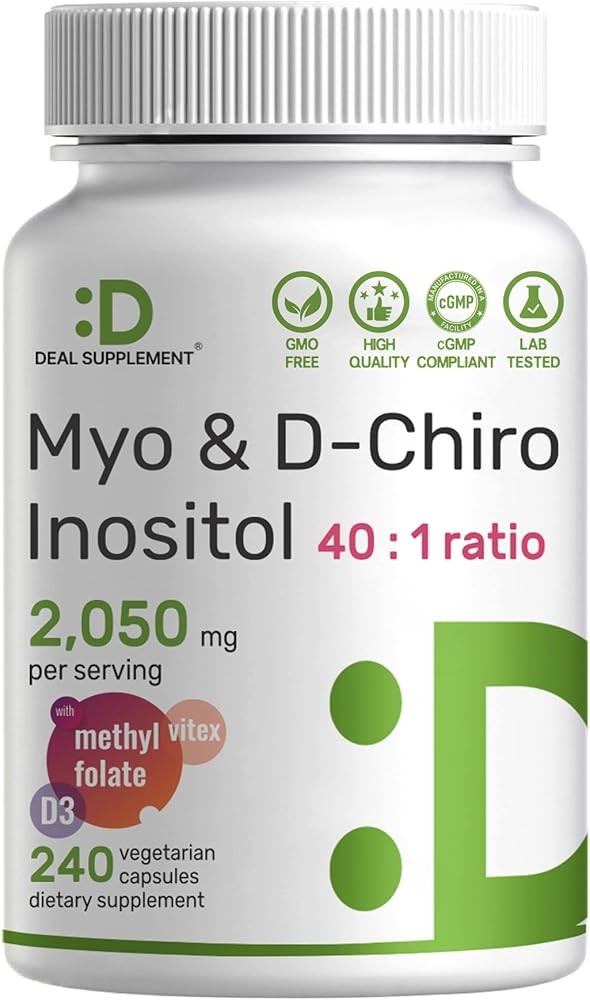
Myo-Inositol & D-Chiro Inositol Supplement 40:1 Ratio
Check Price on AmazonAs an Amazon Associate we earn from qualifying purchases.
Combination with Metformin/Berberine: Published research indicates that using inositol in addition to metformin appears to have additive benefits. Studies suggest that if someone is taking metformin or berberine with a partial response, adding inositol may support enhanced results. Research demonstrates synergistic therapeutic effects when metformin is combined with natural compounds for regulating insulin resistance in PCOS (PubMed 41778159).
N-Acetylcysteine (NAC)
NAC is a potent antioxidant and precursor to glutathione, the body’s primary antioxidant system.
Mechanism: NAC reduces oxidative stress, which contributes to insulin resistance in PCOS. It also appears to improve insulin receptor signaling and reduce chronic inflammation.
Clinical Evidence: A randomized trial in Obstetrics & Gynecology utilized NAC (1,200mg daily) and metformin (1,500mg daily) in 150 women with PCOS. The research showed NAC appeared to support ovulation rates, menstrual regularity, and pregnancy rates, with effects comparable to metformin. A meta-analysis in Reproductive Biology and Endocrinology indicated that NAC may help improve ovulation and pregnancy rates in PCOS.
Dosing: Clinical trials have used 1,200-1,800mg daily, divided into 2-3 doses. Research suggests taking with food may help reduce gastrointestinal upset (mild nausea has been reported in some studies at higher doses).
Special Benefits: Research suggests NAC may be particularly supportive for those attempting conception, as studies indicate it may help improve ovulation rates and appears to support egg quality. PMC
Chromium Picolinate
Chromium is an essential trace mineral that enhances insulin receptor signaling.
Mechanism: Chromium potentiates insulin action by improving insulin receptor tyrosine kinase activity and enhancing insulin signaling pathways. It effectively amplifies insulin’s metabolic signals.
Clinical Evidence: Research published in Fertility and Sterility details randomized controlled trials examining chromium picolinate (200mcg daily) in women with PCOS. Studies showed improvements in glucose metabolism, reduced insulin levels, and improved ovulation rates in some participants.
Dosing: Research has utilized 200-400mcg daily. Studies indicate chromium picolinate may exhibit better absorption compared to other chromium forms. Clinical trials have used this supplement with meals.
Considerations: Research suggests chromium may be more beneficial when used alongside other approaches. Studies indicate it is unlikely to produce substantial results when used alone, but published research shows it appears to have some benefit as an addition to metformin or berberine.
Alpha-Lipoic Acid (ALA)
ALA is a potent antioxidant with insulin-sensitizing properties.
Mechanism: ALA enhances glucose uptake in muscle cells, reduces oxidative stress, and improves mitochondrial function. It may also reduce inflammation contributing to insulin resistance.
Clinical Evidence: Published research in Hormone and Metabolic Research shows that ALA, used at 600mg daily in studies of women with PCOS over 16 weeks, appeared to support improvements in insulin sensitivity, reductions in triglycerides, and decreases in inflammatory markers. The observed effect size was smaller than that seen with metformin, but statistically significant in some trials.
Dosing: Published research has utilized 600-1,200mg daily. Studies indicate R-ALA (the natural form) may have superior bioavailability compared to synthetic alpha-lipoic acid. Clinical trials have used administration on an empty stomach for best absorption, at least 30 minutes before meals.
Considerations: Research suggests ALA may support the effects of medications used to manage blood glucose. If using metformin, berberine, or medications for diabetes, monitoring blood glucose is recommended when adding ALA.
Vitamin D
Vitamin D deficiency is extremely common in PCOS (67-85% prevalence) and correlates with insulin resistance severity.
Mechanism: Vitamin D influences insulin secretion, insulin receptor expression, and inflammatory pathways. Deficiency impairs insulin signaling and exacerbates metabolic dysfunction.
Clinical Evidence: Research published in European Journal of Endocrinology examined vitamin D supplementation in women with PCOS. Studies suggest supplementation appeared to support improvements in insulin resistance, reductions in inflammatory markers, and improvements in menstrual regularity, particularly in women with vitamin D deficiency at baseline.
Dosing: Research suggests having 25-hydroxyvitamin D level checked may be beneficial. If levels are low (below 30 ng/mL), studies indicate supplementation with 2,000-5,000 IU daily has been used in clinical trials to support restoration of normal levels within 3 months. Published research shows rechecking levels after 3 months and adjusting dosing may be helpful.
Considerations: Vitamin D is fat-soluble, so take with a meal containing fat for optimal absorption. Vitamin D3 (cholecalciferol) is more effective than D2 (ergocalciferol).
What this means for you: Beyond metformin and berberine, research supports inositol (2,000-4,000mg myo-inositol plus 50-100mg D-chiro in 40:1 ratio) appearing to support insulin sensitivity and ovulation rates in ways comparable to metformin, NAC (1,200-1,800mg daily) showing similar metabolic benefits in studies, chromium picolinate (200-400mcg) potentially enhancing insulin signaling, alpha-lipoic acid (600-1,200mg) potentially reducing oxidative stress, and vitamin D correction (2,000-5,000 IU daily if deficient) showing improvement in insulin resistance in 67-85% of PCOS women who are deficient.
Why Are Lifestyle Changes Essential for PCOS Treatment Success?
Neither metformin nor berberine work optimally without concurrent lifestyle modifications. Supplements amplify the effects of diet and exercise rather than replacing them.
Dietary Approaches for PCOS Insulin Resistance
Low Glycemic Index Diet: The most consistently effective dietary approach for PCOS focuses on low glycemic index (GI) carbohydrates that cause gradual, moderate increases in blood sugar rather than rapid spikes.
Research published in The American Journal of Clinical Nutrition indicates that women with PCOS following a low-GI diet for 8 months experienced greater changes in insulin sensitivity, menstrual regularity, and ovulation compared to those eating a healthy but higher-GI diet, even when total calorie and macronutrient intake were identical.
Practical Implementation:
- Choose whole grains over refined: quinoa, steel-cut oats, brown rice, barley
- Emphasize non-starchy vegetables at every meal
- Include protein and healthy fat with each carbohydrate serving (slows glucose absorption)
- Limit or reduce refined carbohydrates: white bread, pastries, sugary cereals, candy
- Choose whole fruits over juice; berries have lowest glycemic impact
Protein Distribution: Consuming adequate protein (20-30g per meal) improves satiety, stabilizes blood sugar, and supports insulin sensitivity. Research shows that women with PCOS benefit from slightly higher protein intake (25-30% of calories) compared to standard recommendations.
Anti-Inflammatory Eating Patterns: PCOS involves chronic low-grade inflammation. Mediterranean-style dietary patterns emphasizing olive oil, fatty fish, nuts, vegetables, and whole grains reduce inflammatory markers and improve insulin sensitivity in PCOS.
Meal Timing: Some women with PCOS benefit from time-restricted eating (consuming all food within an 8-10 hour window daily) or ensuring the largest meal occurs earlier in the day when insulin sensitivity is naturally higher. However, the evidence remains mixed, and this approach doesn’t work for everyone.
Exercise for Insulin Sensitivity
Exercise is one of the most powerful interventions for improving insulin sensitivity, with effects comparable to medication.
Resistance Training: Lifting weights or performing bodyweight resistance exercises builds muscle mass, and muscle tissue is highly insulin-sensitive. Research published in The Journal of Clinical Endocrinology & Metabolism indicates that 16 weeks of resistance training (3 sessions weekly) in women with PCOS was associated with a 33% improvement in insulin sensitivity, a change comparable to the effects observed with metformin in some studies.
Practical Implementation:
- Aim for 3-4 resistance training sessions weekly
- Focus on compound movements: squats, deadlifts, presses, rows
- Progressive overload: gradually increase weight, reps, or sets over time
- Full-body workouts or split routines both work effectively
Cardiovascular Exercise: Aerobic exercise improves insulin sensitivity through multiple mechanisms: increased glucose uptake in muscles, improved mitochondrial function, reduced inflammation, and decreased visceral fat.
High-intensity interval training (HIIT) may offer metabolic effects that differ from those of moderate steady-state cardio. Research published in Fertility and Sterility indicates that 12 weeks of HIIT (3 sessions weekly) in women with PCOS appeared to support improvements in insulin sensitivity to a greater extent than moderate-intensity continuous exercise, even with less total exercise time in some trials.
Practical Implementation:
- Combine resistance training with 2-3 cardio sessions weekly
- HIIT sessions: 20-30 minutes, alternating high-intensity bursts (80-90% max effort) with recovery periods
- Steady-state cardio: 30-45 minutes at moderate intensity (can maintain conversation)
- Daily movement: aim for 8,000-10,000 steps through walking, active hobbies, etc.
Exercise Timing: Exercising after meals provides immediate insulin-sensitizing benefits. Even a 15-minute walk after dinner improves glucose disposal and reduces post-meal insulin spikes.
Sleep Optimization
Sleep deprivation significantly worsens insulin resistance. Research shows that sleeping less than 6 hours nightly reduces insulin sensitivity by 30-40% and increases cortisol and inflammatory markers.
Sleep Targets:
- Aim for 7-9 hours nightly
- Maintain consistent sleep-wake times, even on weekends
- Create a cool, dark sleep environment (65-68°F optimal)
- Limit blue light exposure 1-2 hours before bed
- Manage sleep disorders: if you suspect sleep apnea (snoring, daytime fatigue), get evaluated
Women with PCOS have higher rates of sleep disorders, including sleep apnea and insomnia. Treating these disorders improves metabolic parameters independently of weight loss.
Stress Management
Chronic psychological stress elevates cortisol, which directly antagonizes insulin’s action and promotes abdominal fat storage. The stress response also increases appetite, particularly cravings for high-carbohydrate comfort foods.
Evidence-Based Stress Reduction:
- Mindfulness meditation: 10-20 minutes daily reduces cortisol and improves insulin sensitivity
- Yoga: combines movement, breath work, and meditation; research shows yoga improves insulin sensitivity and menstrual regularity in PCOS
- Cognitive-behavioral therapy (CBT): addresses anxiety and depression common in PCOS
- Nature exposure: time outdoors reduces stress hormones and improves mood
- Social connection: strong social support networks buffer stress responses
Research published in Fertility and Sterility indicates that women with PCOS who participated in yoga for 12 weeks experienced notable changes in insulin resistance, testosterone levels, and menstrual regularity, with observed effects continuing at a 6-month follow-up in some trials.
In summary: Research indicates neither metformin nor berberine appear to be most beneficial without lifestyle modifications—studies suggest a low glycemic index diet with adequate protein (20-30g per meal) may support insulin sensitivity to a degree comparable to medication, resistance training 3-4×/week appears to build insulin-sensitive muscle tissue and may improve HOMA-IR by 33%, a change comparable to that seen with metformin, adequate sleep (7-9 hours) may help reduce the risk of a 30-40% reduction in insulin sensitivity from sleep deprivation, and stress management through yoga or meditation may help address cortisol levels that directly antagonize insulin action.
How Should You Monitor PCOS Treatment Progress?
Appropriate testing helps you and your healthcare provider determine whether treatment is working and allows timely adjustments.
Initial Baseline Testing
Before starting treatment, establish baseline values:
Metabolic Markers:
- Fasting glucose (normal <100 mg/dL)
- Fasting insulin (normal <10 μIU/mL; PCOS often shows >15-20)
- HOMA-IR calculation: (fasting insulin × fasting glucose) ÷ 405 (normal <2.0; PCOS typically >3.0)
- Hemoglobin A1C (normal <5.7%; prediabetes 5.7-6.4%; diabetes ≥6.5%)
- Lipid panel: total cholesterol, LDL, HDL, triglycerides
Hormonal Markers:
- Total testosterone (PCOS often >50 ng/dL)
- Free testosterone (calculated or measured directly)
- DHEA-S (dehydroepiandrosterone sulfate)
- SHBG (sex hormone-binding globulin; PCOS often shows low levels)
- LH and FSH (preferably day 3 of cycle; PCOS often shows LH:FSH ratio >2:1)
- AMH (anti-Müllerian hormone; elevated in most PCOS)
- Thyroid panel (TSH, free T4; thyroid disorders common in PCOS)
Other Testing:
- Vitamin D level (25-hydroxyvitamin D)
- Complete blood count (baseline)
- Comprehensive metabolic panel (kidney and liver function)
- Vitamin B12 if starting metformin
Follow-Up Testing Schedule
3-Month Follow-Up: After 3 months on metformin or berberine, recheck:
- Fasting glucose and insulin (calculate new HOMA-IR)
- Lipid panel
- Total and free testosterone
- Weight, waist circumference, blood pressure
This timing allows sufficient treatment duration to show metabolic improvements while catching inadequate response early enough to adjust the approach.
6-Month Follow-Up: If initial response is positive:
- Repeat metabolic and hormonal panels
- Hemoglobin A1C
- Assess menstrual regularity and ovulation (through cycle tracking, basal body temperature, or ovulation predictor kits)
Annual Monitoring: Once stable on treatment:
- Annual comprehensive metabolic panel
- Annual lipid panel
- Annual hemoglobin A1C
- Annual vitamin B12 if on metformin
- Vitamin D annually if previously deficient
Tracking Symptoms and Outcomes
Objective lab values tell only part of the story. Track subjective improvements:
Menstrual Tracking:
- Record cycle length, flow characteristics, ovulation signs
- Apps like Fertility Friend or Kindara help identify ovulation through basal body temperature and cervical mucus tracking
- Ovulation predictor kits confirm ovulation in real-time
Physical Symptom Tracking:
- Weight and waist circumference (weekly or biweekly)
- Acne severity (rate on consistent scale)
- Hirsutism (photograph standardized areas monthly to track changes)
- Energy levels and post-meal fatigue
- Sugar cravings intensity
Quality of Life:
- Mood and anxiety levels
- Sleep quality
- Exercise tolerance and recovery
- Confidence and self-esteem related to PCOS symptoms
Research shows that improvements in insulin resistance typically appear first in lab values (4-8 weeks), followed by weight and energy changes (8-12 weeks), then hormonal and menstrual improvements (12-16 weeks), and finally physical appearance changes like hirsutism reduction (16-36 weeks).
The research verdict: Studies suggest establishing baseline testing before treatment (fasting glucose/insulin for HOMA-IR calculation, lipid panel, total/free testosterone, SHBG, LH/FSH, vitamin D, B12) may be beneficial, with rechecking of metabolic and hormonal panels at 3 months to assess response. Continued monitoring at 6 months appears to be indicated if response is positive, then annually once stable including yearly B12 if metformin is used—research shows improvements may first appear in lab values (4-8 weeks), then weight/energy (8-12 weeks), hormones/menses (12-16 weeks), and finally hirsutism (16-36 weeks).
When Should You See a Doctor?
While both metformin and berberine show excellent safety profiles, certain situations require medical evaluation:
Before Starting Treatment:
- If you’ve never been formally diagnosed with PCOS (get proper diagnosis first)
- If you have kidney disease, liver disease, or heart failure
- If you’re currently pregnant or breastfeeding
- If you take multiple medications (check for interactions)
During Treatment: - Research does not always show improvement in symptoms after 3-6 months of consistent use - Studies indicate symptoms may worsen despite treatment - Research suggests that signs of hypoglycemia – shakiness, sweating, rapid heartbeat, confusion, severe hunger – may occur - Persistent or severe gastrointestinal side effects have been reported in studies - Symptoms of lactic acidosis with metformin (extremely rare) – muscle pain, difficulty breathing, severe fatigue, abdominal pain – have been observed in research - Unusual symptoms – unexplained pain, neurological changes, severe mood changes – may be noted in some cases.
For Fertility Planning:
- When actively trying to conceive
- After 6 months of trying without success while on treatment
- To discuss assisted reproductive technologies
- To coordinate care between PCOS management and fertility treatment
Regular Follow-Up: Even when treatment is working well, annual follow-up with a healthcare provider ensures:
- Ongoing monitoring of metabolic parameters
- Adjustment of treatment if circumstances change
- Screening for PCOS-related complications
- Coordination with other specialists if needed
Working with an endocrinologist, reproductive endocrinologist, or physician experienced in PCOS management provides the best outcomes. These specialists understand the nuances of PCOS treatment and can help navigate complex situations.
What the data says: Research suggests consulting a healthcare professional before initiating treatment is advisable if a formal PCOS diagnosis has not been established or if pre-existing kidney/liver/heart conditions are present, during treatment if symptoms worsen or hypoglycemia occurs despite consistent use, when actively trying to conceive or after 6 months without success while on treatment, and for annual follow-up monitoring even when treatment appears to be beneficial to ensure ongoing safety and allow for therapy adjustments as circumstances change.
What Are the Most Common Questions About Berberine vs Metformin?
Can I take metformin or berberine while trying to conceive?
Metformin: Many reproductive endocrinologists continue metformin through early pregnancy because it may reduce miscarriage risk in women with PCOS. However, practices vary, and some discontinue at positive pregnancy test. Discuss with your doctor. Metformin is pregnancy category B (likely safe based on available data).
Berberine: Limited human pregnancy safety data exists. Animal studies indicate potential concerns. Most practitioners recommend discontinuing berberine when actively trying to conceive or once pregnancy is confirmed. If research suggests berberine may support metabolic parameters before conception, planning to transition to metformin or discontinue use 1-2 months before attempting pregnancy may be considered.
How long does it take to see improvements?
Timeline varies by outcome:
- Lab improvements (insulin, glucose): 4-8 weeks
- Weight loss: 8-12 weeks (gradual, 1-2 pounds monthly)
- Menstrual regularity: 8-16 weeks (may take 2-3 cycles)
- Ovulation restoration: 12-16 weeks
- Testosterone reduction: 8-12 weeks
- Hirsutism improvement: 16-36 weeks (hair growth cycles are slow)
- Fertility improvement: 3-6 months
Some women see faster results; others require 6+ months for full benefits. Consistency is crucial.
Are there drug interactions with metformin or berberine?
Metformin: Relatively few significant interactions. Avoid excessive alcohol (increases lactic acidosis risk). Certain medications affecting kidney function (NSAIDs, some blood pressure medications) may require closer monitoring. Contrast dye for imaging studies requires temporarily holding metformin.
Berberine: Inhibits several cytochrome P450 enzymes (CYP3A4, CYP2D6, CYP2C9), potentially affecting medications metabolized by these pathways:
- Blood thinners (warfarin, clopidogrel)
- Immunosuppressants (cyclosporine)
- Some statins
- Certain blood pressure medications
- Some antidepressants
Always check with your pharmacist about potential interactions between berberine and prescription medications.
What should I do if I experience side effects?
GI side effects (most common):
-
- Research suggests taking with food, rather than on an empty stomach, may be beneficial.
- Studies indicate starting with the lowest dose and gradually increasing it may be helpful.
- For metformin: clinical trials have used extended-release formulations.
- For berberine: research has explored dividing the daily dose into smaller, more frequent administrations (4× daily instead of 3×).
- Studies suggest dihydroberberine may have better absorption and potentially require a lower dose.
- If severe and persistent side effects occur: research has shown some individuals may find benefit from switching to the alternative (berberine if metformin intolerant, metformin if berberine intolerant).
Hypoglycemia symptoms:
-
- Research suggests monitoring blood glucose levels may be helpful.
- Studies indicate consuming 15g of fast-acting carbohydrate may be beneficial if blood glucose is <70 mg/dL.
- Published research shows adjusting the dose or timing may have some benefit.
- Clinical trials have shown the importance of coordinating with a healthcare professional to adjust treatment.
Persistent or severe side effects:
- Contact your healthcare provider
- Don’t simply discontinue treatment without discussing alternatives
Can I take both metformin and berberine together?
Possibly, under medical supervision. One published study shows combination therapy (lower doses of each) appeared to have benefits similar to standard-dose metformin with fewer side effects. However, research in this area remains limited. Discussion with a healthcare provider is suggested before combining therapies. Monitoring for hypoglycemia and initiating with low doses of each may be considered.
Do I need to take these medications forever?
Not necessarily. Some women use metformin or berberine until:
- They achieve desired pregnancy (then discontinue or adjust based on obstetric recommendations)
- They’ve implemented sustainable lifestyle changes that adequately manage insulin resistance (may gradually taper under supervision)
- They’ve transitioned through menopause (PCOS symptoms often improve after menopause as ovarian androgen production decreases)
Other women, particularly those with severe insulin resistance or diabetes risk, may benefit from long-term or indefinite use. This remains an individual decision made with your healthcare team based on ongoing risk-benefit assessment.
Will these treatments support recovery from my PCOS?
No treatment appears to support improvements in PCOS, as it’s a chronic condition with genetic and metabolic components. However, published research shows metformin and berberine appear to have some benefit for managing the insulin resistance driving many PCOS symptoms. When insulin resistance is addressed, studies suggest symptoms may significantly improve and may completely resolve in some cases. However, ceasing interventions without maintaining lifestyle modifications often leads to symptom recurrence.
Think of these treatments as managing PCOS rather than curing it, similar to how blood pressure medication manages hypertension but doesn’t support recovery from the underlying predisposition to high blood pressure.
Can men use berberine or metformin for metabolic syndrome?
Yes! While this article focuses on PCOS in women, both metformin and berberine effectively address insulin resistance and metabolic syndrome in men. Metformin is FDA-approved for diabetes in both sexes. Berberine shows similar metabolic benefits regardless of sex. Dosing and monitoring recommendations remain similar.
The practical takeaway: Research indicates Metformin is pregnancy category B and many reproductive endocrinologists continue its use through early pregnancy (studies suggest it may reduce miscarriage risk), while published research shows berberine has limited human pregnancy data and should be discontinued when actively trying to conceive—research suggests improvement timelines vary, with lab changes appearing at 4-8 weeks, weight loss at 8-12 weeks, menstrual regularity at 8-16 weeks, and hirsutism at 16-36 weeks, suggesting patience and consistency may be beneficial for observed effects.
Complete PCOS Insulin Resistance Support System
For optimal management of PCOS-related insulin resistance, research suggests a comprehensive protocol combining multiple synergistic approaches:
Foundation Protocol:
- Primary Insulin Sensitizer: THORNE Berberine with Phytosome (500mg 3x daily) OR Generic Metformin (1,500-2,000mg daily)
- Inositol Support: Myo-Inositol & D-Chiro Inositol 40:1 Ratio (2,000-4,000mg myo + 50-100mg D-chiro daily)
- Antioxidant Support: Doctor’s Best NAC 600mg (1,200-1,800mg daily, especially when trying to conceive)
Enhanced Metabolic Support:
- Alternative High-Potency Berberine: Toniiq Ultra High Strength Berberine 97% (if THORNE is cost-prohibitive)
- Vitamin D3: 2,000-5,000 IU daily if deficient (check 25-hydroxyvitamin D levels)
- Chromium Picolinate: 200-400mcg daily to enhance insulin receptor signaling
- Alpha-Lipoic Acid: 600mg daily for additional antioxidant and insulin-sensitizing effects
Lifestyle Foundation:
- Low glycemic index diet with 20-30g protein per meal
- Resistance training 3-4x weekly plus 2-3 cardio sessions
- 7-9 hours sleep nightly with consistent sleep-wake times
- Stress management through yoga, meditation, or mindfulness practice
This comprehensive approach addresses insulin resistance through multiple complementary mechanisms: AMPK activation (berberine/metformin), insulin signaling enhancement (inositol, chromium), oxidative stress reduction (NAC, ALA), and hormonal optimization (vitamin D). Research indicates combination protocols may provide superior results compared to single-agent approaches.
Related Reading
Looking to expand your PCOS management knowledge? Explore these related articles:
- Best Supplements for PCOS: What Gynecologists and Research Recommend
- Myo-Inositol vs D-Chiro Inositol for PCOS: Complete Comparison and Ratio Guide
- NAC (N-Acetylcysteine) for Fertility: Ovarian Function & Egg Quality Research
- Best Magnesium for Women Over 40: Perimenopause and Bone Health
- Chromium for Blood Sugar Control: Does This Mineral Actually Help with Diabetes?
- Best Supplements for Hormonal Balance in Women: Evidence-Based Guide
- GLP-1 Meal Plan for Women: Ozempic Diet Plan to Reduce Nausea
What Are the Best Supplements for PCOS Insulin Resistance?
📱 Join the discussion: Facebook | X | YouTube | Pinterest | Pinterest
How Do You Choose Between Berberine and Metformin for Your PCOS?
The research clearly demonstrates that both metformin and berberine effectively improve insulin sensitivity, restore ovulation, reduce androgen excess, and support metabolic health in women with PCOS. Neither compound is universally superior; rather, the optimal choice depends on your individual circumstances, preferences, and priorities.
Choose metformin if:
- You have severe insulin resistance, prediabetes, or diabetes
- You’re actively trying to conceive and want the option with more fertility outcome data
- You have insurance coverage making metformin very affordable
- You’re working with an endocrinologist comfortable prescribing metformin
- You tolerate metformin well
- You prioritize treatments with decades of safety data
Choose berberine if:
- You previously couldn’t tolerate metformin’s GI side effects
- You prefer natural botanical treatments when effective alternatives exist
- You lack insurance or prescription access
- You have concurrent lipid abnormalities needing treatment
- You’re interested in gut microbiome benefits
- You want to avoid B12 monitoring and potential depletion
- You have mild-moderate insulin resistance
Consider combination therapy if:
- You’ve tried standard doses of either compound with partial but incomplete response
- Your healthcare provider is knowledgeable about combination protocols
- You’re willing to start low, titrate slowly, and monitor carefully for hypoglycemia
Regardless of which option you choose, remember that medication or supplementation provides only part of the solution. The most successful PCOS management combines insulin-sensitizing treatments with:
- Low glycemic index, anti-inflammatory dietary patterns
- Regular resistance training and cardiovascular exercise
- Adequate sleep (7-9 hours nightly)
- Effective stress management
- Appropriate supplements (inositol, vitamin D, NAC if needed)
- Regular monitoring and adjustment based on response
PCOS presents real challenges, but research suggests effective approaches may exist. Both metformin and berberine offer evidence-based areas of study related to addressing the insulin resistance at the core of PCOS pathophysiology. Studies indicate working with a knowledgeable healthcare provider may help determine which option best fits an individual’s situation, committing to a lifestyle foundation that amplifies treatment effectiveness may be beneficial, and monitoring progress may help ensure movement toward health and fertility goals. [PMID: 32843618]
The journey to managing PCOS takes time, patience, and persistence, but improvements in insulin sensitivity create a cascade of positive changes: more regular cycles, improved fertility, easier weight management, reduced androgen symptoms, and significantly decreased risk of diabetes and cardiovascular disease. You have effective tools available—now it’s about implementing them consistently and giving your body time to respond.
Recommended Products