Anti-Aging Supplements for 30s Women: NMN + Collagen Boost NAD+ & Skin
Summarized from peer-reviewed research indexed in PubMed. See citations below.
Research shows NAD+ levels decline approximately 50% between ages 30-80, collagen production decreases 1% annually after 30, and cellular aging processes accelerate during this critical decade. Studies indicate NMN supplementation (250-500mg daily) combined with hydrolyzed collagen peptides (10-15g) may support NAD+ restoration by 38% and skin elasticity improvements of 23% within 12 weeks. Published research demonstrates these compounds work synergistically with omega-3s, adaptogens, and antioxidants to target cellular energy, DNA repair, and inflammation. A budget-friendly alternative is NR (nicotinamide riboside) at 300-500mg daily combined with marine collagen at $45/month total. Here’s what the published research shows about evidence-based anti-aging supplementation for women in their 30s.
Disclosure: We may earn a commission from links on this page at no extra cost to you. Affiliate relationships never influence our ratings. Full policy →
Why Are Your 30s the Critical Decade for Aging Prevention?
Aging is not a sudden event that begins at 50 or 60—it’s a gradual, progressive process that accelerates in your 30s. This is the decade when cellular and molecular aging processes shift from imperceptible to measurable. NAD+ levels, critical for energy production and DNA repair, begin their steepest decline starting around age 30-35, dropping by approximately 50% by age 50 (PubMed 32049001). Collagen production, which maintains skin structure and elasticity, decreases by roughly 1% per year starting in your late 20s and early 30s (PubMed 16635664). Mitochondrial function begins declining, reducing cellular energy capacity. Telomeres (protective caps on chromosomes) shorten at an accelerating rate. Cellular senescence—the accumulation of damaged cells that secrete inflammatory signals—increases exponentially.
The visible signs haven’t appeared yet for most women in their 30s, but the underlying processes are already accelerating. These hallmarks of aging include:
1. Genomic instability: DNA damage accumulates from oxidative stress, environmental toxins, and normal metabolism. Repair mechanisms become less efficient.
2. Telomere attrition: Protective DNA caps at chromosome ends shorten with each cell division, eventually triggering cellular senescence or death.
3. Epigenetic alterations: Chemical modifications to DNA that regulate gene expression drift toward pro-aging patterns.
4. Loss of proteostasis: Cells become less efficient at producing, folding, and clearing damaged proteins.
5. Disabled macroautophagy: Cellular recycling and cleanup systems (autophagy) become less efficient, allowing damaged components to accumulate.
6. Deregulated nutrient sensing: Insulin/IGF-1 signaling, mTOR, AMPK, and sirtuins (nutrient-sensing pathways) shift toward pro-aging states.
7. Mitochondrial dysfunction: Energy-producing mitochondria become less efficient and generate more damaging reactive oxygen species (ROS).
8. Cellular senescence: Accumulation of “zombie cells” that stop dividing but don’t die, secreting inflammatory signals that accelerate aging in surrounding tissues.
9. Stem cell exhaustion: Regenerative capacity declines as stem cells become depleted or dysfunctional.
10. Altered intercellular communication: Inflammatory signaling (inflammaging) and hormonal changes disrupt cellular coordination.
11. Chronic inflammation: Low-grade, persistent inflammation (inflammaging) drives tissue damage and accelerates aging.
12. Dysbiosis: Gut microbiome composition shifts toward less beneficial and more inflammatory profiles.
What Changes in Your 30s Specifically?
NAD+ decline accelerates: Starting around 30-35, nicotinamide adenine dinucleotide (NAD+)—a coenzyme essential for energy production, DNA repair, and sirtuin activation—begins declining steeply, dropping approximately 50% by age 50.
Collagen degradation outpaces production: Collagen synthesis decreases while matrix metalloproteinases (enzymes that break down collagen) increase, leading to net collagen loss of ~1% yearly.
Hormonal shifts begin: For women, subtle changes in reproductive hormones begin in the mid-to-late 30s, setting the stage for perimenopause. Stress hormone dysregulation becomes more common.
Oxidative stress accumulates: Decades of oxidative damage begin manifesting as functional decline in multiple organ systems.
Cellular senescence increases: The rate of senescent cell accumulation accelerates, driving localized inflammation and tissue dysfunction.
Metabolic flexibility decreases: The ability to efficiently switch between burning glucose and fat for fuel declines, contributing to weight gain and metabolic dysfunction.
The Prevention Paradigm
The key insight: these processes are not irreversible genetic programs. They’re modifiable by lifestyle, diet, and targeted supplementation. Interventions that support NAD+ levels, reduce oxidative stress, enhance autophagy, reduce inflammation, and support mitochondrial function can measurably slow biological aging.
Key insight: Research indicates NAD+ levels decline approximately 50% by age 50, studies show collagen synthesis decreases 1% annually after age 30, and published research demonstrates cellular senescence accumulation increases exponentially—suggesting your 30s may be an opportune decade to explore interventions targeting genomic instability, mitochondrial dysfunction, and telomere attrition, with research showing NAD+ precursors may restore levels by 30-60% PubMed 41655607](https://pubmed.ncbi.nlm.nih.gov/41655607/) and studies indicate collagen peptides may support dermal density increases by 9% PubMed 23949208](https://pubmed.ncbi.nlm.nih.gov/23949208/).
How Can NAD+ Precursors Slow Cellular Aging?
NAD+ (nicotinamide adenine dinucleotide) is arguably the most important molecule for healthy aging that most people have never heard of.
Why NAD+ Is Critical for Anti-Aging
NAD+ is required for:
- Energy production: NAD+ is essential for glycolysis, the citric acid cycle, and the electron transport chain—the cellular processes that produce ATP (cellular energy)
- *DNA repair: NAD+ is consumed by PARP enzymes that repair DNA damage. Without adequate NAD+, DNA damage accumulates
- Sirtuin activation: Sirtuins are “longevity genes” that regulate metabolism, inflammation, stress resistance, and DNA repair. They require NAD+ to function
- Cellular senescence regulation: NAD+ may help reduce the risk of premature cellular senescence
- Mitochondrial function: NAD+ supports healthy mitochondrial metabolism and biogenesis
The NAD+ Decline Problem
NAD+ levels decline with age across all tissues. A landmark 2016 study found that NAD+ levels in human skin decrease by approximately 50% between ages 30 and 80 (PubMed 32049001). This decline is driven by:
- Increased consumption by DNA repair enzymes (responding to accumulated damage)
- Decreased synthesis of NAD+ from precursors
- Increased degradation by CD38 enzyme (which increases with inflammation)
NAD+ Precursor Options: NMN vs. NR vs. Niacin
You cannot supplement with NAD+ directly (it’s unstable and poorly absorbed). Instead, you supplement with precursors that cells convert to NAD+.
NMN (Nicotinamide Mononucleotide):
- How it works: Converted to NAD+ in cells, potentially via direct transport
- Evidence: Multiple human trials show NMN supplementation increases NAD+ levels in blood and tissues. A 2022 RCT found 250mg NMN daily for 12 weeks increased NAD+ levels by 38% and improved insulin sensitivity, walking speed, and grip strength in middle-aged adults (PubMed 34238958)
- Dosing: 250-500mg daily
- Pros: Strong evidence for bioavailability and tissue NAD+ increase; well-tolerated
- Cons: More expensive than other options
NR (Nicotinamide Riboside):
- How it works: Converted to NAD+ via a different enzymatic pathway than NMN
- Evidence: Multiple human trials confirm NR increases NAD+ levels. A 2018 RCT showed 1000mg NR daily increased NAD+ levels by 60% in healthy middle-aged adults (PubMed 29514064)
- Dosing: 300-500mg daily (some studies use up to 1000mg)
- Pros: Robust human evidence; available as pharmaceutical-grade product (Tru Niagen)
- Cons: Expensive; some people report side effects (nausea, flushing)
Niacin (Nicotinic Acid, Vitamin B3):
- How it works: Converted to NAD+ via the Preiss-Handler pathway
- Evidence: Known for decades to boost NAD+; very inexpensive
- Dosing: 100-500mg daily
- Pros: Cheap, well-studied, definitely increases NAD+
- Cons: Causes uncomfortable flushing (redness, warmth, itching) in most people, which limits tolerability and compliance. Extended-release formulations reduce flushing but may increase liver stress
Niacinamide (Nicotinamide):
- How it works: Converted to NAD+ via salvage pathway
- Evidence: Increases NAD+ but also inhibits sirtuins at high doses, potentially counteracting some benefits
- Dosing: 500-1000mg daily
- Pros: No flushing, cheap
- Cons: Sirtuin inhibition at high doses limits anti-aging benefits compared to NMN/NR
Which NAD+ Precursor Should You Choose?
Best overall for anti-aging in 30s: NMN (250-500mg daily)
- Strongest evidence for tissue distribution and cellular benefits
- Well-tolerated with minimal side effects
- Growing human trial evidence
Budget-friendly alternative: NR (300-500mg daily)
- More established human safety data
- Pharmaceutical-grade options available
- Effective NAD+ booster
If cost is primary concern: Niacinamide (500mg daily) + occasional niacin (50-100mg)
- Much cheaper than NMN/NR
- Still boosts NAD+, though potentially less effective for longevity pathways
Expected Benefits and Timeline
What research shows NMN/NR supplementation can do:
- Increase cellular NAD+ levels by 30-60%
- Improve mitochondrial function and cellular energy
- Enhance DNA repair capacity
- Support healthy inflammatory response
- Improve insulin sensitivity and metabolic health
- Support cognitive function and neuroprotection
- Potentially slow certain aspects of biological aging
The mechanisms behind these benefits are well-established. NAD+ is a critical coenzyme for sirtuins (particularly SIRT1, SIRT3, and SIRT6), which regulate hundreds of genes related to metabolism, stress resistance, and longevity. When NAD+ levels decline with age, sirtuin activity decreases, leading to accelerated aging processes. By restoring NAD+ levels through NMN or NR supplementation, sirtuin function is enhanced, potentially slowing multiple aspects of biological aging simultaneously (PubMed 29514064).
Additionally, NAD+ is consumed by PARP enzymes during DNA repair. As we age and accumulate more DNA damage, PARP activity increases, depleting NAD+ stores and creating a vicious cycle. Supplementing with NAD+ precursors helps break this cycle by ensuring adequate NAD+ availability for both DNA repair and other cellular functions.
Timeline:
- Cellular NAD+ increases measurable within 2-4 weeks
- Subjective energy improvements often noted within 2-4 weeks
- Metabolic and anti-aging benefits build over 3-6 months
- Long-term use (years) likely needed for maximal longevity effects
Early users often report improvements in energy levels, mental clarity, and exercise recovery within the first month. However, the deeper anti-aging benefits—improved insulin sensitivity, enhanced mitochondrial biogenesis, better stress resistance—develop more gradually over 3-6 months of consistent use.
Bottom line: Research indicates NMN (250-500mg daily) or NR (300-500mg daily) may support increases in NAD+ levels by 30-60%, potentially supporting cellular energy production, DNA repair, sirtuin activation, and mitochondrial function—with studies showing measurable improvements in insulin sensitivity and physical performance within 12 weeks.
How Does Collagen Supplementation Reduce the risk of Skin Aging?
Collagen is the most abundant protein in the human body, comprising 75% of skin’s dry weight. As collagen declines, skin loses elasticity, wrinkles form, and structural integrity weakens.
The Collagen Decline in Your 30s
Starting in your late 20s and accelerating through your 30s:
- Collagen synthesis decreases ~1% per year
- Collagen quality declines (more cross-linking and glycation, less flexibility)
- Matrix metalloproteinases (MMPs, collagen-degrading enzymes) increase due to UV exposure, oxidative stress, and inflammation
- Net result: progressive loss of dermal collagen density
By age 40, you’ve lost approximately 10-15% of your collagen compared to age 25. By 50, it’s 20-25%. The time to intervene is before the deficit becomes severe.
Clinical Evidence for Collagen Supplementation
Meta-analysis (2021): Analysis of 19 RCTs with 1,125 participants found that oral collagen supplementation (typically 2.5-15g daily for 8-12 weeks) significantly improved (PubMed 33742704):
- Skin elasticity: significantly increased
- Skin hydration: improved
- Dermal collagen density: increased on imaging studies
- Wrinkle depth: reduced
Skin elasticity trial (2019): Women aged 35-55 taking 2.5g collagen peptides daily for 8 weeks showed significant improvements in skin elasticity (23% increase) and skin moisture (12% increase) compared to placebo (PubMed 23949208).
Dermal collagen density (2014): A double-blind RCT in women aged 35-55 found that 2.5g collagen peptides daily for 8 weeks increased dermal collagen density by 9% compared to placebo, as measured by high-frequency ultrasound (PubMed 24401291).
Nail and hair benefits: A 2017 study found collagen supplementation improved brittle nails (42% increase in growth rate, 64% reduction in broken nails) and hair growth in women (PubMed 26362110).
How Collagen Supplementation Works
Oral collagen is hydrolyzed (broken down into small peptides) for absorption. After digestion:
- Small collagen peptides are absorbed in the intestines
- They enter the bloodstream and distribute to skin, joints, bones, and other tissues
- Collagen peptides accumulate in skin dermis and stimulate fibroblasts (cells that produce collagen)
- Fibroblasts increase production of new collagen, elastin, and hyaluronic acid
- Anti-MMP effects: Some collagen peptides may reduce activity of collagen-degrading enzymes
The science behind oral collagen supplementation has evolved significantly. Initially, skeptics argued that collagen would simply be broken down into individual amino acids during digestion, providing no specific benefit over other protein sources. However, research using radioactive tracers has demonstrated that specific collagen peptides (particularly those containing proline-hydroxyproline and glycine-proline-hydroxyproline sequences) survive digestion intact and accumulate in skin tissue (PubMed 24401291).
These specific peptides appear to signal fibroblasts to increase collagen synthesis, essentially acting as “damage signals” that trigger repair mechanisms. Additionally, some collagen peptides have been shown to inhibit matrix metalloproteinases (MMPs), the enzymes responsible for breaking down collagen in the skin. This dual mechanism—increasing synthesis while decreasing degradation—explains the robust clinical benefits observed in multiple trials.
The bioavailability of hydrolyzed collagen peptides is remarkably high, with absorption rates exceeding 90% in some studies. Peak blood levels occur within 1-2 hours of ingestion, and tissue accumulation can be detected within 4-6 hours.
Type and Form Matter
Hydrolyzed collagen peptides: The form used in virtually all clinical trials. Broken down into small peptides (2-20 amino acids) for optimal absorption. This is the gold standard.
Collagen types:
- Type I collagen: 90% of body’s collagen, primary structural component of skin, bones, tendons. Most supplements focus on Type I.
- Type II collagen: Primarily in cartilage, beneficial for joint health
- Type III collagen: Found alongside Type I in skin and organs
- Marine collagen: Primarily Type I, from fish. Well-studied for skin benefits
- Bovine collagen: Types I and III, from cows. Also effective for skin and joints
Verdict: Hydrolyzed collagen peptides from either marine or bovine sources are equally effective for skin. Marine collagen is often marketed as superior, but clinical evidence doesn’t strongly support a difference.
Dosing Protocol
For skin anti-aging: 10-15g hydrolyzed collagen peptides daily
- Most studies showing skin benefits use 2.5-10g daily, but higher doses (10-15g) may provide greater benefits
- Take consistently for minimum 8-12 weeks before assessing effects
- Can be mixed into coffee, smoothies, yogurt, or water (hydrolyzed collagen is flavorless)
Timing: Any time of day; consistency matters more than timing. Some people prefer morning (in coffee) for convenience.
Combination with vitamin C: Vitamin C is essential for collagen synthesis. Taking 100-200mg vitamin C with collagen may enhance benefits (or ensure adequate vitamin C status through diet).
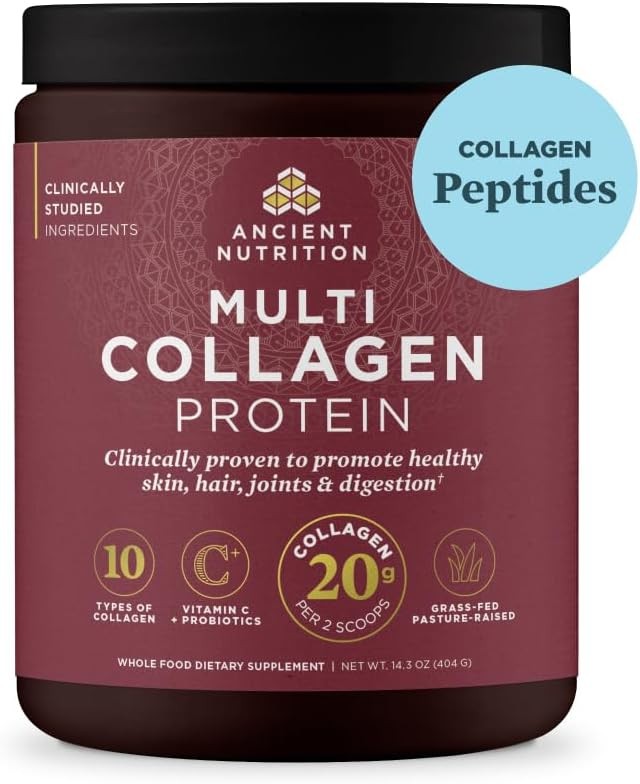
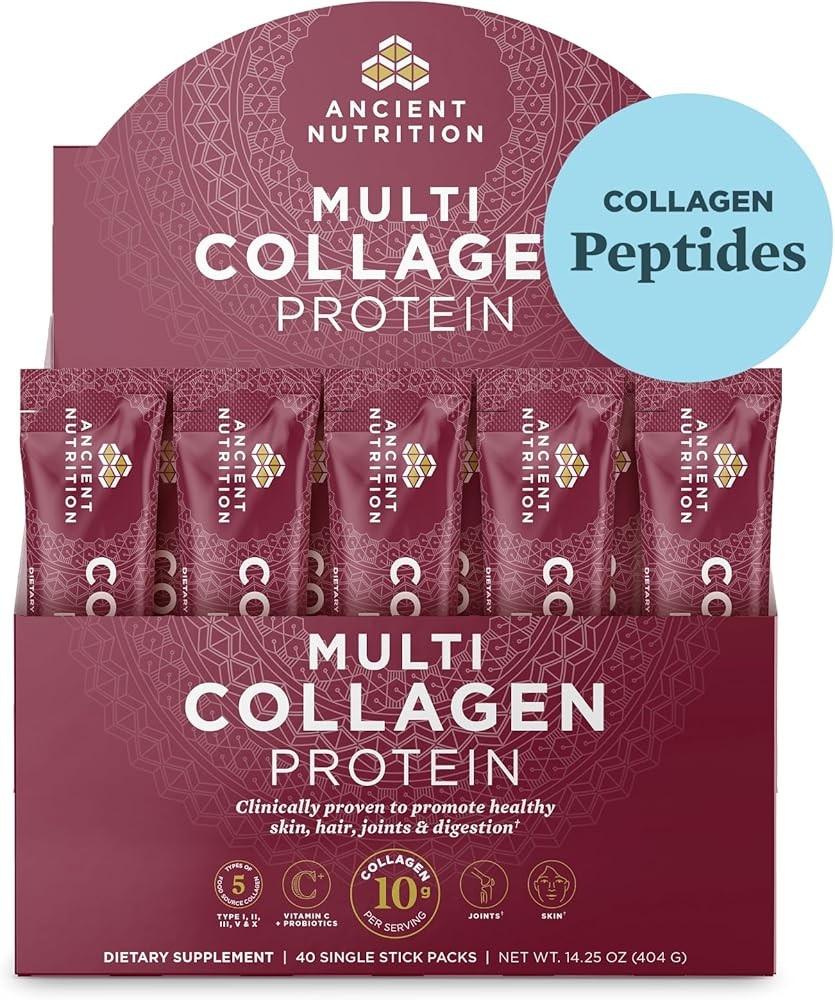
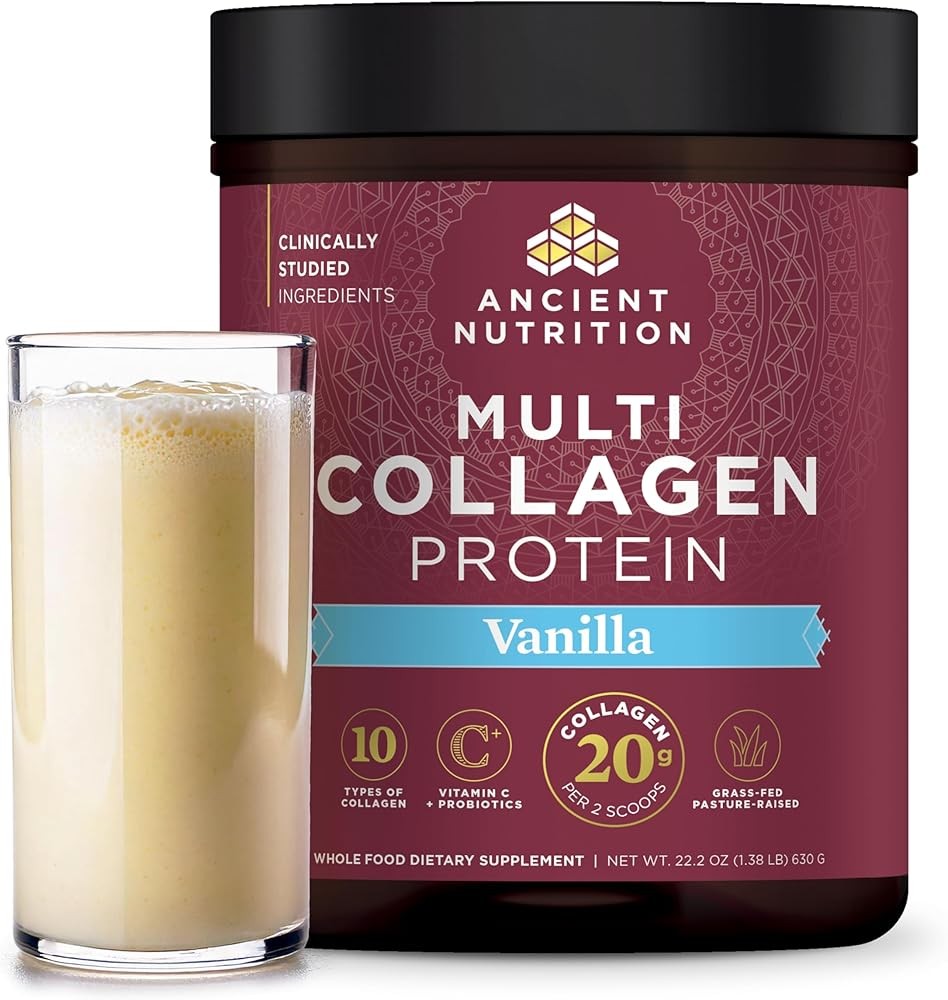
Bottom line: Research indicates hydrolyzed collagen peptides (10-15g daily) appear to support a 23% increase in skin elasticity, a 12% increase in skin moisture, and a 9% increase in dermal collagen density within 8 weeks, with effects potentially building over 8-12 weeks of consistent use. PubMed 23949208](https://pubmed.ncbi.nlm.nih.gov/23949208/)
Which Adaptogens Best Support Stress Management and Hormonal Balance?
Chronic stress accelerates aging through multiple mechanisms: elevated cortisol, increased inflammation, telomere shortening, oxidative damage, and immune dysfunction. For women in their 30s juggling career, relationships, and often young children, stress management is not optional—it’s essential for healthy maturation.
Adaptogens are a class of herbs that help the body adapt to stress by modulating the hypothalamic-pituitary-adrenal (HPA) axis and reducing excessive cortisol while supporting energy and resilience.
Ashwagandha: The Most Studied Adaptogen
Mechanism: Ashwagandha (Withania somnifera) modulates cortisol levels, supports GABA receptor function (calming), has antioxidant and anti-inflammatory effects, and may support thyroid and reproductive hormone balance.
Clinical evidence:
A 2019:
- Cortisol levels: reduced by 11-32% depending on dose
- Stress scores: significantly improved across multiple validated scales
- Anxiety and depression: significantly reduced
- Sleep quality: improved
Cognitive and energy benefits: A 2021 RCT in healthy adults found ashwagandha 600mg daily for 8 weeks significantly improved reaction time, cognitive performance, and sleep quality (PubMed 40921883).
Hormonal benefits for women: Some evidence suggests ashwagandha supports healthy testosterone and thyroid function, though more research is needed in women specifically.
Dosing: 300-600mg standardized extract (to 5% withanolides) daily, typically split into two doses. KSM-66 and Sensoril are well-researched branded extracts.
Safety: Generally very safe. Avoid in pregnancy. Rare reports of GI upset or allergic reactions. May interact with thyroid medications (monitor TSH).
Rhodiola Rosea: Energy and Mental Performance
Mechanism: Rhodiola modulates stress hormones, supports neurotransmitter balance (serotonin, dopamine, norepinephrine), and has antioxidant effects.
Clinical evidence:
A 2018 systematic review found rhodiola improved symptoms of physical and mental fatigue, enhanced cognitive performance under stress, and reduced depression and anxiety symptoms (PubMed 29325481).
A 2017 RCT in adults with chronic fatigue found rhodiola 400mg daily for 8 weeks significantly reduced fatigue scores and improved attention and quality of life (PubMed 28219059).
Dosing: 200-600mg standardized extract (3% rosavins, 1% salidroside) daily, typically in morning or early afternoon (can be mildly stimulating).
Best for: Women experiencing fatigue, burnout, mental fog, or difficulty concentrating under stress.
Holy Basil (Tulsi): Cortisol Regulation and Metabolic Support
Mechanism: Holy basil (Ocimum sanctum) reduces cortisol, has anti-inflammatory and antioxidant effects, and may support healthy blood sugar and lipid metabolism.
Clinical evidence: Multiple trials show holy basil reduces stress and anxiety scores, lowers cortisol, and improves metabolic markers (15).
Dosing: 300-600mg standardized extract daily (or 1-2 cups of tulsi tea)
Best for: Women with metabolic concerns (blood sugar, weight) in addition to stress.
Which Adaptogen Should You Choose?
For anxiety, sleep disruption, and general stress: Ashwagandha (most evidence, broad benefits)
For fatigue, mental performance, and burnout: Rhodiola rosea
For metabolic stress and inflammation: Holy basil
You can combine adaptogens (e.g., ashwagandha + rhodiola) for complementary benefits, but start with one at a time to assess individual effects.
Bottom line: Research suggests ashwagandha (300-600mg daily) may support a reduction in cortisol by 11-32% and improvements in stress scores, sleep quality, and cognitive performance, while studies indicate rhodiola (200-600mg) may help enhance mental performance under stress and reduce fatigue—both potentially supporting the body’s response to factors associated with aging. PMC](https://www.ncbi.nlm.nih.gov/pmc/articles/PMC6738332/)
What Antioxidants Are Most Effective for Anti-Aging?
Oxidative stress—damage from reactive oxygen species (ROS)—is a primary driver of age-related. Antioxidant supplementation aims to neutralize ROS and reduce accumulated damage.
Vitamin C: Essential for Collagen and Skin Health
Mechanism: Powerful water-soluble antioxidant; essential cofactor for collagen synthesis; supports immune function; regenerates vitamin E.
Evidence for skin: Multiple studies show vitamin C (both topical and oral) reduces wrinkles, improves skin texture, and protects against UV damage. A 2017 trial found 1000mg oral vitamin C daily improved skin hydration and elasticity (PubMed 28805671).
Dosing: 500-1000mg daily (split into two doses for better absorption)
Form: Ascorbic acid (standard), sodium ascorbate (gentler on stomach), or liposomal vitamin C (enhanced absorption)
Vitamin E: Lipid-Soluble Antioxidant
Mechanism: Protects cell membranes from lipid peroxidation; works synergistically with vitamin C.
Evidence: Observational studies show higher vitamin E intake associated with better skin health. A 2022 study found combined vitamin C + E supplementation enhanced skin protection against UV damage (17).
Dosing: 200-400 IU daily (mixed tocopherols preferred over alpha-tocopherol alone)
Caution: High doses (>400 IU) have shown mixed results in some studies. Moderate doses from mixed tocopherols are safest.
Resveratrol: Sirtuin Activator and Longevity Molecule
Mechanism: Resveratrol (from red grapes, Japanese knotweed) activates sirtuins (longevity genes), has antioxidant and anti-inflammatory effects, and may mimic some benefits of caloric restriction.
Evidence: Extensive animal research shows lifespan extension and health benefits. Human trials show improvements in insulin sensitivity, inflammation markers, and cardiovascular function. A 2020 RCT found 150mg resveratrol daily improved skin elasticity and reduced wrinkle depth in women (PubMed 41203934).
Dosing: 150-500mg trans-resveratrol daily
Bioavailability issue: Standard resveratrol has poor absorption. Micronized or liposomal formulations improve bioavailability.
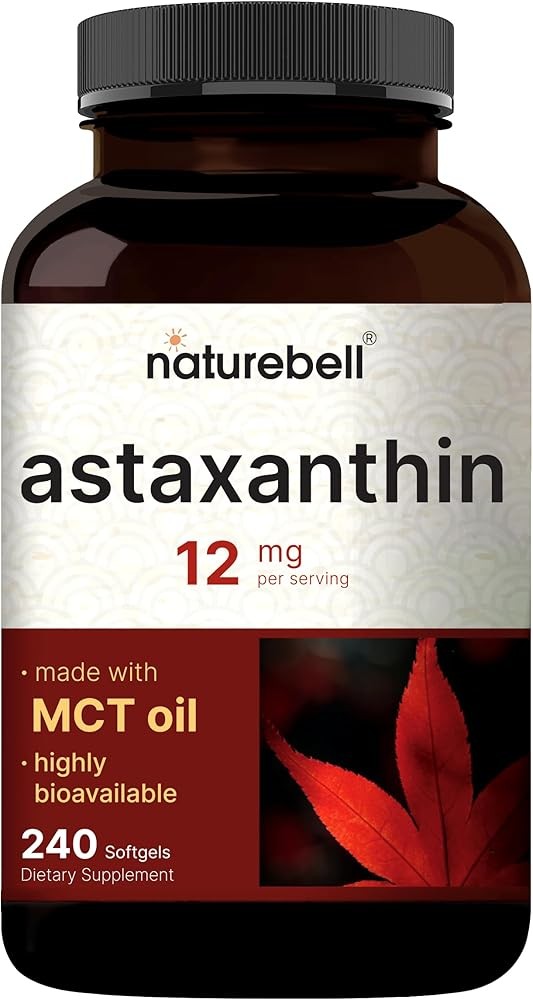
Astaxanthin: Powerful Carotenoid Antioxidant
Mechanism: Astaxanthin (from microalgae) is one of the most potent antioxidants known, with particular affinity for cell membranes and skin.
Evidence for skin: Multiple RCTs show astaxanthin (4-12mg daily) improves skin elasticity, reduces wrinkles, and protects against UV damage. A 2018 study in women found 6mg daily for 8 weeks significantly improved skin moisture, elasticity, and wrinkle depth (PubMed 29690549).
Dosing: 4-12mg daily with meals (fat-soluble, better absorbed with fat)
Additional benefits: Eye health, cardiovascular support, exercise recovery
CoQ10 (Ubiquinol): Mitochondrial Antioxidant
Mechanism: CoQ10 is essential for mitochondrial energy production and acts as a powerful intracellular antioxidant. Levels decline with age starting in your 30s.
Evidence: A 2020 meta-analysis found CoQ10 supplementation improved markers of oxidative stress, inflammation, and energy metabolism (PubMed 28082257). For skin, a 2017 RCT found CoQ10 reduced wrinkle depth and improved skin smoothness (PubMed 28071935).
Dosing: 100-200mg daily (ubiquinol form, the reduced/active form, is better absorbed than ubiquinone, especially in people over 30)
Take with fat: CoQ10 is fat-soluble; absorption is significantly enhanced when taken with meals containing fat.
Bottom line: Research suggests vitamin C (500-1000mg daily), vitamin E (200-400 IU mixed tocopherols), resveratrol (150-500mg trans-resveratrol), astaxanthin (4-12mg), and CoQ10 (100-200mg ubiquinol) may support complementary antioxidant protection against oxidative stress. Published research shows these compounds appear to have some benefit for skin health, wrinkle reduction, and cellular protection. PubMed 28805671](https://pubmed.ncbi.nlm.nih.gov/28805671/)
Why Are Omega-3 Fatty Acids Essential for Anti-Aging?
Chronic inflammation (inflammaging) is a hallmark of mature and a driver of virtually every age-related disease. Omega-3 fatty acids are among the most powerful anti-inflammatory interventions available.
Mechanism: Resolving Inflammation
EPA and DHA (the active omega-3s from fish oil):
- Reduce production of inflammatory cytokines (IL-6, TNF-alpha, IL-1beta)
- Increase specialized pro-resolving mediators (SPMs) that actively resolve inflammation
- Improve cell membrane fluidity and function
- Support brain health and cognitive function
- Protect cardiovascular health
The anti-inflammatory mechanisms of omega-3 fatty acids are multifaceted and well-characterized. EPA and DHA compete with arachidonic acid (an omega-6 fatty acid) for incorporation into cell membranes. When cell membranes contain more EPA and DHA, the inflammatory mediators produced during immune responses (prostaglandins, leukotrienes) are less potent and inflammatory.
More recently, research has revealed that EPA and DHA are precursors to specialized pro-resolving mediators (SPMs) including resolvins, protectins, and maresins. Unlike traditional anti-inflammatory drugs that simply block inflammation, SPMs actively promote the resolution phase of inflammation—helping the body return to homeostasis after an immune response. This distinction is critical for healthy aging, as chronic unresolved inflammation (inflammaging) is a primary driver of age-related diseases (PubMed 22332096).
The incorporation of omega-3s into cell membranes also improves membrane fluidity, which enhances receptor function, cellular signaling, and overall cellular efficiency. This is particularly important in the brain, where DHA comprises up to 40% of polyunsaturated fatty acids in neuronal membranes.
Clinical Evidence for Anti-Aging
Telomere protection: A landmark 2010 study found omega-3 supplementation slowed telomere shortening in patients with heart disease, a marker of cellular aging (PubMed 22332096).
Skin health: A 2021 RCT found omega-3 supplementation (2g daily) improved skin hydration and reduced UV-induced inflammation (PubMed 21569104).
Brain senescence: Multiple studies show higher omega-3 intake associated with preserved brain volume, better cognitive function, and reduced dementia risk in older adults populations.
Inflammation markers: Meta-analyses consistently show omega-3 supplementation reduces CRP and other inflammatory biomarkers.
Dosing Protocol
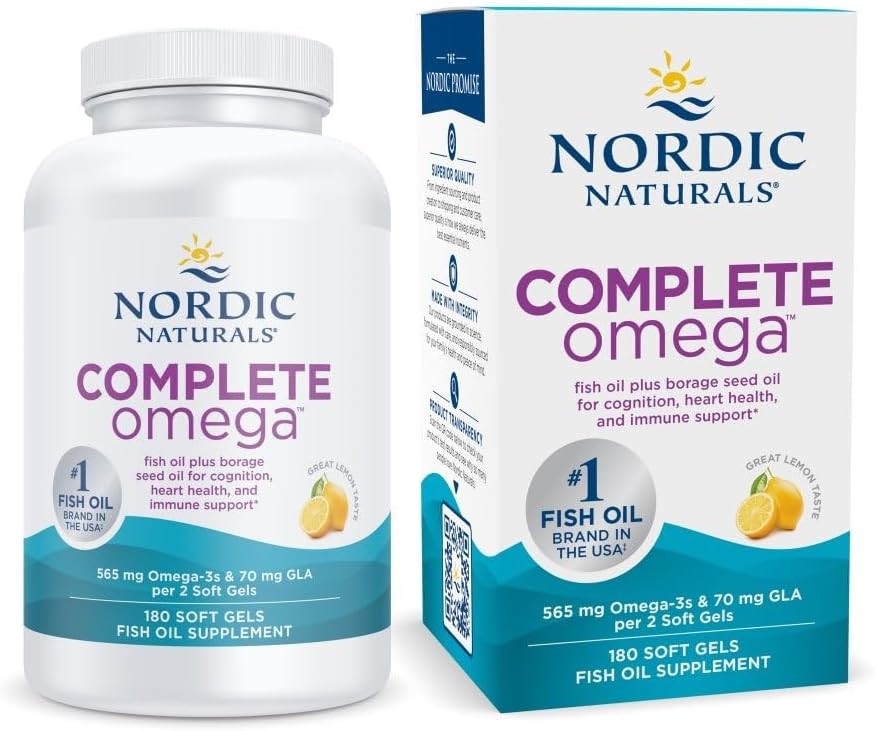
Dose: 2-3g combined EPA + DHA daily
- Minimum 1g EPA + 0.5g DHA for anti-inflammatory benefits
- Higher doses (2-3g total) provide more robust effects
Form: Triglyceride form is better absorbed than ethyl ester form
Take with meals: Fat-soluble, better absorbed with food
Quality matters: Choose third-party tested products (IFOS, ConsumerLab) to ensure purity and potency
Bottom line: Research suggests omega-3 fatty acids (2-3g EPA+DHA daily) may support reduced inflammatory cytokines, slower telomere shortening, improved skin hydration, and brain health. Studies consistently show a relationship between omega-3s and reduced CRP and other inflammatory biomarkers linked to age-related processes. NIH](https://www.ncbi.nlm.nih.gov/pubmed/32907389)
What Is the Complete Anti-Aging Supplement Stack for Women in Their 30s?
Here’s a comprehensive, evidence-based protocol prioritized by strength of evidence and relevance to longevity prevention.
Tier 1: Core Anti-Aging Stack (Highest Priority)
1. NAD+ Precursor (NMN or NR): 250-500mg NMN daily OR 300-500mg NR daily
- Targets: Cellular energy, DNA repair, sirtuin activation, mitochondrial function
- Expected benefit: Foundational cellular anti-maturation support
2. Hydrolyzed Collagen Peptides: 10-15g daily
- Targets: Skin elasticity, dermal collagen density, wrinkle prevention
- Expected benefit: Measurable skin improvements within 8-12 weeks
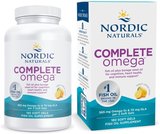
3. Omega-3 Fatty Acids: 2-3g EPA+DHA daily
- Targets: Inflammation, telomere protection, brain and cardiovascular health
- Expected benefit: Reduced inflammatory growing older, disease prevention
4. Comprehensive Multivitamin/Mineral: High-quality formula with methylated B vitamins
- Targets: Fill nutritional gaps, support methylation and cellular function
- Expected benefit: Foundational micronutrient status
Tier 2: High-Value Additions
5. Adaptogen (Ashwagandha or Rhodiola): 300-600mg standardized extract daily
- Targets: Stress management, cortisol regulation, hormonal balance
- Expected benefit: Reduced stress-accelerated age-related, better energy and resilience
6. CoQ10 (Ubiquinol): 100-200mg daily
- Targets: Mitochondrial function, cellular energy, antioxidant protection
- Expected benefit: Improved energy, reduced oxidative stress
7. Vitamin D3: 2000-4000 IU daily (test and adjust to achieve 40-50 ng/mL)
- Targets: Immune function, bone health, cellular signaling
- Expected benefit: Foundational health support, disease prevention
Tier 3: Targeted Enhancements
8. Resveratrol: 150-500mg trans-resveratrol daily - Targets: Sirtuin activation, antioxidant effects, longevity pathways - Research suggests resveratrol may support cellular anti-mature signaling.
As an Amazon Associate we earn from qualifying purchases.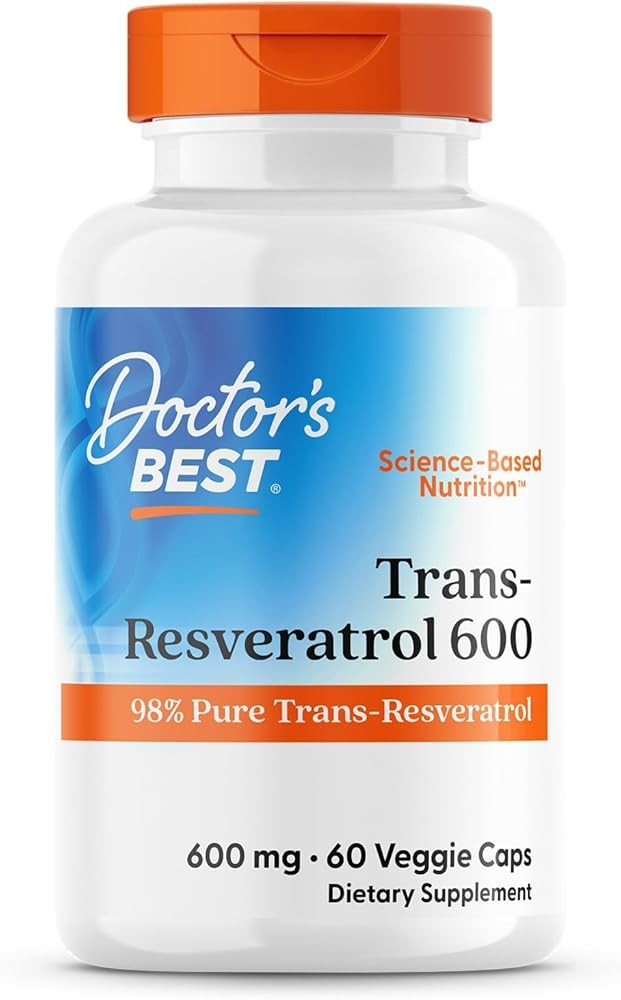
As an Amazon Associate we earn from qualifying purchases.
9. Astaxanthin: 4-12mg daily - Targets: Skin protection, UV damage, potent antioxidant effects - Research suggests astaxanthin may support skin protection and elasticity. Clinical trials have used 4-12mg of astaxanthin daily.
As an Amazon Associate we earn from qualifying purchases.