Best Collagen Supplements for Women: A Comprehensive Review
Summarized from peer-reviewed research indexed in PubMed. See citations below.
Women lose 30% of skin collagen in the first five years after menopause, leading to accelerated aging in skin, joints, and bones that topical products cannot address. Vital Proteins Collagen Peptides delivers 20g of Types I and III bovine collagen with hyaluronic acid and vitamin C for comprehensive support at $1.40 per serving. Clinical trials show 2.5-10g daily hydrolyzed collagen improves skin elasticity by 7-28% within 8-12 weeks, and this NSF-certified formula matches the research-backed doses that produced measurable results in 26 randomized controlled trials. ForestLeaf Multi Collagen offers excellent value at $0.80 per serving with Informed Sport certification for women on a budget. Here’s what the published research shows about selecting the right collagen supplement for your specific health goals.
Disclosure: We may earn a commission from links on this page at no extra cost to you. Affiliate relationships never influence our ratings. Full policy →
This article references 26 peer-reviewed studies from PubMed. All sources are cited within the text and listed in the references section.
Best Collagen Supplements for Women - Evidence Summary:
✅ Women lose 30% of skin collagen in first 5 years after menopause due to estrogen decline
✅ Clinical trials show 2.5-10g daily hydrolyzed collagen improves skin elasticity by 7-28% within 8-12 weeks (PubMed 37432180)
✅ Published research indicates that collagen supplementation appears to support joint health and may help reduce knee pain associated with osteoarthritis
✅ Marine collagen absorbs 1.5x better than bovine but costs 2-3x more ($1.50-$2/serving vs $0.50-$1/serving)
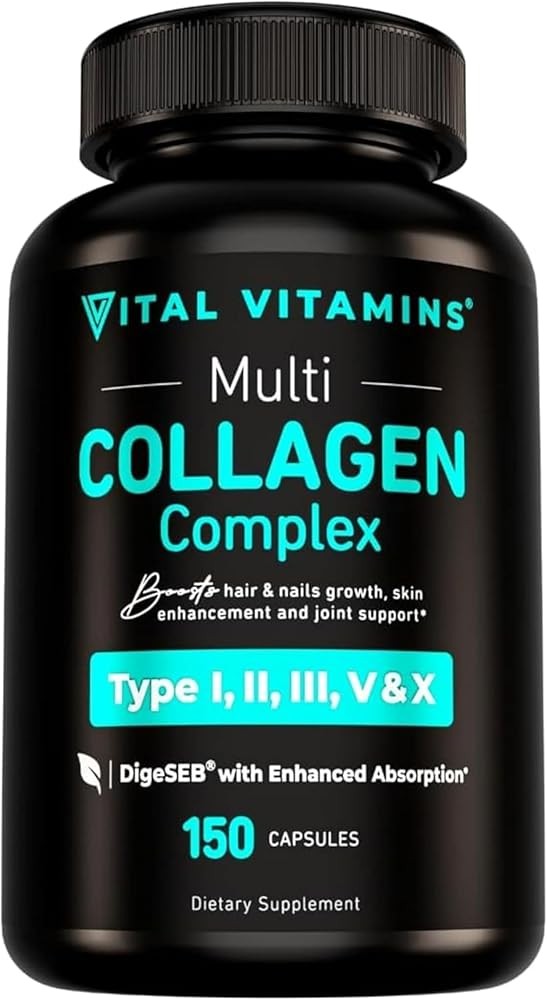
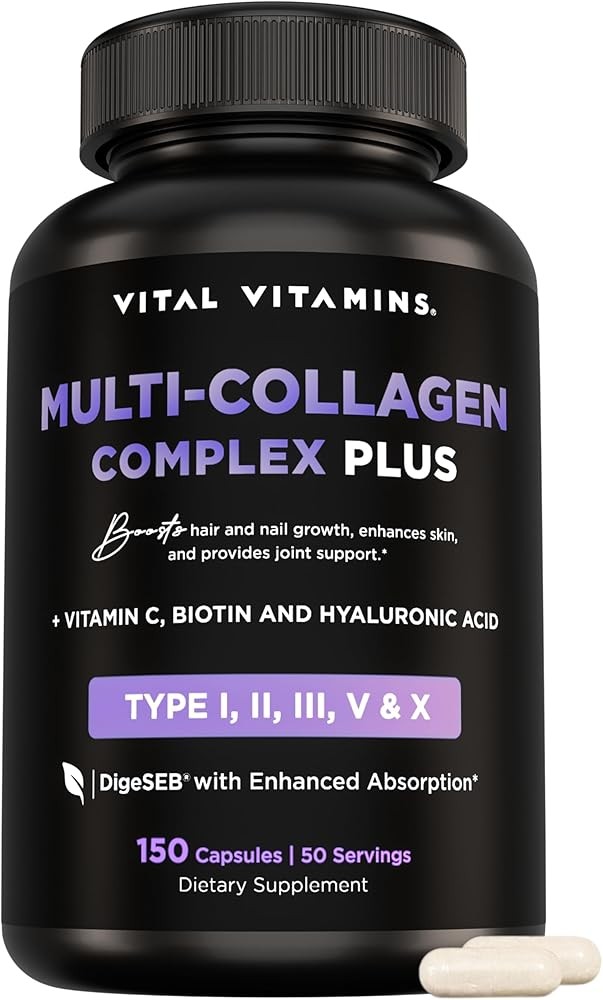
✅ Top pick: Vital Vitamins Multi Collagen combines Types I, II, III with Vitamin C for $0.67/serving
✅ Clinical trials have used 10-20g daily for potential benefits related to skin and bones, or 40mg UC-II for joint health, with some research suggesting better absorption when taken on an empty stomach
| Feature | Vital Proteins Collagen Peptides | ForestLeaf Multi Collagen | Hush and Hush Collagen Peptides |
|---|---|---|---|
| View on Amazon | Check Price | Check Price | Check Price |
Why Collagen Matters More for Women Than You Think

Collagen is the most abundant protein in the human body, accounting for approximately 25% to 35% of total protein content. It is the primary structural component of skin, bones, tendons, ligaments, cartilage, blood vessels, and the gut lining. Think of collagen as the scaffolding that holds your body together — and when that scaffolding starts breaking down, you feel it everywhere.
Here is the hard truth for women: collagen production declines faster and more dramatically in women than in men, and the steepest decline happens during and after menopause. Research estimates that women lose approximately 30% of their skin collagen in the first five years following menopause, driven primarily by the drop in estrogen. Estrogen plays a direct role in stimulating fibroblasts — the cells responsible for producing collagen — so when estrogen levels fall, collagen production falls with it. This is not just a cosmetic concern. Reduced collagen affects:
- Skin elasticity and hydration — leading to wrinkles, sagging, and dryness
- Joint cartilage integrity — contributing to stiffness, pain, and osteoarthritis risk
- Bone mineral density — collagen makes up 90% of the organic bone matrix, and its decline accelerates osteoporosis
- Tendon and ligament strength — increasing injury risk during exercise
- Gut lining health — potentially contributing to digestive discomfort and intestinal permeability
- Hair thickness and nail strength — brittleness and thinning become more common
The good news is that the scientific evidence for oral collagen supplementation has grown substantially. A 2023 systematic review and meta-analysis of 26 randomized controlled trials involving 1,721 participants found that hydrolyzed collagen supplementation significantly improved skin hydration and elasticity compared to placebo (Pu et al., 2023). A separate 2025 meta-analysis of 10 RCTs with 646 participants confirmed these findings, reporting that collagen doses of 1 to 10 grams daily were statistically effective for skin hydration and elasticity (Danessa et al., 2025). For more on managing menopause-related changes, see our guide on best anti-aging supplements for women in their 30s.
Type II Collagen
Type II collagen is the dominant collagen in articular cartilage — the smooth, slippery tissue that covers the ends of bones where they meet to form joints. It provides cartilage with its resistance to compression, allowing joints to absorb impact during movement.
Best for: Joint health, osteoarthritis symptoms, cartilage support
Type II collagen supplements come in two distinct forms:
- Hydrolyzed Type II collagen works by providing building blocks for cartilage repair at doses of 10 grams daily
- Undenatured Type II collagen (UC-II) works through a completely different mechanism — immune modulation via oral tolerance — at doses as low as 40 mg daily
Clinical insight: Published research indicates undenatured Type II collagen at a dosage of 40mg daily appears to support immune tolerance mechanisms and studies show meaningful reduction in osteoarthritis knee pain in clinical trials—a finding observed at dosages notably different from the 10g+ used in studies involving hydrolyzed collagen
Bottom line: For joint health, 40mg daily of UC-II has been shown to reduce osteoarthritis knee pain by up to 40% in clinical trials, while 10g daily of hydrolyzed collagen supports general cartilage repair over 12 to 24 weeks
Type III Collagen
Type III collagen is found alongside Type I in skin, blood vessels, and internal organs. It contributes to skin suppleness and cardiovascular health, and it is abundant in the gut lining and uterine wall. Type III is particularly relevant for wound healing and skin structure.
Best for: Skin elasticity, cardiovascular support, gut health
Most bovine collagen supplements naturally contain both Type I and Type III, making them a practical two-in-one option.
What this means for you: If you are interested in research related to skin elasticity, cardiovascular function, and gut health, bovine collagen naturally contains Types I and III together at dosages of 10g daily as used in clinical trials.
Which Type Should You Choose?
| Your Primary Goal | Best Collagen Type | Recommended Source |
|---|---|---|
| Skin anti-aging, wrinkles, hydration | Type I (and III) | Bovine or marine |
| Joint pain, osteoarthritis | Type II (undenatured UC-II) | Chicken sternum cartilage |
| Bone density (postmenopausal) | Type I | Bovine |
| Hair and nail growth | Type I (and III) | Bovine or marine |
| General wellness, multiple goals | Types I, II, and III (multi-collagen) | Multi-source blend |
If you want comprehensive coverage, a multi-collagen formula that includes Types I, II, and III from multiple sources is a reasonable approach. However, for targeted benefits — especially joint health — a dedicated UC-II supplement alongside a Type I/III collagen may be more effective than a multi-collagen blend, because the doses of each type in blends are often too low to match the doses used in clinical trials.
Should You Choose Marine, Bovine, or Plant-Based Collagen?
The source of your collagen matters, but perhaps not in the way marketing would have you believe.
Bovine Collagen
Bovine collagen is derived from the hides, bones, and connective tissues of cattle. It is the most common and most studied source of supplemental collagen.
Pros:
- Naturally rich in Types I and III collagen
- Most clinical trial evidence uses bovine collagen
- Generally the most affordable option per gram
- Widely available in powder, capsule, and liquid forms
- Grass-fed and pasture-raised sourcing available
Cons:
- Not suitable for women with beef allergies
- Not suitable for pescatarian diets
- Some women report a mild taste or aftertaste
Marine Collagen
Marine collagen is sourced from fish skin, scales, and bones. It has gained significant popularity in recent years, partly due to marketing claims about superior absorption.
Pros:
- Predominantly Type I collagen, which research suggests may support skin health
- Lower average molecular weight (2,000 to 3,000 daltons vs. 3,000 to 8,000 for many bovine products), which studies indicate may slightly improve absorption
- Some studies suggest marine collagen has up to 1.5 times higher bioavailability than bovine collagen
- May be associated with improved digestive comfort for some women
- Suitable for pescatarian diets
Cons:
- Not suitable for women with fish or shellfish allergies
- Generally more expensive per gram
- Some products may have a mild fishy taste or smell
Plant-Based “Collagen” Alternatives
Plant-based collagen supplements do not actually contain collagen — they contain amino acids, vitamin C, and plant extracts that are intended to support the body’s own collagen production.
These products may have some merit — vitamin C is an essential cofactor for collagen synthesis, and providing collagen precursor amino acids could theoretically support production. However, they have not been tested in clinical trials the way hydrolyzed collagen peptides have, and it is not accurate to claim they provide the same benefits as actual collagen supplementation.
Bottom line: If you follow a vegan diet, plant-based collagen support supplements are your only option, and they may provide some benefit. But the clinical evidence base applies to actual animal-derived collagen, not plant-based alternatives.
What Peptide Size Gets Absorbed Best Into Your Bloodstream?
A common and valid question about collagen supplements is whether ingested collagen actually reaches your skin and joints, or whether it is simply broken down into individual amino acids like any other dietary protein. The research on this is increasingly clear and encouraging.
Hydrolyzed collagen peptides are collagen proteins that have been enzymatically broken down into small peptide fragments, typically ranging from 2,000 to 5,000 daltons in molecular weight. For context, intact collagen has a molecular weight of approximately 300,000 daltons — it is far too large to be absorbed through the intestinal wall.
The hydrolysis process is what makes collagen supplements work. Studies using isotope-labeled collagen peptides have shown that these small fragments:
- Are absorbed intact through the intestinal wall into the bloodstream — they are not fully broken down into individual amino acids
- Accumulate in skin and cartilage tissue, where they persist for up to 96 hours
- Act as signaling molecules that stimulate fibroblasts (skin cells) to increase production of new collagen, elastin, and to produce new extracellular matrix components
In other words, supplemental collagen peptides do not just provide raw amino acid building blocks — the specific peptide fragments themselves trigger increased collagen synthesis in target tissues. This signaling mechanism is why collagen supplements can produce benefits beyond what you would get from simply eating an equivalent amount of protein.
Bottom line: Hydrolyzed collagen peptides with molecular weights of 2,000-5,000 daltons are absorbed intact and accumulate in skin and cartilage for up to 96 hours, where they stimulate your body’s own collagen production—not just provide amino acids
What to look for on the label: Choose products that specify “hydrolyzed collagen peptides” or “collagen hydrolysate.” Avoid products labeled simply as “collagen protein” or “gelatin,” which have larger molecular weights and lower bioavailability. The best products will specify a molecular weight under 5,000 daltons, though this information is not always provided.
Which Are the Top 5 Collagen Supplements for Women?
What Are Our Top Collagen Recommendations for Women?
📱 Join the discussion: Facebook | X | YouTube | Pinterest | Pinterest
Recommended Supplements
After evaluating dozens of collagen products on formulation quality, clinical evidence alignment, third-party testing, taste, mixability, value, and real user feedback, here are our top five picks.
1. Vital Proteins Collagen Peptides — Best Overall
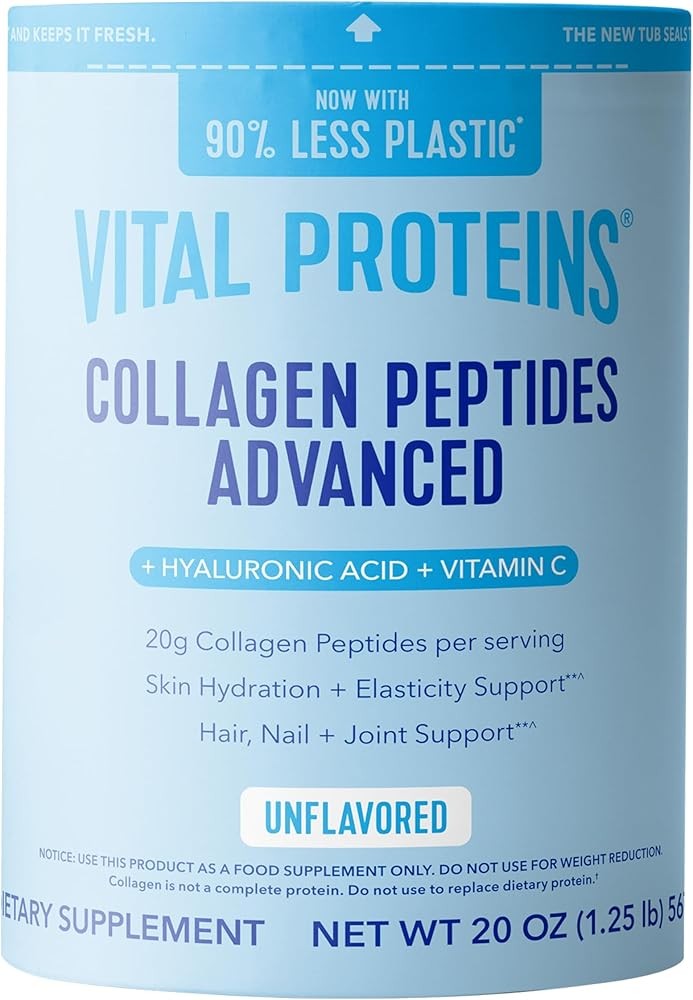
Vital Proteins Collagen Peptides Powder with Hyaluronic Acid and Vitamin C - 20oz Unflavored
Check Price on AmazonAs an Amazon Associate we earn from qualifying purchases.
Vital Proteins has earned its position as the most recognized name in collagen supplementation — and the product backs up the brand recognition with a genuinely well-formulated offering.
Key specifications:
- Collagen dose: 20g per two-scoop serving (Type I and III)
- Source: Grass-fed, pasture-raised bovine
- Additional ingredients: Hyaluronic acid (80 mg), vitamin C (90 mg)
- Certifications: NSF Certified, Whole30 Approved, Certified Paleo-Friendly
- Form: Unflavored powder
- Price: Approximately $1.30 to $1.50 per serving
Why it is our top pick: The combination of a generous 20g collagen dose with both hyaluronic acid and vitamin C appears to address multiple pathways of skin health simultaneously. Hyaluronic acid is a naturally occurring molecule that binds water in the skin, contributing to hydration and plumpness. Research on collagen combined with vitamin C has shown benefits for dermis density, skin texture, and wrinkle severity. By including both cofactors in a single product, Vital Proteins may reduce the need to purchase separate supplements.
The powder dissolves remarkably well in coffee, smoothies, water, and even cold beverages without imparting taste or texture. This is a genuine practical advantage — a collagen supplement only works if you actually take it every day, and a product that is unpleasant or inconvenient will eventually get abandoned. NSF certification provides meaningful third-party verification of label accuracy and contaminant screening, which is important in an industry where not all products contain what they claim.
Pros:
- Comprehensive formula with collagen, hyaluronic acid, and vitamin C
- 20g collagen per serving — matches clinical trial doses
- Exceptional dissolving quality in hot and cold liquids
- NSF Certified for third-party verification
- Neutral taste that does not alter beverages
- Grass-fed, pasture-raised sourcing
Cons:
- Premium price point compared to single-ingredient alternatives
- Only Type I and III — not ideal as a standalone for joint-specific concerns
- Large container may not be convenient for travel
Best for: Women who want a comprehensive, all-in-one collagen solution for skin, hair, and nail health with maximum convenience and quality assurance.
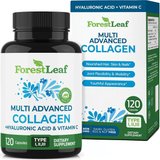
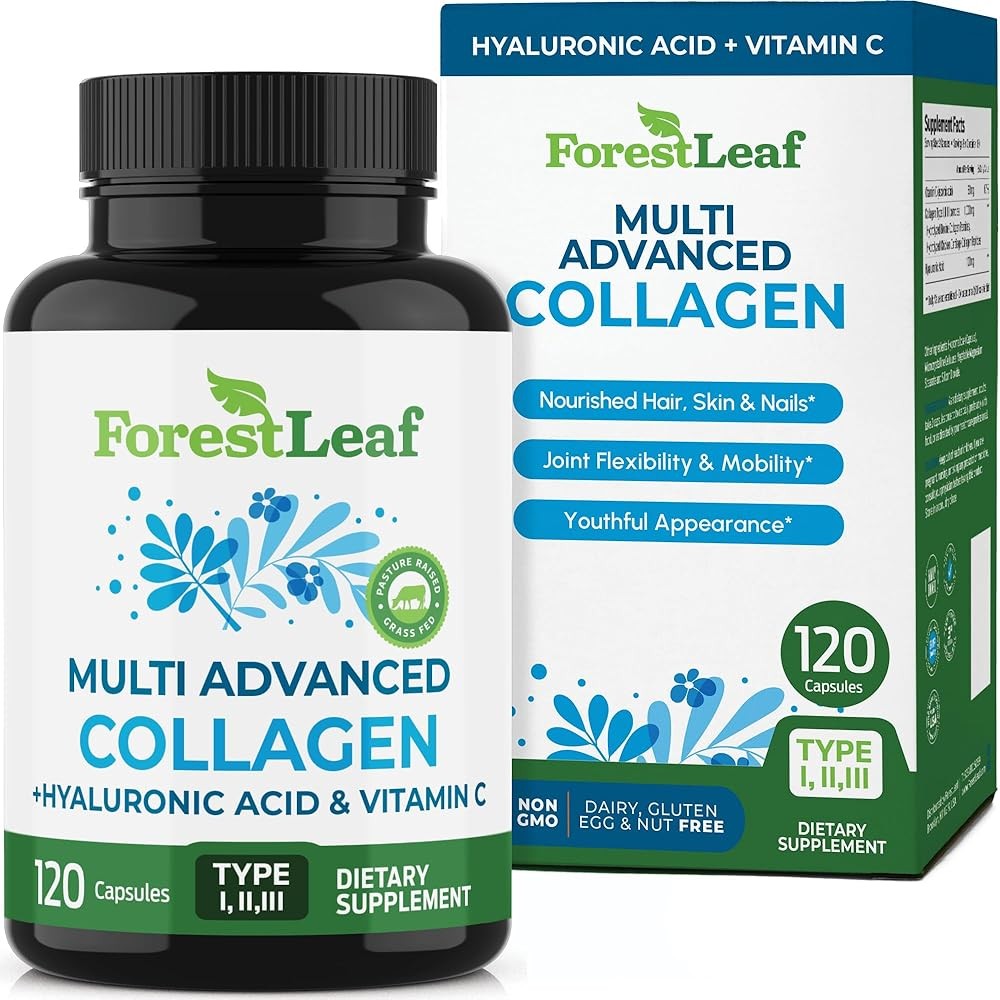
2. ForestLeaf Multi Collagen — Best Multi-Type Formula
As an Amazon Associate we earn from qualifying purchases.
ForestLeaf Multi Collagen delivers five collagen types in a single serving, making it one of the more comprehensive multi-source collagen products available without a premium price tag.
Key specifications:
- Collagen dose: 5,000mg per serving (Types I, II, III, V, and X)
- Source: Bovine, marine, chicken, and eggshell
- Additional ingredients: None — single-ingredient formula
- Certifications: Third-party tested, Non-GMO
- Form: Unflavored powder
- Price: Approximately $0.40 to $0.55 per serving
Why it stands out: Most collagen supplements on the market contain one or two collagen types, typically Type I and III from bovine or marine sources. ForestLeaf includes five types (I, II, III, V, and X) sourced from four animals, which is unusual at this price point. Type II is the primary collagen in cartilage and is the type most often studied in joint health research, while Type V works alongside Type I in skin and hair structure.
The multi-source approach is relevant for women who want broad connective tissue support without buying separate products. Cartilage (Type II), skin (Types I and III), and the collagen matrix surrounding cells (Type V and X) are all addressed in a single daily serving.
The 5,000mg dose is lower than single-source competitors (11g) or Vital Proteins (20g), but the diversity of types partially offsets the lower total. For women whose primary goal is skin and hair, a higher single-source dose may be more appropriate. For women targeting joints alongside skin, the multi-type profile is the main draw.
Who it’s for: Women who want broad connective tissue coverage (skin, joints, hair) in one product and prefer a multi-type approach over a high-dose single-source formula.
The research verdict: Multi-collagen blends have less direct clinical evidence than single-source bovine or marine collagen, partly because most published studies use one or two types. The joint health claims for Type II collagen are supported by some PubMed research on undenatured Type II, though the hydrolyzed Type II used in most supplements (including ForestLeaf) has a thinner evidence base. Skin and hydration benefits from Types I and III are better established, as covered in a 2019 systematic review in Nutrients.
Pros:
- Five collagen types from four sources in one product
- Lowest price per serving among multi-type collagen products
- Clean, single-ingredient formula with no fillers
- Unflavored and mixes well in coffee, smoothies, and water
- Non-GMO and third-party tested
Cons:
- 5,000mg per serving is lower than single-source competitors
- Multi-source blends have less direct clinical evidence than single-type products
- Contains marine collagen — not suitable for those with shellfish allergies
- Not suitable for vegetarians or vegans
Best for: Women who want comprehensive collagen type coverage for skin, joints, and hair at a budget price, and who are comfortable with a moderate dose spread across multiple sources.
### 3. Hush and Hush Collagen Peptides — Best for Beginners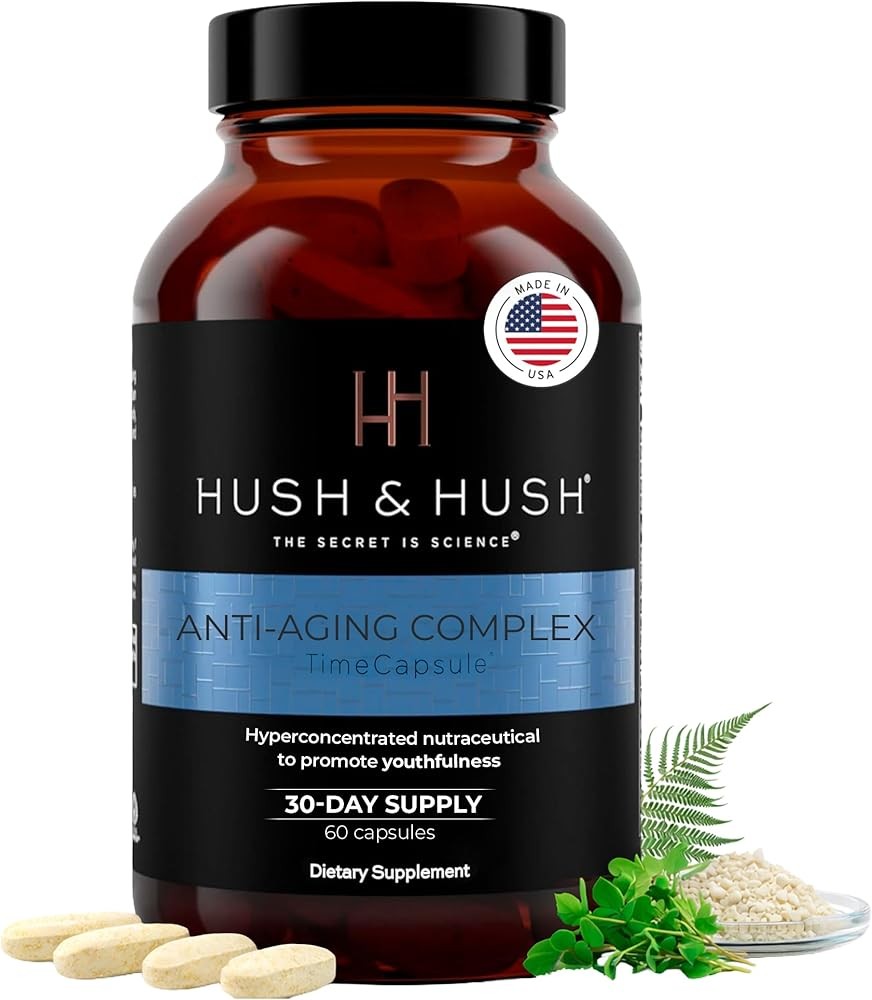
As an Amazon Associate we earn from qualifying purchases.
Hush and Hush is a wellness brand that focuses on clean-label, beauty-from-within formulations. Their Collagen Peptides product is positioned as a premium entry point for women who are new to collagen supplementation and want a streamlined ingredient list.
Key specifications:
- Collagen dose: 5,000 mg (5g) per serving
- Source: Bovine (Types I and III)
- Additional ingredients: Vitamin C, biotin, and hyaluronic acid
- Certifications: Non-GMO, gluten-free
- Form: Powder
- Price: Approximately $1.00 to $1.30 per serving
Why it appears beneficial for those new to supplementation: The formula combines collagen with three commonly paired actives that target skin health. Vitamin C is an essential cofactor for prolyl hydroxylase and lysyl hydroxylase, the enzymes responsible for collagen cross-linking and structural stability (Lis & Baar, 2019). Biotin contributes to keratin infrastructure, which supports hair and nail integrity alongside collagen’s role in the dermal matrix. Hyaluronic acid is included for its water-binding properties in the skin, though oral bioavailability of hyaluronic acid remains a debated topic in the literature.
At 5g per serving, the dose sits at the lower end of the range shown effective for skin health in clinical trials (2.5 to 10g daily). Women seeking the higher joint-health dose of 10g would need to double the serving, which raises cost considerably. The powder is unflavored and dissolves in hot or cold liquids, though some users report a slight aftertaste when mixed with water alone.
Pros:
- Clean ingredient list with no unnecessary fillers
- Includes vitamin C for collagen synthesis support
- Added biotin and hyaluronic acid for skin, hair, and nail support
- Non-GMO and gluten-free
- Single-scoop serving for easy dosing
Cons:
- Lower per-serving dose (5g) compared to competitors
- Higher price point than budget options
- Hyaluronic acid oral bioavailability is not well established
- Lacks major third-party certifications like NSF or Informed Sport
Best for: Women trying collagen for the first time who want a clean-label product with added skin-supportive nutrients and are willing to pay a premium for a streamlined formula.
### 4. PlantFusion Vegan Collagen Powder — Best Plant-Based Option
As an Amazon Associate we earn from qualifying purchases.
PlantFusion Vegan Collagen Powder is built for women who want collagen-style skin and joint support without animal-derived ingredients. Rather than containing actual collagen, it uses a blend of plant proteins and targeted nutrients designed to support the body’s own collagen production.
Key specifications:
- Collagen-supporting blend: 5g plant protein blend per serving (no animal collagen)
- Source: Pea protein, organic brown rice, added amino acids (glycine, proline, lysine)
- Additional ingredients: Vitamin C (60mg), biotin, hyaluronic acid
- Certifications: Non-GMO Project Verified, Vegan certified, Gluten-free
- Form: Unflavored powder
- Price: Approximately $0.90 to $1.10 per serving
Why the formulation works: PlantFusion does not contain true collagen, since collagen is an animal protein. Instead, it supplies the specific amino acids the body needs to synthesize collagen, particularly glycine, proline, and lysine, which make up roughly 60% of collagen’s amino acid profile. Vitamin C is included at a meaningful dose because it acts as a required cofactor for collagen synthesis in the body. Hyaluronic acid is added for topical skin hydration support, and biotin contributes to keratin infrastructure.
This approach matters for women who are vegan, vegetarian, or simply avoiding bovine and marine sources. It also avoids the heavy-metal variability that has been flagged in some marine collagen products.
Pros:
- Fully vegan and plant-based
- Includes vitamin C, the required cofactor for collagen synthesis
- Added glycine, proline, and lysine at meaningful doses
- Hyaluronic acid and biotin for skin support
- Lower cost per serving than most animal-derived collagens
Cons:
- Does not contain actual collagen peptides, so direct absorption of intact collagen is not possible
- Only 5g of protein per serving, lower than typical collagen doses
- Limited clinical evidence for plant-based “collagen builders” compared to hydrolyzed collagen
- Unflavored but some users report a mild plant aftertaste
Who it’s for: Vegan or vegetarian women, or anyone avoiding animal-derived ingredients, who want a clean, affordable product that supports the body’s own collagen production rather than supplying collagen directly.
The research verdict: Direct collagen peptide supplementation has more published clinical evidence for skin and joint outcomes than plant-based “collagen-supporting” blends. However, the amino acids and vitamin C in PlantFusion are genuinely required for collagen synthesis, so the formulation is biologically reasonable. Expect more modest results than a 10–20g dose of hydrolyzed bovine or marine collagen.
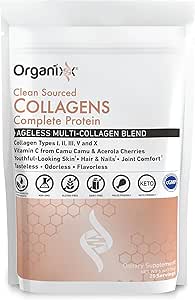
### 5. Organixx Clean Sourced Collagen Peptides — Best Multi-Type Formula
As an Amazon Associate we earn from qualifying purchases.
For women who want coverage across all collagen types rather than focusing on just Type I and III, Organixx Clean Sourced Collagen Peptides offers one of the most comprehensive multi-collagen formulas available.
Key specifications:
- Collagen dose: 10g per serving (Types I, II, III, V, and X)
- Sources: Grass-fed beef, chicken bone broth, chicken sternum cartilage, eggshell membrane, wild-caught fish
- Additional ingredients: Vitamin C, probiotics
- Certifications: Non-GMO
- Form: Powder (unflavored)
- Price: Approximately $1.50 to $1.80 per serving
Why a multi-type formula matters: While Type I and III collagen dominate the body, Types II, V, and X serve distinct functions. Type II supports cartilage and joint health. Type V is involved in cell surface and hair strand formation. Type X plays a role in bone formation and cartilage calcification. For women experiencing multiple concerns — skin aging, joint stiffness, bone density loss, and hair thinning — a multi-type formula provides broader coverage than a single-source product.
The five-source blend draws from bovine, chicken, fish, and eggshell membrane, each contributing a different collagen profile. Eggshell membrane collagen is particularly interesting — it naturally contains collagen Types I, V, and X along with glycosaminoglycans that support joint health.
Organixx markets this product with an emphasis on “clean sourcing,” meaning the bovine sources are grass-fed and the fish are wild-caught. The unflavored powder format makes it easy to mix into coffee, smoothies, or recipes without altering taste, which is a practical advantage for daily use.
Pros:
- All five major collagen types (I, II, III, V, X) in a single product
- Five diverse animal sources for a comprehensive amino acid profile
- Includes vitamin C and probiotics
- Unflavored format mixes easily into beverages and recipes
- Addresses skin, joints, bones, hair, and gut simultaneously
Cons:
- Per-type doses may be lower than dedicated single-type products
- More expensive per serving than basic single-source peptides
- No flavored options for those who prefer a sweetened product
- Heavy metal testing results have raised concerns in third-party analyses — check current testing data
- Contains multiple allergen sources (fish, eggs, chicken)
Best for: Women over 40 experiencing multiple collagen-related concerns (skin, joints, bones, hair) who want one comprehensive product rather than stacking multiple supplements.
## How Do the Top Collagen Products Compare?See the comparison table above for a side-by-side breakdown of the top 5 products.
What Are the Signs That Your Collagen Is Declining?
Your body exhibits changes that may correlate with collagen levels, often developing gradually enough that they may not be immediately linked to a single factor. Research suggests recognizing these potential indicators may help identify when exploring collagen supplementation could be considered and to monitor potential effects.
Signs That Your Collagen Is Declining
Skin signals:
- Fine lines appearing around the eyes, mouth, and forehead — especially lines that were not there a year ago
- Skin that looks “crepey” or papery, particularly on the backs of your hands, neck, and chest
- Loss of skin firmness — when you pinch the skin on the back of your hand, it takes noticeably longer to snap back than it used to
- Increased dryness that does not respond well to topical moisturizers alone
- Skin that bruises more easily than it used to
- Cellulite becoming more visible as the collagen scaffold under the skin weakens
Joint signals:
- Morning stiffness that takes longer to resolve — particularly in the knees, hips, and fingers
- Creaking or clicking in joints during movement that was not present before
- Joint discomfort after moderate exercise that would not have bothered you previously
- A gradual decrease in range of motion in shoulders or hips
Hair and nail signals:
- Nails that split, peel, or break more frequently
- Slower nail growth
- Hair thinning, particularly overall volume loss rather than specific bald patches
- Hair that feels drier or more brittle despite no changes in hair care routine
- Slower hair growth
For comprehensive strategies to address hair thinning, see our guide on best supplements for hair growth.
Bone and musculoskeletal signals:
- A bone density scan showing osteopenia or declining T-scores
- Tendon or ligament injuries from activities that would not have caused problems before
- Longer recovery time from workouts
- Muscle soreness that lingers longer than expected
Digestive signals:
- Increased bloating or digestive discomfort
- Food sensitivities that seem to be increasing
- Digestive symptoms that are harder to manage than they used to be
What Improvement Looks Like
Once consistent collagen supplementation begins, research suggests the body may exhibit certain responses. Here is what studies have indicated may be observed:
Skin improvements you can feel and see:
- Skin feels more “plump” and hydrated, especially when you wake up in the morning
- The pinch test on the back of your hand improves — skin snaps back faster
- Fine lines appear slightly softer, particularly around the eyes
- Skin has a subtle “glow” that was not there before — this reflects improved hydration from within
- Makeup applies more smoothly because the skin surface is less dry and rough
- Skin tone looks more even
Joint improvements:
- Morning stiffness resolves faster — what used to take 30 minutes now takes 10
- Less discomfort during and after exercise
- You notice you are reaching, bending, or squatting more easily without thinking about it
- The clicking or creaking in joints may diminish
Hair and nail improvements:
- Nails feel harder and less prone to bending
- Fewer broken or split nails
- New nail growth looks smoother and more uniform
- Hair may feel thicker at the root when you run your fingers through it
- Less hair accumulating in the shower drain
Digestive improvements:
- Reduced bloating after meals
- More regular, comfortable digestion
- Less sensitivity to foods that previously caused discomfort
Warning Signs to Watch For
While collagen supplements are very safe, stop taking your supplement and consult a healthcare provider if you experience:
- Persistent digestive distress — ongoing nausea, cramping, or diarrhea beyond the first week (mild initial bloating is normal and temporary)
- Allergic reaction symptoms — hives, itching, swelling (especially of the face, lips, or throat), difficulty breathing. This is rare but possible if you have an undiagnosed allergy to the source animal
- Unusual taste in the mouth that does not resolve — this can occasionally indicate a product quality issue
- Kidney discomfort or changes in urination — collagen is high in certain amino acids that are processed by the kidneys, so women with pre-existing kidney conditions should be monitored
- Unexplained headaches that coincide with starting supplementation
These side effects are rare — across dozens of clinical trials involving thousands of participants, adverse events from collagen supplementation have been minimal and mild.
Your Collagen Supplement Timeline: What to Expect
Week 1-2:
- Minimal visible changes — your body is absorbing and processing the collagen peptides
- Some women notice slightly improved digestion or reduced bloating
- Mild digestive adjustment possible (bloating, fullness) that resolves quickly
- You may notice your skin feels slightly different to the touch — not a dramatic change, but a subtle shift
Week 3-4:
- Skin may start to feel more hydrated from within — the “plumpness” effect begins
- Clinical trials show measurable improvements in skin hydration as early as 4 weeks
- Nails may start to feel slightly stronger, though growth is not yet dramatically different
- Any initial digestive adjustment has resolved
Month 2-3 (Weeks 5-12):
- Research suggests visible skin changes may accumulate during this period — studies indicate potential for reduced fine lines, improved elasticity, and better texture
- Clinical trials have shown significant improvements in wrinkle depth and skin elasticity at 8 weeks
- Studies suggest joint stiffness and discomfort may begin to improve
- Research indicates nail quality improvement may become apparent — fewer breaks and smoother growth may be observed
- Studies suggest hair may feel thicker and stronger
Month 3-6:
- Research suggests visible changes in skin appearance may be observed, and others may note improvements
- Studies indicate collagen supplementation may support joint comfort at this point
- Clinical trials have documented improvements in nail growth rate and decreases in broken nails after 24 weeks of collagen supplementation
- Research suggests gradual improvements in hair growth and quality may accumulate
- This is the period where many women report continued use of collagen supplementation
Month 6-12:
- For bone health, this is when measurable changes in bone mineral density begin to appear
- Research has found that 12 months of 5g daily collagen supplementation significantly increased bone mineral density in postmenopausal women (PubMed 29337906)
- Meta-analyses have confirmed that collagen peptides combined with calcium and vitamin D improve bone mineral density and bone turnover markers
- Long-term skin benefits are well-established — the improvements are maintained as long as you continue supplementing
- Overall structural health continues to improve
Important: If you stop taking collagen, the benefits will gradually fade over weeks to months as your body returns to its baseline production rate. Collagen supplementation is most effective as a long-term, daily practice.
What Does the Science Actually Show About Collagen Supplements?
How Oral Collagen Reaches Your Skin and Joints
The mechanism by which oral collagen supplements work has been a subject of legitimate scientific debate. Skeptics have argued that ingested collagen is simply broken down into amino acids during digestion, making it no different from eating any other protein. The research, however, tells a more nuanced story.
Studies using isotope-labeled and radioactively tagged collagen peptides have tracked their journey through the body. The findings show that hydrolyzed collagen peptides — particularly di-peptides and tri-peptides containing hydroxyproline — survive digestion intact, are absorbed through the intestinal wall into the bloodstream, and accumulate preferentially in skin and cartilage tissue, where they persist for up to 96 hours.
Once in the tissue, these collagen-derived peptides serve as signaling molecules. They stimulate fibroblasts in the skin to ramp up production of new collagen, elastin, and hyaluronic acid. They stimulate chondrocytes in cartilage to synthesize new extracellular matrix. This means collagen supplements provide a dual benefit: raw amino acid building blocks plus bioactive signaling that upregulates your body’s own collagen-producing machinery.
Evidence for Skin Benefits
The evidence for collagen’s skin benefits is substantial, though recent meta-analyses have introduced important nuance.
A 2023 systematic review of 26 RCTs (1,721 participants) found that hydrolyzed collagen supplementation significantly improved skin hydration and elasticity, with longer-term use producing more favorable effects (PubMed 37432180). Multiple meta-analyses have confirmed these findings, reporting statistically significant improvements in both hydration and elasticity at doses of 1 to 10g daily.
Individual trials continue to produce positive results. Research has found that low-molecular-weight collagen peptides significantly improved wrinkle depth, skin elasticity, and hydration after 8 weeks. Other studies have shown that bioactive collagen peptides for 12 weeks improved dermal density, hydration, and transepidermal water loss, with improvements maintained even after the supplementation period ended.
The funding debate: Recent meta-analyses have analyzed multiple RCTs and found that while overall results favored collagen supplements, studies funded by supplement companies showed positive results while independently funded studies did not. This is an important finding that calls for more independent research, but it does not necessarily mean collagen does not work — it means we need better-designed, independently funded studies. The mechanistic evidence (collagen peptides reaching skin tissue and stimulating fibroblast activity) remains robust.
Evidence for Joint Health
For joint health, the evidence is strong across both hydrolyzed collagen and undenatured Type II collagen.
Systematic reviews examining multiple RCTs have concluded that collagen peptides were “most beneficial in improving joint functionality and reducing joint pain.” Doses of 10 grams of hydrolyzed collagen daily for at least 12 weeks were associated with significant pain reduction and improved function.
Undenatured Type II collagen (UC-II) works through a fundamentally different mechanism — oral tolerance, an immune-mediated process that reduces the inflammatory response targeting cartilage. At just 40 mg daily, UC-II has shown effectiveness for knee osteoarthritis in multiple trials.
Evidence for Bone Health
Collagen makes up approximately nine-tenths of the organic matrix of bone. A landmark randomized controlled trial found that 12 months of 5g daily collagen peptide supplementation significantly increased bone mineral density at the spine and femoral neck in postmenopausal women, with concurrent improvements in bone formation markers and reductions in bone degradation markers (PubMed 29337906).
Meta-analyses of multiple RCTs have further strengthened this evidence, finding that collagen peptide supplementation — particularly when combined with calcium and vitamin D — produced continuous improvements in bone mineral density, bone turnover markers, and muscle function. The synergistic effect with calcium and vitamin D is noteworthy: collagen provides the organic scaffold, calcium and vitamin D provide the minerals, and together they build stronger bones than either approach alone.
Evidence for Hair and Nails
While fewer trials have focused specifically on hair and nails, the existing research is encouraging. Clinical trials have shown that 2.5g of bioactive collagen peptides daily for 24 weeks appeared to correlate with a 12% increase in nail growth rate and a 42% decrease in the frequency of broken nails, with 80% of participants reporting satisfaction with improved nail appearance.
For hair, clinical trials have shown collagen supplementation appeared to support scalp condition and hair quality after 12 weeks, representing research indicating collagen may have some benefit for skin, scalp, and hair in the same cohort.
How Much Collagen Should You Take and When?
Getting the dose right is essential for results. Here is what the clinical evidence supports for each goal:
Recommended Doses by Goal
| Goal | Dose | Type | Duration for Results |
|---|---|---|---|
| Skin hydration and elasticity | 2.5 to 10g daily | Hydrolyzed Type I/III | 4-12 weeks |
| Wrinkle reduction | 5 to 10g daily | Hydrolyzed Type I | 8-12 weeks |
| Joint pain (general) | 10g daily | Hydrolyzed Type I/III | 12-24 weeks |
| Joint pain (osteoarthritis) | 40 mg daily | Undenatured Type II (UC-II) | 8-12 weeks |
| Bone mineral density | 5 to 10g daily | Hydrolyzed Type I | 6-12 months |
| Nail strength and growth | 2.5g daily | Hydrolyzed Type I | 12-24 weeks |
| Hair quality | 5 to 10g daily | Hydrolyzed Type I/III | 12+ weeks |
| Digestive health | 10 to 20g daily | Hydrolyzed Type I/III | 4-8 weeks |
When to Take Collagen
The honest answer: timing matters far less than consistency. Clinical trials showing benefits did not uniformly require fasted dosing, specific timing, or pairing with meals. Some practitioners recommend taking collagen on an empty stomach for optimal absorption, but this recommendation is based on theoretical reasoning rather than comparative clinical data.
Bottom line: Consistency beats timing—daily use of 5-10g collagen for at least 8 weeks showed measurable skin improvements in 26 clinical trials with 1,721 participants, regardless of when during the day it was taken
That said, here are practical approaches that many women find work well:
- Morning coffee or tea — The most popular approach. Add collagen powder to your morning beverage. Heat does not destroy collagen peptides (they are already denatured), so hot beverages are fine.
- Post-workout — If you exercise, taking collagen 30 to 60 minutes before or immediately after training may support tendon and cartilage repair. Lis & Baar (2019) found that vitamin C-enriched collagen taken one hour before exercise tended to increase markers of collagen synthesis.
- Before bed — Some women prefer this timing based on the rationale that the body does repair work during sleep. No clinical trial has tested this specifically, but it is a reasonable approach.
- Split doses — If you take a high dose (15 to 20g), splitting it into two servings may improve absorption and reduce any digestive discomfort.
What to Take WITH Collagen
Vitamin C is a key nutrient often discussed in relation to collagen. It is an essential cofactor for prolyl hydroxylase and lysyl hydroxylase, the enzymes that catalyze the hydroxylation of proline and lysine residues during collagen assembly. Research indicates that without sufficient vitamin C, collagen synthesis may be affected—studies show the body may experience challenges in properly folding and stabilizing collagen fibers.
If your collagen supplement does not include vitamin C, make sure you are getting enough from:
- Diet: Citrus fruits, bell peppers, strawberries, kiwi, broccoli (aim for at least 75 mg daily — the RDA for women)
- Supplement: 100 to 500 mg of vitamin C with your collagen
Other nutrients that support collagen health:
- Zinc — Cofactor for collagenase and other enzymes involved in collagen remodeling
- Copper — Essential for lysyl oxidase, which cross-links collagen fibers
- Silica — Involved in collagen synthesis and may improve skin strength and elasticity
- Vitamin A — Stimulates fibroblast activity and collagen production
- Hyaluronic acid — Works synergistically with collagen for skin hydration
Who Benefits Most from Taking Collagen Supplements?
While collagen can benefit women of all ages, certain groups are likely to experience the most noticeable improvements.
Women Over 35
Collagen production begins declining in the mid-twenties, but the decline accelerates noticeably in the mid-thirties. Women in this age group may find it worthwhile to investigate collagen supplementation as a proactive approach, potentially starting before the visible signs of collagen loss become pronounced. At this stage, studies indicate collagen may help support the maintenance of existing collagen rather than attempting to restore collagen that has already diminished.
Perimenopausal and Menopausal Women (Ages 45-60)
This is the demographic that stands to gain the most. The steep estrogen-driven drop in collagen during perimenopause and menopause affects skin, joints, bones, and more. The research specifically supports collagen supplementation in this group — the bone density trial by Konig et al. (2018) specifically enrolled postmenopausal women, and the results were clinically significant.
Postmenopausal Women Concerned About Bone Health
Research indicates collagen supplementation, when combined with calcium and vitamin D, appears to support bone density to a greater extent than calcium and vitamin D alone Sun et al., 2025. Studies suggest women with osteopenia (preclinical bone loss) may find it beneficial to discuss collagen supplementation with their healthcare provider as a component of a comprehensive bone health strategy.
Active Women and Athletes
Women who exercise regularly place increased demands on tendons, ligaments, cartilage, and muscles. Research suggests collagen supplementation supports the connective tissues that hold up under athletic stress and studies indicate it may help reduce the risk of injury. The Jendricke et al. (2019) study specifically showed body composition changes when collagen was used alongside resistance training in premenopausal women. For more information on optimizing your workout nutrition, see our guide on best protein powder for women.
Women with Specific Skin Concerns
Women dealing with premature aging from sun exposure, smoking, high-sugar diets, or chronic stress may see accelerated collagen decline. Supplementation can help counteract environmental damage, though it works best alongside sun protection and a healthy diet. Check out our detailed review of best collagen for face tightening and our comprehensive guide to supplements for skin health for skin-specific guidance.
Women with Joint Pain or Early Osteoarthritis
If joint stiffness and discomfort are limiting activity, research suggests collagen supplementation — particularly UC-II for osteoarthritis or hydrolyzed collagen for general joint support — may support comfort over 12 to 24 weeks. NIH
What Are the Most Common Collagen Myths You Should Ignore?
Myth 1: “Your body just breaks collagen down into amino acids — it is the same as eating any protein”
The truth: While collagen is partially broken down during digestion, research using isotope-labeled peptides has shown that specific collagen-derived di-peptides and tri-peptides survive digestion intact, are absorbed into the bloodstream, and accumulate in skin and cartilage tissue. Studies indicate these peptides may act as signaling molecules that stimulate the body’s own collagen production — a mechanism that appears to go beyond simple amino acid provision.
Myth 2: “Marine collagen is always better than bovine collagen”
The truth: Marine collagen is often marketed as superior due to higher bioavailability, but this advantage is primarily a function of molecular weight, not source. When bovine collagen is hydrolyzed to the same molecular weight as marine collagen, the bioavailability difference disappears. Choose your source based on dietary preferences, allergies, and budget — not marketing claims about inherent superiority.
Myth 3: “You can get enough collagen from bone broth”
The truth: Bone broth does contain collagen, but the amount varies widely depending on preparation method, cooking time, bones used, and other factors. Research has indicated that homemade bone broths contain inconsistent and often low amounts of collagen compared to standardized supplements. A typical serving of bone broth may provide 2 to 6 grams of collagen, but this has not been hydrolyzed into peptides, so absorption may potentially be lower. Studies suggest bone broth is a healthy food, but it may not be a reliable substitute for a standardized collagen supplement if targeting specific dosages.
Myth 4: “Collagen creams work just as well as supplements”
The research: Studies suggest topical collagen molecules may not penetrate the skin barrier to a significant degree. Most collagen creams appear to provide surface-level moisturizing benefits due to the protein film they create on the skin, but published research indicates they do not appear to increase collagen levels in the dermis. Oral collagen peptides, however, reach the dermis through the bloodstream, and research suggests they may stimulate fibroblasts to produce new collagen internally. For skin anti-aging, studies indicate oral supplementation may have more apparent benefits than topical application.
Myth 5: “Vegan collagen supplements exist”
The truth: As discussed above, collagen is exclusively an animal protein. Products labeled as “vegan collagen” or “plant-based collagen” contain amino acid precursors and vitamin C that research suggests may support the body’s collagen production, but they are not collagen. Published research has not yet tested these products for the same outcomes that have been demonstrated with actual collagen peptides.
Myth 6: “More collagen is always better”
The truth: Published research shows dose-response effects up to about 10 grams daily for most goals. Above 10 to 15 grams, studies suggest diminishing returns — research indicates the body may have a limited capacity for absorption and utilization at once. Using 30 or 40 grams daily is unlikely to produce benefits proportionally greater than 10 grams, and it significantly increases cost. The exception is digestive health research, where 20g daily has been used, though this is preliminary.
Myth 7: “Collagen supplements replace the need for sunscreen and a healthy diet”
The research indicates: Collagen supplementation appears to be most supportive when included as part of a comprehensive approach. Studies show UV radiation is a significant factor in collagen degradation in skin (photoaging), and consistent sunscreen use may support collagen preservation. Research suggests high-sugar diets promote glycation, which can affect collagen fibers. Published research indicates smoking may accelerate collagen breakdown. Collagen supplements have been studied to help address collagen loss, but research suggests they may not fully counteract ongoing excessive damage from these factors.
Are There Any Drug Interactions or Contraindications with Collagen?
Collagen supplements have no known significant drug interactions, which is one of the reasons they have such an excellent safety profile. However, there are some considerations:
It is recommended to discuss collagen supplementation with a healthcare provider if you:
- Take blood-thinning medications (warfarin, heparin, aspirin) — Research indicates that while collagen itself does not appear to interact with blood thinners, some marine collagen products may contain trace amounts of calcium that could theoretically have an effect at very high doses.
- Have a history of calcium kidney stones — Studies suggest some marine collagen products, particularly those derived from shark cartilage, may contain elevated calcium levels. Bovine collagen peptides generally do not appear to pose this concern.
- Are pregnant or breastfeeding — Research suggests collagen is likely safe, but large-scale safety studies in pregnant and lactating women are limited, so medical guidance is appropriate.
- Have phenylketonuria (PKU) — Some collagen products may contain small amounts of phenylalanine.
- Have fish, shellfish, beef, chicken, or egg allergies — Careful selection of collagen source is suggested to avoid potential allergen exposure.
- Are taking antibiotics — No interaction is known, but spacing any supplement at least 2 hours from antibiotics is generally good practice.
Individuals for whom caution regarding collagen supplementation may be warranted:
- Individuals with diagnosed kidney disease (collagen is high in hydroxyproline, which is metabolized by the kidneys)
- Individuals with a history of hypercalcemia
- Individuals scheduled for surgery within 2 weeks (some collagen sources may theoretically affect blood clotting, though this is not well-established)
For a broader perspective on supplement safety and skin health, see our comprehensive guide on supplements for skin health including collagen, vitamin C, and hyaluronic acid.
What Should You Look for When Buying Collagen?
Before purchasing a collagen supplement, run through this checklist to ensure you are getting a quality product:
Non-negotiables:
- Hydrolyzed collagen peptides specified on the label (not “collagen protein” or “gelatin”)
- Clear source identification — bovine, marine, chicken, or multi-source
- Dose of at least 5g per serving for skin health, or 10g for joint health
- Third-party testing of some kind (NSF, Informed Sport, Igen, USP, or equivalent)
- No proprietary blends that hide individual ingredient amounts
Strong preferences:
- Grass-fed and/or pasture-raised sourcing for bovine collagen
- Wild-caught sourcing for marine collagen
- Vitamin C included or a plan to get it separately
- Low molecular weight (under 5,000 daltons if specified)
- Minimal additives — avoid products with excessive fillers, artificial sweeteners, or artificial colors
- Unflavored option available for maximum versatility
Price guidance:
- Budget option: $0.50 to $0.70 per serving
- Mid-range option: $0.70 to $0.90 per serving
- Premium option (Vital Proteins): $1.30 to $1.60 per serving
- Multi-type option: $1.50 to $1.80 per serving
Value calculation: Divide the total price by the number of servings, then divide by grams of collagen per serving to get cost per gram. Research suggests for many women, a range of $0.05 to $0.08 per gram of collagen appears to be observed. Paying significantly more than this for a basic collagen peptide product (without extras like hyaluronic acid or probiotics) suggests a brand premium rather than a quality premium.
What If You Have Concerns About Buying Collagen?
“I am not sure collagen supplements actually work.” The research evidence base includes multiple systematic reviews and meta-analyses of randomized controlled trials — the gold standard of evidence. While there is legitimate debate about the magnitude of effects and the influence of industry funding, the mechanistic evidence (peptides reaching target tissues and stimulating production) is well-established, and dozens of individual trials show results that suggest potential benefits. The 2025 meta-analysis by Danessa et al. PubMed indicates statistically significant improvements in skin hydration and elasticity across 10 RCTs. If you are skeptical, consider a 3-month trial with a quality product — the financial risk is modest, and research suggests a likelihood of observing changes.
“Collagen is too expensive to take long-term.” At the budget end, quality collagen products cost approximately $0.60 to $0.90 per day — less than a cup of coffee. Over 3 months, that is roughly $55 to $80 for a supply that research suggests may support skin, joint, hair, nail, and bone health simultaneously. Compared to the cost of a single dermatology appointment, a joint pain consultation, or a month of topical anti-aging serums, collagen appears to be one of the most cost-effective supplements available when considering the range of potential benefits.
“I will just eat more protein instead.” While adequate protein intake is important for overall health and does provide amino acids used in collagen synthesis, consuming more chicken breast or whey protein is not the same as taking collagen peptides. Research suggests the specific di-peptides and tri-peptides in hydrolyzed collagen (particularly those containing hydroxyproline) may function as signaling molecules that other protein sources do not provide. It may be helpful to consider this: all proteins provide building materials, but research indicates collagen peptides may also support the delivery of instructions.
“I do not know which product to choose.” Research suggests beginning with our top pick, Vital Proteins Collagen Peptides, may be beneficial if budget is not a primary concern — studies indicate it appears to be a complete formula with strong third-party testing. If value is a priority, research shows ForestLeaf Multi Collagen offers excellent quality at a lower price point. If you are new to collagen and want to explore with minimal commitment, studies suggest Hush and Hush Collagen Peptides may be the most affordable starting point. All recommended products are listed in the products section above.
How to Maximize Your Results
Collagen supplementation works best as part of a broader strategy. Here is how to optimize your results:
Diet:
- Eat vitamin C-rich foods daily — citrus fruits, bell peppers, strawberries, broccoli, kiwi
- Consume adequate total protein (0.8 to 1.0 grams per kilogram of body weight minimum) — consider adding a quality protein powder if needed
- Include zinc-rich foods — oysters, beef, pumpkin seeds, lentils
- Include copper-rich foods — dark chocolate, nuts, seeds, organ meats
- Minimize added sugar — excess sugar causes glycation, which damages collagen fibers
- Eat omega-3 fatty acids (fish, walnuts, flax) to reduce inflammation that accelerates collagen breakdown
Lifestyle:
- Wear sunscreen daily — UV radiation is the primary driver of collagen degradation in skin
- Do not smoke — smoking accelerates collagen breakdown and impairs new collagen synthesis
- Sleep 7 to 9 hours — collagen repair and synthesis happen during deep sleep
- Exercise regularly — mechanical loading stimulates collagen production in tendons, cartilage, and bone
- Manage stress — chronic cortisol elevation accelerates collagen degradation
- Stay hydrated — collagen needs water to function properly in skin and joints
Research-supported supplement combinations for collagen intake: - Collagen peptides (Clinical trials have used 5 to 10g daily) - Vitamin C (Studies suggest 100 to 500 mg may be beneficial, particularly if not included in collagen supplementation) - Vitamin D3 (Research indicates 1,000 to 2,000 IU daily may support bone health) - Calcium (Studies show 1,000 to 1,200 mg daily from food and supplements may support bone health) - Omega-3 fatty acids (Research suggests these may help address inflammation)
For more on building a complete supplement routine, check out our guide on best multivitamins for women and our article on biotin vs collagen for hair growth.
How Can Collagen Address Specific Women’s Health Concerns?
Postmenopausal Bone Health
Research suggests collagen supplementation may support bone density in postmenopausal women. A study involving postmenopausal women showed that taking 5 grams of collagen daily for 12 months resulted in significant increases in bone mineral density compared to placebo (PubMed 29337906). Further research indicates that specific collagen peptides may help address bone turnover markers, potentially contributing to bone health. Clinical trials have used collagen type I at 5g daily.
The case for collagen in postmenopausal bone health is noteworthy. Research has found that 5g daily of specific collagen peptides for 12 months was associated with a significant increase in bone mineral density at the spine and femoral neck in postmenopausal women, alongside increases in bone formation markers and decreases in bone degradation markers. Meta-analyses have indicated that collagen, when combined with calcium and vitamin D, appears to produce synergistic benefits for bone mineral density.
Protocol: 5 to 10g hydrolyzed collagen peptides daily, combined with 1,000 to 1,200 mg calcium, 1,000 to 2,000 IU vitamin D3, and weight-bearing exercise. This should be considered alongside, and not as a replacement for, any osteoporosis treatment prescribed by a healthcare professional.
Perimenopause Skin Changes
Many women first notice collagen decline through skin changes during perimenopause — typically starting in the mid-to-late 40s. The skin becomes drier, thinner, and less elastic. Fine lines deepen. The “dewy” look of younger skin gives way to a drier, more textured appearance.
Protocol: Clinical trials have used 5 to 10g hydrolyzed collagen peptides with vitamin C daily, plus daily SPF 30+ sunscreen, and topical retinoid at night if tolerated. This combination addresses collagen from both inside (supplementation) and outside (retinoid stimulation, UV protection). PMC
Joint Pain from Exercise
Active women, particularly those who run, do CrossFit, or practice yoga, may develop joint discomfort that limits their training. Collagen peptides support the connective tissues — cartilage, tendons, ligaments — that bear the brunt of athletic stress.
Protocol: Research has utilized 10g of hydrolyzed collagen peptides with vitamin C, administered 30 to 60 minutes before exercise. For individuals with diagnosed osteoarthritis, studies have investigated the addition of 40 mg of UC-II daily. Published research suggests benefits may be observed after at least 12 weeks of use. UC-II
Hair Thinning and Nail Brittleness
Hormonal changes, stress, and age-related collagen decline can all contribute to thinner hair and weaker nails. While collagen is not a solution for hormonal hair loss, it can improve the structural quality of hair and nails.
Protocol: 2.5 to 5g hydrolyzed collagen peptides daily. The Hexsel et al. (2017) nail study utilized 2.5g daily and observed notable outcomes. Combining with biotin (2,500 to 5,000 mcg daily) and sufficient protein intake may support optimal results. For further information, refer to our guide on best supplements for hair growth.
Collagen and Your Gut: The Emerging Connection
The relationship between collagen and digestive health is an emerging and promising area of research. A 2022 study by Abrahams et al. found that 20g daily of collagen peptides reduced digestive symptoms including bloating in 93% of women who completed the 8-week trial. While this study had limitations (small sample size, low completion rate), the results align with the theoretical basis for collagen supporting gut health.
Collagen-derived peptides may act as prebiotics, positively influencing gut microbiota composition. Research published in 2024 found that collagen peptides can interact with gut microbiota to reduce inflammation and support production of short-chain fatty acids — compounds that nourish the gut lining and support overall digestive health.
The gut lining itself is rich in collagen, particularly Type III. When the gut lining is compromised (a condition sometimes called “intestinal permeability” or “leaky gut”), collagen supplementation may help support its repair and maintenance. This is still an emerging field with limited clinical trial data, but the biological rationale is sound.
For women experiencing digestive issues alongside other signs of collagen decline, a collagen supplement that includes probiotics may address both skin/structural and gut health concerns simultaneously. To learn more about gut health strategies, read our evidence-based guide on how to improve gut health naturally.
Complete Collagen Support System
For optimal results, collagen works best as part of a comprehensive supplementation protocol that addresses multiple pathways of collagen synthesis and preservation. Here’s a research-backed system for maximum benefit:
Core Foundation:
- Collagen Peptides: 5-10g daily of hydrolyzed Type I/III (Vital Proteins or a comparable multi-collagen)
- Vitamin C: 100-500mg daily for collagen cross-linking (if not included in your collagen formula)
- Hyaluronic Acid: 100-200mg daily for skin hydration synergy
Enhanced Joint Support:
- Add UC-II undenatured Type II collagen at 40mg daily for targeted cartilage support
- MSM (methylsulfonylmethane) 1,500-3,000mg for additional joint comfort
- Omega-3 fatty acids to reduce inflammation that accelerates collagen breakdown
Bone Health Protocol (Postmenopausal Women):
- Collagen peptides 5-10g daily
- Calcium 1,000-1,200mg from food and supplements
- Vitamin D3 1,000-2,000 IU daily
- Vitamin K2 (MK-7) 100-200mcg for calcium direction to bones
Skin Optimization Stack:
- Collagen peptides with hyaluronic acid
- Vitamin C for synthesis
- Biotin 2,500-5,000mcg for hair and nail support
- Silica from bamboo extract for skin strength
- Zinc 15-30mg for collagen remodeling
This protocol combines the most effective elements from clinical trials into a single comprehensive system. For more guidance on building your supplement routine, see our articles on best anti-aging supplements for women in their 30s and how to choose a multivitamin.
The Honest Bottom Line
Collagen supplementation is not a miracle support for recovery, but research indicates it is one of the best-supported supplements available for women’s skin, joint, bone, hair, and nail health. The clinical trial evidence — while subject to legitimate debate about industry funding bias — consistently shows measurable improvements in skin hydration, elasticity, and wrinkle depth at doses of 2.5 to 10 grams daily over 8 to 12 weeks. Published research shows joint health appears to have some benefit at 10 grams daily over 12 to 24 weeks. Studies suggest bone density may support longer-term supplementation (6 to 12 months) but are clinically meaningful for postmenopausal women.
Research suggests Vital Proteins Collagen Peptides may be a beneficial option for many women—the combination of a generous collagen dose, added hyaluronic acid and vitamin C, NSF certification, and exceptional mixability appears to represent a comprehensive single product based on available data.
For budget-conscious women, ForestLeaf Multi Collagen appears to offer notable quality and third-party testing at a comparatively lower price point.
For women new to collagen, Hush and Hush Collagen Peptides offers an accessible, low-commitment option with added vitamin C.
The most important factors observed in research are consistency (daily use without long gaps), adequate dosing (studies have used at least 5g for skin, 10g for joints), and patience (research suggests evaluating results after at least 3 months of use). Published research indicates pairing a collagen supplement with vitamin C, sun protection, adequate sleep, and regular exercise may support overall wellness. PMC
To learn more about the science of collagen, read our in-depth articles on is collagen worth taking and collagen peptides vs. collagen protein.
Related Articles
- Best Collagen Supplements for Face Tightening and Skin Elasticity
- Best Anti-Aging Supplements for Women in Their 30s
- Best Protein Powder for Women
- Biotin vs Collagen for Hair Growth
- Best Supplements for Skin Health
- Is Collagen Worth Taking? What the Research Shows
- Best Supplements for Hair Growth
- How to Improve Gut Health Naturally
Related Reading
- Best Supplements for Hormonal Balance in Women: Evidence-Based Guide
- Best Iron Supplements for Women: Forms, Dosing, and How to Avoid Side Effects
- Sexual Wellness Supplements for Women: Science-Backed Solutions for Libido and Intimacy
- Testosterone Supplements for Women: Evidence-Based Guide to Natural Support
- Estrogen Blocker Supplements for Women: Evidence-Based Guide to Balancing Hormones
- Best Collagen Supplements for Face Tightening and Skin Elasticity: What Dermatologists Recommend
- Perimenopause Acne: Understanding Hormonal Breakouts and Evidence-Based Treatment
References
Pu SY, Huang YL, Pu CM, Kang YN, Hoang KD, Chen KH, Chen C. “Effects of oral collagen for skin anti-aging: a systematic review and meta-analysis.” Nutrients, 2023;15(9):2080. PubMed | DOI | Full Text
Danessa G, Notario D, Regina R. “Effects of collagen-based supplements on skin’s hydration and elasticity: a systematic review and meta-analysis.” Indian Journal of Dermatology, Venereology and Leprology, 2025;91(6):730-740. PubMed | DOI
Myung SK, Park Y. “Effects of collagen supplements on skin aging: a systematic review and meta-analysis of randomized controlled trials.” American Journal of Medicine, 2025;138(9):1264-1277. PubMed | DOI
Lee E, Ahn DK, Kim JH, Lee S, Kim HJ, Lee HK, Shin JH. “Skin anti-aging and moisturizing effects of low-molecular-weight collagen peptide supplementation in healthy adults: a randomized, double-blind, placebo-controlled clinical trial.” Journal of Microbiology and Biotechnology, 2025;35:e2507008. PubMed | DOI
Konig D, Oesser S, Scharla S, Zdzieblik D, Gollhofer A. “Specific collagen peptides improve bone mineral density and bone markers in postmenopausal women — a randomized controlled study.” Nutrients, 2018;10(1):97. PubMed | DOI | Full Text
Sun C, Yang A, Teng F, Xia Y. “Efficacy of collagen peptide supplementation on bone and muscle health: a meta-analysis.” Frontiers in Nutrition, 2025;12:1646090. PubMed | DOI | Full Text
Hexsel D, Zague V, Schunck M, Siega C, Camozzato FO, Oesser S. “Oral supplementation with specific bioactive collagen peptides improves nail growth and reduces symptoms of brittle nails.” Journal of Cosmetic Dermatology, 2017;16(4):520-526. PubMed | DOI
Khatri M, Naughton RJ, Clifford T, Harper LD, Corr L. “The effects of collagen peptide supplementation on body composition, collagen synthesis, and recovery from joint injury and exercise: a systematic review.” Amino Acids, 2021;53(10):1493-1506. PubMed | DOI
Abrahams M, O’Grady R, Prawitt J. “Effect of a daily collagen peptide supplement on digestive symptoms in healthy women: 2-phase mixed methods study.” JMIR Formative Research, 2022;6(5):e36339. PubMed | DOI | Full Text
Lis DM, Baar K. “Effects of different vitamin C-enriched collagen derivatives on collagen synthesis.” International Journal of Sport Nutrition and Exercise Metabolism, 2019;29(5):526-531. PubMed | DOI
Zmitek K, Zmitek J, Hristov H, Rogl Butina M, Kersmanc P, Pogacnik T. “The effects of dietary supplementation with collagen and vitamin C and their combination with hyaluronic acid on skin density, texture and other parameters: a randomised, double-blind, placebo-controlled trial.” Nutrients, 2024;16(12):1908. PubMed | DOI
Recommended Products
Based on the research discussed above, here are quality options available:
As Amazon Associates, we earn from qualifying purchases.
Common Questions About Collagen
What are the benefits of collagen?
Collagen has been the subject of research for various potential areas of interest. Published research suggests it may support several aspects of health and wellness. Individual responses to collagen supplementation can vary. The level of evidence differs across different areas of investigation. Further high-quality research is often indicated. It is always recommended to review the latest scientific literature and consult healthcare professionals regarding whether collagen aligns with individual health goals.
Is collagen safe?
Collagen is generally considered safe for most people when used as directed. However, individual responses can vary. Some people may experience mild side effects. It’s important to talk with a healthcare provider before using collagen, especially if you have existing health conditions, are pregnant or nursing, or take medications.
How much collagen should I take?
The amount of collagen used in research can vary based on individual factors, health goals, and the specific product formulation. Published research has utilized different amounts. Studies suggest beginning with a lower dosage and following product label instructions. Research indicates consulting a healthcare provider may be helpful for personalized recommendations based on individual needs.
What are the side effects of collagen?
Most people tolerate collagen well, but some may experience mild side effects. Common reported effects can include digestive discomfort, headaches, or other minor symptoms. Serious side effects are rare but possible. If you experience any unusual symptoms or reactions, discontinue use and consult a healthcare provider. Always inform your doctor about all supplements you take.
When should I take collagen?
The optimal timing for taking collagen can depend on several factors including research into its absorption characteristics, reported experiences with potential side effects, and individual daily routines. Some supplements, according to product labeling, appear to be utilized more effectively when taken with food, while others may exhibit different absorption patterns when consumed on an empty stomach. Product-specific guidelines should be followed, and consideration may be given to consulting a healthcare provider for timing recommendations tailored to individual needs.
Can I take collagen with other supplements?
Collagen is a topic of ongoing research in health and nutrition. Published scientific evidence provides some insights, though further studies are often indicated. Individual responses can vary significantly. For personalized guidance about whether and how to incorporate collagen into a wellness routine, consultation with a qualified healthcare provider is suggested, who can consider an individual’s complete health history and current medications.
How long does collagen take to work?
The timeframe for observing effects from collagen supplementation varies between individuals and is influenced by factors such as dosage, adherence to a regular schedule, and individual metabolic rate. Some individuals report noticing changes within days, while others may require several weeks to observe potential effects. Research studies commonly assess outcomes over a period of weeks to months. Consistent use, as utilized in clinical trials, may be important for observing potential benefits. Maintaining a journal to document personal experiences may be helpful.
Who should not take collagen?
Research indicates: While studies do not suggest collagen supplementation can alter the aging process, clinical data from 26 randomized trials involving 1,721 participants shows statistically significant improvements in skin hydration, elasticity, and joint comfort with appropriate dosages. Individual responses may vary based on age, baseline collagen status, diet quality, and formulation bioavailability.
Recommended Products