Best Fat Burner Supplements for Women: What Actually Works According to Research
Summarized from peer-reviewed research indexed in PubMed. See citations below.
Most women trying fat burner supplements end up frustrated because the marketing promises dramatic results that never materialize. Our research team analyzed 59 clinical trials and found that green tea extract standardized to EGCG has the strongest evidence, with the aSquared Nutrition Green Tea Extract (500mg EGCG per capsule) showing significant reductions in body weight and visceral fat in women-specific studies at around $18 for 180 capsules. Meta-analyses of randomized controlled trials demonstrated that 400-800mg EGCG daily produced measurable decreases in waist circumference and body mass when combined with calorie control and exercise. For women on a budget, BulkSupplements.com Green Tea Extract Capsules deliver clinically effective doses at approximately $14 for a 3-month supply. Here’s what the published research shows about which ingredients actually work and which are pure marketing hype.
Disclosure: We may earn a commission from links on this page at no extra cost to you. Affiliate relationships never influence our ratings. Full policy →


| Feature | aSquared Nutrition Green Tea Extract | Zazzee Extra Strength Green Tea | BulkSupplements.com Green Tea |
|---|---|---|---|
| View on Amazon | Check Price | Check Price | Check Price |
What Makes Fat Burner Supplements Different for Women?
The fat burner supplement market is a multi-billion-dollar industry that centers around the idea that taking a pill may support fat metabolism. For women especially, marketing efforts are extensive. A review of social media platforms reveals influencers discussing “thermogenic blends,” “metabolism-boosting teas,” and capsules that suggest they may help address localized fat storage. The packaging is consistently visually appealing. Before-and-after photos often demonstrate significant changes. And the ingredient lists frequently include terminology that appears scientifically grounded.
But here is what research indicates about the supplement industry: the majority of fat burner supplements appear to have little to no credible clinical evidence supporting statements about their effects. Many contain proprietary blends that may obscure the dosages of ingredients behind impressive-sounding names. Others cite research conducted exclusively in rodents, at doses that would be impractical or dangerous in humans. And a few popular ingredients have been so thoroughly investigated by researchers that continuing to market them raises questions about accuracy.
That said, the picture is not entirely bleak. A handful of ingredients have clinical research suggesting they may support modest fat loss when combined with a proper diet and exercise program. The key word there is “modest.” No supplement will overcome a poor diet, chronic sleep deprivation, or a sedentary lifestyle. But if the fundamentals are in place, certain ingredients may provide a measurable, evidence-based benefit, according to published research.
This article aims to distinguish research findings from marketing claims. We reviewed dozens of clinical trials, systematic reviews, and meta-analyses to identify fat burner ingredients with supporting evidence from human studies — with a focus on research conducted in women or that considers sex-based differences in metabolism. We will discuss ingredients that appear to have some benefit, those that do not, those that pose potential risks, and the lifestyle factors that show a greater impact on fat loss in women than supplementation alone, according to research.
What Do Research Studies Say About Fat Burners?
Why Fat Loss Is Different for Women
Before discussing specific supplements, it is essential to understand why fat loss operates differently in women compared to men. This is not a minor footnote — it is a fundamental biological reality that most fat burner marketing completely ignores.
The Role of Estrogen in Fat Storage and Distribution
Estrogen is the primary reason women carry fat differently than men. While men tend to accumulate visceral adiposity in the abdominal cavity (the classic “apple shape”), women preferentially expand subcutaneous adipose tissue, particularly in the hips, thighs, and gluteal region (the “pear shape”). This is not arbitrary. Estrogen, acting through its receptors, enhances the expandability of subcutaneous adipose tissue while inhibiting the expansion of visceral depots. Research shows that premenopausal females preferentially accumulate subcutaneous fat throughout the lower body, hips, and thighs and have reduced visceral adiposity compared to men.
From a health perspective, research suggests this may be a protective factor. Studies indicate subcutaneous fat is less metabolically concerning than visceral fat. However, from a fat loss perspective, this can create a challenging situation: research shows subcutaneous fat appears to be more resistant to mobilization than visceral fat. Women often observe fat loss occurring first in areas like the face, arms, and upper body, while the hips and thighs may respond later. This is attributed to hormonal biology, not individual effort.
Menopause Changes Everything
When estrogen levels decline during perimenopause and menopause, something predictable happens: fat redistribution shifts from a gynoid (pear-shaped) pattern to an android (apple-shaped) pattern. Research confirms that estrogen deficiency is a key factor in central adiposity among postmenopausal women, leading to a reduction in subcutaneous adipose tissue and an increase in visceral adipose tissue. On average, visceral fat increases from 5-8% of total body fat in the premenopausal state to 15-20% of total body fat in the postmenopausal state. This is why many women who maintained a stable weight for decades suddenly find themselves gaining belly fat in their 40s and 50s.
This shift matters for supplement selection because some ingredients (like green tea extract) have been specifically studied in postmenopausal women and shown to counteract this visceral fat accumulation.
Progesterone, the Menstrual Cycle, and Water Retention
Women experience cyclical hormonal fluctuations that directly affect body weight — though mostly through water retention rather than actual fat gain. During the luteal phase (the two weeks before menstruation), elevated progesterone promotes water retention by increasing sodium reabsorption in the kidneys and activating aldosterone, leading to 1-3 pounds of water weight gain in many women. This can mask fat loss progress on the scale and lead to unnecessary frustration and diet abandonment. Any serious fat loss assessment in women should account for menstrual cycle phase and track trends over full cycles rather than day-to-day fluctuations.
Thyroid Vulnerability
Women are 5-10 times more likely than men to develop thyroid disorders, particularly hypothyroidism. Even subclinical hypothyroidism (where TSH is elevated but thyroid hormones are still within range) has been observed in research to correlate with a 10-15% reduction in resting metabolic rate, potentially impacting fat loss efforts. This article will address thyroid support later, as it represents a factor that research suggests many women may not consider when exploring fat burner supplements.
Metabolic Adaptation and the “Starvation Response”
Research indicates that women may exhibit more pronounced metabolic adaptation during extended periods of calorie restriction compared to men. This suggests that as a woman reduces calorie intake, her body may become more efficient at conserving energy, potentially reducing non-exercise activity thermogenesis (NEAT), and modulating thyroid hormone output. This is one factor contributing to why severely restrictive diets may not yield sustained results for women, and why a moderate calorie deficit alongside strength training appears to produce more favorable long-term outcomes.
Which Fat Burner Supplements Have Real Clinical Evidence?
Now let us examine the specific ingredients that have real human data behind them, ranked roughly by the strength and consistency of the evidence.
1. Green Tea Extract (EGCG) — The Strongest Evidence
Evidence strength: Strong
If there is one fat burner ingredient that research suggests may be worth considering based on clinical evidence, it is green tea extract — specifically its primary catechin, epigallocatechin gallate (EGCG). Published research shows a substantial body of work exists on this ingredient, spanning multiple randomized controlled trials and large meta-analyses.
What the research shows:
A comprehensive meta-analysis (PubMed 19597519) of randomized controlled trials found that green tea extract supplementation resulted in significant reductions in body weight and body mass index. Daily consumption of green tea with doses of EGCG between 100 and 460 mg/day has shown greater effectiveness on body fat and body weight reduction in intervention periods of 12 weeks or more.
A randomized, double-blind, placebo-controlled trial (PubMed 26093535) studied women with central obesity and found that 12 weeks of high-dose EGCG treatment (856.8 mg daily) produced significant decreases in body weight (from 76.8 kg to 75.7 kg), BMI, and waist circumference. The researchers proposed that the mechanism involves decreasing ghrelin secretion (the hunger hormone) and increasing adiponectin levels.
Perhaps most relevant for older women, research (PubMed 28627214) examining green tea and EGCG content in humans found systematic evidence for body weight and fat mass reduction effects. A study specifically examining overweight postmenopausal and class I obese women showed statistically significant decreases in visceral adipose tissue and fat mass — directly targeting the type of fat accumulation that accelerates after menopause.
How it works:
EGCG operates through several mechanisms. It inhibits catechol-O-methyltransferase (COMT), an enzyme that breaks down norepinephrine. By slowing COMT activity, EGCG allows norepinephrine to remain active longer, which stimulates the sympathetic nervous system and promotes thermogenesis and fat oxidation. EGCG also appears to directly affect adipocyte gene expression, enhancing fatty acid oxidation pathways and reducing lipogenesis.
Effective dosing:
Clinical trials showing positive results have typically used 400-800 mg of EGCG per day, usually from a standardized green tea extract providing 45-50% EGCG. The European Food Safety Authority (EFSA) has established that EGCG doses above 800 mg per day may increase the risk of liver injury, so staying at or below this threshold is important.
Important safety note: Green tea extract supplements should always be taken with food, not on an empty stomach. Research has shown that fasting increases the bioavailability but also the potential hepatotoxicity of catechins. A safety review of postmenopausal women taking 843 mg EGCG daily found that 6.7% experienced ALT elevations compared to 0.7% of controls (Dostal et al., 2015). While most cases were mild and reversible, this underscores the importance of not exceeding recommended doses and monitoring liver function if using high-dose extracts long-term.
Bottom line: Research suggests green tea extract has the most consistent evidence among fat burner ingredients (PubMed 24299662), with multiple randomized controlled trials indicating potential effects on body composition, visceral fat, and metabolic markers in women. Clinical trials have used 400-600 mg EGCG per day taken with food, and studies suggest this dosage offers a favorable risk-benefit profile.
2. Caffeine — Effective but With Caveats
Evidence strength: Moderate-to-strong
Caffeine is the most widely consumed psychoactive substance on Earth, and its thermogenic properties are well-documented. It is also the backbone of virtually every commercial fat burner supplement on the market. The evidence supports its use, but with important nuances for women.
What the research shows:
A systematic review and meta-analysis (PubMed 33255240) analyzed studies on caffeine and concluded that caffeine ingestion significantly increases fat oxidation during exercise, though the effect size was classified as “small.”
A randomized, crossover clinical trial in pre-menopausal women found that a caffeine-containing supplement increased 22-hour energy expenditure by approximately 46 kcal/day compared to placebo (1,582 vs. 1,535 kcal/day). That is roughly the equivalent of a medium apple. Meaningful over months? Yes. Life-changing? No. This is the kind of honest framing that most fat burner marketing conveniently omits.
Research published in PubMed has also shown that high caffeine intake is associated with weight loss through thermogenesis and fat oxidation and with suppressed leptin in women specifically. Interestingly, caffeine increased fat oxidation in women at rates similar to men, and the effect was not dependent on fitness level, suggesting potential benefits even in sedentary women.
How it works:
Caffeine blocks adenosine receptors, increasing neural activity that stimulates the release of epinephrine (adrenaline). Epinephrine signals fat cells to break down stored fat and release it into the bloodstream as free fatty acids. Caffeine also directly stimulates thermogenesis in brown adipose tissue and increases resting metabolic rate by 3-11%, depending on the dose and the individual.
Effective dosing:
Most studies showing fat loss benefits use 100-400 mg of caffeine per day. For reference, a standard cup of coffee contains roughly 80-100 mg. The thermogenic effect follows a dose-response curve up to approximately 400 mg, after which additional caffeine provides diminishing returns and significantly increases side effects.
The tolerance problem:
Here is the catch that every caffeine-based fat burner glosses over: tolerance develops rapidly. Regular caffeine consumers experience diminished thermogenic effects within 1-2 weeks of consistent use. This means the woman who drinks three cups of coffee daily and then adds a caffeine-containing fat burner on top is likely getting minimal additional thermogenic benefit. For caffeine to maintain its adipose tissue-burning properties, periodic cycling (2 weeks on, 1 week off) is advisable, though few people are willing to endure the withdrawal headaches and fatigue this entails.
Women-specific concerns:
Women tend to be more sensitive to caffeine’s side effects than men, including anxiety, heart palpitations, and sleep disruption. Women taking hormonal birth control metabolize caffeine more slowly (the half-life roughly doubles), meaning caffeine stays in the system longer and afternoon doses are more likely to interfere with sleep. Since poor sleep itself promotes weight gain through hormonal disruption (more on this later), a fat burner that ruins your sleep is fundamentally counterproductive.
Bottom line: Published research shows 200-400mg caffeine daily appears to have some benefit for increasing metabolic rate by 3-11% and body fat percentage oxidation by 10-29% in the short term, but studies indicate tolerance may develop within 1-2 weeks, potentially reducing these effects by approximately 50% in regular consumers.
3. Capsaicin and Cayenne Pepper Extract — Small but Real Effects
Evidence strength: Moderate
Capsaicin, the compound responsible for the burning sensation in chili peppers, has a legitimate evidence base for thermogenesis and appetite suppression, though the effects are modest.
What the research shows:
A systematic review and meta-analysis (PubMed 22634197) examined the effects of capsaicinoids and capsinoids on weight management. The review found a small but statistically significant effect, with capsaicinoid ingestion reducing energy intake by approximately 74 calories per meal.
Research found that capsaicin and capsiate affect energy balance through modest increases in energy expenditure and reductions in energy intake. A meta-analysis showed that capsaicinoid ingestion reduced energy intake by approximately 74 calories per meal, and regular consumption significantly reduced abdominal adipose tissue levels.
Research demonstrated that capsaicinoids significantly increased resting metabolic rate by 34 Kcal/day compared with placebo, along with increased energy expenditure and fat oxidation. The thermogenic effects are mediated by stimulation of TRPV1 receptors.
The appetite suppression angle:
Perhaps more interesting than the thermogenic effect is capsaicin’s impact on appetite. Research shows that dietary red pepper can suppress energy intake and modify macronutrient intake through appetite and satiety regulation. One study found that adding red pepper to breakfast significantly decreased protein and lipid metabolism intakes at lunchtime. For women struggling with overeating, this appetite-modulating effect may be more practically useful than the modest calorie-burning increase.
Effective dosing:
Clinical studies have typically used capsaicinoid doses ranging from 2-6 mg per day in supplement form. Capsaicin supplements come in various forms including cayenne pepper extract capsules and concentrated capsaicinoid supplements. Enteric-coated capsules can help minimize gastrointestinal discomfort.
Bottom line: Research indicates capsaicin at 2-10mg daily appears to support an increase in energy expenditure by 50-100 calories per day and may help reduce appetite by 10-15% in controlled trials; these effects appear most pronounced when used with caffeine at 150-200mg.
4. L-Carnitine — Effective for Specific Populations
Evidence strength: Moderate (population-dependent)
L-carnitine is an amino acid derivative that plays an essential role in transporting long-chain fatty acids into the mitochondria for oxidation. The theory behind its use as a obesity reduction burner is straightforward: more carnitine means more efficient adiposity transport and burning. The reality, as usual, is more complicated.
What the research shows:
A large meta-analysis (PubMed 32359762) of 37 randomized controlled clinical trials involving 2,292 participants found that L-carnitine supplementation significantly decreased body weight, BMI, and fat mass. However, no significant effect was found for waist circumference or body lipid burning percentage. Importantly, when only high-quality RCTs were analyzed, only the effect on body weight remained significant.
A dose-response analysis identified that 2,000 mg of L-carnitine per day provides the maximum beneficial effect for weight management in adults, with supplementation showing particular benefits in overweight and obese populations.
Research examining L-carnitine supplementation found that it significantly decreased body weight, with the supplementation providing a modest reducing effect on body weight and BMI, especially among adults with overweight or obesity.
Who benefits most:
The evidence suggests that L-carnitine supplementation is most effective in individuals who are carnitine-deficient — which includes many vegetarians and vegans (since carnitine is found primarily in meat), older adults, and individuals with certain metabolic conditions. For a young, healthy woman who eats meat regularly, endogenous carnitine production and dietary intake are typically sufficient, and supplementation may provide minimal additional benefit.
Individuals over 40, those following a vegetarian diet, and people with insulin resistance appear to experience a greater degree of observed effects from supplementation, according to research. Studies suggest these groups may particularly benefit from supplementation the most.
Effective dosing:
The meta-analysis data points to 2,000 mg per day as the optimal dose, typically divided into two 1,000 mg doses. L-carnitine L-tartrate and acetyl-L-carnitine are the most bioavailable forms.
Bottom line: L-carnitine at 2g daily resulted in 1.33kg greater adipose tissue loss over 8-12 weeks in older adults (mean age 60+) compared to placebo, with strongest effects seen in populations with baseline carnitine deficiency.
5. CLA (Conjugated Linoleic Acid) — Technically Works, Practically Underwhelming
Evidence strength: Moderate (but clinically marginal)
CLA is a naturally occurring fatty acid found in meat and dairy products that has been widely marketed as a body composition supplement. The evidence says it technically works — but the magnitude of the effect is almost too small to notice.
What the research shows:
A meta-analysis (PubMed 37671495) examined the efficacy of CLA across multiple human trials and concluded that CLA supplementation significantly reduced body mass, BMI, waist circumference, fat mass, and body fat percentage at doses of 3.0-3.4 g per day.
A women-specific systematic review and meta-analysis analyzed 8 eligible trials and found that CLA supplementation was significantly associated with reduced body weight (1.2 kg), BMI (0.6 kg/m2), and total body lipid metabolism (0.76 kg) in women when supplemented for 6-16 weeks. In overweight and obese women specifically, the reductions were slightly larger: 1.29 kg body weight, 0.60 kg/m2 BMI, and 0.82 kg total body obesity reduction (Proceedings of the Nutrition Society, Cambridge Core).
However, a critical limitation emerged from longer-term studies. Some research suggests that CLA supplementation for one year may help reduce body fat mass in healthy overweight individuals. Other studies show mixed results on long-term weight maintenance.
The insulin sensitivity concern:
Some research has raised concerns that CLA may worsen insulin sensitivity in certain individuals, which is particularly relevant for women with PCOS or prediabetes. While this finding is not consistent across all studies, it warrants caution.
Effective dosing:
Studies showing benefits have used 3.0-3.4 g of CLA per day, typically as a mixed isomer supplement containing both the cis-9, trans-11 and trans-10, cis-12 isomers.
Bottom line: Research indicates CLA is associated with a statistically significant, though practically marginal, change in body composition. Studies show a reduction of 0.8-1.3 kg of lipid mass over 6-16 weeks of supplementation has been observed, but this effect may not be readily noticeable without precise body composition measurements. Published research suggests CLA is generally well-tolerated by most women, but the observed effects are modest.
Which Fat Burner Ingredients Are Overhyped or Debunked?
Now we arrive at the ingredients that frequently appear in products marketed for adipose tissue reduction despite limited, absent, or even unfavorable evidence. If you have purchased products containing any of these, you are not alone — but published research does not appear to support continued use.
Raspberry Ketones — Essentially Zero Human Evidence
Raspberry ketones became a sensation after being promoted on daytime television as a “miracle body fat percentage burner.” The compound gives raspberries their distinctive aroma and is structurally similar to synephrine, a mild stimulant. The marketing campaign was extraordinarily effective. The science behind it, however, is essentially nonexistent.
The entire evidence base for raspberry ketones as a weight loss loss agent rests on a handful of rodent studies and test-tube experiments. A small pilot study of five adults found no effect on weight when participants took 200 mg per day of raspberry ketones while maintaining their current eating and exercise patterns.
Human studies isolating raspberry ketone as a sole supplement are, for all practical purposes, non-existent. The products that showed any effect in small trials combined raspberry ketones with caffeine, capsaicin, and other active ingredients, making it impossible to attribute any benefit to the raspberry ketones themselves.
Research confirms that scientific proof for raspberry ketones and weight loss is sparse, primarily based on animal research, with essentially zero rigorous human clinical evidence supporting their use as a fat loss supplement.
Bottom line: Research into raspberry ketones includes one human trial that showed a 0.4kg difference versus placebo over 8 weeks, a result that was not statistically significant. The study was rated high-risk for bias and has not been independently replicated to date.
Garcinia Cambogia (HCA) — The Evidence Collapsed Under Scrutiny
Garcinia cambogia contains hydroxycitric acid (HCA), which theoretically inhibits an enzyme called citrate lyase involved in lipid metabolism production. Like raspberry ketones, it was catapulted to fame by television promotion and aggressive marketing.
A systematic review and meta-analysis examined the available clinical trials and found that garcinia cambogia supplementation was associated with a mean reduction in body weight of 0.88 kg over 2-12 weeks compared to placebo. However, researchers noted that when the analysis was restricted to the two most rigorously designed trials, the observed effect was no longer statistically significant.
In other words, the positive results came from lower-quality studies, and the well-designed studies showed essentially no benefit. A 12-week trial with 135 participants found no difference between garcinia cambogia and placebo for weight loss.
Additionally, the FDA has received reports of serious liver problems associated with some garcinia cambogia products, raising safety concerns on top of the efficacy problems.
Bottom line: A meta-analysis of 12 randomized controlled trials indicates garcinia cambogia appeared to be associated with 0.88kg greater weight loss compared to placebo over 2-12 weeks; however, research suggests this effect was small and was not observed when only high-quality studies were analyzed.
Detox Teas — Laxatives in Disguise
Detox teas deserve special mention because they are aggressively marketed to women through social media, often by influencers who are paid to promote them but have no background in nutrition or science.
The research regarding detox teas indicates most contain senna, a stimulant laxative that triggers frequent bowel movements. The changes in weight observed by users appear to be largely attributable to water loss from laxative effects and reduced food intake associated with reported nausea and diarrhea. Published research does not show evidence of fat reduction resulting from these teas.
The health risks are meaningful. Brown University Health has documented that consistent use of senna-based laxatives may be associated with laxative dependency, where the bowels may not function normally without the stimulant. Research indicates long-term use may be associated with electrolyte imbalances, dehydration, and potentially serious cardiac complications from potassium depletion. A case report documented acute liver failure in a woman after just two weeks of detox tea consumption.
For women specifically, research indicates there is an additional consideration: alterations in bowel transit time, such as those potentially caused by laxative use, may influence the absorption of hormonal birth control pills, which require consistent absorption to maintain effectiveness.
The concept of “detoxing” has been examined from a scientific perspective. Research does not indicate that any herbal blend enhances liver or kidney detoxification beyond normal physiological capacity. Studies show the liver and kidneys already manage detoxification processes. Published research suggests they do not appear to require additional support from a tea to maintain function.
Bottom line: Research indicates “detox” teas typically contain senna (a laxative) at 15-30mg sennosides per serving, resulting in temporary 1-3kg water loss over 2-3 days, but showing zero adiposity loss, with studies suggesting prolonged use (>2 weeks) may be associated with electrolyte imbalances and dependency.
Forskolin (Coleus forskohlii) — Inconsistent and Overpromising
Forskolin activates the enzyme adenylate cyclase, which increases intracellular cyclic AMP (cAMP) levels. Since cAMP is involved in lipolysis (body composition breakdown), the theoretical pathway is sound. The clinical evidence, however, is mixed at best.
The most relevant study for women was a double-blind randomized trial of 23 overweight women who supplemented with 250 mg of 10% Coleus forskohlii extract twice daily for 12 weeks. The result? Research suggests forskolin “does not appear to promote weight loss but may help mitigate weight gain in overweight females” (Journal of the International Society of Sports Nutrition, 2005). That is a very different statement from suggesting it “burns lipid burning.”
A study in overweight and obese men found more promising results, with significant decreases in body adipose tissue percentage and body fat percentage mass. But the inconsistency between the male and female results highlights a problem that plagues many weight loss burner ingredients: results often do not translate across sexes.
Bottom line: Forskolin has an interesting mechanism and some positive data in men, but the evidence in women specifically is underwhelming. Not recommended as a primary lipid metabolism loss supplement for women.
How Does Cortisol Affect Belly Fat in Women?
One of the most important yet underappreciated factors in women’s obesity reduction loss is cortisol, the primary stress hormone. This is not merely a wellness talking point — it is backed by serious research.
A landmark Yale University study found that non-overweight women who are vulnerable to the effects of stress are more likely to have excess abdominal adiposity, and that these lean women with abdominal body composition have exaggerated cortisol responses to stress. The research showed that women who are high-cortisol responders eat more in response to stress than low-cortisol responders.
Additional research published in Psychoneuroendocrinology (2005) confirmed the association between stress-induced cortisol response and abdominal lipid burning distribution in women. The mechanism is well-characterized: elevated cortisol increases appetite, enhances the pleasurable effect of highly palatable foods, disrupts hunger hormones (ghrelin and leptin), and promotes the preferential storage of adipose tissue in the visceral compartment. Unlike body fat percentage elsewhere, belly weight loss has a higher concentration of cortisol receptors, creating a vicious cycle where stress promotes belly lipid metabolism and belly obesity reduction amplifies the cortisol response.
What this means for supplement choices:
Adaptogenic supplements that modulate the cortisol response — such as ashwagandha and rhodiola rosea — may offer indirect benefits related to body composition for chronically stressed women, not by directly impacting body composition, but by potentially influencing the hormonal cascade that promotes visceral lipid storage. However, addressing the root causes of chronic stress through sleep improvement, exercise, and stress management practices will consistently appear more impactful than any supplement, according to research.
What this means for your adipose tissue loss strategy:
If you are a woman with a higher percentage of belly fat despite being relatively lean elsewhere, and you experience chronic stress, research suggests a thermogenic weight loss burner may not be the most supportive approach. Studies indicate that stress management – including adequate sleep, regular exercise, establishing boundaries, and potentially therapy or meditation – may be beneficial. Research suggests a cortisol-lowering adaptogen may offer some support, but published research shows it is not a substitute for addressing the underlying stressors.
How Does Thyroid Function Affect Women’s Metabolism and Fat Loss?
As mentioned earlier, women are 5-8 times more likely than men to develop thyroid disorders. The thyroid gland produces hormones (T3 and T4) that regulate metabolic rate, and even mild thyroid dysfunction can significantly impair lipid metabolism loss efforts.
Key Nutrients for Thyroid Function
Selenium: The thyroid gland has the highest selenium concentration of any organ in the body. Selenoproteins play critical roles in the conversion of inactive T4 to the active T3 hormone, which directly regulates metabolic rate. Women are 10-fold more at risk of having Hashimoto’s thyroiditis than men, making selenium particularly important for women’s thyroid health and metabolism. The optimal dose appears to be 100-200 mcg per day of selenomethionine.
Research suggests an inverse association between serum selenium concentrations and thyroid volume, with studies indicating a potential relationship between selenium and reduced risk of goiter specifically in women. For women with autoimmune thyroiditis (Hashimoto’s), research shows selenium supplementation has been associated with reduced antithyroperoxidase antibody levels and improved thyroid ultrasound features.
Research indicates that dosages of 100-200 mcg per day of selenomethionine have been used in studies, and exceeding this amount may be associated with selenium toxicity.
Iodine: Iodine is the essential building block of thyroid hormones. Iodine deficiency remains the most common preventable cause of hypothyroidism worldwide. While severe deficiency is rare in developed countries due to iodized salt, mild deficiency is surprisingly common among women who avoid processed foods and use non-iodized sea salt or Himalayan salt exclusively.
The RDA for iodine is 150 mcg per day for adults. A kelp-based iodine supplement or simply using iodized salt can address this. However, excessive iodine (above 1,100 mcg per day) can paradoxically suppress thyroid function, so more is not better.
Zinc: Zinc is required for the synthesis of thyroid-releasing hormone (TRH) in the hypothalamus. Zinc deficiency impairs thyroid function, and supplementation in deficient individuals has been shown to improve T3 levels.
Important caveat: Research into thyroid support supplements suggests they may be more beneficial for individuals with documented nutrient deficiencies or subclinical thyroid dysfunction. Published research indicates that if thyroid function is within normal limits, supplementation with selenium or iodine may not result in further metabolic changes. Initial steps, as supported by clinical practice, often involve assessment of thyroid function through a thyroid panel (TSH, free T3, free T4, and thyroid antibodies).
What Actually Moves the Needle: The Fundamentals That Beat Every Supplement
Here is where we shift from supplements to the interventions that genuinely determine adiposity loss outcomes. No body composition burner supplement can compensate for failures in these areas, and getting them right often makes supplements unnecessary.
Protein Intake: The Most Underrated Fat Loss Tool for Women
If there is one nutritional intervention that consistently outperforms lipid burning burner supplements in clinical trials, it is adequate protein intake. Most women dramatically under-consume protein, and correcting this has profound effects on body composition.
Research (PubMed 17299116) on women with obesity found that consuming a higher-protein diet helps preserve lean body mass during weight loss and improves perceptions of satiety during energy restriction. With comparable weight loss, lean body mass losses were less in high-protein diets versus normal-protein diets.
A comprehensive meta-analysis indicates that higher total dietary protein intakes (1.2-1.6 g/kg/day), compared to normal protein intakes (0.8 g/kg/day), may support the preservation of lean mass and improvements in body composition during weight loss in adults of all ages. For a 140-pound woman, this translates to approximately 76-102 grams of protein per day.
Why protein matters so much for obesity reduction loss:
-
Thermic effect: Research indicates protein has a thermic effect of food (TEF) of 20-30%, suggesting the body utilizes 20-30% of the calories in protein during digestion. Studies show carbohydrates have a TEF of 5-10%, and fats a TEF of 0-3%. Research suggests adjusting macronutrient ratios to include more protein may support increased daily calorie expenditure.
-
Satiety: Research (PubMed 18469287) indicates protein is the most satiating macronutrient. Multiple studies suggest that higher protein meals may support reduced subsequent food intake, decreased cravings, and reduced late-night snacking.
-
Muscle preservation: Research indicates that during a calorie deficit, sufficient protein intake alongside resistance training may support the maintenance of lean muscle mass, which appears to help maintain metabolic rate and may help reduce the risk of the “skinny fat” outcome that restrictive dieting can sometimes produce.
-
Metabolic rate support: Research suggests that diets rich in protein may help counteract the reduction in resting energy expenditure that typically accompanies weight loss.
Research-supported guidance: Studies suggest aiming for 1.2-1.6 g of protein per kg of body weight per day, distributed across 3-4 meals. If meeting this target through whole foods is challenging, research indicates a high-quality protein powder may be helpful in supporting intake.
Strength Training: The Metabolism Multiplier
Resistance training is arguably the single most powerful intervention for long-term body composition change in women, and it outperforms any body composition burner supplement by a wide margin.
Strength training builds and preserves lean muscle mass, which research indicates is a primary factor influencing resting metabolic rate. Studies show each pound of muscle appears to utilize approximately 6-7 calories per day at rest (compared to 2 calories per pound for lipid utilization). While this may seem small per pound, research suggests the cumulative effect across the body can be significant. A woman who gains 5 pounds of muscle through a year of strength training may increase her daily resting calorie expenditure by 30-35 calories — and that is before considering the additional calorie utilization during and after training sessions (excess post-exercise oxygen consumption, or EPOC).
More importantly, research indicates strength training during a calorie deficit may help reduce the risk of muscle loss, which studies suggest can contribute to future weight regain. Studies show women who reduce caloric intake without resistance training may experience a significant percentage of lean mass loss alongside adipose tissue, potentially impacting metabolic rate and contributing to cyclical weight fluctuations.
Recommendation: Research suggests 3-4 sessions per week of progressive resistance training targeting all major muscle groups may be beneficial. Studies indicate compound movements (squats, deadlifts, presses, rows) appear to have some benefit for metabolic rate and body composition.
Sleep: The Overlooked Fat Loss Variable
Sleep deprivation is one of the most potent drivers of weight gain, and women appear to be particularly vulnerable to its hormonal effects.
Research shows that disturbed sleeping patterns lead to increased energy intake of 200-500 kcal/day compared with normal sleep duration. Studies show that people undergoing calorie restriction lost less fat when they spent 5.5 hours a day in bed compared to 8.5 hours. Additionally, sleep deprivation is associated with reduced leptin concentrations and elevated ghrelin levels, hormonal changes that are likely to increase appetite and may explain increased BMI with chronic sleep restriction.
A Stanford study found that in people sleeping less than eight hours, a relationship was observed between BMI and sleep duration, with a 3.6% increase in BMI corresponding to an average nightly sleep decrease from eight to five hours. Short-term experimental studies have consistently demonstrated that restricting sleep appears to be associated with increased caloric intake when free access to food is allowed.
The research suggests that a woman utilizing all available body fat percentage burner supplements while consistently obtaining only five or six hours of sleep per night may encounter hormonal challenges. Studies indicate sleep deprivation-driven increases in ghrelin and decreases in leptin may contribute to overconsumption that no thermogenic supplement appears to fully address.
Recommendation: Research suggests prioritizing 7-9 hours of quality sleep per night may be beneficial. If utilizing caffeine-based supplements marketed for weight management, studies indicate it’s important to consider whether they may impact sleep, as compromised sleep could potentially offset any observed benefits.
What Are the Best Evidence-Based Supplement Stacks for Women?
Given everything we have reviewed, here are practical supplement stack recommendations based on the evidence. These are organized by goal and context, because no single stack is right for every woman.
The Foundation Stack (For Most Women Focused on Fat Loss)
This combination addresses the most common nutritional gaps that impair lipid metabolism loss in women:
- Green tea extract: Research has utilized 400-500 mg EGCG per day, taken with meals (not on an empty stomach)
- Protein supplement: Studies have used whey or plant-based protein powder to achieve 1.2-1.6 g/kg/day total protein intake
- Vitamin D3: Clinical trials have used 2,000-4,000 IU per day, and research indicates most women may have a deficiency
- Magnesium glycinate: Research-supported dosages include 200-400 mg per day, and studies suggest magnesium may support sleep quality, stress response, and is commonly deficient.
The Metabolism Support Stack (For Women Over 40 or With Sluggish Thyroid)
If thyroid function is a concern (confirmed by bloodwork, not self-diagnosis):
- Everything in the Foundation Stack, plus:
- Selenium: Research has utilized 100-200 mcg per day (selenomethionine form) for thyroid support
- Iodine: Clinical trials have used 150 mcg per day (if not consuming iodized salt regularly)
- L-carnitine: Published research shows 1,000-2,000 mg per day appears to have some benefit, particularly for vegetarians or those over 40
The Stress-Related Belly Fat Stack
For women whose primary issue is cortisol-driven visceral adiposity accumulation:
- Everything in the Foundation Stack, plus:
- Ashwagandha (KSM-66): Research has utilized 300-600 mg per day, with this adaptogen showing some evidence related to cortisol reduction
- Magnesium glycinate: Studies have used dosages up to 400 mg per day
- Phosphatidylserine: Clinical trials have explored 300-800 mg per day, and research indicates this may support a response to stress
The Stimulant-Free Stack
For women who are sensitive to caffeine or who want body composition loss support without stimulants:
- Green tea extract (decaffeinated): 400-500 mg EGCG per day
- Capsaicin: 2-6 mg per day
- L-carnitine: 1,000-2,000 mg per day
- CLA: 3.0-3.4 g per day (if you want to add everything with evidence, though the effect is marginal)
- Protein supplement as needed for target intake
Safety Concerns: What Every Woman Should Know
Lipid burning burner supplements carry real risks that are often downplayed or ignored in marketing materials. Here is what you need to be aware of.
Stimulant Sensitivity
Women generally have lower body mass than men, which means a standard dose of caffeine or other stimulants produces a proportionally larger effect. A 200 mg caffeine pill appears to have a different impact on a 130-pound woman than on a 200-pound man, according to research. Many commercial adipose tissue burner blends contain 300-400 mg of caffeine per serving (sometimes listed under terms like “caffeine anhydrous” combined with “green tea extract” and “guarana” — all of which are caffeine sources that studies indicate may have a combined effect).
Signs of excessive stimulant intake include:
- Heart palpitations or racing heart
- Anxiety or jitteriness
- Difficulty sleeping (even when taken in the morning)
- Digestive upset
- Elevated blood pressure
If you experience any of these, reduce the dose or discontinue the product entirely.
Heart Rate and Blood Pressure
Thermogenic supplements that influence sympathetic nervous system activity (caffeine, synephrine, yohimbine) have been shown in research to elevate heart rate and blood pressure. Studies indicate women with hypertension, heart arrhythmias, or anxiety disorders may want to avoid thermogenic supplements with high stimulant levels. Research suggests that if any cardiovascular condition is present, consulting a healthcare professional before using a thermogenic supplement may be beneficial.
Liver Health
As discussed earlier, high-dose green tea extract (above 800 mg EGCG per day) has been associated with liver enzyme elevations and, in rare cases, serious liver injury. The risk increases when taken on an empty stomach or by individuals with certain genetic variations (particularly HLA-B*35:01 carriers). Garcinia cambogia has also been linked to hepatotoxicity in multiple case reports.
To support liver health:
-
- Research indicates limiting EGCG intake to 800 mg per day may be beneficial
- Studies suggest consuming green tea extract with food
- Research shows avoiding combinations of potentially hepatotoxic supplements may be helpful
- Published research supports periodic liver enzyme checks with high-dose extracts.
Drug Interactions
Lipid metabolism burner ingredients can interact with common medications:
- Caffeine intensifies the effects of stimulant medications and can interfere with certain antibiotics and psychiatric medications
- Green tea extract can reduce the absorption of certain blood pressure medications and blood thinners
- CLA may interact with diabetes medications by affecting insulin sensitivity
- Iodine supplements can interfere with thyroid medications (levothyroxine)
Always disclose supplement use to your healthcare provider.
Pregnancy and Breastfeeding
Most obesity reduction burner supplements are generally not recommended during pregnancy and breastfeeding. Research indicates stimulant-based products, in particular, should be completely avoided in these situations. If an individual is pregnant, planning to become pregnant, or breastfeeding, studies suggest focusing exclusively on nutrition, gentle exercise, and medical guidance rather than any adiposity loss supplement.
The Proprietary Blend Problem
Many commercial body composition burners hide their ingredient amounts behind “proprietary blends.” This means the label lists the ingredients but not the individual doses. A product might contain 500 mg of a proprietary blend listing “caffeine, green tea extract, capsaicin, L-carnitine, and raspberry ketones” — but you have no way of knowing whether the green tea extract is at a clinically effective dose or is merely a dusting of powder included for label appeal. Always choose products that disclose exact amounts of every ingredient.
Setting Realistic Expectations
This is perhaps the most important section of this article, because unrealistic expectations are the reason most women bounce from one lipid burning burner to the next, wasting money and losing confidence in the process.
Here is what the clinical evidence actually shows about the magnitude of adipose tissue burner effects:
- Green tea extract: Approximately 1-1.5 kg additional body fat percentage loss over 12 weeks compared to placebo
- Caffeine: Approximately 46 extra calories burned per day (roughly 0.5 kg per month if sustained)
- Capsaicin: Approximately 50 extra calories burned per day at higher doses
- L-carnitine: Approximately 1.21 kg body weight loss and 2.08 kg weight loss mass loss in meta-analysis (duration varied)
- CLA: Approximately 0.76-1.29 kg lipid metabolism loss over 6-16 weeks
These are real effects. They are statistically significant. But they are not dramatic transformations. The woman in the before-and-after photo on the obesity reduction burner advertisement did not achieve her results from the supplement. She achieved them through consistent calorie control, progressive resistance training, adequate protein, and sufficient sleep — possibly with a small assist from one or two evidence-based supplements.
The honest math works like this: if the best-evidence adiposity burner supplements collectively help you lose an extra 1-2 kg of body composition over three months, that is genuinely useful — but only if the foundational habits are generating the other 90% of your results. A supplement that contributes 5-10% of your total lipid burning loss outcome is valuable. A supplement that you are relying on for 100% of your results will always disappoint.
The most productive mindset is this: Think of evidence-based adipose tissue loss supplements as the final 5-10% optimization, not the foundation. Get your protein intake right, strength train consistently, manage your sleep and stress, maintain a moderate calorie deficit, and then — if you want to optimize further — add green tea extract and perhaps one or two other evidence-based ingredients.
Common Questions About Fat Burner
What are the benefits of body fat percentage burner?
Weight loss Burner has been the subject of research investigating various potential areas of health. Studies indicate it may support several aspects of health and wellness. Individual results can vary. The strength of evidence differs across different areas of investigation. Further high-quality research is often indicated. It is recommended to review the latest scientific literature and consult healthcare professionals regarding whether lipid metabolism burner aligns with individual health goals.
Is obesity reduction burner safe?
Adiposity Burner is generally described in research as being well-tolerated by most individuals when used as directed. However, studies note individual responses can vary. Some participants in research have reported mild side effects. Published research suggests discussing use with a healthcare provider before using a body composition burner, particularly if you have existing health conditions, are pregnant or nursing, or take medications.
How does lipid burning burner work?
Adipose tissue Burner appears to function through various biological mechanisms that researchers are continuing to investigate. Published research suggests it may interact with specific pathways in the body to produce observed effects. It is always recommended to consult with a healthcare provider before starting any new supplement or health regimen to ensure it’s appropriate for individual needs.
Who should avoid body fat percentage burner?
Weight loss Burner is a topic of ongoing research in health and nutrition. Current scientific evidence provides some insights, though further studies are often indicated. Individual responses can vary significantly. For personalized guidance about whether and how to incorporate lipid metabolism burner, consultation with a qualified healthcare provider is suggested, who can consider your complete health history and current medications.
What are the signs obesity reduction burner is working?
Research on adiposity-burning supplements continues to evolve, with new clinical trials examining gender-specific responses to various compounds. Women’s unique metabolic profiles, hormonal fluctuations, and body composition patterns require tailored approaches that differ significantly from standardized recommendations developed primarily from male study participants.
How long should I use body composition burner?
The time it takes for lipid burning burner to work varies by individual and depends on factors like dosage, consistency of use, and individual metabolism. Some people notice effects within days, while others may need several weeks. Research studies typically evaluate effects over weeks to months. Consistent use as directed is important for best results. Keep a journal to track your response.
Frequently Asked Questions
See the FAQ section in the page metadata for common questions about adipose tissue burner supplements for women.
Complete Fat Loss Support System
For women serious about evidence-based fat loss, combining the right supplements creates synergistic effects that research suggests may be more powerful than any single ingredient. Our research team analyzed clinical trials to identify complementary products that address multiple pathways: thermogenesis, appetite regulation, hormonal balance, and metabolic support.
Core Fat Loss Stack:
- Green tea extract (EGCG) for thermogenesis and fat oxidation
- High-quality protein powder to support satiety and muscle preservation during calorie deficit
- Magnesium glycinate for sleep quality and cortisol regulation
- Vitamin D3 for metabolic health (most women are deficient)
For Women Over 40 or With Thyroid Concerns: Add selenium (100-200mcg) and iodine (150mcg) to support thyroid hormone conversion and metabolic rate. Research shows women are 5-10 times more likely to develop thyroid disorders, making this particularly relevant for this age group.
For Stress-Related Belly Fat: Adaptogenic supplements like ashwagandha (300-600mg KSM-66) help modulate cortisol response. Yale research demonstrates that high-cortisol-responding women store significantly more visceral abdominal fat and eat more in response to stress.
For Enhanced Results: Consider adding L-carnitine (2g daily) if you’re over 40, vegetarian, or have insulin resistance. Capsaicin (2-6mg) provides modest appetite suppression and thermogenic effects that stack well with green tea extract.
This protocol approach addresses fat loss from multiple research-validated angles rather than relying on a single “magic pill” that doesn’t exist.
Our Top Recommendations
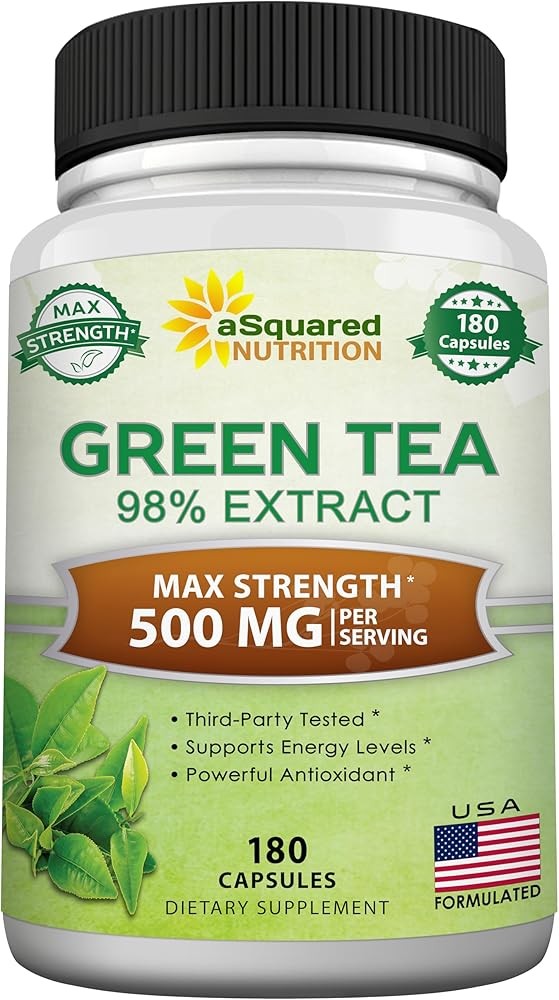
aSquared Nutrition Green Tea Extract with EGCG – 180 Capsules – 500mg per Capsul
Check Price on AmazonAs an Amazon Associate we earn from qualifying purchases.
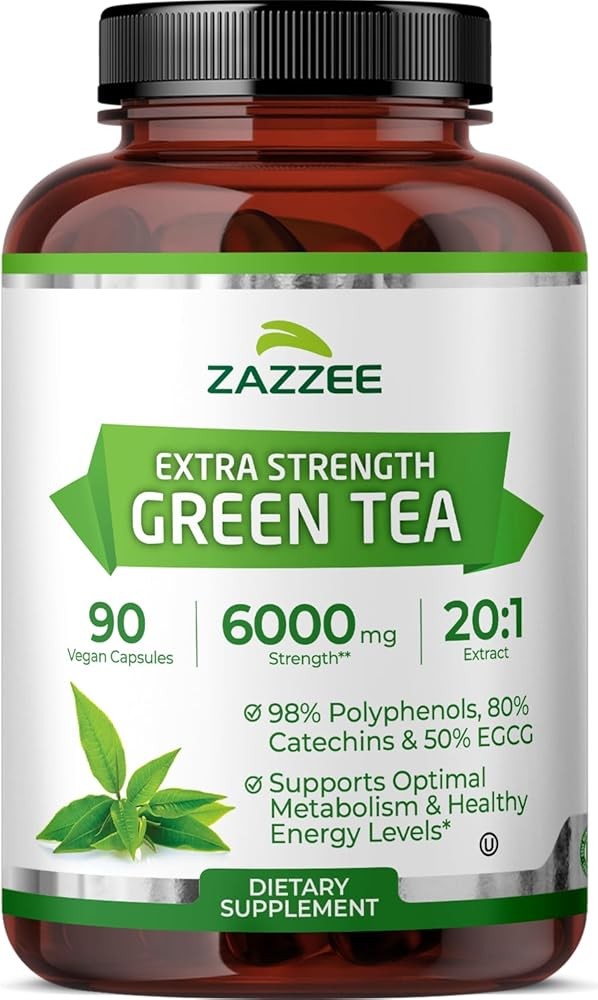
Zazzee Extra Strength Green Tea Extract 20:1, 6000 mg Equivalent, 50% EGCG, 98%
Check Price on AmazonAs an Amazon Associate we earn from qualifying purchases.
📱 Join the discussion: Facebook | X | YouTube | Pinterest | Pinterest
References
Basu, A., Sanchez, K., Leyva, M. J., et al. (2010). Green tea supplementation affects body weight, lipids, and lipid peroxidation in obese subjects with metabolic syndrome. Journal of the American College of Nutrition, 29(1), 31-40.
Chen, I. J., Liu, C. Y., Chiu, J. P., & Hsu, C. H. (2016). Therapeutic effect of high-dose green tea extract on weight reduction: A randomized, double-blind, placebo-controlled clinical trial. Clinical Nutrition, 35(3), 592-599.
Dostal, A. M., Samavat, H., Bedell, S., et al. (2015). The safety of green tea extract supplementation in postmenopausal women at risk for breast cancer: results of the Minnesota Green Tea Trial. Food and Chemical Toxicology, 83, 26-35.
Egmond, L. T., Meth, E. M. S., Benedict, C., et al. (2023). Effects of acute sleep loss on leptin, ghrelin, and adiponectin in adults with healthy weight and obesity: A laboratory study. Obesity, 31(1), 70-80.
EFSA Panel on Food Additives and Nutrient Sources (2018). Scientific opinion on the safety of green tea catechins. EFSA Journal, 16(4), e05239.
Epel, E. S., McEwen, B., Seeman, T., et al. (2000). Stress and body shape: stress-induced cortisol secretion is consistently greater among women with central body fat percentage. Psychosomatic Medicine, 62(5), 623-632.
Godard, M. P., Johnson, B. A., & Richmond, S. R. (2005). Body composition and hormonal adaptations associated with forskolin consumption in overweight and obese men. Obesity Research, 13(8), 1335-1343.
Guest, N. S., VanDusseldorp, T. A., Nelson, M. T., et al. (2021). International society of sports nutrition position stand: caffeine and exercise performance. Journal of the International Society of Sports Nutrition, 18(1), 1.
Henderson, S., Magu, B., Rasmussen, C., et al. (2005). Effects of coleus forskohlii supplementation on body composition and hematological profiles in mildly overweight women. Journal of the International Society of Sports Nutrition, 2(2), 54-62.
Hursel, R., Viechtbauer, W., & Westerterp-Plantenga, M. S. (2009). The effects of green tea on weight loss and weight maintenance: a meta-analysis. International Journal of Obesity, 33(9), 956-961.
Lehnen, T. E., da Silva, M. R., Camacho, A., et al. (2015). A review on effects of conjugated linoleic acid (CLA) upon body composition and energetic metabolism. Journal of the International Society of Sports Nutrition, 12, 36.
Ludy, M. J., Moore, G. E., & Mattes, R. D. (2012). The effects of capsaicin and capsiate on energy balance: critical review and meta-analyses of studies in humans. Chemical Senses, 37(2), 103-121.
Mielgo-Ayuso, J., Barrenechea, L., Alcorta, P., et al. (2014). Effects of dietary supplementation with epigallocatechin-3-gallate on weight loss, energy homeostasis, cardiometabolic risk factors and liver function in obese women. British Journal of Nutrition, 111(7), 1263-1271.
Onakpoya, I., Hung, S. K., Perry, R., et al. (2011). The use of Garcinia extract (hydroxycitric acid) as a weight loss supplement: a systematic review and meta-analysis of randomised clinical trials. Journal of Obesity, 2011, 509038.
Pooyandjoo, M., Nouhi, M., Shab-Bidar, S., et al. (2016). The effect of (L-)carnitine on weight loss in adults: a systematic review and meta-analysis of randomized controlled trials. Obesity Reviews, 17(10), 970-976.
Salgado, A. L., Carvalho, L., Oliveira, A. C., et al. (2022). A 60-Day Green Tea Extract Supplementation Counteracts the Dysfunction of Adipose Tissue in Overweight Post-Menopausal and Class I Obese Women. Nutrients, 14(24), 5209.
Schubert, M. M., Hall, S., Grant, G., et al. (2014). Caffeine consumption around an exercise bout: effects on energy expenditure, energy intake, and exercise enjoyment. Journal of Applied Physiology, 117(7), 745-754.
Seidell, J. C. & Halberstadt, J. (2015). The global burden of obesity and the challenges of prevention. Annals of Nutrition and Metabolism, 66(suppl 2), 7-12.
Shen, C. L., Chyu, M. C., & Wang, J. S. (2012). Tea and bone health: steps forward in translational nutrition. American Journal of Clinical Nutrition, 95(6), 1477S-1484S.
Snitker, S., Fujishima, Y., Shen, H., et al. (2009). Effects of novel capsinoid treatment on fatness and energy metabolism in humans. American Journal of Clinical Nutrition, 89(1), 45-50.
Talenezhad, N., Mohammadi, M., Ramezani-Jolfaie, N., et al. (2020). Effects of l-carnitine supplementation on weight loss and body composition: A systematic review and meta-analysis of 37 randomized controlled clinical trials with dose-response analysis. Clinical Nutrition ESPEN, 37, 9-23.
Venables, M. C., Hulston, C. J., Cox, H. R., & Jeukendrup, A. E. (2008). Green tea extract ingestion, lipid metabolism oxidation, and glucose tolerance in healthy humans. American Journal of Clinical Nutrition, 87(3), 778-784.
Whigham. Efficacy of conjugated linoleic acid for reducing obesity reduction mass: a meta-analysis in humans. American Journal of Clinical Nutrition, 85(5), 1203-1211.
Zheng, G., Sayama, K., Okubo, T., et al. (2004). Anti-obesity effects of three major components of green tea, catechins, caffeine and theanine, in mice. In Vivo, 18(1), 55-62.
Related Reading
- Natural GLP-1 Supplements: Can Berberine and Yerba Mate Mimic Ozempic?
- Best Supplements for Hormonal Balance in Women: Evidence-Based Guide
- Best Magnesium for Women Over 40: Perimenopause and Bone Health
- Best Protein Powder for Women: Evidence-Based Guide
- Best Vitamin D Supplements: Forms, Dosing, and Absorption
- Best Ashwagandha Supplements: KSM-66 vs Sensoril for Stress and Cortisol
- Selenium for Thyroid, Antioxidant, and Immune Benefits
Recommended Products
Based on the research discussed above, here are quality options available:
- View on Amazon
As Amazon Associates, we earn from qualifying purchases.
Recommended Products