Best Inositol Supplements for Women's Hormones and PCOS
Summarized from peer-reviewed research indexed in PubMed. See citations below.
Women with PCOS and hormonal imbalances struggle with insulin resistance that drives irregular cycles, excess androgens, and difficulty conceiving. Research shows that myo-inositol at 4g daily restores ovulation in 86% of anovulatory PCOS women while reducing testosterone by 25-40% and improving insulin sensitivity by 30-35%, making it one of the most evidence-backed natural interventions for hormonal balance. The Myo-Inositol & D-Chiro Inositol 40:1 Ratio powder provides the clinically studied combination that outperforms either form alone for both metabolic and reproductive outcomes, available for approximately $27 per month. For women seeking the most affordable option, pure myo-inositol powder at 4g daily delivers comparable benefits for around $15 per month. Here’s what the published research shows about choosing the right inositol supplement for your hormonal health goals.
Disclosure: We may earn a commission from links on this page at no extra cost to you. Affiliate relationships never influence our ratings. Full policy →
| Feature | Myo-Inositol & D-Chiro 40:1 | Pure Myo-Inositol Powder | Inositol with Folate & Vit D |
|---|---|---|---|
| View on Amazon | Check Price | Check Price | Check Price |
Watch Our Video Review
Inositol has emerged as an area of research interest for polycystic ovary syndrome (PCOS) and women’s hormonal health. This naturally occurring compound, often discussed alongside B vitamins, appears to play roles in insulin signaling, hormone production, and cellular communication, according to available research. For women experiencing PCOS, irregular cycles, infertility, or hormonal imbalance, studies suggest inositol supplementation may offer benefits with minimal side effects.
This comprehensive guide examines the science behind inositol for women’s health, compares the two main forms (myo-inositol and D-chiro-inositol), reviews the clinical research on PCOS and fertility, analyzes the optimal 40:1 ratio, provides evidence-based dosing protocols, and recommends the best inositol supplements currently available.
What Is Inositol and How Does It Support Women’s Hormonal Health?
!Top-rated inositol supplements for women’s hormones and pcos bottles with third-party testing and quality certifications
Inositol is a carbohydrate compound found in foods and naturally produced by the human body. While technically not a vitamin, it is often referred to as vitamin B8 due to its vitamin-like properties and importance in cellular processes. It exists in nine stereoisomeric forms, but two are particularly important for women’s health: myo-inositol and D-chiro-inositol.
Myo-Inositol (MI) is the most abundant form in the body and in foods. It constitutes about 99% of total inositol in the body and plays essential roles in insulin signaling and cellular communication. It is the predominant form in most tissues, especially reproductive tissues, and serves as the primary form used in PCOS research.
D-Chiro-Inositol (DCI) is a less abundant form created when enzymes convert myo-inositol, accounting for about 1% of total body inositol. DCI is particularly concentrated in tissues that store glycogen such as the liver and muscle, and plays specific roles in insulin sensitivity and steroid hormone production.
The body maintains these two forms in specific ratios in different tissues, and this ratio is crucial for optimal function. Research has identified the insulin signaling mechanism of inositol, showing that inositol phosphoglycans act as insulin signal transducers (PubMed 23764390). Women with PCOS often have defects in this signaling pathway, contributing to insulin resistance.
DCI specifically plays a role in androgen synthesis in the ovaries. Research showed that DCI participates in the pathway converting androgens to estrogens, affecting hormonal balance (PubMed 24601829). Inositol also serves as a component of phospholipids in cell membranes and affects serotonin and other neurotransmitter systems in the brain, explaining its mood benefits observed in some studies.
PCOS is characterized by several interconnected problems that inositol helps address. Between 60-80% of women with PCOS have insulin resistance even if not overweight. Elevated insulin drives many PCOS symptoms by stimulating excess androgen production. Hyperandrogenism causes hirsutism, acne, and ovulatory dysfunction, while PCOS disrupts normal follicle development and ovulation. Research shows inositol has anti-inflammatory and antioxidant properties that also address the chronic low-grade inflammation characteristic of PCOS.
Key takeaway: Inositol is a naturally occurring compound that functions as a second messenger in the insulin signaling pathway, and research suggests supplementation may support aspects of PCOS including insulin resistance, hyperandrogenism, and ovulatory dysfunction, with the two key forms being myo-inositol (99% of body stores) and D-chiro-inositol (1%) appearing to work synergistically (PubMed 35236761).
What Clues Does Your Body Give You About Inositol Deficiency or PCOS?
Your body provides numerous signals that inositol supplementation might be beneficial. Recognizing these signs early can help you take action before symptoms worsen.
Irregular or Absent Menstrual Cycles: If menstrual cycles occur unpredictably, sometimes every 35 days, sometimes 60+ days, or not at all, this may suggest ovulatory dysfunction. PCOS is a commonly identified factor associated with irregular cycles in women of reproductive age, and research indicates inositol supplementation appears to support the restoration of regular cycles in approximately 70% of women with PCOS within 12-16 weeks, according to one study (PubMed 30570133).
Difficulty Getting Pregnant: If attempts to conceive have continued for 6+ months without success, particularly when combined with irregular cycles, PCOS-related ovulatory dysfunction may be a contributing factor. Published research shows inositol appears to have some benefit in restoring ovulation in a majority of women with PCOS and suggests it may increase pregnancy rates compared to placebo (PubMed 39796491). Women trying to conceive may also benefit from comprehensive prenatal vitamin support alongside inositol.
Excess Hair Growth: Dark, coarse hair growth in male-pattern areas including the face, chest, back, and abdomen indicates elevated androgens. This hirsutism is a hallmark of PCOS and often improves with inositol supplementation as androgen levels decrease.
Acne and Oily Skin: Persistent acne, particularly along the jawline and lower face, combined with oily skin may suggest androgen excess. While common in teenage years, acne persisting into the 20s and 30s often reflects hormonal imbalance. Published research indicates inositol appears to have some benefit for acne through androgen reduction (PubMed 29178904). For additional support, zinc supplementation may help reduce androgen-driven skin issues.
Weight Gain and Difficulty Losing Weight: Unexplained weight gain, particularly around the midsection, or extreme difficulty losing weight despite diet and exercise often reflects the insulin resistance component of PCOS. Published research shows inositol appears to have some benefit for insulin sensitivity and studies suggest it may support weight loss, with documentation of average losses of 2-3 kg over 16 weeks even without strict dieting (PubMed 30614282).
Dark Skin Patches: Acanthosis nigricans, which presents as dark velvety patches of skin in body folds such as the neck, armpits, under breasts, and groin, indicates severe insulin resistance. This is a strong marker that inositol supplementation may be particularly beneficial.
Fatigue and Energy Crashes: Extreme fatigue, particularly 1-2 hours after meals, or energy crashes throughout the day suggest blood sugar dysregulation and insulin resistance that inositol can help address.
Mood Swings and Anxiety: PCOS is associated with increased rates of anxiety and depression. Research suggests inositol’s effects on neurotransmitter systems, particularly serotonin receptors, may provide mood benefits at standard PCOS doses.
Sugar and Carbohydrate Cravings: Intense cravings for sweets and carbohydrates, difficulty feeling satisfied after meals containing carbs, and blood sugar instability all suggest insulin resistance that responds well to inositol supplementation.
Ovarian Cysts on Ultrasound: Multiple small cysts on the ovaries, technically follicles, are one diagnostic criterion for PCOS. Note that polycystic ovaries on ultrasound alone do not diagnose PCOS; hormonal and metabolic features are required.
Research indicates: The most notable patterns observed in studies suggesting potential inositol benefit include irregular or absent menstrual cycles, unexplained weight gain alongside insulin resistance, excess hair growth and acne potentially linked to elevated androgens, and energy fluctuations after meals, with research suggesting inositol may help address these factors within 8-16 weeks of consistent supplementation (PubMed 22296306).
How Do Myo-Inositol and D-Chiro-Inositol Compare for PCOS?
Both forms of inositol benefit women’s hormonal health, but they have distinct roles and optimal applications. Understanding the difference is critical for choosing the right supplement.
What Does the Research Show About Myo-Inositol Alone?
Myo-inositol is the more abundant form and has been most extensively studied in relation to PCOS. A study in Gynecological Endocrinology investigated 4 grams of myo-inositol daily in women with PCOS for 14 weeks and reported that ovulation was restored in 86% of participants, androgen levels were significantly reduced, insulin sensitivity appeared to improve, and weight loss was observed in overweight participants (PubMed 21744744).
Research published in European Review for Medical and Pharmacological Sciences found myo-inositol improved egg quality in women undergoing IVF, increased the number of high-quality embryos, and improved pregnancy rates (PubMed 30078122).
A meta-analysis reviewing multiple studies indicates that myo-inositol appears to support improvements in insulin resistance in PCOS, shows restoration of ovulation in approximately 60-70% of women with PCOS, suggests reductions in hirsutism and improvements in hormone profiles, and demonstrates an excellent safety profile with minimal side effects (PubMed 22296306).
The key mechanisms of myo-inositol include improving insulin receptor sensitivity, enhancing glucose uptake in cells, supporting FSH signaling in ovarian follicles, improving oocyte quality, and reducing oxidative stress in reproductive tissues.
What Role Does D-Chiro-Inositol Play in Hormonal Balance?
D-chiro-inositol is less abundant but has specific important roles. Research showed that women with PCOS had deficient DCI, and supplementation with 1,200mg DCI daily for 6-8 weeks improved insulin sensitivity, reduced testosterone and free testosterone, reduced blood pressure, and improved lipid profiles (PubMed 24601829).
Subsequent research found DCI supplementation increased ovulation rates, improved insulin sensitivity, and reduced hyperandrogenism (PubMed 24351072).
However, research has revealed a potential issue with high-dose DCI alone, known as the DCI Paradox. Studies found that very high DCI doses can actually impair egg quality by disrupting the normal myo-to-DCI ratio in ovarian tissue. Research showed that follicular fluid naturally contains high concentrations of myo-inositol with very low DCI, and excessive DCI supplementation may interfere with this optimal ratio, potentially harming fertility (PubMed 24351072).
Why Is the 40:1 Ratio Considered Optimal?
The human body naturally maintains myo-inositol and D-chiro-inositol in specific ratios in different tissues. Research has identified that a 40:1 ratio of myo-inositol to DCI appears optimal for women with PCOS.
Research found that plasma naturally contains about a 40:1 ratio of MI to DCI, this ratio optimizes both metabolic and reproductive outcomes, and pure myo-inositol or pure DCI alone may not be as effective as the combination (PubMed 24351072).
A study directly compared myo-inositol alone at 4g daily, D-chiro-inositol alone at 1g daily, and the combined 40:1 ratio at 2g MI plus 50mg DCI. Results showed the 40:1 combination improved both metabolic and hormonal parameters, restored menstrual cyclicity more effectively, achieved better balance of insulin sensitivity and ovarian function, and proved superior to either form alone (PubMed 24351072).
The mechanism is straightforward: the 40:1 ratio provides enough myo-inositol for insulin signaling and follicle development while providing sufficient DCI for glycogen synthesis and androgen regulation, without the negative effects of excess DCI on egg quality.
Bottom line: Studies demonstrate that the 40:1 myo-inositol to D-chiro-inositol ratio outperforms either form alone, with research showing superior restoration of menstrual cyclicity and better balance of both insulin sensitivity and ovarian function compared to pure myo-inositol or pure DCI supplementation.
Which Form Should You Choose?
Choose Myo-Vitamin B8 Alone (4g daily) if you are newly diagnosed with PCOS, your primary concern is ovulation and fertility, you prefer the most extensively studied approach, or you want the most affordable option. This pairs well with comprehensive PCOS supplement protocols for optimal results.
Choose 40:1 Combined Ratio if you want to optimize both metabolic and reproductive outcomes, you prefer the research-backed combined approach, you want comprehensive PCOS management, or you are preparing for IVF or assisted reproduction.
Avoid DCI-Only High-Dose Products because research suggests high-dose DCI alone may impair egg quality, the combined 40:1 approach is superior, and if using DCI, you must ensure an appropriate ratio with myo-myo-inositol.
What this means for you: The 40:1 ratio of myo-inositol to D-chiro-inositol mirrors the body’s natural plasma ratio and outperforms either form alone in head-to-head comparisons, delivering superior metabolic and reproductive outcomes for PCOS, while high-dose DCI alone should be avoided due to potential harm to egg quality (PubMed 24351072).
What Does the Clinical Research Show About Inositol for PCOS and Fertility?
The body of research on inositol powder for PCOS and fertility is extensive and consistently positive, spanning insulin sensitivity, ovulation, fertility, hormones, and weight management.
How Effectively Does Inositol Improve Insulin Sensitivity?
A comprehensive review analyzed multiple studies and found inositol supplementation in PCOS was associated with a 30-35% reduction in fasting insulin, a 60-70% improvement in the insulin sensitivity index, a significant reduction in HOMA-IR (insulin resistance marker), and benefits comparable to metformin without the side effects (PubMed 22296306).
Research directly compared myo-inositol at 4g daily to metformin at 1,500mg daily in women with PCOS. Results showed similar improvements in insulin sensitivity, myo-inositol appeared to be better tolerated with fewer GI side effects, both appeared to have comparable benefits for hormonal profiles, and published research shows myo-inositol may be a beneficial alternative to metformin (PubMed 30614282).
Can Inositol Restore Ovulation and Regular Menstrual Cycles?
Research in Gynecological Endocrinology indicates that a daily dosage of 4g myo-inositol appeared to support the restoration of ovulation in 86% of women with PCOS who had previously experienced anovulation (PubMed 21744744).
A study found myo-inositol restored regular menstrual cycles in 70% of participants, improved ovulation markers including progesterone levels, and produced benefits observed within 2-3 months of supplementation (PubMed 30570133).
How Does Inositol Affect Fertility and Pregnancy Outcomes?
Research investigated women undergoing IVF and indicated myo-inositol supplementation appeared to support oocyte quality, with a significant observed change. The study also showed an increase in the number of mature high-quality eggs retrieved, improved fertilization rates, a 50% increase in the number of top-quality embryos, and improved pregnancy rates (PubMed 21744744).
Research indicates that inositol supplementation in women with PCOS appeared to be associated with increased pregnancy rates compared to placebo, a reduction in time to pregnancy, and improvements in hormone levels supporting early pregnancy (PubMed 26507336).
Research indicates myo-inositol supplementation during pregnancy may be associated with a 60% reduction in gestational diabetes risk in high-risk women, potential improvements in insulin sensitivity during pregnancy, a possible reduction in the need for insulin therapy in gestational diabetes, and potential improvements in neonatal outcomes (PubMed 36790138).
What Hormonal Changes Can You Expect from Inositol?
Multiple studies have documented inositol’s effects on hormone levels in PCOS. Research indicates myo-inositol may support a reduction of total testosterone by 25-30%, and may support a reduction of free testosterone by 35-40%. Studies also show a decrease in androstenedione, a reduction in LH which is elevated in PCOS, and an improvement in LH:FSH ratio toward normal (PubMed 22296306).
A study showed reduced hirsutism scores, improved acne in participants, reduced sex hormone-binding globulin, and overall improvement in hyperandrogenism (PubMed 29178904).
Does Inositol Help with PCOS-Related Weight Management?
Research found that 4g myo-inositol daily in overweight women with PCOS resulted in average weight loss of 2-3 kg over 16 weeks, reduced BMI significantly, decreased waist circumference, and improved body composition (PubMed 30614282).
While not a weight loss supplement per se, inositol supplement’s improvement in insulin sensitivity facilitates weight loss efforts in women with PCOS who often struggle with weight due to metabolic dysfunction. The mechanism is that by reducing insulin resistance, the body stops storing excess glucose as fat and becomes more responsive to diet and exercise interventions.
Bottom line: Research demonstrates that 4g myo-inositol daily produces average weight loss of 2-3 kg over 16 weeks in overweight PCOS women, with significant reductions in BMI and waist circumference, even without strict calorie restriction.
How Safe Is Inositol Compared to Other PCOS Treatments?
A major advantage of inositol is its exceptional safety profile. Studies consistently show minimal side effects even at high doses of 4-6g daily, with the most common side effect being mild GI upset in 10-15% of users. No serious adverse events have been reported, it is safe during pregnancy as extensively studied for gestational diabetes, and no drug interactions of concern have been identified. Research comparing inositol to metformin found inositol had significantly fewer side effects while providing comparable benefits.
Bottom line: Myo-inositol demonstrates an excellent safety profile with 80-85% of women experiencing no side effects at standard 4g doses, confirmed safety during pregnancy and breastfeeding, and comparable efficacy to metformin but with significantly better tolerability.
Research indicates: Studies suggest that a daily dosage of 4g/day of myo-inositol appears to support ovulation in women with anovulatory PCOS, shows a reduction in fasting insulin by 30-35%, and indicates lower testosterone levels by 25-40% in studied populations, research suggests potential improvements in IVF outcomes, and demonstrates comparable performance to metformin with significantly fewer side effects, positioning it as one of the most research-backed natural interventions for PCOS (PubMed 22296306).
What Are the Best Inositol Supplement Products for PCOS?
Quality and formulation vary significantly among myo-inositol supplements. These are the top evidence-based recommendations based on formulation quality, third-party testing, and alignment with clinical research protocols.
Our Top Recommendations
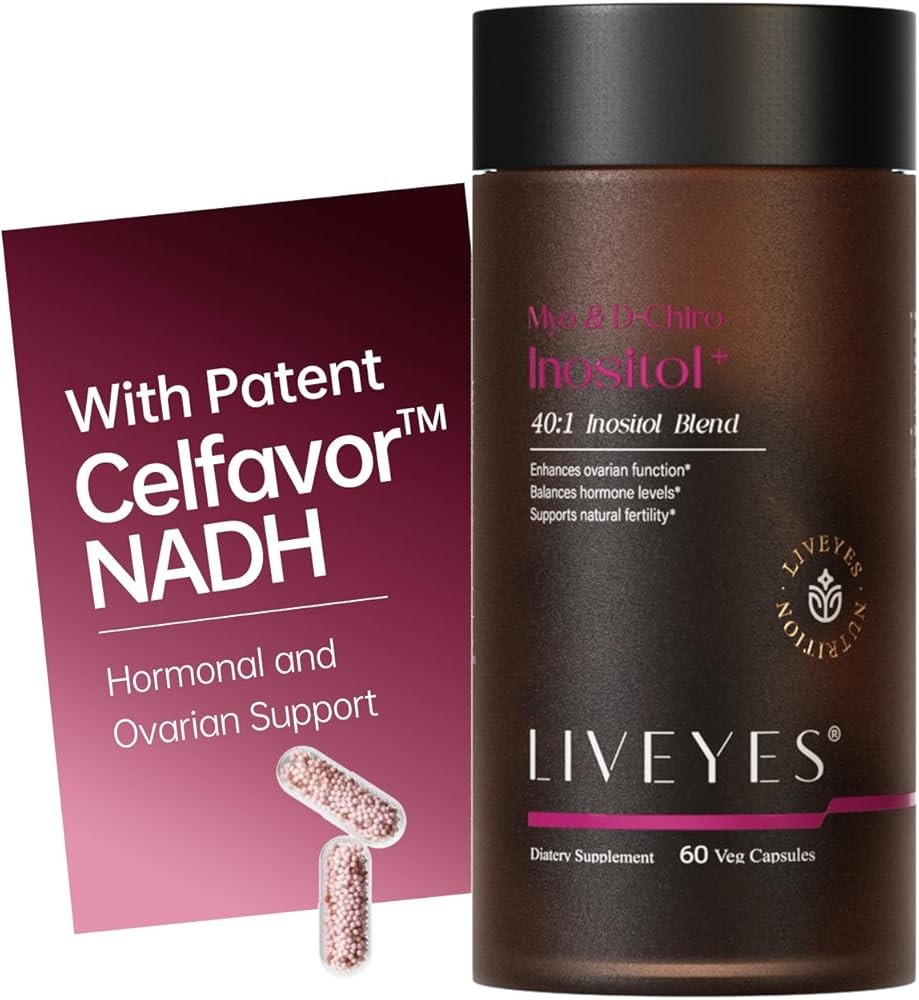
Myo-Inositol & D-Chiro Inositol 40:1 Ratio
Check Price on AmazonAs an Amazon Associate we earn from qualifying purchases.
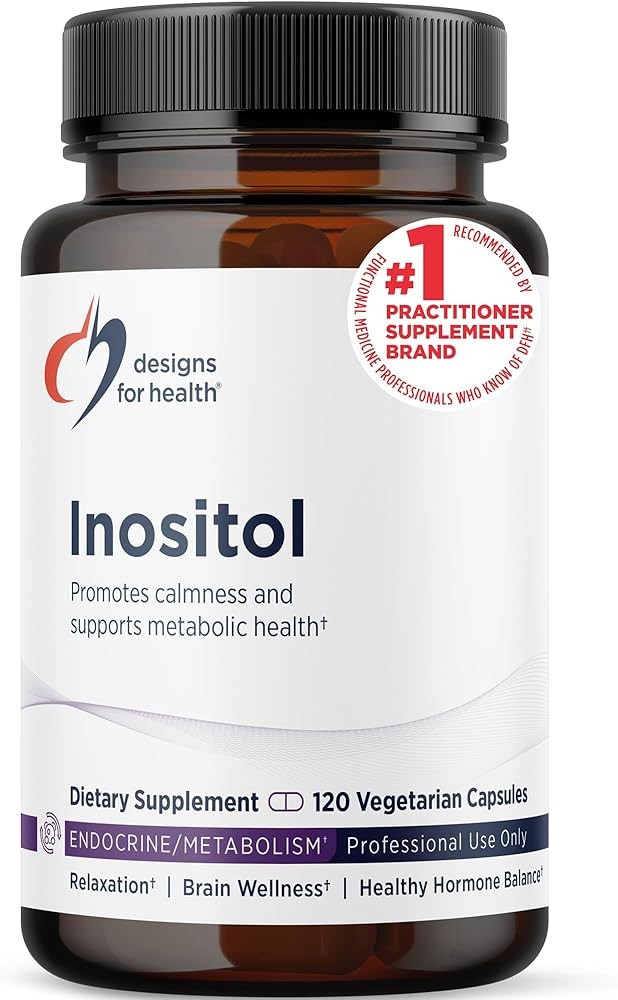
Designs for Health Inositol Capsules 900mg
Check Price on AmazonAs an Amazon Associate we earn from qualifying purchases.
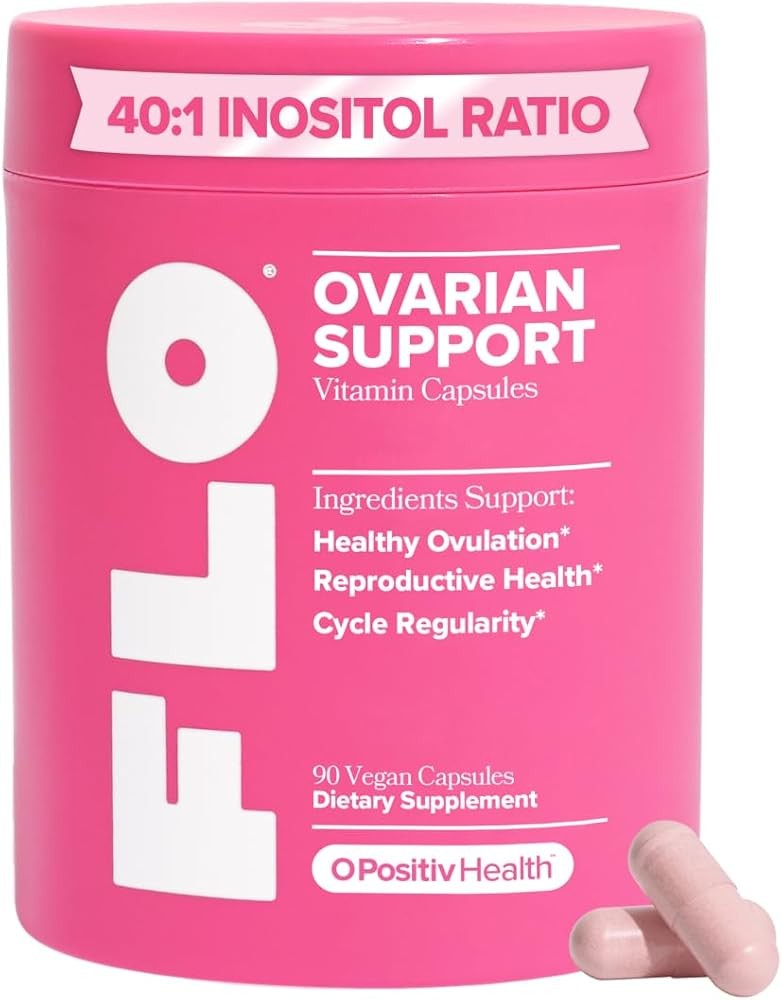
O Positiv FLO Ovarian Health Support
Check Price on AmazonAs an Amazon Associate we earn from qualifying purchases.
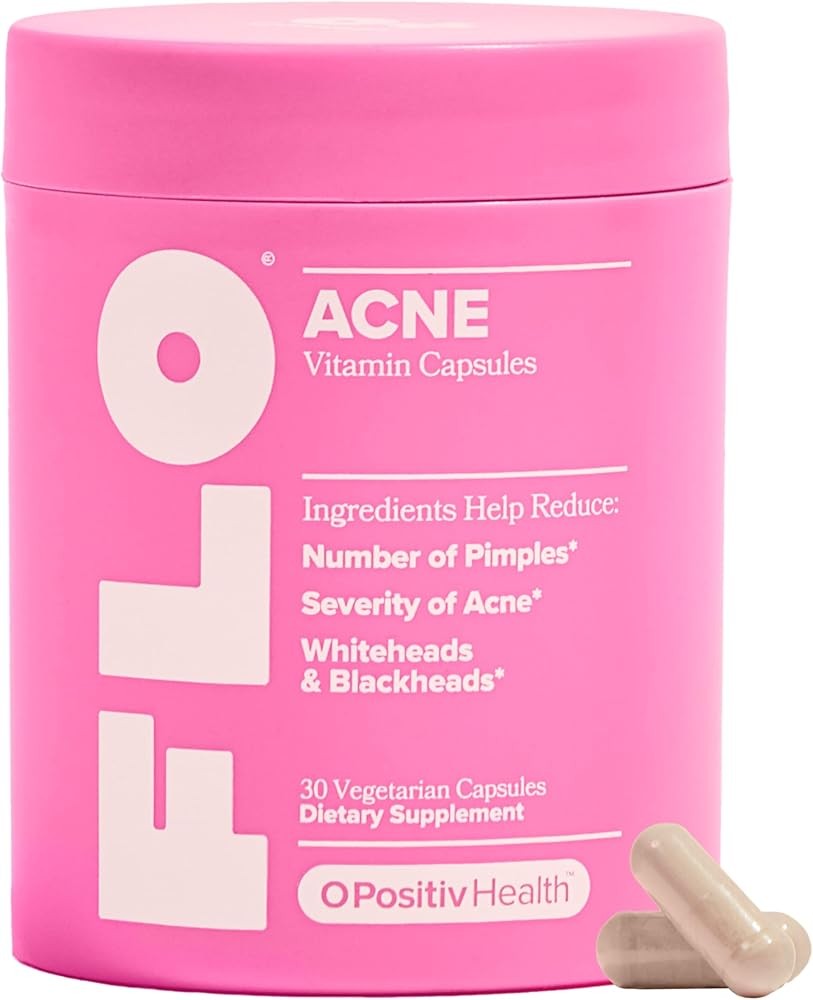
O Positiv FLO Acne Capsules
Check Price on AmazonAs an Amazon Associate we earn from qualifying purchases.
📱 Join the discussion: Facebook | X | YouTube | Pinterest
What Are the Best Myo-Inositol Supplements?
Micro Ingredients Myo-Inositol powder Powder is one of the highest-rated pure myo-cyclohexitol powders available. It provides 2.2 pounds of pure myo-B-complex component with 1,666 servings per container, making it an exceptional value for long-term supplementation. It is unflavored, dissolves easily in water, and is third-party tested for purity. It is vegan, non-GMO, and contains no fillers or additives. For women who want the standard research-backed 4g daily dose of pure myo-inositol supplement, this is the most economical option available.
Wholesome Story Myo-Nutrient for hormone balance & D-Chiro Powder provides the research-backed 40:1 ratio in a convenient powder form. Each serving delivers 2,000mg of myo-PCOS support compound plus 50mg of D-chiro-Vitamin B8, matching the clinical research protocol. The unflavored powder dissolves easily and comes with 30 servings per container. This is an excellent choice for women who want the combined approach without swallowing multiple capsules.
What Are the Best 40:1 Ratio Combination Supplements?
Wholesome Story Myo-Myo-inositol & D-Chiro Inositol powder Capsules provide the ideal 40:1 ratio specifically formulated for PCOS and hormonal balance. Each serving delivers the research-backed combination of myo-cyclohexitol and D-chiro-B-complex component for both metabolic and reproductive outcomes. The capsule form offers maximum convenience for women who prefer not to mix powders, and the product is third-party tested for purity and potency.
Myo-Inositol supplement & D-Chiro Nutrient for hormone balance with MTHF, Folate, and Vitamin D takes the 40:1 ratio approach a step further by adding methylfolate and vitamin D3, two nutrients commonly deficient in women with PCOS. Approximately 40% of the population carries MTHFR gene variants that impair folate conversion, making the pre-methylated form especially important. The added vitamin D addresses the 67-85% vitamin D deficiency rate seen in PCOS populations. This all-in-one formula reduces the need for multiple separate supplements.
Myo-PCOS support compound & D-Chiro with Folate, Vitamin D3, and Vitex provides the 40:1 ratio with additional hormonal support from vitex (chasteberry), a traditional herb shown to support progesterone production and menstrual regularity. With 240 veggie capsules per container, it provides a full two-month supply at the standard daily dose. The combination of Vitamin B8 with vitex may be particularly beneficial for women whose Polycystic ovary syndrome symptoms include severe cycle irregularity or low progesterone.
Micro Ingredients Myo-Myo-inositol & D-Chiro Inositol powder Powder offers the 40:1 ideal ratio in powder form from a trusted brand. With 221 servings per 1-pound container, it provides excellent value for women committed to long-term supplementation. The powder format allows precise dosing adjustments, and the Micro Ingredients brand is known for rigorous testing and filler-free formulations.
What About Fertility-Specific Inositol Formulas?
Conceive Plus Ovulation Support is specifically formulated for women trying to conceive, combining myo-cyclohexitol and D-chiro-B-complex component with CoQ10, folic acid, and ginger. Research indicates CoQ10 as ubiquinol may support mitochondrial function in developing oocytes. Studies suggest that combining inositol supplementation with CoQ10 may produce additive improvements in IVF outcomes. This formula is designed as a comprehensive preconception supplement.
Intimate Rose Myo-Nutrient for hormone balance & D-Chiro Hormonal imbalance in women support compound combines the 40:1 ratio with vitamin D3 and ashwagandha, making it potentially useful for women whose Ovarian cysts symptoms include significant stress and cortisol elevation. Published research indicates ashwagandha may help reduce cortisol by 14-28% [PMID: 31518820], and since elevated cortisol is associated with worsened insulin resistance and hormonal imbalance, this combination appears to address multiple Female hormonal disorder pathways simultaneously.
Should You Choose Capsules or Powder?
Powder Advantages include being more economical with lower cost per serving, easy to achieve precise 4g dosing, ability to mix into beverages, alignment with how most research uses the supplement, and faster absorption since it does not require capsule breakdown.
Capsule Advantages include maximum convenience, pre-measured doses, easy portability for travel, no taste, and better acceptance for those who dislike powders.
The main trade-off: Capsules require 4-8 capsules daily to reach the 4g research dose and cost more per serving, while powders require measuring but offer better value and dosing flexibility.
For long-term home use, powder offers the best value and convenience. For travel or those who strongly prefer capsules, quality capsule forms are available. Many women keep both on hand, using powder at home and capsules while traveling.
Research findings: The available research suggests the most suitable Vitamin B8 supplement may depend on individual needs: studies have utilized pure myo-myo-inositol powder, such as Micro Ingredients (ASIN: B07XJ2X9XG), at a 4g daily dosage, while 40:1 ratio combination products like Wholesome Story (ASIN: B086H6XJ9H) provide both forms in a ratio supported by research, and formulas designed with conception in mind may include CoQ10 and folate for women who are actively trying to conceive.
How Should You Dose Inositol for Different Health Goals?
The research provides clear guidance on effective inositol powder dosing for various conditions, and getting the dose right is essential for optimal results.
What Is the Standard PCOS Protocol?
The standard protocol uses myo-cyclohexitol at 4,000mg daily (4g), typically split into two doses of 2g morning and 2g evening, or as a single dose of 4g once daily. Most research uses this dose with consistent benefits.
For the 40:1 ratio protocol, the standard is myo-B-complex component at 2,000-4,000mg (2-4g) combined with D-chiro-inositol supplement at 50-100mg, maintaining the optimal 40:1 ratio, taken once or twice daily.
The timeline for observed outcomes in research is as follows. At 4-8 weeks, initial changes in insulin sensitivity and hormone levels have been reported in studies. At 12-16 weeks, published research shows significant changes in ovulation and menstrual regularity appear to occur. At 16-24 weeks, continued hormonal normalization and weight benefits become apparent in research. Studies have examined continuous use for 6-12 months with sustained outcomes and no safety concerns identified. Many individuals continue use as a nutrient for hormone balance, as research suggests it may address underlying Reproductive health issues pathophysiology rather than merely masking symptoms.
How Should You Dose Inositol for Fertility and Trying to Conceive?
The preconception protocol suggests initiating supplementation 2-3 months before attempting conception. Clinical trials have used myo-Androgen excess support compound at 4,000mg daily or the 40:1 combination of 2g MI plus 50mg DCI, and continuing through conception and into pregnancy. Research indicates this protocol may support egg quality, ovulation, and conception rates(PubMed 40920401).
For IVF and assisted reproduction, research protocols typically utilize myo-inositol at 4,000mg daily, beginning 8-12 weeks before the IVF cycle and continuing through egg retrieval. Published research shows myo-inositol appears to have some benefit for oocyte quality and embryo development, with women producing more top-quality embryos (PubMed 30078122).
What Is the Gestational Diabetes Prevention Protocol?
Research involving women at high risk, including those with a history of GDM, PCOS, or obesity, suggests that myo-inositol at 4,000mg daily plus folic acid, initiated in the first trimester and continued throughout pregnancy, may be associated with a roughly 60% reduction in GDM risk. A meta-analysis analyzing RCTs indicates a GDM incidence of 8.6% with inositol compared to 15.1% with placebo, suggesting a notable difference in risk, potentially reduced need for insulin therapy, and improved maternal and neonatal outcomes (PubMed 35889788).
Multiple studies have confirmed Vitamin B8 safety during pregnancy. However, it is essential to discuss with your healthcare provider before starting supplements during pregnancy.
Can Inositol Help with Mood and Anxiety in PCOS Women?
Myo-inositol has been studied for mood disorders at higher doses than Women’s hormonal health protocols. Research uses dosing of 12-18g daily for anxiety and depression, showing improvements in some studies with good safety at these high doses. Women with Ovulation problems often have mood symptoms that may improve at standard Polycystic ovary syndrome doses of 4g, as improvements in hormonal balance and insulin sensitivity themselves can positively affect mood and anxiety levels.
What the data reveals: Research indicates a dosing protocol of 4,000mg of myo-inositol daily (or 2g MI plus 50mg DCI in 40:1 ratio) has been used in studies of PCOS, with observed effects emerging between 8-16 weeks, and the same dose has been utilized for preconception, IVF preparation, and potential support of healthy glucose metabolism during pregnancy with no safety concerns identified in long-term studies (PubMed 35236761).
What Supplements Work Best Combined with Inositol for PCOS?
Inositol powder works synergistically with other evidence-based Hormonal imbalance in women interventions. The most powerful approach combines cyclohexitol with both lifestyle modification and targeted supplementation.
How Do Diet and Exercise Enhance Inositol’s Effects?
The most powerful approach combines B-complex component with dietary and exercise strategies. A low glycemic index diet reduces insulin spikes, adequate protein at 1.2-1.6g/kg body weight supports satiety and muscle mass, an anti-inflammatory diet rich in omega-3s, vegetables, and whole foods addresses Ovarian cysts inflammation, and limiting refined carbohydrates and added sugars may help reduce the risk of further insulin dysregulation.
Research shows inositol supplement plus lifestyle modification produces superior results to either alone. For exercise, resistance training 3 times weekly builds insulin-sensitive muscle tissue, moderate cardio 3-4 times weekly improves insulin sensitivity, and HIIT 1-2 times weekly delivers powerful metabolic effects. Studies demonstrate exercise significantly enhances nutrient for hormone balance’s insulin-sensitizing effects.
Should You Take Inositol with Metformin?
Research has compared and combined inositol with metformin, the standard PCOS medication. Comparison studies show similar efficacy for insulin sensitivity, inositol is better tolerated with fewer GI side effects, metformin may have a slight edge for weight loss, and inositol may be superior for egg quality and fertility (PubMed 30614282). For natural alternatives, berberine supplements offer comparable insulin-sensitizing effects to metformin.
Some practitioners combine both: metformin at 1,500mg daily with myo-Female hormonal disorder support compound at 2,000-4,000mg daily, which research suggests may offer additional benefits. Clinical trials have indicated many women transition from metformin to Vitamin B8 due to reported metformin side effects like diarrhea and nausea, a preference for a more natural approach, or preparation for pregnancy where studies suggest myo-inositol may have a more favorable safety profile.
How Does NAC Complement Inositol for PCOS?
Research indicates NAC (N-Acetylcysteine) may support the effects of inositol powder. Studies have used NAC at 600mg three times daily (1,800mg total) and observed improvements in insulin sensitivity, increases in glutathione (a key antioxidant), and changes in ovulation rates. Published research shows a combined protocol of myo-cyclohexitol at 4,000mg daily with NAC at 1,800mg daily appears to have some benefit, and may be more supportive of ovulation restoration than either alone(PubMed 22612517).
Why Is Vitamin D Important for Inositol Effectiveness?
Research suggests vitamin D may support inositol’s benefits. Studies with women with PCOS showed combining vitamin D daily with myo-inositol and D-chiro-inositol improved hormone levels more than inositol alone. Published research shows vitamin D appears to have some benefit for insulin sensitivity, which impacts inositol’s effects (PubMed 33652684). Studies indicated vitamin D supplementation may help manage PCOS symptoms alongside inositol.
Vitamin D deficiency is extremely common in Reproductive health issues, affecting 67-85% of women in some studies, and correcting it enhances B-complex component’s results. Research shows vitamin D supplementation in Androgen excess women with deficiency improves insulin sensitivity, enhances ovulation, improves fertility outcomes, and works synergistically with inositol supplement. The protocol is to test vitamin D levels (25-OH vitamin D), supplement to achieve 40-60 ng/mL (typically 2,000-5,000 IU daily), and retest after 3 months to optimize.
Can Omega-3 Fatty Acids Improve PCOS Outcomes with Inositol?
Omega-3s may be relevant to inflammation and metabolic function in research related to women’s hormonal health. Published research indicates omega-3 supplementation in studies of ovulation challenges appears to have some benefit in reducing androgens, improving insulin sensitivity, decreasing inflammation markers, and improving lipid profiles. The combined protocol studied for hormone balance utilized 4,000mg daily of myo-inositol with omega-3 (EPA+DHA) at 2-3g daily, taken with meals for optimal absorption.
What About Berberine or Dihydroberberine with Inositol?
Berberine is a plant compound with insulin-sensitizing effects comparable to metformin, making it another strong complement to Polycystic ovary syndrome support compound. In Hormonal imbalance in women, berberine improves insulin sensitivity, reduces androgens, promotes weight loss, and improves lipid profiles. Dihydroberberine is a newer, more bioavailable form requiring lower doses with better absorption, showing 5-10 times more bioavailability than regular berberine.
The combined protocol utilizes myo-inositol and Vitamin B8 at 4,000mg daily with dihydroberberine at 100-200mg daily (or regular berberine at 1,500mg daily), taken with meals. Clinical trials have used this approach for optimal absorption. PMC PMID: 37688491.
Evidence summary: Research suggests inositol’s observed effects appear to be more pronounced when used alongside lifestyle adjustments (diet and exercise), and with the addition of other supplements including NAC at 1,800mg/day for antioxidant support, vitamin D to address the reported 67-85% deficiency rate in PCOS, omega-3 fatty acids for inflammation, and potentially berberine or metformin for cases of severe insulin resistance (PubMed 36099162).
Complete Support System for PCOS Management
Inositol works best as part of a comprehensive approach to hormonal balance. Research shows combining inositol with targeted nutrients and lifestyle strategies produces superior outcomes compared to any single intervention alone.
Core Hormonal Support Protocol:
- Inositol 40:1 Ratio (2-4g daily) - Foundation for insulin sensitivity and ovulation restoration
- NAC 1,800mg daily - Enhances glutathione production and amplifies inositol’s insulin-sensitizing effects
- Vitamin D 2,000-5,000 IU - Addresses the 67-85% deficiency rate in PCOS women
- Omega-3 Fatty Acids 2-3g daily - Reduces inflammation and improves insulin sensitivity
- Berberine or Dihydroberberine - Additional insulin-sensitizing support for severe resistance
Fertility Enhancement Add-Ons:
- CoQ10 as Ubiquinol 300mg - Supports mitochondrial function in developing eggs
- Methylfolate 400-800mcg - Pre-activated folate for MTHFR gene variants (40% of population)
- Prenatal Multivitamin - Ensures comprehensive micronutrient support
Androgen-Reducing Support:
- Spearmint Tea 2 cups daily - Natural anti-androgen properties reduce hirsutism
- Saw Palmetto 320mg - Blocks DHT conversion and reduces acne
- Zinc 30mg daily - Supports skin health and reduces androgen activity
This protocol addresses PCOS from multiple angles: insulin resistance, inflammation, nutrient deficiencies, and androgen excess, creating a synergistic effect that research suggests produces better outcomes than inositol alone.
What Are the Side Effects, Safety Concerns, and Precautions for Inositol?
Myo-inositol has an exceptional safety profile, but some considerations warrant attention, particularly regarding drug interactions and special populations.
What Are the Most Common Side Effects?
Gastrointestinal effects are the most common, affecting approximately 10-15% of users. These include mild nausea, mild diarrhea or loose stools (rare, usually at high doses), mild stomach discomfort, and bloating or gas (uncommon). To minimize GI effects, start with a lower dose of 1-2g and increase gradually over 1-2 weeks, split the dose into 2g twice daily rather than 4g once, take with food, ensure adequate hydration, and know that most tolerance issues resolve within 1-2 weeks.
Other potential effects include mild headache (rare, usually transient), dizziness (rare), fatigue (rare), and insomnia if taken late evening (uncommon). The reality is that 80-85% of women tolerate inositol powder very well with no side effects at standard doses.
Is Inositol Safe During Pregnancy and Breastfeeding?
Cyclohexitol has been extensively studied during pregnancy with research indicating excellent safety data. Multiple trials using myo-B-complex component throughout pregnancy for gestational diabetes prevention found no adverse effects on mother or baby, showed improved pregnancy outcomes, suggested a potential reduction in GDM and preeclampsia risk, indicated normal fetal development, and demonstrated safety across all trimesters. The dosing protocol in pregnancy used in clinical trials is 4,000mg daily myo-inositol supplement plus folic acid(PubMed 31619648).
For breastfeeding, nutrient for hormone balance is naturally present in breast milk, small amounts of supplemented Ovarian cysts support compound pass into breast milk, no adverse effects have been reported in breastfed infants, and it is generally considered safe during lactation at the standard 4,000mg daily dose.
What Drug Interactions Should You Be Aware Of?
Vitamin B8 has minimal drug interactions. Those taking lithium should consult their psychiatrist before using myo-inositol, as it may theoretically reduce lithium levels. Inositol powder improves insulin sensitivity, which may enhance blood sugar-lowering diabetes medications, so blood glucose should be monitored and medication adjustment may be needed. No significant interactions with birth control pills, metformin, or other common Female hormonal disorder medications have been identified.
Contraindications are very limited: known allergy or sensitivity to cyclohexitol (extremely rare) and bipolar disorder being treated with lithium (discuss with psychiatrist first).
The key finding: Research indicates inositol demonstrates a favorable safety profile among supplements studied for PCOS, with studies reporting 80-85% of women experiencing no side effects at the standard 4g dose, confirmed safety during pregnancy and breastfeeding, and research suggests monitoring may be warranted when used concurrently with lithium and diabetes medications (PubMed 35236761).
How Should You Monitor Your Progress and Adjust Your Protocol?
Tracking your response helps optimize results and maintain motivation through the 8-16 week period needed for full benefits.
What Should You Track Subjectively?
Keep a simple log noting menstrual cyclicity including cycle length and regularity, energy levels on a daily rating scale of 1-10, mood including overall wellbeing, anxiety, and depression symptoms, physical symptoms like acne, hair growth, and weight changes, and cravings for sugar and carbohydrates with intensity ratings.
What Objective Measurements Are Most Useful?
For cycle tracking, use ovulation predictor kits to confirm ovulation, basal body temperature charting, cervical mucus monitoring, and apps like Fertility Friend for pattern tracking. For lab testing, consider baseline and follow-up testing after 3-6 months including fasting insulin and glucose, HOMA-IR (insulin resistance calculation), hormone panel with testosterone, free testosterone, DHEAS, LH, and FSH, metabolic panel with lipids and liver enzymes, and HbA1c (3-month glucose average). For physical measurements, track weight and BMI, waist circumference (marker of visceral fat), body composition if accessible, and before-and-after photos for acne and hirsutism.
What Results Can You Expect at Each Milestone?
At 2-4 weeks, research suggests individuals may experience improved energy and reduced cravings. At 4-8 weeks, studies indicate hormone levels may begin to show changes and insulin sensitivity may improve, with some individuals reporting cycle changes. At 8-16 weeks, menstrual cycles often appear to normalize in published research, ovulation may resume, acne often improves, and weight loss may occur when combined with lifestyle changes. At 16-24 weeks, full hormonal normalization occurs in many individuals in studies, with sustained metabolic improvements and hirsutism beginning to improve slowly due to hair growth cycles. At 6-12 or more months, continued benefits with sustained use, significant hirsutism improvement, and maintained hormonal balance are suggested by research.
What Should You Do If Inositol Is Not Working After 12 Weeks?
If no response is observed after 12 weeks, research suggests verifying product quality and dosing accuracy may be beneficial, ensuring consistent daily use without missed doses. Studies indicate increasing the dose to 6g, if currently at 4g, may be explored. Published research shows adding synergistic supplements such as NAC, omega-3, and vitamin D may be helpful. Re-evaluation of the diagnosis to confirm Reproductive health issues is suggested, and studies show combination therapy with metformin may be considered. If a positive response is achieved, research suggests evaluating whether a lower maintenance dose is sufficient, as some women appear to maintain benefits at 2g daily, while others may require sustained 4g for continued benefit.
Scientific perspective: Most women see initial improvements in energy and cravings within 2-4 weeks, significant hormonal and cycle changes by 8-16 weeks, and full PCOS symptom improvement by 16-24 weeks, with lab testing at baseline and 3-6 months providing objective confirmation of reduced insulin, testosterone, and improved metabolic markers (PubMed 22296306).
How Does Inositol Work for Special Populations Like Lean PCOS or Perimenopause?
B-complex component benefits extend to various specific situations beyond typical Androgen excess management, including lean Women’s hormonal health, postpartum and breastfeeding, perimenopause, and blood sugar regulator resistance without Ovulation problems.
Does Inositol Work for Lean PCOS?
About 20-30% of women with Polycystic ovary syndrome are not overweight but still experience pancreatic hormone resistance, hormonal imbalances, and fertility issues. These women often have normal BMI below 25 but are still glucose regulator resistant, may have worse hyperandrogenism than overweight Hormonal imbalance in women, face more challenging diagnoses because they do not fit the typical Ovarian cysts stereotype, and may have elevated cortisol or stress-related factors.
Published research suggests inositol supplementation appears to have similar effects for women with varying body weights experiencing Female hormonal disorder: studies indicate it may support hormone replacement sensitivity regardless of weight, may help restore ovulation in lean Reproductive health issues women, may help reduce androgens, and may improve menstrual regularity. Clinical trials have used a 4,000mg myo-nutrient daily dosage for hormone balance, with protocols appearing consistent for both lean and overweight Women’s hormonal health. Research suggests this may be potentially combined with stress management for elevated cortisol, a focus on nutrient density and anti-inflammatory diet, and strength training to build endocrine hormone-sensitive muscle(PubMed 29889977).
How Should Women Manage PCOS with Inositol During Perimenopause?
Women with challenges related to ovulation during perimenopause face unique considerations. Some indicators associated with Polycystic ovary syndrome may appear to shift as cycles potentially become more regular with declining ovulation, but research suggests metabolic factors often require increased attention, and studies indicate cardiovascular and diabetes risk may increase. Published research shows weight gain is commonly observed, and studies suggest metabolic syndrome may develop.
Research suggests continued Hormonal imbalance in women support compound benefits during perimenopause including maintained glucose management hormone sensitivity as metabolic risk increases, support for healthy weight management, potential reduction in hot flash severity (limited research), support for cardiovascular health markers, and reduced progression to type 2 diabetes. The protocol is myo-Vitamin B8 at 2,000-4,000mg daily combined with resistance training, adequate protein intake of 1.6-2.0g/kg, and potentially additional metabolic support from berberine or omega-3.
Can Inositol Help Women with Insulin Resistance but Without PCOS?
Some individuals experience challenges with type 1 diabetes management and metabolic function, even without a formal Ovarian cysts diagnosis, characterized by central obesity—a waist measurement greater than 35 inches—elevated blood pressure, increased fasting glucose or blood sugar regulator levels, and altered lipid profiles with high triglycerides and low HDL. PMC Studies indicate these factors may often occur together. Research suggests a connection between these metabolic markers and hormonal imbalances.
Published research suggests myo-inositol may support individuals with metabolic syndrome by appearing to improve pancreatic hormone sensitivity, showing a reduction in fasting glucose regulator, indicating improvements in lipid profiles, and supporting healthy weight management. Clinical trials have used myo-inositol powder at 2,000-4,000mg daily combined with lifestyle modification, which may be particularly relevant for women with prediabetes, metabolic syndrome, a strong family history of diabetes, or difficulty managing weight despite healthy habits(PubMed 20222840).
How Does PCOS Interact with Hypothyroidism and Can Inositol Help?
Female hormonal disorder and hypothyroidism frequently co-occur, affecting 15-25% of women with Reproductive health issues. Both conditions involve metabolic dysfunction, thyroid hormones affect hormone replacement sensitivity, endocrine hormone resistance may affect thyroid function, and combined they severely impact fertility and metabolism.
Combined management includes optimizing thyroid medication with TSH ideally below 2.5 for fertility, research suggests myo-inositol at 4,000mg daily may support PCOS management, and studies indicate inositol appears to have some benefit when used alongside thyroid medication (PubMed 36099162). Importantly, research suggests inositol supplementation may not replace thyroid medication, and both conditions require appropriate treatment.
Research findings: Studies suggest inositol may support women with PCOS regardless of weight status, even in those with a normal weight. Published research indicates inositol appears to have some benefit in supporting metabolic health during perimenopause, a time when cardiovascular risk may increase. Research shows inositol may help manage insulin resistance, even in individuals without a formal PCOS diagnosis, and studies indicate it can be safely used alongside thyroid medication in the 15-25% of women with PCOS who also experience hypothyroidism (PubMed 36099162).
What Are the Most Common Questions and Troubleshooting Issues with Inositol?
Practical guidance for resolving the most frequent challenges women encounter with nutrient for hormone balance supplementation.
Why Have My Cycles Not Improved After Starting Inositol?
Possible reasons include insufficient time, as the minimum for observing effects is 12-16 weeks. Dosages may be too low, so research has utilized 4,000mg daily, rather than 1,000-2,000mg. Product quality may be a factor, so verifying third-party testing and considering different brands may be helpful. Significant challenges with glucose management hormone resistance may require additional support from berberine, metformin, or intensive lifestyle changes. An incomplete diagnosis is possible, so a comprehensive workup for hypothyroidism, hyperprolactinemia, or other causes of irregular cycles may be warranted. Lifestyle factors such as chronic stress, insufficient sleep, or extremely poor diet may be influencing outcomes.
Research-supported actions include verifying dosing accuracy by weighing powder or counting capsules, noting that consistent daily use appears important as studies indicate missing doses may reduce observed effects, incorporating complementary strategies such as omega-3, NAC, and dietary improvements, obtaining comprehensive metabolic and hormone testing, and discussing with a healthcare provider the possibility of a trial of increased dose to 6g daily (PubMed 29747700).
Why Am I Gaining Weight on Inositol?
Weight gain associated with inositol supplementation is infrequently observed in research, with studies often indicating weight loss or stability. Potential explanations identified in research include coincidental timing where weight changes may be unrelated, observed improvements in ovulation which may correlate with changes in water retention patterns upon resuming normal cycles, reported increases in energy levels potentially leading to increased appetite and intake, or the presence of added ingredients in the supplement formulation such as sugars or unnecessary fillers (PubMed 30614282).
Solutions include tracking calories and macros to identify actual intake changes, ensuring the product is pure Vitamin B8 without added sugars, monitoring cycle patterns since initial water weight fluctuation may occur as cycles normalize, and continuing for 8-12 weeks since initial changes may stabilize.
What If I Experience Digestive Upset from Inositol?
GI issues are the most common side effect, affecting 10-15% initially. Solutions include starting low and going slow with 1-2g daily then increasing gradually, splitting doses with 2g twice daily being better tolerated than 4g once daily, taking with food to reduce GI irritation, ensuring hydration with adequate water throughout the day, adding digestive support from probiotics or digestive enzymes, trying a different form by switching between powder and capsules or trying different brands, and giving it time since most tolerance issues resolve within 1-2 weeks. If severe or persistent digestive issues occur, discontinue and consult a healthcare provider.
Can You Take Less Than 4g of Inositol and Still Get Benefits?
The research primarily utilizes 4g daily, though individual responses vary. Some participants in studies have maintained observed effects at 2g daily following an initial response at 4g. Individuals with lower body weight or those experiencing mild treatment resistance with type 1 diabetes may show responses to lower dosages. Financial considerations may also lead to the use of lower doses. Research protocols often begin with 4g for 3-6 months to assess initial changes, then, after observable effects, suggest a trial reduction to 2-3g daily, with monitoring of cycle regularity and symptoms; if symptoms return, increasing back to 4g may be considered. Studies specifically examining lower doses of 1-2g have demonstrated less consistent effects compared to 4g protocols(PubMed 29747700).
Should You Take Breaks from Inositol or Cycle It?
Research studies have not indicated a need for or benefit from cycling supplementation. Published research utilizes continuous daily supplementation, and no evidence of tolerance development has been observed; furthermore, no studies demonstrate that breaks improve long-term outcomes. Ovulation problems are a chronic condition that may require ongoing management. Breaks might be considered for occasional assessment of baseline status, with a 1-month break potentially used to evaluate symptoms, or to address budget constraints, although consistent use is generally aligned with research. In the context of Polycystic ovary syndrome management, continuous use appears to provide consistent support and is consistent with research protocols.
What studies demonstrate: Research indicates the most common areas for investigation with myo-inositol involve dosage levels (studies have used 4g/day), treatment length (research suggests a minimum of 12-16 weeks), and gastrointestinal tolerance, which studies show resolves in many women within 1-2 weeks by beginning with 1-2g and gradually increasing the dose. Research suggests cycling or taking breaks is not necessary, as studies indicate no tolerance develops with long-term use.
What Does a Typical Inositol Success Story Look Like?
Understanding typical response patterns helps set realistic expectations and maintain motivation through the initial weeks before benefits appear.
The Typical PCOS Responder
Consider Emma, age 28, who received a diagnosis of Hormonal imbalance in women at age 25. She had irregular cycles ranging from 40-90 days between periods, difficulty conceiving for 18 months, mild overweight status with BMI of 27, and elevated fasting blood sugar regulator at 20 µU/mL where normal is below 10. A protocol of myo-inositol powder 4,000mg daily was used in conjunction with a low-glycemic diet and 30 minutes of moderate exercise 5 times weekly. After 16 weeks, cycles appeared to regulate to 30-35 days, ovulation was confirmed via temperature charting, natural conception occurred in month 5 of supplementation, fasting pancreatic hormone improved to 12 µU/mL, an 8-pound weight loss was observed without strict dieting, and improved energy with reduced cravings was reported. The key insight is that the combination of cyclohexitol with lifestyle modifications produced results within the typical research timeline of 3-4 months.
The Lean PCOS Responder
Sarah, age 32, had lean Ovarian cysts with BMI of 22, severe hirsutism and acne, very irregular cycles with only 2-3 periods per year, elevated testosterone at 85 ng/dL where normal is below 70, and normal glucose regulator but hormone replacement resistance confirmed on testing. A protocol was followed utilizing a 40:1 ratio with 2,000mg MI plus 50mg DCI, spearmint tea daily for its anti-androgen properties, stress management practices, and strength training 3 times weekly. After 20 weeks, cycles were observed at 32-38 days, testosterone was measured at 65 ng/dL, acne showed improvement by 70%, hirsutism was slower to improve but some reduction was noted, and healthy weight was maintained. The key observation is that lean Female hormonal disorder appeared to respond well to B-complex component despite normal weight, and benefits related to hormones did not require weight loss.
The IVF Success Pattern
Michelle, age 30, received a diagnosis related to reproductive health at age 27, had experienced 3 years of difficulty conceiving, underwent 2 unsuccessful IUI cycles, and was evaluating IVF options with concerns about potential egg quality. Her preconception support plan included a myo-inositol supplement at 4,000mg daily, CoQ10 ubiquinol at 300mg daily, omega-3 at 2,000mg daily, vitamin D optimization, and her partner also used a nutrient blend for hormone balance at 2,000mg daily. Following 12 weeks of preparation, she proceeded with IVF and retrieved 15 eggs compared to 8-9 in prior cycles, had 12 mature eggs versus 5-6 previously, 8 fertilized normally versus 3-4, and 5 high-quality embryos versus 1-2 previously. She achieved a successful pregnancy with the first transfer and delivered a healthy baby. Research suggests that even with regular ovulation, the potential benefits of compounds supporting androgen balance may significantly improve IVF outcomes.
The Slow Responder Who Needed Protocol Adjustment
Lisa, age 35, experienced challenges with Women’s hormonal health, including severe endocrine hormone resistance, a BMI of 32, intolerable GI effects from metformin, a hemoglobin A1c of 5.8% indicating prediabetes, and no ovulation detected in 2 years. Her initial protocol involved myo-Vitamin B8 4,000mg daily with minimal lifestyle changes. After 12 weeks, research suggests she experienced modest glucose management hormone improvement, no cycle changes yet, and mild energy improvement. She then adjusted her protocol to increase myo-inositol to 6,000mg daily, add berberine 1,500mg daily, implement a structured diet and exercise program, and add NAC at 1,800mg daily. After an additional 16 weeks for a total of 28 weeks, ovulation was restored, cycles occurred every 35-45 days, A1c improved to 5.3%, she lost 18 pounds, and fasting type 1 diabetes treatment decreased by 40%. The key insight is that severe insulin resistance may require higher doses, combination therapy, and intensive lifestyle modification, with patience and protocol adjustment being essential (PubMed 29747700).
The research indicates: Studies suggest individuals experiencing ovulation problems may see cycle normalization within 12-16 weeks using 4g/day myo-inositol powder in conjunction with lifestyle changes; women with lean PCOS appear to respond similarly despite maintaining a normal weight. Published research shows IVF outcomes may improve with 12 weeks of preconception inositol supplementation (PubMed 30078122). Additionally, studies indicate individuals with severe insulin resistance may benefit from increased dosages up to 6g and combination therapy with berberine and NAC.
What Emerging Research and Future Directions Exist for Inositol?
The field of B-complex component research continues to evolve with exciting developments in epigenetics, the gut microbiome, personalized therapy, and novel combination formulations.
What Are the Emerging Epigenetic Effects of Inositol?
Preliminary findings suggest inositol supplement may affect DNA methylation patterns, could influence gene expression related to metabolism and hormones, and may have effects extending beyond direct glucose regulator signaling. If confirmed, this suggests nutrient for hormone balance’s benefits may involve deeper cellular reprogramming, potentially explaining sustained effects after discontinuation in some women.
How Does Inositol Interact with the Gut Microbiome?
New research investigates connections between Hormonal imbalance in women support compound, gut bacteria, and metabolic health. Emerging evidence shows that gut microbiome composition differs in Ovarian cysts versus healthy women, Vitamin B8 may affect gut bacteria composition, gut bacteria may influence myo-inositol metabolism, and prebiotic effects of inositol powder are being investigated. Understanding these interactions may optimize dosing and identify who responds best to cyclohexitol therapy.
What Does the Future Hold for Personalized Inositol Therapy?
Future directions may include personalized approaches based on genetic variants, where polymorphisms in hormone replacement signaling genes may predict B-complex component response. Metabolic phenotyping may guide treatment as different Female hormonal disorder phenotypes including endocrine hormone-resistant versus androgen-dominant may respond differently, allowing tailoring of myo versus DCI ratios based on individual metabolic profiles. Biomarker-guided dosing with real-time glucose management hormone sensitivity monitoring may eventually optimize treatment beyond the current one-size-fits-all approach.
What Novel Combination Formulations Are Being Studied?
Research explores inositol supplement combined with alpha-lipoic acid, where both improve type 1 diabetes treatment sensitivity through different mechanisms with preliminary research showing synergistic benefits. Nutrient for hormone balance plus enhanced folic acid formulations using methylfolate address common MTHFR variants in the Reproductive health issues population. Androgen excess support compound combined with minerals such as chromium, magnesium, and zinc may enhance blood sugar regulator-sensitizing effects, though further research is needed to confirm the added value.
Evidence-based conclusion: Emerging research suggests Vitamin B8’s benefits may extend beyond pancreatic hormone signaling to include epigenetic modifications and gut microbiome effects, while the future of Women’s hormonal health treatment likely involves personalized myo-inositol therapy guided by genetic testing and metabolic phenotyping to determine optimal forms, ratios, and combination formulations for each individual woman.
Common Questions About Inositol for PCOS
What are the proven benefits of inositol powder for Ovulation problems?
Published research shows that inositol supplementation at 4g/day appears to support improvements in insulin sensitivity by reducing fasting insulin 30-35%, indicates it may help restore ovulation in women with anovulatory PCOS, suggests it may help reduce total testosterone by 25-30% and free testosterone by 35-40%, shows potential benefit for egg quality and IVF outcomes with more top-quality embryos, suggests it may support weight loss of 2-3 kg over 16 weeks in overweight women with PCOS, and studies indicate it may help reduce gestational diabetes risk by approximately 60% when taken during pregnancy (PubMed 22296306; PubMed 35889788).
Is cyclohexitol safe for long-term use?
B-complex component has an excellent safety profile confirmed across dozens of clinical trials. At the standard 4g daily dose, 80-85% of women experience no side effects. The most common issue is mild GI upset in 10-15% of users, which typically resolves within 1-2 weeks. It has been studied safely during pregnancy for gestational diabetes prevention, during breastfeeding, and for continuous use up to 12 months with no safety concerns. The only notable caution is for those taking lithium.
How long does it take for inositol supplement to work for Polycystic ovary syndrome?
Initial improvements in energy and cravings typically emerge within 2-4 weeks. Measurable hormonal and glucose regulator sensitivity changes occur at 4-8 weeks. Significant improvements in menstrual regularity and ovulation appear by 8-16 weeks. Full hormonal normalization in many women occurs by 16-24 weeks. Hirsutism, being tied to hair growth cycles, takes 6-12 months for noticeable improvement. Most clinical trials assess outcomes at 12-16 weeks.
Who should avoid nutrient for hormone balance supplementation?
Hormonal balance support compounds have very few reported contraindications in research. Individuals with bipolar disorder currently undergoing lithium treatment should consult with their psychiatrist, as research suggests Vitamin B8 may potentially influence lithium levels. Those using diabetes medications may want to monitor blood glucose more closely, as studies indicate myo-inositol may enhance the effects of blood sugar-lowering medications and dosage adjustments may be considered. Reported allergy to inositol powder is extremely rare, but would be a contraindication. Published research shows cyclohexitol appears to be remarkably safe and well-tolerated for most individuals.
What are the signs B-complex component is working for Ovarian cysts?
The earliest signs typically appear within the first month and include improved energy levels, reduced sugar and carbohydrate cravings, more stable energy after meals, and improved mood. By 2-3 months, more definitive signs include the return of menstrual periods or more regular cycles, reduced oiliness of skin, improvement in acne, and a general sense of hormonal balance. Lab testing at 3-6 months should show reduced fasting hormone replacement, lower testosterone, and improved HOMA-IR.
Should I choose myo-inositol supplement or the 40:1 combination?
Both are effective, but the 40:1 ratio of myo-inositol to D-chiro-inositol has been shown in direct comparisons to be superior to either form alone for both metabolic and reproductive outcomes (PubMed 24351072). Pure myo-inositol at 4g daily is well-supported for ovulation and fertility, more affordable, and has the most extensive research base. The 40:1 combination is recommended for comprehensive PCOS management. Avoid high-dose DCI-only products, as they may impair egg quality.
How Should You Implement Inositol for Optimal Hormonal Health?
Nutrient for hormone balance supplementation represents one of the most evidence-based natural interventions for Female hormonal disorder, irregular cycles, and hormonal balance in women. The research supporting its efficacy for endocrine hormone sensitivity, ovulation restoration, fertility improvement, and hormonal balance is substantial and consistent.
The key takeaways from this comprehensive review are that research suggests a dose of 4,000mg myo-inositol daily or 2,000mg MI plus 50mg DCI in the 40:1 ratio may support reproductive health, as indicated by consistent clinical trial evidence. Research shows Vitamin B8 has minimal side effects with excellent safety data including during pregnancy. Beyond potential benefits for fertility, studies suggest it may support glucose management and hormone sensitivity, may help reduce androgens, may support weight management, and may provide mood benefits. Most benefits appear to emerge over 8-16 weeks with continued improvement through 6 or more months, making consistency important. Studies suggest myo-inositol may be most beneficial when combined with lifestyle modifications including diet and exercise and potentially other supplements such as NAC, omega-3, and vitamin D. Both pure myo-inositol powder and 40:1 combination ratio products appear to have some benefit, with the choice depending on individual needs and budget. Research indicates that quality matters, so selecting third-party tested products from reputable manufacturers may ensure purity and potency.
For practical implementation, clinical trials have used 2g daily for the first week, increasing to 4g if tolerated. Doses may be split into 2g twice daily, morning and evening, or 4g may be taken once daily. Intake with or without food can be adjusted based on individual tolerance. Published research suggests combining inositol with a healthy lifestyle may support overall well-being. Tracking cycles and symptoms may help monitor individual responses. Studies suggest allowing at least 12-16 weeks to assess potential effects. Consideration of lab testing may provide objective data regarding changes.
For women experiencing Androgen excess, irregular cycles, fertility challenges, or hormonal imbalance, cyclohexitol has been the subject of research suggesting it may offer support. When combined with appropriate lifestyle modifications and medical care, a B-complex component appears to have some benefit in published research for hormonal health, metabolic function, and quality of life.
Research findings: Studies utilizing inositol at 4g/day (or the 40:1 MI:DCI ratio) suggest it may be a well-supported natural supplement for PCOS, with clinical trials reporting ovulation restoration, 30-35% insulin reduction, 25-40% testosterone reduction, and 60% gestational diabetes risk reduction, indicating it may be a first-line consideration for women with PCOS or hormonal imbalance (PubMed 22296306; PubMed 35889788).
Related Reading
- Best Supplements for PCOS: What Actually Works According to Research
- NAC for Fertility: Ovarian Function and Egg Quality
- Berberine vs Metformin for PCOS and Insulin Resistance
- Vitamin D3: Immunity and Bone Health Benefits
- Omega-3 Fish Oil: EPA and DHA Benefits Complete Guide
- Methylfolate vs Folic Acid
- CoQ10 Benefits, Dosage and Side Effects: Complete Evidence-Based Guide
- Best Prenatal Vitamins in 2026: What to Look For Based on Research
Recommended Products