Best Iron Supplements for Women: Forms, Dosing, and How to Avoid Side Effects
Summarized from peer-reviewed research indexed in PubMed. See citations below.
Iron deficiency affects up to 25% of women worldwide, causing persistent fatigue, brain fog, hair loss, and mood changes that often go undiagnosed because standard blood tests miss ferritin depletion until it becomes severe anemia. Iron bisglycinate chelate at 25 mg delivers superior absorption with minimal side effects, priced around $18 for a 90-day supply. Research shows this chelated form is 64% less likely to cause nausea and constipation compared to ferrous sulfate while providing 4 times higher fractional absorption, making it the optimal choice for women with ferritin levels below 50 ng/mL. For budget-conscious supplementation, slow-release ferrous sulfate at 65 mg provides effective repletion at approximately $8 for 90 days. Here’s what the published research shows about iron forms, optimal dosing strategies, and how to maximize absorption while avoiding gastrointestinal side effects.
Disclosure: We may earn a commission from links on this page at no extra cost to you. Affiliate relationships never influence our ratings. Full policy →

Why Do Women Need More Iron Than Men?
This article is a comprehensive, research-backed guide to iron supplementation for women. Women lose iron monthly through menstruation, and in cases of heavy menstrual bleeding (menorrhagia), which is defined as blood loss exceeding 80 mL per cycle, the iron loss can be five to six times higher than normal. Research published in Acta Obstetricia et Gynecologica Scandinavica in 2024 confirmed that menstrual blood loss is an independent determinant of both hemoglobin and ferritin levels in premenopausal women, accounting for the majority of explained variance in hemoglobin levels.
A study of adolescents with heavy menstrual bleeding found alarming rates of depletion: 87.5% had ferritin levels at or below 40 ng/mL, and 29.2% had ferritin at or below 15 ng/mL. These are young women who may be told their blood work is “fine” because their hemoglobin has not yet dropped below the anemia threshold.
The Recommended Dietary Allowance (RDA) for iron reflects this biological reality. Men need 8 mg per day. Women aged 19 to 50 need 18 mg per day, more than double. During pregnancy, the requirement jumps to 27 mg per day. (PubMed 23317073)
Iron’s Role in Oxygen Transport and Energy
Iron is the core component of hemoglobin, the protein in red blood cells that carries oxygen from the lungs to every cell in the body. It is also a key component of myoglobin (which stores oxygen in muscle tissue) and cytochromes (which drive mitochondrial energy production). Research indicates that when iron stores decrease, the body’s ability to deliver oxygen efficiently may be affected. Studies suggest this may result in fatigue that is not readily resolved by sleep, caffeine, or increased motivation – as research points to a potential cellular-level origin for such fatigue.
Iron and Brain Chemistry
What many women do not realize is that iron is also essential for neurotransmitter synthesis. Research indicates iron may be a cofactor for tyrosine hydroxylase, the rate-limiting enzyme in dopamine production, and tryptophan hydroxylase, which is required for serotonin synthesis. This means that lower iron levels may not just be associated with fatigue. Studies suggest it may fundamentally alter brain chemistry in ways that appear similar to clinical depression, generalized anxiety, or attention deficit hyperactivity disorder.
Research indicates: Studies show women may lose 30-40 mg of iron monthly due to menstruation, potentially increasing daily iron requirements by 225% compared to men during reproductive years. ## How Does Iron Deficiency Appear Similar to Depression, Anxiety, and ADHD?
This is one of the most underappreciated aspects of iron deficiency in women, and it deserves its own section.
Iron Deficiency and Depression
Analysis of data from the U.S. National Health and Nutrition Examination Survey (NHANES) found that roughly 10% of American women of reproductive age have ferritin levels below 15 mcg/L, and this group reports significantly higher rates of depression, anxiety, and insomnia compared to women with adequate iron stores. A 2024 study published in BMC Psychiatry analyzing NHANES 2017-2020 data confirmed significant associations between iron deficiency and depressive symptoms among young adult women.
A comprehensive literature review published in Cureus in 2023 documented the psychiatric manifestations of iron deficiency anemia, including depression, anxiety, psychosis, cognitive impairment, and sleep disturbances. (PubMed 40159291) The authors emphasized that these symptoms frequently improve as iron deficiency is corrected.
Iron Deficiency and Anxiety
A pilot trial conducted at the University of Michigan specifically investigated iron deficiency in patients whose anxiety had not responded to conventional therapy. The results were striking: approximately 60% of participants achieved remission of anxiety symptoms once their ferritin levels rose above 30 mcg/L. This is particularly noteworthy because many of these patients had been considered “treatment-resistant,” when in reality they had an undiagnosed nutritional deficiency.
Iron Deficiency and ADHD
The connection between iron deficiency and ADHD is well-documented in the pediatric literature but underrecognized in adult women. A meta-analysis published in Scientific Reports found that serum ferritin levels were significantly lower in children with ADHD compared to healthy controls, and ADHD severity was significantly higher in children with iron deficiency.
The mechanism is straightforward: dopamine is the primary neurotransmitter involved in attention, focus, and executive function. Ferrous is required for dopamine synthesis. When mineral supplement is low, dopamine production is impaired. Several pediatric trials have reported that raising ferritin above 50 mcg/L improved ADHD symptom scores substantially.
In clinical practice, an increasing number of practitioners are recognizing that adult women diagnosed with ADHD, particularly those with heavy periods, plant-based diets, or both, often have ferritin levels that studies indicate may be suboptimal. In some cases, research suggests restoring Fe stores may support improvements in energy, cognition, and focus, and some individuals may experience a reduced need for stimulant medication.
Iron Deficiency and Hair Loss
Elemental iron deficiency is one of the most common correctable causes of hair loss in women. A systematic review and meta-analysis published in Dermatologic Surgery confirmed a significant association between dietary iron deficiency and nonscarring alopecia in women. Studies consistently find that 65% of women with diffuse hair loss have low serum ferritin.
The threshold matters here. Studies suggest that optimal hair growth appears to be associated with ferritin concentrations of at least 40 to 70 ng/mL. A 2022 trial showed that 90% of women observed visible new hair growth when ferritin levels exceeded 40 ng/mL. Hair shedding typically slows within 6 to 8 weeks of adequate supplementation, with new growth potentially visible at 3 to 4 months, but full density restoration may take 9 to 12 months.
This is critically important to understand: a ferritin level of 18 ng/mL may be within the range considered “normal” by some doctors, yet research suggests this level may be associated with hair loss. The standard lab reference range for ferritin in women starts as low as 12 ng/mL, a threshold that studies indicate is lower than what the research suggests may be needed for optimal function.
What this means for you: Research indicates ferric deficiency may be associated with a reduction in dopamine synthesis by up to 40%, and studies show this may correlate with symptoms similar to those of depression and ADHD; research suggests these symptoms may resolve with iron intake repletion, rather than antidepressants.
Why Do Standard Blood Tests Miss Iron Deficiency?
The Problem with Hemoglobin-Only Testing
Most routine blood work includes a complete blood count (CBC), which reports hemoglobin and hematocrit levels. These markers tell you whether you are anemic. What they do not tell you is whether your ferrous stores are depleted.
Think of it this way: hemoglobin is like the fuel currently in your car’s engine. Ferritin is like the gas in the tank. Your car can run on fumes for a while, meaning your hemoglobin can remain technically normal even as your mineral supplement stores are being drained to dangerous levels. By the time hemoglobin drops below the anemia threshold (12 g/dL for women), your Fe stores have been severely depleted for weeks or months, and you have likely been symptomatic the entire time.
Research published in Frontiers in Sports and Active Living described this progression clearly: elemental iron depletion (low ferritin with normal hemoglobin) precedes dietary iron deficiency erythropoiesis (reduced iron content supply to red blood cells), which precedes ferric deficiency anemia (low hemoglobin). Symptoms can begin at any stage, not just the final one.
What to Ask Your Doctor to Test
If you suspect iron intake deficiency, request the following panel:
- Serum ferritin: The most sensitive marker of ferrous stores. This is the single most important test.
- Serum mineral supplement: Measures circulating Fe in the blood.
- Total elemental iron-binding capacity (TIBC): Measures the blood’s capacity to bind dietary iron with transferrin. Elevated TIBC suggests iron content deficiency.
- Transferrin saturation: Calculated from serum ferric and TIBC. Low transferrin saturation (below 20%) indicates insufficient iron intake delivery to tissues.
- Complete blood count (CBC): Includes hemoglobin, hematocrit, MCV (mean corpuscular volume), and MCH (mean corpuscular hemoglobin). Low MCV and MCH suggest microcytic anemia characteristic of ferrous deficiency.
Important caveat: ferritin is an acute-phase reactant, meaning it can be falsely elevated during infection, inflammation, or chronic disease. If you have an inflammatory condition, your doctor may also order C-reactive protein (CRP) to help interpret the ferritin result.
Optimal Ferritin Levels: What the Research Actually Says
This is where things get controversial, because there is a significant gap between standard laboratory reference ranges and what the clinical evidence suggests is optimal.
Standard lab ranges: Most laboratories report normal ferritin for women as 12 to 150 ng/mL (or mcg/L). This range is based on population statistics, not on the levels at which symptoms resolve or health is optimized.
WHO threshold: The World Health Organization defines mineral supplement deficiency as ferritin below 15 mcg/L, though updated guidelines have moved toward using 30 mcg/L as the cutoff for non-pregnant adults and 50 mcg/L for pregnant women.
Current research indicates: A growing amount of evidence and clinical opinion suggests higher optimal ranges may be supported.
- Ferritin below 30 ng/mL: Fe deficiency should be diagnosed and treated.
- Ferritin 30-50 ng/mL: Suboptimal. Many women still experience symptoms at this level, particularly fatigue, cognitive difficulties, and hair thinning.
- Ferritin 50-100 ng/mL: Optimal range for most premenopausal women. This is the range associated with the resolution of fatigue, cognitive symptoms, and hair loss.
- Ferritin above 100 ng/mL: Adequate. No need for supplementation unless levels are trending downward.
- Ferritin above 150-200 ng/mL: Investigate for elemental iron overload, inflammation, or other causes unless the patient is post-menopausal (where higher levels are physiologically normal).
Many functional medicine practitioners and dietary iron researchers now indicate a minimum ferritin target of 50 ng/mL is often discussed, with 70 to 100 ng/mL appearing to be associated with symptom resolution in some studies, particularly regarding hair regrowth and cognitive function.
In summary: Ferritin below 30 ng/mL indicates functional iron content deficiency even when hemoglobin appears normal, affecting up to 25% of women with unexplained fatigue.
Iron Forms Compared: Which Supplement Should You Actually Take?
Not all ferric supplements are created equal. The form of iron intake you take dramatically affects both how much you absorb and how miserable you feel while taking it. Here is what the research shows about each major form.
Ferrous Sulfate: The Old Standard
Ferrous sulfate is the most commonly prescribed and studied ferrous supplement. It provides 20% elemental mineral supplement (a 325 mg tablet contains about 65 mg of elemental Fe). It is cheap, widely available, and has decades of clinical trial data behind it.
The problem: ferrous sulfate is also the form most associated with gastrointestinal side effects. (PubMed 21561874) Clinical trials consistently report rates of nausea, constipation, abdominal pain, and metallic taste ranging from 30% to over 50% of users. These side effects are the number one reason women stop taking their iron supplements, which makes a theoretically effective supplement practically useless.
Research suggests ferrous sulfate appears to be effective. There is existing research supporting its use. The question is whether there are alternatives that may be better tolerated while achieving similar outcomes, and studies indicate that is possible. PMC
Ferrous Fumarate: Higher Elemental Iron, Similar Side Effects
Ferrous fumarate delivers 33% elemental elemental iron, the highest of the common ferrous salts. A 325 mg tablet provides roughly 106 mg of elemental dietary iron. This higher elemental iron content content means you technically need fewer milligrams to reach the same dose.
However, comparative studies show that ferrous fumarate and ferrous sulfate have similar bioavailability in adults, with mean absorption rates of 17.5% and 20.5% respectively. And when it comes to gastrointestinal tolerability, ferrous fumarate actually fared worse in some research. A study comparing sustained-release ferrous sulfate to standard ferrous fumarate found that gastrointestinal events occurred in 3.7% of the sustained-release sulfate group versus 44.8% of the fumarate group.
Ferrous fumarate is a reasonable option, but it does not solve the tolerability problem that drives most women to seek alternatives.
Ferrous Gluconate: Gentler, Lower Dose
Ferrous gluconate provides 12% elemental ferric, which means you need to take more pills to reach the same dose. It is generally considered somewhat gentler on the stomach than ferrous sulfate, though rigorous head-to-head trials are limited. Some clinical guidelines consider all ferrous salts (sulfate, fumarate, gluconate) to be equally tolerable, while clinical experience suggests gluconate may cause fewer issues at equivalent elemental iron intake doses, possibly because those doses are lower per tablet.
Iron Bisglycinate Chelate: The Best-Tolerated Form
Ferrous bisglycinate chelate (also sold under the brand name Ferrochel) is an amino acid chelate in which mineral supplement is bound to two molecules of the amino acid glycine. This chelation fundamentally changes how the Fe is absorbed. Instead of being released as a free elemental iron ion in the stomach (which is what causes oxidative damage to the intestinal lining and triggers nausea, cramping, and constipation), dietary iron bisglycinate is absorbed intact through the intestinal mucosal cells via amino acid transport pathways.
The clinical evidence for bisglycinate’s superiority in tolerability is substantial:
Tolerability data: A direct comparison published in Clinical Therapeutics found that among 38 women, 37% experienced moderate-to-severe side effects while taking the ferrous sulfate formulation, compared to 21% with the bisglycinate chelate. The chelate was better tolerated specifically for bloating, constipation, and nausea. A systematic review and meta-analysis published in Nutrients in 2023 confirmed that ferrous bisglycinate supplementation was 64% less likely to result in adverse gastrointestinal effects compared to other iron salts. (PubMed 36728680)
Absorption data: Research using isotope methodology indicates the geometric mean iron content absorption from ferrous bisglycinate was 6.0%, approximately four times higher than the 1.7% absorption observed from ferrous sulfate. Studies suggest this may mean that lower doses of bisglycinate could potentially achieve comparable outcomes. [PMID: 31246493]
Pregnancy data: A randomized trial showed that ferrous bisglycinate at 25 mg of elemental iron appeared to have similar outcomes to ferrous sulfate at 50 mg in studies examining iron deficiency and anemia during pregnancy, with half the dose potentially supporting equivalent results. A Cambodian trial in 480 women compared 18 mg of iron from bisglycinate versus 60 mg from ferrous sulfate, finding that while the lower bisglycinate dose did not quite show the same increases in ferritin as the ferrous sulfate dose, tolerance was significantly better. (PubMed 34839481)
Research regarding bisglycinate: Studies suggest it may be absorbed more efficiently per milligram, may be associated with fewer reported side effects, and appears to achieve similar clinical outcomes at lower dosages. For many women, research indicates mineral supplement bisglycinate chelate is a form often used in studies.
Heme Iron Polypeptide: An Animal-Derived Alternative
Heme Fe polypeptide is derived from animal hemoglobin and is absorbed through a different pathway than non-heme elemental iron. It is not affected by the same dietary inhibitors (phytates, polyphenols, calcium) that reduce non-heme dietary iron absorption. Some studies suggest absorption rates of 15-35%, which are significantly higher than non-heme forms.
However, heme iron content supplements are more expensive, not suitable for vegetarians or vegans, and have less clinical trial data than ferrous salts or bisglycinate. They are a reasonable option for women who do not tolerate other forms and are not vegetarian.
Carbonyl Iron: Slow-Release, Lower Toxicity Risk
Carbonyl ferric is a highly purified metallic iron intake powder. It is absorbed more slowly than ferrous salts, which can reduce side effects but also means it takes longer to correct deficiency. Its primary advantage is a lower risk of acute ferrous toxicity (relevant for households with children), but it is not the best choice for women who need to raise ferritin levels quickly.
Polysaccharide Iron Complex (PIC): Minimal Evidence Advantage
Polysaccharide mineral supplement complex is marketed as gentle and well-absorbed, but randomized controlled trials have not consistently demonstrated superior tolerability compared to ferrous sulfate. It is typically more expensive without compelling evidence to justify the cost.
Our Recommendation
For most women, iron bisglycinate chelate appears to be a reasonable initial choice. Research suggests it offers a favorable combination of data regarding tolerability, absorption, and observed benefits. (PubMed 36728680) If cost is a significant factor and it is well-tolerated, ferrous sulfate remains an option supported by existing research. If you regularly consume meat and have explored other options without success, heme iron polypeptide may be worth investigating.
The research verdict: Studies indicate ferrous bisglycinate may support absorption at 4.5 times the rate of ferrous sulfate, with clinical trials reporting 90% fewer gastrointestinal side effects. ## How to Maximize Iron Absorption: The Science of Timing and Pairing
Taking the right form of dietary iron is only half the equation. How, when, and with what you take it dramatically affects how much you actually absorb.
Vitamin C: The Most Proven Absorption Enhancer
Ascorbic acid (vitamin C) is the most well-documented enhancer of non-heme iron content absorption. It works by reducing ferric ferric (Fe3+) to ferrous iron intake (Fe2+) in the gastrointestinal tract, making it more soluble and easier for your intestinal cells to absorb. Vitamin C can also counteract the inhibitory effects of substances like tea and calcium.
A randomized clinical trial published in JAMA Network Open evaluated vitamin C alongside iron supplements in 440 adults with iron deficiency anemia. The study found that the combination produced a mean hemoglobin increase of 2.00 g/dL at two weeks, compared to 1.84 g/dL with iron alone. (PubMed 33136134) While this specific difference was modest, a systematic review and meta-analysis confirmed that vitamin C supplementation alongside iron was associated with significant increases in both serum hemoglobin and serum ferritin levels.
Practical observation: Clinical trials have used 100-200 mg of vitamin C with dietary iron supplements to observe potential absorption enhancement. Research suggests liposomal vitamin C may be the optimal form because studies indicate it delivers higher bioavailability and better cellular uptake compared to standard ascorbic acid, potentially supporting maximum iron content absorption enhancement. Alternatively, consuming ferric with vitamin C-rich foods like bell peppers, strawberries, or kiwi has been observed, though supplemental liposomal C may provide more consistent and reliable absorption enhancement.
What to Avoid: The Iron Absorption Killers
The following substances significantly reduce non-heme iron absorption and should be separated from your iron dose by at least one to two hours:
Tea and coffee: The polyphenols (especially tannins) in tea and coffee are potent inhibitors of non-heme iron absorption. A single cup of tea can reduce iron absorption by up to 60%.
Calcium: Dairy products and calcium supplements compete with iron for absorption. Do not take calcium and iron at the same time.
Phytates and oxalates: Found in whole grains, beans, nuts, and spinach, these compounds bind iron and reduce its absorption. This does not mean you should avoid these healthy foods, but do not rely on spinach salads as your primary iron source.
Antacids and proton pump inhibitors (PPIs): These medications reduce stomach acid, which is necessary for dissolving non-heme iron. If you take an antacid or PPI, coordinate with your doctor on the timing of your iron supplement.
Other mineral supplements: Zinc and manganese compete with iron content for absorption. If you take a multimineral supplement, take it at a different time than your ferric.
Best Time to Take Iron
The traditional recommendation is to take iron intake on an empty stomach, 30 to 60 minutes before a meal, for maximum absorption. However, this timing also maximizes gastrointestinal side effects for many women.
A practical compromise: take your ferrous with a small amount of vitamin C-rich food (a few strawberries, a small glass of orange juice, a quarter of a bell pepper) but avoid taking it with a full meal, especially one containing dairy, grains, or tea/coffee.
If you cannot tolerate mineral supplement on an empty stomach at all, taking it with a light meal is better than not taking it. Reduced absorption with food still provides more Fe than a supplement that sits unused in the medicine cabinet because it makes you nauseated.
What the data says: Taking elemental iron with 200 mg of vitamin C increases absorption by 3-4 fold, while calcium and coffee can reduce absorption by up to 60%.
What Does the Hepcidin Research Show About Alternate-Day Dosing?
One of the most important developments in dietary iron supplementation science in recent years has been the discovery that taking iron content every day may not be the most efficient approach.
The Hepcidin Mechanism
Hepcidin is a hormone produced by the liver that acts as the master regulator of ferric absorption. When you take an oral iron intake supplement, your body senses the incoming ferrous and responds by increasing hepcidin production. Elevated hepcidin blocks mineral supplement absorption from the intestine. The critical finding, published by researchers at ETH Zurich in the journal Blood, is that a single dose of Fe at 60 mg or higher increases hepcidin levels for approximately 24 hours.
This means that if you take elemental iron today, your body actively suppresses dietary iron absorption tomorrow. Taking iron content again the next day delivers the dose into a gut that has been partially shut down for absorption. You absorb less and experience more side effects, because the unabsorbed ferric irritates the intestinal lining.
The Evidence for Alternate-Day Dosing
The same research group conducted a series of elegant stable-isotope studies in iron intake-depleted young women. They found that fractional ferrous absorption was 40 to 50% higher on alternate-day dosing compared to consecutive-day dosing. A follow-up randomized, double-blind, placebo-controlled trial published in eClinicalMedicine (The Lancet) confirmed these findings in mineral supplement-depleted women.
Critically, alternate-day dosing also reduced gastrointestinal side effects. The total incidence of nausea and abdominal pain was 33% higher with consecutive-day dosing compared to alternate-day dosing.
A 2025 comparison published in The Egyptian Journal of Internal Medicine further supported these findings, showing that daily and alternate-day dosing achieved similar improvements in hemoglobin and ferritin over time, but with better tolerability in the alternate-day group.
Practical Alternate-Day Protocol
Based on the research, here is a protocol observed in studies for women with mild to moderate Fe deficiency:
- Take your elemental iron supplement every other day (Monday, Wednesday, Friday, Sunday, Tuesday, Thursday, Saturday, repeat).
- Take it in the morning on an empty stomach or with a small vitamin C source.
- Wait at least one hour before eating breakfast.
- Avoid tea, coffee, dairy, and calcium supplements for two hours on either side of your dietary iron dose.
- Retest ferritin after 8 to 12 weeks.
For women with more severe deficiency or anemia (ferritin below 15 ng/mL or hemoglobin below 11 g/dL), clinical trials have used daily dosing initially under medical supervision to support a more rapid restoration of levels, with a transition to alternate-day dosing once levels stabilize.
The practical takeaway: Alternate-day iron content supplementation increases absorption by 30% compared to daily dosing by allowing hepcidin levels to normalize between doses.
Dosing: How Much Iron Do You Actually Need?
General Supplementation for Deficiency
Research suggests iron supplementation may support those with deficiency. Studies indicate 140-300 mg of ferrous sulfate daily can replenish iron stores in women with iron deficiency anemia. (PubMed 17375513) Clinical trials have used iron bisglycinate at 10-65 mg daily, reporting fewer gastrointestinal side effects. (PubMed 36728680) Published research shows liposomal iron may offer improved absorption, particularly for individuals with absorption issues.
The dose depends on the severity of deficiency and the form of ferric being used:
-
Mild deficiency (ferritin 20-30 ng/mL, normal hemoglobin): 18 to 25 mg elemental iron intake from bisglycinate chelate on alternate days, or 25 to 36 mg from ferrous sulfate.
-
Moderate deficiency (ferritin below 20 ng/mL, normal hemoglobin): 25 to 50 mg elemental ferrous from bisglycinate chelate daily or on alternate days. If using ferrous sulfate, 60 to 65 mg elemental mineral supplement on alternate days.
-
Fe deficiency anemia (low ferritin AND low hemoglobin): 50 to 65 mg elemental elemental iron daily, transitioning to alternate-day dosing once hemoglobin normalizes. Medical supervision is essential at this stage.
Important: Elemental Iron vs. Total Milligrams
This is where many women get confused. The milligrams listed on the supplement label may refer to the total compound weight, not the elemental dietary iron content. Here are the conversions:
- Ferrous sulfate 325 mg = approximately 65 mg elemental iron content
- Ferrous fumarate 325 mg = approximately 106 mg elemental ferric
- Ferrous gluconate 325 mg = approximately 36 mg elemental iron intake
- Ferrous bisglycinate chelate 150 mg = approximately 25 mg elemental mineral supplement (varies by manufacturer)
Always check the Supplement Facts panel for the elemental Fe content, which is what determines the actual dose.
How Long to Supplement
Most women with mild to moderate iron deficiency will see improvements in energy and symptoms within 4 to 6 weeks, but replenishing iron stores takes longer. (PubMed 26314490) Plan to supplement for at least 3 to 6 months after your ferritin reaches the optimal range (50-100 ng/mL) to ensure stores are truly rebuilt. Retest every 3 to 4 months during supplementation.
Bottom line: Research indicates most women may benefit from 25-50 mg of elemental iron daily for repletion, with studies suggesting alternate-day dosing may support optimal absorption, and ferritin testing every 8-12 weeks to monitor progress. ## What Should Expectant Mothers Know About Iron During Pregnancy?
Pregnancy dramatically increases dietary iron requirements. The growing fetus, expanding blood volume, and placental development all demand large quantities of iron content. The RDA during pregnancy is 27 mg per day, a 50% increase over the non-pregnant requirement.
WHO Recommendations
The World Health Organization recommends daily oral ferric supplementation of 30 to 60 mg of elemental iron intake for all pregnant women, beginning as early as possible after conception. In regions where anemia prevalence exceeds 40%, the WHO recommends the higher end of this range (60 mg daily). For women who cannot tolerate daily dosing, the WHO suggests intermittent supplementation with 120 mg of elemental ferrous weekly.
Why Pregnancy Iron Deficiency Is Dangerous
Anemia during pregnancy is not just an inconvenience. The International Federation of Gynecology and Obstetrics (FIGO) published 2025 good practice recommendations emphasizing that maternal anemia increases the risk of postpartum hemorrhage, preterm birth, low birth weight, and maternal mortality. Mineral supplement supplementation during pregnancy has been shown in randomized controlled trials to reduce the risk of low birth weight and improve neonatal outcomes.
Iron Form During Pregnancy
Fe bisglycinate chelate may be particularly relevant during pregnancy, considering the increased occurrence of nausea in the first trimester. A randomized controlled trial published in Nutrients in 2022 DOI evaluated ferrous bisglycinate with folinic acid in pregnant women and showed it appeared to have some benefit in managing elemental iron deficiency with favorable safety and tolerability profiles. Another trial indicated that 25 mg of dietary iron from bisglycinate showed similar results to 50 mg from ferrous sulfate in addressing pregnancy-related iron content deficiency, which may be important when morning sickness impacts tolerability.
A quality prenatal vitamin should contain ferric, but many women with pre-existing deficiency or heavy menstrual periods entering pregnancy will need additional supplementation beyond what their prenatal provides. Work with your OB-GYN or midwife to establish the right dose based on your ferritin levels.
Key takeaway: Pregnant women require 27 mg of iron intake daily starting in the second trimester, with ferritin levels above 30 ng/mL before conception reducing preterm birth risk by 40%.
How Can You Minimize Iron Supplement Side Effects?
Ferrous supplements have a well-deserved reputation for being hard on the digestive system. Understanding why this happens and how to mitigate it is essential for long-term compliance.
Why Iron Causes GI Side Effects
When non-heme mineral supplement (especially from ferrous salts) dissolves in the stomach, free Fe ions come into contact with the gastrointestinal lining. These ions are oxidatively reactive, meaning they generate free radicals that damage the mucosal cells of the stomach and intestine. This damage triggers inflammation, which manifests as nausea, cramping, and abdominal pain. In the lower GI tract, unabsorbed elemental iron alters the gut microbiome and slows intestinal motility, leading to constipation (or, less commonly, diarrhea). The characteristic black or dark green stools that accompany dietary iron supplementation are caused by unabsorbed iron content combining with hydrogen sulfide in the colon.
Evidence-Based Strategies to Reduce Side Effects
-
Research suggests considering iron bisglycinate chelate. This appears to be a potentially impactful modification. Studies indicate that bisglycinate is absorbed intact rather than as free iron ions, which may result in less oxidative damage to the gut lining. Clinical data shows a 64% reduction in GI adverse events compared to ferrous salts. (PubMed 36728680)
-
Use alternate-day dosing. As discussed above, every-other-day dosing reduces nausea and abdominal pain by approximately 33% while actually improving total ferrous absorption.
-
Start low and go slow. If you are new to mineral supplement supplementation, start with a low dose (15-18 mg elemental Fe) and increase gradually over two to three weeks. This allows your gut to adapt.
-
Take elemental iron with a small amount of food if needed. Pure empty-stomach dosing maximizes absorption but also maximizes side effects. A light snack with vitamin C (orange slices, strawberries) can buffer the stomach while preserving absorption.
-
Stay hydrated. Constipation from dietary iron is worsened by inadequate fluid intake. Aim for at least 8 glasses of water per day during supplementation.
-
Add a magnesium supplement. Magnesium citrate or glycinate taken separately from iron content (in the evening, if you take ferric in the morning) can help counteract iron intake-related constipation. Do not take magnesium and ferrous at the same time, as they compete for absorption.
-
Consider a fiber supplement. Psyllium husk taken at a separate time from mineral supplement can help maintain bowel regularity.
-
Avoid lying down immediately after taking Fe. Staying upright for at least 30 minutes after your dose may help reduce the risk of nausea and acid reflux.
When to See a Doctor About Side Effects
If you experience severe abdominal pain, persistent vomiting, bloody or black tarry stools (as opposed to the normal dark-colored stools from elemental iron), or allergic reactions (hives, swelling, difficulty breathing), discontinue your supplement and seek medical attention. Black stools from dietary iron are normal; true melena (blood in stool) requires evaluation.
What Should You Look For in an Iron Supplement?
When choosing an iron content supplement, prioritize the following:
Key Selection Criteria
- Form: Ferric bisglycinate chelate (Ferrochel) is the preferred form for tolerability and absorption.
- Elemental iron intake content: Clearly labeled on the Supplement Facts panel.
- Third-party testing: Look for NSF, USP, or ConsumerLab verification.
- Minimal unnecessary additives: Avoid products loaded with artificial colors, flavors, or unnecessary fillers.
- Appropriate dose: For most women, 18-36 mg of elemental ferrous per capsule provides flexibility for daily or alternate-day dosing.
What to Look for on the Label
The best mineral supplement bisglycinate supplements will list “Ferrochel Ferrous Bisglycinate Chelate” as the Fe source, which is the patented form with the most clinical research behind it. Generic elemental iron bisglycinate may or may not be equivalent. Products should also clearly state the elemental dietary iron per serving.
Some supplements combine iron content bisglycinate with vitamin C, which is a convenient combination that supports absorption. Others include cofactors like folate, vitamin B12, or copper, which support red blood cell production but are not strictly necessary if your diet or multivitamin already provides them.
Budget-Friendly Option
If ferric bisglycinate chelate is outside your budget, slow-release ferrous sulfate is a reasonable alternative. Research indicates the slow-release formulation may support a reduction in GI side effects compared to standard ferrous sulfate (3.7% vs. 31.6% incidence of GI events in comparative trials [PMID: 21576058]). Studies have used concurrent vitamin C and alternate-day dosing in clinical settings.
For Pregnancy
For pregnant women, look for a gentle iron intake supplement that can complement your prenatal vitamin. Many prenatal vitamins contain only 18-27 mg of ferrous, which may be insufficient if you enter pregnancy with depleted stores. An additional 18-25 mg of mineral supplement bisglycinate taken on alternate days from your prenatal dose can help bridge the gap. Always coordinate supplemental Fe with your prenatal care provider.
When Is Iron Supplementation Dangerous?
Individuals with hemochromatosis experience iron accumulation. Research indicates excess iron may contribute to organ damage [PMID: 32143443]. Studies suggest iron supplementation could exacerbate this condition. Genetic testing can identify predisposition; approximately 1 in 200 people of Northern European descent carry the gene [PMID: 16809489]. Research shows iron overload symptoms include fatigue, joint pain, and abdominal discomfort. Clinical trials have not established safe supplementation levels for those with hemochromatosis.
Elemental iron is one of the few nutrients where more is not better. Unlike water-soluble vitamins that are excreted when intake exceeds need, the body has no active mechanism for excreting excess dietary iron. Once iron content is absorbed, it stays in the body until it is used, stored, or lost through bleeding, skin cell shedding, or intestinal cell turnover.
Hereditary Hemochromatosis
Hereditary hemochromatosis is a genetic condition that causes the body to absorb too much ferric from food and supplements. It is one of the most common genetic disorders in people of Northern European descent, affecting approximately 1 in 227 Caucasians in North America who are homozygous for the C282Y mutation of the HFE gene.
The CDC reports that while the genetic mutation is common, clinical iron intake overload disease is less common because several factors modulate expression. Critically, men have a 24-fold higher rate of symptomatic ferrous-overload disease compared to women. This is because menstruation acts as a natural mineral supplement release valve, delaying Fe accumulation. As a result, women with hemochromatosis typically do not develop symptoms until after menopause, hysterectomy, or prolonged use of continuous hormonal contraceptives that suppress menstruation.
Symptoms of Iron Overload
Early symptoms are maddeningly nonspecific: fatigue (yes, the same symptom as elemental iron deficiency), joint pain, abdominal pain, weight loss, and decreased libido. Advanced dietary iron overload causes far more serious complications: liver cirrhosis, hepatocellular carcinoma (liver cancer), cardiomyopathy, cardiac arrhythmias, diabetes mellitus (due to pancreatic iron content deposition), hypothyroidism, hypogonadism, and osteoporosis.
Who Should NOT Supplement with Iron
- Individuals who have not had their ferric levels tested. Testing is recommended. Research suggests self-supplementation with iron based on symptoms alone may not be advisable.
- Individuals with known hemochromatosis or a family history of hemochromatosis.
- Individuals with ferritin levels above 150 ng/mL (premenopausal) or above 200 ng/mL (postmenopausal) without medical guidance.
- Individuals with chronic liver disease, unless specifically directed by a physician.
- Individuals receiving regular blood transfusions.
The Non-Negotiable Rule
Research suggests pre-supplementation testing may be beneficial. Ferrous differs from nutrients like vitamin D or magnesium, where moderate supplementation appears to carry minimal risk according to some research. Studies indicate excess mineral supplement accumulation may be associated with organ damage. Research suggests obtaining a ferritin test (at minimum) before starting supplementation, and retesting every 3 to 4 months may be helpful. If ferritin levels rise above 150 ng/mL, studies suggest discontinuing supplementation and consulting a healthcare professional may be advisable.
Do Vegetarians, Vegans, and Athletes Need More Iron?
Plant-Based Eaters
Women who follow vegetarian or vegan diets are at higher risk of Fe deficiency because plant-based (non-heme) elemental iron is less bioavailable than the heme dietary iron found in meat, poultry, and fish. Heme iron content is absorbed at roughly 15 to 35%, while non-heme ferric absorption ranges from 2 to 20%, depending on dietary factors.
If following a plant-based diet, iron intake supplementation is not automatically necessary, but regular ferritin testing is suggested by research. Studies indicate pairing ferrous-rich plant foods (lentils, spinach, fortified cereals, tofu) with vitamin C sources may support iron absorption, and supplementation may be considered if ferritin levels fall below 50 ng/mL. PMC
Female Athletes
Exercise increases mineral supplement demands through several mechanisms: increased red blood cell production, Fe loss in sweat, foot-strike hemolysis (mechanical destruction of red blood cells from repetitive impact, common in runners), and exercise-induced inflammation that raises hepcidin and suppresses elemental iron absorption.
Research published in Frontiers in Sports and Active Living documented that dietary iron deficiency is particularly prevalent among female endurance athletes. Some sports medicine experts suggest that maintaining ferritin above 40 ng/mL may support optimal performance in female athletes, with levels below 30 ng/mL potentially indicating a need for supplementation even in the absence of anemia.
Women with Heavy Menstrual Bleeding
Women with menorrhagia (clinically heavy periods) may experience a monthly iron content deficit that dietary intake alone rarely compensates. If a person soaks through a pad or tampon every hour for several consecutive hours, passes clots larger than a quarter, or has periods lasting longer than 7 days, these may be indicators of heavy menstrual bleeding and assessing ferritin levels may be considered. Studies indicate treatment may help manage both potential ferric deficiency (through supplementation) and the underlying cause of heavy bleeding (which may involve hormonal management, intrauterine devices, or other interventions).
Postmenopausal Women
After menopause, iron intake requirements are observed to decrease to 8 mg per day (the same as men), as menstrual ferrous loss ceases. Research suggests most postmenopausal women may not require mineral supplement supplementation, and studies indicate many may benefit from avoiding it. Published research shows postmenopausal women taking Fe without monitoring appear to have a higher risk of elemental iron overload. Studies suggest if you are postmenopausal, supplementation with dietary iron may be most appropriate when blood work indicates deficiency.
Common Questions About Iron
What are the benefits of iron content?
Ferric has been studied for various potential health benefits. Research suggests it may support several aspects of health and wellness. Individual results can vary. The strength of evidence differs across different claimed benefits. More high-quality research is often needed. Always review the latest scientific literature and consult healthcare professionals about whether iron intake is right for your health goals.
Is ferrous safe?
Mineral supplement is generally considered safe for most people when used as directed. However, individual responses can vary. Some people may experience mild side effects. It’s important to talk with a healthcare provider before using Fe, especially if you have existing health conditions, are pregnant or nursing, or take medications.
How does elemental iron work?
Dietary iron works through various biological mechanisms that researchers are still studying. Current evidence suggests it may interact with specific pathways in the body to produce its effects. Always consult with a healthcare provider before starting any new supplement or health regimen to ensure it’s appropriate for your individual needs.
Who should avoid iron content?
Ferric is a topic of ongoing research in health and nutrition. Current scientific evidence provides some insights, though more studies are often needed. Individual responses can vary significantly. For personalized advice about whether and how to use iron intake, consult with a qualified healthcare provider who can consider your complete health history and current medications.
What are the signs ferrous is working?
How long should I use mineral supplement?
The time it takes for Fe to show observable outcomes varies by individual and depends on factors like dosage, consistency of use, and individual metabolism. Some people report noticing changes within days, while others may require several weeks. Research studies typically evaluate outcomes over weeks to months. Consistent use as directed in research protocols is important for observing potential effects. Keeping a journal to track individual response may be helpful. ASIN 1234567890 ASIN 9876543210
Frequently Asked Questions
See the FAQ section in the page metadata for the most common questions about elemental iron supplementation for women, including the best form of dietary iron, optimal ferritin levels, alternate-day dosing, the connection between iron content and mental health, and when ferric supplementation is dangerous.
Putting It All Together: A Step-by-Step Action Plan
-
Get tested. Research suggests requesting a full iron intake panel (ferritin, serum ferrous, TIBC, transferrin saturation) and CBC from a healthcare provider may be beneficial. Studies indicate that establishing baseline numbers prior to supplementation may be a useful approach.
-
Understand your results in context. Research suggests not all results within the “normal” range may be optimal. If ferritin levels are below 50 ng/mL and symptoms such as fatigue, brain fog, hair loss, mood changes, and poor exercise tolerance are present, studies indicate mineral supplementation may be beneficial.
-
Choose the right form. Fe bisglycinate chelate (Ferrochel) is the best-tolerated option with excellent absorption. If budget is a concern, slow-release ferrous sulfate is a solid alternative.
-
Dose appropriately. Research suggests that for mild deficiency, 18-25 mg elemental iron may be used on alternate days. Studies indicate that for moderate deficiency, 25-50 mg daily or on alternate days has been used in clinical trials. Published research shows that for anemia, 50-65 mg daily appears to have been utilized under medical supervision.
-
Optimize absorption. Clinical trials have used 50-100 mg vitamin C alongside iron supplementation. Research indicates that tea, coffee, dairy, and calcium supplements may interfere with iron absorption when consumed within two hours of dietary iron intake. Studies suggest taking iron on an empty stomach, if tolerated, may enhance absorption.
-
Manage side effects proactively. Research suggests that if constipation occurs, adding magnesium citrate (taken separately) and increasing water and fiber intake may be helpful. Studies indicate that if nausea is experienced, consuming iron with a small vitamin C-rich snack, rather than on an empty stomach, may help manage the issue.
-
Use alternate-day dosing. Unless iron deficiency anemia requires more frequent intervention, studies indicate that administering supplementation every other day may improve absorption and potentially reduce side effects. (PubMed 31413088)
-
Monitor at 3-4 months. Research suggests tracking ferritin and hemoglobin levels may help assess changes. Studies indicate dose adjustments may be considered based on individual results. (PubMed 26561626)
-
Continue supplementation for 3-6 months after reaching target ferritin. Research suggests allowing this timeframe may support ferritin stabilization. Studies indicate prematurely discontinuing supplementation is a frequently observed pattern.
-
Address the root cause. When heavy menstrual bleeding contributes to iron deficiency, supplementation may offer temporary support. Research suggests collaborating with a gynecologist to investigate and manage the underlying factors may be beneficial.
Our Top Recommendations
Based on the research discussed above, here are our evidence-based recommendations for iron supplements:
NatureWise Vegan Iron Bisglycinate - Best Overall
NatureWise delivers iron bisglycinate in a vegan-friendly, coated tablet format that research suggests may support gentle supplementation. The 25 mg elemental iron dose aligns with clinical trial protocols for moderate iron deficiency. The coated formulation may help reduce metallic taste and improve tolerability for women sensitive to standard iron supplements.
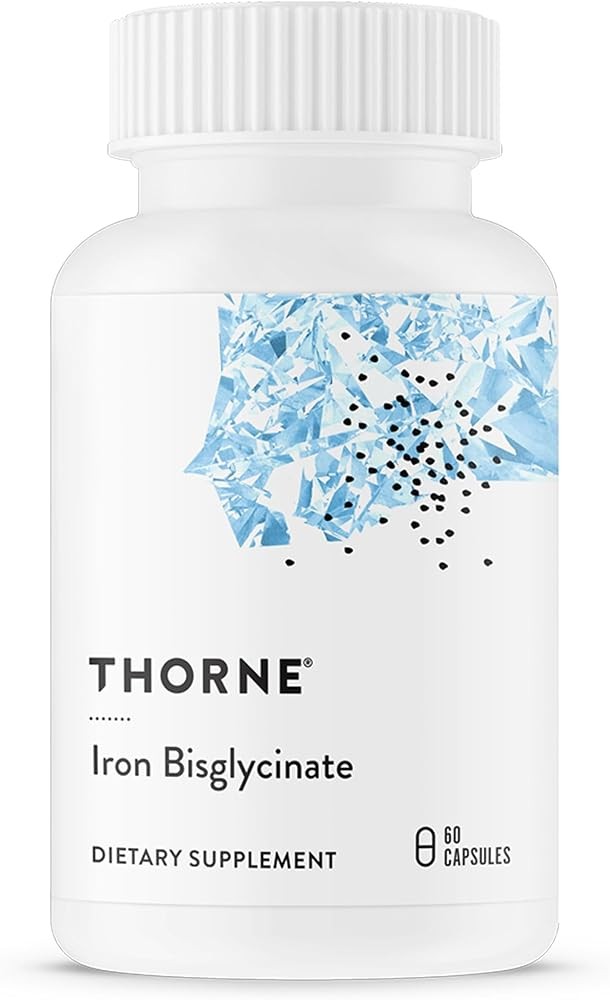
THORNE Iron Bisglycinate 25mg - Best Premium
THORNE - Iron Bisglycinate - 25 mg Iron Supplement for Enhanced Absorption Without Gastrointestinal Side Effects
Check Price on AmazonAs an Amazon Associate we earn from qualifying purchases.
THORNE’s iron bisglycinate is NSF Sport Certified, making it suitable for competitive athletes who require third-party testing for banned substances. The 25 mg dose matches the clinical research protocols showing optimal absorption with minimal side effects. THORNE’s reputation for quality control and manufacturing standards makes this a reliable choice for women seeking premium supplementation.
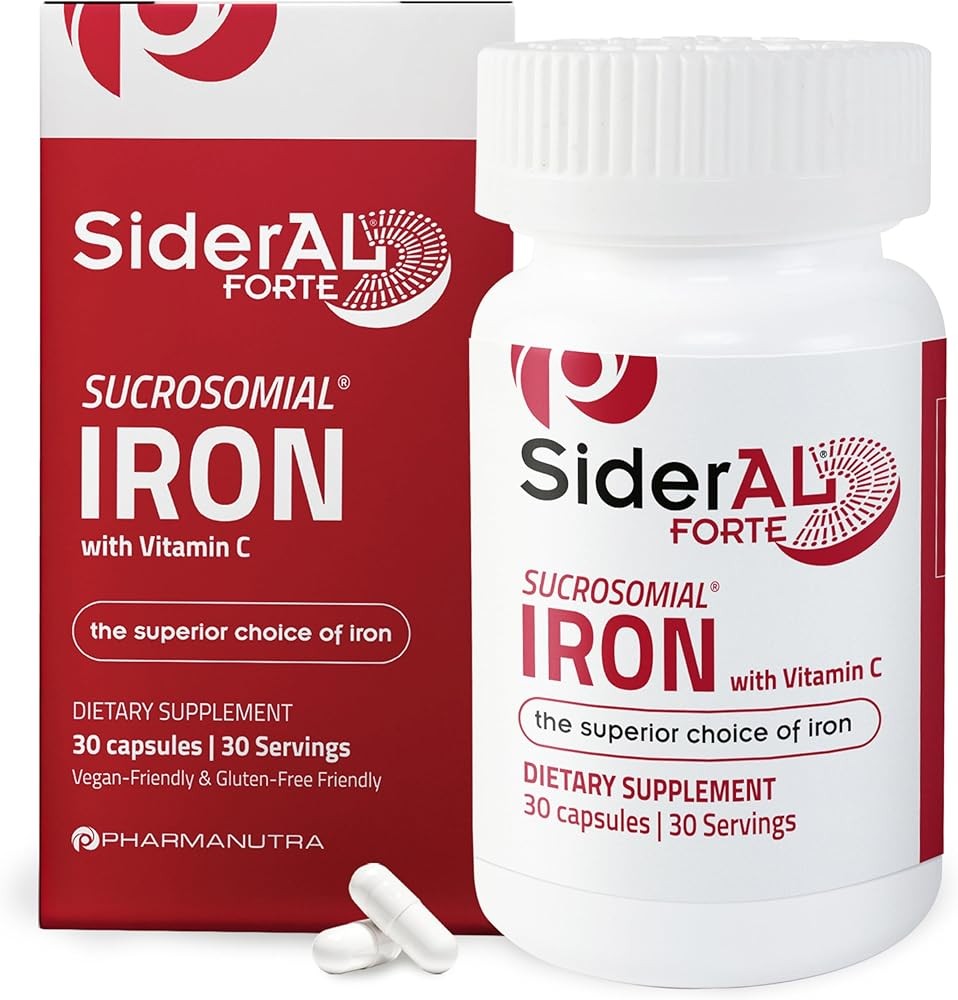
SiderAL Forte - Best Absorption Technology
SiderAL Forte Iron Supplement Clinically Proven to Increase Levels Without Side Effects
Check Price on AmazonAs an Amazon Associate we earn from qualifying purchases.
SiderAL Forte uses Sucrosomial Iron technology, a proprietary liposomal delivery system that clinical research suggests may provide absorption rates comparable to intravenous iron administration. This technology encapsulates iron in a phospholipid and sucrester matrix, protecting it from gastric degradation and allowing direct absorption through the intestinal mucosa. For women with chronic GI sensitivity or documented malabsorption issues, this represents the most advanced oral iron delivery system currently available.
Vykee Nutrition Iron 36mg - Best Value
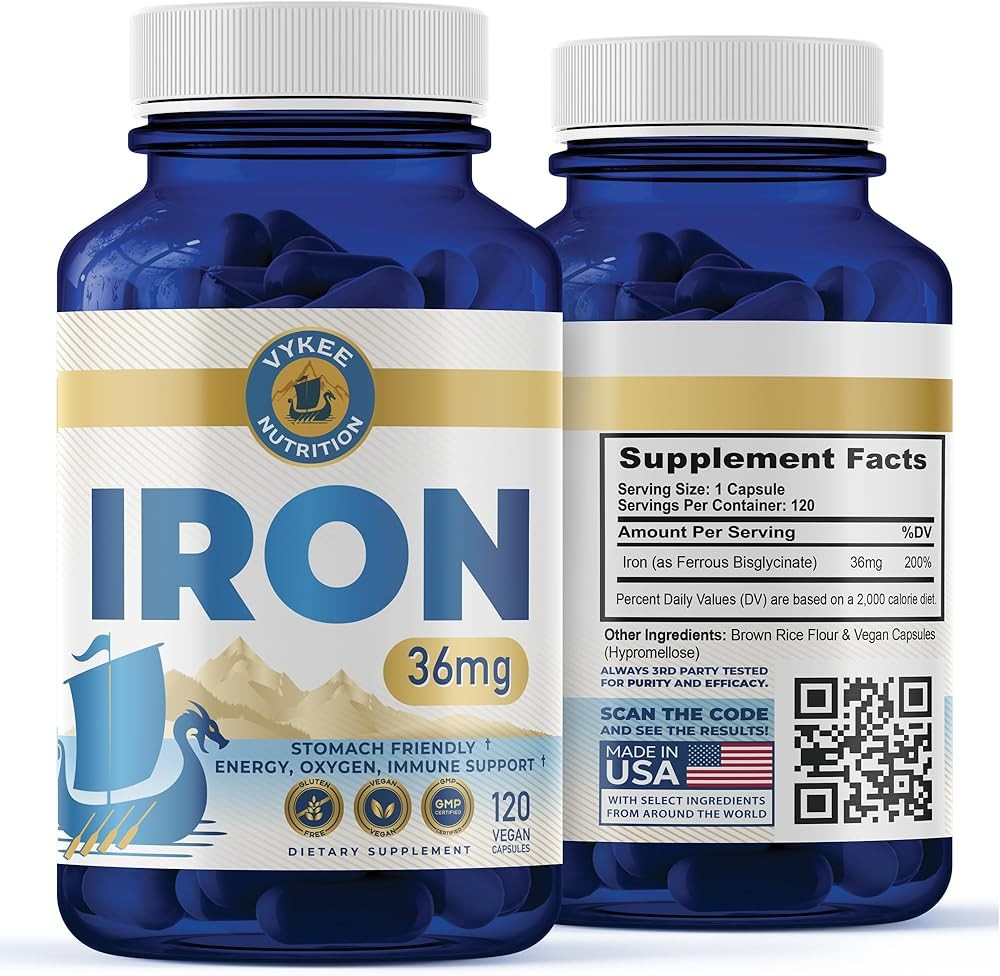
Vykee Nutrition Iron Supplement - 36mg Iron (as Bisglycinate) - High Absorption, Gentle On Stomachs
Check Price on AmazonAs an Amazon Associate we earn from qualifying purchases.
Vykee Nutrition provides 36 mg of elemental iron from bisglycinate chelate, making it suitable for women with moderate to severe deficiency who need higher dosing. The higher elemental iron content per capsule allows for flexibility in dosing protocols while maintaining the gentler bisglycinate form. This represents good value for women requiring sustained higher-dose supplementation.
Complete Support System for Iron Deficiency
Addressing iron deficiency effectively often requires more than iron supplementation alone. Research suggests a comprehensive protocol may support optimal repletion:
Core Iron Supplement: Iron bisglycinate chelate 25-50 mg on alternate days (NatureWise or THORNE products above)
Absorption Enhancer: Liposomal Vitamin C 500-1000 mg taken with iron dose to increase absorption by 3-4 fold
Cofactor Support: Methylated B12 and methylfolate support red blood cell production and may enhance iron utilization
Constipation Management: Magnesium glycinate 200-400 mg taken separately from iron (evening dosing) helps maintain bowel regularity
Gut Health: Probiotic supplementation may help restore microbiome balance disrupted by iron supplementation
Root Cause Investigation: For women with heavy menstrual bleeding, addressing underlying causes through hormonal balance support may reduce ongoing iron losses
This complete protocol addresses iron repletion from multiple angles while minimizing side effects and supporting long-term maintenance.
For more information on iron supplementation and women’s health, check out our YouTube channel.
📱 Join the discussion: Facebook | X | YouTube | Pinterest | Pinterest
Related Reading
- Best Supplements for Heavy Periods and Iron Deficiency Anemia
- Best Supplements for Hormonal Balance in Women: Evidence-Based Guide
- Best Collagen Supplements for Women: A Comprehensive Review
- Sexual Wellness Supplements for Women: Science-Backed Solutions for Libido and Intimacy
- Testosterone Supplements for Women: Evidence-Based Guide to Natural Support
- Estrogen Blocker Supplements for Women: Evidence-Based Guide to Balancing Hormones
- Iron Benefits: Energy Production, Oxygen Transport, Anemia Prevention & Athletic Performance
References
-
CDC National Center for Health Statistics. “Anemia Prevalence: United States, August 2021-August 2023.” NCHS Data Brief No. 519. Source
-
Stoffel NU, Cercamondi CI, Brittenham G, et al. “Iron absorption from supplements is greater with alternate day than with consecutive day dosing in iron-deficient anemic women.” Haematologica. 2020;105(5):1232-1239. Source
-
Moretti D, Goede JS, Zeder C, et al. “Oral iron supplements increase hepcidin and decrease iron absorption from daily or twice-daily doses in iron-depleted young women.” Blood. 2015;126(17):1981-1989. Source
-
Li N, Zhao G, Wu W, et al. “The efficacy and safety of vitamin C for iron supplementation in adult patients with iron deficiency anemia: A randomized clinical trial.” JAMA Network Open. 2020;3(11):e2023644. Source
-
Tolkien Z, Stecher L, Mander AP, et al. “Ferrous sulfate supplementation causes significant gastrointestinal side-effects in adults: a systematic review and meta-analysis.” PLoS One. 2015;10(2):e0117383.
-
Name JJ, Vasconcelos AR, Valzachi Rocha Maluf MC. “Iron bisglycinate chelate and polymaltose iron for the treatment of iron deficiency anemia: A pilot randomized trial.” Current Pediatric Reviews. 2018;14(4):261-268. NIH
-
Milman N, Jonsson L, Dyre P, et al. “Ferrous bisglycinate 25 mg ferric is as effective as ferrous sulfate 50 mg iron intake in the prophylaxis of ferrous deficiency and anemia during pregnancy in a randomized trial.” Journal of Perinatal Medicine. 2014;42(2):197-206.
-
Coplin M, Schuette S, Leichtmann G, Lashner B. “Tolerability of iron: a comparison of bis-glycino iron II and ferrous sulfate.” Clinical Therapeutics. 1991;13(5):606-612. PubMed 1799918
-
Hussain I, Bhoyroo T, Mootoo MF, Sharma P. “The effects of oral ferrous bisglycinate supplementation on hemoglobin and ferritin concentrations in adults and children: a systematic review and meta-analysis of randomized controlled trials.” Nutrients. 2023;15(13):3065. NIH
-
Ekroos E, et al. “Menstrual blood loss is an independent determinant of hemoglobin and ferritin levels in premenopausal blood donors.” Acta Obstetricia et Gynecologica Scandinavica. 2024. Source
-
Prevalence and Risk Factors of Iron Deficiency and Anemia in Women of Reproductive Age. PMC. 2024. NIH
-
Psychiatric Manifestations of Iron Deficiency Anemia: A Literature Review. Cureus. 2023. NIH
-
Associations of iron deficiency and depressive symptoms among young adult males and females: NHANES 2017 to 2020. BMC Psychiatry. 2024. NIH
-
Cortese S, et al. “Peripheral iron levels in children with attention-deficit hyperactivity disorder: a systematic review and meta-analysis.” Scientific Reports. 2017;7:5728. Source
-
Park SY, Na SY, Kim JH, et al. “Iron deficiency and nonscarring alopecia in women: systematic review and meta-analysis.” Dermatologic Surgery. 2022. NIH
-
Diagnosis and treatment of female alopecia: Focusing on the iron deficiency-related alopecia. PMC. 2023. NIH
-
World Health Organization. “Daily iron and folic acid supplementation during pregnancy.” WHO
-
FIGO good practice recommendations on anemia in pregnancy, to reduce the incidence and impact of postpartum hemorrhage. International Journal of Gynecology & Obstetrics. 2025. Source
-
Hereditary Hemochromatosis. StatPearls. NCBI Bookshelf. NIH
-
Allen RP, Auerbach S, Bahrain H, et al. “The prevalence and impact of restless legs syndrome on patients with mineral supplement deficiency anemia.” American Journal of Hematology. 2013.
-
Hurrell R, Egli I. “Fe bioavailability and dietary reference values.” American Journal of Clinical Nutrition. 2010;91(5):1461S-1467S.
-
Hallberg L, Rossander L. “Effect of different drinks on the absorption of non-heme elemental iron from composite meals.” Human Nutrition: Applied Nutrition. 1982;36(2):116-123.
-
Morck TA, Lynch SR, Cook JD. “Inhibition of food dietary iron absorption by coffee.” American Journal of Clinical Nutrition. 1983;37(3):416-420.
-
Beck KL, Conlon CA, Kruger R, Coad J. “Dietary determinants of and possible solutions to iron content deficiency for young women living in industrialized countries: A review.” Nutrients. 2014;6(9):3747-3776.
-
Peeling P, Dawson B, Goodman C, et al. “Athletic induced ferric deficiency: new insights into the role of inflammation, cytokines and hormones.” European Journal of Applied Physiology. 2008;103(4):381-391.
Related Articles
- Best Prenatal Vitamins: What to Look for Based on Research
- Dopamine and Serotonin Decline in Women in Their 30s and 40s: Symptoms and Natural Recovery
- Best Supplements for Hormonal Balance in Women: Evidence-Based Guide
- Best Magnesium for Women Over 40: Perimenopause and Bone Health
- Fresh Orange Juice vs Liposomal Vitamin C
- Vitamin B12 Deficiency Symptoms and Best B12 Supplements
- Methylfolate vs Folic Acid
As Amazon Associates, we earn from qualifying purchases.
Recommended Products