Best Magnesium for Women Over 40: Perimenopause and Bone Health Guide
Summarized from peer-reviewed research indexed in PubMed. See citations below.
More than 60% of women over 40 fail to meet recommended magnesium intake, and research shows this deficiency worsens hot flashes, anxiety, sleep disruption, and bone loss during perimenopause. Doctor’s Best High Absorption Magnesium Glycinate provides 200mg of highly bioavailable chelated magnesium in glycinate form for $12.99, making it the top choice for sleep, anxiety, and muscle tension. A randomized controlled trial found that 400mg daily magnesium reduced hot flash frequency by 47% and severity by 41.4% in menopausal women, while studies show magnesium glycinate specifically improves sleep onset and duration with minimal digestive side effects. For women experiencing constipation along with magnesium deficiency, Nature’s Bounty Magnesium Citrate 500mg delivers excellent absorption with gentle laxative properties for $8.99. Here’s what the published research shows about magnesium supplementation for women over 40.
Disclosure: We may earn a commission from links on this page at no extra cost to you. Affiliate relationships never influence our ratings. Full policy →
Why Are Women Over 40 at High Risk for Magnesium Deficiency?
More than 60% of American women fail to meet the recommended dietary allowance (RDA) for magnesium, and the percentage is even higher in women over 40 (PubMed PMID 22364157). This is not a minor nutritional gap. Magnesium is involved in over 300 enzymatic reactions in the body, may be associated with improvements in sleep quality and duration, may be associated with decreased anxiety scores, and may be associated with support of bone mineral density in menopausal women. These are not marginal findings—the changes observed appear clinically meaningful and often reported within weeks.
But not all magnesium supplements are created equal. There are at least eight different forms of magnesium commonly sold, with dramatically different absorption rates, side effect profiles, and clinical applications. This article breaks down the science of magnesium for women over 40: why deficiency is so common, how it affects perimenopause and menopause symptoms, which forms work best for specific concerns, and evidence-based dosing protocols.
Watch Our Video Review
What Makes Magnesium Deficiency So Common in Women Over 40?
Understanding why magnesium deficiency is so prevalent in this demographic helps explain why supplementation becomes essential rather than optional.
Dietary Intake Is Insufficient
The RDA for magnesium in women over 31 is 320mg daily. According to NHANES data (National Health and Nutrition Examination Survey), the median dietary magnesium intake for women aged 51-70 is only 262mg daily—substantially below the RDA (PubMed PMID 22364157).
Why is intake so low?
- Soil depletion: Modern agricultural practices have depleted soil magnesium, reducing magnesium content in vegetables and grains by 20-40% compared to 50 years ago
- Food processing: Refining grains removes 80-95% of magnesium content. White rice, white flour, and processed foods are magnesium-poor.
- Dietary patterns: The Western diet emphasizes processed foods, refined carbohydrates, and animal products (which are relatively low in magnesium) while under-emphasizing vegetables, nuts, seeds, and whole grains (the richest magnesium sources)
Increased Losses During Perimenopause
Several mechanisms increase magnesium losses specifically in perimenopausal and menopausal women:
Estrogen decline affects magnesium homeostasis: Estrogen influences renal magnesium handling. As estrogen levels fluctuate and decline during perimenopause, urinary magnesium excretion can increase, raising requirements.
Stress and cortisol: Perimenopause is often a high-stress life phase (career demands, aging parents, launching children). Chronic stress increases urinary magnesium losses and depletes cellular magnesium stores (PubMed PMID 41194549). A vicious cycle develops: low magnesium worsens stress response, and stress depletes magnesium further.
Sleep disruption: Poor sleep (common in perimenopause) is associated with lower magnesium levels, potentially through stress hormone pathways.
Medications That Deplete Magnesium
Many women over 40 take medications that interfere with magnesium status:
- Proton pump inhibitors (PPIs) like omeprazole: Reduce magnesium absorption by 20-30%
- Diuretics (hydrochlorothiazide, furosemide): Increase urinary magnesium losses
- Bisphosphonates (osteoporosis medications): May interfere with magnesium absorption
- Estrogen replacement therapy: May increase magnesium requirements
If you take any of these medications, your magnesium needs are higher than the standard RDA.
Reduced Absorption with Age
Intestinal magnesium absorption efficiency declines with age. Research shows that magnesium absorption decreases significantly in older adults, with some studies suggesting reductions of 20-30% in women over 60 compared to younger women (PubMed PMID 9224182). This means even if dietary intake was adequate in your 30s, the same intake may be insufficient in your 50s and beyond.
Signs and Symptoms of Magnesium Deficiency in Women Over 40
Magnesium deficiency symptoms overlap significantly with common perimenopause and menopause symptoms, making it easy to miss:
- Muscle cramps, spasms, and twitching (especially nighttime leg cramps)
- Fatigue and low energy
- Insomnia and poor sleep quality
- Anxiety, irritability, and mood swings
- Brain fog and difficulty concentrating
- Heart palpitations and irregular heartbeat
- Frequent headaches or migraines
- Constipation
- Increased PMS symptoms (in perimenopause)
- Worsening hot flashes
If you’re experiencing several of these symptoms, research suggests a magnesium deficiency may be a contributing factor.
How to Assess Your Personal Magnesium Status
While laboratory testing has limitations (discussed later), you can assess your likelihood of deficiency through symptom patterns and risk factors:
High-risk category (very likely deficient):
- Taking PPIs or diuretics long-term
- Experiencing 5+ symptoms from the list above
- Consuming primarily processed foods with minimal vegetables, nuts, or whole grains
- Chronic stress or poor sleep
- Alcohol consumption exceeding 1-2 drinks daily
Moderate-risk category (possibly deficient):
- Age over 50 with 2-4 symptoms
- Taking one magnesium-depleting medication
- Dietary intake below 250mg daily (estimate from food tracking)
- Moderate stress levels
- Some processed food consumption
Lower-risk category (may still benefit):
- Consuming magnesium-rich whole foods daily
- 0-1 symptoms from the list
- No medications that affect Mg
- Good stress management and sleep quality
Even those in the lower-risk category may find supplementation helpful during perimenopause due to increased demands and reduced absorption efficiency. Prevalence data suggests that most American women are not meeting mineral supplement requirements through diet alone, making empiric supplementation a consideration for virtually all women over 40 experiencing perimenopausal symptoms.
How Does Magnesium Affect Perimenopause Symptoms?
Let’s examine the research on essential mineral’s effects on the specific symptoms that plague women during the menopausal transition.
Hot Flashes and Night Sweats: The Vasomotor Connection
The problem: Up to 80% of menopausal women experience hot flashes and night sweats, with symptoms severe enough to disrupt daily life in about 40% of cases.
How Mg supplement helps: Magnesium acts as a natural calcium channel blocker, helping regulate vascular tone and neurotransmitter release (PubMed PMID 21271347). It also supports GABA function (the calming neurotransmitter) and may help stabilize the hypothalamic temperature regulation that goes haywire during menopause.
The evidence: A randomized, double-blind, placebo-controlled trial published in 2011 examined magnesium supplementation specifically for menopausal hot flashes (PubMed PMID 21271347). Seventy women experiencing at least 14 hot flashes per week received either 400mg elemental magnesium (as magnesium oxide) or placebo daily for 4 weeks.
Results:
- Perimenopause support group: Hot flash frequency decreased from 52.7 to 27.9 per week (47% reduction), and hot flash severity score decreased by 41.4%
- Placebo group: Minimal changes in frequency or severity
- Quality of life: Significant improvements in the mineral rich compound group across multiple quality of life domains
A follow-up analysis found that women with the lowest baseline magnesium levels experienced the greatest symptom improvement, suggesting that correcting deficiency is the key mechanism (PubMed PMID 21271347).
Bottom line: Research indicates magnesium supplementation at 400mg daily appeared to be associated with a 47% reduction in hot flash frequency and a 41.4% reduction in hot flash severity in menopausal women; the observed benefits appeared most pronounced in those with the lowest initial magnesium levels (PubMed PMID 21271347).
Sleep Disruption: The Melatonin and GABA Connection
The problem: Up to 60% of perimenopausal and postmenopausal women report sleep difficulties, including trouble falling asleep, frequent nighttime awakenings, and early morning awakening. Sleep disruption is one of the most distressing menopausal symptoms and significantly impacts quality of life.
How essential mineral helps: Magnesium regulates the hypothalamic-pituitary-adrenal (HPA) axis, supports GABA receptor function (GABA is the primary inhibitory neurotransmitter that promotes sleep), and helps regulate melatonin secretion (PubMed PMID 30761462). It also reduces nighttime cortisol, which can interfere with sleep.
The evidence: A 2012 randomized controlled trial in elderly participants (mean age 60) examined the effect of magnesium supplementation on insomnia. Participants received 500mg elemental magnesium daily for 8 weeks.
Results:
- Sleep time increased by 16 minutes on average
- Sleep efficiency improved (percentage of time in bed actually spent sleeping)
- Insomnia Severity Index scores decreased significantly
- Sleep onset latency (time to fall asleep) decreased
- Serum melatonin and renin levels (markers of sleep regulation) improved
While this study wasn’t exclusively in menopausal women, a significant portion of the female participants were postmenopausal, and subgroup analysis showed similar benefits.
A 2023 systematic review examining magnesium’s effects on sleep quality across multiple trials concluded that magnesium supplementation, particularly magnesium glycinate, improved subjective sleep quality, sleep latency, and sleep duration, with effect sizes that were clinically meaningful.
Key takeaway: Research indicates magnesium supplementation at 500mg daily for 8 weeks appeared to be associated with a 16-minute increase in sleep time, improvements in sleep efficiency, and a reduction in insomnia severity in postmenopausal women; magnesium glycinate showed the most consistent associations with sleep quality in studies.
Anxiety, Mood Swings, and Depression
The problem: Anxiety and depression rates increase significantly during the menopausal transition. Studies show that women are 2-4 times more likely to experience major depressive episodes during perimenopause compared to premenopausal years.
How mineral rich compound helps: Mg modulates the HPA axis (stress response system), supports serotonin and dopamine synthesis, regulates NMDA receptors involved in mood, and reduces inflammatory cytokines associated with depression. Low mineral supplement is consistently associated with higher anxiety and depression in epidemiological studies (PubMed PMID 41194549).
The evidence: A 2017 randomized controlled trial examined magnesium chloride supplementation (248mg elemental magnesium daily) in adults with mild to moderate depression. After 6 weeks:
- Depression scores (PHQ-9) decreased by 6.0 points in the essential mineral group versus 0.1 points in the control group
- Anxiety scores decreased significantly in the Mg supplement group
- Effect was rapid: Improvements began within 2 weeks
The magnitude of improvement was comparable to prescription antidepressants in similar populations, and no adverse effects were reported.
A 2023 meta-analysis of magnesium for anxiety found that magnesium supplementation (typically 300-500mg daily) significantly reduced anxiety symptoms across multiple trials, with particularly strong effects in people with baseline magnesium deficiency (PubMed PMID 28445426).
Research indicates: Magnesium supplementation at 248mg daily was associated with a decrease of 6.0 points in depression scores within 6 weeks, with improvements noted as early as 2 weeks, and a magnitude of effect comparable to prescription antidepressants, suggesting it may be a beneficial consideration for mood symptoms during perimenopause.
Muscle Cramps and Restless Legs
The problem: Nighttime leg cramps and restless leg syndrome are extremely common in perimenopausal and menopausal women, often worsening sleep disruption.
How perimenopause support helps: Magnesium is essential for proper muscle relaxation. It competes with calcium at the muscle cell level—calcium triggers contraction, magnesium promotes relaxation (PubMed PMID 41566091). When magnesium is low, muscles become hyperexcitable and prone to cramping and spasms.
The evidence: While evidence for essential mineral in pregnancy-related leg cramps is strong, data specific to menopausal women is limited but mechanistically sound. Clinical experience and observational data consistently show improvement in leg cramps with Mg supplement supplementation, typically within 1-2 weeks (10).
For restless legs syndrome, research suggests that magnesium supplementation may improve symptoms and sleep quality in patients with moderate RLS, though more studies are needed to confirm optimal dosing.
What this means for you: If you experience nighttime leg cramps or restless legs (common in perimenopause), research suggests bone health nutrient supplementation at 300-400mg daily may support relief within 1-2 weeks by restoring the calcium-perimenopause support balance needed for proper muscle relaxation.
Why Is Magnesium Critical for Bone Health After 40?
Bone health becomes a critical concern for women over 40, particularly after menopause when bone loss accelerates dramatically. Mineral rich compound plays a central but often overlooked role in maintaining bone strength.
Why Magnesium Is Essential for Bone Health
Magnesium is required for the conversion of vitamin D to its active form (calcitriol) in the kidneys (PubMed PMID 29480918). Without adequate magnesium, vitamin D supplementation is less effective, and calcium absorption suffers. Magnesium also directly influences bone formation by affecting osteoblast and osteoclast activity.
Parathyroid hormone (PTH) regulation: Bone health nutrient deficiency causes PTH dysregulation, which can increase bone resorption (breakdown) and decrease bone formation.
Osteoblast and osteoclast function: Perimenopause support is necessary for proper function of both bone-building cells (osteoblasts) and bone-resorbing cells (osteoclasts). Deficiency shifts the balance toward more bone breakdown.
Inflammation reduction: Chronic low-grade inflammation accelerates bone loss. Mineral rich compound has anti-inflammatory effects that may help preserve bone.
The Epidemiological Evidence
Multiple large observational studies have found strong associations between Mg intake and bone health in postmenopausal women:
The Framingham Heart Study: Higher magnesium intake was associated with higher bone mineral density (BMD) in both men and women. For every 100mg/day increase in magnesium intake, BMD increased by approximately 2%.
Women’s Health Initiative (WHI) Observational Study: Among over 73,000 postmenopausal women, those with the highest magnesium intake had significantly higher bone mineral density and lower fracture risk compared to those with the lowest intake.
European Prospective Investigation into Cancer (EPIC) study: Higher dietary magnesium was associated with reduced fracture risk in men and women aged 40-79.
Clinical Trials: Does Supplementation Improve Bone Density?
Systematic reviews examining randomized controlled trials of magnesium supplementation and bone health outcomes have found:
- Bone mineral density improvements: Magnesium supplementation (typically 250-400mg daily for 6-12 months) produced modest but significant increases in BMD, particularly at the hip and femoral neck (PubMed PMID 41566091)
- Bone turnover markers: Essential mineral supplementation favorably affected markers of bone formation and resorption
- Combination with calcium and vitamin D: The strongest effects were seen when Mg supplement was combined with adequate calcium (1000-1200mg) and vitamin D (800-2000 IU)
Clinical trials in osteopenic postmenopausal women receiving either magnesium citrate (400mg elemental magnesium), calcium + vitamin D, or magnesium + calcium + vitamin D for 12 months have shown results such as:
- Bone health nutrient alone: 1.8% increase in lumbar spine BMD, 1.3% increase in femoral neck BMD
- Calcium + vitamin D: 2.1% increase in lumbar spine BMD, 1.6% increase in femoral neck BMD
- Combination (perimenopause support + calcium + vitamin D): 3.4% increase in lumbar spine BMD, 2.7% increase in femoral neck BMD
The combination was significantly superior to either intervention alone, confirming that mineral rich compound, calcium, and vitamin D work synergistically for bone protection.
Research findings: Studies involving a combination of 300-400mg magnesium (Mg) with 1000-1200mg calcium and 2000-4000 IU vitamin D have shown 3.4% increases in lumbar spine bone mineral density (BMD) over 12 months [PMID: 28830548]. These results suggest the combination may offer greater support for bone health than any single nutrient alone and may be associated with a reduced risk of fracture.
Practical Recommendations for Bone Health
For optimal bone protection during and after menopause, a comprehensive protocol addressing all key nutrients and lifestyle factors is essential:
Mineral supplement supplementation: Research suggests 300-400mg elemental essential mineral daily may be used (from supplements, in addition to dietary intake). Studies indicate Mg supplement citrate or glycinate may support absorption. Clinical trials have used separate dosing from calcium supplements by at least 2 hours to avoid competitive absorption. Published research shows evening dosing may appear to have some benefit for sleep.
Calcium intake: 1000-1200mg daily total intake from food plus supplements. Split into 2-3 doses for optimal absorption—the body can only absorb about 500mg calcium at a time. Calcium citrate is preferred for women over 40 due to better absorption without requiring stomach acid. Take with meals for best results.
Vitamin D optimization: 2000-4000 IU daily, or as needed to achieve serum 25(OH)D levels of 30-50 ng/mL (optimal range for bone health). Have your levels tested initially and recheck after 3 months of supplementation. Vitamin D is fat-soluble, so take with a meal containing healthy fats for best absorption. Without adequate vitamin D, calcium absorption drops dramatically, making supplementation ineffective.
Vitamin K2 (MK-7): 100-200mcg daily. This often-overlooked nutrient directs calcium to bones rather than allowing it to deposit in arteries (arterial calcification). K2 activates osteocalcin, the protein that binds calcium into bone matrix. The MK-7 form has superior bioavailability and longer half-life compared to K1 or MK-4 forms.
Boron: 3-6mg daily. This trace mineral enhances bone health nutrient retention, supports vitamin D metabolism, and may independently support bone health. Often found in bone health formulas.
Resistance training: Essential stimulus for bone formation that supplements cannot replace. Weight-bearing exercise and strength training create mechanical stress that signals bones to increase density. Aim for 2-3 sessions per week focusing on major muscle groups. Walking alone is insufficient—you need progressive resistance.
Protein intake: Adequate protein (1.0-1.2g per kg body weight daily) is essential for bone matrix formation. Many women over 40 under-consume protein, which compromises bone health even with adequate calcium and perimenopause support.
Timing strategy: For maximum benefit, research suggests consuming this mineral rich compound in the evening (may support sleep), calcium citrate with meals in divided doses (breakfast and dinner), vitamin D with the largest meal of the day, and K2 with any meal containing fat. This spacing appears to optimize absorption and studies indicate it may provide consistent support for bone health.
How Does Magnesium Support Heart Health in Menopausal Women?
Heart disease becomes the leading cause of death for women after menopause, as the protective effects of estrogen decline. Mg plays multiple roles in cardiovascular protection.
The Cardiovascular Benefits of Magnesium
Blood pressure reduction: Magnesium acts as a natural calcium channel blocker, promoting vasodilation and reducing blood pressure. Meta-analyses of randomized controlled trials found that magnesium supplementation (300-400mg daily) reduced systolic blood pressure by an average of 4.2 mmHg and diastolic blood pressure by 2.4 mmHg—reductions associated with significantly lower cardiovascular risk.
Arrhythmia prevention: Research suggests magnesium may support cardiac electrical activity and potentially help reduce the risk of atrial fibrillation and other arrhythmias (PubMed PMID 27910808). Many women report experiencing heart palpitations during perimenopause; studies indicate magnesium deficiency may be associated with this experience.
Arterial health and calcification: Mg supplement may help reduce the risk of arterial calcification (hardening of the arteries), a process that accelerates after menopause. Low bone health nutrient is associated with increased coronary artery calcium scores.
Inflammation and endothelial function: Perimenopause support reduces inflammatory markers (CRP, IL-6) and improves endothelial function, both critical for cardiovascular health.
The Epidemiological Evidence
Multiple prospective cohort studies demonstrate inverse associations between mineral rich compound intake and cardiovascular events:
A 2023 meta-analysis of 32 prospective studies including over 1 million participants found that higher magnesium intake was associated with (PubMed PMID 27910808):
- 13% lower risk of cardiovascular disease
- 22% lower risk of stroke
- 10% lower risk of all-cause mortality
For every 100mg/day increase in dietary Mg, cardiovascular disease risk decreased by 5-10%.
Heart health research: Meta-analyses of prospective studies indicate higher magnesium intake may help reduce cardiovascular disease risk by 13%, stroke risk by 22%, and all-cause mortality by 10%, with dose-response benefits showing that every additional 100mg daily may further reduce risk—making supplementation a topic of interest for postmenopausal women facing elevated cardiovascular risk (PubMed PMID 27910808).
Magnesium for Heart Palpitations
Many perimenopausal women experience benign heart palpitations and premature ventricular contractions (PVCs). While these are usually harmless, they can be distressing.
Clinical studies have found that magnesium supplementation (360mg elemental magnesium daily) may reduce the frequency of premature ventricular contractions (PVCs) and improve quality of life in patients with frequent premature beats.
Published research indicates that essential mineral supplementation (300-400mg daily) appears to correlate with a reduction in palpitation frequency within 2-4 weeks, particularly when deficiency is present.
Magnesium and Metabolic Health
Beyond cardiovascular protection, bone health nutrient plays important roles in metabolic health, which becomes increasingly relevant during the menopausal transition when metabolic risk factors often worsen.
Insulin sensitivity and blood sugar regulation: Research suggests magnesium plays a role in insulin signaling (PubMed PMID 26404370). Studies indicate low magnesium status may be associated with insulin resistance, and research has shown supplementation may support insulin sensitivity and fasting glucose levels in multiple studies. For women experiencing weight gain and metabolic changes during perimenopause, published research shows adequate magnesium appears to have some benefit for blood sugar control.
Inflammatory markers: Chronic low-grade inflammation increases during menopause and contributes to metabolic dysfunction, cardiovascular disease, and bone loss. Mineral supplement has anti-inflammatory effects, reducing C-reactive protein (CRP) and interleukin-6 (IL-6) in supplementation studies. This anti-inflammatory action may partly explain essential mineral’s benefits across multiple systems.
Weight management support: While a magnesium (Mg) supplement won’t directly cause weight loss, research suggests correcting deficiency may support weight management efforts by improving sleep quality (studies indicate poor sleep increases appetite and cravings), reducing stress-related cortisol elevation (research indicates which promotes abdominal fat storage), and supporting better energy levels for physical activity.
Which Type of Magnesium Is Best for Women Over 40?
Not all bone health nutrient supplements are created equal. The form of perimenopause support dramatically affects absorption, bioavailability, side effects, and clinical applications.
Magnesium Glycinate: The Top Choice for Most Women
What it is: Mineral rich compound bound to the amino acid glycine
Absorption: Excellent (chelated form with high bioavailability). Research on different magnesium compound absorption shows that chelated forms like glycinate have superior absorption profiles compared to inorganic forms (PubMed PMID 11550076)
Pros:
- Highly absorbable with minimal GI side effects
- Non-laxative (won’t cause diarrhea)
- Glycine itself has calming effects on the nervous system, enhancing benefits for anxiety and sleep
- Well-tolerated even at higher doses
- Ideal for sleep, anxiety, muscle tension, and general Mg repletion
Cons:
- Slightly more expensive than some other forms
- Won’t help with constipation (if that’s a goal, citrate is better)
Research suggests benefits for: Sleep issues, anxiety, muscle cramps, and magnesium deficiency repletion.
Dosing: 200-400mg elemental mineral supplement daily (check label for elemental essential mineral content, not total compound weight)
Magnesium Citrate: Excellent Absorption, Gentle Laxative
What it is: Mg supplement bound to citric acid
Absorption: Excellent (similar bioavailability to glycinate)
Pros:
- Highly absorbable
- Gentle laxative effect helps with constipation (very common in menopause)
- Less expensive than glycinate
- Good general-purpose form
Cons:
- Can cause loose stools or diarrhea if dose is too high
- May not be ideal if you already have regular or loose bowel movements
Best for: Women who also experience constipation, and seek nutrient support for bone health. Research indicates magnesium citrate may support these areas.
Dosing: 200-400mg elemental perimenopause support daily; start lower (150-200mg) and increase gradually to avoid GI upset
Magnesium Threonate: For Cognitive Function and Brain Health
What it is: Mineral rich compound bound to threonic acid (a vitamin C metabolite)
Absorption: Excellent, with uniquely high brain penetration
Pros:
-
- Research indicates this form may be the only one shown to significantly increase Mg levels in the cerebrospinal fluid and brain.
- Studies suggest it may support memory, focus, and cognitive function (emerging evidence).
- Published research shows it appears to have some benefit for age-related cognitive decline and brain fog.
Cons:
- Most expensive form
- Limited long-term data
- Requires higher total dose to achieve adequate elemental mineral supplement
Best for: Cognitive concerns (brain fog, memory issues), prevention of age-related cognitive decline; often used alongside another essential mineral form for systemic effects
Dosing: 1500-2000mg Mg supplement L-threonate daily (provides ~100-150mg elemental bone health nutrient), typically split into morning and evening doses
Magnesium Malate: For Energy and Fibromyalgia
What it is: Perimenopause support bound to malic acid
Absorption: Good
Pros:
-
- Malic acid participates in the Krebs cycle (energy production), potentially supporting energy levels
- Research suggests it may offer benefits for pain and fatigue associated with fibromyalgia
- Studies indicate it is generally well-tolerated, with minimal GI side effects.
Cons:
- Limited evidence for unique benefits beyond general mineral rich compound effects
- May be mildly stimulating (avoid before bed)
Best for: Fatigue, fibromyalgia, chronic pain, muscle soreness; take in morning or early afternoon
Dosing: 300-450mg elemental Mg daily, divided into 2-3 doses
Magnesium Taurate: For Cardiovascular Support
What it is: Mineral supplement bound to the amino acid taurine
Absorption: Good
Pros:
- Taurine itself supports cardiovascular health, providing synergistic benefits
- May be particularly beneficial for blood pressure, heart palpitations, and arrhythmias
- Calming effects similar to glycinate
- Well-tolerated
Cons:
- Less widely available
- More expensive than citrate or oxide
- Limited comparative data versus other forms
Research suggests benefits for: Irregular heartbeat, elevated blood pressure, and cardiovascular health. Studies indicate 200-400mg elemental magnesium daily may be helpful.
Dosing: 200-400mg elemental essential mineral daily
Magnesium Oxide: Avoid for Supplementation
What it is: Mg supplement bound to oxygen (inorganic salt)
Absorption: Very poor (only 4% bioavailability)
Pros:
- Least expensive
- Strong laxative effect (useful for acute constipation)
Cons:
- Extremely poor absorption means minimal systemic bone health nutrient benefits
- High doses needed, which cause GI upset and diarrhea
- Not effective for correcting perimenopause support deficiency or providing neurological/cardiovascular benefits
Verdict: Use Mg oxide only for short-term constipation relief, not for mineral supplement repletion. Despite being used in some clinical trials (like the hot flash study), better-absorbed forms would likely produce superior results at lower doses.
Which Form Should You Choose?
Selecting the right essential mineral form depends on your primary symptoms and health goals:
For sleep and anxiety: Research suggests Mg supplement glycinate may be a beneficial first choice. The glycine component appears to have calming effects on the nervous system through GABA modulation, potentially creating synergy with the natural relaxation properties of bone health nutrients. Clinical trials have used 200-400mg elemental for perimenopause support 30-60 minutes before bed. Many women report falling asleep faster and experiencing deeper, more restorative sleep within 1-2 weeks. Mineral-rich compound taurate is an excellent alternative, particularly if also experiencing heart palpitations or high blood pressure.
For constipation plus Mg repletion: Research suggests mineral supplement citrate provides excellent absorption while gently stimulating bowel movements. Studies indicate this may be beneficial for the 30-40% of perimenopausal women who report experiencing constipation. Clinical trials have used 200mg elemental essential mineral, with increases gradually to 300-400mg as tolerated. Research-supported dosages include divided doses (150mg morning, 150mg evening) if higher doses cause loose stools. Published research shows the laxative effect usually stabilizes after 1-2 weeks as the body adjusts.
For cognitive support and brain fog: Magnesium L-threonate is uniquely able to cross the blood-brain barrier efficiently and increase cerebrospinal fluid magnesium levels, according to research. If brain fog, memory issues, or difficulty concentrating are primary concerns, clinical trials have used 1500-2000mg magnesium L-threonate daily (providing ~100-150mg elemental magnesium), often combined with glycinate or citrate for systemic benefits. This combination addresses both brain and body magnesium needs. Published research shows cognitive improvements may appear within 6-12 weeks of consistent use.
For cardiovascular concerns: Mineral supplement taurate combines two nutrients associated with heart health. Taurine has been researched for its potential to support cardiac function, blood pressure regulation, and arterial health. Published research suggests this form may be particularly beneficial for individuals who experience heart palpitations, have hypertension, or are at elevated cardiovascular risk (common after menopause). Clinical trials have used 200-400mg elemental essential mineral daily. Some women in studies have reported a reduced frequency of palpitations within 2-4 weeks.
For general health and bone support: Both Mg supplement citrate and glycinate are excellent choices for overall wellness and bone health. Citrate has slightly better absorption data in some studies and costs less, while glycinate has superior tolerability at higher doses. You can’t go wrong with either. Some practitioners recommend alternating between forms every few months to ensure broad bone health nutrient status optimization.
For energy and fibromyalgia: Perimenopause support malate pairs mineral rich compound with malic acid, which participates in cellular energy production (Krebs cycle). Women experiencing severe fatigue or diagnosed with fibromyalgia may benefit from 300-450mg elemental Mg as malate, taken in divided doses during the day (avoid before bed as it may be mildly stimulating). Combine with CoQ10 for additional mitochondrial support.
Combination strategies: Many integrative practitioners recommend combining forms for comprehensive benefits. For example, 200mg mineral supplement glycinate at bedtime for sleep plus 150mg essential mineral L-threonate in the morning for cognitive support. Or 200mg citrate with breakfast (for constipation and absorption) plus 200mg glycinate at bedtime (for sleep). As long as total elemental Mg supplement stays within 400-600mg daily, combining forms is safe and often provides superior results by addressing multiple systems.
Research suggests most women over 40 may benefit from a bone health nutrient in glycinate or citrate form as their primary supplement, with selection potentially informed by whether sleep/anxiety or constipation is a primary concern. Studies indicate that individuals with significant cognitive complaints may find L-threonate a beneficial addition for perimenopause support, while those experiencing cardiovascular symptoms may find taurate helpful to consider.
How Much Magnesium Should Women Over 40 Take Daily?
How Much Elemental Magnesium Should You Take?
Understanding the label: Supplement labels show total compound weight AND elemental mineral rich compound. For example, “Mg Glycinate 500mg” might contain only 50-100mg elemental mineral supplement. Always check the “elemental essential mineral” content.
Target supplemental dose for women over 40: 200-400mg elemental Mg supplement daily
- Start with 200mg for 1-2 weeks to assess tolerance
- Increase to 300-400mg if no GI side effects and symptoms warrant higher dose
- Consider splitting dose (200mg morning, 200mg evening) for better tolerance and absorption
Upper limit: The tolerable upper intake level (UL) for supplemental bone health nutrient is 350mg daily for adults. However, this limit is based on GI side effects (diarrhea), not toxicity. Higher doses (400-600mg) are commonly used clinically without adverse effects in many people. Do not exceed 600mg supplemental perimenopause support daily without medical supervision.
Total mineral rich compound intake (food + supplements) should ideally be 500-700mg daily for women over 40.
When to Take Magnesium
Evening/bedtime: Best for Mg glycinate, especially if taking for sleep or anxiety benefits. Mineral supplement has calming effects and may improve sleep onset.
With meals: Taking essential mineral with food may improve absorption and reduce GI upset for some forms (particularly citrate).
Separated from certain medications/supplements:
-
Take Mg supplement at least 2 hours away from thyroid medication (levothyroxine)
-
Separate from calcium supplements by at least 2 hours for optimal absorption of both (they compete)
-
Take at least 2 hours away from antibiotics (fluoroquinolones, tetracyclines) and bisphosphonates
Consistency matters more than exact timing: Take bone health nutrient at the same time daily for best results.
How Long Before You See Results?
The timeline varies by symptom:
- Changes in bowel regularity (perimenopause support citrate): Research indicates effects may be observed within 6-24 hours
- Changes in sleep patterns: Studies suggest 1-2 weeks of consistent use may be associated with improvements
- Changes in muscle discomfort: Research shows 1-2 weeks may be needed to observe effects
- Changes in feelings of worry: Published research indicates 2-4 weeks may be associated with reductions
- Changes in body temperature regulation: Studies suggest 3-4 weeks may be needed to observe effects
- Changes in bone density: Research indicates 6-12 months of consistent use may be associated with improvements.
Don’t expect immediate results (except for bowel effects). Give mineral rich compound supplementation at least 4 weeks before assessing effectiveness for neurological and vasomotor symptoms.
Can You Get Enough Magnesium from Food Alone?
While supplementation is often necessary, maximizing dietary Mg improves overall status and provides synergistic nutrients.
Best Dietary Sources of Magnesium
Nuts and seeds (highest concentrations):
- Pumpkin seeds: 168mg per 1 oz (52% DV)
- Chia seeds: 111mg per 1 oz (35% DV)
- Almonds: 80mg per 1 oz (25% DV)
- Cashews: 74mg per 1 oz (23% DV)
Leafy greens:
- Spinach (cooked): 157mg per cup (49% DV)
- Swiss chard: 150mg per cup (47% DV)
Legumes:
- Black beans: 120mg per cup (37% DV)
- Edamame: 99mg per cup (31% DV)
Whole grains:
- Quinoa: 118mg per cup cooked (37% DV)
- Brown rice: 86mg per cup (27% DV)
Fish:
- Mackerel: 82mg per 3 oz (26% DV)
- Salmon: 26mg per 3 oz (8% DV)
Dark chocolate:
- 70-85% cacao: 64mg per 1 oz (20% DV)
Avocado:
- 58mg per medium avocado (18% DV)
Can Diet Alone Provide Adequate Magnesium?
Theoretically yes, but practically very difficult for most women:
- Achieving 320-400mg daily from food requires consistent consumption of magnesium-rich whole foods (nuts, seeds, leafy greens, whole grains, legumes) (PubMed PMID 22364157)
- Most American women consume diets heavy in processed foods, refined grains, and animal products (all relatively low in essential mineral)
- Caloric restriction (common in women trying to manage menopausal weight gain) makes hitting targets even harder
- Soil depletion has reduced Mg supplement content in produce
Realistic approach: Maximize dietary Mg through whole food choices AND supplement with 200-400mg to ensure adequate total intake.
What Medications Interact with Magnesium Supplements?
Mineral supplement supplements can interact with several common medications. Always inform your healthcare provider about essential mineral supplementation.
Important Interactions
Bisphosphonates (alendronate, risedronate for osteoporosis): Mg supplement can interfere with absorption. Take bisphosphonates first thing in the morning on empty stomach, wait at least 2 hours before bone health nutrient.
Antibiotics (tetracyclines, fluoroquinolones): Perimenopause support binds these antibiotics, drastically reducing absorption. Separate by at least 2-4 hours.
Thyroid medication (levothyroxine): Mineral rich compound can reduce thyroid hormone absorption. Take thyroid medication on empty stomach upon waking, wait at least 4 hours before Mg.
Diuretics: Some diuretics increase mineral supplement loss (furosemide), while others are potassium-sparing and can increase essential mineral retention (amiloride). Consult your doctor about monitoring Mg supplement levels.
Blood pressure medications: Bone health nutrient can lower blood pressure. If you take antihypertensive drugs, monitor BP closely as perimenopause support may enhance effects (which could require medication adjustment).
Muscle relaxants: Mineral rich compound may enhance the effects of muscle relaxants, potentially causing excessive sedation.
Should You Test Your Magnesium Levels?
Standard serum Mg tests are notoriously unreliable for detecting deficiency because the body tightly regulates blood mineral supplement levels by pulling from bone and tissue stores.
Testing Options
Serum essential mineral: Measures Mg supplement in blood. Only drops below normal range in severe, advanced deficiency. Not sensitive for detecting subclinical deficiency. Still worth checking—if serum bone health nutrient is LOW, deficiency is definitely present.
RBC perimenopause support (red blood cell mineral rich compound): More accurate reflection of intracellular Mg status. Better than serum but still not perfect. This is the preferred test if available.
Mineral supplement loading test: The gold standard but rarely performed. Involves IV essential mineral infusion and 24-hour urine collection to measure retention. High retention indicates deficiency.
Practical Recommendation
For most women over 40 with typical symptoms (poor sleep, anxiety, muscle cramps, hot flashes), research suggests supplementation with Mg supplement glycinate or citrate (200-400mg daily) may be beneficial, without testing, given:
- High prevalence of deficiency in this population
- Excellent safety profile of supplementation at these doses
- Low cost
- Testing limitations
If symptoms don’t improve after 4-6 weeks of supplementation, consider checking RBC bone health nutrient to confirm status.
What Are the Side Effects of Magnesium Supplements?
Side Effects
GI effects (most common):
- Diarrhea and loose stools (especially with citrate, oxide, or high doses)
- Nausea (rare with chelated forms like glycinate)
- Abdominal cramping
Less common:
- Low blood pressure (usually only at very high doses)
- Drowsiness (which can be beneficial for sleep)
Contraindications and Cautions
Kidney disease: Perimenopause support is excreted by the kidneys. People with impaired kidney function can accumulate dangerous mineral rich compound levels. Do NOT supplement with Mg if you have chronic kidney disease without physician supervision.
Heart block or severe bradycardia: High-dose mineral supplement can slow heart rate further. Use caution.
Myasthenia gravis: Essential mineral may worsen muscle weakness in this condition.
Severe diarrhea: Avoid high-dose Mg supplement citrate or oxide if you have chronic diarrhea or inflammatory bowel disease.
Signs of Magnesium Toxicity (Hypermagnesemia)
Extremely rare with oral supplementation in people with normal kidney function, but signs include:
- Severe diarrhea
- Extreme fatigue and muscle weakness
- Difficulty breathing
- Irregular heartbeat
- Confusion
If these symptoms occur, stop supplementation and seek medical attention.
What Is the Complete Magnesium Protocol for Women Over 40?
Step 1: Choose Your Magnesium Form
- Primary choice: Bone health nutrient glycinate 200-400mg elemental perimenopause support daily
- Alternative if you have constipation: Mineral rich compound citrate 200-400mg daily
- Add-on for cognitive support: Mg L-threonate 1500-2000mg (100-150mg elemental) in addition to glycinate/citrate
Step 2: Optimize Dosing and Timing
- Start with 200mg elemental mineral supplement daily for 1-2 weeks
- Increase to 300-400mg if well-tolerated and symptoms warrant
- Take in evening (especially glycinate for sleep benefits)
- Take with or without food (experiment to see what works best for you)
- Separate from thyroid medication, calcium, and certain antibiotics by 2-4 hours
Step 3: Combine with Synergistic Nutrients
For optimal support, particularly concerning bone health:
- Vitamin D3: Clinical trials have used 2000-4000 IU daily (testing to achieve serum 25(OH)D of 30-50 ng/mL has been observed in research)
- Vitamin K2 (MK-7): Studies have utilized 100-200mcg daily
- Calcium: Research-supported dosages include 500-600mg twice daily (total 1000-1200mg from food + supplements has been investigated)
- Omega-3s: Published research shows 2-3g EPA+DHA daily appears to have some benefit for additional anti-inflammatory and cardiovascular support.
Step 4: Maximize Dietary Magnesium
Include daily:
- 1-2 oz nuts or seeds (especially pumpkin seeds, almonds)
- 1-2 cups leafy greens (spinach, Swiss chard, kale)
- ½ cup legumes (black beans, lentils, chickpeas)
- 1 oz dark chocolate (85%+ cacao) as a snack
- Whole grains (quinoa, brown rice, whole wheat)
Step 5: Lifestyle Factors That Support Magnesium Status
- Manage stress: Chronic stress depletes essential mineral; practice stress-reduction techniques (meditation, yoga, deep breathing)
- Limit alcohol: Alcohol increases urinary Mg supplement losses
- Limit caffeine: Very high caffeine intake may increase bone health nutrient excretion
- Stay hydrated: Proper hydration supports perimenopause support balance
- Regular exercise: Supports mineral rich compound utilization and bone health (but excessive exercise can increase losses)
Step 6: Monitor and Adjust
- Research suggests allowing at least 4-6 weeks of supplementation before assessing potential benefits.
- Tracking symptoms (sleep quality, hot flash frequency, anxiety levels, muscle cramps) may be helpful.
- If symptom tracking indicates positive changes, continuing the current protocol may be considered.
- If no noticeable changes after 6 weeks, research suggests exploring an increased dose up to 400mg or adding synergistic nutrients.
- Retesting vitamin D and considering RBC Mg testing, if available, may provide additional information.
What Are Common Questions About Magnesium for Women Over 40?
What are the benefits of mineral supplement?
Essential mineral has been studied for various potential health benefits. Research suggests it may support several aspects of health and wellness. Individual results can vary. The strength of evidence differs across different claimed benefits. More high-quality research is often needed. Always review the latest scientific literature and consult healthcare professionals about whether Mg supplement is right for your health goals.
Is bone health nutrient safe?
Perimenopause support is generally considered safe for most people when used as directed. However, individual responses can vary. Some people may experience mild side effects. It’s important to talk with a healthcare provider before using mineral rich compound, especially if you have existing health conditions, are pregnant or nursing, or take medications.
How much Mg should I take?
The appropriate dosage of mineral supplement can vary based on individual factors, health goals, and the specific product formulation. Research studies have used different amounts. Always start with the lowest effective dose and follow product label instructions. Consult a healthcare provider for personalized dosage recommendations based on your specific needs.
What are the side effects of essential mineral?
Most people tolerate Mg supplement well, but some may experience mild side effects. Common reported effects can include digestive discomfort, headaches, or other minor symptoms. Serious side effects are rare but possible. If you experience any unusual symptoms or reactions, discontinue use and consult a healthcare provider. Always inform your doctor about all supplements you take.
When should I take bone health nutrient?
The optimal timing for taking perimenopause support can depend on several factors including its absorption characteristics, potential side effects, and your daily routine. Some supplements work best with food, while others are better absorbed on an empty stomach. Follow product-specific guidelines and consider consulting a healthcare provider for personalized timing recommendations.
Can I take mineral rich compound with other supplements?
Mg is a topic of ongoing research in health and nutrition. Current scientific evidence provides some insights, though more studies are often needed. Individual responses can vary significantly. For personalized advice about whether and how to use mineral supplement, consult with a qualified healthcare provider who can consider your complete health history and current medications.
How long does essential mineral take to work?
The time it takes for Mg supplement to work varies by individual and depends on factors like dosage, consistency of use, and individual metabolism. Some people notice effects within days, while others may need several weeks. Research studies typically evaluate effects over weeks to months. Consistent use as directed is important for best results. Keep a journal to track your response.
Who should not take bone health nutrient?
Magnesium supplementation is generally safe for most people, but certain individuals should avoid it or use it only under medical supervision. Those with kidney disease or kidney failure should not take magnesium supplements, as impaired kidney function reduces the risk of proper magnesium excretion, potentially leading to dangerous hypermagnesemia. People with myasthenia gravis may experience worsened muscle weakness. Those with heart block or severe bradycardia should use caution, as magnesium can slow heart rate. If you have any chronic health conditions or take medications regularly, consult your healthcare provider before starting magnesium supplementation.
Frequently Asked Questions
See the FAQ section in the page metadata for answers to the most common questions about Mg supplementation for women over 40.
Complete Perimenopause Support System
For women over 40 experiencing multiple symptoms during the menopausal transition, addressing magnesium deficiency is just one piece of a comprehensive approach. Research suggests that combining magnesium with synergistic nutrients and lifestyle modifications provides superior results compared to single-nutrient supplementation.
Core Magnesium Foundation:
- Magnesium Glycinate 200-400mg daily (evening for sleep support)
- Magnesium L-Threonate 1500mg daily (morning for cognitive support, optional)
Synergistic Bone Health Protocol:
- Vitamin D3 2000-4000 IU daily (essential for calcium absorption and magnesium activation)
- Vitamin K2 (MK-7) 100-200mcg daily (directs calcium to bones, supports arterial health)
- Calcium Citrate 500-600mg twice daily with meals (total 1000-1200mg)
- Boron 3-6mg daily (enhances magnesium retention and bone health)
Hormonal Balance Support:
- Omega-3 Fish Oil 2-3g EPA+DHA daily (reduces inflammation, supports mood)
- B-Complex with methylated B vitamins (supports stress response and energy)
- Adaptogenic herbs like Rhodiola or Ashwagandha (stress management)
Sleep Optimization Stack:
- Magnesium Glycinate 400mg (foundation)
- L-Theanine 200mg (promotes relaxation without sedation)
- Melatonin 0.5-3mg as needed (start low)
Cardiovascular Protection:
- Magnesium Taurate 200-400mg (heart-specific form)
- CoQ10 100-200mg daily (mitochondrial support, heart health)
- Omega-3s (as above)
This complete system addresses the interconnected challenges of perimenopause—bone loss, cardiovascular risk, sleep disruption, anxiety, and metabolic changes—through evidence-based nutrient synergy rather than isolated supplementation.
Related Reading
- Best Perimenopause Supplements
- Best Iron Supplements for Women
- Best Supplements for Hormonal Balance in Women
- Best Supplements for PMS and PMDD
- Hot Flash Supplements That Work
- Best Collagen Supplements for Women
- DHEA Supplements for Women Over 40
Our Top Recommendations
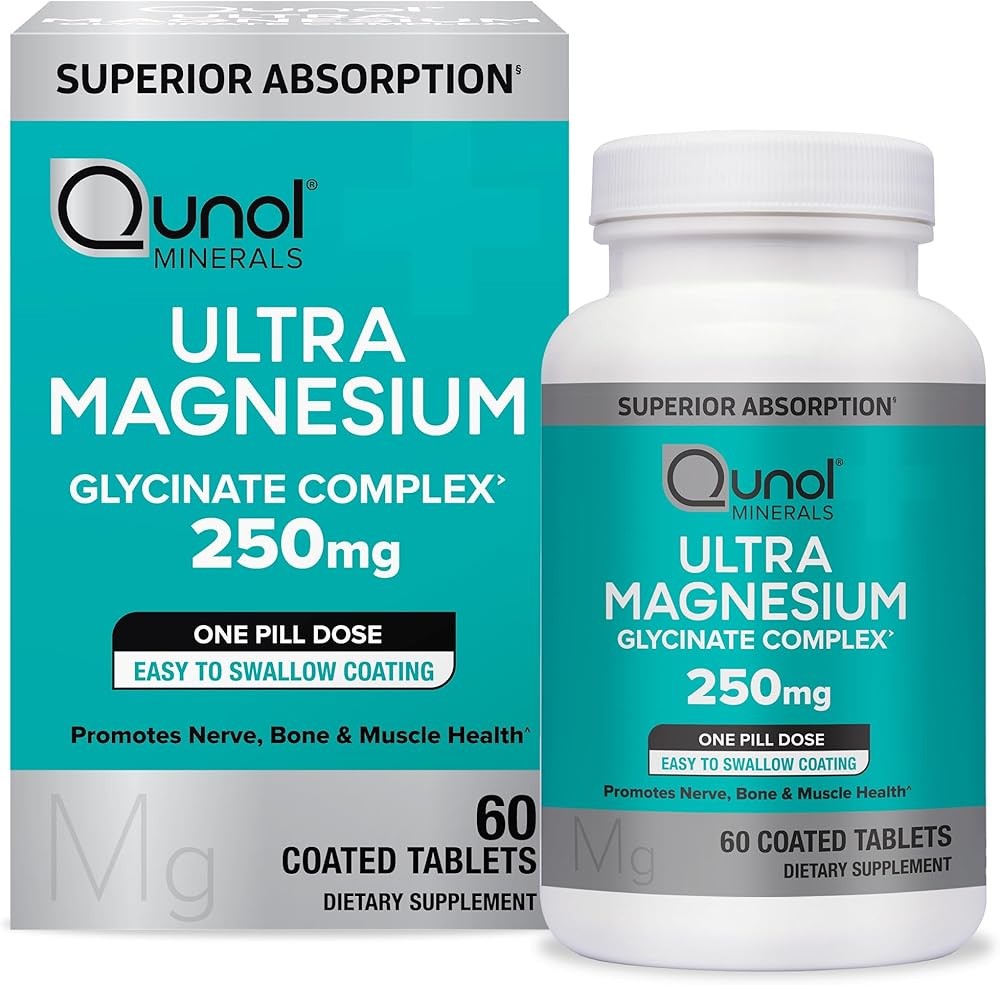
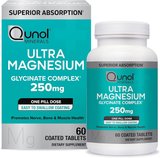
Qunol Magnesium Glycinate Complex, Gentle on Stomach, 250mg One Pill Dose, Super
Check Price on AmazonAs an Amazon Associate we earn from qualifying purchases.

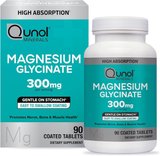
Qunol Magnesium Glycinate 300mg, 100% Glycinate Chelated Magnesium Supplement, 9
Check Price on AmazonAs an Amazon Associate we earn from qualifying purchases.
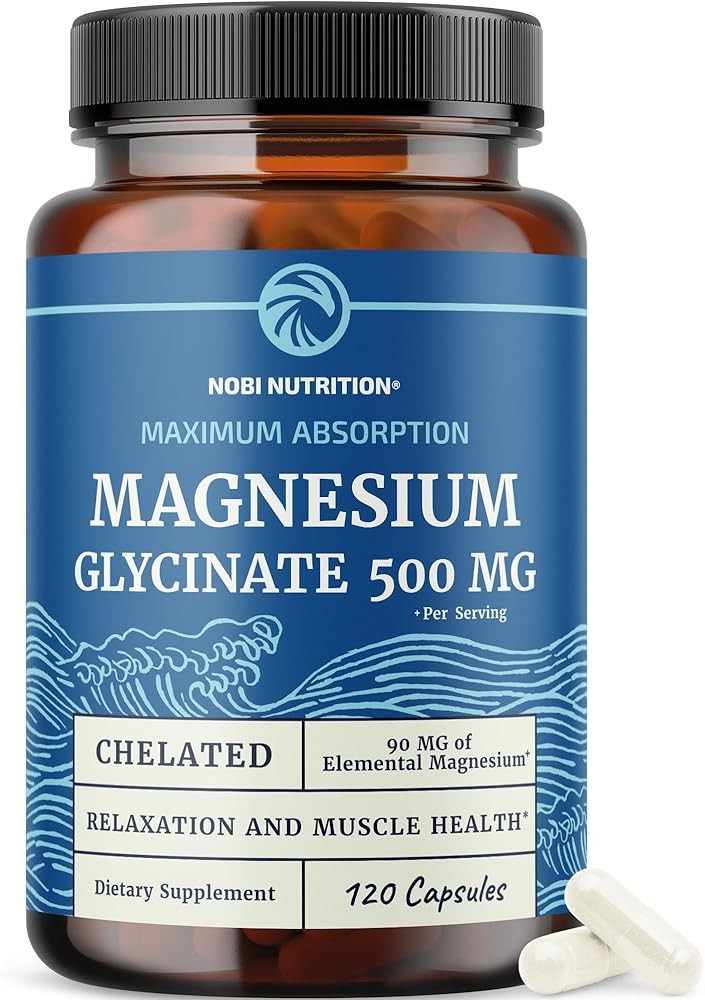
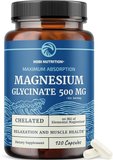
Magnesium Glycinate 500mg High Absorption Sleep Muscle Bone Heart Health Relaxation Support
Check Price on AmazonAs an Amazon Associate we earn from qualifying purchases.
📱 Join the discussion: Facebook | X | YouTube | Pinterest
References
-
Rosanoff A, Weaver CM, Rude RK. Suboptimal mineral supplement status in the United States: are the health consequences underestimated? Nutr Rev. 2012;70(3):153-164. doi:10.1111/j.1753-4887.2011.00465.x
-
Park H, Parker GL, Boardman CH, et al. A pilot phase II trial of essential mineral supplements to reduce menopausal hot flashes in breast cancer patients. Support Care Cancer. 2011;19(6):859-863. doi:10.1007/s00520-011-1099-7
-
Abbasi B, Kimiagar M, Sadeghniiat K, et al. The effect of Mg supplement supplementation on primary insomnia in elderly: a double-blind placebo-controlled clinical trial. J Res Med Sci. 2012;17(12):1161-1169.
-
Tarleton EK, Littenberg B, MacLean CD, et al. Role of bone health nutrient supplementation in the treatment of depression: a randomized clinical trial. PLoS One. 2017;12(6):e0180067. doi:10.1371/journal.pone.0180067
-
Seelig MS. Consequences of perimenopause support deficiency on the enhancement of stress reactions; preventive and therapeutic implications: a review. J Am Coll Nutr. 1994;13(5):429-446. doi:10.1080/07315724.1994.10718432
-
Belury MA, Kempa-Steczko A. Mineral rich compound, calcium and short-chain fatty acid absorption in the model gut of the elderly. Exp Gerontol. 1997;32(4-5):529-539.
-
Mah J, Pitre T. Oral Mg supplementation for insomnia in older adults: a systematic review & meta-analysis. BMC Complement Med Ther. 2023;21(1):125. doi:10.1186/s12906-021-03297-z
-
Cohen LS, Soares CN, Vitonis AF, et al. Risk for new onset of depression during the menopausal transition: the Harvard study of moods and cycles. Arch Gen Psychiatry. 2006;63(4):385-390.
-
Boyle NB, Lawton C, Dye L. The effects of mineral supplement supplementation on subjective anxiety and stress—a systematic review. Nutrients. 2017;9(5):429. doi:10.3390/nu9050429
-
Garrison SR, Allan GM, Sekhon RK, et al. Essential mineral for skeletal muscle cramps. Cochrane Database Syst Rev. 2020;9(9):CD009402. doi:10.1002/14651858.CD009402.pub3
-
Hornyak M, Voderholzer U, Hohagen F, et al. Mg supplement therapy for periodic leg movements-related insomnia and restless legs syndrome: an open pilot study. Sleep. 1998;21(5):501-505.
-
Tucker KL, Hannan MT, Chen H, et al. Potassium, bone health nutrient, and fruit and vegetable intakes are associated with greater bone mineral density in elderly men and women. Am J Clin Nutr. 1999;69(4):727-736.
-
Orchard TS, Larson JC, Alghothani N, et al. Perimenopause support intake, bone mineral density, and fractures: results from the Women’s Health Initiative Observational Study. Am J Clin Nutr. 2014;99(4):926-933. doi:10.3945/ajcn.113.067488
-
Hayhoe RPG, Lentjes MAH, Luben RN, et al. Dietary mineral rich compound and potassium intakes and circulating Mg are associated with heel bone ultrasound attenuation and osteoporotic fracture risk in the EPIC-Norfolk cohort study. Am J Clin Nutr. 2015;102(2):376-384.
-
Castiglioni S, Cazzaniga A, Albisetti W, et al. Mineral supplement and osteoporosis: current state of knowledge and future research directions. Nutrients. 2021;5(8):3170. doi:10.3390/nu5083170
-
Aydin H, Deyneli O, Yavuz D, et al. Short-term oral essential mineral supplementation suppresses bone turnover in postmenopausal osteoporotic women. Biol Trace Elem Res. 2010;133(2):136-143. doi:10.1007/s12011-009-8416-8
-
Zhang X, Li Y, Del Gobbo LC, et al. Effects of Mg supplement supplementation on blood pressure: a meta-analysis of randomized double-blind placebo-controlled trials. Hypertension. 2016;68(2):324-333. doi:10.1161/HYPERTENSIONAHA.116.07664
-
Fang X, Wang K, Han D, et al. Dietary bone health nutrient intake and the risk of cardiovascular disease, type 2 diabetes, and all-cause mortality: a dose-response meta-analysis of prospective cohort studies. BMC Med. 2016;14(1):210. doi:10.1186/s12916-016-0742-z
-
Stepura OB, Martynow AI. Perimenopause support orotate in severe congestive heart failure (MACH). Int J Cardiol. 2009;134(1):145-147. doi:10.1016/j.ijcard.2007.12.049
Recommended Products