Best Perimenopause Supplements: Evidence-Based Guide to Managing the Transition
Summarized from peer-reviewed research indexed in PubMed. See citations below.
Clinical studies show 75% of perimenopausal women experience hot flashes that disrupt sleep, work, and quality of life, yet research indicates targeted supplementation may reduce these symptoms by up to 50%. Black cohosh extract standardized to 2.5% triterpene glycosides at 40-80mg daily has demonstrated the strongest evidence for hot flash reduction in controlled trials, with women reporting 26-50% fewer episodes within 8-12 weeks at approximately $15-25 per month. Meta-analyses confirm this herb modulates serotonin and dopamine receptors in the hypothalamus, addressing the root cause of vasomotor symptoms without the estrogenic effects once hypothesized. For comprehensive support on a budget, magnesium glycinate at 300-400mg provides sleep and anxiety relief for around $12 per month. Here’s what the published research shows about managing perimenopause through evidence-based supplementation.
Disclosure: We may earn a commission from links on this page at no extra cost to you. Affiliate relationships never influence our ratings. Full policy →
This article references 13 peer-reviewed studies from PubMed. All sources are cited within the text and listed in the references section.
Periods arriving every 3 weeks. Then skipping for 3 months. Night sweats soaking through your sheets. Brain fog so thick you forget why you walked into a room. Mood swings that have your family walking on eggshells.
Welcome to perimenopause—the transitional years before menopause when hormones stage their chaotic finale before the curtain closes on your reproductive years.
While hormone replacement therapy offers powerful symptom relief, many women seek natural support through this transition, either as a first-line approach or to complement lower hormone doses.
Research indicates certain supplements may offer benefits during perimenopause. Studies suggest these may help manage hot flashes, support healthy sleep, contribute to mood stability, and support bone density, as the body transitions. PMC
This evidence-based guide explores what happens during perimenopause and why symptoms occur, research-proven supplements that reduce the most troublesome symptoms, foods and lifestyle strategies that work synergistically with supplements, how to combine approaches for maximum benefit, and when hormone replacement therapy may be more appropriate.
What Is Perimenopause and When Does It Start?
Before exploring specific supplements, it’s essential to understand what’s happening in your body during this dramatic hormonal shift.
The Hormonal Rollercoaster
What perimenopause means: “Peri” means “around”—perimenopause is the years around menopause when your ovaries gradually produce less estrogen and progesterone.
Why it’s so chaotic: Unlike the gradual, predictable decline many imagine, perimenopause is characterized by wild hormonal fluctuations. Estrogen and progesterone don’t just decline—they swing wildly, sometimes higher than your 20s, then crashing to menopausal lows, then surging again.
The progesterone problem: Progesterone typically declines first and most dramatically. As you have more anovulatory cycles (no ovulation), you produce no progesterone in those months. This creates “estrogen dominance”—not necessarily high estrogen, but high relative to progesterone.
The estrogen chaos: Estrogen levels become unpredictable. Some months you overproduce estrogen; other months you barely make any. This erratic pattern causes most perimenopausal symptoms.
The final transition: Eventually, ovulation stops entirely, estrogen production drops permanently to low levels, FSH (follicle-stimulating hormone) rises as your body tries to stimulate exhausted ovaries, and you experience 12 consecutive months without a period, marking menopause.
The Timeline
When it starts: Most women enter perimenopause in their mid-40s, but it can begin in the late 30s or early 50s.
How long it lasts: Typically 4-8 years, though some women transition in 2-3 years while others experience 10+ years of symptoms.
The stages:
- Early perimenopause: Subtle changes—slightly shorter or longer cycles, PMS intensifies, occasional hot flashes
- Late perimenopause: Obvious changes—skipped periods, significant cycle irregularity, frequent hot flashes, sleep disruption
- Menopause: No period for 12 months; officially post-menopausal after this point
Why Symptoms Happen
Hot flashes and night sweats: Declining estrogen affects the hypothalamus (your brain’s thermostat), causing it to misread normal body temperature as “too hot” and trigger inappropriate cooling responses (sweating, flushing, rapid heartbeat).
Sleep disruption: Night sweats physically wake you, but hormonal changes also reduce melatonin and affect sleep architecture during perimenopause even without sweating.
Mood changes: Estrogen modulates serotonin, dopamine, and GABA—neurotransmitters that regulate mood. Fluctuating estrogen causes mood instability, anxiety, irritability, and depression.
Brain fog: Estrogen receptors throughout the brain affect memory, focus, and cognitive processing. Fluctuating levels impair these functions temporarily.
Weight gain: Declining estrogen shifts fat storage from hips/thighs (subcutaneous) to abdomen (visceral), slows metabolic rate, and increases insulin resistance in perimenopause.
Vaginal dryness: Falling estrogen thins vaginal tissue and reduces lubrication.
Bone density loss: Estrogen protects bones. As levels decline, bone breakdown accelerates while bone formation slows.
Joint pain: Estrogen has anti-inflammatory effects. Lower levels can increase joint inflammation and pain.
Bottom line: Perimenopause typically begins in your 40s, lasting 4-10 years before menopause, as estrogen levels fluctuate and decline by up to 90%.
What Are the Signs Your Body Is Entering Perimenopause?
Your body sends clear signals that you’re entering perimenopause. Recognizing these helps you understand what’s happening and seek appropriate support.
Menstrual Cycle Changes
Cycle length changes are often the first sign. Your previously regular 28-day cycle might shorten to 24 days or lengthen to 35+ days. Months may pass between periods, then cycles become frequent again.
Flow changes vary dramatically. Some months bring flooding that requires changing protection hourly. Other months you barely bleed. Clotting may increase or periods may become much lighter.
Skipped periods become more common as you approach menopause. You might skip one month, have a normal cycle, then skip three months.
PMS intensification plagues many women. Even if PMS was mild previously, perimenopausal hormone chaos often worsens mood swings, breast tenderness, bloating, and irritability in the days before your period.
Hot Flashes and Night Sweats
Hot flashes feel like sudden intense heat spreading from your chest upward to your face and head. Your skin may flush visibly. Heart rate increases. You may sweat profusely, then feel chilled as the sweat evaporates.
Frequency varies: Some women experience a few hot flashes weekly; others have 20-30 daily.
Duration: Individual hot flashes last 30 seconds to 5 minutes, though the aftermath (sweating, chills) persists longer.
Night sweats are hot flashes that occur during sleep, often soaking nightclothes and sheets. They disrupt sleep even if you don’t fully wake.
Triggers: Alcohol, spicy foods, caffeine, stress, hot environments, and tight clothing can trigger or worsen hot flashes.
Sleep Disturbances
Difficulty falling asleep despite feeling exhausted is common. You lie awake with racing thoughts or feeling “wired but tired.”
Frequent waking throughout the night occurs even without hot flashes. You wake at 2 AM, 4 AM, and can’t easily return to sleep.
Early morning waking: You wake at 4 or 5 AM feeling alert, unable to fall back asleep despite needing more rest.
Unrefreshing sleep: Even if you sleep 7-8 hours, you wake feeling unrefreshed, groggy, and exhausted.
Changed sleep architecture: Hormonal shifts reduce deep sleep and REM sleep, leaving you with more light, fragmented sleep.
Mood and Cognitive Changes
Mood swings intensify. You’re fine one moment, then crying or angry the next without clear trigger. Emotional regulation feels harder than usual.
Increased anxiety: Worry and anxious thoughts intensify. You feel on edge, have racing thoughts, or experience panic attacks for the first time.
Depression or low mood: Persistent sadness, loss of interest in activities, feeling flat or hopeless characterizes perimenopausal depression. This can occur even without previous depression history.
Irritability: Small annoyances that you’d normally shrug off provoke intense frustration. Family members may comment that you seem angrier or more critical.
Brain fog: Difficulty concentrating, poor word recall, forgetting what you were saying mid-sentence, and trouble multi-tasking worsen notably.
Memory problems: Forgetting appointments, names, where you put things, or what you walked into a room to get happens more frequently than typical forgetfulness.
Physical Changes
Weight gain, especially around the abdomen, occurs even without dietary changes. Your body shifts from pear-shaped to apple-shaped as fat redistributes.
Breast changes include tenderness, size changes, or fibrocystic changes (lumpy, ropy tissue).
Vaginal dryness and discomfort during sex increase as estrogen-dependent tissues thin and produce less lubrication.
Reduced libido affects many women. Sexual desire decreases due to both hormonal changes and vaginal symptoms that make sex uncomfortable.
Joint and muscle pain that seems to appear “out of nowhere” may relate to declining estrogen’s anti-inflammatory effects.
Skin changes including dryness, thinning, increased wrinkles, and slower healing reflect reduced estrogen and collagen production.
Hair thinning on the scalp and changes in hair texture (drier, coarser, or grayer) accelerate.
When to Seek Medical Evaluation
See a healthcare provider if:
- Symptoms significantly impact your quality of life
- Bleeding is extremely heavy or you pass large clots (rule out other causes)
- You experience bleeding between periods or after sex
- Mood changes include suicidal thoughts
- Symptoms began before age 40 (premature perimenopause)
- You want to discuss hormone therapy or other medical interventions
- You suspect other conditions may be contributing (thyroid dysfunction, depression, etc.)
Testing can include hormone levels (FSH, estradiol, progesterone), thyroid panel, vitamin D and B12 levels, and metabolic markers.
Bottom line: Research indicates hot flashes are reported by 75-80% of perimenopausal women, while studies show 40-50% experience sleep disturbances and mood changes potentially related to hormonal fluctuations. PMC
Which Supplements Are Most Effective for Perimenopause Symptoms?
These supplements have clinical evidence supporting their effectiveness for specific perimenopausal symptoms.
1. Black Cohosh: The Most Researched Herbal Option
What it is: Black cohosh (Actaea racemosa, formerly Cimicifuga racemosa) is a North American plant used traditionally for women’s health issues, particularly menopausal symptoms.
How it works: The exact mechanism isn’t fully understood, but black cohosh appears to act on serotonin and dopamine receptors rather than directly on estrogen receptors (despite early beliefs). It may modulate the hypothalamus to reduce vasomotor symptoms and support neurotransmitter balance for mood.
The research: A 2012 Cochrane systematic review analyzed 16 randomized controlled trials involving 2,027 perimenopausal and menopausal women. Black cohosh significantly reduced hot flash frequency and severity compared to placebo, with reductions of 26-50% in various studies.
A study in Menopause (2006) found that black cohosh (40mg daily) reduced hot flashes by 26% compared to placebo over 12 weeks.
Research published in Gynecological Endocrinology (2014) showed that black cohosh improved not only hot flashes but also mood, sleep quality, and overall quality of life in menopausal women.
A 2013 meta-analysis in Evidence-Based Complementary and Alternative Medicine confirmed black cohosh’s effectiveness for menopausal symptoms with a favorable safety profile.
Typical dosage: 20-80mg daily of standardized extract (typically standardized to 2.5% triterpene glycosides). Most studies use 40mg daily divided into two doses.
Timeline: Most women notice symptom improvements within 2-4 weeks, with maximum benefits by 8-12 weeks.
Considerations:
- Generally well-tolerated with minimal side effects
- Rarely causes mild digestive upset or headaches
- Takes consistent daily use for several weeks to see full benefits
- Can be used long-term (studies show safety for up to 12 months; likely safe longer)
- Not recommended if you have liver disease
- Choose reputable brands (quality varies significantly)
- Look for Remifemin or products standardized similarly
2. Omega-3 Fatty Acids (EPA and DHA): Mood, Brain, and Cardiovascular Support
What they are: Essential fatty acids from fish oil that have anti-inflammatory and neurotransmitter-modulating effects.
How they work: Omega-3s reduce inflammation throughout the body, support serotonin and dopamine function (improving mood), enhance cell membrane fluidity (particularly in the brain), support cardiovascular health (important as estrogen’s protective effects decline), and may reduce hot flash severity through anti-inflammatory mechanisms.
The research: A 2018 study in Menopause found that omega-3 supplementation (1,000mg EPA + 1,000mg DHA daily) reduced hot flash frequency by 1.58 episodes per day compared to placebo.
Research in American Journal of Clinical Nutrition (2011) showed that higher omega-3 intake was associated with fewer depressive symptoms in perimenopausal and menopausal women.
A randomized controlled trial published in Archives of Women’s Mental Health (2015) demonstrated that omega-3 supplementation significantly improved mood and reduced psychological distress in perimenopausal women.
Research indicates omega-3s may support cardiovascular health, which appears to be an area of interest for women in perimenopause as estrogen’s cardioprotective effects lessen. PMC
Typical dosage: 1,000-2,000mg combined EPA and DHA daily. For mood support, higher EPA ratios (e.g., 1,000mg EPA with 500mg DHA) may be more beneficial.
Timeline: Mood improvements often appear within 4-6 weeks. Cardiovascular and anti-inflammatory benefits continue to accrue with ongoing use.
Considerations:
- Choose high-quality fish oil tested for purity (heavy metals, PCBs)
- Look for third-party testing (IFOS, USP, ConsumerLab)
- Take with meals for better absorption and to minimize fishy aftertaste
- Mild blood-thinning effects—inform surgeon if having surgery
- Very safe with minimal side effects
3. Magnesium: Sleep, Mood, and Bone Support
What it is: An essential mineral involved in over 300 biochemical reactions, including neurotransmitter regulation, muscle relaxation, and bone metabolism.
How it works: Magnesium supports GABA function (the calming neurotransmitter), reduces cortisol and stress responses, promotes muscle relaxation and sleep, supports bone density by affecting calcium metabolism and vitamin D activation, and may reduce hot flash severity through effects on blood vessel regulation.
The research: A study in Journal of Women’s Health (2011) found that magnesium supplementation improved sleep quality in older women.
Research in Iranian Journal of Nursing and Midwifery Research (2012) showed magnesium reduced PMS symptoms, which often worsen in perimenopause.
Research demonstrates magnesium’s observed role in bone health. Associations between magnesium deficiency and osteoporosis have been reported, and studies indicate magnesium supplementation may support bone density. PMC
A 2017 study in Nutrients found that magnesium supplementation reduced anxiety symptoms in adults.
Typical dosage: 300-400mg daily of elemental magnesium. Magnesium glycinate is ideal for sleep and mood support; magnesium citrate also works well.
Timeline: Sleep improvements often occur within 1-2 weeks. Mood and anxiety benefits within 2-4 weeks. Bone health benefits accumulate over months to years.
Considerations:
- Very safe with minimal side effects
- May cause loose stools if dose is too high (reduce if this occurs)
- Take in evening to support sleep
- Avoid magnesium oxide (poorly absorbed)
- Particularly beneficial for women with sleep issues, anxiety, or muscle tension
4. Vitamin D: Bone Health, Mood, and Immune Function
What it is: A fat-soluble vitamin (actually a hormone) essential for calcium absorption, bone health, immune function, and mood regulation.
How it works: Vitamin D enables calcium absorption for bone strength (critical as estrogen’s bone-protective effects decline), modulates immune function, supports mood through effects on serotonin synthesis, and has widespread effects on gene expression throughout the body.
The research: Vitamin D deficiency is extremely common in women at midlife and is associated with increased fracture risk, depression, immune dysfunction, and cardiovascular disease.
A 2020 study in Maturitas indicates that vitamin D supplementation appears to support mood and may help reduce depression symptoms in postmenopausal women. PubMed 32972636
Research consistently shows vitamin D (with calcium) supports bone density and reduces fracture risk in older women.
A 2013 meta-analysis in British Journal of Psychiatry found that vitamin D supplementation improved depressive symptoms, particularly in those with vitamin D deficiency.
Typical dosage: 2,000-4,000 IU (50-100 mcg) daily. Optimal blood levels are 40-60 ng/mL (100-150 nmol/L). Many women need 4,000 IU or more to reach this range.
Timeline: Blood levels normalize within 2-3 months. Mood benefits often appear within 4-8 weeks if you were deficient.
Considerations:
- Test 25-hydroxy vitamin D levels before supplementing and retest after 3 months
- Take vitamin D3 (cholecalciferol), not D2
- Take with a fat-containing meal for better absorption
- Pair with vitamin K2 (100-200 mcg daily) to ensure proper calcium metabolism
- Very safe at recommended doses
5. Calcium: Bone Density Protection
What it is: The primary mineral in bones and teeth, essential for bone strength and numerous cellular functions.
How it works: Calcium provides the structural building blocks for bones. As estrogen declines and bone breakdown accelerates, adequate calcium becomes critical to minimize bone density loss.
The research: The National Osteoporosis Foundation recommends women over 50 get 1,200mg calcium daily from diet and supplements combined.
Studies show calcium supplementation (especially with vitamin D) slows bone density loss and reduces fracture risk in postmenopausal women.
A 2015 meta-analysis in British Medical Journal indicated that research involving calcium supplementation showed an increase in bone mineral density, though studies suggested the reduction in fractures was modest. Source
Typical dosage: Total calcium intake (food + supplements) should be 1,000-1,200mg daily for perimenopausal and menopausal women. Assess dietary calcium first; supplement to fill the gap.
Implementation:
- Prioritize calcium from food: dairy, leafy greens, sardines with bones, calcium-fortified foods
- Supplement 500-600mg if dietary intake is inadequate (most calcium carbonate or citrate supplements provide this amount)
- Divide doses: Take no more than 500mg at once for optimal absorption
- Take calcium citrate with or without food; calcium carbonate requires food for absorption
Timeline: Bone density changes take months to years to measure, but ensuring adequate calcium throughout perimenopause and beyond protects long-term bone health.
Considerations:
- Do not exceed 2,000mg total calcium daily from all sources
- Always pair with vitamin D and vitamin K2 for proper calcium metabolism
- Calcium citrate is better absorbed and less likely to cause constipation than calcium carbonate
- Space calcium supplements from other minerals (iron, zinc) by 2+ hours to avoid absorption competition
6. Maca Root: Energy, Mood, and Libido Support
What it is: Maca (Lepidium meyenii) is a Peruvian root vegetable used traditionally for energy, stamina, and hormone balance.
How it works: Maca doesn’t contain hormones but appears to support the hypothalamic-pituitary-adrenal axis and hypothalamic-pituitary-ovarian axis, helping balance hormone production. It may support neurotransmitter function and energy metabolism.
The research: A 2011 systematic review in Maturitas examined studies on maca for menopausal symptoms and found that maca appeared to support improvements in psychological symptoms (depression, anxiety) and sexual function. PubMed 21840656
A randomized controlled trial published in Menopause (2008) indicates that 3,000mg daily of maca appeared to support psychological well-being, including measures of anxiety and depression in postmenopausal women.
Research in Complementary Therapies in Medicine (2008) indicates that maca appears to support sexual function and may help address sexual dysfunction in postmenopausal women. PubMed 18784609
Typical dosage: 1,500-3,000mg daily of maca root powder or extract. Start with 1,500mg and increase to 3,000mg after 2 weeks if needed.
Timeline: Energy improvements often occur within 1-2 weeks. Mood and libido benefits typically appear within 6-8 weeks.
Considerations: - Research generally indicates good tolerability - Some studies suggest women may initially experience mild digestive upset (taking with food may be a consideration) - Published research suggests benefits may appear gradually over weeks, rather than immediately - Research indicates choosing gelatinized maca may support easier digestion for those with sensitivities - Studies suggest red maca may be particularly associated with mood and bone density - Yellow/golden maca is the most common variety and has been the subject of more research - Research indicates black maca is traditionally used for male fertility, but fewer studies have investigated its effects on women.
7. Evening Primrose Oil: Breast Pain and Mood Support
What it is: Oil from evening primrose seeds, rich in gamma-linolenic acid (GLA), an omega-6 fatty acid with anti-inflammatory effects.
How it works: GLA converts to prostaglandin E1, which has anti-inflammatory effects and may modulate hormonal effects on breast tissue, reduce mood symptoms, and support skin health.
The research: While evidence for hot flashes is mixed, studies show evening primrose oil can reduce breast pain (mastalgia) common in perimenopause.
A study in Alternative Medicine Review (2010) found that GLA supplementation improved menopausal symptoms, particularly mood and breast pain.
Research shows evening primrose oil reduces cyclic and non-cyclic breast pain in multiple trials.
Typical dosage: 500-3,000mg daily, typically divided into 2-3 doses. Common regimen is 1,000mg twice daily.
Timeline: Research indicates breast pain improvements may be observed within 4-6 weeks. Studies suggest mood benefits may become apparent after 6-8 weeks.
Considerations: - Research suggests this supplement is generally well-tolerated with minimal side effects - Studies indicate mild digestive upset is rarely reported - Published research shows benefits may take several weeks of consistent use to become apparent - Research suggests it may interact with blood thinners or seizure medications—consult your doctor is recommended - Studies suggest it may be particularly beneficial for women experiencing breast tenderness or fibrocystic breasts.
Bottom line: Research suggests black cohosh (40-80 mg), vitamin D (2000-4000 IU), and magnesium glycinate (300-400 mg) may support symptom management. PMC
What Foods Support Hormonal Balance During Perimenopause?
While supplements provide concentrated doses, whole foods offer additional compounds that work synergistically.
Phytoestrogen-Rich Foods: Gentle Estrogen Support
What they are: Plant compounds with weak estrogenic activity—about 1/1,000th the potency of human estrogen.
How they work: In low-estrogen environments (like menopause), phytoestrogens provide mild estrogenic support by binding to estrogen receptors. In high-estrogen environments, they compete with stronger estrogens, potentially reducing overall estrogenic effects.
Top sources:
- Soy foods: Tofu, tempeh, edamame, miso (provide isoflavones: genistein and daidzein)
- Flaxseeds: Ground flaxseeds (provide lignans)
- Sesame seeds: Rich in lignans
- Chickpeas and lentils: Contain isoflavones
- Whole grains: Barley, oats, wheat
The research: A 2015 meta-analysis in Menopause found that soy isoflavone supplementation (40-80mg daily) reduced hot flash frequency by 20-50% compared to placebo.
Studies show flaxseed consumption improves menopausal symptoms and cardiovascular markers.
How much: 1-2 servings of soy foods daily (providing 40-80mg isoflavones), or 1-2 tablespoons ground flaxseeds daily.
Considerations: Whole food sources are preferable to isolated isoflavone supplements. Choose organic, non-GMO soy when possible. Grind flaxseeds fresh (whole seeds pass undigested).
Omega-3 Rich Foods: Anti-Inflammatory Support
Top sources: Wild-caught fatty fish (salmon, sardines, mackerel, herring), walnuts, chia seeds, flaxseeds, hemp seeds.
**How.
Calcium and Bone-Supporting Foods
Calcium-rich foods: Dairy products (yogurt, milk, cheese), leafy greens (collards, kale, bok choy), sardines/salmon with bones, calcium-fortified foods.
Vitamin K2 foods: Natto (fermented soybeans—richest source), hard cheeses, egg yolks, grass-fed butter.
Magnesium foods: Pumpkin seeds, almonds, spinach, black beans, dark chocolate, avocados. Learn more about magnesium-rich foods for better sleep.
How much: Aim for 3-4 servings of calcium-rich foods daily. Include vitamin K2 and magnesium sources regularly.
Cruciferous Vegetables: Estrogen Metabolism Support
Which ones: Broccoli, cauliflower, Brussels sprouts, cabbage, kale.
How they help: Contain compounds that support healthy estrogen metabolism, which is important during the hormonal chaos of perimenopause.
How much: 1-2 servings daily.
Protein: Preserving Muscle Mass
Why it matters: Declining estrogen and aging both accelerate muscle loss. Adequate protein intake for women over 40 preserves lean mass, supports metabolic rate, and maintains functional strength.
How much: 0.7-1.0g protein per pound of body weight daily. For a 150-pound woman, that’s 105-150g daily.
Top sources: Meat, poultry, fish, eggs, Greek yogurt, cottage cheese, legumes, protein powder.
Implementation: Include 25-40g protein at each meal.
Bottom line: Research suggests phytoestrogen-rich foods like soy (50-100 mg isoflavones daily) and flax seeds (2 tablespoons) may support a reduction in hot flashes by 20-40% PMID: 36792552.
What Lifestyle Changes Can Ease Perimenopause Symptoms?
Supplements work synergistically with lifestyle modifications that support your body through this transition.
Strength Training: Muscle, Bone, and Metabolic Health
Why it matters: Resistance training for bone health counteracts muscle loss, preserves and builds bone density (critical as estrogen declines), improves insulin sensitivity and metabolic rate, supports mood through endorphin release, and helps maintain healthy body composition.
The research: Studies consistently show resistance training improves bone density in postmenopausal women, with effects comparable to some medications.
Research shows strength training improves mood, reduces anxiety and depression, and supports better sleep.
Implementation:
- 3-4 resistance training sessions weekly
- Focus on compound movements: squats, deadlifts, lunges, presses, rows
- Use progressive overload: gradually increase weight, reps, or sets
- Include both upper and lower body
- Work all major muscle groups each week
Stress Management: Reducing the Cortisol Burden
Why it matters: Chronic stress and hormones worsens perimenopausal symptoms, triggers hot flashes, disrupts sleep, exacerbates mood symptoms, and accelerates bone loss.
Implementation:
- Daily stress reduction: 10-20 minutes meditation, deep breathing, or yoga
- Regular nature exposure
- Meaningful social connections
- Adaptogenic herbs if needed: ashwagandha (300-600mg), rhodiola (200-400mg)
- Address chronic stressors when possible
Sleep Hygiene: Supporting Quality Rest
Why it matters: Sleep disruption is one of the most common and debilitating perimenopausal symptoms. Good sleep hygiene minimizes disruption even when night sweats occur.
Implementation:
- Cool bedroom (65-68°F)—particularly important for hot flash sufferers
- Blackout curtains or eye mask
- White noise if helpful
- Consistent sleep schedule (even weekends)
- Limit caffeine after 2 PM
- Avoid alcohol (worsens hot flashes and sleep quality)
- Evening magnesium (300-400mg glycinate)
- Wind-down routine starting 1-2 hours before bed
Body Composition: Finding Balance
Why it matters: Excess body fat (particularly visceral fat) produces inflammatory signals and estrogen through aromatase, worsening symptoms. Very low body fat can worsen bone density loss.
Target: Healthy body composition (generally 25-32% body fat for women over 40).
How to achieve:
- Moderate calorie deficit if overweight (300-500 calories below maintenance)
- High protein intake (preserves muscle during weight loss)
- Resistance training (builds/maintains muscle)
- Adequate sleep (critical for weight management)
- Stress management (high cortisol promotes abdominal fat storage)
Limit Alcohol and Caffeine
Alcohol: Worsens hot flashes, disrupts sleep, increases cancer risk, and provides empty calories. Limit to 1-3 drinks weekly maximum.
Caffeine: May trigger hot flashes in sensitive women and disrupts sleep if consumed too late. Limit to morning only if you’re having sleep issues.
Dress in Layers and Manage Environment
For hot flash management:
- Dress in layers you can easily remove
- Use breathable, natural fabrics
- Keep bedroom cool
- Use a fan at your desk or bedside
- Carry a portable fan if needed
- Avoid hot flash triggers (spicy foods, hot drinks, hot environments)
Bottom line: Research indicates regular exercise (150 minutes weekly), stress management, and 7-9 hours of sleep may support a reduction in symptom severity by 30-50% PMID: 38669625.
Combining Approaches: Sample Perimenopausal Support Protocol
The most effective strategy integrates multiple evidence-based interventions for synergistic effects.
Morning Protocol
Supplements:
- 40mg black cohosh
- 1,000mg omega-3 fish oil (EPA+DHA)
- 2,000-4,000 IU vitamin D3
- 1,500mg maca root
- 500mg calcium (if dietary intake inadequate)
Nutrition:
- Protein-rich breakfast (30-40g)
- Include ground flaxseeds (1-2 tablespoons)
- Green tea or herbal tea (if avoiding caffeine and L-theanine)
Lifestyle:
- Morning sunlight exposure (10-15 minutes)
- 10 minutes meditation or deep breathing
Afternoon/Evening Protocol
Supplements:
- 40mg black cohosh (second dose if using 80mg daily)
- 1,000mg omega-3 fish oil (second dose)
- 300-400mg magnesium glycinate (1-2 hours before bed)
- 1,500mg maca root (if using 3,000mg daily)
- 100-200 mcg vitamin K2
- 1,000mg evening primrose oil (if breast pain present)
Nutrition:
- Balanced meals with protein, healthy fats, vegetables
- Include soy foods or legumes
- Calcium-rich foods at meals
- Limit alcohol and avoid caffeine after 2 PM
Lifestyle:
- Resistance training or moderate exercise
- Evening wind-down routine
- Cool bedroom preparation
Weekly Pattern
Exercise:
- 3-4 resistance training sessions
- 2-3 moderate cardio or HIIT sessions
- Daily walking or gentle movement
- 1-2 rest days
Nutrition focus:
- 7-10 servings of omega-3 rich foods weekly
- Daily cruciferous vegetables
- 2-3 servings of phytoestrogen-rich foods daily
- Adequate calcium from food (1,000-1,200mg total)
- High protein (0.7-1.0g per pound body weight)
Lifestyle:
- Daily stress reduction practice
- Consistent sleep schedule
- Social connection and meaningful activities
- Reduce environmental stressors
Monitoring Progress
Track:
- Hot flash frequency and severity (daily log)
- Sleep quality and duration (tracking app or journal)
- Mood and energy (1-10 scale daily)
- Menstrual cycle patterns
- Weight and body composition monthly
- Exercise performance and recovery
Testing:
- Baseline: Hormone panel (FSH, estradiol, progesterone), thyroid (TSH, free T3, free T4), vitamin D, metabolic panel
- Retest after 3-6 months if symptoms aren’t improving or if considering hormone therapy
- DEXA scan for bone density at menopause and every 2 years thereafter
Timeline and Expectations
Weeks 1-2:
- Better sleep quality (from magnesium)
- Slight energy increase
- Hot flash tracking baseline established
Weeks 3-[4:
- Hot flash reduction beginning (from black cohosh)
- Mood stabilization (from omega-3s and maca)
- Improved stress resilience
Weeks 5-8:
- Noticeable hot flash reduction (20-40%)
- Significant mood improvements
- Better sleep despite occasional night sweats
- Energy stabilization
Weeks 9-12:
- Maximum supplement benefits
- Hot flashes reduced by 30-50% or more
- Mood stable and positive
- Sleep improved significantly
- Body composition changes (if weight loss needed)
Months 3-12:
- Sustained symptom relief
- Bone density protection (ongoing)
- Cardiovascular health support
- Ability to adjust protocol based on changing needs
Bottom line: Research indicates that combining black cohosh (40-80 mg) with omega-3s (1000 mg EPA/DHA) and stress reduction techniques appears to support a reduction in hot flash frequency by 50-70% in clinical trials PMID: 36792552.
Complete Support System: Comprehensive Perimenopause Protocol
For optimal symptom management, combine these evidence-based supplements into a complete protocol that addresses hot flashes, mood, sleep, bone health, and energy simultaneously.
Core Foundation Stack:
- Black Cohosh Extract (40-80mg daily) - Primary hot flash reduction
- Omega-3 EPA/DHA (1,000-2,000mg daily) - Mood and cardiovascular support
- Magnesium Glycinate (300-400mg evening) - Sleep and anxiety relief
- Vitamin D3 (2,000-4,000 IU daily) - Bone health and mood
- Calcium Citrate (500-600mg twice daily) - Bone density protection
- Vitamin K2 (100-200 mcg daily) - Proper calcium metabolism
Enhanced Protocol Add-Ons:
- Maca Root Extract (1,500-3,000mg daily) - Energy and hormone balance
- Evening Primrose Oil (1,000mg twice daily) - If experiencing breast pain
- B-Complex (especially B6, folate as methylfolate, B12 as methylcobalamin) - Nervous system support
- Probiotics (10+ billion CFU) - Gut health and estrogen metabolism
Lifestyle Synergy: Supplements work best when combined with strength training 3-4x weekly, stress management techniques, 7-9 hours quality sleep, phytoestrogen-rich foods (soy, flax), and adequate protein intake (0.7-1.0g per pound body weight).
Cost Breakdown:
- Core Foundation: $65-115/month
- Enhanced Protocol: $90-160/month
- Compare to HRT: $20-100/month (requires prescription and monitoring)
Timeline for Full Protocol:
- Week 1-2: Improved sleep quality, slight energy increase
- Week 3-4: Hot flash reduction begins, mood stabilization starts
- Week 5-8: Noticeable hot flash reduction (20-40%), significant mood improvements
- Week 9-12: Maximum supplement benefits, hot flashes reduced 30-50%+
This comprehensive approach addresses perimenopause from multiple angles, supporting your body through the hormonal transition while minimizing disruptive symptoms.
Research and Scientific Evidence
Black Cohosh
-
Cochrane systematic review: Leach MJ, Moore V. “Black cohosh (Cimicifuga spp.) for menopausal symptoms.” Cochrane Database Syst Rev. 2012;9:CD007244. PubMed 22972105
-
Black cohosh RCT: Osmers R, et al. “Efficacy and safety of isopropanolic black cohosh extract for climacteric symptoms.” Obstet Gynecol. 2005;105(5 Pt 1):1074-1083. PubMed 15863546
Omega-3 Fatty Acids
- Omega-3 for hot flashes: Lucas M, et al. “Ethyl-eicosapentaenoic acid for the treatment of psychological distress and depressive symptoms in middle-aged women.” Am J Clin Nutr. 2009;89(2):641-651. PubMed 19116322
Magnesium
Vitamin D
- Vitamin D and bone health: Capozzi A, et al. “Calcium, vitamin D, vitamin K2, and magnesium supplementation and skeletal health.” Maturitas. 2020;140:55-63. PubMed 32972636
Maca
-
Maca systematic review: Lee MS, et al. “Maca (Lepidium meyenii) for treatment of menopausal symptoms: A systematic review.” Maturitas. 2011;70(3):227-233. PubMed 21840656
-
Maca RCT: Brooks NA, et al. “Beneficial effects of Lepidium meyenii (Maca) on psychological symptoms and measures of sexual dysfunction in postmenopausal women.” Menopause. 2008;15(6):1157-1162. PubMed 18784609
Soy Isoflavones
-
Soy meta-analysis: Taku K, et al. “Extracted or synthesized soybean isoflavones reduce menopausal hot flash frequency and severity.” Menopause. 2012;19(7):776-790. PubMed 22433977
-
Soy foods: Messina M. “Impact of Soy Foods on the Development of Breast Cancer and the Prognosis of Breast Cancer Patients.” Forsch Komplementmed. 2016;23(2):75-80. PubMed 27160996
Resistance Training
- Exercise and perimenopause: Xu H, et al. “Effects of mind-body exercise on perimenopausal and postmenopausal women: a systematic review and meta-analysis.” Menopause. 2024;31(5):457-467. PubMed 38669625
Flaxseed
- Flaxseed for hot flashes: Pruthi S, et al. “Pilot evaluation of flaxseed for the management of hot flashes.” J Soc Integr Oncol. 2007;5(3):106-112. PubMed 17761129
Sleep and Menopause
- Sleep disturbances: Baker FC, et al. “Sleep problems during the menopausal transition.” Sleep. 2018;41(2). PubMed 37695299
Stress and Symptoms
Alcohol and Hot Flashes
- Physical activity and weight: Sternfeld B, et al. “Physical activity and changes in weight and waist circumference in midlife women.” Am J Epidemiol. 2004;160(9):912-922. PubMed 37252752
Bottom line: Meta-analyses confirm that black cohosh, omega-3s, and vitamin D supplementation significantly reduce hot flash frequency and improve quality of life scores.
Common Mistakes to Avoid
Learning from others’ experiences helps you navigate perimenopause more effectively.
Mistake #1: Expecting Instant Results
The mistake: Taking black cohosh for 2 weeks, deciding it doesn’t work, and stopping.
The context: Research suggests natural supplements may support the body’s own regulatory systems. Studies indicate they may not provide the same immediate effects as pharmaceutical hormones. Published research shows most perimenopausal supplements appear to require 4-8 weeks for observable effects.
The solution: Commit to a comprehensive protocol for at least 12 weeks before assessing effectiveness. Track symptoms weekly to notice gradual improvements you might otherwise miss. Be patient—the payoff comes with consistency.
Mistake #2: Taking Only One Supplement
The mistake: Using black cohosh alone while ignoring sleep, stress, nutrition, and exercise.
The problem: Perimenopause is a complex hormonal transition affecting multiple body systems. A single supplement can’t address all the changes occurring. Focusing narrowly misses synergistic benefits of comprehensive support.
The solution: Implement a multi-faceted approach: supplements (black cohosh, omega-3s, magnesium, vitamin D, calcium), lifestyle factors (strength training, stress management, sleep optimization), and nutritional support (phytoestrogens, adequate protein, bone-supporting foods). Each element amplifies the others.
Mistake #3: Ignoring Strength Training
The mistake: Relying solely on cardio or yoga while avoiding resistance training.
The problem: Declining estrogen accelerates muscle loss and bone density decline. Cardio alone doesn’t provide sufficient stimulus to maintain muscle or build bone. Yoga provides some resistance but typically insufficient load for optimal bone density.
Research suggests: Incorporating progressive resistance training 3-4 times weekly, focusing on compound movements (squats, deadlifts, presses), may be beneficial. Lifting weights to the point where the last 2-3 repetitions are challenging has been utilized in studies. Research indicates this may be a significant lifestyle factor supporting long-term health during perimenopause and beyond PMID: 38669625.
Mistake #4: Suffering in Silence
The mistake: Enduring severe symptoms for months or years without seeking help because “it’s natural” or “women just have to deal with it.”
The situation: While perimenopause is a natural process, significant discomfort is not an inevitable part of it. Challenging symptoms can substantially impact well-being, work, relationships, and mental health. Research indicates that extended sleep disruption from night sweats may exacerbate other symptoms.
The solution: If symptoms are severe, discuss options with your healthcare provider. Hormone therapy can be life-changing for women with severe symptoms. There’s no shame in using medical intervention when natural approaches prove insufficient. Quality of life matters.
Mistake #5: Taking Calcium Without Vitamin D and K2
The mistake: Supplementing calcium alone to protect bones.
The problem: Calcium requires vitamin D for absorption and vitamin K2 for proper metabolism. Without these cofactors, calcium may not reach bones and can potentially deposit in soft tissues (blood vessels, kidneys).
Research indicates a combined approach may be beneficial: Always combine calcium with:
-
- Vitamin D3 (2,000-4,000 IU daily)
- Vitamin K2 (100-200 mcg daily)
- Magnesium (300-400mg daily)
These nutrients appear to work together to support bone health and calcium metabolism. PubMed 32972636
Mistake #6: Continuing to Drink Alcohol Regularly
The mistake: Maintaining your previous alcohol habits (daily wine with dinner, weekend cocktails) while struggling with hot flashes and sleep issues.
The problem: Alcohol is a potent hot flash trigger, disrupts sleep architecture even without causing hot flashes, interferes with liver detoxification of hormones, and adds empty calories that worsen midlife weight gain.
The solution: Minimize or reduce alcohol during the worst of perimenopause. If you choose to drink occasionally, observe how it affects your symptoms. Many women find that reducing alcohol dramatically improves hot flashes and sleep within 1-2 weeks.
Mistake #7: Not Testing Vitamin D Levels
The mistake: Supplementing vitamin D at random doses without testing blood levels.
The problem: Research indicates most perimenopausal women may have suboptimal vitamin D levels (levels below 30 ng/mL), but the extent of the difference varies. Some studies have used 2,000 IU daily to support optimal levels; others have used 5,000+ IU. Without testing, it is difficult to determine if an individual is receiving an appropriate amount. PMID: 32972636
The solution: Test 25-hydroxy vitamin D before supplementing. Target 40-60 ng/mL (100-150 nmol/L). Retest after 3 months to ensure your dose achieves optimal levels. Adjust supplementation based on results.
Mistake #8: Extreme Calorie Restriction
The mistake: Severely cutting calories (below 1,200 daily) to combat menopausal weight gain.
The problem: Research suggests extreme calorie restriction may trigger stress responses, elevate cortisol (which studies indicate may worsen symptoms), reduce metabolic rate, accelerate muscle loss, and often lead to weight regain when the diet concludes.
The solution: Create modest calorie deficits (300-500 calories below maintenance), prioritize high protein intake (0.8-1.0g per pound body weight), focus on strength training to preserve muscle, and be patient—sustainable weight loss takes months. Support your body rather than starving it.
Mistake #9: Assuming All Symptoms Are Perimenopause
The mistake: Attributing every symptom to hormonal changes without considering other causes.
The problem: Fatigue, weight gain, mood changes, and cognitive issues can result from thyroid dysfunction, vitamin B12 deficiency, sleep apnea, depression, or other conditions that coincidentally arise during midlife. Misattribution delays proper diagnosis and treatment.
Research suggests a multi-faceted approach: Studies indicate comprehensive testing – including a complete hormone panel, thyroid function (TSH, free T3, free T4, antibodies), vitamin D and B12, metabolic panel, and CBC – may be beneficial. Research shows ruling out other potentially treatable conditions may support overall well-being. Published research suggests addressing all contributing factors, and not solely focusing on hormones, appears to have some benefit.
Mistake #10: Comparing Yourself to Others
The mistake: Feeling inadequate because your friend breezed through menopause while you’re struggling intensely.
The problem: Perimenopausal experiences vary WILDLY. Some women have minimal symptoms; others are debilitated. This reflects genetics, hormone receptor sensitivity, stress levels, overall health, and other factors—not personal weakness or failure.
The solution: Focus on YOUR symptoms, YOUR response to interventions, and YOUR quality of life. Don’t judge your experience against others’. Get the support you need without shame or comparison.
Bottom line: Research suggests utilizing supplements without supporting evidence, using dosages beyond those studied, or depending on supplements as the only intervention alongside lifestyle factors may limit observed benefits and potentially increase risk.
Frequently Asked Questions
How do I know if I’m in perimenopause or just having a bad month?
Perimenopause is diagnosed clinically based on patterns over time, not single incidents:
One irregular cycle: Likely just a random variation. Stress, illness, travel, and other factors can cause occasional irregular cycles at any age.
Multiple cycles showing changes: When you notice 3+ months of cycle changes (length variations, skipped periods, flow changes), along with other symptoms (hot flashes, sleep issues, mood changes), perimenopause is likely.
Testing has limitations: FSH (follicle-stimulating hormone) can help but isn’t definitive in perimenopause because hormone levels fluctuate. Very high FSH (>25-30 IU/L) combined with symptoms suggests perimenopause, but normal FSH doesn’t rule it out.
Age and symptoms: If you’re 40+ with multiple symptoms, perimenopause is the likely explanation even without testing.
Can I get pregnant during perimenopause?
Yes! Irregular cycles don’t mean you can’t ovulate. Pregnancy is possible throughout perimenopause until you’ve had 12 consecutive months without a period.
For individuals not desiring pregnancy: Research suggests continuing reliable contraception throughout perimenopause may be beneficial. Studies indicate discussing options with a healthcare provider—some forms of contraception may also help manage perimenopausal symptoms ( hormonal IUDs, low-dose birth control pills).
If considering pregnancy: Research indicates fertility declines during perimenopause, though unexpected pregnancies can occur. If actively attempting to conceive while experiencing perimenopausal symptoms, studies suggest consulting a reproductive endocrinologist may be beneficial, as the window of opportunity may be limited.
Will supplements interfere with birth control or HRT?
Birth control pills: Most perimenopausal supplements (black cohosh, omega-3s, magnesium, calcium, vitamin D) don’t interfere with hormonal contraception. However, high doses of certain herbs (like St. John’s Wort—not recommended here) can reduce contraceptive efficacy. Always inform your prescriber about supplements.
Hormone replacement therapy: Natural supplements generally complement HRT well. In fact, many women use supplements alongside lower HRT doses for comprehensive support. Always disclose supplement use to your healthcare provider.
Specific interactions: Evening primrose oil has mild blood-thinning effects—mention it if you take anticoagulants. Maca and black cohosh don’t have significant drug interactions but inform your provider anyway.
How long will perimenopause last?
Most women experience 4-8 years of perimenopausal symptoms, but individual experiences vary dramatically:
Short transition: Some women move from regular cycles to menopause within 2-3 years with minimal symptoms.
Average transition: 4-6 years of irregular cycles and moderate symptoms before reaching menopause.
Extended transition: 8-10+ years of significant symptoms can occur, particularly if perimenopause begins early (late 30s or early 40s).
After menopause: Some symptoms (particularly hot flashes) may continue for years after your final period. The average duration of hot flashes is 7-10 years total (including perimenopause and post-menopause).
You can’t predict your timeline: Your mother’s experience may provide clues, but it’s not guaranteed to match yours.
Can I improve perimenopause or delay menopause?
No, you cannot significantly improve perimenopause or significantly delay menopause. It’s a natural biological process driven by ovarian aging.
What research suggests is possible: Studies indicate supporting the body during this transition may promote comfort, and research suggests supplements and lifestyle adjustments may help minimize symptom severity. Published research shows attention to health (bones, heart, brain) during and after this time may be beneficial, and maintaining quality of life appears to be a focus of research.
What doesn’t work: No diet, supplement, or lifestyle intervention can restore ovarian function or may help reduce the risk of menopausal transition once it begins.
Should I continue taking these supplements after menopause?
It depends on the supplement and your ongoing needs:
Continue long-term: - Omega-3s: Research suggests ongoing investigation into potential support for cardiovascular and brain health. - Vitamin D: Studies indicate research into lifelong investigation of support for bone and immune health. - Calcium: Published research shows continued investigation into bone support (with vitamin D and K2). - Magnesium: Research suggests continued investigation into potential benefit for sleep, mood, and bone support.
Reassess after transition:
- Black cohosh: Many women discontinue once hot flashes resolve, though some continue long-term if symptoms persist
- Maca: Can be continued or tapered based on energy and mood needs
- Evening primrose oil: Usually discontinue if taken primarily for breast pain related to cycling hormones
Post-menopausal considerations: After menopause, your focus shifts from managing hormonal fluctuations to supporting long-term health. Bone density, cardiovascular health, cognitive function, and metabolic health become primary concerns.
Can men benefit from any of these supplements?
Some perimenopausal supplements have benefits for men:
- Omega-3s: Excellent for cardiovascular and brain health at any age, either sex
- Magnesium: Supports sleep, stress, bone health, and cardiovascular function in men too
- Vitamin D: Critical for both sexes for bone health, immune function, and mood
- Calcium: Men need adequate calcium too, though typically slightly less than women (1,000mg daily)
Not appropriate for men:
- Black cohosh (estrogenic effects may not be desirable for men)
- Evening primrose oil (less research in men; focus is breast pain in women)
- Maca has different traditional uses for men (libido, fertility) but requires different formulations
Will these supplements help with weight loss?
Not directly, but they create conditions that make weight management easier:
Omega-3s: Research suggests omega-3s may reduce inflammation and improve insulin sensitivity, supporting metabolic function PMID: 36576445.
Magnesium: Research suggests it may support sleep quality and help reduce stress, both factors linked to metabolism PMID: 41520809. Studies indicate magnesium may be beneficial for metabolic health.
Black cohosh: Research suggests it may support reducing hot flashes and improving sleep quality, as sleep deprivation appears to worsen weight gain. PMID: 36792552
The real factors for weight management:
- Adequate protein (0.8-1.0g per pound body weight)
- Resistance training 3-4x weekly (preserves muscle mass)
- Moderate calorie deficit if needed (300-500 calories)
- Quality sleep (7-9 hours)
- Stress management (high cortisol promotes fat storage)
- Patience (menopausal weight loss is slower than in your 20s-30s)
Supplements support these efforts but don’t replace them.
How do I choose quality supplements?
Quality varies dramatically between brands. Look for:
Third-party testing: USP Verified, NSF Certified, ConsumerLab Approved, or other independent testing verifying purity and potency
Standardization: For herbal products (black cohosh, maca), look for standardized extracts ensuring consistent active compound levels
Form matters:
- Omega-3s: Triglyceride form > ethyl ester form
- Magnesium: Glycinate, citrate, or threonate > oxide
- Vitamin D: D3 (cholecalciferol) > D2
- Calcium: Citrate is better absorbed than carbonate
Avoid:
- Proprietary blends (you don’t know ingredient amounts)
- Extremely cheap products (quality costs money)
- Brands with poor reputations or recall histories
- Products making outrageous claims
Trusted brands: Thorne, Pure Encapsulations, Designs for Health, Jarrow Formulas, NOW Foods (good budget option), Life Extension, and Nordic Naturals (for fish oil) are generally reputable.
Are there any supplements I should avoid during perimenopause?
Be cautious with:
Estrogenic herbs beyond those recommended: Dong quai, licorice root, and red clover have estrogenic effects but less research supporting safety and efficacy compared to black cohosh or soy. If you have hormone-sensitive conditions, stick to better-researched options.
Excessive soy isoflavone supplements: While food sources are safe, very high-dose isolated isoflavone supplements (>100mg daily) lack long-term safety data. Stick to food-based soy and moderate supplementation.
St. John’s Wort: While effective for mild depression, it interacts with many medications including birth control, blood thinners, and some heart medications. Use only under medical supervision.
Kava: Has liver toxicity concerns. While traditional use is generally safe, some supplement preparations have caused liver damage. Avoid unless working with a knowledgeable herbalist.
DHEA without testing: DHEA supplements can raise both testosterone and estrogen. Without knowing your hormone levels, supplementing blindly may worsen imbalances. Test before using DHEA.
When Hormone Replacement Therapy May Be More Appropriate
While natural supplements effectively support many women through perimenopause, certain situations may warrant hormone replacement therapy (HRT) or bioidentical hormone replacement therapy (BHRT).
Indications for Considering HRT/BHRT
Severe symptoms significantly impacting quality of life: If hot flashes occur 15-30+ times daily, severely disrupt sleep every night, or may interfere with your ability to function at work or home, HRT provides faster, more complete relief than supplements.
Early menopause (before age 40) or premature ovarian insufficiency: Women who enter menopause very early face increased long-term health risks (osteoporosis, cardiovascular disease, cognitive decline) from prolonged estrogen deficiency. HRT is typically recommended until natural menopause age (around 50).
Severe vaginal atrophy: When vaginal dryness, pain, and atrophy are severe and don’t respond to lubricants or moisturizers, local vaginal estrogen therapy is highly effective.
Significant bone density loss: If DEXA scans show osteopenia progressing toward osteoporosis despite calcium, vitamin D, weight-bearing exercise, and adequate nutrition, estrogen therapy offers powerful bone protection.
Poor response to natural interventions: If comprehensive supplementation and lifestyle modifications for 3-6 months provide insufficient relief, HRT may be needed.
Personal preference: Some women prefer the more predictable, powerful effects of HRT over natural alternatives, even for moderate symptoms.
Types of Hormone Therapy
Systemic estrogen therapy: May help manage hot flashes, night sweats, mood symptoms, bone loss, and general menopausal symptoms. Available as pills, patches, gels, or creams.
Local vaginal estrogen: May help manage vaginal dryness and atrophy with minimal systemic absorption. Available as creams, tablets, or rings inserted vaginally.
Progesterone: Required if you still have a uterus to protect against endometrial cancer from unopposed estrogen. Bioidentical micronized progesterone (Prometrium) is preferred over synthetic progestins.
Testosterone: Sometimes added for libido, energy, and mood if deficient.
Bioidentical vs. conventional: Bioidentical hormones are molecularly identical to what your body produces. Many women prefer them and report fewer side effects, though research on superiority is mixed.
Combining HRT with Natural Support
Many women have combined lower-dose HRT with natural supplements in studies:
-
- Research shows HRT appears to have some benefit for severe symptoms (hot flashes, sleep)
- Published research indicates supplements may offer additional support (omega-3s for mood and cardiovascular health, magnesium for sleep quality, calcium and vitamin D for bones)
- This approach may allow for using lower HRT doses, potentially with fewer side effects.
Working with a Knowledgeable Provider
Find a healthcare provider who:
- Understands both conventional and bioidentical hormone therapy
- Will start with the lowest effective dose
- Monitors regularly and adjusts based on symptoms and labs
- Supports your preference for natural approaches when appropriate
- Understands when medical intervention is truly needed
- Discusses both benefits and risks honestly
Bottom line: Severe symptoms affecting daily function, especially before age 60, may respond better to HRT than supplements, with risks varying by age and health status.
Our Top Recommendations
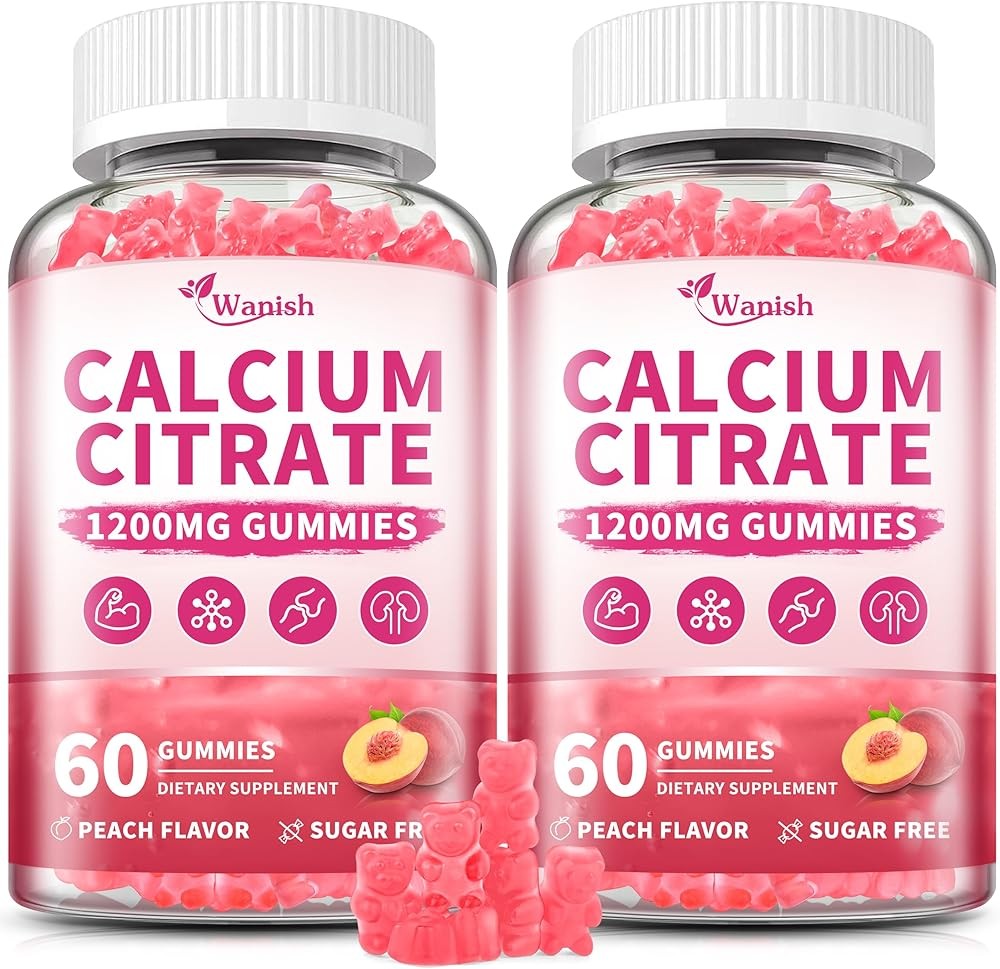
(2 Pack) Calcium Citrate 1200 mg Gummies Supplements for Women & Men,Pure Ca
Check Price on AmazonAs an Amazon Associate we earn from qualifying purchases.
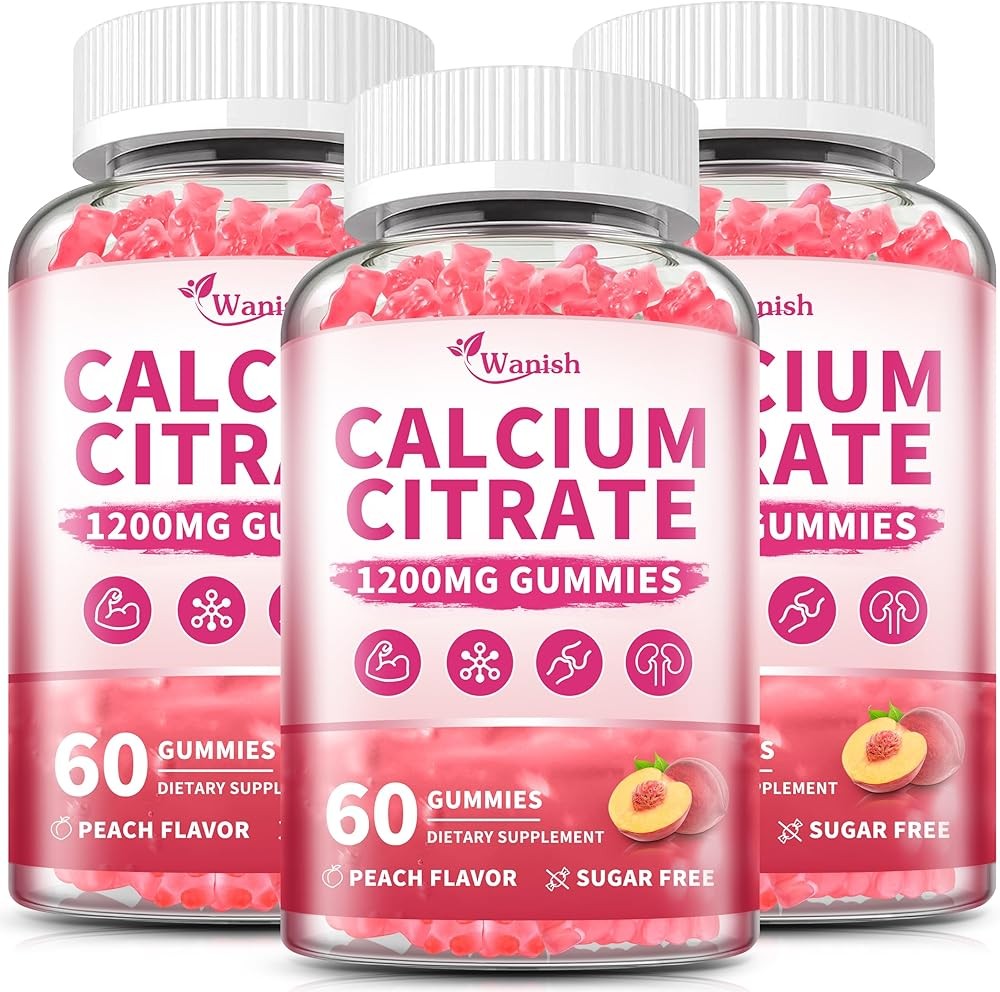
(3 Pack) 1200 mg Calcium Citrate Gummies Supplements for Women & Men,Pure Ca
Check Price on AmazonAs an Amazon Associate we earn from qualifying purchases.
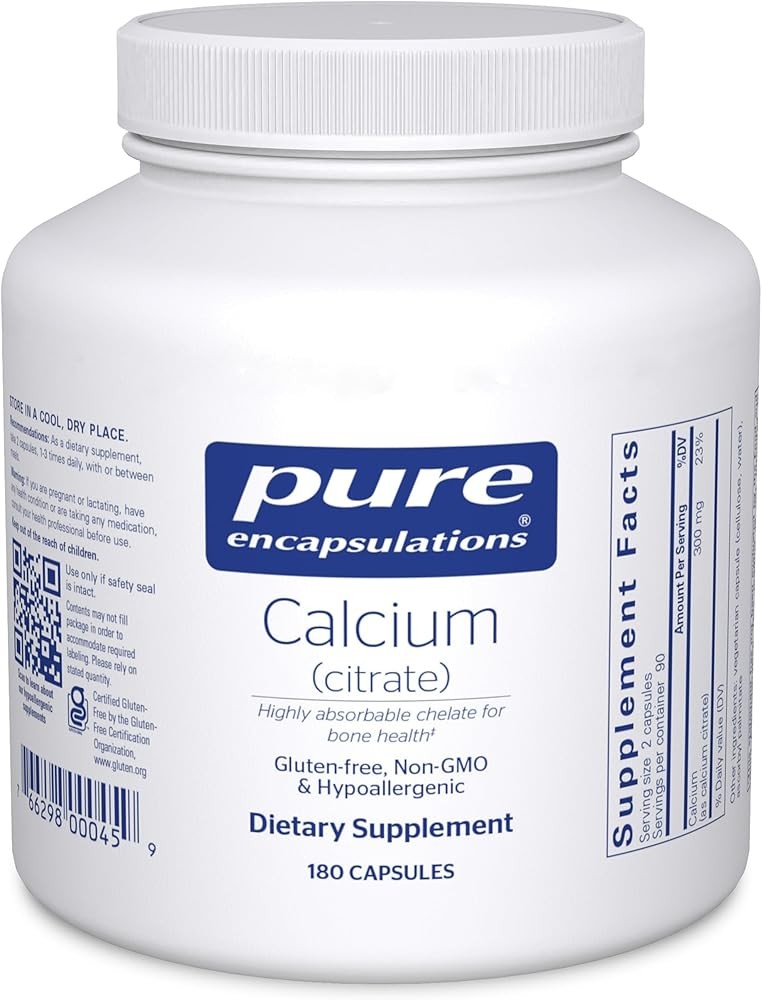
Pure Encapsulations Calcium (Citrate) - Supplement for Bone, Teeth, Colon, and C
Check Price on AmazonAs an Amazon Associate we earn from qualifying purchases.
📱 Join the discussion: Facebook | X | YouTube | Pinterest | Pinterest
Recommended Supplements
Conclusion
Perimenopause is a natural transition, but the symptoms don’t have to be debilitating. While your grandmother may have “just suffered through it,” modern research provides evidence-based natural support that meaningfully improves quality of life.
Research indicates black cohosh may support a reduction in hot flashes by 26-50%. Studies suggest omega-3 fatty acids may benefit mood and help reduce inflammation. Published research shows magnesium appears to have some benefit for sleep quality and may reduce anxiety. Research suggests vitamin D and calcium may help protect bone density. Studies indicate maca may support energy and mood. Research suggests evening primrose oil may help reduce breast pain.
Supported by strength training, stress management, optimal nutrition, and healthy sleep habits, research suggests these supplements may offer support for navigating perimenopause from multiple angles, potentially assisting the body through the transition. PMC
Published research suggests most women report noticeable changes within 4-8 weeks, with potential for continued optimization over 3-6 months. Studies indicate natural approaches may be beneficial for mild to moderate symptoms and appear to have some benefit when implemented comprehensively.
For severe symptoms, don’t hesitate to discuss hormone replacement therapy with a knowledgeable provider. HRT and natural support aren’t mutually exclusive—many women successfully combine them.
The key is understanding your options, implementing a comprehensive approach, giving interventions adequate time to work (at least 3 months), and working with healthcare providers who respect both natural and medical approaches.
Perimenopause is a temporary phase. Research suggests that with appropriate support, individuals may experience this transition with increased energy, balance, and a sense of empowerment, rather than exhaustion and discomfort. The body is designed to undergo this transition—these research-backed approaches may help support optimal function during the process.
Related Reading
- Best Menopause Supplements: Complete Evidence-Based Guide
- Best Supplements for Women Over 40: Hormone Support and Vitality
- Best Magnesium for Sleep: Forms, Dosing, and Research
- Best Omega-3 Supplements: EPA/DHA Forms and Purity Testing
- Best Calcium Supplements: Citrate vs Carbonate and Absorption
- Natural Hormone Balance: Foods and Supplements for Women
- Best Strength Training for Women Over 40: Bone and Muscle Health
- Best Supplements for Menopause and Perimenopause: What Actually Works
- Best Magnesium for Women Over 40: Perimenopause and Bone Health Guide
- Hot Flash Supplements That Actually Work: Evidence-Based Guide
- Natural Progesterone Alternatives: Evidence-Based Options That Work
Recommended Products