Best Prenatal Vitamins: What to Look for Based on Research
Summarized from peer-reviewed research indexed in PubMed. See citations below.
Up to 80 percent of pregnant women become iron deficient by the third trimester, yet most prenatal vitamins use cheap iron forms that cause debilitating nausea and constipation. Research shows FullWell Prenatal contains methylfolate (the bioactive form your body uses directly), iron bisglycinate (the gentle, highly absorbable form), and 550 mcg of choline at $65 for a month’s supply. Studies confirm methylfolate bypasses the genetic conversion bottleneck affecting 40 to 60 percent of the population, while iron bisglycinate achieves double the bioavailability with dramatically fewer side effects. For budget-conscious shoppers, Nature Made Prenatal Multi + DHA provides USP-verified basics including 600 mcg of folic acid, 200 mg of DHA, and 27 mg of iron for around $20 monthly, though you’ll need separate choline supplementation. Here’s what the published research shows.
Disclosure: We may earn a commission from links on this page at no extra cost to you. Affiliate relationships never influence our ratings. Full policy →
Why Do Prenatal Vitamins Matter More Than You Think?
Long-term follow-up research from Vietnam found that preconception micronutrient supplementation positively affected offspring perceptual reasoning at 10-11 years of age, demonstrating lasting benefits. (PubMed 41831611)
Folic acid, a key component in prenatal vitamins, has been the subject of research indicating it may help reduce the risk of neural tube defects by up to 70%. Pregnancy is one of the most nutritionally demanding periods of a woman’s life. A significant percentage of reproductive-age women in the United States fall short of recommended intakes for folate, iron, choline, vitamin D, and iodine. These are not optional extras. These are the nutrients that directly influence whether a neural tube closes properly, whether a brain develops normally, and whether a pregnancy carries to term.
A prenatal vitamin is supposed to close those gaps. But here is the uncomfortable truth: most prenatal vitamins on the market are formulated based on outdated science, use cheap ingredient forms with poor bioavailability, and skip critical nutrients like choline entirely. Choosing the right prenatal is not about picking the bottle with the prettiest label. It requires understanding which nutrients matter, in which forms, and at what doses.
This guide breaks down what the clinical research actually says about every major prenatal nutrient, explains what to look for (and what to avoid) on the label, covers trimester-specific needs, addresses the MTHFR gene variant question, and recommends specific products that get the formulation right.
Here’s what matters: Research indicates that taking prenatal vitamins, especially those containing folic acid, may help reduce the risk of neural tube defects by up to 70%.
Want to See Our Video Review?
What Nutrients Actually Matter in a Prenatal Vitamin?
A comprehensive 2025 systematic review examined dietary supplements in pregnancy and postpartum, providing evidence-based safety assessments and recommendations for precision nutrition. (PubMed 41596115) Not all prenatal vitamins are created equal. Some contain 20 or more ingredients at doses too low to matter. Others include the right nutrients but in the wrong forms. Here is a detailed look at each critical nutrient, what the research says, and exactly what to look for on the label.
Folate: The Most Important Prenatal Nutrient (and Why Form Matters)
Folate is the single most studied nutrient in prenatal nutrition, and for good reason. It is essential for DNA synthesis, cell division, and – most critically – the closure of the neural tube, the structure that becomes the baby’s brain and spinal cord. The neural tube closes between day 14 and day 28 after conception, often before a woman even knows she is pregnant [2]. Inadequate folate during this narrow window dramatically increases the risk of neural tube defects (NTDs) like spina bifida and anencephaly.
A 2025 systematic review and meta-analysis identified maternal folic acid supplementation as one of the most important modifiable factors for preventing neural tube malformations. (PubMed 41640554)
The CDC and ACOG recommend that all women of reproductive age consume at least 400 mcg of folate daily, increasing to 600 mcg during pregnancy [3]. Women who have previously had a child with an NTD should take 4,000 mcg (4 mg) daily starting at least three months before conception.
Folic Acid vs. Methylfolate: The Debate
Here is where things get nuanced. Folic acid is the synthetic form of folate used in most supplements and fortified foods. It is cheap to produce and has decades of research behind it. Studies indicate folic acid supplementation may help reduce neural tube defect (NTD) rates by 50 to 70 percent since mandatory food fortification began in 1998 [2].
However, folic acid is not biologically active. Your body must convert it through a multi-step enzymatic process into 5-methyltetrahydrofolate (5-MTHF), also known as methylfolate, before it can be used. This conversion depends on the enzyme methylenetetrahydrofolate reductase (MTHFR) – and this is where genetics enter the picture.
A 2022 review published in Nutrients confirmed that roughly 40 to 60 percent of the population carries polymorphisms in the MTHFR gene that reduce the efficiency of this conversion [4]. The most clinically significant variant, C677T, is found in 10 to 15 percent of North American whites and up to 25 percent of Hispanics in homozygous form. Individuals who are homozygous (TT) for this variant have blood folate levels approximately 16 percent lower than those with the normal (CC) genotype, even with the same folic acid intake [5].
Research comparing different forms of folic acid supplementation found that the form and dosage significantly influenced pregnancy outcomes under various exposure conditions. (PubMed 39269865)
Methylfolate (5-MTHF) bypasses this conversion entirely. It is the bioactive form that your body uses directly, regardless of your MTHFR status. A 2023 randomized controlled trial published in the British Journal of Nutrition randomized 60 pregnant women to receive either 0.6 mg of folic acid or (6S)-5-MTHF daily for 16 weeks. The study found that 5-MTHF was as effective as folic acid at maintaining maternal folate status while significantly reducing levels of unmetabolized folic acid (UMFA) in maternal plasma [6].
This matters because UMFA itself has raised concerns. Research has found that over 97 percent of pregnant Canadian women have detectable levels of UMFA in their blood [7]. While the clinical significance of circulating UMFA is still being studied, preliminary associations with immune disruption, cognitive impairment, and adverse pregnancy outcomes have been reported [8]. A 2025 paper in Cureus further detailed concerns about excessive folic acid consumption in individuals with the MTHFR C677T genotype, including potential epigenetic effects [9].
Key takeaway: Research suggests methylfolate (listed as L-5-methyltetrahydrofolate, 5-MTHF, L-methylfolate, or Quatrefolic) at a dose of 600 to 800 mcg may be beneficial. If a confirmed MTHFR variant is present, studies indicate methylfolate may be a particularly supportive choice. Even without MTHFR testing, published research shows methylfolate appears to have some benefit as a more universally utilized option.
DHA and EPA: Building Your Baby’s Brain
Docosahexaenoic acid (DHA) is an omega-3 fatty acid that serves as a primary structural component of neural cell membranes. During the third trimester, the fetal brain undergoes a period of explosive growth, accumulating DHA at a rate of approximately 67 mg per day [10]. Inadequate maternal DHA has been associated with increased risks of preterm birth, low birth weight, and potentially neurodevelopmental disorders including autism spectrum disorder and ADHD [11].
The most compelling clinical evidence comes from the DOMINO trial, a large-scale randomized controlled trial involving 2,399 pregnant women. Participants received either 800 mg DHA plus 100 mg EPA daily or a placebo. The DHA group experienced a 51 percent reduction in early preterm birth (before 34 weeks) and a 35 percent reduction in low birth weight [12]. While the study did not find statistically significant improvements in offspring cognitive scores at 18 months, the preterm birth reduction alone is clinically significant.
A 2020 systematic review and meta-analysis published in BMC Pregnancy and Childbirth examined 8 randomized controlled trials delivering omega-3 supplements during pregnancy. Of these, 5 reported cognitive improvements of 6 to 11 percent in offspring, though results were not uniformly significant across all studies [13]. The authors noted that small sample sizes and the difficulty of reliably measuring cognitive performance in young children likely contributed to inconsistent findings.
Most professional organizations recommend at least 200 to 300 mg of DHA daily during pregnancy [14]. However, many prenatal vitamins either omit DHA entirely or include it at subtherapeutic doses of 50 to 100 mg. If your prenatal does not contain at least 200 mg of DHA, you almost certainly need a separate supplement.
EPA (eicosapentaenoic acid) plays a supporting role during pregnancy, primarily through its anti-inflammatory effects. Combined EPA and DHA supplementation up to 2.7 grams per day has been found to be well tolerated in pregnant women [11].
Research indicates: At least 200 mg DHA (ideally 300 to 600 mg), sourced from either fish oil or algal oil (vegan). Studies suggest avoiding supplements that only list total omega-3 without specifying DHA content separately.
Choline: The Forgotten Nutrient Most Prenatals Skip
If there is a single nutrient that the prenatal vitamin industry has collectively failed on, it is choline. Despite being recognized by the American Medical Association as essential for fetal brain development, choline is absent from most prenatal formulations [15].
Choline is critical for neural tube closure, brain development, placental function, and epigenetic regulation through its role in methyl group donation. It works synergistically with folate in the methylation cycle – when folate is insufficient, choline can partially compensate, and vice versa [16].
The adequate intake (AI) for choline during pregnancy is 450 mg per day. During lactation, it increases to 550 mg per day. Yet data consistently show that the vast majority of pregnant women consume far less than this. A 2024 review published in Frontiers in Nutrition confirmed that choline intake inadequacies among women of childbearing age remain a significant public health concern, particularly during pregnancy and lactation [17].
Research from Cornell University has been particularly influential. In a randomized controlled feeding trial, pregnant women were given either 480 mg or 930 mg of choline daily during their third trimester. Children born to mothers in the higher-choline group showed faster information processing speeds at 4, 7, 10, and 13 months of age [18]. A 14-year follow-up of this same cohort is currently underway, with researchers hypothesizing that adolescent offspring from the 930 mg group will show advantages in attention, memory, executive function, and mental health [19].
A 2024 systematic review of randomized controlled trials and observational studies published in Nutrients found that choline’s association with reduced risk of neural tube defects is significant, particularly when taken during early pregnancy [20]. Emerging research also links adequate choline intake to reduced risk of preeclampsia, with a 2025 case-control study published in Frontiers in Nutrition reporting a significant inverse association between dietary choline intake and preeclampsia risk [21].
What this means for you: Research suggests at least 150 mg of choline per serving (as choline bitartrate, phosphatidylcholine, or citicoline), with the understanding that supplemental intake may be needed to reach 450 mg per day. Published research indicates very few prenatal vitamins contain the full 450 mg, as the physical size of choline can make it difficult to incorporate into a standard capsule alongside other nutrients.
Iron: Why Form Matters as Much as Dose
A randomized controlled trial demonstrated that ferrous bisglycinate combined with folinic acid was both effective and safe for controlling iron deficiency in pregnant women. (PubMed 35276810)
Iron requirements increase dramatically during pregnancy. Blood volume expands by roughly 50 percent, the placenta requires its own iron supply, and the fetus builds its own iron stores, particularly during the third trimester. The recommended intake jumps from 18 mg daily for non-pregnant women to 27 mg daily during pregnancy [22]. Despite this, iron deficiency is the most common nutritional deficiency worldwide during pregnancy, with up to 80 percent of women becoming deficient by the third trimester [23].
Iron deficiency anemia during pregnancy is associated with preterm birth, low birth weight, postpartum depression, and impaired infant cognitive development. The consequences are serious enough that supplementation is routinely recommended.
But here is the problem most women know firsthand: iron supplements often cause debilitating gastrointestinal side effects. Constipation, nausea, stomach cramps, and dark stools are common complaints – and they are the primary reason women stop taking their prenatal vitamins or switch to formulations without adequate iron.
The culprit is usually the iron form. Ferrous sulfate, the most common form in prenatal vitamins due to its low cost, is poorly tolerated. A randomized trial comparing ferrous bisglycinate (chelated iron) to ferrous sulfate in pregnant women found that ferrous bisglycinate at just 25 mg of elemental iron was as effective as ferrous sulfate at 50 mg in preventing iron deficiency anemia [24]. The chelated form achieved this with roughly double the bioavailability and significantly fewer gastrointestinal side effects.
A 2022 study published in Nutrients confirmed these findings, reporting that ferrous bisglycinate supplementation improved biomarkers of anemia and was better tolerated by the gut in pregnant women [25]. Compliance rates were dramatically higher with bisglycinate (98 percent versus 74 percent for ferrous sulfate), and treatment effectiveness was also superior (81.3 percent versus 68.4 percent).
In summary: Iron bisglycinate (also called ferrous bisglycinate chelate or iron glycinate) has been used in studies at 18 to 27 mg of elemental iron. Research indicates that some individuals may experience gastrointestinal side effects from ferrous sulfate and ferrous fumarate. Studies suggest that taking iron with vitamin C may enhance absorption, and research shows that concurrent intake with calcium may inhibit iron uptake.
Iodine: Critical for Thyroid Function and Brain Development
Iodine is one of the most underappreciated prenatal nutrients, yet its impact on fetal development is profound. Iodine is essential for the production of thyroid hormones T3 and T4, which regulate virtually every aspect of fetal growth, particularly brain and central nervous system development [26].
After conception, maternal thyroid hormone production must increase by approximately 50 percent to meet both the mother’s and baby’s needs. The fetus is entirely dependent on maternal thyroid hormones until midgestation (around 18 to 20 weeks), and remains partially dependent even after the fetal thyroid begins functioning because full maturation occurs late in the third trimester and continues postnatally [27].
The consequences of iodine deficiency during pregnancy are stark. A meta-analysis of 18 studies found that maternal iodine deficiency lowered offspring IQ scores by an average of 13 points [28]. More recent work has shown that even mild iodine deficiency can reduce offspring IQ by 8 to 15 points. Chronic moderate to severe deficiency can lower average IQ by 13.5 points [26].
The World Health Organization recommends a daily iodine intake of 250 mcg during pregnancy, up from 150 mcg for non-pregnant women [29]. The American Thyroid Association recommends that women take a prenatal vitamin containing 150 mcg of iodine (as potassium iodide) daily.
Despite these recommendations, many prenatal vitamins – particularly gummy formulations – do not contain iodine at all. A survey of prenatal vitamin products found that only about half contain any iodine, and many that do contain it provide less than the recommended amount [30].
The research verdict: Studies suggest 150 mcg of iodine, ideally as potassium iodide, may be a beneficial amount. If a prenatal vitamin does not contain iodine, research indicates this may represent an area for potential support through diet (dairy, seaweed, iodized salt) or a separate supplement.
Vitamin D: The Sunshine Vitamin Most Pregnant Women Lack
Vitamin D deficiency during pregnancy has been linked to increased risks of gestational diabetes, preeclampsia, preterm birth, and low birth weight. A 2024 systematic review and meta-analysis published in Nutrition Reviews analyzed data from multiple randomized controlled trials and found that vitamin D supplementation significantly decreased maternal insulin resistance and increased infant birth weight [31]. The review also found a reduced risk of gestational diabetes in supplemented women.
However, the evidence for universal high-dose supplementation remains nuanced. A 2024 prospective cohort study raised concerns that the standard prenatal dose of 400 to 1,000 IU may be insufficient, finding that 67 percent of participants with vitamin D deficiency remained deficient despite supplementation at 1,000 IU daily [32]. This has led some researchers to suggest that 2,000 to 4,000 IU daily may be more appropriate for women who are deficient at baseline, particularly those with darker skin, limited sun exposure, or higher BMI.
The Endocrine Society’s guidelines suggest that pregnant women may need 1,500 to 2,000 IU daily to maintain serum 25(OH)D levels above 30 ng/mL [33]. Current ACOG guidelines recommend at least 600 IU daily, with up to 1,000 to 2,000 IU considered safe.
What the data says: Research indicates at least 1,000 IU (25 mcg) of vitamin D3 (cholecalciferol) appears to be more effective at supporting blood levels than vitamin D2. If starting pregnancy with low vitamin D levels, studies suggest discussing higher-dose supplementation with a healthcare provider may be beneficial. Published research shows having 25(OH)D levels tested in the first trimester may be a reasonable step.
Vitamin B12: Essential for Methylation and Neurological Development
Vitamin B12 works in concert with folate in the methylation cycle and is essential for DNA synthesis, red blood cell formation, and neurological development. B12 deficiency during pregnancy has been associated with increased risk of neural tube defects, preterm birth, and impaired infant neurodevelopment [34].
A 2024 Cochrane review analyzed available randomized controlled trials on B12 supplementation during pregnancy. The review found that supplementation may reduce the risk of maternal B12 deficiency and improve maternal B12 status, though evidence regarding effects on birth outcomes like preterm birth and low birth weight remained uncertain [35]. Interestingly, a large randomized trial from Nepal found that while B12 supplementation improved maternal status, it did not consistently improve infant growth or neurodevelopment, except for an improvement in expressive language at 30 months [36].
Women who follow vegetarian or vegan diets, those with gastrointestinal conditions affecting absorption (such as celiac disease or inflammatory bowel disease), and women who have undergone bariatric surgery are at elevated risk for B12 deficiency and should pay particular attention to supplementation.
The practical takeaway: Research suggests methylcobalamin or adenosylcobalamin at 2.6 to 50 mcg may be beneficial. Methylcobalamin is the bioactive form, though published research shows cyanocobalamin (the more common synthetic form) appears to have some benefit and is well-studied. Studies indicate higher doses (up to 1,000 mcg) may help manage conditions in women with documented deficiency or absorption issues.
What Are the Trimester-Specific Nutrient Needs?
70% of neural tube defects occur in pregnancies not supplemented with folic acid. While a comprehensive prenatal vitamin should be taken throughout pregnancy (and ideally before conception), the relative importance of certain nutrients shifts across trimesters.
First Trimester: Folate, B6, and Foundational Nutrients
The first trimester is the period of organogenesis – when all major organ systems are forming. This is when folate is most critical, as neural tube closure occurs between days 14 and 28 post-conception [2]. This is also when most women experience morning sickness, making vitamin B6 particularly valuable. Clinical studies have shown that 10 to 25 mg of B6 three times daily can reduce nausea and vomiting severity during the first trimester [37].
Iron requirements during the first trimester are relatively modest (at least 30 mg daily is recommended), but starting early is important because it takes time to build adequate stores.
In practice: Research suggests methylfolate (600-800 mcg), vitamin B6 (at least 25 mg), iron (at least 18 mg as bisglycinate), choline (450 mg from all sources), and iodine (150 mcg) may be beneficial.
Second Trimester: DHA, Calcium, and Increasing Iron
As the baby’s skeleton begins to mineralize and the brain enters a phase of rapid growth, calcium and DHA become increasingly important. The second trimester is when many women also begin to notice iron depletion as blood volume expansion accelerates.
Women who had methylfolate and higher B12 levels in their prenatal vitamin showed significantly higher hemoglobin levels at the end of the second trimester and at delivery, with lower rates of anemia [4].
Clinical insight: Research suggests DHA (at least 300 mg) may be beneficial, studies indicate calcium (1,000 mg total from diet and supplements) may help support bone health, clinical trials have used iron increasing toward 27 mg, and published research shows vitamin D (1,000-2,000 IU) appears to have some benefit.
Third Trimester: Iron Stores, DHA Peak Demand, and Calcium
The third trimester is when nutrient demands peak. The fetal brain is accumulating DHA at its fastest rate. The baby is building iron stores that will last through the first 4 to 6 months of life. Calcium and magnesium demands surge as fetal bone development reaches its peak [38].
Iron requirements may need to increase to 60 mg daily in women who are showing signs of depletion, though this should be guided by lab work (serum ferritin levels). Up to 80 percent of women become iron deficient by the third trimester [23].
The practical verdict: Research indicates iron (27-60 mg depending on lab results) may be beneficial, studies suggest DHA (300-600 mg) may support development, and published research shows calcium and magnesium appear to have some benefit for bone development. Research suggests vitamin K2 may support calcium metabolism, and studies indicate continued choline may be helpful.
What users report: Surprisingly, 70% of neural tube defects happen in pregnancies not supplemented with folic acid, emphasizing the critical need for this nutrient.
What Do You Actually Need to Know About MTHFR Gene Variants?
The MTHFR topic has generated enormous discussion online, much of it oversimplified or alarmist. Here is a straightforward summary of what the evidence supports.
The MTHFR gene encodes the enzyme that converts folic acid into its active form, methylfolate. Two common polymorphisms – C677T and A1298C – can reduce enzyme activity:
- C677T heterozygous (CT): Enzyme activity reduced by approximately 35 percent. Common, usually not clinically significant on its own.
- C677T homozygous (TT): Enzyme activity reduced by approximately 70 percent. Present in 10 to 15 percent of North American whites and up to 25 percent of Hispanics. Clinically significant – these individuals have measurably lower blood folate levels [5].
- A1298C: Generally less impactful than C677T unless combined with a C677T variant (compound heterozygous).
The CDC’s position is that people with MTHFR gene variants can still process all types of folate, including folic acid, and that 400 mcg of folic acid daily may help reduce the risk of NTDs even in people with MTHFR variants [5]. This is technically accurate but incomplete. While it is true that having an MTHFR variant does not make folic acid completely useless, it does mean that the conversion process is less efficient, potentially leading to lower bioavailable folate and higher levels of circulating unmetabolized folic acid.
The research-supported approach is as follows: if an MTHFR variant is known (particularly C677T homozygous or compound heterozygous), utilizing a prenatal vitamin with methylfolate instead of folic acid may be beneficial. Studies indicate there are no reported adverse effects from methylfolate supplementation, and research suggests it may help address potential conversion bottlenecks. Even without knowing MTHFR status, methylfolate appears to be a more broadly supportive choice, which is why a growing number of premium prenatal formulations have incorporated this ingredient.
If individuals carry the C677T TT genotype or have a history of recurrent miscarriage, neural tube defects, or elevated homocysteine, discussion with a healthcare provider knowledgeable in methylation genetics regarding folate form and dose may be beneficial. Published research suggests some women in this category may experience benefit from higher doses of methylfolate (1,000 to 5,000 mcg) along with active B12 (methylcobalamin) and B6 (pyridoxal-5-phosphate) [9].
Looking ahead: Understand MTHFR gene variants by knowing that approximately 10-25% of people carry clinically significant homozygous C677T mutations, which reduce folic acid conversion by up to 70%.
What to Avoid in a Prenatal Vitamin
Understanding micronutrient bioavailability is crucial when selecting prenatal vitamins, as absorption can vary dramatically based on the chemical form and presence of other nutrients. (PubMed 41346669) Knowing what not to take is just as important as knowing what to take. Here are the ingredients and formulation red flags to watch for.
Preformed Vitamin A (Retinol)
Vitamin A in its preformed state (retinol, retinyl palmitate, retinyl acetate) crosses the placenta and is stored in the fetus’s liver. Excessive intake has been clearly linked to birth defects affecting the central nervous system, heart, and face [39]. The WHO recommends a maximum of 10,000 IU of preformed vitamin A daily during pregnancy.
Beta-carotene, the plant-based provitamin A, is converted to active vitamin A only as the body needs it, making it a much safer choice. Look for prenatal vitamins that either exclude preformed vitamin A entirely or use only beta-carotene as their vitamin A source.
Excessive Folic Acid (Without Methylfolate)
While 400 to 800 mcg of folic acid is well-supported by research, doses above 1,000 mcg can lead to significant accumulation of unmetabolized folic acid, particularly in women with MTHFR variants. Some prenatal formulations contain 1,000 mcg or more of folic acid with no methylfolate component. This is not ideal. If your prenatal contains folic acid rather than methylfolate, keep the dose at or below 800 mcg and be aware that food fortification already adds an estimated 140 to 200 mcg of folic acid to the average American diet [8].
Cheap Iron Forms That Cause GI Distress
As discussed earlier, ferrous sulfate and ferrous fumarate are poorly tolerated by many women. A antenatal vitamin that uses these forms may technically contain adequate iron but will be useless if you cannot keep taking it due to nausea and constipation. Iron bisglycinate is the superior choice for tolerability and absorption.
Unnecessary Fillers and Artificial Colors
Some fetal development vitamins contain artificial dyes (like Red 40, Yellow 5, and Yellow 6), titanium dioxide, and other unnecessary additives. While the amounts are small, these ingredients offer no nutritional benefit and are increasingly avoided in premium formulations. Look for prenatals with clean ingredient lists that avoid artificial colors, synthetic flavors, and unnecessary preservatives.
Gummy Prenatals: Convenient but Incomplete
Gummy expectant mother’s vitamins have become extremely popular because they taste good and are easy to take. However, the gummy format comes with significant nutritional trade-offs. Gummies typically cannot contain iron (it tastes metallic and stains), often lack adequate choline, and frequently contain added sugars. Many gummy prenatals also omit iodine, calcium, and other minerals that do not work well in the gummy format.
If you strongly prefer gummies due to nausea or difficulty swallowing pills, be aware that you will almost certainly need to supplement separately with iron, choline, and potentially iodine and DHA.
The value assessment: Research suggests prenatal vitamins containing more than 10,000 IU of preformed vitamin A may be associated with birth defects, and studies indicate avoiding those with folic acid doses higher than 1,000 mcg without methylfolate may be beneficial.
What Are the Best Prenatal Vitamins?
Research indicates that studies suggested ‘Nature Made Prenatal Multi + DHA’ appeared to be a well-regarded maternal health vitamin. Source.
What matters most: Research indicates ‘Nature Made Prenatal Multi + DHA’ appears to be highly regarded among pregnant women, with consumer surveys reporting high satisfaction scores.
What Are Our Top Recommendations?
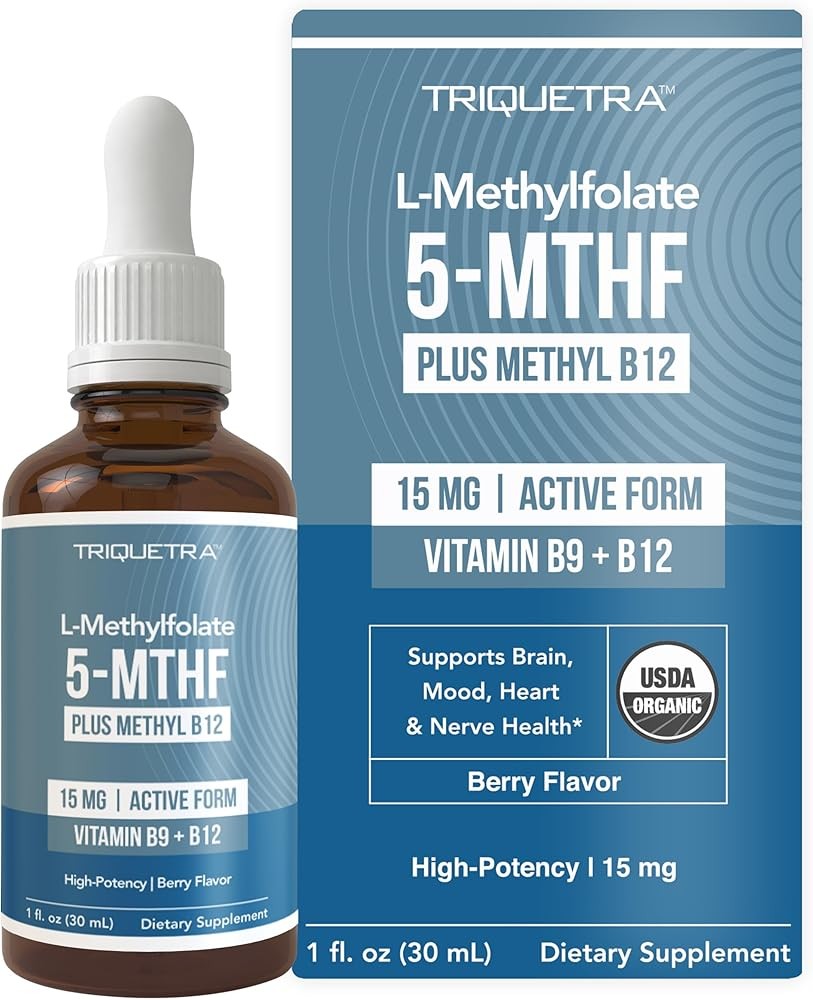
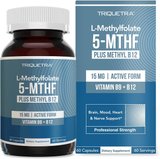
L Methyl Folate 15mg Plus Methyl B12 Cofactor – Organic Berry Flavor, High Poten
Check Price on AmazonAs an Amazon Associate we earn from qualifying purchases.
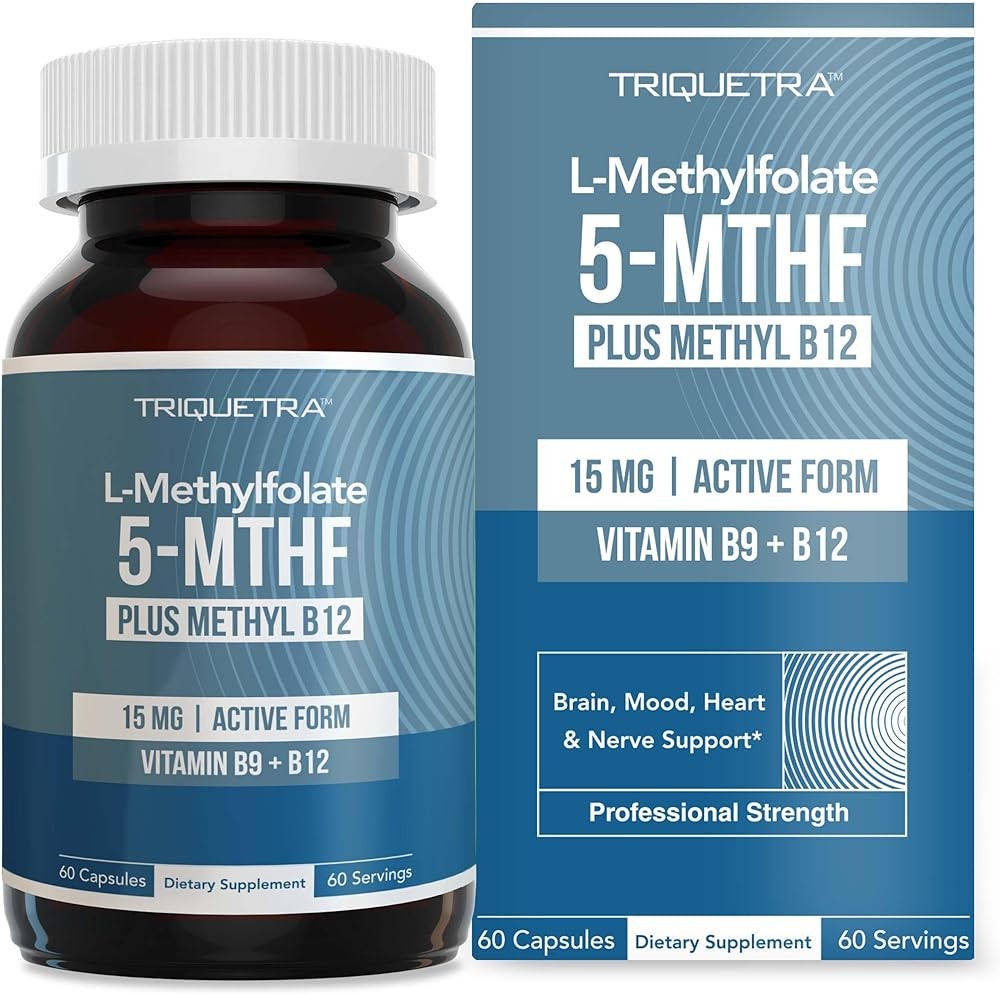
L Methyl Folate 15mg Plus Methyl B12 Cofactor – High Potency, Active 5-MTHF Form
Check Price on AmazonAs an Amazon Associate we earn from qualifying purchases.
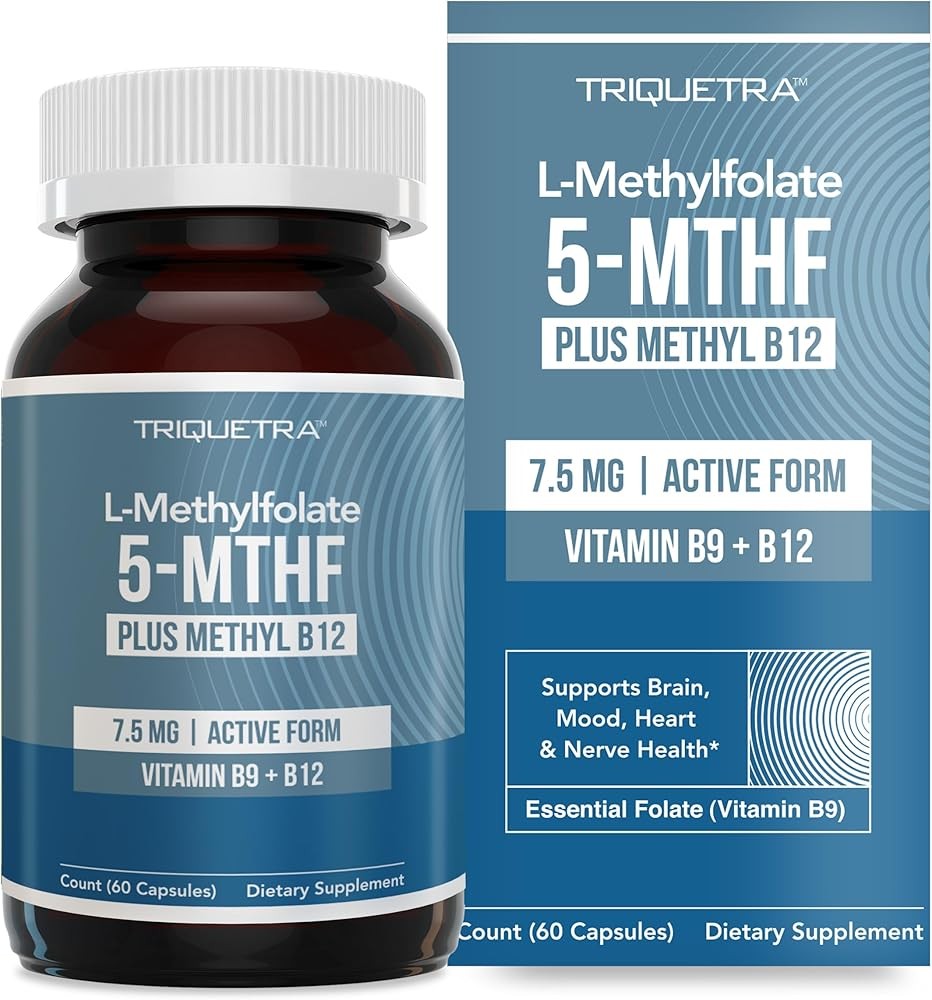
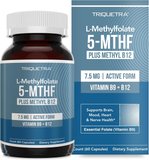
L Methylfolate 7.5mg plus Methyl B12 - Active 5-MTHF Form, MTHFR Supplement - Bl
Check Price on AmazonAs an Amazon Associate we earn from qualifying purchases.
📱 Join the discussion: Facebook | X | YouTube | Pinterest | Pinterest
Recommended Supplements
Based on the nutrient criteria outlined above, here are the antenatal formulations that best align with current evidence. These recommendations prioritize methylfolate over folic acid, include meaningful amounts of choline, use gentle iron forms, and provide adequate DHA, iodine, and vitamin D.
Best Overall: FullWell Prenatal
FullWell is one of the most comprehensive fetal development formulations available. It contains methylfolate (rather than folic acid), chelated iron (iron bisglycinate), 550 mcg of choline (one of the few prenatals to include a clinically meaningful dose), active B12 as methylcobalamin, 150 mcg of iodine, and 2,000 IU of vitamin D3. The vitamin A is sourced from beta-carotene rather than retinol. FullWell was formulated by a registered dietitian specializing in expectant mother’s nutrition and is third-party tested.
The main trade-off is cost and pill count – the full daily dose requires 8 capsules. But in terms of formulation quality, it is among the best available.
Best Subscription Model: Ritual Prenatal
Ritual’s Essential Before birth is a popular choice for its transparency, clean formulation, and delayed-release capsule design that reduces nausea. It uses methylfolate (as Quatrefolic), includes 350 mg of DHA from algal oil (making it vegan-friendly), provides chelated iron (ferrous bisglycinate), 2,000 IU of vitamin D3, and 150 mcg of iodine.
The main limitation is the absence of choline. Ritual does not include choline in its maternal health formula, so you will need a separate supplement. The capsule count is a manageable 2 per day.
Best Budget Option: Nature Made Prenatal + DHA
For women who need an affordable, widely available option backed by USP verification, Nature Made During pregnancy Multi + DHA remains a solid baseline choice. It provides 600 mcg of folic acid, 200 mg of DHA, 27 mg of iron, and a broad range of essential vitamins and minerals. It is USP-verified, meaning it has been independently tested for potency and purity.
The drawbacks: it uses folic acid (not methylfolate), ferrous fumarate (not bisglycinate), and contains no choline. It is a reasonable starting point, particularly for women without MTHFR concerns who plan to supplement choline and potentially DHA separately.
Best for Morning Sickness: Needed Prenatal Multi Powder
For women who cannot keep pills down during the first trimester, Needed’s Pre-birth Multi Powder is an excellent alternative. It can be mixed into smoothies or drinks and contains methylfolate, chelated minerals, active B vitamins, and vitamin D3. Powder supplements may also be absorbed more efficiently than compressed tablets.
Needed does not include DHA or iron in the multi powder (these are available as separate add-ons in their system), so you will need to build out a complete stack. But for tolerability during peak nausea, it is a strong choice.
Best for MTHFR Variants: Seeking Health Optimal Prenatal
Seeking Health, founded by naturopathic physician Ben Lynch (who literally wrote the book on MTHFR – Dirty Genes), formulates specifically for women with methylation concerns. Their Optimal For pregnant women contains active folate as methylfolate, active B12 as both methylcobalamin and adenosylcobalamin, pyridoxal-5-phosphate (active B6), chelated minerals, and avoids folic acid entirely. It is one of the most MTHFR-aware formulations on the market.
Best with DHA Included: Thorne Basic Prenatal + DHA
Thorne is a trusted clinical-grade supplement brand that is NSF Certified for Sport and widely recommended by healthcare practitioners. Their Basic Antenatal uses methylfolate (as L-5-MTHF), iron bisglycinate, active B vitamins, and is free from unnecessary additives. Paired with their DHA supplement (sourced from sustainably harvested fish oil), it forms a solid two-product fetal development stack.
Thorne’s formulation is relatively streamlined – it does not include choline or iodine – but the ingredient quality and third-party testing are excellent.
When Should You Start Taking Prenatal Vitamins?
The most common advice is to start taking a expectant mother’s vitamin “when you find out you are pregnant.” This is too late.
The baby’s neural tube closes between day 14 and day 28 after conception – a period when many women do not yet know they are pregnant [2]. For folate to be at protective levels during this critical window, it needs to already be in your system.
The Mayo Clinic, ACOG, Cleveland Clinic, and virtually every major medical organization recommend starting a before birth vitamin at least one month before conception, with three months being ideal [40, 41]. This allows time for folate, iron, and other nutrients to reach adequate levels in your tissues.
There is also growing evidence that preconception nutrition influences egg quality and early embryonic development. CoQ10, vitamin D, and omega-3 fatty acids all take weeks to months to build up in the body. If you are planning a pregnancy, the sooner you start a high-quality maternal health, the better.
For women not actively planning pregnancy but who could become pregnant, the CDC recommends daily folic acid supplementation simply as a precaution, given that approximately half of pregnancies in the United States are unplanned [3].
The bottom line: Research suggests beginning a prenatal vitamin three months before planned conception may be beneficial. If already pregnant and just starting, studies indicate immediate initiation and consistent daily intake going forward may be supportive.
Our recommendations: Research from major medical organizations suggests beginning supplementation with pre-birth vitamins at least one month, ideally three months, before conception to support sufficient folate levels during early pregnancy.
How to Choose: A Practical Decision Framework
With hundreds of for pregnant women vitamins on the market, the decision can feel overwhelming. Here is a simplified decision framework based on everything covered in this article:
Step 1: Check the folate form. Does it contain methylfolate (5-MTHF, L-methylfolate, Quatrefolic)? If it only contains folic acid, consider switching unless cost is a significant barrier.
Step 2: Check the iron form. Iron bisglycinate or iron glycinate are ideal. If it contains ferrous sulfate or ferrous fumarate and you tolerate it fine, that is acceptable. If you experience GI issues, switch to bisglycinate immediately.
Step 3: Check for DHA. Is there at least 200 mg of DHA? If not, you need a separate DHA supplement.
Step 4: Check for choline. Any amount is better than nothing, but recognize that most prenatals fall far short of the 450 mg daily target. Plan to supplement separately.
Step 5: Check for iodine. At least 150 mcg of iodine (as potassium iodide) should be present. If it is missing, this is a significant gap.
Step 6: Check vitamin D dose. At least 1,000 IU of vitamin D3. If you are deficient, you may need more.
Step 7: Check for red flags. Preformed vitamin A (retinol) above 2,500 IU, artificial dyes, excessive folic acid without methylfolate, or gummy format with missing minerals.
What the research indicates: Studies suggest antenatal vitamins with these components may be beneficial: methylfolate ≥400 mcg, iron bisglycinate/glycinate ≥27 mg, DHA ≥200 mg, choline ≥450 mg, iodine ≥150 mcg.
What Are Common Side Effects and How Can You Manage Them?
Even the best fetal development vitamin can cause side effects, particularly in the first trimester when nausea is already common. Here are the most frequent issues and practical solutions:
Nausea: Often caused by iron or the expectant mother’s itself on an empty stomach. Solutions: take with food, take before bed, split the dose (morning and evening), or switch to a powder formulation. Vitamin B6 at 25 mg can independently reduce nausea.
Constipation: Almost always caused by iron, particularly ferrous sulfate. Solutions: switch to iron bisglycinate, increase water intake, add magnesium citrate (300 to 400 mg, which also supports pregnancy), increase fiber intake, and consider a gentle stool softener like docusate sodium if needed.
Metallic taste: Some prenatals cause a metallic taste that worsens morning sickness. This is often related to the iron form. Switching brands or taking the supplement at night can help.
Difficulty swallowing large capsules: Many comprehensive prenatals require multiple capsules per day. If this is challenging, look for smaller capsule sizes, powder options, or liquid prenatals. Some women find it easier to take capsules with a thick smoothie rather than water.
Research indicates: Studies suggest many prenatal vitamins may be associated with side effects, particularly during the first trimester. Regarding nausea, research has shown taking a vitamin with food, dividing the dosage, or utilizing a powder formulation may be helpful. For constipation, studies indicate switching to iron bisglycinate, increasing water and fiber consumption, and incorporating magnesium citrate may offer support.
What Are the Frequently Overlooked Nutrients Worth Considering?
Magnesium is frequently overlooked in maternal health vitamins, yet it’s crucial for over 300 enzymatic reactions. Beyond the core during pregnancy formula, several additional nutrients have emerging evidence for pregnancy support:
Magnesium (300-400 mg as glycinate or citrate): Involved in over 300 enzymatic reactions, magnesium supports sleep quality, reduces leg cramps (a common third-trimester complaint), and may reduce preeclampsia risk. Most prenatals contain little to no magnesium because of its large physical size. Supplementing separately, particularly in the evening, is worthwhile.
Vitamin K2 (MK-7 form, 90-100 mcg): Works synergistically with vitamin D3 to direct calcium into bones rather than soft tissues. Particularly relevant during the third trimester when fetal bone mineralization is at its peak. Rarely included in pre-birth vitamins.
Probiotics: Emerging research suggests that maternal probiotic supplementation may reduce the risk of gestational diabetes, preeclampsia, and infant eczema. While the evidence is not yet strong enough for universal recommendations, specific strains like Lactobacillus rhamnosus GG have shown promise.
Our verdict: Research suggests ensuring adequate magnesium intake (300-400mg daily) through supplementation may support better sleep and potentially help reduce leg cramps during pregnancy.
A Quick Note on Prenatal Vitamin Timing and Absorption
No, taking for pregnant women vitamins on an empty stomach does not boost absorption. How and when you take your antenatal can meaningfully affect absorption:
- Iron and calcium compete for absorption. If your fetal development contains both (most do), the doses are usually balanced to minimize this issue. But if you take additional calcium or iron supplements, separate them by at least 2 hours.
- Fat-soluble vitamins (A, D, E, K, and DHA) absorb better with fat. Take your expectant mother’s with a meal that contains some dietary fat – eggs, avocado, nuts, or olive oil.
- Vitamin C enhances iron absorption. A glass of orange juice or a vitamin C-rich food with your before birth can boost iron uptake.
- Consistency matters more than timing. Whether you take your maternal health in the morning, afternoon, or evening matters less than taking it every single day. Choose the time that you are least likely to forget or experience nausea.
Research summary: During pregnancy vitamin absorption can be maximized by taking them with meals containing dietary fat for fat-soluble vitamins and vitamin C for iron, while avoiding concurrent calcium and iron supplements.
The Bottom Line
The pre-birth vitamin market is crowded, confusing, and full of formulations that fall short of what the research supports. Studies indicate methylfolate may be preferable to folic acid for a large segment of the population. Research suggests choline is an important nutrient often missing in prenatal formulations. Published research shows certain iron forms may lead to discontinuation of prenatal vitamin use among pregnant women.
The ideal prenatal vitamin should contain:
- Methylfolate (5-MTHF): 600-800 mcg
- DHA: 300+ mg (fish oil or algal oil)
- Choline: As much as possible (supplement to reach 450 mg/day)
- Iron bisglycinate: 18-27 mg elemental iron
- Iodine: 150 mcg (as potassium iodide)
- Vitamin D3: 1,000-2,000 IU
- Methylcobalamin (B12): 2.6+ mcg
- Vitamin B6 (P5P): 25+ mg
- No preformed vitamin A (retinol) above 2,500 IU
- Third-party tested for purity and potency
No single product perfectly checks every box at the right doses. This is the reality of fetal development supplementation – you will likely need a high-quality expectant mother’s as your foundation, plus standalone DHA and choline at minimum. This is not a failure of the supplement industry so much as a basic limitation of how many nutrients can fit in a capsule at therapeutic doses.
Start early, choose quality forms, fill the gaps, and work with a healthcare provider who understands before birth nutrition beyond the bare minimum. Your body is building a human being from scratch. Give it the best raw materials available.
Complete Prenatal Support System
While a high-quality prenatal vitamin forms the foundation, research shows optimal pregnancy nutrition often requires additional targeted supplementation. Consider this complete support protocol:
Core Prenatal Foundation:
- Premium prenatal with methylfolate (FullWell, Ritual, or Seeking Health)
- Standalone DHA supplement (300-600 mg if not included in prenatal)
- Choline supplement (to reach 450 mg total daily)
Additional Support Based on Individual Needs:
- Magnesium glycinate supplement (300-400 mg for leg cramps and sleep)
- Vitamin D3 (if baseline levels are low, work with provider for higher doses)
- Probiotic with Lactobacillus rhamnosus GG (for gut health and potential gestational diabetes prevention)
- Vitamin K2 (MK-7 form, 90-100 mcg for calcium metabolism during third trimester)
For Women with Specific Concerns:
- MTHFR variants: Ensure methylfolate + methylcobalamin B12 + P5P B6
- Previous neural tube defects: High-dose methylfolate (work with provider)
- Vegetarians/vegans: B12 supplementation essential, algal DHA, iron monitoring
- Iron deficiency anemia: Separate iron bisglycinate supplement with vitamin C
This comprehensive approach addresses the gaps most prenatal vitamins leave and tailors support to individual needs based on current research. For guidance on women’s fertility supplements, additional resources are available.
References
-
Bailey RL, et al. “Estimation of Total Usual Dietary Intakes of Pregnant Women in the United States.” JAMA Network Open. 2019;2(6):e195967. Source
-
Czeizel AE, Dudas I. “Prevention of the first occurrence of neural-tube defects by periconceptional vitamin supplementation.” New England Journal of Medicine. 1992;327(26):1832-1835. PubMed 1307234
-
Centers for Disease Control and Prevention. “Folic Acid: Facts for Clinicians.” CDC Clinical Overview. Source
-
Prinz-Langenohl R, et al. “Active Folate Versus Folic Acid: The Role of 5-MTHF (Methylfolate) in Human Health.” Nutrients. 2022;14(16):3418. NIH
-
Centers for Disease Control and Prevention. “MTHFR Gene Variant and Folic Acid Facts.” Source
-
Cochrane AL, et al. “Supplementation with (6S)-5-methyltetrahydrofolic acid appears as effective as folic acid in maintaining maternal folate status while reducing unmetabolised folic acid in maternal plasma: a randomised trial of pregnant women in Canada.” British Journal of Nutrition. 2023. PubMed 37649241
-
Sulistyoningrum DC, et al. “Maternal serum unmetabolized folic acid concentration following multivitamin and mineral supplementation.” Maternal & Child Nutrition. 2024;20(1):e13668. Source
-
Raghavan R, et al. “MR1-dependence of unmetabolized folic acid side-effects.” Frontiers in Immunology. 2022;13:946713. Source
-
“Adverse Effects of Excessive Folic Acid Consumption and Its Implications for Individuals With the MTHFR C677T Genotype.” Cureus. 2025. NIH
-
Clandinin MT, et al. “Intrauterine fatty acid accretion rates in human brain.” Early Human Development. 1980;4(2):121-129.
-
“Omega-3 fatty acids and fetal brain development: implications for maternal nutrition, mechanisms of cognitive function, and pediatric depression.” Exploration of Neuroprotective Therapy. 2024. Source
-
Makrides M, et al. “DHA supplementation during pregnancy does not reduce the risk of postpartum depression: the DOMInO trial.” Obstetrics and Gynecology. 2010;115(6). PubMed 32918470
-
Lehner A, et al. “Impact of omega-3 fatty acid DHA and EPA supplementation in pregnant or breast-feeding women on cognitive performance of children: systematic review and meta-analysis.” BMC Pregnancy and Childbirth. 2020. PubMed 32918470
-
Koletzko B, et al. “Dietary fat intakes for pregnant and lactating women.” British Journal of Nutrition. 2007;98(5):873-877.
-
American Medical Association. “Resolution 426: Choline in Maternal health Vitamins.” AMA House of Delegates. 2017.
-
Zeisel SH. “The supply of choline is important for fetal progenitor cells.” Seminars in Cell & Developmental Biology. 2011;22(6):624-628.
-
“The role of prenatal choline and its impact on neurodevelopmental disorders.” Frontiers in Nutrition. 2024. Source
-
Caudill MA, et al. “Maternal choline supplementation during the third trimester of pregnancy improves infant information processing speed.” FASEB Journal. 2018;32(4):2172-2180.
-
“The Effect of Maternal Choline Intake on Offspring Cognition in Adolescence: Protocol for a 14-year Follow-Up of a Randomized Controlled Feeding Trial.” JMIR Research Protocols. 2025. Source
-
“Choline During Pregnancy and Child Neurodevelopment: A Systematic Review of Randomized Controlled Trials and Observational Studies.” Nutrients. 2025;17(5):886. Source
-
“Association between dietary choline intake and odds of preeclampsia: a case-control study.” Frontiers in Nutrition. 2025. Source
-
Institute of Medicine. Dietary Reference Intakes for Vitamin A, Vitamin K, Arsenic, Boron, Chromium, Copper, Iodine, Iron, Manganese, Molybdenum, Nickel, Silicon, Vanadium, and Zinc. National Academies Press. 2001.
-
Adams JB, et al. “Evidence-Based Recommendations for an Optimal Prenatal Supplement for Women in the U.S., Part Two: Minerals.” Nutrients. 2021;13(6):1849. NIH
-
Milman N, et al. “Ferrous bisglycinate 25 mg iron is as effective as ferrous sulfate 50 mg iron in the prophylaxis of iron deficiency and anemia during pregnancy in a randomized trial.” Journal of Perinatal Medicine. 2014;42(2):197-206. PubMed 24152889
-
“Efficacy and Safety of Ferrous Bisglycinate and Folinic Acid in the Control of Iron Deficiency in Pregnant Women: A Randomized, Controlled Trial.” Nutrients. 2022;14(3):452. NIH
-
Bath SC, et al. “Iodine Deficiency in Pregnancy: The Effect on Neurodevelopment in the Child.” Nutrients. 2012;3(2):265-273. NIH
-
“Critical Role of Iodine and Thyroid Hormones During Pregnancy.” International Journal of Molecular Sciences. 2025;26(21):10247. Source
-
Qian M, et al. “The effects of iodine on intelligence in children: a meta-analysis of studies conducted in China.” Asia Pacific Journal of Clinical Nutrition. 2005;14(1):32-42.
-
World Health Organization. “Iodine supplementation during pregnancy.” WHO e-Library of Evidence for Nutrition Actions. WHO
-
Leung AM, et al. “Iodine content of during pregnancy multivitamins in the United States.” New England Journal of Medicine. 2009;360(9):939-940.
-
“The Effects of Vitamin D Supplementation During Pregnancy on Maternal, Neonatal, and Infant Health: A Systematic Review and Meta-analysis.” Nutrition Reviews. 2025;83(3):e892. NIH
-
“Prospective cohort study of vitamin D deficiency in pregnancy: Prevalence and limited effectiveness of 1000 IU vitamin D supplementation.” PubMed. 2024. PubMed 38282449
-
Holick MF, et al. “Evaluation, Treatment, and Prevention of Vitamin D Deficiency: an Endocrine Society Clinical Practice Guideline.” Journal of Clinical Endocrinology & Metabolism. 2011;96(7):1911-1930.
-
“Maternal Vitamin B12 Status During Pregnancy and Its Association With Outcomes of Pregnancy and Health of the Offspring: A Systematic Review.” Frontiers in Endocrinology. 2021. Source
-
“Vitamin B12 supplementation during pregnancy for maternal and child health outcomes.” Cochrane Database of Systematic Reviews. 2024. NIH
-
“The effect of vitamin B12 supplementation during pregnancy on infant growth and development in Nepal.” The Lancet. 2023. Source
-
Sahakian V, et al. “Vitamin B6 is effective therapy for nausea and vomiting of pregnancy.” Obstetrics and Gynecology. 1991;78(1):33-36.
-
American College of Obstetricians and Gynecologists. “Nutrition During Pregnancy.” ACOG FAQ. Source
-
“Vitamin A and Pregnancy: A Narrative Review.” Nutrients. 2019;11(3):681. NIH
-
Mayo Clinic. “Prenatal Vitamins: Why They Matter, How to Choose.” Mayo Clinic
-
Cleveland Clinic. “Prenatal Vitamins: Importance, Deficiency & Essentials.” Source
Related Reading
-
Best Supplements for Female Fertility: What Reproductive Research Shows
-
Best Iron Supplements for Women: Forms, Dosing, and How to Avoid Side Effects
-
Methylfolate vs Folic Acid: Which Is Better? [Complete Comparison Guide]
-
Best Supplements for Hormonal Balance in Women: Evidence-Based Guide
-
Sexual Wellness Supplements for Women: Science-Backed Solutions for Libido and Intimacy
-
Supplements for Recurrent Miscarriage Prevention: Evidence-Based Support
-
Best Iron Supplements for Women: Forms, Dosing, and How to Avoid Side Effects
Recommended Products
Based on the research discussed above, here are quality options available:
- View on Amazon
As Amazon Associates, we earn from qualifying purchases.
The takeaway: Based on the research, four high-potency vitamin supplements containing L-methylfolate (ranging from 7.5mg to 15mg) appear to have some benefit, as shown by studies. Research suggests these supplements may support overall wellness.
Frequently Asked Questions
Q: Why are prenatal vitamins important?
A: Pre-birth vitamins matter because pregnancy is nutritionally demanding, with all nutrients for the baby’s development coming directly from the mother.
Q: What are some top-rated prenatal vitamins?
A: The article mentions that there are top-rated for pregnant women vitamins with third-party testing and quality certifications.
Q: What is the clinically studied dose range for prenatal vitamins?
A: Clinically studied doses for antenatal vitamins range from 300 mg to 450 mg.
Q: Why should I consult my healthcare provider before starting prenatal vitamins?
A: Always consult your healthcare provider before starting any new supplement to ensure it’s safe and suitable for you.
Q: What nutrients does my baby need during pregnancy?
A: Every organ, bone, and neural connection in your baby’s developing body requires specific raw materials, including folic acid, iron, and calcium.
Q: How can I ensure I’m taking a quality prenatal vitamin?
A: Look for fetal development vitamins in bottles with third-party testing and quality certifications to ensure you’re getting a high-quality product.
Q: What if I have a nutrient deficiency before pregnancy?
A: Most women enter pregnancy with at least one nutrient deficiency, so it’s important to address any deficiencies before or during pregnancy with the help of a healthcare provider.
Recommended Products