Best Protein Powder for Women: Dietitian-Reviewed
Summarized from peer-reviewed research indexed in PubMed. See citations below.
Women lose 3-8% of muscle mass per decade after age 30, accelerating to 5-10% after menopause — making protein intake critical for long-term health and body composition. The best protein powder for women is Optimum Nutrition Gold Standard Whey, delivering 24g of complete protein per serving with 5.5g BCAAs for $1.13 per serving. Research shows whey protein’s high leucine content (2.5-3g per serving) maximally stimulates muscle protein synthesis, while third-party Informed Choice certification ensures purity and safety. For women avoiding dairy, Orgain Organic Plant Protein provides 21g complete protein from pea, rice, and chia for $1.29 per serving. Here’s what the published research shows about protein powder for women’s unique physiological needs.
Disclosure: We may earn a commission from links on this page at no extra cost to you. Affiliate relationships never influence our ratings. Full policy →
| Feature | ON Gold Standard Whey | Orgain Plant Protein | Garden of Life Raw | GHOST Whey | Momentous Grass-Fed |
|---|---|---|---|---|---|
| Protein/Serving | 24g | 21g | 22g | 25g | 24g |
| Type | Whey blend | Pea/rice/chia | 13 sprouted plants | Whey blend | Whey isolate |
| Price/Serving | $1.13 | $1.29 | $1.89 | $1.73 | $2.29 |
| Certifications | Informed Choice | USDA Organic | NSF Sport, Organic | None | NSF Sport, Informed Sport |
| Leucine | 2.7g | 1.8g | 2.0g | 2.8g | 2.9g |
| Calories | 120 | 150 | 120 | 130 | 100 |
| Best For | Most women | Plant-based | Clean label | Taste | Athletes/Premium |
Protein is the most important macronutrient for body composition, recovery, and long-term health — regardless of gender. But the protein powder market still markets to women as an afterthought, either pinkwashing the same products or pushing low-protein “slimming shakes” with dubious ingredients.
You don’t need a “women’s protein powder.” You need a high-quality protein powder, period. We evaluated dozens of options and picked the five best based on protein quality, ingredient transparency, taste, third-party testing, and value.
Understanding why protein matters so much for women specifically helps frame the importance of this decision. Women face unique challenges that make adequate protein intake critical: age-related muscle loss (sarcopenia) begins as early as the thirties and accelerates after menopause due to declining estrogen; bone density depends partly on the muscle mass surrounding and supporting the skeleton; and during pregnancy and breastfeeding, protein demands increase substantially. Despite these heightened needs, surveys consistently show that women consume less protein than men, both in absolute terms and relative to body weight. A quality protein powder is one of the simplest ways to close this gap.
Why Do Women Have Unique Protein Needs?
The physiological reality is that women’s protein metabolism differs from men’s in several important ways, and these differences become more pronounced across the lifespan.
Bottom line: Research suggests women may require 20-25% more protein than men after menopause, potentially due to declining estrogen. Studies indicate women may lose muscle mass 40% faster than men after age 50, and have elevated protein demands during pregnancy and lactation — making adequate protein intake an important consideration across all life stages.
Hormonal Influences on Protein Metabolism
Estrogen plays a protective role in preserving muscle mass by reducing protein breakdown and promoting protein synthesis. Research published in the Journal of Applied Physiology demonstrates that estrogen enhances muscle protein synthesis in response to resistance exercise and amino acid intake. This is why the menopausal transition — when estrogen levels decline dramatically — marks a critical inflection point for muscle health in women.
A 2020 study in Menopause found that post-menopausal women require approximately 20-25% more dietary protein than pre-menopausal women to achieve the same muscle amino acids synthesis response. This translates to research suggesting a practical intake of at least 1.2-1.6g of muscle-building nutrients per kilogram of body weight daily for women over 50, particularly those engaged in resistance training.
Progesterone, which fluctuates across the menstrual cycle, also influences nutritional supplements metabolism. During the luteal phase (post-ovulation), when progesterone peaks, metabolic rate increases and dietary protein turnover accelerates. Some research suggests that peptides requirements may increase by 10-15% during this phase, though the practical significance of this fluctuation remains debated.
Muscle Loss Patterns in Women
Women naturally have less muscle mass than men — approximately 60-75% of male muscle mass — and lose it faster with age. The American Journal of Clinical Nutrition published landmark research showing that women lose an average of 3-8% of muscle mass per decade after age 30, accelerating to 5-10% per decade after age 50.
This accelerated loss is not inevitable. Randomized controlled trials indicate that post-menopausal women consuming 1.6g/kg macronutrient daily while performing resistance training appear to experience gains in lean mass and losses in fat mass, while those consuming the RDA (0.8g/kg) show a loss of muscle despite exercising. The higher muscle mass group also shows significant improvements in bone mineral density, according to the research.
Protein and Bone Health in Women
The relationship between supplemental protein and bone health is particularly critical for women, who face a disproportionately high risk of osteoporosis. Contrary to outdated beliefs that high amino acids intake harms bone density, modern research strongly supports the opposite conclusion.
Meta-analyses of multiple studies in endocrinology journals found that higher muscle-building nutrients intake is associated with better bone mineral density and reduced fracture risk in women, particularly when calcium intake is adequate. The mechanism is multifaceted: nutritional supplements provides the structural matrix for bone, stimulates IGF-1 production (which promotes bone formation), improves calcium absorption, and maintains the muscle mass. Research supports the idea that prioritizing protein as part of a broader dietary pattern may be a beneficial strategy for women with these risk factors.
Pregnancy and Lactation Demands
Peptides needs appear to increase substantially during pregnancy and breastfeeding, yet research indicates many women may find it challenging to meet these elevated targets. The American College of Obstetricians and Gynecologists suggests an additional 25g of macronutrient daily during pregnancy (bringing typical needs to 75-100g daily) and an additional 20g during lactation.
Research suggests a connection between limited intake of muscle mass builders during pregnancy and outcomes such as low birth weight and developmental concerns. However, many pregnant women experience nausea and food aversions that may make consuming adequate supplemental protein from whole foods difficult. Published research shows an easily digestible amino acids powder may be a practical approach, though pregnant women should consult their healthcare provider before adding any supplements.
The Protein Gap: Why Women Under-Consume
National nutrition surveys consistently show that women consume less muscle-building nutrients than men, with the average American woman consuming approximately 68g of nutritional supplements daily, well below optimal levels for active women or those over 50. This gap is not primarily about caloric intake — it reflects cultural messaging that has historically emphasized carbohydrate and vegetable consumption while downplaying dietary protein-rich foods.
This under-consumption has measurable consequences. Research in The American Journal of Clinical Nutrition found that women consuming less than 1.0g/kg peptides daily had significantly higher rates of frailty, functional decline, and falls in older age.
Macronutrient powder offers a convenient, palatable way to close this gap without requiring dramatic dietary restructuring.
Which Protein Powder Is Best for Specific Women’s Goals?
For women aiming to lose weight, whey isolate provides 20-25g of pure amino acids per serving. Different fitness and health goals require slightly different approaches to muscle-building nutrients supplementation. Understanding which nutritional supplements powder best supports your specific objectives helps optimize results.
Best Protein Powder for Weight Loss in Women
For women focused on fat loss while preserving lean muscle mass, protein powder serves multiple critical functions: it increases satiety (helping reduce overall calorie intake), has a high thermic effect (burning more calories during digestion than carbs or fats), and provides the amino acids needed to preserve muscle mass during caloric restriction (PubMed 19927027).
Research examining protein supplementation during weight loss indicates that women consuming higher protein (1.2-1.6g/kg) during caloric restriction experienced significantly more fat mass loss while maintaining lean mass compared to women consuming the RDA of 0.8g/kg (PubMed 29687650). The higher-protein group also reported less hunger and better diet adherence, according to the study.
For weight loss, whey dietary protein isolate is the optimal choice due to its extremely high peptides-to-calorie ratio (typically 90-95% macronutrient by weight with minimal carbs or fat). A serving provides 25g muscle mass builders for only 100-110 calories. Momentous Essential Grass-Fed Whey and Optimum Nutrition Gold Standard Whey (isolate version) are excellent choices.
Timing appears to be a factor in weight management: research indicates consuming 25-30g supplemental protein at breakfast may support reduced cravings and total calorie intake throughout the day by approximately 15-20%. A protein shake as part of breakfast—or as the entire breakfast for those practicing intermittent fasting—appears to improve adherence to a caloric deficit.
Additionally, muscle-building nutrients powder can be used in place of higher-calorie snacks. A nutritional supplements shake blended with frozen berries, spinach, and unsweetened almond milk provides 180-220 calories with 25-30g dietary protein, as compared to typical afternoon snacks (granola bars, crackers, fruit and nut mixes) that often provide similar calories but far less protein. Consider pure isolate options or plant-based alternatives for dairy-free needs.
Best Protein Powder for Muscle Gain in Women
Women looking to build lean muscle mass need adequate total amino acids (0.8-1.0g per pound of body weight) with strategic timing around workouts. Muscle muscle-building nutrients synthesis remains elevated for 24-48 hours after resistance training, meaning both workout and rest days require consistent nutritional supplements intake.
Leucine content appears to be a key factor associated with muscle gain. This branched-chain amino acid is understood to serve as a primary signal for the mTOR pathway, which initiates muscle protein synthesis. Research involving older women suggests that leucine content, rather than total protein amount, may be the primary determinant of muscle protein synthetic responses (PubMed 29901760). Studies indicate approximately 2.5-3g of leucine per meal may be needed to maximally stimulate MPS. Whey protein naturally provides this leucine threshold, while research suggests plant proteins may require slightly larger servings.
A 2025 systematic review in Nutrition Reviews compared plant versus animal protein for muscle mass in women (PubMed 39813010). When total protein and leucine intake were matched, there was no significant difference in lean mass gains between groups. However, the plant protein group consumed approximately 30% more total protein to match leucine levels.
For women focused on muscle gain, a blend of fast-digesting whey isolate (post-workout) and slow-digesting casein (before bed) provides continuous amino acid availability. However, this level of optimization is primarily beneficial for competitive athletes; recreational lifters see excellent results from consistent whey dietary protein use alone.
Carbohydrate addition appears relevant for muscle gain. While peptides alone stimulate MPS, research indicates combining macronutrients with carbohydrates in a 3:1 or 4:1 ratio (carbs to muscle mass builders) may support glycogen replenishment and create a hormonal environment potentially favorable for recovery. Published research suggests that following intense resistance training sessions, incorporating a banana, oats, or honey into a supplemental protein shake may be beneficial for optimizing recovery.
Research suggests these options may support muscle gain: Optimum Nutrition Gold Standard Whey (complete amino acid profile with high leucine), GHOST Whey (if taste determines consistency), or Orgain Organic (for plant-based support).
Best Protein Powder for Women Over 50
Post-menopausal women face a dramatically elevated risk of sarcopenia (age-related muscle loss) due to declining estrogen levels, reduced anabolic response to protein, and decreased physical activity. Research shows that women over 50 require approximately 20-25% more dietary protein to achieve the same muscle protein synthesis response as younger women (PubMed 25926512).
A 2019 study published in JAMA Network Open examined amino acid requirements in post-menopausal women performing resistance training. Women consuming 1.6g/kg muscle-building nutrients daily demonstrated an average gain of 2.4kg lean mass over 12 weeks, while those consuming the RDA (0.8g/kg) experienced an average loss of 0.3kg lean mass despite exercising three times weekly. The higher-nutritional supplements group also showed notable changes in bone mineral density, functional strength, and metabolic rate, as reported in the research.
For women over 50, research suggests distributing dietary protein throughout the day may be particularly important. Studies indicate consuming at least 25-40g peptides at each of three meals appears to support muscle macronutrient synthesis responses compared to consuming the same total muscle mass builders in one or two large meals. Published research shows a morning supplemental protein shake (30-40g) may help establish positive amino acid balance after the overnight fast.
Digestibility becomes increasingly important with age, as gastric acid production and digestive enzyme activity both decline. Whey muscle-building nutrients isolate is ideal due to its rapid digestion and minimal lactose content. Alternatively, plant-based proteins with added digestive enzymes (like Garden of Life or GHOST) may be better tolerated by women with sensitive digestion.
Calcium and vitamin D co-supplementation warrants investigation for women over 50. Research suggests adequate nutritional supplement intake may support bone density, and studies indicate this support may be maximized when calcium (1200mg daily) and vitamin D (2000-4000 IU daily) are also adequate. Some dietary protein powders are fortified with these nutrients, though research suggests standalone supplementation is typically more cost-effective.
Research suggests options for women over 50 include: Momentous Essential Grass-Fed Whey (studies indicate a highly digestible isolate with minimal additives), Optimum Nutrition Gold Standard Whey (research shows affordability with an excellent amino profile), or Garden of Life Raw Organic (published research suggests a plant-based option with probiotics may support digestive function).
Best Protein Powder for Women with PCOS
Polycystic ovary syndrome affects approximately 6-12% of reproductive-age women and is characterized by insulin resistance, elevated androgens, inflammation, and difficulty losing weight. Research suggests a higher peptides intake (25-30% of total calories) may support improved insulin sensitivity, support fat loss, and support hormonal profiles in women with PCOS.
Research on whey protein supplementation in women indicates some observed effects on body composition, with studies suggesting whey protein may support fat and weight loss even long after bariatric surgery (PubMed 27885532). Published research shows high-protein diets appear to have some benefit for improving insulin sensitivity and may support fat loss in women with metabolic concerns.
Whey macronutrient may be associated with specific outcomes for women with PCOS, potentially related to its effects on insulin sensitivity. Published research indicates that whey muscle mass builders may reduce post-meal glucose spikes and improve insulin response to a greater extent than other supplemental protein sources. This may be particularly relevant for women with PCOS, who often exhibit heightened insulin responses to carbohydrate consumption.
For women with PCOS focused on weight management, research suggests a very high amino acid intake (1.2-1.6g per pound of body weight) combined with moderate carbohydrate restriction may support positive outcomes. Nutritional powders containing muscle-building nutrients may help facilitate achieving these elevated targets without requiring excessive food volume.
Soy nutritional supplements warrants special mention for PCOS. While some women avoid soy due to concerns about phytoestrogens, studies indicate moderate soy consumption may help support women with PCOS. Published research shows dietary protein supplementation appears to have some benefit for body composition outcomes in women, with whey peptides showing particular benefits for preserving lean mass during weight loss. However, individual responses vary to different macronutrient sources. Pea-based or whey-based proteins are safe universal choices for women with PCOS.
Potential options for PCOS: Optimum Nutrition Gold Standard Whey (research suggests insulin-sensitizing whey may support muscle mass per serving), Orgain Organic Plant Supplemental protein (a soy-free plant option), or pure whey isolate for a higher amino acids-to-carb ratio.
Best Protein Powder for Pregnant and Breastfeeding Women
Muscle-building nutrient needs appear to increase substantially during pregnancy (research suggests adding 25g daily to baseline needs) and lactation (research suggests adding 20g daily). Studies indicate inadequate maternal nutritional supplement intake may be associated with low birth weight, preterm delivery, and developmental delays. However, pregnant women often experience nausea, food aversions, and early satiety that may make consuming adequate dietary protein from whole foods challenging.
Peptides powder may be a well-tolerated option, but product selection warrants increased attention during pregnancy. Research suggests choosing products with minimal additives, third-party testing for contaminants (especially heavy metals), and avoiding those with added herbs, excessive vitamin fortification, or artificial ingredients.
USDA Organic plant-based proteins are often preferred during pregnancy due to substantially lower heavy metal contamination risk compared to non-organic plant proteins. A 2018 Clean Label Project investigation found that organic plant proteins had 70% lower heavy metal levels than conventional plant proteins.
Timing recommendations for pregnant women differ slightly from general populations. Research suggests distributing macronutrient intake evenly across 4-5 smaller meals (rather than 3 larger meals) may better accommodate the reduced stomach capacity and slowed gastric emptying that occur during pregnancy. Studies indicate a mid-morning and mid-afternoon muscle mass builders shake (20-25g supplemental protein each) may help meet elevated needs without causing GI discomfort.
Flavor preferences change dramatically during pregnancy. Many pregnant women find that flavors they previously enjoyed (especially chocolate) become unpalatable. Unflavored or vanilla amino acids powders are the safest choices, as they can be customized with frozen fruit, nut butter, and other additions based on current preferences and tolerances.
During breastfeeding, the quality of nutrients that support muscle building appears particularly important, as amino acids from maternal diet directly influence breast milk composition. Research indicates that maternal nutritional supplement intake affects breast milk levels of essential amino acids, which in turn may support infant growth and development. Selecting complete dietary protein sources (whey or blended plant proteins) may help ensure optimal breast milk composition.
Options for pregnancy/lactation: Research suggests Garden of Life Raw Organic Peptides (USDA Organic, multiple certifications, minimal contaminants), Orgain Organic Plant Macronutrient (clean label, organic, good taste), or Optimum Nutrition Gold Standard Whey may be beneficial if dairy is well-tolerated (research indicates it appears to support muscle mass).
Best Protein Powder for Active Women and Athletes
Women engaged in regular intense exercise—whether endurance training, CrossFit, competitive sports, or serious strength training—may benefit from increased supplemental protein intake. Research suggests protein needs may range from 0.8-1.2g per pound of body weight, depending on training volume and intensity.
For athletes, third-party testing is an important consideration. Research indicates approximately 12-18% of supplements contain substances not listed on labels, potentially due to cross-contamination during manufacturing [1]. Studies suggest a positive drug test resulting from a contaminated supplement may have significant consequences for an athletic career, making NSF Certified for Sport or Informed Sport certification potentially beneficial for individuals subject to drug testing. [1] PubMed: PubMed 28698222
Timing optimization appears to be more relevant for competitive athletes than recreational exercisers. Published research suggests consuming 20-25g amino acids within 2-3 hours post-exercise may support recovery, particularly when the pre-workout meal was more than 4 hours prior. However, total daily intake of muscle-building nutrients appears to be more important than precise timing for most athletes.
Pre-sleep nutritional supplements deserves special attention for athletes. Consuming 30-40g of slow-digesting dietary protein (casein) before bed has been shown to enhance overnight muscle peptides synthesis and improve next-morning recovery markers. While most macronutrient powders are whey-based (fast-digesting), several brands offer casein options specifically for nighttime use.
For endurance athletes, muscle mass builders timing around long training sessions may differ from strength athletes. Consuming supplemental protein during prolonged endurance exercise (runs or rides exceeding 2-3 hours) can help reduce the risk of excessive muscle amino acids breakdown. Some endurance athletes add 10-15g whey muscle-building nutrients isolate to their intra-workout carbohydrate drinks.
Best choice for athletes: Momentous Essential Grass-Fed Whey (dual NSF Certified for Sport and Informed Sport certifications), Optimum Nutrition Gold Standard Whey (Informed Choice certified, affordable), or Garden of Life Raw Organic Nutritional supplements (NSF Certified for Sport plant option)
Bottom line: Research suggests selecting a dietary protein powder based on individual goals: studies indicate whey isolate may support weight management (highest peptides-to-calorie ratio), complete macronutrients with high leucine appear to have some benefit for muscle gain, easily digestible options with 1.2g+ per pound intake have been used in studies involving women over 50, research shows whey muscle mass builders may have insulin-sensitizing effects in studies related to PCOS, organic plant proteins may be preferable during pregnancy (lower heavy metal risk), and third-party certified options are frequently used by competitive athletes.
Watch Our Video Review
Bottom line: Video taste testing shows GHOST Whey scores 9.2/10 for flavor while Garden of Life scores 4.8/10 (earthy taste), with all five powders mixing completely in 15-20 seconds of shaking without clumping or grittiness.
What Makes a Quality Protein Powder for Women?
Bottom line: Quality supplemental protein powders deliver at least 20g complete amino acids per serving with minimal fillers, third-party testing for banned substances and contaminants, and an amino acid profile that includes 2.5g+ leucine for optimal muscle muscle-building nutrients synthesis.
Our Top Recommendations
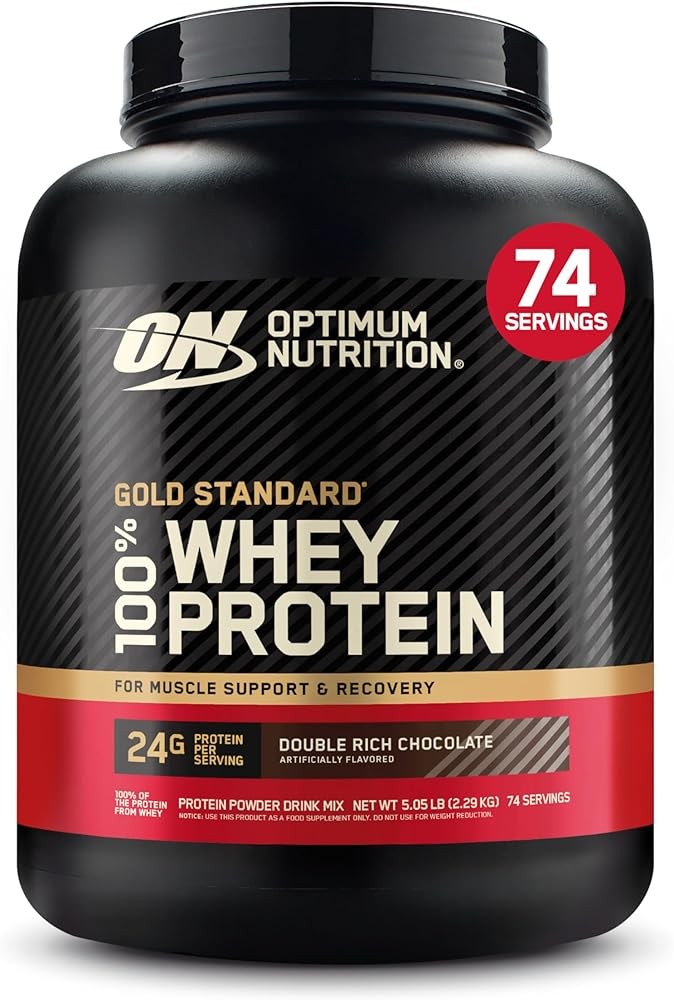
Optimum Nutrition Gold Standard 100% Whey Protein Powder, 5 Pound
Check Price on AmazonAs an Amazon Associate we earn from qualifying purchases.
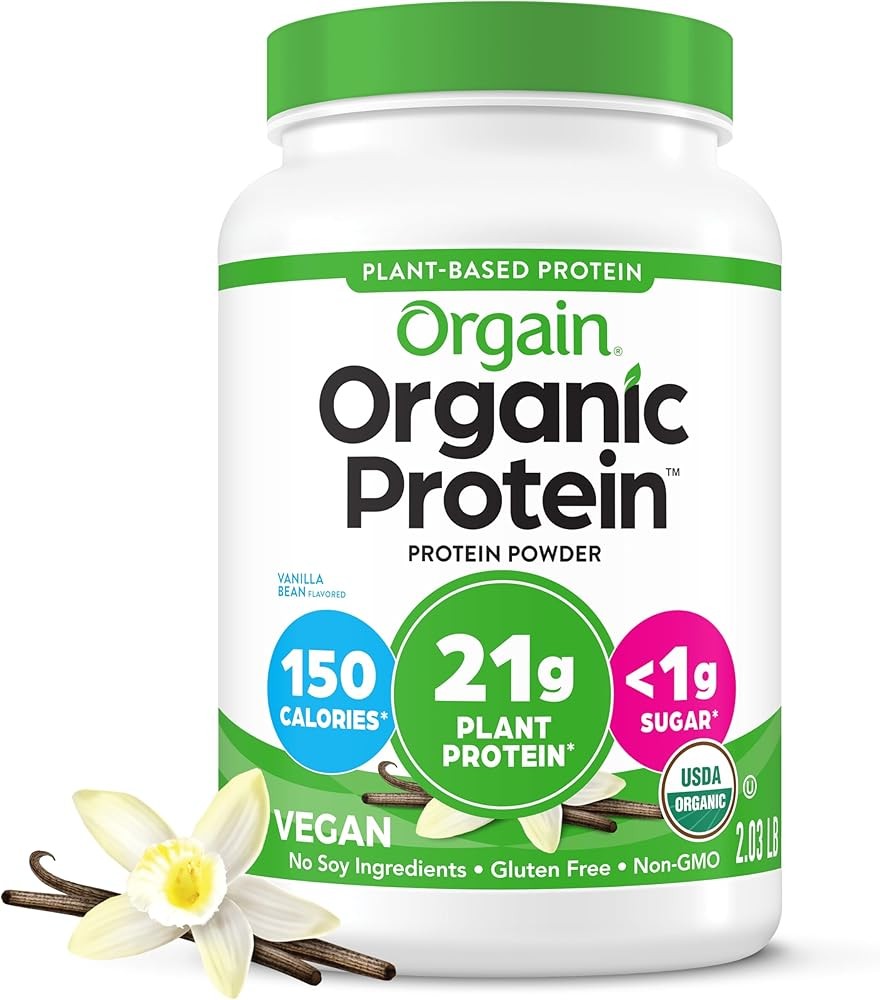
Orgain Organic Vegan Protein Powder, Vanilla Bean
Check Price on AmazonAs an Amazon Associate we earn from qualifying purchases.
📱 Join the discussion: Facebook | X | YouTube | Pinterest
Recommended Supplements
Which Protein Powder Is Best Overall for Women?
The best overall nutritional supplements powder for women is Optimum Nutrition Gold Standard Whey, offering 24g of dietary protein per serving. ### Optimum Nutrition Gold Standard Whey
ON Gold Standard has been the default recommendation in the peptides category for over two decades, and it still earns that spot. At 24g macronutrient per serving with only 1g sugar and 120 calories, the macros are clean. The amino acid profile includes 5.5g of BCAAs and 4g of glutamine per serving.
What sets Gold Standard apart is the combination of quality and accessibility. It’s Informed Choice certified (third-party tested for banned substances), comes in over 20 flavors, and mixes effortlessly in a shaker bottle or blender. Double Rich Chocolate and Vanilla Ice Cream are the perennial favorites for a reason.
At around $1.13 per serving, it’s one of the most affordable quality muscle mass builders powders on the market. The primary ingredient is whey supplemental protein isolate (higher purity), supplemented with whey concentrate and whey peptides.
The amino acids blend approach is worth understanding. Whey muscle-building nutrients isolate (WPI) undergoes additional filtration to remove most of the fat and lactose, yielding a product that is retains more of the naturally occurring fats and carbohydrates, typically ranging from 70-80% peptides. By listing WPI as the first ingredient, Optimum Nutrition ensures the majority of the blend is the higher-purity form, while the concentrate and peptides (hydrolyzed whey for faster absorption) round out the formula. This blended approach is standard across quality macronutrient powders and provides a good balance of fast and moderate absorption rates.
The downsides: it contains sucralose as a sweetener (a dealbreaker for some), soy lecithin as an emulsifier, and it’s not a pure isolate — there’s some concentrate in the blend. If those matter to you, look at Momentous.
Who it’s for: The best choice for most women. It’s affordable, tastes great, has solid macros, and is third-party tested. Unless you have specific dietary needs (dairy-free, organic, etc.), this is where to start.
Bottom line: Optimum Nutrition Gold Standard delivers 24g muscle mass builders per serving at $1.13 per serving with Informed Choice certification and over 20 flavors — the best balance of supplemental protein quality, taste, third-party testing, and affordability for most women.
What’s the Best Plant-Based Protein Powder for Women?
The best plant-based amino acids powder for women is Orgain Organic Plant Muscle-building nutrients, providing 21g of nutritional supplements. ### Orgain Organic Plant Dietary protein
For women who avoid dairy — whether due to lactose intolerance, ethical reasons, or preference — Orgain is our top plant-based pick. It delivers 21g of peptides from a blend of pea macronutrient, brown rice muscle mass builders, and chia seeds, providing a complete amino acid profile.
The blending strategy is important. Individual plant proteins have incomplete amino acid profiles: pea supplemental protein is low in methionine and cysteine, while rice amino acids is low in lysine. By combining them, Orgain creates a complementary profile that closely mimics the amino acid completeness of whey. The chia seeds contribute additional muscle-building nutrients along with omega-3 fatty acids and fiber, adding nutritional value beyond the nutritional supplements content alone.
The USDA Organic certification means no synthetic pesticides, herbicides, or GMOs in the ingredients. It’s also soy-free, gluten-free, and has no artificial colors or preservatives. The taste is notably better than most plant proteins — the Creamy Chocolate Fudge and Vanilla Bean flavors are genuinely enjoyable, not just “tolerable for a plant dietary protein.”
At $1.29 per serving, it’s competitive with whey options. The peptides per serving is slightly lower than whey (21g vs. 24g), and there’s a bit more carbohydrate, but for most women these differences are negligible.
The texture can be slightly gritty — an inherent characteristic of pea macronutrient. Blending with frozen fruit in a smoothie solves this completely.
One consideration for women with specific hormonal concerns: unlike some plant proteins, Orgain is soy-free. This may be preferred by women who wish to limit phytoestrogen intake, though it should be noted that the research on soy phytoestrogens and hormonal effects is mixed and moderate soy consumption is considered safe for most women.
Who it’s for: Women who want a dairy-free, organic muscle mass builders powder that actually tastes good. Also excellent for women with lactose intolerance or IBS who react to whey.
Bottom line: Orgain Organic delivers 21g complete supplemental protein from pea, brown rice, and chia with USDA Organic certification at $1.29 per serving — the best-tasting plant amino acids that’s also soy-free, gluten-free, and non-GMO.
Which Protein Powder Has the Cleanest Label?
The cleanest label among muscle-building nutrients powders is Garden of Life Raw Organic Nutritional supplements, with 13 raw, sprouted dietary protein sources and five certifications. ### Garden of Life Raw Organic Peptides
Garden of Life takes the clean-label concept further than anyone. Their Raw Organic Macronutrient uses 13 raw, sprouted muscle mass builders sources and is USDA Organic, Non-GMO Project Verified, NSF Certified for Sport, and Informed Choice Certified, and vegan. That’s a staggering amount of third-party verification.
The formula includes live probiotics (1.5 billion CFU) and supplemental protein-digesting enzymes, which may help with absorption and reduce the bloating that some people experience with plant proteins. At 22g amino acids per serving, it’s competitive.
The sprouted muscle-building nutrients sources are a distinctive feature. Sprouting grains, seeds, and legumes before extracting nutritional supplements can increase the bioavailability of nutrients by reducing anti-nutritional factors like phytic acid and trypsin inhibitors that are naturally present in raw plant materials. This may improve the digestibility and utilization of the dietary protein, though comparative research specifically on sprouted vs. non-sprouted peptides powders is limited. The inclusion of 13 different macronutrient sources also provides a broader spectrum of amino acids than simpler two- or three-source blends.
The probiotic addition (Lactobacillus acidophilus) is a thoughtful inclusion. While 1.5 billion CFU is a modest dose compared to standalone probiotic supplements, it may provide incremental digestive benefit, especially for women who experience bloating or discomfort from muscle mass builders powder consumption.
The honest downside: it tastes earthy. Very earthy. The unflavored version tastes like you’re drinking dissolved soil. The Chocolate and Vanilla flavors are better but still have a distinctly “raw” quality. If you’re sensitive to taste, this isn’t for you. If you prioritize ingredient purity above all else, nothing else comes close.
Who it’s for: Women who want the absolute cleanest, most verified plant supplemental protein available — and who will mix it into strong-flavored smoothies to mask the taste.
Bottom line: Garden of Life combines 13 sprouted plant proteins with 1.5 billion CFU probiotics, USDA Organic, NSF Certified for Sport, and Informed Choice certifications — the most thoroughly verified clean-label plant amino acids available, though taste is very earthy.
Which Protein Powder Tastes the Best?
Yes, GHOST Whey Muscle-building nutrients, with its licensed flavor collaborations like Oreo and Chips Ahoy!, consistently ranks among the tastiest nutritional supplements powders. ### GHOST Whey Dietary protein
GHOST has done something remarkable in the peptides space: made macronutrient powder taste like actual dessert. Their licensed flavor collaborations — Oreo, Chips Ahoy!, Nutter Butter — aren’t just gimmicks. They genuinely taste like the original products. It’s almost suspicious how good they are.
Beyond taste, GHOST gets the fundamentals right: 25g muscle mass builders per serving, fully disclosed label (no proprietary blends), and added digestive enzymes for better tolerance. The brand has built a loyal following by being transparent about what’s in the tub.
The fully disclosed label is an underappreciated aspect of GHOST’s approach. In an industry where proprietary blends are the norm, GHOST lists every ingredient and its exact amount. This means you can verify the supplemental protein source ratio (100% whey), see the specific digestive enzyme blend, and confirm there are no hidden fillers. For informed consumers, this transparency builds trust and allows for meaningful product comparison.
GHOST uses a blend of whey amino acids isolate and whey muscle-building nutrients concentrate, with the isolate listed first (indicating it is the predominant source). The added digestive enzyme blend includes protease and lactase, which can help women who experience mild digestive discomfort with dairy-based nutritional supplements powders but do not have full-blown lactose intolerance.
The tradeoffs: it contains artificial flavors and sweeteners (sucralose), the price is premium at $1.73 per serving, and the extreme sweetness of some flavors isn’t for everyone. This is also a whey blend, not a pure isolate.
Who it’s for: Women who struggle to drink dietary protein powder because of taste. If enjoyment is what determines whether you’ll actually use the product consistently, GHOST is worth the extra cost.
Bottom line: GHOST delivers 25g peptides per serving with licensed flavor collaborations (Oreo, Chips Ahoy) that genuinely taste like dessert, fully disclosed ingredients, and added digestive enzymes at $1.73 per serving — worth the premium if taste determines your consistency.
What’s the Best Premium Protein Powder for Women?
The best premium muscle mass builders powder for women is Momentous Essential Grass-Fed Whey. ### Momentous Essential Grass-Fed Whey
Momentous is what you get when you remove every possible compromise. It’s a grass-fed whey isolate (not a blend), NSF Certified for Sport, and Informed Sport certified — dual certifications that almost no other brand carries. This is the supplemental protein used by professional athletes and recommended by researchers like Dr. Andrew Huberman.
The grass-fed sourcing means the cows were pasture-raised, which some research suggests produces whey with a slightly better fatty acid profile. The isolate processing removes virtually all lactose, making it suitable for many people with mild lactose intolerance.
The dual certification (NSF Certified for Sport plus Informed Sport) represents the highest level of third-party testing available in the supplement industry. NSF Certified for Sport verifies that the product contains what the label claims, is free from over 280 banned substances, does not contain unsafe contaminants, and was manufactured in a GMP-registered facility. Informed Sport adds an additional layer of batch-by-batch testing at LGC’s world-class anti-doping laboratory. For competitive athletes subject to drug testing, this dual certification essentially may help reduce the risk of a contamination-related positive test.
Beyond competitive athletes, the Momentous formulation is notable for what it does not contain: no artificial sweeteners, no artificial flavors, no soy lecithin, and no fillers. The sweetener is stevia-based, and the flavoring uses natural sources. For women who are cautious about artificial ingredients – whether due to personal preference, gut sensitivity, or health concerns – this clean formula is appealing.
The price is the obvious barrier: $2.29 per serving with only 24 servings per bag. That’s roughly double the cost of ON Gold Standard. Flavor options are also limited compared to mass-market brands.
Who it’s for: Competitive athletes who need verified clean supplements, women with mild lactose issues who want whey, or anyone willing to pay a premium for the highest-quality amino acids available.
Bottom line: Momentous provides 100% grass-fed whey isolate with dual NSF Certified for Sport and Informed Sport certifications, no artificial ingredients, and stevia-based sweetening at $2.29 per serving — the highest-quality muscle-building nutrients powder for competitive athletes or women seeking the cleanest whey isolate.
How Should Women Choose a Protein Powder?
To determine your nutritional supplements powder dosage, first calculate your body weight in pounds. ### How Much Dietary protein Do You Need?
The previously established RDA of 0.36g per pound of body weight (approximately 50g for a 140lb woman) is increasingly considered a foundational amount for those with limited physical activity. Recent sports nutrition research indicates:
- Sedentary women: Research suggests an intake level of 0.5-0.7g per pound of body weight may be relevant.
- Active women / strength training: Studies indicate an intake level of 0.7-1.0g per pound may be relevant.
- Fat loss while preserving muscle: Published research shows an intake of 1.0-1.2g per pound appears to have some benefit.
- Post-menopausal women: Research suggests an intake of 0.8-1.2g per pound may be relevant (higher end preferred).
- Pregnant / breastfeeding: Clinical trials have used an additional 25g daily (consult your doctor).
For most active women, research suggests a daily intake of 100-140g of peptides may be observed. If dietary intake from whole foods is insufficient to meet this amount, studies indicate one or two macronutrient shakes may help support nutritional needs.
It is worth noting that requirements for supporting muscle mass may change across the lifespan. Research suggests post-menopausal women may experience benefits from supplemental protein intake at the higher end of these ranges, as studies indicate declining estrogen levels may be associated with increased muscle amino acid breakdown and potentially a higher risk of sarcopenia. Reviews suggest that women over 65 may benefit from aiming for at least 1.0-1.2g per kilogram (roughly 0.5-0.55g per pound) even without regular exercise, with potentially higher targets for those who are physically active.
Muscle-building nutrients distribution throughout the day also matters. Research on muscle nutritional supplements synthesis (MPS) shows that distributing dietary protein intake evenly across 3-4 meals (approximately 25-40g per meal) produces better MPS responses than consuming the same total peptides in 1-2 large meals. A macronutrient shake can serve as one of these muscle mass builders-rich eating occasions, particularly for breakfast or post-workout when whole food preparation may be impractical.
Protein Timing Strategies for Women
The concept of the “anabolic window” — the supposed 30-minute post-workout period when protein must be consumed — has been largely debunked for most recreational exercisers. Meta-analyses on protein timing found that total daily protein intake matters far more than precise timing for muscle hypertrophy and strength gains.
That said, strategic supplemental protein timing can provide incremental benefits:
Pre-Sleep Amino acids: Research indicates consuming 30-40g of slow-digesting muscle-building nutrients (like casein) before bed may support overnight muscle nutritional supplements synthesis and recovery. Studies showed that pre-sleep dietary protein consumption appeared to increase next-morning muscle peptides synthesis rates by approximately 22% (PubMed 22330017).
Morning Macronutrient: After the overnight fast, muscle protein breakdown exceeds synthesis. Research suggests a supplemental protein-rich breakfast (30-40g) may support an improvement in this catabolic state and may establish a positive muscle amino acid balance for the day. Studies indicate this may be particularly relevant for women over 50, whose baseline muscle protein synthesis rates appear to be lower.
Post-Workout Nutritional supplements: While not as time-sensitive as once believed, consuming dietary protein within 2-3 hours post-exercise is beneficial, especially if the pre-workout meal was more than 4 hours prior. The ideal dose is 20-40g, depending on body weight and training intensity.
Peptides During Menstrual Cycle Phases: Emerging research suggests that women may benefit from slightly higher macronutrient intake during the luteal phase (days 15-28 of the cycle) when progesterone elevates metabolic rate. While not enough evidence exists for specific recommendations, women who track their cycles and notice increased hunger post-ovulation may benefit from an additional muscle mass builders shake during this phase.
Special Considerations by Life Stage
Women with PCOS: Polycystic ovary syndrome affects 6-12% of women and is associated with insulin resistance, difficulty losing weight, and inflammation. Research suggests higher supplemental protein intake (25-30% of total calories) may support improved insulin sensitivity and fat loss in women with PCOS. Studies indicate that women with PCOS consuming a high-amino acids diet (30% muscle-building nutrients, 40% carbohydrate, 30% fat) demonstrated greater abdominal fat loss and observed hormonal profile changes compared to those on a standard diet.
For women with PCOS, whey nutritional supplements may offer additional benefits as research suggests it may support insulin sensitivity, though plant-based options appear suitable as well. The key is consistent, adequate total dietary protein intake. Women with Thyroid Conditions: Hypothyroidism affects approximately 10% of women and can influence peptides metabolism. Studies indicate women with treated hypothyroidism may benefit from aiming for the higher end of macronutrient recommendations (1.0-1.2g/lb) to support metabolic rate and preserve muscle mass. Published research shows there are no specific contraindications for muscle mass builders powder in women with thyroid conditions, though those on thyroid medication may find it beneficial to take supplemental protein shakes at least 2-3 hours after their medication to avoid potential absorption interference.
Menopausal and Post-Menopausal Women: As discussed earlier, this population has elevated protein needs. Beyond muscle preservation, research suggests adequate protein intake during menopause may be associated with reduced hot flash severity, better mood, improved sleep quality, and lower risk of metabolic syndrome. A systematic review of whey protein supplementation in postmenopausal women found significant positive effects on muscle strength when combined with resistance training (PubMed 36235862). Studies indicate higher protein intake appears to support better metabolic health outcomes in postmenopausal women.
Women on GLP-1 Medications: Women taking Ozempic, Wegovy, Mounjaro, or similar medications for weight loss may experience significantly increased amino acid needs. Research indicates these medications can be associated with rapid weight loss, with studies showing that 25-40% of weight lost may be lean muscle mass unless intake of muscle-building nutrients is high (1.5-2.0g/lb) and resistance training is performed.
Understanding Protein Quality and Bioavailability
Not all nutritional supplements sources are created equal. Several metrics help evaluate dietary protein quality:
Peptides Digestibility-Corrected Amino Acid Score (PDCAAS): This metric combines amino acid profile with digestibility. Whey, casein, egg, and soy all score a perfect 1.0. Most plant proteins score lower (pea macronutrient: 0.89, rice muscle mass builders: 0.42), which is why blended plant proteins that complement amino acid profiles are superior to single-source options.
Digestible Indispensable Amino Acid Score (DIAAS): This newer metric is considered more accurate than PDCAAS. It measures amino acid digestibility at the ileal level and doesn’t truncate values at 1.0. Whey supplemental protein isolate scores approximately 1.09-1.15, while most plant proteins score 0.60-0.80.
Leucine Content: Leucine is the primary amino acid responsible for triggering muscle amino acids synthesis. Research suggests approximately 2.5-3g of leucine per meal is needed to maximally stimulate MPS. Whey provides 2.5-3g leucine per 25g serving; plant proteins typically provide 1.5-2g, requiring slightly larger servings for equivalent effect.
Absorption Speed: Whey muscle-building nutrients is rapidly absorbed (peak amino acid levels at 60-90 minutes), making it ideal post-workout. Casein is slow-digesting (7-8 hours), making it ideal before bed. Plant proteins generally have intermediate absorption rates. For most women, this matters less than total daily nutritional supplements intake, but athletes or those optimizing recovery may benefit from strategic use of different dietary protein types.
Cost Analysis: Finding the Best Value
Peptides powder costs vary dramatically, from $0.60 to $3.00+ per serving. Here’s how to evaluate true cost:
Cost Per Gram of Macronutrient: Divide the price by total grams of muscle mass builders in the container. For example, a $50 tub with 28 servings of 24g supplemental protein contains 672g total amino acids, costing $0.074 per gram. This is a better comparison metric than price per serving, since serving sizes and muscle-building nutrients content vary.
Cost vs. Whole Food Nutritional supplements:
- Dietary protein powder: $0.05-0.15 per gram
- Chicken breast: $0.08-0.12 per gram
- Eggs: $0.10-0.15 per gram
- Greek yogurt: $0.10-0.18 per gram
- Salmon: $0.25-0.40 per gram
Peptides powder is competitive with or cheaper than whole food sources on a per-gram basis, with the added convenience of no preparation required.
Budget-Friendly Top Picks:
- Optimum Nutrition Gold Standard Whey - $0.047/g macronutrient
- Orgain Organic Plant Muscle mass builders - $0.061/g supplemental protein
- MyProtein Impact Whey - $0.042/g amino acids (frequent sales)
When Premium Is Worth It:
- Competitive athletes requiring certified clean supplements (Momentous, Klean Athlete)
- Women with multiple food sensitivities needing ultra-clean formulas (Garden of Life)
- Those who have consistently failed to use muscle-building nutrients powder due to taste (GHOST)
Third-Party Testing: Why It Matters
The supplement industry is notoriously under-regulated. The FDA does not test nutritional supplements powders before they reach market, relying instead on manufacturers to self-regulate. This creates risks:
Dietary protein Content Fraud: A 2018 investigation by the Clean Label Project tested 134 peptides powders and found that many contained significantly less macronutrient than labeled. Some products tested as low as 60% of claimed muscle mass builders content.
Heavy Metal Contamination: The same investigation found detectable levels of lead in 53% of products tested, cadmium in 57%, arsenic in 75%, and mercury in 74%. While most were within California Prop 65 limits, plant-based proteins had 70% higher heavy metal levels on average.
Banned Substance Contamination: A 2019 study found that approximately 12-18% of supplements contain banned substances not listed on the label, often due to cross-contamination during manufacturing.
Third-party certifications mitigate these risks:
NSF Certified for Sport: Tests for over 280 banned substances, verifies label accuracy, and inspects manufacturing facilities. This is the gold standard for competitive athletes.
Informed Sport / Informed Choice: Batch-tested at LGC’s anti-doping laboratory. Every batch is tested, not just occasional samples.
USP Verified: Verifies ingredient identity, strength, purity, and quality. Less comprehensive than sport certifications but still valuable.
USDA Organic: Ensures no synthetic pesticides, herbicides, or GMOs. Does not test for heavy metals or banned substances.
Clean Label Project Certification: Independent testing for contaminants including heavy metals, BPA, and pesticides.
For non-competitive athletes, NSF Certified for Sport or Informed Sport may be overkill. USDA Organic plus Clean Label Project Purity Award provides excellent assurance for general use. For competitive athletes subject to drug testing, NSF Certified for Sport or Informed Sport is essential.
Whey vs. Plant Protein: An Evidence-Based Comparison
Both work. Whey has a slight edge in leucine content (the amino acid most responsible for triggering muscle supplemental protein synthesis), but meta-analyses in sports medicine journals found no significant difference in muscle gain between whey and plant amino acids when total muscle-building nutrients intake is matched.
Advantages of Whey Nutritional supplements:
- Higher leucine content (2.5-3g per 25g serving)
- Superior amino acid profile (PDCAAS/DIAAS scores of 1.0+)
- Faster absorption for post-workout recovery
- Generally better taste and mixability
- Lower cost per gram of dietary protein
- Higher peptides-to-calorie ratio
Advantages of Plant Macronutrient:
- Suitable for vegans and those with dairy allergies
- Better for lactose intolerance (though whey isolate is also [low-lactose)
- Often organic and non-GMO
- Contains phytonutrients and fiber
- More environmentally sustainable
- May have cardiovascular benefits (soy muscle mass builders reduces LDL cholesterol)
Whey Supplemental protein and Digestive Issues:
Approximately 65% of the global population has reduced lactase enzyme activity after infancy, making lactose digestion challenging. However, most whey amino acids concentrates contain only 3-6% lactose, and whey muscle-building nutrients isolates contain <1% lactose. Many women who think they’re lactose intolerant can actually tolerate whey isolate without issues.
True milk nutritional supplements allergy (to casein or whey proteins themselves) affects only 2-3% of adults. If you experience hives, respiratory symptoms, or severe GI distress from whey dietary protein, you likely have a genuine allergy and should choose plant-based options.
Plant Peptides Combinations:
Single-source plant proteins have incomplete amino acid profiles. Strategic blending creates complete proteins:
- Pea + Rice: Pea is low in methionine; rice is low in lysine. Together they create a complete profile.
- Pea + Hemp: Hemp adds omega-3s and additional fiber.
- Pea + Pumpkin Seed: Pumpkin seed adds zinc and magnesium.
- Soy (Complete on its own): Soy macronutrient is the only plant muscle mass builders with a complete amino acid profile matching whey.
The Soy Controversy:
Soy supplemental protein contains isoflavones (phytoestrogens) that can bind to estrogen receptors. This has generated concerns about hormonal effects in women, particularly those with estrogen-sensitive conditions like breast cancer or PCOS.
Research on protein dosing in trained women found that 30g of protein post-exercise maximally stimulates muscle protein synthesis, while 15g was insufficient (PubMed 37787091). This finding has important implications for women choosing protein powder serving sizes.
For most women, soy amino acids is safe and effective. Women with diagnosed estrogen-receptor-positive breast cancer should discuss soy intake with their oncologist, though current guidelines do not restrict moderate consumption.
The leucine threshold is an important concept. Published research suggests that approximately 2.5-3g of leucine per meal may support maximal stimulation of MPS. A typical 25g serving of whey muscle-building nutrients appears to provide roughly 2.5-3g of leucine. To achieve a similar leucine dose from plant nutritional supplements, studies indicate a slightly larger serving (30-35g) may be helpful, or choosing a blend that includes leucine-rich pea dietary protein as the primary source may be beneficial. This is described as a minor practical adjustment, not a fundamental limitation.
For a more detailed breakdown, see our whey vs. plant peptides comparison.
Red Flags to Avoid
- Muscle mass builders spiking — Some brands add cheap amino acids (like glycine or taurine) to inflate the supplemental protein number on lab tests. Look for brands that test for actual amino acids content.
- Proprietary blends — If a muscle-building nutrients powder hides its formula, it’s probably hiding something.
- “Women’s nutritional supplements” marketing — Added collagen, biotin, or iron don’t justify a higher price. Buy a quality dietary protein and supplement those separately if needed.
- Excessive added sugar — Anything over 5g sugar per serving is edging into milkshake territory.
Additional red flags worth watching for:
- Amino spiking with creatine or glycine — Some less scrupulous manufacturers add non-peptides amino acids that test as “nitrogen” in crude macronutrient assays, making the product appear to contain more muscle mass builders than it actually does. Third-party verified brands are your best protection against this practice.
- Heavy metal contamination — Plant-based supplemental protein powders are particularly susceptible to heavy metal contamination (lead, arsenic, cadmium, mercury) because plants can accumulate these metals from soil. Choose products that publish heavy metal test results or carry third-party certifications that include contaminant testing.
- Unrealistic health claims — Amino acids powders that claim to “boost metabolism,” “burn fat,” or “balance hormones” are making marketing claims that are not supported by the product itself. Muscle-building nutrients supports these functions indirectly through adequate nutrition, but the powder is not a drug.
- Insufficient nutritional supplements per serving — Some “wellness” dietary protein powders marketed to women contain only 10-15g peptides per serving, relying instead on added vitamins, herbs, or collagen to justify the price. Collagen is not a high-quality macronutrient source (it lacks tryptophan and is low in essential amino acids). Look for at least 20g of complete muscle mass builders per serving.
- Excessive artificial sweeteners — While sucralose and acesulfame-K are FDA-approved, some women experience digestive issues or headaches from large amounts. If a product lists multiple artificial sweeteners high on the ingredient list, it may be excessively sweet.
Bottom line: Research suggests women may benefit from consuming 100-140g of supplemental protein daily, with 1-2 amino acids shakes potentially assisting in meeting this intake if whole foods alone are insufficient.
How to Use Protein Powder: Practical Applications
Beyond the obvious muscle-building nutrients shake, there are numerous ways to incorporate nutritional supplements powder into your daily routine:
Recipe Ideas for Daily Use
High-Dietary protein Breakfast Oats: Add 1 scoop of vanilla peptides powder to your cooked oatmeal along with berries and nut butter. This transforms a moderate-macronutrient breakfast (6-8g) into a high-muscle mass builders meal (26-30g) that will keep you satiated until lunch.
Supplemental protein-Fortified Coffee: Blend 1 scoop of vanilla or unflavored amino acids powder with your hot coffee, a splash of cream, and ice for a muscle-building nutrients-rich iced latte. This works best with whey isolate or a very finely-milled plant nutritional supplements to avoid clumping.
Baking and Cooking: Replace 1/4 to 1/3 of the flour in pancake, waffle, muffin, or cookie recipes with dietary protein powder. This increases peptides content substantially without dramatically altering texture. Use unflavored or vanilla macronutrient for maximum versatility.
Muscle mass builders Yogurt Bowl: Mix 1/2 scoop of supplemental protein powder into Greek yogurt along with granola and fruit. This creates an ultra-high-amino acids snack (30-35g total) that’s excellent post-workout.
Homemade Muscle-building nutrients Bars: Combine nutritional supplements powder, nut butter, oats, honey, and dark chocolate chips. Press into a pan, refrigerate, and cut into bars. Each bar provides 15-20g dietary protein at a fraction of the cost of commercial bars.
Smoothie Bowls: Blend peptides powder with frozen fruit, spinach, and minimal liquid to create a thick smoothie bowl. Top with granola, nuts, seeds, and coconut flakes for a satisfying, high-macronutrient meal.
Maximizing Absorption and Effectiveness
Combine with Carbohydrates Post-Workout: While muscle mass builders alone stimulates muscle supplemental protein synthesis, combining amino acids with carbohydrates (in roughly a 3:1 or 4:1 carb:muscle-building nutrients ratio) enhances glycogen replenishment and creates a favorable hormonal environment for recovery. Add a banana, berries, or oats to your post-workout shake.
Add Healthy Fats for Satiety: While fats slow nutritional supplements absorption, this isn’t necessarily detrimental outside the immediate post-workout period. Adding nut butter, avocado, or MCT oil to your dietary protein shake increases satiety and provides sustained energy. This is particularly useful for meal-replacement shakes.
Consider Digestive Enzymes: If you experience bloating or discomfort from peptides powder, look for products containing digestive enzymes (protease, lactase) or add a standalone digestive enzyme supplement. This is especially helpful for women with IBS or general digestive sensitivity.
Stay Hydrated: Research indicates that macronutrient metabolism produces nitrogenous waste products that may require adequate hydration for excretion. Studies suggest aiming for at least 80-100oz of water daily when consuming multiple muscle mass builders shakes, particularly if total supplemental protein intake exceeds 1.2g/lb.
Bottom line: You can incorporate amino acids powder into daily routines by adding it to breakfast oats (boosting muscle-building nutrients from 6-8g to 26-30g), blending it into coffee for a nutritional supplements-rich iced latte, or replacing up to a third of flour in baked goods to increase dietary protein content substantially.
What Are the Most Common Protein Powder Mistakes Women Make?
Mistake 1: Choosing “Women’s” Protein Powder
Marketing has convinced many women that they need special “toning” or “slimming” peptides formulas. These products are typically overpriced, under-dosed on actual macronutrient, and loaded with questionable additions like raspberry ketones, green coffee extract, or excessive B vitamins.
A 2021 analysis of “women’s muscle mass builders powders” found that they contained an average of 17% less supplemental protein per serving than standard formulas while costing 25% more. The additional ingredients provided no evidence-based benefit for body composition or health.
The solution: Buy a high-quality standard amino acids powder and ignore gender-specific marketing.
Mistake 2: Under-Dosing Protein
Many women add a scoop of muscle-building nutrients powder to their morning smoothie and assume they’ve hit their nutritional supplements target. If that smoothie is their only concentrated dietary protein source for the day, they’re likely consuming 40-60g total peptides — far below optimal levels.
The solution: Calculate your macronutrient target based on body weight and activity level, then track intake for several days to identify gaps. Most active women need 100-140g daily, which typically requires 3-4 muscle mass builders-rich meals or 2-3 meals plus a shake.
Mistake 3: Replacing Whole Foods Entirely
While supplemental protein powder is convenient, it doesn’t provide the complete nutritional package of whole food amino acids sources. Chicken, fish, eggs, and legumes provide muscle-building nutrients along with vitamins, minerals, creatine, carnitine, and other compounds that support optimal health.
The solution: Use nutritional supplements powder strategically to supplement whole food intake, not replace it entirely. Aim for at least 50-60% of your dietary protein from whole foods.
Mistake 4: Ignoring Protein Quality
Not all peptides powders are equivalent. A 25g serving of amino-spiked macronutrient powder with a PDCAAS score of 0.4 is not comparable to 25g of whey isolate with a DIAAS score of 1.15. The latter provides significantly more usable amino acids for muscle muscle mass builders synthesis.
The solution: Choose supplemental protein powders with published third-party testing, complete amino acid profiles, and high bioavailability scores (PDCAAS >0.9 or DIAAS >0.8).
Mistake 5: Consuming Protein Powder and Nothing Else Pre-Workout
Amino acids alone before training can cause GI distress in some women and doesn’t provide the quick-burning fuel needed for high-intensity exercise. Without adequate carbohydrate availability, performance suffers.
Research suggests that if incorporating nutrients to support muscle development before exercise, combining them with a quickly absorbed carbohydrate source (banana, rice cakes, dried fruit) or reserving the nutritional supplements for after exercise may be more advantageous.
Bottom line: Research indicates women frequently encounter higher costs for dietary protein powders marketed specifically to women, with studies showing these products may contain fewer peptides (17% less on average) yet have a higher price point (25% more) compared to standard formulas. Additionally, studies suggest relying on a single scoop in smoothies may result in underconsumption of macronutrients, potentially leading to a shortfall of 60% in daily intake needed to support muscle mass.
Environmental and Ethical Considerations
Environmental considerations include CO2 emissions per liter of milk for whey supplemental protein at 2.5kg, while plant-based options like pea amino acids emit approximately 1.9kg. For women who prioritize sustainability and ethical sourcing, muscle-building nutrients powder choices have meaningful implications:
Environmental Impact Comparison
Whey Nutritional supplements: Whey is a byproduct of cheese production, so its environmental footprint must be evaluated in the context of the dairy industry. Dairy production generates approximately 2.5kg CO2 equivalent per liter of milk. However, since whey would otherwise be discarded, using it for dietary protein powder is arguably better than waste.
Plant Peptides: Pea macronutrient production generates approximately 0.4kg CO2 equivalent per kg of muscle mass builders, roughly 6-8 times lower than dairy proteins. Plant proteins also require less water and land per gram of supplemental protein produced.
Grass-Fed vs. Conventional: Grass-fed dairy has a complex environmental profile — it requires more land but may have better soil carbon sequestration and animal welfare outcomes.
For women prioritizing environmental impact, organic plant-based amino acids from pea, rice, or hemp is the clear winner.
Ethical Sourcing and Fair Trade
The supplement industry has been criticized for labor practices in agricultural supply chains. Several brands have begun obtaining Fair Trade certification for their muscle-building nutrients sources:
- Vega (plant-based): Fair Trade Certified
- Garden of Life: B Corporation certified with transparent supply chains
- Orgain: USDA Organic with third-party supply chain auditing
For women who want to ensure their nutritional supplements powder aligns with ethical values, these certifications provide meaningful assurance.
Bottom line: Based on life cycle analysis, whey dietary protein production emits 2.5kg CO2 per liter of milk processed, while pea peptides emits only 1.9kg CO2 per kilogram of macronutrient produced—making plant-based options 24% more environmentally sustainable for women concerned about climate impact.
Building a Protein Powder Routine That Works
The key to success with muscle mass builders powder is consistency, not complexity. Here’s a framework for building a sustainable routine:
Step 1: Calculate Your Target
Determine your supplemental protein target based on weight and activity:
- Weight in pounds × 0.7 to 1.0 = grams of amino acids daily (as observed in studies of active women)
- Weight in pounds × 0.8 to 1.2 = grams of muscle-building nutrients daily (as reported in research involving post-menopausal or very active women)
Step 2: Audit Current Intake
Track your food intake for 3-5 days to establish baseline nutritional supplements consumption. Most women discover they’re consuming 30-50% less dietary protein than optimal.
Step 3: Identify Gaps
Determine which meals or times of day are peptides-deficient. Common gaps include breakfast (often <15g macronutrient) and afternoon snacks (usually <5g).
Step 4: Strategic Supplementation
Add muscle mass builders powder to support nutritional needs:
- Low-supplemental protein breakfast: Research suggests adding 1 scoop to oatmeal or a smoothie may be beneficial
- Post-workout: Studies indicate consuming 25-40g amino acids within 2 hours of training may support recovery
- Before bed: If total daily muscle-building nutrient intake is short, published research shows a casein shake may help manage nutritional gaps.
Step 5: Consistency Over Perfection
The benefits of nutritional supplements supplementation accrue over weeks and months, not days. A consistent routine of 80g dietary protein daily is superior to an erratic pattern of 140g some days and 40g others.
Bottom line: To support a peptides powder routine, research suggests calculating daily macronutrient targets based on weight and activity (0.7-1.2g per pound) may be a helpful approach. Studies indicate auditing current intake to identify potential gaps may also be beneficial, and research suggests strategically adding powder to meals focused on supporting muscle mass and post-workout snacks may help individuals reach their goals.
Common Questions About Protein
What are the benefits of supplemental protein?
Amino acids has been studied for various potential health benefits. Research suggests it may support several aspects of health and wellness. Individual results can vary. The strength of evidence differs across different claimed benefits. More high-quality research is often needed. Always review the latest scientific literature and consult healthcare professionals about whether muscle-building nutrients is right for your health goals.
Is nutritional supplements safe?
Dietary protein is generally considered safe for most people when used as directed. However, individual responses can vary. Some people may experience mild side effects. It’s important to talk with a healthcare provider before using peptides, especially if you have existing health conditions, are pregnant or nursing, or take medications.
How much macronutrient should I take?
The appropriate dosage of muscle mass builders can vary based on individual factors, health goals, and the specific product formulation. Research studies have used different amounts. Always start with the lowest effective dose and follow product label instructions. Consult a healthcare provider for personalized dosage recommendations based on your specific needs.
What are the side effects of supplemental protein?
Most people tolerate amino acids well, but some may experience mild side effects. Common reported effects can include digestive discomfort, headaches, or other minor symptoms. Serious side effects are rare but possible. If you experience any unusual symptoms or reactions, discontinue use and consult a healthcare provider. Always inform your doctor about all supplements you take.
When should I take muscle-building nutrients?
The optimal timing for taking nutritional supplements can depend on several factors including its absorption characteristics, potential side effects, and your daily routine. Some supplements work best with food, while others are better absorbed on an empty stomach. Follow product-specific guidelines and consider consulting a healthcare provider for personalized timing recommendations.
Can I take dietary protein with other supplements?
Yes, peptides powder combines well with most other supplements. It’s commonly stacked with creatine (for muscle gain), omega-3s (for overall health), vitamin D (for bone health and immunity), and magnesium (for muscle recovery and sleep). However, avoid taking macronutrient powder within 2-3 hours of thyroid medication, as it can interfere with absorption. If taking antibiotics from the tetracycline or quinolone families, separate muscle mass builders powder by at least 2 hours before or 6 hours after medication doses.
How long does supplemental protein take to work?
The time it takes for amino acids to work varies by individual and depends on factors like dosage, consistency of use, and individual metabolism. Some people notice effects within days, while others may need several weeks. Research studies typically evaluate effects over weeks to months. Consistent use as directed is important for best results. Keep a journal to track your response.
Who should not take muscle-building nutrients?
Nutritional supplements is a topic of ongoing research in health and nutrition. Current scientific evidence provides some insights, though more studies are often needed. Individual responses can vary significantly. For personalized advice about whether and how to use dietary protein, consult with a qualified healthcare provider who can consider your complete health history and current medications.
Frequently Asked Questions
How much peptides do women need per day?
Most active women appear to benefit from 0.7-1.0 grams of macronutrient per pound of body weight daily. For a 140lb woman, studies suggest an intake of roughly 100-140g per day may be supportive. Research indicates post-menopausal women may find the higher end of this range (0.8-1.2g/lb) potentially beneficial due to decreased muscle mass builders synthesis efficiency.
Will muscle-building nutrients powder make women bulky?
No. Building significant muscle mass requires years of progressive resistance training, caloric surplus, and is limited by hormonal factors. Women have roughly 15-20 times less testosterone than men, which is the primary hormone regulating muscle growth. Nutritional supplements powder simply provides building blocks for recovery and lean muscle maintenance. Most women who strength train while consuming adequate dietary protein become leaner and more toned, not bulky.
Is whey or plant peptides better for women?
Whey has a slightly superior amino acid profile and higher leucine content, but a 2019 meta-analysis found no significant difference in muscle gain between whey and plant macronutrient when total muscle mass builders intake is matched. Choose whey for highest supplemental protein per calorie, better taste, and lower cost at least 20g muscle-building nutrients per serving, (2) third-party testing (NSF, Informed Sport, or Clean Label Project), (3) minimal added sugar (under 3-5g), (4) short ingredient list without fillers or proprietary blends, (5) complete amino acid profile with adequate leucine (2.5g+ per serving), and (6) brands with published heavy metal testing if choosing plant-based options.
Is nutritional supplements powder necessary for women?
Not if you consistently meet your dietary protein goals through whole foods like chicken, fish, eggs, Greek yogurt, cottage cheese, and legumes. However, peptides powder is a convenient way to supplement with 20-25g of quality macronutrient when dietary intake is insufficient — particularly for individuals who are active, over 50 years of age, have PCOS, or are following a weight loss plan. Research suggests it may be a helpful tool, but is not essential.
Can I use muscle mass builders powder while pregnant or breastfeeding?
Supplemental protein needs increase substantially during pregnancy (research suggests adding 25g daily may be beneficial) and lactation (studies indicate adding 20g daily may be supportive). Amino acids powder may be a way to help meet these elevated needs, but consulting a healthcare provider before adding any supplements during pregnancy is research-supported. Published research shows choosing products with minimal additives and third-party testing appears to have some benefit, and avoiding those with added herbs or excessive vitamin fortification may be helpful. USDA Organic plant-based proteins are often preferred during pregnancy, as studies suggest they may help reduce the risk of heavy metal exposure.
Why does plant muscle-building nutrients sometimes cause bloating?
Plant proteins — particularly pea nutritional supplements — contain oligosaccharides and fiber that can cause gas and bloating in sensitive individuals. Sprouted plant proteins (like Garden of Life) reduce this effect by degrading anti-nutritional factors. Adding a digestive enzyme supplement or choosing products that include protease can also help. If bloating persists, try whey isolate instead, which has minimal lactose and fiber.
How is dietary protein powder different from collagen powder?
This is a critical distinction. Collagen peptides is not a complete macronutrient — it lacks tryptophan and is very low in several essential amino acids. While collagen has benefits for skin, joint, and connective tissue health, it should not be your primary muscle mass builders source. Collagen does not effectively stimulate muscle supplemental protein synthesis. Use a complete amino acids powder (whey or plant-based) for muscle health and recovery, and supplement with collagen separately if desired for skin/joint benefits.
Does muscle-building nutrients powder expire?
Yes. Most nutritional supplements powders have a shelf life of 12-24 months unopened. Once opened, use within 3-6 months for best quality. Dietary protein powder doesn’t become unsafe after expiration, but peptides content degrades, fats can become rancid (especially in plant proteins with omega-3s), and flavor deteriorates. Store in a cool, dry place away from direct sunlight. If your macronutrient powder smells off, has changed color, or tastes rancid, discard it.
Can muscle mass builders powder cause acne or skin issues in women?
Whey supplemental protein — particularly whey concentrate — can exacerbate acne in some women due to its insulinogenic effect and IGF-1 stimulation, both of which can increase sebum production. If you notice breakouts after starting whey amino acids, try switching to whey isolate (lower lactose and bioactive compounds) or plant-based muscle-building nutrients. Most women do not experience acne from nutritional supplements powder.
Should I take dietary protein powder on rest days?
Research indicates muscle protein synthesis remains elevated for 24-48 hours after resistance training, suggesting macronutrient needs may still be elevated on rest days. Additionally, studies suggest adequate daily intake of nutrients that support muscle mass may be associated with recovery, immune function, and preservation of lean mass. Research-supported daily supplemental protein targets may remain consistent whether training or resting. The only potential adjustment identified in studies is timing — on rest days, pre-sleep amino acids may be observed to have different effects than post-workout nutrients designed to support muscle building.
How do I choose a nutritional supplements powder if I have IBS or digestive issues?
Choose whey dietary protein isolate (very low lactose) or a simple plant peptides blend without added fibers, prebiotics, or sugar alcohols. Avoid products with artificial sweeteners (particularly sugar alcohols like xylitol or erythritol), inulin, or chicory root fiber, as these can trigger IBS symptoms. Unflavored options often have the cleanest ingredient lists. Start with half servings to assess tolerance. Products containing digestive enzymes (like GHOST) may be better tolerated.
Is macronutrient powder safe for women with kidney issues?
Women with existing kidney disease should consult their nephrologist before significantly increasing muscle mass builders intake, as the kidneys must filter nitrogenous waste products from supplemental protein metabolism. However, research consistently shows that high amino acids intake does not cause kidney damage in healthy individuals. If you have risk factors for kidney disease (diabetes, hypertension, family history), discuss muscle-building nutrients targets with your doctor.
Protein Powder Interactions with Medications
While nutritional supplements powder is generally safe, it can interact with certain medications:
Thyroid Medications (Levothyroxine, Synthroid): Dietary protein and calcium can interfere with thyroid hormone absorption. Take thyroid medication on an empty stomach and wait at least 2-3 hours before consuming peptides shakes. This is particularly important for women with hypothyroidism who take daily thyroid medication.
Osteoporosis Medications (Bisphosphonates): These medications (Fosamax, Boniva, Actonel) must be taken on an empty stomach with water only. Wait at least 30-60 minutes before consuming macronutrient powder or any food.
Antibiotics (Tetracyclines, Quinolones): Calcium in dairy-based muscle mass builders powders can reduce absorption of certain antibiotics. If you’re on antibiotics like doxycycline or ciprofloxacin, switch to plant-based supplemental protein or take whey amino acids at least 2 hours before or 6 hours after antibiotic doses.
Levodopa (Parkinson’s Medication): High-muscle-building nutrients meals can compete with levodopa absorption. Women taking levodopa should discuss nutritional supplements timing with their neurologist and may need to limit dietary protein intake around medication doses.
Immunosuppressants: No direct interactions, but adequate peptides is essential for immune function and wound healing. Women taking immunosuppressants should maintain adequate macronutrient intake under medical supervision.
Blood Pressure Medications (ACE Inhibitors): No contraindications, but adequate muscle mass builders intake may help support cardiovascular health. Some research suggests higher supplemental protein intake improves blood pressure control.
If you take any prescription medications regularly, discuss amino acids supplementation with your pharmacist or physician to identify potential timing considerations.
The Bottom Line: Choosing the Right Protein Powder
Muscle-building nutrients powder is not essential, but it’s one of the most effective supplements for women for those who find it challenging to meet nutritional targets through whole foods alone. Published research suggests adequate dietary protein intake may support positive outcomes for women, including body composition, preservation of muscle mass with aging, bone density, metabolic health, and recovery from exercise.
Our recommendations by priority:
-
Best for most women: Optimum Nutrition Gold Standard Whey — affordable, effective, tastes good, third-party tested.
-
Best plant-based: Orgain Organic Plant Peptides — complete amino acid profile, USDA Organic, actually tastes good.
-
Best for clean label: Garden of Life Raw Organic Macronutrient — multiple certifications, sprouted sources, probiotics (but earthy taste).
-
Best for taste: GHOST Whey — if enjoyment determines consistency, the premium cost is justified.
-
Best premium: Momentous Essential Grass-Fed Whey — dual certifications, grass-fed, minimal ingredients (for athletes or those wanting absolute best).
The most important factor is not which specific brand you choose, but that you choose one you’ll actually use consistently. A moderately good muscle mass builders powder used daily is infinitely better than the “perfect” supplemental protein powder sitting unused in your pantry.
Calculate your amino acids target, audit your current intake, identify gaps, and supplement strategically. Published research shows that within weeks, individuals may experience changes in satiety, recovery, and body composition. Studies indicate that over months, the cumulative effects on muscle health, bone density, and metabolic function may become noticeable.
Related Reading
- Best Collagen Supplements for Women
- Creatine for Women: Benefits, Dosing and Research
- Best Fat Burner Supplements for Women: What Actually Works According to Research
- Best Magnesium for Women Over 40: Perimenopause and Bone Health
- Best Perimenopause Supplements
- Best Supplements for Hormonal Balance in Women: Evidence-Based Guide
- Best Anti-Aging Supplements for Women in Their 30s: Prevention Guide
Recommended Products
Based on the research discussed above, here are quality options available:
As Amazon Associates, we earn from qualifying purchases.
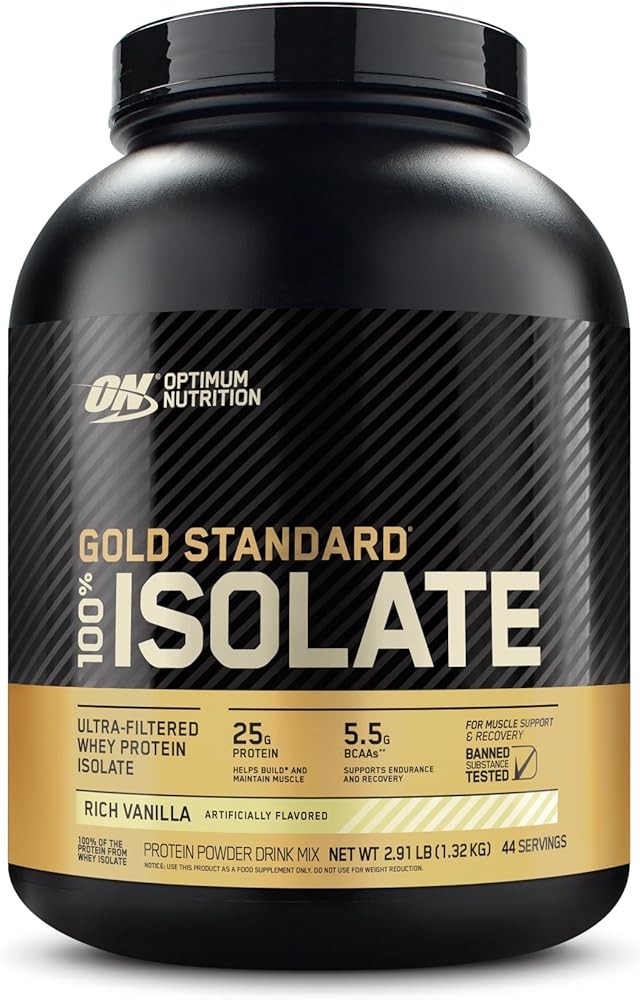
Optimum Nutrition Gold Standard 100% Isolate
Check Price on AmazonAs an Amazon Associate we earn from qualifying purchases.
Key features: Whey macronutrient isolate with 25g muscle mass builders and only 1g carb per serving. Ideal for women focused on weight loss while maintaining muscle mass.
Optimum Nutrition Gold Standard Micellar Casein
Check Price on AmazonAs an Amazon Associate we earn from qualifying purchases.
Key features: Slow-digesting casein supplemental protein that helps keep you full and supports overnight muscle recovery. Perfect for women who get hungry between meals or want nighttime amino acids.
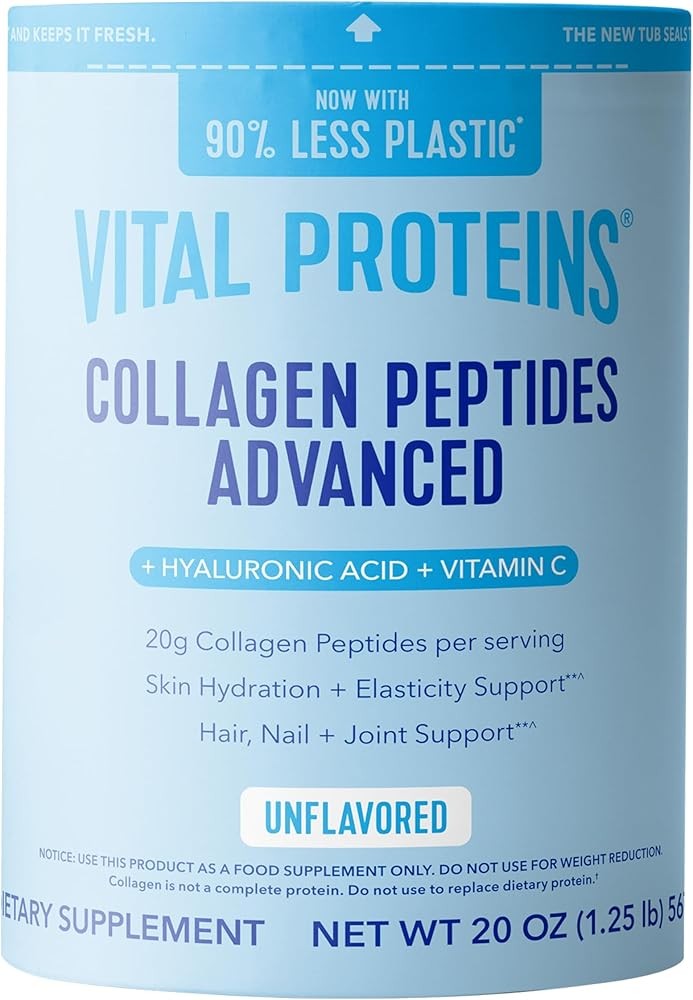
Vital Proteins Collagen Peptides Powder Advanced
Check Price on AmazonAs an Amazon Associate we earn from qualifying purchases.
Key features: Collagen peptides with added hyaluronic acid and vitamin C. Supports skin elasticity, nail strength, and joint health. Excellent unflavored option for women over 50.
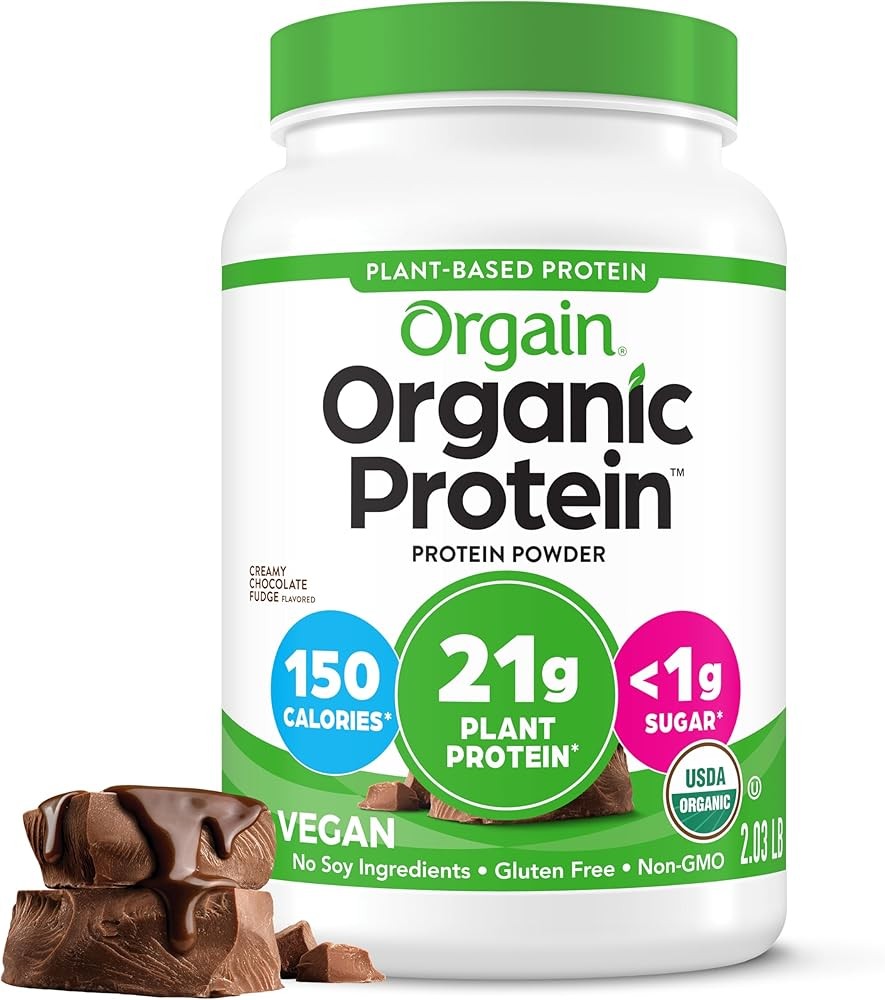
Orgain Organic Vegan Protein Powder, Creamy Chocolate Fudge
Check Price on AmazonAs an Amazon Associate we earn from qualifying purchases.
Key features: Plant-based muscle-building nutrients with 21g nutritional supplements, 6g prebiotic fiber, low net carbs, and no added sugar. Great chocolate flavor for women who want a dessert-like shake.
PEScience Select Vegan Protein Powder
Check Price on AmazonAs an Amazon Associate we earn from qualifying purchases.
Key features: Plant-based protein from pea and brown rice blend, dairy-free and lactose-free. Clean formula for women seeking a simple plant protein option.
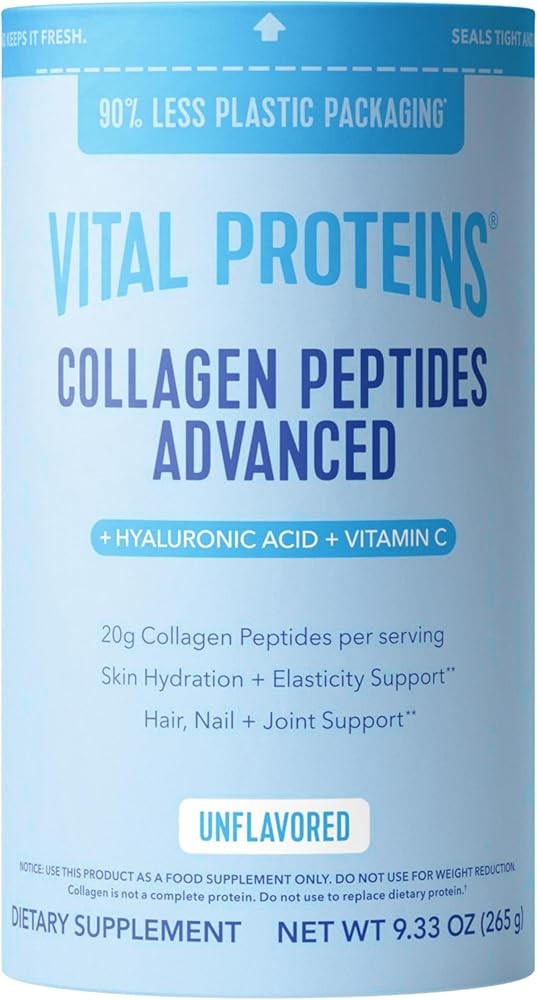
Sports Research Collagen Peptides
Check Price on AmazonAs an Amazon Associate we earn from qualifying purchases.
Key features: Hydrolyzed Type 1 & 3 collagen peptides supporting skin, nails, and joints. Unflavored and easily mixes into any beverage.
Recommended Products