10 Best Supplements for Female Fertility (Evidence-Based Dosing)
Summarized from peer-reviewed research indexed in PubMed. See citations below.
Trying to conceive can feel overwhelming when you’re navigating conflicting supplement advice and uncertainty about what actually works. Research suggests CoQ10 (ubiquinol form, 400-600 mg daily) may support egg quality in women over 35, with a 2024 meta-analysis showing improved clinical pregnancy rates in women with diminished ovarian reserve ($45-60/month). Studies indicate this approach appears to work by supporting mitochondrial function during the 90-day egg maturation window. For budget-conscious support, myo-inositol combined with D-chiro-inositol in a 40:1 ratio (4,000 mg + 100 mg daily) shows strong evidence for improving ovulation in women with PCOS at roughly $20-25/month. Here’s what the published research shows about supplements that may support female fertility.
Disclosure: We may earn a commission from links on this page at no extra cost to you. Affiliate relationships never influence our ratings. Full policy →
Why Fertility Supplements Matter – and Why Most Advice Gets It Wrong
One in six couples worldwide experiences infertility, according to the World Health Organization’s 2023 global report. In the United States, approximately 11 percent of women aged 15 to 44 have impaired fecundity, meaning difficulty getting pregnant or carrying a pregnancy to term. These numbers have driven a massive market for fertility supplements, projected to exceed $3.2 billion globally by 2027.
The problem is that most fertility supplement advice falls into one of two unhelpful camps. The first is overly cautious medical orthodoxy that dismisses all supplements as unproven, ignoring a substantial body of clinical trial evidence. The second is wellness influencer culture that promotes every possible supplement without regard for evidence quality, proper dosing, or the critical difference between “might help generally” and “has been tested in rigorous fertility trials.”
This article takes a different approach. We went through the published randomized controlled trials, systematic reviews, and meta-analyses for every major supplement marketed for female fertility. For each one, we cover the biological mechanism, the specific clinical evidence, the dosing protocols that produced results in studies, who benefits most, and who should avoid it. Where the evidence is strong, we say so clearly. Where it is weak or mixed, we say that too.
What is not included here is general advice to “eat clean and take a multivitamin.” What is presented is specific, research-attributed information to support an informed conversation with your reproductive endocrinologist about which supplements studies suggest may support outcomes.
Watch Our Video Review
How Does Female Fertility Actually Work?
Before diving into specific supplements, understanding the biological mechanisms that drive female fertility is essential. This is not academic trivia. It directly determines which supplements are relevant to your specific situation.
Ovarian Reserve: Your Egg Supply
Unlike men, who continuously produce new sperm, women are born with their entire lifetime supply of eggs. At birth, the ovaries contain approximately 1 to 2 million oocytes (immature egg cells). By puberty, this number has already declined to roughly 300,000 to 400,000. Of these, only about 400 to 500 will ever mature and be released through ovulation during a woman’s reproductive years.
This finite supply is called your ovarian reserve. It declines with age, and the rate of decline accelerates after age 35. Anti-Mullerian hormone (AMH) and antral follicle count (AFC) on ultrasound are the primary clinical measures of ovarian reserve. Low AMH or low AFC indicates diminished ovarian reserve (DOR), which is a major factor in age-related fertility decline.
Critically, ovarian reserve is about both quantity and quality. Even when plenty of eggs remain, their quality deteriorates with age due to accumulated oxidative damage to mitochondria, increased chromosomal abnormalities (aneuploidy), and declining cellular energy production. Research suggests that supplements targeting mitochondrial function and oxidative stress may offer some benefit for fertility support, based on available evidence.
Egg Quality: The Mitochondrial Connection
Each oocyte contains approximately 100,000 to 600,000 mitochondria, more than any other cell in the human body. This extraordinary mitochondrial density exists because the egg must generate enormous amounts of energy during maturation, fertilization, and early embryonic cell division. The fertilized egg depends entirely on maternal mitochondria for energy production during the first five to seven days of development, before the embryo’s own mitochondrial DNA begins contributing.
When mitochondrial function declines, whether from aging, oxidative stress, or nutrient deficiency, the consequences for fertility are direct and measurable. The egg may fail to complete meiotic division properly (leading to chromosomal abnormalities), may not have enough energy for successful fertilization, or may produce an embryo that arrests in early development. This is why CoQ10, a core component of the mitochondrial electron transport chain, has become one of the most-studied fertility supplements.
Hormonal Balance: The Ovulation Cascade
Successful conception requires a precisely orchestrated hormonal cascade. The hypothalamus releases gonadotropin-releasing hormone (GnRH), which signals the pituitary gland to produce follicle-stimulating hormone (FSH) and luteinizing hormone (LH). FSH drives the development of ovarian follicles, while the mid-cycle LH surge triggers ovulation. After ovulation, the corpus luteum produces progesterone, which prepares the uterine lining for implantation.
Disruptions anywhere in this cascade can interfere with conception. Polycystic ovary syndrome (PCOS), the most common cause of anovulatory infertility, typically involves elevated LH, excess androgens, insulin resistance, and disrupted follicular development. Inositol, vitamin D, and other supplements target specific points in this hormonal chain.
Implantation: The Final Hurdle
Even when a high-quality egg is fertilized by healthy sperm, the resulting embryo must successfully implant in the uterine lining. Implantation requires adequate endometrial thickness (ideally 8 mm or greater), proper progesterone levels, appropriate immune tolerance, and adequate blood flow to the uterine lining. Vitamin D, vitamin E, and omega-3 fatty acids have evidence for supporting the endometrial environment.
What Are the Top Evidence-Based Fertility Supplements?
| Supplement | Dosage | Key Benefits | Best For | Evidence Level | Monthly Cost |
|---|---|---|---|---|---|
| CoQ10 (Ubiquinol) | 400-600 mg/day | Egg quality, pregnancy rates, embryo quality | Women 35+, DOR, IVF | Strong (meta-analysis) | $45-60 |
| Myo-Inositol + DCI | 4,000 mg + 100 mg (40:1) | Ovulation restoration, insulin sensitivity | PCOS, insulin resistance | Strong (meta-analysis) | $20-25 |
| DHEA | 75 mg/day (25 mg x3) | Ovarian response, oocyte yield | DOR, poor IVF responders | Moderate-Strong | $15-25 |
| Methylfolate | 800-1,000 mcg/day | Neural tube defect prevention, cell division | All women TTC | Very Strong | $10-15 |
| Vitamin D3 | 2,000-4,000 IU/day | Pregnancy rates, endometrial receptivity | All women TTC, deficiency | Strong | $8-12 |
| Omega-3 (EPA+DHA) | 1,000-2,000 mg/day | Egg quality, implantation, inflammation | All women TTC | Moderate-Strong | $15-25 |
| NAC | 1,200-1,800 mg/day | Ovulation in PCOS, endometriosis support | PCOS, endometriosis | Moderate-Strong | $15-20 |
| Vitamin E | 400 IU/day | Endometrial thickness | Thin endometrium | Moderate | $8-12 |
| Selenium | 55-200 mcg/day | Thyroid support, antioxidant | Hashimoto’s, PCOS | Moderate | $8-10 |
| Iron (if deficient) | 18-36 mg/day | Ovulatory function, energy | Iron deficiency only | Strong (if deficient) | $10-15 |
What follows is every major supplement with clinical evidence for female fertility, organized from strongest evidence to moderate. For each supplement, we cover the mechanism, the trial data, dosing, who benefits most, and product recommendations.
What Is CoQ10 and Why Is It Important for Egg Quality?
If there is one supplement with a substantial and growing body of research associated with egg quality in women with diminished ovarian reserve or age-related fertility decline, it is CoQ10. Published research in this area is considerable, including multiple randomized controlled trials and a comprehensive 2024 meta-analysis suggesting potential benefits.
How CoQ10 Works for Fertility
CoQ10 (also called ubiquinone in its oxidized form and ubiquinol in its reduced form) is an essential component of the mitochondrial electron transport chain, specifically at complexes I and III. It shuttles electrons during oxidative phosphorylation, the process by which mitochondria convert food. CoQ10 also functions as a potent lipid-soluble antioxidant, protecting mitochondrial membranes from oxidative damage.
In the context of fertility, CoQ10’s relevance is straightforward. Oocytes are the most mitochondria-dense cells in the body. As women age, ovarian CoQ10 levels decline, mitochondrial function deteriorates, and egg quality drops. Supplementing with CoQ10 aims to restore mitochondrial energy production in developing oocytes, reduce oxidative damage during the 90-day maturation window, and improve the egg’s capacity for normal chromosomal division and early embryonic development.
Clinical Evidence
2024 Meta-Analysis (PMC11321116, PMID 39129455): This systematic review and meta-analysis evaluated six randomized controlled trials collectively involving 1,529 women with diminished ovarian reserve undergoing IVF/ICSI. CoQ10 pretreatment was significantly correlated with elevated clinical pregnancy rate (OR = 1.84, 95% CI: 1.30-2.61), increased number of optimal embryos, higher number of oocytes retrieved, and reduced cycle cancellation rate and miscarriage rate. This is the strongest pooled evidence to date.
2018 RCT (PMC5870379, PMID 29587861): A landmark randomized controlled trial published in Reproductive BioMedicine Online enrolled 186 women aged 35 to 43 with poor ovarian response. Women who received 600 mg of CoQ10 daily for two months before IVF had significantly more retrieved oocytes, higher fertilization rates, more high-quality embryos, and a trend toward higher clinical pregnancy rates compared to controls.
2020 Systematic Review (PMC7550497, PMID 32767206): This comprehensive review analyzed all published evidence on CoQ10 supplementation for fertility and concluded that CoQ10 appears to contribute to improvements in oocyte quality, fertilization rates, and embryo development. The authors noted that CoQ10 was often more effective than melatonin, vitamins, and other antioxidants in comparative analyses.
2025 Comprehensive Review (PMC12425901): The most recent review, published in Frontiers in Cell and Developmental Biology, confirmed that CoQ10 supplementation may significantly ameliorate women’s oocyte quality and alter the ovarian environment by enhancing mitochondrial function and decreasing oxidative stress. The review emphasized that CoQ10 could promote embryo development and increase fertilization rates by improving mRNA expression and reducing reactive oxygen species (ROS) in the ovary.
Dosing
- Standard fertility dose: 200 to 600 mg per day
- IVF preparation dose: 600 mg per day (matching the dose used in the key RCTs)
- Form: Ubiquinol is preferred for women over 35 due to superior bioavailability. Women under 35 may do well with ubiquinone.
- Timing: Take with a fat-containing meal to maximize absorption. Split into two doses (morning and evening) for doses above 200 mg.
- Duration: Start at least 2 to 3 months before IVF or active conception attempts. The 90-day egg maturation cycle means you need at least this window for developing follicles to benefit.
Who Benefits Most
Women over 35, women with diminished ovarian reserve (low AMH, elevated FSH), women with prior failed IVF cycles, and women with unexplained infertility. CoQ10 is less likely to make a significant difference for young women with normal ovarian reserve and no known fertility issues.
Product Picks
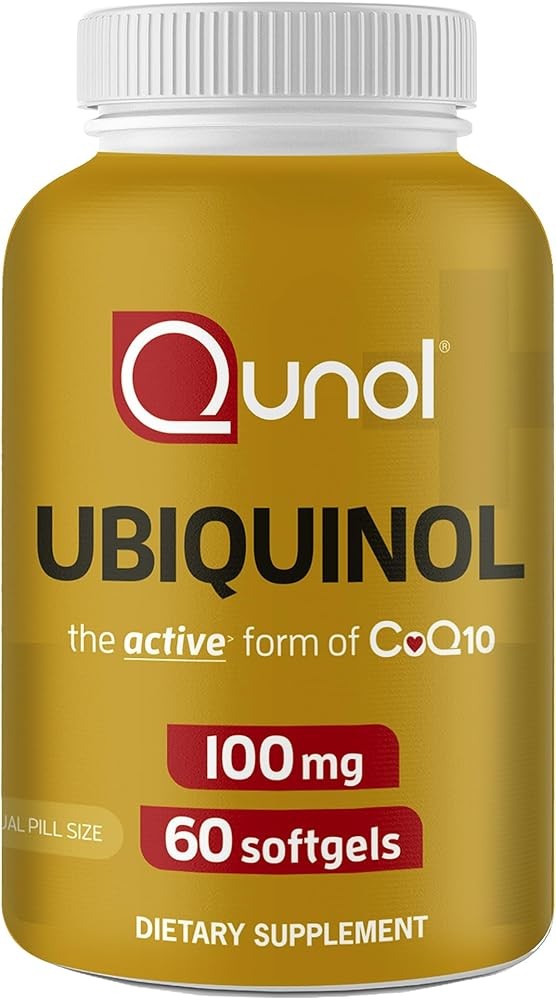
Qunol Ubiquinol CoQ10 100mg Softgels, Ubiquinol - Active Form of Coenzyme Q10, A
Check Price on AmazonAs an Amazon Associate we earn from qualifying purchases.
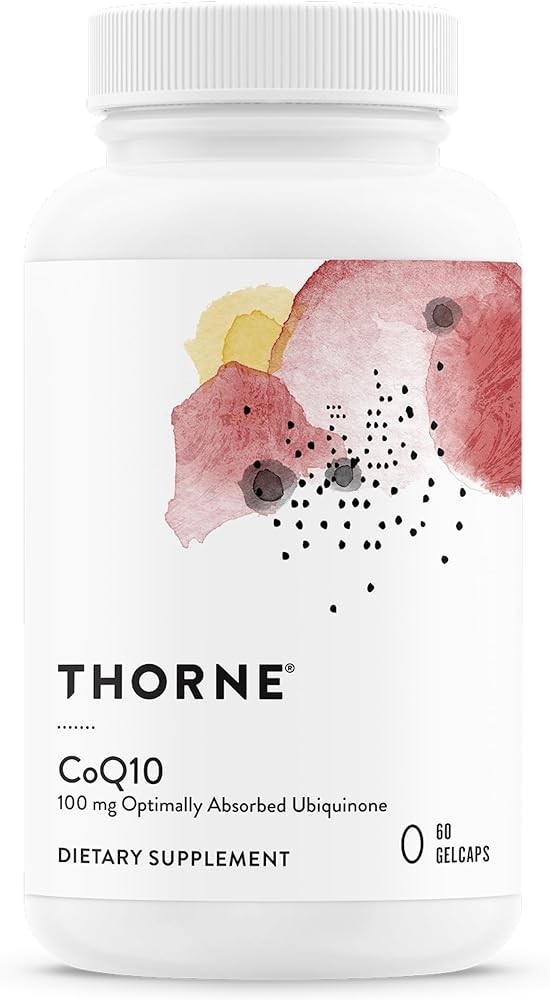
THORNE - CoQ10-100mg Optimally Absorbed Ubiquinone Supplement - Support Heart He
Check Price on AmazonAs an Amazon Associate we earn from qualifying purchases.
For a deeper dive into CoQ10 including heart health, statin interactions, and the ubiquinol vs. ubiquinone debate, see our complete CoQ10 guide.
Bottom line: Research suggests myo-inositol combined with D-chiro-inositol in a 40:1 ratio appears to support ovulation rates in individuals with PCOS (PMC5655679).
How Does Myo-Inositol Help with PCOS and Fertility?
Myo-inositol is a widely researched supplement concerning PCOS-related challenges with conception, and studies show substantial findings. For women with PCOS attempting to conceive, research suggests it may be a beneficial supplement to consider. PMC
How Myo-Inositol Works for Fertility
Myo-inositol is a naturally occurring sugar alcohol that functions as a second messenger in the insulin signaling pathway. In the ovaries specifically, myo-inositol mediates the intracellular signals that allow ovarian cells to respond to follicle-stimulating hormone (FSH). When myo-inositol levels are adequate, FSH signaling functions properly and follicles can mature normally. Myo-inositol also plays a direct role in oocyte maturation. In the follicular fluid surrounding developing eggs, myo-inositol concentration directly correlates with oocyte and embryo quality.
D-chiro-inositol (DCI) serves a complementary role, primarily supporting glycogen synthesis and insulin sensitivity in peripheral tissues. The two forms work together in a specific ratio. In healthy women, the plasma ratio is approximately 40:1 myo-inositol to D-chiro-inositol. Women with PCOS have disrupted inositol metabolism due to chronic hyperinsulinemia, which overstimulates the enzyme epimerase, causing excessive conversion of myo-inositol to D-chiro-inositol in ovarian tissue. This depletes ovarian myo-inositol, disrupts FSH signaling, and impairs follicular development.
Clinical Evidence
2017 Meta-Analysis (PMC5655679, PMID 29042448): A meta-analysis of randomized controlled trials published in Endocrine Connections found that myo-inositol supplementation in women with PCOS significantly improved ovulation rates, restored menstrual regularity, reduced testosterone levels, and improved insulin sensitivity. The standard 4,000 mg/day dose restored ovulation in up to 70% of women within 12 weeks.
2011 Oocyte Quality RCT (PMID 21744744): This early randomized controlled trial demonstrated that myo-inositol supplementation significantly improved oocyte quality in women undergoing IVF. Myo-inositol concentrations in follicular fluid were directly correlated with both oocyte maturity and embryo quality.
2025 IVF Meta-Analysis (PMC12413536): The most recent meta-analysis, published in 2025, examined conflicting evidence from multiple RCTs on inositol’s effects on assisted reproductive technology outcomes. The analysis confirmed that the mean number of metaphase II oocytes retrieved was significantly higher in the myo-inositol group, and noted that in both PCOS and non-PCOS populations, myo-inositol supplementation prior to ovarian stimulation may positively affect gonadotropin use, oocyte and embryo quality, fertilization rates, and clinical pregnancy rates.
2017 Ovulation Induction (PMID 28277112): This study demonstrated that myo-inositol was effective for ovulation induction in women with PCOS, with a pregnancy rate of approximately 15% across large study populations, comparable to rates seen with clomiphene citrate in some trials.
Dosing
- Standard PCOS fertility dose: 4,000 mg myo-inositol + 100 mg D-chiro-inositol daily (40:1 ratio)
- Form: Powder dissolves easily and is the most common form in clinical trials. Capsules are available but often require 4 to 8 pills to reach the therapeutic dose.
- Timing: Split into two doses, 2,000 mg MI + 50 mg DCI morning and evening
- Duration: Allow 3 to 6 months for full effects on ovulation and hormonal markers. Measurable improvements in insulin sensitivity appear within 8 to 12 weeks.
Who Benefits Most
Women with PCOS (all phenotypes), women with insulin resistance even without full PCOS diagnosis, women with irregular or absent ovulation, and women undergoing IVF (even without PCOS, for oocyte quality support).
Product Picks
For the complete deep dive on inositol including the biochemistry, the 40:1 ratio evidence, and dosing for both PCOS and anxiety, see our full inositol guide.
Key takeaway: Research indicates CoQ10 at 200-600mg daily for 2-3 months appears to support improvements in egg quality markers in women over 35 (PMC5870379).
What Is DHEA and How Does It Help Diminished Ovarian Reserve?
DHEA is one of the more controversial fertility supplements because it is a hormone precursor, not a nutrient. It requires careful medical supervision and is specifically indicated for one condition: diminished ovarian reserve.
How DHEA Works for Fertility
DHEA is an androgen precursor hormone produced by the adrenal glands. In the ovaries, DHEA is converted to testosterone and estradiol, both of which play essential roles in follicular development. Specifically, androgens at low levels are necessary for early follicle growth. They stimulate primordial follicle recruitment and enhance FSH receptor expression on granulosa cells, making the follicles more responsive to FSH stimulation.
In women with diminished ovarian reserve, DHEA levels are often low for their age. Supplementation aims to increase intra-ovarian androgen levels to a physiologically appropriate range, thereby improving the ovarian environment for follicular development.
Clinical Evidence
2011 Review (PMC3112409, PMID 21586137): This comprehensive review in Reproductive Biology and Endocrinology summarized early evidence that DHEA supplementation improved ovarian function in women with diminished ovarian reserve. The authors reported that DHEA increased oocyte yield, embryo quality, and pregnancy rates in women who were otherwise poor responders to IVF stimulation.
2018 IVF Meta-Analysis (PMC6210617, PMID 30125071): A systematic review and meta-analysis of eight trials found that DHEA supplementation led to a significant increase in clinical pregnancy rates among women with diminished ovarian reserve compared to those receiving placebo or no treatment. DHEA also increased the number of oocytes retrieved, fertilization rates, and the number of day-3 embryos.
2019 IVF in Older Women (Frontiers in Endocrinology): Research published in Frontiers in Endocrinology examined DHEA supplementation specifically in older women undergoing IVF. The data showed that DHEA pretreatment improved ovarian response and embryo quality in women over 38, although the effect on live birth rates was less consistent, highlighting that DHEA improves intermediate outcomes but may not fully overcome the age-related decline in oocyte competence.
2025 Clinical Study (Cureus): A 2025 clinical study explored DHEA treatment in women undergoing intrauterine insemination, finding improvements in oocyte quality and pregnancy rates following DHEA supplementation.
Dosing
- Standard dose: 75 mg per day, split as 25 mg three times daily
- Form: Micronized DHEA capsules
- Duration: 6 to 16 weeks before IVF egg retrieval. Most fertility clinics recommend starting at least 6 weeks prior, with 12 weeks being ideal.
- Monitoring: DHEA supplementation requires medical supervision. Testosterone, DHEA-S, and androgen levels should be monitored every 4 to 6 weeks.
Who Benefits Most
Women with confirmed diminished ovarian reserve (low AMH, high FSH, low antral follicle count), women over 38 preparing for IVF, and women with prior poor ovarian response to IVF stimulation.
Who Should NOT Take DHEA
- Women with PCOS (they typically already have excess androgens)
- Women with hormone-sensitive conditions (certain breast cancers, endometriosis may be worsened)
- Women with normal ovarian reserve
- Anyone without medical supervision
Product Picks
Important: DHEA is a hormone precursor. Do not self-prescribe. Work with a reproductive endocrinologist who can monitor your androgen levels and adjust dosing.
The research verdict: DHEA supplementation improves ovarian response in poor responders, with evidence showing benefits in IVF outcomes (PMC6210617).
Why Is Methylfolate Essential for Fertility?
Folate is a supplement that research consistently indicates is important for women planning to conceive. Studies demonstrating folate’s association with neural tube defect prevention suggest it is a key element of preconception care. However, research also indicates folate’s role may extend beyond pregnancy outcomes. PMC PubMed ID: 31062223.
How Folate Works for Fertility
Folate (vitamin B9) is essential for DNA synthesis, methylation reactions, and cell division. During conception and early pregnancy, cells are dividing at an extraordinary rate, and folate is required at every step. Specifically, folate is needed for the synthesis of purines and thymidylate, which are building blocks of DNA. Without adequate folate, DNA replication errors increase, cell division slows, and the risk of chromosomal abnormalities rises.
Folate also plays a critical role in homocysteine metabolism. Through the methylation cycle, folate helps convert homocysteine back to methionine. Elevated homocysteine levels (hyperhomocysteinemia) have been associated with impaired oocyte quality, reduced implantation rates, increased miscarriage risk, and placental vascular complications.
The MTHFR Question
The methylenetetrahydrofolate reductase (MTHFR) gene encodes the enzyme that converts folic acid into its active form, 5-methyltetrahydrofolate (5-MTHF). Roughly 40 to 60 percent of the population carries at least one copy of the MTHFR C677T or A1298C variant, which reduces enzyme activity. Individuals who are homozygous for C677T have approximately 30% of normal enzyme activity.
A 2024 study found that women with the C677T homozygous variant had significantly lower oocyte maturation rates and poorer embryo quality during IVF. A 2025 study further established that elevated homocysteine and MTHFR variants are significantly associated with adverse reproductive outcomes, particularly recurrent pregnancy loss.
A 2024 evidence-based narrative review published in Nutrients (PMC11435031) concluded that methylfolate (5-MTHF) is effective for preventing neural tube defects and may be preferable for women with MTHFR variants, as it bypasses the enzymatic conversion step entirely.
Folic Acid vs. Methylfolate
Synthetic folic acid requires enzymatic conversion through MTHFR to become biologically active. For women with significant MTHFR variants, this conversion is impaired. Methylfolate (5-MTHF, also sold as L-methylfolate or Metafolin) is the already-active form that bypasses this step entirely.
Our recommendation: Research suggests using methylfolate (5-MTHF) rather than folic acid, particularly if you know you carry MTHFR variants or have not been tested. Published research shows it appears to have some benefit for all individuals regardless of MTHFR status, may help avoid the potential issue of unmetabolized folic acid accumulating in the blood, and clinical trials have demonstrated it to be at least as effective as folic acid at maintaining maternal folate status. For more on this comparison, see our methylfolate vs. folic acid guide.
Dosing
- Minimum preconception dose: 400 mcg of methylfolate (or 400 mcg folic acid) daily
- Recommended preconception dose: 800 mcg methylfolate daily
- MTHFR variant dose: 800 to 1,000 mcg methylfolate daily
- History of neural tube defect: 4 mg (4,000 mcg) daily under medical supervision
- Timing: Start at least 3 months before attempting conception. The neural tube closes by day 28 of pregnancy, often before a woman knows she is pregnant.
Who Benefits Most
Every woman of reproductive age who might become pregnant. This is not optional. But women with MTHFR variants, a history of miscarriage, elevated homocysteine levels, or a prior pregnancy affected by neural tube defects benefit most from targeted methylfolate supplementation.
Product Picks
For detailed prenatal vitamin recommendations including methylfolate, DHA, choline, and trimester-specific needs, see our prenatal vitamin guide.
What this means for you: Research indicates methylfolate (not folic acid) at 400-800mcg daily may help reduce the risk of neural tube defects and appears to support healthy conception (PMC11435031).
How Does Vitamin D Affect Fertility?
Vitamin D deficiency is shockingly common in women of reproductive age, with estimates suggesting that 40 to 60 percent of women in Northern latitudes are deficient or insufficient. Research increasingly shows that vitamin D is not just a bone vitamin. It is functionally closer to a hormone, with receptors expressed in ovarian tissue, the endometrium, the placenta, and the pituitary gland. Its role in fertility is substantial and well-documented.
How Vitamin D Works for Fertility
The vitamin D receptor (VDR) is expressed throughout the female reproductive tract, including granulosa cells (which surround developing eggs), the endometrium, the myometrium, and the fallopian tubes. Vitamin D influences fertility through multiple pathways. It modulates FSH sensitivity in granulosa cells, affecting follicular development. It regulates AMH production, which is the primary marker of ovarian reserve. It influences endometrial receptivity by promoting the expression of genes involved in implantation. It supports progesterone production by the corpus luteum. And it modulates immune function at the maternal-fetal interface, which is critical for successful implantation and early pregnancy maintenance.
Clinical Evidence
2023 Fertility Meta-Analysis (PMC9896710, PMID 36737817): A comprehensive meta-analysis confirmed that women with sufficient vitamin D levels (generally above 30 ng/mL, with growing evidence favoring levels above 40 ng/mL) had significantly higher clinical pregnancy rates and live birth rates in both natural conception and IVF compared to vitamin D deficient women.
2023 IVF Outcomes (PMC10224880): This systematic review found that women with replete vitamin D levels had higher clinical pregnancy rates and live birth/ongoing pregnancy rates compared to those with deficient or insufficient levels. The authors noted that the positive impact of vitamin D appeared to be primarily on the endometrium, influencing endometrial receptivity through regulation of cell proliferation and immune modulation, rather than on oocyte quality per se.
Vitamin D and Miscarriage (Fertility and Sterility 2022): Research published in Fertility and Sterility found that vitamin D deficiency was associated with an increased risk of miscarriage. Women with vitamin D levels below 20 ng/mL had significantly higher rates of first-trimester pregnancy loss compared to those with levels above 30 ng/mL. The proposed mechanism involves vitamin D’s role in regulating immune tolerance at the implantation site.
2024 Dose-Response Meta-Analysis: A dose-response meta-analysis published in Reproductive Sciences in 2024 confirmed that there was a positive association between vitamin D levels and clinical outcomes of assisted reproductive treatment, with the greatest benefit observed at serum 25(OH)D levels between 30 and 50 ng/mL.
Dosing
- Target serum level: 40 to 60 ng/mL (100-150 nmol/L)
- Supplementation dose: 2,000 to 4,000 IU of vitamin D3 daily for most women. Some women with severe deficiency may need 5,000 to 10,000 IU daily for initial repletion under medical supervision.
- Form: Vitamin D3 (cholecalciferol), not D2 (ergocalciferol). D3 is more effective at raising and maintaining serum levels.
- Timing: Take with your largest fat-containing meal of the day. Vitamin D is fat-soluble and absorption increases substantially when taken with dietary fat.
- Monitoring: Test 25-hydroxyvitamin D levels before starting supplementation and retest after 8 to 12 weeks to confirm you have reached the target range.
Who Benefits Most
Women with documented vitamin D deficiency or insufficiency (below 30 ng/mL), women undergoing IVF, women with a history of recurrent miscarriage, women with PCOS (vitamin D deficiency is particularly common in PCOS), and women living in Northern latitudes or those with limited sun exposure.
Product Picks
Research indicates: Studies show women with sufficient Vitamin D levels appear to have higher pregnancy rates compared to women with Vitamin D deficiency (PMC9896710).
6. Omega-3 Fatty Acids (DHA + EPA): For Egg Quality and Implantation
Omega-3 fatty acids, particularly DHA (docosahexaenoic acid) and EPA (eicosapentaenoic acid), play structural and functional roles in reproductive biology that make them relevant to multiple stages of the fertility process.
How Omega-3s Work for Fertility
DHA is a major structural component of cell membranes, including oocyte membranes. Adequate DHA ensures membrane fluidity and proper receptor function in developing eggs. EPA and DHA also serve as precursors to specialized pro-resolving mediators (SPMs), which are anti-inflammatory signaling molecules. Chronic low-grade inflammation impairs ovarian function, endometrial receptivity, and implantation, making the anti-inflammatory properties of omega-3s directly relevant to fertility.
In the endometrium, omega-3 fatty acids regulate prostaglandin synthesis, shifting the balance away from pro-inflammatory prostaglandins and toward anti-inflammatory mediators. This modulates the uterine inflammatory environment during the implantation window.
Clinical Evidence
2024 Meta-Analysis (PMC11019195, PMID 38628754): A meta-analysis published in Heliyon examining the effect of omega-3 supplements or diets on fertility in women indicates that omega-3 intake appears to support pregnancy rates among women undergoing ICSI/IVF and may help improve fertilization rates. Research suggests higher total omega-3 intake was positively associated with embryo morphology scores (quality) independent of energy intake.
DHA and Live Birth (PMC9308390): A large prospective cohort study indicates that women’s DHA+EPA intake appears to support live birth. The probabilities of live birth for women in the bottom and top quartiles of EPA+DHA intake were 0.36 and 0.54 respectively, representing a 50% relative increase. Additionally, research shows EPA+DHA intake may help reduce the risk of pregnancy loss.
Natural Conception (PMC9308390, PMID 35147198): In women without a history of infertility, omega-3 supplement use on at least 20% of menstrual cycle days was associated with approximately twice the probability of natural conception, though this observational data should be interpreted cautiously.
Dosing
- General fertility support: 1,000 to 2,000 mg combined EPA + DHA daily, with at least 500 mg from DHA
- IVF preparation: 2,000 mg combined EPA + DHA daily
- Form: Triglyceride-form fish oil or algal oil (for vegetarians) with third-party testing for purity (IFOS certification is the gold standard)
- Timing: Take with a fat-containing meal
- Duration: Ideally start 3 months before conception attempts
Who Benefits Most
All women trying to conceive (omega-3 intake is suboptimal in the general population), women undergoing IVF, women with inflammatory conditions (endometriosis, PCOS), and women who consume less than two servings of fatty fish per week.
Product Picks
In summary: DHA and EPA at 1000-2000mg daily improve egg quality, reduce inflammation, and support healthy implantation (PMC9308390).
7. NAC (N-Acetyl Cysteine): The Antioxidant and Ovulation Restorer
NAC is a precursor to glutathione, the body’s most important endogenous antioxidant. Its role in reproductive health is multifaceted, spanning ovulation support, egg quality protection, and endometrial health.
How NAC Works for Fertility
NAC provides the rate-limiting amino acid (cysteine) for glutathione synthesis. Glutathione is the master intracellular antioxidant, protecting cells from oxidative damage. In the reproductive system, glutathione protects oocytes during development, supports detoxification of environmental toxins that damage egg quality, modulates the inflammatory response in endometrial tissue, and reduces oxidative stress that impairs implantation.
NAC also has insulin-sensitizing properties, which is why it has shown particular promise for women with PCOS. It works through a different mechanism than inositol, targeting the NF-kappaB inflammatory pathway and improving insulin receptor function.
Clinical Evidence
2025 PCOS Meta-Analysis (Nutrients): A January 2025 systematic review and meta-analysis published in Nutrients found that NAC had significant effects on progesterone, endometrial thickness, and LH levels in women with PCOS. NAC also improved insulin sensitivity parameters.
NAC and Ovulation in PCOS: Research indicates that NAC appeared to support ovulation rates in women with clomiphene-resistant PCOS. When used with clomiphene citrate, studies showed NAC was associated with improvements in ovulation rate compared to clomiphene plus placebo. This suggests NAC may be a supportive therapy for women who do not respond to standard ovulation induction.
NAC and Endometriosis (PMC10048621): Research published in International Journal of Environmental Research and Public Health in 2023 suggests oral NAC may support improvements in endometriosis-related pain, reductions in the size of ovarian endometriomas, and conception outcomes. In a study of 52 endometriosis patients desiring pregnancy, research indicates 39 (75%) achieved pregnancy within 6 months of initiating NAC therapy. The research protocol utilized 600 mg NAC, three tablets per day for three consecutive days of the week for three months.
Dosing
- General childbearing support: 600 mg twice daily (1,200 mg total)
- PCOS ovulation support: 600 mg three times daily (1,800 mg total), particularly when combined with clomiphene citrate under medical supervision
- Endometriosis: 1,800 mg on three consecutive days per week for three months
- Form: Capsules or powder. Take on an empty stomach for best absorption.
- Duration: 3 to 6 months minimum
Who Benefits Most
Women with PCOS (especially clomiphene-resistant), women with endometriosis, women with elevated oxidative stress markers, women undergoing IVF (for antioxidant support), and women with unexplained infertility.
Product Picks
The practical takeaway: Research indicates that N-acetylcysteine (NAC) at 600mg 2-3 times daily appears to support ovulation rates in women with Polycystic Ovary Syndrome (PCOS) and may enhance insulin sensitivity.
8. Vitamin E: For Endometrial Thickness and Antioxidant Support
Vitamin E is a fat-soluble antioxidant that has shown specific benefits for endometrial health, a critical factor in implantation success.
How Vitamin E Works for Fertility
Vitamin E (alpha-tocopherol) is the primary fat-soluble antioxidant in cell membranes. In the reproductive tract, it protects oocyte membranes from lipid peroxidation, supports endometrial blood flow by promoting vasodilation, protects developing embryos from oxidative damage, and may modulate the hormonal effects of clomiphene citrate on the endometrium.
One of clomiphene citrate’s known side effects is thinning the endometrial lining, which reduces implantation rates. Vitamin E has been studied specifically as a countermeasure to this anti-estrogenic effect.
Clinical Evidence
Endometrial Thickness RCT: A randomized clinical trial with 112 patients diagnosed with unexplained infertility reported that endometrial thickness in the vitamin E group was 9.8 +/- 2.3 mm compared to 8.3 +/- 2.6 mm in the control group. Research suggests this difference may be clinically significant, given that studies indicate endometrial thickness below 7 mm may be associated with markedly reduced implantation rates (PMC3309992).
Implantation Failure Study: A study of women with recurrent implantation failure found that vitamin E supplementation for 12 weeks improved endometrial thickness, reduced markers of oxidative damage (MDA levels), and positively modified gene expression of LDLR, IL-1, and TNF-alpha in the endometrium, all of which support a more receptive endometrial environment.
Meta-Analysis (CEOG): A systematic review and meta-analysis found that the mean endometrium was significantly thicker in vitamin E treatment groups compared to controls, concluding that vitamin E supplementation may increase endometrial thickness in women of reproductive age.
Dosing
- Reproductive ability support dose: 400 IU daily (as mixed tocopherols or d-alpha-tocopherol)
- For thin endometrium: 400 to 800 IU daily under medical supervision
- Form: Natural vitamin E (d-alpha-tocopherol) is preferred over synthetic (dl-alpha-tocopherol) due to superior bioavailability
- Timing: Take with a fat-containing meal
- Caution: Doses above 400 IU should be discussed with your doctor, especially if taking blood thinners
Who Benefits Most
Women with thin endometrium (below 8 mm), women taking clomiphene citrate, women with recurrent implantation failure, and women undergoing IVF with endometrial concerns.
Product Picks
9. Selenium: Thyroid Support and Antioxidant Protection
Selenium is a trace mineral that most fecundity discussions overlook, but it plays a critical role in two systems essential for reproduction: thyroid function and antioxidant defense.
How Selenium Works for Fertility
Selenium is a component of selenoproteins, including glutathione peroxidases (GPx), thioredoxin reductases, and iodothyronine deiodinases. The glutathione peroxidases protect oocytes and follicular fluid from oxidative damage. The iodothyronine deiodinases are essential for converting inactive thyroid hormone (T4) to active thyroid hormone (T3), which is critical because even subclinical thyroid dysfunction can impair ovulation and increase miscarriage risk.
Clinical Evidence
Systematic Review (PMC9948146): A 2023 systematic review published in Antioxidants examined the relationship between selenium and female getting pregnant. The review found that selenium deficiency was significantly associated with PCOS, that women with higher selenium levels tended to have better oocyte quality and higher fertilization rates during IVF, and that selenium plays a protective role in follicular fluid, where oxidative stress is a major determinant of egg quality.
Pregnancy Outcomes (PMC9659920): A review of selenium supplementation and pregnancy outcomes indicates that both selenium excess and deficiency appear to be associated with adverse outcomes including miscarriage, pre-eclampsia, gestational diabetes, fetal growth restriction, and preterm birth. This research underscores the importance of maintaining selenium levels within the optimal range rather than mega-dosing.
Thyroid Autoimmunity and Ovulation: Multiple studies have demonstrated that selenium supplementation (200 mcg/day as selenomethionine) reduces thyroid peroxidase (TPO) antibody levels in women with Hashimoto’s thyroiditis. Since thyroid autoimmunity is associated with increased miscarriage risk and impaired reproductive capacity, this indirect benefit is clinically meaningful.
Dosing
- General reproductive health support: 55 to 100 mcg daily
- Thyroid autoimmunity: 200 mcg daily (as selenomethionine), under medical supervision
- Form: Selenomethionine has the best absorption and safety profile
- Upper limit: Do not exceed 400 mcg/day from all sources. Selenium toxicity (selenosis) causes hair loss, nail brittleness, GI symptoms, and neurological effects.
- Note: Many prenatal vitamins contain 55 to 70 mcg selenium. Check your prenatal before adding a separate supplement.
Who Benefits Most
Women with Hashimoto’s thyroiditis or elevated TPO antibodies, women with selenium deficiency (more common in certain geographic regions with low-selenium soil), and women with PCOS.
Product Picks
10. Iron: When Deficiency Is the Hidden Fertility Blocker
Iron deficiency is the most common nutritional deficiency worldwide, and women of reproductive age bear the heaviest burden. While severe anemia obviously impairs conception, emerging research suggests that even sub-clinical iron deficiency (depleted stores with ferritin below 30 to 50 ng/mL but hemoglobin still in the normal range) can affect reproductive outcomes.
How Iron Works for Fertility
Iron is essential for hemoglobin production and oxygen delivery to every cell, including ovarian cells and the uterine lining. It is also a cofactor for enzymes involved in DNA synthesis, steroidogenesis (hormone production), and cellular energy production. Iron deficiency impairs cell division rates, which is critical during the rapid cell divisions of early embryonic development. It also causes tissue-level hypoxia that can compromise the uterine environment.
Clinical Evidence
Research from the Nurses’ Health Study II, one of the largest prospective cohort studies of women’s health, indicates that women who used iron supplements appeared to have a significantly lower risk of ovulatory infertility compared to those who did not. The observed association appeared to be dose-dependent and was specific to non-heme (supplemental) iron, suggesting that supplementation may offer benefits beyond dietary iron intake.
A 2024 study in BMC Psychiatry Source confirmed significant associations between iron deficiency and depressive symptoms among young adult women. Since research indicates depression independently may impact childbearing through disrupted hypothalamic-pituitary-ovarian axis function, research suggests addressing iron deficiency may support reproductive ability both directly and indirectly.
Dosing
- If deficient (ferritin below 30 ng/mL): 18 to 36 mg elemental iron on alternate days
- If anemic (hemoglobin below 12 g/dL): 50 to 65 mg elemental iron daily under medical supervision
- Form: Iron bisglycinate chelate (Ferrochel) is the best-tolerated form with excellent bioavailability. Alternate-day dosing improves absorption by 40 to 50% compared to daily dosing.
- Absorption tip: Take with 50 to 100 mg of vitamin C. Avoid tea, coffee, calcium, and dairy within two hours of your iron dose.
- Critical rule: Never supplement with iron without blood work. Test ferritin, serum iron, TIBC, and transferrin saturation before starting. Retest every 3 to 4 months.
Who Benefits Most
Women with documented iron deficiency or anemia, women with heavy menstrual bleeding, women with a vegetarian or vegan diet, and female athletes. Women with normal ferritin levels (above 50 ng/mL) do not benefit from additional iron and should not supplement.
Product Picks
For the complete guide on iron supplementation for women including lab interpretation, alternate-day dosing, the connection between iron and mental health, and who should never take iron, see our iron supplement guide.
Clues Your Body Tells You: Reading the Signs of Fertility Health
Supplements are tools, not magic pills. Knowing what your body is telling you is as important as knowing the clinical data. Here is what research and clinical experience suggest about the signals to pay attention to.
Signs Something May Be Wrong: Symptoms Indicating Fertility Issues
Fecundity problems often announce themselves long before a woman starts trying to conceive. These body signals suggest underlying issues that supplements, medical intervention, or both may need to address:
- Irregular menstrual cycles – cycles shorter than 21 days or longer than 35 days, or cycle length that varies by more than 7 days from month to month, suggest ovulatory dysfunction. Research indicates this may be a key signal potentially related to conception.
- Very heavy or very light periods – heavy bleeding (soaking through a pad or tampon every hour) may suggest fibroids, adenomyosis, or hormonal imbalance, as shown in studies. Very light or short periods (less than 2 days) may suggest thin endometrium, low estrogen, or premature ovarian insufficiency, according to research.
- No cervical mucus changes – healthy ovulatory cycles produce clear, stretchy, egg-white cervical mucus around ovulation. Studies suggest consistently absent or minimal cervical mucus changes may be associated with anovulation or low estrogen.
- Acne, excessive facial or body hair, or scalp hair thinning – these androgenic symptoms suggest hormonal imbalance, often PCOS-related, which research shows may be amenable to intervention.
- Unexplained fatigue, brain fog, or depression – these symptoms can indicate thyroid dysfunction, iron deficiency, or vitamin D deficiency, all of which studies suggest may impact ovulation.
- Cold hands and feet, low basal body temperature – may suggest thyroid insufficiency or poor circulation to reproductive organs, as observed in research.
- Chronic pelvic pain or painful periods – severe menstrual cramps (especially pain that interferes with daily activities) may indicate endometriosis, which research shows may affect reproductive capacity through inflammation, adhesions, and impaired egg quality.
- Significant weight gain concentrated around the midsection – visceral fat drives insulin resistance, which studies indicate may disrupt ovulation.
- Recurrent yeast infections or bacterial vaginosis – may indicate disrupted vaginal microbiome that research suggests can potentially impair sperm transport and implantation.
What Improvement Looks Like: Body Signals When Things Get Better
If research-supported supplementation at appropriate dosages is utilized for individual needs, here are the signals observed in studies, organized by timeline:
Week 1-2:
- Subtle improvement in energy levels, particularly if you were deficient in vitamin D, iron, or CoQ10
- Slightly better mood stability (especially if correcting a nutrient deficiency)
- Mild digestive adjustments as your body adapts to new supplements (normal and temporary)
Week 2-4: - Research suggests more predictable energy levels may be observed throughout the day - Studies indicate myo-inositol, vitamin D, and omega-3s may help reduce the intensity of PMS - Published research shows improved sleep quality appears to have some benefit - Research suggests skin may start clearing if acne was androgen-driven and inositol is being used
Month 1-2: - Research suggests cervical mucus patterns may become more pronounced and predictable (potentially indicating improving hormonal cycles) - Studies indicate basal body temperature charts may show a clearer biphasic pattern (potentially indicating ovulation) - Period timing may start becoming more regular (particularly with inositol or vitamin D) - Endometrial-related changes (less spotting, appropriate flow) have been observed in studies using vitamin E
Month 3-6: - This is the critical window. Eggs that began developing under the influence of a supplement protocol 90 days prior are now reaching maturity. - Research indicates inositol may support the resumption or regularization of ovulation in previously anovulatory women (achieving this in 58-70% of women with PCOS by 12 weeks) - Studies suggest CoQ10 and DHEA may support the stabilization or slight improvement of AMH levels (reported in some studies) - Published research shows starting supplements 3+ months before an IVF cycle may appear to have some benefit (more oocytes retrieved, better embryo quality) - If conception occurs, supplements taken during this window may have influenced the quality of the egg that was fertilized.
Warning Signs: When to See a Doctor Immediately
Supplements support reproductive health, they do not replace medical evaluation. See your doctor promptly if you experience any of the following:
- No period for 3 or more months (amenorrhea) – this requires medical workup regardless of supplement use
- Sudden onset of severe pelvic pain – studies indicate this may be associated with ovarian torsion, ectopic pregnancy, or ruptured cyst
- Positive pregnancy test followed by heavy bleeding – research suggests this may be associated with miscarriage or ectopic pregnancy, and requires immediate evaluation
- New or worsening acne, facial hair, or voice deepening while taking DHEA – published research shows this indicates excessive androgen levels and the dose may need adjustment
- Symptoms of iron overload (joint pain, unexplained fatigue, abdominal pain) while supplementing with iron – research suggests stopping iron and getting ferritin tested may be beneficial
- Signs of thyroid dysfunction (rapid weight gain, extreme cold sensitivity, significant hair loss, racing heart) – studies indicate supplements may not be sufficient to manage thyroid disease, and proper medical evaluation may be needed
- Severe mood changes, depression, or anxiety – while some supplements may appear to have some benefit for mood, worsening mental health symptoms require professional evaluation, not just supplements
- You have been actively trying to conceive for 12 months (or 6 months if over 35) without success – this meets the clinical definition of infertility and warrants a full conception workup including bloodwork, ultrasound, and likely a semen analysis for your partner
Timeline of Changes: What to Expect and When
| Timeframe | What Is Happening Biologically | What You Might Notice |
|---|---|---|
| Week 1 | Blood levels of water-soluble supplements begin rising; fat-soluble supplements start accumulating | Possible improved energy (iron, B vitamins), mild digestive adjustment |
| Week 2-4 | Cellular nutrient status improving; hormonal pathways beginning to respond | Better mood, sleep, and energy; PMS may start improving |
| Month 1-2 | Hormonal markers shifting; ovarian follicles beginning to develop under improved conditions | More regular cycles, improved cervical mucus, clearer skin |
| Month 3 | First eggs that developed entirely under supplementation influence are now maturing | Potential ovulation restoration (inositol), improved IVF response (CoQ10, DHEA) |
| Month 3-6 | Full protocol effects realized; multiple cycles of supplementation-influenced eggs | Best window for conception attempts or IVF; maximum supplement benefit reached |
| Month 6+ | Maintenance phase; continued benefits but diminishing marginal returns | Sustained improvements; time to reassess protocol if conception has not occurred |
How Do You Build Your Fertility Supplement Protocol?
The list of evidence-based childbearing supplements can feel overwhelming. Here is a step-by-step approach to building a personalized protocol.
Step 1: Get Proper Testing
Before spending money on supplements, invest in bloodwork. Request the following from your doctor or reproductive endocrinologist:
- Ovarian reserve: AMH, day 3 FSH, day 3 estradiol, antral follicle count (AFC)
- Hormonal panel: LH, testosterone (total and free), DHEA-S, SHBG, progesterone (day
- Metabolic markers: Fasting insulin, fasting glucose, HOMA-IR, HbA1c
- Nutrients: 25-hydroxyvitamin D, ferritin, serum iron, TIBC, folate, B12, homocysteine
- Thyroid: TSH, free T4, free T3, TPO antibodies, thyroglobulin antibodies
Step 2: Start With the Universal Foundation
Regardless of your specific diagnosis, every woman trying to conceive should be taking:
- Research suggests Methylfolate (800 mcg/day) may support reproductive health, or a high-quality prenatal vitamin containing methylfolate may be beneficial. 2. Studies indicate Vitamin D3 (2,000-4,000 IU/day, adjusted based on blood levels) may help support overall health. 3. Published research shows Omega-3 (1,000-2,000 mg EPA+DHA/day) appears to have some benefit for wellness.
Step 3: Add Condition-Specific Supplements
Based on your bloodwork and diagnosis:
- Diminished ovarian reserve or age over 35: Published research shows CoQ10 (400-600 mg/day as ubiquinol) appears to have some benefit, and studies indicate DHEA (75 mg/day) may be helpful when used under medical supervision.
- PCOS: Studies suggest myo-inositol + D-chiro-inositol (40:1 ratio, 4,000 mg + 100 mg daily) may support, and research indicates NAC (1,200-1,800 mg/day) may help address. See our complete PCOS supplement guide for further research.
- Thin endometrium: Clinical trials have used vitamin E at 400 IU/day.
- Endometriosis: Research suggests NAC (1,800 mg on 3 days/week) may be beneficial, and studies indicate omega-3 (2,000 mg/day) may help.
- Iron deficiency (ferritin below 30): Clinical trials have used iron bisglycinate at 18-36 mg every other day.
- Thyroid antibodies present: Research suggests selenium (200 mcg/day as selenomethionine) may be beneficial.
- Elevated homocysteine: Research suggests ensuring adequate methylfolate, B12, and B6 may be helpful.
Step 4: Time It Correctly
The most common mistake is starting supplements too late. Because egg maturation takes approximately 90 days, you need to begin your protocol at least 3 months before:
- Active conception attempts
- An IVF egg retrieval cycle
- An IUI cycle
If you are already in an active treatment cycle, start supplements immediately. They may not fully influence the current cycle’s eggs, but they will support the endometrial environment and overall health, and they will absolutely influence the next cycle.
Step 5: Maintain and Reassess
- Continue supplements through conception attempts and into early pregnancy (many are also beneficial prenatally)
- Retest bloodwork after 3 months to confirm nutrient levels are in optimal range
- Adjust based on results: If vitamin D still has not reached 40 ng/mL, increase the dose. If ferritin is replete, maintain or reduce iron.
- Reassess at 6 months: If you have been on a comprehensive protocol for 6 months without conception, discuss additional medical interventions with your reproductive endocrinologist
What Are Common Myths About Fertility Supplements?
Myth 1: “A Prenatal Vitamin Is Enough for Fertility Support”
Prenatal vitamins are designed to meet the minimum nutrient needs of pregnancy, not to optimize reproductive ability. They typically contain only 400 mcg of folic acid, often as synthetic folic acid rather than methylfolate. They rarely include CoQ10, inositol, or adequate omega-3 DHA. They contain maintenance doses of vitamin D (usually 400-600 IU) rather than the 2,000-4,000 IU many women may benefit from, according to research. A prenatal is a starting point, not a complete approach to supporting fecundity, as suggested by studies.
Myth 2: “Royal Jelly and Bee Pollen Are Proven Fertility Supplements”
Royal jelly, bee pollen, and bee propolis are popular in getting pregnant communities but have essentially zero high-quality human clinical trial evidence. The studies that exist are small, poorly designed, and often conducted in animal models. There is no randomized controlled trial demonstrating that royal jelly improves clinical pregnancy rates, oocyte quality, or IVF outcomes in humans. Save your money for supplements with actual evidence.
Myth 3: “If a Supplement Is Natural, It Cannot Hurt”
DHEA is a hormone precursor that research indicates may have significant associated effects, including acne, hair loss, mood changes, and potential impacts on hormone-sensitive conditions. Studies indicate iron supplementation without prior testing may lead to dangerous iron overload, particularly in women with undiagnosed hemochromatosis. Published research shows high-dose vitamin A (retinol) appears to have teratogenic potential and may be associated with birth defects. Even myo-inositol, which generally exhibits a high safety profile, can cause gastrointestinal side effects at high doses. Research suggests that the designation “natural” does not necessarily indicate a lack of potential effects.
Myth 4: “You Need to Take Every Supplement on This List”
More is not better. Taking 15 different ovulation supplements creates unnecessary cost, pill burden, and potential for interactions. The right approach is to identify which supplements address your specific reproductive capacity diagnosis and optimize those. A woman with PCOS needs a very different protocol than a woman with diminished ovarian reserve, and a woman with unexplained infertility needs a different approach from both.
Myth 5: “Supplements Can Fix Any Fertility Problem”
Supplements can meaningfully improve egg quality, ovulation, hormonal balance, and endometrial receptivity. They cannot fix blocked fallopian tubes, severe male factor infertility, structural uterine abnormalities, or advanced egg depletion. They are tools that work best when integrated into a comprehensive reproductive health treatment plan guided by a reproductive endocrinologist.
Who Should NOT Take These Supplements?
DHEA
- Do not take if you have PCOS, elevated androgens, hormone-sensitive cancers, or liver disease
- Drug interactions: May interact with insulin, anti-estrogen medications, and drugs metabolized by CYP3A4
- Requires medical supervision – this is not an over-the-counter-and-forget supplement
CoQ10
- Use caution with warfarin (Coumadin) – CoQ10 has structural similarity to vitamin K and may reduce warfarin effectiveness
- May enhance blood pressure medication effects, potentially requiring dose adjustment
- Generally safe but discuss with your doctor if on any cardiovascular medications
Iron
- Do not take without blood work confirming deficiency
- Contraindicated in hemochromatosis, hemosiderosis, and hemolytic anemias
- Interactions: Reduces absorption of thyroid medications (levothyroxine), tetracycline antibiotics, and fluoroquinolones. Separate by at least 2 hours.
Omega-3 (High Dose)
- Use caution with blood-thinning medications at doses above 3,000 mg/day
- Discuss with surgeon before any surgical procedures, including egg retrieval
Myo-Inositol
- Remarkably safe with no significant contraindications at standard doses
- Use caution at doses above 4,000 mg in combination with diabetes medications, as both lower blood sugar
Vitamin D
- Do not mega-dose without monitoring. Vitamin D toxicity (hypercalcemia) occurs at sustained daily intakes above 10,000 IU without medical supervision.
- Interactions: May interact with certain heart medications (digoxin) and thiazide diuretics
Selenium
- Do not exceed 400 mcg/day from all sources
- Selenosis (chronic toxicity) causes garlic breath, hair loss, nail changes, GI disturbance, and peripheral neuropathy
Common Questions About Supplements
What do studies show about supplements? Research suggests supplements may support reproductive health. Studies indicate CoQ10 may improve egg quality, with trials using 200-600mg daily doses (PMC11321116). Published research shows folate appears to have some benefit for preconception health (PMC11435031). Clinical trials have used vitamin D at 2,000-4,000 IU daily (PMC9896710). Research suggests omega-3 fatty acids may be beneficial for fertility (PMC11019195). Studies show myo-inositol may help manage PCOS (PMC5655679).
Supplements have been the subject of research for various potential areas of health. Studies suggest it may support several aspects of health and wellness. Individual results can vary. The strength of evidence differs across different areas of investigation. Further high-quality research is often indicated. It is always recommended to review the latest scientific literature and consult healthcare professionals regarding whether supplements aligns with personal health goals.
Is supplements safe?
Supplements are generally considered safe for most people when used as directed. However, individual responses can vary, as observed in research. Some people may experience mild side effects, according to studies. It’s important to discuss supplement use with a healthcare provider before starting, especially if you have existing health conditions, are pregnant or nursing, or take medications. Research suggests consulting with a healthcare professional can help determine appropriate use based on individual health status.
How much supplements should I take? Research-supported dosages include 400-800 mcg of methylfolate daily (PMC11435031), 2,000-4,000 IU of vitamin D daily (PMC9896710), and 200-600 mg of CoQ10 daily (PMC11321116). Studies indicate omega-3 fatty acids may help support fertility; clinical trials have used 1-2 grams EPA+DHA daily (PMC11019195).
The appropriate dosage of supplements can vary based on individual factors, health goals, and the specific product formulation. Research studies have used different amounts. Always start with the lowest effective dose and follow product label instructions. Consult a healthcare provider for personalized dosage recommendations based on your specific needs.
What do studies show about supplement effects? Research indicates supplements may have side effects. Safety information is available.
Most people tolerate supplements well, but some may experience mild side effects. Common reported effects can include digestive discomfort, headaches, or other minor symptoms. Serious side effects are rare but possible. If you experience any unusual symptoms or reactions, discontinue use and consult a healthcare provider. Always inform your doctor about all supplements you take.
When should I take supplements?
The optimal timing for taking supplements can depend on several factors including its absorption characteristics, potential side effects, and your daily routine. Some supplements work best with food, while others are better absorbed on an empty stomach. Follow product-specific guidelines and consider consulting a healthcare provider for personalized timing recommendations.
Can I take supplements with other supplements?
Supplements is a topic of ongoing research in health and nutrition. Current scientific evidence provides some insights, though further studies are often indicated. Individual responses can vary significantly. For personalized guidance about whether and how to use supplements, consultation with a qualified healthcare provider is suggested, who can consider your complete health history and current medications.
How long does supplements take to work?
The time it takes for supplements to work varies by individual and depends on factors like dosage, consistency of use, and individual metabolism. Some people notice effects within days, while others may need several weeks. Research studies typically evaluate effects over weeks to months. Consistent use as directed is important for best results. Keep a journal to track your response.
Who should not take supplements?
Frequently Asked Questions
See the FAQ section in the page metadata for detailed answers to the most common questions about conception supplements, including which supplements have the strongest evidence, how long they take to work, side effects to watch for, and why working with a doctor is essential.
What Are the Recommended Dosages?
| Supplement | Daily Dose | Form | Best For | Evidence Strength |
|---|---|---|---|---|
| CoQ10 | 200-600 mg | Ubiquinol softgels | Egg quality, DOR, IVF | Strong (meta-analysis) |
| Myo-inositol + DCI | 4,000 mg + 100 mg | Powder (40:1 ratio) | PCOS, ovulation, IVF | Strong (meta-analysis) |
| DHEA | 75 mg (25 mg x 3) | Micronized capsules | DOR only | Moderate-Strong |
| Methylfolate | 800-1,000 mcg | Capsules | All women TTC | Very Strong (NTD prevention) |
| Vitamin D3 | 2,000-4,000 IU | Softgels | All women TTC | Strong |
| Omega-3 (EPA+DHA) | 1,000-2,000 mg | Triglyceride fish oil | All women TTC | Moderate-Strong |
| NAC | 1,200-1,800 mg | Capsules | PCOS, endometriosis | Moderate-Strong |
| Vitamin E | 400 IU | Natural mixed tocopherols | Thin endometrium | Moderate |
| Selenium | 55-200 mcg | Selenomethionine | Thyroid support | Moderate |
| Iron (if deficient) | 18-36 mg | Bisglycinate chelate | Iron deficiency only | Strong (if deficient) |
Complete Fertility Support System
Supporting fertility is not about taking a single supplement in isolation. Research suggests a comprehensive approach that addresses multiple aspects of reproductive health may be more effective. Here are evidence-based supplement combinations organized by specific fertility challenges:
For Women Over 35 with Diminished Ovarian Reserve:
- CoQ10 (Ubiquinol) 400-600 mg daily
- DHEA 75 mg daily (under medical supervision)
- Methylfolate 800 mcg daily
- Vitamin D3 2,000-4,000 IU daily
- Omega-3 1,000-2,000 mg EPA+DHA daily
For Women with PCOS:
- Myo-Inositol 4,000 mg + D-Chiro-Inositol 100 mg daily (40:1 ratio)
- NAC 1,200-1,800 mg daily
- Vitamin D3 2,000-4,000 IU daily
- Methylfolate 800 mcg daily
- Omega-3 1,000-2,000 mg EPA+DHA daily
For Women with Thin Endometrium:
- Vitamin E 400 IU daily
- Omega-3 2,000 mg EPA+DHA daily
- Vitamin D3 2,000-4,000 IU daily
- Methylfolate 800 mcg daily
For Women with Endometriosis:
- NAC 1,800 mg on 3 consecutive days per week
- Omega-3 2,000 mg EPA+DHA daily
- Vitamin D3 2,000-4,000 IU daily
- Methylfolate 800 mcg daily
Universal Foundation (All Women Trying to Conceive):
- Methylfolate 800 mcg daily
- Vitamin D3 2,000-4,000 IU daily (adjusted based on blood levels)
- Omega-3 1,000-2,000 mg EPA+DHA daily
- Iron 18-36 mg every other day (only if deficient, ferritin below 30 ng/mL)
Related Articles for Complete Fertility Support:
- Best Supplements for PCOS: What Actually Works According to Research
- Best Prenatal Vitamins: What to Look for Based on Research
- Best Inositol Supplements for Women’s Hormones and PCOS
- Best Iron Supplements for Women: Forms, Dosing, and How to Avoid Side Effects
- Methylfolate vs Folic Acid: Which Form is Better?
Related Reading
- Best Supplements for PCOS: What Actually Works According to Research
- Best Prenatal Vitamins: What to Look for Based on Research
- Best Inositol Supplements for Women’s Hormones and PCOS
- Best Iron Supplements for Women: Forms, Dosing, and How to Avoid Side Effects
- Methylfolate vs Folic Acid: Which Form is Better?
- NAC for Fertility: Ovarian Function and Egg Quality
- AMH Boosting Supplements: Ovarian Reserve and Fertility
- Egg Quality Supplements Over 40: Fertility Support
What Are Our Top Recommendations?
📱 Join the discussion: Facebook | X | YouTube | Pinterest | Pinterest
References
-
Cao Y, et al. “Clinical evidence of coenzyme Q10 pretreatment for women with diminished ovarian reserve undergoing IVF/ICSI: a systematic review and meta-analysis.” Annals of Medicine. 2024;56(1):2389469. PMC11321116
-
Xu Y, et al. “Pretreatment with coenzyme Q10 improves ovarian response and embryo quality in low-prognosis young women with decreased ovarian reserve: a randomized controlled trial.” Reproductive Biology and Endocrinology. 2018;16(1):29. PMC5870379
-
Florou P, et al. “Does coenzyme Q10 supplementation improve fertility outcomes in women undergoing assisted reproductive technology procedures? A systematic review and meta-analysis of randomized-controlled trials.” Journal of Assisted Reproduction and Genetics. 2020;37(10):2377-2387. PMC7550497
-
“Exploring the protective effects of coenzyme Q10 on female fertility.” Frontiers in Cell and Developmental Biology. 2025;13:1633166. PMC12425901
-
Unfer V, et al. “Myo-inositol effects in women with PCOS: a meta-analysis of randomized controlled trials.” Endocrine Connections. 2017;6(8):647-658. PMC5655679
-
Ciotta L, et al. “Effects of myo-inositol supplementation on oocyte’s quality in PCOS patients: a double-blind trial.” European Review for Medical and Pharmacological Sciences. 2011;15(5):509-514. PMID: 21744744
-
“The effect of myo-inositol on assisted reproductive technology outcomes in women with polycystic ovarian syndrome: A systematic review and meta-analysis.” 2025. PMC12413536
-
Pkhaladze L, et al. “Myo-inositol in the treatment of teenagers affected by PCOS.” International Journal of Endocrinology. 2016;2016:1473612. PMID: 28277112
-
Barad D, Gleicher N. “Dehydroepiandrosterone (DHEA) supplementation in diminished ovarian reserve (DOR).” Reproductive Biology and Endocrinology. 2011;9:67. PMC3112409
-
Zhang M, et al. “DHEA use to improve likelihood of IVF/ICSI success in patients with diminished ovarian reserve: A systematic review and meta-analysis.” Journal of Gynecology Obstetrics and Human Reproduction. 2018;47(9):441-447. PMC6210617
-
Li CJ, et al. “Efficacy of dehydroepiandrosterone priming in women with poor ovarian response undergoing IVF/ICSI: a meta-analysis.” Frontiers in Endocrinology. 2019;10:800.
-
Chu J, et al. “Vitamin D and assisted reproductive treatment outcome: a systematic review and meta-analysis.” Human Reproduction. 2018;33(1):65-80. PMC9896710
-
Zhao J, et al. “Whether vitamin D was associated with clinical outcome after IVF/ICSI: a systematic review and meta-analysis.” Reproductive Biology and Endocrinology. 2018;16(1):13. PMC10224880
-
Mumford SL, et al. “Association of preconception serum 25-hydroxyvitamin D concentrations with livebirth and pregnancy loss: a prospective cohort study.” Childbearing and Sterility. 2022;118(5):856-867.
-
“Supplementation with Folic Acid or 5-Methyltetrahydrofolate and Prevention of Neural Tube Defects: An Evidence-Based Narrative Review.” Nutrients. 2024;16(19):3380. PMC11435031
-
Servy EJ, et al. “Active Folate Versus Folic Acid: The Role of 5-MTHF (Methylfolate) in Human Health.” Nutrients. 2022;14(16):3280. PMC9380836
-
“Effect of omega-3 supplements or diets on fertility in women: A meta-analysis.” Heliyon. 2024;10(8):e28524. PMC11019195
-
Chiu YH, et al. “Women’s and men’s intake of omega-3 fatty acids and their food sources and assisted reproductive technologies outcomes.” Fertility and Sterility. 2022;118(5):906-915. PMC9308672
-
Stanhiser J, et al. “Omega-3 fatty acid supplementation and fecundability.” Human Reproduction. 2022;37(5):1037-1046. PMC9308390
-
Bednarska K, et al. “Efficacy of N-Acetylcysteine in Polycystic Ovary Syndrome: Systematic Review and Meta-Analysis.” Nutrients. 2025;17(2):284.
-
Porpora MG, et al. “Efficacy of N-Acetylcysteine on Endometriosis-Related Pain, Size Reduction of Ovarian Endometriomas, and Fertility Outcomes.” International Journal of Environmental Research and Public Health. 2023;20(6):4686. PMC10048621
-
“Are Vitamin E Supplementation Beneficial for Female Gynaecology Health and Diseases?” Molecules. 2022;27(6):1896. PMC8955126
-
Cicek N, et al. “Vitamin E effect on controlled ovarian stimulation of unexplained infertile women.” Journal of Assisted Reproduction and Genetics. 2012;29(4):325-328. PMC3309992
-
Mintziori G, et al. “Relation between Selenium and Female Fertility: A Systematic Review.” Antioxidants. 2023;12(2):426. PMC9948146
-
Rayman MP, et al. “Selenium supplementation and pregnancy outcomes.” American Journal of Obstetrics and Gynecology. 2022;227(5):755.e1-755.e14. PMC9659920
-
World Health Organization. “Infertility prevalence estimates, 1990-2021.” WHO; 2023.
-
“The auxiliary effect of oral nutritional supplements on fertility in women with diminished ovarian reserve: a systematic review and meta-analysis.” Annals of Medicine. 2025. PMC12599008
-
Zhao J, et al. “Association Between Vitamin D Level and Clinical Outcomes of Assisted Reproductive Treatment: A Systematic Review and Dose-Response Meta-Analysis.” Reproductive Sciences. 2024;31(11):3253-3268.
Recommended Products
Based on the research discussed above, here are quality options available:
- View on Amazon
Recommended Products