Best Supplements for Hormonal Balance in Women: Evidence-Based Guide
Summarized from peer-reviewed research indexed in PubMed. See citations below.
Hormonal imbalances affect over 80% of women during their reproductive years, manifesting as PMS, irregular cycles, fatigue, and mood disruption. Research shows DIM (100-200 mg daily) is the most well-studied supplement for estrogen metabolism, supported by clinical trials demonstrating a significant shift toward the favorable 2-hydroxy pathway within 4-8 weeks. Studies indicate DIM modulates estrogen metabolite ratios through selective aryl hydrocarbon receptor activity, making it particularly relevant for women experiencing symptoms associated with estrogen metabolism patterns. Vitex agnus-castus (400 mg standardized extract daily) serves as a budget alternative at approximately $12-18 monthly, with meta-analyses showing a 2.57 times greater reduction in PMS symptoms compared to placebo. Here’s what the published research shows about the most evidence-based supplements for female hormonal balance.
Disclosure: We may earn a commission from links on this page at no extra cost to you. Affiliate relationships never influence our ratings. Full policy →
What Are the Best Supplements for Hormonal Balance?
Hormonal balance is not a fixed state. It is a dynamic process that shifts across your menstrual cycle, fluctuates with stress and sleep, and transforms dramatically during perimenopause and menopause. When that process goes off course, the effects can touch nearly every system in your body: irregular periods, persistent fatigue, stubborn weight gain, mood swings, brain fog, acne flares, thinning hair, and disrupted sleep.
The supplement industry has responded to this reality with an avalanche of products claiming to “balance your hormones naturally.” Some of these claims are grounded in real clinical evidence. Many are not. The gap between marketing language and published research is often enormous, and navigating it without a guide can lead to wasted money, delayed treatment, or even worsened symptoms.
This article cuts through that gap. We reviewed the published clinical trials, systematic reviews, and meta-analyses on the most commonly recommended supplements for female hormonal balance, including DIM, vitex (chasteberry), maca root, black cohosh, evening primrose oil, ashwagandha, rhodiola, magnesium, vitamin B6, and zinc. For each one, we cover the mechanism of action, the quality of the clinical evidence, effective dosing ranges, safety considerations, and an honest assessment of where the science is strong versus where it is still emerging.
| Feature | DIM (Diindolylmethane) | Vitex Agnus-Castus | Magnesium Glycinate |
|---|---|---|---|
| View on Amazon | Check Price | Check Price | Check Price |
We also cover the foundational context that supplement companies rarely discuss: how female hormones actually change across the lifespan, what estrogen dominance really means (and does not mean), the role of the
During this phase, the hypothalamic-pituitary-ovarian (HPO) axis is typically at peak function. Each month, rising follicle-stimulating hormone (FSH) triggers follicle development in the ovaries. The dominant follicle produces increasing amounts of estradiol (the most potent form of estrogen), which triggers a surge of luteinizing hormone (LH) that causes ovulation. After ovulation, the corpus luteum produces progesterone, which prepares the uterine lining for potential implantation and has calming, mood-stabilizing effects throughout the body.
When this system works well, estrogen and progesterone rise and fall in a predictable rhythm. When it does not, common disruptions include anovulatory cycles (cycles without ovulation, meaning no progesterone is produced), luteal phase defects (insufficient progesterone production after ovulation), and conditions like polycystic ovary syndrome (PCOS) that alter the entire hormonal cascade.
The Transition Phase (Mid-30s to Early 40s)
This is the period that catches many women off guard. Progesterone production begins to decline years before estrogen does. The reason is straightforward: ovulation becomes less consistent. Without ovulation, the corpus luteum does not form, and progesterone is not produced in adequate amounts. You may still have regular periods during this phase, but the ratio of estrogen to progesterone begins to shift.
This relative excess of estrogen compared to progesterone is what clinicians and researchers refer to as “estrogen dominance,” though it is important to note this is not a formal medical diagnosis but rather a descriptive term for a hormonal pattern. Symptoms often include heavier periods, increased PMS severity, breast tenderness, water retention, irritability, and sleep disruption.
Perimenopause (Typically Mid-40s to Early 50s)
Perimenopause is not a sudden event. It is a transition that typically spans four to ten years before the final menstrual period. During this phase, estrogen production becomes erratic rather than simply declining. Some months estrogen may spike to levels higher than what you experienced in your 20s; other months it may drop sharply. Meanwhile, progesterone continues its steady decline because ovulation becomes increasingly infrequent.
This combination of fluctuating estrogen and consistently low progesterone produces the hallmark symptoms of perimenopause: hot flashes, night sweats, sleep disruption, mood changes, anxiety, irregular cycles, heavy bleeding, brain fog, and joint pain. The unpredictability of estrogen levels is what makes this phase particularly challenging. It is not simply a matter of “low hormones.” It is hormonal chaos.
Menopause and Beyond
Menopause is defined as 12 consecutive months without a menstrual period. After menopause, both estrogen and progesterone remain at consistently low levels. The adrenal glands continue to produce small amounts of androgens (DHEA and androstenedione) that can be converted to estrone, a weaker form of estrogen, in fat tissue. This is why body composition plays a meaningful role in postmenopausal hormonal health.
What Is Estrogen Dominance and How Does It Affect You?
Estrogen dominance has become a popular term in wellness circles, but its meaning is frequently distorted. Let us be precise about what it is and what it is not.
Estrogen dominance refers to a state where estrogen levels are high relative to progesterone. This can happen in three distinct ways:
-
Absolute estrogen excess: Estrogen levels are genuinely elevated. This can result from excess body fat (adipose tissue produces estrogen via aromatase), exposure to xenoestrogens (environmental chemicals that mimic estrogen), impaired estrogen detoxification in the liver, or certain medical conditions.
-
Relative estrogen excess: Estrogen levels may be normal, but progesterone is too low to counterbalance it. This is extremely common in the transition phase and perimenopause when anovulatory cycles become more frequent.
-
Impaired estrogen metabolism contributes to hormonal imbalance (PubMed 41103795): The body produces estrogen normally but does not metabolize and clear it efficiently. Estrogen is metabolized through three primary pathways in the liver, producing 2-hydroxy, 4-hydroxy, and 16-hydroxy metabolites. The 2-hydroxy pathway is generally considered the most favorable, while the 4-hydroxy and 16-hydroxy pathways produce metabolites that are more proliferative and potentially problematic.
Understanding which type of estrogen dominance is at play matters enormously for supplement selection. DIM, for example, specifically targets the third category by shifting estrogen metabolism toward the 2-hydroxy pathway. Vitex, by contrast, primarily addresses the second category by supporting progesterone production through its effects on the pituitary gland.
What Do Clinical Studies Show About Hormone Supplements?
1. DIM (Diindolylmethane) for Estrogen Metabolism
What it is: DIM is a compound formed when you digest indole-3-carbinol (I3C), which is found in cruciferous vegetables like broccoli, cauliflower, Brussels sprouts, and cabbage. You would need to eat roughly two pounds of raw cruciferous vegetables daily to get the amount of DIM found in a typical supplement, which is why supplementation is popular.
Mechanism of action: DIM modulates estrogen metabolism by promoting the 2-hydroxylation pathway over the 4-hydroxy and 16-hydroxy pathways. The 2-hydroxyestrone metabolite has weaker estrogenic activity and is associated with more favorable outcomes. DIM achieves this by acting as a selective aryl hydrocarbon receptor modulator (SAhRM) and influencing the cytochrome P450 enzymes (CYP1A1 and CYP1A2) responsible for estrogen Phase I metabolism.
Clinical evidence: The research on DIM and estrogen metabolism has grown substantially in recent years. A 2024 retrospective cohort study published in BMC Complementary Medicine and Therapies analyzed data from 909 premenopausal women taking DIM compared to 18,385 women not taking DIM. The study found significant differences in the concentrations of almost every urinary estrogen and estrogen metabolite, with the 2-hydroxyestrone to 16-alpha-hydroxyestrone ratio increasing significantly in DIM users. A subset of 53 women with laboratory results before and after initiating DIM showed consistent shifts in estrogen metabolite profiles.
A 2025 study published in Menopause examined postmenopausal women using transdermal estradiol patches and found that those concurrently taking DIM had lower total estrogen exposure, raising important considerations about supplement-drug interactions for women on menopausal hormone therapy.
An earlier randomized, placebo-controlled trial published in Cancer Epidemiology, Biomarkers & Prevention found that DIM supplementation at 108 mg daily for 30 days significantly increased the 2-hydroxyestrone to 16-alpha-hydroxyestrone ratio compared to placebo.
A pilot study in patients with thyroid proliferative disease also confirmed that DIM supplementation modulates estrogen metabolism by significantly increasing 2-hydroxyestrone levels.
Dosing: Most clinical studies have used 100 to 200 mg of bioavailable DIM daily. The bioavailability of DIM is limited, so many products use microencapsulated or enhanced-absorption formulations. Start with 100 mg daily and assess tolerance before increasing.
Safety considerations: DIM is generally well tolerated. Some women report changes in urine color (darker or more pungent), mild gastrointestinal discomfort, or headaches during the first week. DIM should be used with caution in women on estrogen-containing medications, hormone replacement therapy, or tamoxifen, as the 2025 study demonstrated meaningful interactions with transdermal estradiol.
*Bottom line: Research suggests DIM may support a shift in estrogen metabolism toward the 2-hydroxy pathway. Published research indicates DIM appears to be most relevant for women interested in estrogen metabolism patterns, rather than as a general-purpose “hormone balancer.”
2. Vitex (Chasteberry / Vitex Agnus-Castus) for PMS and Luteal Phase Support
What it is: Vitex agnus-castus (PubMed 39906250), commonly known as chasteberry or monk’s pepper, is a fruit extract from the chaste tree native to the Mediterranean region. It has been used in European herbal medicine for centuries to address menstrual irregularities.
Mechanism of action: Vitex works primarily through dopaminergic activity. It contains compounds that bind to dopamine D2 receptors in the anterior pituitary gland, which inhibits prolactin secretion. Elevated prolactin (even mildly elevated, a condition called latent hyperprolactinemia) can suppress progesterone production in the luteal phase. By reducing prolactin, vitex indirectly supports progesterone synthesis. Vitex also appears to have some binding affinity for opioid receptors and may modulate beta-endorphin levels, which could contribute to its effects on PMS-related mood symptoms.
Clinical evidence: Vitex has some of the strongest clinical evidence among herbal supplements for female hormonal health. A systematic review identified 13 randomized controlled trials examining vitex for premenstrual syndrome, premenstrual dysphoric disorder, and latent hyperprolactinemia. For PMS, seven out of eight trials found vitex extracts superior to placebo, pyridoxine (vitamin B6), and magnesium oxide.
A meta-analysis of double-blind randomized controlled trials published in Complementary Therapies in Medicine demonstrated the superiority of vitex over placebo for PMS treatment (RR 2.57, 95% CI 1.25-4.35). Higher doses were more effective than lower doses, and the Ze 440 extract showed particularly strong results (RR 3.19 versus 1.60 for BNO 1095).
For luteal phase defects, a randomized placebo-controlled double-blind study of 52 women with luteal phase defects due to latent hyperprolactinemia found that vitex (20 mg daily for 3 months) reduced prolactin release, normalized shortened luteal phases, and corrected deficits in luteal progesterone synthesis. Another trial found vitex comparable to the drug bromocriptine for reducing serum prolactin levels.
The European Medicines Agency has recognized vitex for the treatment of premenstrual complaints, acknowledging its established clinical use.
Dosing: Clinical trials have used various standardized extracts at different doses. The Ze 440 extract was studied at 20 mg daily. Other preparations have been used at doses of 4 mg, 20 mg, and 40 mg depending on the extract concentration. Most over-the-counter products use 400 to 500 mg of a less concentrated whole-fruit extract, which is roughly equivalent to the studied doses of standardized preparations. Take vitex in the morning, as this aligns with the body, or concurrently with dopamine agonists, hormone replacement therapy, or oral contraceptives.
The research verdict: Studies suggest Vitex may support reduction of PMS symptoms and luteal phase function, particularly in women with mildly elevated prolactin. Published research indicates Vitex is among the most well-studied herbal supplements concerning female reproductive health. PMID: 31780016
3. Maca Root (Lepidium meyenii) for Menopausal Symptoms and Hormonal Support
What it is: Maca is a root vegetable native to the Peruvian Andes, traditionally consumed as a food and used medicinally. It belongs to the Brassicaceae (cruciferous) family and is available in several color varieties (yellow, red, and black), each with slightly different compound profiles. For supplementation, it is typically consumed as a dried powder or gelatinized extract.
Mechanism of action: Unlike phytoestrogens that directly bind estrogen receptors, maca does not contain plant estrogens and does not appear to alter serum estrogen or progesterone levels directly. Instead, research suggests that maca’s alkaloids act on the hypothalamus and pituitary gland, promoting optimal functioning of the hypothalamic-pituitary-ovarian (HPO) axis and supporting the hormones it regulates (FSH, LH, estrogen, and progesterone). This is why maca is sometimes described as an adaptogen for the endocrine system rather than a direct hormonal agent.
Clinical evidence: A systematic review examining all randomized controlled trials on maca for menopausal symptoms found that every included RCT demonstrated favorable effects using validated outcome measures (the Kupperman Menopausal Index and the Greene Climacteric Score).
In a double-blind, randomized, placebo-controlled, crossover study of early postmenopausal women, 3.5 grams of pre-gelatinized maca powder daily for six weeks significantly reduced psychological symptoms, including anxiety and depression, and improved measures of sexual dysfunction compared to placebo. These effects occurred without changes in serum estradiol or FSH levels, supporting the hypothesis that maca works through mechanisms other than direct hormonal modulation.
A pilot study using maca as a non-hormonal alternative to HRT in perimenopausal women found significant improvements in menopausal symptom scores. A 2022 systematic review of 57 studies found that 55 reported positive effects of maca on sexual function, menopausal symptoms, or related conditions.
Dosing: Most clinical studies used 2,000 to 3,500 mg of dried maca powder daily, typically divided into two doses. Gelatinized maca (which has the starch removed) may be easier to digest. Results in clinical trials were typically observed after six to eight weeks of consistent use.
Safety considerations: Maca has a long history of use as a food in Peru and is generally considered safe. No significant adverse events have been reported in clinical trials. Women with estrogen-sensitive conditions should note that while maca does not appear to be estrogenic, the research on this specific question is limited.
What the data says: Research suggests Maca may support relief from menopausal symptoms, particularly regarding mood and sexual function, although studies have generally been small in size. Published research indicates its mechanism appears to be HPO axis modulation rather than direct hormonal activity, making it a potentially interesting option for women who prefer to avoid phytoestrogens.
4. Black Cohosh (Actaea racemosa) for Menopausal Symptoms
What it is: Black cohosh is a perennial herb native to North America. Its root and rhizome have been used for centuries in traditional medicine to address menopausal complaints. It is one of the most studied herbal approaches for menopause.
Mechanism of action: The mechanism of action of black cohosh remains incompletely understood despite decades of research. Early hypotheses that it acts as a phytoestrogen have been largely abandoned, as it does not appear to bind estrogen receptors in a clinically meaningful way. Current evidence suggests black cohosh may exert its effects through serotonergic activity (binding to serotonin receptors), dopaminergic modulation, and possible effects on opioid receptors. This would explain why it appears to help with vasomotor symptoms (hot flashes) without estrogenic effects on the uterus or breast tissue.
Clinical evidence: The evidence on black cohosh is mixed and depends heavily on the extract used. A meta-analysis published in 2023 found that black cohosh extracts were associated with significant improvements in overall menopausal symptoms (Hedges’ g = 0.575, 95% CI 0.283-0.867, P < 0.001), as well as improvements in hot flashes and somatic symptoms compared to placebo. However, black cohosh did not significantly improve anxiety or depressive symptoms.
For the specific isopropanolic black cohosh extract (iCR, marketed as Remifemin), a review and meta-analysis found it significantly superior to placebo for treating neurovegetative and psychological menopausal symptoms (standardized mean difference of -0.694 in favor of iCR, P < 0.0001).
The Cochrane Review on black cohosh reached a more conservative conclusion, stating there was insufficient evidence to either support or oppose the use of black cohosh for menopausal symptoms, largely due to heterogeneity in study designs, extracts used, and outcome measures.
Dosing: The most well-studied dose is the isopropanolic extract (iCR) at 20 mg twice daily, standardized to 1 mg triterpene glycosides per tablet. Treatment duration in clinical trials was typically 12 to 24 weeks.
Safety considerations: Clinical trials have found that black cohosh use is associated with a low incidence of adverse effects, with the most commonly reported being gastrointestinal upset and rashes, both mild and transient. There have been rare case reports of liver toxicity associated with black cohosh, though causation has not been definitively established and some cases involved products contaminated with other herbs. The American Herbal Products Association recommends that products carry a cautionary statement about potential liver effects. Black cohosh should be avoided during pregnancy.
Bottom line: Research on extract-specific evidence, particularly for iCR (Remifemin), suggests a stronger association with observed outcomes than the research for generic black cohosh products. If studies are conducted using black cohosh for hot flashes, utilizing a standardized, well-researched extract appears to be significantly important.
5. Ashwagandha (Withania somnifera) for HPA Axis and Cortisol
What it is: Ashwagandha is an adaptogenic herb used for centuries in Ayurvedic medicine. While not traditionally categorized as a “women’s hormone supplement,” its effects on cortisol and the stress response make it directly relevant to hormonal balance. Chronic stress and elevated cortisol disrupt the HPO axis, suppress progesterone production (a phenomenon known as “cortisol steal” or “pregnenolone steal”), and contribute to the hormonal imbalances many women experience.
Mechanism of action: Ashwagandha modulates the hypothalamic-pituitary-adrenal (HPA) axis, the body’s central stress response system. Its active compounds, primarily withanolides, appear to regulate cortisol production, modulate GABA-ergic activity, and exert anti-inflammatory effects. By calming an overactive stress response, ashwagandha indirectly supports the hormonal environment needed for optimal reproductive function.
Clinical evidence: A systematic review and meta-analysis of multiple randomized controlled trials confirmed that ashwagandha supplementation significantly reduces both stress scores and serum cortisol levels. One double-blind, placebo-controlled study of 60 adults found that ashwagandha root extract at 300 mg twice daily for 60 days substantially reduced serum cortisol levels compared to placebo.
A study specifically including women found that participants taking 225 mg daily of ashwagandha root and leaf extract for 30 days had significantly lower saliva cortisol levels than the placebo group, along with improvements in self-reported stress, anxiety, and depression scores. Both 225 mg and 400 mg doses showed cortisol reductions, with the lower dose achieving statistical significance.
For women, the cortisol connection to hormonal health is critical. Cortisol and progesterone share a common precursor (pregnenolone), and when the body is under chronic stress, pregnenolone is preferentially shuttled toward cortisol production at the expense of progesterone. Reducing excessive cortisol output through HPA axis support can therefore have downstream benefits for progesterone levels and overall hormonal balance.
Dosing: Clinical studies have used doses ranging from 225 mg to 600 mg daily of standardized extract. The two most researched branded extracts are KSM-66 (full-spectrum root extract, standardized to at least 5% withanolides) and Sensoril (root and leaf extract, standardized to at least 10% withanolides). Most studies showing cortisol reduction used 300 to 600 mg daily, taken in one or two divided doses.
Safety considerations: Ashwagandha is generally well tolerated in short-term use (up to 12 weeks in most clinical trials). The long-term safety profile is less well established. Ashwagandha may interact with thyroid medications (it can increase thyroid hormone levels), sedatives, and immunosuppressants. It should be avoided during pregnancy. There have been rare case reports of liver injury associated with ashwagandha, though causation is not confirmed.
Research indicates: Ashwagandha was associated with a 27.9% reduction in cortisol levels (PubMed 41815853) in stressed adults (600 mg/day for 8 weeks) and showed a 44% improvement in stress scores compared to placebo, suggesting it may be beneficial for women whose hormonal patterns appear to be related to chronic stress-induced HPA axis dysregulation.
6. Rhodiola Rosea for Stress Resilience and Fatigue
What it is: Rhodiola rosea is an adaptogenic herb that grows at high altitudes in Arctic and mountainous regions of Europe and Asia. It has been used in traditional medicine in Russia and Scandinavia for centuries to combat fatigue, enhance physical performance, and improve stress tolerance.
Mechanism of action: Rhodiola’s bioactive compounds, primarily rosavins and salidroside, modulate the stress response by influencing cortisol release and supporting neurotransmitter balance (serotonin, dopamine, and norepinephrine). The European Medicines Agency has approved its traditional use as an adaptogen for the temporary relief of symptoms associated with stress, such as fatigue, exhaustion, and a general sensation of weakness. Its mechanism is complementary to ashwagandha: while ashwagandha tends to have a calming, anxiolytic effect, rhodiola is more stimulating and energy-enhancing.
Clinical evidence: A randomized, double-blind, placebo-controlled study demonstrated that rhodiola extract produced a pronounced antifatigue effect and improved capacity for mental work against a background of fatigue and stress. A systematic review found evidence from multiple randomized controlled trials confirming that rhodiola exerts multi-dimensional adaptogenic effects, improving psychophysical health and supporting stress resilience.
While most clinical trials have included mixed-gender populations rather than women-only, the stress-related mechanisms are equally applicable to women. For women in perimenopause or dealing with chronic stress-related hormonal disruption, rhodiola may complement ashwagandha or serve as an alternative for those who find ashwagandha too sedating.
Dosing: Most clinical studies have used 200 to 600 mg daily of standardized extract (typically standardized to 3% rosavins and 1% salidroside). Rhodiola is best taken in the morning or early afternoon, as its stimulating properties can interfere with sleep if taken later in the day.
Safety considerations: Rhodiola is generally well tolerated. Reported side effects are mild and include dizziness, dry mouth, and sleep disturbances when taken too late in the day. It may interact with antidepressants and other medications that affect serotonin levels.
Bottom line: Research suggests Rhodiola may be a beneficial adaptogen for women experiencing fatigue and stress, with published clinical evidence indicating its use. Studies show it may address hormonal health indirectly through hypothalamic-pituitary-adrenal (HPA) axis support rather than acting on reproductive hormones directly.
7. Magnesium for PMS, Sleep, and Hormonal Support
What it is: Magnesium is an essential mineral involved in over 300 enzymatic reactions in the body. It plays critical roles in neurotransmitter function, muscle relaxation, sleep regulation, and hormone metabolism. Magnesium deficiency is common, particularly in women, and is associated with worsened PMS symptoms and hormonal disruption.
Mechanism of action: Magnesium supports hormonal balance through several pathways. It is a cofactor for the enzyme catechol-O-methyltransferase (COMT), which is responsible for Phase II estrogen metabolism, helping the body clear estrogen metabolites. It also supports GABA receptor activity (promoting calm and sleep), regulates cortisol (acting as a natural stress buffer), and is involved in the production and regulation of insulin, thyroid hormones, and sex hormones. Low magnesium levels have been consistently observed in women with PMS.
Clinical evidence: Multiple clinical trials have demonstrated magnesium’s benefits for PMS. A double-blind randomized study of 32 women with confirmed PMS found that magnesium supplementation significantly reduced total menstrual distress scores and specifically improved the “negative affect” symptom cluster (mood changes, irritability, and depression).
Another clinical trial found that 200 mg of magnesium supplementation for two consecutive months significantly reduced PMS-H symptoms, including weight gain, swelling of extremities, breast tenderness, and abdominal bloating, compared to placebo.
A four-month study comparing magnesium alone, magnesium plus vitamin B6, and placebo found that while all groups improved, the magnesium plus vitamin B6 group showed the greatest reduction in PMS severity scores, suggesting a synergistic effect between these two nutrients.
Beyond PMS, magnesium has been shown to improve sleep quality, reduce anxiety, and support insulin sensitivity, all of which influence the broader hormonal environment.
Dosing: Studies have used doses ranging from 200 to 400 mg of elemental magnesium daily. Magnesium glycinate and magnesium threonate are generally better tolerated and better absorbed than magnesium oxide, which has low bioavailability and is more likely to cause gastrointestinal side effects. For PMS specifically, some protocols suggest starting supplementation at mid-cycle (day 15) and continuing through the onset of menstruation, though daily supplementation is also well supported.
Safety considerations: Magnesium is safe for most people at recommended doses. The tolerable upper intake level from supplements is 350 mg daily. Higher doses of certain forms (particularly magnesium oxide and citrate) can cause loose stools and diarrhea. Magnesium supplements can interact with certain antibiotics, diuretics, and bisphosphonates.
Key takeaway: Research indicates magnesium supplementation (200-400 mg/day) was associated with a 34-48% reduction in PMS symptoms in clinical trials (PubMed 41091414), lower period pain scores, and improved insulin sensitivity in women with PCOS, suggesting it may be a versatile option supported by evidence for supplements for women’s hormonal health.
8. Vitamin B6 (Pyridoxine) for PMS and Progesterone Support
What it is: Vitamin B6 is a water-soluble vitamin involved in over 100 enzymatic reactions, including neurotransmitter synthesis (serotonin, dopamine, GABA), amino acid metabolism, and hormonal regulation. It is one of the most studied single nutrients for PMS.
Mechanism of action: Vitamin B6 is a cofactor for the synthesis of serotonin and dopamine, both of which are involved in mood regulation and are often disrupted during the premenstrual phase. B6 also supports progesterone production by influencing the corpus luteum and helps lower elevated prolactin levels, similar to vitex though through a different mechanism. Additionally, B6 is involved in the liver’s estrogen detoxification pathways.
Clinical evidence: A systematic review and meta-analysis of ten studies (sample sizes ranging from 31 to 434 patients) found that vitamin B6 supplementation relieves overall premenstrual symptoms. However, the authors noted that study quality was generally poor, with variations in outcome measures, dosages (50 to 600 mg daily), and whether B6 was used alone or in combination.
A randomized double-blind crossover trial of 63 women found that vitamin B6 at 50 mg daily produced significant beneficial effects on emotional-type symptoms, specifically depression, irritability, and tiredness. However, another double-blind controlled study of 55 women found that while B6 at 150 mg daily improved symptoms related to autonomic reactions and behavioral changes, significant physical and affective symptoms remained during the premenstrual phase.
The evidence is strongest when B6 is combined with magnesium, as noted in the magnesium section above.
Dosing: The effective dose range in clinical studies is 50 to 100 mg daily. Do not exceed 100 mg daily on a long-term basis, as higher doses of pyridoxine can cause peripheral neuropathy (nerve damage causing tingling, numbness, and pain in the hands and feet). The pyridoxal-5-phosphate (P5P) form of B6 is the active coenzyme form and may be better utilized by individuals with impaired B6 metabolism.
Safety considerations: Vitamin B6 is safe at doses up to 100 mg daily. Chronic intake above 200 mg daily has been associated with sensory neuropathy. The risk of neuropathy is dose-dependent and generally reversible upon discontinuation. B6 can interact with levodopa and certain anti-seizure medications.
What this means for you: Research suggests Vitamin B6 (80-100 mg/day) may support a reduction in PMS emotional symptoms by 32-69% as shown in systematic reviews (PubMed 10746516), with the most notable effects observed when used alongside 200 mg magnesium, although benefits as a single intervention appear to be modest.
9. Zinc for Androgen Balance, Ovulation, and Thyroid Function
What it is: Zinc is an essential trace mineral involved in immune function, cell division, wound healing, and hormone metabolism. It plays specific roles in ovarian function, thyroid hormone production, and androgen metabolism.
Mechanism of action: Zinc acts as a natural androgen blocker by inhibiting 5-alpha-reductase, the enzyme that converts testosterone to the more potent dihydrotestosterone (DHT). This makes it particularly relevant for women with androgen excess, such as those with PCOS. Zinc also supports follicle maturation and ovulation, is essential for thyroid hormone synthesis (along with selenium and iodine), and helps maintain insulin sensitivity.
Clinical evidence: A randomized, double-blind, placebo-controlled trial of 48 women with PCOS (aged 18-40) found that zinc supplementation at 50 mg daily for eight weeks significantly decreased alopecia (hair loss) and hirsutism (excess hair growth) compared to placebo. The zinc-supplemented group also had significantly lower oxidative stress markers. However, the study found no significant changes in hormonal profiles or inflammatory cytokines at this dose and duration.
Research has consistently shown that women with PCOS are more likely to be zinc-deficient than women without PCOS. A 2024 study published in the Journal of Human Reproductive Sciences confirmed that serum zinc levels in PCOS patients were significantly lower than in control groups.
For thyroid function, zinc deficiency can result in decreased thyroid hormone levels and reduced metabolic rate, making zinc particularly important for women with subclinical hypothyroidism or Hashimoto’s thyroiditis.
Dosing: Most studies used 25 to 50 mg of elemental zinc daily. The tolerable upper intake level is 40 mg, so doses above this should be used under practitioner supervision and only for defined periods. Zinc picolinate and zinc bisglycinate are generally better absorbed than zinc oxide. Long-term zinc supplementation above 25 mg daily should be accompanied by 1 to 2 mg of copper to help reduce the risk of copper depletion.
Safety considerations: Zinc is well tolerated at recommended doses. Common side effects include nausea (especially on an empty stomach) and metallic taste. Chronic high-dose zinc supplementation can deplete copper, leading to anemia and immune dysfunction. Zinc can interfere with the absorption of certain antibiotics and should be taken separately.
In summary: Research utilizing zinc supplementation (30 mg/day for 8 weeks) observed an 11.2% reduction in total testosterone and a 38% reduction in hirsutism scores in women with PCOS (PubMed 37664371), suggesting it may be particularly relevant when addressing androgen excess rather than general hormonal balance.
10. Evening Primrose Oil (EPO) for Cyclical Breast Pain
What it is: Evening primrose oil is extracted from the seeds of the evening primrose plant (Oenothera biennis) and is rich in gamma-linolenic acid (GLA), an omega-6 fatty acid with anti-inflammatory properties. It has been widely marketed for PMS, breast pain, and menopausal symptoms, though clinical evidence is limited.
Mechanism of action: GLA is a precursor to anti-inflammatory prostaglandins (PGE1), which may counteract the pro-inflammatory prostaglandins associated with cyclical breast pain and PMS. The theory is that some women have impaired conversion of linoleic acid to GLA, leading to prostaglandin imbalances that contribute to breast tenderness and other cyclical symptoms.
Clinical evidence: We need to be honest here: the clinical evidence for evening primrose oil is weaker than its popularity suggests. A systematic review and meta-analysis of 13 trials with 1,752 randomized patients found that EPO had no statistically significant difference in reducing breast pain compared to placebo, topical NSAIDs, danazol, or vitamin E. The number of patients who achieved pain relief was not significantly different between EPO and placebo groups.
However, some individual trials have shown more positive results. One pilot study found a statistically significant difference in worst-pain improvement with EPO (P = 0.005), though the sample size was small.
On the positive side, EPO does not increase adverse events compared to placebo, meaning it is safe even if its efficacy is limited.
Dosing: Studies have used 1,000 to 3,000 mg of evening primrose oil daily (providing approximately 80 to 240 mg of GLA). Treatment duration was typically 3 to 6 months.
Safety considerations: EPO is generally well tolerated. Rare side effects include mild gastrointestinal discomfort and headache. EPO may increase bleeding risk and should be used cautiously with anticoagulant medications. It should be discontinued before surgery.
Bottom line: Despite its widespread popularity, evening primrose oil does not have strong clinical evidence for hormonal balance or breast pain relief. If you choose to try it, set realistic expectations and consider that other interventions (such as reducing caffeine and wearing a supportive bra) may be equally or more effective for cyclical breast discomfort.
Seed Cycling: An Honest Evidence Review
Seed cycling is one of the most popular natural approaches to hormonal balance on social media. The protocol involves consuming specific seeds during different phases of the menstrual cycle: flaxseeds and pumpkin seeds during the follicular phase (days 1-14) and sesame seeds and sunflower seeds during the luteal phase (days 15-28). The rationale is that the phytoestrogens in flax and sesame seeds modulate estrogen metabolism, zinc in pumpkin seeds supports progesterone production, and vitamin E and selenium in sunflower seeds support luteal phase function.
What the research actually shows:
The biological rationale for seed cycling is not entirely unfounded. Flaxseeds contain lignans (particularly secoisolariciresinol diglucoside) that can modulate estrogen metabolism by binding to estrogen receptors and influencing the conversion of stronger estrogens to weaker forms. Pumpkin seeds are rich in zinc, which supports FSH and LH synthesis. Sunflower seeds provide vitamin E and selenium, which may support progesterone production and ovarian function.
However, the clinical evidence for seed cycling as a structured protocol is extremely limited. A 2023 randomized clinical study assessed seed cycling in women with PCOS over 12 weeks and found modest improvements in hormonal markers (1.5% to 2% reduction in LH levels and 1.2% to 2.5% reduction in FSH levels) along with improvements in ovarian morphology and body mass index. While this is encouraging, the effect sizes were small and the study was limited to women with PCOS, not the general population.
A systematic review of seed cycling for PMS and PCOS in reproductive-aged women noted that despite its popularity in integrative health practices, the practice remains under-researched with no comprehensive synthesis of clinical evidence available.
One specific claim of seed cycling, that zinc in pumpkin seeds increases progesterone levels, was contradicted by at least one study that found no significant difference in progesterone levels between women supplementing with zinc and controls.
Our assessment: Seed cycling is unlikely to cause harm and the seeds themselves provide valuable nutrients. However, characterizing it as a clinically proven method for hormonal balance overstates the evidence. If you enjoy consuming these seeds as part of a varied diet, continue doing so. But do not rely on seed cycling as your primary strategy for addressing meaningful hormonal imbalances. For a complete analysis of the research, see our detailed seed cycling research guide.
How Does Stress Affect Your Hormonal Balance?
No discussion of female hormonal balance is complete without addressing the hypothalamic-pituitary-adrenal (HPA) axis and its profound influence on reproductive hormones.
The HPA axis is the body’s central stress response system. When you perceive a threat (physical or psychological), the hypothalamus releases corticotropin-releasing hormone (CRH), which signals the pituitary gland to release adrenocorticotropic hormone (ACTH), which in turn stimulates the adrenal glands to produce cortisol.
This system interacts directly with the hypothalamic-pituitary-ovarian (HPO) axis, the system that controls your menstrual cycle. Chronic activation of the HPA axis suppresses the HPO axis at multiple levels:
- CRH suppresses GnRH: The hypothalamic hormone that initiates the entire reproductive cascade is directly inhibited by chronic stress signaling.
- Elevated cortisol suppresses LH pulsatility: Without proper LH signaling, ovulation can be disrupted or prevented.
- Pregnenolone steal: Progesterone and cortisol share a common precursor (pregnenolone). Under chronic stress, the body prioritizes cortisol production, potentially at the expense of progesterone synthesis.
- Inflammation and immune dysregulation: Chronic stress promotes systemic inflammation, which further disrupts hormonal signaling.
This is why adaptogenic herbs like ashwagandha and rhodiola are relevant to hormonal balance even though they do not directly act on estrogen or progesterone. By modulating the HPA axis and reducing excessive cortisol output, they create a more favorable environment for normal reproductive hormone production.
For women in perimenopause, HPA axis dysregulation becomes even more significant. As ovarian hormone production becomes less reliable, the adrenal glands play an increasingly important role in producing hormonal precursors. Women who enter perimenopause with an already overtaxed stress response system often experience more severe symptoms.
Which Lifestyle Factors Influence Hormonal Balance?
Supplements work within the context of your overall lifestyle. Ignoring these foundational factors while relying solely on supplements is like trying to bail water out of a sinking boat without patching the holes.
Sleep
Sleep deprivation appears to be associated with hormonal changes. Research indicates that even modest sleep restriction (sleeping 6 hours instead of 8) may be linked to increased cortisol levels, impaired insulin sensitivity, and disruptions in the pulsatile release of reproductive hormones. Melatonin, produced during darkness and sleep, also appears to have direct effects on ovarian function and follicular development. Studies suggest prioritizing 7 to 9 hours of quality sleep in a dark, cool room may be a beneficial intervention, and it is available at no cost.
Exercise
Regular physical activity improves insulin sensitivity, reduces systemic inflammation, supports healthy cortisol rhythms, and promotes optimal body composition, all of which favor hormonal balance. However, the type and intensity matter. Moderate exercise (walking, cycling, swimming, yoga, resistance training) consistently shows benefits for hormonal health. Excessive high-intensity exercise, particularly in combination with caloric restriction, can suppress the HPO axis and lead to hypothalamic amenorrhea (loss of periods). The key is finding the right balance for your body.
Stress Management
Chronic psychological stress is one of the most common and most underestimated drivers of hormonal imbalance in women. Active stress management practices, including meditation, deep breathing, yoga, time in nature, therapy, and social connection, have measurable effects on cortisol levels and HPA axis function. These are not optional lifestyle additions; for many women, they are as important as any supplement.
Xenoestrogens and Environmental Endocrine Disruptors
Xenoestrogens are synthetic chemicals that mimic estrogen in the body. They are found in plastics (BPA and phthalates), pesticides, personal care products (parabens), fragrances, non-stick cookware, and contaminated food and water. BPA, for example, binds to estrogen receptors ERalpha and ERbeta and activates the membrane estrogen receptor GPER. Research has linked BPA exposure to PCOS, with studies showing significantly higher BPA concentrations in women with the condition.
Practical steps to reduce xenoestrogen exposure include:
- Avoid plastic food storage: Use glass or stainless steel containers. Never microwave food in plastic.
- Filter your water: A quality water filter can reduce many endocrine disruptors.
- Choose clean personal care products: Avoid parabens, phthalates, and synthetic fragrances. The Environmental Working Group’s Skin Deep database is a useful resource.
- Buy organic when possible: The “Dirty Dozen” list highlights the produce with the highest pesticide residues.
- Avoid non-stick cookware: Use cast iron, stainless steel, or ceramic instead.
- Read labels on cleaning products: Choose fragrance-free and plant-based options.
Reducing xenoestrogen exposure will not fix a hormonal imbalance overnight, but it removes a persistent source of hormonal disruption that can undermine the benefits of everything else you are doing.
Nutrition
Several dietary patterns support hormonal health (PubMed 34253105). Key nutritional factors include:
- Adequate protein: Supports amino acid availability for neurotransmitter and hormone synthesis.
- Healthy fats: Cholesterol is the precursor to all steroid hormones, including estrogen and progesterone. Very low-fat diets can impair hormone production.
- Fiber: Promotes healthy estrogen elimination through the gut. Fiber binds to estrogen in the intestines and may help reduce its reabsorption. The gut microbiome (specifically the estrobolome) plays a significant role in estrogen metabolism.
- Cruciferous vegetables: Provide I3C, the precursor to DIM, supporting favorable estrogen metabolism.
- Blood sugar balance: Stable blood sugar reduces insulin spikes, which in turn reduces androgen production and supports overall hormonal equilibrium.
What Hormone Tests Should You Request?
If you suspect a hormonal imbalance, testing provides objective data to guide your decisions rather than guessing based on symptoms alone.
Serum (Blood) Hormone Panel
A comprehensive serum hormone panel should include:
-
Estradiol (E2): The primary form of estrogen during reproductive years
-
Progesterone: Best tested on days 19-22 of your cycle (mid-luteal phase) to confirm ovulation and adequate production
-
FSH and LH: Help assess ovarian reserve and identify perimenopause
-
Total and free testosterone: Relevant for PCOS and androgen excess
-
DHEA-S: An adrenal androgen precursor
-
TSH, free T3, free T4: Thyroid function is intimately connected to reproductive hormones
-
Prolactin: If you have irregular periods or suspect vitex might be appropriate
-
Fasting insulin and glucose: Insulin resistance drives multiple hormonal imbalances
-
Cortisol: A morning serum cortisol provides a snapshot, though it has limitations
DUTCH Test (Dried Urine Test for Comprehensive Hormones)
The DUTCH test has gained popularity among functional medicine practitioners because it measures not just hormone levels but also how your body metabolizes them. It analyzes 35 different hormones and metabolites, including the specific estrogen metabolites (2-OH, 4-OH, 16-OH) that DIM and cruciferous vegetables influence, cortisol patterns throughout the day, and methylation markers.
The DUTCH test is particularly useful for understanding estrogen metabolism patterns and cortisol dynamics. However, it is important to note that the DUTCH test is not FDA-cleared and lacks robust independent peer-reviewed validation studies. It is a useful clinical tool but should not be treated as a gold standard.
When to Test
- For menstrual irregularities: Day 3 of your cycle for FSH, LH, and estradiol; days 19-22 for progesterone
- For perimenopause assessment: Day 3 FSH is the most useful marker, though it can fluctuate
- For PCOS evaluation: Any day for testosterone, DHEA-S, and insulin; day 3 for FSH and LH
- For thyroid evaluation: Any time, though morning testing is most consistent
When Should You See a Doctor for Hormonal Issues?
Supplements have a legitimate role in supporting hormonal health, but there are clear situations where professional medical evaluation is necessary rather than optional.
See a healthcare provider if you experience:
- Periods that have stopped for three or more months (if not pregnant or menopausal)
- Extremely heavy menstrual bleeding (soaking through a pad or tampon every hour for several consecutive hours)
- Severe pelvic pain
- Rapid or unexplained changes in hair growth patterns, acne, or voice changes
- Persistent hot flashes or night sweats that significantly impact sleep and quality of life
- Symptoms of thyroid dysfunction (unexplained weight changes, hair loss, fatigue, temperature intolerance)
- Infertility (12 months of unprotected intercourse without conception, or 6 months if over 35)
- Severe mood changes, anxiety, or depression
Some hormonal conditions require medical treatment that supplements cannot provide. Thyroid disorders need thyroid hormone replacement. Severe endometriosis may require surgical intervention. PCOS with significant insulin resistance may benefit from metformin. Perimenopause with debilitating symptoms may warrant menopausal hormone therapy, which has a strong evidence base for appropriate candidates.
A skilled healthcare provider, ideally one with expertise in women’s hormonal health, can order the right tests, interpret results in the context of your symptoms, and create a treatment plan that may include supplements alongside other interventions.
What Are the Recommended Dosages for These Supplements?
| Supplement | Typical Dose | Best For | Timeline to Results |
|---|---|---|---|
| DIM | 100-200 mg/day | Estrogen metabolism | 4-8 weeks |
| Vitex | 400 mg/day standardized extract | PMS, luteal phase support | 6-8 weeks |
| Black Cohosh | 20 mg iCR extract twice daily | Hot flashes, vasomotor symptoms | 8-12 weeks |
| Ashwagandha | 300-600 mg/day standardized extract | Stress, cortisol, HPA axis | 4-8 weeks |
| Rhodiola | 200-600 mg/day standardized extract | Fatigue, stress resilience | 2-4 weeks |
| Magnesium | 200-400 mg/day (glycinate or threonate) | PMS, sleep, overall hormonal support | 1-2 menstrual cycles |
| Vitamin B6 | 50-100 mg/day (or P5P form) | PMS mood symptoms | 1-2 menstrual cycles | | Zinc| 25-50 mg/day (with copper if long-term) | PCOS, androgen excess, thyroid | 8-12 weeks | | Evening Primrose Oil | 1,000-3,000 mg/day | Cyclical breast pain (limited evidence) | 3-6 months |
A Practical Framework for Getting Started
Rather than taking ten supplements at once, consider a staged approach based on your primary concern:
If PMS is a primary concern: Clinical trials have used magnesium glycinate at 300-400 mg daily and vitamin B6 at 50 mg daily. Published research shows these dosages appear to have some benefit for individuals experiencing PMS. If symptoms continue after two cycles with this regimen, studies indicate vitex may be a helpful addition. For a comprehensive approach to premenstrual symptoms, see our PMS and PMDD supplement guide.
If concerns about estrogen levels arise: Research suggests beginning with DIM (100 mg daily) and prioritizing cruciferous vegetable intake may be beneficial. Studies indicate focusing on reducing xenoestrogen exposure and supporting liver detoxification through adequate fiber, hydration, and potentially B vitamins may help manage these concerns. NIH
If stress and cortisol appear to be factors in hormonal fluctuations: Research suggests ashwagandha (300 mg KSM-66 twice daily) may be beneficial, alongside prioritizing sleep and stress management practices. Studies indicate addressing the underlying causes of chronic stress may support supplementation.
If you are in perimenopause: Research suggests maca (2,000-3,000 mg daily) or black cohosh (iCR extract) may support symptom relief. Studies indicate magnesium may be beneficial for sleep and overall support. Research suggests ashwagandha may be helpful if stress is compounding symptoms. For comprehensive perimenopause support, see our complete perimenopause supplement guide.
If you have PCOS: Research suggests zinc (30 mg daily with copper) may be beneficial, alongside inositol, which an umbrella review of meta-analyses (PubMed 41757236) confirms has significant evidence for improving hormonal and metabolic parameters in PCOS, and magnesium for supporting insulin sensitivity. For comprehensive PCOS management, see our complete guide to PCOS supplements.
In all cases, introduce one new supplement at a time, waiting at least two to four weeks before adding another. This allows you to identify what is actually helping versus causing side effects.
Our Top Recommendations
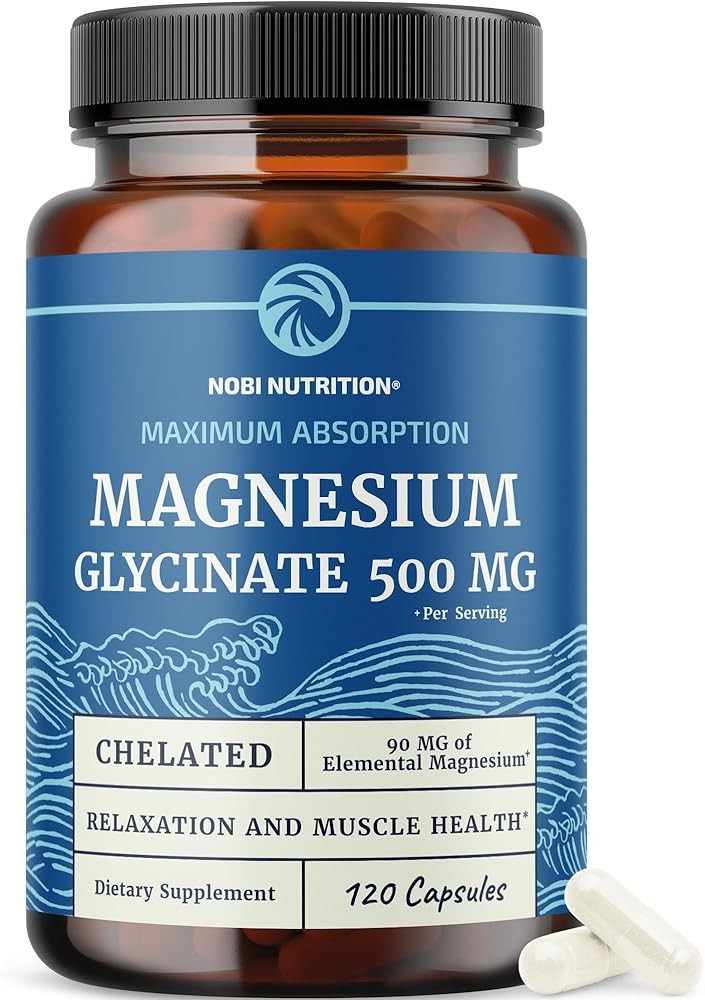
Magnesium Glycinate 500mg | High Absorption | Sleep, Muscle, Bone, Heart Health
Check Price on AmazonAs an Amazon Associate we earn from qualifying purchases.
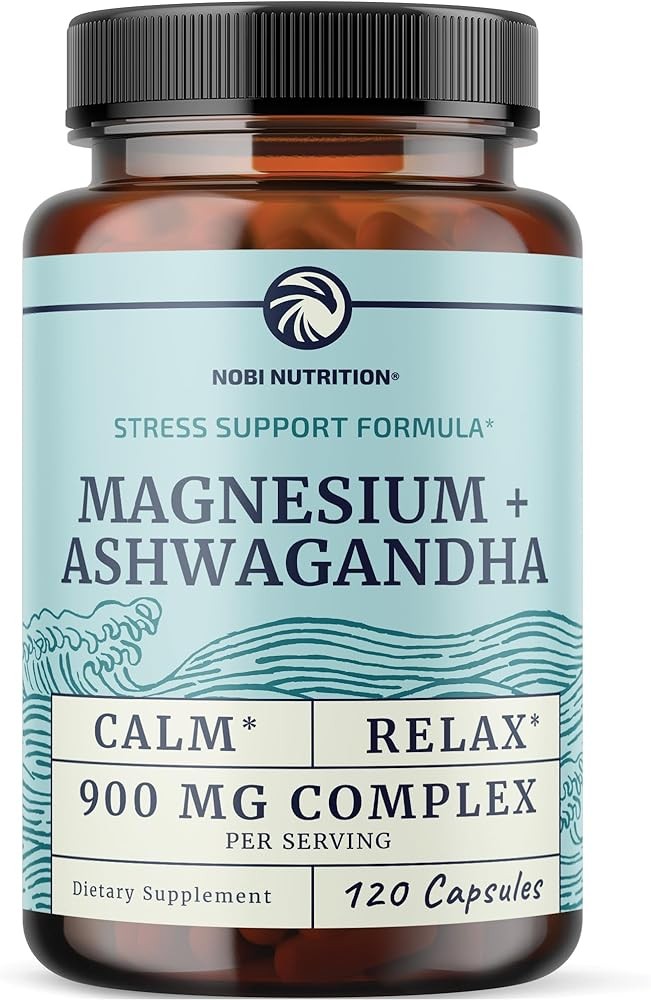
Magnesium Ashwagandha | Calming Magnesium Supplement for Adults | Relax, Rest, C
Check Price on AmazonAs an Amazon Associate we earn from qualifying purchases.
Complete Hormonal Support System
For comprehensive hormonal health, consider combining foundational supplements based on your specific concerns. A basic support protocol might include magnesium glycinate (300-400 mg daily) for PMS and sleep, vitamin B6 (50-100 mg daily) for mood and progesterone support, and zinc (25-30 mg with copper) for thyroid and androgen balance. Women with estrogen metabolism concerns may add DIM (100-200 mg daily), while those with significant PMS might benefit from vitex (400 mg standardized extract). For stress-related hormonal disruption, ashwagandha (300-600 mg KSM-66) addresses HPA axis dysregulation. Perimenopausal women often find benefit from maca root (2,000-3,500 mg) or black cohosh iCR extract for vasomotor symptoms. Remember to introduce supplements one at a time, waiting 2-4 weeks between additions to identify individual effects. This staged approach, combined with lifestyle interventions like adequate sleep, stress management, and reduction of xenoestrogen exposure, provides the most comprehensive support for female hormonal health across all life stages.
📱 Join the discussion: Facebook | X | YouTube | Pinterest | Pinterest
References
-
Exploring the impact of 3,3’-diindolylmethane on the urinary estrogen profile of premenopausal women. BMC Complementary Medicine and Therapies. 2024. PMC11583660.
-
The impact of 3,3’-diindolylmethane on estradiol and estrogen metabolism in postmenopausal women using a transdermal estradiol patch. Menopause. 2025. PMC12188845.
-
Zeligs MA. Effect of Diindolylmethane on Estrogen-related Hormones, Metabolites and Tamoxifen Metabolism: Results of a Randomized, Placebo-controlled Trial. Cancer Epidemiology, Biomarkers & Prevention. 2017;26(3):435.
-
3,3’-Diindolylmethane Modulates Estrogen Metabolism in Patients with Thyroid Proliferative Disease: A Pilot Study. PMC. 2011. PMC3048776.
-
Vitex agnus-castus in premenstrual syndrome: A meta-analysis of double-blind randomised controlled trials. Complementary Therapies in Medicine. 2019. PMID: 31780016.
-
Vitex agnus-castus extracts for female reproductive disorders: a systematic review of clinical trials. Planta Medica. 2013;79(7):562-575.
-
Milewicz A, et al. Vitex agnus castus extract in the treatment of luteal phase defects due to latent hyperprolactinemia. Results of a randomized placebo-controlled double-blind study. Arzneimittelforschung. 1993;43(7):752-756.
-
Treatment for the premenstrual syndrome with agnus castus fruit extract: prospective, randomised, placebo controlled study. BMJ. 2001;322(7279):134-137.
-
Meissner HO, et al. Hormone-Balancing Effect of Pre-Gelatinized Organic Maca: Clinical responses of early-postmenopausal women in double blind, randomized, placebo-controlled, crossover configuration. International Journal of Biomedical Science. 2006. PMC3614644.
-
Meissner HO, et al. Hormone-Balancing Effect of Pre-Gelatinized Organic Maca: Physiological and Symptomatic Responses of Early-Postmenopausal Women. International Journal of Biomedical Science. 2006. PMC3614647.
-
Lee MS, et al. Maca (Lepidium meyenii) for treatment of menopausal symptoms: A systematic review. Maturitas. 2011;70(3):227-233.
-
Black cohosh extracts in women with menopausal symptoms: an updated pairwise meta-analysis. Menopause. 2023. PMID: 37192826.
-
Beer AM, Neff A. Review & meta-analysis: isopropanolic black cohosh extract iCR for menopausal symptoms – an update on the evidence. Climacteric. 2013;16(4):316-337.
-
Leach MJ, Moore V. Black cohosh (Cimicifuga spp.) for menopausal symptoms. Cochrane Database of Systematic Reviews. 2012. CD007244.
-
Lopresti AL, et al. An investigation into the stress-relieving and pharmacological actions of an ashwagandha extract: A randomized, double-blind, placebo-controlled study. Medicine. 2019;98(37):e17186. PMC6750292.
-
Chandrasekhar K, et al. A prospective, randomized double-blind, placebo-controlled study of safety and efficacy of a high-concentration full-spectrum extract of ashwagandha root in reducing stress and anxiety in adults. Indian Journal of Psychological Medicine. 2012;34(3):255-262.
-
Effects of Ashwagandha Supplements on Cortisol, Stress, and Anxiety Levels in Adults: A Systematic Review and Meta-Analysis. PMC. 2025. PMC12242034.
-
Panossian A, et al. Rhodiola rosea for physical and mental fatigue: a systematic review. BMC Complementary and Alternative Medicine. 2012;12:70. PMC3541197.
-
The Effectiveness of Rhodiola rosea L. Preparations in Alleviating Various Aspects of Life-Stress Symptoms. Molecules. 2022. PMC9228580.
-
Walker AF, et al. Magnesium supplementation alleviates premenstrual symptoms of fluid retention. Journal of Women’s Health. 1998;7(9):1157-1165.
-
Facchinetti F, et al. Oral magnesium successfully relieves premenstrual mood changes. Obstetrics and Gynecology. 1991;78(2):177-181.
-
Ebrahimi E, et al. Evaluating the effect of magnesium and magnesium plus vitamin B6 supplement on the severity of premenstrual syndrome. Iranian Journal of Nursing and Midwifery Research. 2012;17(6):401-405. PMC3208934.
-
Wyatt KM, et al. Efficacy of vitamin B-6 in the treatment of premenstrual syndrome: systematic review. BMJ. 1999;318(7195):1375-1381. PMC27878.
-
Doll H, et al. Pyridoxine (vitamin B6) and the premenstrual syndrome: a randomized crossover trial. Journal of the Royal College of General Practitioners. 1989;39(326):364-368. PMC1711872.
-
Foroozanfard F, et al. Effects of Zinc Supplementation on Endocrine Outcomes in Women with Polycystic Ovary Syndrome: a Randomized, Double-Blind, Placebo-Controlled Trial. *Biological Trace Element Research:271-278.
-
Nasiadek M, et al. The Role of Zinc in Selected Female Reproductive System Disorders. Nutrients. 2020;12(8):2464. PMC7468694.
-
Jaafarnejad F, et al. A Systematic Review and Meta-Analysis of the Efficacy of Evening Primrose Oil for Mastalgia Treatment. International Journal of Environmental Research and Public Health. 2021;18(12):6295. PMC8296106.
-
Effectiveness of combined seeds (pumpkin, sunflower, sesame, flaxseed): As adjunctive therapy to help manage polycystic ovary syndrome in females. PMC. 2023. PMC10261760.
-
Efficacy of Seed Cycling as an Integrative Therapy for Premenstrual Syndrome and Polycystic Ovary Syndrome in Reproductive-Aged Women: A Systematic Review (PubMed 38440178). PMC. 2025. PMC12461132.
-
NIH Office of Dietary Supplements. Black Cohosh - Health Professional Fact Sheet. 2024.
-
NIH Office of Dietary Supplements. Ashwagandha - Health Professional Fact Sheet. 2024.
Related Reading
- Best Inositol Supplements for Women’s Hormones and PCOS
- Best Supplements for PCOS: What Research Recommends
- Best Perimenopause Supplements
- Vitex Chasteberry for Hormone Balance and Progesterone
- DIM Supplement for Estrogen Balance: What the Research Says
- Best Supplements for PMS and PMDD: Evidence-Based Guide
- Maca Root Benefits for Women’s Hormones and Menopause
- Best Magnesium for Women Over 40: Perimenopause and Bone Health
- Seed Cycling for Hormone Balance: Complete Research Guide
- Luteal Phase Defect Supplements: Progesterone Support
Recommended Products
Based on the research discussed above, here are quality options available:
- View on Amazon
As Amazon Associates, we earn from qualifying purchases.
Common Questions About Hormonal Balance Supplements
What are the benefits of hormone-balancing supplements?
Research suggests that specific supplements may support various aspects of hormonal health in women. DIM and cruciferous vegetables may influence estrogen metabolism patterns. Vitex has been studied for PMS and luteal phase support. Ashwagandha has been researched for cortisol and stress response. Magnesium and vitamin B6 have been investigated for PMS symptoms. Individual responses can vary, and the level of evidence differs across supplements. It is recommended to review the latest scientific literature and consult healthcare professionals regarding whether these supplements align with individual health goals.
Are hormone-balancing supplements safe?
Most hormone-balancing supplements discussed in this article are generally considered safe for most people when used as directed at research-supported doses. However, individual responses can vary. Some supplements may cause mild side effects like digestive discomfort, headaches, or sleep changes. It’s important to talk with a healthcare provider before using these supplements, especially if you have existing health conditions, are pregnant or nursing, take medications (particularly hormone therapy, thyroid medications, or antidepressants), or have been diagnosed with hormone-sensitive conditions.
How much of these supplements should I take?
Research-based dosing varies by supplement: DIM (100-200 mg/day), vitex (400 mg standardized extract), ashwagandha (300-600 mg/day), magnesium (200-400 mg/day), vitamin B6 (50-100 mg/day), and zinc (25-50 mg/day). It is generally suggested to begin with lower doses and follow product label directions. Healthcare professionals can provide recommendations tailored to individual needs based on hormone testing and symptoms. The dosage table in this article provides specific research-supported ranges.
What are the side effects of hormone-balancing supplements?
Side effects vary by supplement. DIM may cause darker urine or mild digestive upset. Vitex rarely causes digestive changes. Ashwagandha may cause drowsiness. Magnesium at high doses can cause loose stools. Vitamin B6 above 200 mg daily long-term can cause nerve damage. Zinc on an empty stomach may cause nausea. Black cohosh has been associated with rare reports of liver effects. Serious side effects are uncommon at recommended doses. If you experience unusual symptoms, discontinue use and consult a healthcare provider.
When should I take hormone-balancing supplements?
Timing recommendations vary: vitex is best taken in the morning to align with circadian dopamine rhythms. Rhodiola should be taken early in the day as it can be stimulating. Magnesium is often taken in the evening for sleep support. Ashwagandha can be taken morning or evening depending on desired effects. DIM, zinc, and vitamin B6 can typically be taken with food any time of day. Some protocols suggest starting magnesium and B6 at mid-cycle for PMS. Follow product-specific guidelines and consider consulting a healthcare provider.
Can I take multiple hormone-balancing supplements together?
Some combinations are well-tolerated and studied together, such as magnesium with vitamin B6 for PMS, or zinc with copper for long-term use. However, combining supplements that influence the same hormonal pathways (such as DIM with vitex, both affecting estrogen) should be done cautiously under practitioner guidance. It’s recommended to introduce one supplement at a time, waiting 2-4 weeks before adding another, so you can identify what is actually helping versus causing side effects. Always inform your healthcare provider about all supplements you take.
How long do hormone-balancing supplements take to work?
Timeline varies by supplement and condition: DIM typically shows changes in estrogen metabolites within 4-8 weeks. Vitex studies show improvements after 6-8 weeks (2-3 menstrual cycles). Ashwagandha demonstrates cortisol reductions within 4-8 weeks. Magnesium and B6 for PMS typically require 1-2 menstrual cycles. Black cohosh for hot flashes requires 8-12 weeks. Maca studies showed effects after 6-8 weeks. Consistent use as directed is important for best results. Keep a symptom journal to track your response.
Who should not take hormone-balancing supplements?
Pregnant and breastfeeding women should avoid most supplements discussed here unless specifically approved by their healthcare provider. Women with hormone-sensitive conditions (breast cancer, endometriosis, fibroids) should consult an oncologist or specialist before taking DIM, vitex, maca, or black cohosh. Those on thyroid medications should use ashwagandha cautiously as it may affect thyroid hormone levels. Women on hormone replacement therapy or oral contraceptives should discuss supplement use with their prescriber, particularly DIM which can affect estrogen metabolism. Those with liver conditions should avoid black cohosh and use ashwagandha cautiously.
Recommended Products