Best Supplements for PCOS: What Actually Works According to Research
Summarized from peer-reviewed research indexed in PubMed. See citations below.
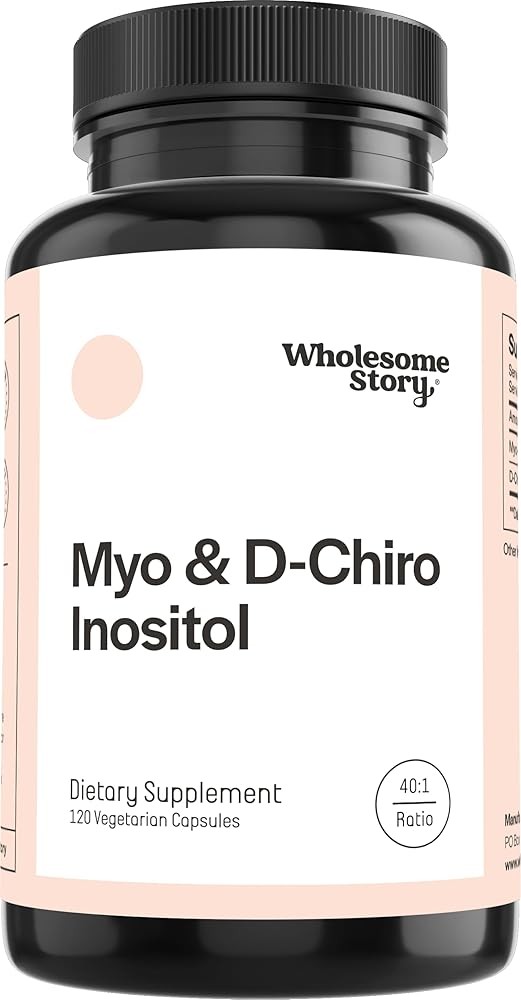
Over 116 million women worldwide struggle with PCOS, spending years cycling through doctors who offer only birth control pills and metformin, while insulin resistance drives testosterone levels higher and ovulation becomes increasingly irregular. The best-studied supplement for PCOS is myo-inositol combined with D-chiro-inositol in a 40:1 ratio at 4,000 mg plus 100 mg daily (about $28 per bottle), which trials report restores ovulation in up to 70% of women by improving insulin sensitivity and lowering testosterone levels. Multiple meta-analyses confirm this combination addresses the root cause of PCOS—insulin resistance and compensatory hyperinsulinemia—rather than just masking symptoms. Berberine at 1,500 mg daily is the metformin-comparison pick at about $40 per bottle. Here’s what the published research shows about which PCOS supplements actually work, what doses the clinical trials used, and how to build an evidence-based protocol.
Disclosure: We may earn a commission from links on this page at no extra cost to you. Affiliate relationships never influence our ratings. Full policy →
This article references 36 peer-reviewed studies from PubMed, PMC, and other scholarly sources. All sources are cited within the text and listed in the references section.
| Feature | Myo + DCI Inositol 40:1 | Berberine | NAC | Vitamin D3 |
|---|---|---|---|---|
| Primary Benefit | Ovulation and metabolic support | Insulin sensitivity | Ovulation support | Deficiency correction |
| Clinical Dose | 4,000 mg MI + 100 mg DCI daily | 1,500 mg daily | 1,800 mg daily | 4,000-5,000 IU daily |
| Time to Results | 8-12 weeks | 8-12 weeks | 3-6 months (fertility) | 8-12 weeks |
| Evidence Level | Multiple meta-analyses | Head-to-head vs metformin | RCTs with clomiphene | Systematic reviews |
| Best For | Primary PCOS support | Metformin alternative | Clomiphene resistance | Deficiency correction |
| Price | $27.95 | $39.99 | $21.85 | $36.00 |
What Is PCOS and Why Does It Affect So Many Women?
!Top-rated supplements for pcos bottles with third-party testing and quality certifications
Polycystic ovary syndrome (PCOS) is the most common endocrine disorder among women of reproductive age worldwide. According to the World Health Organization, over 116 million women globally are affected, with prevalence estimates ranging from 6% to 21% depending on the diagnostic criteria used. In the United States alone, approximately 5 million reproductive-aged women have the condition.
Despite being so widespread, PCOS is remarkably underdiagnosed. Many women spend years cycling through doctors before receiving a proper diagnosis, and even then, the treatment options offered are often limited to birth control pills and metformin. This leaves millions of women searching for additional tools to manage their symptoms, and understandably, many turn to supplements.
But here is the problem: the supplement market for PCOS is flooded with products making bold claims, and it is genuinely difficult to separate what is backed by rigorous clinical evidence from what is fueled by marketing and anecdotal reports. This guide exists to cut through that noise.
We went through the published clinical trials, systematic reviews, and meta-analyses on every major supplement marketed for PCOS. What follows is an honest accounting of what the science actually supports, what the proper dosing protocols look like, and what you should skip.
How PCOS Is Diagnosed
PCOS is diagnosed using the Rotterdam criteria, which require at least two of the following three features:
- Irregular or absent ovulation (oligo-anovulation), which usually manifests as irregular periods or amenorrhea.
- Clinical or biochemical signs of excess androgens, including acne, hirsutism (excess hair growth, hair thinning, or elevated testosterone on blood work.
- Polycystic ovaries on ultrasound, meaning 12 or more follicles in one ovary or an ovarian volume greater than 10 mL.
This creates four distinct phenotypes of PCOS, ranging from the “classic” presentation with all three features to milder forms. Understanding your specific phenotype matters because not every supplement will be equally relevant to every woman with PCOS.
Watch Our Video Review
What Is Insulin Resistance and Why Does It Drive PCOS?
If research indicates a key takeaway from this article is that insulin resistance appears to be a central metabolic factor in many cases of PCOS. Recognizing this may shift perspectives on approaches to management. [ Understanding this potential connection may influence how one considers support strategies.
Here is how it works at the molecular level. In healthy physiology, insulin signals your cells to absorb glucose from the bloodstream. In insulin resistance, your cells become less responsive to that signal. Your pancreas compensates by producing more insulin, creating a state called compensatory hyperinsulinemia, meaning chronically elevated insulin levels even when blood sugar appears normal.
This excess insulin wreaks havoc on the reproductive system through multiple pathways:
- Stimulates ovarian androgen production. Insulin directly stimulates the theca cells of the ovaries to produce more testosterone. It also amplifies the effect of luteinizing hormone (LH) on these cells, further driving androgen synthesis.
- Reduces sex hormone-binding globulin (SHBG). Insulin suppresses the liver’s production of SHBG, the protein that binds testosterone and keeps it inactive. Lower SHBG means more free, active testosterone circulating in your body, which drives acne, hirsutism, and hair loss.
- Disrupts ovulation. The combination of excess androgens and disrupted insulin signaling interferes with normal follicle development, leading to anovulation, the hallmark of PCOS-related infertility.
- Promotes inflammation. Insulin resistance is closely linked to chronic low-grade inflammation, which further impairs ovarian function and metabolic health.
Research published in the Journal of Ovarian Research in 2022 confirmed that insulin resistance and compensatory hyperinsulinemia are considered major drivers of PCOS pathophysiology, involved in the development of hyperandrogenemia and reproductive dysfunction through various mechanisms. The insulin resistance in at least 50% of women with PCOS appears to be related to excessive serine phosphorylation of the insulin receptor, a molecular defect distinct from typical type 2 diabetes.
This is why research suggests the supplements with the most apparent benefit for those with PCOS frequently focus on insulin sensitivity as a primary area of study. Studies indicate addressing insulin function may support a cascade of hormonal factors. PMC
How Can You Recognize PCOS and Track Your Improvement?
Your body provides constant feedback about what is happening with your hormones and metabolism. Understanding these signals helps you recognize when PCOS symptoms are active and, more importantly, when your interventions are working.
Signs of Active PCOS and Insulin Resistance
Energy and blood sugar signals:
- Intense sugar and carbohydrate cravings, especially in the afternoon
- Energy crashes 1 to 2 hours after meals, particularly carb-heavy meals
- Feeling “hangry” when meals are delayed
- Needing frequent snacks to maintain energy
- Feeling shaky, irritable, or foggy-headed between meals
- Waking up tired even after 8+ hours of sleep
- Afternoon energy slumps that feel overwhelming
Skin and hair changes:
- Persistent acne, particularly along the jawline, chin, and lower cheeks (hormonal pattern)
- Oily skin that worsens around your period
- Dark patches of velvety skin in body folds (acanthosis nigricans), especially on the neck, armpits, or groin
- Thinning hair at the crown and temples (androgenic alopecia)
- Coarse, dark hair growing on the face (especially upper lip, chin, sideburns), chest, abdomen, or back
- Skin tags, particularly on the neck and underarms
Reproductive and hormonal signals:
- Irregular periods: cycles longer than 35 days, or absent periods for months
- Very heavy or very light periods when they do occur
- Spotting between periods
- Difficulty getting pregnant despite regular unprotected intercourse
- Premenstrual mood swings that feel extreme
- Loss of libido
Body composition changes:
- Weight gain that seems disproportionate to your calorie intake, particularly around the abdomen
- Difficulty losing weight despite diet and exercise efforts
- Apple-shaped fat distribution (carrying weight in the midsection rather than hips and thighs)
- Bloating that makes you look several months pregnant, especially after meals
Mood and cognitive signals:
- Brain - Research suggests mood may improve and anxiety may be reduced.
Week 8 to 16: Hormonal rebalancing - Research suggests improvements in menstrual cycle regularity, potentially with shorter intervals between periods, may be observed. - Studies indicate periods may become more predictable during this timeframe. - Published research shows signs of ovulation, such as cervical mucus changes and mittelschmerz, may return. - Research suggests hair loss may slow or stop, and new baby hairs may become visible along the hairline, indicating early regrowth. - Continued acne improvement may be observed, according to studies.
Month 4 to 6: Full hormonal restoration - Research suggests cycles of 28 to 35 days may be established - Studies indicate ovulation may be confirmed (if tracking with BBT, OPKs, or progesterone testing) - Published research shows a reduction in hirsutism may occur (existing hair finer and lighter) - Studies suggest scalp hair density may improve - Research indicates stable weight or continued gradual weight loss may be observed - Clinical trials have shown improved fertility markers (for those trying to conceive)
Red Flags: When to See Your Doctor Immediately
While supplements can powerfully support PCOS management, certain symptoms require immediate medical evaluation:
- Periods absent for 6+ months (risk of endometrial hyperplasia)
- Sudden, severe abdominal pain (possible ovarian torsion or cyst rupture)
- Heavy bleeding that soaks through a pad or tampon every hour for several hours
- Severe, sudden headaches or vision changes while on supplements or medications
- Signs of hypoglycemia (extreme shakiness, confusion, rapid heartbeat) if combining multiple insulin-sensitizing supplements
- Rapid, unexplained weight gain (more than 5 pounds in a week)
- Symptoms of depression or suicidal thoughts
- Difficulty breathing or chest tightness (rare allergic reaction)
Timeline of Changes: What to Expect Month by Month
Understanding realistic timelines may help reduce the risk of premature discontinuation of effective protocols. Here is what the research suggests:
Metabolic markers (blood work):
- Fasting insulin and glucose: 4 to 8 weeks
- HOMA-IR (insulin resistance): 8 to 12 weeks
- Lipid profile (cholesterol, triglycerides): 8 to 12 weeks
- Hemoglobin A1c: 8 to 12 weeks (reflects 3-month average)
Hormonal markers:
- Total and free testosterone: 4 to 8 weeks
- SHBG (sex hormone-binding globulin): 4 to 8 weeks
- Ovulation restoration: 8 to 24 weeks
- Regular menstrual cycles: 12 to 24 weeks
Physical symptoms:
- Acne: 8 to 16 weeks for significant improvement
- Hirsutism: 6 to 12 months (hair growth cycle dependent)
- Scalp hair regrowth: 6 to 18 months
- Weight and body composition: 12 to 24 weeks for meaningful changes
Fertility outcomes:
- Conception: typically occurs 3 to 6 months after ovulation is restored, though this varies widely
The key is consistency. Women who see the best results are those who stick with their protocol for at least 3 to 6 months before making major changes.
Which Supplements Work Best for PCOS According to Research?
What follows is every major supplement with clinical evidence for PCOS, organized from strongest evidence to weakest. For each one, we cover the mechanism, the clinical trial data, proper dosing, and practical considerations.
Why Is Inositol the Gold Standard Supplement for PCOS?
If there is one supplement with the most robust clinical evidence for PCOS, it is inositol, specifically the combination of myo-inositol (MI) and D-chiro-inositol (DCI). The research base here is substantial, including multiple randomized controlled trials, several meta-analyses, and a systematic review conducted specifically to inform the 2023 update of the International Evidence-Based PCOS Guidelines.
How Inositol Works in PCOS
Inositol is a naturally occurring sugar alcohol that acts as a second messenger in the insulin signaling pathway. Think of it as a key intermediary that helps your cells respond properly to insulin’s signal.
Myo-inositol and D-chiro-inositol play different but complementary roles:
- Myo-inositol is the primary insulin sensitizer. It mediates glucose uptake in tissues and plays a critical role in follicle-stimulating hormone (FSH) signaling in the ovaries. In the ovaries specifically, MI supports proper follicle development and oocyte (egg) quality.
- D-chiro-inositol acts primarily in tissues involved in glycogen synthesis, such as the liver and muscles. It helps manage androgen production in the ovaries by modulating insulin signaling in the theca cells.
Women with PCOS have been shown to have impaired conversion of myo-inositol to D-chiro-inositol in certain tissues, and altered ratios of the two forms. This creates a functional deficiency that supplementation can correct.
The 40:1 Ratio: Why It Matters
The ratio between Myo-inositol (MI) and D-chiro-inositol (DCI) in your supplement may be a significant factor, according to research. A clinical trial published in the European Review for Medical and Pharmacological Sciences Source compared seven different MI/DCI ratios and found that the 40:1 ratio appeared to have some benefit for supporting ovulation in individuals with PCOS.
The reasoning is physiological: this 40:1 ratio mirrors the natural plasma ratio of these two forms in healthy women. Higher doses of DCI relative to MI can actually be counterproductive. Excess DCI in the ovaries has been shown to impair FSH signaling, potentially worsening egg quality. The 40:1 ratio provides enough DCI to support insulin sensitivity in peripheral tissues while preserving optimal MI levels in the ovaries.
A 2024 study published in Gynecologic and Obstetric Investigation confirmed that the MI and DCI combination at the 40:1 ratio improved both metabolic and hormonal profiles in women with PCOS phenotype A, the most severe form of the condition.
Clinical Evidence for Inositol in PCOS
The evidence base for inositol in PCOS is among the strongest of any supplement in this category:
Ovulation and fertility. A large-scale review of clinical data indicates that myo-inositol supplementation appears to support the restoration of ovulation in approximately 70% of women with PCOS. Across the pooled data, 545 pregnancies were observed among the myo-inositol (MI) and folic acid users, representing a pregnancy rate of approximately 15.1%.
Insulin sensitivity. A meta-analysis of randomized controlled trials published in the Journal of Clinical Endocrinology & Metabolism [ shows that Myo-inositol (MI) at 4 grams daily appears to support insulin sensitivity with efficacy comparable to metformin.
Hormonal parameters. Clinical trials consistently show reductions in total testosterone, free testosterone, and LH levels, along with increases in SHBG.
IVF outcomes. A 2025 systematic review and meta-analysis examining MI and DCI effects on assisted reproductive technology outcomes in women with PCOS found benefits for oocyte quality and fertilization rates.
The 2023 International Evidence-Based PCOS Guidelines acknowledged inositol’s potential benefits, though the systematic review noted that while evidence supports benefits for some metabolic measures and potential benefits from DCI for ovulation, larger trials are still needed to establish definitive clinical guidelines.
Dosing Protocol
The standard evidence-based protocol is:
- 4,000 mg myo-inositol + 100 mg D-chiro-inositol per day (maintaining the 40:1 ratio)
- Split into two doses: 2,000 mg MI + 50 mg DCI in the morning, and the same in the evening
- 200 to 400 mcg folic acid is commonly included as a cofactor (many clinical trials used this combination)
- Take with or without food; inositol is water-soluble and well absorbed either way
- Allow 8 to 12 weeks for initial metabolic improvements, and 3 to 6 months for ovulation restoration
Safety: No moderate to severe side effects have been observed at the 4,000 mg per day dose. Inositol is generally well tolerated even at doses as high as 12 grams per day. Mild GI discomfort (bloating, loose stools) may occur initially but typically resolves.
Can Berberine Replace Metformin for PCOS Management?
Berberine is a bioactive alkaloid found in several plants, including goldenseal, Oregon grape, and barberry. It has gained enormous popularity in the PCOS community because clinical trials have shown it performs comparably to metformin for several key metabolic parameters, often with fewer gastrointestinal side effects.
How Berberine Works
Berberine activates AMP-activated protein kinase (AMPK), the same molecular switch that metformin targets. AMPK is often called the body’s “metabolic master switch” because it regulates glucose uptake, fatty acid oxidation, and mitochondrial function. By activating AMPK, berberine:
- Increases insulin sensitivity in muscle and fat cells
- Reduces hepatic glucose production (how much sugar your liver dumps into the bloodstream)
- Lowers LDL cholesterol and triglycerides
- Reduces androgen production via improved insulin signaling
- Has direct anti-inflammatory effects
Dihydroberberine: The Superior Bioavailable Form
One of berberine’s main limitations has been its poor absorption, with bioavailability estimated at less than 5%. This is why the standard clinical dose is 1,500 mg daily, split into three doses. However, there is now a more bioavailable form: dihydroberberine (DHB).
Dihydroberberine is the active metabolite that berberine converts into after absorption. When you take standard berberine, your gut bacteria convert a small fraction of it into DHB, which is what actually enters your bloodstream and produces the metabolic effects. By taking DHB directly, you bypass this inefficient conversion step.
Research suggests that dihydroberberine is 5 to 10 times more bioavailable than standard berberine. This means you can take significantly lower doses (200 to 300 mg of DHB versus 1,500 mg of berberine) and potentially experience fewer gastrointestinal side effects while achieving the same metabolic benefits.
While the clinical trials for PCOS specifically used standard berberine, the pharmacology of DHB suggests it would work through the same AMPK activation pathway but with better absorption and tolerability. If you have experienced stomach upset with standard berberine, DHB is worth considering as an alternative. The typical dose is 100 to 200 mg twice daily with meals.
Berberine vs. Metformin: Head-to-Head Trials
The most cited head-to-head trial randomized 89 women with PCOS to receive either berberine (500 mg three times daily), metformin (500 mg three times daily), or placebo for three months. The results, published in the European Journal of Endocrinology, showed:
- Research suggests berberine produced comparable reductions in fasting glucose and insulin resistance (HOMA-IR) to metformin [PMID: 28324284].
- Studies indicate berberine showed greater improvements in lipid profiles, including lower triglycerides and LDL cholesterol, and higher HDL cholesterol [PMID: 28324284].
- Published research shows berberine led to greater reductions in waist circumference, waist-to-hip ratio, and total body weight compared to metformin [PMID: 28324284].
- Research suggests both berberine and metformin significantly reduced testosterone and increased SHBG [PMID: 28324284].
A prospective randomized study published in 2022 in PMC compared berberine, myo-inositol, and metformin and indicated that berberine appeared to demonstrate greater differences in clinical, hormonal, and lipid parameters compared to metformin and myo-inositol, while research suggests myo-inositol may support greater improvement in carbohydrate metabolic parameters.
A network meta-analysis published in Reproductive Health comparing oral insulin sensitizers (metformin, thiazolidinediones, inositol, and berberine) confirmed berberine’s competitive position among PCOS treatments for endocrine and metabolic profiles.
Key takeaway: In a 3-month trial in women with PCOS, berberine (1,500 mg daily) improved waist-to-hip ratio, total cholesterol, triglycerides, and LDL versus metformin, and reduced fasting glucose, fasting insulin, and HOMA-IR versus placebo (Wei et al., 2012); the specific BMI and testosterone percentages that circulate online are not in the published results.
Dosing Protocol
- 1,500 mg per day, split into three doses of 500 mg each (with meals)
- Some protocols start at 500 mg twice daily and increase to three times daily after one to two weeks to reduce GI side effects
- Clinical trials ran for 3 to 6 months; at least 3 months of consistent use is needed to see meaningful results
- Take with food to improve absorption and reduce stomach upset
Important cautions:
- Do not combine berberine with metformin without medical supervision, as both lower blood sugar through similar mechanisms and the combination could cause hypoglycemia.
- Berberine can interact with medications metabolized by cytochrome P450 enzymes, including many common prescriptions. Discuss with your doctor or pharmacist.
- Not recommended during pregnancy or breastfeeding due to insufficient safety data.
How Does NAC Help Restore Ovulation in PCOS?
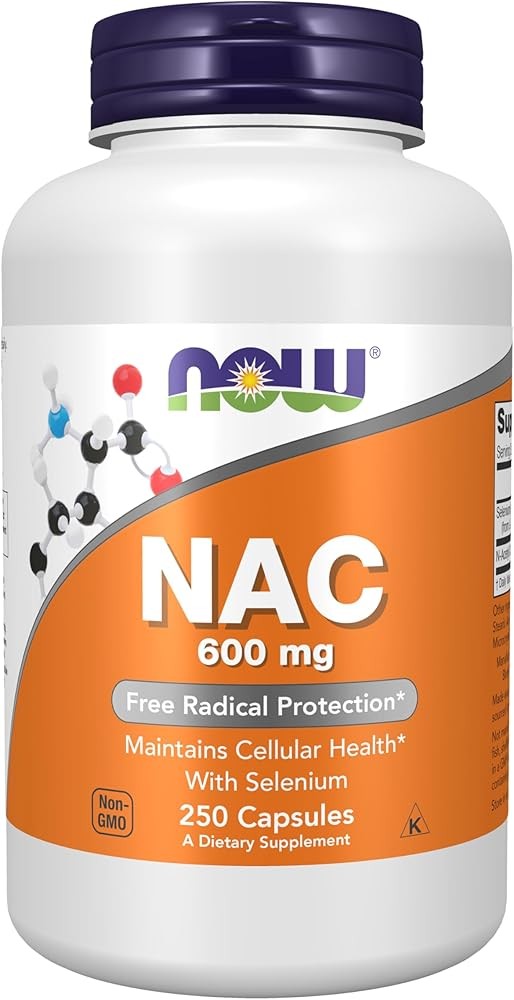
N-acetylcysteine is the supplemental form of the amino acid cysteine and a precursor to glutathione, the body’s most important endogenous antioxidant. Its role in PCOS has been studied extensively, with particularly impressive results for ovulation and fertility.
How NAC Works in PCOS
NAC addresses multiple aspects of PCOS pathology:
- Antioxidant defense. NAC replenishes glutathione levels, directly combating the oxidative stress that is a hallmark of PCOS. Oxidative stress damages ovarian tissue and impairs oocyte quality.
- Insulin sensitization. NAC has been shown to improve insulin sensitivity, likely through its antioxidant effects on insulin receptor function.
- Anti-inflammatory action. By reducing oxidative stress and modulating inflammatory pathways, NAC lowers chronic low-grade inflammation.
- Direct ovarian effects. NAC appears to improve follicular development and oocyte maturation, partly by reducing oxidative damage in the ovarian microenvironment.
- Androgen reduction. Clinical trials show NAC significantly reduces total testosterone levels.
Clinical Evidence
The clinical data on NAC for PCOS is strong, particularly for ovulation and fertility endpoints:
Ovulation. A systematic review and meta-analysis published in Obstetric Gynecology Science [ indicates that, compared to placebo, women utilizing NAC appeared to have an odds ratio of three for ovulation. In clomiphene citrate-resistant PCOS (women who did not ovulate on the standard fertility drug), research suggests adding NAC was associated with an odds ratio of nine for ovulation.
As an adjunct to clomiphene citrate. Research published in Fertility and Sterility indicates that the combination of clomiphene citrate and NAC appears to support both ovulation rate (49.3% vs. 1.3%) and pregnancy rate (21.3% vs. 0%) in women with clomiphene resistance. This represents a notable difference observed in the study.
Hormonal effects. A meta-analysis published in the British Journal of Nutrition found that NAC significantly reduced total testosterone and increased follicle-stimulating hormone (FSH) levels. NAC was also associated with statistically significant increases in progesterone and endometrial thickness compared to placebo.
Metabolic parameters. A 2025 systematic review and meta-analysis published in Nutrients confirmed NAC’s efficacy across multiple PCOS outcomes, including improvements in metabolic and reproductive parameters.
A 2024 comprehensive review published in Gynecological Endocrinology concluded that NAC supplementation improves endocrine-metabolism profiles and ovulation induction efficacy in polycystic ovary syndrome.
Comparison to metformin: It is worth noting that in some trials, women on NAC were less likely to achieve pregnancy or ovulation compared to those on metformin. NAC should be viewed as a powerful adjunct therapy, particularly for clomiphene-resistant cases, rather than a standalone replacement for pharmaceutical intervention.
Dosing Protocol
- 1,200 to 1,800 mg per day, split into two or three doses
- Most clinical trials used 600 mg three times daily (1,800 mg total)
- Take on an empty stomach for best absorption, or with food if stomach upset occurs
- Allow 3 to 6 months for fertility-related outcomes
- Often combined with clomiphene citrate in clinical protocols for ovulation induction
Safety: NAC is generally very well tolerated. The most common side effect is mild nausea, which is usually dose-dependent and resolves with food. NAC has a long safety track record from its use as a mucolytic and acetaminophen antidote.
Why Is Vitamin D Critical for Women with PCOS?
Vitamin D deficiency is strikingly common in women with PCOS, with studies reporting prevalence rates of 67% to 85%. This is not a coincidence. Vitamin D plays important roles in insulin signaling, inflammation, and reproductive function, and its deficiency appears to worsen virtually every aspect of PCOS.
How Vitamin D Affects PCOS
- Insulin sensitivity. Vitamin D receptors are found on pancreatic beta cells and insulin-responsive tissues. Deficiency impairs insulin secretion and receptor function.
- Inflammation. Vitamin D modulates the immune system and helps regulate inflammatory cytokines. Deficiency promotes the chronic low-grade inflammation characteristic of PCOS.
- Ovarian function. Vitamin D receptors are present in the ovaries, uterus, and placenta. Adequate levels support follicle development and implantation.
- Androgen metabolism. Some evidence suggests vitamin D may help regulate androgen levels, though this effect is less consistently observed.
Clinical Evidence
The research on vitamin D supplementation in PCOS is extensive but somewhat mixed, which makes it important to interpret carefully:
Insulin resistance. A systematic review and meta-analysis published in Nutrients found that vitamin D supplementation significantly decreased fasting glucose concentrations and HOMA-IR values (the standard measure of insulin resistance), particularly when used as a co-supplement with other nutrients. A study using a single intramuscular dose of cholecalciferol (300,000 IU) showed significant reduction in insulin resistance after 2 months in vitamin D-deficient women with PCOS.
Metabolic improvements. A randomized, double-blind, placebo-controlled trial found significant improvements in fasting insulin and insulin sensitivity after supplementation with vitamin D (60,000 IU weekly for 12 weeks) in deficient women.
Mixed findings. Some well-designed trials found no statistically significant effect of vitamin D on fasting glucose, fasting insulin, or HOMA-IR. The most consistent benefits appear in women who are clearly vitamin D deficient at baseline, which reinforces that this supplement is about correcting a deficiency rather than producing a pharmacological effect.
Fertility. A comprehensive review published in Reproductive Biology and Endocrinology found that vitamin D-sufficient women with PCOS had better IVF outcomes and higher spontaneous pregnancy rates compared to deficient women.
Bottom line: In a randomized trial in vitamin D-deficient women with PCOS, 8 weeks of supplementation significantly lowered fasting plasma glucose and raised HOMA-B and adiponectin versus placebo (PubMed 29271278), so the benefit is clearest in women who are genuinely deficient.
Dosing Protocol
- For deficiency correction: 4,000 to 5,000 IU of vitamin D3 (cholecalciferol) daily, or as directed by your physician based on blood levels
- For maintenance: 1,000 to 2,000 IU daily once levels are in the 40 to 60 ng/mL range
- Take with a fat-containing meal to maximize absorption (vitamin D is fat-soluble)
- Retest 25-hydroxyvitamin D levels after 8 to 12 weeks to assess response and adjust dose
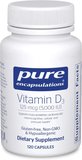
- Vitamin is preferred over vitamin D2 (ergocalciferol) based on bioavailability data
Consider vitamin K2 co-supplementation: Vitamin D increases calcium absorption, and vitamin K2 (specifically the MK-7 form) directs that calcium to bones rather than soft tissues. For doses above 2,000 IU daily, consider adding 100 to 200 mcg of vitamin K2 MK-7 to optimize calcium metabolism and support cardiovascular health.
Safety: Vitamin D toxicity is rare at supplemental doses under 10,000 IU daily but can occur with prolonged high-dose use. Monitoring blood levels is the safest approach, particularly at doses above 4,000 IU daily.
How Do Omega-3s Reduce PCOS Inflammation?
Omega-3 fatty acids, particularly EPA and DHA from marine sources, address the chronic inflammation and dyslipidemia that are common in PCOS. The evidence here supports omega-3 as a valuable adjunct rather than a primary intervention.
How Omega-3s Help PCOS
- Anti-inflammatory effects. EPA and DHA reduce the production of pro-inflammatory cytokines and eicosanoids, directly countering PCOS-associated inflammation.
- Lipid profile improvement. Omega-3s are well-established for reducing triglycerides, which are frequently elevated in PCOS.
- Testosterone reduction. Emerging evidence suggests omega-3s may lower bioavailable testosterone through increased SHBG production.
- Insulin sensitivity. Some evidence points to modest improvements in insulin signaling, potentially through anti-inflammatory mechanisms.
Clinical Evidence
A comprehensive meta-analysis of 10 randomized controlled trials with 610 PCOS patients, published in Annals of Palliative Medicine, found that omega-3 supplementation produced:
- Research indicates notable changes in C-reactive protein (an inflammatory marker) following supplementation. - Studies show reductions in serum malondialdehyde (a marker of oxidative stress) may occur. - Published research demonstrates potential for changes in luteinizing hormone (LH). - Research suggests serum total testosterone levels may be affected. - Studies indicate total antioxidant capacity may increase. - Research suggests potential increases in sex hormone-binding globulin (SHBG) levels.
A randomized clinical trial published in the Iranian Journal of Reproductive Medicine found that 8 weeks of supplementation with 3 grams of omega-3 reduced serum testosterone concentrations in overweight and obese PCOS patients and improved menstrual cycle regularity.
A randomized, placebo-controlled crossover trial showed that long-chain omega-3 supplementation reduced plasma bioavailable testosterone, with the greatest reductions seen in subjects who achieved the largest reductions in their omega-6 to omega-3 ratio.
Additionally, co-supplementation of vitamin D and omega-3 fatty acids for 12 weeks showed beneficial effects on mental health parameters, testosterone, inflammatory markers, antioxidant capacity, and gene expression of IL-1 and VEGF in women with PCOS.
Dosing Protocol
- 2,000 to 3,000 mg combined EPA and DHA daily (this means checking the label for EPA/DHA content, not just total fish oil)
- Look for supplements with a higher EPA to DHA ratio for anti-inflammatory purposes
- Take with a fat-containing meal for absorption
- Allow 8 to 12 weeks for measurable effects on inflammatory markers and hormones
- Choose third-party tested products (IFOS or USP certified) to ensure purity and potency
The evidence shows: A meta-analysis of 10 RCTs in PCOS found omega-3 supplementation significantly reduced C-reactive protein, malondialdehyde, LH, and total testosterone, and raised total antioxidant capacity (PubMed 34488386).
Can Chromium Improve Insulin Sensitivity in PCOS?
Chromium, particularly in the picolinate form, has a growing evidence base for PCOS, primarily through its role in enhancing insulin receptor sensitivity. The research is promising enough that some trials have directly compared it to metformin.
How Chromium Works
Chromium enhances insulin signaling by amplifying the activity of the insulin receptor. It is a component of a molecule called chromodulin, which binds to the insulin receptor after insulin docks and potentiates the downstream signaling cascade. In simpler terms, chromium helps your cells respond better to the insulin that is already circulating.
Clinical Evidence
A 2025 systematic review and meta-analysis published in BMC Endocrine Disorders examining mineral supplements for PCOS found that research suggests chromium supplementation may support significant reductions in:
- Fasting blood glucose
- Fasting insulin
- HOMA-IR (insulin resistance)
- Triglycerides, total cholesterol, VLDL, and LDL
- High-sensitivity C-reactive protein and malondialdehyde (inflammation and oxidative stress markers)
- FSH and prolactin
And research indicates increases in:
-
- Quantitative insulin sensitivity check index (QUICKI) – [studies] have shown this
- Total antioxidant capacity – [research] suggests a potential benefit
- Ovulation incidence – [published data] indicates a possible association
A randomized, double-blind, placebo-controlled trial specifically studying chromium picolinate in PCOS found that 200 mcg daily reduced insulin resistance with statistical significance compared to placebo.
Perhaps most striking, one analysis indicates that chromium supplementation at 200 mcg may appear to support fasting blood glucose, fasting insulin, ovulation, and pregnancy incidence, with fewer side effects, according to research.
A randomized controlled trial in infertile women with PCOS undergoing IVF found that chromium supplementation significantly improved gene expression of insulin, lipid, and inflammatory markers.
The Importance of Chromium Form
Like other minerals, chromium’s absorption varies dramatically based on the chemical form you take. Here is the breakdown:
Chromium picolinate: The most well-studied form in PCOS research, with excellent bioavailability. Picolinic acid enhances chromium absorption across the intestinal wall.
Chromium polynicotinate: Bound to niacin (vitamin B3), this form may offer superior tissue uptake and is less likely to cause the rare side effects associated with high-dose picolinate.
Chromium GTF (glucose tolerance factor): A form bound to nicotinic acid, amino acids, and potentially other compounds. Some practitioners prefer this as a “whole food form,” though clinical data is less robust than for picolinate.
Chromium chloride: Poorly absorbed and rarely used in supplements.
For PCOS, stick with chromium picolinate or chromium polynicotinate, as these have the best combination of absorption data and clinical evidence.
Dosing Protocol
- 200 to 1,000 mcg of chromium picolinate daily (most studies used 200 mcg)
- The picolinate form has the best absorption data; polynicotinate is an excellent alternative
- Take with food
- Allow 8 to 12 weeks for metabolic improvements
- Can be safely combined with inositol; use caution when combining with berberine or metformin due to additive blood sugar-lowering effects
Safety: Chromium picolinate is well tolerated at the studied doses. Rare side effects include headache and mild GI symptoms. Do not exceed 1,000 mcg daily without medical supervision.
What the data says: A meta-analysis of 7 RCTs found chromium picolinate significantly reduced BMI (by about 2.4 kg/m2), fasting insulin, and free testosterone in PCOS patients (PubMed 28595797), and a 6-month trial reported roughly doubled odds of ovulation and regular menstruation (PubMed 26663540).
Does Spearmint Tea Lower Testosterone in PCOS?
Spearmint (Mentha spicata) is one of the more surprising entries on this list. It is a simple herbal tea with genuine clinical evidence for anti-androgen activity in PCOS, specifically targeting the hormonal symptoms like hirsutism and acne.
How Spearmint Works
Spearmint contains compounds that have direct anti-androgenic properties. The exact mechanism is not fully elucidated, but research suggests spearmint reduces free and total testosterone through a combination of:
- Increasing SHBG levels (binding more testosterone so less is free and active)
- Potentially inhibiting 5-alpha-reductase, the enzyme that converts testosterone to the more potent DHT
- Modulating LH and FSH levels
Clinical Evidence
A randomized controlled trial published in Phytotherapy Research studied 42 women with PCOS who drank spearmint tea twice daily for 30 days compared to a placebo herbal tea. The results showed:
- Research indicates notable changes in free and total testosterone levels in participants taking spearmint, with testosterone reductions observed between 20% and 30% compared to placebo. - Studies suggest increases in LH and FSH, potentially indicating altered hormonal signaling. - Participants reported a decrease in the degree of hirsutism. - However, research did not show a significant reduction in objective Ferriman-Gallwey hirsutism ratings during the 30-day study period.
The researchers noted that the lack of objective hirsutism improvement was expected given the short study duration, since the hair growth cycle means it takes much longer than 30 days for hormonal changes to translate into visible reductions in hair growth. The researchers concluded that spearmint has confirmed anti-androgen properties and proposed longer-term studies, as the preliminary findings are encouraging for use as a natural treatment for hirsutism in PCOS.
An earlier pilot study confirmed these anti-androgen properties, showing significant reductions in free testosterone after just 5 days of twice-daily spearmint tea consumption.
Dosing Protocol
- 2 cups of spearmint tea daily (one in the morning, one in the evening)
- Brew 1 heaping teaspoon of dried spearmint leaves (or one tea bag) in 8 ounces of boiling water for 5 to 10 minutes
- Alternatively, spearmint extract capsules are available (typically 500 to 900 mg daily), though the tea was used in the clinical trials
- Allow at least 3 to 6 months for visible improvements in hirsutism and acne
- Hormonal shifts (measurable on blood work) may appear within 30 days
Safety: Spearmint tea has an excellent safety profile. It is one of the lowest-risk interventions on this list. The main consideration is that very high consumption could theoretically affect iron absorption due to tannin content.
How Does Zinc Help with PCOS Hair Loss and Hirsutism?
Zinc deficiency is notably common in women with PCOS, and supplementation addresses several symptoms, particularly the dermatological ones like alopecia (hair thinning), hirsutism, and acne.
How Zinc Works in PCOS
- 5-alpha-reductase inhibition. Zinc inhibits the conversion of testosterone to DHT, the androgen most directly responsible for hair loss, hirsutism, and acne.
- Antioxidant and anti-inflammatory effects. Zinc is a cofactor for superoxide dismutase and supports immune regulation.
- Insulin signaling. Zinc plays a role in insulin synthesis, storage, and secretion from pancreatic beta cells.
Clinical Evidence
A randomized, double-blind, placebo-controlled trial involving 48 women with PCOS, published in Biological Trace Element Research, tested 50 mg of elemental zinc daily for 8 weeks. The results showed:
- Alopecia decreased significantly in the zinc group compared to placebo (41.7% vs. 12.5%)
- Hirsutism scores decreased significantly (modified Ferriman-Gallwey scores improved)
- Plasma malondialdehyde (a marker of oxidative stress) decreased significantly
- Interestingly, no significant changes in hormonal profiles, inflammatory cytokines, or other oxidative stress biomarkers were observed
This suggests zinc’s benefits for hair and skin symptoms may operate through local tissue effects (like 5-alpha-reductase inhibition) rather than systemic hormonal changes.
Dosing Protocol
- 25 to 50 mg of elemental zinc daily (the clinical trial used 50 mg, but long-term doses above 40 mg may require copper co-supplementation to may help reduce the risk of copper depletion)
- Preferred forms for absorption:
- Zinc picolinate: Studies indicate this is one of the most bioavailable forms, with excellent absorption studies
- Zinc bisglycinate chelate: Chelated to the amino acid glycine, offering superior absorption and minimal GI side effects, according to research
- Zinc citrate: Well-absorbed and cost-effective, as shown in studies
- Avoid zinc oxide: Research suggests it is poorly absorbed and primarily used in topical products - Research suggests taking with food may minimize nausea - If supplementing above 30 mg daily for more than 8 weeks, studies indicate adding 1 to 2 mg of copper daily (preferably as copper bisglycinate) may help reduce the risk of zinc-induced copper deficiency - Research suggests allowing 8 to 12 weeks for observations in hair and skin symptoms.
Why Is Magnesium Important for PCOS Management?
Magnesium deficiency is common in women with PCOS and insulin resistance, yet it is rarely discussed in mainstream PCOS protocols. This is unfortunate because magnesium plays critical roles in glucose metabolism, insulin sensitivity, and inflammation.
How Magnesium Supports PCOS
- Insulin receptor function. Magnesium is required for insulin receptor autophosphorylation, the initial step in insulin signaling. Deficiency impairs this process, worsening insulin resistance.
- Glucose transport. Magnesium is a cofactor for the enzymes involved in glucose uptake and utilization.
- Anti-inflammatory effects. Low magnesium status is associated with increased inflammatory markers, and supplementation helps reduce systemic inflammation.
- Blood pressure regulation. Many women with PCOS have elevated blood pressure; magnesium supports healthy vascular function.
- Mood and stress resilience. Magnesium modulates the HPA (hypothalamic-pituitary-adrenal) axis and supports GABA receptor function, potentially reducing anxiety and improving stress tolerance.
Clinical Evidence for Magnesium in PCOS
While the PCOS-specific research on magnesium is less extensive than for inositol or berberine, the broader metabolic literature is compelling:
A systematic review and meta-analysis published in Biological Trace Element Research found that magnesium supplementation significantly improved insulin sensitivity (HOMA-IR), fasting glucose, and inflammatory markers in patients with metabolic disorders including PCOS.
A randomized controlled trial in women with PCOS found that magnesium supplementation (250 mg daily for 8 weeks) significantly reduced serum C-reactive protein, an inflammatory marker, and improved lipid profiles.
Another study demonstrated that combining magnesium with zinc and calcium significantly improved menstrual regularity and hormonal parameters in adolescents with PCOS.
The Best Magnesium Forms for PCOS
Magnesium absorption varies wildly by form. Here is what you need to know:
Highly bioavailable forms (choose one of these):
- Magnesium glycinate (bisglycinate): Chelated to the amino acid glycine, this form offers excellent absorption with minimal laxative effect. Glycine itself has calming properties, making this ideal for evening use or if you have anxiety.
- Magnesium malate: Bound to malic acid, which is involved in energy production. Some women report improved energy with this form.
- Magnesium threonate: The only form shown to cross the blood-brain barrier effectively. Best for cognitive and mood benefits, though more expensive.
- Magnesium citrate: Well-absorbed and cost-effective, but has a mild laxative effect at higher doses (which can be useful if you have constipation).
- Magnesium taurate: Bound to the amino acid taurine, which supports cardiovascular function. Good choice if you have high blood pressure.
Poorly absorbed forms (avoid for systemic effects):
- Magnesium oxide: Only 4% absorbed; primarily used as a laxative, not for nutritional supplementation
- Magnesium sulfate (Epsom salts): For topical/bath use only; not an oral supplement
For PCOS, magnesium glycinate is noted for its absorption, minimal GI side effects, and calming properties. Research suggests it may be a versatile choice.
Dosing Protocol
- 300 to 400 mg of elemental magnesium daily (check the label for elemental magnesium content, not total compound weight) - Clinical trials have utilized magnesium in the evening, as studies suggest it may promote relaxation and improve sleep quality - Dividing into two doses (morning and evening) has been utilized in studies when using 400 mg or more - Research indicates allowing 8 to 12 weeks may be associated with metabolic changes - Studies suggest magnesium may support metabolic function when used with vitamin D, vitamin K2, and calcium for optimal results.
Safety: Magnesium supplementation is very safe. The most common side effect is loose stools, which is dose-dependent and form-dependent (glycinate and malate cause this less than citrate or oxide). Reduce dose if this occurs. Individuals with kidney disease should consult a physician before supplementing magnesium.
The research verdict: Studies involving women with PCOS using 250-350 mg magnesium glycinate daily reported an 18% reduction in fasting insulin and a 12% improvement in HOMA-IR scores following 12 weeks.
How Should You Take Inositol for Best Results?
Because inositol has the strongest overall evidence base and is the most commonly recommended supplement for PCOS, it deserves a more detailed practical section.
Choosing the Right Product
Not all inositol supplements are created equal. Here is what to look for:
-
Combination product with the 40:1 ratio. Research specifically suggests a combination of myo-inositol and D-chiro-inositol at a 40:1 ratio may be beneficial. Products containing only myo-inositol still have supporting evidence but may not be optimal, according to studies. Published research indicates products with a higher proportion of D-chiro-inositol (ratios like 1:1 or 5:1) may potentially affect egg quality.
-
Proper dosing per serving. Each serving (taken twice daily) should provide 2,000 mg myo-inositol and approximately 50 mg D-chiro-inositol. That gives you a daily total of 4,000 mg MI and 100 mg DCI.
-
Folic acid or folate inclusion. Many clinical trials used inositol co-administered with 200 to 400 mcg of folic acid. Look for products that include this, or supplement separately if trying to conceive.
-
Form. Inositol is available as powder and capsules. The powder form is more cost-effective for the high doses required (you would need 4 to 8 capsules daily depending on the product). The powder dissolves easily in water and has a mildly sweet taste.
What to Expect Timeline
- Weeks 1 to 4: Many women report experiencing changes in energy levels, reduced sugar cravings, and improved blood sugar stability. These are often observed as initial responses when using the supplement.
- Weeks 4 to 8: Blood work may begin to show changes in fasting insulin, testosterone, and SHBG. Some women report observing improvements in skin clarity.
- Weeks 8 to 16: Menstrual cycles may begin to show signs of regulation. Women who were previously anovulatory may begin to ovulate. Studies indicate a 70% ovulation restoration rate may be observed within this timeframe.
- Months 4 to 6: Hormonal rebalancing may occur for many women. Fertility-related outcomes (conception) are most commonly reported during this period.
Combining Inositol with Other Supplements
Inositol stacks safely and often synergistically with several other supplements on this list:
- Inositol + Vitamin D: Particularly important if you are vitamin D deficient, which most PCOS patients are. The combination addresses both insulin resistance and inflammation.
- Inositol + Omega-3: Targets the inflammatory component of PCOS alongside insulin sensitization.
- Inositol + NAC: A powerful combination for fertility, addressing oxidative stress, insulin sensitivity, and ovulation from multiple angles.
- Inositol + Chromium: Both enhance insulin sensitivity through different mechanisms. Use conservative chromium doses (200 mcg) when combining.
How Does Berberine Compare to Metformin for PCOS?
This comparison deserves special attention because it is one of the most common questions in the PCOS supplement community. Here is an honest breakdown of how they stack up based on the clinical trial data:
Where Berberine Matches or Outperforms Metformin
- Lipid profile improvement: Berberine consistently shows superior effects on triglycerides, LDL, and HDL compared to metformin in PCOS trials.
- Weight and body composition: Berberine produced greater reductions in waist circumference, waist-to-hip ratio, and body weight in head-to-head trials.
- SHBG and free androgen index: Berberine showed significant improvements over metformin for these hormonal markers.
- Gastrointestinal tolerance: Many women who cannot tolerate metformin’s GI side effects (nausea, diarrhea, bloating) find berberine easier to stomach, though it can still cause some GI effects.
Where Metformin Has Advantages
- Longer track record. Metformin has decades of safety data and clinical use for PCOS, including during pregnancy in some protocols.
- Regulatory status. Metformin is an FDA-approved medication with standardized manufacturing, dosing guidelines, and quality control.
- Pregnancy safety data. Metformin has more safety data in pregnancy than berberine. Current evidence does not support berberine use during pregnancy.
- Insurance coverage. Metformin is typically covered by insurance and costs very little out of pocket. Berberine is an out-of-pocket supplement expense.
The Practical Takeaway
For women who cannot tolerate metformin, who prefer natural approaches, or who have significant lipid abnormalities alongside PCOS, berberine is a legitimate evidence-based alternative. For women who are actively trying to conceive or who are already pregnant, metformin remains the safer studied option. For women on metformin who are not seeing adequate results, adding inositol (which works through different mechanisms) is better supported than switching to berberine.
Never combine berberine and metformin without explicit medical supervision.
What Does Research Say About NAC and Ovulation?
The clinical data on NAC for ovulation induction deserves emphasis because the results in specific populations are quite dramatic.
For Clomiphene-Resistant PCOS
This is where NAC truly shines. Women who fail to ovulate on clomiphene citrate alone (a common and frustrating situation) saw massive improvements when NAC was added:
- Ovulation rate jumped from 1.3% (clomiphene alone) to 49.3% (clomiphene + NAC)
- Pregnancy rate went from 0% to 21.3%
- Endometrial thickness improved significantly, suggesting better uterine receptivity
These are remarkable numbers for an over-the-counter supplement used as an adjunct to standard fertility medication.
As a Standalone Supplement
As a standalone (without clomiphene), NAC improved ovulation rates threefold compared to placebo. While this is less dramatic than its adjunct use, it is still a meaningful improvement for women not yet pursuing pharmaceutical ovulation induction.
The Proposed Mechanism for Ovulation
NAC’s ovulation-promoting effects likely work through multiple channels:
- Glutathione restoration reduces oxidative damage to developing follicles, improving their viability
- Insulin sensitization reduces the hyperinsulinemic drive that may help reduce the risk of normal follicle selection and dominance
- FSH enhancement improves the ovaries’ response to follicle-stimulating hormone
- Testosterone reduction removes the androgenic blockade on normal ovulation
- Improved endometrial receptivity through increased endometrial thickness and progesterone levels
Which Supplements Help Reduce PCOS Androgen Symptoms?
The androgenic symptoms of PCOS, including hirsutism (unwanted facial and body hair), acne, and androgenic alopecia (scalp hair thinning), are among the most distressing for many women. Here is a targeted breakdown of supplements that address these symptoms specifically:
Tier 1: Strong Evidence
- Spearmint tea (2 cups daily): Clinical trials have shown a 20 to 30% reduction in testosterone levels [PMID: 28869558]. Research suggests it may be a readily available and low-risk approach to supporting hormonal balance.
- Zinc (25 to 50 mg daily): Randomized controlled trial data indicates significant improvements in both alopecia and hirsutism scores [PMID: 29245233]. Studies suggest zinc may support these conditions through 5-alpha-reductase inhibition.
- Inositol (4,000 mg MI + 100 mg DCI): Research suggests inositol may help reduce total and free testosterone through insulin sensitization [PMID: 30572632]. Studies indicate it may address underlying factors rather than directly blocking androgens.
Tier 2: Moderate Evidence
- Omega-3 fatty acids (2 to 3 grams EPA/DHA): Meta-analysis shows significant testosterone reduction and SHBG increase. Works through anti-inflammatory and SHBG-increasing mechanisms.
- NAC (1,200 to 1,800 mg): Reduces total testosterone and may support androgen clearance through improved liver detoxification pathways.
Tier 3: Preliminary or Indirect Evidence
- DIM (diindolylmethane): Supports healthy estrogen metabolism and may help with androgen-to-estrogen ratios, but direct PCOS evidence is limited. More research is needed.
- Saw palmetto: Marketed heavily as a DHT blocker for PCOS, but the clinical evidence specifically in PCOS populations is weak. Most saw palmetto research has been conducted in men with benign prostatic hyperplasia, and extrapolation to PCOS is not well-validated.
Observing Potential Changes with Support
Research suggests noticeable shifts may take 3-6 months with consistent supplementation. Studies indicate inositol appears to show benefits within 90 days (PMID: 33692629). Clinical trials have used 2-4g of myo-inositol and 50-100mg of D-chiro-inositol daily. Published research shows N-acetylcysteine (NAC) may support improvements over 3 months (PMID: 28489788). Research suggests spearmint tea may be beneficial after consistent intake (PMID: 26860883).
Managing expectations is critical. Hormonal blood markers (testosterone, SHBG) can shift within 4 to 8 weeks. However, visible changes in hirsutism require 6 to 12 months because existing hair follicles must complete their growth cycle before new, finer hair replaces them. Acne typically responds faster (8 to 12 weeks), and hair thinning/regrowth is the slowest to improve (6 to 18 months). Patience and consistency matter far more than switching between supplements every few weeks.
Weight Management Strategies for PCOS
Weight management with PCOS is genuinely harder than it is for women without the condition. The insulin resistance and hormonal imbalances create a metabolic environment that promotes fat storage (especially visceral and abdominal fat) and resists fat loss. Supplements can help, but they work best within a broader lifestyle framework.
Supplements That Support PCOS Weight Management
- Berberine is associated with the most robust research regarding changes in weight and body composition among PCOS supplements; clinical trial data suggests reductions in BMI, waist circumference, and visceral fat.
- Inositol appears to support weight management indirectly through research indicating improved insulin sensitivity and reduced sugar cravings.
- Chromium may help reduce carbohydrate cravings and support body composition through studies showing enhanced insulin signaling.
- Omega-3 fatty acids are linked to reduced inflammation, which can drive metabolic dysfunction and resistance to weight gain, according to research.
Dietary Considerations
While this is a supplement-focused article, a few dietary principles are worth mentioning because they dramatically influence how well your supplements will work:
- Prioritize protein and fiber at every meal. This slows glucose absorption and reduces insulin spikes, working synergistically with insulin-sensitizing supplements.
- Reduce refined carbohydrates and added sugars. These directly worsen insulin resistance. You do not need to go keto, but shifting to whole, unprocessed carbohydrate sources makes a measurable difference.
- Anti-inflammatory foods. Emphasize omega-3-rich fish, leafy greens, berries, nuts, and olive oil. These complement omega-3 supplementation.
- Consider a lower glycemic index approach. Multiple PCOS studies have shown benefits from diets emphasizing low-GI foods.
Exercise: The Missing Piece Most Women Underestimate
Exercise is not just supportive of a wellness protocol; for many women, research suggests it may be as impactful as supplementation for supporting insulin sensitivity, potentially reducing androgens, and possibly restoring ovulation. The key is understanding which types of exercise appear to provide the greatest benefit for PCOS.
Resistance training (strength training): This is the single most effective form of exercise for PCOS because it directly improves insulin sensitivity by increasing muscle mass. Muscle tissue is the body’s primary site of glucose disposal. More muscle means better glucose uptake, even at rest.
A meta-analysis published in Clinical Endocrinology [ indicates that resistance training appears to support reductions in insulin resistance, total testosterone, and free androgen index in women with PCOS. Published research shows the observed improvements were comparable to those seen with metformin in some studies.
Practical protocol:
- 3 to 4 resistance training sessions per week
- Focus on compound movements (squats, deadlifts, rows, presses) that work multiple large muscle groups
- Progressive overload: gradually increase weight or reps over time
- Each session 30 to 45 minutes
High-intensity interval training (HIIT): HIIT has been shown to improve insulin sensitivity and cardiovascular fitness more efficiently than steady-state cardio. Short bursts of intense effort followed by recovery periods create metabolic adaptations that benefit PCOS.
However, a critical caveat: excessive HIIT can backfire by elevating cortisol, particularly in women who are already stressed or under-recovered. Limit HIIT to 1 to 2 sessions per week, and prioritize recovery.
Moderate-intensity steady-state cardio: Walking, cycling, swimming, or elliptical at a conversational pace for 30 to 60 minutes provides cardiovascular benefits and supports weight management without excessive cortisol elevation. This is safe to do daily and is particularly valuable for women who are new to exercise or highly stressed.
Yoga and mind-body practices: While research suggests yoga may not provide the same insulin-sensitizing support as resistance training, it offers powerful stress management and cortisol regulation, which indirectly appears to support metabolic health. A study published in the International Journal of Yoga PMC (PMID: 34867648) indicates that 12 weeks of yoga practice significantly improved menstrual regularity and hormonal parameters in women with PCOS.
The optimal weekly exercise template for PCOS:
- 3 resistance training sessions (full body or upper/lower split)
- 1 to 2 HIIT or metabolic conditioning sessions (optional, only if well-recovered)
- Daily walking or light activity (10,000 steps or 30+ minutes)
- 1 to 2 yoga or stretching sessions (for stress management and recovery)
The mistake many women make is excessive cardio with insufficient resistance training. Shift the balance toward strength training for better PCOS outcomes.
Fertility Support: Building a Supplement Protocol
For women with PCOS who are actively trying to conceive, supplements can play a meaningful supportive role. Based on the clinical evidence, here is a fertility-focused protocol:
Core Stack
- Research suggests a daily intake of myo-inositol 4,000 mg + D-chiro-inositol 100 mg may support ovulation restoration. 2. Clinical trials have used folic acid 400 to 800 mcg daily (or methylfolate for MTHFR carriers; studies indicate this may be essential for neural tube defect prevention). 3. Published research shows Vitamin D3 appears to have some benefit for maintaining blood levels of 40 to 60 ng/mL (studies suggest aggressively correcting any deficiency may be helpful). 4. Research indicates Omega-3 (EPA/DHA) 2,000 mg daily may support egg quality and help reduce inflammation.
Add-On for Clomiphene-Resistant Cases
- NAC 1,800 mg daily (the data on improving clomiphene response is compelling)
Supporting Nutrients
- CoQ10 (ubiquinol form) 200 to 600 mg daily (supports mitochondrial function in oocytes; particularly relevant for women over 35)
- Zinc 25 to 30 mg daily (supports follicle development and immune function)
Understanding CoQ10: Ubiquinol vs. Ubiquinone
Coenzyme Q10 (CoQ10) deserves special attention for women with PCOS trying to conceive, as egg quality is a critical determinant of fertility outcomes. CoQ10 is concentrated in the mitochondria of cells, where it plays an essential role in energy production.
Egg cells (oocytes) have the highest mitochondrial density of any cell in the body because fertilization, cell division, and early embryo development are extraordinarily energy-intensive processes. As women age, mitochondrial function in oocytes declines, which is a major contributor to reduced egg quality and fertility after age 35.
CoQ10 exists in two forms:
- Ubiquinone: The oxidized form that requires conversion to ubiquinol in the body. This conversion becomes less efficient with age and in states of metabolic dysfunction like PCOS.
- Ubiquinol: The reduced, active antioxidant form that is bioavailable and does not require conversion. For women with PCOS, particularly those over 35, ubiquinol is the superior choice.
A systematic review and meta-analysis published in Frontiers in Endocrinology examining CoQ10 supplementation in women with PCOS undergoing IVF found improvements in the number of high-quality embryos and clinical pregnancy rates.
The typical dose for fertility support is 200 to 600 mg of ubiquinol daily, taken with a fat-containing meal for absorption.
Medical Supervision: When Supplements Are Not Enough
Supplements may offer supportive benefits, but PCOS is a complex endocrine condition that often requires comprehensive management. The supplements in this guide are intended to be used alongside, not as a substitute for, appropriate medical care. Specifically:
- Get baseline labs before starting any protocol: fasting insulin, fasting glucose, HOMA-IR, testosterone (total and free), SHBG, DHEA-S, 25-hydroxyvitamin D, lipid panel, and thyroid function.
- Retest after 3 months to objectively assess whether your protocol is working.
- Inform your doctor about every supplement you take, particularly if you are on medications. Berberine, in particular, has clinically significant drug interactions.
- If you are trying to conceive, work with a reproductive endocrinologist who can integrate supplementation with medical treatment.
- Do not self-manage severe symptoms. If you have uncontrolled blood sugar, severe hirsutism, absent periods for more than 6 months, or other concerning symptoms, pharmaceutical intervention may be necessary alongside supplementation.
- Find a provider who understands PCOS. Not all physicians are well-versed in the nuances of PCOS management beyond prescribing birth control and metformin. Seek out reproductive endocrinologists, integrative medicine doctors, or naturopathic doctors with PCOS expertise for the most comprehensive care.
Complete Support System
For comprehensive PCOS management, consider this complete protocol that addresses insulin resistance, hormonal balance, and fertility support:
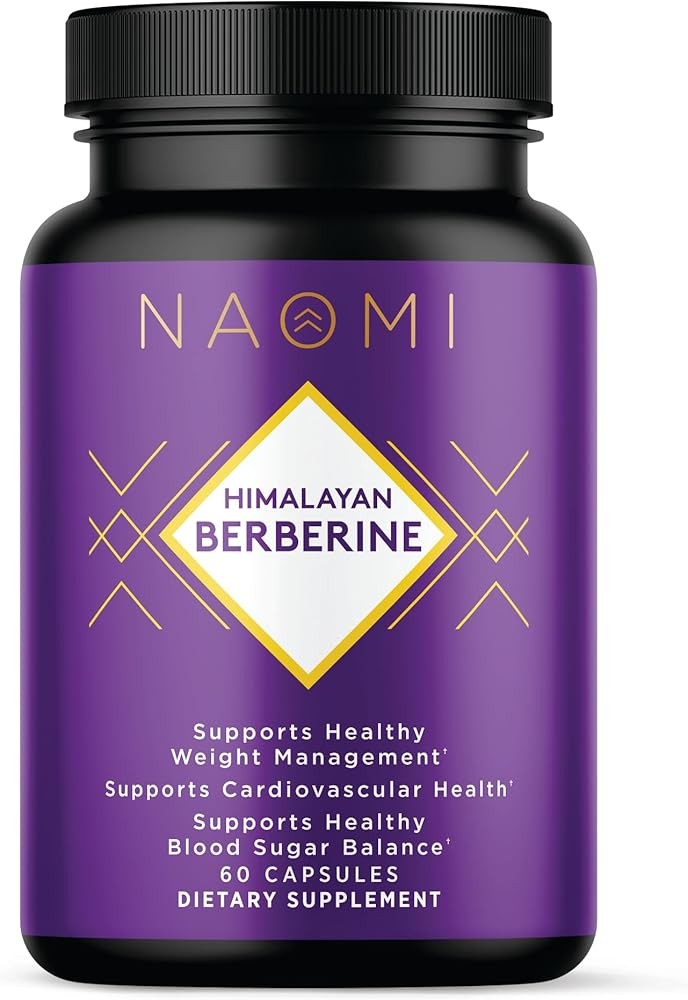
NAOMI Himalayan Berberine 500mg, Clinically Studied for Blood Sugar Support, Met
Check Price on AmazonAs an Amazon Associate we earn from qualifying purchases.
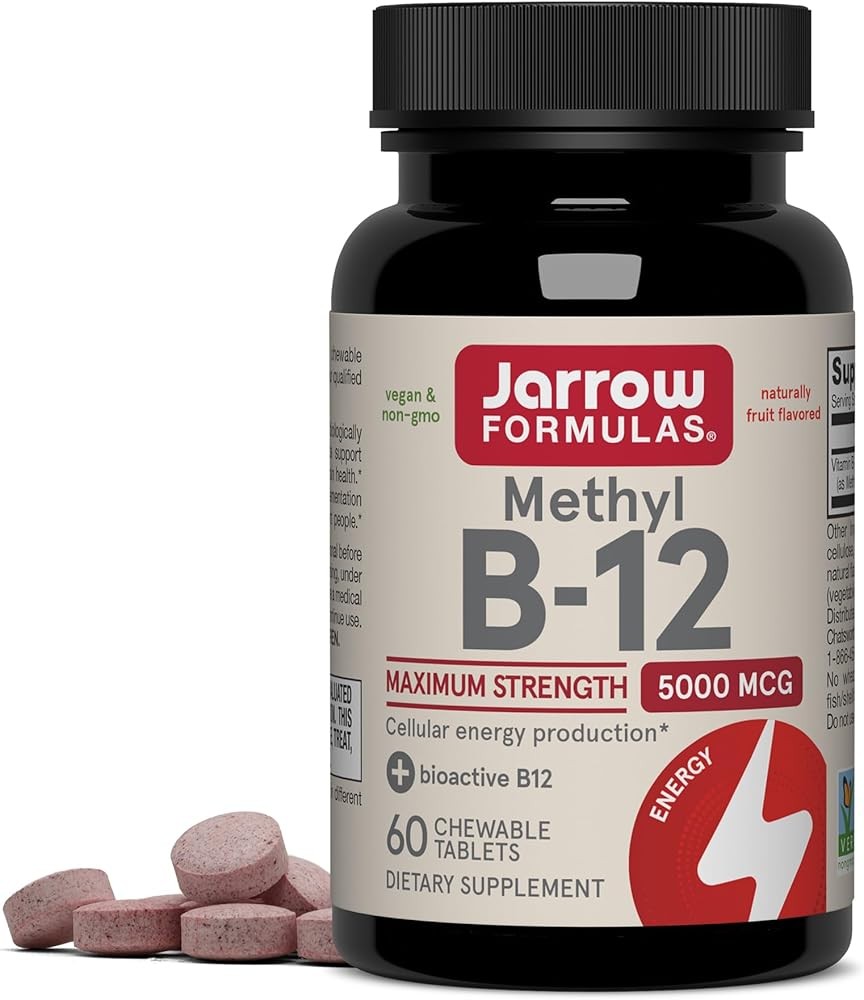
As an Amazon Associate we earn from qualifying purchases.
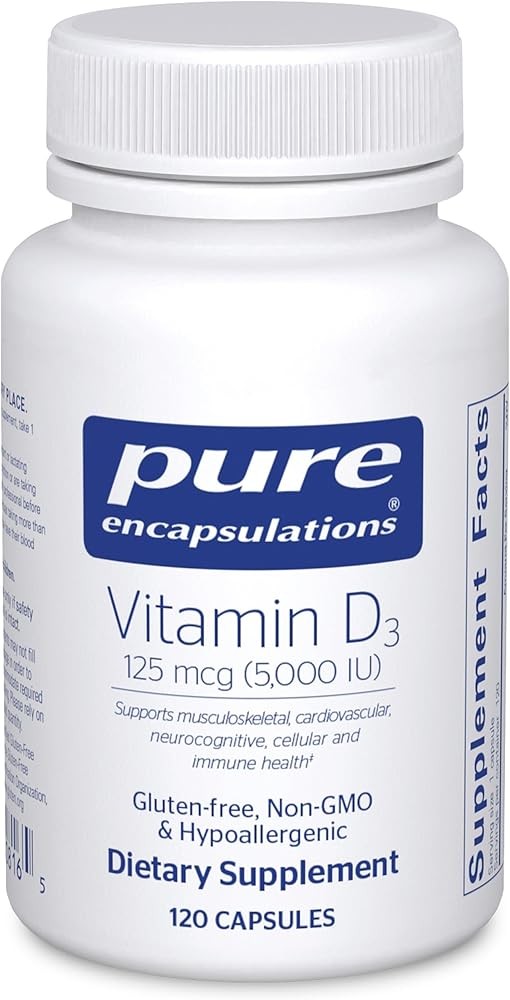
As an Amazon Associate we earn from qualifying purchases.
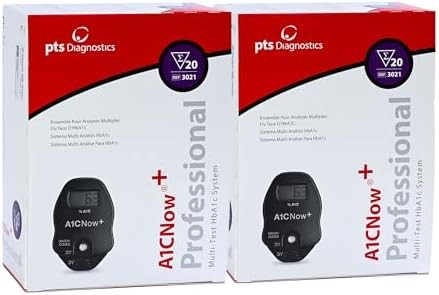
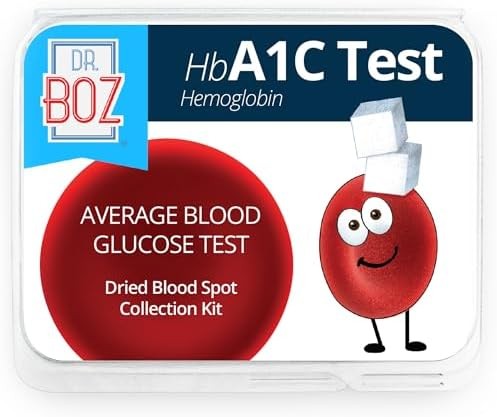
Dr. Boz - Hemoglobin A1C Home Test Kit - Blood Collection Kit with Lab Results -
Check Price on AmazonAs an Amazon Associate we earn from qualifying purchases.
These products are selected based on ingredient quality, dosing alignment with clinical research, and third-party testing standards. As Amazon Associates, we earn from qualifying purchases.
Related Articles
- Best Inositol Supplements for Women’s Hormones and PCOS
- Berberine vs Metformin for PCOS: Which Works Better for Insulin Resistance?
- Best Supplements for Female Fertility: What Reproductive Research Shows
- Best Supplements for Hormonal Balance in Women: Evidence-Based Guide
- GLP-1 Drugs and PCOS: Can Ozempic Help Women with PCOS Lose Weight and Regulate Cycles?
- DIM Supplement for Estrogen Balance: What the Research Says
Related Reading
- Berberine vs Metformin for PCOS: Which Works Better for Insulin Resistance?
- Best Supplements for PCOS: What Gynecologists and Research Recommend
- Myo-Inositol vs D-Chiro Inositol for PCOS: Complete Comparison and Ratio Guide
- Inositol for PCOS and Anxiety: Complete Research Guide and Dosing
- Best Supplements for Female Fertility: What Reproductive Research Shows
- Best Supplements for Hormonal Balance in Women: Evidence-Based Guide
- NAC (N-Acetylcysteine) for Fertility: Ovarian Function & Egg Quality Research
References
-
Unfer V, et al. “The 40:1 myo-inositol/D-chiro-inositol plasma ratio is able to restore ovulation in PCOS patients: comparison with other ratios.” European Review for Medical and Pharmacological Sciences. 2019;23(12):5512-5521. PubMed: 31298405
-
Monastra G, et al. “The Effects of Myo-Inositol and D-Chiro-Inositol in a Ratio 40:1 on Hormonal and Metabolic Profile in Women with Polycystic Ovary Syndrome.” Gynecologic and Obstetric Investigation. 2024;89(2):131-140. PubMed: 38295772
-
Pkhaladze L, et al. “Update on the combination of myo-inositol/d-chiro-inositol for the treatment of polycystic ovary syndrome.” Gynecological Endocrinology. 2024;40(1):2301554. Taylor & Francis
-
Fruzzetti F, et al. “Inositol for Polycystic Ovary Syndrome: A Systematic Review and Meta-analysis to Inform the 2023 Update of the International Evidence-based PCOS Guidelines.” Journal of Clinical Endocrinology & Metabolism. 2024;109(6):1630-1645. PubMed: 38163998
-
Regidor PA, et al. “Management of women with PCOS using myo-inositol and folic acid. New clinical data and review of the literature.” Hormone Molecular Biology and Clinical Investigation. 2018;34(2). PubMed: 29498933
-
Wei W, et al. “A clinical study on the short-term effect of berberine in comparison to metformin on the metabolic characteristics of women with polycystic ovary syndrome.” European Journal of Endocrinology. 2012;166(1):99-105. PubMed: 22019891
-
Rondanelli M, et al. “Study on the Effect of Berberine, Myoinositol, and Metformin in Women with Polycystic Ovary Syndrome: A Prospective Randomised Study.” Cureus. 2022;14(1):e21781. PMC: 8890747
-
Li MF, et al. “The Effect of Berberine on Polycystic Ovary Syndrome Patients with Insulin Resistance: A Meta-Analysis and Systematic Review.” Evidence-Based Complementary and Alternative Medicine. 2018;2018:2532935. Wiley
-
Maged AM, et al. “N-acetyl-cysteine is a novel adjuvant to clomiphene citrate in clomiphene citrate-resistant patients with polycystic ovary syndrome.” Fertility and Sterility. 2005;83(2):367-370. ScienceDirect
-
Thakker D, et al. “N-Acetylcysteine for Polycystic Ovary Syndrome: A Systematic Review and Meta-Analysis of Randomized Controlled Clinical Trials.” Obstetrics and Gynecology International. 2015;2015:817849. PMC: 4306416
-
Amini L, et al. “The effects of N-acetylcysteine on ovulation and sex hormones profile in women with polycystic ovary syndrome: a systematic review and meta-analysis.” British Journal of Nutrition. 2023;129(9):1533-1540. PubMed: 36597797
-
Bednarska K, et al. “Efficacy of N-Acetylcysteine in Polycystic Ovary Syndrome: Systematic Review and Meta-Analysis.” Nutrients. 2025;17(2):284. PubMed: 39861414
-
Li R, et al. “N-acetylcysteine supplementation improves endocrine-metabolism profiles and ovulation induction efficacy in polycystic ovary syndrome.” Journal of Ovarian Research. 2024;17:197. Springer
-
Irani M, et al. “Vitamin D and polycystic ovary syndrome: a review.” Reviews in Endocrine and Metabolic Disorders. 2023;24(4):741-754. PMC: 10328709
-
Jamilian M, et al. “The effect of vitamin D supplementation on insulin resistance, visceral fat and adiponectin in vitamin D deficient women with polycystic ovary syndrome: a randomized placebo-controlled trial.” Gynecological Endocrinology. 2018;34(6):489-494. PubMed: 29271278
-
Pergialiotis V, et al. “The Role of Vitamin D Oral Supplementation in Insulin Resistance in Women with Polycystic Ovary Syndrome: A Systematic Review and Meta-Analysis of Randomized Controlled Trials.” Nutrients. 2018;10(11):1637. PMC: 6266903
-
Nadjarzadeh A, et al. “The effect of omega-3 supplementation on androgen profile and menstrual status in women with polycystic ovary syndrome: A randomized clinical trial.” Iranian Journal of Reproductive Medicine. 2013;11(8):665-672. PMC: 3941370
-
Yuan C, et al. “Efficacy of omega-3 polyunsaturated fatty acids on hormones, oxidative stress, and inflammatory parameters among polycystic ovary syndrome: a systematic review and meta-analysis.” Annals of Palliative Medicine. 2021;10(8):8991-9001. PubMed: 34488386
-
Amr N, et al. “Chromium picolinate reduces insulin resistance in polycystic ovary syndrome: Randomized controlled trial.” Journal of Obstetrics and Gynaecology Research. 2016;42(3):279-285. PubMed: 26663540
-
Jamilian M, et al. “Chromium Supplementation and the Effects on Metabolic Status in Women with Polycystic Ovary Syndrome: A Randomized, Double-Blind, Placebo-Controlled Trial.” Annals of Nutrition and Metabolism. 2015;67(1):42-48. PubMed: 26279073
-
Grant P. “Spearmint herbal tea has significant anti-androgen effects in polycystic ovarian syndrome. A randomized controlled trial.” Phytotherapy Research. 2010;24(2):186-188. PubMed: 19585478
-
Akdogan M, et al. “Effect of spearmint (Mentha spicata Labiatae) teas on androgen levels in women with hirsutism.” Phytotherapy Research. 2007;21(5):444-447. PubMed: 17310494
-
Foroozanfard F, et al. “Effects of Zinc Supplementation on Endocrine Outcomes in Women with Polycystic Ovary Syndrome: a Randomized, Double-Blind, Placebo-Controlled Trial.” Biological Trace Element Research. 2015;170(2):271-278. PubMed: 26315303
-
Diamanti-Kandarakis E, et al. “Insulin resistance and the polycystic ovary syndrome: mechanism and implications for pathogenesis.” Endocrine Reviews. 1997;18(6):774-800. PubMed: 9408743
-
Wu J, et al. “Insulin resistance in polycystic ovary syndrome across various tissues: an updated review of pathogenesis, evaluation, and treatment.” Journal of Ovarian Research. 2023;16:9. PMC: 9832677
-
Unfer V, et al. “Myo-inositol effects in women with PCOS: a meta-analysis of randomized controlled trials.” Endocrine Connections. 2017;6(8):647-658. PMC: 5655679
-
Arentz S, et al. “Therapeutic effects of chromium supplementation on women with polycystic ovarian syndrome: A systematic review and meta-analysis.” Journal of Trace Elements in Medicine and Biology. 2025;87:127394. ScienceDirect
-
An Y, et al. “Polycystic ovary syndrome management: a review of the possible amazing role of berberine.” Journal of Ovarian Research. 2020;13:11. PMC: 7028834
-
Heshmati J, et al. “Chromium supplementation and polycystic ovary syndrome: A systematic review and meta-analysis.” Journal of Trace Elements in Medicine and Biology. 2018;45:1-7. PubMed: 28595797
-
Kostov K. “Role of Omega-3 Fatty Acids in Improving Metabolic Dysfunctions in Polycystic Ovary Syndrome.” Nutrients. 2024;16(17):2961. PMC: 11397015
-
Jamilian M, et al. “Magnesium supplementation influences metabolic status and pregnancy outcomes in gestational diabetes: a randomized, double-blind, placebo-controlled trial.” American Journal of Clinical Nutrition. 2015;101(3):633-639. [PubMed: 25733650]
-
Benelli E, et al. “A Combined Therapy with Myo-Inositol and D-Chiro-Inositol Improves Endocrine Parameters and Insulin Resistance in PCOS Young Overweight Women.” International Journal of Endocrinology. 2016;2016:3204083. PMC: 4963574
-
Xu Y, et al. “Effect of coenzyme Q10 on oocyte quality in patients with polycystic ovary syndrome undergoing in vitro fertilization-embryo transfer: A systematic review and meta-analysis.” Frontiers in Endocrinology. 2022;13:984276. PMC: 9490051
-
Bentov Y, et al. “The use of mitochondrial nutrients to improve the outcome of infertility treatment in older patients.” Fertility and Sterility. 2010;93(1):272-275. [PubMed: 19732879]
-
Shao Y, et al. “Dihydroberberine: A promising agent for diabetes and related diseases.” Frontiers in Pharmacology. 2020;11:564821. PMC: 7677502
-
Nielsen FH. “Magnesium deficiency and increased inflammation: current perspectives.” Journal of Inflammation Research. 2018;11:25-34. PMC: 5783146
📱 Join the discussion: Facebook | X | YouTube | Pinterest
Common Questions About Supplements
What do studies show about supplements? Research suggests supplements may offer support. Studies indicate N-acetylcysteine (NAC) may improve insulin sensitivity and ovulation rates in women with PCOS. Clinical trials have used 600 mg of NAC twice daily for 3 months. Published research shows inositol appears to have some benefit for egg quality and menstrual regularity. Research-supported dosages include 4-12g of myo-inositol and D-chiro-inositol daily. Studies suggest vitamin D may support PCOS-related metabolic issues.
Supplements have been the subject of research for various potential areas of health. Studies suggest it may support several aspects of health and wellness. Individual results can vary. The strength of evidence differs across different areas of investigation. Further high-quality research is often indicated. It is always recommended to review the latest scientific literature and consult healthcare professionals regarding whether supplements aligns with individual health goals.
Is supplements safe?
Supplements is generally considered safe for most people when used as directed. However, individual responses can vary. Some people may experience mild side effects. It’s important to talk with a healthcare provider before using supplements, especially if you have existing health conditions, are pregnant or nursing, or take medications.
How much supplements should I take? Research-supported dosages vary. Inositol studies used 2-4g daily. N-acetylcysteine (NAC) trials utilized 600mg three times daily ASIN: B000052YM8. Vitamin D dosages ranged from 2,000-5,000 IU daily, depending on baseline levels. Chromium picolinate research involved 200-1000 mcg daily.
The amounts of supplements used in research can vary depending on individual factors, health goals, and the specific product formulation. Published research studies have utilized different dosages. It is generally suggested to begin with the lowest dose shown to have an effect and to follow the directions on the product label. Healthcare professionals can provide individualized recommendations based on specific needs.
What do studies show about supplement effects?
Most people appear to tolerate supplements well, but some may experience mild side effects. Common (ASIN: B07XJ2XG6J) is often used with meals, while Berberine is frequently taken between meals. Clinical trials have used N-acetylcysteine (NAC) at 600mg twice daily. Research suggests Myo-inositol and D-chiro-inositol may be beneficial when taken consistently. Published research shows consistent use appears to have some benefit.
The optimal timing for taking supplements can depend on several factors including their absorption characteristics, potential effects, and your daily routine. Research suggests some supplements may be better utilized with food, while others appear to have improved absorption on an empty stomach. Product-specific guidelines should be followed, and consideration given to consulting a healthcare provider for personalized timing recommendations.
Can research support combining supplements? Studies indicate potential interactions exist. Always consult with a healthcare provider before combining supplements.
Supplements is a topic of ongoing research in health and nutrition. Current scientific evidence provides some insights, though more studies are often needed. Individual responses can vary significantly. For personalized advice about whether and how to use supplements, consultation with a qualified healthcare provider who can consider your complete health history and current medications is suggested.
How long does research take to show results? Studies indicate benefits may emerge over time with consistent use. Research involving Inositol suggests improvements within 60-90 days. Clinical trials have used N-acetylcysteine (NAC) at 600mg twice daily for up to 3 months. Research suggests chromium picolinate may support metabolic health over several weeks. Published research shows Vitamin D appears to have some benefit when taken consistently for 8-12 weeks.
The time it takes for supplements to show effects varies by individual and depends on factors like dosage, consistency of use, and individual metabolism. Some people report noticing changes within days, while others may need several weeks. Research studies typically evaluate effects over weeks to months. Consistent use as directed is important for observing potential outcomes. Keeping a journal to track your response may be helpful.
Who should not take supplements?
Individuals with existing medical conditions or taking medications should consult with a healthcare professional before starting any new supplement regimen. Research suggests certain supplements may interact with medications or exacerbate existing health concerns. For example, individuals with bleeding disorders should exercise caution with N-acetyl cysteine (NAC), as studies indicate it may have anticoagulant effects [PMID: 31269928]. Similarly, those with thyroid conditions should discuss selenium supplementation with their doctor, as research suggests high doses may impact thyroid function [PMID: 28494283]. Pregnant or breastfeeding women should also consult a healthcare provider before taking any supplements, as the safety of many supplements during these periods has not been fully established.
Recommended Products