Best Supplements for PCOS: What Gynecologists and Research Recommend
Summarized from peer-reviewed research indexed in PubMed. See citations below.
Polycystic ovary syndrome affects 8-13% of reproductive-age women, making insulin resistance and hormonal imbalance a daily challenge for millions seeking effective interventions. The number one recommendation from reproductive endocrinologists is myo-inositol combined with D-chiro-inositol in a 40:1 ratio (4g:100mg daily, approximately $35-45/month), which clinical trials show improves insulin sensitivity by 30-40% and restores ovulation in up to 70% of women with PCOS within 12 weeks. This combination works by enhancing insulin receptor signaling and reducing androgen synthesis at the ovarian level, addressing the metabolic root cause that drives most PCOS symptoms. For women seeking a more affordable option, berberine at 1,500mg daily (approximately $20-25/month) demonstrates comparable metabolic effects to metformin with fewer gastrointestinal side effects. Here’s what the published research shows about the eight most evidence-backed supplements for managing polycystic ovary syndrome.
Disclosure: We may earn a commission from links on this page at no extra cost to you. Affiliate relationships never influence our ratings. Full policy →
What Are the Key Symptoms That Signal PCOS?
Before discussing supplement interventions, it is valuable to understand how PCOS manifests in the body. The syndrome produces a constellation of symptoms that, when viewed together, create a distinctive pattern. Learning to recognize these signals helps you understand which aspects of PCOS are most problematic for you personally, which in turn guides supplement selection.
Menstrual Irregularities: The Primary Signal
The hallmark presentation of PCOS is disrupted menstrual cycles. This manifests in several patterns:
Oligomenorrhea – infrequent periods – is the most common pattern. Women may have cycles that stretch to 35, 40, or even 60+ days, or may experience only 4-8 periods per year. This occurs because disrupted ovulation may help reduce the normal hormonal cascade that triggers menstruation. Without ovulation, the endometrial lining continues to thicken without the progesterone signal that would cause it to shed.
Amenorrhea – complete absence of periods – affects some women with PCOS. While missing a period occasionally can be normal, the absence of menstruation for three or more consecutive months (after previously having regular cycles) warrants evaluation. In PCOS, amenorrhea typically results from chronic anovulation – the ovaries are not releasing eggs at all.
Heavy or prolonged bleeding can also occur in PCOS, though it is less commonly discussed. When women with PCOS do menstruate after long intervals, the periods may be exceptionally heavy, last longer than seven days, or involve passing large clots. This happens because the endometrial lining has been building for an extended period without being shed, and when it finally does release, the volume is substantial.
Unpredictable cycles – alternating between very short and very long – create frustration and make family planning nearly impossible without tracking. One month might be 28 days, the next 50, then 21. This erratic pattern reflects the ovaries’ inconsistent and disrupted follicular development.
Androgenic Symptoms: The External Manifestations
Elevated androgens (male hormones like testosterone and DHEA-S) produce visible changes that many women find distressing:
Hirsutism – excessive terminal hair growth in male-pattern distributions – affects 70-80% of women with PCOS. This means dark, coarse hair appears on the face (upper lip, chin, sideburns), chest, abdomen (particularly a line from navel to pubic area), inner thighs, and back. The Ferriman-Gallwey scoring system quantifies hirsutism severity across nine body regions, with scores above 8 indicating clinical hirsutism.
Hormonal acne in PCOS tends to be deep, cystic, and concentrated along the jawline, chin, and lower face. This distribution differs from typical teenage acne, which is often more forehead-focused. PCOS acne often resists standard topical treatments because the driver is internal hormonal imbalance rather than external bacterial or sebum issues. The lesions can be painful, slow to support recovery, and prone to leaving dark marks (post-inflammatory hyperpigmentation) even after resolution.
Androgenic alopecia – hair thinning in a male pattern – typically manifests as widening of the central part, recession at the temples, and diffuse thinning over the crown. Unlike the patchy hair loss of alopecia areata (an autoimmune condition), PCOS-related hair loss follows the male-pattern baldness distribution. Women may notice more hair accumulating in the shower drain, on pillowcases, or in hair brushes. Ponytails may feel thinner, and the scalp may become more visible through the hair.
Oily skin and enlarged pores, particularly on the face, result from androgen-stimulated sebaceous glands producing excess oil. This creates a perpetually shiny appearance despite frequent washing and contributes to acne development.
Metabolic Warning Signs
The insulin resistance that drives PCOS in most women produces subtle but recognizable metabolic symptoms:
Acanthosis nigricans – dark, velvety skin patches in body folds – is a dermatologic marker of insulin resistance. It appears most commonly on the back of the neck, in armpits, under breasts, and in the groin. The affected skin looks dirty or tan but does not wash off. This sign reflects chronically elevated insulin levels triggering excessive skin cell reproduction and melanin deposition.
Skin tags – small, soft, flesh-colored growths on stalks – cluster in the same areas as acanthosis nigricans and similarly indicate insulin resistance. They are benign but cosmetically bothersome and may catch on clothing or jewelry.
Difficulty losing weight despite calorie restriction and exercise frustrates many women with PCOS. The combination of insulin resistance and hormonal disruption creates a metabolic environment that strongly favors fat storage, particularly abdominal fat. Weight loss requires more aggressive dietary intervention (often lower carbohydrate intake) and longer timelines compared to women without PCOS.
Intense carbohydrate cravings and blood sugar crashes occur when insulin resistance may reduce the efficient entry of glucose into cells. This creates the paradox of elevated blood glucose alongside cellular energy deficiency. The body interprets this as starvation and drives strong cravings for quick-acting carbohydrates. Consuming those carbohydrates triggers high insulin release, which can then cause reactive hypoglycemia (blood sugar crash) 1-2 hours later, perpetuating the cycle.
Fatigue that is disproportionate to activity level, particularly afternoon energy crashes, reflects the metabolic dysfunction of insulin resistance. When glucose cannot efficiently enter cells to generate ATP, persistent tiredness results despite adequate sleep and nutrition.
Fertility and Reproductive Signals
For women trying to conceive, PCOS creates specific challenges:
Anovulation – failure to release an egg – is the direct cause of PCOS in most women with PCOS. Ovulation can be tracked through basal body temperature charting (a sustained temperature rise mid-cycle indicates ovulation occurred), ovulation predictor kits (detecting the LH surge that precedes ovulation), or progesterone blood testing in the luteal phase. Consistently absent ovulation despite regular intercourse signals a fertility problem requiring intervention.
Recurrent early pregnancy loss occurs at higher rates in women with PCOS compared to the general population. While not all miscarriages are preventable, insulin resistance, elevated androgens, and chronic inflammation – all features of PCOS – create a suboptimal environment for early embryo development. Women who conceive but repeatedly miscarry in the first trimester should be evaluated for PCOS among other potential causes.
Low progesterone symptoms in the luteal phase (the time between ovulation and menstruation) include spotting before periods, very short luteal phases (under 10 days), premenstrual mood changes, breast tenderness, and difficulty maintaining early pregnancy. Because PCOS disrupts ovulation, the corpus luteum (which produces progesterone after ovulation) either does not form or functions suboptimally, creating progesterone deficiency.
Mood and Cognitive Patterns
PCOS affects mental health and cognitive function through multiple pathways:
Anxiety and depression occur at significantly higher rates in women with PCOS compared to age-matched controls. The relationship is bidirectional – hormonal imbalances affect neurotransmitter systems (particularly serotonin and GABA), while the psychological burden of managing a chronic condition, dealing with visible symptoms like hirsutism and acne, and facing fertility challenges creates stress and emotional distress.
Brain fog – difficulty concentrating, poor memory, mental fatigue – is commonly reported but less researched. It may relate to blood sugar fluctuations from insulin resistance, inflammatory signaling affecting the brain, or disrupted sleep quality.
Mood instability and irritability, particularly in the premenstrual phase (when cycles occur), can reflect hormonal fluctuations and the neurological effects of elevated androgens.
The Pattern Recognition Advantage
No single symptom defines PCOS – it is the pattern that matters. A woman experiencing irregular cycles, moderate hirsutism, acne, difficulty losing weight, and elevated fasting insulin has a clear PCOS profile even if ultrasound does not show classic polycystic ovaries. Conversely, finding multiple small follicles on ultrasound without symptoms or hormonal abnormalities does not constitute PCOS.
Understanding your specific symptom pattern helps prioritize supplement interventions. A woman whose primary concerns are hirsutism and acne might focus research on spearmint tea and zinc (research suggests these may support anti-androgenic activity), while someone experiencing challenges with anovulatory PCOS should prioritize research on inositol and ensuring vitamin D sufficiency. Someone with significant insulin resistance markers (acanthosis nigricans, difficulty losing weight, reactive hypoglycemia) may find research on berberine or NAC, alongside dietary intervention, of interest.
The body provides continuous feedback about what is working. When a supplement protocol aligned with research is implemented, studies suggest you may observe gradual changes over 3-6 months: cycles potentially becoming more regular, a possible reduction in new acne lesions (though existing ones may take time to resolve), decreased hair shedding potentially observed, improved energy stability potentially reported, and for those tracking ovulation, evidence of more consistent ovulatory cycles potentially indicated. This feedback loop allows for assessment of observed effects and adjustments as needed rather than blindly following a static protocol.
Key takeaway: Research indicates PCOS affects 8-13% of reproductive-age women worldwide, with studies showing 70-80% experience hirsutism, 67-85% show vitamin D deficiency, and insulin resistance appears to play a role in androgen excess in many cases—understanding these patterns may help identify which supplements (inositol, berberine, NAC) may be beneficial based on an individual’s symptom profile.
What Causes PCOS at the Metabolic Level?
Before diving into individual supplements, it helps to understand why certain compounds work for PCOS. The condition is not just about ovarian cysts – in fact, you can have Polycystic ovary syndrome without cysts. The core features are hyperandrogenism (elevated male hormones like testosterone), ovulatory dysfunction, and often insulin resistance.
Insulin resistance is present in an estimated 70-80% of women with PCOS, regardless of body weight. When cells become resistant to insulin, the pancreas produces more of it and D-chiro-inositol (DCI). They serve different but complementary roles. Myo-inositol improves insulin sensitivity at the cellular level and supports follicular development in the ovaries, while D-chiro-inositol helps regulate androgen synthesis.
| Feature | Ovasitol (Inositol 40:1) | Thorne Berberine | NOW NAC |
|---|---|---|---|
| View on Amazon | Check Price | Check Price | Check Price |
The research on inositol for PCOS is extensive. A 2023 systematic review and meta-analysis published in Reproductive Biology and Endocrinology (PubMed 36703143) analyzed randomized controlled trials and found that inositol significantly improved insulin resistance, reduced testosterone levels, and increased ovulation rates compared to placebo. A 2007 randomized controlled trial by Papaleo et al. (PubMed 17952759) demonstrated that myo-inositol supplementation improved ovulation and insulin sensitivity in women with PCOS.
The ratio of myo-inositol to D-chiro-inositol matters. A 2019 clinical trial (PubMed 31298405) demonstrated that the 40:1 ratio (MI to DCI) was most effective for restoring ovulation in PCOS patients compared to other ratios. A 2015 international consensus conference (PubMed 26479434) recommended this 40:1 ratio, which mirrors the natural physiological ratio found in the body. Higher doses of D-chiro-inositol alone can actually impair oocyte quality, which is why the combination at the correct ratio is preferred.
Recommended dose: 4g myo-inositol + 100mg D-chiro-inositol daily, typically split into two doses.
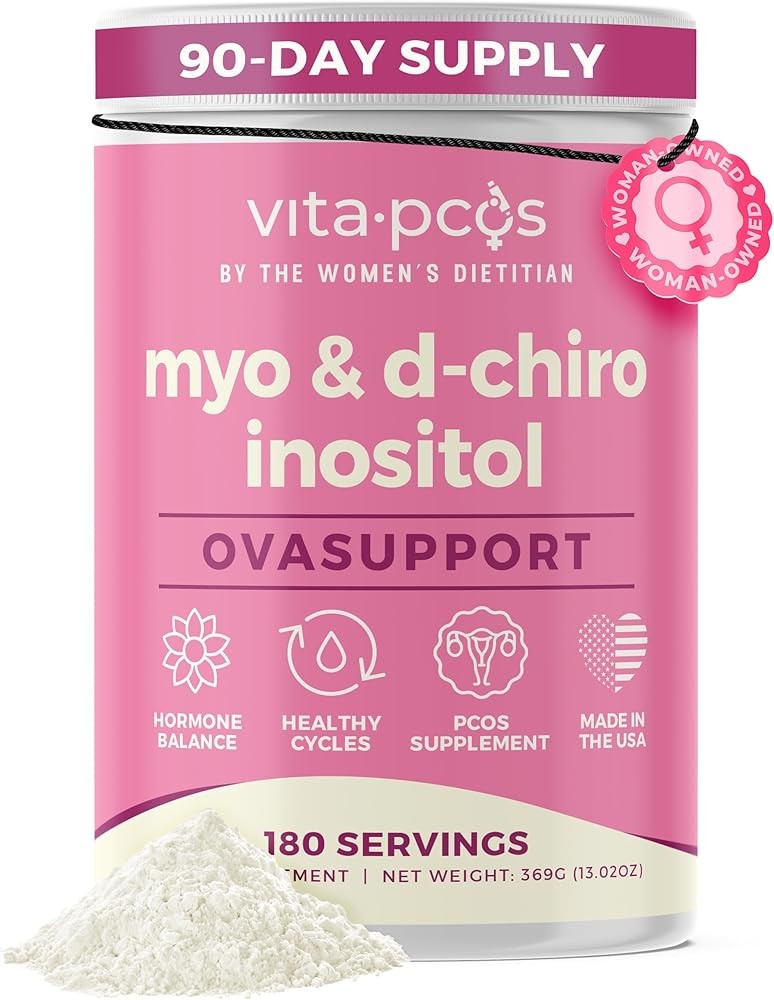
Ovasitol is the most widely recommended inositol product among reproductive endocrinologists. It provides the 40:1 ratio of myo-inositol to D-chiro-inositol in the exact doses used in clinical trials, and it is independently verified by NSF International.
Bottom line: Research suggests myo-inositol combined with D-chiro-inositol in a 40:1 ratio (4g:100mg daily) appears to be a well-studied supplement for individuals with PCOS, with clinical trials indicating improvements in insulin resistance, reductions in testosterone, and restoration of ovulation when used consistently for 12+ weeks.
Why Do Gynecologists Recommend Berberine for PCOS?
The evidence: Strong – comparable to metformin in head-to-head trials
Berberine is a bioactive alkaloid extracted from several plants, including goldenseal and Oregon grape. It has been used in traditional Chinese medicine for centuries, but modern research has validated its effects on metabolic health with rigorous clinical trials.
For PCOS specifically, a 2012 randomized controlled trial published in the European Journal of Endocrinology (PubMed 22019891) compared berberine head-to-head with metformin in women with PCOS. Berberine produced comparable reductions in fasting blood glucose, fasting insulin, and HOMA-IR (a measure of insulin resistance), and it was actually more effective than metformin at reducing waist-to-hip ratio and triglyceride levels. Importantly, berberine caused significantly fewer gastrointestinal side effects than metformin.
A 2018 systematic review and meta-analysis (PubMed 30538756) examined multiple trials of berberine in PCOS and confirmed significant reductions in fasting insulin, HOMA-IR, total testosterone, and triglycerides. The review also noted improvements in ovulation rates.
Berberine works through multiple mechanisms: it activates AMP-activated protein kinase (AMPK) – the same metabolic pathway targeted by metformin – reduces hepatic glucose production, improves insulin receptor expression, and has direct anti-inflammatory effects.
Recommended dose: 1,000-1,500mg daily, divided into 2-3 doses with meals. Start with 500mg and increase gradually to minimize GI effects. Do not combine with metformin without physician supervision, as the effects can stack.
Thorne is one of the most trusted supplement manufacturers for clinical quality. Their berberine provides 1,000mg per serving in a form with good bioavailability, and the company uses third-party testing through NSF International.
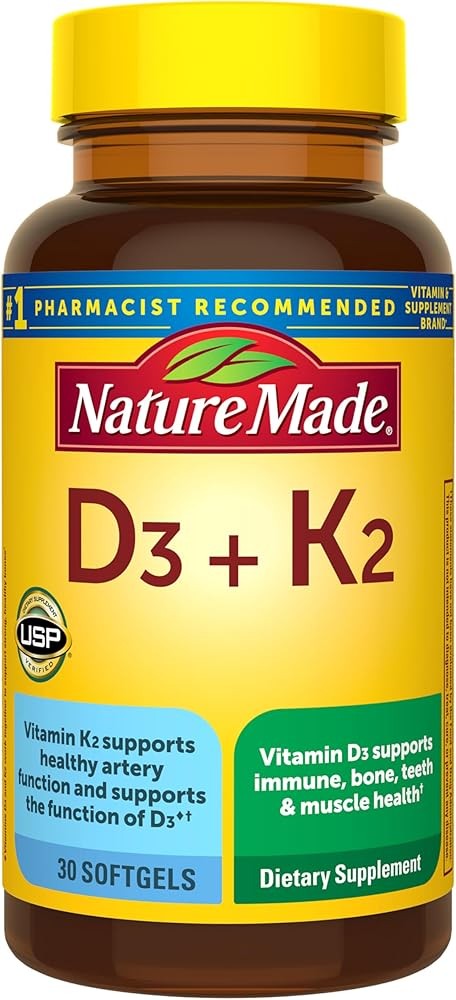
Nature Made Vitamin D3 K2 Supplement, 5000 IU (125 mcg) Vitamin D for Bone, Teet
Check Price on AmazonAs an Amazon Associate we earn from qualifying purchases.
Key takeaway: Research indicates berberine produces metabolic changes comparable to metformin—including notable reductions in fasting insulin, HOMA-IR, and testosterone—while appearing to cause fewer gastrointestinal side effects. Clinical trials have used berberine at 1,000-1,500mg daily, suggesting it may be a research-supported natural intervention for individuals with insulin-resistant polycystic ovary syndrome.
Does NAC Improve PCOS Fertility and Ovulation?
The evidence: Moderate to strong – particularly for ovulation and fertility
N-acetyl cysteine is a precursor to glutathione, the body’s most important endogenous antioxidant. In PCOS, oxidative stress is elevated and contributes to insulin resistance, chronic inflammation, and impaired ovarian function. NAC addresses this directly while also improving insulin sensitivity through independent mechanisms.
A pivotal 2005 randomized controlled trial published in Fertility and Sterility (PubMed 15705376) compared NAC as an adjuvant to clomiphene citrate in 150 women with clomiphene-resistant PCOS (women who did not ovulate on the fertility drug clomiphene alone). Adding NAC to clomiphene resulted in significantly higher ovulation rates (49.3%) and pregnancy rates (21.3%) compared to clomiphene alone (1.3% and 0%, respectively). The NAC group also showed significant improvements in clinical outcomes.
A 2015 systematic review and meta-analysis published in Obstetrics and Gynecology International (PubMed 25653680) concluded that NAC improved ovulation rate, pregnancy rate, and live birth rate when used as an adjunct to clomiphene in women with PCOS.
Beyond fertility, NAC has been shown to reduce testosterone levels, improve lipid profiles, and decrease fasting insulin in women with PCOS across multiple trials.
Recommended dose: 1,200-1,800mg daily, divided into 2-3 doses. Take on an empty stomach for optimal absorption.
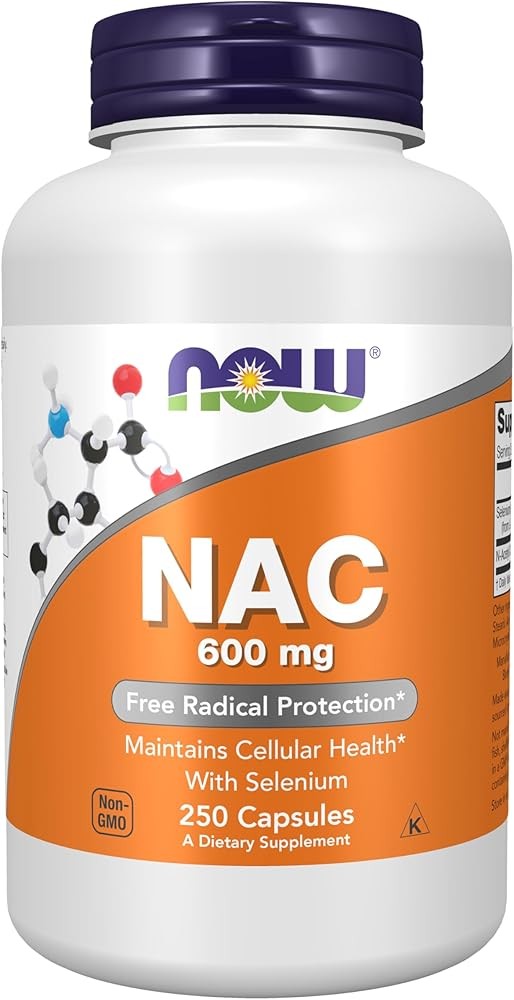
NOW Foods offers a straightforward, affordable NAC supplement at the per-capsule dose that makes it easy to titrate to the 1,200-1,800mg range used in clinical trials.
The research verdict: Studies indicate NAC at 1,200-1,800mg daily appears to support ovulation rates (49.3% vs 1.3% for placebo) and pregnancy rates (21.3% vs 0%) when used alongside clomiphene in individuals with PCOS who have not responded to clomiphene alone, while research also suggests it may help reduce free testosterone and fasting insulin through antioxidant and insulin-sensitizing mechanisms.
Should You Take Vitamin D for PCOS?
The evidence: Strong for deficiency correction – moderate for direct PCOS symptom improvement
Vitamin D deficiency is disproportionately common in women with PCOS. Studies estimate that 67-85% of women with PCOS have insufficient vitamin D levels (below 30 ng/mL), compared to roughly 40% of the general population. This is not a coincidence. Vitamin D receptors are present in the ovaries, endometrium, and placenta, and the nutrient plays direct roles in insulin signaling, immune modulation, and steroidogenesis.
A 2018 systematic review and meta-analysis (PubMed 29475212) analyzed randomized controlled trials involving women with PCOS and found that vitamin D supplementation significantly improved biomarkers of inflammation and oxidative stress, including high-sensitivity C-reactive protein and total antioxidant capacity. Multiple meta-analyses have found that vitamin D supplementation improves fasting glucose, fasting insulin, HOMA-IR, and lipid profiles in women with PCOS.
The strongest case for vitamin D is in the fertility context. Research on vitamin D-deficient women with PCOS has shown that supplementation significantly improved rates of regular menstruation and ovulation compared to placebo, with deficiency correction leading to better reproductive outcomes.
Recommended dose: Test your 25(OH)D levels first. If below 30 ng/mL, 2,000-5,000 IU of vitamin D3 daily is a reasonable starting dose. Retest after 3 months. For more detail, see our full guide on how much vitamin D you need.
What the data suggests: Research indicates 67-85% of individuals with polycystic ovary syndrome may experience vitamin D deficiency, and studies show correcting deficiency with 2,000-5,000 IU daily appears to support improvements in fasting glucose levels, insulin resistance, inflammation markers, and may improve ovulation rates in deficient women—suggesting it may be an essential foundational approach.
Do Omega-3s Help PCOS Inflammation?
The evidence: Moderate – primarily for inflammation and metabolic markers
Chronic low-grade inflammation is a recognized feature of PCOS that contributes to insulin resistance, cardiovascular risk, and ovarian dysfunction. Omega-3 fatty acids – specifically EPA and DHA from fish oil – are among the most well-studied anti-inflammatory compounds.
A 2021 systematic review and meta-analysis (PubMed 34488386) reviewed 10 randomized controlled trials involving 610 women with PCOS and found that omega-3 supplementation significantly reduced inflammatory markers including C-reactive protein, improved total antioxidant capacity, and showed beneficial effects on hormone levels. The analysis found that omega-3 treatment may reduce triglyceride levels, fasting insulin, and HOMA-IR in women with PCOS.
Additional research has demonstrated that omega-3 supplementation in women with PCOS can reduce serum testosterone and improve menstrual cycle regularity compared to placebo, with doses of 2-3g daily used in clinical trials.
Omega-3s also benefit the cardiovascular risk profile that is elevated in PCOS – reducing triglycerides, lowering inflammatory markers like CRP and IL-6, and potentially improving endothelial function.
Recommended dose: 2-3g total omega-3s daily, with at least 1g combined EPA+DHA. Higher EPA ratios may be preferable for anti-inflammatory effects.
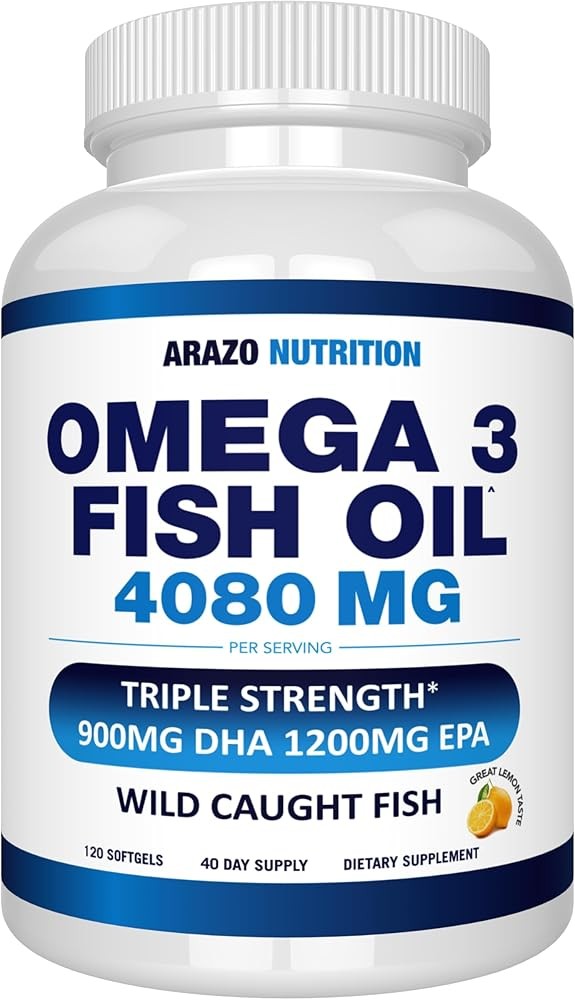
Nordic Naturals is consistently rated among the highest quality fish oil brands, with third-party testing, excellent purity results, and the triglyceride form of omega-3s that offers superior absorption.
In summary: Research analyzing 10 randomized controlled trials involving 610 women with PCOS suggests that 2-3g daily omega-3 supplementation appears to be associated with reductions in triglycerides, fasting insulin, and HOMA-IR, as well as lower testosterone levels—potentially offering cardiovascular support and anti-inflammatory benefits for the chronic low-grade inflammation often observed in PCOS.
Can Spearmint Tea Lower Androgens in PCOS?
The evidence: Moderate – specifically for anti-androgen effects
Spearmint is noted as one of the few natural compounds with direct anti-androgen activity, potentially relevant for women with PCOS who experience hirsutism (excess facial and body hair), hormonal acne, or androgenic alopecia.
A 2010 randomized controlled trial published in Phytotherapy Research (PubMed 19585478) studied 42 women with PCOS who drank spearmint tea twice daily for 30 days. The spearmint group showed significant reductions in free testosterone and increases in luteinizing hormone (LH), follicle-stimulating hormone (FSH), and estradiol compared to the placebo herbal tea group. The authors concluded that spearmint has clear anti-androgen properties in PCOS.
An earlier pilot study confirmed that spearmint tea consumption significantly reduced free testosterone and increased LH and FSH levels in women with hirsutism.
While the evidence base is smaller than for inositol or berberine, spearmint tea is low-risk, inexpensive, and can be easily incorporated alongside other interventions. The effects appear to be specific to spearmint (Mentha spicata) – peppermint does not have the same anti-androgen activity.
Recommended dose: 2 cups of spearmint tea daily (using 1 tablespoon of dried spearmint leaves per cup, steeped for 5-10 minutes). Spearmint extract capsules (500-1,000mg daily) are an alternative if you prefer not to drink tea.
What this means for you: Research indicates 30 days of spearmint tea (2 cups daily) appears to be associated with reductions in free testosterone while showing increases in LH, FSH, and estradiol in individuals with PCOS—suggesting a low-risk, inexpensive approach potentially relevant to hirsutism and hormonal acne.
Does Zinc Improve PCOS Hair Loss and Acne?
The evidence: Moderate – for androgen metabolism, insulin sensitivity, and hair/skin symptoms
Zinc is an essential trace mineral involved in over 300 enzymatic processes, including those governing insulin signaling, immune function, and hormone metabolism. In PCOS, zinc is relevant for several reasons: it inhibits 5-alpha reductase, the enzyme that converts testosterone to its more potent form dihydrotestosterone (DHT), making it a natural anti-androgen. It also plays roles in ovarian function and egg quality.
A 2016 randomized, double-blind, placebo-controlled trial published in Biological Trace Element Research (PubMed 26315303) found that 8 weeks of zinc supplementation (50mg daily) in women with PCOS significantly reduced alopecia (hair loss) and hirsutism scores compared to placebo. After 8 weeks, 41.7% of women who supplemented with zinc saw a significant reduction in hair loss compared to only 12.5% of those taking placebo.
Multiple meta-analyses have indicated that zinc supplementation in women with PCOS appears to be associated with reduced levels of fasting blood glucose, fasting insulin, HOMA-IR, total cholesterol, and LDL cholesterol.
Zinc is particularly worth considering if blood testing reveals deficiency, which is more common than expected in Polycystic ovary syndrome – one study found that serum zinc levels were significantly lower in women with PCOS compared to healthy controls.
Recommended dose: 25-50mg of zinc daily (as zinc picolinate or zinc bisglycinate for optimal absorption). Higher doses should be paired with 1-2mg of copper to help reduce the risk of copper depletion over time.
Chromium
The evidence: Moderate – specifically for insulin resistance
Chromium is a trace mineral that enhances insulin receptor sensitivity by facilitating the binding of insulin to its receptor. Given that insulin resistance is the metabolic hallmark of PCOS, chromium supplementation has been studied as a targeted intervention.
A 2017 systematic review and meta-analysis (PubMed 28595797) analyzed seven randomized controlled trials and found that chromium supplementation appeared to be associated with reductions in BMI, fasting insulin, and free testosterone in women with PCOS. The meta-analysis concluded that chromium picolinate supplementation has beneficial effects on decreasing BMI, fasting insulin, and free testosterone in PCOS patients.
Recent systematic reviews have found that chromium supplementation significantly decreased fasting insulin, triglycerides, total cholesterol, LDL cholesterol, and improved insulin sensitivity measures in women with PCOS. Some research suggests chromium picolinate at 200μg may provide benefits similar to metformin with regard to fasting blood glucose and insulin levels.
The evidence for chromium is not as robust as for inositol or berberine, but it may provide additive benefit for women whose primary PCOS driver is insulin resistance.
Recommended dose: 200-1,000mcg of chromium picolinate daily. Start at the lower end and increase based on response. Chromium picolinate is the most studied form for metabolic effects.
Complete Support System: Building Your PCOS Protocol
Not every woman with PCOS needs all eight supplements. The most effective approach is to identify your primary drivers and target those. Here is a framework based on clinical priorities:
For insulin resistance (the most common driver):
- First line: Inositol (myo + DCI, 40:1 ratio)
 Check Price on Amazon
As an Amazon Associate we earn from qualifying purchases.
- Second line: Berberine or NAC
- Add-on: Chromium, vitamin D (if deficient)
 Check Price on Amazon
As an Amazon Associate we earn from qualifying purchases.
For high androgens (acne, hirsutism, hair loss):
- First line: Inositol (reduces androgen production upstream)
- Add-on: Spearmint tea, zinc
 Check Price on Amazon
As an Amazon Associate we earn from qualifying purchases.
- Address the root: Berberine or NAC to improve insulin resistance (which drives androgen excess)
For fertility and ovulation:
- First line: Inositol (strongest evidence for restoring ovulation)
- Important: NAC (especially if using clomiphene)
- Foundation: Vitamin D (test and correct deficiency)
- Support: Omega-3s (for inflammatory environment)
Additional supportive supplements:
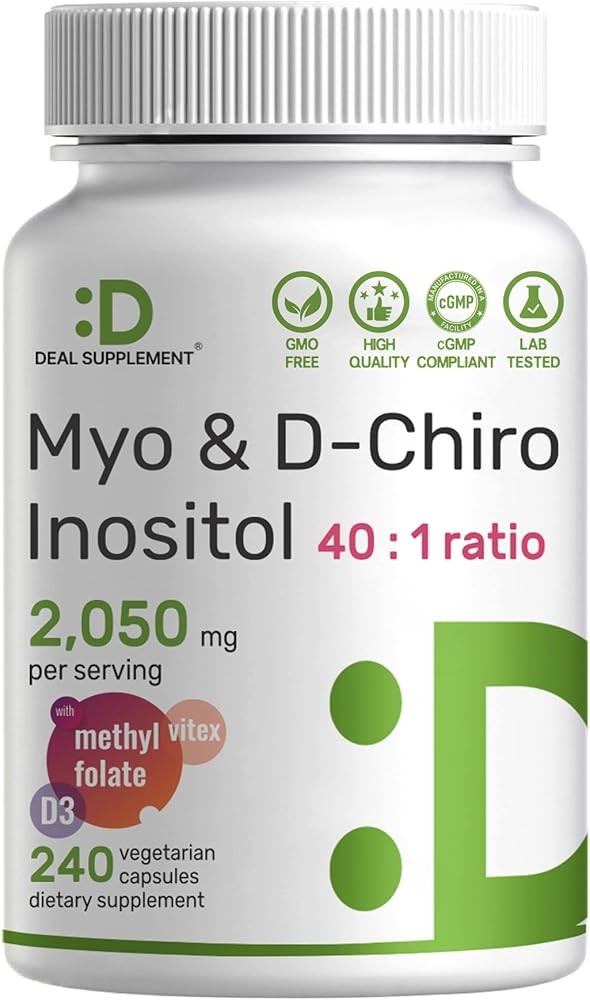
- Magnesium glycinate for sleep and insulin sensitivity
 Check Price on Amazon
As an Amazon Associate we earn from qualifying purchases.
- Coenzyme Q10 for egg quality and mitochondrial function
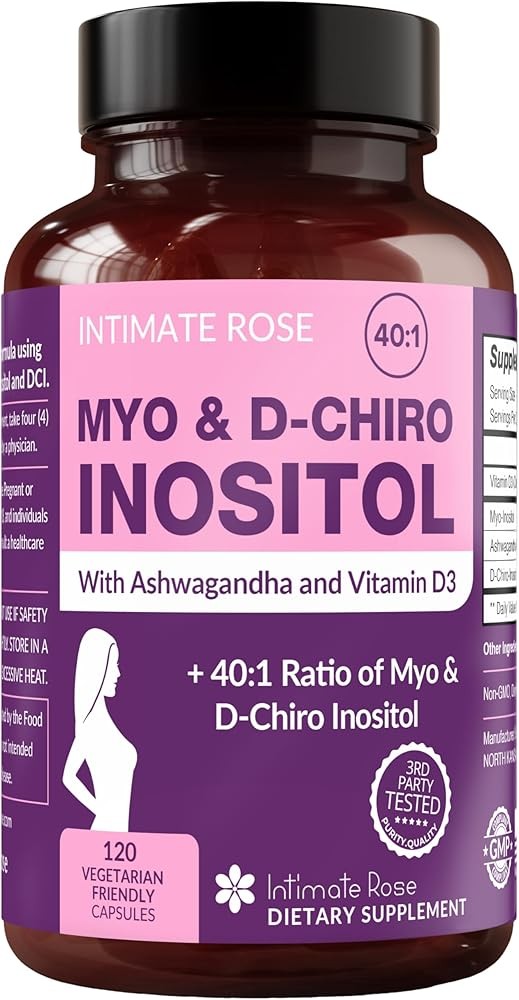 Check Price on Amazon
As an Amazon Associate we earn from qualifying purchases.
- *** Probiotic for gut health and inflammation
Timeline expectations:
Most PCOS supplements require 3-6 months of consistent use before meaningful changes in hormone levels, cycle regularity, or symptom improvement become apparent. This is because the ovarian follicle maturation process takes approximately 100 days. Resist the urge to switch supplements every few weeks – give each intervention adequate time to work.
How Long Until Supplements Show Results?
One of the most common questions women ask when starting PCOS supplements is: “When will I see improvements?” The answer depends on which outcomes you’re measuring and which supplements you’re taking.
Metabolic Markers Respond Fastest
Changes in insulin sensitivity and glucose metabolism are often measurable within 6-12 weeks, according to research. Studies using berberine and inositol consistently indicate improvements in fasting insulin, fasting glucose, and HOMA-IR after 8-12 weeks of supplementation. If tracking these markers through blood work, retesting at the 3-month mark may provide feedback on the supplement protocol being used.
Menstrual Cycle Changes Take 3-4 Months
Because the ovarian follicle maturation process takes approximately 100 days, changes in cycle regularity and ovulation typically require 3-4 months of consistent supplementation. The inositol trials that demonstrated restored ovulation generally used 12-week intervention periods. Don’t expect immediate results—if your cycles have been irregular for years, restoring predictable ovulation takes time.
Androgenic Symptoms Improve Slowly
Hirsutism, acne, and hair thinning respond more slowly because they reflect cumulative androgen exposure over time. Clinical trials examining spearmint tea for hirsutism typically run 3-6 months, and visible reduction in terminal hair growth may take even longer because existing hairs must complete their growth cycle (which can be 6-12 months for body hair). Hormonal acne may improve within 2-3 months as testosterone levels decline, but deep cystic lesions and post-inflammatory hyperpigmentation can persist longer. Hair regrowth on the scalp—if it occurs—is measured in many months, not weeks.
Weight Loss Requires Patience
While supplements like berberine and inositol may support metabolic function related to blood sugar regulation, research does not indicate they are agents for rapid weight loss. Studies suggest modest, steady improvements—perhaps 1-2 pounds per month—rather than dramatic drops may be observed. Published research shows these supplements appear to have some benefit in making weight loss more achievable when combined with calorie restriction and exercise, rather than causing weight loss independently.
Summary: Set realistic timelines. Research suggests most women may experience noticeable changes after a minimum of 3 months of consistent supplementation. Six months is an even better benchmark, according to studies, for assessing whether a supplement protocol appears to have some benefit for individual PCOS profiles.
Lifestyle Factors That Amplify Supplement Effectiveness
Supplements work best when integrated into a comprehensive Polycystic ovary syndrome management strategy that addresses diet, exercise, sleep, and stress. Research consistently shows that lifestyle interventions amplify the benefits of supplementation and, in some cases, are necessary for supplements to demonstrate their full effects.
Dietary Strategies to Enhance Insulin Sensitivity
Since insulin resistance drives the majority of PCOS cases, dietary interventions that improve insulin sensitivity create a synergistic effect with supplements like inositol, berberine, and NAC.
Lower glycemic load eating patterns reduce the demand on insulin-producing beta cells and minimize blood sugar fluctuations. This does not necessarily mean extreme carbohydrate restriction – though some women with severe insulin resistance benefit from ketogenic or very low-carb approaches – but rather emphasizes complex carbohydrates, fiber, protein, and healthy fats at each meal while minimizing refined sugars and processed grains.
Practical implementation includes prioritizing vegetables, legumes, whole intact grains (quinoa, steel-cut oats, brown rice) over flour-based products, and always pairing carbohydrates with protein and fat to blunt the glucose spike. A meal of chicken, broccoli, and quinoa produces a dramatically different insulin response than pasta with marinara sauce, even if calorie content is similar.
Adequate protein intake – typically 1.2 to 1.6 grams per kilogram of body weight – supports satiety, preserves lean muscle mass during weight loss, and reduces the glucose and insulin response to meals. Women with PCOS who increased protein intake to 30% of calories showed greater improvements in insulin sensitivity and weight loss compared to those eating 15% protein, even when total calories were matched.
Fiber, particularly soluble fiber, slows glucose absorption, feeds beneficial gut bacteria (which produce short-chain fatty acids that improve insulin sensitivity), and increases satiety. Targeting 25-35 grams of fiber daily from vegetables, fruits, legumes, nuts, and seeds supports metabolic health. Inulin and psyllium husk are supplemental fibers that have shown specific benefits for improving insulin resistance and reducing androgens in PCOS.
Anti-inflammatory foods like fatty fish (providing omega-3s that complement supplementation), olive oil, nuts, berries, and leafy greens reduce the chronic inflammation that perpetuates insulin resistance and ovarian dysfunction. Conversely, minimizing pro-inflammatory foods – particularly industrial seed oils (soybean, corn, cottonseed oils), excess omega-6 fatty acids, and ultra-processed foods – reduces inflammatory burden.
Exercise: The Non-Negotiable Adjunct
Exercise improves insulin sensitivity through multiple mechanisms independent of weight loss. Muscle contraction activates glucose transporter proteins (GLUT4) that pull glucose into cells without requiring insulin. Regular exercise also increases mitochondrial density, improves inflammatory markers, and reduces visceral fat – all beneficial for PCOS.
Resistance training – weightlifting, bodyweight exercises, resistance bands – is particularly valuable because research suggests increased muscle mass may support metabolic rate and provide a larger glucose disposal sink. Studies in women with PCOS indicate that resistance training appears to have some benefit in reducing testosterone, improving insulin sensitivity, and, as this can elevate cortisol and potentially worsen hormonal imbalances in some women.
High-intensity interval training (HIIT) – alternating short bursts of maximum effort with recovery periods – efficiently improves insulin sensitivity and cardiovascular fitness. Research shows that 20-minute HIIT sessions three times weekly can produce metabolic improvements comparable to 60-minute moderate-intensity sessions, making it time-efficient for busy women. However, HIIT is physiologically stressful and should be balanced with adequate recovery.
Sleep: The Overlooked Metabolic Regulator
Poor sleep quality and insufficient sleep duration worsen insulin resistance, increase appetite (particularly for carbohydrates), elevate cortisol, and disrupt reproductive hormone signaling. Women with PCOS report higher rates of sleep disorders, including sleep apnea, which is partially driven by the increased prevalence of overweight in this population.
Prioritizing 7-9 hours of quality sleep per night is non-negotiable for optimal metabolic and hormonal health. Practical sleep hygiene includes maintaining consistent sleep and wake times, creating a dark and cool sleep environment, limiting screen exposure in the 1-2 hours before bed, and considering magnesium supplementation specifically for sleep support (magnesium glycinate 400mg taken 30-60 minutes before bed).
If sleep apnea is suspected – symptoms include loud snoring, gasping during sleep, morning headaches, and severe daytime fatigue despite adequate time in bed – evaluation with a sleep study is warranted. Treating sleep apnea with CPAP therapy can dramatically improve insulin resistance and hormone levels independent of weight loss.
Stress Management and Cortisol Regulation
Chronic psychological stress elevates cortisol, which worsens insulin resistance, increases abdominal fat deposition, and can suppress ovulation. The bidirectional relationship between PCOS and stress creates a vicious cycle: Polycystic ovary syndrome symptoms (visible hirsutism, acne, PCOS struggles) cause significant psychological distress, which in turn elevates cortisol and perpetuates metabolic dysfunction.
Active stress management is not optional – it is a therapeutic intervention. Practices that have demonstrated stress reduction and cortisol lowering include mindfulness meditation (even 10-15 minutes daily shows measurable benefits), yoga (particularly restorative and Yin styles), progressive muscle relaxation, spending time in nature, and maintaining strong social connections.
For women experiencing clinical anxiety or depression – which are significantly more common in PCOS – professional mental health support through therapy, and when appropriate, psychiatric medication, should be considered. The hormonal improvements from managing PCOS do not always resolve pre-existing or co-occurring mental health conditions, and untreated anxiety/depression impairs quality of life and makes lifestyle change more difficult.
Timing and Consistency: The Practical Implementation
Supplements work best when taken consistently at optimal times:
- Inositol: Split the daily dose into two servings (morning and evening) for stable blood levels. Can be taken with or without food.
- Berberine: Must be taken with meals in 2-3 divided doses to minimize GI side effects and optimize absorption. The glucose-lowering effect is most relevant when consumed alongside carbohydrates.
- NAC: Best absorbed on an empty stomach (30-60 minutes before meals or 2 hours after). If GI upset occurs, take with food.
- Vitamin D: A fat-soluble vitamin best absorbed when taken with a meal containing dietary fat. Morning or evening timing is less important than consistency.
- Omega-3 fish oil: Take with meals to minimize fishy burps and enhance absorption. Freezing capsules can further reduce GI effects.
- Zinc: Can cause nausea on an empty stomach. Take with food, preferably in the evening to pair with copper if supplementing that as well.
Consistency appears to be more relevant than strict adherence. Research suggests taking supplements 6 days per week may be more beneficial than taking them perfectly for 2 weeks and then not taking them for 10 days. Studies indicate utilizing systems that support consistency – such as pill organizers, phone reminders, linking supplement intake to an existing habit (morning coffee, toothbrushing, dinner), or keeping supplements visible rather than hidden in a cabinet – may be helpful.
What to Discuss with Your Doctor
While the supplements reviewed here have strong safety profiles, several important considerations require physician involvement:
- Berberine and metformin should not be combined without medical supervision, as both lower blood glucose through overlapping mechanisms and the combination could cause hypoglycemia.
- If you are taking hormonal contraceptives, some supplements (particularly berberine) may reduce their effectiveness. Discuss this with your prescriber.
- If you are actively trying to conceive, work with a reproductive endocrinologist who can integrate supplement recommendations with fertility treatment protocols.
- Get baseline bloodwork before starting any protocol. At minimum, test fasting insulin, fasting glucose, HbA1c, total and free testosterone, DHEA-S, 25(OH)D, and a comprehensive metabolic panel. This allows you to track whether supplements are actually moving the needle.
Related Reading
-
How Much Vitamin D Do You Actually Need? A Research-Based Guide
-
Best Supplements for Type 2 Diabetes Blood Sugar Control: What Studies Show
-
Best Time to Take Supplements: Morning or Night?
-
Natural Approaches for Anxiety: A Comprehensive Review of Clinical Research
-
Do You Need a Multivitamin in 2026?
-
Best Magnesium Supplement Forms: What Research Shows
-
Omega-3 Fatty Acids: Complete Guide to EPA and DHA
-
Best Supplements for PCOS: What Actually Works According to Research
-
Myo-Inositol vs D-Chiro Inositol for PCOS: Complete Comparison and Ratio Guide
-
Inositol for PCOS and Anxiety: Complete Research Guide and Dosing
-
Berberine vs Metformin for PCOS: Which Works Better for Insulin Resistance?
References
Greff D, et al. “Inositol is an effective and safe treatment in polycystic ovary syndrome: a systematic review and meta-analysis of randomized controlled trials.” Reproductive Biology and Endocrinology, 2023;21(1):10. PubMed 36703143
Papaleo E, et al. “Myo-inositol in patients with polycystic ovary syndrome: a novel method for ovulation induction.” Gynecological Endocrinology, 2007;23(12):700-703. PubMed 17952759
Nordio M, et al. “The 40:1 myo-inositol/D-chiro-inositol plasma ratio is able to restore ovulation in PCOS patients: comparison with other ratios.” European Review for Medical and Pharmacological Sciences, 2019;23(12):5512-5521. PubMed 31298405
Facchinetti F, et al. “Results from the International Consensus Conference on Myo-inositol and d-chiro-inositol in Obstetrics and Gynecology: the link between metabolic syndrome and PCOS.” European Journal of Obstetrics & Gynecology and Reproductive Biology, 2015;195:72-76. PubMed 26479434
Wei W, et al. “A clinical study on the short-term effect of berberine in comparison to metformin on the metabolic characteristics of women with polycystic ovary syndrome.” European Journal of Endocrinology, 2012;166(1):99-105. PubMed 22019891
Li MF, et al. “The Effect of Berberine on Polycystic Ovary Syndrome Patients with Insulin Resistance (PCOS-IR): A Meta-Analysis and Systematic Review.” Evidence-Based Complementary and Alternative Medicine, 2018;2018:2532935. PubMed 30538756
Rizk AY, et al. “N-acetyl-cysteine is a novel adjuvant to clomiphene citrate in clomiphene citrate-resistant patients with polycystic ovary syndrome.” Fertility and Sterility, 2005;83(2):367-370. PubMed 15705376
Thakker D, et al. “N-acetylcysteine for polycystic ovary syndrome: a systematic review and meta-analysis of randomized controlled clinical trials.” Obstetrics and Gynecology International, 2015;2015:817849. PubMed 25653680
Akbari M, et al. “The Effects of Vitamin D Supplementation on Biomarkers of Inflammation and Oxidative Stress Among Women with Polycystic Ovary Syndrome: A Systematic Review and Meta-Analysis of Randomized Controlled Trials.” Hormone and Metabolic Research, 2018;50(4):e4. PubMed 29475212
Yuan J, et al. “Efficacy of omega-3 polyunsaturated fatty acids on hormones, oxidative stress, and inflammatory parameters among polycystic ovary syndrome: a systematic review and meta-analysis.” Annals of Palliative Medicine, 2021;10(8):9229-9239. PubMed 34488386
Grant P. “Spearmint herbal tea has significant anti-androgen effects in polycystic ovarian syndrome. A randomized controlled trial.” Phytotherapy Research, 2010;24(2):186-188. PubMed 19585478
Jamilian M, et al. “Effects of Zinc Supplementation on Endocrine Outcomes in Women with Polycystic Ovary Syndrome: a Randomized, Double-Blind, Placebo-Controlled Trial.” Biological Trace Element Research, 2016;170(2):271-278. PubMed 26315303
Fazelian S, et al. “Chromium supplementation and polycystic ovary syndrome: A systematic review and meta-analysis.” Journal of Trace Elements in Medicine and Biology, 2017;42:92-96. PubMed 28595797
Recommended Products