Best Supplements for PMS and PMDD: What the Evidence Shows
Summarized from peer-reviewed research indexed in PubMed. See citations below.
Most women of reproductive age notice some physical discomfort or mood change in the week or two before their period, and for a substantial minority the symptoms are severe enough to interfere with work, school, and relationships. The good news is that several supplements have genuine clinical trial support for premenstrual syndrome (PMS), and a few have data in the far more disabling condition PMDD (premenstrual dysphoric disorder). The strongest single trial in the field is the calcium study: 466 women with moderate to severe PMS who took 1,200 mg of calcium daily showed a 48 percent reduction in total symptom scores by the third cycle, compared with 30 percent in the placebo group. Chasteberry (vitex) is the best-studied herbal option, with responder rates of 52 percent versus 24 percent for placebo in a randomized BMJ trial. This guide separates the supplements with real evidence from the ones riding on marketing, gives the doses the trials actually used, and explains how to tell PMS from PMDD so you choose the right protocol in the first place.
Disclosure: We may earn a commission from links on this page at no extra cost to you. Affiliate relationships never influence our ratings. Full policy →
What Are PMS and PMDD?
Premenstrual syndrome is a cluster of physical, emotional, and behavioral symptoms that appear during the luteal phase of the menstrual cycle, the roughly two weeks between ovulation and menstruation, and resolve within a few days of bleeding starting. The symptoms are cyclical, which is the defining feature: they follow ovulation, worsen as menstruation approaches, and disappear or shrink dramatically once the period begins.
How common is it? A Lancet seminar on PMS notes that most women of reproductive age experience some premenstrual physical discomfort or dysphoria, and about 5 to 8 percent have symptoms severe enough to substantially affect daily activities, with most of those women also meeting criteria for PMDD (PubMed). A separate epidemiology review by Halbreich et al. estimated that 3 to 8 percent of women of reproductive age meet strict diagnostic criteria for PMDD, and that a further 13 to 18 percent have clinically significant premenstrual symptoms that cause impairment even when they do not meet the full symptom count (PubMed).
PMDD is not “a bad case of PMS.” It is a recognized psychiatric condition in the DSM-5, defined by severe mood symptoms that emerge in the week before menstruation, improve within a few days of onset, and disappear in the week after. The mood component dominates: marked irritability, depressed mood, anxiety, and affective lability. Because PMDD carries a real risk of suicidal thoughts during the luteal phase, it deserves medical evaluation, and this article’s supplement guidance is not a substitute for that.
Key takeaway: Most women notice premenstrual changes, about 5-8% have severe PMS, and 3-8% meet strict PMDD criteria; the distinction matters because PMDD is a DSM-5 psychiatric diagnosis that warrants professional care and, often, medication rather than supplements alone.
How Do PMS and PMDD Differ?
The boundary between PMS and PMDD is severity and impairment, not symptom type. The same symptoms, present in the same phase, count as PMS when they are manageable and as PMDD when they disrupt functioning.
What Is PMS?
PMS symptoms fall into physical and emotional groups. The physical cluster includes breast tenderness and swelling, bloating and water retention, headaches, fatigue, muscle aches, food cravings (especially for sweets and carbohydrates), acne flares, and changes in bowel habits. The emotional cluster includes irritability, mood swings, anxiety or tension, difficulty concentrating, sleep changes, and low mood. For a clinical diagnosis, the symptoms must follow a cyclical pattern for at least two consecutive cycles and must resolve with menstruation. Crucially for treatment decisions, PMS does not stop you from meeting your responsibilities.
What Is PMDD?
PMDD requires at least five symptoms in most cycles over the past year, including at least one core mood symptom: marked affective lability (sudden sadness or tearfulness), marked irritability or anger, marked depressed mood or hopelessness, or marked anxiety and tension. Additional symptoms include decreased interest in activities, difficulty concentrating, lethargy, appetite changes, insomnia or hypersomnia, feeling overwhelmed, and physical symptoms such as breast tenderness, bloating, and joint or muscle pain. The symptoms must appear in the week before menses, improve within days of onset, and be largely absent in the week after, and they must cause clinically significant distress or impairment. They also cannot simply be a worsening of an underlying mood or anxiety disorder.
The practical test: if you regularly call in sick, cancel plans, have serious conflicts, or feel unable to function in the luteal phase, that is PMDD territory and a clinician should be involved. If symptoms are uncomfortable but you manage your life, you are more likely in the PMS range, where supplements and lifestyle changes are reasonable first-line options.
What Causes Premenstrual Symptoms?
The triggers are normal ovarian hormone fluctuations; the difference between women who suffer and women who do not appears to be how the brain responds to those fluctuations (PubMed). Women with PMDD generally have estrogen and progesterone levels identical to asymptomatic women. Their nervous systems are more sensitive to the cyclical changes, particularly to the neurosteroid allopregnanolone, a progesterone metabolite that modulates GABA-A receptors, the brain’s main inhibitory system. In women with PMDD, the usual calming signal can produce a paradoxical response, which helps explain why symptoms are so heavily weighted toward mood.
Serotonin is the second major player. Estrogen supports serotonin synthesis and signaling, and the luteal phase decline in estrogen reduces serotonin activity in susceptible women. That is the rationale for the two treatment families that work best for PMDD: interventions that suppress ovarian cycling (some oral contraceptives, GnRH analogues) and interventions that boost serotonergic transmission (SSRIs), which are effective even when taken only during the luteal phase (PubMed).
Inflammation and nutrition play smaller but real roles. Premenstrual symptom severity tracks modest increases in inflammatory markers in some studies, and several nutrient deficiencies are overrepresented in women with PMS, which is why the supplement trials exist in the first place. None of this means PMS is “all in your head”; it means the brain-body interface is where the action is, and both medical and nutritional strategies target that interface.
What Are the Best Supplements for PMS and PMDD?
Bottom line: The most consistent trial evidence supports calcium (1,000-1,200 mg daily: 48% vs 30% symptom reduction in the landmark 466-woman trial), vitamin B6 (50-100 mg daily: odds ratio 2.32 for overall symptom improvement in a BMJ systematic review), and chasteberry (52% vs 24% responder rate over 3 cycles); magnesium, vitamin D, and omega-3s have positive but smaller individual trials.
A 2025 systematic review of nutritional interventions for the psychological symptoms of PMS, covering 31 randomized trials and more than 3,200 women, found that vitamin B6, calcium, and zinc had the most consistent significant effects, while the evidence for magnesium, vitamin D, and fatty acids was insufficient at the review level despite positive individual trials (PubMed). That distinction, between what an individual trial shows and what a systematic review concludes, is worth holding onto as you read the sections below. A supplement can be reasonable on the strength of several positive trials even when reviewers call the overall evidence base small, and it can also be genuinely useless, which is what the evening primrose data looks like.
What Are Our Top Recommendations?
These four picks match the doses and ingredient forms used in the clinical research discussed in this guide:
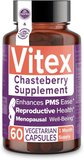
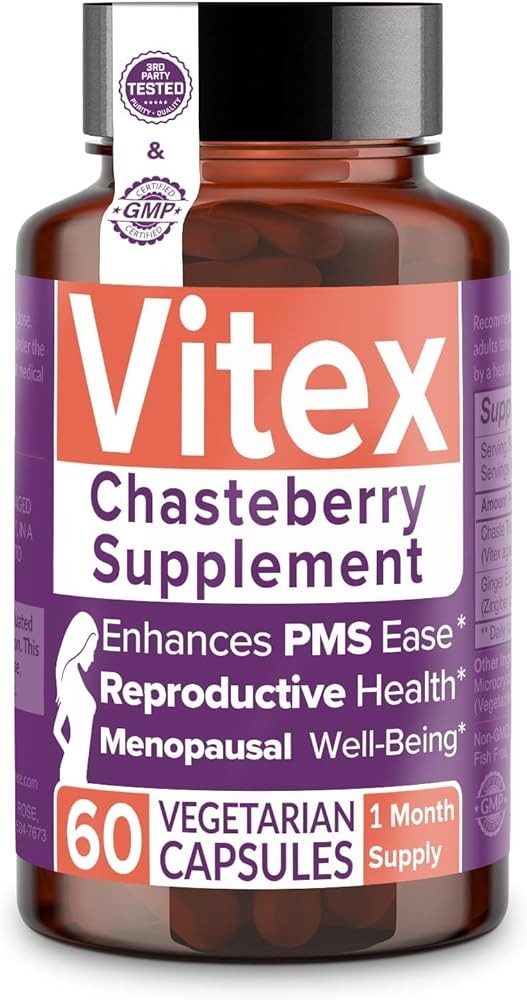
Chasteberry gets the top spot because it has the deepest evidence base of any single supplement in this category: a placebo-controlled trial in 170 women, an open study in 1,634 women, and a systematic review of eight randomized trials that all reported benefit (PubMed) (PubMed) (PubMed). The Intimate Rose product delivers 1,000 mg of chasteberry per capsule at $19.99 a bottle, a reasonable way to run the three-cycle trial the research used. Note that the clinical trials used standardized extracts rather than whole-herb powder; if you choose this product, look for a brand that states its standardization (agnuside content) or use a standardized extract product instead.
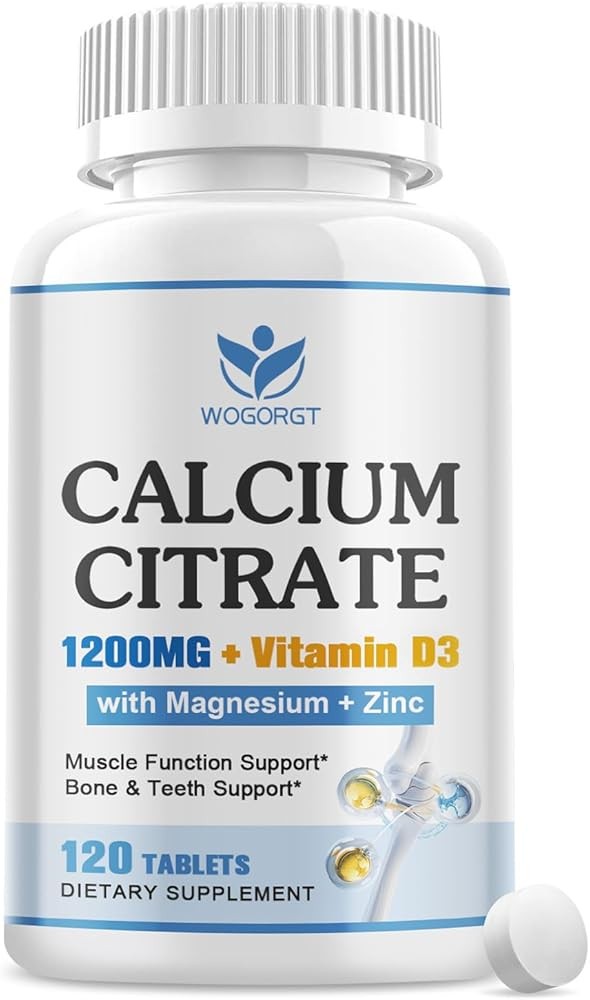
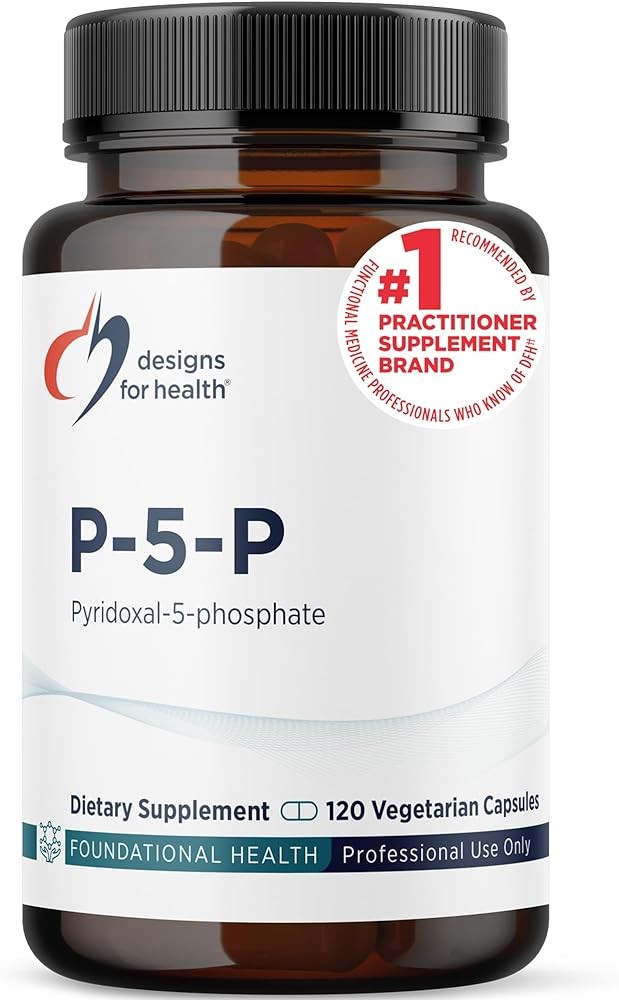
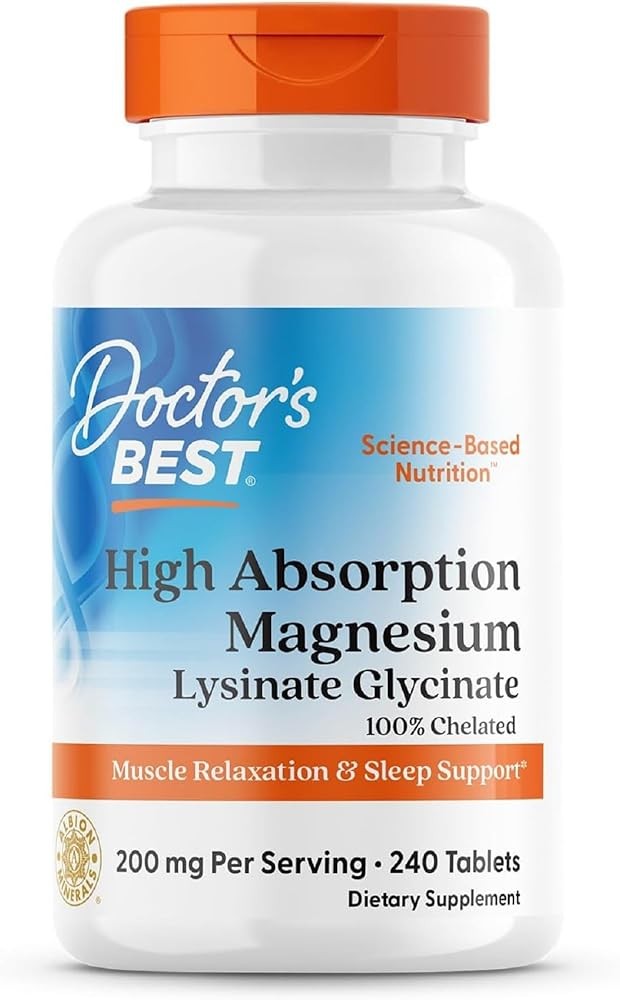
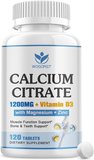
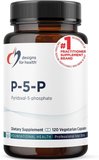
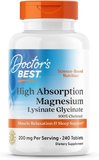
Calcium is the PMDD pick because the largest trial in the entire PMS literature used it: 1,200 mg daily as calcium carbonate in 466 women, with the 48 percent symptom reduction emerging by the third cycle (PubMed). The featured product is calcium citrate (1,200 mg with vitamin D3) at $18.99 for 120 tablets, which covers roughly a month at the split-dose schedule recommended below. Vitamin B6 as P-5-P (the active form, 50 mg) costs more than plain pyridoxine but skips the liver conversion step; the evidence base from the Wyatt review used pyridoxine at up to 100 mg daily (PubMed). Doctor’s Best magnesium glycinate is the budget pick at $23.99 for 240 capsules, providing 200 mg of elemental magnesium per serving, the dose range used in the positive trials (PubMed).
Prices were checked at the time of writing and can change. Whatever you buy, choose products with third-party testing (NSF, USP, or Informed Choice marks where available) and transparent labels that state the elemental or extract dose, not just the capsule weight.
What Does the Research Say About Each Supplement?
Chasteberry (Vitex)
Vitex agnus-castus, also called chasteberry or monk’s pepper, is the herbal supplement with the most research behind it for premenstrual symptoms. The landmark trial, published in the BMJ by Schellenberg, randomized 170 women with PMS to a standardized fruit extract (Ze 440) or placebo for three menstrual cycles. The active group improved significantly more than placebo on the main symptom score (p < 0.001), and responder rates, defined as a 50 percent symptom reduction, were 52 percent in the active group versus 24 percent in the placebo group. The extract was well tolerated, with only mild adverse events in seven women (PubMed).
A much larger open study by Loch et al. followed 1,634 women with PMS treated with a vitex preparation under routine medical conditions for three cycles; 93 percent of patients reported a decrease in symptoms or complete cessation, and 81 percent rated themselves much or very much better. Open studies lack a placebo group, so they cannot prove efficacy, but they do show that real-world use matches the trial results and that tolerance is good (PubMed).
A systematic review by Cerqueira et al. identified eight randomized trials of vitex for PMS or PMDD; all eight reported benefit, and the extract was well tolerated across studies. The authors noted substantial variability in preparations and outcome measures, which limits how strongly the results can be pooled (PubMed).
How does it work? Extracts of vitex fruit show dopaminergic activity in laboratory studies, binding to D2 receptors, which inhibits prolactin secretion from the pituitary (PubMed). Elevated prolactin has long been associated with breast tenderness and fluid retention in the luteal phase, which fits the symptom pattern vitex improves most consistently.
Dosing and timing: The clinical trials used a specific standardized dry extract of the fruit (Ze 440) at one tablet daily, taken continuously through the cycle. Most commercial products sell whole-herb chasteberry powder at doses like 400 to 1,000 mg per capsule; those are not the same thing as the studied extract, and efficacy data for whole-herb products are thinner. If you use a whole-herb product, consider it a reasonable but less-studied option, and give any vitex product three full cycles before judging it. Vitex is not for use during pregnancy or breastfeeding, and it can interact with hormonal contraceptives and dopamine-related medications, so disclose it to your doctor if you take either.
Magnesium
Magnesium is involved in more than 300 enzymatic reactions, including neurotransmitter synthesis, muscle relaxation, and stress regulation, and several trials have tested it specifically for PMS. The evidence is positive but modest, and no single large trial dominates the way Thys-Jacobs dominates the calcium literature.
A double-blind randomized trial by Facchinetti et al. gave 32 women with PMS 360 mg of magnesium (as magnesium pyrrolidone carboxylic acid) three times daily from day 15 of the cycle to the onset of flow. Magnesium significantly improved the total symptom score and the “negative affect” cluster compared with placebo, and it raised magnesium levels inside immune cells, the compartment that best reflects body magnesium status (PubMed). A separate crossover trial by Walker et al. in 38 women used 200 mg of magnesium daily for two cycles and found a significant reduction in fluid-retention symptoms (weight gain, swelling, breast tenderness, bloating) in the second month of supplementation (p = 0.009), though not the first (PubMed).
A randomized, double-blind, crossover study by De Souza et al. tested 200 mg of magnesium alone, 50 mg of vitamin B6 alone, the combination, and placebo in 44 women with mild premenstrual symptoms. Only the magnesium plus B6 combination significantly reduced anxiety-related symptoms (nervous tension, mood swings, irritability, anxiety; p = 0.040), and the authors described the effect as small and synergistic, calling for longer trials before firm recommendations (PubMed). An Iranian trial comparing magnesium, magnesium plus B6, and placebo in women with PMS found the greatest symptom-score improvement in the magnesium plus B6 group (PubMed).
Worth noting: several of these positive trials used magnesium oxide, which is poorly absorbed, so a better-absorbed form like glycinate should not be less effective. The dose that showed benefit is 200 to 400 mg of elemental magnesium daily, which matches general magnesium guidance.
Dosing and timing: 200 to 400 mg of elemental magnesium daily, ideally as glycinate for absorption and tolerability. It can be taken continuously or from mid-cycle; the trials that helped fluid retention needed two cycles. Split doses above 200 mg to reduce the laxative effect, take with food, and use caution with kidney disease. Magnesium can reduce absorption of some antibiotics and bisphosphonates, so separate those by two hours.
Vitamin B6
Vitamin B6 is a cofactor for the synthesis of serotonin, dopamine, and GABA, which is the theoretical basis for its use in premenstrual mood symptoms. The clinical evidence was reviewed systematically in the BMJ by Wyatt et al., who pooled nine randomized trials covering 940 patients. Vitamin B6 produced an odds ratio of 2.32 (95% CI 1.95 to 2.54) for improvement in overall premenstrual symptoms compared with placebo, and an odds ratio of 1.69 for depressive symptoms specifically. The authors were careful to note that most of the trials were of low quality, and they concluded that doses up to 100 mg daily are likely to be of benefit for PMS and premenstrual depression (PubMed). The more recent umbrella review reached the same conclusion, listing vitamin B6 among the nutrients with the most consistent effects on psychological symptoms (PubMed).
Dosing and safety: 50 to 100 mg daily is the studied range. The active form, pyridoxal-5-phosphate (P-5-P), skips the conversion step the liver performs on plain pyridoxine and is generally well tolerated. The safety limit matters: prolonged intake above 200 mg daily can cause peripheral neuropathy, so stay at or under 100 mg for long-term use and tell your doctor if you experience numbness or tingling in your hands or feet.
Calcium
Calcium has the strongest single trial in PMS research. The Premenstrual Syndrome Study Group, led by Thys-Jacobs, conducted a multicenter, randomized, double-blind, placebo-controlled trial in 466 women with moderate to severe PMS who took 1,200 mg of elemental calcium daily (as calcium carbonate) or placebo for three cycles. By the third treatment cycle, the calcium group showed a 48 percent reduction in total symptom scores from baseline compared with 30 percent in the placebo group, and all four symptom factors (negative affect, water retention, food cravings, pain) were significantly improved (PubMed). Calcium is also one of the three nutrients (with vitamin B6 and zinc) that the 2025 umbrella review found to have consistent significant effects on PMS psychological symptoms (PubMed).
Epidemiological data line up with the trial. In a nested case-control study within the Nurses’ Health Study II, Bertone-Johnson et al. followed more than 3,000 women for 10 years and found that those in the highest quintile of dietary calcium intake (median 1,283 mg daily) had a 30 percent lower risk of developing PMS than those in the lowest quintile (relative risk 0.70, 95% CI 0.50 to 0.97). High vitamin D intake was associated with an even larger risk reduction (relative risk 0.59 for the highest versus lowest quintile) (PubMed).
What the data says: The largest effect sizes in the PMS supplement literature come from calcium, with a 48% symptom reduction versus 30% for placebo at 1,200 mg daily by the third cycle, and from chasteberry, with a 52% responder rate versus 24% for placebo; both are real but neither erases symptoms completely, and three cycles is the minimum fair trial.
Dosing and timing: 1,000 to 1,200 mg of elemental calcium daily, split into two doses of about 500 mg, because the gut absorbs only about 500 mg at a time. The trial used calcium carbonate taken with food; calcium citrate is a reasonable alternative that does not require food and suits people with low stomach acid. Take calcium away from iron, zinc, and thyroid medication by at least two hours, since calcium blocks their absorption. Do not exceed 2,500 mg of total daily calcium from food plus supplements.
Omega-3 Fatty Acids
Omega-3s (EPA and DHA) are anti-inflammatory and have mood data in other populations, which makes them a plausible PMS intervention. The trial evidence is thinner than the marketing suggests. A randomized clinical trial by Behboudi-Gandevani et al. allocated 95 women with premenstrual symptoms to 1 g of fish oil daily or placebo; the omega-3 group showed significant reductions in most premenstrual symptoms and their interference with daily activities, with longer use producing greater improvement, and physical and mental quality-of-life scores improved (PubMed). An earlier pilot trial also reported benefits but was retracted in 2023, so it is excluded from the evidence base here. The 2025 umbrella review classified fatty acids as having insufficient evidence at the review level (PubMed).
The honest summary: omega-3s are a reasonable, low-risk addition for women who want anti-inflammatory support and whose diets are low in fatty fish, but they do not have the evidence weight of calcium, vitamin B6, or chasteberry for PMS specifically. If you use them, 1,000 to 2,000 mg of combined EPA and DHA daily is the standard range, taken with food. High doses above 3 g daily can increase bleeding risk in people on anticoagulants.
Vitamin D
Vitamin D status is worth checking in anyone with PMS, because insufficiency is common and the association data are consistent. In the Nurses’ Health Study II analysis, women in the highest quintile of vitamin D intake had a 41 percent lower risk of developing PMS than those in the lowest quintile (relative risk 0.59) (PubMed).
Intervention data come from a 2024 randomized trial by Heidari et al.: 44 women with PMS and confirmed vitamin D insufficiency (average 25-hydroxyvitamin D around 21 ng/mL) received 50,000 IU of vitamin D every two weeks or placebo for 16 weeks. The supplement group’s levels rose to about 40 ng/mL, and total PMS symptom scores improved significantly versus placebo, with the largest improvement in the depression cluster (53 percent reduction) and the smallest in water retention (28 percent) (PubMed).
Dosing and timing: The practical approach is to test 25-hydroxyvitamin D and supplement to reach the 40 to 60 ng/mL range, which typically takes 2,000 to 4,000 IU of D3 daily for several months. Vitamin D is fat-soluble; take it with a meal containing fat. Toxicity is unlikely below 10,000 IU daily but possible at sustained high doses, so blood testing is the guide if you supplement long-term at higher amounts.
Evening Primrose Oil
Evening primrose oil (EPO) is rich in gamma-linolenic acid (GLA), an omega-6 fatty acid that some older research linked to breast pain relief. The modern evidence is not kind to it. The systematic review by Dante and Facchinetti, which analyzed the herbal treatment literature for PMS, found that evening primrose oil showed no effect different from placebo, a conclusion it reached for St. John’s wort as well (PubMed). Some older trials reported benefit specifically for cyclical breast tenderness, but the controlled data do not support EPO as a general PMS supplement.
If you still want to try it for breast discomfort, typical doses are 1,000 to 3,000 mg of the oil daily (roughly 240 to 720 mg of GLA), and a few months is a fair trial. Skip it if you take anticoagulants, and take it with food to avoid nausea. But set expectations honestly: the systematic review evidence says placebo-level for overall PMS symptoms.
L-Tryptophan and 5-HTP
PMDD is a serotonin-sensitivity disorder, which is why SSRIs work so well for it, and why serotonin precursors have been tested. The best trial is by Steinberg et al., who randomized 37 women with premenstrual dysphoric disorder to 6 g of L-tryptophan daily and 34 to placebo, taken from ovulation through the third day of menstruation for three cycles. L-tryptophan significantly improved the mood cluster (dysphoria, mood swings, tension, irritability; p = 0.004), with a 34.5 percent reduction in maximum luteal-phase mood scores versus 10.4 percent for placebo (PubMed). Note the dose: 6 g daily, far above what most supplements provide, and this was L-tryptophan, not 5-HTP.
5-HTP itself has no published PMDD trials. It is the direct precursor to serotonin and is marketed heavily for mood, but the evidence in PMS and PMDD specifically is absent, and the safety profile deserves respect: 5-HTP or L-tryptophan combined with SSRIs, SNRIs, MAO inhibitors, triptans, tramadol, or St. John’s wort can trigger serotonin syndrome, a potentially life-threatening state. Anyone on psychiatric medication should talk to their prescriber before touching these supplements. If a clinician approves L-tryptophan as an adjunct, luteal-phase-only use is the schedule the one positive trial followed.
Other Supplements With Emerging or Mixed Evidence
Zinc deserves a mention because the 2025 umbrella review found its effects on PMS psychological symptoms were among the most consistent, alongside vitamin B6 and calcium (PubMed). The trials used roughly 20 to 30 mg of zinc daily, and it is worth considering if your diet is low in zinc-rich foods or you are vegetarian.
Saffron has a small double-blind, placebo-controlled trial: 30 mg of saffron daily (15 mg twice a day) for two cycles significantly improved PMS symptoms and depression scores compared with placebo (PubMed). It is an interesting emerging option at typical doses of 30 mg daily, though the evidence base is a handful of trials, mostly from one research group.
Ginkgo biloba showed benefit in one randomized trial in 85 university students: 40 mg of leaf extract three times daily from day 16 to day 5 of the next cycle reduced symptom severity by about 24 percent versus 9 percent for placebo (PubMed). Single trials in young women are a weak basis for a recommendation, and ginkgo carries bleeding and interaction considerations, so it stays in the “possible, not proven” category.
St. John’s wort is worth an explicit warning: the systematic review evidence shows no benefit over placebo for PMS, and it significantly reduces the effectiveness of hormonal contraceptives and interacts with many medications. Skip it.
Vitamin E at 400 IU daily has older data for breast tenderness, largely as an adjunct in mastalgia trials; the modern PMS evidence is minimal, and doses above 400 IU daily are not advisable given the lack of benefit and theoretical bleeding risk.
Which Supplements Help Specific PMS and PMDD Symptoms?
Different symptom patterns call for different first-line choices, and it helps to match the mechanism to the complaint.
For Mood Symptoms (Irritability, Anxiety, Depression)
The evidence-weighted stack for mood symptoms is vitamin B6 (50 to 100 mg daily, P-5-P if budget allows), calcium (1,000 to 1,200 mg daily in split doses), and chasteberry (standardized extract, continuously). All three have systematic-review or landmark-trial support for the psychological component of PMS (PubMed) (PubMed) (PubMed). Zinc is a reasonable addition if dietary intake is questionable, per the umbrella review (PubMed).
If the mood symptoms are severe enough to meet PMDD criteria, supplements are adjunctive, not primary. SSRIs are the first-line medical option with FDA approval for PMDD, and they work even at lower doses or luteal-phase-only schedules (PubMed). Serotonin precursors should only be added with a prescriber’s knowledge, given the interaction risk.
For Physical Symptoms (Bloating, Breast Pain, Cramps)
Calcium targets water retention and pain, and it is the single best-evidenced choice for the physical cluster (PubMed). Magnesium at 200 to 400 mg daily specifically reduced fluid-retention symptoms in the second month of a crossover trial (weight gain, swelling, breast tenderness, bloating) (PubMed). Chasteberry’s prolactin-lowering mechanism fits breast tenderness and fluid symptoms (PubMed).
For menstrual cramps specifically, magnesium has the best mechanistic fit as a natural calcium-channel blocker, though the strongest cramp trials sit in the dysmenorrhea literature rather than PMS. Omega-3s are also widely studied for period pain. Evening primrose oil, despite its reputation, is the weakest evidence play here.
For Mixed Symptoms
Combination approaches are reasonable when mood and physical symptoms both feature: calcium plus magnesium plus vitamin B6 plus chasteberry covers the four mechanisms (neurotransmitter support, smooth-muscle relaxation, fluid balance, prolactin modulation) with non-overlapping safety profiles. The magnesium-plus-B6 synergy seen in the De Souza trial is a good example of modest ingredients working better together (PubMed). The main cautions are dosing discipline (calcium away from iron and zinc, magnesium capped at 400 mg elemental, B6 capped at 100 mg) and patience: give any combination three cycles before reassessing.
Should You Take Supplements Continuously or Only in the Luteal Phase?
The positive trials split into two schedules, and the difference maps to how each supplement works.
Continuous daily dosing was used for calcium (all three cycles), chasteberry (all three cycles), omega-3s, and vitamin D in the trials that reported benefit. These supplements work by correcting an underlying state, whether that is calcium flux, prolactin regulation, or nutrient status, and starting them only in the luteal phase gives them no time to act.
Luteal-phase-only dosing was used successfully for L-tryptophan in the PMDD trial (from ovulation to the third day of menstruation) and is common in magnesium and B6 protocols. Magnesium and B6 have faster effects on neurotransmitter activity and muscle relaxation, so mid-cycle starts can still help, though continuous use is simpler to maintain and equally effective in the trials.
The practical answer: take calcium, chasteberry, omega-3s, and vitamin D continuously; take magnesium and vitamin B6 continuously or from day 14 onward, whichever you will actually remember. Consistency across three cycles matters more than the exact schedule, and a daily habit beats a perfectly timed one you abandon in cycle two.
How Do You Track Symptoms and Measure Progress?
Symptom tracking is the difference between guessing and knowing. Premenstrual symptoms are cyclical by definition, which makes them objectively measurable, and a daily symptom record over two full cycles is also what clinicians use to diagnose PMS and PMDD.
What to track daily: cycle day (day 1 is the first day of bleeding), mood symptoms (irritability, anxiety, low mood, mood swings) on a 0 to 10 scale, physical symptoms (cramps, bloating, breast tenderness, headache, fatigue) on a 0 to 10 scale, sleep quality, energy, and how much symptoms interfered with work, school, or relationships. Note stressors and anything unusual.
Tools: period-tracking apps with symptom logging (Clue, Flo, and similar), the Daily Record of Severity of Problems form used in PMDD research, or a simple spreadsheet. The format matters less than the daily consistency.
The protocol: record at least two full cycles before starting anything, to confirm the pattern is truly luteal and to have a baseline. Start the supplement or combination, keep tracking, and compare the luteal-phase averages after three cycles. If symptoms have not budged by then, the supplement is probably not working for you, and the medical options discussed below deserve a conversation with a doctor. If you cannot reliably identify a symptom-free week after menstruation, the problem may be a mood disorder rather than PMS, and tracking will show that too.
What Supplement Forms and Brands Should You Look For?
Form determines whether you absorb what you pay for, and labeling determines whether you know what you are getting.
Magnesium: glycinate, bisglycinate, or citrate. Avoid oxide, which was the poorly absorbed form used in several trials and is the cheap filler in many products. Look for the elemental magnesium dose on the label, not just the capsule weight.
Vitamin B6: P-5-P (pyridoxal-5-phosphate) is the active form and needs no conversion; pyridoxine HCl is the cheaper standard form and has the clinical trial history. Either is fine at 50 to 100 mg daily.
Calcium: carbonate (40 percent elemental, needs food and stomach acid) or citrate (21 percent elemental, fine without food). Both worked in the trials; the elemental dose is what counts.
Omega-3s: look for stated EPA and DHA amounts (not “fish oil 1,000 mg”), third-party purity testing such as IFOS or USP, and triglyceride forms if budget allows. Refrigerate after opening.
Chasteberry: standardized extracts are the evidence-backed form. If a product does not state standardization (typically agnuside content) and instead sells plain berry powder, regard it as unproven and consider a standardized extract product instead.
Third-party testing: NSF, USP, or Informed Choice certification is the strongest signal that a product contains what the label says. In a category full of vague “women’s hormone support” blends, a supplement facts panel with explicit doses and a certification mark is worth the small premium. Reputable brands in this space include Thorne, Pure Encapsulations, Nordic Naturals, Jarrow, Life Extension, and Doctor’s Best, among others; brand reputation is a heuristic, certification is the evidence.
How Do These Supplements Interact With Medications and Birth Control?
Several interactions in this category are clinically important, and supplement use should always be disclosed to your prescriber.
Chasteberry (vitex): may interfere with hormonal contraceptives through its effects on the pituitary-ovary axis, and it can interact with dopamine-related drugs (antipsychotics, Parkinson’s medications) and estrogen-sensitive conditions. Women on hormonal birth control should discuss it before starting.
Calcium: reduces absorption of iron, zinc, thyroid hormone, and some antibiotics. Separate by at least two hours, and take iron and calcium at opposite ends of the day.
Magnesium: can reduce absorption of bisphosphonates (osteoporosis drugs) and some antibiotics; separate by two hours. Caution in kidney disease.
Vitamin B6 at high doses (above 100 mg daily long-term) can blunt the effect of levodopa in Parkinson’s treatment. At the 50 to 100 mg PMS dose, interactions are minimal.
Omega-3s: at doses above 3 g daily, add to the effect of anticoagulants and antiplatelet drugs. Standard 1 to 2 g doses are generally safe, but mention them if you take warfarin or aspirin therapy.
L-tryptophan and 5-HTP: absolute caution with SSRIs, SNRIs, MAO inhibitors, triptans, tramadol, and St. John’s wort, where the combination can cause serotonin syndrome. These are the supplements to be most careful with, not the most casual.
St. John’s wort: reduces the effectiveness of hormonal contraceptives (breakthrough bleeding and pregnancies have been reported), so anyone on the pill should avoid it entirely. It also interacts with dozens of medications through liver enzyme induction.
When Should You See a Doctor or Consider Medical Treatment?
Supplements are appropriate for mild to moderate PMS and, in a supporting role, for some PMDD. Several situations call for medical care instead of, or alongside, the supplement aisle.
See a doctor promptly if: you have thoughts of self-harm or suicidal thoughts at any point in your cycle (this is an emergency); your luteal-phase symptoms regularly force you to miss work or school; you cannot control rage or irritability that damages relationships; symptoms persist beyond menstruation or are present all month; you have sudden onset of severe symptoms in your 30s or 40s that you never had before; or you have tried a sensible supplement protocol for three to four cycles with no improvement.
Medical options that work: SSRIs are the first-line treatment for PMDD, and fluoxetine, sertraline, and paroxetine are FDA-approved for it; continuous and luteal-phase-only schedules are both effective (PubMed). Combined oral contraceptives that suppress ovulation help many women, and one drospirenone-containing pill is FDA-approved for PMDD. For severe, refractory PMDD, GnRH analogues that temporarily suppress ovarian cycling are an option under specialist care (PubMed). Cognitive behavioral therapy has evidence for coping with premenstrual symptoms and is a reasonable adjunct to either supplements or medication.
None of this is a reason to avoid supplements; it is a reason to match the intervention to the severity. Mild PMS responds to calcium, magnesium, B6, and chasteberry in the trials. Severe PMDD responds to SSRIs and ovulation suppression in much larger trials. The middle path, supplements plus a doctor who knows you are taking them, is where most women land.
What Lifestyle Changes Support Supplement Results?
Supplements do better work when the rest of the month supports them. The lifestyle evidence in PMS is mostly about reducing the amplifiers: stress, blood sugar swings, poor sleep, and inflammation.
Diet: keep blood sugar steady with protein at meals, because hypoglycemia amplifies irritability and cravings. Moderate caffeine and alcohol in the luteal phase, since both worsen anxiety and breast tenderness in sensitive women. Reduce added salt when bloating is the main complaint. Emphasize whole foods, fatty fish, vegetables, and adequate dairy or calcium-rich non-dairy alternatives; the NHS II data linked higher dietary calcium and vitamin D intakes to lower PMS risk (PubMed).
Exercise: regular aerobic activity is consistently associated with lower PMS symptom severity, and it works through endorphins, stress regulation, and inflammation. The often-quoted target is 150 minutes per week of moderate activity, and consistency across the whole cycle matters more than extra effort in the luteal phase.
Sleep: the luteal phase is when sleep quality dips for many women, and sleep deprivation worsens mood symptoms and pain sensitivity. Protect seven to nine hours, keep a consistent schedule, and use the evening magnesium dose as a sleep aid if needed.
Stress management: chronic stress raises cortisol and lowers the threshold for premenstrual reactivity. Mindfulness-based stress reduction, yoga, and progressive muscle relaxation all have plausible mechanisms and supportive evidence for mood broadly; cognitive behavioral therapy has the strongest specific data for premenstrual symptoms. What matters is doing something regularly, not which technique.
Track the whole picture: symptoms are influenced by stress, illness, travel, and cycle-to-cycle variation. A daily record that includes life context will tell you whether a supplement is working or whether a bad month was just a bad month.
Frequently Asked Questions
What is the fastest-acting PMS supplement?
Calcium and magnesium are the closest things to fast-acting options: the calcium trial showed significant separation from placebo by the second treatment cycle, and magnesium’s fluid-retention benefit appeared in the second month of supplementation. Chasteberry and vitamin B6 work on longer timescales. No supplement works within days; the symptom pattern is driven by the cycle itself, and the trials all measured change over multiple cycles.
Can I take calcium and magnesium together?
Yes, but take them at different times of day. Calcium and magnesium compete for absorption, and calcium also blocks iron and zinc. A common schedule is magnesium in the evening (it supports sleep and relaxation) and calcium in divided doses with meals during the day. If you take iron for any reason, put it at the opposite end of the day from calcium.
Is chasteberry safe with birth control pills?
It is a real interaction question, not a theoretical one. Chasteberry acts on the pituitary and can influence the hormonal feedback loop that oral contraceptives depend on, and it may interact with other hormone-sensitive conditions. The trials that showed benefit enrolled women who were not on hormonal contraception. If you are on the pill, talk to your prescriber before adding chasteberry, and consider calcium and vitamin B6 instead, which have no such interaction.
Does magnesium really help PMS or is that marketing?
The trial record is real but modest. Double-blind studies found magnesium improved premenstrual mood symptoms (Facchinetti) and fluid retention (Walker), and magnesium plus vitamin B6 reduced anxiety-related symptoms in the De Souza crossover trial. The 2025 umbrella review was more cautious about magnesium than about calcium or B6. At 200 to 400 mg daily it is inexpensive, safe, and worth a three-cycle trial, especially if you have any signs of low magnesium, like muscle cramps or poor sleep.
Why do some sources say evening primrose oil works for PMS?
Because it was popular before it was tested properly. Older open studies reported dramatic benefits for breast pain, which is why it still has a following. Controlled trials and the 2011 systematic review found EPO no better than placebo for PMS overall. The honest read is that EPO is a weak choice with better alternatives available.
Is PMDD treatable without medication?
Partially. Calcium, vitamin B6, and chasteberry have trial evidence in PMDD or severe PMS, and lifestyle measures help. But PMDD is a DSM-5 psychiatric condition with a suicide risk in the luteal phase, and the largest treatment effects in the literature come from SSRIs and ovulation suppression. Supplements are a reasonable adjunct under medical supervision, not a replacement for care when symptoms are severe.
How do I know if a supplement is actually working?
Track daily symptoms for two full cycles before starting, then keep tracking for three cycles on the supplement, and compare the average luteal-phase scores. A supplement that works should shift your worst week toward your better weeks. If the pattern is unchanged after three cycles, stop it and reassess, ideally with a doctor.
What should I do if my symptoms are getting worse despite supplements?
Stop guessing and get evaluated. Worsening premenstrual symptoms can mean the diagnosis is not PMS (mood disorders, thyroid disease, and perimenopause all mimic it), or that the severity has crossed into PMDD territory where medication is the evidence-based step. A symptom diary covering two cycles will make that appointment far more productive.
Related Reading
- Best Supplements for Hormonal Balance in Women: Evidence-Based Guide
- Best Magnesium for Women Over 40: Perimenopause and Bone Health
- Best Perimenopause Supplements
- Best Inositol Supplements for Women’s Hormones and PCOS
- Dopamine and Serotonin Decline in Women in Their 30s and 40s
- Best Iron Supplements for Women: Forms, Dosing, and How to Avoid Side Effects
📱 Join the discussion: Facebook | X | YouTube | Pinterest
References and Clinical Studies
- Yonkers KA, O’Brien PM, Eriksson E. Premenstrual Syndrome. The Lancet, 2008. PubMed | DOI
- Halbreich U, Borenstein J, Pearlstein T, Kahn LS. The Prevalence, Impairment, Impact, and Burden of Premenstrual Dysphoric Disorder (PMS/PMDD). Psychoneuroendocrinology, 2003. PubMed | DOI
- Hantsoo L, Epperson CN. Premenstrual Dysphoric Disorder: Epidemiology and Treatment. Current Psychiatry Reports, 2015. PubMed
- Schellenberg R. Treatment for the Premenstrual Syndrome With Agnus Castus Fruit Extract: Prospective, Randomised, Placebo Controlled Study. BMJ, 2001. PubMed | DOI
- Loch EG, Selle H, Boblitz N. Treatment of Premenstrual Syndrome With a Phytopharmaceutical Formulation Containing Vitex Agnus Castus. Journal of Women’s Health and Gender-Based Medicine, 2000. PubMed | DOI
- Cerqueira RO, Frey BN, Leclerc E, Brietzke E. Vitex Agnus Castus for Premenstrual Syndrome and Premenstrual Dysphoric Disorder: A Systematic Review. Archives of Women’s Mental Health, 2017. PubMed | DOI
- Meier B, Berger D, Hoberg E, et al. Pharmacological Activities of Vitex Agnus-Castus Extracts In Vitro. Phytomedicine, 2000. PubMed
- Dante G, Facchinetti F. Herbal Treatments for Alleviating Premenstrual Symptoms: A Systematic Review. Journal of Psychosomatic Obstetrics and Gynecology, 2011. PubMed | DOI
- Thys-Jacobs S, Starkey P, Bernstein D, Tian J. Calcium Carbonate and the Premenstrual Syndrome: Effects on Premenstrual and Menstrual Symptoms. American Journal of Obstetrics and Gynecology, 1998. PubMed | DOI
- Bertone-Johnson ER, Hankinson SE, Bendich A, et al. Calcium and Vitamin D Intake and Risk of Incident Premenstrual Syndrome. Archives of Internal Medicine, 2005. PubMed | DOI
- Wyatt KM, Dimmock PW, Jones PW, Shaughn O’Brien PM. Efficacy of Vitamin B-6 in the Treatment of Premenstrual Syndrome: Systematic Review. BMJ, 1999. PubMed | DOI
- Facchinetti F, Borella P, Sances G, et al. Oral Magnesium Successfully Relieves Premenstrual Mood Changes. Obstetrics and Gynecology, 1991. PubMed
- Walker AF, De Souza MC, Vickers MF, et al. Magnesium Supplementation Alleviates Premenstrual Symptoms of Fluid Retention. Journal of Women’s Health, 1998. PubMed | DOI
- De Souza MC, Walker AF, Robinson PA, Bolland K. A Synergistic Effect of a Daily Supplement for 1 Month of 200 mg Magnesium Plus 50 mg Vitamin B6 for the Relief of Anxiety-Related Premenstrual Symptoms: A Randomized, Double-Blind, Crossover Study. Journal of Women’s Health and Gender-Based Medicine, 2000. PubMed | DOI
- Fathizadeh N, Ebrahimi E, Valiani M, et al. Evaluating the Effect of Magnesium and Magnesium Plus Vitamin B6 Supplement on the Severity of Premenstrual Syndrome. Iranian Journal of Nursing and Midwifery Research, 2010. PubMed
- Behboudi-Gandevani S, Hariri FZ, Moghaddam-Banaem L. The Effect of Omega 3 Fatty Acid Supplementation on Premenstrual Syndrome and Health-Related Quality of Life: A Randomized Clinical Trial. Journal of Psychosomatic Obstetrics and Gynecology, 2018. PubMed | DOI
- Heidari H, Abbasi K, Feizi A, et al. Effect of Vitamin D Supplementation on Symptoms Severity in Vitamin D Insufficient Women With Premenstrual Syndrome: A Randomized Controlled Trial. Clinical Nutrition ESPEN, 2024. PubMed | DOI
- Robinson J, Ferreira A, Iacovou M, Kellow NJ. Effect of Nutritional Interventions on the Psychological Symptoms of Premenstrual Syndrome in Women of Reproductive Age: A Systematic Review of Randomized Controlled Trials. Nutrition Reviews, 2025. PubMed | DOI
- Steinberg S, Annable L, Young SN, Liyanage N. A Placebo-Controlled Clinical Trial of L-Tryptophan in Premenstrual Dysphoria. Biological Psychiatry, 1999. PubMed | DOI
- Ozgoli G, Selselei EA, Mojab F, Majd HA. A Randomized, Placebo-Controlled Trial of Ginkgo Biloba L. in Treatment of Premenstrual Syndrome. Journal of Alternative and Complementary Medicine, 2009. PubMed | DOI
- Agha-Hosseini M, Kashani L, Aleyaseen A, et al. Crocus Sativus L. (Saffron) in the Treatment of Premenstrual Syndrome: A Double-Blind, Randomised and Placebo-Controlled Trial. BJOG, 2008. PubMed | DOI
Recommended Products