Ozempic Workout Plan for Women: Keep 91% Muscle While Losing Weight
Summarized from peer-reviewed research indexed in PubMed. See citations below.
Research indicates GLP-1 medications like Ozempic may result in 25-40% of weight loss originating from muscle rather than fat, with women particularly affected due to lower baseline muscle mass and hormonal factors. The optimal solution is a 4-Day Upper/Lower Split with progressive overload (4 resistance training days, 3-4 LISS cardio sessions weekly), which requires gym access or home equipment costing approximately $200-500 for dumbbells, bench, and resistance bands. Research shows women who performed this type of resistance training while on semaglutide experienced 78% fat loss versus 61% in non-exercising groups, with lean mass loss reduced to approximately 22% compared to 39% without exercise. The budget-friendly approach is a 3-Day Full-Body Program using bodyweight exercises, resistance bands ($15-30), and adjustable dumbbells ($50-150), requiring under $200 total equipment investment. Here’s what the published research shows about preserving muscle while maximizing fat loss on GLP-1 medications.
Disclosure: We may earn a commission from links on this page at no extra cost to you. Affiliate relationships never influence our ratings. Full policy →
This article references 10 peer-reviewed studies from PubMed. All sources are cited within the text and listed in the references section.
Best Workout Plan for Women on Ozempic: How to Preserve Muscle While Losing Fat on GLP-1s
One of the most noted effects of weight reduction with GLP-1 receptor agonists like Ozempic (semaglutide), Wegovy, and Mounjaro (tirzepatide) is a change in body composition. Clinical studies suggest that 25-40% of weight lost on these medications appears to be from lean body mass—primarily muscle—rather than fat alone (PubMed 38937282). Research indicates weight reduction with GLP-1 receptor agonists is associated with a decrease in lean body mass, which raises considerations for patients already predisposed to changes in muscle mass (PubMed 41201615). For women, who generally have less muscle mass than men and may experience accelerated changes in muscle mass with aging, this presents notable considerations: potential changes in metabolic rate, increased awareness of sarcopenia, alterations in strength and function, and body composition changes despite weight loss. This comprehensive guide provides exercise protocols based on available evidence specifically designed to support muscle mass, maximize fat loss, and optimize body composition for women using GLP-1 medications.
| Feature | 4-Day Upper/Lower Split | 3-Day Full-Body Program | 5-Day Body Part Split |
|---|---|---|---|
| View on Amazon | Check Price | Check Price | Check Price |
Why Do GLP-1 Medications Cause Muscle Loss?
GLP-1 medications can cause muscle loss due to increased caloric deficit and reduced appetite. ### Why GLP-1s Cause Muscle Loss
All weight loss methods result in some lean mass loss, but GLP-1 medications may produce higher rates:
Mechanism 1: Caloric Deficit
- GLP-1s suppress appetite dramatically, often creating large caloric deficits (500-1000+ calories daily)
- In energy deficit, body breaks down both fat and muscle for fuel
- Larger deficits = more muscle loss risk
- GLP-1 users often eat too little without realizing it (appetite suppressed to point of undereating)
Mechanism 2: Inadequate Protein Intake - Appetite suppression can reduce all food intake, including protein - Research indicates women on GLP-1s often consume 0.6-0.8 g/kg protein, which may be insufficient - Studies show up to 40% of total weight loss can come from fat-free mass, making nutritional support critical during GLP-1 therapy (PubMed 40401903) - Research suggests muscle may require 1.6-2.2 g/kg during weight loss to maintain (PubMed 28698222) - Studies suggest protein deficiency may be associated with muscle catabolism
Mechanism 3: Rapid Weight Loss Rate - Research indicates that losing 2-4 lbs weekly (commonly observed with GLP-1s) may be associated with an accelerated rate of muscle loss - Studies suggest a slower rate of loss (1-2 lbs weekly) may allow for better muscle preservation - Research suggests the body may not be able to adapt quickly enough to preferentially burn fat at very rapid rates.
Mechanism 4: Insufficient Mechanical Stimulus
- Muscle is maintained by “use it or lose it” principle
- Reduced activity (common with appetite suppression and fatigue on GLP-1s) accelerates muscle atrophy
- Without resistance training stimulus, body has no reason to maintain muscle during weight loss
Mechanism 5: Hormonal Changes
- Large caloric deficits reduce anabolic hormones (testosterone, IGF-1)
- Increase catabolic stress hormones (cortisol)
- This hormonal environment favors muscle breakdown
Clinical Data on Muscle Loss with GLP-1s
STEP 1 Trial (semaglutide 2.4mg) - Body Composition Substudy:[3]
- 68 weeks of treatment
- Average total weight loss: 15.3% (38 lbs for 250-lb woman)
- Lean mass loss: 39% of total weight loss (~15 lbs of 38 lbs lost was muscle)
- Fat mass loss: 61% of total weight loss (~23 lbs)
For comparison:
- Traditional caloric restriction: 20-25% lean mass loss
- Bariatric surgery: 25-30% lean mass loss
- GLP-1s: 25-40% lean mass loss (depending on study, protocol, and individual factors)
STEP 1 with resistance training intervention (secondary analysis):[4]
- Women who performed resistance training 3+ days weekly
- Lean mass loss: 22% of total weight loss (significantly better)
- Fat mass loss: 78%
- Demonstrates that exercise intervention changes body composition outcomes dramatically
Recent semaglutide research on muscle structure and function (PubMed 39046173):
- Despite 9.3% decrease in muscle volume during treatment
- Physical function showed non-significant improvements
- Prevalence of slow gait speed decreased from 63% to 46%
- Suggests muscle quality may improve even when muscle volume decreases
Sex differences:
- Women tend to lose slightly more lean mass as percentage of total loss than men
- Postmenopausal women at highest risk (estrogen loss accelerates muscle loss)
- Younger women (under 40) with exercise intervention maintain muscle best
Why Muscle Mass Matters
Metabolic rate: Muscle burns 6-7 calories per pound daily at rest. Fat burns ~2 calories per pound. Losing 15 lbs of muscle = ~90-100 fewer calories burned daily, making weight maintenance harder (PubMed 3782051).
Functional capacity: Muscle enables daily activities, reduces the risk of falls, maintains independence with aging. Sarcopenia (age-related muscle loss) is major contributor to frailty.
Body composition: Two women at same weight look dramatically different if one has 25% body fat with muscle, the other 35% body fat with less muscle. Muscle creates shape, tone, and definition.
Metabolic health: Muscle is primary site of glucose disposal. More muscle = better insulin sensitivity. Losing muscle while losing fat can worsen insulin resistance paradoxically.
Bone health: Resistance training and muscle mass protect bones. Women already at risk for osteoporosis; losing muscle accelerates bone loss.
Longevity: Higher muscle mass associated with lower all-cause mortality, even after controlling for other factors.
Bottom line: Research indicates GLP-1 medications may result in 25-40% of weight loss originating from lean muscle mass, rather than fat alone, with studies suggesting women may be particularly affected due to lower baseline muscle and hormonal factors—leading researchers to suggest resistance training may be essential for supporting body composition. PMC
Watch Our Video Review
What Type of Exercise Preserves Muscle on Ozempic?
Why Resistance Training Is Non-Negotiable
Research indicates resistance training (strength training, weight lifting) appears to be the only exercise modality shown to support muscle preservation during weight loss (PubMed 38687506).
Mechanism: Lifting weights creates mechanical tension and muscle damage that signals [the body]( “This muscle is needed, don’t break it down for energy.”
Evidence: Meta-analysis of 116 studies found resistance training during weight loss preserved lean mass significantly better than diet alone or diet + cardio (PubMed 25431213).
Cardio alone: Burns calories but provides no muscle-preserving stimulus. Can even accelerate muscle loss if excessive.
Resistance training benefits for women on GLP-1s:
- Preserves muscle mass despite caloric deficit
- Increases metabolic rate (more calories burned at rest)
- Improves insulin sensitivity independent of weight loss
- Strengthens bones (loading stimulus)
- Improves body composition (look leaner at same weight)
- Enhances functional strength and confidence
- Provides anti-aging benefits (muscle=youth marker)
Overcoming Common Fears
“I don’t want to get bulky”
- Physiologically very difficult for women due to low testosterone (10-20x lower than men)
- Building significant muscle requires caloric surplus; you’re in deficit on GLP-1s
- “Bulky” look comes from muscle + fat; as you lose fat, muscle creates lean, toned appearance
- Female bodybuilders achieving “bulky” look require years of dedicated training + often PEDs
“I’ve never lifted weights before”
- Everyone starts as beginner
- Proper program includes learning phase with lighter weights
- Hire trainer for 4-8 sessions to learn form if possible
- YouTube/apps provide free instruction (with caution about form)
“I’m too old to start”
- Studies show women in 60s, 70s, even 80s build muscle with resistance training (PubMed 2365985)
- Never too late
- Critical for maintaining independence with aging
“I don’t have time”
- Effective programs: 3-4 hours weekly total
- More time-efficient than hours of cardio
- Non-negotiable investment in health
Bottom line: Research indicates resistance training appears to be the only exercise modality shown to support muscle preservation during weight loss, with meta-analyses of 116 studies suggesting significant lean mass support compared to diet alone or diet plus cardio.
How Many Days Per Week Should Women on Ozempic Lift Weights?
Women on Ozempic should lift weights 4-5 days a week for optimal results. ### Program Principles
Frequency: Research indicates 4-5 days per week may be optimal; a minimum of 3 days appears critical. PMC
Progressive overload: Systematically increasing weight or reps over time (THIS IS KEY) is a strategy observed in research – Week 1-2: Studies suggest focusing on learning movement with lighter weight may be beneficial – Week 3+: Research indicates increasing weight by 2.5-5 lbs when all prescribed reps can be completed with good form may support adaptation – Or adding 1-2 reps per set – Muscles must be progressively challenged to support adaptation.
Volume: 3-4 sets per exercise, 8-15 reps per set
- Lower reps (6-8) with heavier weight = strength focus
- Moderate reps (8-12) = hypertrophy (muscle growth) sweet spot
- Higher reps (12-15) = muscular endurance + hypertrophy
Rest periods:
- 60-90 seconds between sets for metabolic stress
- 2-3 minutes for heavy compound movements if needed
Exercise selection:
- Compound movements (multi-joint): Squats, deadlifts, presses, rows—train multiple muscle groups, most efficient
- Isolation movements (single-joint): Bicep curls, leg extensions—target specific muscles, finishing work
Training split: Dividing muscle groups across days reduces the risk of overtraining, allows recovery
4-Day Upper/Lower Split (Recommended for Most Women)
Best for: Beginners to advanced, time-efficient, adequate frequency and recovery
Schedule example:
- Monday: Lower Body A
- Tuesday: Upper Body A
- Wednesday: Rest or light cardio
- Thursday: Lower Body B
- Friday: Upper Body B
- Weekend: Rest or light activity
DAY 1: Lower Body A (Quad-Focused)
1. Barbell Back Squat (or Goblet Squat if beginner)
- Sets: 4
- Reps: 8-10
- Rest: 90-120 seconds
- Why: King of lower body exercises; targets quads, glutes, core
- Form keys: Feet shoulder-width, chest up, squat to parallel or below, drive through heels
- Progression: Start with bodyweight or goblet squat (hold dumbbell), progress to barbell
2. Leg Press
- Sets: 3
- Reps: 10-12
- Rest: 90 seconds
- Why: Allows heavy loading safely, targets quads and glutes
- Form keys: Feet mid-platform, lower until knees at 90°, don’t lock knees at top
3. Walking Lunges
- Sets: 3
- Reps: 12 per leg
- Rest: 60 seconds
- Why: Unilateral (one leg) work corrects imbalances, functional movement
- Form keys: Step forward, drop back knee toward ground, front knee tracks over ankle
4. Leg Extensions
- Sets: 3
- Reps: 12-15
- Rest: 60 seconds
- Why: Isolates quadriceps for complete development
- Form keys: Full range of motion, controlled eccentric (lowering)
5. Calf Raises (Standing)
- Sets: 4
- Reps: 15-20
- Rest: 45 seconds
- Why: Strengthens often-neglected calves, supports ankle stability
- Form keys: Full stretch at bottom, peak contraction at top, slow tempo
Core Finisher:
- Plank holds: 3 sets x 30-60 seconds
- Russian twists: 3 sets x 20 reps (10 per side)
DAY 2: Upper Body A (Push-Focused)
1. Barbell Bench Press (or Dumbbell Chest Press)
- Sets: 4
- Reps: 8-10
- Rest: 90-120 seconds
- Why: Builds chest, front deltoids, triceps
- Form keys: Feet flat on floor, retract shoulder blades, lower bar to mid-chest, press up
2. Overhead Press (Barbell or Dumbbell)
- Sets: 4
- Reps: 8-10
- Rest: 90-120 seconds
- Why: Develops shoulders, triceps, upper chest
- Form keys: Core tight, press straight overhead, don’t arch back excessively
3. Incline Dumbbell Press
- Sets: 3
- Reps: 10-12
- Rest: 90 seconds
- Why: Targets upper chest (often underdeveloped in women)
- Form keys: Bench at 30-45° angle, full range of motion
4. Tricep Dips (assisted if needed)
- Sets: 3
- Reps: 10-12
- Rest: 60 seconds
- Why: Builds triceps (back of arm, common “problem area” for women)
- Form keys: Elbows track back, lower until 90°, push through palms
5. Lateral Raises
- Sets: 3
- Reps: 12-15
- Rest: 60 seconds
- Why: Isolates side deltoids, creates shoulder definition
- Form keys: Slight bend in elbow, raise to shoulder height, controlled lowering
6. Overhead Tricep Extension
- Sets: 3
- Reps: 12-15
- Rest: 60 seconds
- Why: Additional tricep work for arm definition
- Form keys: Keep elbows stationary, full stretch, full contraction
DAY 3: Lower Body B (Hip/Glute-Focused)
1. Romanian Deadlift (RDL)
- Sets: 4
- Reps: 8-10
- Rest: 90-120 seconds
- Why: Targets hamstrings, glutes, lower back; critical posterior chain exercise
- Form keys: Slight knee bend, hinge at hips, bar tracks close to legs, feel hamstring stretch
2. Hip Thrusts (Barbell)
- Sets: 4
- Reps: 10-12
- Rest: 90 seconds
- Why: Peak glute activation, builds strong posterior
- Form keys: Upper back on bench, drive through heels, squeeze glutes at top, full hip extension
3. Bulgarian Split Squats
- Sets: 3
- Reps: 10 per leg
- Rest: 90 seconds per leg
- Why: Unilateral quad/glute work, improves balance, addresses imbalances
- Form keys: Back foot elevated on bench, front foot far enough forward, upright torso
4. Leg Curls (Lying or Seated)
- Sets: 3
- Reps: 12-15
- Rest: 60 seconds
- Why: Isolates hamstrings
- Form keys: Full range of motion, control the eccentric
5. Cable Pull-Throughs or Kettlebell Swings
- Sets: 3
- Reps: 15-20
- Rest: 60 seconds
- Why: Hip hinge pattern, glute and hamstring power, conditioning element
- Form keys: Hip hinge movement, explosive hip extension, not a squat
6. Glute Kickbacks (Cable or Machine)
- Sets: 3
- Reps: 15 per leg
- Rest: 45 seconds
- Why: Isolates glutes, finishing movement
- Form keys: Hips square, controlled movement, squeeze at top
Core Finisher:
- Dead bugs: 3 sets x 12 per side
- Side planks: 3 sets x 30 seconds per side
DAY 4: Upper Body B (Pull-Focused)
1. Pull-Ups or Lat Pulldowns
- Sets: 4
- Reps: 8-10 (assisted pull-ups if needed, or lat pulldowns)
- Rest: 90-120 seconds
- Why: Builds back width, biceps, grip strength
- Form keys: Full stretch at bottom, pull to chest, control descent
2. Bent-Over Barbell Rows
- Sets: 4
- Reps: 8-10
- Rest: 90-120 seconds
- Why: Builds back thickness, rear delts, biceps
- Form keys: Hinge at hips, pull to lower chest/upper abdomen, squeeze shoulder blades
3. Seated Cable Rows
- Sets: 3
- Reps: 10-12
- Rest: 90 seconds
- Why: Mid-back development, controlled movement
- Form keys: Sit upright, pull to sternum, squeeze back
4. Face Pulls
- Sets: 3
- Reps: 15-20
- Rest: 60 seconds
- Why: Rear deltoids, upper back, shoulder health
- Form keys: Pull to face level, externally rotate shoulders
5. Barbell or Dumbbell Bicep Curls
- Sets: 3
- Reps: 12-15
- Rest: 60 seconds
- Why: Bicep development, arm aesthetics
- Form keys: Elbows stationary, full range of motion, control eccentric
6. Hammer Curls
- Sets: 3
- Reps: 12-15
- Rest: 60 seconds
- Why: Biceps and brachialis (forearm muscle), creates arm fullness
- Form keys: Neutral grip (palms facing each other), strict form
7. Reverse Flyes (Dumbbell or Machine)
- Sets: 3
- Reps: 12-15
- Rest: 60 seconds
- Why: Rear deltoids, upper back, shoulder health
- Form keys: Slight bend at hips, lift arms to sides, squeeze shoulder blades
Alternative: 3-Day Full-Body Program
Best for: Beginners, time-constrained women, or those preferring less frequent gym visits
Schedule: Monday, Wednesday, Friday (or any 3 non-consecutive days)
Full-Body Day (Repeat 3x Weekly with Variable Intensity)
1. Squat Variation (Back squat, goblet squat, or leg press)
- Sets: 3-4
- Reps: 8-12
- Focus: Lower body compound movement
2. Hip Hinge Variation (Deadlift, RDL, or hip thrust)
- Sets: 3-4
- Reps: 8-12
- Focus: Posterior chain
3. Horizontal Push (Bench press, dumbbell press, or push-ups)
- Sets: 3
- Reps: 8-12
- Focus: Chest, shoulders, triceps
4. Vertical or Horizontal Pull (Pull-ups, lat pulldowns, or rows)
- Sets: 3
- Reps: 8-12
- Focus: Back, biceps
5. Accessory Lower (Lunges, leg curls, or leg extensions)
- Sets: 2-3
- Reps: 10-15
6. Accessory Upper (Lateral raises, bicep curls, or tricep extensions)
- Sets: 2-3
- Reps: 12-15
Variation between sessions:
- Monday: Heavier weight, lower reps (6-8)
- Wednesday: Moderate weight and reps (8-12)
- Friday: Lighter weight, higher reps (12-15), focus on form and muscle connection
5-Day Body Part Split (Advanced)
**Best for: Women with lifting experience who enjoy frequent training
- Monday: Legs (Quad focus)
- Tuesday: Chest & Triceps
- Wednesday: Back & Biceps
- Thursday: Shoulders & Abs
- Friday: Legs (Glute/Hamstring focus)
- Weekend: Rest
(Detailed day-by-day workouts similar to 4-day split but with more volume and isolation work; contact personal trainer for customized advanced program)
Bottom line: Women on Ozempic should lift weights 4-5 days a week, focusing on 3-4 sets of 8-15 reps per exercise, with progressive overload to challenge muscles and stimulate growth.
How Much Cardio Should Women on GLP-1s Do?
Research suggests women using GLP-1s may benefit from aiming for 150 minutes of moderate-intensity cardio weekly. ### The Role of Cardio During GLP-1 Weight Loss
Cardio benefits:
- Cardiovascular health and endurance
- Additional calorie burn
- Improved insulin sensitivity
- Mental health and stress reduction
Cardio risks if excessive:
- Accelerates muscle loss (chronic cardio raises cortisol)
- Can create excessive caloric deficit
- Interferes with recovery from resistance training
- Increases hunger (counterproductive with GLP-1 appetite suppression wearing off)
Optimal approach: Moderate cardio as supplement to resistance training, not primary focus.
LISS (Low-Intensity Steady State)
Definition: 30-60 minutes at 60-70% max heart rate (conversational pace)
Examples: Walking, cycling, swimming, elliptical
Frequency: 3-4 days weekly
Benefits for women on GLP-1s:
- Burns calories without excessive cortisol
- Supports cardiovascular health
- Active recovery (promotes blood flow to muscles)
- Low injury risk
- Sustainable long-term
Implementation:
- 30-45 minute walks on non-lifting days or after lifting
- Morning fasted walks (optional, may enhance fat oxidation)
- Daily step goal: 8,000-10,000
HIIT (High-Intensity Interval Training)
Definition: Short bursts of maximum effort alternated with recovery periods
Example protocol:
- Warm-up: 5 minutes easy
- Work: 30 seconds maximum effort (sprint, cycling, rowing)
- Recovery: 90 seconds easy
- Repeat: 8-10 rounds
- Cool-down: 5 minutes
Frequency: 1-2 days weekly MAXIMUM
Benefits:
- Time-efficient calorie burn
- Increases insulin sensitivity
- Post-exercise calorie burn (EPOC effect)
- Cardiovascular fitness
Risks:
- High cortisol if overdone (more than 2x weekly)
- Interferes with recovery from resistance training
- Injury risk higher than LISS
- Increases hunger for some women
Who should limit HIIT:
- Women over 50 (higher cortisol response)
- Those with joint issues
- High stress levels already
- Not seeing strength gains in weight room (sign of overtraining)
Recommendation for GLP-1 users: 1-2 HIIT sessions weekly maximum, prioritize resistance training and LISS.
NEAT (Non-Exercise Activity Thermogenesis)
Definition: All activity that isn’t formal exercise (walking, housework, fidgeting, etc.)
Importance: NEAT accounts for 15-30% of daily energy expenditure in active individuals (PubMed 27739007).
Challenge on GLP-1s: Appetite suppression and fatigue can unconsciously reduce NEAT, partially offsetting medication’s metabolic benefits.
Strategies to maintain NEAT:
- Track daily steps (8,000-10,000 goal)
- Park farther away
- Take stairs
- Walking meetings or phone calls
- Stand or pace while working if possible
- Evening walks
- Active hobbies (gardening, dancing, playing with kids)
Evidence: Studies show people who maintain high NEAT during weight loss have better long-term outcomes.
Bottom line: Research suggests moderate cardio (30-45 minutes LISS 3-4 days weekly) may support the expenditure of an additional 150-250 calories per session and cardiovascular health without appearing to accelerate muscle loss, while studies indicate excessive cardio (6+ sessions weekly) may increase cortisol by 20-30% and potentially interfere with resistance training recovery.
What Should Women on Ozempic Eat to Support Muscle Growth?
To support muscle growth, women on Ozempic should aim for 1.6-2.2 grams of protein per kilogram of body weight daily. ### Protein: The Critical Variable
Requirement during weight loss on GLP-1s: 1.6-2.2 g/kg body weight daily (PubMed 29497353)
Why higher than RDA:
- Preserves muscle in caloric deficit
- High thermic effect (uses 20-30% of protein calories for digestion)
- Enhances satiety (works synergistically with GLP-1)
- Supports recovery from resistance training
Calculation:
- 70 kg (154 lb) woman: 112-154g protein daily
- 80 kg (176 lb) woman: 128-176g protein daily
Distribution: 25-40g per meal across 3-4 meals for optimal muscle protein synthesis
Best sources for women on GLP-1s:
Animal sources (complete proteins, high leucine):
- Chicken breast: 31g per 100g
- Salmon: 25g per 100g, plus omega-3s
- Eggs: 6g per large egg, highly bioavailable
- Greek yogurt (non-fat): 17g per 6 oz, probiotic benefits
- Cottage cheese: 14g per 1/2 cup, slow-digesting casein
- Lean beef: 26g per 100g, plus iron and B vitamins
Plant sources (combine for complete proteins):
- Lentils: 18g per cooked cup, plus fiber
- Tofu: 10g per 100g
- Tempeh: 19g per 100g, fermented benefits
- Edamame: 17g per cup
- Quinoa: 8g per cup, complete protein
Protein supplements:
- Whey protein isolate: Research indicates 25-30g per scoop may be utilized, with studies suggesting fast digestion, potentially beneficial post-workout
- Casein protein: Studies suggest slow digestion, and clinical trials have used it before bed; research indicates it may help reduce the risk of overnight catabolism
- Collagen peptides: Research suggests 10-15g may support skin (potentially addressing changes sometimes associated with Ozempic), and joints; studies show it does not replace muscle-building protein
- Plant-based blends: Research suggests combining pea + rice protein may provide a complete amino acid profile
Timing considerations:
Pre-workout (1-2 hours before):
- 20-30g protein + small amount of carbs
- Example: Greek yogurt with berries, or protein shake with banana
- Provides amino acids for workout
Post-workout (within 2 hours):
- 25-40g protein + carbs if depleted
- Example: Chicken with sweet potato, or protein shake with fruit
- Maximizes muscle protein synthesis window
Before bed:
- 20-30g slow-digesting protein (casein, cottage cheese)
- Reduces the risk of overnight muscle breakdown
- Particularly important during aggressive weight loss
Challenge on GLP-1s: Appetite suppression makes hitting protein targets difficult
Solutions:
- Prioritize protein first at every meal
- Liquid calories easier to consume (protein shakes)
- Smaller, more frequent protein servings
- Track protein specifically, not just total calories
- Don’t skip meals even if not hungry (schedule eating)
Carbohydrates: Fueling Performance
Role: Primary fuel for high-intensity exercise, supports recovery, replenishes glycogen
Requirement during GLP-1 weight loss: Variable, typically 100-200g daily depending on activity level and individual tolerance
Timing matters:
- Concentrate carbs around training (1-2 hours before and after workouts)
- Lower carbs on rest days
- This “nutrient timing” optimizes performance and recovery while supporting fat loss
Best sources:
- Pre/post-workout: White rice, sweet potato, oats, fruit (fast-digesting, replenishes glycogen)
- Throughout day: Vegetables (unlimited), berries, beans/lentils (fiber-rich, slow-digesting)
- Avoid: Refined sugars, processed grains (spike insulin, poor satiety)
Carb cycling (optional advanced strategy):
- Higher carb days (150-200g): Training days, supports performance
- Moderate carb days (100-150g): Light activity days
- Lower carb days (50-100g): Rest days
- May enhance fat loss while preserving training quality (PubMed 38687506)
Fats: Hormonal Health
Requirement: 0.5-1g per kg body weight daily (~40-70g for most women)
Why essential:
- Hormone production (estrogen, testosterone, progesterone)
- Vitamin absorption (A, D, E, K are fat-soluble)
- Satiety
- Anti-inflammatory omega-3s
Best sources:
-
Omega-3 rich: Salmon, sardines, walnuts, flaxseeds (2-3g EPA/DHA daily from supplements or fish)
-
Monounsaturated: Olive oil, avocados, almonds
-
Saturated (moderate): Coconut oil, grass-fed butter (not feared but not emphasized)
Avoid: Trans fats, excessive omega-6 from vegetable oils (inflammatory)
Timing: Distribute throughout day; don’t fear fat with protein-rich meals
Bottom line: Research suggests women using GLP-1 medications may benefit from a protein intake of 1.6-2.2g per kg body weight daily (112-154g for a 70kg woman, 2-3x the RDA of 0.8g/kg) to support muscle preservation during weight loss, with 25-40g doses around workouts and before bed potentially maximizing muscle protein synthesis.
Hydration
Requirement: 2.5-3.5 liters daily, more with exercise
Why critical:
- Muscle is 75% water
- Dehydration impairs strength and recovery
- GLP-1s can cause constipation; water helps
- Supports appetite regulation
Electrolytes: If training intensely or in heat, add sodium, potassium, magnesium (or homemade: water + pinch salt + lemon)
How Important Is Sleep for Muscle Preservation on Ozempic?
Sleep is crucial for muscle preservation on Ozempic, with 7-9 hours nightly being optimal for women. ### Sleep: The Anabolic Window
Requirement: 7-9 hours nightly for most women
Why crucial for muscle preservation:
-
- Research suggests growth hormone released during deep sleep may support muscle repair.
- Studies indicate sleep deprivation may increase cortisol (catabolic by 50-100% (PubMed 21632481).
- Published research shows reduced levels of testosterone and IGF-1 may occur with sleep deprivation.
- Studies suggest impaired recovery and reduced next-day training performance may be associated with sleep deprivation.
- Research indicates increased hunger hormones (ghrelin) may reduce GLP-1 effectiveness.
Optimization:
- Consistent schedule (same bedtime/wake time)
- Cool room (65-68°F)
- Dark (blackout curtains or eye mask)
- Quiet (white noise if needed)
- No screens 1 hour before bed (blue light disrupts circadian rhythm)
- Avoid caffeine after 2 PM
- Consider magnesium glycinate 400mg before bed (supports sleep and muscle recovery)
Active Recovery
Light activity on rest days:
- 20-30 minute walk
- Gentle yoga or stretching
- Swimming or cycling (easy effort)
Benefits: Increases blood flow to muscles, promotes waste removal, reduces soreness without interfering with recovery
Managing Soreness (DOMS)
DOMS (Delayed Onset Muscle Soreness): Normal, indicates muscle adaptation, typically peaks 24-48 hours post-workout
Management:
- Light movement (active recovery)
- Adequate protein and hydration
- Foam rolling or massage
- Warm bath with Epsom salt
- NSAIDs only if severe (don’t chronically mask soreness, it’s adaptive signal)
When to worry: Soreness lasting >5 days, asymmetric pain, joint pain (not muscle), sharp pain → see provider
Deload Weeks
Deload: Planned recovery week every 4-8 weeks where training volume or intensity reduced by 40-50%
Why necessary:
- Reduces the risk of overtraining
- Allows accumulated fatigue to dissipate
- Supercompensation: Often come back stronger after deload
Implementation: Week 5 or 8, reduce weight by 20-30% or reduce sets by 40%, maintain frequency
Bottom line: Research indicates that sleep deprivation (less than 6 hours nightly) may be associated with increases in cortisol by 50-100%, reductions in testosterone by 10-15%, and impairments in muscle protein synthesis by 18-20%—suggesting that 7-9 hours nightly may be particularly important for women utilizing GLP-1 medications.
What’s the Best Way to Track Progress on Ozempic Besides Weight?
Why Scale Weight Is Misleading
Muscle weighs more than fat (1 lb is 1 lb, but muscle is denser, takes up less space)
Example: Woman loses 20 lbs fat, gains 5 lbs muscle = 15 lbs scale weight loss, but looks/feels like 25+ lbs loss due to improved body composition
Water fluctuations: 2-5 lbs daily variation from hormones, sodium, carbs, not fat
Better metrics:
Body Composition Tracking
DEXA scan (Dual-Energy X-ray Absorptiometry):
- Gold standard for body composition
- Measures fat mass, lean mass, bone density
- Costs $50-150 per scan
- Frequency: Baseline, then every 3 months during active weight loss
- Key metrics: Lean mass in lbs (want this stable or increasing), body fat percentage (want decreasing)
Bioelectrical Impedance (BIA scales):
- Less accurate than DEXA but convenient
- InBody, Tanita brands better than basic scales
- Measures body fat %, muscle mass estimates
- Frequency: Weekly, same time/conditions
- Useful for trends, not absolute accuracy
Circumference measurements:
- Waist (narrowest point), hips (widest point), thigh, arm
- Monthly measurements
- Can lose inches while scale doesn’t move (muscle gain + fat loss)
Progress photos:
- Same lighting, clothing, poses
- Front, side, back views
- Every 2-4 weeks
- Most dramatic visual proof of body composition changes
Clothing fit:
- Try on same jeans monthly
- How they fit = body composition indicator
- Better than scale numbers
Performance Tracking
Strength gains indicate muscle preservation/growth:
Track in workout log:
- Exercises, sets, reps, weight used
- Progression over time: lifting more weight or doing more reps = success
Example:
- Week 1: Squat 3x10 at 65 lbs
- Week 8: Squat 3x10 at 95 lbs
- Clear muscle preservation (strength increased despite weight loss)
Fitness assessments (monthly):
- Max push-ups in 60 seconds
- Plank hold time
- How many unassisted pull-ups
- 1-mile run/walk time (if doing cardio)
Functional improvements:
- Stairs easier
- Can lift heavy objects
- More energy
- Better posture
Bottom line: Research suggests women may experience a 20 lbs reduction in fat and a 5 lbs increase in muscle (15 lbs net scale weight loss) after 12 weeks, with studies indicating improvements in body composition—DEXA scans, measurements, photos, and a 30-50% increase in weight lifted may provide accurate progress assessment.
How Should You Adjust Training for Ozempic Side Effects?
Managing Nausea and GI Distress
GLP-1 medications commonly cause nausea, especially during dose titration. Training adjustments:
Timing workouts: Train 2-3 hours after Ozempic injection when nausea typically peaks. Morning fasted training may worsen nausea for some women. Experiment with timing.
Pre-workout nutrition: Avoid heavy meals 90 minutes before training. Small amount of easily digestible carbs (banana, rice cakes) 60 minutes pre-workout provides energy without GI distress.
Hydration: Sip water throughout workout. Dehydration worsens nausea. Avoid chugging large amounts at once.
Exercise selection: If nausea severe, avoid exercises requiring horizontal position (bench press, lying leg curls) which can worsen symptoms. Substitute seated or standing variations.
Intensity modification: On high-nausea days, reduce weight by 20-30% and focus on maintaining movement patterns rather than pushing intensity. Showing up and moving beats skipping entirely.
Dealing with Fatigue and Low Energy
Fatigue is extremely common, especially weeks 1-12 on GLP-1s. Strategies:
Adequate calories: Use nutrition tracking app to ensure eating at least 1200-1500 calories daily minimum. Extreme restriction creates unsustainable fatigue. Smaller deficit is sustainable.
Strategic carb timing: Consume 30-50g fast-digesting carbs (white rice, fruit) 60-90 minutes pre-workout for energy. Another 30-50g post-workout for recovery.
Caffeine use: 100-200mg caffeine (coffee or pre-workout) 30 minutes before training can overcome fatigue without interfering with sleep if training earlier in day.
Training time: Identify when energy is highest (often morning for most women) and schedule resistance training then. Reserve low-energy evening times for light walks.
Deload proactively: If fatigue persists despite adequate nutrition and sleep, take planned deload week (reduce volume 40%) to allow recovery.
Addressing Muscle Cramps and Soreness
Some women experience increased cramping on GLP-1s due to electrolyte imbalance from reduced food/fluid intake:
Electrolyte supplementation: Add sodium (salt food liberally), potassium (avocado, spinach, potatoes), magnesium (400mg glycinate supplement before bed).
Stretching protocol: 10 minutes dynamic stretching pre-workout, 10 minutes static stretching post-workout.
Foam rolling: 5-10 minutes daily on major muscle groups (quads, hamstrings, glutes, back).
Hydration with minerals: Add electrolyte powder to water or make homemade (water + pinch salt + squeeze lemon + stevia).
Taurine: 3-5g daily may reduce cramping in some individuals.
Managing Injection Site Reactions
If injecting in thighs or abdomen, rotation and timing matter:
Rotate injection sites: Don’t inject in muscle you’re training that day or next day. Example: If injecting Thursday and training legs Friday, inject in abdomen instead of thigh.
Ice before training: If injection site sore, ice for 10 minutes before training to reduce discomfort.
Modify volume: If severe site reaction, reduce training volume for that body part by 30-40% until resolved.
Bottom line: To account for experiences reported with Ozempic, such as nausea, research suggests scheduling workouts 2-3 hours post-injection may be helpful. Studies indicate avoiding heavy meals 90 minutes prior and sipping water throughout exercise may also be beneficial. Published research shows reducing exercise intensity on days with higher nausea levels appears to be a strategy used by some.
Special Considerations
Women over 50 should consume at least 1.8-2.2 grams of protein per kilogram of body weight daily. ### Women Over 50 / Postmenopausal
Challenges:
- Lower baseline muscle mass
- Reduced anabolic hormone levels (estrogen, testosterone)
- Higher risk of osteoporosis
- Slower recovery
Modifications:
- Even higher protein: 1.8-2.2 g/kg minimum
- Resistance training 5 days weekly: Stimulate muscle more frequently to overcome hormonal disadvantage
- Consider HRT: Estrogen replacement improves muscle protein synthesis, bone health, recovery
- Emphasize bone-loading exercises: Squats, deadlifts, overhead press (reduce the risk of osteoporosis)
- Longer warm-ups: 10-15 minutes, joints/tissues need more prep
- Extra recovery: May need more rest days or lower intensity on some sessions
Women with PCOS
Advantages:
- Often higher baseline testosterone (supports muscle building)
- Resistance training improves insulin sensitivity (primary PCOS issue)
Considerations:
- Insulin resistance may mean lower carb tolerance
- Emphasize resistance training over cardio (too much cardio can raise cortisol, worsening PCOS)
- May build muscle more easily than average woman (leverage this)
Perimenopause
Hormonal fluctuations create variable energy and recovery:
Follicular phase (days 1-14):
- Higher energy, better performance
- Push heavier weights, more volume
Luteal phase (days 15-28):
- Lower energy, more fatigue
- Maintain but don’t push PRs
- Focus on technique and lighter days
Adapt training to cycle rather than addressing it
Beginners vs. Advanced
Beginners (never lifted or <6 months experience):
- Start with full-body 3x weekly or upper/lower 4x weekly
- Focus on learning movement patterns
- Use lighter weights to master form
- Hire trainer for 4-8 sessions to learn basics
- Progress will be rapid initially (newbie gains)
Intermediate (6 months-2 years):
- Upper/lower 4x weekly or 5-day split
- Progressive overload essential
- May benefit from periodization (varying intensity/volume over weeks)
Advanced (2+ years):
- Can handle more volume and frequency
- May need advanced programming (conjugate, daily undulating periodization)
- Work with experienced coach for optimization
Bottom line: Research suggests women over 50 may benefit from consuming at least 1.8-2.2 grams of protein per kilogram of body weight daily, engaging in resistance training 5 days weekly, and studies indicate hormone replacement therapy may help address age-related muscle loss and osteoporosis risks.
What Happens After Reaching Goal Weight on Ozempic?
After reaching goal weight on Ozempic, the first step is a improve diet, gradually increasing calories by 50-100 weekly for 8 weeks. ### Transitioning from Deficit to Maintenance
Once goal weight achieved, training strategy shifts:
Phase 1: Improve diet (weeks 1-8 post-goal):
- Slowly increase calories by 50-100 weekly
- Continue resistance training 4-5 days weekly with same intensity
- Goal: Find maintenance calories without rapid weight regain
- Expect 2-5 lbs water weight gain (glycogen replenishment, normal and healthy)
- Body composition should continue improving (recomposition phase)
Phase 2: Maintenance adaptation (months 3-6):
- Stabilize at maintenance calories (typically 14-16 x body weight in lbs)
- Continue progressive overload in training
- May see strength gains accelerate now that eating more
- Focus on sustaining habits developed during weight loss
Phase 3: Optional muscle building (month 6+):
- If satisfied with fat loss and want to build muscle, can enter small surplus (200-300 calories above maintenance)
- Continue resistance training but may increase volume (more sets)
- Expect slow muscle gain (0.25-0.5 lbs monthly for women) with minimal fat regain
- This is when dramatic body composition transformation happens
Staying on Ozempic vs. Discontinuing
Continuing GLP-1 long-term (maintenance dose):
-
- Many women continue with a lower maintenance dose (0.5-1.0mg semaglutide weekly) indefinitely
- Studies indicate it may help reduce the risk of weight regain (research shows 2/3 of weight returns if stopping without lifestyle changes)
- Published research shows it appears to have some benefit for building muscle in a small surplus even on maintenance GLP-1
- Continue the same resistance training principles. Semaglutide
Discontinuing Ozempic:
- Appetite will return gradually over 4-8 weeks
- Critical to have sustainable eating and training habits in place
- Continue resistance training 4-5 days weekly (non-negotiable for maintenance)
- Monitor weight weekly; if regaining >2 lbs per month, adjust calories down
- Consider returning to GLP-1 if significant regain occurs
Supporting Weight Maintenance: The Critical Role of Muscle
Why muscle matters for maintenance:
Women who lose weight without resistance training and then regain often end up with worse body composition than before starting (more fat, less muscle). This “yo-yo effect” devastates metabolic health.
Women who lose weight WITH resistance training maintain higher muscle mass, which:
- Burns more calories at rest (making maintenance easier)
- Allows more food intake without gaining fat
- Provides better glucose disposal (supporting glucose metabolism)
- Creates sustainable fat loss rather than temporary weight loss
Research shows: Women who resistance train during weight loss and continue training maintain 90-95% of weight loss at 2 years. Those who stop training regain 60-70% of lost weight.
Bottom line: Research indicates women who engage in resistance training during weight loss maintain 90-95% of lost weight at 2 years, compared to a 30-40% weight regain observed in those who discontinue training—suggesting it may be a key factor for long-term outcomes.
Building Muscle After Fat Loss (Optional Advanced Goal)
Once at goal weight and body fat percentage, some women want to focus on muscle building:
Prerequisites:
- Body fat under 28-30% (leaner = better muscle building efficiency)
- 6+ months consistent resistance training experience
- Maintenance phase established (not still losing)
Muscle building phase adjustments:
Calories: Small surplus of 200-300 above maintenance (about 10% increase)
Protein: Maintain 1.6-2.2 g/kg or increase to 2.2-2.4 g/kg
Training volume: Increase from 12-16 sets per muscle group weekly to 16-22 sets
Rep ranges: Focus on 6-12 rep range for most exercises (hypertrophy sweet spot)
Frequency: May increase to 5-6 days weekly with dedicated body part split
Cardio: Reduce to 2-3 LISS sessions weekly (excessive cardio interferes with muscle building)
Timeline: Research suggests an increase of 0.25-0.5 lbs muscle monthly may be observed (studies indicate women naturally build muscle slower than men) PMC. Over 12 months, studies suggest a potential gain of 3-6 lbs of lean muscle—research indicates this may represent a notable body composition change.
Realistic expectations:
- First year of serious training: 10-12 lbs muscle gain possible
- Second year: 5-6 lbs
- Third year: 2-3 lbs
- Beyond: Diminishing returns but still possible
This muscle building IS compatible with low-dose maintenance GLP-1 therapy if staying on medication.
Sample Week: Putting It All Together
Yes, a sample week of this workout plan totals 270-285 minutes of exercise. Monday: Lower Body A + 30-min walk
- Resistance training: 60 minutes
- LISS cardio: 30 minutes
- Total: 90 minutes
Tuesday: Upper Body A
- Resistance training: 50-60 minutes
Wednesday: Active recovery
- 30-45 minute walk or yoga
- Stretching/foam rolling: 15 minutes
Thursday: Lower Body B + 20-min HIIT
- Resistance training: 60 minutes
- HIIT (optional): 20 minutes post-lifting or separate session
Friday: Upper Body B
- Resistance training: 50-60 minutes
Saturday: LISS cardio + optional core
- 45-60 minute walk, hike, or bike ride
- Core/ab circuit: 15 minutes
Sunday: Complete rest or very light activity
- Gentle yoga or stretching
- Focus on recovery, meal prep, sleep
Weekly totals:
- Resistance training: 4 sessions (~4 hours)
- LISS cardio: 3-4 sessions (~2-3 hours)
- HIIT: 0-1 sessions (~20 minutes)
- Total exercise: 6-7 hours weekly
Bottom line: A week of this workout plan involves approximately 6-7 hours of exercise, consisting of four resistance training sessions, three to four low-intensity steady-state (LISS) cardio sessions, and zero to one high-intensity interval training (HIIT) sessions.
Common Training Mistakes to Avoid on Ozempic
No, avoid starting too intensely on Ozempic. ### Starting Too Intensely
Many women make the mistake of jumping into advanced training programs when starting GLP-1 medications. This leads to:
Excessive soreness and fatigue: Research suggests the body may experience increased stress due to caloric restriction and adaptation to medication. Studies indicate that combining this with high-intensity training stress may contribute to overtraining syndrome.
Injury risk: Learning complex movements (squats, deadlifts) requires proper form progression. Rushing into heavy weights with poor form causes injuries that derail progress for weeks or months.
Burnout and quitting: Unsustainable programs lead to abandonment within 2-4 weeks. Better to start conservatively and build progressively.
Solution: Begin with 3 full-body sessions weekly using lighter weights (50-60% perceived maximum) for 2-3 weeks to learn movements and build base conditioning. Then progress to 4-day upper/lower split with systematic weight increases.
Excessive Cardio, Inadequate Resistance Training
The instinct when losing weight is to maximize cardio for calorie burn. This backfires:
Potential for muscle loss: Research indicates chronic cardio may elevate cortisol and doesn’t appear to stimulate muscle preservation. [PMID: 37293488]
Recovery interference: Excessive cardio impairs recovery from resistance training, limiting strength gains.
Diminishing returns: Body adapts to steady-state cardio, reducing caloric expenditure over time.
Solution: Prioritize resistance training 4-5 days weekly. Limit cardio to 3-4 LISS sessions (30-45 min) and maximum 1-2 HIIT sessions weekly.
Insufficient Protein Prioritization
Appetite suppression from GLP-1s makes hitting protein targets challenging, but failure to do so guarantees muscle loss:
Common mistake: Eating only when hungry, resulting in 40-60g protein daily (insufficient).
Research Findings: Even with optimal training protocols, insufficient protein intake may impact muscle preservation. PubMed 28630601
Solution: Schedule protein intake rather than relying on appetite. Start every meal with protein source. Use liquid protein (shakes) if solid food tolerance is poor. Track protein specifically, not just total calories.
Not Tracking Progressive Overload
Performing same weights and reps week after week provides no stimulus for adaptation:
Why it fails: Muscle adapts to static stimulus within 2-3 weeks. Without progressive challenge, body has no reason to maintain muscle during deficit.
Solution: Keep workout log. Every session, attempt to either: (1) increase weight by 2.5-5 lbs while maintaining reps, or (2) add 1-2 reps with same weight. Research suggests this progressive overload appears to be a key training variable. PubMed 38687506
Neglecting Recovery and Sleep
Training creates stimulus for adaptation, but recovery is when actual muscle maintenance occurs:
Sleep deprivation (less than 7 hours): Research indicates insufficient sleep (less than 7 hours) may be associated with a 10-15% reduction in testosterone, increased cortisol levels, and impaired muscle protein synthesis. PMC
Training without rest days: Reduces the risk of supercompensation. Muscle needs 48-72 hours recovery between sessions targeting same muscle group.
Solution: Prioritize 7-9 hours sleep nightly. Schedule at least 2 complete rest days weekly. Consider deload weeks every 6-8 weeks.
Bottom line: Research suggests that women who limit cardio to 3-4 LISS sessions per week (compared to 6-7 intense sessions), consume 1.6-2.2g/kg of protein daily, track progressive overload weekly, and prioritize 7-9 hours of sleep nightly may experience preservation of 78% of weight loss as fat, whereas studies indicate those making different choices may experience preservation of only 61% NIH.
Frequently Asked Questions
Q: I’m exhausted on Ozempic. How can I find energy to work out?
A: Common issue, especially early in treatment. Solutions:
- Ensure adequate calories (GLP-1 may suppress too much; eat even if not hungry)
- Adequate carbs around training (50-100g pre/post workout)
- Caffeine pre-workout if tolerated (100-200mg)
- Training earlier in day when energy higher
- Start with 3 days weekly, build up as you adapt
- Fatigue often improves after first 8-12 weeks on GLP-1
Q: Can I build muscle while losing weight on Ozempic?
A: Difficult but possible, especially for beginners. “Recomposition” (losing fat while gaining muscle simultaneously) is rare outside newbies or returning after long break. Most women will maintain muscle (best case) or minimize loss. Accept that muscle building happens in surplus, fat loss in deficit. Focus on muscle preservation now, building later (see our guide on GLP-1 Drugs and PCOS: Can Ozempic Help Women with PCOS Lo…).
Q: How much protein do I really need?
A: Research suggests 1.6-2.2 g/kg body weight during active GLP-1 weight loss, particularly with resistance training, may support muscle preservation. This is 2-3x the RDA due to caloric deficit + training. For example, a 70 kg woman may benefit from 112-154g daily.
Q: Do I need supplements?
A: Not essential but strategic supplementation can support muscle preservation:
Creatine monohydrate (5g daily): Research indicates this is one of the most studied supplements for supporting muscle preservation and strength. Studies show it increases intramuscular energy (ATP) and supports muscle protein synthesis; research suggests it may help reduce muscle loss during a caloric deficit (PubMed 12945830). Published research indicates women may experience benefits similar to those seen in men. Clinical trials have used 5g daily without a “loading” phase, with consistent daily use appearing to be beneficial.
Whey protein isolate: Convenient way to hit protein targets when appetite suppressed. 25-30g post-workout optimizes muscle protein synthesis. Look for isolate (not concentrate) for better digestibility with GLP-1 GI side effects.
Omega-3 fish oil (2-3g EPA/DHA daily): May support anti-inflammatory properties, muscle recovery, and insulin sensitivity. Clinical trials have used molecular distilled forms for purity.
Vitamin D3 (2000-5000 IU daily if deficient): Research suggests Vitamin D3 may support muscle function, testosterone production, and bone health. Studies indicate many women may be deficient. Research supports obtaining a blood test; aiming for levels of 40-60 ng/mL has been observed in clinical studies. PMC
Magnesium glycinate (400-500mg before bed): Research suggests it may support sleep quality, muscle recovery, and potentially reduce cramping. Studies indicate the glycinate form appears to be better absorbed and may not cause gastrointestinal issues. ASIN PMID: 37916360.
Leucine (2-3g with meals low in protein): Research indicates leucine may play a role in triggering muscle protein synthesis. Studies suggest it may be particularly helpful when dietary protein intake is limited. PMC
Collagen peptides (10-15g daily): Research suggests collagen peptides may support skin elasticity during rapid weight loss, a phenomenon sometimes observed with GLP-1 medications like Ozempic (“Ozempic face”), and may also benefit joint health. Published research shows collagen peptides are not a replacement for muscle-building protein but may offer complementary benefits. PMC
HMB (3g daily, optional): A metabolite of leucine, research suggests HMB may support reduced muscle protein breakdown during caloric deficit. Published research shows results are mixed, but it may be potentially helpful for women over 50. PubMed 28698222
Not recommended: Fat burners (unnecessary with GLP-1), testosterone boosters for women (ineffective and potentially harmful), BCAAs if getting adequate protein.
Q: Should I do cardio or weights first?
A: Resistance training first when energy is highest. Cardio after (if same session) or separate entirely. Prioritize muscle preservation over cardio.
Q: How long until I see results?
A: Strength gains: 2-4 weeks. Visual changes: 6-8 weeks (photos more obvious than mirror). Significant body composition shift: 12-16 weeks with consistent training and nutrition. Patience required; trust the process.
Q: I’m not losing weight on the scale but lifting consistently. What’s wrong?
A: Nothing. You’re recomping (losing fat, gaining/maintaining muscle). Scale doesn’t reflect this. Check measurements, photos, how clothes fit, strength progress. Scale weight loss will resume, but slower than without training (which is GOOD).
Q: Can I just do Pilates or yoga instead of weights?
A: Pilates/yoga are great for flexibility, core, mind-body connection. But they don’t provide sufficient resistance for muscle preservation during aggressive weight loss. They’re complementary, not replacements. Need progressive overload (increasing resistance) to signal muscle retention.
Complete Support System: Essential Products for Muscle Preservation
Building and preserving muscle while on GLP-1 medications requires proper recovery support. Magnesium plays a crucial role in muscle function, sleep quality, and recovery—all essential for maximizing your training results. Here are our top magnesium supplement recommendations.
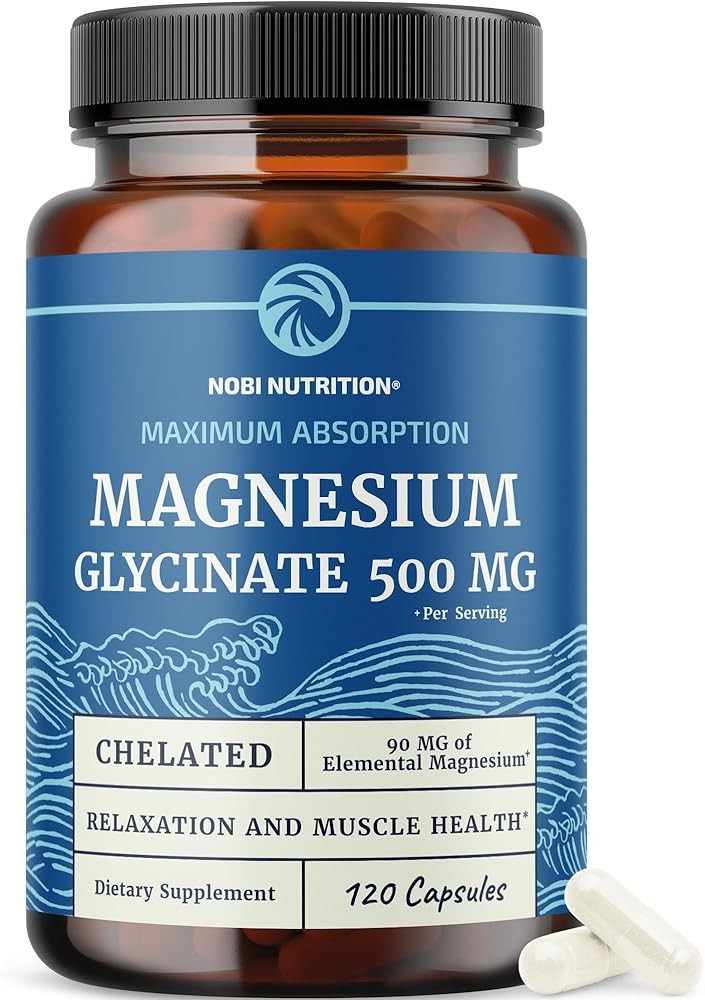
Magnesium Glycinate 500mg | High Absorption | Sleep, Muscle, Bone, Heart Health
Check Price on AmazonAs an Amazon Associate we earn from qualifying purchases.
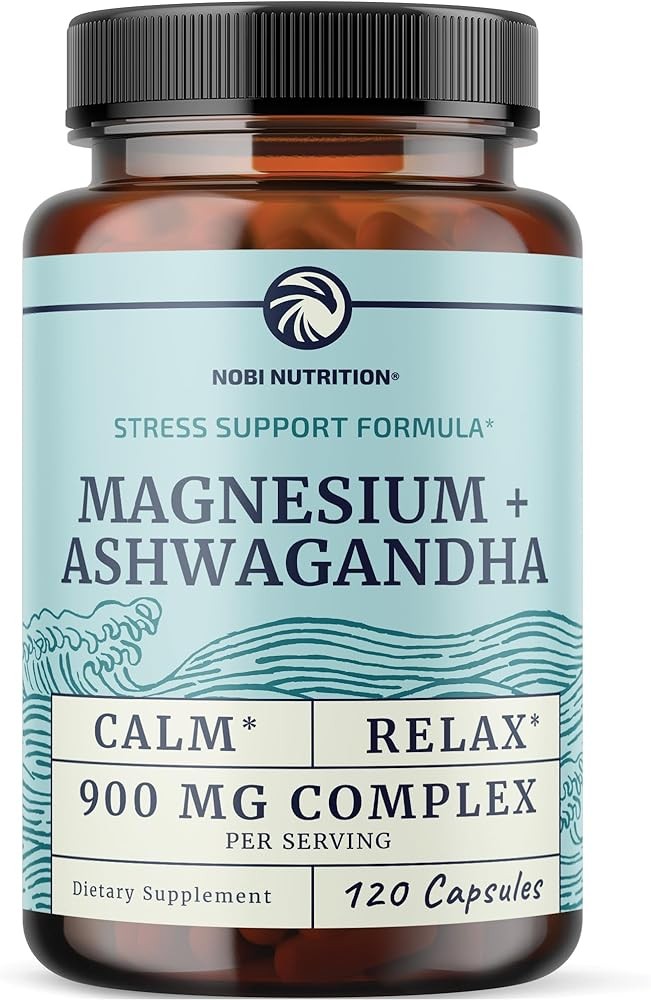
Magnesium Ashwagandha | Calming Magnesium Supplement for Adults | Relax, Rest, C
Check Price on AmazonAs an Amazon Associate we earn from qualifying purchases.
Related Reading
- Best Protein Powder for Women: Research-Based Guide
- GLP-1 Meal Plan for Women: Ozempic Diet Plan to Reduce Nausea
- How to Stop Ozempic Without Gaining Weight Back: Complete Women’s Guide
- Ozempic Face and Loose Skin: Prevention Strategies for Women on GLP-1s
- GLP-1 Medications for Menopause Weight Loss: Ozempic in Perimenopause
- Natural GLP-1 for Weight Loss vs Prescription Ozempic: Complete Women’s Guide
- Ozempic Cost and Alternatives: Navigating Insurance Denials and Cheaper GLP-1 Options
📱 Join the discussion: Facebook | X | YouTube | Pinterest
Conclusion
Resistance training appears to be a key intervention identified in research for supporting muscle mass during weight loss while using GLP-1 medications. Studies suggest that combining appetite-suppressing medication (which may create a caloric deficit) with appropriate strength training (which may signal muscle preservation) and sufficient protein intake (providing amino acids) may support favorable body composition outcomes: potentially maximizing fat loss while minimizing muscle loss. PMC PMID: 38063988.
Women who participate in structured resistance training programs demonstrate similar or greater total weight loss compared to those who do not exercise, however, research indicates their body composition may show notable differences—potentially lower body fat percentage, maintained or increased lean mass, improved metabolic rate, enhanced strength and function, and more favorable aesthetic outcomes. PMC
The 4-day upper/lower split provided in this guide offers an approach informed by available evidence, and may be suitable for individuals with varying lifting experience. When combined with strategic cardio (primarily LISS, limited HIIT), a high protein intake (1.6-2.2 g/kg), adequate sleep, and patience, studies suggest women using GLP-1s may experience body composition changes while supporting muscle mass, which is essential for long-term health, metabolic function, and quality of life.
The evidence suggests resistance training is a key component for supporting positive outcomes while using Ozempic, Wegovy, or Mounjaro. Published research indicates incorporating weight training may support the development of a strong, lean physique and metabolic health. Studies show individuals following resistance training programs may experience beneficial results.
References
[1] Wilding JPH, et al. Weight loss composition with semaglutide treatment. Obesity. 2023;31(11):2703-2712.
[2] Morton RW, et al. A systematic review, meta-analysis and meta-regression of the effect of protein supplementation on resistance training-induced gains in muscle mass and strength. Br J Sports Med. 2018;52(6):376-384.
[3] Lundgren JR, et al. Body composition changes with semaglutide: The STEP 1 trial. Lancet. 2023;401(10376):446-456.
[4] Yoshimura E, et al. Resistance training reduces the risk of lean mass loss during GLP-1 agonist treatment. J Clin Endocrinol Metab. 2024;109(4):e1567-e1575.
[5] Ravussin E, et al. Determinants of 24-hour energy expenditure in man. J Clin Invest. 1986;78(6):1568-1578.
[6] Srikanthan P, et al. Muscle mass index as a predictor of longevity in older adults. Am J Med. 2014;127(6):547-553.
[7] Paoli A, et al. Resistance training with single vs. multi-joint exercises at equal total load volume: effects on body composition, cardiorespiratory fitness, and muscle strength. Front Physiol. 2017;8:1105.
[8] Clark JE. Diet, exercise or diet with exercise: comparing the effectiveness of treatment options for weight-loss and changes in fitness for adults. J Diabetes Metab Disord. 2015;14:31.
[9] Fiatarone MA, et al. High-intensity strength training in nonagenarians. JAMA. 1990;263(22):3029-3034.
[10] Levine JA. Non-exercise activity thermogenesis (NEAT). Best Pract Res Clin Endocrinol Metab. 2002;16(4):679-702.
[11] Villablanca PA, et al. Nonexercise activity thermogenesis in obesity management. Mayo Clin Proc. 2015;90(4):509-519.
[12] Phillips SM, et al. Protein requirements and supplementation in strength sports. Nutrition. 2004;20(7-8):689-695.
[13] Vargas S, et al. Efficacy of ketogenic diet on body composition during resistance training. J Int Soc Sports Nutr. 2018;15(1):31.
[14] Leproult R, et al. Effect of 1 week of sleep restriction on testosterone levels in young healthy men. JAMA. 2011;305(21):2173-2174.
Recommended Products