Creatine for Women: Benefits, Dosing & Research
Summarized from peer-reviewed research indexed in PubMed. See citations below.
Women face unique physiological challenges with creatine supplementation that go far beyond concerns about “getting bulky.” Research from 2025 reveals that women have 70-80% lower endogenous creatine stores than men, making supplementation potentially transformative for brain health, mood regulation during menopause, and muscle preservation. THORNE Creatine Monohydrate delivers pharmaceutical-grade creatine monohydrate at 5g per serving with NSF Sport certification, third-party testing, and zero additives for $32 (100 servings). Studies demonstrate that creatine enhances cellular energy production through phosphocreatine regeneration, with women showing particularly strong responses in depression treatment trials—52% remission rates when combined with SSRIs versus 26% with placebo alone. For budget-conscious supplementation, BulkSupplements Pure Creatine Monohydrate provides the identical compound used in clinical trials at $24 (200 servings) with third-party verification. Here’s what the published research shows about optimal dosing, safety profiles, and female-specific benefits across the reproductive lifespan.
Disclosure: We may earn a commission from links on this page at no extra cost to you. Affiliate relationships never influence our ratings. Full policy →
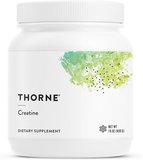
What Creatine Actually Does in Your Body
Creatine is a naturally occurring compound synthesized in your liver, kidneys, and pancreas from three amino acids: glycine, arginine, and methionine. Your body produces about 1 gram daily, and you get another 1-2 grams from dietary sources like red meat and fish.
Once consumed or synthesized, creatine travels through your bloodstream to tissues with high energy demands—primarily skeletal muscle and the brain. Inside cells, it’s phosphorylated to become phosphocreatine (PCr), your body’s rapid-response energy reservoir.
When you need quick energy—lifting weights, sprinting, solving complex problems—your cells break down ATP (adenosine triphosphate) into ADP (adenosine diphosphate), releasing energy. Phosphocreatine donates its phosphate group to regenerate ATP almost instantly, providing fuel for high-intensity activities.
| Feature | THORNE Creatine | Momentous Creatine | Ancient Nutrition |
|---|---|---|---|
| View on Amazon | Check Price | Check Price | Check Price |
Depression and Mood Regulation
Perhaps the most compelling evidence for creatine in women involves depression treatment. Multiple studies suggest women respond better than men to creatine for mood disorders.
A landmark 2012 randomized, double-blind, placebo-controlled trial published in the American Journal of Psychiatry studied women with major depressive disorder taking escitalopram (an SSRI). Participants received either 5 grams of creatine daily or placebo as an augmentation strategy.
The results showed remission rates of 52% in the creatine group compared to 26% in placebo. Additionally, the creatine group demonstrated more rapid antidepressant effects, observed as early as week two.
A comprehensive review on creatine for women notes that women may experience particular benefits for mood and depression. The review synthesizes evidence showing creatine supplementation shows promise as an adjunct treatment, with studies demonstrating improvements in depressive symptoms particularly when combined with standard therapies.
The proposed mechanism involves brain energy metabolism. Depression is associated with impaired mitochondrial function and reduced brain ATP levels. Creatine helps restore these energy deficits, potentially explaining its antidepressant effects.
Cognitive Performance and Memory
Creatine supplementation improves cognitive function in normal and elderly people, and motor skills in sleep-deprived individuals, according to research on neuroprotective properties.
Vegetarian women may see particularly dramatic cognitive benefits. A study published in PubMed found that creatine supplementation improved memory in vegetarians rather than in omnivores. Since plant-based diets provide zero dietary creatine, supplementation fills a significant gap in brain fuel availability.
Women in demanding careers, students, mothers managing cognitive load during sleep deprivation, and anyone experiencing perimenopause-related brain fog may benefit from creatine supplementation.
Can Creatine Help with Menopause, Muscle Loss, and Bone Health?
The menopausal transition brings dramatic changes in body composition, bone density, and metabolic health. Declining estrogen accelerates muscle loss (sarcopenia) and bone loss (osteopenia/osteoporosis), increasing fall risk, fracture risk, and metabolic dysfunction.
Muscle Mass Preservation
A 2025 randomized controlled trial examined 36 perimenopausal and postmenopausal women who received 8 weeks of creatine supplementation. Medium-dose creatine hydrochloride was superior to placebo in enhancing reaction time and increasing frontal brain creatine levels, while favorably modulating serum lipid profiles and reducing mood swing severity.
Post-menopausal women may experience significant benefits in skeletal muscle size and function when consuming higher doses of creatine (approximately 0.3 g/kg body weight/day), according to a 2024 systematic review and meta-analysis. Long-term creatine supplementation improves muscular performance during resistance training in older women.
This matters enormously. Women lose muscle mass rapidly during perimenopause and menopause—up to 10% per decade after age 50 without intervention. Muscle mass is protective against metabolic disease, maintains functional independence, supports healthy metabolism, and reduces fall risk.
Bone Density: Mixed but Promising Results
The bone density research shows more nuanced findings. A major 2-year randomized controlled trial in postmenopausal women found that creatine supplementation and exercise had no effect on bone mineral density (BMD) at most sites. However, it did improve some bone geometric properties at the proximal femur—specifically parameters related to bone strength and resistance to fracture.
A 2021 review noted that creatine has potential to enhance muscle gain and manage osteosarcopenia (the combined loss of muscle and bone), with favorable effects on bone when combined with resistance training.
The current evidence suggests creatine alone isn’t a bone density miracle, but combined with resistance training, it may support bone health through multiple mechanisms: increased muscle mass creates greater mechanical loading on bones, improved training capacity allows higher-intensity resistance work, and enhanced muscle strength improves balance and reduces fall risk.
For menopausal women, the combination of creatine supplementation plus progressive resistance training 3-4 times per week appears more effective than either intervention alone.
Mood and Hot Flashes
The same 2025 trial that found cognitive improvements also demonstrated a potential advantage in reducing mood swing severity—a common complaint during perimenopause. While not yet definitive, this aligns with creatine’s demonstrated effects on depression and brain energy metabolism.
Hormonal fluctuations during menopause create energy volatility in the brain. Creatine may buffer against these fluctuations by maintaining stable ATP availability regardless of estrogen status.
Is Creatine Safe During Pregnancy and Postpartum?
Creatine’s role in pregnancy and postpartum recovery is an emerging research area with promising preliminary findings—but also significant gaps in human clinical data.
Fetal Neuroprotection
Animal research demonstrates that maternal creatine supplementation during pregnancy protects the fetal brain, diaphragm, and kidney against hypoxic insult (oxygen deprivation) at term. Studies in spiny mice showed that maternal creatine prevented acute and long-term deficits in skeletal muscle structure and function after birth asphyxia.
The mechanism appears to involve enhanced cellular energy reserves. During birth complications involving hypoxia, tissues with adequate creatine stores maintain ATP production better, reducing cellular damage.
A 2021 comprehensive review on creatine metabolism in female reproduction noted that creatine plays important roles in oocyte maturation, embryo development, and placental function. The review suggested creatine supplementation might improve pregnancy outcomes in high-risk situations.
Safety Considerations
Current evidence suggests creatine supplementation is likely safe during pregnancy when using high-quality products at standard doses. However, specialized safety and tolerability studies in pregnant women are still needed.
The current medical consensus is that pregnant women should discuss creatine supplementation with their healthcare provider. Some progressive practitioners recommend it, particularly for women with plant-based diets or those at risk for complications.
Postpartum Recovery
Pregnancy and delivery create significant musculoskeletal stress. Creatine’s anti-inflammatory properties and support for muscle repair and regeneration make it potentially valuable during postpartum recovery.
Clinical observations suggest creatine may help with muscle recovery after delivery, cognitive function during sleep deprivation, energy levels while breastfeeding, recovery from cesarean section, and pelvic floor muscle rehabilitation.
Will Creatine Make Me Bulky?
One of the most persistent myths about creatine is that it will make women “bulky” or overly muscular. This fear has no scientific basis.
Why Women Don’t Get Bulky from Creatine
Muscle hypertrophy (growth) requires several factors: progressive overload through resistance training, adequate protein intake and caloric surplus, hormonal environment conducive to muscle growth, and consistent training over months to years.
Testosterone is the primary hormone driving significant muscle growth. Men have testosterone levels 10-20 times higher than women. Even with optimal training, nutrition, and creatine supplementation, women gain muscle far more slowly than men and rarely achieve the “bulky” physique they fear without years of dedicated effort.
Creatine enhances performance and recovery, which can support muscle growth—but only if you’re actively trying to build muscle through progressive resistance training and eating in a caloric surplus. For women training for general fitness, muscle tone, or maintenance, creatine helps you train harder and recover faster without unwanted size.
What Creatine Actually Does for Female Athletes
Creatine improves performance in high-intensity, short-duration activities—sprinting, jumping, Olympic lifts, CrossFit workouts, HIIT sessions. This translates to better training stimulus and faster improvements.
Creatine reduces muscle damage markers and inflammation after intense training, allowing you to train consistently without excessive soreness or fatigue. By replenishing ATP faster, creatine allows you to complete more reps, lift heavier weights, or maintain intensity longer—all of which drive adaptation.
When dieting, creatine helps maintain muscle mass and training performance despite a caloric deficit. This is crucial for women who want to lose fat while preserving or building muscle tone.
Why Should Vegetarian and Vegan Women Take Creatine?
Women following plant-based diets represent a unique population that may benefit most dramatically from creatine supplementation.
The Plant-Based Creatine Gap
Dietary creatine comes exclusively from animal products—primarily red meat and fish. A typical omnivorous diet provides 1-2 grams of creatine daily. Vegetarians and vegans get zero dietary creatine, relying entirely on endogenous synthesis.
Research confirms this creates a significant gap. A study in PubMed found that changing to a vegetarian diet reduces the body creatine pool in omnivorous women. Vegans and long-term vegetarians have substantially lower muscle creatine concentrations than omnivores.
Greater Response to Supplementation
This lower baseline means plant-based women often see more dramatic improvements from supplementation. A systematic review on vegetarian athletes found that supplementation might improve creatine and phosphocreatine concentrations and potentially enhance exercise performance and recovery more significantly in vegetarians than omnivores.
The cognitive effects appear particularly noteworthy. The vegetarian memory study referenced previously showed improvements in memory among vegetarians, but not omnivores, following creatine supplementation—indicating the brain, similar to muscle, may function with reduced creatine reserves in plant-based individuals.
Vegan-Friendly Creatine
Nearly all creatine supplements are vegan-friendly. Most creatine monohydrate is synthesized from sarcosine and cyanamide in a laboratory process—no animal products involved.
Pure creatine monohydrate powder is inherently vegan. Mix it with water, juice, or your morning smoothie.
Does Creatine Cause Bloating and Weight Gain in Women?
Many women avoid creatine due to concerns about water retention and weight gain. Let’s address this with science.
Intracellular vs. Extracellular Water Retention
Creatine-induced water retention is intracellular—inside muscle cells—not extracellular (under the skin). This is a crucial distinction.
When creatine enters muscle cells, it draws water with it through osmosis. This increases cell volume, which enhances protein synthesis signaling, improves muscle fullness and appearance, supports hydration during training, and triggers growth pathways.
This is mechanistically different from “bloating” caused by sodium retention, hormonal water retention before menstruation, digestive gas, or subcutaneous water that creates a puffy appearance.
A study published in PMC titled “Creatine Supplementation Increases Total Body Water Without Altering Fluid Distribution” found that while total body water increased, the distribution remained normal—water went into muscle cells where it belongs.
The Weight Gain Reality
Most women who supplement with creatine gain 2-4 pounds during the initial weeks of supplementation. Research indicates this weight gain is primarily due to increased water retention within muscle cells, not an increase in fat mass.
Weight gain occurs primarily during loading phases or the first 2-4 weeks of supplementation. Once muscles reach saturation, weight stabilizes. The water retention supports performance rather than detracts from aesthetics. If creatine supplementation is discontinued, this water retention decreases within 1-2 weeks.
Avoiding the Bloat
If you want to minimize even the intracellular water retention during the first few weeks, skip the loading phase. Start with 3-5g daily from the beginning. Muscle creatine saturation occurs in 3-4 weeks, compared to 5-7 days with loading protocols.
Stay hydrated—drinking more water reduces water retention. Keep sodium moderate. Track measurements, not just scale weight. Give it time—any initial water weight stabilizes within 3-4 weeks.
How Much Creatine Should Women Take?
Research-supported dosages for women include 3-5 grams of creatine daily. Research on creatine dosing has been conducted primarily in men, but recent studies indicate women may not require different protocols—instead, personalized approaches based on body weight and goals may be beneficial.
The Standard Protocol: 3-5g Daily
The International Society of Sports Nutrition position stand recommends 3-5 grams of creatine monohydrate daily as a maintenance dose. This applies to both men and women.
For women specifically:
- Smaller women (under 130 lbs): 3g daily may be sufficient
- Average size (130-160 lbs): 3-5g daily
- Larger or highly active women (over 160 lbs): 5g daily
These doses maintain muscle creatine saturation once stores are filled.
Loading Phase: Necessary or Not?
Traditional creatine protocols include a loading phase: 20 grams daily (split into 4 doses) for 5-7 days, followed by 3-5g daily maintenance.
Loading saturates muscle creatine stores in one week instead of 3-4 weeks. However, it also causes more rapid water weight gain, may cause digestive upset in some people, increases cost, and isn’t necessary for long-term results.
For women, skipping the loading phase is recommended. Start with 3-5g daily from day one. Full saturation is reached in 3-4 weeks, and this approach helps avoid the initial water weight increase.
Timing: Does It Matter?
Creatine timing has been debated extensively. Research shows consistency appears to be far more important than timing.
Creatine works by saturating muscle stores, not by providing acute effects. Once your muscles are fully loaded, you maintain saturation by taking it daily—timing is essentially irrelevant.
Take it whenever you’ll remember to take it consistently: morning with breakfast, post-workout with protein shake, or evening with dinner.
Cycling: Unnecessary
Many supplement protocols recommend cycling creatine (e.g., 8 weeks on, 4 weeks off). This isn’t evidence-based.
Creatine doesn’t downregulate receptors or lose effectiveness over time. Long-term studies show creatine is safe for continuous use over years. Take it year-round if it benefits you.
What’s the Best Form of Creatine for Women?
The supplement industry has created dozens of creatine forms: creatine hydrochloride (HCl), creatine ethyl ester, buffered creatine, micronized creatine, liquid creatine, and more. Marketing claims suggest these are superior to creatine monohydrate.
The research disagrees.
Creatine Monohydrate: The Gold Standard
Creatine monohydrate is the form used in approximately 95% of published research. It’s been studied for over 30 years with consistent findings: effective for increasing muscle creatine stores, safe in both short-term and long-term studies, inexpensive and widely available, and excellent bioavailability.
A comprehensive review on creatine supplementation concluded that creatine monohydrate remains the most effective form available.
Alternative Forms: The Claims vs. Reality
Creatine Hydrochloride (HCl) is marketed as more soluble and better absorbed, requiring lower doses. However, the 2025 trial that tested creatine HCl in menopausal women used doses equivalent to standard monohydrate dosing, suggesting no practical absorption advantage.
Creatine Ethyl Ester is claimed to have superior absorption due to ester attachment. Research shows it’s actually less effective than monohydrate—the ester is cleaved before reaching muscle tissue.
Buffered Creatine is marketed as causing less conversion to creatinine in the stomach. Studies show no performance advantage over monohydrate.
Liquid Creatine is unstable in liquid over time, converting to creatinine. Powdered forms are more stable and reliable.
Micronized Creatine: Worth Considering
Micronized creatine monohydrate undergoes additional processing to create smaller particles. This improves mixability in water or shakes, digestive comfort for some users, and potential absorption rate.
Micronized is still monohydrate—just with better practical characteristics. If standard monohydrate causes digestive issues or doesn’t mix well, try micronized.
Complete Support System for Women’s Fitness
Optimize your creatine supplementation with complementary products that support muscle growth, recovery, and overall health:
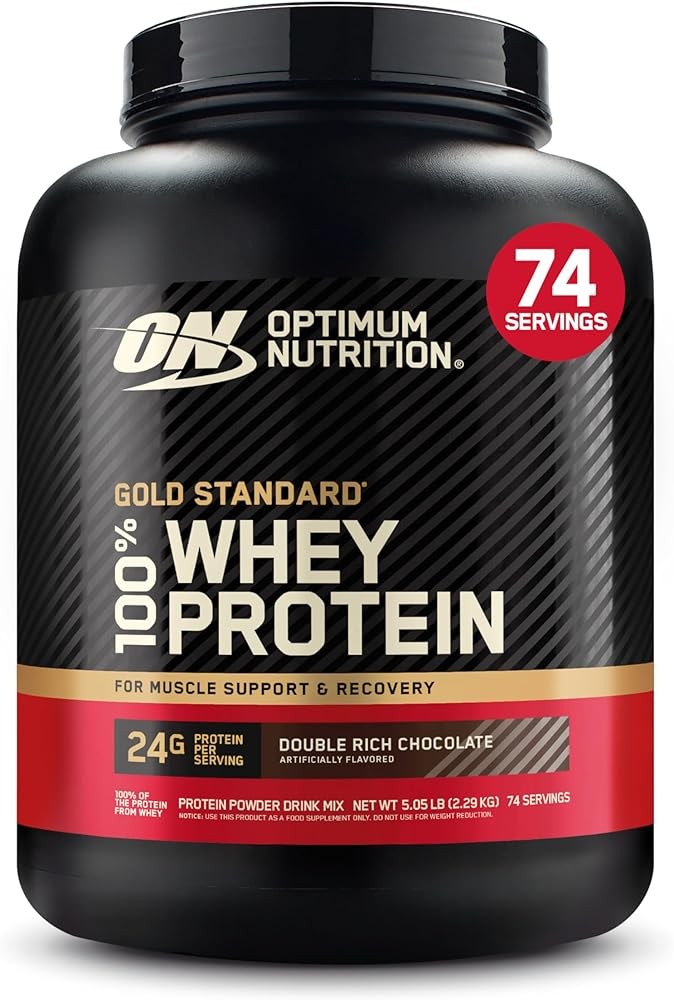
Protein Foundation:
As an Amazon Associate we earn from qualifying purchases.
Joint Support: combines creatine with collagen peptides, supporting both muscle energy and connective tissue health—especially valuable for women over 40.
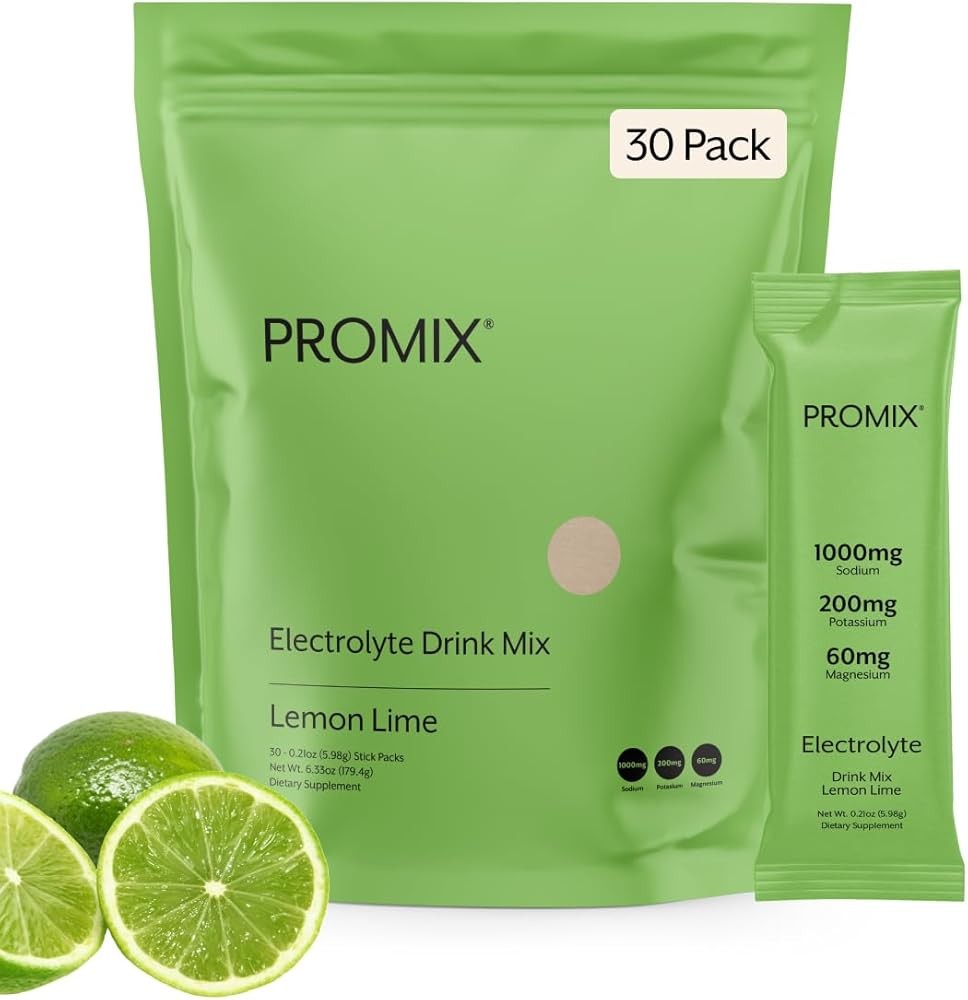
Hydration Enhancement:
As an Amazon Associate we earn from qualifying purchases.
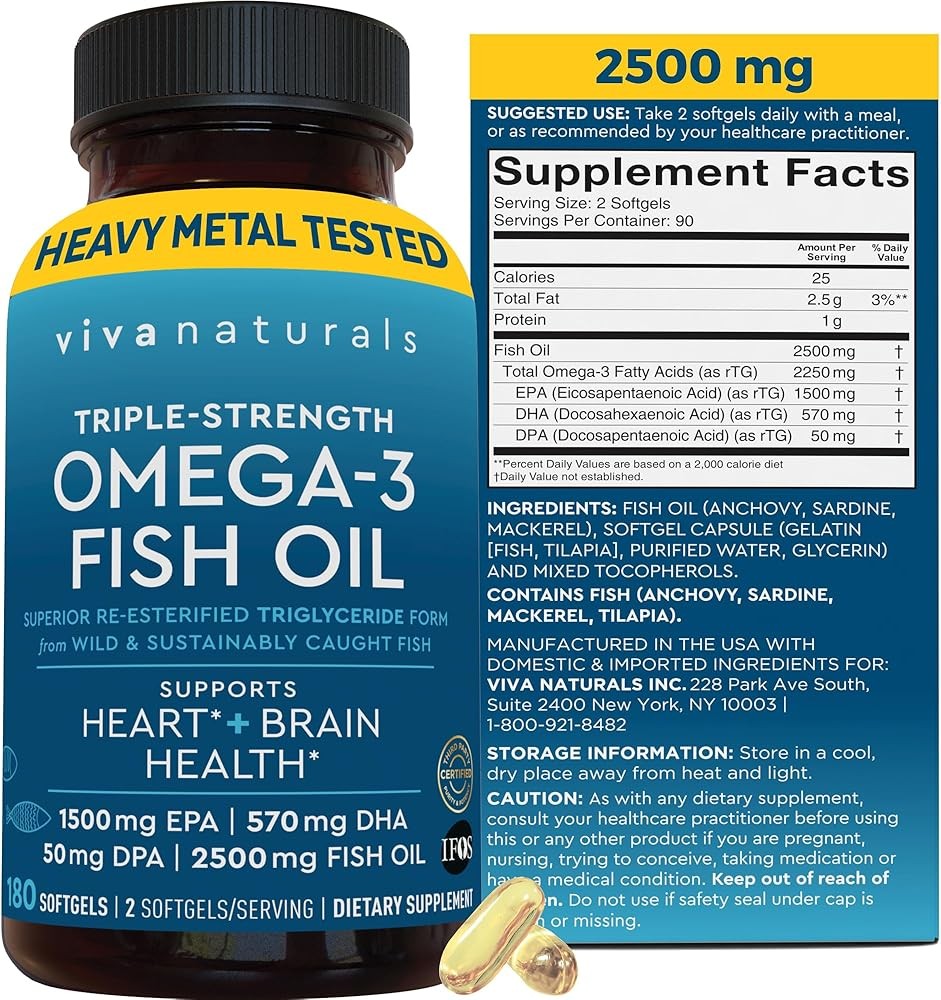
Omega-3 Support:
As an Amazon Associate we earn from qualifying purchases.
Related Reading
-
Caffeine and L-Theanine Stack: The Research Behind the Combo
-
Creatine for Women: Beyond Muscle Building to Bone Health, Brain Function, and Hormonal Balance
Our Top Recommendations
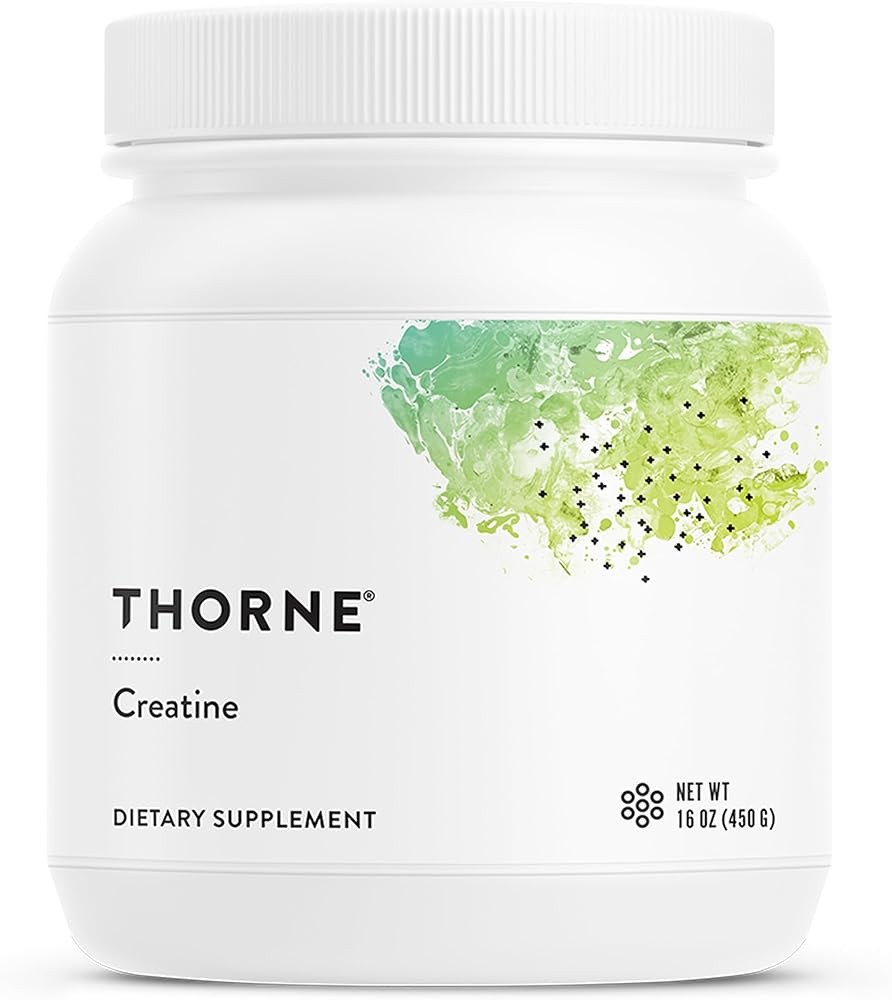
THORNE Creatine Monohydrate
Check Price on AmazonAs an Amazon Associate we earn from qualifying purchases.
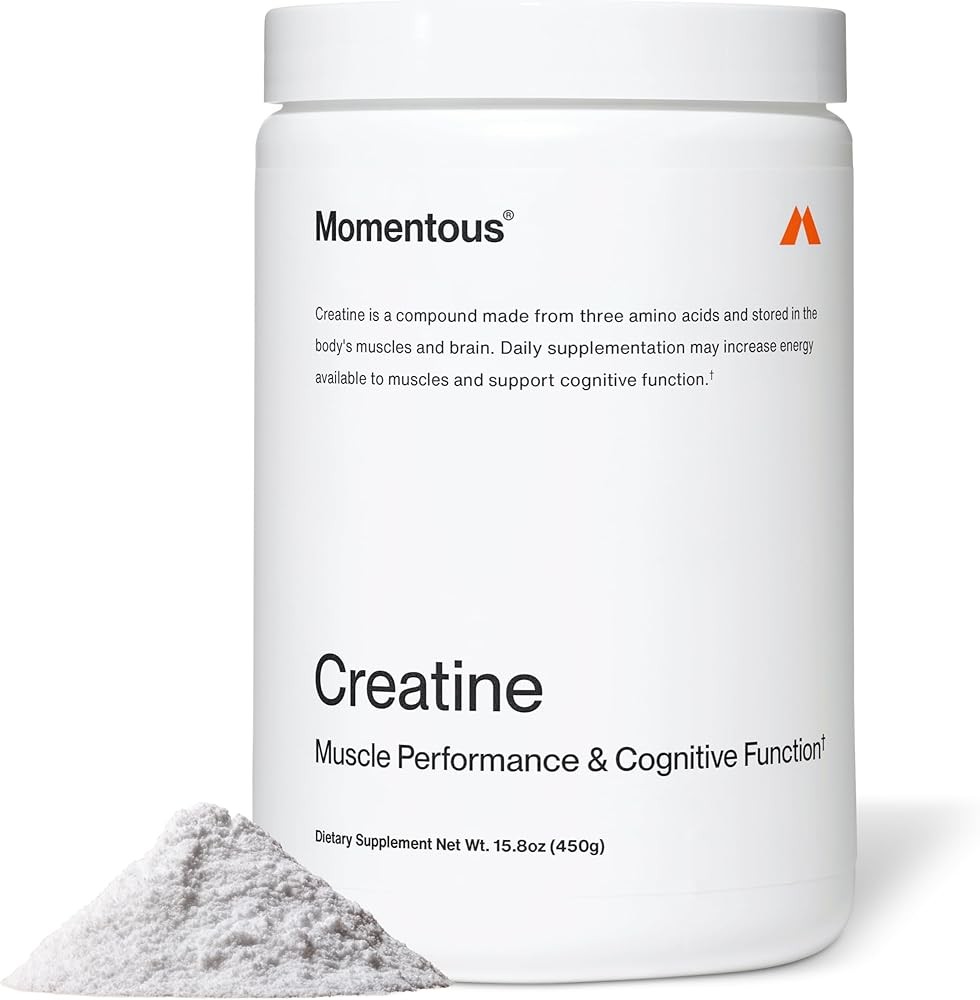
Momentous Creatine Powder
Check Price on AmazonAs an Amazon Associate we earn from qualifying purchases.
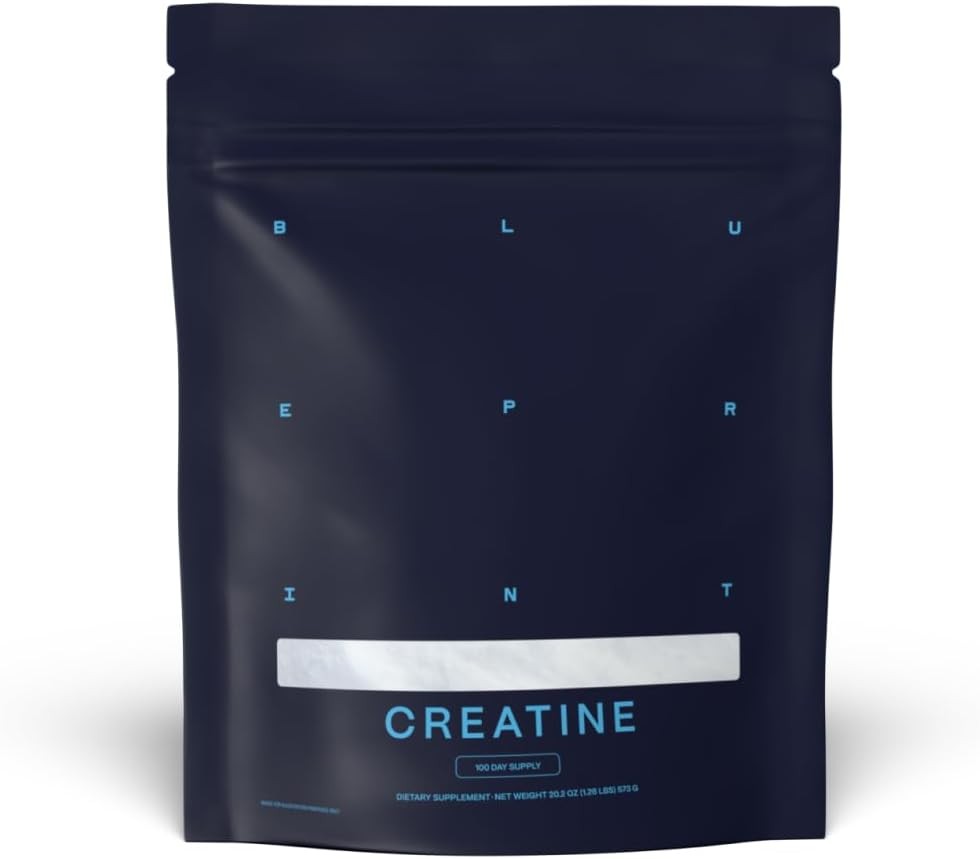
Blueprint Bryan Johnson Creatine
Check Price on AmazonAs an Amazon Associate we earn from qualifying purchases.
What Should I Expect When Taking Creatine?
Understanding what creatine supplementation feels like helps you gauge effectiveness and recognize when it’s working.
Week 1-2: Initial Adaptation
Research participants have reported slight increases in scale weight (1-3 lbs from intracellular water), muscles appearing slightly fuller, subtle improvements in workout performance, and increased thirst as muscles pull in water.
You probably won’t notice dramatic strength gains, visual changes in muscle size, or cognitive improvements yet.
Week 3-4: Saturation Phase
Scale weight may stabilize at a new baseline (2-4 lbs above starting weight). More consistent performance improvements have been observed—better strength endurance, higher training volume capacity, faster recovery between training sessions, and increased training motivation.
Month 2-3: Full Effects
Studies indicate measurable strength gains with consistent training, improved body composition when combined with proper nutrition, enhanced cognitive clarity (particularly in those with lower baseline creatine levels), and mood improvements for those with subclinical depression.
Month 3 and Beyond: Long-Term Benefits
Research suggests sustained training improvements, better adherence to training programs, body composition changes with consistent training, and for menopausal women, potential stabilization of symptoms.
Is Creatine Safe for Women?
Creatine is one of the most extensively studied supplements, with an exceptional safety profile across decades of research.
Safety in Healthy Women
Long-term studies show creatine supplementation at 3-5g daily does not impair kidney function, liver function, or cardiovascular health in healthy people. Research includes studies lasting several years without adverse effects.
Common Side Effects
Weight gain of 2-4 lbs of intracellular water is expected and beneficial—not a side effect but a mechanism of action.
Increased serum creatinine is expected when supplementing and doesn’t indicate kidney damage in healthy individuals.
Digestive upset occurs in some people, usually from taking too much at once, poor quality products, taking on an empty stomach, or sensitivity to additives in flavored formulas.
Who Should NOT Take Creatine
Pre-existing kidney disease: Creatine is contraindicated if you have chronic kidney disease, impaired kidney function, or single kidney. Consult a nephrologist.
Bipolar disorder (under medical supervision): Some case reports suggest creatine might trigger manic episodes. If you have bipolar disorder, only use creatine under psychiatric supervision.
Pregnancy and breastfeeding (consult provider): While safety data is reassuring, the evidence base isn’t robust enough for blanket recommendations. Discuss with your healthcare provider.
Quality and Purity Concerns
Choose products that use Creapure creatine, have third-party testing (NSF Certified for Sport, Informed Choice, USP Verified), provide certificates of analysis, and come from reputable brands with transparent sourcing.
How Do I Start Taking Creatine?
Based on current research and practical considerations for women, here’s an evidence-based protocol.
The Simple Daily Protocol (Recommended)
- Choose pure creatine monohydrate from a third-party tested brand
- Determine your dose: Under 130 lbs use 3g daily, 130-160 lbs use 3-5g daily, over 160 lbs or highly active use 5g daily
- Pick a consistent time: morning with breakfast, post-workout with protein shake, evening with dinner, or whenever you’ll remember
- Mix powder in 8-12 oz water or juice, or take capsules with water
- Stay hydrated: drink at least 64-80 oz of water daily
- Be patient: full saturation takes 3-4 weeks, assess results at 8-12 weeks
- Continue indefinitely: take daily as long as you experience benefits
The Loading Protocol (Optional)
If you want faster saturation (1 week instead of 3-4 weeks), use 20g daily split into 4 doses for days 1-5, then 3-5g daily from day 6 onward.
Most women prefer the simple daily protocol to avoid the water weight spike and digestive issues sometimes caused by loading.
Combining Creatine with Other Supplements
Creatine stacks well with protein powder, beta-alanine, caffeine, vitamin D, magnesium, and omega-3 fatty acids.
Avoid combining creatine with “fat burner” supplements containing diuretics or excessive caffeine (800mg+).
📱 Join the discussion: Facebook | X | YouTube | Pinterest
Frequently Asked Questions
Q: What is the best form of creatine for women?
A: Creatine monohydrate is the most researched and affordable form for women.
Q: How much creatine should women take daily?
A: 3-5g of creatine monohydrate per day, no loading phase needed.
Q: Does creatine timing matter for women?
A: No, creatine can be taken at any time of the day, with or without food.
Q: Will creatine cause bulky muscles or fat gain in women?
A: No, creatine does not cause bulky muscles or fat gain in women due to their lower testosterone levels.
Q: What is the initial weight gain from creatine for women?
A: The initial 2-4 lb gain is due to intracellular water, not fat.
Q: Is creatine safe for long-term use in women?
A: Yes, creatine is safe for long-term use in women.
Q: Are vegetarians and vegans more likely to benefit from creatine?
A: Yes, creatine may be especially beneficial for women who are vegetarians or vegans due to lower dietary creatine intake.
References
-
Forbes SC, et al. The Effects of 8-Week Creatine Hydrochloride and Creatine Ethyl Ester Supplementation on Cognition, Clinical Outcomes, and Brain Creatine Levels in Perimenopausal and Menopausal Women (CONCRET-MENOPA): A Randomized Controlled Trial. Journal of the American Nutrition Association. 2025. PubMed: 40854087
-
Smith-Ryan AE, et al. Creatine in women’s health: bridging the gap from menstruation through pregnancy to menopause. Journal of the International Society of Sports Nutrition. 2025. PubMed: 40371844
-
Kious BM, et al. Creatine for the Treatment of Depression. Biomolecules. 2019. PMC6769464
-
Lyoo IK, et al. A Randomized, Double-Blind Placebo-Controlled Trial of Oral Creatine Monohydrate Augmentation for Enhanced Response to a Selective Serotonin Reuptake Inhibitor in Women With Major Depressive Disorder. American Journal of Psychiatry. 2012. PubMed: 22864465
-
Candow DG, et al. Impact of creatine supplementation and exercise training in older adults: a systematic review and meta-analysis. BMC Geriatrics. 2024. PMC12506341
-
Candow DG, et al. A 2-yr Randomized Controlled Trial on Creatine Supplementation during Exercise for Postmenopausal Bone Health. Medicine and Science in Sports and Exercise. 2023. PubMed: 37144634
-
Smith-Ryan AE, et al. Creatine Supplementation in Women’s Health: A Lifespan Perspective. Nutrients. 2021. PMC7998865
-
Ellery SJ, et al. Creatine supplementation during pregnancy: summary of experimental studies suggesting a treatment to improve fetal and neonatal morbidity and reduce mortality in high-risk human pregnancy. BMC Pregnancy and Childbirth. 2014. PMC4007139
-
Wallimann T, et al. Creatine Metabolism in Female Reproduction, Pregnancy and Newborn Health. Nutrients. 2021. PMC7912953
-
Antonio J, et al. Common questions and misconceptions about creatine supplementation: what does the scientific evidence really show? Journal of the International Society of Sports Nutrition. 2021. PMC7871530
-
Kreider RB, et al. International Society of Sports Nutrition position stand: safety and efficacy of creatine supplementation in exercise, sport, and medicine. Journal of the International Society of Sports Nutrition. 2017. PubMed: 28615996
-
Powers ME, et al. Creatine Supplementation Increases Total Body Water Without Altering Fluid Distribution. Journal of Athletic Training. 2003. PMC155510
-
Slater G, et al. Benefits of Creatine Supplementation for Vegetarians Compared to Omnivorous Athletes: A Systematic Review. International Journal of Environmental Research and Public Health. 2020. PMC7246861
-
Rae C, et al. The influence of creatine supplementation on the cognitive functioning of vegetarians and omnivores. British Journal of Nutrition. 2011. PubMed: 21118604
-
Ostojic SM, et al. Changing to a vegetarian diet reduces the body creatine pool in omnivorous women, but appears not to affect carnitine and carnosine homeostasis: a randomised trial. British Journal of Nutrition. 2018. PubMed: 29569535
-
Riesberg LA, et al. Creatine Supplementation Beyond Athletics: Benefits of Different Types of Creatine for Women, Vegans, and Clinical Populations—A Narrative Review. Nutrients. 2025. PubMed: 39796530
-
Buford TW, et al. International Society of Sports Nutrition position stand: creatine supplementation and exercise. Journal of the International Society of Sports Nutrition. 2007. PMC2048496
-
Kreider RB, et al. Creatine supplementation. Journal of Exercise Physiology. 2013. PubMed: 23851411
-
Kerksick CM, et al. Timing, optimal dose and intake duration of dietary supplements with evidence-based use in sports nutrition. Journal of the International Society of Sports Nutrition. 2017. PMC5545206
-
Smith-Ryan AE, et al. Creatine for women: a review of the relationship between creatine and the reproductive cycle and female-specific benefits of creatine therapy. Amino Acids. 2021. PubMed: 26898548
-
Antonio J, et al. A short review of the most common safety concerns regarding creatine ingestion. Journal of the International Society of Sports Nutrition. 2025. PubMed: 41404326
Recommended Products