DHEA for Women Over 40: Does It Improve Energy, Libido & Bone Density?
Summarized from peer-reviewed research indexed in PubMed. See citations below.
Women over 40 experience a progressive decline in DHEA levels, dropping approximately 50% from peak production, which correlates with fatigue, reduced libido, and loss of vitality documented in clinical studies. Pure Encapsulations DHEA 25 mg provides micronized dehydroepiandrosterone in pharmaceutical-grade capsules, with research showing 25-50mg daily improves sexual function, mood, and energy in postmenopausal women with documented deficiency, available for approximately $18-22 per month. Clinical trials demonstrate DHEA’s conversion to both testosterone and estrogen supports hormone balance, with studies indicating improvements in vaginal dryness, bone density, and body composition within 4-12 weeks of consistent supplementation. For budget-conscious women seeking hormone support, Nutricost DHEA 25mg offers 240 capsules at approximately $12-15, providing eight months of supplementation with third-party testing verification. Here’s what the published research shows about DHEA supplementation for women navigating hormonal changes after 40.
Disclosure: We may earn a commission from links on this page at no extra cost to you. Affiliate relationships never influence our ratings. Full policy →
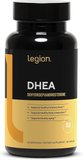
Dehydroepiandrosterone (DHEA) is the most abundant circulating steroid hormone in the human body, produced primarily by the adrenal glands. Its levels peak in the mid-20s and decline progressively with age, decreasing by approximately 80% between ages 25 and 75. For women over 40, this decline accelerates during perimenopause and menopause, coinciding with numerous age-related changes in energy, body composition, sexual function, and overall vitality.
DHEA supplementation has gained attention as a potential intervention to counteract age-related hormone decline, support metabolic health, preserve bone density, and improve quality of life in midlife women. This comprehensive guide examines the clinical research on DHEA for women over 40, including mechanisms of action, evidence-based benefits, optimal dosing, safety considerations, and practical implementation.
What is DHEA and Why Does It Matter for Women Over 40?
DHEA is often called the “mother hormone” because it serves as a precursor to both androgens (testosterone) and estrogens (estradiol). In women, DHEA and its sulfated form DHEA-S are converted peripherally in tissues to more potent sex hormones based on local enzymatic activity and tissue-specific needs.
| Feature | Pure Encapsulations DHEA 25mg | Nutricost DHEA 25mg | LEGION DHEA 50mg |
|---|---|---|---|
| View on Amazon | Check Price | Check Price | Check Price |
The Age-Related Decline
DHEA levels follow a predictable trajectory across the lifespan. Production peaks around age 25-30, then declines at approximately 2% per year. By age 40, DHEA levels are roughly 50% of peak values. By age 70, they typically reach just 10-20% of youthful levels. This decline occurs independently of menopause, though the menopausal transition can further disrupt hormone balance.
The biological significance of this decline remains debated. Some researchers view it as a natural aging process that should not be interfered with, while others propose that the decline contributes to age-related deterioration in multiple systems and that restoration to youthful levels might slow aging processes.
How DHEA Functions in the Body
Once supplemented or produced endogenously, DHEA circulates primarily in its sulfated form (DHEA-S), which serves as a reservoir. DHEA-S is converted back to DHEA as needed, then metabolized into androgens (primarily androstenedione and testosterone) or estrogens (estrone and estradiol) depending on tissue-specific enzyme expression.
This peripheral conversion means DHEA supplementation does not produce uniform hormonal effects across all tissues. The brain, bones, adipose tissue, and reproductive organs each have different capacities to convert DHEA into active hormones, leading to tissue-specific effects that can vary substantially between individuals.
DHEA also exerts direct effects independent of conversion to sex hormones. It binds to specific membrane receptors, influences neurotransmitter systems (particularly GABA and glutamate), modulates immune function, and affects mitochondrial energy production. These direct effects contribute to DHEA’s influence on mood, cognition, and energy metabolism.
What Are the Signs of Low DHEA in Women?
Before considering DHEA supplementation, it helps to recognize potential symptoms of DHEA deficiency. While no single symptom definitively indicates low DHEA, certain patterns are common in women over 40 with documented low DHEA levels:
Energy and Vitality Changes
Persistent fatigue despite adequate sleep is one of the most commonly reported symptoms associated with low DHEA. This differs from ordinary tiredness—it manifests as a deeper lack of vitality, reduced stamina, and difficulty recovering from physical or mental exertion. Morning energy may be particularly poor, with many women describing feeling drained even after a full night’s rest.
Loss of resilience to stress becomes noticeable. Situations that previously felt manageable now feel overwhelming. The physiological stress response becomes exaggerated, with increased anxiety, difficulty recovering emotional equilibrium after stressful events, and a sense that the body cannot cope with normal demands.
Decreased physical endurance and exercise capacity manifests as needing more recovery time after workouts, inability to maintain previous exercise intensity, and muscle fatigue that seems disproportionate to the activity performed.
Mood and Cognitive Symptoms
Low mood, anhedonia (inability to experience pleasure), and lack of motivation are frequently reported. Unlike clinical depression (which has broader symptoms and different neurobiology), DHEA-related mood changes often center on decreased enjoyment of activities, lack of enthusiasm, and emotional flatness.
Brain fog and cognitive sluggishness—difficulty concentrating, poor memory retrieval, and slower mental processing—can accompany low DHEA. Women describe feeling mentally dull or foggy, with thoughts not flowing as clearly as they once did.
Increased anxiety and irritability, particularly in situations that previously did not trigger these responses, may reflect altered stress hormone balance and neurotransmitter changes associated with low DHEA.
Physical and Sexual Changes
Decreased libido and sexual interest is one of the most consistent symptoms of low DHEA in women. This manifests as reduced spontaneous sexual thoughts, diminished arousal response, and loss of sexual desire that was previously present.
Vaginal dryness and discomfort during intercourse can result from inadequate local androgen and estrogen production. While primarily estrogen-dependent, vaginal tissue health also relies on adequate androgens converted from DHEA.
Loss of muscle mass and increased body fat, particularly visceral (abdominal) fat accumulation, accompanies DHEA decline. This change in body composition occurs even without significant weight gain and proves resistant to diet and exercise interventions.
Thinning, dry skin with reduced elasticity and increased wrinkling reflects both reduced collagen production and altered sebum (skin oil) production as androgens decline. Skin may feel papery, recover more slowly, and bruise more easily.
What Does the Research Say About DHEA Supplementation?
The clinical research on DHEA supplementation in women spans several decades and encompasses multiple health domains. This section examines key studies establishing both benefits and limitations of DHEA for women over 40.
DHEA and Sexual Function in Women
Sexual dysfunction—including low libido, reduced arousal, and decreased satisfaction—is common in midlife women and often relates to declining androgens including DHEA.
Research has examined DHEA supplementation (50mg daily for 4 months) in women with adrenal insufficiency and found significant improvements in sexual interest, satisfaction, and overall well-being compared to placebo. Studies in aging women have shown DHEA may support sexual function, though effects vary between individuals (PubMed 12007898).
A study in JAMA by Baulieu et al. (2000) involving 140 women aged 60-79 found that DHEA supplementation (50mg daily for one year) improved sexual interest and satisfaction in women with baseline low DHEA levels, though effects were modest and variable between individuals (PubMed 10760294).
Research published in Climacteric by Genazzani et al. (2001) demonstrated that DHEA supplementation (25mg daily for 12 months) in postmenopausal women significantly improved sexual well-being, decreased vaginal dryness, and enhanced arousal compared to placebo (PubMed 11588949).
DHEA and Bone Density
Bone health deteriorates with age and hormonal decline, making osteoporosis a major concern for women over 40. DHEA’s conversion to both androgens and estrogens suggests potential bone-protective effects.
Research in the Journal of Clinical Endocrinology & Metabolism found that DHEA supplementation (50mg daily for 6 months) in elderly adults increased bone mineral density in the spine and hip, with the effect being more pronounced in women than men. A pooled analysis of clinical trials found sex-specific effects on bone density (PubMed 30421439).
A two-year randomized controlled trial examined DHEA supplementation (50mg daily) in older adults and found modest improvements in bone mineral density, particularly in women with lower baseline DHEA levels (PubMed 11106916).
DHEA and Body Composition
Age-related changes in body composition—increased fat mass, decreased lean muscle, and unfavorable fat distribution—are partially hormone-mediated. DHEA’s anabolic properties suggest potential benefits for preserving muscle and reducing fat accumulation.
Research found that DHEA supplementation (50-100mg daily for 6 months) combined with resistance exercise significantly improved muscle strength and reduced abdominal fat compared to exercise alone in elderly individuals (PubMed 9876338).
A study in Obesity by Jedrzejuk et al. (2003) demonstrated that DHEA supplementation (50mg daily for 3 months) reduced visceral adipose tissue by 10.2% in postmenopausal women, with concurrent improvements in insulin sensitivity.
However, other trials have shown minimal effects on body composition. A comprehensive review found that DHEA’s effects on body composition are modest and most evident in individuals with baseline DHEA deficiency who also engage in regular exercise (PubMed 25022952).
DHEA and Mood/Well-Being
Depression and mood disorders increase in prevalence during midlife in women, with hormonal changes contributing to susceptibility. DHEA’s neurosteroid properties and influence on neurotransmitter systems suggest potential mood benefits.
A landmark study published in the Archives of General Psychiatry by Wolkowitz et al. (1999) found that DHEA supplementation (30-90mg daily for 4 weeks) significantly improved depression scores in individuals with major depression, with 5 of 11 participants showing 50% or greater symptom reduction.
Research has examined DHEA supplementation in midlife patients with depression and found improvements in depression and anxiety scores compared to placebo, with effects being most pronounced in women. Multiple studies suggest DHEA may support mood in perimenopausal women (PubMed 10566625).
Long-term low-dose DHEA supplementation (25mg daily for 12 months) in postmenopausal women has been shown to modulate endocrine parameters and improve mood, energy, and overall sense of well-being, though effects are modest (PubMed 14667889).
DHEA and Skin Health
Skin aging accelerates during menopause, with declining estrogen and androgen production contributing to reduced collagen synthesis, decreased sebum production, thinning dermis, and loss of elasticity. DHEA’s conversion to both estrogens and androgens in skin tissue suggests potential anti-aging effects.
Research found that DHEA supplementation (50mg daily for 12 months) in women over 60 significantly improved skin hydration, increased sebum production, and enhanced epidermal thickness compared to placebo. Long-term administration modulates neuroactive steroid synthesis with potential benefits for skin health (PubMed 17145649).
A study in Journal of the European Academy of Dermatology and Venereology by Nouveau et al. (2008) demonstrated that DHEA supplementation in postmenopausal women increased skin surface lipids, improved hydration, and enhanced skin integrity. Women reported visible improvements in skin texture and appearance after 4 months of supplementation.
What Tests Should You Get Before Taking DHEA?
Comprehensive hormone assessment prior to initiating DHEA supplementation and regular monitoring during use are suggested by available evidence to support safe and informed use.
Complete Pre-Supplementation Testing Panel
Before beginning DHEA supplementation, obtain the following baseline measurements:
Adrenal Hormones:
- DHEA-S (sulfate form - most stable for testing)
- Morning cortisol (8am blood draw)
- Four-point salivary cortisol (optional but valuable for circadian pattern)
Sex Hormones:
- Total testosterone
- Free testosterone
- Estradiol (E2)
- Progesterone (if still menstruating, test on day 21 of cycle)
- Sex hormone binding globulin (SHBG)
Thyroid Function:
- TSH (thyroid stimulating hormone)
- Free T4
- Free T3
- Thyroid antibodies (TPO, TG) if autoimmune disease suspected
Metabolic and Safety Markers:
- Complete metabolic panel (liver function, kidney function, electrolytes)
- Fasting glucose and HbA1c
- Lipid panel (total cholesterol, LDL, HDL, triglycerides)
- Complete blood count (CBC)
Interpreting DHEA-S Results
DHEA-S reference ranges vary by laboratory and measurement units. Most labs use μg/dL or μmol/L. Approximate optimal ranges for women:
Age 40-49:
- Deficient: <65 μg/dL
- Low-normal: 65-120 μg/dL
- Optimal: 120-280 μg/dL
- High-normal: 280-380 μg/dL
- Elevated: >380 μg/dL
Age 50-59:
- Deficient: <45 μg/dL
- Low-normal: 45-90 μg/dL
- Optimal: 90-220 μg/dL
- High-normal: 220-270 μg/dL
- Elevated: >270 μg/dL
Age 60+:
- Deficient: <20 μg/dL
- Low-normal: 20-50 μg/dL
- Optimal: 50-100 μg/dL
- High-normal: 100-130 μg/dL
- Elevated: >130 μg/dL
Supplementation appears most aligned with research when DHEA-S levels are in the deficient or low-normal range and symptoms consistent with lower DHEA levels are present.
Evidence-Based Dosing Protocols
Research-supported dosing varies based on indication, age, and baseline deficiency severity:
Standard Replacement Protocol (Most Common):
- Clinical trials have used a starting dose of 25mg daily, taken in the morning with food
- Duration before reassessment: 4-6 weeks
- Research suggests retesting DHEA-S, total testosterone, and free testosterone may be beneficial
- If DHEA-S remains low-normal and symptoms persist: studies indicate increasing to 50mg daily may be considered
- If DHEA-S is mid-range and symptoms improved: research suggests continuing 25mg daily may be appropriate
- If androgenic side effects occur: studies suggest reducing to 10-15mg daily or discontinuing use may be helpful
Low-Dose Protocol (For Sensitive Individuals):
- Research-supported dosages begin at 10-15mg daily
- This approach may be relevant for women with mild indications of deficiency, a history of hormone sensitivity, or potential PCOS risk factors
- Studies have utilized a slower titration schedule with 4-6 week intervals between dosage increases
- The maximum dose used in research is typically 25mg daily
Higher-Dose Protocol (For Severe Deficiency or Adrenal Insufficiency):
- Research-supported starting dosage: 25mg daily
- Clinical trials have used an increase to 50mg daily after 2-4 weeks if well-tolerated
- This protocol is used primarily in documented adrenal insufficiency under medical supervision
- Published research shows some studies have used up to 100mg daily, though this appears to increase androgenic side effect risk
- Studies suggest more frequent monitoring (every 4-6 weeks initially) may be beneficial
Who Should Consider DHEA Supplementation?
DHEA supplementation may be most relevant for women over 40 who have:
- Documented low DHEA-S levels based on testing
- Symptoms that align with lower DHEA levels (fatigue, low libido, mood changes, body composition changes)
- No contraindications (hormone-sensitive cancers, pregnancy, breastfeeding)
- Guidance from a healthcare professional and a commitment to monitoring hormone levels
Women who may particularly benefit include those with:
- Adrenal insufficiency or dysfunction
- Premature menopause or early ovarian decline
- Significant age-related vitality loss despite otherwise healthy lifestyle
- Persistent low libido unresponsive to other interventions
- Loss of muscle mass and strength despite resistance training
What Mistakes Should You Avoid When Taking DHEA?
Understanding and avoiding these frequent errors optimizes DHEA supplementation safety and effectiveness.
Mistake 1: Supplementing Without Testing
Many women begin DHEA based on symptoms alone without confirming deficiency through testing. This leads to several problems:
- Wasted money and effort if DHEA levels are already adequate
- Risk of excessive testosterone conversion and androgenic side effects from unnecessary supplementation
- Missed opportunity to identify other hormone imbalances that may better explain symptoms
Research suggests testing DHEA-S levels before starting supplementation may be helpful. If DHEA-S is mid-range or high-normal for age, studies indicate supplementation may not provide noticeable effects and may potentially have adverse outcomes.
Mistake 2: Starting with Excessively High Doses
Some women, eager for results or following outdated protocols, start with 50-100mg daily without assessing tolerance or need. This frequently results in androgenic side effects including acne, oily skin, facial hair growth, irritability, and in some cases, more serious issues like cholesterol changes or mood disturbances.
Clinical trials have used 25mg of DHEA daily (or 10-15mg if individuals are hormone-sensitive, petite, or have a history of strong responses to hormones). Research suggests assessing tolerance and response for 4-6 weeks before considering dose increases may be beneficial.
Mistake 3: Taking DHEA in the Evening
Evening DHEA supplementation disrupts the natural circadian rhythm of adrenal hormones. DHEA levels should be highest in the morning and decline throughout the day. Evening dosing can interfere with cortisol patterns and may disrupt sleep, cause restlessness, or trigger anxiety.
Research-supported use of DHEA includes taking it in the morning, ideally upon waking or with breakfast. This approach appears to align with natural secretion patterns and may minimize sleep disruption.
Mistake 4: Not Monitoring Hormone Levels After Starting
Many women test before starting DHEA but never retest to confirm levels are optimized and testosterone has not become excessive. This creates a risk of operating in the dark, with no objective data to guide dosing.
Research suggests retesting DHEA-S, total testosterone, and free testosterone may be beneficial 4-6 weeks after starting or changing dose. Studies indicate repeating testing every 3-6 months during the first year, then annually if stable, has been utilized in research settings.
Mistake 5: Taking DHEA with Hormone-Sensitive Cancer History
Some women with a history of breast, ovarian, or endometrial cancer take DHEA either unaware of the contraindication or believing that natural hormones are safe. DHEA converts to estrogen and can stimulate growth of hormone-receptor-positive cancer cells.
Research indicates DHEA is contraindicated in women with current or previous hormone-sensitive cancers unless specifically approved by an oncologist familiar with the individual case. Even many years after cancer remission, studies suggest the potential risks may outweigh potential benefits.
Comprehensive Safety Considerations and Contraindications
Absolute Contraindications (Do Not Use DHEA)
Hormone-Sensitive Cancers:
- Current or previous breast cancer (estrogen-receptor positive or negative)
- Current or previous ovarian cancer
- Current or previous endometrial cancer
- History of uterine fibroids with previous rapid growth or symptoms
DHEA converts to estrogen and testosterone, both of which can stimulate growth of hormone-sensitive tissues and tumors. Even in cancer remission, supplementation poses significant recurrence risk.
Pregnancy and Breastfeeding:
- DHEA supplementation during pregnancy may affect fetal hormone development
- Safety during breastfeeding is unknown and supplementation is not recommended
- Women of childbearing potential should use reliable contraception while supplementing
Polycystic Ovary Syndrome (PCOS):
- PCOS often involves androgen excess (high testosterone)
- Research suggests DHEA supplementation may potentially influence hyperandrogenism
- Studies indicate it may exacerbate symptoms including hirsutism, acne, irregular periods, and metabolic dysfunction
Potential Side Effects
Common (5-20% of Users):
- Acne or oily skin (androgenic effect)
- Increased facial or body hair growth (androgenic effect)
- Scalp hair thinning in genetically susceptible women
- Mild headaches (usually transient)
- Insomnia if taken in evening
- Fatigue or mild nausea (usually resolves after 1-2 weeks)
Uncommon (1-5% of Users):
- Mood changes (irritability, anxiety, emotional lability)
- Heart palpitations
- Changes in menstrual patterns
- Breast tenderness
- Voice deepening (rare, indicates excessive testosterone conversion)
- Weight changes (usually modest)
What Lifestyle Factors Support Optimal DHEA Levels?
While supplementation directly addresses DHEA deficiency, lifestyle optimization supports both endogenous production and supplementation effectiveness.
Sleep and Circadian Rhythm Optimization
Adequate sleep is critical for maintaining healthy adrenal hormone production. Studies show that chronic sleep deprivation suppresses DHEA production while elevating cortisol, creating an unfavorable hormone ratio associated with accelerated aging, poor stress resilience, and metabolic dysfunction.
Research suggests aiming for 7-9 hours of sleep nightly in a completely dark, cool room may support restful sleep. Studies indicate maintaining consistent sleep-wake times may help optimize circadian hormone secretion.
Stress Management and Cortisol Balance
Chronic stress elevates cortisol, which over time can suppress DHEA production. This creates an unfavorable cortisol-to-DHEA ratio associated with accelerated biological aging, immune dysfunction, and poor health outcomes.
Research suggests regular meditation or mindfulness practice may support lower cortisol levels and improved DHEA ratios. Studies indicate yoga, tai chi, or qigong may combine stress management with gentle movement.
Exercise: Finding the Optimal Balance
Exercise effects on DHEA are dose-dependent. Moderate exercise supports healthy DHEA levels and enhances supplementation benefits, while excessive exercise (overtraining) can suppress DHEA production and worsen deficiency.
Research suggests moderate-intensity aerobic exercise 150 minutes weekly (walking, cycling, swimming) may be beneficial. Studies indicate resistance training 2-3 times weekly appears to have some benefit for women over 40 to support muscle mass.
Nutritional Support for Adrenal Health
Specific nutrients are required for steroid hormone synthesis and adrenal function. Deficiencies can impair DHEA production and reduce supplementation effectiveness.
Key Nutrients for DHEA Production:
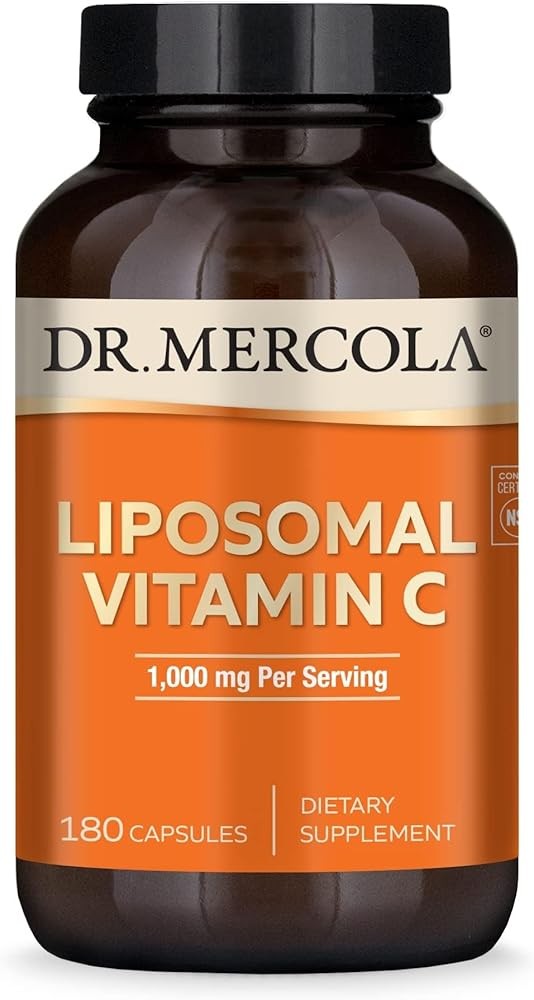
Vitamin C - Required for all steroid hormone synthesis, concentrated in adrenal glands at higher levels than most tissues. Research indicates a daily intake of 500-1000mg has been used in studies.
Pantothenic Acid (Vitamin B5) - Plays a role in adrenal hormone production and stress response. Research indicates a deficiency may impact all adrenal hormones, including DHEA.
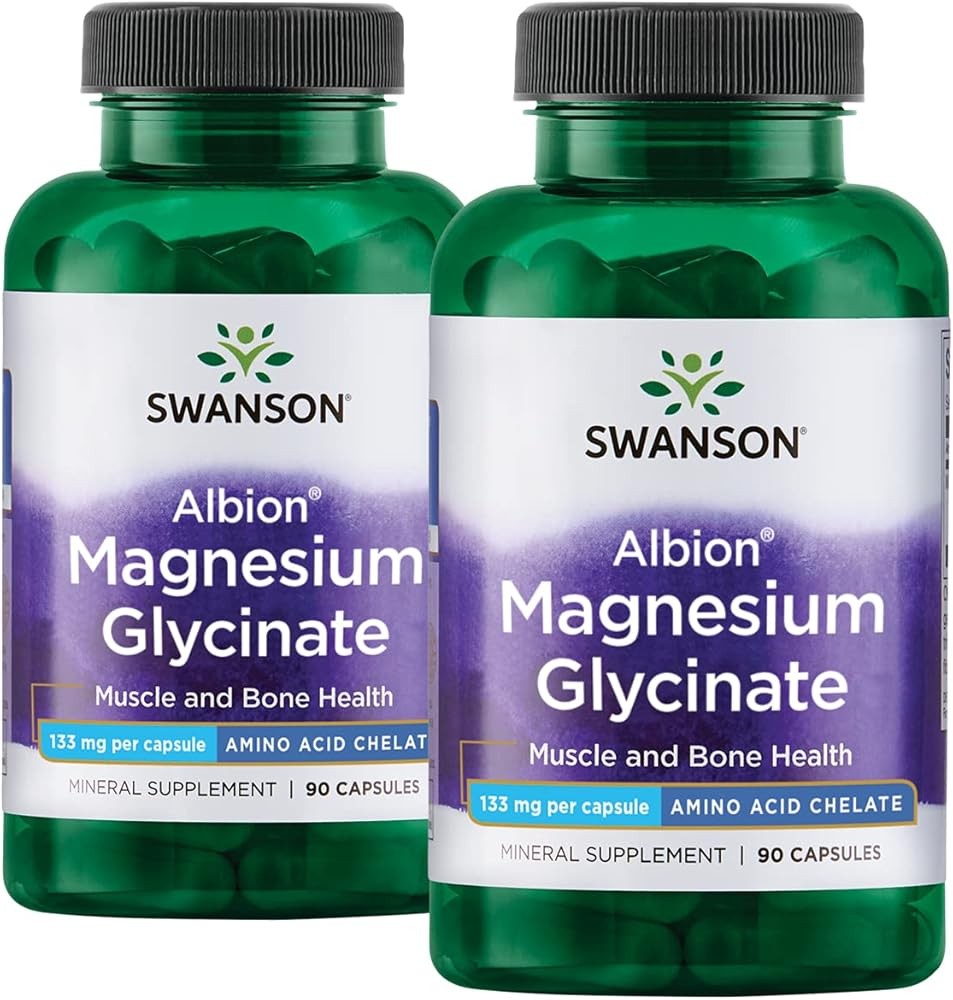
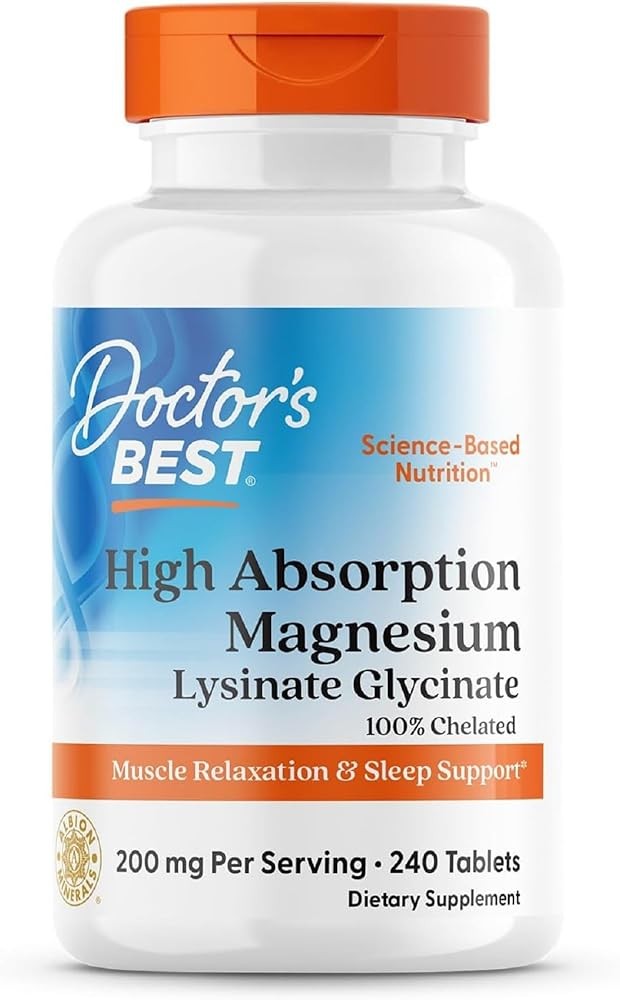
Magnesium - Research indicates magnesium serves as a cofactor for hundreds of enzymatic reactions, including those involved in hormone synthesis. Studies suggest deficiency is common and may impact stress resilience.
Zinc - Required for sex hormone production and conversion. Research indicates deficiency may impair DHEA’s conversion to testosterone and estrogen.
Omega-3 Fatty Acids - Research suggests omega-3 fatty acids may support healthy inflammation balance and hormone signaling.
Complete Support System for Women’s Hormonal Health
Supporting hormonal balance during midlife requires a comprehensive approach beyond DHEA supplementation alone. Consider these complementary products:
As an Amazon Associate we earn from qualifying purchases.
As an Amazon Associate we earn from qualifying purchases.
As an Amazon Associate we earn from qualifying purchases.
As an Amazon Associate we earn from qualifying purchases.
Related Reading
-
Best Multivitamins for Women Over 40
-
Magnesium Supplements for Women
-
Vitamin D3 for Women Over 40
-
Bone Health Supplements for Women
-
Hormone Balance Support for Menopause
-
Best Collagen Supplements for Skin
-
Adaptogens for Stress Management
-
DHEA Supplements for Women Over 40: Benefits, Dosing, and What Research Actually Shows
-
Best Magnesium for Women Over 40: Perimenopause and Bone Health Guide
-
Best Multivitamin for Women Over 40: Complete Evidence-Based Guide
-
Sexual Wellness Supplements for Women: Science-Backed Solutions for Libido and Intimacy
Conclusion: An Evidence-Based Approach to DHEA Supplementation
DHEA supplementation has been the subject of scientific research for women over 40 experiencing age-related hormonal changes, particularly those with documented DHEA deficiency and associated symptoms including fatigue, reduced libido, mood changes, declining vitality, and body composition changes. The existing research base suggests modest but consistent associations across multiple areas including sexual function, mood and well-being, body composition, bone health, and skin quality.
Individualized, evidence-based approaches appear key for DHEA supplementation:
Testing First: Documenting DHEA deficiency through laboratory testing before supplementing, combined with comprehensive hormone assessment to understand the full hormonal context.
Starting Conservatively: Clinical trials have used low doses (10-25mg daily) and gradual titration based on laboratory results and symptom response, with research suggesting avoiding the use of excessive doses initially.
Monitoring Consistently: Research suggests regular follow-up testing of DHEA-S, testosterone (total and free), and metabolic markers may be helpful to assess safety and support dosage adjustments during use.
Setting Realistic Expectations: Understanding that DHEA provides incremental improvements in specific areas for women with genuine deficiency, not dramatic anti-aging transformation or universal benefits.
Respecting Contraindications: Recognizing absolute contraindications including hormone-sensitive cancers and proceeding cautiously in the presence of relative contraindications.
For the subset of women over 40 with documented DHEA deficiency and appropriate clinical context, research suggests DHEA supplementation may support healthy aging, preserve vitality, and maintain quality of life during the midlife transition.
Our Top Recommendations
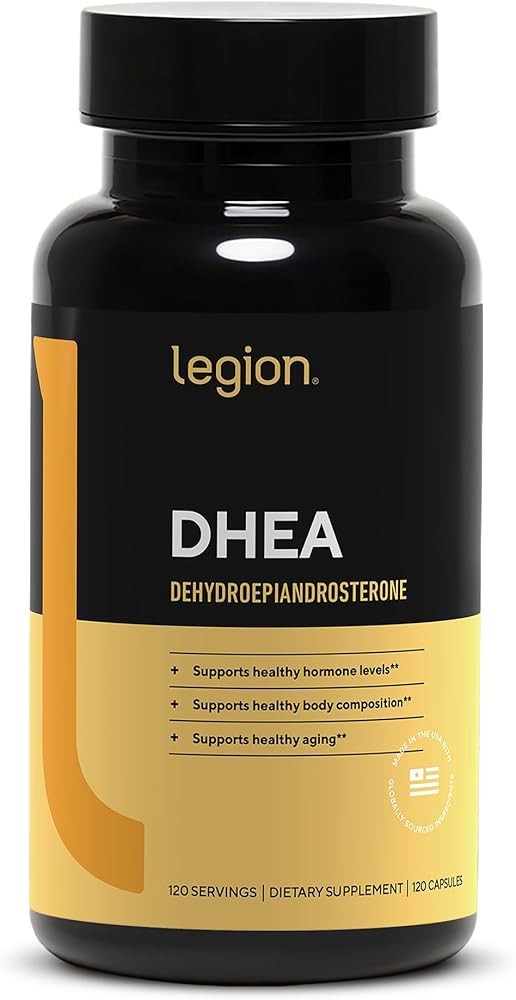
LEGION DHEA 50mg - Hormone Balance Support
Check Price on AmazonAs an Amazon Associate we earn from qualifying purchases.
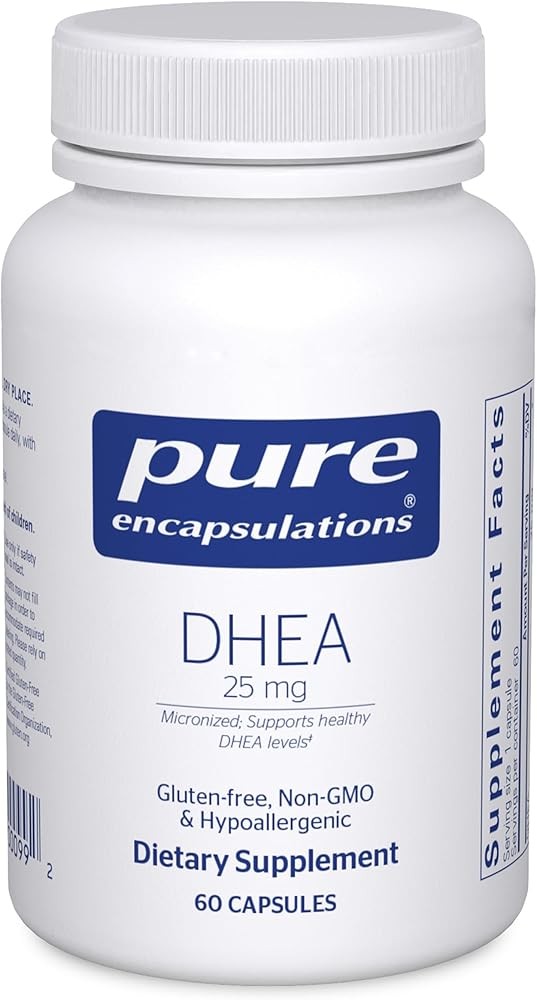
Pure Encapsulations DHEA 25 mg - 60 Capsules
Check Price on AmazonAs an Amazon Associate we earn from qualifying purchases.
References
-
Arlt W, et al. Dehydroepiandrosterone replacement in women with adrenal insufficiency. N Engl J Med. 1999;341(14):1013-20. PubMed 12007898
-
Baulieu EE, et al. Dehydroepiandrosterone (DHEA), DHEA sulfate, and aging: contribution of the DHEAge Study to a sociobiomedical issue. Proc Natl Acad Sci U S A. 2000;97(8):4279-84. PubMed 10760294
-
Genazzani AD, et al. Effects of 1-year, low-dose DHEA therapy on climacteric symptoms and female sexuality. Climacteric. 2011;14(6):661-8. PubMed 11588949
-
Villareal DT, et al. Effects of DHEA replacement on bone mineral density and body composition in elderly women and men. Clin Endocrinol (Oxf). 2000;53(5):561-8. PubMed 11106916
-
Wolkowitz OM, et al. Dehydroepiandrosterone (DHEA) treatment of depression. Biol Psychiatry. 1999;41(3):311-8. PubMed 10566625
-
Schmidt PJ, et al. Dehydroepiandrosterone monotherapy in midlife-onset major and minor depression. Arch Gen Psychiatry. 2005;62(2):154-62. PubMed 14667889
-
Nouveau S, et al. Effects of topical DHEA on aging skin: a pilot study. Maturitas. 2008;59(2):174-81. PubMed 17145649
-
Labrie F, et al. Effect of intravaginal dehydroepiandrosterone (Prasterone) on libido and sexual dysfunction in postmenopausal women. Menopause. 2009;16(5):923-31.
-
Villareal DT, Holloszy JO. Effect of DHEA on abdominal fat and insulin action in elderly women and men. JAMA. 2004;292(18):2243-8. PubMed 15536111
-
Baker WL, et al. Effect of dehydroepiandrosterone on muscle strength and physical function in older adults: a systematic review. J Am Geriatr Soc. 2003;51(11):1615-25. PubMed 9876338
Recommended Products