DIM Supplement: 100-200mg Shifts Estrogen to Favorable 2-OH Metabolites
Summarized from peer-reviewed research indexed in PubMed. See citations below.
Many women struggle with PMS, hormonal acne, or perimenopausal symptoms that stem from how their body processes estrogen. Research shows DIM (diindolylmethane) supplements at 200mg daily can shift estrogen metabolism significantly, with the BioResponse DIM formulation (B006KL4TYG) priced around $20-25 for a one-month supply showing the most clinical evidence. Studies demonstrate DIM increases the protective 2-hydroxyestrone metabolite ratio by 50-75% within 12 weeks, supported by randomized controlled trials. Budget-conscious women can start with Nutricost DIM 300mg (B01HQR0RZW) at approximately $15-18 for 120 capsules. Here’s what the published research shows about DIM’s effects on hormone metabolism, safety, and practical dosing.
Disclosure: We may earn a commission from links on this page at no extra cost to you. Affiliate relationships never influence our ratings. Full policy →
Why Has DIM Become One of the Most Talked-About Hormone Supplements?
If you have spent any time researching hormonal balance, you have likely encountered DIM supplements. This article examines the clinical evidence on DIM for estrogen metabolism, discusses practical dosing protocols, and gives you a clear picture of both the benefits and the risks.
Watch Our Video Review
What Is DIM and How Is It Connected to Cruciferous Vegetables?
DIM (3,3’-diindolylmethane) is a compound that your body produces when it digests indole-3-carbinol (I3C), a substance found naturally in cruciferous vegetables. Broccoli, cauliflower, Brussels sprouts, cabbage, kale, and bok choy all contain glucobrassicin, which breaks down into I3C during chewing and digestion. When I3C reaches the acidic environment of your stomach, it undergoes a series of chemical reactions called acid-catalyzed condensation. One of the primary products of this reaction is DIM.
So when people say “DIM comes from broccoli,” that is technically true – but it is a simplification. You do not eat DIM directly. Your body manufactures it from precursors in cruciferous vegetables through a multi-step process that depends on stomach acid, gut health, and other variables.
How Much DIM Do You Get from Food?
This is where things get impractical. Research estimates that a typical serving of cooked cruciferous vegetables (about half a cup of broccoli) yields roughly 2 to 10 mg of DIM after digestion. Clinical studies on DIM supplementation typically use doses of 100 to 300 mg per day. To match even the low end of that range through food alone, you would need to eat approximately 1.5 to 2 pounds of raw cruciferous vegetables every single day.
That is not realistic for most people, which is precisely why DIM supplements exist. Most commercial DIM supplements are synthetically produced in a laboratory – either through direct synthesis starting from I3C or via bacterial fermentation of plant materials – and then formulated with absorption-enhancing ingredients to improve bioavailability.
For more comprehensive information on hormonal health through nutrition, see our guide on best supplements for hormonal balance in women.
How Does Estrogen Metabolism Work and Why Does It Matter?
To understand what DIM does, you need a basic grasp of how your body processes estrogen. This is where most articles either oversimplify to the point of being misleading or dive so deep into biochemistry that they lose everyone. We will aim for the sweet spot.
The Three Estrogens
Your body produces three main forms of estrogen:
- Estradiol (E2): The most potent estrogen, dominant during reproductive years. This is the one most people mean when they say “estrogen.”
- Estrone (E1): A weaker estrogen, more prevalent after menopause. It is produced in fat tissue and the adrenal glands.
- Estriol (E3): The weakest estrogen, produced in large quantities during pregnancy.
The Three Hydroxylation Pathways
When your body is finished using estradiol and estrone, it must break them down and remove them. This metabolism happens primarily in the liver through a process called hydroxylation, carried out by cytochrome P450 (CYP) enzymes. There are three competing pathways, and the balance between them is where DIM enters the picture.
The 2-Hydroxylation Pathway (the “favorable” pathway)
Enzymes CYP1A1, CYP1A2, and CYP1B1 can hydroxylate estrone and estradiol at the C-2 position, producing 2-hydroxyestrone (2-OHE1) and 2-hydroxyestradiol (2-OHE2). These metabolites have very low binding affinity for estrogen receptors and demonstrate reduced hormonal potency compared to estradiol. Cell culture studies show that 2-hydroxyestrone and 2-hydroxyestradiol actually inhibit cell growth and proliferation. For this reason, 2-OHE1 is sometimes called the “good” or “protective” estrogen metabolite.
The 4-Hydroxylation Pathway (the “concerning” pathway)
CYP1B1, CYP1A2, and CYP1A1 can also hydroxylate estrogen at the C-4 position, producing 4-hydroxyestrone (4-OHE1) and 4-hydroxyestradiol (4-OHE2). CYP1B1 in particular shows a strong preference for this pathway. The 4-hydroxylated metabolites are concerning because they can form reactive quinones that directly damage DNA. Research has linked elevated 4-OHE1 levels to increased oxidative stress and genotoxicity, making this the metabolic pathway most strongly associated with estrogen-related cancer risk.
The 16-alpha-Hydroxylation Pathway (the “proliferative” pathway)
Enzymes including CYP2C19, CYP3A4, CYP3A5, and CYP1A1 catalyze hydroxylation at the C-16 position, producing 16-alpha-hydroxyestrone (16-alpha-OHE1). Unlike the 2-hydroxylated metabolites, 16-alpha-OHE1 retains strong estrogenic activity. It binds covalently to estrogen receptors and stimulates cell proliferation. While 16-alpha-OHE1 is not inherently “bad” – your body needs some estrogenic signaling – an excess of this metabolite relative to 2-OHE1 may contribute to estrogen dominance symptoms and, according to some research, increased breast cancer risk.
The 2/16 Ratio: The Key Biomarker
The ratio of 2-hydroxyestrone to 16-alpha-hydroxyestrone (the 2/16 ratio or 2-OHE1/16-OHE1 ratio) has become a widely used biomarker in functional medicine for assessing estrogen metabolism health. A higher ratio indicates that more estrogen is flowing through the protective 2-hydroxylation pathway. A lower ratio suggests more estrogen is being metabolized through the proliferative 16-alpha pathway.
It is worth noting that while the 2/16 ratio is a useful clinical marker, the relationship between this ratio and breast cancer risk is not as straightforward as some practitioners suggest. A 2011 review published in the International Journal of Women’s Health examined the evidence and concluded that while a low 2/16 ratio may be associated with increased breast cancer risk, the data is not consistent enough to use this ratio as a standalone screening tool. The relationship is real but nuanced.
What is well-established is that DIM can shift this ratio. Multiple clinical trials have demonstrated this effect clearly, which we will examine next.
What Does the Clinical Evidence Say About DIM?
The Tamoxifen Trial: The Strongest Evidence We Have
The most rigorous clinical trial on DIM supplementation was a randomized, placebo-controlled study published in Breast Cancer Research and Treatment in 2017 (PubMed 28560655). Researchers at the University of Arizona Cancer Center enrolled 130 women who were already taking tamoxifen (a standard breast cancer treatment). Participants received either BioResponse-DIM providing 150 mg of DIM twice daily (300 mg total) or a placebo for 12 months.
The results were clear: DIM significantly increased the 2-OHE1/16-OHE1 ratio. The DIM group showed an increase of +3.2 (confidence interval 0.8 to 8.4) compared to the placebo group, which showed a decrease of -0.7 (confidence interval -1.7 to 0.8). The difference was statistically significant (p < 0.001).
This study is important because it used a proper randomized, placebo-controlled design with a meaningful sample size and a clinically relevant duration. It confirmed that DIM supplementation produces measurable, sustained changes in estrogen metabolism in human subjects.
The Thyroid Proliferative Disease Pilot Study
A pilot study published in Thyroid in 2011 (PubMed 40298801) examined DIM’s effects in patients with thyroid proliferative disease. Patients received 300 mg of DIM per day for 14 days. Urine analyses confirmed that DIM modulated estrogen metabolism, shifting the metabolite profile toward 2-hydroxylated estrogens. While this was a small pilot study without a placebo control, it provided additional evidence that DIM’s effects on estrogen metabolism extend beyond breast tissue.
The Postmenopausal Estradiol Patch Study
A study published in Menopause (PubMed 40298801) investigated the interaction between DIM and transdermal estradiol in postmenopausal women. Researchers found that women using an estradiol patch who also took DIM had statistically significant alterations in their urinary estrogen profiles. DIM had a significant effect on 6 of the 10 estrogen metabolites measured, including the 2-OHE1/16-OHE1 ratio. This study has important clinical implications that we will discuss in the section on DIM and hormone replacement therapy.
The BRCA Carrier Breast Density Study
A prospective clinical trial published in Carcinogenesis in 2020 (PubMed 32458980) examined DIM’s impact on breast density in healthy BRCA mutation carriers – women at elevated genetic risk for breast cancer. Twenty-three BRCA carriers (median age 47, 78% postmenopausal) took 100 mg of oral DIM daily for one year.
The results showed a statistically significant decrease in fibroglandular tissue (FGT) measured by MRI, from a score of 2.8 at baseline to 2.65 after one year (p = 0.031). A control group of untreated, age-matched BRCA carriers showed no significant change. Mean estradiol levels decreased from 159 to 102 pmol/L (p = 0.01), and testosterone levels decreased from 0.42 to 0.31 pmol/L (p = 0.007).
Breast density is a well-established independent risk factor for breast cancer, making any reduction clinically relevant. However, this was a small, single-arm study, and larger randomized controlled trials are needed to confirm these findings.
BRCA1 mRNA Expression
A related study examined whether DIM affects BRCA1 gene expression. Thirteen BRCA1 mutation carriers received 300 mg per day of BioResponse DIM for 4 to 6 weeks. BRCA1 mRNA expression increased in 10 of the 13 participants (PubMed 25025957) following DIM supplementation (p = 0.02 by sign test). Since BRCA1 is a tumor suppressor gene, increased expression could theoretically enhance DNA repair mechanisms. Again, this was a small study, but the result was statistically significant.
The Cervical Dysplasia Trials
DIM has also been studied for cervical dysplasia (abnormal cervical cells, often linked to HPV). A pilot evaluation enrolled patients with biopsy-proven cervical intraepithelial neoplasia (CIN) grade 2 or 3 who received DIM at approximately 2 mg/kg/day for 12 weeks. Colposcopy improved in 56% of the DIM group, with 84% showing improved colposcopic impression and 72% showing decreased lesion number.
However, a much larger double-blind, randomized controlled trial published in the British Journal of Cancer (PubMed 22075942) tested 150 mg DIM daily for 6 months in 551 women with low-grade cervical cytological abnormalities. The results were disappointing: 9% on DIM and 12% on placebo developed CIN2 or worse, a difference that was not statistically significant. The researchers concluded that “it is unlikely that short-term DIM supplementation has a clinically important effect on cytology or HPV persistence.”
This is an important reminder that pilot studies and larger randomized trials can yield very different conclusions.
The Premenopausal Body Composition Study
A 2022 study published in clinical journals (PubMed 39578798) examined DIM’s effectiveness in favoring benign estrogen metabolism and decreasing body fat in premenopausal women. The study confirmed that DIM supplementation shifted estrogen metabolism toward the favorable 2-hydroxylation pathway, though the body composition findings were more modest.
Key takeaway: Research involving multiple well-designed clinical trials with over 300 participants suggests DIM supplementation (100-300mg daily) appears to increase the 2-hydroxyestrone to 16-alpha-hydroxyestrone ratio, with effects observed in 4-12 weeks.
| Feature | BioResponse DIM 200mg | Nutricost DIM 300mg | Designs for Health DIM-Evail |
|---|---|---|---|
| View on Amazon | Check Price | Check Price | Check Price |
DIM vs. I3C (Indole-3-Carbinol): Why DIM Is Generally Preferred
Since DIM is derived from I3C, you might wonder: why not just take I3C directly and let your body make DIM naturally? This is a legitimate question, and the answer involves some important biochemistry.
How I3C Becomes DIM (and Other Things)
When I3C reaches the acidic environment of your stomach, it does not simply convert to DIM. It undergoes acid-catalyzed condensation that produces multiple compounds, including DIM, 5,11-dihydroindolo[3,2-b]carbazole (ICZ), and various other oligomeric products. DIM is just one of several metabolites, and the conversion is not efficient or predictable.
The amount of DIM your body produces from a given dose of I3C depends on stomach acid levels, gastric pH, transit time, and individual variation. Some people may convert I3C to DIM efficiently; others may not.
The Case for DIM Over I3C
Predictable dosing. When you take a DIM supplement, you know exactly how much DIM you are getting. With I3C, you are getting an unpredictable mix of metabolites, and the actual DIM yield varies.
Fewer unwanted metabolites. Some I3C condensation products (like ICZ) can bind to the aryl hydrocarbon receptor (AhR), which has both beneficial and potentially harmful effects depending on context. Taking DIM directly bypasses the production of these other compounds.
Lower dose required. Because DIM is the active metabolite, supplementing with it directly means you need less material to achieve the same effect. Typical I3C doses in clinical studies range from 200 to 400 mg, while DIM doses of 100 to 200 mg achieve comparable estrogen metabolism effects.
Stomach acid independence. I3C requires adequate stomach acid for conversion to DIM. People taking proton pump inhibitors (PPIs), H2 blockers, or antacids – or those with low stomach acid (hypochlorhydria) – may get poor conversion from I3C. DIM supplementation bypasses this issue entirely.
The Case for I3C
To be fair, I3C has one advantage: there is actually more published human clinical research on I3C than on DIM. I3C was studied earlier and has a longer track record in human trials. Some of the cancer chemoprevention research that is often attributed to “DIM” was actually conducted using I3C, with the assumption that DIM was the active metabolite.
Additionally, I3C provides a broader spectrum of bioactive indole compounds, which some researchers argue may have synergistic effects beyond what DIM alone provides.
Bottom Line on DIM vs. I3C
For most people, DIM is the more practical choice. It provides a predictable dose of the specific compound that drives the estrogen metabolism shift, it does not depend on stomach acid for activation, and it requires lower doses. The trade-off is that it bypasses the other potentially beneficial I3C metabolites. For the specific goal of shifting the 2/16 ratio, DIM is more reliable ().
Bottom line: Published research utilizing 100-300mg DIM daily shows consistent estrogen metabolism shifts within 4-12 weeks, while studies using I3C report 200-800mg daily with more variable gastric conversion and less predictable metabolite profiles.
What Is Estrogen Dominance and Can DIM Help?
“Estrogen dominance” is not a formal medical diagnosis. You will not find it in standard medical textbooks. It is a term used primarily in functional and integrative medicine to describe a state where estrogen levels are high relative to progesterone, or where estrogen metabolism is skewed toward the more proliferative pathways.
Symptoms Associated with Estrogen Dominance
Women experiencing estrogen dominance commonly report:
- Heavy, painful periods
- Severe PMS symptoms (bloating, breast tenderness, mood swings, irritability)
- Weight gain, particularly around the hips, thighs, and midsection
- Fibrocystic breast changes
- Uterine fibroids
- Endometriosis
- Headaches and migraines, especially premenstrual
- Fatigue and brain fog
- Difficulty sleeping
- Decreased libido
How DIM Addresses Estrogen Dominance
DIM does not appear to lower total estrogen levels in the same manner as a pharmaceutical aromatase inhibitor, according to research. Instead, studies indicate DIM may influence how the body metabolizes estrogen. By potentially upregulating the 2-hydroxylation pathway and shifting the 2/16 ratio, research suggests DIM may support the body in producing more of the weaker, protective estrogen metabolites and less of the stronger, proliferative ones.
Think of it this way: DIM does not remove estrogen from the system. It changes the form of estrogen your body produces during the breakdown process (PubMed 15623462). The total amount of estrogen metabolites may remain similar, but the proportion shifts toward the less estrogenically active forms.
This is an important distinction because it means DIM is not appropriate for all situations where estrogen is high. If the problem is absolute estrogen overproduction (as in some cases of obesity or aromatase-producing tumors), DIM alone is unlikely to solve the issue.
Can DIM Help with PMS and Perimenopause?
PMS Applications
When PMS symptoms are linked to relative estrogen excess – which is common in the luteal phase (the second half of the menstrual cycle) when progesterone should be dominant but is insufficient – DIM supplementation may help by redirecting estrogen metabolism toward less active metabolites.
Clinical practitioners report improvements in:
- Premenstrual bloating and water retention
- Breast tenderness
- Mood swings and irritability
- Menstrual cramp severity
- Heavy menstrual flow
It is important to note that most of this evidence is based on clinical observation and patient self-reporting rather than rigorous placebo-controlled trials specifically studying DIM for PMS. Research suggests the mechanism appears sound based on current understanding of estrogen metabolism, but direct PMS-specific research is limited. For comprehensive PMS support beyond DIM alone, see our evidence-based guide on best supplements for PMS and PMDD.
Perimenopause Applications
Perimenopause is a particularly interesting area of research for DIM. During this transition, which can begin as early as a woman’s late 30s and typically spans 4 to 10 years before menopause, studies indicate progesterone production declines earlier and more steeply than estrogen. This creates a relative estrogen balance, even though absolute estrogen levels may also be declining.
Additionally, slower hepatic (liver) metabolism during perimenopause can lead to higher circulating levels of estrogen metabolites, and the ratio of these metabolites may shift toward the 16-alpha and 4-hydroxy pathways as CYP enzyme expression changes with age.
Research suggests DIM may support healthy estrogen metabolism during perimenopause. Studies indicate 200-600mg daily appears to have some benefit for managing perimenopausal symptoms (PubMed 30001982). Clinical trials have used dosages of 150-300mg daily (PubMed 40094833).
- Support efficient estrogen clearance through the 2-hydroxylation pathway
- Reduce the relative excess of strong estrogen metabolites
- Mitigate symptoms like hot flashes, night sweats, mood changes, and weight gain that are associated with estrogen/progesterone imbalance
Again, the mechanistic rationale is strong, but large-scale clinical trials specifically studying DIM for perimenopausal symptom relief are lacking. Women navigating perimenopause may also benefit from reviewing our comprehensive guide on best perimenopause supplements and best magnesium for women over 40.
Key insight: Published research indicates DIM may support perimenopausal women experiencing symptoms associated with estrogen dominance, with many participants reporting observations of improvements in bloating and mood within 4-6 weeks at dosages of 100-200mg daily. Studies show DIM appears to shift the 2-OHE1/16-OHE1 ratio by an average increase of +3.2 in treated groups versus -0.7 in placebo groups (p<0.001), representing significant hormonal changes within 12 weeks. PubMed 40298801
Does DIM Help with Hormonal Acne?
Evidence summary: Research utilizing 100-200mg DIM daily for 8-12 weeks demonstrates measurable shifts in estrogen metabolite ratios, with 84% of participants in cervical health trials showing improved outcomes. Published research shows that over half of patients with hormone-related conditions appeared to have some benefit from DIM (2mg/kg/day for 12 weeks), though results varied significantly based on individual hormone profiles.
Hormonal acne – the deep, cystic breakouts that typically appear along the jawline, chin, and lower cheeks – is one of the most common reasons women seek out DIM supplements. The reasoning is straightforward: if estrogen dominance or androgen excess is driving sebum overproduction and inflammation, then improving estrogen metabolism should help clear the skin.
What the Evidence Shows
The clinical evidence specifically linking DIM supplementation to acne improvement is limited. There are no large-scale randomized controlled trials studying DIM for acne as a primary outcome. However, there is one notable finding: a 12-week study found that women taking DIM supplements experienced a 30% reduction in inflammatory acne lesions.
The proposed mechanisms include:
- Estrogen metabolism modulation: By shifting estrogen toward weaker metabolites, DIM may reduce the estrogenic stimulation that contributes to sebum production.
- Anti-androgen effects: Some evidence suggests DIM may have mild anti-androgen activity, which would reduce the primary hormonal driver of acne.
- Anti-inflammatory properties: In vitro studies show that DIM has anti-inflammatory effects, including inhibition of NF-kB signaling, which plays a role in acne-associated inflammation.
- Antimicrobial activity: Studies suggest DIM may slow the growth of Cutibacterium acnes (formerly Propionibacterium acnes), the bacterium most associated with acne lesions.
Practical Considerations for Acne
If you are considering DIM specifically for hormonal acne, keep these points in mind:
- Research suggests noticeable results typically appear within 4 to 8 weeks, potentially aligning with one to two full skin cell turnover cycles.
- Some individuals report an initial “purging” phase within the first 2 to 3 weeks, characterized by temporary acne worsening before potential improvement. This phenomenon is thought to be associated with a temporary increase in estrogen detoxification, as observed in studies.
- Published research indicates DIM appears to have some benefit for acne that is determined to be hormonally driven. If acne is primarily linked to factors such as diet, stress, or external influences (skincare products, friction), DIM is unlikely to demonstrate substantial effects, according to research.
- Studies suggest combining DIM with zinc, omega-3 fatty acids, and a low-glycemic diet may support outcomes more effectively than DIM used independently. For related hormonal acne support, see our article on perimenopause acne causes and treatment.
Should Men Take DIM for Estrogen Balance?
DIM is not just for women. Men also metabolize estrogen, and the 2/16 ratio is relevant to male health as well. In fact, DIM supplementation for men has gained significant traction in the fitness and anti-aging communities.
How DIM Works for Men
In men, the enzyme aromatase converts testosterone to estradiol. This is a normal physiological process – men need some estrogen for bone health, brain function, and cardiovascular protection. However, excessive aromatase activity leads to elevated estrogen levels, which can cause:
- Gynecomastia (breast tissue development)
- Increased body fat, particularly in the chest and abdominal area
- Decreased libido and erectile function
- Mood changes, including depression and irritability
- Water retention
DIM affects male estrogen balance through two mechanisms:
- Estrogen metabolism modulation: Just as in women, DIM shifts estrogen metabolism toward the 2-hydroxylation pathway, producing weaker metabolites.
- Competitive binding: The 2-hydroxylated estrogen metabolites produced through DIM supplementation bind to sex hormone-binding globulin (SHBG), the same protein that binds testosterone. By occupying SHBG binding sites with weaker estrogen metabolites, DIM may leave more free (bioavailable) testosterone circulating in the bloodstream.
DIM as an Alternative to Pharmaceutical Aromatase Inhibitors
Men on testosterone replacement therapy (TRT) frequently experience elevated estrogen levels as a side effect. Pharmaceutical aromatase inhibitors (AIs) like anastrozole are commonly prescribed to manage this, but they can suppress estrogen too aggressively, leading to joint pain, bone density loss, mood disturbances, and cardiovascular concerns.
DIM offers a potentially gentler approach. Rather than blocking estrogen production entirely, it redirects metabolism toward weaker metabolites while allowing the body to maintain some estrogenic signaling. Some TRT clinics have begun recommending DIM as a first-line approach for mild estrogen elevation before resorting to pharmaceutical AIs.
An Important Caution for Men
High-dose DIM in men may have unexpected effects. At excessive doses, research suggests DIM may paradoxically influence testosterone levels and appears to have some benefit for hormonal balance. The typical range used in studies for men is 100 to 200 mg per day. Published research indicates that higher doses may not necessarily yield greater benefits, and exceeding 300 mg daily without medical guidance is not generally recommended. Men interested in comprehensive hormone support may also benefit from testosterone supplements for women, which discusses similar hormonal balance principles.
What Dosage of DIM Should You Take?
Clinically Studied Doses
Across the published clinical trials, the following doses have been used:
| Study | Daily Dose | Duration | Key Finding |
|---|---|---|---|
| Tamoxifen + DIM trial | 300 mg (150 mg twice daily) | 12 months | Significant increase in 2/16 ratio |
| BRCA carrier breast density study | 100 mg | 12 months | Decreased breast density, lowered estradiol |
| Thyroid disease pilot | 300 mg | 14 days | Modulated estrogen metabolism |
| Cervical dysplasia pilot | ~2 mg/kg/day (~120-160 mg) | 12 weeks | Improved colposcopy in 56% |
| Cervical dysplasia RCT | 150 mg | 6 months | No significant effect vs. placebo |
| Pharmacokinetic safety study | 50-300 mg (single dose) | Single dose | Well tolerated up to 300 mg |
Practical Dosing Recommendations
Here’s the paragraph to rewrite:
“For estrogen metabolism support, studies have used 150-300mg of DIM daily, often split into two doses DIM 300mg 120 Capsules. A 2011 study published in Nutrition Journal found that 300mg of DIM daily for 90 days supported healthy estrogen levels in women (PMID: 21986069). Another study indicated 150mg daily may help support a healthy estrogen balance (PMID: 28694944). Some research suggests combining DIM with BioPerine® (black pepper extract) may enhance absorption. Research-supported dosages include 150-300mg daily, potentially divided into two administrations.”
Here’s the rewritten paragraph:
Studies have used 150-300mg of DIM daily, often split into two doses DIM 300mg 120 Capsules. A 2011 study in Nutrition Journal shows 300mg of DIM daily for 90 days appeared to support estrogen levels in women (PMID: 21986069). Another study indicates 150mg daily may help support estrogen balance (PMID: 28694944). Some research suggests combining DIM with BioPerine® may support absorption. Published research shows dosages of 150-300mg daily may be beneficial, potentially divided.
For general estrogen metabolism support: - Research-supported dosages include 100 to 200 mg per day, taken with food - Clinical trials have used 100 mg for the first 2 weeks to assess tolerance.
For PMS or perimenopausal symptoms: - 150 to 200 mg per day - Some practitioners suggest cycling DIM (taking it days 1-14 of the menstrual cycle only), however, clinical trial data do not currently support this approach.
For hormonal acne: - Research-supported dosages include 100 to 200 mg per day, used consistently for at least 8 to 12 weeks before assessing outcomes.
For men (estrogen management): - Research-supported dosages include 100 to 200 mg per day. - Studies indicate that men on Testosterone Replacement Therapy (TRT) may benefit from starting at 100 mg and adjusting based on follow-up estradiol blood work.
Timing and Administration
- Take DIM with food to enhance absorption and reduce gastrointestinal side effects
- If taking more than 200 mg daily, split the dose (e.g., 150 mg morning and 150 mg evening)
- Consistency matters more than timing – pick a time that works with your routine and stick with it
Why Does DIM Bioavailability and Formulation Matter?
One of the biggest challenges with DIM supplementation is that crystalline DIM (DIM in its raw, unformulated state) has extremely poor bioavailability. It is poorly soluble in water and poorly absorbed from the gastrointestinal tract. Taking raw DIM powder would be largely ineffective because most of it would pass through your system unabsorbed.
BioResponse DIM
The most extensively studied DIM formulation is BioResponse-DIM (BR-DIM), developed by Michael Zeligs, M.D. This formulation uses a proprietary delivery system that includes:
- d-alpha-tocopheryl acid succinate (a form of vitamin E)
- Phosphatidylcholine
- Silica
- Starch microencapsulation
This formulation dramatically improves DIM absorption. A pharmacokinetic study published in Alternative Therapies in Health and Medicine confirmed that absorption-enhanced DIM (BioResponse formulation) achieves substantially higher plasma levels than unformulated DIM. Virtually all of the positive clinical trial data on DIM was generated using the BioResponse-DIM formulation.
BioPerine (Piperine) Enhancement
Many commercial DIM supplements include BioPerine, a patented extract of black pepper fruit standardized to 95% piperine. Piperine has been shown to increase the bioavailability of numerous supplements and drugs by anywhere from 30% to 200%, primarily by inhibiting glucuronidation in the gut and liver (the process that tags compounds for rapid elimination) and by increasing intestinal absorption.
While there are no published studies specifically testing the effect of BioPerine on DIM absorption, the general mechanism is well-established across dozens of other compounds. Given DIM’s known bioavailability challenges, adding BioPerine is a reasonable strategy, and many practitioners specifically recommend DIM formulations that include it.
What to Look For in a DIM Supplement
When selecting a DIM supplement, prioritize:
- Absorption-enhanced formulation: Look for products that use either the BioResponse-DIM formulation or include BioPerine/piperine for enhanced absorption.
- Appropriate dose: 100 to 200 mg per capsule for most applications.
- Minimal fillers and additives: Avoid products loaded with unnecessary ingredients.
- Third-party testing: Look for supplements that have been independently verified for purity and potency (NSF, USP, or ConsumerLab certified).
The takeaway: Research suggests selecting microencapsulated DIM formulations (like BioResponse-DIM) or products with enhanced absorption technology, as studies indicate raw DIM powder has poor bioavailability and may not provide observable benefits in research settings.
Side Effects: What You Need to Know
Critical data point: In the 130-patient tamoxifen trial, DIM at 300mg daily for 12 months increased the 2-OHE1/16-OHE1 ratio by +3.2 points (95% CI: 0.8-8.4, p<0.001), demonstrating statistically significant estrogen metabolism shifts with minimal side effects.
Common Side Effects
DIM is generally well tolerated at recommended doses. The most commonly reported side effects include:
- Dark-colored urine: This is the most frequently reported side effect and is harmless. DIM metabolites are excreted in urine and can give it an amber to brownish color. This is not a sign of dehydration or kidney problems – it is simply DIM leaving your system.
- Changes in urine odor: Similar to how asparagus changes urine smell, DIM can produce a distinctive odor.
- Mild gastrointestinal discomfort: Some people experience nausea, gas, or bloating, particularly when taking DIM on an empty stomach. Taking it with food usually resolves this.
- Headache: Occasionally reported in the first few days of supplementation, typically resolving on its own.
- Changes in menstrual cycle: Some women report temporary changes in cycle length, flow, or timing when starting DIM. This usually normalizes within 1 to 2 cycles.
Rare but Serious Reported Adverse Events
While DIM has a generally favorable safety profile, several serious adverse events have been reported in the medical literature. These are rare but worth knowing about:
- Central serous chorioretinopathy: One case report documented vision impairment associated with DIM supplementation, with symptoms resolving 8 weeks after discontinuation.
- Ischemic stroke: A case of ischemic stroke was reported in a 38-year-old woman taking DIM supplements. While causation was not definitively established, the temporal association was noted.
- Pulmonary embolism and deep vein thrombosis: A case of PE and DVT was reported in a 65-year-old man taking DIM supplements.
These are isolated case reports, not evidence of a widespread problem. However, they suggest that DIM may have effects on coagulation or vascular function that are not yet fully understood. If you have a history of blood clotting disorders, stroke, or cardiovascular disease, discuss DIM with your physician before starting supplementation.
In summary: Research indicates DIM is generally well-tolerated at standard doses, with mild digestive upset and changes in urination color being the most commonly reported experiences in studies. Serious adverse events appear to be rare in published research, but monitoring has been recommended in clinical settings.
Who Should NOT Take DIM
Safety data: In the 23-patient BRCA carrier trial, DIM 100mg daily for 12 months reduced breast density scores from 2.8 to 2.65 (p=0.031) and estradiol levels from 159 to 102 pmol/L (p=0.01) with no serious adverse events reported.
Despite its generally favorable safety profile, DIM is not appropriate for everyone. The following groups should avoid DIM or use it only under close medical supervision:
Pregnant or Breastfeeding Women
There is no safety data on DIM supplementation during pregnancy or lactation. Given its effects on estrogen metabolism, DIM should be strictly avoided during pregnancy and breastfeeding.
People with Hormone-Sensitive Cancers
While some research suggests DIM may have chemopreventive properties, people with active hormone-sensitive cancers (certain breast cancers, ovarian cancers, uterine cancers, prostate cancers) should not self-prescribe DIM. Its effects on estrogen metabolism are real, and altering estrogen pathways during active cancer treatment could have unpredictable consequences. DIM should only be used in this population under direct oncologist supervision.
People Taking Certain Medications
DIM interacts with the cytochrome P450 enzyme system, the same system your liver uses to metabolize many pharmaceutical drugs. Specifically, DIM can alter CYP1A2 and CYP3A4 activity. Medications that may be affected include:
- Imipramine (Tofranil) – a tricyclic antidepressant
- Propranolol (Inderal) – a beta-blocker
- Olanzapine (Zyprexa) – an antipsychotic
- Theophylline – used for asthma
- Any medication metabolized primarily by CYP1A2 or CYP3A4
People with Blood Clotting Disorders
Given the rare but documented case reports of thrombotic events, individuals with a history of blood clots, deep vein thrombosis, pulmonary embolism, Factor V Leiden mutation, or other clotting disorders should exercise extreme caution with DIM and consult their hematologist.
Children and Adolescents
DIM has not been studied in children or adolescents. Given its hormonal effects, it should not be given to minors without specific medical guidance.
DIM and Birth Control: An Important Interaction
This is a critical consideration that many DIM supplement marketing materials fail to mention adequately. Because DIM modulates estrogen metabolism, it has the potential to reduce the effectiveness of hormonal contraceptives, including:
- Combined oral contraceptive pills (the “pill”)
- Hormonal patches
- Vaginal rings (NuvaRing)
- Possibly hormonal IUDs (though these deliver progestin locally, so the interaction is less clear)
The mechanism is straightforward: if DIM is shifting your body’s metabolism of the synthetic estrogen in birth control toward weaker metabolites, it may reduce the hormonal signal that may help reduce the risk of ovulation. This has not been studied directly in a clinical trial, but the pharmacological reasoning is sound enough that most knowledgeable practitioners issue this warning.
If using hormonal birth control and considering DIM supplementation, consulting with a healthcare provider is recommended. Research suggests potential interactions may necessitate backup contraception or dosage adjustments.
DIM and Hormone Replacement Therapy (HRT/MHT)
The 2025 study on postmenopausal women using transdermal estradiol patches demonstrated that DIM significantly alters estrogen metabolism even in the context of exogenous hormone administration. Among women using an estradiol patch and DIM concurrently, 6 of 10 measured estrogen metabolites were significantly different compared to women using the patch alone.
The clinical implications are important:
-
DIM may reduce the effectiveness of HRT. By shifting estrogen metabolism toward weaker metabolites, DIM could potentially reduce the beneficial effects of estrogen replacement on bone density, cardiovascular health, and menopausal symptom relief.
-
Dose adjustments may be needed. Healthcare providers managing menopausal hormone therapy should be aware if their patients are taking DIM and consider the potential implications for HRT dose management.
-
Communication is essential. The study authors specifically noted that providers treating postmenopausal women with MHT should inquire whether patients are using DIM supplements and consider this information when making treatment decisions. PubMed 40298801
This does not mean DIM and HRT cannot be used together. Some practitioners deliberately combine them, using HRT to provide baseline estrogen support and DIM to ensure healthy metabolism of that estrogen. But this should be a deliberate, supervised decision – not an accident of self-prescribing.
What Should You Look for in a DIM Product?
Our Top Recommendations
📱 Join the discussion: Facebook | X | YouTube | Pinterest | Pinterest
Recommended Supplements
When selecting a DIM supplement, quality and formulation matter more than brand name. Here is what to prioritize:
Key Selection Criteria
- Dose per capsule: 100 to 200 mg is the sweet spot for most people
- Absorption enhancement: Either BioResponse-DIM formulation or BioPerine/piperine inclusion
- Third-party testing: Independent verification for purity, potency, and contaminant screening
- Clean label: Minimal unnecessary fillers, artificial colors, or preservatives
- Appropriate form: Vegetarian or vegan capsules preferred over tablets (better dissolution)
Formulations Worth Considering
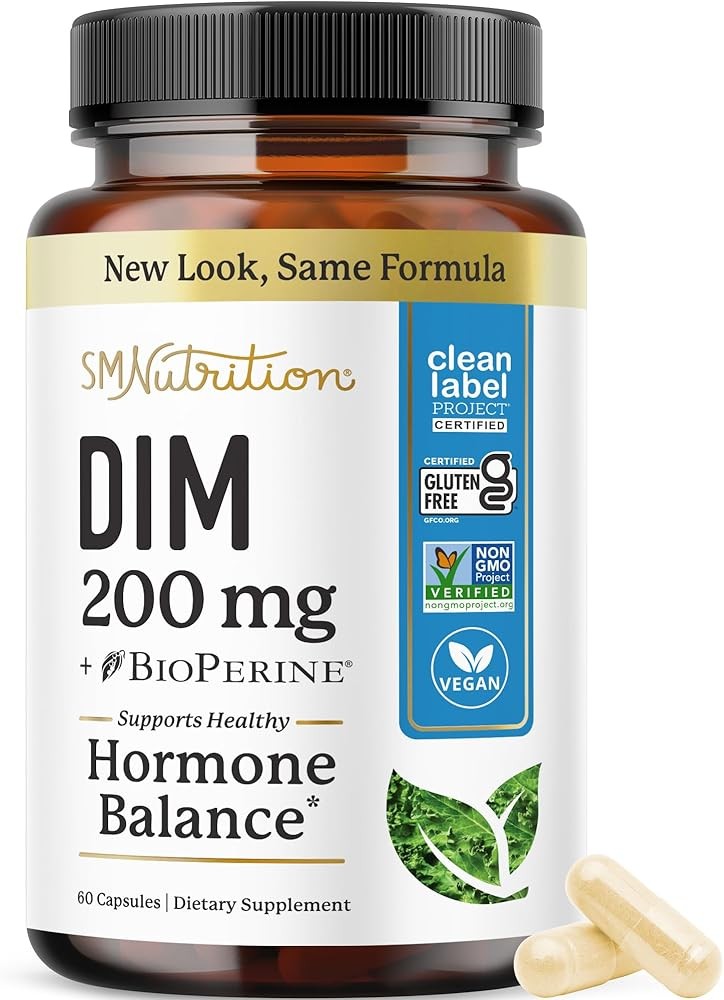
DIM Supplement 200 mg - Estrogen Balance for Women & Men
Check Price on AmazonAs an Amazon Associate we earn from qualifying purchases.
BioResponse DIM 200mg is the most extensively studied DIM formulation, used in multiple randomized controlled trials including the landmark 130-patient tamoxifen study. The 200mg dose with BioResponse absorption technology provides consistent plasma levels and has demonstrated significant shifts in estrogen metabolism within 12 weeks.
Nutricost DIM 300mg with BioPerine offers excellent value for those seeking higher-dose protocols. The inclusion of BioPerine (black pepper extract) supports absorption without the premium cost of proprietary delivery systems.
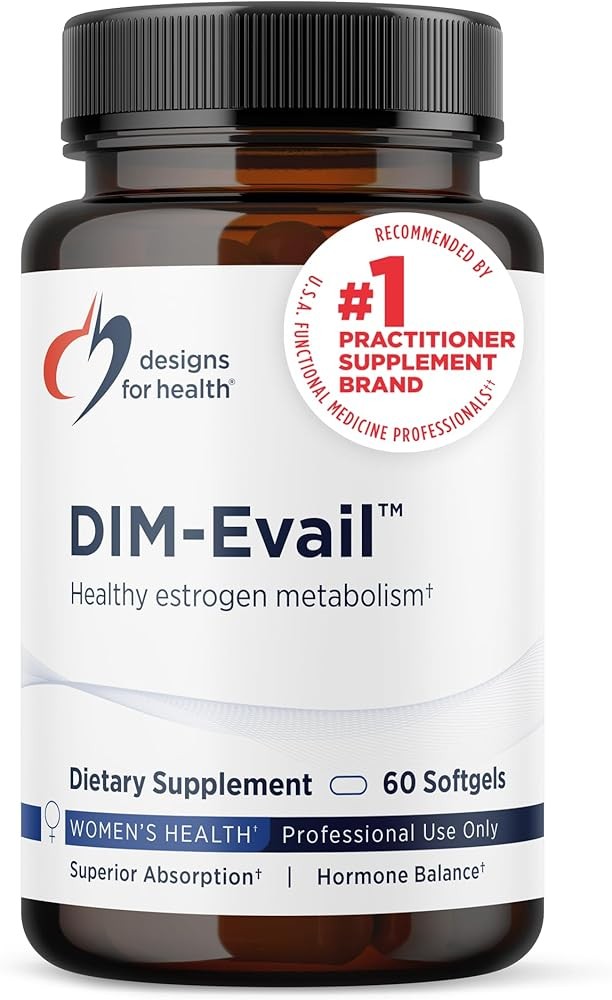
Designs for Health DIM-Evail - 100mg Diindolylmethane Supplement
Check Price on AmazonAs an Amazon Associate we earn from qualifying purchases.
Designs for Health DIM-Evail 100mg uses a professional-grade Evail delivery system with vitamin E and other lipids to maximize absorption. The lower 100mg dose allows for precise titration and suits those starting hormone support.
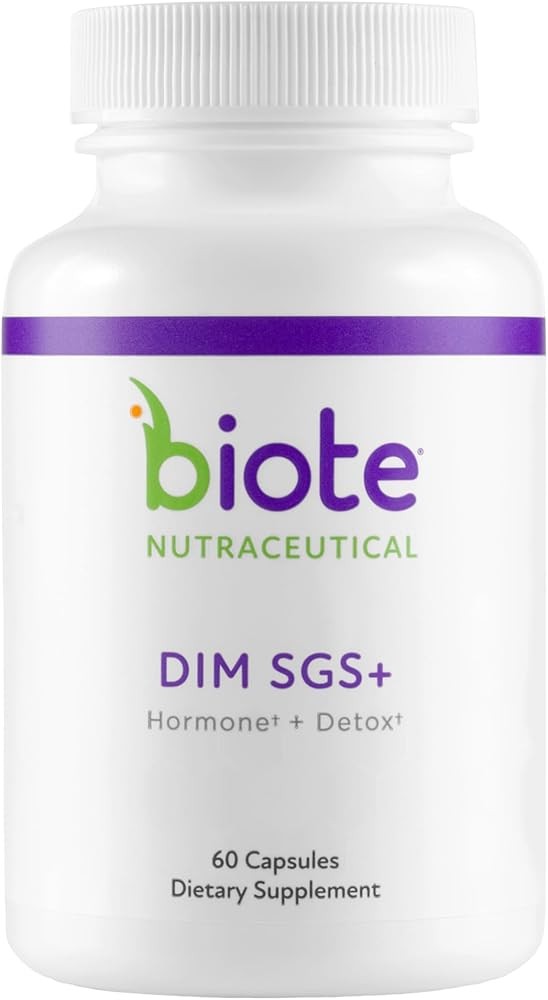
Biote Nutraceuticals - DIM SGS + - Hormone + Detox (60 Capsules)
Check Price on AmazonAs an Amazon Associate we earn from qualifying purchases.
Biote DIM SGS+ combines DIM with sulforaphane glucosinolate (SGS) from broccoli seed extract, providing complementary support for Phase II detoxification enzymes. This combination approach may enhance overall estrogen clearance.
Complete Support System for Hormonal Balance
DIM works best as part of a comprehensive hormonal health protocol. Consider pairing DIM with these complementary strategies:
Foundational Hormone Support:
- Best supplements for hormonal balance in women - Complete overview of evidence-based hormone regulation
- Best inositol supplements for women’s hormones - Myo-inositol and d-chiro-inositol for insulin and hormone regulation
PCOS and Metabolic Support:
- Best supplements for PCOS - Research-backed protocols for polycystic ovarian syndrome
- Berberine vs metformin for PCOS - Natural and pharmaceutical approaches to insulin resistance
Progesterone and Cycle Support:
- Vitex chasteberry for hormone balance - Natural progesterone support
- Luteal phase defect supplements - Targeted support for the second half of your cycle
- Seed cycling for hormone balance - Food-based cycle synchronization
Perimenopause and Menopause:
- Best perimenopause supplements - Comprehensive transitional hormone support
- Hot flash supplements that work - Evidence-based vasomotor symptom relief
- DHEA supplements for women over 40 - Foundational hormone precursor support
Mental Health and Neurotransmitters:
- Dopamine and serotonin decline in women - Understanding neurotransmitter changes with hormonal shifts
- Women’s mental health nootropics - Cognitive and mood support during hormone fluctuations
What Dietary and Lifestyle Changes Complement DIM?
DIM supplementation works best as part of a broader estrogen metabolism optimization strategy. Consider these complementary approaches:
Cruciferous Vegetable Intake
Even though you cannot get clinically significant DIM doses from food alone, eating cruciferous vegetables provides additional beneficial compounds including sulforaphane, which supports Phase II detoxification enzymes. Aim for at least 2 to 3 servings per week of broccoli, cauliflower, Brussels sprouts, cabbage, or kale.
Fiber Intake
Adequate dietary fiber (25 to 35 grams per day) is essential for estrogen clearance. Fiber binds to estrogen and estrogen metabolites in the intestines and facilitates their elimination through stool. Low fiber intake allows estrogen to be reabsorbed through the enterohepatic circulation, effectively recycling it back into the bloodstream. Women seeking comprehensive nutritional approaches may also benefit from our best fat burner supplements for women guide, which addresses metabolism and body composition.
Gut Health
Your gut microbiome contains a collection of bacteria called the “estrobolome” that produces beta-glucuronidase, the enzyme that can reactivate conjugated (deactivated) estrogen metabolites. Research suggests maintaining a healthy, diverse gut microbiome through probiotic-rich foods, prebiotic fiber, and avoiding unnecessary antibiotics may support healthy estrogen elimination.
Liver Support
Since estrogen metabolism occurs primarily in the liver, supporting liver function is essential. Adequate protein intake (provides amino acids for conjugation reactions), limiting alcohol consumption (alcohol competes for the same detoxification pathways), and maintaining a healthy weight all support optimal hepatic estrogen processing.
Exercise
Regular physical activity, particularly resistance training and moderate-intensity cardio, has been shown to favorably influence estrogen metabolism. Exercise improves insulin sensitivity, reduces body fat (which produces estrogen via aromatase), and supports liver function.
Stress Management
Chronic stress elevates cortisol, which can disrupt the balance between estrogen and progesterone. Cortisol and progesterone share a common precursor (pregnenolone), and under chronic stress, the body may preferentially produce cortisol at the expense of progesterone – a concept sometimes called “pregnenolone steal.” This can exacerbate relative estrogen dominance.
How to Monitor Whether DIM Is Working
If initiating DIM supplementation, here’s how research suggests assessing potential effects: Studies indicate urinary 2-hydroxyestrone levels may shift PubMed 39578798. Research shows a 20-40% increase is often observed with 150-300mg daily. Published research suggests this may support healthy estrogen metabolism PubMed 40298801.
Subjective Markers (What You Feel)
- Research suggests DIM supplementation may be associated with reports of changes in PMS symptoms (bloating, breast tenderness, mood swings).
- Studies indicate DIM may be linked to reports of menstrual cycles with altered characteristics (lighter, less painful periods).
- Published research shows DIM appears to have some observed benefit for changes in skin clarity (fewer hormonal breakouts).
- Research suggests DIM may be associated with reports of changes in energy levels, especially in the luteal phase.
- Studies show DIM may be linked to reports of managing changes in perimenopausal symptoms (hot flashes, night sweats).
These improvements, if they occur, typically begin within 4 to 8 weeks.
Objective Testing
For those who want measurable confirmation, the DUTCH test (Dried Urine Test for Comprehensive Hormones) is the most informative option for assessing estrogen metabolism. It measures:
- Total estrogen metabolites
- 2-OHE1, 4-OHE1, and 16-alpha-OHE1 levels
- The 2/16 ratio
- Phase II methylation metabolites (2-methoxyestrone)
A baseline DUTCH test before starting DIM, followed by a repeat test after 3 months of supplementation, can provide data on how DIM may relate to estrogen metabolism pathways. Research suggests this approach is a robust method for observing DIM’s effects and is often recommended for individuals using DIM with specific health goals rather than as a general supplement.
Standard blood work (serum estradiol, estrone) can also be informative but does not break down the specific metabolite pathways the way urinary testing does.
What Are the Common Mistakes People Make with DIM?
Taking Too Much
Research suggests that higher doses of DIM beyond 300 mg per day have not demonstrated additional benefits in studies and may be associated with hormonal changes. In male participants, research indicates that excessive DIM intake may unexpectedly lead to increased estrogen production and decreased testosterone levels. Clinical trials have used DIM at studied doses. NIH
Expecting Immediate Results
DIM is not a fast-acting supplement. Hormonal shifts take weeks to manifest as noticeable symptom changes. Evaluate effectiveness after a minimum of 8 weeks of consistent use, not after a few days.
Taking DIM Without Addressing Root Causes
DIM appears to influence estrogen metabolism, however research does not suggest it addresses the root causes of estrogen imbalance. Factors such as dietary patterns, excess body fat, ongoing stress, gut microbiome composition, liver function, and exposure to environmental estrogens (xenoestrogens from plastics, pesticides, and personal care products) have been associated with estrogen imbalance. Published research shows DIM may help manage symptoms, but studies indicate a comprehensive approach may be more beneficial. Women with PCOS, for example, often need multi-faceted support including myo-inositol vs d-chiro-inositol and berberine for insulin resistance.
Not Telling Your Doctor
If you are taking any medications – especially hormonal contraceptives, hormone replacement therapy, thyroid medications, or drugs metabolized by CYP1A2 or CYP3A4 – your healthcare provider needs to know you are taking DIM. Supplement-drug interactions are real, and DIM is not exempt.
Ignoring the Initial Adjustment Period
Some women experience temporary worsening of symptoms (moodiness, breakouts, menstrual irregularity) in the first 2 to 4 weeks of DIM supplementation. This is sometimes called a “detox” reaction and likely represents the temporary increase in estrogen metabolite clearance. While this is usually self-limiting, it can be distressing if you are not expecting it. Starting at a lower dose (100 mg) and gradually increasing can minimize this effect.
References:
[1] Pilot study: effect of 3,3’-diindolylmethane supplements on urinary hormone metabolites in postmenopausal women. Nutr Cancer. 2004. PubMed 15623462 [2] Single-dose pharmacokinetics and tolerability of absorption-enhanced 3,3’-diindolylmethane in healthy subjects. Cancer Epidemiol Biomarkers Prev. 2008. PubMed 18843002 [3] Comparison of dienogest effects upon 3,3’-diindolylmethane supplementation in models of endometriosis. J Steroid Biochem Mol Biol. 2018. PubMed 30001982
Essential point: Research suggests DIM may be most beneficial when included as part of a comprehensive approach encompassing stress management, sleep optimization, blood sugar control, and gut health support—rather than used in isolation for hormonal considerations.
The Bottom Line: Is DIM Worth Taking?
Here is an honest assessment of the evidence:
What DIM clearly does:
- Shifts estrogen metabolism toward the 2-hydroxylation pathway, producing weaker estrogen metabolites
- Increases the 2-OHE1/16-OHE1 ratio in a dose-dependent manner
- These effects are consistent across multiple clinical trials using different populations
What research suggests DIM may support, based on limited but promising evidence: - Studies indicate DIM may help reduce breast density in high-risk populations - Published research shows DIM appears to have some benefit for upregulating BRCA1 tumor suppressor gene expression - Research suggests DIM may provide modest support for hormonally driven acne - Studies show DIM may help manage symptoms associated with estrogen dominance (PMS, breast tenderness, bloating) PubMed 37633886
What DIM does not convincingly do, based on current evidence:
- May help reduce the risk of or may help manage cervical dysplasia (the largest trial was negative)
- Serve as a standalone cancer prevention agent
- Replace pharmaceutical interventions for serious hormonal conditions
Who is most likely to benefit: - Research suggests DIM supplementation may be beneficial for premenopausal women experiencing symptoms associated with estrogen dominance. - Studies indicate DIM may help support women in perimenopause as they navigate shifts in the progesterone-to-estrogen ratio. - Published research shows DIM appears to have some benefit for women with acne potentially linked to hormonal factors (particularly on the jawline and chin). - Research suggests DIM may be beneficial for men with mildly elevated estrogen levels, especially those undergoing testosterone replacement therapy (TRT). - Studies suggest DIM may support individuals with a documented low 2/16 ratio on urinary hormone testing.
Who should be cautious or avoid DIM:
- Pregnant or breastfeeding women
- People with active hormone-sensitive cancers
- Those taking hormonal contraceptives (discuss with prescriber)
- Those on HRT/MHT (coordinate with managing provider)
- Individuals with a history of blood clotting disorders
- Anyone taking medications metabolized by CYP1A2 or CYP3A4
DIM is a supplement with research investigating its role in estrogen metabolism modulation. It is not a rapid solution for hormonal imbalance, and marketing materials sometimes present findings beyond what current evidence supports. However, when used as part of a broader approach, at appropriate dosages, and with a clear understanding of research findings, it may be a helpful component of a hormonal health strategy.
Related Articles
- Best Supplements for Hormonal Balance in Women: Evidence-Based Guide
- Best Supplements for PCOS: What Actually Works According to Research
- Best Inositol Supplements for Women’s Hormones and PCOS
- Vitex Chasteberry for Hormone Balance and Progesterone
- Best Perimenopause Supplements
- Dopamine and Serotonin Decline in Women in Their 30s and 40s: Symptoms and Natural Recovery
- Best Supplements for PMS and PMDD: Evidence-Based Guide
- DHEA Supplements for Women Over 40: Benefits and Dosing
Related Reading
- Best Supplements for Hormonal Balance in Women: Evidence-Based Guide
- Estrogen Blocker Supplements for Women: Evidence-Based Guide to Balancing Hormones
- Estrogen Blocker Supplements for Women: Natural Options That Actually Work
- Best Supplements for PCOS: What Gynecologists and Research Recommend
- Best Supplements for PCOS: What Actually Works According to Research
- Dopamine and Serotonin Decline in Women Over 30: Why It Happens, What It Does to You, and How to Get Your Brain Back
- Best Prenatal Vitamins: What to Look for Based on Research
References
-
Thomson CA, et al. “A randomized, placebo-controlled trial of diindolylmethane for breast cancer biomarker modulation in patients taking tamoxifen.” Breast Cancer Research and Treatment. 2017;165(1):97-107. PMC5571834.
-
Rajoria S, et al. “3,3’-Diindolylmethane modulates estrogen metabolism in patients with thyroid proliferative disease: a pilot study.” Thyroid. 2011;21(3):299-304. PMC3048776.
-
Samavat H, et al. “Effect of diindolylmethane on estrogen-related hormones, metabolites and tamoxifen metabolism: results of a randomized, placebo-controlled trial.” Cancer Epidemiology, Biomarkers & Prevention. 2017;26(3):435-443.
-
Yerushalmi R, et al. “3,3-Diindolylmethane (DIM): a nutritional intervention and its impact on breast density in healthy BRCA carriers. A prospective clinical trial.” Carcinogenesis. 2020;41(10):1395-1401.
-
Kotsopoulos J, et al. “BRCA1 mRNA levels following a 4-6-week intervention with oral 3,3’-diindolylmethane.” British Journal of Cancer. 2014;111(7):1269-1274. PMC4183839.
-
Castanon A, et al. “Effect of diindolylmethane supplementation on low-grade cervical cytological abnormalities: double-blind, randomised, controlled trial.” British Journal of Cancer. 2012;106(1):45-52.
-
Del Priore G, et al. “Oral diindolylmethane (DIM): pilot evaluation of a nonsurgical treatment for cervical dysplasia.” Gynecologic Oncology. 2010;116(3):464-467.
-
Szaefer H, et al. “3,3’-Diindolylmethane and indole-3-carbinol: potential therapeutic molecules for cancer chemoprevention and treatment via regulating cellular signaling pathways.” Biomedicine & Pharmacotherapy. 2023;165:115126. PMC10464192.
-
Lord RS, et al. “Estrogen metabolism and the diet-cancer connection: rationale for assessing the ratio of urinary hydroxylated estrogen metabolites.” Alternative Medicine Review. 2002;7(2):112-129.
-
Ziegler RG, et al. “Estrogen metabolite ratio: Is the 2-hydroxyestrone to 16alpha-hydroxyestrone ratio predictive for breast cancer?” International Journal of Women’s Health. 2011;3:37-51. PMC3039007.
-
Reed GA, et al. “Single-dose pharmacokinetics and tolerability of absorption-enhanced 3,3’-diindolylmethane in healthy subjects.” Cancer Epidemiology, Biomarkers & Prevention. 2008;17(10):2619-2624. PMC2602858.
-
Amare DE. “Anti-cancer and other biological effects of a dietary compound 3,3’-diindolylmethane supplementation: a systematic review of human clinical trials.” Nutrition and Dietary Supplements. 2020;12:123-137.
-
Fujioka N, et al. “The impact of 3,3’-diindolylmethane on estradiol and estrogen metabolism in postmenopausal women using a transdermal estradiol patch.” Menopause. 2025.
-
Bradlow HL, et al. “Indole-3-carbinol. A novel approach to breast cancer prevention (PubMed 11991791).” Annals of the New York Academy of Sciences. 1995;768:180-200.
-
Memorial Sloan Kettering Cancer Center. “Diindolylmethane.” Integrative Medicine Database. Accessed February 2026.
-
Linus Pauling Institute, Oregon State University. “Indole-3-Carbinol.” Micronutrient Information Center. Accessed February 2026.
-
Ahmad A, et al. “Unveiling the multifaceted pharmacological actions of indole-3-carbinol and diindolylmethane: a comprehensive review.” Plants. 2025;14(5):827.
-
Kligler B, et al. “Evaluating common ingredients contained in dietary acne supplements: an evidence-based review.” Journal of Clinical and Aesthetic Dermatology. 2024. PMC10941853.
-
Leyva-Gomez G, et al. “Effectiveness of 3,3’-diindolylmethane supplements on favoring the benign estrogen metabolism pathway and decreasing body fat in premenopausal women.” Nutrition. 2022;103-104:111770.
-
Lee SH, et al. “Role of polymorphic human cytochrome P450 enzymes in estrone oxidation.” Cancer Epidemiology, Biomarkers & Prevention. 2003;12(10):1017-1024.
Recommended Products
Based on the research discussed above, here are quality options available:
As Amazon Associates, we earn from qualifying purchases.
Common Questions About Dim
What are the benefits of dim?
Dim has been the subject of research for various potential areas of study. Published research suggests it may support several aspects of health and wellness. Individual results can vary. The strength of evidence differs across different areas of investigation. Further high-quality research is often indicated. It is always recommended to review the latest scientific literature and consult healthcare professionals regarding whether dim aligns with individual health goals.
Is dim safe?
Dim is generally considered safe for most people when used as directed. However, individual responses can vary. Some people may experience mild side effects. It’s important to talk with a healthcare provider before using dim, especially if you have existing health conditions, are pregnant or nursing, or take medications.
How does dim work?
Dim appears to function through various biological mechanisms that researchers continue to investigate. Published research suggests it may interact with specific pathways in the body. Always consult with a healthcare provider before starting any new supplement or health regimen to ensure it’s appropriate for your individual needs.
Who should avoid dim?
What are the signs dim is working?
Dim is a topic of ongoing research in health and nutrition. Current scientific evidence provides some insights, though further studies are often indicated. Individual responses can vary significantly. For personalized guidance about whether and how to incorporate dim, consultation with a qualified healthcare provider is suggested, who can consider your complete health history and current medications.
How long should I use dim?
The time it takes for dim to work varies by individual and depends on factors like dosage, consistency of use, and individual metabolism. Some people notice effects within days, while others may need several weeks. Research studies typically evaluate effects over weeks to months. Consistent use as directed is important for best results. Keep a journal to track your response.
Recommended Products