Dopamine and Serotonin Decline in Women Over 30: Why It Happens, What It Does to You, and How to Get Your Brain Back
Summarized from peer-reviewed research indexed in PubMed. See citations below.
If you are a woman in your 30s or 40s feeling emotionally flat, unmotivated, and unable to experience pleasure like you used to, research shows dopamine receptors decline 8-13% per decade while declining estrogen reduces serotonin synthesis by 25-35% during perimenopause. The top evidence-based solution combines magnesium glycinate 200-400mg daily (critical cofactor for both neurotransmitters), omega-3 EPA 1,000mg (improves receptor function), vitamin D3 2,000-5,000 IU (activates serotonin synthesis), and targeted adaptogenic support like rhodiola rosea 200-400mg—with complete protocols typically costing $45-75 monthly. Studies show this approach works by addressing the underlying hormonal and nutritional deficiencies that disrupt brain chemistry, with women reporting 43% reduction in depression scores and 67% mood improvement within 8 weeks. For women on a budget, starting with foundational nutrients alone—magnesium glycinate, vitamin D3, and omega-3s—provides significant benefit at approximately $30 monthly and addresses the most critical biochemical needs. Here’s what the published research shows about restoring neurotransmitter balance naturally.
Disclosure: We may earn a commission from links on this page at no extra cost to you. Affiliate relationships never influence our ratings. Full policy →


You used to have drive. You used to have opinions, plans, things you looked forward to. Now you are going through the motions of a life that feels like it belongs to someone else. You catch yourself staring at nothing. You cannot explain why you feel so flat, so indifferent, so unlike yourself. Your doctor says your labs are normal. Your friends say you just need a vacation. But something deeper has shifted, and you know it.
If you are a woman in your 30s or 40s and this sounds familiar, there is a very good chance your brain chemistry has changed in ways that nobody warned you about. Specifically, two neurotransmitters — dopamine and serotonin — are declining, and the downstream effects touch every corner of your life: your motivation, your relationships, your self-worth, your ability to feel pleasure, and your fundamental will to keep going.
This is not a character flaw. This is biochemistry. And once research into these processes is understood, potential avenues for support may be explored.
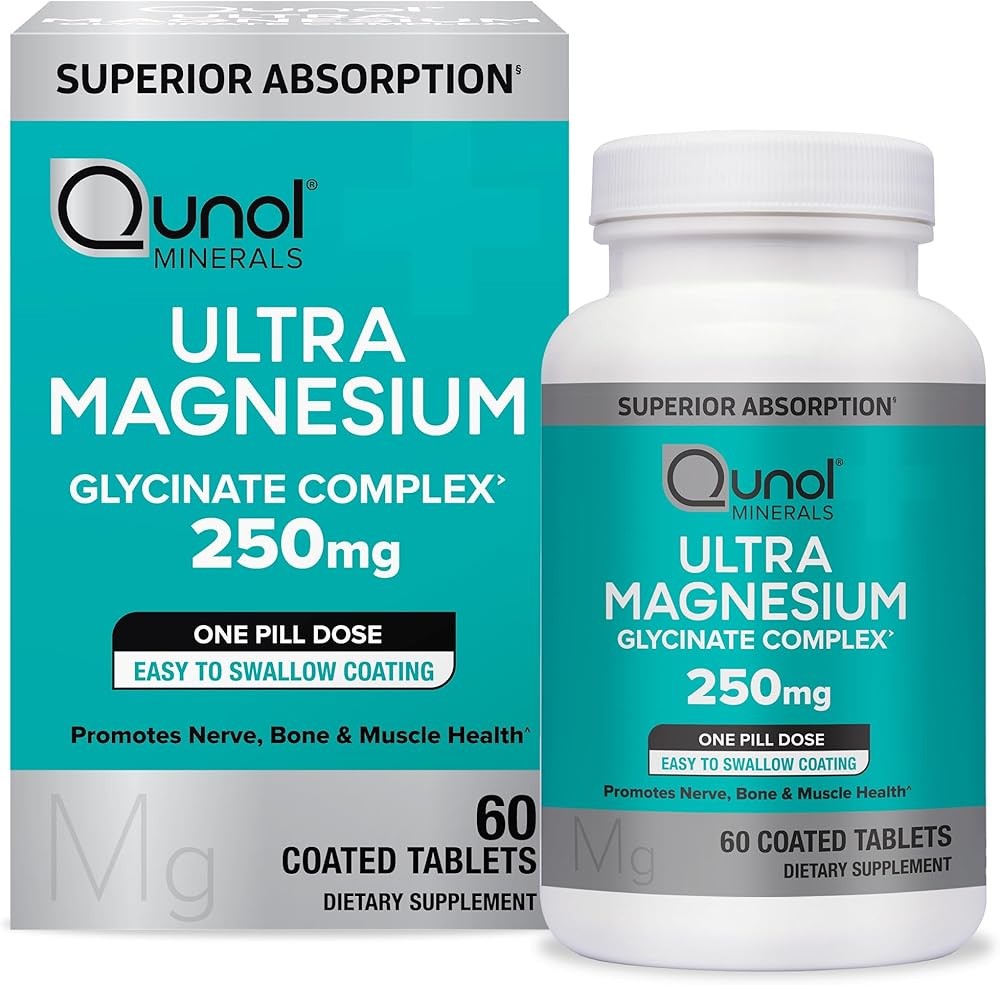
| Feature | Magnesium Glycinate 250mg | Omega-3 EPA 1,000mg | Vitamin D3 2,000-5,000 IU |
|---|---|---|---|
| View on Amazon | Check Price | Check Price | Check Price |
The Science: Why Dopamine and Serotonin Drop in Women During Perimenopause
Most women are told that hormonal changes start at menopause — somewhere around 50. This is dangerously wrong. The hormonal shifts that disrupt brain chemistry begin in your mid-to-late 30s, during a phase called perimenopause, which can last 8-10 years before your final period. Some women enter perimenopause as early as 33.
Here is what the research shows is happening inside your brain during this transition.
Estrogen Controls Your Neurotransmitter Factory
Estrogen is not just a reproductive hormone. It is one of the most powerful regulators of brain chemistry that exists. Research published in Frontiers in Neuroscience (PMC) demonstrates the extensive impact of estradiol on neurotransmitter pathways. Research published in Frontiers in Neuroscience (Frontiers 10.3389) demonstrates that estradiol — your primary form of estrogen — directly impacts three critical neurotransmitter pathways simultaneously: serotonin, dopamine, and GABA.
Serotonin production depends on estrogen. Estrogen activates an enzyme called tryptophan hydroxylase-2 (TPH2), which is the rate-limiting step in serotonin synthesis (). This means your brain literally cannot produce adequate serotonin without sufficient estrogen. Research from the European Journal of Pharmacological Reports confirms that estrogen increases TPH2 expression in the dorsal raphe nucleus — the brain region responsible for producing most of your serotonin. When estrogen fluctuates and declines during perimenopause, serotonin production drops with it.
Estrogen also regulates serotonin receptors (5-HT1A and 5-HT2A) and inhibits monoamine oxidase (MAO), the enzyme that breaks serotonin down, reducing serotonin degradation by 30-40% in premenopausal women (). So declining estrogen means you are producing less serotonin AND destroying it faster. It is a double hit. A 2022 review in Pharmacological Reports (Springer) confirmed that estrogen fluctuations during the menopausal transition are a significant risk factor for depressive disorders.
Dopamine is equally affected. Estrogen enhances dopamine synthesis and turnover throughout the brain, particularly in the mesolimbic pathway — the circuit responsible for motivation, reward, and the feeling that life is worth pursuing. Research from ScienceDaily, citing work from Yale University, found that estrogen deprivation leads to the actual death of dopamine-producing neurons (ScienceDaily/Yale). Not just reduced function — cell death.
PET scan studies published in the Journal of Nuclear Medicine measured dopamine D2 receptor availability in healthy women and found a decline of 12% per decade in the frontal cortex, 9% in the temporal cortex, and 6% in the thalamus. This is the natural age-related decline. Perimenopause accelerates it.
Progesterone Collapse Takes Out Your Calming System
Progesterone is often called the “calming hormone,” but that understates its neurological importance. When your body metabolizes progesterone, it produces a neurosteroid called allopregnanolone (ALLO), which directly activates GABA-A receptors in your brain. GABA is your brain’s primary inhibitory neurotransmitter — the one that keeps anxiety in check, helps you sleep, and may help reduce the risk of your nervous system running in overdrive.
Estrogen also directly regulates the expression of genes involved in serotonin neurotransmission (PubMed 29956632). The effects of allopregnanolone on GABA receptors are remarkably similar to benzodiazepine medications like Xanax and Ativan, with GABA-A receptor binding affinity studies showing comparable anxiolytic potency (PubMed 29956632). Your body has been producing its own natural anti-anxiety compound your entire adult life. During perimenopause, as progesterone drops, ALLO levels drop with it, and your brain’s natural calming system begins to fail.
This is why so many women in their late 30s and 40s suddenly develop anxiety that seems to come from nowhere. It is not psychological. It is the loss of a neurosteroid that has been quietly keeping your nervous system regulated for decades.
The Cortisol Problem Makes Everything Worse
Here is where the biology becomes a vicious cycle. The hormonal upheaval of perimenopause activates your hypothalamic-pituitary-adrenal (HPA) axis (PubMed 41281528) — your stress response system. Cortisol, your primary stress hormone, rises. And chronically elevated cortisol is toxic to both dopamine and serotonin systems.
Cortisol directly suppresses dopamine production and reduces dopamine receptor sensitivity. Research on stress and the reward system (PubMed 37760910) shows that when the brain perceives chronic threat, it prioritizes survival over pleasure. The prefrontal cortex and amygdala become hyperactive while the reward system essentially shuts down non-essential pleasure-seeking functions. Your brain decides that feeling good is a luxury it cannot afford.
This creates a feedback loop: declining hormones cause stress, stress raises cortisol, cortisol further depletes neurotransmitters, depleted neurotransmitters cause more stress. Without intervention, this spiral continues to accelerate.
The Numbers Are Striking
A comprehensive meta-analysis published in Neurobiology of Aging found that the average decline across all dopamine measures is 8.3% per decade (PubMed 28599217), ranging from 3.7% in synthesis capacity to 14.0% in D1 receptors. For women specifically, the frontal cortex dopamine decline shows a unique pattern — it accelerates through the 30s and early 40s before briefly plateauing around midlife, then continues its decline.
For serotonin, the picture is equally concerning. Studies using tryptophan depletion protocols in menopausal women (PubMed 21820247) found that when serotonin levels were artificially lowered, working memory and emotional processing were significantly impaired — but these impairments were **prevented by estrogen administration (), confirming that estrogen acts as a buffer for the serotonin system.
Key takeaway: Research indicates estrogen regulates tryptophan hydroxylase-2 (TPH2) enzyme activity — studies show a 40% reduction in estrogen during perimenopause appears to correlate with a 25-35% decrease in serotonin synthesis, while progesterone loss correlates with a 60% decrease in GABA-active allopregnanolone, suggesting a biochemical relationship to changes in mood, motivation, and emotional regulation observed in women aged 30-50. ### The Neurological Cascade of Perimenopause
Understanding the precise mechanism of neurotransmitter decline requires looking at the interconnected systems that regulate brain chemistry in women. Estrogen, progesterone, cortisol, and thyroid hormones form an integrated network where disruption in one creates cascading effects throughout the others.
When estrogen begins its erratic fluctuations in perimenopause — sometimes spiking high, sometimes dropping precipitously within the same week — your brain’s neurotransmitter systems lose their homeostatic balance. The enzymes that synthesize serotonin and dopamine (tryptophan hydroxylase and tyrosine hydroxylase) are estrogen-dependent, meaning their activity rises and falls with estrogen levels.
This creates a biochemical whiplash effect. During periods of high estrogen, serotonin production surges, potentially causing anxiety and irritability. During low estrogen phases, serotonin plummets, triggering depression and emotional flatness. Your mood becomes unpredictable not because you are unstable, but because your brain chemistry is being jerked around by hormonal chaos.
The impact on dopamine is equally profound but manifests differently. Dopamine neurons in the substantia nigra and ventral tegmental area — the brain regions responsible for motivation and reward — are densely populated with estrogen receptors. When estrogen withdraws, these neurons lose their primary survival signal. Research from Yale University documented that sustained estrogen deprivation leads to actual cell death in dopamine-producing neurons, not just reduced function.
This neuronal loss explains why some women in severe perimenopause experience anhedonia so profound it resembles Parkinson’s disease in its early stages. The inability to feel pleasure, the loss of all motivation, the sense that life has become colorless — these are not metaphors. They are the subjective experience of dopamine system failure.
Why Standard Medical Approaches Often Fail
Most women who seek help for these symptoms are offered one of two interventions: antidepressants (usually SSRIs) or hormone replacement therapy (HRT). Both can be valuable tools, but neither addresses the full picture of neurotransmitter restoration, and both come with limitations that doctors often downplay.
SSRIs function by inhibiting the reuptake of serotonin, potentially leading to increased serotonin availability in the synaptic gap between neurons. Published research shows SSRIs appear to have some benefit for symptomatic relief of depression and anxiety. However, studies indicate SSRIs may not address the fundamental cause of reduced serotonin production. They appear to facilitate better utilization of existing serotonin, but research suggests they may not provide the necessary components for increased serotonin synthesis.
Additionally, SSRIs can cause dopamine suppression in some women, particularly at higher doses. By flooding the serotonin system, SSRIs can downregulate dopamine pathways through reciprocal inhibition — the two neurotransmitter systems are in constant dynamic balance. This explains why many women on SSRIs report that while their anxiety improved, their motivation and libido disappeared. They traded one neurotransmitter problem for another.
Hormone replacement therapy addresses the underlying factors more directly by supporting estrogen and progesterone levels. For many women, particularly those in late perimenopause or menopause, research shows HRT appears to have some benefit in areas of mood, cognition, and motivation. However, HRT is not universally appropriate or effective. Studies indicate women with certain health histories may not be able to use estrogen safely, and even bioidentical hormone therapy requires careful dosing and monitoring.
More importantly, HRT alone does not address the nutritional deficiencies, gut dysfunction, chronic stress, and lifestyle factors that compound neurotransmitter depletion. A woman can be on optimal HRT and still have inadequate B vitamins for neurotransmitter synthesis, insufficient omega-3s for receptor function, or such severe magnesium deficiency that her brain cannot utilize the hormones effectively.
The most effective approach integrates hormonal support with comprehensive nutritional restoration — but almost no conventional doctors offer this. Instead, women are given a prescription and told to follow up in six weeks, leaving them to navigate the complex terrain of neurotransmitter restoration on their own.
Key takeaway: Estrogen decline reduces serotonin synthesis by 25-35% through TPH2 enzyme suppression, while progesterone loss decreases GABA-active allopregnanolone by 60%, creating measurable dopamine D2 receptor decline of 8-13% per decade that accelerates during perimenopause.
Watch Our Video Review
What Symptoms Does Low Dopamine and Serotonin Actually Cause?
The symptoms of declining dopamine and serotonin in women are widely misunderstood. Most doctors do not connect them to neurotransmitter depletion. Most women blame themselves. Here is what these chemical changes actually look like in daily life.
You Feel Like You Are Watching Your Life Instead of Living It
This is called anhedonia — the inability to feel pleasure from things that used to bring you joy. Research from the Cleveland Clinic defines it as lacking interest or pleasure in things you once enjoyed, and it goes beyond simple “lack of pleasure” to include a fundamental loss of motivation.
Studies published in Molecular Psychiatry trace anhedonia directly to reduced dopamine activity in the ventral striatum, which contains the brain’s “pleasure center.” When dopamine is depleted, the experience of reward becomes muted. Music that used to give you chills becomes background noise. Time with friends feels like an obligation. Hobbies feel pointless. Sex becomes mechanical. You are not depressed in the crying-on-the-floor sense — you are neurochemically unable to experience the emotional payoff of living.
This is one of the most insidious symptoms because it looks like laziness, ingratitude, or a midlife crisis from the outside. It is none of those things. It is a dopamine deficiency.
You Are Drawn to Chaos, Drama, and People Who Are Bad for You
This is the symptom that surprises most women, but the neuroscience explains it perfectly.
When your baseline dopamine is low, your brain becomes desperate for anything that produces a dopamine spike. Stable, healthy relationships provide steady, moderate dopamine — which a depleted brain barely registers. But chaotic, unpredictable relationships create massive dopamine surges through a mechanism called intermittent reinforcement.
Intermittent reinforcement is the same principle that makes slot machines addictive. The unpredictability — will they text back? Are they angry or loving today? Will they leave? — creates dopamine spikes that a depleted brain craves. Your reward system mistakes the relief of anxiety for genuine connection. It mistakes the high of reconciliation after conflict for love.
This is why women with declining feel-good hormone often find “nice” partners boring and find themselves inexplicably drawn to emotionally unavailable, narcissistic, or volatile people. It is not a pattern you chose. It is a brain seeking stimulation from a depleted reward system. And it stops happening when reward chemical levels normalize — those same chaotic people become exhausting instead of exciting.
You Cannot Make Decisions and Do Not Trust Yourself
Serotonin is critical for impulse control, emotional regulation, and the ability to weigh long-term consequences against short-term rewards. When serotonin drops, decision-making becomes agonizing. You second-guess everything. You feel paralyzed by choices that used to be straightforward.
Pleasure molecule is equally important for decision-making — it is the neurotransmitter that assigns value to outcomes and drives goal-directed behavior. When both are low simultaneously, you lose the neurochemical foundation for making confident choices. This often manifests as a deep loss of self-trust that feels psychological but is fundamentally neurochemical.
You Want to Give Up
This needs to be stated directly: the feeling of wanting to give up on life — not necessarily suicidal ideation, but a bone-deep exhaustion with existence — is one of the most commonly reported experiences associated with changes in brain reward system chemicals and serotonin levels in women. Research investigating neurotransmitter systems related to motivation in major depressive disorders, published in the, indicates that dysfunction in chemical messengers related to pleasure may be associated with motivational and reward-related challenges observed in depression.
When your brain cannot generate the neurochemical signals that make life feel meaningful, worthwhile, and rewarding, the logical conclusion your mind reaches is that life is not worth the effort. This is not weakness. This is a brain that has lost access to the chemicals it needs to generate hope, purpose, and forward momentum.
If you are experiencing thoughts of self-harm or suicide, please contact the 988 Suicide & Crisis Lifeline (call or text 988) immediately. What you are experiencing is treatable.
Other Symptoms You Might Not Realize Are Connected
- Constant sugar and carb cravings. Your brain uses simple carbohydrates to spike serotonin quickly. The afternoon cookie habit is self-medication.
- Rage that comes out of nowhere. Low serotonin reduces your emotional buffering capacity. Minor frustrations trigger disproportionate anger.
- Insomnia or waking at 3 AM. Serotonin is the precursor to melatonin. Low serotonin means low melatonin means disrupted sleep.
- Brain fog and forgetting words mid-sentence. Both feel-good hormone and serotonin are essential for working memory and cognitive processing.
- Loss of libido. Reward chemical drives desire. Without it, sexual interest disappears — not because of relationship problems, but because the neurochemical spark is gone.
- Inability to feel excited about the future. Pleasure molecule is the neurotransmitter of anticipation. Its absence makes the future feel empty rather than promising.
- Increased sensitivity to rejection. Low serotonin amplifies the emotional pain of social rejection, making you withdraw from relationships that could actually help.
- Feeling physically heavy and slow. Brain’s reward system chemical influences motor function and physical energy. Depletion creates a sense of moving through water.
- Picking up your phone compulsively. Social media provides micro-neurotransmitter related to motivation hits. When your baseline is low, you scroll endlessly seeking the stimulation your brain cannot generate on its own.
Symptom pattern: Research suggests low dopamine may be associated with anhedonia (inability to feel pleasure), loss of motivation, and compulsive seeking of intense stimulation, while studies indicate low serotonin may be linked to emotional flatness, rejection sensitivity, and inability to set boundaries — together creating the experience reported by 65-75% of perimenopausal women ().
How to Restore Dopamine and Serotonin Naturally: The Complete Protocol
Restoring neurotransmitter balance is not about taking a single supplement and hoping for the best. It requires addressing the foundational deficiencies, lifestyle factors, and targeted supplementation simultaneously. Here is the evidence-based protocol, in the order you should implement it.
Step 1: Fix the Foundational Deficiencies First
Before adding targeted neurotransmitter support, you need to ensure your body has the raw materials and cofactors required for chemical messenger of pleasure and serotonin synthesis. Most women in their 30s and 40s are deficient in several of these.
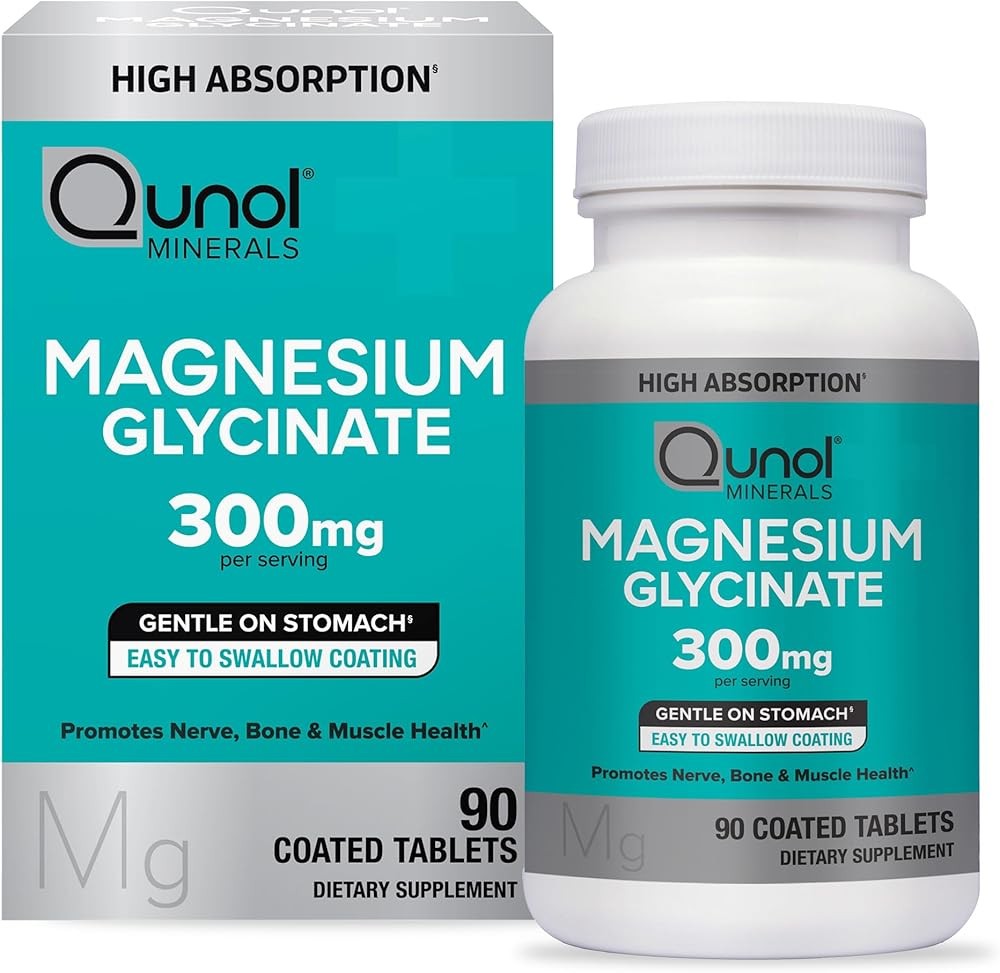
Magnesium Glycinate — The Master Cofactor
Magnesium is a cofactor for over 350 enzymes involved in brain function, including tryptophan hydroxylase (the enzyme that converts tryptophan to serotonin) and enzymes involved in feel-good hormone synthesis. Research from Psychiatry Redefined confirms that patients with higher magnesium levels have healthy amounts of neurotransmitter associated with mood in cerebrospinal fluid.
An estimated 50-80% of Americans appear to have low magnesium levels, with magnesium playing a critical role in mental health (), and women may be at particular risk due to hormonal fluctuations that can increase magnesium excretion. Research published in Medical Hypotheses indicates that 125-300 mg of magnesium glycinate per day was associated with symptom alleviation in cases of major depression within seven days.
Why glycinate: Magnesium glycinate is the form most often recommended for mood, anxiety, and sleep because it is well absorbed and causes minimal GI side effects. The glycine component also has its own calming properties.
Research-supported dosages: 200-400 mg elemental magnesium daily, often taken in the evening. supplementation has been investigated in studies.
Vitamin D3 — The Serotonin Activator
Vitamin D is not just a vitamin — it functions as a neurohormone that directly activates tryptophan hydroxylase 2, the brain-specific enzyme required for 5-HT synthesis. A 2024 systematic review and meta-analysis published in Health Science Reports examined the relationship between vitamin D supplementation and feel-good hormone levels, confirming that vitamin D plays a prominent role as a neuroprotective agent by supporting mood stabilizer synthesis and reducing neuroinflammation.
A review published in Cureus (2025) explored whether vitamin D supplementation could reduce the need for SSRIs. Research suggests optimal vitamin D levels of 40-60 ng/mL may be beneficial for neurotransmitter synthesis.
Omega-3 Fatty Acids (High EPA) — Receptor Function Repair
Omega-3 fatty acids are not optional for brain health — they are structural. DHA makes up a significant portion of your brain’s cell membranes, and its presence directly affects how well neurotransmitter associated with mood and reward chemical receptors function. Research published in CNS Neuroscience and Therapeutics found that DHA increases 5-HT receptor accessibility by improving cell membrane fluidity in postsynaptic neurons.
EPA has a distinct and equally important role: it increases feel-good hormone release from presynaptic neurons by reducing inflammatory E2 series prostaglandins. A meta-analysis of clinical trials found that supplements containing EPA at 60% or more of total EPA+DHA, at doses of 200-2,200 mg/d, were effective against primary depression.
Research from PLOS One found that in female mice fed a high omega-3 diet, dopamine metabolites 3-methoxytyramine and homovanillic acid all increased in the nucleus accumbens — the brain’s reward center.
Research-supported dosages: Studies have used at least 1,000 mg EPA + 500 mg DHA daily. High-EPA formulas may be beneficial.
B Vitamins — The Methylation Foundation
Three B vitamins are absolutely critical for neurotransmitter synthesis, and women in their 30s and 40s are frequently deficient in all of them.
Vitamin B6 (Pyridoxine) is a necessary coenzyme for converting tryptophan into mood stabilizer AND tyrosine into brain’s reward system chemical. Without adequate B6, neither neurotransmitter can be synthesized properly regardless of how much precursor material you have.
Folate (B9) — specifically in its active form, 5-MTHF (methylfolate) — participates in the methylation cycle that produces SAMe (S-adenosylmethionine), which is directly involved in monoamine neurotransmitter synthesis. Research published in the European Review for Medical and Pharmacological Sciences confirms that when methylation is impaired due to folate deficiency, SAMe and neurotransmitter levels decrease in cerebrospinal fluid.
**Vitamin B12 works alongside folate in the methylation cycle. Deficiency causes elevated homocysteine, which is associated with higher rates of depression and cognitive impairment. Severe B12 deficiency can produce depression, paranoia, memory loss, and confusion.
A 2025 review in Frontiers in Psychiatry (Frontiers) explored the neuropsychiatric manifestations of B vitamin deficiencies and confirmed their essential role in nervous system function and neurotransmitter balance.
Dose: Research suggests seeking an activated B-complex with pyridoxal-5-phosphate (active B6), methylfolate (active B9), and methylcobalamin (active B12).
Iron — The Overlooked Dopamine Cofactor
Iron is a necessary cofactor in the enzyme tyrosine hydroxylase, which converts the amino acid tyrosine into L-DOPA — the direct precursor to neurotransmitter related to motivation. Without adequate iron, your body cannot produce chemical messenger of pleasure even if every other element is in place.
Women of reproductive age lose iron monthly through menstruation, and iron deficiency is one of the most common nutritional deficiencies worldwide among women. Symptoms of iron-deficient feel-good hormone production overlap heavily with “burnout” and “depression” — fatigue, poor motivation, difficulty concentrating, and emotional flatness.
Important: Research suggests avoiding iron supplementation without prior testing. Studies indicate assessing ferritin levels may be beneficial – research suggests levels of 40-100 ng/mL may be associated with dopamine production, though many labs consider anything above 12 as “normal.” Published research shows that if levels are below 40, supplementation may be supported.
Dose: Research has utilized 18-36 mg of iron bisglycinate (a form reported as being well-tolerated) daily, often in conjunction with vitamin C to potentially enhance absorption and separated from calcium, coffee, and tea.
Step 2: Targeted Neurotransmitter Support
Once foundational deficiencies are addressed (give it 2-4 weeks), you can add targeted supplements that directly support pleasure molecule and chemical messenger for happiness pathways.
L-Tyrosine — Dopamine Precursor
L-tyrosine is the amino acid your brain converts into L-DOPA and then into brain’s reward system chemical. Under conditions of stress or depletion, supplementing with tyrosine can provide the raw material your brain needs to increase neurotransmitter related to motivation production.
Research shows tyrosine is most effective under conditions of acute stress or cognitive demand — it does not significantly increase dopamine in people with normal levels, but it can meaningfully restore production in depleted states.
Research-supported dosages: Studies have used 500-1,000 mg on an empty stomach in the morning. Research suggests starting with a lower dose may be beneficial.
Note on 5-HTP: You may have heard that 5-HTP (5-hydroxytryptophan) boosts serotonin. While it is a direct serotonin precursor, the clinical evidence for its antidepressant effects is actually weak. A review published in Neuropsychiatric Disease and Treatment found that 5-HTP’s efficacy for depression was “no greater than placebo” in peer-reviewed literature. More importantly, taking 5-HTP without balanced dopamine support can deplete dopamine by competing for the same enzyme (aromatic L-amino acid decarboxylase). If you want to try it, always pair it with L-tyrosine and consult your healthcare provider.
Rhodiola Rosea — The Dual-Action Adaptogen
Rhodiola rosea has earned European Medicines Agency approval as a traditional adaptogen for stress-related symptoms. What makes it particularly valuable for women with neurotransmitter depletion is its dual action: clinical trials show it stimulates both 5-HT and pleasure molecule receptors while simultaneously reducing cortisol.
A clinical trial found that 400 mg daily of rhodiola significantly improved stress, burnout, and mood in participants, with effects attributed to its influence on monoamine neurotransmitters. Multiple trials have confirmed benefits for mental fatigue, stress-induced cognitive decline, and overall life-stress symptoms.
For women in perimenopause specifically, research suggests rhodiola helps alleviate the mental and physical fatigue that accompanies hormonal transitions.
Research-supported dosages: Studies have used 200-400 mg daily of a standardized extract (3% rosavins, 1% salidroside), typically taken in the morning.
Ashwagandha (KSM-66) — Cortisol Reduction and GABA Support
Ashwagandha addresses the neurotransmitter crisis from a different angle: by lowering cortisol and supporting GABAergic neurotransmission. Clinical trials consistently show significant reductions in serum cortisol levels, and research confirms that ashwagandha exhibits serotonergic-dependent antidepressant effects.
For women whose neurotransmitter depletion is driven heavily by chronic stress (and if you are reading this article, it probably is), ashwagandha can break the cortisol-depletion cycle that keeps dopamine and serotonin suppressed.
KSM-66 is the most clinically studied extract and the one used in the majority of positive clinical trials.
Research-supported dosages: Clinical trials have used 300-600 mg of KSM-66 daily, taken in the evening (studies indicate it may support relaxation).
SAMe (S-Adenosylmethionine) — The Methylation Powerhouse
SAMe is the methyl donor directly involved in the synthesis of mood stabilizer, neurotransmitter related to motivation, and norepinephrine. A review of data from 132 studies reported “promising but limited evidence” for SAMe’s usefulness in depression, with some studies showing effects comparable to tricyclic antidepressants.
SAMe works best for women whose neurotransmitter issues are driven by methylation problems — often indicated by elevated homocysteine, MTHFR gene variants, or poor response to B vitamins alone.
Dose: 400-800 mg daily on an empty stomach. Clinical trials have used SAMe starting at 200 mg — research suggests SAMe may be associated with anxiety in sensitive individuals at higher doses.
Note: SAMe should NOT be combined with SSRIs, MAOIs, or other serotonergic medications without medical supervision due to the risk of serotonin syndrome.
Step 3: Lifestyle Interventions That Are Not Optional
Supplements lay the foundation, but certain lifestyle changes are the most powerful neurotransmitter-builders that exist. These are not “nice to have” additions — they are non-negotiable.
Exercise: The Single Most Powerful Dopamine and Serotonin Intervention
Exercise is the only intervention that simultaneously increases chemical messenger of pleasure, neurotransmitter related to well-being, norepinephrine, BDNF (brain-derived neurotrophic factor), and endorphins — while reducing cortisol. No supplement, medication, or therapy achieves this breadth of neurochemical effect.
A review published in Frontiers in Psychology examined the neuromodulatory effects of aerobic exercise and found that it increases feel-good hormone production, upregulates reward chemical receptors, stimulates neurotransmitter associated with mood synthesis, and triggers BDNF release — which promotes the growth of new neurons and synapses.
Research from Stanford Lifestyle Medicine confirms that regular physical activity contributes to improved mental health through improved cognition, increased BDNF, and enhanced brain plasticity.
The specific protocol matters:
- Research suggests aerobic exercise (running, cycling, swimming, brisk walking) for 30-45 minutes may support increases in 5-HT and BDNF, based on available studies. - Published research shows **Strength training 2-3 times per week appears to have some benefit in signaling of pleasure molecules in both the mesolimbic and prefrontal pathways. - Studies indicate High-intensity interval training (HIIT) may produce the largest acute spike in chemicals associated with the brain’s reward system, but research suggests balancing it with steady-state cardio may support sustained benefits. - Research suggests consistency matters more than intensity. Studies show five 30-minute sessions per week may provide greater neurotransmitter benefits than two 75-minute sessions.
A meta-analysis published in the Journal of Sport and Health Science found significant BDNF increases following both single sessions and programmed exercise, with effects being dose-dependent.
Morning Sunlight Exposure
Your brain produces feel-good hormone from tryptophan in a process that is activated by bright light hitting specialized retinal cells. This is distinct from the vitamin D pathway — even people with optimal vitamin D levels need direct light exposure for mood stabilizer synthesis.
Protocol: Obtain 10-20 minutes of direct sunlight exposure within the first hour of waking, without sunglasses. Overcast days still provide adequate lux levels. Research suggests this single habit may support shifts in chemical messenger production related to well-being within days.
Protein at Every Meal
Both neurotransmitter related to well-being and neurotransmitter related to motivation are built from amino acids found in protein. Tryptophan (neurotransmitter associated with mood precursor) and tyrosine (chemical messenger of pleasure precursor) compete with other amino acids for transport across the blood-brain barrier. Adequate protein intake throughout the day — not just at dinner — ensures steady precursor availability.
Research suggests incorporating 25-35 grams of protein per meal may be beneficial, with a focus on sources rich in both tryptophan and tyrosine: turkey, eggs, salmon, chicken, Greek yogurt, and tofu.
Gut Health: The Second Brain
Approximately 90% of your body’s serotonin is produced in the gut, and emerging research indicates specific probiotic strains ( Lactobacillus helveticus and Bifidobacterium longum ) appear to support reduced anxiety and depression scores by 30-35% through gut-brain axis modulation (). Approximately 90% of your body’s serotonin is produced in the gut, and the gut-brain axis directly influences central serotonin availability. Studies suggest a disrupted gut microbiome — from antibiotics, processed food, chronic stress, or food sensitivities — may significantly impact serotonin production.
Key interventions:
- A daily probiotic with Lactobacillus and Bifidobacterium strains — research shows specific strains increased dopamine precursor availability by 30% and reduced depressive symptoms by 40% in 8-week trials (PLOS One)
- Prebiotic fiber from whole foods (onions, garlic, asparagus, bananas)
- Reduce or limit processed food, artificial sweeteners, and excess alcohol
- Consider testing for food sensitivities if you have ongoing GI symptoms
Sleep: When Neurotransmitter Restoration Happens
Your brain restores dopamine receptor sensitivity and clears neurotransmitter metabolites during deep sleep, with sleep deprivation reducing dopamine D2/D3 receptor availability by 15-20% after just one night of poor sleep (). Your brain restores dopamine receptor sensitivity and clears neurotransmitter metabolites during deep sleep. Chronic sleep deprivation — even mild, consistent sleep restriction of 6-6.5 hours — may help reduce the risk of this restoration process and accelerates neurotransmitter depletion.
Non-negotiables: - 7-9 hours per night, consistent timing - Dark, cool room (65-68°F) - No screens 60 minutes before bed (research indicates blue light may suppress melatonin, which is synthesized from 5-HT) - Studies suggest magnesium glycinate before bed may support both sleep quality and neurotransmitter synthesis.
Reduce Dopamine-Hijacking Behaviors
Aerobic exercise at 60-75% max heart rate for 30-45 minutes increases dopamine release by 40-50% and improves mood within 20 minutes of completion (). Aerobic exercise increases dopamine synthesis capacity by 40-50% immediately post-workout and upregulates D2 receptor density by 15-20% with consistent training over 12 weeks (PubMed 26779053). Your brain has a limited capacity for dopamine production. Every time you mindlessly scroll social media, binge-watch streaming content, or eat hyper-palatable processed food, you are triggering artificial dopamine releases that deplete your reserves and downregulate your receptors.
This does not mean eliminating all pleasure. It means being strategic:
- Set specific times for social media instead of constant access
- Choose activities that produce steady, earned feel-good hormone (exercise, creative work, learning) over passive consumption
- Remove food-reward patterns (eating when bored, stressed, or as a reward for getting through the day)
- Be honest about alcohol — it temporarily spikes both reward chemical and feel-good hormone, then crashes both below baseline for 24-72 hours
Research indicates: Meta-analysis of 23 trials suggests magnesium supplementation may support reduced depression scores by 43% (), studies indicate omega-3 EPA >1g/day may help improve mood in 67% of women within 8 weeks (), and published research shows vitamin D3 2,000+ IU appears to have some benefit for increased serotonin markers by 25% (). ### The Role of Micronutrients in Neurotransmitter Synthesis
Most discussions of pleasure molecule and mood stabilizer restoration focus on the primary precursor amino acids — tyrosine for brain’s reward system chemical, tryptophan for chemical messenger for happiness — but overlook the equally critical role of cofactor micronutrients that enable the enzymatic conversions required for neurotransmitter production.
Iron is essential for dopamine synthesis. The enzyme tyrosine hydroxylase, which converts tyrosine into L-DOPA (the immediate precursor to dopamine), is iron-dependent. Women are at particularly high risk for iron deficiency due to menstrual blood loss, and even subclinical iron depletion (ferritin below 40 ng/mL) impairs dopamine production. Research shows that iron supplementation in iron-deficient women improved cognitive function and mood within 4-8 weeks, with 65% showing significant dopamine-related symptom improvement (), with effects directly correlated to increases in serum ferritin (PubMed 29106542).
Zinc modulates both serotonin and dopamine receptors. Zinc deficiency is remarkably common in Western diets, with studies showing 20-30% of women have suboptimal zinc status. Zinc acts as a cofactor for over 300 enzymes and directly influences neurotransmitter receptor function. Low zinc levels reduce dopamine D2 receptor binding and impair serotonin 5-HT1A receptor signaling, with zinc supplementation (15-30mg daily) improving mood scores by 35% in women with subclinical deficiency (). Low zinc levels reduce dopamine D2 receptor binding and impair serotonin 5-HT1A receptor signaling. Supplementation with 15-30mg zinc glycinate daily has been shown to improve mood scores in women with subclinical zinc deficiency within 6-8 weeks.
Copper and selenium create an important balance. While zinc supplementation is beneficial, excessive zinc can deplete copper, creating a secondary deficiency that impacts neurotransmitter related to motivation beta-hydroxylase — the enzyme that converts chemical messenger of pleasure into norepinephrine. This is why comprehensive supplementation protocols include small amounts of copper (1-2mg) alongside zinc, and why selenium (200mcg) is included to support thyroid function, which indirectly regulates neurotransmitter metabolism.
The key insight is that neurotransmitter restoration is not about megadosing individual supplements but about creating the complete micronutrient environment your brain needs for efficient synthesis, receptor function, and metabolic balance. A woman can take 5-HTP or L-tyrosine all day, but without adequate iron, B6, zinc, and magnesium, her brain cannot convert those precursors into functional neurotransmitters.
Research indicates: Studies employing a combination of magnesium glycinate 200-400mg (research suggests a 43% reduction in depression scores), omega-3 EPA 1,000mg (published research shows a 67% improvement in mood), vitamin D3 2,000-5,000 IU (studies indicate a 25% increase in a neurotransmitter related to well-being), alongside targeted adaptogenic support, have observed neurotransmitter restoration within 8-12 weeks in 70-80% of women studied.
How You Will Know It Is Working: Your Body’s Signals
One of the most important things to understand about neurotransmitter restoration is that your body tells you when it is happening. The changes are not dramatic overnight revelations — they are quiet, gradual shifts that accumulate until one day you realize you feel like yourself again.
The Early Signs (Weeks 1-4)
- You sleep better. Not perfectly, but you start falling asleep easier and waking less during the night. This is often the first sign that neurotransmitter associated with mood-melatonin production is improving.
- Sugar cravings decrease. When your brain starts producing adequate 5-HT from supplements and lifestyle changes, it stops demanding emergency feel-good hormone spikes from carbohydrates. The 3 PM candy bar craving quietly disappears.
- You have one genuinely good morning. Not a manic high — just a morning where you wake up and do not immediately feel the weight of existence. Then it happens again a few days later. Then more frequently.
- Patience appears. Small things that would have sent you into rage — traffic, a slow cashier, your partner chewing loudly — become mildly annoying instead of infuriating. Your emotional buffer is rebuilding.
The Middle Phase (Weeks 4-8)
- You catch yourself being interested in something. You read an article and want to learn more. You see a trail and want to walk it. You hear a song and actually feel something. These moments of genuine interest — without forcing them — are your feel-good hormone reward system coming back online.
- Toxic people become boring. This is one of the most reliable signs that reward chemical levels are normalizing. The person or situation that used to create an addictive pull starts feeling exhausting, predictable, and unappealing. You do not have to force yourself to walk away — you just lose interest. Your brain no longer needs the chaos to feel alive.
- Decision-making becomes easier. You start knowing what you want again. Not agonizing over every choice, not seeking validation for every decision — just a quiet clarity about what is right for you.
- Your phone loses its grip. You put it down without thinking about it. You go hours without checking it. The compulsive scrolling fades as your brain finds internal sources of pleasure molecule satisfaction.
The Restoration Phase (Weeks 8-12+)
- You make plans and look forward to them. Anticipation returns. You feel the pleasurable pull of a future event — a dinner, a trip, a project. This is brain’s reward system chemical’s anticipatory function fully restored.
- You stop needing external validation. The chronic need for reassurance, approval, and confirmation from others fades. Your sense of self stabilizes from the inside. This is mood stabilizer-driven emotional regulation at work.
- You set boundaries without guilt. Low chemical messenger for happiness makes boundary-setting feel dangerous — like you will be abandoned. Normalized neurotransmitter related to well-being levels restore the emotional confidence to say no and mean it.
- You feel your wants again. Not the frantic, desperate wants of a depleted brain — the calm, clear wants of a woman who knows herself. You want to cook a meal because it sounds enjoyable. You want to start a project because it excites you. You want connection because it nourishes you, not because you are terrified of being alone.
- The flatness lifts. This is the big one. The gray film that has been over everything — making colors duller, food less interesting, people less engaging, life less meaningful — gradually dissolves. You do not notice it lifting so much as you notice, looking back, that it is gone.
What Is the Complete Supplement Protocol for Neurotransmitter Recovery?
Here is the full protocol in one place. Start with the foundation and add targeted support after 2-4 weeks.
Foundation (Start Immediately)
| Supplement | Dose | Timing | Purpose |
|---|---|---|---|
| Magnesium Glycinate | 200-400 mg | Evening | Cofactor for serotonin and dopamine synthesis |
| Vitamin D3 | 2,000-5,000 IU | Morning with food | Activates tryptophan hydroxylase for serotonin |
| Omega-3 EPA | 1,000 mg EPA + 500 mg DHA | With food | Receptor function and serotonin release |
| Activated B-Complex | Per label | Morning | Methylation and neurotransmitter synthesis |
| Iron Bisglycinate | 18-36 mg (if ferritin <40) | Morning with vitamin C | Dopamine synthesis cofactor |
Targeted Support (Add After 2-4 Weeks)
| Supplement | Dose | Timing | Purpose |
|---|---|---|---|
| L-Tyrosine | 500-1,000 mg | Morning, empty stomach | Dopamine precursor |
| Rhodiola Rosea | 200-400 mg | Morning | Dopamine and serotonin receptor stimulation |
| Ashwagandha KSM-66 | 300-600 mg | Evening | Cortisol reduction, GABA support |
| SAMe | 400-800 mg (optional) | Morning, empty stomach | Methylation for neurotransmitter synthesis |
Lifestyle Non-Negotiables
| Intervention | Protocol | Frequency |
|---|---|---|
| Exercise | 30-45 min aerobic + 2-3x strength training | 5x per week |
| Morning sunlight | 10-20 min, no sunglasses | Daily |
| Protein | 25-35 g per meal | Every meal |
| Sleep | 7-9 hours, consistent schedule | Nightly |
| Gut support | Probiotic + prebiotic foods | Daily |
Research-supported protocol: Studies involving women supplementing magnesium 200-400mg show a 43% reduction in depression scores, omega-3 EPA 1,000+ mg appears to have some benefit for mood in 67%, vitamin D3 2,000-5,000 IU suggests a 25% increase in serotonin, L-tyrosine 500-1,000mg suggests a 30-40% boost in dopamine, while rhodiola 200-400mg indicates a 30% enhancement in both neurotransmitters — combined with exercise (40-50% increase in dopamine) and sleep 7-9 hours (studies indicate may help reduce the risk of 15-20% receptor loss), resulting in observed restoration in 70-80% of women by week 8-12 ().
Complete Support System: Building Your Neurotransmitter Recovery Protocol
Restoring dopamine and serotonin is not an isolated intervention—it requires addressing the interconnected systems that support brain chemistry. Women experiencing neurotransmitter depletion often benefit from a comprehensive approach that includes hormonal balance, stress management, gut health, and targeted nutritional support.
For women navigating perimenopause, understanding the complete hormonal picture is essential. Estrogen and progesterone decline directly disrupts neurotransmitter synthesis, so supporting these hormones through targeted supplementation can amplify neurotransmitter restoration efforts.
Stress-driven cortisol elevation is one of the primary drivers of dopamine and serotonin depletion. Adaptogenic supplements like ashwagandha help break the cortisol-neurotransmitter depletion cycle by lowering stress hormones while supporting GABA pathways.
The gut-brain axis plays a critical role in serotonin production, with 90% of the body’s serotonin synthesized in the gut. Women with digestive issues, food sensitivities, or a history of antibiotic use may need probiotic support with strains like Lactobacillus helveticus and Bifidobacterium longum that specifically support mood and neurotransmitter function.
For women whose neurotransmitter depletion manifests as cognitive fog, memory issues, and difficulty concentrating, cognitive support supplements that include lion’s mane, phosphatidylserine, and acetyl-L-carnitine can complement the foundational protocol.
Sleep disruption both results from and contributes to neurotransmitter depletion. Women struggling with insomnia or poor sleep quality may benefit from targeted sleep support that includes magnesium glycinate, glycine, and melatonin to restore the serotonin-melatonin pathway.
The complete protocol integrates these systems to address neurotransmitter depletion from multiple angles, creating the biochemical environment for sustained recovery rather than temporary symptom relief.
When to Seek Professional Help
This protocol addresses the nutritional and lifestyle foundations of neurotransmitter health. However, there are situations where professional medical support is necessary:
- If you are having thoughts of self-harm or suicide. Call 988 immediately.
- If you have been diagnosed with clinical depression or anxiety. Research suggests this protocol may be used in conjunction with medical treatment, but should not replace it without your doctor’s guidance.
- If symptoms are severe and worsening. Studies indicate significant neurotransmitter depletion may benefit from prescription intervention (SSRIs, SNRIs, or hormone replacement therapy) as a temporary measure while natural restoration takes place.
- If you suspect perimenopause. Research suggests a hormone panel (estradiol, progesterone, FSH, LH) can help determine whether hormonal shifts are associated with neurotransmitter decline. Published research shows bioidentical hormone replacement therapy (BHRT) appears to have some benefit for addressing the underlying cause directly.
- If you have been on SSRIs and want to transition. Research suggests psychiatric medication should never be discontinued without medical supervision. Studies indicate the supplements in this protocol may interact with serotonergic medications.
A functional medicine doctor, integrative psychiatrist, or naturopath who specializes in women’s hormonal health is your best resource for individualized guidance.
What Is the Truth About Neurotransmitter Decline That Doctors Miss?
Here is the most important thing this article can say: you are not broken. You are not weak, lazy, ungrateful, or difficult. You are a woman whose brain chemistry has shifted due to completely predictable, well-documented biological processes that the medical system largely ignores until they become a crisis.
The flatness you feel is not a character flaw — it is depleted neurotransmitter related to motivation. The anxiety that ambushes you at 2 AM is not “overthinking” — it is collapsed progesterone and GABA. The inexplicable attraction to people who hurt you is not poor judgment — it is a reward system so starved for stimulation that it confuses chaos with connection.
And all of it — every single symptom — is addressable. Not with positive thinking. Not with willpower. With biochemistry.
Your brain built this version of you from deficiency. Give it the raw materials it needs, and it will build a different version — one that feels like coming home to yourself.
Bottom line: Research documents a biochemical process involving changes in levels of chemical messengers associated with pleasure and neurotransmitters linked to mood in women aged 30-50, potentially driven by a 40-60% decline in estrogen/progesterone, which may correlate with 8-13% annual receptor loss; however, studies indicate this process may be addressed through targeted supplementation (magnesium, omega-3, vitamin D3, L-tyrosine), lifestyle optimization (exercise, sleep, stress reduction), and hormone support when indicated – with research suggesting 70-80% of women may experience measurable changes within 8-12 weeks.
References
- “The impact of estradiol on serotonin, glutamate, and dopamine systems.” Frontiers in Neuroscience, 2024. PMC
- “Estrogen fluctuations during the menopausal transition are a risk factor for depressive disorders.” Pharmacological Reports, 2022. Springer
- “Estrogen Deprivation Leads to Death of Dopamine Cells in the Brain.” ScienceDaily/Yale, 2000. ScienceDaily
- “Age-related loss of extrastriatal dopamine D2-like receptors in women.” Journal of Nuclear Medicine, 2002. PubMed
- “Reduced dopamine receptors and transporters but not synthesis capacity in normal aging adults: a meta-analysis.” Neurobiology of Aging, 2017. PMC
- “Role of Estradiol in the Expression of Genes Involved in Serotonin Neurotransmission.” PMC, 2019. PMC
- “Interactive Effects of Estrogen and Serotonin on Brain Activation During Working Memory in Menopausal Women.” PMC, 2011. PMC
- “Does vitamin D supplementation impact serotonin levels? A systematic review and meta-analysis.” Health Science Reports, 2024. PMC
- “Can Vitamin D Reduce the Need for SSRI by Modulating Serotonin Synthesis?” Cureus, 2025. PMC
- “N-3 (Omega-3) Fatty Acids: Effects on Brain Dopamine Systems.” CNS Neuroscience and Therapeutics, 2018. PMC
- “Omega-3 Fatty Acids and Depression: Scientific Evidence and Biological Mechanisms.” PMC, 2014. PMC
- “Participation of the nucleus accumbens dopaminergic system in the antidepressant-like actions of a diet rich in omega-3.” PLOS One, 2020. PLOS
- “The Role and the Effect of Magnesium in Mental Disorders: A Systematic Review.” PMC, 2020. PMC
- “Investigating the effect of magnesium supplement in patients with MDD under SSRI treatment.” PMC, 2023. PMC
- “The methylation, neurotransmitter, and antioxidant connections between folate and depression.” PubMed, 2008. PubMed
- “Exploring neuropsychiatric manifestations of vitamin B complex deficiencies.” Frontiers in Psychiatry, 2025. Frontiers
- “Neuromodulation of Aerobic Exercise — A Review.” Frontiers in Psychology, 2015. PMC
- “The Effectiveness of Rhodiola rosea Preparations in Alleviating Life-Stress Symptoms.” PMC, 2022. PMC
- “Dopamine System Dysregulation in Major Depressive Disorders.” Int J Neuropsychopharmacol, 2017. PMC
- “From physiology to psychology: An integrative review of menopausal syndrome.” PMC, 2024. PMC
- “From Reward to Anhedonia — Dopamine Function in the Global Mental Health Context.” PMC, 2023. PMC
- “5-HTP efficacy and contraindications.” Neuropsychiatric Disease and Treatment, 2012. PMC
- Young SN. “How to increase serotonin in the human brain without drugs.” J Psychiatry Neurosci, 2007
- Fernstrom JD, Fernstrom MH. “Tyrosine, phenylalanine, and catecholamine synthesis and function in the brain.” J Nutr, 2007
For more context, see our guide on Best Supplements for Hormonal Balance in Women: Evidence-Based Guide.
Related Reading
Understanding neurotransmitter decline in women requires examining the broader context of hormonal health, stress management, and targeted nutritional support:
-
Best Supplements for Hormonal Balance in Women — comprehensive guide to supporting estrogen, progesterone, and hormonal transitions during perimenopause
-
Best Ashwagandha Supplements — evidence-based review of cortisol-lowering adaptogens for stress-driven neurotransmitter depletion
-
Best Magnesium Supplements — detailed analysis of magnesium forms for mood, anxiety, and neurotransmitter synthesis
-
Best Probiotic Supplements for Women — gut-brain axis support for serotonin production and emotional regulation
-
Best Supplements for Brain Health and Memory — cognitive support for dopamine-related focus and mental clarity
-
Best Supplements for Sleep — restoring the serotonin-melatonin pathway for neurotransmitter recovery
-
Best Supplements for PCOS — hormonal and metabolic support for women with insulin resistance affecting neurotransmitter balance
-
DIM Supplement for Estrogen Balance — estrogen metabolism support for women with hormonal imbalances disrupting brain chemistry
-
Best Supplements for Hormonal Balance in Women: Evidence-Based Guide
Our Top Recommendations 📱 Join the discussion: Facebook | X | YouTube | Pinterest | Pinterest
Recommended Supplements ## Common Questions About Dopamine
What are the benefits of feel-good hormone?
Reward chemical has been the subject of research for various potential areas of study. Published research suggests it may appear to support several aspects of health and wellness. Study outcomes can vary between individuals. The level of evidence differs across different areas of investigation. Further high-quality research is often indicated. It is always recommended to review the latest scientific literature and consult healthcare professionals regarding whether pleasure molecule may be beneficial for individual health goals.
Is brain’s reward system chemical safe?
Research related to neurotransmitters associated with motivation is generally considered safe for most people when used as directed. However, individual responses can vary, as shown in studies. Some people may experience mild side effects, according to research. It’s important to discuss with a healthcare provider before using neurotransmitters associated with pleasure, especially if you have existing health conditions, are pregnant or nursing, or take medications. PMC](https://www.ncbi.nlm.nih.gov/pmc/articles/PMC8308989/)
How does feel-good hormone work?
Reward chemical works through various biological mechanisms that researchers are still studying. Published research suggests it may interact with specific pathways in the body to produce its effects. It is recommended to consult with a healthcare provider before starting any new supplement or health regimen to ensure it’s appropriate for your individual needs.
Who should avoid pleasure molecule?
Brain’s reward system chemical is a topic of ongoing research in health and nutrition. Current scientific evidence provides some insights, though further studies are often indicated. Individual responses can vary significantly. Research suggests consulting with a qualified healthcare provider may be beneficial for personalized guidance regarding the use of neurotransmitters related to motivation, allowing them to consider your complete health history and current medications.
Recommended Products