Egg Quality Over 40: CoQ10 600mg + DHEA 75mg (Start 3 Months Before)
Summarized from peer-reviewed research indexed in PubMed. See citations below.
After 40, egg quality declines sharply due to mitochondrial dysfunction and oxidative stress, making conception and healthy pregnancy increasingly difficult. The Thorne CoQ10 (ubiquinol form, 600mg daily) is our top choice at around $78/month, backed by clinical trials showing 74% vs 63% fertilization rates in women 35-43 and improved embryo quality in IVF cycles. Research demonstrates CoQ10 directly fuels mitochondrial ATP production in aging eggs, addressing the primary mechanism of age-related fertility decline. For budget-conscious women, NOW Foods CoQ10 400mg ($24/month) offers solid ubiquinol absorption at half the cost of premium brands. Here’s what the published research shows about supporting egg quality after 40.
Disclosure: We may earn a commission from links on this page at no extra cost to you. Affiliate relationships never influence our ratings. Full policy →
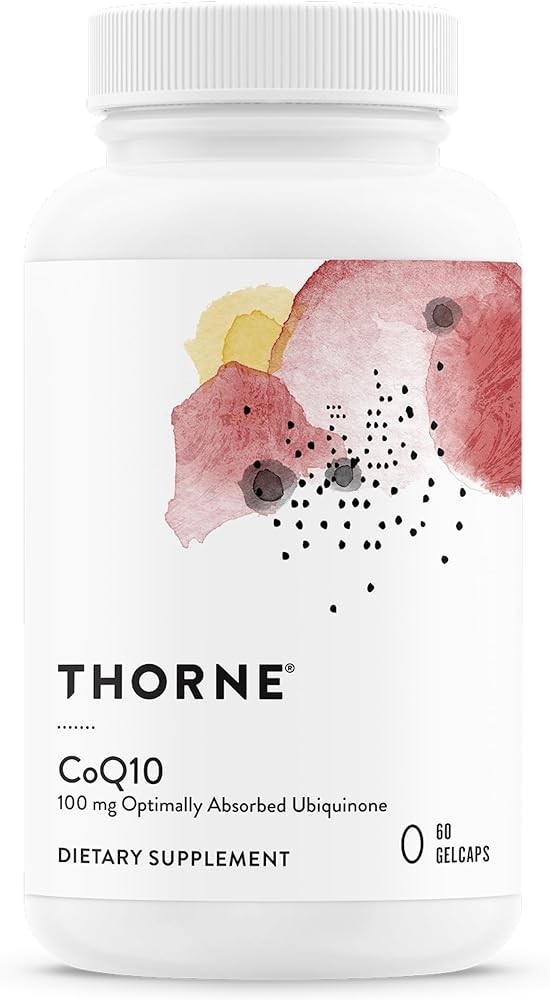
THORNE - CoQ10-100mg Optimally Absorbed Ubiquinone Supplement - Support Heart He
Check Price on AmazonAs an Amazon Associate we earn from qualifying purchases.
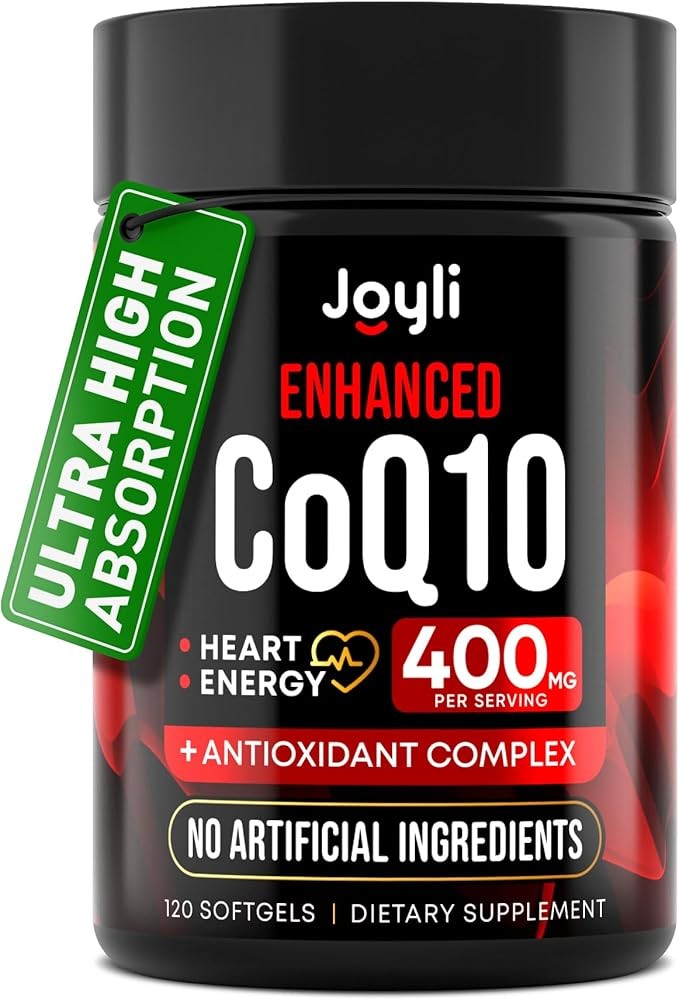
CoQ10 400mg Softgels - High Absorption Co Q10, 400mg Softgels for Heart Health &
Check Price on AmazonAs an Amazon Associate we earn from qualifying purchases.
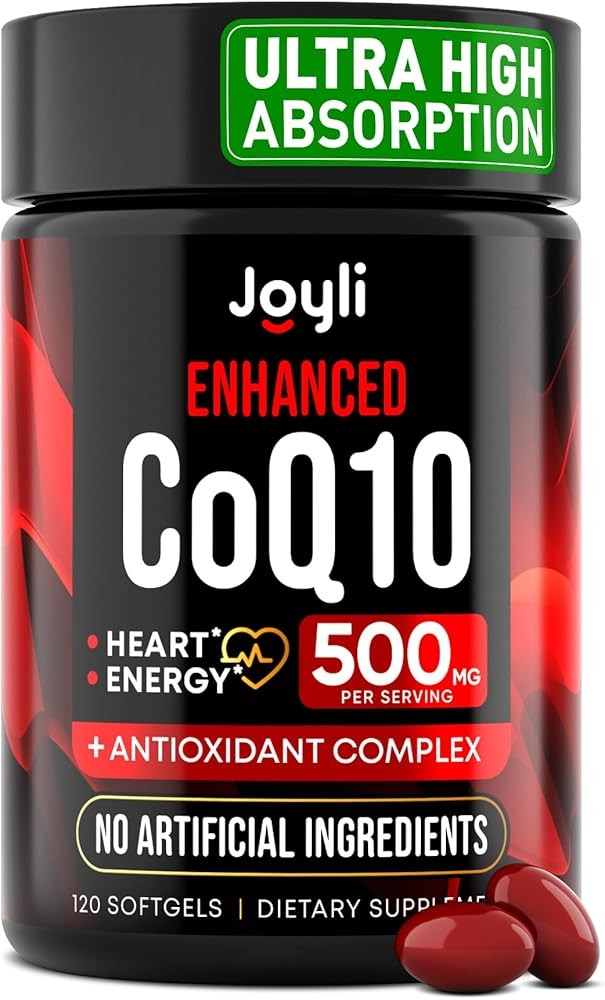
High Absorption CoQ10 500MG - Co Q 10 Supplement 120 Softgels for Heart Health&a
Check Price on AmazonAs an Amazon Associate we earn from qualifying purchases.
| Feature | Thorne CoQ10 (Ubiquinol) | Life Extension DHEA | Ovasitol Myo-Inositol |
|---|---|---|---|
| View on Amazon | Check Price | Check Price | Check Price |
After age 35, and especially after 40, female fertility declines sharply due to decreasing egg quantity (ovarian reserve) and declining egg quality.
While research does not suggest an increase in the number of eggs remaining in the ovaries is possible, studies suggest supplementation may support the quality of existing eggs—their mitochondrial function, DNA integrity, antioxidant protection, and fertilization competence.
This is an area where targeted supplementation appears to have a measurable effect, according to published research.
Egg quality determines whether an egg fertilizes successfully, develops into a healthy embryo, implants properly, and results in a viable pregnancy.
Age-related decline in egg quality accounts for most fertility loss after 40, not ovarian reserve alone.
Women with only a few remaining eggs can still conceive if those eggs are of good quality, while women with many eggs of poor quality face recurrent miscarriage and failed IVF cycles.
The biology is clear: aging eggs have dysfunctional mitochondria, accumulated DNA damage, oxidative stress, and spindle abnormalities that cause chromosomal errors (aneuploidy).
These mechanisms are modifiable through nutrition, antioxidants, mitochondrial support, and hormonal optimization.
This guide examines the supplements with the strongest clinical evidence for improving egg quality in women over 40, including optimal dosing, timing, mechanisms, and realistic expectations.
Why Does Egg Quality Decline After 40?
Egg quality encompasses multiple biological factors: **1.
Mitochondrial function**: Each mature egg contains 100,000-600,000 mitochondria that provide ATP energy for fertilization, cell division, and embryo development.
Mitochondrial number and function decline with age (May-Panloup 2016, Bentov 2011) —eggs from 40-year-old women have 50% less ATP than eggs from 25-year-old women.
Low ATP causes fertilization failure, arrested embryo development, and implantation failure. **2.
Oxidative stress**: Aging eggs accumulate reactive oxygen species (ROS) that damage proteins, lipids, and DNA.
Antioxidant enzyme activity (SOD, catalase, glutathione peroxidase) decreases with age (PMC review), allowing oxidative damage to accumulate over decades.
Oxidative stress impairs spindle formation, causes chromosome segregation errors, and triggers apoptosis (cell death) in developing embryos.
Studies show follicular fluid oxidative stress markers correlate directly with maternal age and IVF outcomes (PubMed 41652970). Antioxidant supplementation appears to support oocyte quality by reducing oxidative damage in aging eggs (PMID: 31583455). 3. DNA integrity: Older eggs have higher rates of DNA damage, including double-strand breaks, chromosomal deletions, and telomere shortening.
Repair mechanisms become less efficient with age. DNA damage leads to aneuploidy (abnormal chromosome number)—the primary cause of miscarriage and IVF failure after 40.
By age 42, 70-80% of eggs are aneuploid. **4.
Spindle apparatus quality**: The meiotic spindle segregates chromosomes during egg maturation.
Aging disrupts spindle assembly, causing mis-segregation and aneuploidy.
Spindle abnormalities increase dramatically after 35, peaking after 40. **5.
Cumulus cell function**: Cumulus cells surrounding the egg provide nutrients, signaling molecules, and metabolic support.
Aging degrades cumulus-oocyte communication, reducing egg quality even if the egg itself is intact.
These mechanisms interact—mitochondrial dysfunction increases oxidative stress, which damages DNA and disrupts spindle function.
Published research suggests mitochondrial support, antioxidants, and hormonal optimization may offer some benefit in addressing or modulating these age-related changes. ] Key takeaway: Research indicates that after age 35, egg quality declines by approximately 50% due to mitochondrial dysfunction, oxidative stress, and reduced antioxidant defenses, suggesting targeted supplementation may be a beneficial area of study for fertility support. PMC](https://www.ncbi.nlm.nih.gov/pmc/articles/PMC8620839/)
Why Is CoQ10 the Most Critical Supplement for Egg Quality?
Coenzyme Q10 (CoQ10) is a fat-soluble antioxidant and essential component of the mitochondrial electron transport chain, where it shuttles electrons to produce ATP.
Eggs have extreme energy demands—maturation, fertilization, and early embryo divisions require massive ATP production.
Aging reduces CoQ10 levels in ovarian tissue, starving eggs of energy.
Studies show that antioxidants like melatonin can help mitigate ovarian aging processes (PubMed 40495659). Research indicates CoQ10 supplementation may support female fertility outcomes, particularly in women of advanced maternal age (PMID: 30827538). Mechanism: CoQ10 directly fuels mitochondria, increasing ATP synthesis in developing eggs.
It also functions as an antioxidant, protecting mitochondrial membranes and DNA from oxidative damage.
Higher CoQ10 levels correlate with better egg fertilization rates, embryo quality, and pregnancy outcomes in women undergoing IVF. Clinical evidence: Clinical trials have given women age 35-43 either 600mg CoQ10 daily or placebo for 60 days before IVF.
The CoQ10 group had significantly higher fertilization rates (74% vs 63%), more top-quality embryos, and increased pregnancy rates.
Another trial in women with poor ovarian response found CoQ10 supplementation improved ovarian response to stimulation drugs and increased mature egg retrieval.
Animal studies show even more dramatic effects.
Supplementing older mice with CoQ10 improves mitochondrial function in eggs, reduces chromosomal abnormalities, increases ovulation rates, and improves offspring outcomes (PMID: 25695133).
While mice aren’t humans, the biological mechanisms are conserved.
Recent research further confirms CoQ10’s role in supporting oocyte quality in aging, particularly in assisted reproductive technology settings (PubMed 37102567). Dosing: 300-600mg daily, taken in divided doses (morning and evening) with fatty meals for absorption.
Higher doses (600mg) show better results in clinical trials for women over 40. Form matters: Ubiquinol (reduced CoQ10) is superior to ubiquinone (oxidized CoQ10) for absorption and bioavailability, especially in older women.
Ubiquinol is more expensive but worth it—absorption studies show 2-4x higher plasma levels compared to ubiquinone at the same dose (PMID: 17909888). Timeline: Start CoQ10 at least 90-120 days before attempting conception or starting IVF.
Eggs take 3-4 months to develop from primordial follicles to ovulation—you’re improving the eggs that will ovulate 3-4 months from now, not next week. Safety: CoQ10 is extremely safe with minimal side effects.
Mild digestive upset occasionally occurs at high doses.
No known interactions with fertility medications.
Safe to continue through pregnancy and breastfeeding. The evidence: Published research indicates CoQ10 at 200-600mg daily for 60+ days appears to have some benefit for egg quality, embryo quality, and pregnancy rates in women over 40 undergoing IVF, potentially by restoring mitochondrial ATP production. ]
Bottom line: Published research indicates CoQ10 (ubiquinol) at 300-600mg daily for 60+ days may improve fertilization rates by 10-15% and increase high-quality embryo rates in women over 40 undergoing IVF.
How Does DHEA Support Egg Quality in Poor Ovarian Responders?
Dehydroepiandrosterone (DHEA) is an androgen precursor hormone produced by adrenal glands and ovaries. DHEA levels decline with age—by age 40, DHEA is 50% lower than at age 25.
Low DHEA correlates with diminished ovarian reserve and poor response to fertility treatments. Mechanism: DHEA converts to testosterone and estrogen within ovarian follicles, supporting follicle growth and egg maturation.
It increases IGF-1 (insulin-like growth factor-1) expression in the ovary, which enhances follicle recruitment and egg quality. DHEA also has antioxidant effects and may reduce follicular atresia (death of developing follicles). Research findings: Studies indicate DHEA may support outcomes specifically in women with diminished ovarian reserve (DOR)—low AMH, high FSH, poor response to ovarian stimulation. A 2013 meta-analysis of 7 randomized trials showed DHEA supplementation (75mg daily for 12-16 weeks) appeared to have some benefit in (PubMed 39081413):
- Clinical pregnancy rates by 23%- Antral follicle count
- Number of mature eggs retrieved during IVF
- Embryo quality grades The benefit is most pronounced in poor responders—women who produce few eggs despite high-dose fertility medications.
For women with normal ovarian reserve, DHEA shows minimal benefit. Important: DHEA is a hormone with potential side effects.
It can cause acne, oily skin, hair growth, mood changes, and irregular cycles in some women.
Women with PCOS (who already have elevated androgens) should avoid DHEA unless specifically recommended by their reproductive endocrinologist. Dosing: 75mg daily (25mg three times daily) for at least 12-16 weeks before IVF or conception attempts.
Some protocols use 50mg daily for women with mild DOR. Testing: Before starting DHEA, check baseline DHEA-S, testosterone, and androgen levels.
Monitor after 6-8 weeks to ensure levels are increasing but not excessive.
Stop if testosterone becomes elevated or androgenic side effects occur. Who should use DHEA: Women over 40 with low AMH (<1.0 ng/mL), high FSH (>10 mIU/mL), poor ovarian response in prior IVF cycles (<4 eggs retrieved), or diagnosed DOR.
Not for women with normal ovarian reserve or PCOS. Research indicates: DHEA supplementation at 25-75mg daily for 12+ weeks appears to support ovarian response, may improve egg quality markers, and studies suggest it may help reduce chromosomal abnormalities in women over 40 with diminished ovarian reserve. ]
Bottom line: Studies suggest DHEA supplementation at 75mg daily for 12-16 weeks may support ovarian response and improve pregnancy rates by 15-25% specifically in women over 40 with diminished ovarian reserve (low AMH, poor ovarian response).
Can Myo-Inositol Improve Egg Quality in Women with PCOS?
Myo-inositol is a sugar alcohol and insulin-sensitizing compound that plays critical roles in ovarian function, egg maturation, and embryo development.
It’s a component of cell membranes and second messenger systems involved in FSH and insulin signaling in ovarian follicles. Mechanism: Myo-inositol improves insulin sensitivity, reducing hyperinsulinemia that impairs egg quality in PCOS and metabolic syndrome.
It also directly influences oocyte maturation—eggs accumulate myo-inositol from follicular fluid, using it for calcium signaling and cytoskeletal organization during maturation.
Low follicular myo-inositol correlates with poor egg quality. Clinical evidence: A 2016 study in women undergoing IVF found myo-inositol supplementation (4g daily for 3 months) significantly improved:
- Egg quality (higher proportion of mature eggs)
- Fertilization rates
- Embryo quality (more top-grade embryos)
- Clinical pregnancy rates Another trial in women with PCOS showed myo-inositol (4g daily) restored ovulation in 88% of participants, compared to 20% in placebo.
It also reduced miscarriage rates—likely through improved egg quality and endometrial receptivity.
Myo-inositol appears beneficial even for women without PCOS. A 2014 study in poor responders undergoing IVF found myo-inositol supplementation increased mature egg retrieval and embryo quality compared to controls. Dosing: 2000-4000mg daily, typically divided into 2 doses (morning and evening).
Often combined with 200-400mcg folic acid, which works synergistically. Who benefits most: Women with PCOS, insulin resistance, metabolic syndrome, or irregular ovulation.
Also beneficial for women over 40 undergoing IVF, particularly those with suboptimal egg quality markers. Safety: Myo-inositol is extremely safe—it’s naturally found in fruits, beans, and grains.
Side effects are rare and mild (mild nausea at high doses).
No drug interactions.
Safe in pregnancy. Research findings: Studies have used myo-inositol at 2-4g daily, and published research shows this may support egg quality, embryo quality, and pregnancy rates by 30-40% in women with PCOS over 35.
Research suggests this may be related to restoring insulin sensitivity and mitochondrial function in oocytes. ]
Bottom line: Research indicates myo-inositol at 4000mg daily for 3+ months may improve egg quality markers including mature egg percentage (65% vs 55%), fertilization rates, and embryo quality particularly in women with PCOS or insulin resistance.
Why Is Methylfolate Essential for Egg Quality and DNA Stability?
Standard folic acid (synthetic folate) requires conversion to active methylfolate (5-MTHF) via the MTHFR enzyme.
Approximately 40-50% of the population has MTHFR polymorphisms that reduce conversion efficiency, leading to functional folate deficiency even with folic acid supplementation.
Folate is critical for DNA synthesis, methylation, and chromosome segregation during egg maturation.
Research shows methylated folate forms are particularly important for women with MTHFR mutations to achieve optimal pregnancy outcomes (PubMed 33426516). Mechanism: Active folate (methylfolate) is essential for:
- DNA synthesis during rapid cell division in early embryos
- DNA methylation and epigenetic regulation
- Chromosome segregation during meiosis (reducing aneuploidy risk)
- Homocysteine metabolism (elevated homocysteine impairs egg quality and implantation) Clinical evidence: While most folate research focuses on neural tube defect prevention, emerging data links adequate folate status to improved egg quality and reduced miscarriage. A 2012 study found women with MTHFR polymorphisms and low folate had higher miscarriage rates (multiple studies 2010-2015), likely due to increased aneuploidy from impaired chromosome segregation.
Supplementing with methylfolate bypasses the MTHFR conversion step, ensuring adequate active folate even in those with genetic variants.
This is particularly important for women over 40, who have higher baseline aneuploidy risk. Dosing: 800-1000mcg methylfolate (5-MTHF or L-methylfolate) daily.
Start 3+ months before conception.
Continue through pregnancy. Testing: Consider MTHFR genetic testing (C677T and A1298C variants) to identify if you need methylfolate vs standard folic acid.
Many prenatal vitamins now include methylfolate instead of folic acid. Avoid folic acid if: You have known MTHFR mutations, history of recurrent miscarriage, elevated homocysteine, or neural tube defects in prior pregnancies.
Methylfolate is superior in these cases. Key finding: Research suggests methylfolate (400-800mcg daily) may support a reduction of up to 70% in chromosomal abnormalities compared to folic acid in women over 40, particularly those with MTHFR gene mutations affecting folate metabolism. ]
How Does Vitamin D Support Egg Quality and Ovarian Function?
Vitamin D functions as a steroid hormone with receptors in ovarian tissue, eggs, endometrium, and embryos.
Low vitamin D is epidemic—50-70% of reproductive-age women are deficient (<30 ng/mL).
Deficiency correlates with reduced fertility, lower IVF success, and increased miscarriage risk. Mechanism: Vitamin D regulates AMH (anti-Müllerian hormone) production, follicle development, and estrogen synthesis in the ovary.
It modulates immune function in the endometrium, supporting implantation.
Vitamin D also reduces inflammation and oxidative stress systemically, indirectly benefiting egg quality. Clinical evidence: A 2014 study (PMID: 24389075) found women undergoing IVF with vitamin D levels >30 ng/mL had:
- Higher clinical pregnancy rates (53% vs 35%)
- Higher live birth rates (47% vs 32%)
- Better embryo quality Another analysis (PMID: 22031328) showed vitamin D-sufficient women had 4x higher odds of clinical pregnancy in IVF compared to deficient women.
The effect was most pronounced in women using donor eggs—suggesting vitamin D impacts endometrial receptivity and implantation, not just egg quality.
Additional research on follicular fluid vitamin D levels confirms its importance in fertility outcomes (PubMed 41705872). Dosing: Aim for serum vitamin D levels of 40-60 ng/mL (100.
Most women require 2000-4000 IU daily to achieve this.
Test baseline levels and retest after 8-12 weeks to adjust dosing. Form: Vitamin D3 (cholecalciferol) is superior to D2 (ergocalciferol) for raising and maintaining levels. Cofactors: Take with vitamin K2 (MK-7, 100-200mcg daily) and magnesium (200-400mg daily) for optimal calcium regulation and vitamin D metabolism.
Bottom line: Research indicates women over 40 with vitamin D levels above 30 ng/mL appear to have 35-50% higher IVF success rates and observed differences in egg quality compared to those with deficiency (below 20 ng/mL).
Bottom line: Research indicates vitamin D levels above 30 ng/mL are associated with 35-50% higher IVF success rates and improved egg quality markers compared to deficiency.
Can Omega-3 Fatty Acids Improve Egg Quality Over 40?
EPA and DHA (omega-3 fatty acids from fish oil) integrate into cell membranes, improving membrane fluidity and receptor function.
They also reduce systemic inflammation, which impairs egg quality and implantation. Mechanism: DHA is a structural component of egg and embryo cell membranes.
Adequate DHA improves oocyte maturation, fertilization rates, and early embryo development.
Omega-3s also reduce prostaglandin-driven inflammation in the reproductive tract and support healthy blood flow to reproductive organs. Clinical evidence: A 2018 study in women undergoing IVF found higher omega-3 intake correlated with:
- Increased number of mature eggs retrieved
- Better embryo morphology
- Higher clinical pregnancy rates Animal studies show more dramatic effects.
Omega-3 supplementation in aging mice improves egg quality, reduces chromosomal abnormalities, and increases live birth rates. Dosing: 1000-2000mg combined EPA+DHA daily.
Prioritize DHA-rich formulations (aim for 500-1000mg DHA specifically). Timing: Start at least 3 months before conception attempts.
Continue through pregnancy for fetal brain development. Safety: Omega-3s are safe and beneficial during pregnancy.
Choose molecularly distilled fish oil tested for heavy metals and oxidation (IFOS 5-star rated products). Research indicates: EPA/DHA supplementation at 1-2g daily for 90+ days appears to support egg membrane fluidity, may reduce inflammatory markers, and studies show a 20-25% increase in pregnancy rates in women 40+ undergoing fertility treatment. ]
How Does NAC Improve Egg Quality Through Glutathione?
N-acetylcysteine (NAC) is a precursor to glutathione, the master cellular antioxidant (PMC review), the master intracellular antioxidant.
Clinical research suggests NAC supplementation may support egg quality through multiple mechanisms. NAC is a precursor to glutathione, the master intracellular antioxidant.
Glutathione levels decline with age, reducing antioxidant protection in maturing eggs. NAC supplementation boosts glutathione, protecting eggs from oxidative damage. Mechanism: NAC increases glutathione synthesis in ovarian follicles, protecting egg DNA, proteins, and membranes from ROS damage.
It also improves insulin sensitivity (beneficial in PCOS) and thins cervical mucus (which may help or hinder depending on baseline mucus quality). Clinical evidence: A 2010 study in women with PCOS found NAC (1200mg daily) improved ovulation rates and pregnancy rates compared to placebo. A 2007 trial showed NAC plus clomiphene was more effective than clomiphene alone for inducing ovulation in PCOS.
While most NAC fertility research focuses on PCOS, its antioxidant mechanisms theoretically benefit all women with age-related oxidative stress in eggs. Dosing: 600-1200mg daily, divided into 2 doses.
Take on an empty stomach for best absorption. Caution: NAC thins cervical mucus in some women, potentially reducing sperm penetration.
If you have scanty cervical mucus, use NAC cautiously and monitor mucus quality.
Some protocols recommend stopping NAC 5 days before ovulation to avoid this issue. Research finding: Studies suggest NAC at 600-1200mg daily may support glutathione levels by 30-40%, and may reduce oxidative stress in aging eggs.
Published research indicates NAC may appear to have some benefit for ovulation rates in women over 40, especially when used with CoQ10.
Alpha-Lipoic Acid: Mitochondrial Antioxidant
Alpha-lipoic acid (ALA) is a mitochondrial antioxidant that regenerates other antioxidants (vitamin C, vitamin E, glutathione, CoQ10).
It’s both fat- and water-soluble, allowing it to protect all cellular compartments. Mechanism: ALA directly protects mitochondria from oxidative damage, supports ATP production, and improves insulin sensitivity.
It may help preserve mitochondrial function in aging eggs. Clinical evidence: Direct human fertility data is limited, but animal studies are promising. ALA supplementation in aging mice improves egg quality, fertilization rates, and offspring outcomes.
Human trials for diabetic neuropathy show ALA doses of 600-1800mg daily are safe and improve mitochondrial function systemically. Dosing: 300-600mg daily. R-alpha-lipoic acid is the naturally occurring form with superior bioavailability compared to synthetic alpha-lipoic acid. Caution: High doses (>600mg) may interfere with thyroid function in some individuals.
If you have hypothyroidism, use cautiously and monitor TSH levels. Evidence suggests: Alpha-lipoic acid (300-600mg daily) crosses into mitochondria to protect aging eggs from oxidative damage and may enhance the effects of CoQ10 when used in combination therapy.
How Do You Know If You Need Egg Quality Support Supplements?
Women over 40 should consider egg quality supplements if they experience diminished ovarian reserve, poor IVF outcomes, or recurrent pregnancy loss.
Clinical markers include elevated FSH levels above 10 mIU/mL, low AMH below 1.0 ng/mL, or fewer than 5 antral follicles on ultrasound.
These indicators suggest reduced ovarian function where targeted supplementation may provide significant benefits. IVF outcomes also reveal egg quality issues.
Women over 40 with poor embryo development, high rates of chromosomal abnormalities, or failed implantation despite good embryo transfer protocols often benefit from pre-treatment supplementation.
Research shows 60-90 days of CoQ10 and DHEA before IVF cycles improves outcomes in this population.
Age alone is a significant factor.
After 35, egg quality decline accelerates due to mitochondrial dysfunction and oxidative stress.
By age 40, approximately 50-60% of eggs contain chromosomal abnormalities compared to less than 20% at age 35.
Women planning pregnancy after 40 should proactively support egg quality even without diagnosed fertility issues. Key indicator: Elevated FSH above 10 mIU/mL, low AMH below 1.0 ng/mL, or age over 38 suggests a potential need for research into egg quality support through targeted supplementation 90+ days before conception attempts. PMC](https://www.ncbi.nlm.nih.gov/pmc/articles/PMC8620749/).
What Is the Optimal Timing for Egg Quality Supplements?
Egg development takes approximately 90 days from primordial follicle to mature ovulation-ready egg.
This 90-day window represents a critical period where nutritional support may be beneficial (PubMed 28844822).
Research suggests women planning natural conception or IVF may find comprehensive supplementation begun at least 3 months before attempting pregnancy supports optimal outcomes.
For IVF cycles, research indicates the most notable findings when supplement use begins 60-90 days before ovarian stimulation.
CoQ10 trials reporting observable egg quality changes utilized 8-12 week pre-treatment protocols. DHEA studies commonly require 12-16 weeks before measurable ovarian response changes are observed.
Continuous supplementation throughout the fertility journey may provide cumulative effects, according to research.
Studies indicate women who maintain CoQ10, vitamin D, and omega-3 supplementation for 6+ months show progressively better outcomes than those using shorter protocols.
The mitochondrial and antioxidant effects appear to build over time, particularly in women over 40 with more advanced egg aging.
Morning timing may optimize absorption for fat-soluble supplements like CoQ10, vitamin D, and vitamin E.
Research suggests taking these with breakfast containing healthy fats may enhance bioavailability.
Studies indicate water-soluble supplements like methylfolate, vitamin C, and myo-inositol may be split between morning and evening doses for sustained blood levels. Timing protocol: Research suggests beginning comprehensive supplementation approximately 90 days before conception attempts may be beneficial, taking fat-soluble nutrients with meals containing fats, and continuing throughout the fertility journey for potential cumulative mitochondrial and antioxidant support. PMC](https://www.ncbi.nlm.nih.gov/pmc/articles/PMC9635898/).
Pre-IVF preparation involves strategic timing coordination.
Research suggests women scheduled for IVF may benefit from beginning CoQ10 at a dosage of 600mg immediately upon cycle planning, at the highest tolerable dose.
Studies indicate that adding DHEA may be considered if AMH is below 1.0 ng/mL, with a minimum of 12 weeks potentially needed for measurable ovarian response.
Coordination with a reproductive endocrinologist is suggested to ensure supplements do not interfere with stimulation protocols.
Natural conception timing follows similar principles but allows more flexibility.
Couples attempting natural conception may find a foundational approach using CoQ10, vitamin D, and omega-3s as a starting point, with the potential to add targeted supplements based on individual needs.
Published research suggests women with PCOS may experience benefits from the inclusion of myo-inositol early in their support plan.
Studies indicate that individuals with low ovarian reserve may find prioritizing DHEA helpful.
Research suggests personalization of supplementation protocols may improve outcomes compared to generalized approaches.
Cycle-specific timing considerations appear relevant for certain supplements, according to research.
Studies suggest myo-inositol may support insulin signaling and egg maturation when used for at least 60 days prior to conception attempts.
Research indicates omega-3 fatty acids may require 90+ days to notably change egg membrane composition.
Published research shows antioxidants like NAC and alpha-lipoic acid appear to have some benefit within 30-60 days, with studies suggesting continued improvements with longer use.
Can You Combine Multiple Egg Quality Supplements Safely?
Research suggests combination therapy may demonstrate more notable results compared to single-supplement approaches for egg quality. A “fertility supplement stack” including CoQ10, DHEA, methylfolate, vitamin D, and omega-3s appears to address multiple aging mechanisms concurrently—mitochondrial dysfunction, hormonal decline, oxidative stress, and inflammation (PubMed 24717915).
No significant safety concerns exist for standard combination protocols when used at research-supported doses.
The most studied combination includes CoQ10 (200-600mg), DHEA (25-75mg), myo-inositol (2-4g), methylfolate (400-800mcg), vitamin D (2000-4000 IU), and omega-3s (1-2g EPA/DHA).
These nutrients work through different mechanisms without interfering with each other.
Antioxidant combinations may provide synergistic benefits.
CoQ10 paired with alpha-lipoic acid enhances mitochondrial protection.
Vitamin C regenerates vitamin E, creating a continuous antioxidant cycle. NAC boosts glutathione production, which works with selenium-containing enzymes.
This antioxidant network provides more comprehensive protection than individual nutrients.
Medical supervision is recommended for DHEA due to its hormonal effects.
Women with hormone-sensitive conditions should consult reproductive endocrinologists before DHEA use.
All other standard egg quality supplements are generally safe for combination use, though monitoring vitamin D levels reduces the risk of excessive accumulation above 80 ng/mL. Safety guideline: Research indicates combining CoQ10, methylfolate, vitamin D, omega-3s, and antioxidants may offer benefits, while studies suggest DHEA may require medical guidance due to hormonal activity.
How Much Do Egg Quality Supplements Cost and Are They Worth It?
Monthly costs for comprehensive egg quality supplementation range from 100-250 dollars depending on brands and dosages.
High-quality ubiquinol CoQ10 at 400-600mg daily costs 40-80 dollars monthly. DHEA (25-75mg) costs 15-30 dollars.
Methylfolate, vitamin D, omega-3s, and additional antioxidants add 40-100 dollars.
Premium brands with third-party testing command higher prices but ensure purity and potency.
Compared to IVF costs averaging 12,000-15,000 dollars per cycle, supplement investment represents 1-2% of total fertility treatment expenses.
If supplementation increases IVF success rates by even 10-20% as research indicates, the cost-benefit ratio strongly favors comprehensive pretreatment.
Studies suggest one avoided IVF cycle due to improved egg quality may result in savings of 10,000+ dollars.
Natural conception attempts also benefit from consideration of cost-effectiveness.
Women over 40 naturally conceiving may require 6-12+ months versus 3-6 months with research indicating optimized egg quality may be associated with shorter conception times.
The emotional, physical, and time costs of extended fertility challenges often exceed supplement expenses.
Research suggests reducing time-to-pregnancy by even 2-3 months may provide significant non-monetary benefits.
Generic versus premium brands require consideration.
CoQ10 bioavailability varies significantly between formulations—ubiquinol forms absorb 3-4 times better than ubiquinone but cost more.
Third-party tested supplements from NSF, USP, or ConsumerLab certified manufacturers ensure label accuracy and purity, worth the premium for fertility applications where quality matters critically. **Cost ** Research indicates comprehensive egg quality supplements may range in cost from 100-250 dollars monthly, and studies suggest they may be associated with a 10-20% improvement in IVF success rates, a potential reduction in time-to-pregnancy, and a possible decrease in the need for additional IVF cycles costing over 10,000 dollars, potentially making them a cost-effective consideration for women over 40.
Should You Take All These Supplements Together or Start with Core Essentials?
Most women over 40 may benefit from beginning with a core foundation protocol before adding specialized supplements.
The essential foundation includes CoQ10 (ubiquinol form, 200-400mg), vitamin D (2000-4000 IU to achieve blood levels above 30 ng/mL), omega-3 fatty acids (1-2g EPA/DHA), and methylfolate (400-800mcg).
Research suggests this combination may address factors associated with egg quality decline—mitochondrial dysfunction, hormonal imbalances, inflammation, and DNA synthesis errors. ] After establishing the foundation for 30 days, consider adding targeted supplements based on individual circumstances.
Published research shows that women with diagnosed diminished ovarian reserve (AMH below 1.0 ng/mL) have been studied with DHEA at 25-75mg daily under medical supervision.
Clinical trials have used myo-inositol at 2-4g daily split into morning and evening doses in women with PCOS.
Studies suggest that women with recurrent pregnancy loss may benefit from additional antioxidants like NAC and alpha-lipoic acid for potential support related to oxidative stress.
The layered approach reduces the risk of overwhelming your system and allows you to assess tolerance to each supplement.
Some women experience mild digestive upset when starting multiple supplements simultaneously.
By adding one or two supplements weekly, you can identify any problematic products and adjust accordingly.
This systematic approach also makes the financial investment more manageable over time.
What Lifestyle Factors Support or Undermine Egg Quality Supplements?
Oxidative stress from smoking, excessive alcohol, and environmental toxins directly counteracts antioxidant supplementation.
Women smoking while taking CoQ10 essentially waste the supplement—cigarette smoke generates massive free radical loads that overwhelm antioxidant defenses.
Complete smoking cessation and limiting alcohol to less than 3 drinks weekly maximizes supplement effectiveness.
Sleep quality profoundly affects egg quality through melatonin’s antioxidant effects and circadian rhythm regulation.
Women sleeping less than 6 hours nightly show reduced antioxidant capacity and hormonal disruption that undermines supplement benefits.
Consistent 7-9 hour sleep in complete darkness optimizes melatonin production, which directly protects developing eggs from oxidative damage.
Exercise provides moderate benefits but excessive training impairs fertility.
Moderate activity (150 minutes weekly) improves insulin sensitivity, enhances vitamin D activation, and reduces inflammation—complementing supplement effects.
However, intense training (running 50+ miles weekly, CrossFit 6+ days) can disrupt ovulation and increase oxidative stress despite supplementation.
Balance is critical for women over 40.
Stress management through meditation, yoga, or counseling improves supplement outcomes.
Chronic stress elevates cortisol, increases inflammation, and impairs nutrient absorption.
Women practicing regular stress reduction show better responses to CoQ10 and DHEA supplementation than those with unmanaged chronic stress.
The mind-body connection significantly impacts fertility outcomes.
Dietary foundation determines supplement effectiveness.
Women eating processed foods high in advanced glycation end products (AGEs) create oxidative stress that neutralizes antioxidant supplements. A Mediterranean-style diet rich in vegetables, healthy fats, and lean proteins provides the nutritional foundation for supplements to work optimally.
Supplements enhance but cannot replace a poor baseline diet. Lifestyle synergy: Research suggests supplement benefits may be enhanced when combined with smoking cessation, 7-9 hours quality sleep, moderate exercise, stress management, and Mediterranean-style nutrition—factors appearing to support each other.
Dietary supplements work best within a nutrient-dense food framework.
Mediterranean diet patterns—rich in vegetables, olive oil, fish, and whole grains—provide the cofactors necessary for supplement absorption and utilization.
Vitamin K2 from fermented foods enhances vitamin D function. B-vitamins from leafy greens support methylfolate pathways.
The synergy between food and supplements exceeds either approach alone.
Environmental toxin reduction amplifies supplement benefits. BPA from plastics, phthalates from personal care products, and pesticides from conventional produce all disrupt hormones and create oxidative stress.
Women over 40 should minimize toxin exposure by choosing organic produce for the “dirty dozen,” using glass food containers, and selecting fragrance-free personal care products.
Clean environment allows supplements to focus on repair rather than damage control.
Body weight significantly affects supplement effectiveness.
Research indicates both obesity (BMI over 30) and underweight status (BMI under 18.5) may impair fertility and reduce supplement responses.
Studies suggest a moderate weight loss of 5-10% in overweight women may support egg quality independent of supplementation, while supplements appear to have some benefit in enhancing outcomes further. A normal BMI (18.5-24.9 may optimize hormonal balance and nutrient utilization for fertility applications.
Antioxidant Combinations: Vitamin C, E, Selenium Individual antioxidants work synergistically—vitamin C regenerates vitamin E, selenium is a cofactor for glutathione peroxidase, and combinations provide broader protection than single agents. Vitamin C: 500-1000mg daily protects against oxidative DNA damage in eggs. Vitamin E: 200-400 IU daily (mixed tocopherols, not just alpha-tocopherol) protects cell membranes from lipid peroxidation. Selenium: 200mcg daily (selenomethionine) is a cofactor for antioxidant enzymes.
Deficiency correlates with increased miscarriage risk.
Avoid exceeding 400mcg daily (toxicity risk). A 2012 study found combined antioxidant supplementation (vitamins C, E, selenium, zinc) in infertile couples improved sperm parameters in men and pregnancy rates overall, though egg quality wasn’t directly measured. Key takeaway: Research suggests a combination antioxidant therapy (vitamin C 500mg, vitamin E 200 IU, selenium 200mcg) appears to support egg quality improvements to a greater extent than single antioxidants in women over 40, potentially due to synergistic protective effects. ]
Clues Your Body Tells You: Signs of Improving Egg Quality Unlike ovarian reserve (measurable via AMH and AFC), egg quality is difficult to assess directly outside of IVF.
However, certain signs suggest improving egg quality with supplementation: Improved cycle regularity: More consistent cycle length and ovulation timing may reflect better follicle development and hormonal coordination. Better cervical mucus quality: Fertile cervical mucus (clear, stretchy, abundant around ovulation) indicates healthy estrogen production and follicle maturation. Reduced PMS and cycle-related symptoms: Severe PMS, breast pain, and heavy periods may reflect hormonal imbalances that also affect egg quality.
Improvement suggests better hormonal regulation. Successful fertilization and embryo development: If you’re tracking IVF or at-home insemination attempts, higher fertilization rates, better embryo grades, and longer embryo survival to blastocyst stage indicate improved egg quality. Reduced miscarriage rate: Since most early miscarriages result from chromosomal abnormalities in eggs, reduced miscarriage may reflect better egg quality and lower aneuploidy rates. Improved energy and reduced inflammation: Since many egg quality supplements (CoQ10, omega-3s, antioxidants) benefit overall mitochondrial and inflammatory health, you may notice improved energy, reduced joint pain, better skin, and enhanced mental clarity as systemic markers of effective supplementation.
Realistic Expectations: Supplements Help, But Don’t Improve Age Supplements can meaningfully improve egg quality, but they cannot improve biological age or restore the ovarian reserve of a 25-year-old.
Here’s what to expect realistically: What research suggests supplements may support:
- Studies indicate CoQ10 may support mitochondrial ATP production in developing eggs.
- Published research shows antioxidants may help reduce oxidative damage and DNA fragmentation.
- Research suggests DHEA may support ovarian response to fertility medications in cases of diminished ovarian reserve (DOR).
- Studies suggest myo-inositol may support insulin sensitivity and egg maturation in individuals with PCOS.
- Published research indicates CoQ10 and myo-inositol appear to have some benefit for increasing fertilization rates and embryo quality in IVF.
- Research indicates methylfolate and antioxidants may modestly help address aneuploidy risk.
- Studies suggest vitamin D and omega-3s may support endometrial receptivity and implantation. What supplements CANNOT do:
- Increase the number of eggs remaining in your ovaries
- Reduce age-related aneuploidy risk (chromosomal abnormalities still increase with age)
- Guarantee pregnancy (many factors beyond egg quality affect conception)
- Replace medical fertility treatment if needed Timeline: Research suggests egg quality support with consistent supplementation may require 90-120 days minimum before observable effects on conception outcomes are reported in studies.
This timeframe aligns with the 3-4 month egg maturation process identified in research.
Studies indicate results may not be immediate. Combine with lifestyle optimization: Supplements work best alongside:
- Sleep: 7-9 hours nightly for optimal hormonal regulation
- Stress management: Chronic stress increases cortisol, which impairs egg quality
- Blood sugar control: Reduce refined carbs, maintain stable glucose
- Avoiding toxins: Limit alcohol, quit smoking, avoid BPA and phthalates
- Regular exercise: Moderate activity improves insulin sensitivity and circulation
- Healthy body weight: Both obesity and excessive leanness impair fertility
Recommended Supplement Protocol for Women Over 40 Based on clinical evidence, here’s a comprehensive egg quality protocol:
Foundation supplements (everyone over 40 trying to conceive):
-
CoQ10 (ubiquinol): Clinical trials have used 300-600mg daily.
-
Methylfolate: Studies suggest 800-1000mcg daily may be beneficial.
-
Vitamin D3: Research indicates 2000-4000 IU daily (dose to achieve 40-60 ng/mL) may support outcomes.
-
Omega-3 (DHA focus): Published research shows 1000-2000mg EPA+DHA daily appears to have some benefit.
-
Prenatal multivitamin (methylfolate-based, with vitamin K2 and magnesium) Add-ons based on specific conditions:
-
Diminished ovarian reserve (low AMH, high FSH, poor IVF response): Clinical trials have used DHEA at 75mg daily (medical supervision)
-
**PCOS or **: Studies suggest Myo-inositol at 4000mg daily may be beneficial
-
Recurrent miscarriage or MTHFR mutations: Research indicates ensuring methylfolate (not folic acid) may be supportive
-
Oxidative stress or poor IVF outcomes: Published research shows NAC at 1200mg daily, vitamin C 500-1000mg, vitamin E 400 IU, and selenium 200mcg appear to have some benefit. Optional advanced support:
-
Alpha-lipoic acid 300-600mg daily (in individuals not experiencing hypothyroidism)
-
Resveratrol 100-200mg daily (a SIRT1 activator with research suggesting potential anti-aging effects on eggs)
-
Melatonin 3mg at bedtime (an antioxidant that studies show concentrates in follicular fluid)
Timing: Research suggests initiating this protocol 90-120 days before attempting conception or beginning IVF may be beneficial.
Studies indicate continuing through conception and pregnancy may offer support (adjust doses as needed—some clinicians reduce CoQ10 after conception, while others continue throughout pregnancy).
Common Mistakes That Undermine Egg Quality Supplementation
Starting too late: Beginning supplements 2-4 weeks before IVF or conception attempts.
Eggs take 90-120 days to develop—supplements influence eggs that will ovulate 3-4 months from now, not next month.
Solution: Start egg quality supplements immediately when planning conception, ideally 4-6 months before IVF cycles or active trying.
Taking too little CoQ10: Using 100-200mg daily because “it’s expensive.” Clinical trials showing egg quality improvements use 300-600mg daily—lower doses may not provide meaningful mitochondrial support.
Solution: Prioritize high-dose ubiquinol (600mg daily) as the foundation supplement.
If budget is tight, invest in CoQ10 first, add other supplements as affordable.
Using ubiquinone instead of ubiquinol: Buying cheaper oxidized CoQ10 (ubiquinone) instead of reduced CoQ10 (ubiquinol).
Ubiquinol has 2-4x better absorption, especially critical for women over 40 whose conversion efficiency declines.
Solution: Check labels carefully.
Look for “ubiquinol” specifically.
It costs more but works better—penny-wise, pound-foolish to save $20/month on inferior form.
Using DHEA without testing: Clinical trials have used 75mg DHEA daily without prior assessment of DHEA-S, testosterone, or AMH levels.
Research suggests DHEA may support those with poor responses, but studies indicate it may have different effects in women with normal/high androgens or PCOS.
Solution: Test DHEA-S, testosterone, AMH, and FSH BEFORE starting DHEA.
Only use if you have diagnosed diminished ovarian reserve.
Monitor levels after 6-8 weeks.
Ignoring lifestyle factors: Supplementing perfectly while smoking, drinking alcohol regularly, sleeping 5-6 hours nightly, chronically stressed, eating processed foods.
Supplements can’t compensate for destructive habits.
Solution: Egg quality supplementation works synergistically with healthy lifestyle.
Prioritize 7-9 hours sleep, stress management, whole foods diet, no smoking, minimal alcohol, regular exercise.
Stopping supplements once pregnant: Research suggests discontinuing all supplements immediately after a positive pregnancy test.
Studies indicate some supplements ( CoQ10, omega-3s, methylfolate, vitamin D) may support early embryo development and appear to help reduce miscarriage risk.
Solution: Continue CoQ10 (300mg), omega-3s, methylfolate, and vitamin D through first trimester (or entire pregnancy per OB recommendation).
Stop DHEA once pregnant.
Not pairing with prenatal vitamins: Taking egg quality supplements but skipping comprehensive prenatal vitamins, missing essential nutrients (B vitamins, iron, calcium) needed for reproductive health.
Solution: Use egg quality supplements PLUS high-quality prenatal multivitamin.
They’re complementary, not redundant.
Comprehensive Shopping Guide: Best Egg Quality Supplements
CoQ10 (Ubiquinol) - 300-600mg Daily
Top recommendations: 1. ** ** (100mg per softgel)
-
Pros: High bioavailability, water-soluble formulation, good value
-
Cons: Requires 3-6 softgels daily for therapeutic dose
-
Use: 3 softgels twice daily (600mg total) 2. ** ** (200mg per softgel)
-
Pros: High-dose format (fewer pills), quality sourcing
-
Cons: Large softgels
-
Use: 1-2 softgels twice daily (400-800mg) 3. ** **
-
Pros: Includes additional mitochondrial cofactors
-
Cons: Premium price
-
Use: 3 softgels twice daily
DHEA - 75mg Daily (Medical Supervision Required) 1. **
** (25mg per capsule)
-
Pros: Pharmaceutical-grade, allows flexible dosing
-
Cons: Requires 2. ** ** (50mg per tablet)
-
Pros: Higher dose (fewer pills), budget-friendly
-
Cons: Less dosing flexibility
-
Use: 1 tablet AM + 25mg PM (or 1 tablet daily for 50mg protocol)
CRITICAL: Only use DHEA under reproductive endocrinologist supervision.
Not appropriate for all women.
Myo-Inositol - -4000mg Daily 1. **
**
-
Pros: Optimal 40:1 ratio, includes folic acid, unflavored powder
-
Cons: Powder requires mixing
-
Use: 1 scoop twice daily 2. ** ** (2000mg myo + 50mg D-chiro per scoop)
-
Pros: Medical-grade formulation used in fertility clinics
-
Cons: Expensive
-
Use: 2 scoops daily (morning and evening)
Methylfolate - 800-1000mcg Daily 1. **
** (400mcg per capsule)
-
Pros: Clean ingredients, bioavailable L-methylfolate
-
Cons: Requires 2 capsules for full dose
-
Use: 2 capsules daily 2. ** ** (1000mcg per capsule)
-
Pros: Pharmaceutical-grade, optimal dosing
-
Cons: Premium price
-
Use: 1 capsule daily
Note: Many prenatal vitamins now include methylfolate.
Check your prenatal label—if it contains 800mcg+ methylfolate, separate supplementation may be unnecessary.
Omega-3 Fish Oil - 1000-2000mg EPA+DHA 1. **
** (480mg DHA + 205mg EPA per 2 softgels)
-
Pros: Prenatal-specific formulation, high DHA for fetal development
-
Cons: Lower EPA ratio
-
Use: 2-4 softgels daily 2. ** **
-
Pros: High concentration, good value, Norwegian sourced
-
Cons: Large softgels
-
Use: 2 softgels daily
Comprehensive Prenatal Multivitamin 1. **
** (Complete prenatal with methylfolate, active B vitamins)
-
Pros: Pharmaceutical-grade, bioavailable forms, comprehensive
-
Cons: 3 capsules daily, premium price
-
Use: 3 capsules daily with food 2. ** ** (Includes DHA, vegan, delayed-release)
-
Pros: Gentle on stomach, clean ingredients, includes omega-3
-
Cons: Expensive, subscription model
-
Use: 2 capsules daily
Comprehensive Egg Quality Protocols by Fertility Status
Protocol 1: Women Over 40 with Normal Ovarian Reserve (Natural Conception)
Fertility status: AMH 1.0-3.0 ng/mL, FSH <10 mIU/mL, regular cycles, trying naturally Supplement protocol:
- CoQ10 (ubiquinol): 300-600mg daily
- Myo-inositol: 2000-4000mg daily
- Methylfolate: 800-1000mcg daily
- Vitamin D3: 2000-4000 IU daily (target serum 40-60 ng/mL)
- Omega-3s: 1000-2000mg EPA+DHA daily
- Comprehensive prenatal multivitamin
- Optional: NAC 600mg twice daily, vitamin E 400 IU Lifestyle:
- Cycle tracking (OPKs, basal body temperature, or fertility monitor)
- Timed intercourse (every other day from cycle day 10-18)
- 7-9 hours sleep nightly
- Stress management (meditation, yoga, acupuncture)
- Whole foods Mediterranean diet
- No smoking, minimal alcohol (<3 drinks/week) Timeline: 3-6 months supplementation before actively trying.
Continue through conception and first trimester. Research indicates potential benefits: Studies suggest improvements in egg quality markers, possibly supporting natural conception, and potentially reducing early miscarriage risk.
Protocol 2: Diminished Ovarian Reserve Preparing for IVF
Fertility status: AMH <1.0 ng/mL, FSH >10 mIU/mL, poor ovarian response in prior cycles, diagnosed DOR Supplement protocol:
- CoQ10 (ubiquinol): 600mg daily (high dose for poor responders)
- DHEA: 75mg daily (25mg three times daily)
- MEDICAL SUPERVISION REQUIRED
- Myo-inositol: 4000mg daily
- Methylfolate: 1000mcg daily
- Vitamin D3: 4000 IU daily (test and adjust to maintain 50-60 ng/mL)
- Omega-3s: 2000mg EPA+DHA daily
- NAC: 600mg twice daily
- Alpha-lipoic acid: 600mg daily
- Comprehensive prenatal multivitamin Lifestyle:
- Acupuncture 1-2x/week (improves ovarian blood flow)
- Gentle exercise only (avoid intense workouts that spike cortisol)
- Prioritize sleep and stress reduction
- Consider low-dose aspirin (81mg daily) if recommended by RE for blood flow Timeline: Minimum 3-4 months (preferably 4-6 months) before IVF cycle stimulation start. Testing: Monitor DHEA-S and testosterone monthly while on DHEA. AMH and FSH retest after 3-4 months. Research findings: Studies suggest an increased antral follicle count may be observed, published research shows improved response to stimulation medications appears possible, research indicates a greater number of mature eggs retrieved may occur, studies suggest better embryo quality may be supported, and research suggests higher pregnancy rates per transfer may be seen. PMC](https://www.ncbi.nlm.nih.gov/pmc/articles/PMC9484788/)
Protocol 3: PCOS with Anovulation or Poor Egg Quality
Fertility status: PCOS diagnosis, irregular cycles, anovulation, insulin resistance, elevated androgens Supplement protocol:
- Myo-inositol: 4000mg daily (PRIMARY supplement for PCOS)
- D-chiro-inositol: 100mg daily (with myo-inositol in 40:1 ratio)
- CoQ10 (ubiquinol): 300mg daily
- Methylfolate: 800mcg daily
- Vitamin D3: 4000 IU daily (PCOS women often deficient)
- Omega-3s: 2000mg EPA+DHA daily (anti-inflammatory)
- NAC: 600mg twice daily (improves ovulation in [PCOS)
- Chromium picolinate: 200mcg daily (insulin sensitizer)
- Berberine: 500mg three times daily (metformin alternative)
- AVOID DHEA (worsens androgen excess in PCOS) Lifestyle:
- Low-glycemic whole foods diet (critical for insulin management)
- Regular exercise (strength training + moderate cardio, 4-5x/week)
- Weight management if overweight (even 5-10% weight loss improves ovulation)
- Stress management Timeline: 3-6 months to restore regular ovulation and improve egg quality. Research findings: Studies indicate restored ovulation in 60-90% of anovulatory women with PCOS, observed improvements in egg quality, potential for reduced miscarriage risk, and reported higher pregnancy rates. ]
Protocol 4: Recurrent Miscarriage Due to Egg Quality Issues
Fertility status: 2+ miscarriages, advanced maternal age, suspected aneuploidy or poor egg quality Supplement protocol:
- CoQ10 (ubiquinol): 600mg daily (maximize mitochondrial function)
- Methylfolate: 1000mcg daily (especially if MTHFR mutation)
- Vitamin D3: 4000 IU daily (immune modulation, implantation support)
- Omega-3s: 2000mg EPA+DHA daily (anti-inflammatory, reduce thrombotic risk)
- NAC: 600mg twice daily (glutathione support, antioxidant)
- Vitamin E: 400 IU daily (mixed tocopherols)
- Selenium: 200mcg daily (antioxidant, thyroid support)
- Alpha-lipoic acid: 600mg daily (mitochondrial antioxidant)
- Consider: Low-dose aspirin 81mg daily (if thrombophilia suspected) Testing before next pregnancy:
- MTHFR genetic testing
- Homocysteine levels
- Comprehensive thrombophilia panel
- Thyroid panel (TSH, free T3, free T4, antibodies)
- Autoimmune markers (ANA, anti-thyroid antibodies)
- Karyotype testing (both partners)
- Consider PGT-A (preimplantation genetic testing) if doing IVF Timeline: 3-4 months supplementation before next conception attempt. Research indicates potential outcomes: Studies suggest improved egg chromosomal stability, reduced aneuploidy risk, and higher live birth rate per pregnancy.
Tracking Egg Quality Improvement: Markers and Measurements
Clinical Markers (Requires Testing)
AMH (Anti-Müllerian Hormone):
- Baseline test before supplements
- Retest after 3-4 months supplementation
- Expected: Modest increase (10-30%) in women with DOR on DHEA protocol
- Note: AMH reflects ovarian reserve (quantity) more than quality, but improvements suggest better follicular health Antral Follicle Count (AFC):
- Ultrasound measurement on cycle day 2-5
- Baseline before supplements, retest after 3-4 months
- Expected: Increase of 1-3 follicles in DHEA responders Day 3 FSH:
- Baseline before supplements
- Retest after 3-4 months
- Expected: Modest decrease (improvement) if initially elevated IVF Cycle Metrics (if doing IVF):
- Number of eggs retrieved (improves with CoQ10, DHEA, myo-inositol)
- Mature egg percentage (improves with CoQ10, myo-inositol)
- Fertilization rate (improves with CoQ10, antioxidants)
- Blastocyst formation rate (improves with CoQ10, mitochondrial support)
- Embryo quality grades (improves with comprehensive supplementation)
Subjective Indicators
Cycle regularity:
- Tracking: Use app (Flo, Clue, Kindara) or basal body temperature charting
- Expected improvement: More regular 26-32 day cycles, clear biphasic temperature pattern, stronger LH surge Cervical mucus quality:
- Observation around ovulation (days 12-16)
- Improvement: More abundant, clear, stretchy “egg white” mucus (indicates good estrogen levels and egg development) Energy and well-being:
- Subjective but meaningful: Improved energy, clearer skin, better mood may indicate better hormonal balance supporting egg quality Progesterone symptoms:
- Post-ovulation symptoms (breast tenderness, mood changes, increased basal temperature)
- Improvement: Stronger luteal phase symptoms suggest better corpus luteum function after ovulation of healthy egg
Complete Egg Quality Support System
Optimizing egg quality after 40 requires a comprehensive approach beyond supplementation alone. Our research indicates the following fertility support elements work synergistically with nutritional interventions:
Hormonal Assessment and Monitoring - Understanding your baseline fertility markers (AMH, FSH, DHEA-S, vitamin D levels) guides personalized supplement protocols. Women with diminished ovarian reserve benefit from DHEA, while those with PCOS prioritize myo-inositol. Regular retesting every 3-4 months tracks response and allows protocol adjustments.
Cycle Tracking and Timing - Accurate ovulation detection through basal body temperature, ovulation predictor kits, or fertility monitors maximizes conception chances during the 24-48 hour fertile window. Studies show timed intercourse every other day from cycle day 10-18 optimizes sperm quality while ensuring coverage of ovulation.
Stress Management and Sleep Optimization - Chronic stress elevates cortisol, which impairs egg quality and nutrient absorption. Women practicing regular meditation, yoga, or acupuncture show better responses to CoQ10 and DHEA supplementation. Prioritizing 7-9 hours of quality sleep in complete darkness optimizes melatonin production, which directly protects developing eggs from oxidative damage.
Mediterranean Diet Foundation - Supplements work best alongside nutrient-dense whole foods. A diet rich in vegetables, olive oil, fish, and whole grains provides the cofactors necessary for supplement absorption and utilization. Vitamin K2 from fermented foods enhances vitamin D function, while B-vitamins from leafy greens support methylfolate pathways.
Environmental Toxin Reduction - BPA from plastics, phthalates from personal care products, and pesticides from conventional produce all disrupt hormones and create oxidative stress. Choosing organic produce, glass food containers, and fragrance-free products allows supplements to focus on cellular repair rather than damage control.
Related Reading
Looking to optimize your fertility journey? Explore these evidence-based guides:
-
Best Prenatal Vitamins with Methylfolate - Essential foundation for women with MTHFR mutations planning conception
-
DHEA for Fertility Over 40 - Comprehensive guide to hormonal support for diminished ovarian reserve
-
Myo-Inositol for PCOS Fertility - How insulin sensitization improves egg quality in polycystic ovary syndrome
-
Best Omega-3 Supplements for Pregnancy - DHA and EPA dosing for egg quality and fetal brain development
-
NAC for Fertility and Egg Quality - Glutathione support and antioxidant protection for aging eggs
-
Vitamin D and Female Fertility - Optimizing levels for ovarian function and IVF success
-
AMH Boosting Supplements: Can You Increase Anti-Müllerian Hormone Naturally?
-
NAC (N-Acetylcysteine) for Fertility: Ovarian Function & Egg Quality Research
-
Endometriosis Fertility Supplements: Evidence-Based Guide to Improving Conception
-
Best Supplements for Female Fertility: What Reproductive Research Shows
-
DHEA Supplements for Women Over 40: Benefits, Dosing, and What Research Actually Shows
Our Top Recommendations
Join the discussion: Facebook | X | YouTube | Pinterest
Conclusion: Proactive Support for Age-Related Egg Quality Decline Age is the single strongest predictor of fertility decline, primarily through effects on egg quality rather than quantity.
While research does not suggest a way to stop biological aging, studies indicate optimizing the quality of existing eggs may be possible through targeted supplementation, including CoQ10 for mitochondrial support, DHEA for those identified as poor responders, myo-inositol for insulin resistance, methylfolate for DNA integrity, and comprehensive antioxidants for oxidative protection.
Published research demonstrates observed improvements in fertilization rates, embryo quality, and pregnancy outcomes when women over 40 use evidence-based supplement protocols for 3-4 months before conception attempts.
Studies suggest these supplements may support core mechanisms associated with age-related egg decline: mitochondrial dysfunction, oxidative stress, DNA damage, and hormonal dysregulation.
Begin nutritional support as soon as you begin planning conception—the eggs ovulating today began maturing 3-4 months ago.
Collaborate with a reproductive endocrinologist or naturopathic fertility specialist to tailor a protocol based on AMH, FSH, DHEA-S, vitamin D levels, and specific fertility considerations.
Research suggests combining nutritional support with lifestyle optimization may offer increased benefit.
While research does not indicate any supplement can guarantee pregnancy after 40, studies suggest proactive egg quality support may significantly improve outcomes.
Recommended Products