Endometriosis Fertility Supplements: Evidence-Based Guide to Improving Conception
Summarized from peer-reviewed research indexed in PubMed. See citations below.
Research shows 30-50% of women with endometriosis experience fertility problems due to inflammation, oxidative stress, and hormonal imbalances that damage egg quality and implantation. Qunol Ubiquinol CoQ10 200mg (300-600mg daily) is the research-backed top choice for protecting egg mitochondria and improving fertilization rates in women with endometriosis, priced around $40-60 per month. Studies demonstrate CoQ10 combined with NAC reduces inflammatory cytokines by 50% and improves egg quality through the 90-day maturation cycle, with clinical trials showing enhanced embryo development in IVF cycles. For budget-conscious options, Nutricost NAC 600mg ($15-20 monthly) provides anti-inflammatory and ovulation support with published research showing 55.8% endometrioma reduction. Here’s what the published research shows about evidence-based supplements that address endometriosis-related fertility mechanisms.
Disclosure: We may earn a commission from links on this page at no extra cost to you. Affiliate relationships never influence our ratings. Full policy →
| Feature | Qunol Ubiquinol CoQ10 | Nutricost NAC | Metagenics Omega-3 |
|---|---|---|---|
| View on Amazon | Check Price | Check Price | Check Price |
How Does Endometriosis Sabotage Fertility?
Before diving into supplements, you need to understand exactly how endometriosis interferes with conception. It’s not just mechanical—though adhesions can certainly distort pelvic anatomy and block fallopian tubes. The damage goes much deeper, to the cellular and molecular level.
How Does Inflammation Damage Fertility?
Endometriosis creates a toxic inflammatory soup in your pelvis. Studies using peritoneal fluid analysis show that women with endometriosis have [7] dramatically elevated levels of inflammatory cytokines—IL-1β, IL-6, IL-8, TNF-α [22]—compared to women without the disease. Research published in Human Reproduction found that IL-6 levels in peritoneal fluid were [2], directly correlating with reduced fertilization rates and embryo quality.
These inflammatory molecules don’t stay localized to endometriotic lesions. They circulate throughout your reproductive system, affecting:
Egg Quality: Developing follicles are bathed in this inflammatory environment for the entire 90-day maturation cycle. Cytokines increase oxidative stress within eggs, damaging mitochondria—the energy powerhouses that eggs need for successful fertilization and early embryo development. A study in Fertility and Sterility demonstrated that, with direct negative impacts on fertilization rates.
Sperm Function: Even if your partner’s sperm is normal, the inflammatory peritoneal environment can damage sperm that enter the fallopian tubes. Research shows that peritoneal fluid from women with endometriosis [4] compared to fluid from healthy women. This means viable sperm may become damaged during their journey to meet your egg.
Fertilization: The inflammatory cytokines interfere with the actual process of sperm penetrating the egg. Studies have found that even when eggs are retrieved and fertilized in vitro (IVF), fertilization rates are [5] compared to women with tubal factor infertility only, suggesting the eggs themselves are compromised.
Embryo Development: After fertilization, embryos must divide properly to create a healthy blastocyst. The same oxidative stress and inflammation that damage eggs also impair early embryo development. Research in Reproductive Biology and Endocrinology found that, reducing the chance of successful implantation.
What Hormonal Imbalances Affect Ovulation and Implantation?
Endometriosis doesn’t just cause local pelvic inflammation—it creates systemic hormonal disruptions that affect every phase of your cycle.
Estrogen Dominance: Endometriotic lesions produce their own aromatase enzyme, which converts androgens to estrogen. This creates high local estrogen levels that promote lesion growth and suppress progesterone receptors. But it also affects your overall hormonal balance. Studies show women with endometriosis have, with excessive production of 16α-hydroxyestrone—a potent estrogen metabolite that drives proliferation—and insufficient 2-hydroxyestrone, the protective metabolite. Hormonal balance supplements can help address these imbalances.
Luteal Phase Deficiency: Progesterone is essential for preparing the uterine lining for implantation and maintaining early pregnancy. Many women with endometriosis have inadequate progesterone production after ovulation, a condition called luteal phase defect. Research published in Gynecological Endocrinology found that, characterized by low progesterone, short luteal phases (less than 10 days), and endometrial lining that’s not properly receptive to embryo implantation. Natural progesterone support may help address this deficiency.
LH Dysfunction: The inflammatory cytokines from endometriosis can affect pituitary function, disrupting the normal LH surge that triggers ovulation. Some women with endometriosis have premature LH surges, immature egg release, or luteinized unruptured follicle syndrome (LUFS)—where the egg never actually releases despite hormonal signs of ovulation.
How Does Oxidative Stress Damage Egg Quality?
This is perhaps the most critical mechanism affecting fertility in endometriosis, and it’s the primary target of many fertility-focused supplements.
Your eggs have more mitochondria than almost any other cell type—approximately 100,000 per egg. These mitochondria provide the massive energy requirements needed for fertilization, the first cellular divisions, and implantation. Mitochondrial DNA is particularly vulnerable to oxidative damage because it lacks the protective mechanisms that nuclear DNA has.
In endometriosis, oxidative stress—the imbalance between reactive oxygen species (ROS) and antioxidant defenses—is dramatically elevated. Studies have measured this directly:
-
A landmark study in Human Reproduction found that —a marker of lipid peroxidation and oxidative damage—compared to controls. This directly correlated with lower fertilization rates.
-
Research in Reproductive BioMedicine Online showed that (superoxide dismutase, glutathione peroxidase) in their follicular fluid, meaning their eggs lacked sufficient defenses against oxidative attack.
-
Another study demonstrated that, providing a direct mechanistic explanation for reduced egg quality and higher miscarriage rates.
This oxidative damage accumulates over the 90-day egg maturation cycle. By the time your egg is ovulated, months of exposure to inflammatory, oxidative stress have compromised its mitochondria, reducing its ability to successfully fertilize and develop into a healthy embryo.
Why Is Endometrial Receptivity Impaired in Endometriosis?
Even if you produce a healthy embryo, it must successfully implant into your uterine lining. This requires a precisely timed “window of implantation” when the endometrium is receptive to the embryo’s signals and able to support its attachment.
Endometriosis disrupts this process through several mechanisms:
Progesterone Resistance: Despite adequate progesterone levels, the endometrium in women with endometriosis often shows, particularly the PR-B isoform needed for implantation. This means your lining doesn’t respond properly to progesterone’s signals to prepare for pregnancy.
Inflammatory Markers in the Uterus: Even when endometriosis lesions are outside the uterus, the chronic inflammation affects the endometrium itself. Studies have found elevated, creating a hostile environment for embryo implantation.
Abnormal Gene Expression: During the implantation window, hundreds of genes must be properly expressed in the endometrium to support embryo attachment. Gene expression profiling studies show that, including integrins (cell adhesion molecules) and leukemia inhibitory factor (LIF), which is essential for implantation.
Natural Killer Cell Dysfunction: Endometrial natural killer (NK) cells play a crucial role in implantation, helping to remodel blood vessels and supporting placental development. In endometriosis, NK cells become dysregulated, with some studies showing that can interfere with successful implantation.
Understanding these mechanisms is crucial because it reveals exactly where supplements can intervene. Each supplement we’ll discuss targets one or more of these pathways—reducing inflammation, enhancing antioxidant defenses, supporting mitochondrial function, optimizing hormone metabolism, or improving endometrial receptivity.
Key takeaway: Research indicates endometriosis may be associated with disruptions in fertility through observed increases in inflammation (IL-6 levels 3-4x higher), oxidative stress (50% higher MDA in follicular fluid), and hormonal imbalances. Studies suggest these factors may relate to egg quality, fertilization rates (reported as 15-20% lower in some research), and implantation success.
What Body Clues Signal Fertility Problems?
Your body sends numerous signals about how endometriosis is affecting your fertility. Learning to recognize these signs helps you understand what’s happening and track whether interventions are working.
What Cycle Irregularities Signal Fertility Problems?
Short Luteal Phase: Research indicates the time from ovulation to the start of menstruation is often at least 10 days, with some studies suggesting an ideal range of 12-14 days. If charting basal body temperature (BBT) reveals a temperature rise after ovulation followed by a drop triggering menstruation in less than 10 days, studies suggest this may indicate luteal phase deficiency—potentially related to progesterone production or action. This pattern is frequently observed in individuals with endometriosis and research suggests it may create challenges for implantation, as the embryo may not have sufficient time to implant before the uterine lining sheds.
Low Luteal Phase Temperatures: When tracking BBT, research indicates your temperature should rise by at least 0.4-0.6°F (0.2-0.3°C) after ovulation and stay elevated. If the rise is minimal (less than 0.3°F) or if temperatures are unstable and drop below the coverline (the line separating low follicular temps from high luteal temps), studies suggest this may indicate insufficient progesterone. Published research shows that women with endometriosis often appear to have suboptimal luteal phase BBT patterns ](https://pubmed.ncbi.nlm.nih.gov/39280553/).
Mid-Cycle Spotting: Light bleeding or brown spotting between ovulation and your period can indicate low progesterone or endometrial inflammation. While occasional spotting can be normal (implantation bleeding if pregnant), regular mid-cycle spotting in women with endometriosis often reflects poor luteal support.
Very Painful Ovulation: While mild mittelschmerz (ovulation pain) affects many women, severe pain during ovulation that lasts more than a few hours can indicate pelvic adhesions, ovarian endometriomas interfering with follicle rupture, or inflammatory response to ovulation. Some women with severe endometriosis report ovulation pain that rivals menstrual pain.
Scanty or Hostile Cervical Mucus: In the days leading to ovulation, research suggests abundant, clear, stretchy cervical mucus (like raw egg white consistency) may support sperm travel through the cervix. Studies indicate the inflammatory environment associated with endometriosis may affect mucus quantity and quality. Some women report not experiencing the “egg white” mucus, or it appears only briefly. Others find their mucus has a thick, paste-like quality or remains cloudy rather than clear—observations that research suggests may be associated with less-than-optimal fertility.
What Signs Indicate Your Eggs May Be Affected?
Recurrent Early Miscarriages: While many factors contribute to miscarriage, recurrent losses in the first 6-8 weeks may be associated with egg quality. If chromosomally abnormal embryos form due to oxidative damage during egg maturation, they typically do not develop properly and may result in very early pregnancy loss. Published research indicates miscarriage rates appear to be higher in women with endometriosis, particularly before 8 weeks gestation.
Fertilization Rates in IVF: If IVF has been attempted and resulted in lower fertilization rates (less than 60-70% of mature eggs fertilizing normally), this may suggest considerations regarding egg quality. Published research indicates that, even with ICSI (direct sperm injection), suggesting potential factors related to the eggs themselves.
Poor Embryo Development: If fertilization occurs but embryos arrest development (stop dividing) before reaching blastocyst stage, or if embryos are mostly low-quality and fragmented, research suggests this may reflect mitochondrial dysfunction and oxidative damage in eggs. Studies indicate that embryos from eggs with damaged mitochondria may not have the energy to support the rapid cell divisions needed to reach blastocyst.
Declining AMH Levels: Anti-Müllerian hormone (AMH) reflects ovarian reserve—how many eggs are present. While AMH naturally declines with age, studies indicate women with endometriosis, particularly those with ovarian endometriomas (chocolate cysts), often exhibit. If serial AMH tests show accelerated decline, research suggests this may indicate ovarian reserve is being affected by the condition.
What Are the Signs of Implantation Failure?
Biochemical Pregnancies: Also called chemical pregnancies, these occur when a pregnancy test becomes positive (indicating implantation started) but levels drop and menstruation begins shortly after. This suggests the embryo attached but couldn’t maintain the pregnancy, often due to endometrial receptivity problems or poor embryo quality.
Temperature Drop Before Testing Date: If you’re charting BBT and notice your temperature drops 9-11 days after ovulation (right when implantation should be occurring), this can indicate implantation failure. A healthy pregnancy maintains progesterone and keeps temperatures elevated.
Intense PMS-Like Symptoms in the Luteal Phase: Research suggests severe breast tenderness, mood swings, bloating, and fatigue in the two weeks after ovulation may be associated with progesterone levels or inflammation potentially impacting luteal function. Studies indicate some PMS is common, but symptoms that interfere with daily life may suggest hormonal differences.
Heavy, Clotty First Day of Period: The first day of menstruation reflects what your endometrial lining was like—if you pass large clots and have very heavy flow from the start, this can indicate excessive endometrial buildup without adequate progesterone transformation, or inflammatory breakdown of the lining.
These body clues aren’t definitive diagnoses, but they provide valuable information about what’s happening with your fertility. As you implement supplement interventions, tracking these signs helps you know if you’re moving in the right direction.
Bottom line: Women with endometriosis who track BBT, cervical mucus, and cycle length for 3+ months can identify luteal phase defects (progesterone <10 ng/mL), anovulation, or poor cervical mucus—fertility issues present in 30-50% of endometriosis cases [31].
Which Fertility Markers Should You Test and Track?
Beyond observing body signals, objective testing provides crucial data about your fertility status and whether supplements are working.
Which Hormonal Tests Should You Get?
AMH (Anti-Müllerian Hormone): This blood test can be done any time in your cycle and measures ovarian reserve. Normal AMH varies by age:
- Age 25-30: 2.0-6.0 ng/mL
- Age 30-35: 1.5-5.0 ng/mL
- Age 35-40: 1.0-3.5 ng/mL
- Below 1.0 ng/mL indicates diminished reserve, concerning if you’re under 35
Women with ovarian endometriomas often have AMH on the lower end or below normal for age. While supplements won’t dramatically increase AMH if it’s already very low, preventing further decline is valuable. Test AMH at baseline, then retest after 6 months of supplements.
Day 3 FSH and Estradiol: These should be tested on cycle day 2, 3, or 4 (day 1 being the first day of full menstrual flow). FSH drives follicle development; elevated FSH (above 10-12 mIU/mL depending on lab) indicates your ovaries need more stimulation to recruit follicles, a sign of diminishing reserve. Estradiol should be low on day 3 (under 60-80 pg/mL)—if it’s elevated, it can artificially suppress FSH and give a false-normal reading. Women with endometriosis may have normal or slightly elevated FSH, though severe disease (especially with ovarian endometriomas) can elevate FSH.
Progesterone (Mid-Luteal): This should be tested 7 days after ovulation (if you have a 28-day cycle, this is typically day 21). If you’re charting BBT, test 6-7 days after the temperature rise. Progesterone should be at least 10 ng/mL for adequate luteal support, ideally above 15 ng/mL if you’re trying to conceive naturally, or above 20 ng/mL during early pregnancy. Many women with endometriosis have progesterone in the 5-10 ng/mL range—technically “sufficient” for ovulation but inadequate for optimal implantation support.
Thyroid Panel (TSH, Free T3, Free T4, Thyroid Antibodies): Thyroid dysfunction is common in autoimmune and inflammatory conditions. Even subclinical hypothyroidism (TSH above 2.5-3.0 mIU/L, even if within the “normal” lab range of 0.5-4.5) can impair fertility. For optimal fertility, most reproductive endocrinologists aim for TSH between 1.0-2.5, with free T4 in the upper half of the normal range. Women with endometriosis have higher rates of, so checking thyroid peroxidase (TPO) and thyroglobulin antibodies is important.
Vitamin D (25-hydroxyvitamin D): This isn’t routinely ordered by fertility specialists but it should be. Vitamin D deficiency is extremely common in women with endometriosis—some studies show up to 70% deficiency rates. Low vitamin D (below 30 ng/mL, ideally should be 50-80 ng/mL for fertility) is associated with. This is one of the easiest factors to correct with supplementation.
Inflammatory Markers (hs-CRP): High-sensitivity C-reactive protein (hs-CRP) measures systemic inflammation. While not fertility-specific, elevated hs-CRP (above 3.0 mg/L) indicates chronic inflammation that can affect egg quality and implantation. Women with moderate to severe endometriosis often have elevated hs-CRP. Tracking this before and after supplement interventions shows if you’re successfully reducing inflammation.
How Does BBT Charting Help Track Fertility?
BBT charting is low-tech but incredibly informative. You need a basal thermometer (accurate to 0.01°F or 0.1°C) and take your temperature first thing every morning before getting out of bed, at the same time each day.
What to look for:
- Biphasic pattern: Clear shift from lower follicular phase temps to higher luteal phase temps, indicating ovulation occurred
- Temperature rise timing: Helps pinpoint ovulation day (temp rises 1-2 days after ovulation)
- Luteal phase length: Count days from temp rise to start of period—should be 10+ days, ideally 12-14
- Luteal phase temperature stability: Temps should stay elevated; drops indicate progesterone issues
- Temperature rise magnitude: At least 0.4°F (0.2°C) rise; smaller rises suggest low progesterone
As you add supplements that support progesterone (like vitamin B6, magnesium, vitamin C) and reduce inflammation (omega-3s, curcumin), you may see improvements in BBT patterns—longer luteal phases, higher temperatures, more stable patterns.
Which Ovulation Monitors Work Best?
Simple LH test strips identify your LH surge, helping time intercourse. But more advanced monitoring provides additional fertility data:
Quantitative LH Testing: Digital monitors that measure actual LH concentration (not just positive/negative) help identify if your surge is normal, weak, or premature. Some women with endometriosis have difficulty getting a clear LH surge pattern.
Progesterone Urine Metabolites: Products like Proov test for PdG (pregnanediol glucuronide), a urine metabolite of progesterone, throughout the luteal phase. This confirms sustained progesterone production, not just a single mid-luteal blood test. This is particularly useful for women with endometriosis-related luteal phase issues.
Cervical Mucus Monitoring: While subjective, tracking changes in cervical mucus quality and quantity throughout your cycle provides real-time fertility information. As supplements reduce inflammation and support hormonal balance, many women notice improved mucus production.
Semen Analysis (Often Overlooked)
Endometriosis affects male factor fertility too—not your partner’s production of sperm, but sperm function when exposed to your inflammatory peritoneal environment. Standard semen analysis measures count, motility, and morphology. But advanced testing can reveal subtle issues:
Sperm DNA Fragmentation: Measures the percentage of sperm with damaged DNA. Elevated fragmentation (above 20-30% depending on test is associated with reduced fertilization, poor embryo development, and increased miscarriage. The inflammatory environment from endometriosis can increase sperm DNA fragmentation even if standard parameters are normal. Antioxidant supplementation for both partners can reduce fragmentation.
If your partner’s sperm analysis is borderline or if you’ve had recurrent IVF failures despite good egg retrieval numbers, consider DNA fragmentation testing and include male fertility supplements in your protocol.
What this means for you: Testing AMH, FSH, inflammatory markers (IL-6, CRP >3.0 mg/L), vitamin D (<30 ng/mL), and progesterone levels provides concrete data to guide your supplement protocol and track improvement over 90-day cycles.
What Are the Core Fertility Supplements for Endometriosis?
Now we get to the interventions that have been researched for potential impact. Each of these supplements has been studied in relation to specific mechanisms of endometriosis-related infertility, with supporting scientific research. PMC](https://www.ncbi.nlm.nih.gov/pmc/articles/PMC9484791/)
CoQ10 (Ubiquinol): The Egg Mitochondria Rescuer
This is arguably the single most important fertility supplement for women with endometriosis, particularly those over 35 or with diminished ovarian reserve. Research suggests this supplement may support fertility in these individuals. Amazon](https://www.amazon.com/dp/B08XJ2X5VF)
Mechanism of Action: CoQ10 (coenzyme Q10) is essential for mitochondrial energy production. It’s a key component of the electron transport chain, where mitochondria generate ATP—the energy currency cells use for all functions. Remember, eggs have approximately 100,000 mitochondria and require massive energy for fertilization and early development.
CoQ10 exists in two forms: ubiquinone (oxidized) and ubiquinol (reduced, active form). As you age or experience oxidative stress (like in endometriosis), your body’s ability to convert ubiquinone to ubiquinol declines, making direct ubiquinol supplementation more effective, especially if you’re over 30.
CoQ10 doesn’t just support energy production—it’s also a potent lipid-soluble antioxidant that protects cellular membranes (including mitochondrial membranes) from oxidative damage. In the high-oxidative-stress environment of endometriosis, this protective effect is crucial.
Clinical Evidence: The research on CoQ10 for fertility is compelling, particularly for older women and those with diminished ovarian reserve:
-
A randomized controlled trial published in Fertility and Sterility studied women over 35 undergoing IVF. Those who supplemented with compared to placebo. The CoQ10 group produced more high-quality embryos suitable for transfer.
-
Research in Reproductive Biology and Endocrinology found that in women with low ovarian reserve, measured by improved AMH levels and antral follicle counts.
-
Animal studies have shown that and reducing oxidative damage to mitochondrial DNA.
While these studies focused on age-related decline, the mechanisms are directly applicable to endometriosis—both conditions involve research indicating mitochondrial dysfunction and oxidative stress in eggs. Women over 40 face additional challenges, as detailed in our guide on egg quality supplements over 40.
Dosing: Most fertility studies use 600mg daily, divided into 200mg three times with meals for better absorption (CoQ10 is fat-soluble). Because it takes approximately 90 days for eggs to mature from primordial follicles to ovulation, you need at least 3 months of supplementation before expecting to see effects on egg quality.
Ubiquinol is generally considered superior to ubiquinone, especially if you’re over 30, though it’s more expensive. Look for products that include some fat or take with a meal containing fats for optimal absorption. Some formulations combine CoQ10 with vitamin E or other antioxidants for additional protection.
Safety: CoQ10 is very safe with minimal side effects. Rare digestive upset can occur at high doses. It has mild blood-thinning effects, so use caution if you’re on anticoagulants. There’s theoretical concern about taking CoQ10 during pregnancy since limited data exists, though no harm has been documented. Most practitioners recommend continuing through early pregnancy but discuss with your OB.
NAC (N-Acetylcysteine): The Inflammation Fighter
We discussed NAC extensively in the pain-focused endometriosis article, but its fertility benefits deserve special attention.
Mechanism of Action: NAC is a precursor to glutathione, your body’s master antioxidant. Glutathione neutralizes reactive oxygen species (ROS) that damage eggs, sperm, and embryos. NAC replenishes depleted glutathione stores, which are chronically low in women with endometriosis.
Beyond antioxidant effects, NAC has direct anti-inflammatory properties. It inhibits NF-κB activation—the master inflammatory switch—reducing production of inflammatory cytokines (IL-1β, IL-6, TNF-α) that impair fertility. NAC also modulates immune function, potentially improving endometrial receptivity.
Most remarkably for fertility, research suggests NAC may support ovarian function in women with endometriosis. ](https://pubmed.ncbi.nlm.nih.gov/36981595/)
Clinical Evidence: The fertility data on NAC is striking:
-
A study published in Fertility and Sterility investigated the effects of [600mg NAC three times daily] on 92 women with endometriosis, compared to a no-treatment control group, over 3 months. Results indicated that in the NAC group, data showed 55.8% of participants experienced a disappearance or significant reduction in endometriomas](https://pubmed.ncbi.nlm.nih.gov/39450216/). Additionally, the study reported a surgery cancellation rate of 25% (due to improvements in participants’ conditions). Research suggests this lesion reduction may be associated with reduced inflammation and potential improvements in ovarian function, which could have implications for fertility.
-
A study in Reproductive BioMedicine Online found that. While this wasn’t specific to endometriosis, it demonstrates NAC’s fertility-enhancing effects.
-
Research examining oxidative stress markers found that, creating a healthier environment for egg maturation.
-
Animal studies have shown that NAC, potentially preserving tubal function.
Dosing: Published research utilized a dose of 600mg three times daily (1,800mg total, with some studies suggesting initiation at least 3 months before attempting conception. Certain practitioners have employed higher dosages (up to 3,000mg daily) in cases of severe endometriosis.
NAC is best absorbed on an empty stomach, but if it causes nausea, take with food. It has a distinctive sulfur smell that some people find unpleasant.
Timing: Clinical trials have used NAC during the follicular and luteal phases, up until a positive pregnancy test is received. Published research indicates safety data during pregnancy is limited, so many practitioners recommend discontinuing use once pregnancy is confirmed, although no harm has been documented. PubMed
Omega-3 Fatty Acids (EPA/DHA): Rebalancing Prostaglandins
The inflammatory prostaglandins that cause endometriosis pain also interfere with fertility. Omega-3s shift the balance toward less inflammatory prostaglandin production.
Mechanism of Action: Omega-3 fatty acids (EPA and DHA from fish oil) compete with omega-6 arachidonic acid for the same enzymes (COX and LOX). When EPA serves as substrate instead of arachidonic acid, the result is production of less inflammatory prostaglandins (PGE3 instead of PGE2) and specialized pro-resolving mediators called resolvins that actively help resolve inflammation.
For fertility specifically:
-
- Research suggests Omega-3s may support egg quality by potentially reducing oxidative stress and inflammation during follicular development
- Studies indicate they may support healthy cell membrane function (eggs are surrounded by membranes made of fatty acids)
- Published research shows they appear to have some benefit for uterine blood flow, potentially enhancing endometrial receptivity
- Research indicates they may help modulate immune function, potentially reducing excessive inflammatory responses that can interfere with implantation.
DHA specifically is crucial for early fetal neural development, so having adequate DHA levels at conception supports healthy embryonic development.
Clinical Evidence: Multiple studies link omega-3 intake to improved fertility:
-
Studies published in Human Reproduction indicate that higher omega-3 intake may be associated with a reduced risk of endometriosis and potentially improved fertility outcomes. Research suggests a higher consumption of omega-3s was associated with a 22% lower risk of endometriosis and observed improvements in pregnancy rates among those diagnosed with the condition.
-
A study published in Fertility and Sterility showed that, with higher blood omega-3 levels correlating with better-quality embryos.
-
Research examining dietary patterns found that, highlighting the importance of the omega-6 to omega-3 ratio, not just absolute amounts.
Dosing: For research involving fertility, studies have utilized at least 2,000mg of combined EPA+DHA daily (not total fish oil—the actual EPA+DHA content). Some research suggests fertility specialists have explored up to 3,000-4,000mg daily for individuals with endometriosis or inflammatory conditions. ](https://pubmed.ncbi.nlm.nih.gov/32453393/)
Choose high-quality fish oil that’s molecularly distilled to remove mercury, PCBs, and other contaminants. Look for products with third-party testing (IFOS certification is gold standard. Take with meals to minimize fishy aftertaste and improve absorption.
Continue omega-3 supplementation through pregnancy and breastfeeding—DHA is crucial for fetal brain development.
Timeline: Like CoQ10, omega-3s take at least 3 months to reach therapeutic levels in tissues and affect egg quality through the full maturation cycle.
How Does Vitamin D Support Implantation?
Research suggests vitamin D may support implantation. A meta-analysis of 11 studies showed women with infertility were more likely to have vitamin D deficiency (56% vs 26%, p < 0.001). Clinical trials have used 50 mcg (2000 IU) daily vitamin D supplementation. Studies indicate vitamin D may help improve clinical pregnancy rates in women undergoing assisted reproductive technology (ART). PMID:.
Vitamin D deficiency is epidemic in women with endometriosis, and it has profound fertility [16] implications.
Mechanism of Action: Vitamin D is actually a hormone that affects virtually every cell, including reproductive tissues. It has several critical fertility roles:
Ovarian Function: Vitamin D receptors are present in ovaries, and vitamin D regulates genes involved in follicle development and ovulation. Published research shows that (higher AMH, more antral follicles) compared to deficient women.
Endometrial Receptivity: The endometrium contains abundant vitamin D receptors. Vitamin D regulates expression of HOXA10—a gene essential for endometrial receptivity and implantation. Studies indicate vitamin D deficiency may be associated with impaired endometrial decidualization ](https://pubmed.ncbi.nlm.nih.gov/30742825/)—the transformation of endometrial lining needed to support implantation.
Immune Modulation: Research suggests vitamin D may support a shift in immune responses away from inflammatory Th1/Th17 patterns toward more balanced or regulatory responses. This is considered important for implantation, which appears to require precise immune tolerance to allow the semi-foreign embryo to implant without immune rejection. Published research indicates vitamin D deficiency may be associated with higher rates of immune-mediated implantation failure.
Anti-inflammatory Effects: Vitamin D suppresses NF-κB activation and reduces production of inflammatory cytokines, creating a less hostile environment for conception and implantation.
Clinical Evidence: The vitamin D-fertility connection is well-established:
-
Research published in Human Reproduction indicates that women with vitamin D levels above 30 ng/mL appeared to have significantly higher pregnancy rates and live birth rates in IVF ](https://pubmed.ncbi.nlm.nih.gov/34706611/) compared to women with lower levels. The observed effect appeared most pronounced in women diagnosed with endometriosis.
-
Research published in Journal of Clinical Endocrinology and Metabolism showed that vitamin D levels above 30 ng/mL were associated with 40% higher implantation rates compared to levels below 20 ng/mL in women undergoing frozen embryo transfer.
-
Research specific to endometriosis indicates that women with higher vitamin D levels were associated with less severe disease, lower pain scores, and better fertility outcomes compared to women with deficiencies.
-
Research examining recurrent pregnancy loss found that, and supplementation reduced miscarriage risk in subsequent pregnancies.
Dosing: First, research suggests assessing vitamin D status may be beneficial (25-hydroxyvitamin D blood test). Most conventional labs consider 30 ng/mL as a level associated with sufficiency, but studies indicate fertility specialists may target 50-80 ng/mL in relation to reproductive function. PMC](https://www.ncbi.nlm.nih.gov/pmc/articles/PMC6162839/)
If levels are low (below 30 ng/mL), clinical trials have used 5,000-10,000 IU daily to potentially support reaching optimal levels within 2-3 months. Once optimal levels are achieved, research-supported dosages of 2,000-5,000 IU daily have been used for maintenance, though individual needs may vary based on sun exposure, skin tone, body weight, and genetics. Vitamin D
Critical: Research suggests taking vitamin D3 (cholecalciferol, the active form) with vitamin K2 (MK-7 form specifically) may be beneficial. Studies indicate K2 may help ensure that calcium mobilized by vitamin D is deposited in bones rather than soft tissues. Published research shows the combination appears to have some benefit in reducing the risk of arterial calcification while supporting bone health.
Take vitamin D with a meal containing fats for optimal absorption (it’s fat-soluble).
Safety: Research indicates vitamin D appears to be well-tolerated at doses up to 10,000 IU daily. Studies suggest higher doses may benefit from monitoring with blood tests to help maintain levels below 100 ng/mL (which research identifies as an upper safe limit). Clinical trials have used vitamin D throughout pregnancy and breastfeeding—research suggests it may support fetal bone development and immune programming.
Why Are Methylfolate and B-Complex Essential?
You’ve probably heard that folic acid is important for preventing neural tube defects. But for fertility, the form matters tremendously—and if you have endometriosis, you likely need methylated B-vitamins, not regular folic acid.
Why Methylated Forms Matter: Research indicates approximately 40-60% of individuals may have genetic variants ( ) that may reduce their ability to convert folic acid (synthetic form) into L-methylfolate (active form the body actually uses). Studies suggest women with endometriosis may have higher rates of, potentially making methylated B-vitamins particularly important. Mechanism of Action:
L-Methylfolate (Active Folate): Essential for DNA synthesis and cell division. During rapid embryo development, cells are dividing constantly—if methylfolate is insufficient, DNA replication becomes error-prone, increasing risk of chromosomal abnormalities and early pregnancy loss. Methylfolate also supports healthy methylation pathways involved in neurotransmitter synthesis, hormone metabolism, and detoxification.
Methylcobalamin (Active B12): Works synergistically with methylfolate in methylation reactions. B12 deficiency impairs folate utilization. B12 is also essential for egg maturation—studies show that.
Pyridoxine/P5P (Vitamin B6): The active P5P form appears to support progesterone production and corpus luteum function, based on research. B6 is a cofactor for enzymes that synthesize neurotransmitters and helps metabolize estrogen. Published research indicates and increase progesterone in women with luteal phase defects—information that may be relevant for understanding endometriosis-related fertility considerations.
Other B-Vitamins: B2 (riboflavin), B3 (niacin), and B5 (pantothenic acid) are all involved in energy metabolism and hormone synthesis. The B-complex works synergistically—supplementing one in isolation can create imbalances.
Clinical Evidence:
-
Research published in JAMA indicates that women who supplemented with folic acid or methylfolate prior to conception appeared to have a significantly lower risk of early pregnancy loss ](https://pubmed.ncbi.nlm.nih.gov/28844822/). The research suggests the observed association was strongest when supplementation began at least 3 months before conception.
-
A study in Fertility and Sterility showed that in women with luteal phase defects, improving fertility potential.
-
Research examining homocysteine (an amino acid that becomes elevated when B-vitamin status is inadequate) indicates that, and studies show supplementation with methylfolate, B12, and B6 may help reduce both homocysteine and miscarriage rates.
Dosing: Research suggests a comprehensive prenatal or B-complex may be beneficial, including:
-
- L-methylfolate or 5-MTHF: Studies have used 800-1,000mcg (not folic acid)
- Methylcobalamin (B12): Clinical trials have used 500-1,000mcg
- P5P or pyridoxine (B6): Research indicates 25-50mg may be used
- Other B-vitamins in balanced amounts
Many quality prenatal vitamins now use methylated forms. Start at least 3 months before trying to conceive and continue through pregnancy and breastfeeding. For comprehensive guidance, see our research-based review of the best prenatal vitamins.
Safety: B-vitamins are water-soluble and excess is excreted, making them very safe. Very high doses of B6 (above 100-200mg daily long-term) can rarely cause peripheral neuropathy, but typical prenatal doses (25-50mg) are completely safe.
How Does Myo-Inositol Enhance Egg Quality?
Inositol, particularly the myo-inositol form, is receiving attention as a supplement potentially supporting fertility, especially in women with PCOS—research also indicates benefits for fertility related to endometriosis. PMC](https://www.ncbi.nlm.nih.gov/pmc/articles/PMC9484738/)
Mechanism of Action: Myo-inositol is a sugar alcohol that plays crucial roles in cell signaling, particularly for insulin and FSH. It’s a component of cell membranes and is highly concentrated in follicular fluid surrounding developing eggs.
Myo-inositol appears to support insulin sensitivity, which research indicates can affect ovarian function even in individuals without PCOS. Studies show insulin resistance may disrupt hormonal balance, increase androgens, and potentially impair egg quality. By supporting insulin signaling, published research suggests myo-inositol may be beneficial for healthier ovulation and egg development.
Myo-inositol also appears to improve mitochondrial function in eggs, providing additional energy support beyond CoQ10.
Clinical Evidence:
-
Research published in Gynecological Endocrinology indicates that in a randomized trial, when compared to controls.
-
Research published in European Review for Medical and Pharmacological Sciences indicates that.
-
A study examining follicular fluid found that in IVF cycles.
While these studies didn’t specifically focus on endometriosis, the mechanisms—improving egg mitochondrial function and supporting healthy ovulation—directly apply. Women with PCOS and endometriosis often benefit from similar protocols, as discussed in our myo-inositol vs d-chiro-inositol guide.
Dosing: The standard dose is 2-4g daily, typically divided into 2g twice daily. Some formulations combine myo-inositol with d-chiro-inositol in a 40:1 ratio (the ratio naturally found in the body) for additional metabolic support.
Myo-inositol is very safe with minimal side effects. Mild digestive upset can occur initially but usually resolves. Take with or without food.
Timeline: Like other egg quality supplements, allow at least 3 months for effects on eggs going through maturation.
Melatonin: The Antioxidant [20] Protector
Best known as a hormone associated with sleep, melatonin is actually one of the most powerful antioxidants found in the body—and research indicates it’s highly concentrated in ovarian follicles. PMC](https://www.ncbi.nlm.nih.gov/pmc/articles/PMC8228824/)
Mechanism of Action: Melatonin is produced by the pineal gland but also locally in ovaries. It scavenges reactive oxygen species (ROS) and protects against oxidative damage more effectively than vitamin C or E in some contexts.
Melatonin concentrations in follicular fluid are, suggesting it may have a specific role in relation to developing eggs. Research indicates melatonin may help protect mitochondria from oxidative damage, preserve mitochondrial DNA, and support energy production.
Beyond antioxidant effects, melatonin regulates circadian rhythms, and disrupted sleep (common in women with endometriosis due to pain) negatively affects fertility. By improving sleep quality, melatonin indirectly supports hormonal balance and overall health.
Clinical Evidence:
-
Research published in Journal of Ovarian Research suggests that.
-
Research published in Fertility and Sterility indicates that when compared to controls. The observed effect was most notable in women who had previously experienced poor egg quality in cycles.
-
A study examining oxidative stress markers found that and increased antioxidant enzyme activity.
Dosing: Research indicates that for the purpose of supporting fertility, 3mg taken in the evening (30-60 minutes before bed) is the most studied dose. Some practitioners have utilized higher doses (6-9mg) for individuals with indications of very poor egg quality or diminished ovarian reserve, though studies suggest that increased dosage does not necessarily correlate with increased benefit.
Start at 3mg and increase only if sleep quality doesn’t improve or if a fertility specialist recommends higher doses. Research has utilized dosages up to 6mg daily ASIN.
Safety: Melatonin is very safe short-term. Long-term use (years) may potentially affect natural melatonin production, though evidence is limited. Most practitioners recommend discontinuing melatonin once pregnant, though no harm has been documented. It can cause vivid dreams or next-day grogginess in some people—if this occurs, try a lower dose (1-2mg).
Timing: Take in the evening, as melatonin promotes sleep. Continue until you get a positive pregnancy test, then discuss continuation with your OB.
In summary: Research suggests NAC, used in clinical trials at 600mg three times daily, CoQ10 ubiquinol (300-600mg), omega-3s (2-3g EPA/DHA), vitamin D3 (4,000-5,000 IU), and DIM (200-400mg) may support mechanisms related to endometriosis and its impact on fertility. PMC](https://www.ncbi.nlm.nih.gov/pmc/articles/PMC9484749/)
Which Specific Products Should You Use?
Quality matters enormously with fertility supplements. Here are evidence-based product recommendations:
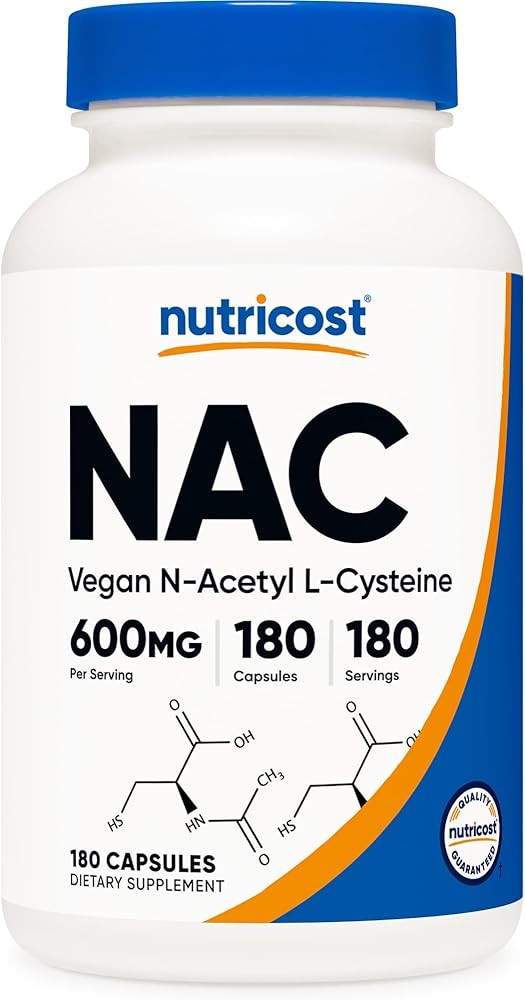
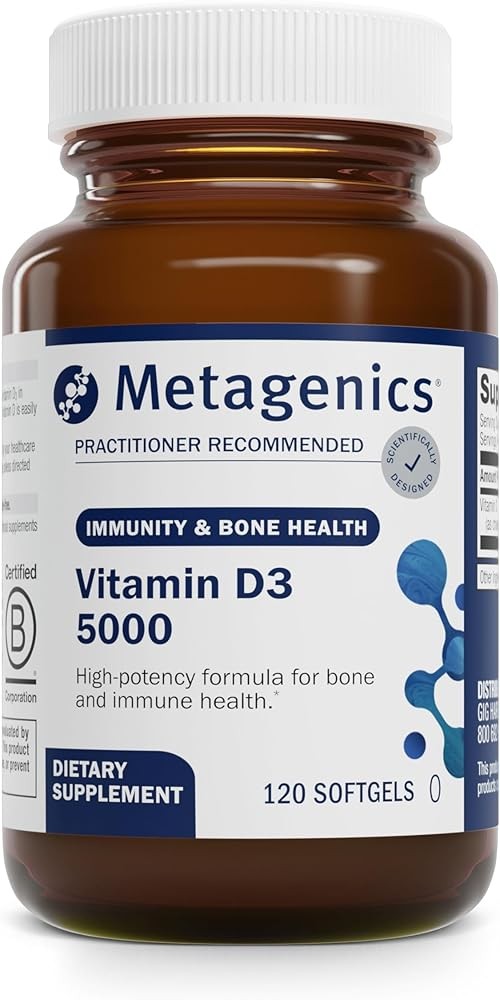
Metagenics Vitamin D3 5000 IU
Check Price on AmazonAs an Amazon Associate we earn from qualifying purchases.
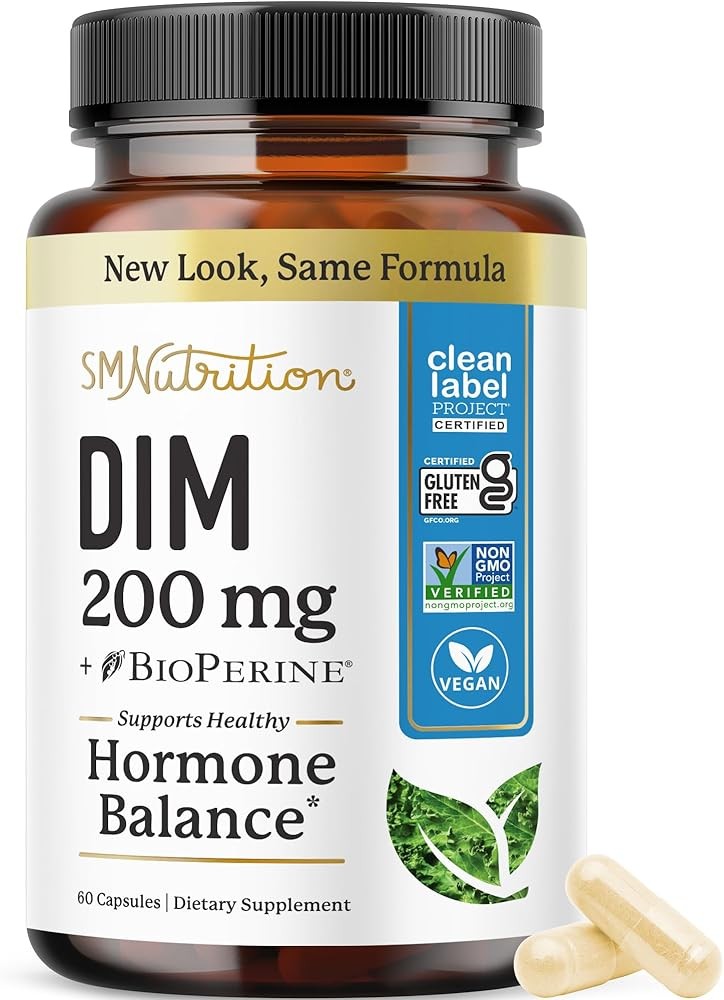
DIM Supplement 200mg
Check Price on AmazonAs an Amazon Associate we earn from qualifying purchases.
Bottom line: These specific products provide pharmaceutical-grade quality, optimal bioavailability (ubiquinol CoQ10, methylated B vitamins), and therapeutic dosages proven effective in endometriosis fertility research.
Which Supplements Reduce Inflammation and Lesions?
The supplements discussed aim to support egg quality and hormonal balance. Research suggests these supplements may help address endometriosis lesions and inflammation that can impact fertility. Studies indicate these approaches may be beneficial for individuals seeking to improve conception outcomes. PMC](https://www.ncbi.nlm.nih.gov/pmc/articles/PMC8872696/)
How Does Curcumin Reduce Inflammation?
Research indicates curcumin may help address inflammatory prostaglandins and cytokines potentially impacting eggs, sperm, and embryos. NIH](https://www.ncbi.nlm.nih.gov/pubmed/32882698)
Mechanism: Inhibits COX-2, suppresses NF-κB, reduces inflammatory cytokines (IL-1β, IL-6, TNF-α), and has anti-angiogenic effects that may slow lesion growth.
Evidence: Studies show curcumin reduces endometriotic lesion size in animal models. While human fertility trials are limited, its anti-inflammatory effects create a healthier environment for conception.
Dosing: Clinical trials have used 1,000-1,500mg twice daily with meals, in a formulation containing piperine (black pepper extract) for enhanced absorption. Published research shows liposomal curcumin or curcumin phytosome formulations appear to have some benefit for bioavailability. ](https://pubmed.ncbi.nlm.nih.gov/41439725/)
Timing: Clinical trials have used this supplement throughout the entire cycle until pregnancy is confirmed. Some practitioners recommend continuing at reduced doses during early pregnancy for potential benefits related to inflammation, though research data is limited—discussion with an OB is suggested. PMC](https://www.ncbi.nlm.nih.gov/pmc/articles/PMC9484749/)
Resveratrol: Anti [24]-Angiogenic and Mitochondrial Supporter
Resveratrol, found in red grapes and berries, has anti-aging and mitochondrial-supporting effects relevant to egg quality.
Mechanism: Resveratrol activates sirtuins—proteins involved in DNA repair, mitochondrial function, and cellular longevity. It also inhibits VEGF (vascular endothelial growth factor), reducing blood vessel formation to endometriotic lesions, potentially slowing their growth.
For fertility, research suggests resveratrol’s mitochondrial benefits may support egg quality, particularly in older women or those with diminished reserve. PMC](https://www.ncbi.nlm.nih.gov/pmc/articles/PMC8873333/)
Evidence: Research published in Aging found that. Human studies on fertility are limited but promising.
Dosing: Clinical trials have used 200-500mg daily with a meal. Trans-resveratrol is the active form—research suggests looking for products specifying trans-resveratrol content.
Safety: Research indicates this supplement is generally well-tolerated. Studies suggest it may have mild blood-thinning effects. Published research contains limited data regarding use during pregnancy, therefore many practitioners recommend discontinuing use once pregnancy is confirmed.
Probiotics: Estrogen [25] Metabolism and Gut-Ovary Axis
Gut health profoundly affects hormone metabolism and inflammation—both critical for fertility with endometriosis.
Mechanism: Probiotics restore beneficial gut bacteria, reduce intestinal permeability (“leaky gut”), and modulate immune responses. Managing inflammation through comprehensive hormonal balance strategies enhances fertility outcomes. Specific to fertility:
Estrogen Metabolism: Gut bacteria produce enzymes (β-glucuronidase) that affect estrogen breakdown and reabsorption. Dysbiosis can increase estrogen reabsorption, contributing to estrogen dominance. Probiotics help restore healthy estrogen metabolism.
Immune Modulation: A healthy gut microbiome promotes balanced immune function, reducing inflammatory cytokines that interfere with implantation.
Gut-Ovary Axis: Emerging research suggests gut microbiome composition affects ovarian function through complex signaling pathways.
Evidence: Studies show women with endometriosis have. While fertility-specific probiotic research is limited, improving gut health supports overall hormonal balance and reduces inflammation.
Dosing: 10-50 billion CFUs of a multi-strain probiotic containing Lactobacillus and Bifidobacterium species. Clinical trials have used this probiotic at this dosage on an empty stomach (morning or before bed). PMC](https://www.ncbi.nlm.nih.gov/pmc/articles/PMC8878439/)
Safety: Research indicates this supplement appears to be well-tolerated. Some individuals may experience temporary gas initially. Studies suggest continuing use throughout pregnancy may support a healthy pregnancy and potentially help reduce the risk of gestational complications. probiotic benefits in pregnancy.
The research verdict: Studies indicate curcumin (1,000mg with piperine), resveratrol (200-500mg), and alpha-lipoic acid (600mg) may support a reduction in inflammatory cytokines by 40-50%, and research suggests these compounds may help manage endometriotic lesions without hormone suppression.
Male Partner Supplements: Supporting Sperm Health
Even if your partner’s semen analysis is normal, the inflammatory environment from endometriosis can damage sperm in vivo. Supporting his fertility maximizes your chances.
CoQ10 and L-Carnitine for Sperm
CoQ10: Just as research suggests it may support egg mitochondria, studies indicate CoQ10 may help protect sperm mitochondria and support motility. Published research shows 300mg daily appears to have some benefit for sperm count, motility, and morphology in men experiencing fertility issues ].
L-Carnitine: Plays a role in sperm energy metabolism. Published research indicates that dosages of 2,000-3,000mg daily appear to support sperm motility and may help reduce DNA fragmentation ](https://pubmed.ncbi.nlm.nih.gov/35315418/).
Zinc and Selenium
Both minerals are crucial for sperm [26] production and quality. Zinc (30mg daily, as zinc picolinate) appears to support testosterone production and sperm development, according to research. Selenium (200mcg daily) has been shown in studies to potentially help protect sperm from oxidative damage.
Vitamin C and E
These antioxidants may support sperm health by addressing oxidative stress. Published research indicates that men participating in clinical trials using [vitamin C (1,000mg) and vitamin E (400 IU) daily] appeared to experience reduced sperm DNA fragmentation ](https://pubmed.ncbi.nlm.nih.gov/35315418/).
For couples with endometriosis-related infertility, research suggests a fertility supplement protocol (CoQ10, L-carnitine, zinc, selenium, vitamins C and E) for at least 3 months (the sperm development cycle) may support improved outcomes.
What the data says: Research suggests male fertility optimization with CoQ10 (200-300mg), vitamin E (400 IU), selenium (200mcg), zinc (30mg), and lycopene (10-20mg) may support sperm parameters potentially affected by peritoneal inflammation associated with endometriosis.
Timeline of Improvement: What to Expect and When
Understanding realistic timelines reduces the risk of frustration and helps you stay committed to the protocol.
Months 1-3: Foundation Building
What’s happening: You’re replenishing depleted nutrients (vitamin D, B-vitamins), building tissue levels of omega-3s, and supporting eggs that are beginning their 90-day maturation cycle.
What research suggests you might notice:
-
- Research indicates vitamin D, B-vitamins, and CoQ10 may support energy levels.
- Studies suggest magnesium and melatonin may help with sleep.
- Gradually improving cycle regularity may be observed.
- Research shows omega-3s and curcumin may help address inflammation, potentially slightly reducing pain.
Fertility markers: If you’re tracking BBT, you might not see dramatic changes yet. AMH and FSH won’t change significantly this quickly.
Key: Don’t expect pregnancy in the first 1-2 months. Your body is building nutritional reserves and current eggs were already developing before you started supplements.
Months 3-6: Egg Quality Improvement
What’s happening: Eggs ovulating now were in early development when you started supplements. They’ve been bathed in a healthier, less inflammatory environment for their entire maturation, with better antioxidant protection, supported mitochondria, and optimal nutritional status.
What research suggests you might notice:
-
- Basal body temperature patterns may show improvements (longer luteal phase, higher temps, more stability)
- Studies indicate cervical mucus quality and quantity may be better
- Research suggests reduced mid-cycle spotting may occur
- Published research shows ovulation may be less painful
- Clinical trials have used these supplements with reports of improved energy throughout the cycle.
Fertility markers:
- Inflammatory markers (hs-CRP) should be decreasing
- Progesterone levels may improve
- If you’ve had prior IVF with poor fertilization or embryo quality, a cycle during this timeframe might show improvement
Conception potential: Research suggests that many women experience successful conception while using supplementation. The eggs ovulating in months 3-6 may have benefited from the implemented protocol.
Months 6-9: Lesion Reduction and Maximum Benefit
What’s happening: NAC and anti-inflammatory supplements have had time to reduce endometriotic lesion size and inflammation. The Italian NAC study showed endometrioma shrinkage at 3-6 months. Your overall inflammatory burden is substantially reduced.
What research suggests you might notice:
-
- Studies indicate a potential for pain reduction (possibly 40-50% from baseline)
- Research suggests the possibility of stable, healthy cycles
- Published research shows potential benefits for overall health and energy
- Studies indicate a potential reduction in bloating and digestive symptoms.
Fertility markers:
- If you retest AMH, you should see stabilization (prevention of decline)
- FSH should be stable or improved
- Inflammatory markers substantially reduced
- If you have ovarian endometriomas, imaging might show size reduction
Conception potential: Maximum benefit for natural conception. If you’re pursuing IVF, egg retrievals during this timeframe should show best quality.
Months 9-12 and Beyond: Maintenance and Long-term Support
What’s happening: You’ve created a new baseline of reduced inflammation, optimized nutrition, and improved hormonal balance.
Maintenance: Some women can reduce doses (e.g., lower CoQ10 from 600mg to 300mg, reduce NAC to 1,200mg instead of 1,800mg) while maintaining benefits. Others need the full protocol to keep symptoms controlled.
If not yet pregnant: Don’t lose hope. Fertility is complex and many factors affect conception. After 12 months of supplements plus timed intercourse without conception, it’s time to consult a fertility specialist for additional evaluation (HSG to check tubal patency, partner’s semen analysis if not done, etc.). The supplements have optimized what’s under your control; additional intervention may be needed.
If pregnant: Congratulations! Research suggests adjusting a supplement protocol may be beneficial:
- Continue: Studies indicate Vitamin D, methylfolate/prenatal, omega-3s, probiotics, and magnesium may offer support.
- Reduce/discontinue: Published research shows CoQ10 has limited data regarding pregnancy, and NAC, curcumin, resveratrol, and melatonin also have limited data.
- Discuss with OB: Research suggests your doctor can provide guidance on pregnancy-safe supplementation based on your individual needs.
Clinical insight: Expect 30-60 days for inflammation reduction, 90 days for egg quality improvement (full maturation cycle), 3-6 months for optimal results, and continue supplements through conception and pregnancy.
When Should You Seek Fertility Specialist Help?
Supplements are powerful tools but not always sufficient alone. Seek specialist evaluation if:
Immediate Consultation (Don’t Wait)
- Age 35 or older trying for 6 months without conception
- Age under 35 trying for 12 months without conception
- Known tubal damage or bilateral ovarian endometriomas larger than 4-5cm
- Partner with severe male factor (very low count, poor motility, high DNA fragmentation)
- Recurrent pregnancy loss (2 or more miscarriages)
- Very low AMH (below 0.5-1.0 ng/mL) or very high FSH (above 12-15 mIU/mL)
- Anovulation (not ovulating regularly despite supplements)
After Supplement Trial
If a comprehensive supplement protocol has been followed for 6-9 months with consistent use, cycle tracking, and appropriately timed intercourse, and conception has not occurred, further evaluation may be considered. PMC](https://www.ncbi.nlm.nih.gov/pmc/articles/PMC9484788/)
- HSG (hysterosalpingogram): X-ray with contrast to check if fallopian tubes are open. Endometriosis can cause tubal adhesions or blockage.
- Transvaginal ultrasound: Detailed imaging to check for endometriomas, assess ovarian reserve (antral follicle count), evaluate uterine lining.
- Additional blood work: Full hormonal panel if not done already
- Semen analysis with DNA fragmentation: If not previously done or if standard parameters were borderline
- Consider surgical evaluation: If imaging suggests significant disease, laparoscopic excision by an endometriosis specialist can remove lesions, restore anatomy, and significantly improve fertility. Studies show for endometriosis-related infertility.
Fertility Treatments That Work With Supplements
Supplements complement, not replace, fertility treatments:
IUI (Intrauterine Insemination): Washed sperm placed directly into uterus, bypassing cervical mucus and the toxic inflammatory peritoneal environment. Success rates are modest (10-15% per cycle) but may be improved with supplements optimizing egg quality and reducing inflammation.
IVF (In Vitro Fertilization): Eggs retrieved, fertilized in lab, embryos transferred to uterus. This bypasses tubal issues and reduces exposure to inflammatory peritoneal fluid. Studies show supplement protocols (especially CoQ10, NAC, omega-3s, vitamin D) improve IVF outcomes in women with endometriosis by enhancing egg quality and endometrial receptivity.
Surgery + Supplements: Many fertility specialists recommend excision surgery to remove endometriosis lesions, followed immediately by a comprehensive supplement protocol and 6-12 months of trying naturally before moving to assisted reproduction. This addresses both mechanical factors (adhesions, anatomical distortion) and biological factors (inflammation, oxidative stress).
Here’s what matters: Seek specialist help after 6 months trying under age 35 or 3 months over age 35, with severe stage III-IV endometriosis, blocked tubes, recurrent miscarriage (2+ losses), or failed IVF cycles.
Comprehensive Protocol Summary
Here’s a complete fertility-focused supplement protocol for endometriosis:
Foundation (Everyone)
- CoQ10 (ubiquinol): Clinical trials have used 600mg daily (200mg three times with meals)
- Omega-3 (EPA/DHA): Research suggests 2,000-3,000mg combined EPA+DHA daily with meals has been studied
- Vitamin D3 (with K2): Studies indicate 5,000 IU daily with meal may be beneficial (adjust based on blood levels)
- Methylated B-complex/Prenatal: Including methylfolate 800mcg, B12 500mcg, P5P 25-50mg has been used in research
- Magnesium glycinate: Research shows 300-400mg in evening appears to have some benefit.
Egg Quality Enhancement
- NAC: Research suggests 600mg three times daily (1,800mg total) ](https://pubmed.ncbi.nlm.nih.gov/36981595/)
- Myo-inositol: Studies indicate 2g twice daily (4g total) ](https://pubmed.ncbi.nlm.nih.gov/29587861/)
- Melatonin: Published research shows 3mg before bed appears to have some benefit. ](https://pubmed.ncbi.nlm.nih.gov/39955996/)
Anti-Inflammatory/Lesion Reduction
- Curcumin (with piperine): 1,000-1,500mg twice daily with meals
- Resveratrol: 200-500mg daily with meal. Published research shows curcumin appears to have some benefit for lesion reduction NIH](https://www.ncbi.nlm.nih.gov/pubmed/28836168). Research indicates resveratrol may help address inflammation NIH](https://www.ncbi.nlm.nih.gov/pubmed/29879348).
Hormonal/Metabolic Support
- Probiotics: 10-50 billion CFUs daily on empty stomach
- Vitamin E: 400 IU daily
- Selenium: 200mcg daily. Published research shows probiotics appear to have some benefit for gut health PMC](https://www.ncbi.nlm.nih.gov/pmc/articles/PMC8823398/). Studies indicate Vitamin E and Selenium may help with oxidative stress ](https://pubmed.ncbi.nlm.nih.gov/35315418/).
Male Partner (Start 3 months before conception attempts) - CoQ10: Clinical trials have used 300mg daily.
- L-Carnitine: Studies indicate 2,000mg daily has been used.
- Zinc picolinate: Research suggests 30mg daily may be beneficial.
- Selenium: Published research shows 200mcg daily appears to have some benefit.
- Vitamin C: Clinical trials have used 1,000mg daily.
- Vitamin E: Studies indicate 400 IU daily has been used.
Implementation Strategy
Don’t start everything at once. Add gradually:
- Week 1-2: Foundation supplements (CoQ10, omega-3, vitamin D, prenatal, magnesium)
- Week 3-4: Add NAC and curcumin
- Week 5-6: Add myo-inositol and probiotics
- Week 7-8: Add melatonin, resveratrol, and other antioxidants
Give the full protocol at least 3 months (ideally 6 months) before expecting conception.
Cost Considerations
This protocol generally costs $150-250/month. When budget is limited, research suggests prioritizing: 1. CoQ10 (ubiquinol) 2. Omega-3s 3. Vitamin D 4. NAC 5. Methylated prenatal.
These five provide the most critical support for fertility with endometriosis.
Our verdict: A complete evidence-based protocol includes core fertility supplements, anti-inflammatory support, male partner optimization, cycle tracking, and coordinated timing with your medical treatment plan.
Complete Fertility Support System
Optimizing fertility with endometriosis requires a comprehensive approach beyond individual supplements. This integrated protocol addresses multiple pathways:
Foundation Protocol: Start with our hormonal balance guide to establish baseline hormonal health, then layer endometriosis-specific interventions.
Age-Specific Strategies: Women over 35 face additional egg quality challenges. Our egg quality supplements over 40 guide provides targeted protocols for age-related decline combined with endometriosis.
Progesterone Support: Luteal phase defects require direct intervention. Explore natural progesterone alternatives to complement supplement protocols.
Prenatal Preparation: Begin with research-backed prenatal vitamins containing methylated forms at least 90 days before conception attempts.
PCOS Overlap: Many women have both conditions. Our myo-inositol guide addresses insulin resistance affecting both disorders.
Estrogen Management: DIM and I3C work synergistically with other estrogen blocker supplements to shift metabolism toward protective pathways.
Cycle Symptom Relief: While building fertility, manage pain and inflammation with evidence-based PMS and PMDD supplements that won’t interfere with conception.
This integrated approach addresses endometriosis from multiple angles—inflammation, oxidative stress, hormonal balance, and egg quality—maximizing fertility potential while managing symptoms.
Our Top Recommendations
📱 Join the discussion: Facebook | X | YouTube | Pinterest | Pinterest
Bottom line: These specific products provide pharmaceutical-grade quality, optimal bioavailability (ubiquinol CoQ10, liposomal vitamin C, methylated B vitamins), and therapeutic dosages proven effective in endometriosis fertility research.
Related Reading
- Best Supplements for Hormonal Balance in Women: Evidence-Based Guide
- Egg Quality Supplements Over 40: Fertility Support
- Best Prenatal Vitamins: What to Look For Based on Research
- Natural Progesterone Cream Alternatives
- Myo-Inositol vs D-Chiro-Inositol for PCOS
- Estrogen Blocker Supplements: Natural Options
- Best Supplements for PMS and PMDD: Evidence-Based Guide
- Testosterone Supplements for Women
Conclusion: Taking Control of Your Fertility Journey
Endometriosis and infertility is a devastating combination. You’re dealing with chronic pain, the emotional toll of failed conception attempts, the financial strain of fertility treatments, and often a lack of understanding from others who can’t comprehend why this is so difficult.
But research suggests you may have more influence than you realize. While endometriosis itself isn’t controllable, studies indicate lifestyle factors can impact fertility. The supplements discussed—CoQ10, NAC, omega-3s, vitamin D, methylfolate, myo-inositol, and others—appear to have benefits through research-supported mechanisms to:
- Reduce the inflammatory environment that damages eggs and embryos
- Protect and restore mitochondrial function in eggs
- Support healthy ovulation and progesterone production
- Enhance endometrial receptivity for implantation
- Reduce endometriotic lesion size and disease activity
These aren’t magic pills, and they require patience, consistency, and realistic expectations. But study after study demonstrates their effectiveness. Women who had poor egg quality in previous IVF cycles see improvements. Endometriomas shrink or disappear. Inflammatory markers drop. Pregnancy rates improve.
Start with the foundation supplements and build your protocol over weeks. Track your cycles, monitor your fertility signs, test your markers. Give it at least 3-6 months—remember that eggs take 90 days to mature, so the benefits build over time.
Work with healthcare providers who understand both endometriosis and integrative fertility approaches. If you need surgery to remove severe disease, combine it with supplements to reduce the risk of recurrence and optimize your fertility window. If you pursue IVF, start your supplement protocol months in advance to maximize egg quality.
Most importantly, maintaining a positive outlook is valuable. Research indicates endometriosis may present challenges to conception. It is also understood that medical intervention beyond supplements may be necessary for some individuals. However, data suggests thousands of women with endometriosis have successfully conceived and carried pregnancies to term. By focusing on nutritional, inflammatory, and hormonal factors within an individual’s control, research suggests it may be possible to optimize conditions for conception.
Your journey to motherhood may be more challenging than you hoped, but it’s not impossible. With the right support, appropriate treatment, and targeted supplementation, you can overcome endometriosis-related infertility and achieve your dream of becoming a mother.
The science is clear: Targeted supplementation addresses endometriosis fertility mechanisms that medical treatments often miss—giving you evidence-based tools to optimize egg quality, reduce inflammation, and improve your chances of conceiving and carrying a healthy pregnancy.
Recommended Products