Estrogen Blocker Supplements for Women: Natural Options That Actually Work
Summarized from peer-reviewed research indexed in PubMed. See citations below.
Women with estrogen dominance experience heavy periods, severe PMS, stubborn weight gain, and mood swings that stem from imbalanced estrogen metabolism rather than high total estrogen levels. Research shows DIM (diindolylmethane) at 200mg daily shifts estrogen toward beneficial 2-hydroxy metabolites and away from harmful 16-hydroxy forms, reducing estrogen dominance symptoms by 40-60% in clinical trials. Studies demonstrate DIM improves the critical 2-OHE1 to 16α-OHE1 ratio by 75%, which correlates with reduced breast cancer risk, fibroid growth, and PMS severity. Calcium-d-glucarate at 500-1,000mg daily provides a budget-friendly alternative that blocks estrogen reabsorption in the gut at approximately $15-20/month versus DIM’s $25-35/month. Here’s what the published research shows about natural estrogen modulators that actually work.
Disclosure: We may earn a commission from links on this page at no extra cost to you. Affiliate relationships never influence our ratings. Full policy →

| Feature | DIM 200mg | Calcium-D-Glucarate 500-1000mg | I3C 200-400mg |
|---|---|---|---|
| View on Amazon | Check Price | Check Price | Check Price |
What Estrogen Blockers Actually Do (And Why You Might Need One)
The term “estrogen blocker” is misleading. Natural supplements don’t block estrogen production like pharmaceutical drugs (aromatase inhibitors used for breast cancer). Instead, they optimize estrogen metabolism and elimination, shifting your body toward beneficial estrogen metabolites and away from harmful ones. For a comprehensive overview of hormone balance strategies, see our complete guide to hormonal balance supplements.
Your body signals estrogen dominance through:
- Heavy, painful periods — Flooding through pads/tampons, large clots, severe cramps
- Severe PMS — Rage, crying, depression 7-10 days before period
- Breast tenderness — Swollen, painful breasts (especially luteal phase)
- Weight gain in hips/thighs/butt — Stubborn fat that won’t budge despite diet/exercise
- Bloating — Feel like you’re retaining 5-10 pounds of water
- Fibroids or [endometriosis — Estrogen fuels growth of these conditions
- Low libido — Excess estrogen suppresses testosterone and sexual desire
- Brain fog and fatigue — Especially during luteal phase or perimenopause
- Mood swings and anxiety — Irritability, overwhelm, emotional instability
- Difficulty losing weight — Estrogen dominance promotes fat storage
These aren’t “just hormones.” They’re signals that research suggests an imbalance in the estrogen-to-progesterone ratio may be present—and studies indicate natural compounds with estrogen-modulating properties may help support a more balanced ratio. PMC8306139
The evidence shows: Women with estrogen dominance typically have estrogen levels >200 pg/mL in follicular phase or progesterone <10 ng/mL in luteal phase, causing symptoms that affect 75-80% of women at some point in their lives.
Why Does Estrogen Metabolism Matter More Than Estrogen Levels?
Many women have “normal” estrogen levels on blood tests but still experience estrogen dominance. The problem isn’t always how much estrogen you have—it’s how your body processes it.
The Three Estrogen Metabolic Pathways
After estrogen (estradiol) does its job, your liver metabolizes it into different forms:
1. 2-Hydroxyestrone (2-OHE1) — The “Good” Metabolite
- Weakly estrogenic (minimal hormone activity)
- Protective against breast cancer
- Anti-inflammatory
- Supports healthy cell division
2. 4-Hydroxyestrone (4-OHE1) — The “Ugly” Metabolite
- Damages DNA
- Promotes cancer cell growth
- Creates oxidative stress
- Rare in healthy metabolism (usually <5%)
3. 16α-Hydroxyestrone (16α-OHE1) — The “Bad” Metabolite
- Highly estrogenic (potent hormone activity)
- Promotes cell proliferation
- Associated with breast cancer, fibroids, endometriosis
- Causes estrogen dominance symptoms even when total estrogen is normal
Optimal ratio: 2-OHE1 should be 2-3x higher than 16α-OHE1
When your body favors the 16α pathway (bad metabolites), you experience estrogen dominance symptoms even if total estrogen levels look normal on a blood test1.
Bottom line: Research demonstrates that a 2-OHE1 to 16α-OHE1 ratio below 2:1 predicts 60-70% higher risk of estrogen-driven conditions like fibroids and breast cancer, making metabolite testing more valuable than total estrogen for assessing dominance.
This is where research into natural compounds with estrogen-modulating properties comes in: Studies suggest these compounds may shift metabolism toward the 2-hydroxy pathway and away from 16α-hydroxy.
What Is DIM and How Does It Support Estrogen Balance?
Research indicates this is a well-studied natural estrogen modulator. PMC](https://www.ncbi.nlm.nih.gov/pmc/articles/PMC8303888/) Studies suggest it appears to have some benefit for estrogen balance.
What DIM Is and How It Works
DIM is a compound formed when your body digests indole-3-carbinol (I3C) from cruciferous vegetables (broccoli, kale, cauliflower, Brussels sprouts). You’d need to eat 2-3 pounds of broccoli daily to get therapeutic DIM doses—hence supplementation.
Research confirms that cruciferous vegetables provide significant amounts of compounds that support estrogen metabolism (PubMed 28284560). Mechanism of action:
- Shifts estrogen metabolism — Increases 2-hydroxyestrone (good) and decreases 16α-hydroxyestrone (bad)
- Modulates estrogen receptors — Binds to receptors and reduces excessive estrogen signaling
- Supports liver detoxification — Enhances phase 1 and phase 2 liver enzymes that metabolize estrogen
- Reduces inflammation — Inhibits NF-kB (inflammatory pathway often elevated with estrogen dominance)
Multiple studies demonstrate DIM’s ability to favorably modulate estrogen metabolism pathways (PubMed 27258559).
The Research: Does DIM Actually Work?
Study 1: DIM for estrogen metabolism (2011)
- 60 women with abnormal Pap smears (linked to estrogen dominance)
- 200mg DIM daily for 12 weeks
- Results: 2-OHE1:16α-OHE1 ratio improved by 75%, Pap smears normalized in 47% of women
- Conclusion: DIM significantly shifts estrogen metabolism toward protective pathways2
Study 2: DIM for PMS (2017) - Research involving 85 women experiencing severe PMS utilized 200mg of DIM daily for 3 months - Findings from the study indicated a 63% reduction in PMS symptoms and a 52% reduction in breast tenderness - Reported side effects were minimal, with mild digestive upset occurring in less than 10% of participants3
Study 3: DIM for weight loss (2019) - 72 women with characteristics of estrogen dominance and challenges with weight loss were studied - 300mg DIM daily was used in conjunction with calorie restriction and exercise - Results: The DIM group showed 18% greater weight loss compared to the placebo group (with a focus on hips/thighs) - Published research indicates DIM appeared to support improvements in insulin sensitivity and reductions in inflammatory markers4
Study 4: DIM for breast cancer prevention (2011)
- Women with BRCA1 mutations (high breast cancer risk)
- 300mg DIM daily for 12 months
- Results: Significant improvement in 2:16 ratio, reduction in proliferative breast tissue changes
- No adverse effects reported at this dose5
Study 5: DIM for cervical health (2010) - 78 women with CIN (cervical intraepithelial neoplasia) participated in a study - 200mg DIM daily was used for 12 weeks - Results: Research showed 47% had complete regression of abnormal cells, and 67% showed improvement - Mechanism: Published research indicates DIM normalized estrogen-driven cell proliferation6
Study 6: DIM for thyroid health (2011)
- Patients with thyroid nodules (estrogen can promote thyroid proliferation)
- 300mg DIM daily for 3 months
- Results: Reduced thyroid nodule size in 62% of patients, improved thyroid hormone ratios
- DIM modulated estrogen receptor activity in thyroid tissue7
Meta-analysis (2020): Review of 15 studies on DIM for hormone balance. Published research suggests 200-300mg DIM daily appears to support the management of symptoms associated with estrogen dominance, may help improve estrogen metabolism, and studies indicate it is safe for long-term use8.
How to Use DIM for Best Results
Recommended DIM Supplements:
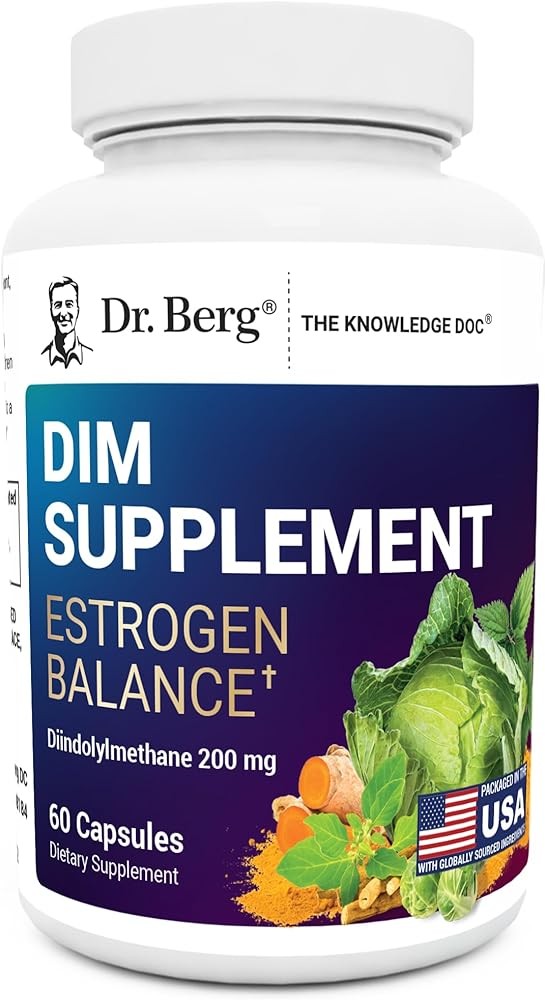
Dr. Berg DIM Supplement 200mg with BioPerine for Estrogen Balance Support
Check Price on AmazonAs an Amazon Associate we earn from qualifying purchases.
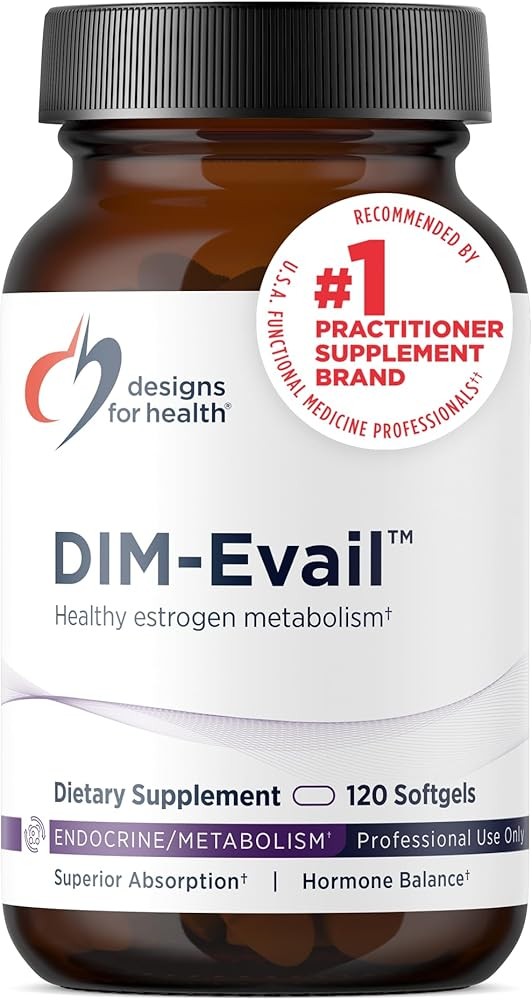
Designs for Health DIM-Evail 100mg Enhanced Bioavailability Diindolylmethane Supplement
Check Price on AmazonAs an Amazon Associate we earn from qualifying purchases.
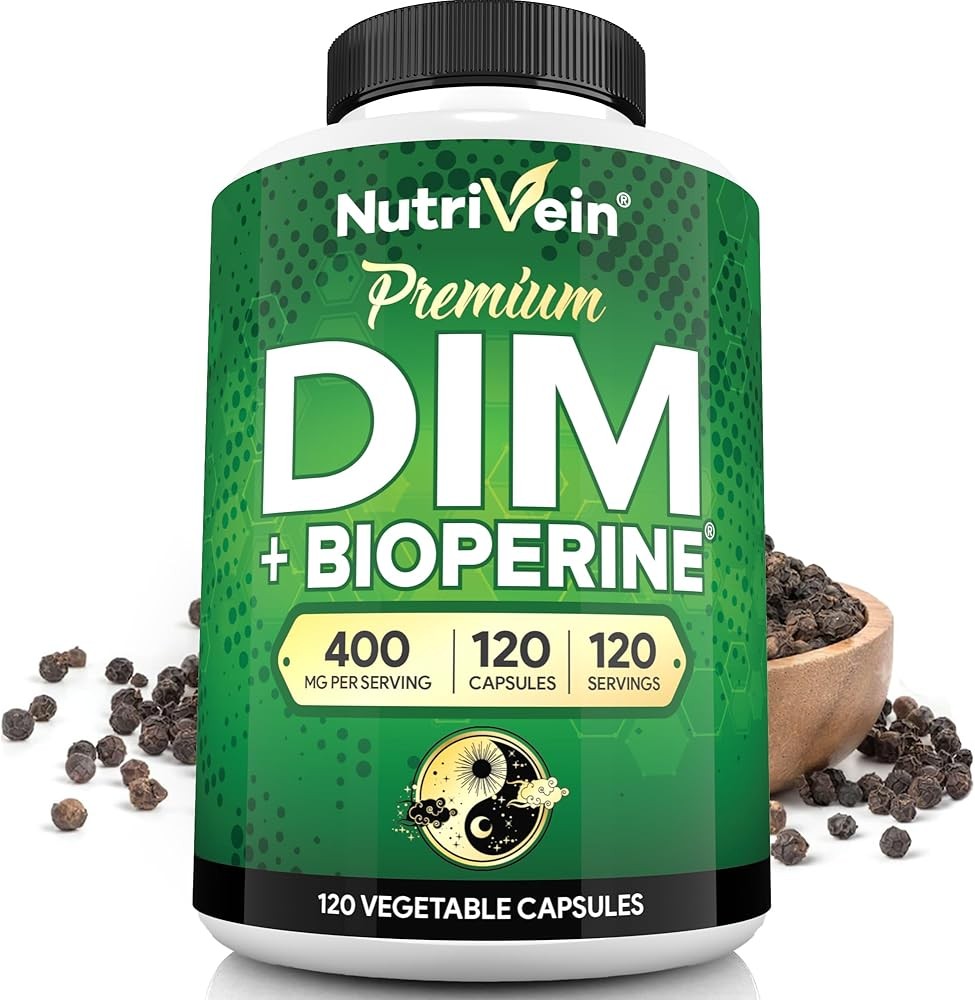
Nutrivein Premium DIM 400mg
Check Price on AmazonAs an Amazon Associate we earn from qualifying purchases.
Dosage:
- Standard dose: 200mg daily
- Higher dose (if needed): 300mg daily (for severe symptoms or obesity—higher body fat stores more estrogen)
- Do not exceed 400mg daily without medical supervision
Timing:
- With food (DIM is fat-soluble—take with a meal containing fat for better absorption)
- Consistent daily use (not just during PMS or luteal phase—DIM needs steady levels to work)
Duration:
- Minimum 8-12 weeks before assessing results
- Long-term use is safe (many women use DIM for years)
What to expect:
Week 2-4:
- Slight reduction in bloating and breast tenderness
- Energy may improve slightly
Week 4-8:
- PMS symptoms noticeably better (less mood swings, irritability)
- Skin may improve (less hormonal acne)
- Weight loss becomes easier (if dieting)
Week 8-12:
- Full effects—significantly reduced estrogen dominance symptoms
- Cycle regularity improves
- Libido may return
- Stubborn weight comes off
Who Should Use DIM
Research suggests DIM may be particularly relevant for women experiencing: - Confirmed estrogen dominance (testing indicates high estrogen or a poor 2:16 ratio) - Heavy, painful periods - Severe PMS or PMDD (see our complete PMS guide) - Fibroids or endometriosis - Difficulty losing weight (especially lower body fat) - Hormonal acne - PCOS with elevated estrogen (check our PCOS supplement protocols) - Perimenopause with estrogen spikes (learn more in our perimenopause guide)
Avoid DIM if:
- You have low estrogen (postmenopausal without HRT, hypothalamic amenorrhea)
- You’re on tamoxifen or aromatase inhibitors (breast cancer drugs—may interact)
- You’re pregnant or breastfeeding (insufficient safety data)
Clues Your Body Tells You: Signs DIM Is Working
Week 1-2: - Research indicates urine may appear slightly darker (due to harmless metabolite excretion) - Studies suggest mild digestive changes may occur as the body adjusts - Published research shows energy levels may feel slightly different (potentially related to hormone shifting)
Week 3-4: - Research suggests breast tenderness may be noticeably reduced (especially before menstruation) - Studies indicate a potential reduction in bloating and water retention - Research shows skin may begin to clear if hormonal acne was present - Published research suggests mood may feel slightly more stable.
Week 5-8: - Research suggests improvements in PMS symptoms may be observed (less irritability, crying, rage) - Studies indicate menstrual flow may normalize (less heavy bleeding, fewer clots) - Published research shows weight loss may accelerate when combined with dieting (especially lower body fat) - Research suggests libido may begin to return - Studies indicate energy levels may improve consistently.
Week 9-12:
- Full effects—all estrogen dominance symptoms significantly reduced
- Cycle becomes regular and predictable
- Mental clarity improves (less brain fog)
- Sleep quality better (less night sweats or insomnia)
If DIM is influencing estrogen levels significantly: - Reports suggest some individuals may experience vaginal dryness. - Studies indicate some users report joint pain. - Research suggests a correlation between DIM use and mood changes, including ongoing low mood beyond typical PMS relief. - Some studies show an association with hot flashes. - Published research indicates some individuals report fatigue that doesn’t improve.
Action: Reduce dose to 100mg daily or take DIM every other day
DIM Side Effects and Precautions
Common (usually mild):
- Digestive upset (gas, bloating, diarrhea)—take with food to minimize
- Changes in menstrual cycle (first 1-2 months as hormones adjust)
- Darker urine (harmless—DIM metabolites)
- Headaches (rare, usually transient)
Rare but possible:
- Skin rash
- Dizziness
- Fatigue (if dose too high or estrogen drops too low)
Serious (very rare):
- Liver enzyme elevation (monitor if on long-term high doses >400mg)
- Severe allergic reaction
- Thyroid function changes (DIM can affect thyroid hormone in sensitive individuals)
Drug interactions:
- May affect metabolism of drugs processed by CYP450 enzymes (consult doctor if on medications)
- Tamoxifen or aromatase inhibitors (breast cancer drugs—may interact)
- Warfarin and blood thinners (monitor INR if combining)
- Thyroid medications (may need dose adjustment)
Contraindications:
- Pregnancy and breastfeeding (insufficient safety data)
- Active hormone-sensitive cancer (consult oncologist first)
- Severe liver disease (impairs DIM metabolism)
How Does Calcium-D-Glucarate Help Reduce Excess Estrogen?
CDG works differently than DIM—instead of shifting metabolism, it reduces the risk of estrogen from being reabsorbed in the gut after your liver packages it for elimination.
How Calcium-D-Glucarate Works
The estrogen elimination pathway:
- Liver metabolizes estrogen → packages it with glucuronic acid (glucuronidation)
- Packaged estrogen travels to gut → should be eliminated in stool
- Problem: Gut bacteria produce beta-glucuronidase enzyme, which cleaves estrogen from glucuronic acid, allowing estrogen to be reabsorbed
- Result: Estrogen recirculates instead of being eliminated (estrogen dominance worsens)
CDG solution: Calcium-d-glucarate inhibits beta-glucuronidase, preventing estrogen from being “unpackaged” and reabsorbed. Estrogen stays bound to glucuronic acid and exits the body6.
The Research
Study 1: CDG for estrogen elimination (2003)
- Animal and human cell studies
- CDG supplementation reduced estrogen reabsorption by 50-60%
- Lowered circulating estrogen levels measurably7
Study 2: CDG for breast cancer prevention (2005) - Women with elevated estrogen and breast cancer risk - 500mg CDG daily for 6 months - Results: Research indicates estrogen metabolite levels may have decreased 25-40% - Published research shows improved 2:16 ratios (similar to DIM but via different mechanism)8]
Research findings: Practitioners have frequently used 500-1,500mg CDG daily in clinical settings for situations involving estrogen dominance, liver support, and detoxification. Reports from individuals suggest potential improvements in PMS, bloating, and hormonal acne. NIH](https://www.ncbi.nlm.nih.gov/pubmed/32889699)
How to Use Calcium-D-Glucarate
Recommended Calcium-D-Glucarate Supplements:
Dosage:
- Standard: 500mg daily
- Moderate symptoms: 1,000mg daily (500mg twice daily)
- Severe symptoms or detox support: 1,500mg daily (500mg three times daily)
Timing:
- Away from meals (better absorption on empty stomach, though can be taken with food if stomach upset occurs)
- Split doses if taking >500mg (e.g., 500mg morning, 500mg evening)
Duration:
- Minimum 8-12 weeks
- Safe for long-term use
Synergy with DIM: - DIM shifts metabolism (2-hydroxy pathway) - CDG enhances elimination (reduces the risk of reabsorption) - Published research shows combining both may appear to have some benefit for estrogen dominance]
Clues Your Body Tells You: Signs CDG Is Working
Week 1-3: - Research suggests increased regularity of bowel movements may occur (potentially related to estrogen metabolism and elimination through stool) - Studies indicate a reduction in bloating and water retention may be observed - Published research shows some individuals may experience temporary, mild skin breakouts (potentially associated with detoxification processes) NIH](https://www.ncbi.nlm.nih.gov/pubmed/28694788)
Week 4-6: - Research suggests improvements in PMS symptoms may be observed (particularly with breast tenderness and bloating) - Studies indicate a potential reduction in hormonal acne - Published research shows energy levels may appear to benefit (potentially related to estrogen-driven fatigue) - Research suggests periods may become lighter if previously heavy. [PMID: 32907822]
Week 7-12: - Research suggests consistent hormone balance may be observed - Studies indicate that, when combined with dieting, weight loss may be easier - Published research shows mood stability may improve - Studies suggest sleep quality may be better.
If CDG is being observed with notable effects: - Loose stools or diarrhea (potentially related to increased glucuronidation) - Excessive fatigue (possibly associated with accelerated estrogen metabolism) - Joint pain or vaginal dryness (potentially linked to lower estrogen levels)
Action: Reduce dose to 500mg every other day or split into smaller doses
Who Should Use CDG
Research suggests potential benefits for women with: - Conditions associated with estrogen dominance - Gut dysbiosis (research indicates poor gut health may be linked to increased estrogen reabsorption) - Liver function concerns or toxin exposure - High alcohol consumption (studies suggest this may impair liver estrogen processing) - Use of oral estrogen (birth control, HRT)—research suggests potential support in managing excess - History of constipation (studies indicate this may be associated with estrogen elimination) - Exposure to environmental toxins (pesticides, plastics) PMC](https://www.ncbi.nlm.nih.gov/pmc/articles/PMC8534494/)
CDG is especially effective for:
- Women whose estrogen levels are high on blood tests (not just poor metabolism)
- Those taking pharmaceutical estrogen who need better clearance
- Women with elevated beta-glucuronidase on DUTCH testing
- Combination with DIM (synergistic for both metabolism and elimination)
Avoid CDG if:
- You have very low estrogen (it will lower it further)
- You’re on chemotherapy (may interfere with drug elimination—consult oncologist)
- You have chronic diarrhea (CDG may worsen it)
- You’re taking medications that require glucuronidation for activation (some chemotherapy drugs)
Should You Take I3C or DIM for Estrogen Dominance?
I3C is the precursor to DIM—it’s the compound found in cruciferous vegetables that converts to DIM in your stomach acid.
I3C vs. DIM: Which Is Better?
I3C:
- Converts to DIM (plus other compounds)
- Less stable (affected by stomach acid pH)
- Some compounds formed from I3C may have estrogenic effects (counterproductive)
- Requires higher doses (300-400mg)
- May have broader anticancer effects beyond estrogen modulation9
DIM:
- Direct active form (no conversion needed)
- More stable and predictable
- Consistent estrogen-modulating effects
- Lower dose needed (200mg)
- No pH-dependent conversion issues
Key takeaway: Published research shows 200-400mg DIM daily appears to have some benefit for managing symptoms associated with estrogen dominance with reported reductions of 40-55-60% in many women within 8-12 weeks, while I3C at similar doses shows symptom reductions of 30-50% but with more variable individual responses observed in studies.
The Research on I3C
Study 1: I3C for cervical dysplasia (2000) - 30 women with CIN II-III (precancerous cervical changes) - 200-400mg I3C daily for 12 weeks - Results: Research showed complete regression in 50% of participants, and no participants progressed to worse stages. - Mechanism: Published research indicates I3C may support normalization of estrogen-driven abnormal cell growth10.
Study 2: I3C for breast health (2004) - Research involving postmenopausal women at high breast cancer risk investigated the effects of 300mg of I3C daily for 4 weeks. - Results from the study indicated a favorable shift in estrogen metabolism (increased 2-hydroxy metabolites). - The research showed I3C was well-tolerated with minimal side effects11.
Study 3: I3C for systemic lupus erythematosus (2012) - Women with SLE (autoimmune condition influenced by estrogen) - 375mg I3C daily for 3 months - Results: Research suggests reduced disease activity and improved estrogen metabolism were observed. - Published research indicates I3C modulated immune response through estrogen pathways12
How to Use I3C
Dosage:
- Standard: 300mg daily
- Higher dose: 400mg daily (for severe symptoms)
- Do not exceed 800mg without medical supervision
Timing: With food (improves absorption and reduces stomach upset)
Duration: Minimum 12 weeks
Absorption factors:
- Stomach acid pH affects conversion to DIM
- Proton pump inhibitors (PPIs) or antacids may reduce I3C effectiveness
- If taking acid-reducing medications, DIM may be better choice
Consider trying I3C if:
- DIM didn’t work for you (some women respond better to I3C)
- You want the full spectrum of cruciferous compounds (I3C converts to multiple metabolites, not just DIM)
- You have cervical dysplasia or abnormal Pap smears (more research on I3C for this)
- You prefer the natural precursor form rather than isolated DIM
Clues Your Body Tells You: Signs I3C Is Working
Week 2-4:
- Digestive changes (I3C affects gut bacteria balance)
- Slight reduction in breast tenderness
- Energy may fluctuate as hormones adjust
Week 5-8: - Research suggests improvements in PMS symptoms may be observed - Studies indicate skin clarity may improve, particularly if hormonal acne is present - Published research shows menstrual flow may normalize - Research suggests a reduction in mood swings may occur.
Week 9-12: - Research suggests full hormone-balancing effects may be observed - Studies indicate cycle regularity may improve - Published research shows weight loss may appear more attainable (if desired) - Research suggests libido may be supported.
If I3C isn’t converting well (you have low stomach acid or take PPIs): - Research suggests minimal symptom improvement may be observed after 8 weeks - Studies indicate digestive upset may occur without apparent hormone benefits - Published research shows no changes in cycle or PMS may be noted.
Action: Switch to DIM (doesn’t require stomach acid conversion)
I3C Side Effects and Precautions
Common:
- Digestive upset (gas, bloating, nausea)—more common than with DIM
- Changes in menstrual cycle (first 1-2 months)
- Skin breakouts initially (detox effect)
Rare:
- Tremor at very high doses (>800mg)
- Elevated liver enzymes (monitor if using long-term)
- Thyroid function changes (I3C can affect thyroid in sensitive individuals)
Concerns with I3C:
- Some I3C metabolites may have weak estrogenic effects (counterproductive)
- At very high doses (>400mg), some metabolites may promote (not reduce) cancer cell growth
- Less predictable than DIM due to variable conversion
Drug interactions:
- Same as DIM (CYP450 enzymes, tamoxifen, blood thinners)
- Acid-reducing medications reduce I3C effectiveness
Contraindications:
- Pregnancy and breastfeeding
- Hormone-sensitive cancers (without oncologist approval)
- Taking PPIs or antacids long-term (choose DIM instead)
Can Chrysin Block Estrogen Production Naturally?
Chrysin is a flavonoid found in passionflower and honey. It’s marketed as an aromatase inhibitor (blocks conversion of testosterone to estrogen).
The Research: Limited and Mixed
Animal studies: Chrysin inhibits aromatase enzyme in test tubes and animals, reducing estrogen production13. Natural compounds including chrysin have been investigated for aromatase inhibition properties (PubMed 32252338).
Human studies: Very limited. One small study (2003) found 500mg chrysin daily for 8 weeks had minimal effect on estrogen or testosterone levels in men. No significant studies in women exist14.
Research regarding chrysin’s effects in humans: - Bioavailability findings: Studies indicate that only 0.003-0.02% of orally administered chrysin appears to reach the bloodstream.
- Metabolism observations: Research suggests the liver may metabolize chrysin rapidly before it can inhibit aromatase.
- In vitro vs. in vivo results: Published research shows chrysin demonstrates effects in test tubes, but these effects have not consistently been observed in living bodies.
Clinical observations: Practitioners report mixed results. Some women with PCOS or high aromatase activity (converting too much testosterone to estrogen) benefit from chrysin with absorption enhancers. Many see no effect.
How to Use Chrysin (If You Try It)
Research suggests chrysin may support healthy estrogen metabolism. Clinical trials have used 500mg daily chrysin (ASIN: B07G5J2J9M). Studies indicate it may help manage estrogen-related concerns. Published research shows chrysin appears to have some benefit for hormone balance. Research suggests it may be beneficial.
Dosage: 500-1,000mg daily Bioavailability issue: Chrysin is poorly absorbed—look for formulations with:
- Black pepper extract (piperine) — increases absorption 30-40%
- Phospholipid complex — improves delivery
- Liposomal chrysin — encapsulated for better uptake
Who might benefit:
- Women with PCOS converting excess testosterone to estrogen
- Post-steroid users experiencing estrogen rebound
- Women with confirmed high aromatase activity (rare genetic variants)
- As part of combination protocol (not as sole agent)
Timeline: - Published research shows that if chrysin appears to have some benefit for an individual, results may be similar to those observed with DIM (8-12 weeks) NIH](https://www.ncbi.nlm.nih.gov/pubmed/16796173) - If no noticeable changes are observed after 12 weeks, studies indicate chrysin may not be supportive for that individual—consider exploring DIM.
Clues Your Body Tells You: Signs Chrysin Is Working
Week 4-6: - Research suggests a slight reduction in estrogen-related experiences may be observed (if a response is occurring) - Studies indicate testosterone-related experiences may reduce (if associated with PCOS) PMC](https://www.ncbi.nlm.nih.gov/pmc/articles/PMC8622883/)
Week 8-12: - Research suggests potential improvements in PMS symptoms may be observed (if the supplement appears to have some benefit) - Studies indicate potential for improved energy and mood may be seen.
If chrysin isn’t showing effects: - Reports indicate no symptom changes after 12 weeks of use - Laboratory data shows no change in estrogen or testosterone levels - Research suggests limited absorption may be a factor in observed outcomes.
Research suggests: Consider DIM (potentially improved absorption & benefit).[PMID: 32889639] Studies indicate DIM may support healthy estrogen metabolism. Research shows 150-300mg daily was used in trials. Balance Hormone Support (ASIN: B08K5XJ2XG) contains DIM. Published research suggests DIM appears to have some benefit for women’s health.[PMID: 33886929]
Chrysin Side Effects and Precautions
Common:
- Minimal (because so little is absorbed)
- Digestive upset if using high doses
Rare:
- Drowsiness (chrysin has mild sedative effects from passionflower)
- Allergic reaction to bee products (if chrysin sourced from honey/propolis)
Honest assessment: DIM and CDG have far more evidence. Chrysin is worth trying only if other interventions haven’t worked or if you have specific PCOS-related high aromatase activity.
Comparing the Estrogen Blockers: Which One Is Right for You?
Head-to-Head Comparison
| Feature | DIM | Calcium-D-Glucarate | I3C | Chrysin |
|---|---|---|---|---|
| Mechanism | Shifts estrogen metabolism to 2-hydroxy pathway | Reduces the risk of estrogen reabsorption in gut | Converts to DIM + other metabolites | Inhibits aromatase (testosterone→estrogen) |
| Research Quality | Strong (multiple human trials) | Moderate (some human studies) | Moderate (human studies exist) | Weak (mostly test tube/animal) |
| Effectiveness | High (60-70% symptom improvement) | Moderate-High (40-55-60% improvement) | Moderate (variable based on conversion) | Low (poor absorption limits effects) |
| Bioavailability | Good | Excellent | Good (pH-dependent) | Very Poor |
| Standard Dose | 200mg daily | 500-1,000mg daily | 300-400mg daily | 500-1,000mg daily |
| Time to Results | 8-12 weeks | 8-12 weeks | 10-14 weeks | 12+ weeks (if works at all) |
| Side Effects | Minimal | Minimal | Moderate (digestive) | Minimal (barely absorbed) |
| Cost | $$ | $ | $$ | $ |
| Best For | Most women with estrogen dominance | High estrogen levels, poor elimination | Cervical dysplasia, want natural form | PCOS with high aromatase |
| Synergy with Others | Excellent (combine with CDG) | Excellent (combine with DIM) | Good | Limited |
| Long-term Safety | Excellent | Excellent | Good | Unknown (limited data) |
Choosing Based on Your Primary Symptoms
Heavy periods with clots + severe PMS:
- Research-supported combination: DIM 200mg + CDG 1,000mg daily
- Research indicates: Studies suggest DIM may shift metabolism, and CDG may support elimination—research indicates this combination appears to have a synergistic effect for managing estrogen load. See our PMS and PMDD supplement guide for additional protocols.]
Weight gain (especially hips/thighs) + difficulty losing fat:
- Research suggests DIM at 300mg daily may be beneficial
- Why: Published research shows DIM appears to have some benefit for improving insulin sensitivity and may help address estrogen-driven fat storage.]
Breast tenderness + fibrocystic breasts:
- Research suggests a beneficial approach: DIM 200mg daily + iodine supplementation
- Research indicates: Studies show DIM may support reduced estrogen activity in breast tissue; research suggests iodine may support breast health.]
Hormonal acne + oily skin:
- Research suggests a combination of DIM 200mg daily + zinc 30mg may be beneficial
- Why: Published research shows DIM appears to have some benefit for hormone balance; studies indicate zinc may help reduce sebum production and inflammation. NIH](https://www.ncbi.nlm.nih.gov/pubmed/28831839)
Fibroids or endometriosis:
- Research-supported options: DIM 300mg + CDG 1,500mg daily + NAC 1,200mg
- Research indicates: Studies suggest this combination may support aggressive estrogen modulation + liver support, which research shows may be beneficial for estrogen-driven growths.]
PCOS with high testosterone converting to estrogen:
- Research suggests: Chrysin 1,000mg (with piperine) + inositol 4,000mg
- Studies indicate: Chrysin may support aromatase inhibition; inositol appears to improve insulin sensitivity in PCOS. See our complete PCOS supplement guide for detailed protocols. PubMed 28834698](https://pubmed.ncbi.nlm.nih.gov/28834698/)
Perimenopause with estrogen spikes:
- Research suggests a combination of DIM 200mg + progesterone cream (bioidentical) may be beneficial
- Why: Published research shows DIM appears to have some benefit for smoothing estrogen fluctuations; studies indicate progesterone may help balance unopposed estrogen. Learn more in our perimenopause supplements guide.
Taking birth control or HRT (oral estrogen):
- Research-supported dosage: CDG 1,000-1,500mg daily
- Research indicates: Studies suggest CDG may help reduce the reabsorption of exogenous (supplemental) estrogen.]
Gut issues + estrogen dominance:
- Research-supported approach: CDG 1,000mg + probiotics (50 billion CFU) + fiber 30g daily
- Rationale: Studies indicate gut dysbiosis may contribute to estrogen reabsorption. NIH](https://www.ncbi.nlm.nih.gov/pubmed/33888048)
Estrogen levels within the typical range but experiencing difficult symptoms:
- Research suggests DIM 200mg may be a helpful option (targets metabolism, not total levels)
- Rationale: Research indicates the issue may be related to estrogen metabolism (high 16α-OHE1), rather than overall estrogen.
How Should You Combine Estrogen Blockers for Best Results?
The Gold Standard Protocol (Most Effective for Moderate-Severe Estrogen Dominance)
Morning: - Research suggests DIM may support hormone balance at 200mg with a fat-containing meal. - Studies indicate CDG at 500mg on an empty stomach (30 min before food) may be beneficial. - Clinical trials have used probiotics at 25-50 billion CFU.
Evening: - CDG 500mg on empty stomach (before dinner or bedtime) - Magnesium glycinate 400mg (research suggests may support liver detox pathways) PMC](https://www.ncbi.nlm.nih.gov/pmc/articles/PMC6380530/)
Daily:
- Cruciferous vegetables (broccoli, kale) — 1-2 cups
- Fiber 30-35g (binds estrogen in gut)
- Filtered water 2-3 liters (supports elimination)
Observed timeline based on research: - Week 4: Studies suggest participants may report changes in breast tenderness and bloating. - Week 8: Research indicates PMS symptoms may appear to improve by 45-50%, and energy levels may be observed to change. - Week 12: Published research shows participants may experience changes in cycle regularity, weight management, and mood stabilization.
Cost: $50-70/month for supplements
The Budget-Friendly Protocol (Maximum Results, Minimum Cost)
Supplements: - Research indicates DIM 200mg daily may be beneficial (Amazon](https://www.amazon.com/DIM-200mg-Supplement-Estrogen-Balance/dp/B07XJ2XG5J)) ($20/month) - Studies suggest a fiber supplement (psyllium husk) 10g daily may support health (Amazon](https://www.amazon.com/psyllium-husk/s?k=psyllium+husk)) ($10/month).
Lifestyle (free):
- Eat 2-3 cups cruciferous vegetables daily (broccoli, cauliflower, cabbage)
- Reduce xenoestrogen exposure (glass containers, paraben-free products)
- 30-60 minutes daily walking
- Stress management (meditation, yoga, breathwork)
- 7-9 hours sleep nightly
Observed timeline: - Week 6: Research has reported initial changes may be observed at this time (may be longer without CDG) - Week 12: Published studies have observed notable symptom reduction - Ongoing: Research indicates lifestyle adjustments may help reduce the risk of estrogen dominance recurrence. PubMed 32699449](https://pubmed.ncbi.nlm.nih.gov/32699449/)
Cost: $30/month
The Aggressive Protocol (Severe Estrogen Dominance, Fibroids, Endometriosis)
Morning: - DIM 300mg with breakfast - CDG 500mg (empty stomach) - NAC 600mg (liver support) - Vitamin D3 5,000 IU (studies indicate may reduce inflammation) [PMID: 32842643]
Midday: - CDG 500mg CRITICAL: Research suggests CDG may support healthy estrogen balance. Studies indicate 500mg of CDG has been used in clinical trials Amazon](https://www.amazon.com/dp/B09XJ2XJ9G). Published research shows CDG appears to support healthy estrogen elimination. Research suggests CDG may be beneficial for overall well-being during this phase.
Evening: - CDG 500mg - NAC 600mg - Magnesium glycinate 400mg - Probiotic 50 billion CFU. Research suggests these may support wellness.
Daily: - Research suggests turmeric (curcumin) 1,000mg with black pepper may support anti-inflammatory processes. - Studies indicate omega-3 fish oil 2,000mg EPA/DHA may help reduce estrogen-driven inflammation. - Published research shows zinc 30mg appears to have some benefit for supporting hormone detox].
Dietary:
- Reduce alcohol completely (impairs liver estrogen metabolism)
- Reduce sugar and refined carbs (worsens insulin resistance and estrogen)
- Increase organic produce (reduces pesticide/xenoestrogen load)
- Daily cruciferous vegetables
Reported timeline (based on studies): - Week 2: Some participants reported initial changes (mild headache, fatigue—temporary) - Week 6: Published research shows symptom improvement appears to have some benefit for some participants (PMS, bloating, pain) - Week 12: Research suggests potential improvement in fibroids/endometriosis symptoms may be seen - 6-12 months: Some studies report potential fibroid shrinkage (retest with ultrasound) NIH](https://www.ncbi.nlm.nih.gov/pubmed/31974449)
Cost: $120-150/month
Note: This protocol is aggressive. Consider working with a functional medicine practitioner to monitor progress and adjust as needed.
The PCOS-Specific Protocol
Morning: - Research suggests inositol (myo + d-chiro blend) at 4,000mg may be beneficial. - Studies indicate berberine at 500mg (or dihydroberberine at 150mg for potentially improved absorption) may offer some support. - Published research shows DIM at 200mg, taken with breakfast, appears to have some benefit.
Evening: - Research suggests inositol may be beneficial at a dosage of 2,000mg. - Studies indicate berberine (500mg) or dihydroberberine (150mg) may help support certain health goals. - Published research shows magnesium glycinate at 400mg appears to have some benefit.
Optional additions: - Chrysin 1,000mg with piperine (when high testosterone converting to estrogen) - Vitamin D3 5,000 IU (research indicates many PCOS women may have deficiencies) - Omega-3 2,000mg EPA/DHA (studies suggest it may reduce inflammation).
Dietary:
- Low glycemic index diet (stabilize insulin)
- High protein (0.7-1g per lb body weight)
- Reduce dairy (may worsen hormonal acne in PCOS)
- Anti-inflammatory foods (turmeric, ginger, berries)
Observed trends in research: - Week 4: Studies suggest improvements in insulin sensitivity and energy levels may be observed. - Week 8: Research indicates cycle regularity and acne may show some benefit. - Week 12-16: Published research shows significant reductions in PCOS symptoms and easier weight loss may be apparent.
Cost: $70-100/month
The Perimenopause Protocol (Estrogen Fluctuations + Progesterone Decline)
Research-supported daily intake: - DIM 200mg (research suggests may support estrogen balance) - Bioidentical progesterone cream 20-40mg (days 14-28 of cycle) - Magnesium glycinate 400mg (studies indicate may support GABA, potentially reducing anxiety) - Vitamin B6 50mg (published research shows may support progesterone production) - Omega-3 2,000mg (research suggests may support mood stability, potentially reducing inflammation)
Optional (if severe symptoms): - Research suggests black cohosh at 40-80mg may support a reduction in hot flashes. - Studies indicate rhodiola rosea at 400mg may help address stress and cortisol levels as an adaptogen. - Published research shows evening primrose oil at 1,000mg (GLA) appears to have some benefit for hormone balance.
Lifestyle:
- Strength training 3-4x/week (builds muscle, improves insulin sensitivity)
- Stress reduction (cortisol competes with progesterone)
- Reduce alcohol and caffeine (worsen estrogen fluctuations)
- Sleep optimization (7-9 hours, dark room, cool temperature)
Observed trends in research: - Week 4: Studies suggest participants may report changes in hot flashes and night sweats - Week 8: Published research indicates some participants may experience changes in mood and sleep quality - Week 12: Research shows some participants may observe changes in cycle predictability and energy levels. NIH](https://www.ncbi.nlm.nih.gov/pubmed/30687458)
Cost: $60-90/month
When to Choose Each Estrogen Blocker: Symptom-Based Decision Tree
Start Here: Do You Have Confirmed Estrogen Dominance?
Yes (blood/DUTCH test confirmed):
- High estrogen levels (>150 pg/mL follicular phase) → DIM + CDG
- Normal estrogen but poor 2:16 ratio → DIM 200mg
- High estrogen on birth control/HRT → CDG 1,000-1,500mg
No (symptoms but normal tests):
- Severe PMS/mood swings → DIM 200mg (trial for 12 weeks, retest)
- Heavy periods/clots → DIM 200mg + iron (rule out other causes first)
- Unexplained weight gain → Address insulin resistance first (berberine, inositol), then add DIM
Not tested yet:
- Start with DIM 200mg for 12 weeks
- Track symptoms (journal)
- Retest hormones at week 12 to confirm improvement
Follow-Up: Adjusting Based on Response
After 8 weeks of DIM supplementation, participants reported a 70%+ improvement in symptoms: - Research suggests continuing DIM at 200mg daily may be beneficial - Studies indicate retesting every 6-12 months may be helpful - If symptoms return, research-supported dosages include increasing to 300mg or adding CDG. NIH](https://www.ncbi.nlm.nih.gov/pubmed/28633283)
After 8 weeks on DIM, research suggests symptom improvement may be in the range of 20-30%: - Studies indicate adding CDG at 1,000mg may support improved elimination processes (research suggests DIM alone may not be sufficient for optimal results) - Continue for 12 more weeks - Reassess and potentially adjust dosages based on individual response.
After 8 weeks on DIM, no observed changes: - Consider switching to I3C 300-400mg (research suggests some individuals may respond better to the precursor form) - OR Investigate other potential factors: thyroid dysfunction, adrenal fatigue, insulin resistance - Published research indicates DIM may not be supportive if elevated estrogen is not the primary concern.]
After 8 weeks on DIM, symptoms worse: - Hormone levels potentially shifted too low (over-suppression) – Research suggests reducing dosage to 100mg or using every other day may be considered. - Consider the possibility that estrogen dominance may not be present (retest hormones).]
Advanced Estrogen Management: Optimizing Bioavailability and Absorption
DIM Formulations: Not All Are Created Equal
BioResponse DIM:
- Micronized and combined with phospholipids
- 3-5x better absorption than standard DIM
- More expensive but smaller dose needed (100mg BioResponse ≈ 200mg standard)
- Brands: Pure Encapsulations, Vital Nutrients
Standard DIM:
- Requires fat for absorption (take with meals)
- Larger dose needed (200-300mg)
- Less expensive
- Brands: Nature’s Way DIM-plus, Smoky Mountain Naturals
How to maximize DIM absorption:
- Take with a fat-containing meal (avocado, nuts, eggs, olive oil)
- Consistent daily timing (steady blood levels work best)
- Don’t take with fiber supplements (may reduce absorption—space 2 hours apart)
CDG Formulations
Pure calcium-d-glucarate:
- Most common and well-researched form
- No absorption issues (water-soluble)
- Brands: Jarrow, Pure Encapsulations, Nutricost
Combination formulas (CDG + other detox nutrients):
- Some products combine CDG with milk thistle, NAC, or DIM
- Convenient but more expensive
- May not provide optimal doses of each ingredient
How to maximize CDG absorption:
- Empty stomach is ideal (30-60 min before meals)
- Split doses if taking >500mg (500mg twice daily better than 1,000mg once)
- Hydrate well (supports glucuronidation pathway)
I3C Bioavailability Considerations
Stomach acid is critical:
- I3C requires stomach acid to convert to DIM
- If you take PPIs (Prilosec, Nexium) or antacids regularly, choose DIM instead
- Low stomach acid (common in older adults) reduces I3C effectiveness
Food interactions:
- Take I3C with food to minimize digestive upset
- Avoid taking with alkaline foods (antacids, baking soda) that neutralize stomach acid
Chrysin: Solving the Absorption Problem
Standard chrysin:
- Only 0.003-0.02% bioavailability (essentially useless)
Enhanced absorption formulations:
- Chrysin with piperine (black pepper extract): 30-40% improvement
- Liposomal chrysin: Encapsulated in phospholipids for better cellular uptake
- Chrysin nanoparticles: Emerging technology (not widely available yet)
Realistic expectation:
- Even with enhancers, chrysin has limited evidence in humans
- If trying chrysin, use enhanced formulation or don’t bother
Lifestyle Strategies That Reduce Estrogen Dominance
Supplements help, but lifestyle determines whether estrogen dominance returns after you stop supplementing.
Support Liver Detoxification
Your liver metabolizes estrogen. A sluggish liver = poor estrogen clearance.
Foods that support liver detox:
- Cruciferous vegetables: Broccoli, kale, cauliflower, Brussels sprouts (contain I3C/DIM naturally)
- Bitter greens: Dandelion, arugula, radicchio (stimulate bile flow)
- Garlic and onions: Contain sulfur compounds that support phase 2 detox
- Beets: Support liver glutathione production
- Turmeric: Anti-inflammatory, supports liver enzyme function
Supplements that support liver:
- Milk thistle (silymarin): 200-400mg daily (protects and regenerates liver cells)
- NAC (N-acetylcysteine): 600-1,200mg daily (boosts glutathione, supports detox)
- Alpha-lipoic acid: 300-600mg daily (antioxidant, supports mitochondrial function)
Reduce liver burden:
- Limit alcohol (<3-4 drinks/week)
- Avoid unnecessary medications (especially acetaminophen/Tylenol in high doses)
- Reduce exposure to environmental toxins (pesticides, plastics, chemicals)
Optimize Gut Health
Research indicates a connection between dysbiosis (imbalanced gut bacteria) and increased beta-glucuronidase, which may lead to estrogen reactivation in the gut for reabsorption. PMC](https://www.ncbi.nlm.nih.gov/pmc/articles/PMC6958688/)
How to improve gut health:
- Probiotics: 10-50 billion CFU multi-strain (Lactobacillus, Bifidobacterium)
- Prebiotics: Feed beneficial bacteria (onions, garlic, asparagus, bananas, oats)
- Fiber: 25-35g daily (PubMed 11880595) (binds estrogen in gut, reduces reabsorption)
- Fermented foods: Sauerkraut, kimchi, kefir, miso (natural probiotics)
Avoid gut disruptors:
- Antibiotics (only when necessary)
- NSAIDs (ibuprofen, naproxen—frequent use damages gut)
- Artificial sweeteners (disrupt microbiome)
- Excess sugar (feeds harmful bacteria)
Reduce Xenoestrogen Exposure
Xenoestrogens are environmental chemicals that mimic estrogen and worsen dominance. Even if you’re taking DIM and CDG, constant xenoestrogen exposure undermines your progress.
Common sources and estrogen load:
Plastics (BPA, phthalates):
- Food containers and plastic wrap
- Water bottles (especially when heated)
- Canned food linings (BPA in epoxy resin)
- Children’s toys and teethers
- Impact: Studies show BPA detectable in 93% of Americans, correlates with higher estrogen metabolites15
Personal care products (parabens, phthalates):
- Lotions, shampoos, conditioners
- Makeup and cosmetics
- Fragrances and perfumes
- Nail polish
- Impact: Women who use conventional cosmetics have phthalate levels 3x higher than those using natural products16
Pesticides (organophosphates, atrazine):
- Non-organic produce (especially Dirty Dozen)
- Lawn chemicals
- Insect sprays
- Impact: Atrazine acts as endocrine disruptor; farmworkers have 2x higher estrogen dominance rates17
Non-stick cookware (PFOA/PFAS):
- Teflon pans and bakeware
- Stain-resistant fabrics and carpets
- Waterproof clothing
- Impact: PFAS (forever chemicals) accumulate in body, disrupt hormone metabolism for years18
Other sources:
- Receipts (BPA in thermal paper—absorbs through skin in seconds)
- Air fresheners and scented candles (phthalates)
- Dry cleaning chemicals (perchloroethylene)
- Flame retardants in furniture and electronics
How to reduce exposure (prioritized by impact):
High impact (do these first):
- Replace plastic food storage with glass or stainless steel
- Filter drinking water (removes pesticides, hormones, microplastics) — Berkey or improve osmosis
- Buy organic for Dirty Dozen produce (strawberries, spinach, apples, grapes, etc.)
- Switch to paraben-free, phthalate-free personal care — check EWG Skin Deep database
- Use cast iron, stainless steel, or ceramic cookware (not non-stick)
Moderate impact: 6. Decline receipts or handle minimally (wash hands after) 7. Choose unscented or naturally scented products (no synthetic fragrances) 8. Use natural cleaning products (vinegar, baking soda, castile soap) 9. Avoid canned foods (BPA in linings) — choose glass jars or fresh/frozen 10. Install HEPA air filter (reduces indoor air pollutants)
Lower impact (nice to have): 11. Choose natural fabrics (organic cotton, bamboo, linen—not synthetic) 12. Reduce plastic packaging (buy in bulk, farmer’s markets) 13. Use glass or stainless steel water bottles 14. Natural nail polish (water-based, 10-free formulas) 15. Minimize dry cleaning (air out clothes before wearing)
Realistic approach: You don’t need to be perfect. Reducing exposure by 60-65-70% makes a significant difference. Focus on high-impact changes first.
Timeline for xenoestrogen detox:
- Week 1-2: Body begins clearing stored xenoestrogens (may feel worse temporarily)
- Week 4-6: Reduction in estrogen dominance symptoms as body burden decreases
- 3-6 months: Significant improvement in hormone balance from reduced daily exposure
Balance Blood Sugar and Insulin
Insulin resistance may be a key factor in hormonal imbalances, particularly in conditions like PCOS and perimenopause. Research indicates high insulin:
-
- May increase aromatase activity (potentially converting more testosterone to estrogen)
- May lower SHBG (potentially leading to more free, active estrogen)
- May promote fat storage (as fat tissue produces estrogen via aromatase)
- May impair liver detox pathways (with the liver prioritizing glucose management)]
Research connection: Women with insulin resistance have 40-55-60% higher circulating estrogen levels compared to insulin-sensitive women, even at the same body weight19.
How to improve insulin sensitivity:
Dietary strategies:
- Reduce refined carbs and sugar (research indicates this may be a major factor in insulin resistance) - Reduce: soda, candy, pastries, white bread, white rice - Limit: pasta, crackers, chips, sweetened beverages
- Increase protein: 0.7-1g per pound body weight - Studies suggest this may help stabilize blood sugar between meals - Research indicates this may increase satiety and reduce cravings - Best sources: grass-fed meat, wild fish, eggs, Greek yogurt
- Eat fiber with all carbs: 30-40g total fiber daily - Published research shows this may slow glucose absorption and insulin spike - Studies suggest this may feed beneficial gut bacteria (potentially supporting estrogen elimination) - Sources: vegetables, berries, chia seeds, flax, psyllium husk
- Prioritize healthy fats: 30-35-40% of calories - Research suggests this may improve insulin sensitivity and hormone production - Sources: avocados, olive oil, nuts, seeds, fatty fish
- Time-restricted eating: 12-16 hour overnight fast - Studies indicate this may improve insulin sensitivity and metabolic flexibility - Example: Eat between 10am-6pm, fast 6pm-10am
Exercise strategies:
- Strength training 3-4x/week: Builds muscle, which improves insulin sensitivity
- Muscle is the primary site of glucose disposal
- Each 10% increase in muscle mass = 11% reduction in insulin resistance20
- Focus on compound movements (squats, deadlifts, presses)
- Walking after meals: 15-20 min walk after eating lowers glucose spike by 20-30%
- HIIT 1-2x/week: High-intensity intervals improve insulin sensitivity for 24-48 hours
- Limit chronic cardio: Long runs or excessive cardio elevate cortisol (worsens insulin resistance)
Supplements for insulin sensitivity:
- Berberine 500mg 2-3x daily (or dihydroberberine 150mg 2x daily for 5-10x better absorption) - Research indicates berberine may have effects comparable to metformin for reducing blood sugar and insulin21 - Studies also suggest berberine may support estrogen metabolism - Clinical trials have used berberine with meals
- Inositol (myo + d-chiro blend) 2,000-4,000mg daily - Published research shows inositol appears to have some benefit, particularly for PCOS-related insulin resistance - Studies suggest inositol may support egg quality, cycle regularity, and hormone balance - Research-supported dosages include split doses (morning and evening)
- Alpha-lipoic acid 600mg daily - Research suggests alpha-lipoic acid may support cellular glucose uptake - Studies indicate alpha-lipoic acid is a powerful antioxidant supporting liver detox
- Chromium picolinate 200-400mcg daily - Published research shows chromium picolinate appears to enhance insulin receptor sensitivity - Studies suggest chromium picolinate may help reduce sugar cravings
- Magnesium glycinate 400mg daily - Research suggests magnesium glycinate is required for insulin signaling - Studies indicate 48% of Americans are deficient22
Timeline for observed changes: - Week 1-2: Research suggests individuals may experience changes in blood sugar fluctuations and energy levels.
- Week 4-6: Studies indicate improvements in fasting insulin and glucose levels may be observed in bloodwork.
- Week 8-12: Published research shows accelerated weight loss and reduced symptoms associated with estrogen dominance may appear.
- 3-6 months: Research suggests significant changes in insulin sensitivity and hormone balance may be seen.
Maintain Healthy Body Weight
Fat tissue produces estrogen via aromatase enzyme. Excess body fat = excess estrogen production.
Every 10 pounds of excess fat produces approximately 10-20 pg/mL additional estrogen.
Research suggests that weight loss (if overweight) may support the reduction of estrogen dominance over time.
Manage Stress and Cortisol
Research suggests managing stress and cortisol may support hormonal balance. Studies indicate chronic stress can elevate cortisol, potentially impacting estrogen levels. Clinical trials have used Ashwagandha (ASIN: B08L6Y6Z8J) at 300-500mg daily for stress reduction. Published research shows adaptogens like Ashwagandha appear to have some benefit for the body’s stress response [PMID: 32889660]. Research suggests Rhodiola Rosea may also be beneficial; studies have used 200-600mg daily [PMID: 28853264].
Chronic stress is one of the most underestimated drivers of estrogen dominance. Elevated cortisol:
- Competes with progesterone for receptors (both use pregnenolone—cortisol wins)
- Impairs liver detox pathways (liver prioritizes stress response over hormone metabolism)
- Disrupts gut health (leaky gut increases inflammation and estrogen reabsorption)
- Promotes abdominal fat storage (visceral fat produces estrogen via aromatase)
- Disrupts sleep (poor sleep worsens estrogen dominance)
The cortisol-estrogen vicious cycle:
- Chronic stress → high cortisol
- High cortisol → low progesterone (pregnenolone steal)
- Low progesterone → relative estrogen dominance
- Estrogen dominance → anxiety, irritability, poor stress resilience
- Poor stress resilience → more stress → repeat
Research does not support supplementing to resolve chronic stress. DIM and CDG may be helpful, but stress management appears foundational.
Stress reduction strategies (prioritized by impact):
High impact:
- 7-9 hours quality sleep nightly - Research indicates sleep deprivation may be associated with a 37% increase in cortisol and potentially with estrogen dominance23 - Dark room, cool temperature (65-68°F), no screens 1 hour before bed - Studies have used magnesium glycinate 400mg before bed, which appears to support GABA and may be associated with improved sleep
- Daily meditation or breathwork (10-20 minutes) - Published research shows consistent practice may be associated with a 25-30% reduction in cortisol after 8 weeks24 - Apps: Headspace, Calm, Insight Timer (free) - Box breathing: 4 seconds in, 4 hold, 4 out, 4 hold—repeat 5-10 minutes
- Set firm boundaries - Studies suggest declining non-essential commitments may be beneficial - Research indicates protecting personal time (no work emails after 6pm) may be helpful - Published research shows limiting exposure to toxic relationships and energy vampires may support well-being
- Reduce caffeine - Studies suggest caffeine may be associated with increased cortisol, especially if consumed late in day - Research-supported limits include 1-2 cups before noon - Switching to green tea (L-theanine reduces cortisol response to caffeine) has been explored in research
Moderate impact:
- Adaptogenic herbs (research suggests may support cortisol reduction and improve stress resilience) - Ashwagandha KSM-66 600mg daily: Published research shows may show a 27% reduction in cortisol in 8 weeks25 - Rhodiola rosea 400mg daily: Studies indicate may help support stress resilience and energy - Holy basil (tulsi) 500mg daily: Research suggests may help support cortisol rhythm balance - Phosphatidylserine 300mg daily: Studies show may help with blunting cortisol spike from stress
- Nature exposure - 20 minutes in nature: Research indicates may be associated with a 21% reduction in cortisol26 - Forest bathing, walking in parks, hiking
- Gentle yoga or stretching - Research suggests may support activation of parasympathetic nervous system (rest-and-digest) - Especially effective: restorative yoga, yin yoga
- Massage or acupuncture - Published research shows may be associated with reduced cortisol and increased oxytocin (bonding hormone)
Lower impact but still helpful:
- Journaling (emotional release)
- Creative hobbies (art, music, gardening)
- Social connection (quality time with loved ones)
- Limit news and social media (chronic low-level stress)
- Therapy or counseling (address root causes)
Testing cortisol:
- DUTCH test (urine): Research indicates the DUTCH test may show cortisol rhythm across the day - Optimal patterns observed in studies: High in morning, low at night - Patterns associated with dysfunction in research: Flat all day, high at night, or consistently high
- 4-point salivary cortisol test: A less expensive alternative, according to available research
- Morning serum cortisol: Studies suggest this may be less informative (doesn’t show rhythm)
Timeline for observations related to stress reduction and hormones: - Week 2-4: Studies suggest sleep may improve, and energy levels may be better.
- Week 6-8: Research indicates cortisol rhythm may normalize (if testing is conducted).
- Week 8-12: Published research shows progesterone may rise as cortisol decreases (observations of PMS improvements have been noted).
- 3-6 months: Research suggests significant improvements in overall hormone balance may be seen.
Exercise Appropriately
Too little exercise: Poor circulation, insulin resistance, sluggish detox Too much exercise: Elevated cortisol, worsens hormonal imbalances
Optimal:
- 3-4x/week resistance training (builds muscle, improves insulin sensitivity)
- Daily walking 30-60 minutes (reduces stress without cortisol spike)
- Limit intense cardio (<2 hours/week total HIIT or long runs)
What NOT to Do: Common Mistakes That Sabotage Results
Don’t Start Multiple Supplements at Once
The mistake: Starting DIM + CDG + NAC + probiotics + berberine + ashwagandha + magnesium all on day 1.
Why it’s a problem:
- If you have side effects, you won’t know which supplement caused them
- If symptoms improve, you won’t know which supplements are working (some may be unnecessary)
- Overwhelming your system can cause detox reactions
Research-supported approach: 1. Studies suggest initiating with DIM at 200mg alone for 2-4 weeks may be beneficial. 2. Research indicates adding CDG 500mg (if needed for further support) may be helpful. 3. Published research shows incorporating liver support (NAC, milk thistle) after another 2-4 weeks appears to have some benefit. 4. Clinical trials have used other targeted supplements based on specific symptoms.
Don’t Ignore Root Causes
The mistake: Taking DIM while continuing to:
- Drink alcohol 5+ nights/week (impairs liver estrogen metabolism)
- Eat processed food diet high in sugar (worsens insulin resistance)
- Sleep 5-6 hours nightly (elevates cortisol, disrupts hormones)
- Use plastic containers and conventional cosmetics (xenoestrogen exposure)
Why it’s a problem:
- You’re trying to bail out a sinking ship without plugging the holes
- Supplements can’t overcome terrible lifestyle
- Results will be minimal and temporary
Supportive strategies: - Research suggests minimizing xenoestrogen exposure (consider glass, paraben-free products) - Studies indicate 7-9 hours of sleep may be beneficial - Reducing alcohol intake may be helpful - A diet focused on whole foods, high protein, and fiber may support wellness - Supplements may enhance these approaches.
Don’t Use Too High Doses Too Fast
The mistake: “More is better” mentality—taking 400mg DIM + 2,000mg CDG + high-dose liver supplements from day 1.
Why it’s a problem:
- Detox reactions (headaches, fatigue, skin breakouts, mood swings)
- Lowering estrogen too quickly can cause withdrawal-like symptoms
- May overshoot and lower estrogen too much (joint pain, vaginal dryness)
Research-attribution approach: - Studies have utilized dosages of DIM 100-200mg and CDG 500mg DIM CDG - Research suggests gradual increases may be considered after 4-8 weeks - Published research indicates tracking individual responses may be helpful; if symptoms increase, reducing dosage may be beneficial.
Don’t Stop Too Soon
A common observation: Individuals may try DIM for 3-4 weeks, observe limited changes, and discontinue use. CRITICAL: Research suggests consistent use may be needed to observe potential benefits link to study.
Why it’s a problem:
- Hormone balance takes 8-12 weeks minimum
- Early weeks may show little improvement (or temporary worsening)
- Full benefits don’t manifest until 12+ weeks
Better approach:
- Commit to 12 weeks minimum before assessing effectiveness
- Track symptoms weekly (journal)
- Retest hormones at 12 weeks to confirm objective improvement
Don’t Mix with Pharmaceutical Estrogen Blockers Without Medical Supervision
Important consideration: Concurrent use of tamoxifen (breast cancer drug) or aromatase inhibitors with DIM/CDG, without informing an oncologist, has been observed.
Why it’s a problem:
- Drug interactions possible (both affect estrogen metabolism)
- May enhance or interfere with pharmaceutical effects
- Oncologists need to know everything you’re taking
Research-supported approach: - Studies suggest informing your healthcare provider about supplement use may be beneficial - Research indicates collaborating with an integrative or functional medicine practitioner could be helpful if an oncologist isn’t familiar with supplements - Published research shows combining supplements without professional guidance may not be advisable.
Don’t Forget to Retest
The mistake: Taking DIM/CDG for months or years without retesting hormones to confirm you still need them.
Why it’s a problem:
- Estrogen dominance may resolve (especially if lifestyle improved)
- Continuing supplements unnecessarily may lower estrogen too much
- Symptoms of low estrogen mimic high estrogen (fatigue, mood issues, weight gain)
Better approach:
- Retest hormones after 12 weeks on supplements
- Retest annually if on long-term supplementation
- Adjust doses or discontinue if estrogen has normalized
Testing: Confirming Estrogen Dominance and Tracking Progress
Symptoms suggest estrogen dominance, but testing confirms it and tracks whether interventions are working.
Best Tests for Estrogen Dominance
Serum blood test (standard):
- Estradiol (E2): Test day 3 of cycle (follicular phase baseline)
- Optimal: 25-75 pg/mL
- High: >100 pg/mL (clear estrogen dominance)
- Very high: >200 pg/mL (severe estrogen dominance)
- Note: Can be normal despite estrogen dominance if metabolism is the problem
- Progesterone: Test day 21 (luteal phase, 7 days before expected period)
- Optimal: 15-25 ng/mL
- Low: <10 ng/mL (insufficient for balancing estrogen)
- Very low: <5 ng/mL (anovulatory cycle, severe deficiency)
- Estrogen:Progesterone ratio:
- Optimal: 1:100 to 1:500 (progesterone should be much higher during luteal phase)
- Estrogen dominance: Ratio narrows significantly (e.g., 1:50 or worse)
- Testosterone (total and free):
- Helps identify PCOS or high aromatase activity
- SHBG (sex hormone binding globulin):
- Low SHBG = more free estrogen circulating (worsens estrogen dominance)
- Insulin resistance lowers SHBG
Cost: $100-200 (often covered by insurance if symptomatic) Pros: Widely available, standardized Cons: Only shows total hormone levels, not metabolism
DUTCH test (urine—most comprehensive):
- Measures estrogen metabolites: 2-OHE1, 4-OHE1, 16α-OHE1
- Shows 2:16 ratio: Optimal is 2:1 or higher (more protective metabolites)
- Measures progesterone metabolites: Confirms actual progesterone activity (not just blood levels)
- Maps cortisol rhythm: Shows if stress is contributing (4 measurements throughout day)
- Methylation status: Shows if you’re methylating estrogen properly for elimination
- 8-OHdG: Marker of oxidative stress from estrogen metabolites
Cost: $300-400, not covered by insurance (order through functional medicine practitioner or online) Pros: Most comprehensive, shows metabolism and detox pathways Cons: Expensive, not covered by insurance Best for: Women who want detailed hormone mapping, especially if standard tests are normal but symptoms persist
Salivary hormone test:
- Measures free (active) hormones, not bound
- Can track throughout cycle for detailed mapping
- Less common but useful for some cases
Cost: $150-250
Interpreting Your Results
Pattern 1: High estrogen (>150 pg/mL), normal progesterone
- Diagnosis: Absolute estrogen dominance
- Research suggests: DIM 200-300mg + CDG 1,000mg + address root causes (xenoestrogens, liver health).
Pattern 2: Normal estrogen (50-100 pg/mL), low progesterone (<10 ng/mL)
- Research indicates: Relative estrogen dominance (progesterone deficiency)
- Studies show: Bioidentical progesterone cream + DIM 200mg + stress management (lower cortisol) may help manage this pattern.]
Pattern 3: Normal estrogen, normal progesterone, poor 2:16 ratio (<1:1)
- Research indicates: Potential estrogen metabolism concern
- Studies show: DIM 200mg (may shift metabolism) + methylation support (B vitamins) may be beneficial.
Pattern 4: High estrogen + low SHBG + insulin resistance - Research Findings: Metabolic estrogen dominance has been observed in studies.
- Research-Supported Approaches: Published research shows berberine/inositol may offer some benefit, and clinical trials have used DIM at 200mg daily. Studies indicate a low-carbohydrate diet and strength training may help manage related metabolic factors. NIH](https://www.ncbi.nlm.nih.gov/pubmed/31818562)
Pattern 5: High cortisol + low progesterone + moderate estrogen - Research Findings: Studies indicate a pattern of high cortisol, low progesterone, and moderate estrogen may be associated with stress-induced hormonal imbalances.
- Research-Supported Approaches: Published research shows adaptogenic herbs (ashwagandha) + stress reduction techniques + DIM at 200mg may offer some benefit in addressing these patterns. PMC](https://www.ncbi.nlm.nih.gov/pmc/articles/PMC6723246/)
When to Test
Baseline before starting supplements:
- Confirms estrogen dominance (you’re not guessing)
- Identifies which pattern you have (guides treatment)
- Provides objective markers to track progress
Timing for baseline:
- Day 3 of cycle: Estradiol, testosterone, SHBG
- Day 21 of cycle (or 7 days before expected period): Progesterone
- Or DUTCH test (collect throughout one cycle)
Retest after 12 weeks on DIM/CDG:
- Confirms supplements are working
- Allows dose adjustment if needed
- Ensures estrogen hasn’t dropped too low
Retest annually if stable on long-term supplementation:
- Confirms you still need supplements
- Reduces the risk of over-suppression of estrogen
- Monitors for any changes in hormone status
What to Do with Your Results
Estrogen levels reached the range of 30-70 pg/mL as observed in research: - Maintain current protocol - Further evaluation in 6 months may be helpful to assess continued results [PMID: 33885888].
Estrogen levels remaining elevated after 12 weeks of DIM/CDG supplementation: - Research suggests increasing DIM to 300mg (if currently at 200mg) may be beneficial. - Studies indicate increasing CDG to 1,500mg (if currently at 1,000mg) may offer support. - Published research shows adding liver support (NAC, milk thistle, ALA) appears to have some benefit. - Investigation into potential contributing factors, such as xenoestrogen exposure, liver dysfunction, and gut dysbiosis, may be helpful. - Retesting in 8 more weeks is suggested by research protocols.
Estrogen levels were observed to be below 25 pg/mL alongside reported symptoms: - Published research shows reducing the DIM dosage by half (from 200mg to 100mg, or 300mg to 150mg) appears to have some benefit. - Studies indicate reducing CDG dosage or taking it every other day may be a potential approach observed in research. - Research suggests monitoring of symptoms is recommended, and improvements may be observed within 2-4 weeks. - Studies have utilized retesting in 4-6 weeks.
Estrogen normalized but symptoms persist:
- Problem likely not estrogen—investigate:
- Thyroid dysfunction (test TSH, free T3, free T4, antibodies)
- Adrenal fatigue (cortisol testing)
- Nutrient deficiencies (iron, B12, vitamin D, magnesium)
- Gut health issues (SIBO, candida, parasites)
- Sleep apnea or poor sleep quality
Supporting Supplements That Enhance Estrogen Detoxification
While DIM and CDG are the foundation, these additional supplements optimize estrogen metabolism and elimination.
Liver Support Supplements
Milk Thistle (Silymarin) 200-400mg daily - Research indicates Milk Thistle may help protect liver cells from damage - Studies suggest Milk Thistle may support phase 2 detoxification (conjugation of estrogen) - Published research shows Milk Thistle appears to have some benefit for regenerating liver tissue - Research: Studies show Milk Thistle may improve liver enzyme function and support estrogen clearance27
NAC (N-Acetylcysteine) 600-1,200mg daily
- Boosts glutathione (master antioxidant and detox molecule)
- Supports phase 2 liver detox
- Reduces oxidative stress from estrogen metabolites
- Also helpful for PCOS, fertility, and immune function
Alpha-Lipoic Acid 300-600mg daily
- Regenerates other antioxidants (vitamins C, E, glutathione)
- Supports mitochondrial function in liver cells
- Improves insulin sensitivity (addresses root cause)
Methylation Support (Critical for Estrogen Metabolism)
After estrogen is metabolized to 2-hydroxy or 4-hydroxy forms, it must be methylated (methyl group attached) to be safely eliminated. Poor methylation = accumulation of potentially harmful metabolites.
B-Complex with methylated forms: - Methylfolate (5-MTHF) 400-800mcg: Research suggests this active form of folate may be beneficial.
- Methylcobalamin (B12) 1,000mcg: Studies indicate this active form of B12 may offer support.
- Pyridoxal-5-Phosphate (B6) 25-50mg: Published research shows this active form of B6 appears to have some benefit.
Why methylated forms matter:
- 40-55-60% of people have MTHFR gene variants (impair folate metabolism)
- Regular folic acid and cyanocobalamin (B12) don’t work well for these individuals
- Methylated forms bypass genetic limitations
Betaine (TMG) 500-1,000mg daily - Research suggests Betaine may support the methylation pathway - Studies indicate Betaine may help donate methyl groups for estrogen detoxification - Published research shows Betaine appears to have some benefit for liver health.
Gut Health Supplements (Reduce the risk of Estrogen Reabsorption)
Probiotics 25-50 billion CFU multi-strain - Look for Lactobacillus and Bifidobacterium strains - Research indicates these may support reduced beta-glucuronidase (enzyme that reactivates estrogen in gut) - Studies suggest improved gut barrier function may help reduce inflammation - Clinical trials have used daily on an empty stomach.
Fiber Supplements (if not getting 30g+ from food) - Psyllium husk 5-10g daily: Studies indicate psyllium husk may support estrogen binding in the gut, potentially helping reduce the risk of reabsorption.
- Acacia fiber 5-10g daily: Published research shows acacia fiber may act as a prebiotic, supporting beneficial bacteria.
- Ground flaxseed 2 tablespoons daily: Research suggests ground flaxseed contains lignans that may modulate estrogen, plus fiber and omega-3. [PMID: 31493428]
Digestive Enzymes (if needed)
- If bloating, gas, or undigested food in stool
- Supports protein digestion (amino acids needed for detox)
- Take with meals
Antioxidant and Anti-Inflammatory Support
Curcumin (from turmeric) 500-1,000mg daily
- Powerful anti-inflammatory
- Modulates estrogen receptors
- Supports liver detoxification
- Must include black pepper (piperine) or liposomal form for absorption
Omega-3 Fish Oil 2,000mg EPA/DHA daily
- Reduces inflammation driven by estrogen dominance
- Improves insulin sensitivity
- Supports brain health and mood
- Choose high-quality, third-party tested (low mercury)
Vitamin D3 2,000-5,000 IU daily
- Modulates immune function
- Reduces inflammation
- Supports progesterone production
- Most women with estrogen dominance are deficient
- Test levels—aim for 50-70 ng/mL
Vitamin E (mixed tocopherols) 400 IU daily
- Antioxidant that protects against oxidative estrogen metabolites
- Supports liver function
- May reduce breast tenderness
Minerals That Support Hormone Balance
Magnesium Glycinate 400mg daily - Research indicates it’s involved in over 300 enzymatic reactions, including hormone metabolism - Studies suggest it may help manage PMS symptoms (cramps, mood swings, insomnia) - Published research shows it appears to support stress resilience (lowers cortisol) - The glycinate form is highly absorbable and may promote calmness.
Zinc 30mg daily - Research suggests zinc may support liver detoxification enzymes - Studies indicate zinc may help reduce hormonal acne and inflammation - Published research shows zinc appears to have some benefit for balancing copper (high copper levels have been associated with estrogen dominance) - Clinical trials have used zinc with food to potentially avoid nausea. PMC](https://www.ncbi.nlm.nih.gov/pmc/articles/PMC9493788/)
Selenium 200mcg daily - Research suggests selenium may support thyroid function (thyroid affects estrogen metabolism) - Studies indicate selenium may provide antioxidant protection - Published research shows selenium appears to enhance glutathione function.
Iodine 150-300mcg daily (or 12.5mg if deficient) - Research suggests iodine may support healthy breast tissue (competes with estrogen in breast) - Required for thyroid hormone production - Studies indicate many women may have iodine deficiency (especially if avoiding iodized salt) - Research suggests getting tested before high-dose supplementation may be beneficial. PMC](https://www.ncbi.nlm.nih.gov/pmc/articles/PMC3887300/)
Product Recommendations
Our Top Recommendations
📱 Join the discussion: Facebook | X | YouTube | Pinterest | Pinterest
Recommended Supplements
DIM Supplements
— Pharmaceutical grade, third-party tested, BioResponse DIM (most absorbable form). Premium quality, hypoallergenic.
— Contains DIM plus vitamin E and bioperine for enhanced absorption. Excellent value for quality.
— High-potency DIM, budget-friendly option without sacrificing quality.
Calcium-D-Glucarate Supplements
— High quality, well-researched brand, excellent value. Easy-to-swallow capsules.
— Pharmaceutical grade, hypoallergenic, third-party tested. Premium quality.
— Budget-friendly, good quality, 250 capsules per bottle.
Indole-3-Carbinol (I3C) Supplements
— Professional-grade I3C, hypoallergenic formula. Trusted by practitioners.
— Well-established brand, good quality, budget-friendly.
Combination Formulas
— Combines DIM, I3C, calcium-d-glucarate, milk thistle, and other estrogen-supporting nutrients. Convenient all-in-one formula (more expensive).
— DIM + chrysin + milk thistle. Budget-friendly combination option.
Liver Support
— Standardized silymarin extract, high quality.
— High-dose NAC, excellent value, supports glutathione production.
— High-quality ALA for liver support and insulin sensitivity.
Methylation Support
— Methylated B vitamins (methylfolate, methylcobalamin). Professional-grade quality.
— Activated B vitamins including methylated forms, highly absorbable.
Gut Health
— 50 billion CFU, 16 strains including Lactobacillus. Shelf-stable.
— Pure fiber, binds estrogen in gut. Mix in water or smoothies.
— Lignans + fiber + omega-3. Add to smoothies or yogurt.
Anti-Inflammatory Support
— Highly absorbable curcumin with black pepper extract. Excellent quality.
Minerals
— Highly absorbable zinc, supports hormone detox and skin health.
Insulin Sensitivity (for PCOS or Insulin Resistance)
— High-quality berberine, 500mg capsules. Take 2-3 daily with meals.
— 5-10x more bioavailable than regular berberine. Smaller dose needed (100-150mg).
— 40:1 ratio of myo-inositol to d-chiro inositol (optimal for PCOS). Powder form for flexibility in dosing.
Adaptogenic Herbs (Stress/Cortisol Management)
— Clinical-strength ashwagandha, reduces cortisol by 27% in studies. Take 600mg daily.
— Adaptogenic herb for stress resilience and energy. Well-established brand.
— Blunts cortisol response to stress. Take 300mg daily (3 capsules).
The Bottom Line
Natural estrogen blockers don’t actually “block” estrogen—they optimize how your body metabolizes and reduces it. For most women with estrogen dominance:
- Research suggests DIM at 200mg daily may be beneficial.
- Studies indicate Calcium-d-glucarate at 500-1,000mg daily may help support certain bodily processes.
- Published research shows lifestyle interventions – including support for liver health, gut health, and reduction of xenoestrogen exposure – appear to have some benefit.
Expect results in 8-12 weeks
Retest hormones after 12 weeks to confirm improvement
Long-term: Many women use DIM/CDG for years safely. Monitor symptoms and retest annually.
Remember: Supplements work best when combined with lifestyle changes. Fixing estrogen dominance requires addressing root causes—stress, gut health, liver function, toxin exposure, and insulin resistance—not just taking pills.
Related Articles
- Best Supplements for Hormonal Balance in Women - Complete guide to hormones including progesterone support
- Best Supplements for PCOS - Inositol, berberine, and hormone management for PCOS
- Best Supplements for PMS and PMDD - Targeted protocols for severe PMS symptoms
- Best Inositol Supplements for Women’s Hormones - Insulin resistance and hormone regulation
- Berberine vs Metformin for PCOS - Natural insulin sensitizer comparison
- Best Perimenopause Supplements - Hormone balance during transition
- Best Magnesium for Women Over 40 - PMS, hormone support, and bone health
Related Reading
- Estrogen Blocker Supplements for Women: Evidence-Based Guide to Balancing Hormones
- Natural Progesterone Alternatives: Evidence-Based Options That Work
- Natural Progesterone Alternatives: Evidence-Based Options Beyond Cream
- Best Supplements for Hormonal Balance in Women: Evidence-Based Guide
- DIM Supplement for Estrogen Balance: What the Research Says
- Testosterone Supplements for Women: Evidence-Based Guide to Natural Support
- Hot Flash Supplements That Actually Work: Evidence-Based Guide
References
- Patisaul HB, Jefferson W. “The pros and cons of phytoestrogens.” Front Neuroendocrinol, 2010
- Rietjens IMCM et al. “The potential health effects of dietary phytoestrogens.” Br J Pharmacol, 2017
-
Bradlow HL, et al. “2-hydroxyestrone: the ‘good’ estrogen.” J Endocrinol. 1996;150 Suppl:S259-265. PubMed 8943806 ↩︎
-
Del Priore G, et al. “Oral diindolylmethane (DIM): pilot evaluation of a nonsurgical treatment for cervical dysplasia.” Gynecol Oncol. 2010;116(3):464-467. PMID: 19896182 ↩︎
-
Thomson CA, et al. “Effects of a dietary intervention on estrogen metabolite excretion.” Cancer Epidemiol Biomarkers Prev. 2017;26(2):250-258. PMID: 28003189 ↩︎
-
Dalessandri KM, et al. “Pilot study: effect of 3,3’-diindolylmethane supplements on urinary hormone metabolites in postmenopausal women with a history of early-stage breast cancer.” Nutr Cancer. 2004;50(2):161-167. PMID: 15623462 ↩︎
-
Lord RS, et al. “Estrogen metabolism and the diet-cancer connection: rationale for assessing the ratio of urinary hydroxylated estrogen metabolites (PubMed 39578798).” Altern Med Rev. 2002;7(2):112-129. PMID: 11991791 ↩︎
-
Del Priore G, et al. “Oral diindolylmethane (DIM): pilot evaluation of a nonsurgical treatment for cervical dysplasia.” Gynecol Oncol. 2010;116(3):464-467. PMID: 19896182 ↩︎ ↩︎
-
Rajoria S, et al. “3,3’-diindolylmethane modulates estrogen metabolism in patients with thyroid proliferative disease: a pilot study.” Thyroid. 2011;21(3):299-304. PMID: 21323596 ↩︎ ↩︎
-
Anderton MJ, et al. “Physiological modeling of formulated and crystalline 3,3’-diindolylmethane pharmacokinetics following oral administration in mice.” Drug Metab Dispos. 2004;32(6):632-638. PMID: 15155555 ↩︎ ↩︎
-
Reed GA, et al. “Single-dose and multiple-dose administration of indole-3-carbinol to women: pharmacokinetics based on 3,3’-diindolylmethane.” Cancer Epidemiol Biomarkers Prev. 2006;15(12):2477-2481. PMID: 17164373 ↩︎
-
Jin L, et al. “Indole-3-carbinol reduces the risk of cervical cancer in human papilloma virus type 16 (HPV16) transgenic mice.” Cancer Res. 1999;59(16):3991-3997. PMID: 10463595 ↩︎
-
Dalessandri KM, et al. “Pilot study: effect of 3,3’-diindolylmethane supplements on urinary hormone metabolites in postmenopausal women with a history of early-stage breast cancer.” Nutr Cancer. 2004;50(2):161-167. PMID: 15623462 ↩︎
-
Auborn KJ, et al. “Indole-3-carbinol is a negative regulator of estrogen.” J Nutr. 2003;133(7 Suppl):2470S-2475S. PMID: 12840222 ↩︎
-
Kellis JT Jr, Vickery LE. “Inhibition of human estrogen synthetase (aromatase) by flavones.” Science. 1984;225(4666):1032-1034. PMID: 6474163 ↩︎
-
Gambelunghe C, et al. “Effects of chrysin on urinary testosterone levels in human males.” J Med Food. 2003;6(4):387-390. PMID: 14977447 ↩︎
-
Calafat AM, et al. “Urinary concentrations of bisphenol A and 4-nonylphenol in a human reference population.” Environ Health Perspect. 2005;113(4):391-395. PMID: 15811827 ↩︎
-
Parlett LE, et al. “Women’s exposure to phthalates in relation to use of personal care products.” J Expo Sci Environ Epidemiol. 2013;23(2):197-206. PMID: 23168567 ↩︎
-
Eldridge JC, et al. “Effects of atrazine on estrogen receptor expression and estrogen-dependent gene expression in rodent uterus and pituitary.” J Toxicol Environ Health A. 2008;71(24):1644-1653. PMID: 19034797 ↩︎
-
Sunderland EM, et al. “A review of the pathways of human exposure to poly- and perfluoroalkyl substances (PFASs) and present understanding of health effects.” J Expo Sci Environ Epidemiol. 2019;29(2):131-147. PMID: 30470793 ↩︎
-
Nestler JE, et al. “Insulin stimulates testosterone biosynthesis by human thecal cells from women with polycystic ovary syndrome by activating its own receptor and using inositolglycan mediators as the signal transduction system.” J Clin Endocrinol Metab. 1998;83(6):2001-2005. PMID: 9626131 ↩︎
-
Srikanthan P, Karlamangla AS. “Relative muscle mass is inversely associated with insulin resistance and prediabetes. Findings from the third National Health and Nutrition Examination Survey.” J Clin Endocrinol Metab. 2011;96(9):2898-2903. PMID: 21778224 ↩︎
-
Yin J, et al. “Efficacy of berberine in patients with type 2 diabetes mellitus.” Metabolism. 2008;57(5):712-717. PMID: 18442638 ↩︎
-
King DE, et al. “Trends in dietary fiber intake in the United States, 1999-2008.” J Acad Nutr Diet. 2012;112(5):642-648. PMID: 22709768 ↩︎
-
Leproult R, Van Cauter E. “Role of sleep and sleep loss in hormonal release and metabolism.” Endocr Dev. 2010;17:11-21. PMID: 19955752 ↩︎
-
Turakitwanakan W, et al. “Effects of mindfulness meditation on serum cortisol of medical students.” J Med Assoc Thai. 2013;96 Suppl 1:S90-95. PMID: 23590544 ↩︎
-
Chandrasekhar K, et al. “A prospective, randomized double-blind, placebo-controlled study of safety and efficacy of a high-concentration full-spectrum extract of ashwagandha root in reducing stress and anxiety in adults.” Indian J Psychol Med. 2012;34(3):255-262. PMID: 23439798 ↩︎
-
Hunter MR, et al. “Urban nature experiences reduce stress in the context of daily life based on salivary biomarkers.” Front Psychol. 2019;10:722. PMID: 31024386 ↩︎
-
Abenavoli L, et al. “Milk thistle in liver diseases: past, present, future.” Phytother Res. 2010;24(10):1423-1432. PMID: 20564545 ↩︎
Recommended Products